الرواقية
Epictetus
Ἐπίκτητος
عقد 50 – نحو 135شخصية موثّقة تاريخيًا
فيلسوف رواقي يوناني (نحو 50 – نحو 135م)، وُلد عبداً في هيرابوليس بفريجيا. خدم في روما إبافروديتوس، المُعتَق عند نيرون، وتتلمذ على موسونيوس روفوس، ثم علّم الفلسفة بعد أن نال حريته حتى طرد دوميتيان الفلاسفة من إيطاليا. فأسّس حينئذ مدرسة في نيكوبوليس بإبيروس. لم يكتب شيئاً: فقد جمع تلميذه أريانوس دروسه في «المحادثات» و«المختصر»، اللذين جعلا الحرية الداخلية والتمييز بين ما يتوقّف علينا وما لا يتوقّف علينا محورَ الأخلاق.
- مؤلَّفًا
- 13مؤلَّفًا
- طبعة
- 31طبعة
- اقتباسًا
- 10اقتباسًا
- مقطع فيديو
- 11مقطع فيديو
- صورة
- 8صورة
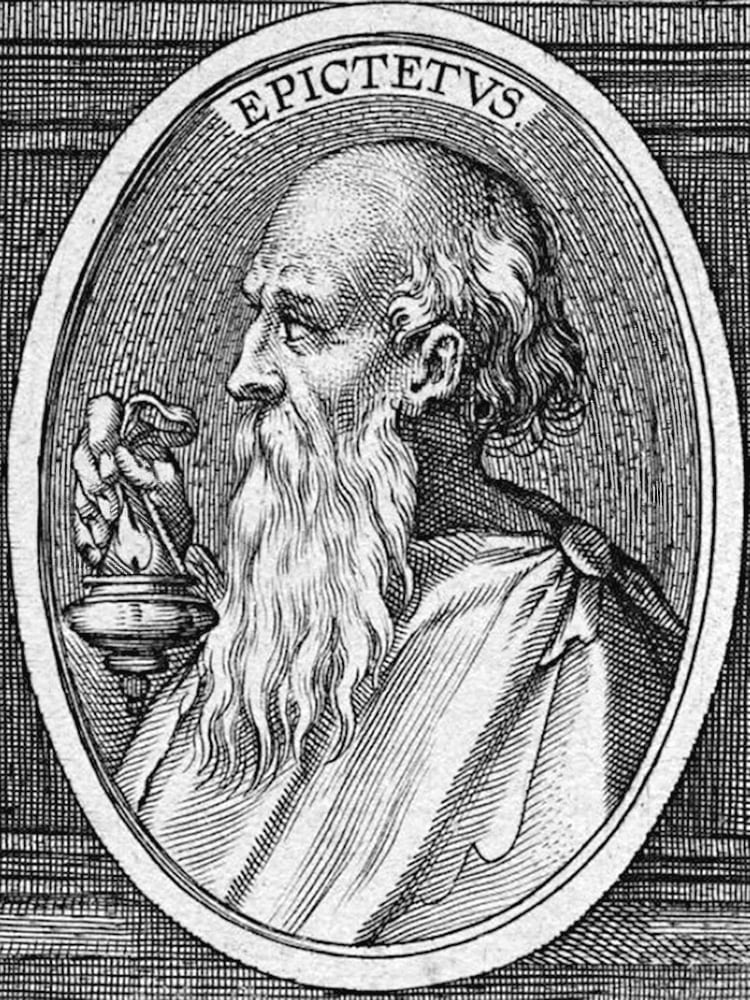
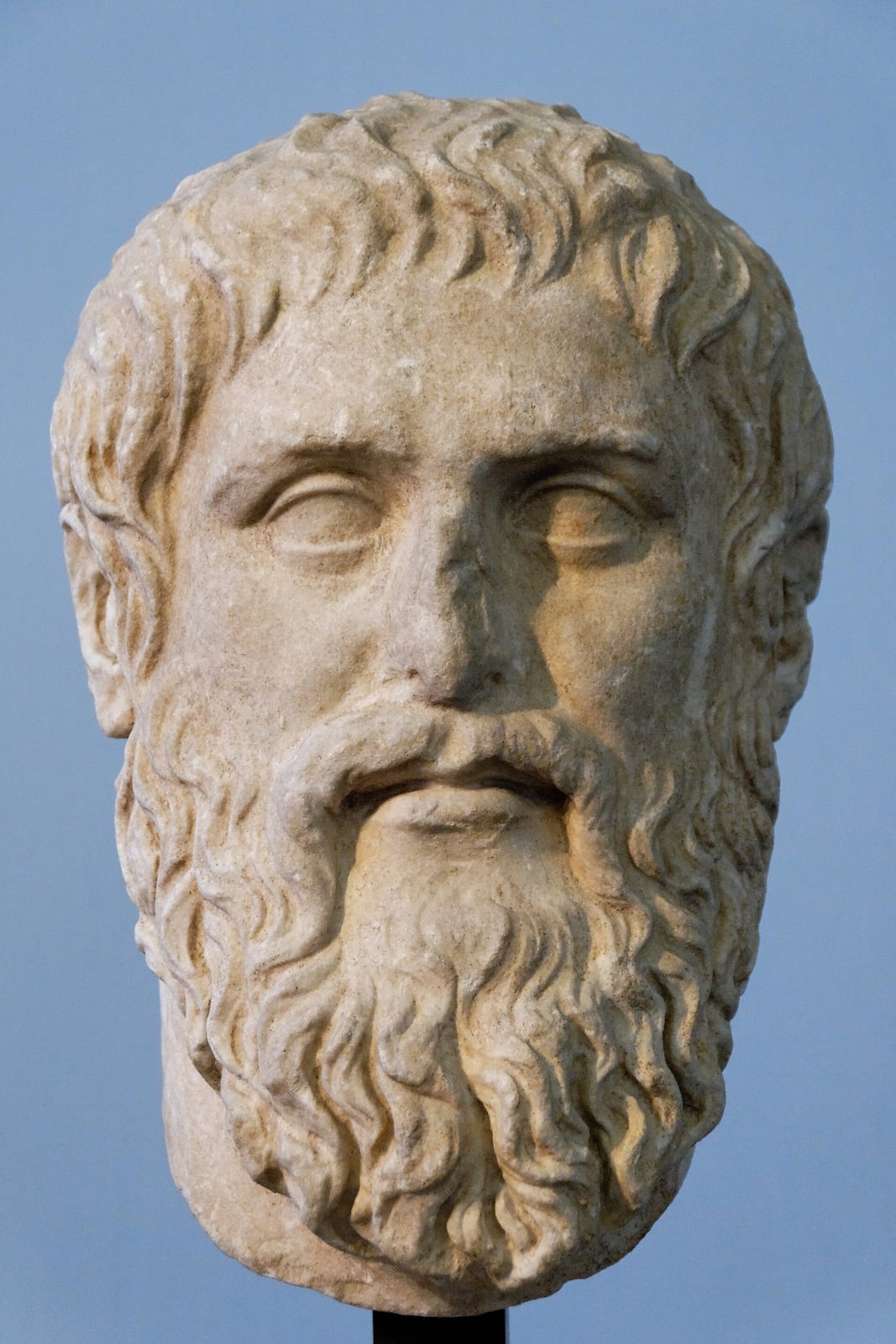
Epicteto en la portada de las obras de Séneca (Amberes, 1605) · Public domain
بكلماته
«Of things some are in our power, and others are not.»Manual 1, 1. Griego: Wikisource; inglés: George Long (1877); español: traducción propia.

فكرته المحورية
What is up to us (ta eph' hēmin): It is the starting point of all Epictetus' teaching, with which both the Handbook and the Discourses open.
السيرة
4 دقيقة قراءة
ترجمة مُعانة من الأصل الإسباني، بانتظار مراجعة مترجم من أهل اللغة.
عبدٌ يعلّم الحرية
لم يتحدّث فيلسوف قديم عن الحرية بقدر ما تحدّث إبكتيتوس، ولم يكن لأحد منهم أسباب أكثر منه لمعرفة ثمنها. فقد وُلد عبداً، وكان أعرج، ولم يكتب سطراً واحداً. وما نعرفه عن تعليمه ندين به لتلميذ هو فلافيوس أريانوس، الذي دوّن دروسه في مدرسة نيكوبوليس ونشرها باسم المحادثات، ولخلاصة من تلك المدوّنات هي المختصر (الإنخيريديون)، الذي صار من أكثر كتب الأخلاق قراءةً في الغرب. أما حياته فلم يبقَ منها إلا القليل من المعطيات الموثوقة، مبثوثةً في كلامه هو، وعند أولوس غيليوس، وفي معجم السودا البيزنطي، وفي الشرح الذي خصّ به سمبليقيوس المختصر بعد أربعة قرون.
هيرابوليس وروما
وُلد نحو سنة 50م في هيرابوليس، وهي مدينة يونانية في فريجيا بآسيا الصغرى، اشتهرت بمياهها الحارّة. واسمه Epíktētos معناه «المُكتسَب»، وكان من الأسماء الشائعة للعبيد؛ ولا نعرف ما كان اسمه قبل ذلك، ولا إن كان له اسم آخر، ولا كيف وصل إلى روما. وهناك كان مِلكاً لإبافروديتوس، وهو مُعتَق كان كاتب العرائض عند نيرون، وكان بحسب السودا من حرسه؛ ويذكره إبكتيتوس في المحادثات سيّداً مغروراً يتذلّل لإسكافيّ لا لشيء إلا لأنه دخل في خدمة الإمبراطور. وكان أولوس غيليوس، في القرن الثاني، يرى أن كونه عبداً أمرٌ أحدث وأشهر من أن يحتاج إلى برهان.
وكان أعرج. تعزو السودا ذلك إلى داء روماتيزمي؛ أما المجادل الوثني كلسوس، الذي ينقل عنه أوريجانوس، فكان يروي أن سيّده كان يلوي ساقه، وأن إبكتيتوس نبّهه مبتسماً إلى أنه سيكسرها، فلمّا انكسرت قال له: «ألم أقل لك؟». ولا سبيل إلى الترجيح بين الروايتين، لكن العرج يظهر في أمثلته هو: المرض عائق للجسد لا للإرادة، كما يقول المختصر؛ والعرج عائق للساق لا للإرادة.
موسونيوس روفوس
أذن له سيّده بحضور دروس الرواقي الروماني غايوس موسونيوس روفوس، أكثر الفلاسفة مهابةً في روما نيرون والأسرة الفلافية، الذي نُفي غير مرة. ويذكره إبكتيتوس بإجلال: كان روفوس يتكلّم بحيث يظنّ كلّ سامع أن أحداً قد وشى إليه بعيوبه؛ ومن أثنى عليه كان يجيبه بأنه إن كان لديه وقت للثناء، فقد تكلّم هو عبثاً. وورث عن موسونيوس فلسفةً تُفهم تمريناً عملياً، وقدوةً هي سقراط، الذي يستشهد به أكثر من أيّ مؤلف آخر. ولا يُعرف متى نال حريته؛ لكنه كان في أواخر القرن الأول يعلّم في روما.
المنفى ومدرسة نيكوبوليس
طرد دوميتيان الفلاسفة من روما وإيطاليا، على الأرجح سنة 89 أو نحو 93–95؛ ويقول أولوس غيليوس صراحةً إن إبكتيتوس كان من المنفيّين. فاستقرّ في نيكوبوليس، «مدينة النصر» التي أسّسها أغسطس في إبيروس تخليداً لمعركة أكتيوم، وكانت مدينة مزدهرة على الطريق البحري بين إيطاليا واليونان. وهناك فتح مدرسة كان يؤمّها شبّان من الأسر الميسورة، كثيرون منهم رومان، يستعدّون فيها قبل الدخول في الحياة العامة. ويؤكّد كتاب تاريخ الأباطرة أن هادريان عامله بصداقة كبيرة، وهو خبر يتلقّاه النقّاد بحذر.
وكانت المدرسة تقرأ نصوص خروسيبوس وتشرحها وتتمرّن على المنطق، غير أن المحادثات تحفظ شيئاً آخر: الأحاديث الحرّة التي كانت تلي الدرس التقني، وفيها يخاطب المعلّم سامعيه ويتهكّم، ويخترع حوارات مع طاغية أو مع تلميذ شاكٍ، ويعيد مرة بعد مرة السؤال نفسه: هل هذا ممّا يتوقّف عليك أم ممّا لا يتوقّف عليك؟ «مدرسة الفيلسوف مستشفى»، يحذّر؛ ولا ينبغي أن يخرج المرء منها مسروراً، بل متألّماً.
حياة معلّم فقير
عاش في بساطة شديدة ولم يتزوّج. ويروي سمبليقيوس أنه عاش وحده زمناً طويلاً، وأنه في شيخوخته تبنّى طفلاً كان صديق له يوشك أن يتخلّى عنه لفقره، وأدخل بيته امرأة لتربّيه. ويسخر لوقيانوس السميساطي من جامع تحف دفع ثلاثة آلاف دراخما ثمناً لسراج الفيلسوف الفخّاري، آملاً أن ينال حكمته إن قرأ ليلاً على ضوئه. ومات في نيكوبوليس نحو سنة 135؛ وتمدّ السودا حياته إلى عهد ماركوس أوريليوس، وهو خبر يستبعده المختصّون.
أريانوس والكتب
حضر فلافيوس أريانوس النيقوميدي، الذي صار فيما بعد قنصلاً ووالياً على كبادوكيا ومؤرّخاً للإسكندر الأكبر، دروسَ المدرسة نحو سنة 108. وفي رسالة إلى لوكيوس غيليوس تتصدّر المحادثات يوضّح أنه لم يؤلّفها عملاً أدبياً، بل حاول أن يدوّن كلمة بكلمة ما كان يسمعه ليحفظ ذكرى فكر المعلّم وصراحته، وأنها نُشرت دون إذنه. وكان فوتيوس، في القرن التاسع، يعرف ثمانية كتب من المحادثات واثني عشر من المواعظ؛ ولم يصل من الأولى إلا أربعة، عبر مخطوطة من القرن الحادي عشر أو الثاني عشر محفوظة في المكتبة البودلية، تتفرّع عنها سائر النسخ. أما المختصر أو الإنخيريديون، وهو مختارات من الحِكم مستخلصة من المحادثات، فقد حُفظ على نحو أفضل بفضل الرهبان، الذين اقتبسوه في صيغ مسيحية.
ما يتوقّف علينا
ينطلق فكر إبكتيتوس من قسمة: «من الأشياء ما يتوقّف علينا، ومنها ما لا يتوقّف علينا». يتوقّف علينا الحكم والنزوع والرغبة والنفور؛ ولا يتوقّف علينا الجسد ولا المال ولا السمعة ولا المناصب. والشيء الوحيد الذي هو لنا حقاً هو البروهايريسيس، ملكة الاختيار، التي لا يقدر حتى زيوس على قهرها. فليست الأشياء هي ما يقلقنا، بل أحكامنا عليها. ومن هنا برنامج للتمرين في ثلاثة ميادين — الرغبة والفعل والتصديق — بيّن بيير هادو أنه مفتاح تأملات ماركوس أوريليوس، أشهر قرّائه، الذي عرف دروسه عن طريق يونيوس روستيكوس.
الأثر اللاحق
شرح سمبليقيوس المختصر في القرن السادس، وترجمه أنجيلو بوليتسيانو إلى اللاتينية سنة 1479، وقرأه مونتين وباسكال — الذي قابل بينه وبين مونتين في حديث مع السيد دو ساسي — والرواقيون الجدد في القرنين السادس عشر والسابع عشر. وترجمه إلى القشتالية فرانسيسكو سانشيث دي لاس بروساس، المعروف بـ«البروثينسي»، سنة 1600، وفرانسيسكو دي كيفيدو شعراً سنة 1635. وفي القرن العشرين استشهد عالم النفس ألبرت إليس بعبارته عن الأحكام سابقةً للعلاج المعرفي، وروى الطيّار الأمريكي جيمس ستوكديل أن ما بقي في ذاكرته من إبكتيتوس أعانه على احتمال أكثر من سبع سنوات من الأسر في فيتنام.
المصادر: Epicteto. Disertaciones (por Arriano) y Manual. Texto griego en Wikisource en griego; trad. inglesa de George Long, The Discourses of Epictetus; with the Encheiridion and Fragments (Londres: George Bell, 1877), en Wikisource en inglés. · Long, A. A. Epictetus: A Stoic and Socratic Guide to Life. Oxford: Clarendon Press, 2002. · Aulo Gelio. Noches áticas, I 2; II 18; XV 11; XVII 19; XIX 1. Trad. inglesa de John C. Rolfe, The Attic Nights, Loeb Classical Library 195, 200, 212. Londres: Heinemann, 1927 (libros I–II en LacusCurtius). · Simplicio. Comentario al Manual de Epicteto. Trad. inglesa de Tad Brennan y Charles Brittain, Simplicius: On Epictetus' Handbook, 2 vols. Londres: Duckworth / Ithaca: Cornell University Press, 2002. · Orígenes. Contra Celso, VII 53. Trad. inglesa de Frederick Crombie, Ante-Nicene Fathers, vol. IV. Buffalo: Christian Literature Publishing, 1885.
الخط الزمني
الحياة عامًا بعد عام
كل نقطة حدث موثّق. انقر لتقرأه مع مصدره ودرجة اليقين فيه.
عقد 50أقل من عامHierápolis (Frigia)
Birth
Born a slave around the year 50 (the date is inferred from his life; there is no direct evidence) in Hierapolis in Phrygia, according to the Suda.
مرجَّحSuda, s. v. «Epiktetos» (épsilon 2424). Suda On Line, trad. inglesa revisada.
بعد وفاته
- نحو 140Publication of the Discourses
- نحو 146Marcus Aurelius reads Epictetus
- نحو 530Simplicius' commentary
- 1479Poliziano's Latin translation
- 1600El Brocense translates it into Spanish
- 1635Quevedo in verse
- 1758Elizabeth Carter
عقد 50 · أقل من عام
Birth
Born a slave around the year 50 (the date is inferred from his life; there is no direct evidence) in Hierapolis in Phrygia, according to the Suda.
مرجَّح
نحو 65 · 15 عامًا
Slave of Epaphroditus
In Rome he belongs to Epaphroditus, a freedman and Nero's secretary for petitions (a libellis), who helped the emperor kill himself in 68 and was executed by Domitian around 95.
مرجَّح
نحو 70 · 20 عامًا
Pupil of Musonius Rufus
Attends the lectures of the Stoic Gaius Musonius Rufus, whom he quotes in the Discourses (I.1.27; I.9.29; III.23.29).
موثّق
نحو 85 · 35 عامًا
Freedman and teacher in Rome
He obtains his freedom at an unknown date and begins teaching philosophy in Rome.
مرجَّح
نحو 89 · 39 عامًا
Expulsion of the philosophers
Domitian expels the philosophers from Italy (in 89 or around 93–95). Aulus Gellius (XV.11.5) counts Epictetus among the exiles. He settles in Nicopolis in Epirus and founds his school.
مرجَّح
نحو 108 · 58 عامًا
Arrian at the school
The young Flavius Arrian of Nicomedia attends the lectures and takes the notes that will become the Discourses (date proposed by Fergus Millar).
مرجَّح
نحو 125 · 75 عامًا
Friendship with Hadrian
The Historia Augusta (Hadrian 16.10) states that the emperor treated the philosophers Epictetus and Heliodorus "with the greatest friendship". The report is isolated.
مختلَف فيه
نحو 130 · 80 عامًا
Adoption of a child
According to Simplicius, in old age he adopts a child whom a friend was going to abandon out of poverty and takes a woman into his house to raise it.
تقليد
نحو 135 · 85 عامًا
Death
Dies in Nicopolis around 135. The Suda extends his life into the reign of Marcus Aurelius, which is considered unlikely.
مرجَّح
نحو 140
Publication of the Discourses
Arrian's notes circulate with a letter to Lucius Gellius explaining that they were made public without his consent. Photius (cod. 58) will know eight books of Discourses and twelve of Conversations; four survive.
مرجَّح
نحو 146
Marcus Aurelius reads Epictetus
Junius Rusticus lends the young Marcus Aurelius the notes of Epictetus (Meditations I.7); the emperor will quote him often.
موثّق
نحو 530
Simplicius' commentary
The Neoplatonist Simplicius writes an extensive commentary on the Handbook, the source of several biographical reports.
مرجَّح
1479
Poliziano's Latin translation
Angelo Poliziano translates the Handbook into Latin and dedicates it to Lorenzo de' Medici.
موثّق
1600
El Brocense translates it into Spanish
Francisco Sánchez de las Brozas publishes "Doctrina del estoico filósofo Epicteto, que se llama comúnmente Enchiridion".
موثّق
1635
Quevedo in verse
Francisco de Quevedo publishes "Epicteto y Phocílides en español con consonantes", a verse paraphrase of the Handbook.
موثّق
1758
Elizabeth Carter
Elizabeth Carter publishes the first complete English translation of Epictetus' works.
موثّق
المؤلَّفات
المؤلَّفات الأساسية
المؤلَّفات التي لا يُفهم إرثه من دونها.
تعليم شفهي مدوَّن · نحو 108
Discourses (as reported by Arrian)
Ἀρριανοῦ τῶν Ἐπικτήτου διατριβῶν βιβλία
Four surviving books (of the eight Photius knew) containing ninety-five talks given by Epictetus at his school in Nicopolis, preceded by Arrian's letter to Lucius Gellius. They are not treatises but lively conversations in which the master challenges pupils and visitors, invents dialogues, draws on examples from daily life—the bath, the sea voyage, the dinner, the gymnasium—and offers Socrates, Diogenes and Zeno as models. The theme running through them all is the distinction between what is up to us (our judgements, desires, impulses: prohairesis) and what is not (body, goods, reputation, office), and the freedom that comes from applying it. They deal with providence and man's kinship with God, friendship and family, illness, exile and death, the true Cynic and the false philosopher. They are preserved by an eleventh- or twelfth-century Bodleian manuscript on which all other copies depend.
9 طبعات · amazon.com

مجموعة لاحقة · نحو 130
Handbook (Enchiridion)
Ἐγχειρίδιον Ἐπικτήτου
Fifty-three short chapters condensing Epictetus' ethics as rules of conduct. It opens with the division "of things, some are up to us and others are not", goes on to the maxim that we are disturbed not by things but by our judgements about them (5), life as a role in a play written by another (17), the banquet at which one takes moderately what comes (15), piety (31) and the signs of one who is making progress (48), and ends with lines of Cleanthes and Euripides and words of Socrates. It has been the most read text of Epictetus since late antiquity: Simplicius commented on it, Byzantine monks adapted it, Poliziano translated it into Latin (1479) and el Brocense (1600) and Quevedo (1635) into Spanish.
10 طبعات · amazon.com
جميع مؤلَّفاته (13)
Discourses, Book I
108
Discourses, Book II
108
Discourses, Book III
108
Discourses, Book IV
108
Fragments
Epictetus
Discourses, Books V–VIII (lost)
The Conscious LibraryDiscourses, Books V–VIII (lost)
108
Epictetus
Conversations (lost)
The Conscious LibraryConversations (lost)
Epictetus
Life and Death of Epictetus (by Arrian, lost)
The Conscious LibraryLife and Death of Epictetus (by Arrian, lost)
Epictetus
Debate of the Emperor Hadrian and the Philosopher Epictetus
The Conscious LibraryDebate of the Emperor Hadrian and the Philosopher Epictetus
Epictetus
Christian paraphrases of the Handbook
The Conscious LibraryChristian paraphrases of the Handbook
Epictetus
Simplicius' Commentary on the Handbook
The Conscious LibrarySimplicius' Commentary on the Handbook
530
الأقوال
أقوال محدَّدة الموضع في مؤلَّف بعينه. كل منها يحمل مصدره ودرجة الثقة به.
Of things some are in our power, and others are not.Τῶν ὄντων τὰ μέν ἐστιν ἐφ’ ἡμῖν, τὰ δὲ οὐκ ἐφ’ ἡμῖν.
متحقَّق منهManual 1, 1. Griego: Wikisource; inglés: George Long (1877); español: traducción propia.
أقوال منحولة أو مختلَف في نسبتها (3)
«We have two ears and one mouth so that we can listen twice as much as we speak.»
Often attributed to Epictetus, but Diogenes Laertius (VII.23) gives it to Zeno of Citium, founder of Stoicism, addressing a young man who would not stop talking.
«It's not what happens to you, but how you react to it that matters.»
A modern paraphrase, not a literal quotation, of Handbook 5. The original speaks not of "reactions" but of the judgements (dogmata) we form about things.
«I was Epictetus, a slave, maimed in body, poor as Irus, and dear to the immortals.»
An anonymous epigram in the Palatine Anthology (VII.676), sometimes presented as an epitaph Epictetus composed for himself. There is no basis for attributing it to him; it is a eulogy written by someone else.
الكلمات الأخيرة
لا توجد سجلات يمكن التحقق منها لكلماته الأخيرة.
No account of his death or of his last words survives. The biography Arrian wrote, according to Simplicius, the Life and Death of Epictetus, is lost.
اسأل
بماذا يجيب أثره
اثنا عشر سؤالًا كبيرًا من أسئلة الإنسانية، وما تتيح نصوصه الإجابة به عنها، مع المراجع. ولا نقوّله ما لم يقل أبدًا.
ما المطلق؟ هل الله موجود؟
God is a father: he gave us reason, sees us, assigns our role
إله شخصييقوله صراحةً
Epictetus, whose lectures Arrian transcribed, is the Stoic who speaks most of God in a personal tone. In the Discourses he calls him father of gods and men, holds that being a son of Zeus should be enough never to think meanly of oneself, and asserts that God sees each of our movements because souls are joined to him as parts. God has given us the faculty that uses impressions and has brought us into the world as spectators and interpreters of his works; hence the fitting response is gratitude and hymn. The background remains the Stoic physics of an immanent god, but the language is relational: filial obedience, trust and thanksgiving.
قارن هذا السؤال مع معلّمين آخرينمن أنا؟ هل توجد ذات حقيقية؟
You are not your body: you are your choice, a fragment of God
الذات هي المطلقيقوله صراحةً
The first line of the Handbook divides things into those that depend on us and those that do not, and all of Epictetus rests on that border. Body, property, reputation or office are not ours; the only thing truly our own is the faculty of choice (prohairesis), which uses impressions and decides about them, and which not even Zeus can overcome. In the Discourses he goes further: each person is a fragment of God and carries a part of him within, and should therefore be ashamed to defile with impure thoughts the god he carries inside. The true self is not the one that can be imprisoned or fall ill, but that free reason akin to the divine.
قارن هذا السؤال مع معلّمين آخرينلماذا نتألّم؟
Things do not disturb us, but our judgements about what is not ours
الجهل بما نحن عليهيقوله صراحةً
Epictetus' most quoted sentence sums up his diagnosis: it is not things that disturb people but the judgements they form about them. Death is not terrible; terrible is the opinion that it is. The underlying error concerns identity: we take as ours what does not depend on us — body, possessions, reputation, the lives of those we love — and invest it with desire and aversion. Whoever desires what belongs to another will be hindered and will lament. The Handbook proposes correcting that judgement from the start, examining each impression and asking whether it concerns what depends on us; if not, it is nothing to us.
قارن هذا السؤال مع معلّمين آخرينماذا يحدث بعد الموت؟
There is no Hades: we return to the elements we came from
صمت أو تحفّظيقوله صراحةً
Epictetus treats death as the prime example of what does not depend on us. It is not terrible; terrible is the judgement that it is. In the Discourses he describes dying as a return to what is friendly and akin, to the elements we are made of, and specifies that there is no Hades or Acheron or Pyriphlegethon, but everything is full of gods and daimons. He recommends remembering, when kissing a child, that it is mortal, and regards death as an act of obedience to the one who gave us life: I must die, but I need not do so lamenting. There is no personal reward beyond death in his work.
قارن هذا السؤال مع معلّمين آخرينكيف يُبلَغ التحرّر أو الخلاص؟
Watching oneself like an enemy in ambush: the school is a hospital
بالعمل الداخلي الواعييقوله صراحةً
Epictetus organises moral progress into three fields of exercise: desire and aversion, so as not to desire what does not depend on us; impulses and duties, so as to act in keeping with one's relationships; and assent, so as not to accept impressions without examination. None of this is done by reading: whoever boasts of understanding Chrysippus has not progressed, and the philosopher's school is a hospital one should leave in pain, not pleased. He demands constant attention, because a moment's carelessness loses what was gained, and asks the one who progresses to watch himself like an enemy lying in wait. Freedom is the fruit of conscious, daily work on oneself.
قارن هذا السؤال مع معلّمين آخرينهل نحتاج إلى معلّم؟
The teacher heals like a physician, but progress is each person's own
مفيد لكنه ليس ضروريًايقوله صراحةً
Epictetus was a pupil of Musonius Rufus and ran a school in Nicopolis, and he conceives the teacher as a physician: the school is a hospital and the philosopher should discomfort, not please. He holds up Socrates and Diogenes as models to keep in mind. Yet he insists that no one can progress for another: the teacher cannot will in the disciple's place, and whoever seeks applause for his lectures has confused philosophy with oratory. Moreover, God has placed beside each person a guardian daimon who never sleeps and cannot be deceived, so that we are never alone. Outer guidance orients; the task belongs to each one's faculty of choice.
قارن هذا السؤال مع معلّمين آخرينهل العالم حقيقي؟
Everything that happens praises providence, for those who know how to look
خلقٌ صالح وحقيقييقوله صراحةً
Epictetus hardly deals with physics, but he treats the world in a language of creation and providence. In the Discourses he holds that, for anyone with two qualities — the ability to see the whole and gratitude —, every single thing in the world is enough to praise providence: the sheep's wool, milk, the harmony between the sexes. God has made man a spectator and interpreter of his works, and it would be shameful to die without having contemplated them. Even what seems adverse has its place in the government of the whole. The world is real, good and ordered, and the fitting response to it is gratitude and song to God.
قارن هذا السؤال مع معلّمين آخرينما الحب؟
Only one who does not place his good in externals truly loves
إحسان منظَّميقوله صراحةً
Epictetus gives great importance to natural affection for one's own — children, parents, siblings, fellow citizens —, but wants to order it by reason. In the Discourses he criticises a father who abandoned his sick daughter because he could not bear to see her suffer: what he called love was inability to bear his own distress. In the discourse on friendship he holds that only the wise can love, because whoever places his good in money, fame or pleasure will end up in conflict with his friend, brother or father when interests collide. He advises remembering, when kissing a child, that it is mortal. It is affection without attachment, ordered by the duties of each relationship.
قارن هذا السؤال مع معلّمين آخرينهل نحن أحرار أم أن كل شيء مقدَّر؟
You will chain my leg, but not even Zeus can overcome my will
إرادة حرة حقيقيةيقوله صراحةً
For Epictetus freedom is the centre of philosophy. Free is the one who lives as he wills, who cannot be compelled, hindered or forced, and only the one who places his desire in what depends on him achieves this. What depends on us is judgement, impulse, desire and aversion: in a word, our faculty of choice (prohairesis), which not even Zeus can overcome. Body, property and life can be chained; the will cannot. Epictetus at the same time accepts that the role we play in the drama is decided by another, like an actor receiving his part: ours is to play it well.
قارن هذا السؤال مع معلّمين آخرينلماذا نتأمّل أو نصلّي؟
Before each impression: “You are an appearance, not what you seem”
رؤية الواقع كما هويقوله صراحةً
Epictetus' central practice is to examine impressions before assenting to them. The Handbook advises saying to each harsh impression that it is an appearance and not the thing it represents, and testing it by the rule of whether it concerns what depends on us. That vigilance must be constant: a moment's carelessness is enough to lose what was gained. To this are added the morning and evening review, for which he quotes the Golden Verses, and gratitude: if we were nightingales we would do what nightingales do; being rational, we must sing hymns to God. To meditate is to see things as they are and not as hasty judgement paints them.
قارن هذا السؤال مع معلّمين آخرينهل يستطيع العقل أن يعرف الحقيقة القصوى؟
Reason examines itself, but reading Chrysippus is not enough
الدراسة والتعلّميقوله صراحةً
For Epictetus reason is the only faculty that examines itself and all the others, and it is the gift by which God made us spectators and interpreters of his work. It can know what is necessary: what depends on us, what our nature is, how the whole is governed. Hence it demands study, beginning with logic, which teaches how to examine impressions. But study is not an end in itself: whoever boasts of being able to interpret Chrysippus' books should remember that had Chrysippus written clearly, he would have nothing to boast of. What matters is living according to what has been learned; knowledge that does not transform conduct has not truly been learned.
قارن هذا السؤال مع معلّمين آخرينالانسحاب من العالم أم تغييره؟
Play well the role assigned to you: son, brother, citizen
التأمّل في الفعليقوله صراحةً
Epictetus advises neither withdrawing from the world nor reforming it, but rightly occupying the place that belongs to each. In the Handbook he compares life to a play: the author decides whether the part is long or short, a beggar's or a king's; ours is to play it well. Duties are measured by relationships — father, brother, neighbour, citizen —, and in the Discourses he lists what being a human, a son, a brother or a councillor requires. All this without setting one's heart on what does not depend on oneself: acting in the world with attention turned to one's own faculty of choice. Only for the ideal Cynic, God's messenger, does he reserve a life without family or city.
قارن هذا السؤال مع معلّمين آخرين
التقارب والتوتّر
التقارب والتوتّر
محسوبة سؤالًا سؤالًا انطلاقًا من مواقفه. وسبب كل اتفاق أو اختلاف يظهر بالنقر.
يقترب في تفكيره من

Thomas Merton
يتّفقان في: ما المطلق؟ هل الله موجود؟ · لماذا نتألّم؟ · هل نحتاج إلى معلّم؟
Aristotle
يتّفقان في: ماذا يحدث بعد الموت؟ · هل نحتاج إلى معلّم؟ · ما الحب؟
Diogenes of Sinope
يتّفقان في: ماذا يحدث بعد الموت؟ · هل نحتاج إلى معلّم؟ · هل نحن أحرار أم أن كل شيء مقدَّر؟
Heraclitus
يتّفقان في: من أنا؟ هل توجد ذات حقيقية؟ · لماذا نتألّم؟ · ماذا يحدث بعد الموت؟
يبتعد في تفكيره عن



حكايات وروايات
حكايات وروايات
مختلَف فيهsegunda mitad del s. I
The broken leg
أصل الرواية: Origen, Against Celsus VII.53, quoting Celsus' True Doctrine (c. 178). It is a polemical account, written a century later with an apologetic purpose; the Suda (epsilon 2424) gives another cause. It cannot be verified.
المصدر: Orígenes. Contra Celso, VII 53. Trad. inglesa de Frederick Crombie, Ante-Nicene Fathers, vol. IV. Buffalo: Christian Literature Publishing, 1885.
موثّقc. 100–170
The iron lamp and the clay lamp
أصل الرواية: The theft is told by Epictetus himself in Discourses I.18.15. The purchase of the lamp comes from Lucian, The Ignorant Book-Collector 13, a satire: the price may be exaggerated.
موثّقc. 65–68
The master and the shoemaker
أصل الرواية: Discourses I.19.19–22, in Epictetus' own words as transmitted by Arrian.
شهادةmediados del s. II
The philosopher in the storm
أصل الرواية: Aulus Gellius, Attic Nights XIX.1, in the first person; Augustine summarises it in The City of God IX.4. It is fragment 9 in Schenkl's edition.
شهادةc. 125–135
The adopted child
أصل الرواية: Simplicius, Commentary on the Handbook (on the chapter about marriage), four centuries later; there is no other source. Discourses I.11 and III.22.67–82 for the doctrinal context.
المصدر: Simplicio. Comentario al Manual de Epicteto. Trad. inglesa de Tad Brennan y Charles Brittain, Simplicius: On Epictetus' Handbook, 2 vols. Londres: Duckworth / Ithaca: Cornell University Press, 2002.
مختلَف فيهc. 117–135; leyenda medieval
The emperor and the philosopher
أصل الرواية: Historia Augusta, Life of Hadrian 16.10 (a late source, end of the fourth century). The Altercatio Hadriani Augusti et Epicteti philosophi is a late, spurious anonymous work.
التعاليم
التعاليم
المفاهيم التي ينتظم بها فكره، مشروحة في سياقها.
What is up to us (ta eph' hēmin)lo-que-depende-de-nosotros
Already formulated by the early Stoics in the debate on fate and responsibility, Epictetus makes it the practical axis of ethics and a daily exercise: before each impression, ask whether it is up to oneself or not.
Prohairesis (the faculty of choice)proairesis
Margaret Graver and A. A. Long stress that it is Epictetus' most original contribution to Stoic vocabulary; it influenced Marcus Aurelius and, through the Christian versions, the idea of free will.
المصدر: Long, A. A. Epictetus: A Stoic and Socratic Guide to Life. Oxford: Clarendon Press, 2002.
The use of impressionsuso-de-las-representaciones
Part of Stoic epistemology, which distinguished impression from assent; Epictetus turns it into moral practice. Modern cognitive psychotherapy (Albert Ellis, Aaron Beck) has claimed it as a precedent.
The three fields of trainingtres-campos
Pierre Hadot related these three fields to the three parts of Stoic philosophy (physics, ethics, logic) and showed that they structure Marcus Aurelius' Meditations as disciplines of desire, action and assent.
المصدر: Hadot, Pierre. La Citadelle intérieure. Introduction aux Pensées de Marc Aurèle. París: Fayard, 1992 (cap. sobre las tres disciplinas de Epicteto).
The role in the playpapel-en-el-drama
The theory of roles derives from Panaetius (via Cicero, On Duties I), but Epictetus gives it a religious accent: the author of the play is God.
Kinship with Godparentesco-con-dios
The personal tone of his theology made Christians read him sympathetically and adapt the Handbook for monasteries; some moderns have looked, without success, for direct Christian influence.
المصدر: Long, A. A. Epictetus: A Stoic and Socratic Guide to Life. Oxford: Clarendon Press, 2002.
مقاطع الفيديو
مقاطع الفيديو
تسجيلات ومقابلات وأفلام وثائقية. تُشغَّل مقاطع الفيديو من YouTube؛ ولا تُستضاف هنا.
Estoicismo romano (II): Epicteto | La March
محاضرة· ES· 2023· 60 min
Fundación Juan Marchالقناة الرسمية
La filosofía helenística (III): El estoicismo · La March
محاضرة· ES· 2022· 59 min
Fundación Juan Marchالقناة الرسمية
Cynics, Stoics, Epicureans
محاضرة· EN· 2021· 45 min
Gresham Collegeالقناة الرسمية
The Slave Who Was Free | Berkeley's AA Long on Epictetus
مقابلة· EN· 2025· 65 min
Johnathan Bi
Stoicon 2018: Tony Long "Stoicism Ancient and Modern"
محاضرة· EN· 2018· 49 min
Modern Stoicismالقناة الرسمية
The philosophy of Stoicism - Massimo Pigliucci
تحليل· EN· 2017· 5 min
TED-Edالقناة الرسمية
A History of Philosophy | 16 Stoicism
محاضرة· EN· 2015· 63 min
wheatoncollegeالقناة الرسمية
Epictetus, the Enchiridion - Introduction to Philosophy
محاضرة· EN· 2011· 56 min
Gregory B. Sadler - That Philosophy Guy
Epictetus, Discourses | Habits and Practice | Philosophy Core Concepts
محاضرة· EN· 2015· 14 min
Gregory B. Sadler - That Philosophy Guy
Geschichte der Philosophie (5): Stoa, Epikureer und pyrrhonische Skepsis, Prof. Dr. Torsten Wilholt
محاضرة· DE· 2013· 76 min
InstPhilالقناة الرسمية
Monografia su EPITTETO
تحليل· IT· 2021· 97 min
Rick DuFer
المعرض
المعرض
صور بترخيص متحقَّق منه. كل منها تحتفظ بمؤلّفها ونسبتها.
المخطوطات
المخطوطات
شواهد مخطوطة ونصوص قديمة، مع جهة حفظها وشروط الاطّلاع عليها.
GRC · Minúscula griega · Lecciones de c. 108; copia de los ss. XI–XII
Ἀρριανοῦ τῶν Ἐπικτήτου διατριβῶν
- الشاهد المحفوظ
- Arquetipo del que dependen todos los demás manuscritos de las Disertaciones
- جهة الحفظ
- Bodleian Library, Oxford · MS. Auct. T. 4. 13 (Misc. gr. 251)
العلاقات
العلاقات
تأثيرات وتلمذة وتقارب في الأفكار. تُميَّز العلاقة الموثّقة عن التشابه المستخلَص بالتحليل.
تأثّر بـ
Socrates is his constant model: he quotes him more than any other author, takes from the Apology and the Crito the idea that "Anytus and Meletus can kill me, but they cannot harm me" (Handbook 53) and proposes imitating his answer "I am a citizen of the world" (Discourses I.9).
علاقة موثّقة
تأثّر بـ
He belongs to the school Zeno founded, and names him among his models alongside Socrates and Diogenes (Discourses III.23.32).
علاقة موثّقة
تأثّر بـ
Diogenes is for him the example of the true Cynic and the free man; he devotes much of the discourse "About Cynism" (III.22) to him.
علاقة موثّقة
تأثّر بـ
He frequently quotes Plato's Socratic dialogues (Apology, Crito, Gorgias) as the source for the figure of Socrates.
علاقة موثّقة
اختلف مع
He argues against Epicurus and the Epicureans in several discourses (I.23 "Against Epicurus"; II.20; III.7), reproaching them for denying man's natural sociability.
علاقة موثّقة
أثّر في
Marcus Aurelius came to know the notes of his lectures through Junius Rusticus (Meditations I.7), quotes him repeatedly and organises his Meditations according to his three fields of training.
علاقة موثّقة
أفكار قريبة من
There is no evidence he read Aristotle, but his key term, prohairesis, comes from Aristotle's vocabulary of deliberate decision, which Epictetus turns into the name of the moral self.
تشابه مستخلَص بالتحليل
أثّر في
Augustine summarises in The City of God (IX.4) Aulus Gellius' story of the Stoic philosopher who, in a storm, justified his fear with a book of Epictetus, and uses it to discuss the Stoic doctrine of the passions.
علاقة موثّقة
أفكار قريبة من
There is no evidence that Plotinus read him. His fullest commentator, Simplicius, was a sixth-century Neoplatonist who read the Handbook as ethical preparation for Platonic philosophy.
تشابه مستخلَص بالتحليل
المصادر
المصادر
المراجع والفهارس التي رُوجعت لهذه الصفحة.
- Wikidata, entidad Q183144 «Epictetus» (117 enlaces entre wikis; P31=Q5). Registra nacimiento hacia el 50 en Hierápolis y muerte en el 135 o el 138 en Nicópolis.
- Graver, Margaret. «Epictetus». Stanford Encyclopedia of Philosophy, ed. Edward N. Zalta (publicada en 2008, revisión sustancial de 2025).
- Epicteto. Disertaciones (por Arriano) y Manual. Texto griego en Wikisource en griego; trad. inglesa de George Long, The Discourses of Epictetus; with the Encheiridion and Fragments (Londres: George Bell, 1877), en Wikisource en inglés.
- Long, A. A. Epictetus: A Stoic and Socratic Guide to Life. Oxford: Clarendon Press, 2002.
- Aulo Gelio. Noches áticas, I 2; II 18; XV 11; XVII 19; XIX 1. Trad. inglesa de John C. Rolfe, The Attic Nights, Loeb Classical Library 195, 200, 212. Londres: Heinemann, 1927 (libros I–II en LacusCurtius).
- Simplicio. Comentario al Manual de Epicteto. Trad. inglesa de Tad Brennan y Charles Brittain, Simplicius: On Epictetus' Handbook, 2 vols. Londres: Duckworth / Ithaca: Cornell University Press, 2002.
- Orígenes. Contra Celso, VII 53. Trad. inglesa de Frederick Crombie, Ante-Nicene Fathers, vol. IV. Buffalo: Christian Literature Publishing, 1885.
- Luciano de Samósata. Contra un ignorante que compraba muchos libros, 13. Trad. inglesa de A. M. Harmon, Lucian, vol. III, Loeb Classical Library 130. Londres: Heinemann, 1921.
- Historia Augusta, «Vida de Adriano» 16, 10. Trad. inglesa de David Magie, Loeb Classical Library 139, 1921 (texto en LacusCurtius).
- Millar, Fergus. «Epictetus and the Imperial Court». Journal of Roman Studies 55 (1965): 141–148.
- Oldfather, W. A. «Introduction», en Epictetus: The Discourses as Reported by Arrian, the Manual, and Fragments, vol. I. Loeb Classical Library 131. Londres: Heinemann / Nueva York: Putnam, 1925.
- Seddon, Keith H. «Epictetus (55–135 C.E.)». Internet Encyclopedia of Philosophy.
- «Epictetus», Wikipedia en inglés, y «Epicteto», Wikipedia en español (consultadas para hechos verificables y bibliografía; texto propio).
- Focio. Biblioteca, códice 58 (sobre Arriano). Trad. inglesa de J. H. Freese, The Library of Photius, vol. I. Londres: SPCK, 1920.
- Marco Aurelio. Meditaciones, I 7. Trad. inglesa de George Long (1862), Wikisource.
- Suda, s. v. «Epiktetos» (épsilon 2424). Suda On Line, trad. inglesa revisada.
- Hadot, Pierre. La Citadelle intérieure. Introduction aux Pensées de Marc Aurèle. París: Fayard, 1992 (cap. sobre las tres disciplinas de Epicteto).
- Antología Palatina, VII 676 (epigrama anónimo sobre Epicteto). Texto griego en Wikisource en griego.
- Bodleian Library, MS. Auct. T. 4. 13 (Arriano, Disertaciones de Epicteto; s. XI–XII). Ficha del catálogo de manuscritos medievales.
- Dobbin, Robert F. Epictetus: Discourses, Book I. Clarendon Later Ancient Philosophers. Oxford: Clarendon Press, 1998.
- Open Library: registros de las traducciones españolas antiguas del Manual — Francisco Sánchez de las Brozas, «Dotrina del estoico filosofo Epicteto, que se llama comunmente Enchiridion» (1600), y Francisco de Quevedo, «Epicteto y Phocilides en español con consonantes» (Madrid, 1635).
- Diógenes Laercio. Vidas de los filósofos ilustres, VII 23 («Zenón»). Trad. inglesa de R. D. Hicks, Lives of Eminent Philosophers, vol. II, Loeb Classical Library 185. Londres: Heinemann, 1925 (texto en Wikisource).
- Agustín de Hipona. La ciudad de Dios, IX 4. Trad. inglesa de Marcus Dods, Nicene and Post-Nicene Fathers, serie I, vol. II. Buffalo: Christian Literature Publishing, 1887 (texto en New Advent).
- صاحب الحقوق
- Textos antiguos en dominio público; cada traducción y edición moderna pertenece a su traductor o editorial
في انتظار التأكيد
ما لم تتمكّن هذه الصفحة من حسمه بعد. نفضّل أن نقول ذلك على أن نملأ الفراغ.
- Antonio Brum (o Brun), traductor del Enquiridión en «Obras de los moralistas griegos» (1888): identificar y fechar su muerte para confirmar el dominio público.
- Loeb de Oldfather: el ISBN 9780674992405 figura en Open Library sin número de volumen; confirmar que corresponde al vol. II (LCL 218).
- Pláticas por Arriano (trad. Pablo Jordán de Urríes, 1957–1973): confirmar volúmenes y editorial de cada tomo.
- Simplicio, On Epictetus' Handbook (Brennan y Brittain, 2002): falta ISBN verificado.
- Ediciones con ISBN en francés (Les Belles Lettres, Souilhé), alemán e italiano no registradas en esta pasada.
- Fragmentos: no se han inventariado uno a uno los fragmentos de la edición de Schenkl.
- Fecha de nacimiento: solo «hacia el 50»; la de muerte, hacia el 135 (Wikidata da también 125 y 138).
- Sin programa de afiliación verificado ni titular de derechos: autor antiguo; las editoriales citadas no se han comprobado como programas de afiliados.
بُحث بتاريخ 2026-10-25