Sorgfalt
Was sie nie gesagt haben
Sätze, die unter dem Namen eines großen Lehrers kursieren, aber nicht in seinem Werk stehen. Jeder hat seine eigene Seite: woher er stammt, warum er nicht von ihm ist und was er wirklich gesagt hat.
163 falsche oder zweifelhafte Zitate · 76 Lehrer

- Falsch zugeschrieben
«Brahman is real, the world is illusory; the individual soul is none other than brahman.»
It is the summary of Advaita most often quoted under Śaṅkara's name, but it does not appear in the authentic commentaries. The first half-line is in Vivekacūḍāmaṇi 20 (attributed); the full formula, with "jīvo brahmaiva nāparaḥ", circulates as a verse of the Brahmajñānāvalīmālā, another traditionally ascribed work. It is a school summary faithful in essence, not a quotation from the author of the bhāṣyas.
Warum es nicht von ihm ist → - Falsch zugeschrieben
«Truth is one; the wise call it by many names.»
Often ascribed to Śaṅkara on quotation websites, it actually comes from the Ṛgveda (1.164.46: "ekaṃ sad viprā bahudhā vadanti"), centuries earlier than him.
Warum es nicht von ihm ist →
- Falsch zugeschrieben
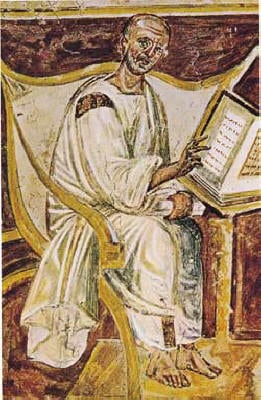
«In essentials, unity; in doubtful things, liberty; in all things, charity.»
It appears in no work of Augustine. The formula 'in necessariis unitas, in non necessariis libertas, in utrisque caritas' comes from the irenic treatise Paraenesis votiva pro pace ecclesiae (1626) by the Lutheran theologian Peter Meiderlin (Rupertus Meldenius), and has been attributed to Augustine since the nineteenth century.
Warum es nicht von ihm ist → - Falsch zugeschrieben
«He who sings prays twice.»
The proverbial form ('qui cantat, bis orat') is not found in his works. It is usually linked to Enarrationes in Psalmos 72.1, where Augustine says that whoever sings praise not only praises but praises joyfully, and to his reflection on singing in Confessions X.33.49–50; the abbreviated formula is later.
Warum es nicht von ihm ist → - Falsch zugeschrieben
«The world is a book, and those who do not travel read only one page.»
A modern attribution with no basis in the Augustinian corpus or the manuscript tradition; it circulates in quotation anthologies and travel advertising without reference to any work.
Warum es nicht von ihm ist →
- Falsch zugeschrieben
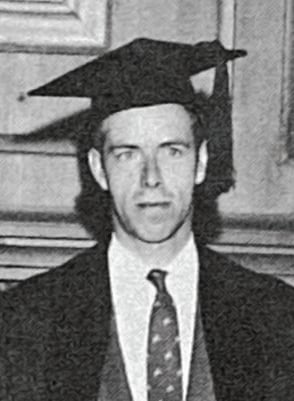
«Trying to define yourself is like trying to bite your own teeth.»
Widely circulated online under Watts's name. It expresses an image he used in lectures (the eye that cannot see itself, teeth that cannot bite themselves), but it has not been located in this wording in any of his published books; it may paraphrase a talk.
Warum es nicht von ihm ist → - Falsch zugeschrieben
«You are an aperture through which the universe is looking at and exploring itself.»
Spread as a Watts quotation on posters and videos with no indication of work. The idea is consistent with his thought, but the sentence has not been found in his books; if it comes from a recorded lecture, the exact source remains to be identified.
Warum es nicht von ihm ist →
- Falsch zugeschrieben
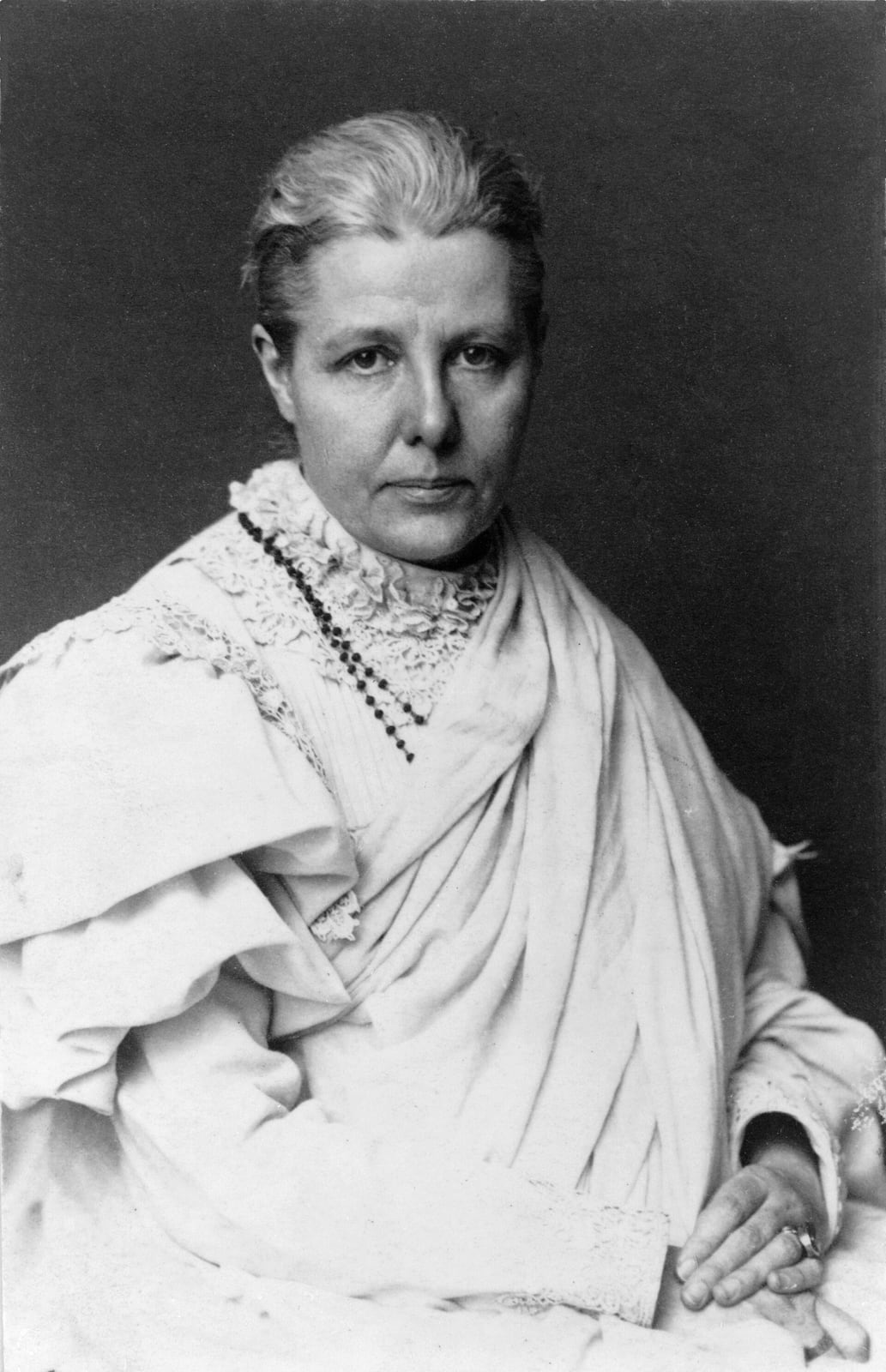
«'Better remain silent, better not even think, if you are not prepared to act.'»
Attributed to Besant in countless quotation collections, it does not appear in her Autobiography, in the Autobiographical Sketches or in the Theosophical works digitised at Project Gutenberg. With no location in any specific work, it must be regarded as of unverified authenticity.
Warum es nicht von ihm ist → - Falsch zugeschrieben
«'No philosophy, no religion, has ever brought so glad a message to the world as this good news of Atheism.'»
Quoted as from My Path to Atheism or The Gospel of Atheism (1877). It could not be located in the text of My Path to Atheism digitised at Project Gutenberg; it may come from the pamphlet The Gospel of Atheism, not consulted. Unverified.
Warum es nicht von ihm ist →
- Falsch zugeschrieben
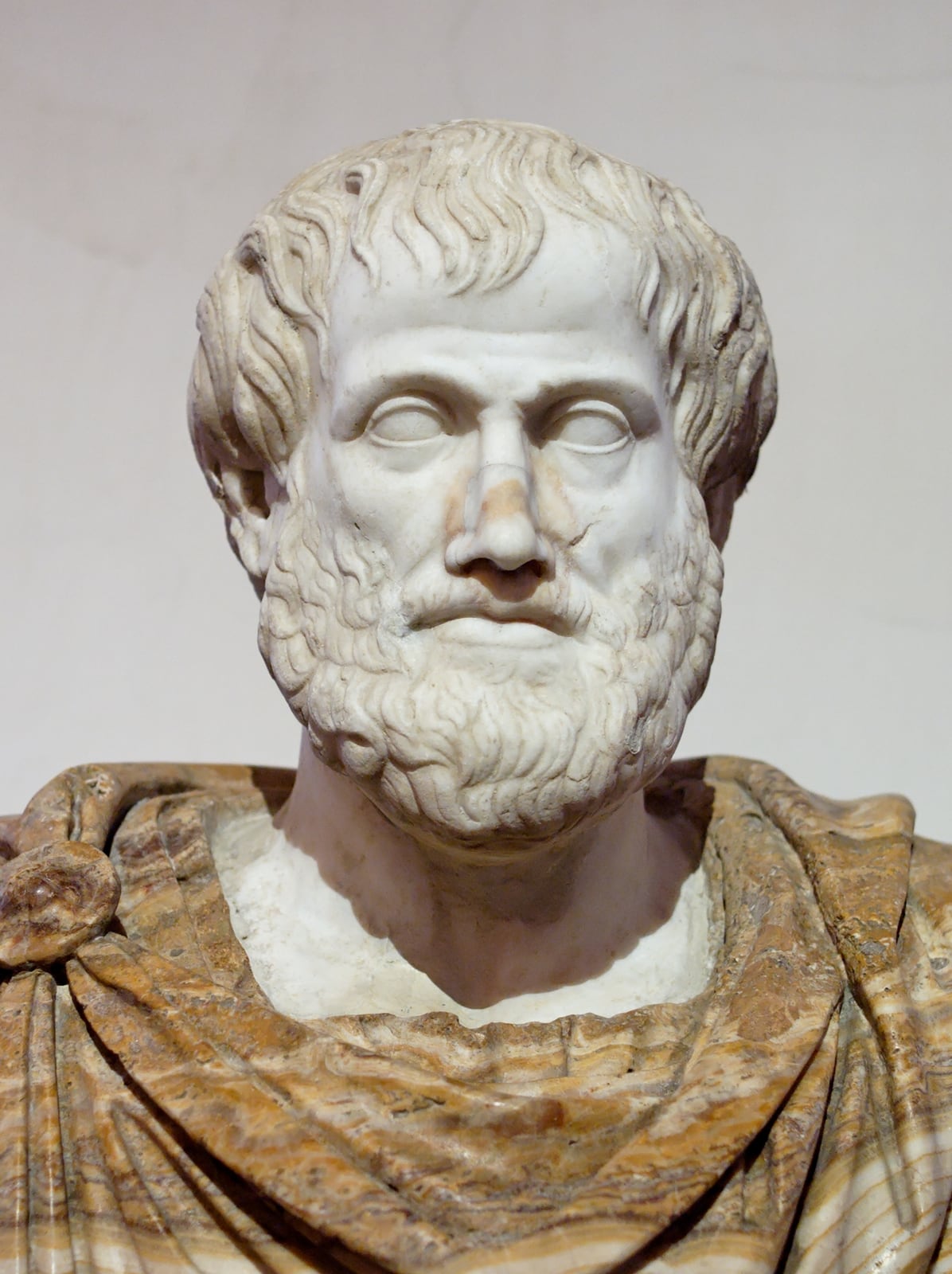
«“We are what we repeatedly do. Excellence, then, is not an act, but a habit.”»
Not Aristotle's: it is a paraphrase by Will Durant in The Story of Philosophy (1926), chapter on Aristotle, summarising in his own words the doctrine of Nicomachean Ethics II 1 on virtue as habit. The sentence circulates as if it were a direct quotation.
Warum es nicht von ihm ist → - Falsch zugeschrieben
«“Amicus Plato, sed magis amica veritas” (“Plato is a friend, but truth is a greater friend”).»
The idea is in Nicomachean Ethics I 6, 1096a16, but the Latin formula is not his. An ancient Life of Aristotle attributed to Ammonius transmits it as “Socrates is a friend, but truth is a greater friend”; Roger Bacon uses it with Socrates, Newton writes “amicus Plato, amicus Aristoteles, magis amica veritas”, and the version with Plato appears in Don Quixote.
Warum es nicht von ihm ist → - Falsch zugeschrieben
«“It is the mark of an educated mind to be able to entertain a thought without accepting it.”»
It is found in no work of Aristotle. It appears attributed to him in American books from 1959 (Lowell L. Bennion, Religion and the Pursuit of Truth) and seems a distortion of Nicomachean Ethics I 3, 1094b23–25, which says that an educated person looks for as much precision in each subject as its nature admits.
Warum es nicht von ihm ist →
- Falsch zugeschrieben
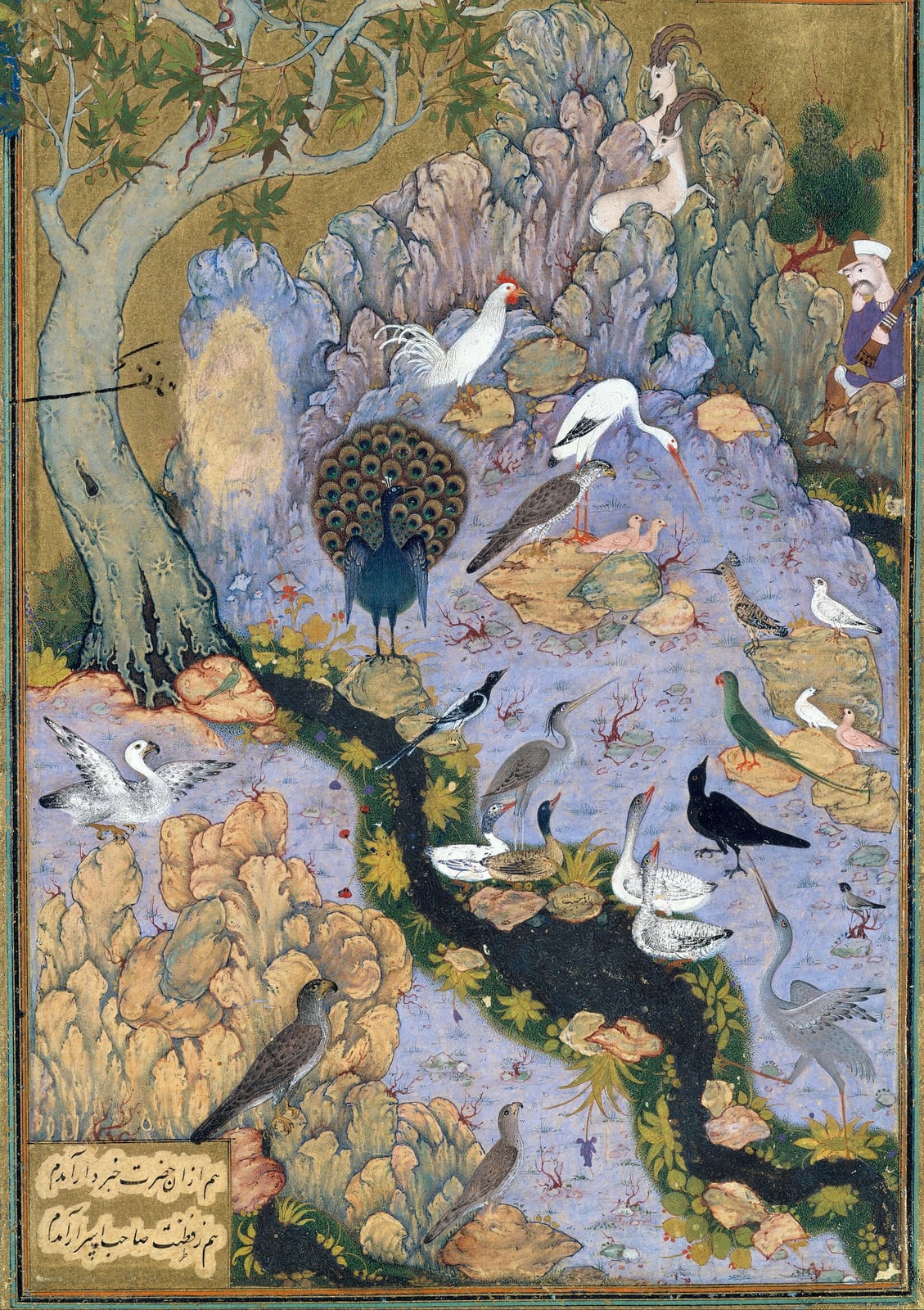
«Boundless praise to that pure God who gave faith to a handful of dust.»
Opening couplet of the *Pand-nama*, which imitates the beginning of the *Mantiq al-tayr*. Ritter considers it apocryphal: there is no trace of the work before the fifteenth century and its language is alien to Attar's, although it was the first work 'of his' translated in Europe (Silvestre de Sacy, 1819).
Warum es nicht von ihm ist → - Falsch zugeschrieben
«Praise to the Creator of the soul and soul of the soul, who is both manifest and hidden.»
Opening of the *Mazhar al-aja'ib*, a fifteenth-century Shi'ite poem composed by the Attar of Tun and ascribed for centuries to Farid al-Din; Sa'id Nafisi showed in 1941 that it belongs to that late namesake.
Warum es nicht von ihm ist →
- Falsch zugeschrieben
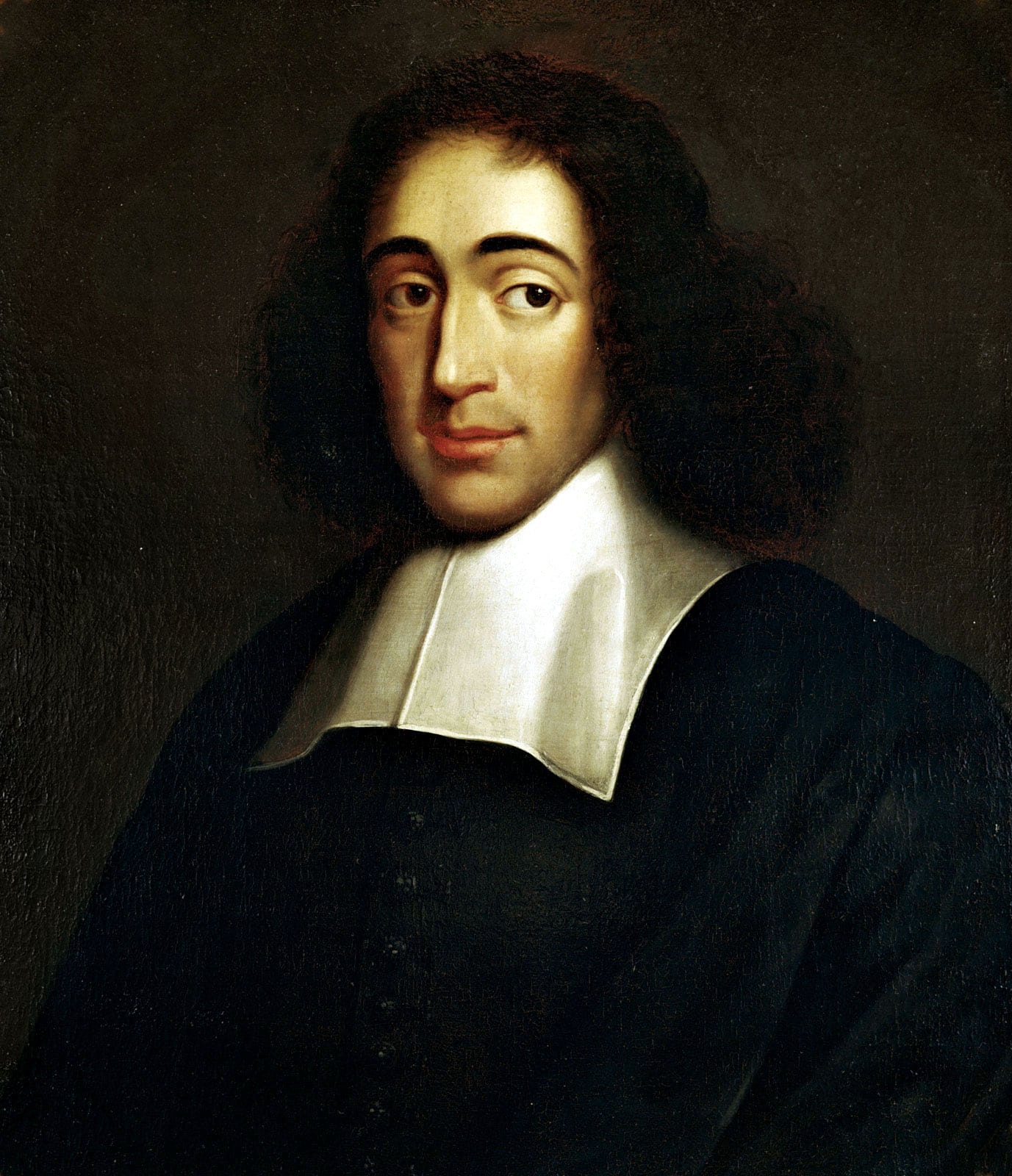
«'Even if I knew that tomorrow the world would end, I would still plant an apple tree today.'»
Attributed to Spinoza and, more often, to Luther; it appears in no work or letter of Spinoza's, and for Luther too there is no source before the twentieth century.
Warum es nicht von ihm ist → - Falsch zugeschrieben
«'God would say: stop praying and beating your breast; what I want you to do is go out into the world and enjoy your life…' (the so-called 'God of Spinoza')»
A text spread on social media since the 2010s under the title 'If God Spoke' or 'The God of Spinoza'. It belongs to no work of Spinoza's: its style and personal theology (a God who speaks, loves and advises) contradict the Ethics, which denies that God has will or human affects. It is usually linked to Einstein's remark 'I believe in Spinoza's God'.
Warum es nicht von ihm ist →
- Falsch zugeschrieben
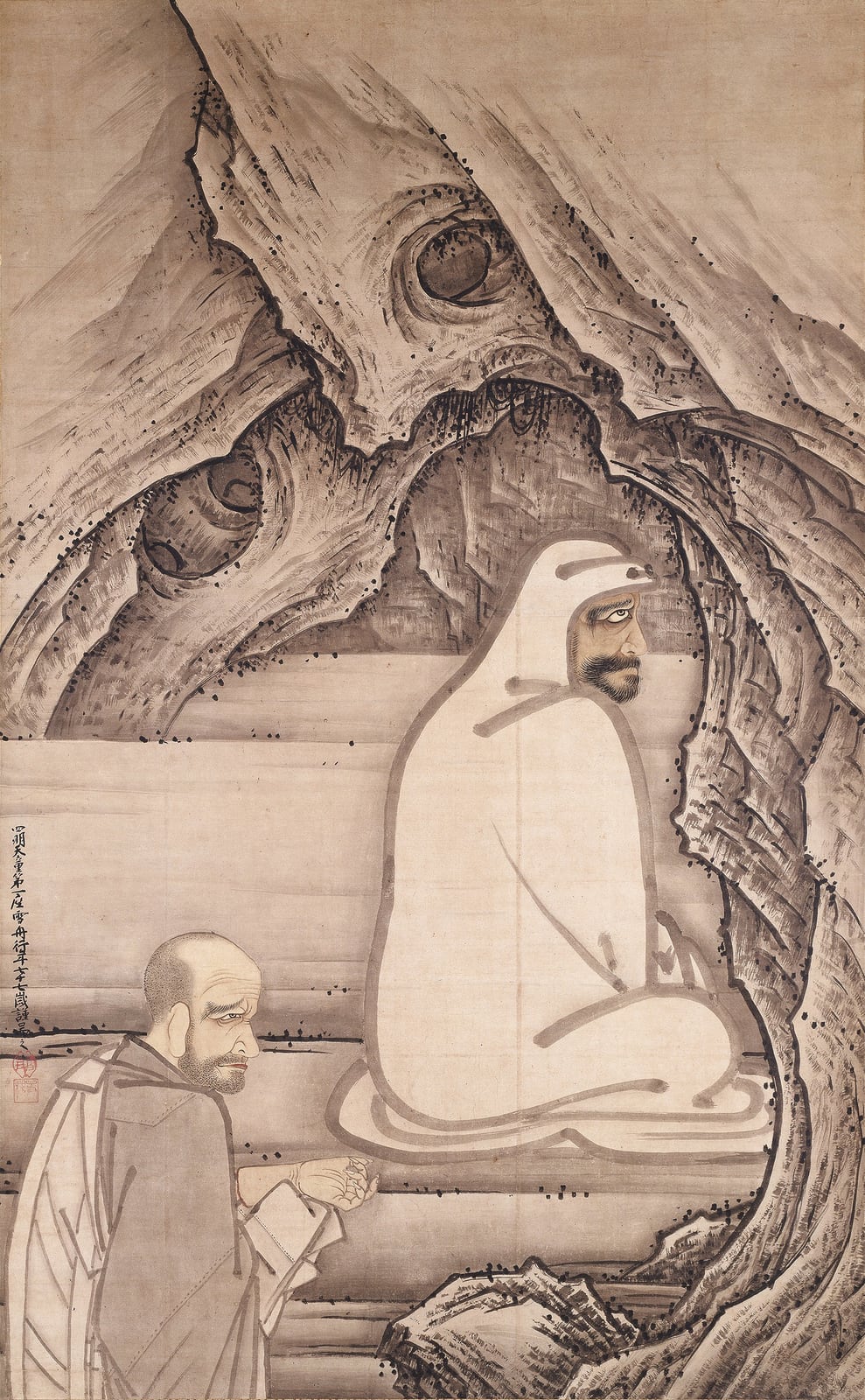
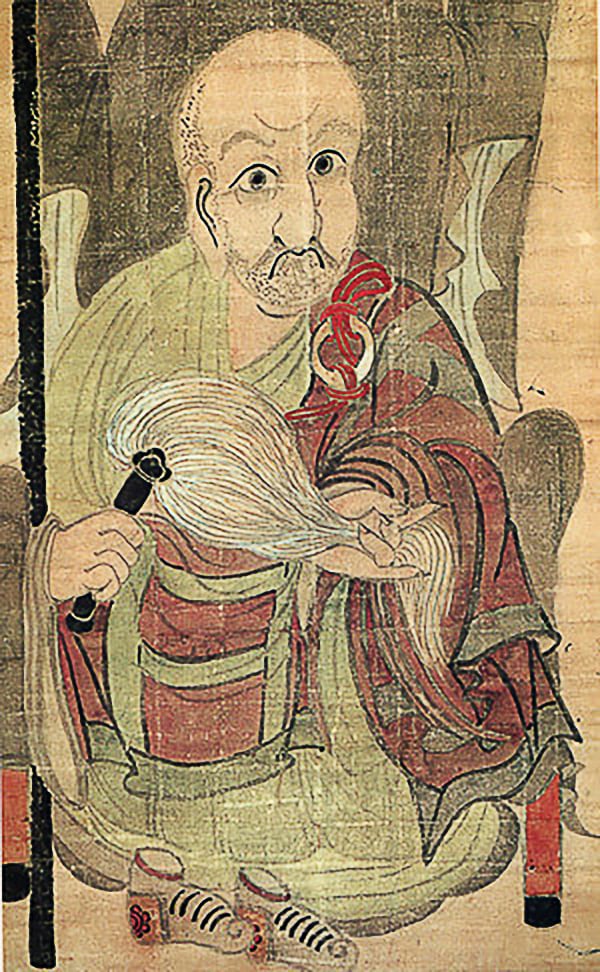
«A special transmission outside the scriptures, not relying on words and letters, pointing directly to the human mind, seeing one's nature and becoming a buddha.»
A four-line formula (教外別傳,不立文字,直指人心,見性成佛) that tradition attributes to Bodhidharma. Its elements appear in Chan texts of the ninth and tenth centuries and the complete formula took shape in the Song period (eleventh–twelfth centuries); it is found in no sixth- or seventh-century source.
Warum es nicht von ihm ist → - Falsch zugeschrieben
«The three realms arise together and return to a single mind. Buddhas before and after transmit from mind to mind, without relying on writing.»
Opening of the 'Bloodstream Sermon' (三界混起,同歸一心,前佛後佛,以心傳心,不立文字), a late-attributed text with ninth- and tenth-century Chan vocabulary; it was circulating by 1153.
Warum es nicht von ihm ist → - Falsch zugeschrieben
«Vast emptiness, nothing holy.»
The reply (廓然無聖) legend puts in his mouth before Emperor Wu when the latter asks about the highest meaning of the holy truth. The dialogue appears in the eighth century and is fixed in the Jingde chuandeng lu (1004) and the Biyan lu (case 1); it has no support in the early sources.
Warum es nicht von ihm ist →
- Falsch zugeschrieben
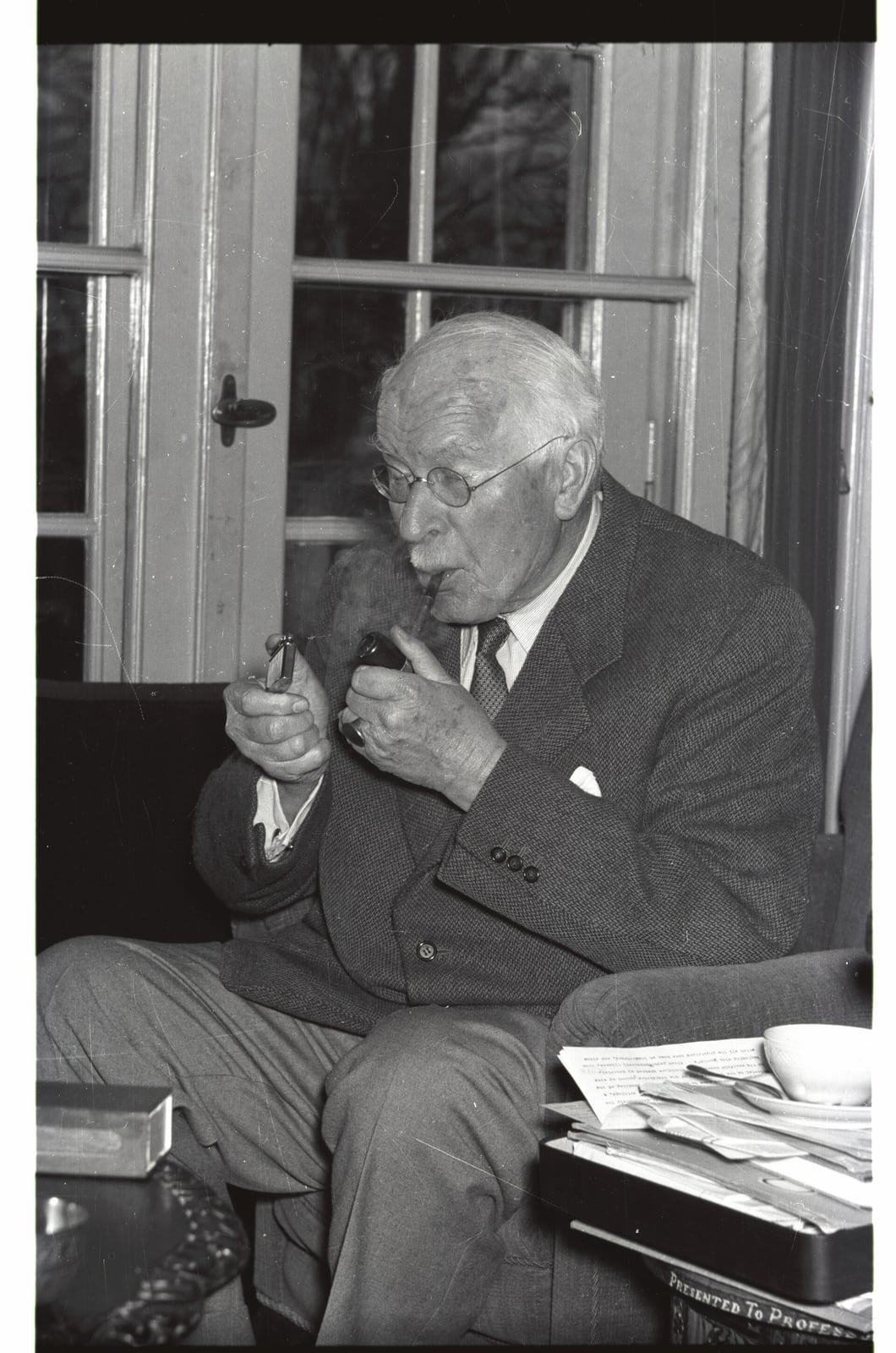
«"Until you make the unconscious conscious, it will direct your life and you will call it fate."»
One of the most widely circulated sayings under his name, but it does not appear in his work. It is a modern paraphrase of Aion (CW 9/II, § 126), where Jung writes that an inner situation not made conscious happens outside as fate.
Warum es nicht von ihm ist → - Falsch zugeschrieben
«"I am not what happened to me, I am what I choose to become."»
Attributed to Jung on social media since the 2010s without any reference; it does not appear in the collected works, letters or memoirs, and its voluntarist tone contradicts his emphasis on the weight of the unconscious.
Warum es nicht von ihm ist →


- Falsch zugeschrieben
«Choose a job you love, and you will never have to work a day in your life.»
Found neither in the Analects nor in any ancient source. It is a maxim of twentieth-century American motivational literature, attributed to Confucius since the 1980s.
Warum es nicht von ihm ist → - Falsch zugeschrieben
«Our greatest glory is not in never falling, but in rising every time we fall.»
No literal correspondence in the Analects. The phrase derives from Oliver Goldsmith (The Vicar of Wakefield, 1766: "our greatest glory consists not in never falling, but in rising every time we fall"). The closest in Confucius is 15.30 on correcting faults.
Warum es nicht von ihm ist → - Falsch zugeschrieben
«Before you embark on a journey of revenge, dig two graves.»
Not found in the Analects or the Shiji; documented in English only from the twentieth century, with no identifiable Chinese source.
Warum es nicht von ihm ist →

- Falsch zugeschrieben
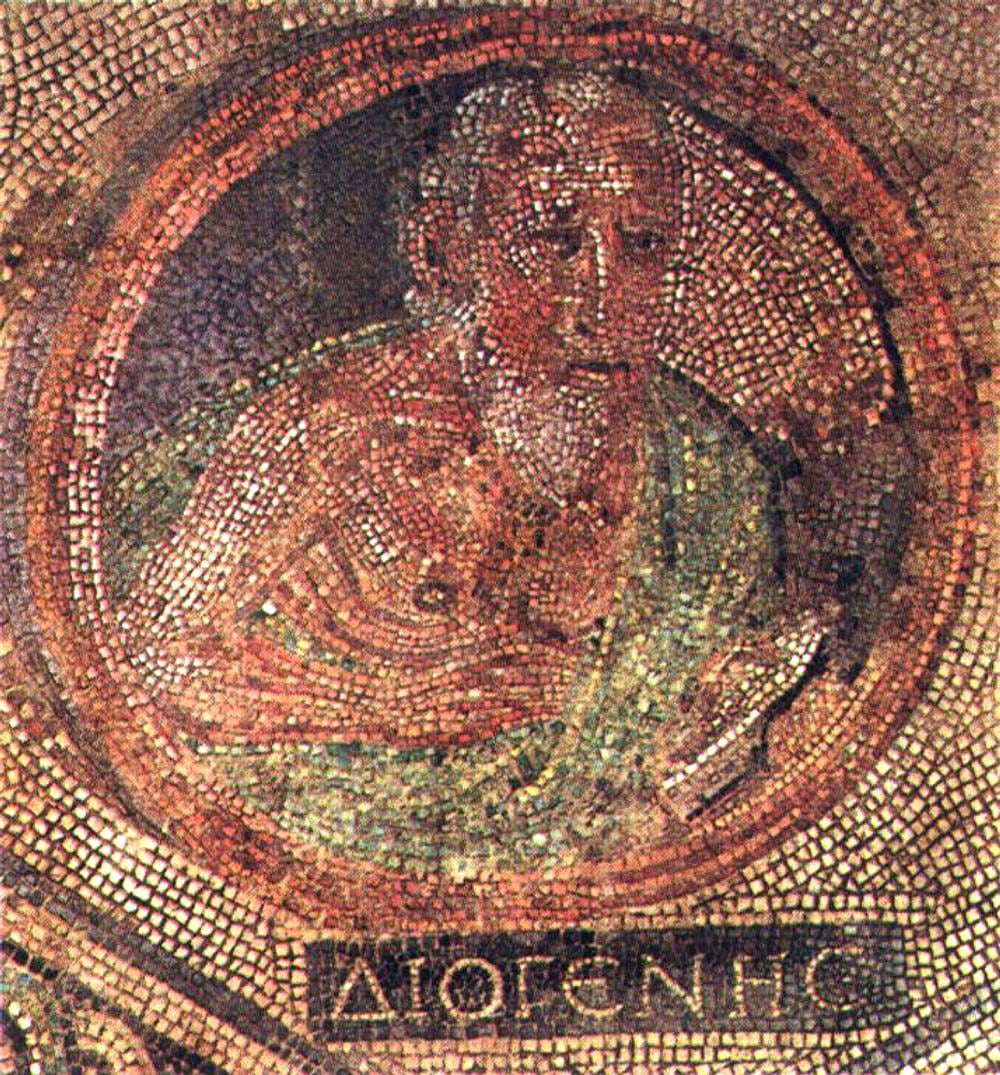
«I am looking for an honest man.»
The ancient saying (Diogenes Laertius VI 41) is "I am looking for a man" (anthropon zeto), that is, a human being worthy of the name. The adjective "honest" is a modern addition found in no Greek or Latin source.
Warum es nicht von ihm ist → - Falsch zugeschrieben
«Diogenes lived in a barrel.»
Not a quotation but a commonplace that often accompanies his sayings. Greek sources speak of a pithos, a large clay storage jar (Diogenes Laertius VI 23 and 43), and Juvenal calls it a testa, earthenware (Satires XIV 308–310). The wooden barrel is a later image spread by modern iconography.
Warum es nicht von ihm ist →


- Falsch zugeschrieben
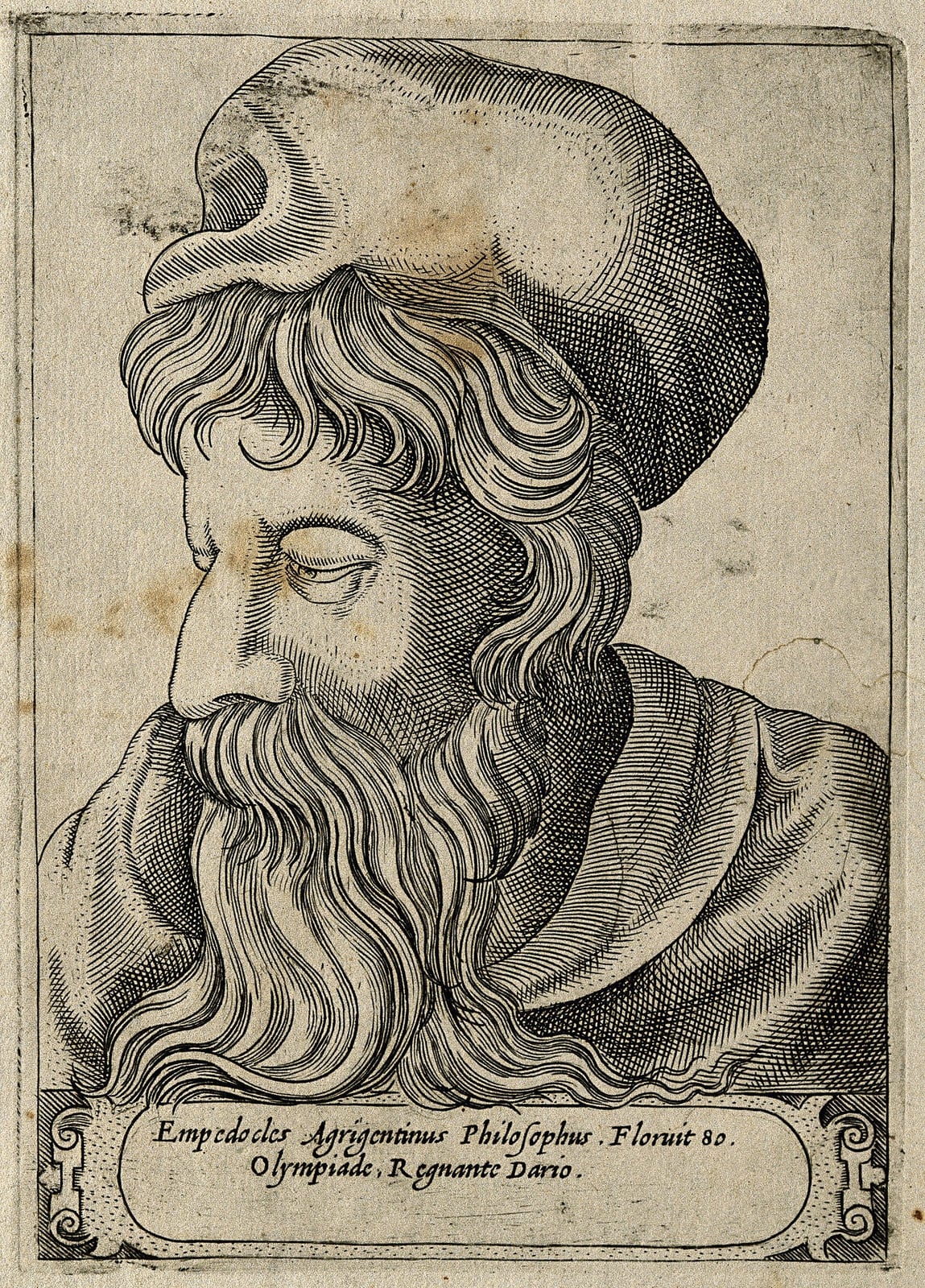
«Everything is composed of four elements: earth, water, air and fire.»
The doctrine is his, but not the vocabulary: Empedocles speaks of "roots" (rhizomata) and names them after gods. The term "elements" (stoicheia) comes from Plato and Aristotle.
Warum es nicht von ihm ist → - Falsch zugeschrieben
«The nature of God is a circle whose centre is everywhere and whose circumference is nowhere.»
Often ascribed to Empedocles, it comes from the Book of the Twenty-Four Philosophers (12th century), proposition II, and was spread by Alan of Lille, Meister Eckhart, Nicholas of Cusa and Pascal.
Warum es nicht von ihm ist → - Falsch zugeschrieben
«The people of Acragas indulge in pleasure as if they were to die tomorrow, and build their houses as if they were to live for ever.»
Diogenes Laertius (VIII 63) puts it in Empedocles' mouth, but Aelian (Varia Historia XII 29) ascribes an almost identical saying to Plato. It is a wandering apophthegm with no secure source.
Warum es nicht von ihm ist →
- Falsch zugeschrieben
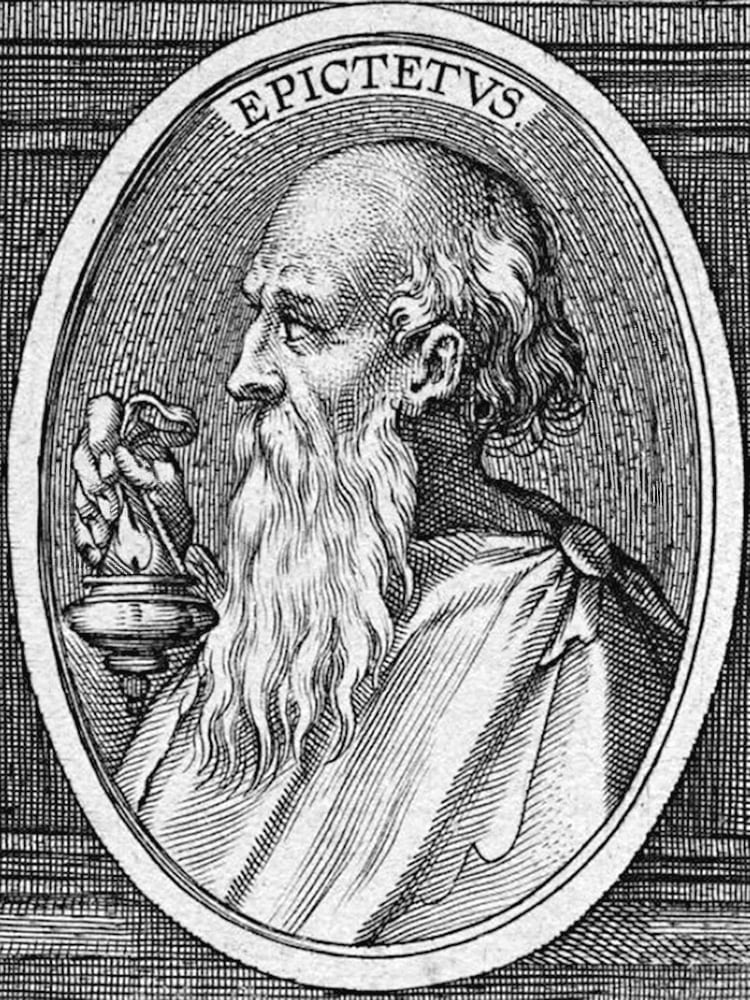
«We have two ears and one mouth so that we can listen twice as much as we speak.»
Often attributed to Epictetus, but Diogenes Laertius (VII.23) gives it to Zeno of Citium, founder of Stoicism, addressing a young man who would not stop talking.
Warum es nicht von ihm ist → - Falsch zugeschrieben
«It's not what happens to you, but how you react to it that matters.»
A modern paraphrase, not a literal quotation, of Handbook 5. The original speaks not of "reactions" but of the judgements (dogmata) we form about things.
Warum es nicht von ihm ist → - Falsch zugeschrieben
«I was Epictetus, a slave, maimed in body, poor as Irus, and dear to the immortals.»
An anonymous epigram in the Palatine Anthology (VII.676), sometimes presented as an epitaph Epictetus composed for himself. There is no basis for attributing it to him; it is a eulogy written by someone else.
Warum es nicht von ihm ist →

- Falsch zugeschrieben
«Is God willing to prevent evil, but not able? Then he is impotent. Is he able, but not willing? Then he is malevolent. Is he both able and willing? Whence then is evil?»
The so-called "Epicurean paradox" appears in no surviving text of Epicurus. Its source is the Christian apologist Lactantius (On the Anger of God 13, c. 314), who attributes it to Epicurus in order to refute it; many scholars think it comes from the sceptical Academy (Carneades) rather than the Garden, and the modern question form is owed mainly to Hume.
Warum es nicht von ihm ist → - Falsch zugeschrieben
«I was not; I was; I am not; I do not care.»
A Latin funerary formula (non fui, fui, non sum, non curo) attested in Roman epitaphs of the imperial age, Epicurean in inspiration. It circulates attributed to Epicurus, but it is not in his texts nor in Greek.
Warum es nicht von ihm ist → - Falsch zugeschrieben
«The fourfold remedy: God presents no fears; death no worries; the good is easy to get; the terrible is easy to endure.»
The doctrine is Epicurus' (Principal Doctrines I–IV), but the compact formula of the "tetrapharmakos" is by his follower Philodemus (first century BCE), in a Herculaneum papyrus. Presenting it as a literal quotation from Epicurus is inaccurate.
Warum es nicht von ihm ist →
- Falsch zugeschrieben
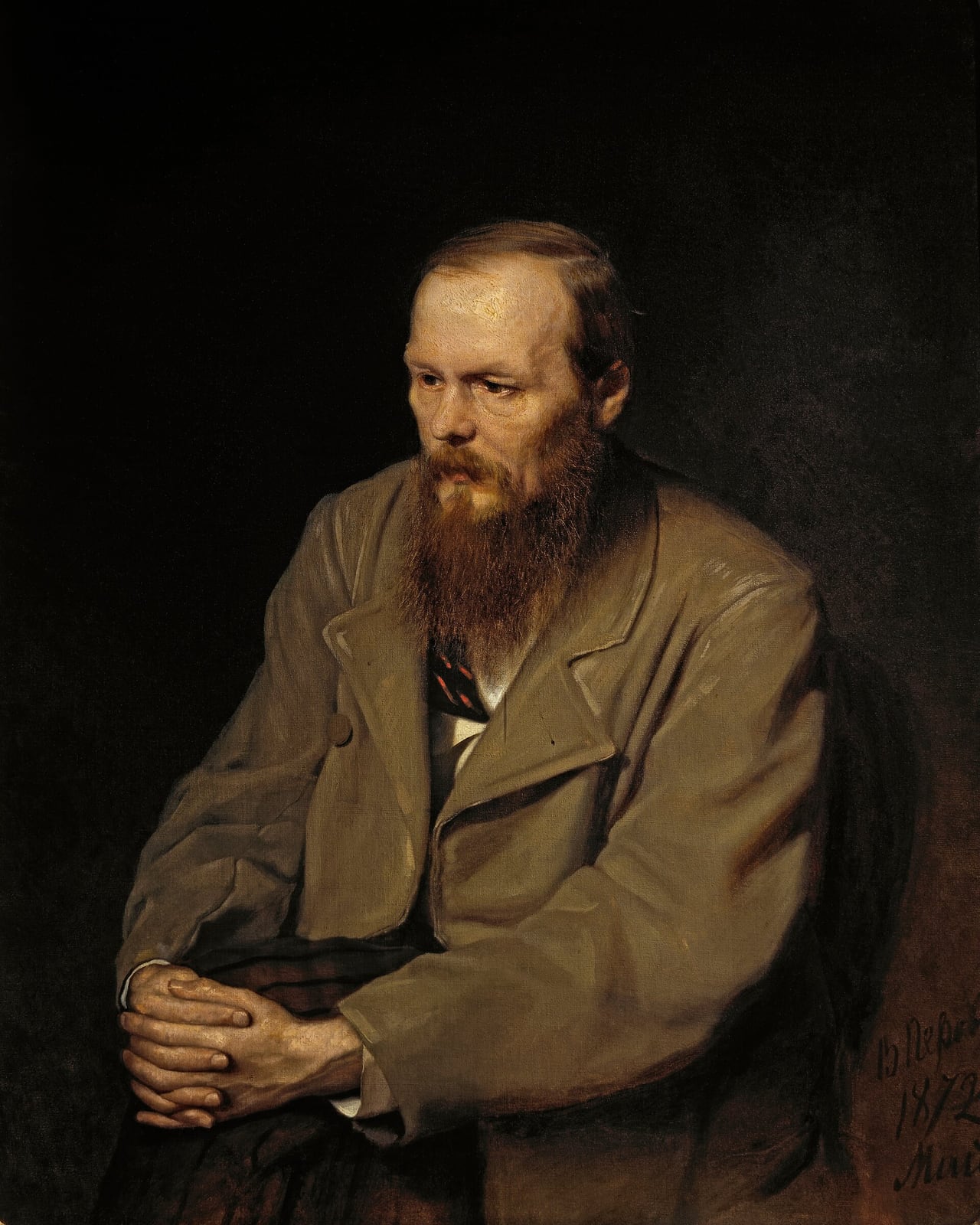
«"If God does not exist, everything is permitted."»
The formula does not appear in this form in The Brothers Karamazov. In Book II, ch. VI, Miusov summarises an idea of Ivan's: if faith in immortality were destroyed in mankind, 'everything would be permitted', even cannibalism; later Rakitin, Dmitri and Smerdyakov return to 'everything is permitted'. The condensed sentence spread in the twentieth century, above all after Sartre used it in Existentialism Is a Humanism (1946).
Warum es nicht von ihm ist → - Falsch zugeschrieben
«"The degree of civilisation in a society can be judged by entering its prisons."»
It is constantly attributed to Dostoevsky and to The House of the Dead, but the sentence is not found in that book or elsewhere in his published writings; its exact origin has not been established.
Warum es nicht von ihm ist →

- Falsch zugeschrieben
«Lord, make me an instrument of your peace: where there is hatred, let me sow love; where there is injury, pardon…»
Published anonymously in Paris in December 1912 (La Clochette) and attributed to Francis from 1927. It appears in no manuscript or medieval source. See the work 'Peace Prayer'.
Warum es nicht von ihm ist → - Falsch zugeschrieben
«Preach the Gospel at all times and, if necessary, use words.»
It does not appear in his writings or in the medieval biographies. The closest authentic text is Earlier Rule 17:3, 'All the brothers, however, should preach by their deeds', which does not disparage words (the same rule regulates preaching).
Warum es nicht von ihm ist → - Falsch zugeschrieben
«Start by doing what's necessary; then do what's possible; and suddenly you are doing the impossible.»
A modern phrase circulating online; it is not found in the canon of writings established by Esser or in the Franciscan legends.
Warum es nicht von ihm ist →
- Falsch zugeschrieben
«Even after all this time the sun never says to the earth, "You owe me." Look what happens with a love like that. It lights the whole sky.»
A poem by Daniel Ladinsky in *The Gift* (1999), circulated as Hafez's. Omid Safi cites it as an example of 'fake Hafez': it corresponds to no Persian ghazal. Text under its author's copyright; quoted briefly for identification.
Warum es nicht von ihm ist → - Falsch zugeschrieben
«Fear is the cheapest room in the house. I would like to see you living in better conditions.»
A line by Daniel Ladinsky that Omid Safi identifies among the 'Hafez' quotes with no Persian original.
Warum es nicht von ihm ist → - Falsch zugeschrieben
«I wish I could show you, when you are lonely or in darkness, the astonishing light of your own being.»
By Daniel Ladinsky. Safi acknowledges its quality but stresses that Hafez said nothing of the kind.
Warum es nicht von ihm ist → - Falsch zugeschrieben
«Your heart and my heart are very very old friends.»
By Daniel Ladinsky; cited by Safi among the examples of poems falsely attributed to Hafez.
Warum es nicht von ihm ist →

- Falsch zugeschrieben
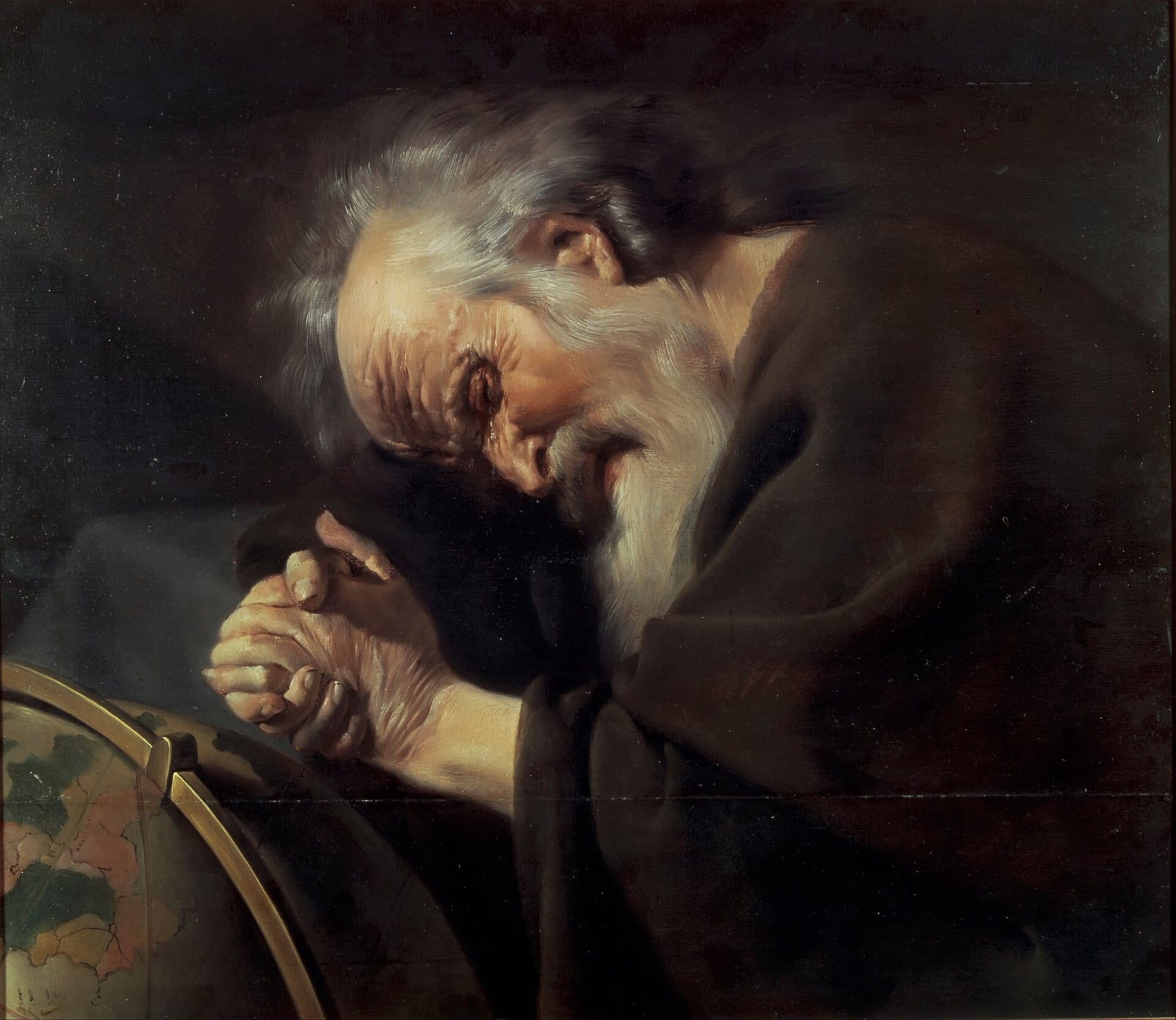
«Everything flows (panta rhei).»
The formula appears in no fragment. It sums up Plato's reading of Heraclitus ("everything moves and nothing stays", Cratylus 402a), and the literal expression πάντα ῥεῖ comes from late commentators such as Simplicius. Many scholars think Heraclitus stressed the stability resulting from measured change, not universal flux.
Warum es nicht von ihm ist → - Falsch zugeschrieben
«No man ever steps in the same river twice, for it is not the same river and he is not the same man.»
A modern expansion combining B12, B91 and the disputed B49a ("we step and do not step into the same rivers, we are and are not"). The second half, about the man no longer being the same, is in no ancient source.
Warum es nicht von ihm ist → - Falsch zugeschrieben
«The only constant is change.»
Widespread in business books and social media. It has no ancient source; it is a modern paraphrase of the flux commonplace.
Warum es nicht von ihm ist → - Falsch zugeschrieben
«The soul becomes dyed with the colour of its thoughts.»
Frequently attributed to Heraclitus, it is by Marcus Aurelius, Meditations V 16, six centuries later.
Warum es nicht von ihm ist → - Falsch zugeschrieben
«Out of every one hundred men, ten shouldn't even be there, eighty are just targets, nine are the real fighters… but one is a warrior.»
It circulates in military circles and online under Heraclitus' name. It appears in no collection of fragments and in no ancient author.
Warum es nicht von ihm ist →
- Falsch zugeschrieben
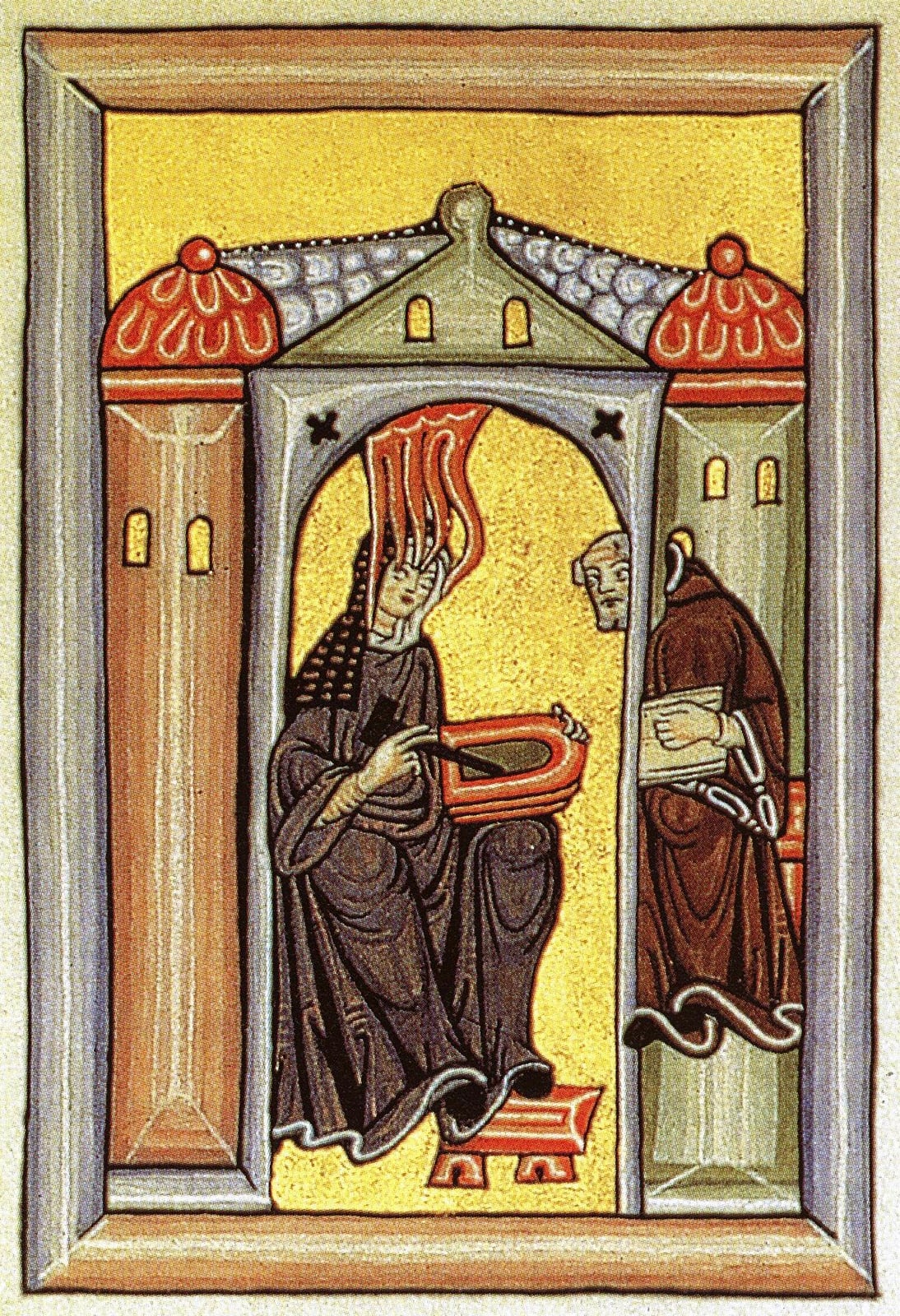
«I am a feather on the breath of God.»
A popularised version (title of a 1982 Gothic Voices album) of a genuine image: in several letters Hildegard calls herself a 'feather' (penna) moved by the wind of the Spirit. The exact first-person sentence does not appear in that form in her works.
Warum es nicht von ihm ist → - Falsch zugeschrieben
«Everything that is in the heavens, on earth and under the earth is penetrated with connectedness.»
A modern paraphrase circulating in anthologies of ecological spirituality, with no literal counterpart in the Latin corpus; it sums up ideas of the Liber divinorum operum but is not a quotation.
Warum es nicht von ihm ist →

- Falsch zugeschrieben
«"When the sin enters the shin, the tomb of Muhyi al-Din will appear."»
A coded prophecy that Ottoman tradition ascribes to Ibn Arabi, read as announcing that Selim (with *sin*) would enter Damascus (*Sham*, with *shin*) and restore his tomb, as he did in 1517. It comes from *al-Shajara al-numaniyya*, an apocalyptic work attributed to him without foundation; it appears in none of his authentic writings.
Warum es nicht von ihm ist → - Falsch zugeschrieben
«"Whoever knows himself knows his Lord", presented as the central teaching of Ibn Arabi's *Treatise on Unity*.»
The saying is a hadith of earlier Sufi circulation, which Ibn Arabi comments on in other works; but the *Treatise on Unity* (*Risalat al-ahadiyya*), where it is developed in radical terms, is by Awhad al-Din Balyani, as Michel Chodkiewicz demonstrated.
Warum es nicht von ihm ist →
- Falsch zugeschrieben
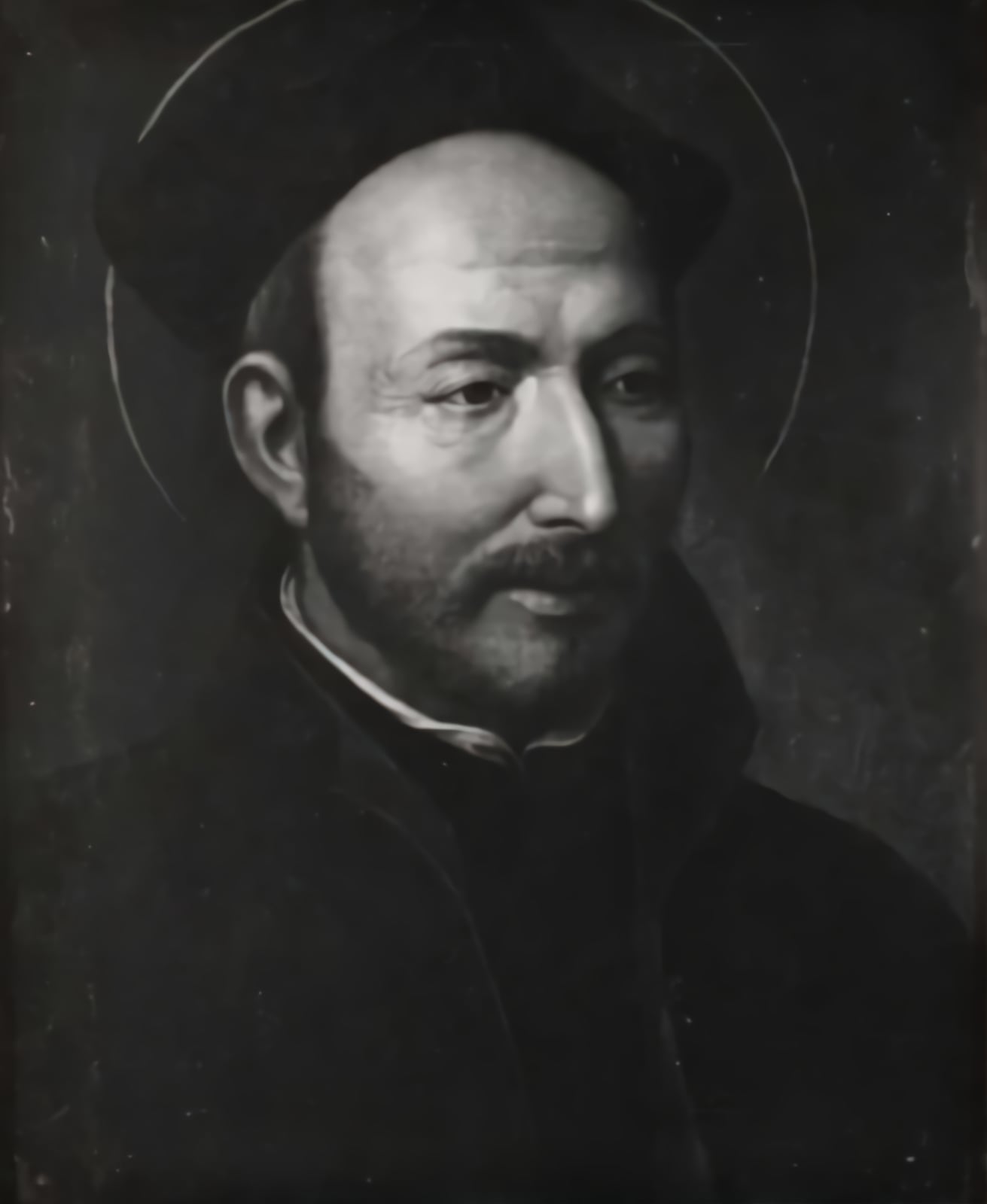
«'Trust in God as if all success depended on you and nothing on God; yet put all your effort into it as if you did nothing and God did everything.'»
A maxim from Gabriel Hevenesi's Scintillae Ignatianae (Vienna, 1705), with no literal counterpart in Ignatius's writings. It circulates in an inverted, simplified version ('Pray as if everything depended on God and work as if everything depended on you') that loses the paradox of the Latin original. It may sum up his spirit, but it is not his quotation.
Warum es nicht von ihm ist → - Falsch zugeschrieben
«'Give me the child until he is seven and I will show you the man.'»
It is attributed to the Jesuits generally, sometimes to Ignatius or Francis Xavier, with no source in their writings or in the sixteenth-century narrative sources. It is a modern attribution, often used polemically against Jesuit education.
Warum es nicht von ihm ist → - Falsch zugeschrieben
«'Go and set the world on fire' (Ite, inflammate omnia).»
A phrase widely spread in Jesuit tradition as Ignatius's farewell to his envoys, above all Francis Xavier. It does not appear in his letters or in the Autobiography; it is a formula of later piety.
Warum es nicht von ihm ist →
- Falsch zugeschrieben
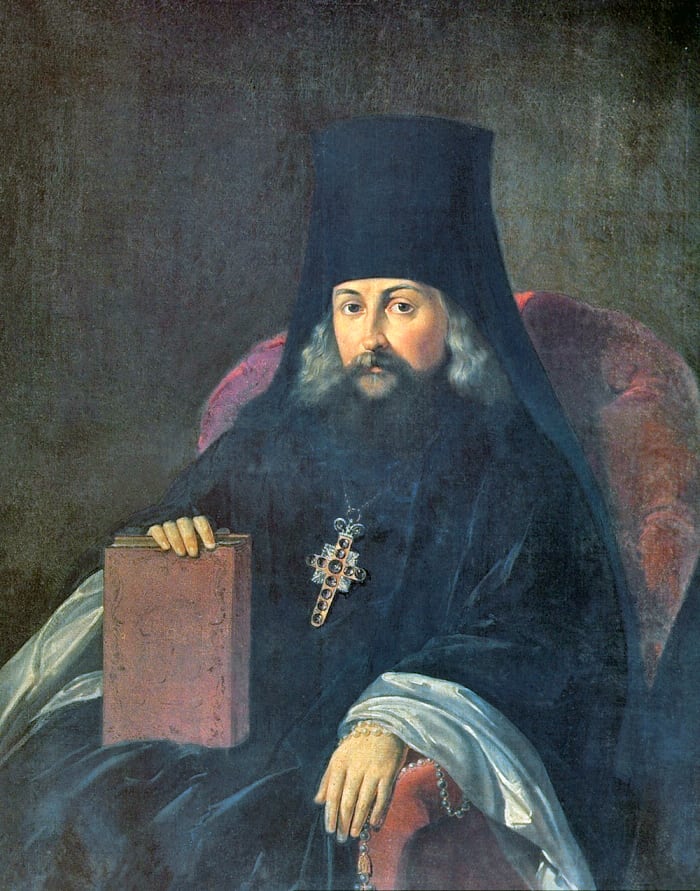
«"He who is careless about prayer is careless about his salvation; he who quits prayer renounces his salvation."»
It circulates in English under his name (the English Wikipedia quotes it) without reference to a specific work; it has not been located in the chapters on prayer of the Ascetic Experiences consulted. It is consistent with his teaching, but the exact wording remains to be verified.
Warum es nicht von ihm ist → - Falsch zugeschrieben
«Prophecies about Russia's destiny and the Antichrist attributed to him in devotional compilations.»
They have an authentic core—letter 29 to Muravyov-Karsky on Russia's 'enormous significance' and his teachings on the end of the world—but popular anthologies expand and rearrange them without citing the source.
Warum es nicht von ihm ist →
- Falsch zugeschrieben
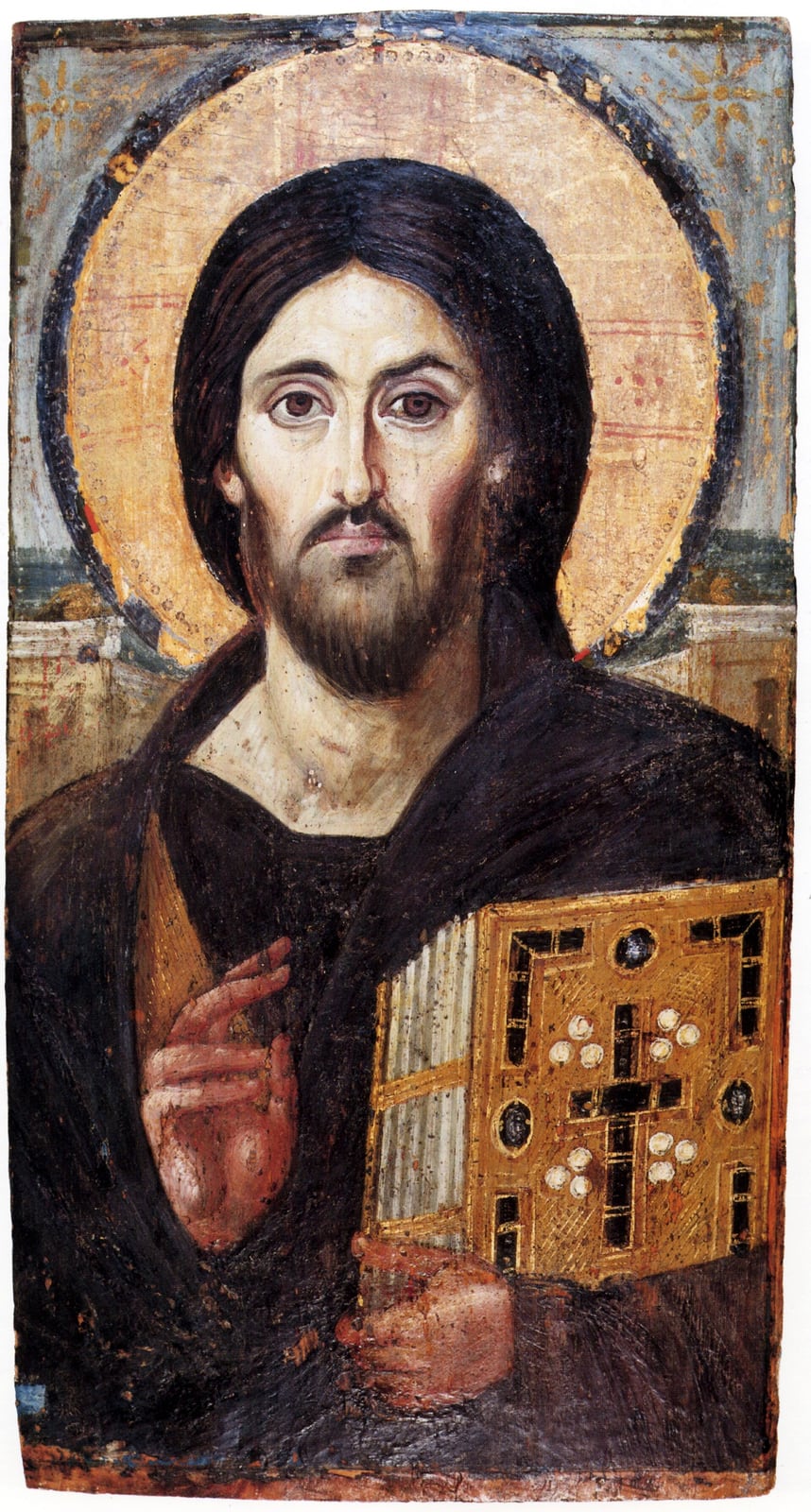
«He that is without sin among you, let him first cast a stone.»
It belongs to the episode of the woman taken in adultery (John 7:53–8:11), which is missing from the oldest manuscripts of the gospel (P66, P75, Sinaiticus, Vaticanus) and in others appears in different places, even in Luke. Textual criticism regards it as an ancient tradition added to the text, not an original part of John.
Warum es nicht von ihm ist → - Falsch zugeschrieben
«Father, forgive them; for they know not what they do.»
Luke 23:34a is missing from important early witnesses (P75, Vaticanus, Bezae, and a corrector's hand in Sinaiticus). Editors print it in double brackets: it is ancient but probably not part of Luke's original text.
Warum es nicht von ihm ist → - Falsch zugeschrieben
«Go ye into all the world, and preach the gospel to every creature… They shall take up serpents.»
It comes from the "longer ending" of Mark (16:9–20), absent from Sinaiticus and Vaticanus and unknown to Clement of Alexandria and Origen. It is regarded as a second-century addition harmonising Mark's abrupt ending with the other gospels.
Warum es nicht von ihm ist → - Falsch zugeschrieben
«God helps those who help themselves.»
It is often attributed to Jesus or the Bible, but it appears in no biblical text. The widespread English wording comes from Algernon Sidney (1698) and Benjamin Franklin's Poor Richard's Almanack (1736); the idea has precedents in Greek antiquity.
Warum es nicht von ihm ist → - Falsch zugeschrieben
«It is more blessed to give than to receive.»
It is an agraphon: it appears in no gospel. Only Paul quotes it in the Acts of the Apostles (20:35) as "words of the Lord Jesus", and its origin cannot be verified; it has parallels in Greek literature.
Warum es nicht von ihm ist →

- Falsch zugeschrieben
«In the evening of life we shall be judged on love.»
A widespread modern paraphrase of the authentic saying 'In the evening you will be examined in love' (Sayings of Light and Love). It is not false in meaning, but it is not his wording.
Warum es nicht von ihm ist → - Falsch zugeschrieben
«To reach a point you do not know, you must take a road you do not know.»
A free version of Ascent I,13,11 ('To come to what you know not, you must go by a way you know not'), circulating without reference and with its meaning shifted towards self-help.
Warum es nicht von ihm ist →
- Falsch zugeschrieben
«O servant, where dost thou seek Me? Lo! I am beside thee. I am neither in temple nor in mosque: I am neither in Kaaba nor in Kailash.»
First poem of *Songs of Kabir* (Tagore, 1915), perhaps the most quoted 'Kabir' in the West. It comes from Kshitimohan Sen's collection and is not among the six V. C. Mishra regards as authentic: it may be the work of a later admirer imitating his style.
Warum es nicht von ihm ist → - Falsch zugeschrieben
«Do not go to the garden of flowers! O Friend! go not there; In your body is the garden of flowers.»
Poem IV of *Songs of Kabir* (Tagore, 1915), widely circulated; like most of the selection, its attribution to Kabir is not proven according to Mishra's critique.
Warum es nicht von ihm ist →
- Falsch zugeschrieben
«"If you love somebody, let them go, for if they return, they were always yours. And if they don't, they never were."»
It circulates widely under Gibran's name, but it does not appear in The Prophet, The Madman, The Forerunner or Sand and Foam (checked against Project Gutenberg and Wikisource), nor in the anthologies of his Arabic work. It is an anonymous self-help maxim from the second half of the twentieth century.
Warum es nicht von ihm ist → - Falsch zugeschrieben
«Kennedy's line 'Ask not what your country can do for you…' comes from Gibran.»
In 'The New Frontier' (1925) Gibran contrasts those who ask what their country can do for them with those who ask what they can do for their country. The resemblance to the 1961 inaugural address is real, but there is no documentary proof that Kennedy or his speechwriters knew the text: it is a hypothesis, not a quotation.
Warum es nicht von ihm ist →
- Falsch zugeschrieben
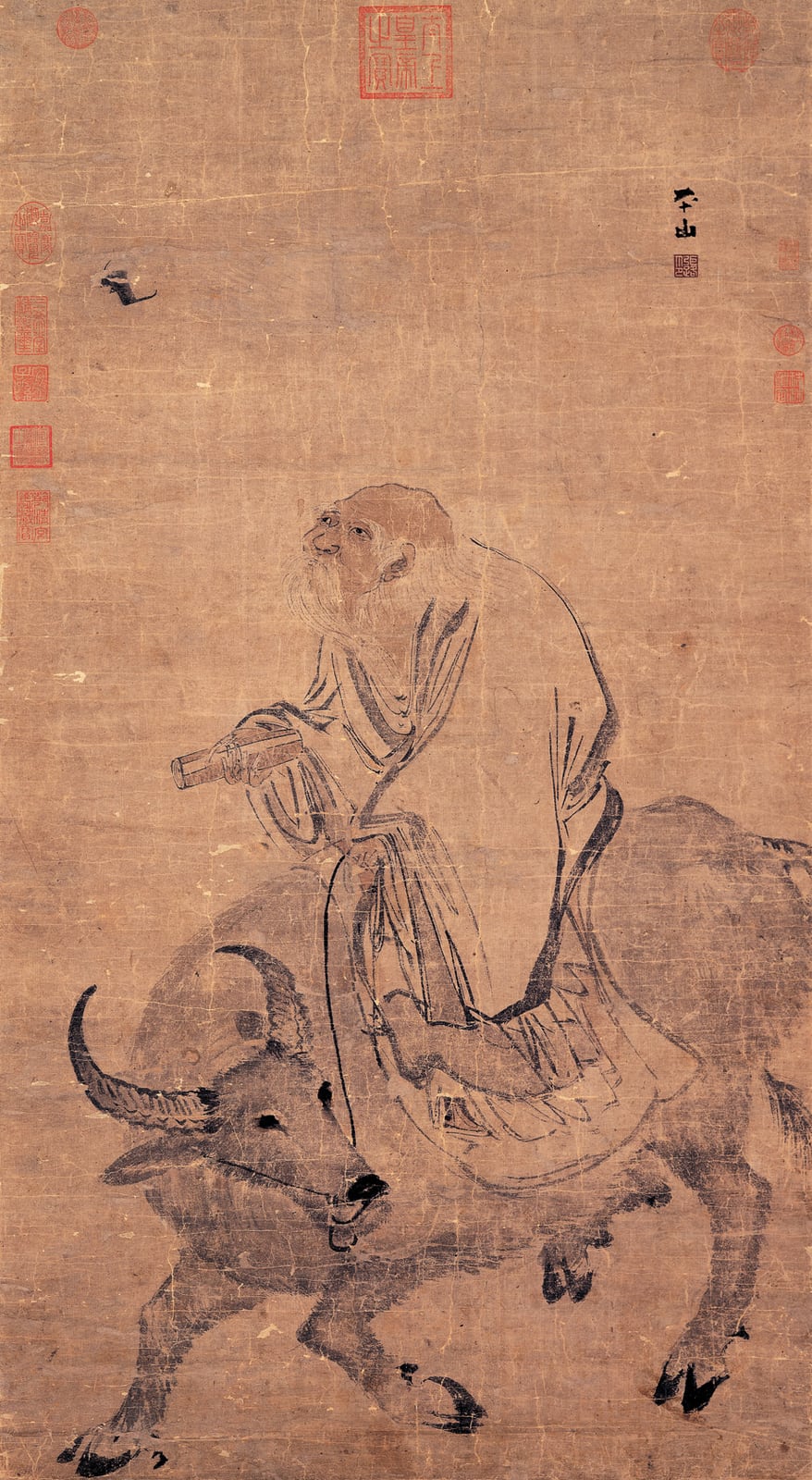
«If you are depressed you are living in the past. If you are anxious you are living in the future. If you are at peace you are living in the present.»
Appears in no chapter of the Daodejing nor in any ancient source on Laozi. It has circulated online since the early 21st century; its psychological vocabulary ("depressed", "anxious") is modern.
Warum es nicht von ihm ist → - Falsch zugeschrieben
«Give a man a fish and you feed him for a day; teach a man to fish and you feed him for a lifetime.»
Attributed indiscriminately to Laozi, Confucius or a "Chinese proverb". It is found neither in the Daodejing nor in the Analects; its modern form is first documented in English in Anne Isabella Thackeray Ritchie's novel Mrs. Dymond (1885).
Warum es nicht von ihm ist → - Falsch zugeschrieben
«Being deeply loved by someone gives you strength, while loving someone deeply gives you courage.»
No correspondence in the Daodejing. Possibly a very loose paraphrase of chapter 67 ("compassion gives courage"), turned into a sentimental maxim.
Warum es nicht von ihm ist →
- Falsch zugeschrieben
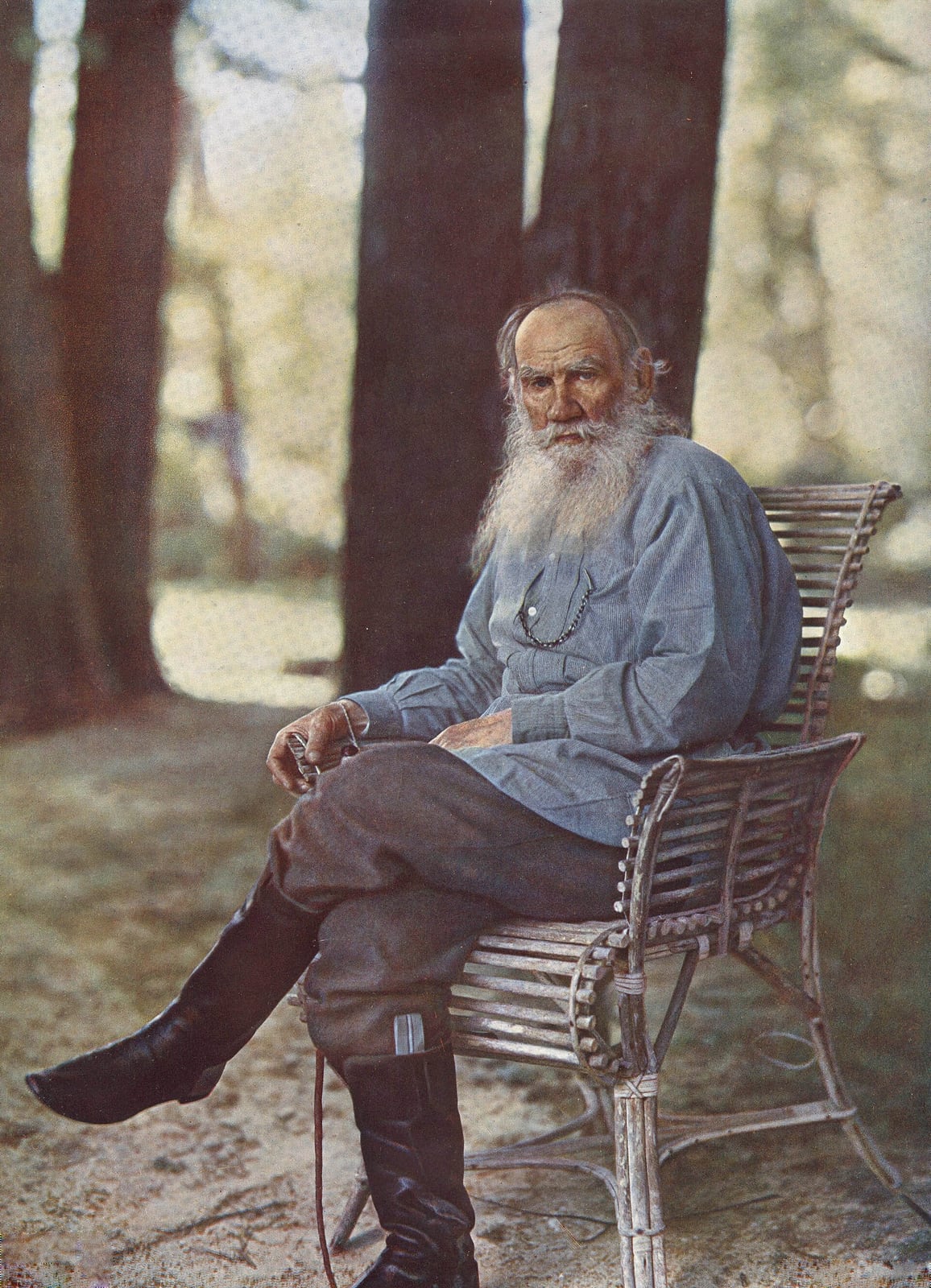
«"If you want to be happy, be."»
It circulates widely attributed to Tolstoy, but it is an aphorism of Kozma Prutkov ("Хочешь быть счастливым, будь им"), the fictitious author invented in the 1850s by Alexei K. Tolstoy — Leo's second cousin — and the Zhemchuzhnikov brothers. The shared surname explains the confusion.
Warum es nicht von ihm ist → - Falsch zugeschrieben
«"But the peasants… how do the peasants die?" (presented as his last words).»
They do not appear in the account of his son Sergei, an eyewitness, nor in the testimonies of Makovický and Chertkov consulted through the literature; their origin has not been traced.
Warum es nicht von ihm ist →

- Falsch zugeschrieben
«If the only prayer you ever say in your entire life is thank you, it will be enough.»
A widely circulated English quotation not found in the German or Latin works of the critical edition. It appears to be a modern paraphrase; its first appearance has not been located.
Warum es nicht von ihm ist → - Falsch zugeschrieben
«What we plant in the soil of contemplation, we shall reap in the harvest of action.»
Attributed to Eckhart in modern compilations without reference to any sermon or treatise. The idea recalls Sermon 86 on Martha and Mary, but the sentence is not in it.
Warum es nicht von ihm ist →
- Falsch zugeschrieben
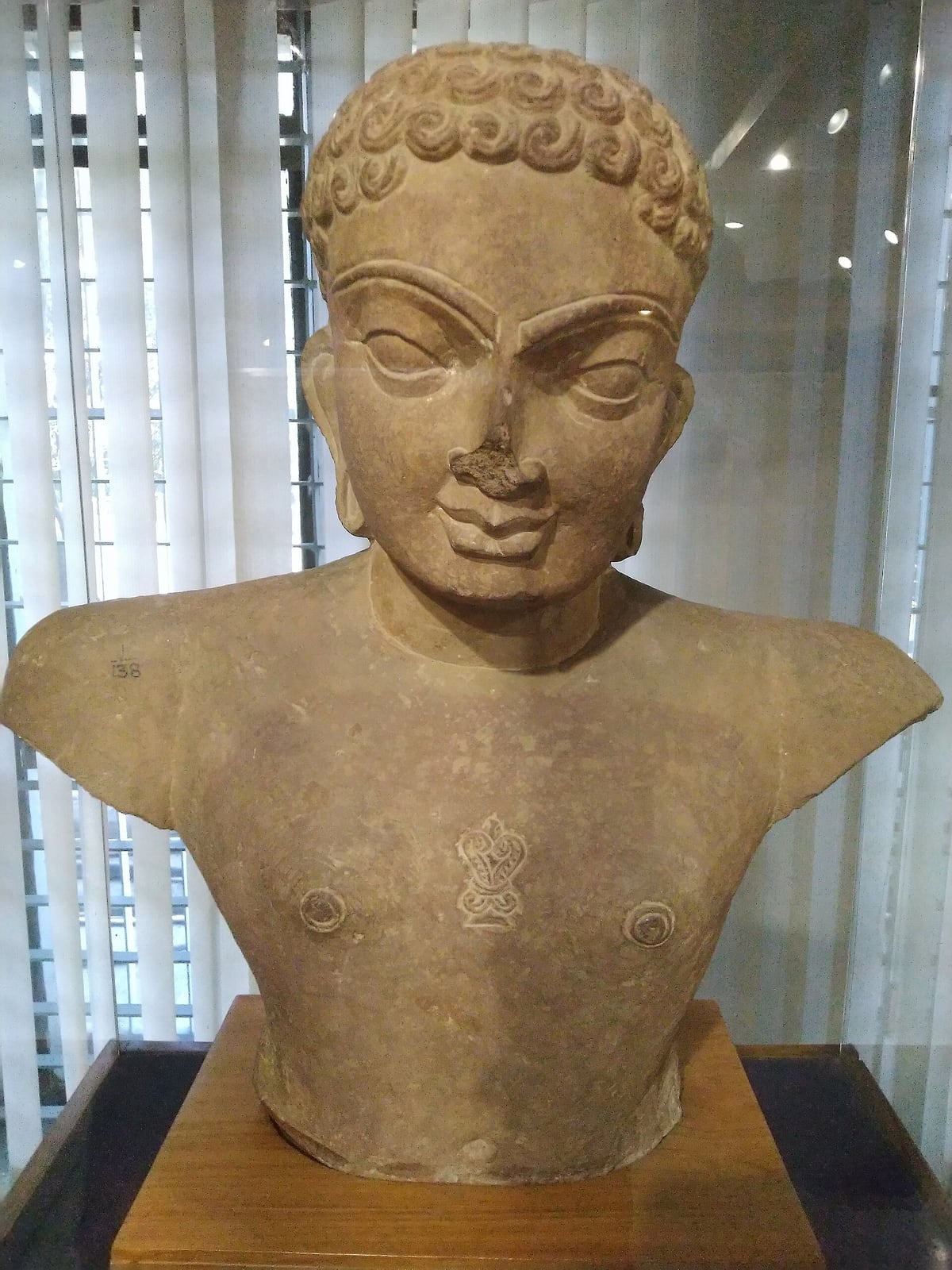
«Live and let live.»
A slogan widely spread as a summary of Mahāvīra's teaching (in Hindi, "jiyo aur jīne do"), present on posters, stamps and twentieth-century celebrations. It is not a quotation from any canonical text; it condenses the doctrine of non-violence in a modern formula.
Warum es nicht von ihm ist → - Falsch zugeschrieben
«Non-violence is the highest law (ahiṃsā paramo dharmaḥ).»
A Sanskrit formula the Jain community has adopted as a motto and which is often ascribed to Mahāvīra. It appears in the Mahābhārata, in brahmanical contexts, and not in the Prakrit Jain canon, which expresses the idea in other words (see the Daśavaikālika quotation).
Warum es nicht von ihm ist →
- Falsch zugeschrieben
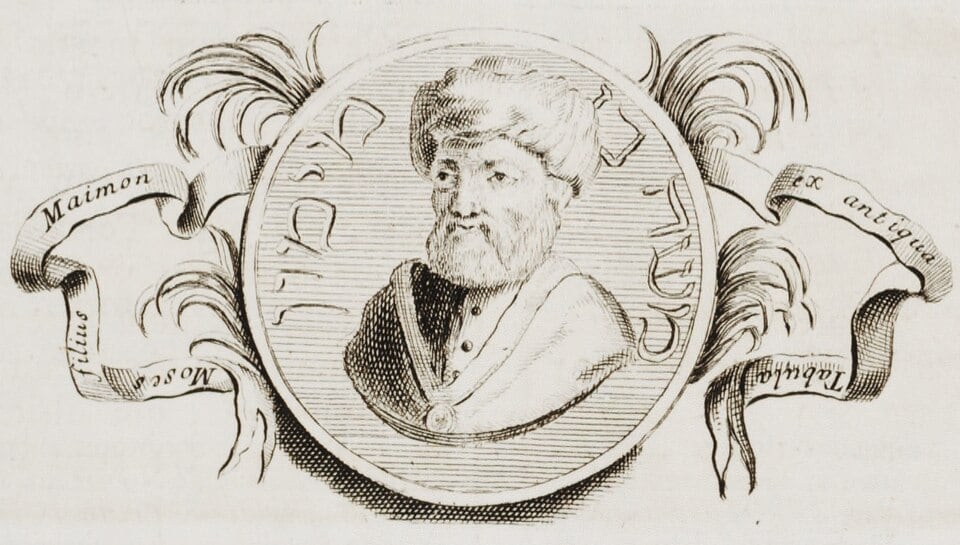
«"It is better to acquit a thousand guilty persons than to put a single innocent one to death."»
A widely quoted paraphrase of negative commandment 290 of the Book of Commandments. The idea is his, but the figure of "a thousand" comes from modern translations of the Arabic original; the medieval Hebrew version consulted (Warsaw, 1883) states the argument without that formula.
Warum es nicht von ihm ist → - Falsch zugeschrieben
«"The risk of a wrong decision is preferable to the terror of indecision."»
A phrase widely circulated online attributed to Maimonides. It has not been located in any of his works.
Warum es nicht von ihm ist →
- Falsch zugeschrieben
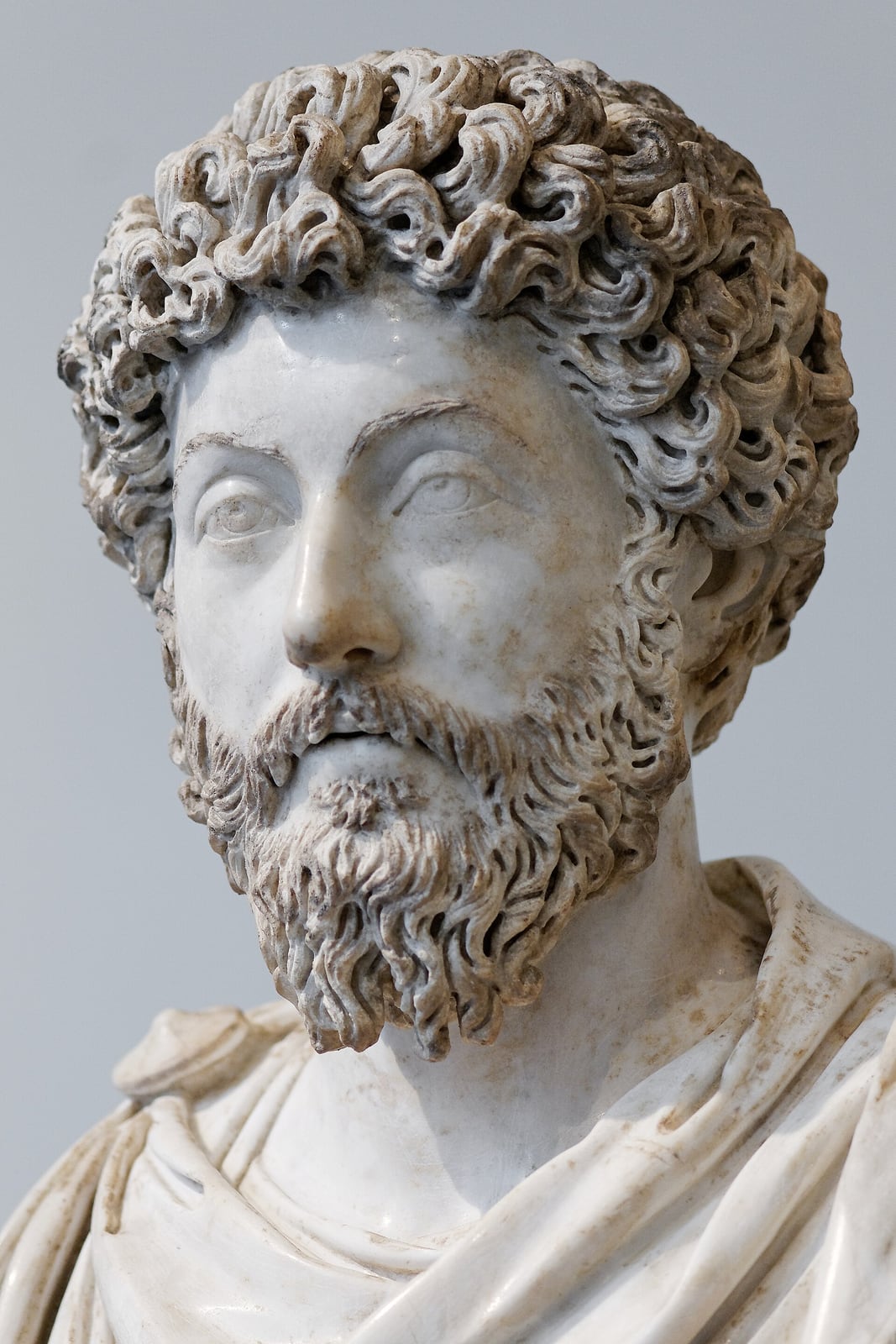
«What we do in life echoes in eternity.»
A line spoken by the general Maximus in the film Gladiator (Ridley Scott, 2000). It does not appear in the Meditations or in any ancient text about Marcus Aurelius.
Warum es nicht von ihm ist → - Falsch zugeschrieben
«Live a good life. If there are gods and they are just, then they will not care how devout you have been, but will welcome you based on the virtues you have lived by.»
A modern text circulating online. It is not found in the Meditations; it vaguely recalls the dilemma of providence or atoms (II 11; XII 14), but neither its form nor its meaning is Marcus Aurelius'.
Warum es nicht von ihm ist → - Falsch zugeschrieben
«Everything we hear is an opinion, not a fact. Everything we see is a perspective, not the truth.»
It does not appear in the Meditations. It is usually offered as a paraphrase of passages such as "all is opinion" (II 15; XII 26), which say something different: that our judgement about things is up to us.
Warum es nicht von ihm ist → - Falsch zugeschrieben
«The happiness of your life depends upon the quality of your thoughts.»
A modern paraphrase, not a literal quotation, of Meditations V.16 ("the soul is dyed by the thoughts"). The original passage should be quoted instead.
Warum es nicht von ihm ist →

- Falsch zugeschrieben
«My religion is to live and die without regret.»
Milarepa's most quoted sentence in the West, used as an epigraph by Shambhala and on countless pages, could not be located in that wording either in the Namthar (Lhalungpa, Quintman) or in the Mgur 'bum (Chang). It faithfully conveys the sense of his final teaching but is recorded as unverified.
Warum es nicht von ihm ist → - Falsch zugeschrieben
«In the beginning nothing comes, in the middle nothing stays, at the end nothing goes.»
Circulates as a Milarepa song on the nature of mind; it could not be found in the Chang or Stagg translations. It may derive from genuine Mgur 'bum verses on the mind as “unborn, unabiding and unceasing”, reworded in popular literature.
Warum es nicht von ihm ist → - Falsch zugeschrieben
«Hasten slowly and you shall soon arrive.»
Attributed to Milarepa in quotation anthologies; it is a variant of the Latin adage “festina lente”. Not found in any Tibetan source consulted.
Warum es nicht von ihm ist →

- Falsch zugeschrieben
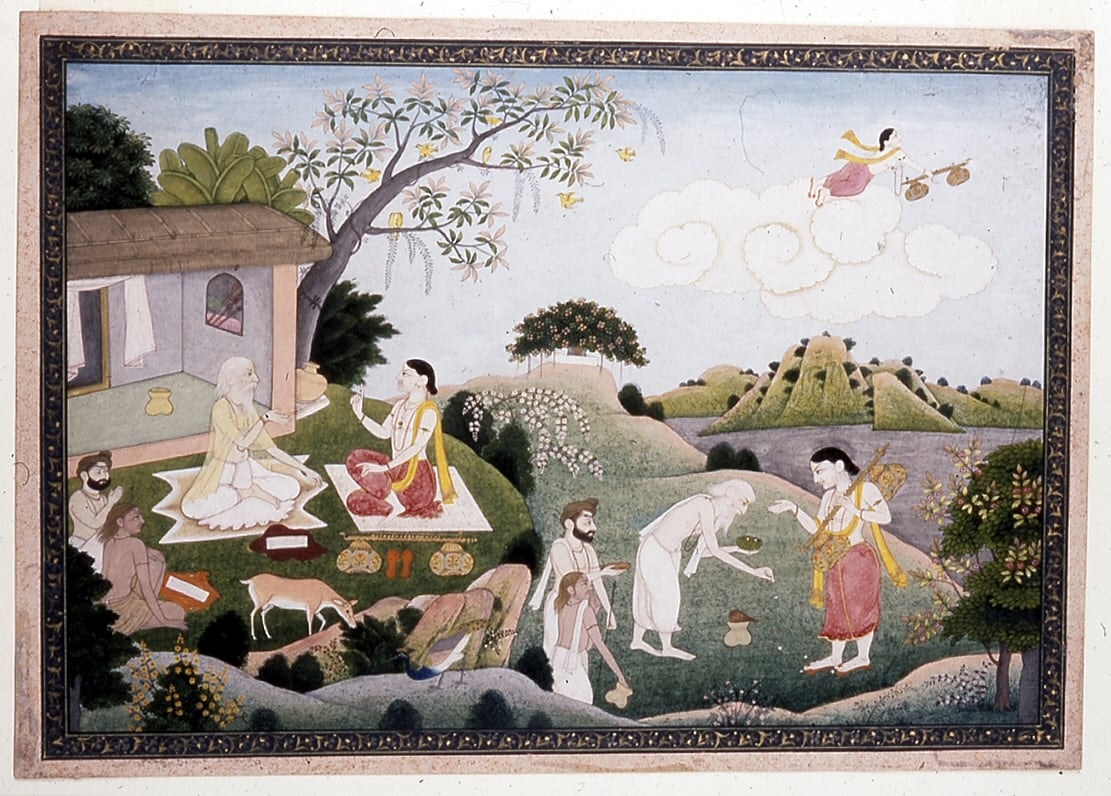
«Everything is empty; therefore nothing exists.»
A nihilist summary circulating under his name which he expressly rejects: for Nāgārjuna emptiness is dependent origination, not non-existence (MMK 24.18), and the Verses fault both "it exists" and "it does not exist" (15.7–15.10). His opponents already ascribed this nihilism to him, and the Vigrahavyāvartanī answers it.
Warum es nicht von ihm ist → - Falsch zugeschrieben
«Things derive their being and nature by mutual dependence and are nothing in themselves.»
A sentence widely spread on English quotation sites under his name and without reference. It is a modern paraphrase of the doctrine, not a translation of any verse that can be located in the corpus.
Warum es nicht von ihm ist →
- Falsch zugeschrieben
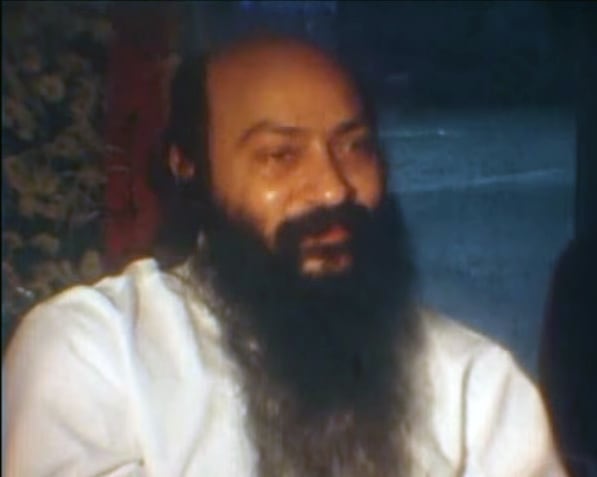
«If you love a flower, don't pick it up. Because if you pick it up it dies and it ceases to be what you love. Love is not about possession; love is about appreciation.»
Probably the most widely shared line under his name on social media, but it has not been located in the published transcripts consulted or in the Osho International Foundation's talk archive; its wording looks like a modern paraphrase.
Warum es nicht von ihm ist → - Falsch zugeschrieben
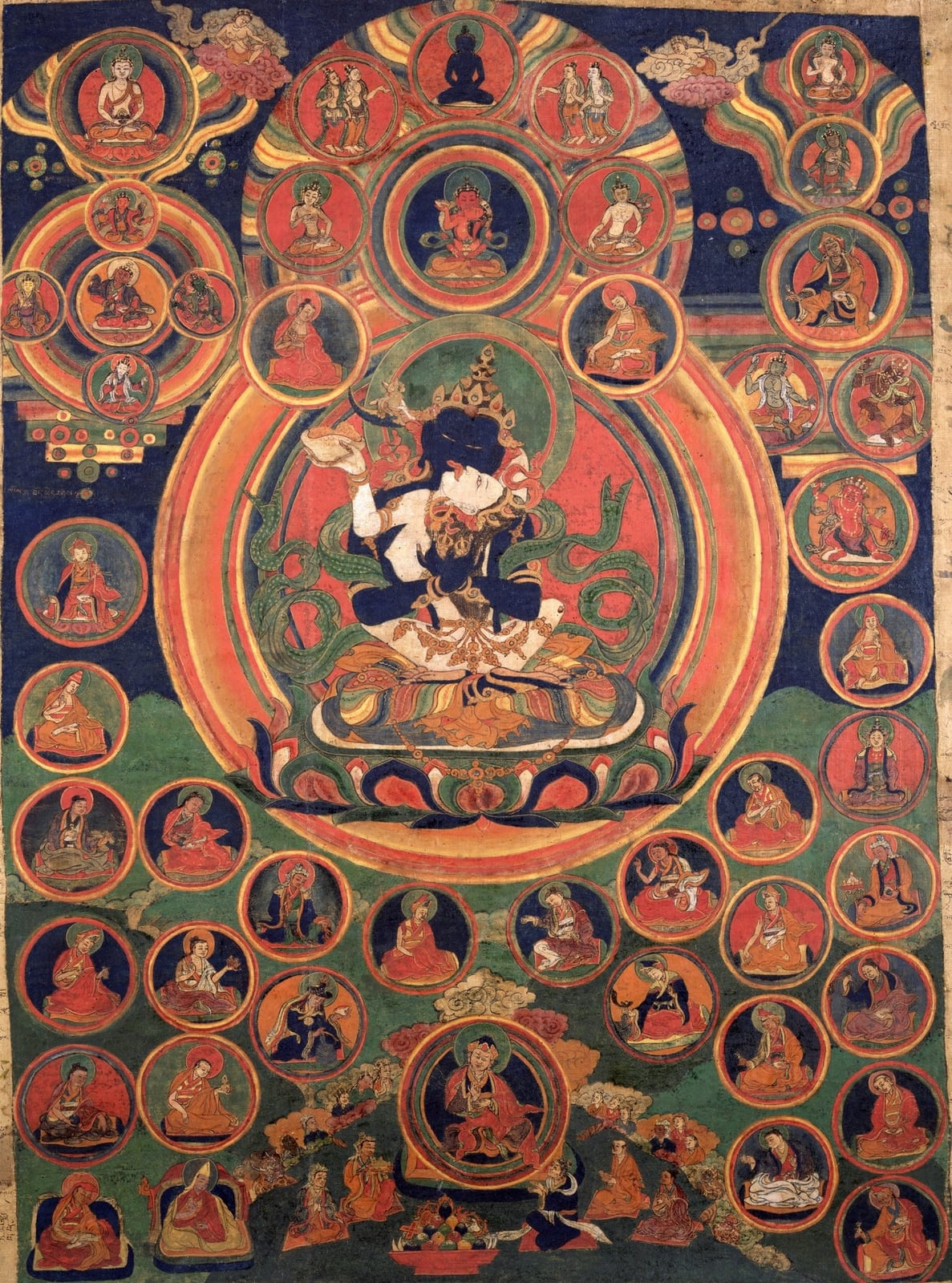
«'The most beautiful sayings of Osho' on Italian politics.»
Since 2016 an Italian satirical page, Le più belle frasi di Osho, has put humorous comments on current affairs into Osho's mouth over photographs of him. It passed a million followers and its lines have sometimes been quoted as genuine: none is.
Warum es nicht von ihm ist →
- Falsch zugeschrieben
«Nothing comes from nothing (ex nihilo nihil fit).»
The idea is in B8.7–10, but the Latin formula is not his: it comes from Lucretius (I 150, "nil posse creari de nilo") and scholasticism. It is ascribed to him through textbook summary.
Warum es nicht von ihm ist → - Falsch zugeschrieben
«Being is and non-being is not.»
A textbook formula condensing B2 and B6, but not found as such in the poem. Parmenides says "is" with no expressed subject, and the nominalised "Being" is a later interpretation.
Warum es nicht von ihm ist → - Falsch zugeschrieben
«Change is an illusion.»
A modern paraphrase. The poem says that coming to be, perishing, changing place and colour are "names" mortals have given believing them true (B8.38–41); it does not speak of illusion.
Warum es nicht von ihm ist → - Falsch zugeschrieben
«If the one is not, nothing is.»
The conclusion of Plato's dialogue Parmenides (166c), spoken by the character Parmenides. It is a Platonic construction, not a quotation from the historical philosopher.
Warum es nicht von ihm ist →

- Falsch zugeschrieben
«When you are inspired by some great purpose, some extraordinary project, all your thoughts break their bonds: your mind transcends limitations, and you discover yourself to be a great person by far.»
It is the line most often quoted under his name on English quotation sites, but it corresponds to no aphorism of the Yogasūtra nor to any passage of the commentary: it does not appear in the complete translations of Woods or Bryant, and its vocabulary ("project", "great person") belongs to modern self-help literature. Its first appearance has not been traced.
Warum es nicht von ihm ist → - Falsch zugeschrieben
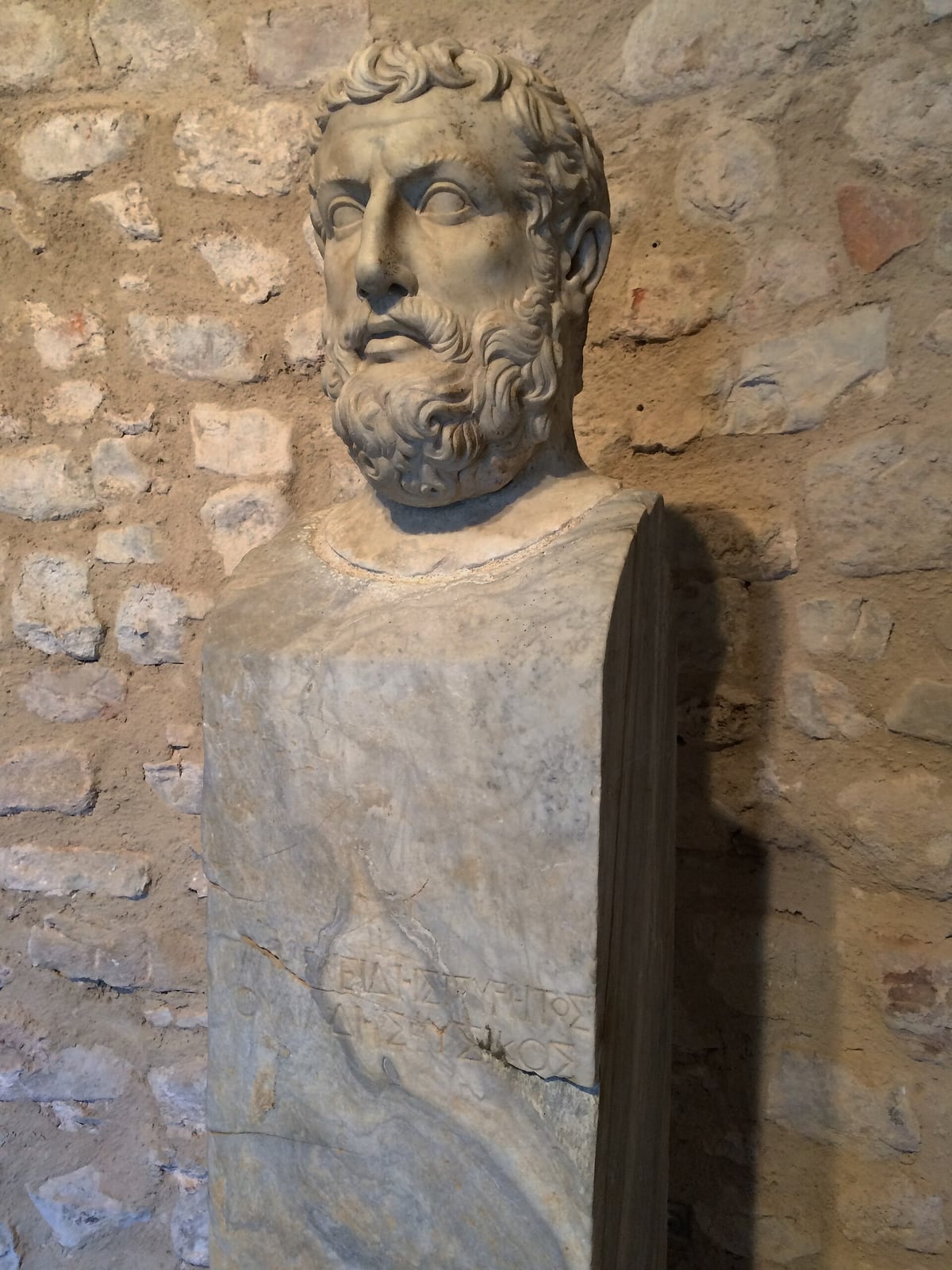
«I bow to Patañjali, the noblest of sages, who removed the impurities of the mind by yoga, of speech by grammar and of the body by medicine.»
A Sanskrit verse (yogena cittasya padena vācāṃ…) recited at the start of many yoga classes as if it were an ancient invocation. It is not by Patañjali but in praise of him, and it is late: Meulenbeld places it in a tradition that begins with King Bhoja's commentary (11th c.), the first source to unite the three disciplines in a single person.
Warum es nicht von ihm ist →
- Falsch zugeschrieben
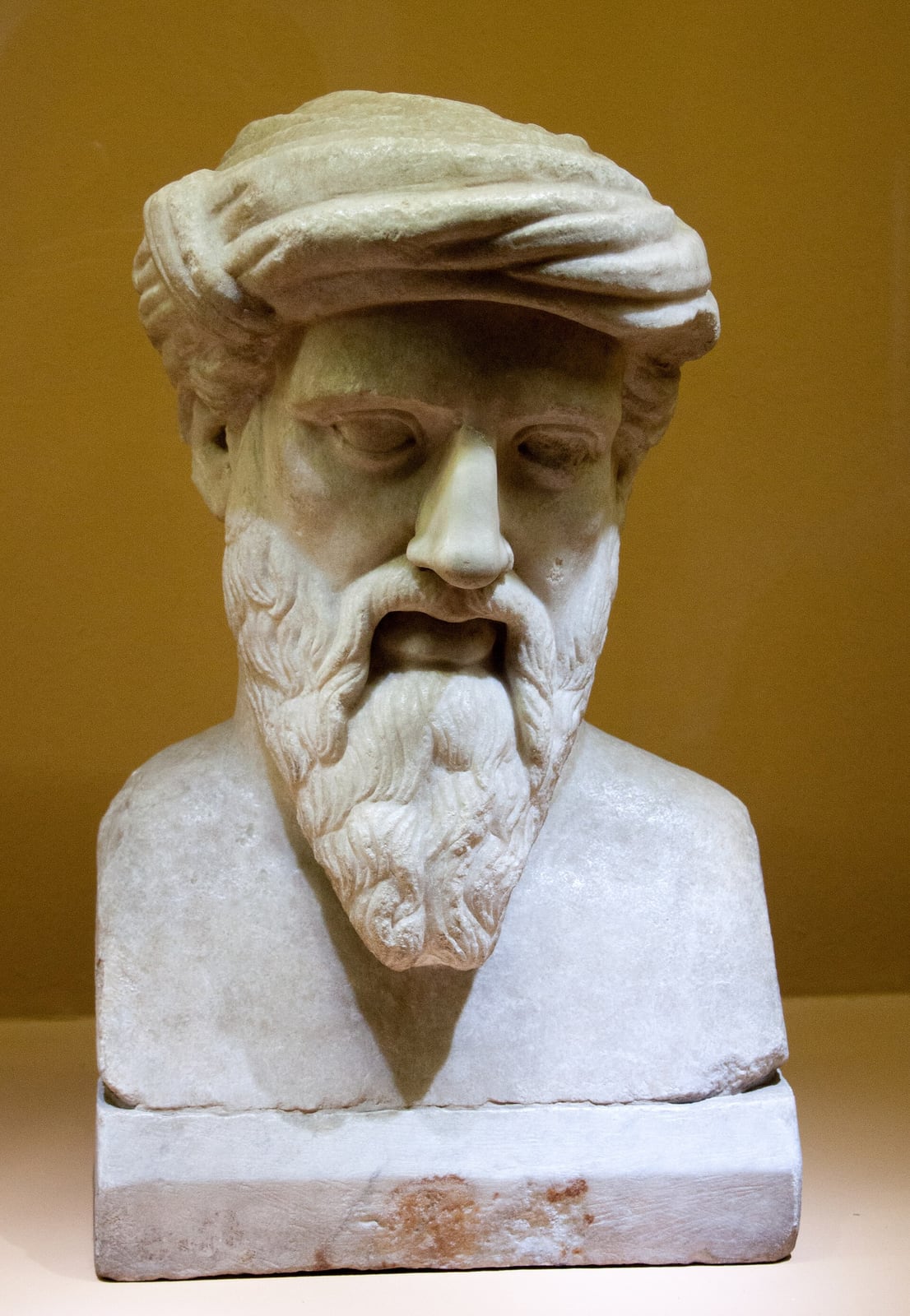
«All is number.»
The formula appears in no ancient source as a saying of Pythagoras. It summarises Aristotle's account of the doctrine of "the so-called Pythagoreans" (Metaphysics A 5–6), according to which things are numbers or imitate numbers; the thesis probably comes from Philolaus, not from the founder.
Warum es nicht von ihm ist → - Falsch zugeschrieben
«Educate the children and it will not be necessary to punish the men.»
It circulates online and in quotation books attributed to Pythagoras with no reference to any ancient text. It does not appear in Diogenes Laertius, Porphyry, Iamblichus or the collections of Pythagorean sayings in Stobaeus.
Warum es nicht von ihm ist → - Falsch zugeschrieben
«As long as man continues to be the ruthless destroyer of lower living beings, he will never know health or peace.»
A modern quotation spread in vegetarian circles. The idea of kinship among all living beings is indeed Pythagorean (Porphyry, Life of Pythagoras 19), and Ovid puts a long plea against eating meat in Pythagoras' mouth (Metamorphoses XV 60–478), but this sentence is in no ancient text.
Warum es nicht von ihm ist → - Falsch zugeschrieben
«Listen, and you will become wise; the beginning of wisdom is silence.»
A modern variant of the discipline of silence that Iamblichus (Pythagorean Life 72) and other late biographers attribute to the Pythagorean community (the *echemythia*, a five-year silence for novices). It is not a literal quotation from any ancient source.
Warum es nicht von ihm ist →
- Falsch zugeschrieben
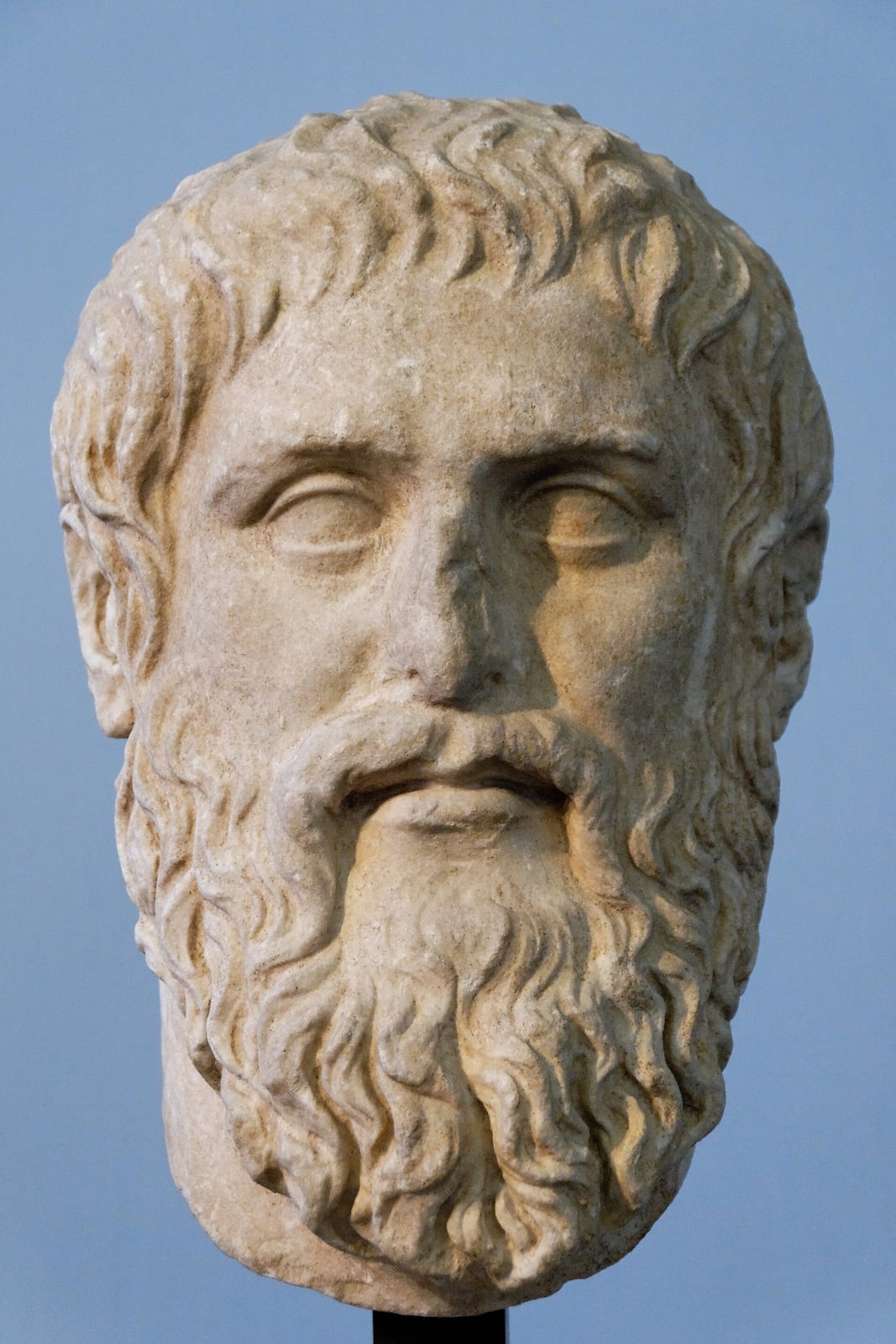
«'Let no one ignorant of geometry enter.'»
An inscription attributed to the Academy's door that appears only in sixth-century AD commentators; it is not found in any work of Plato or in sources of his time.
Warum es nicht von ihm ist → - Falsch zugeschrieben
«'Only the dead have seen the end of war.'»
A widespread false attribution: it appears in no work of Plato. It comes from George Santayana, Soliloquies in England (1922), the soliloquy 'Tipperary'; General Douglas MacArthur popularised it as Platonic in an address at West Point (1962).
Warum es nicht von ihm ist →
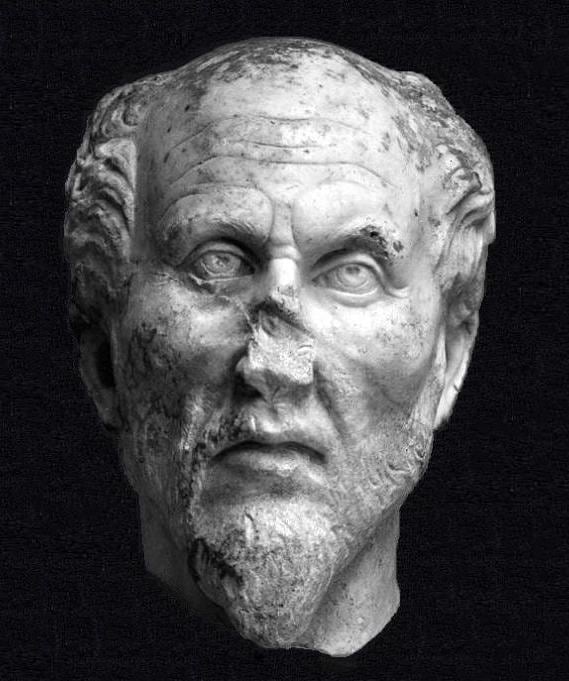

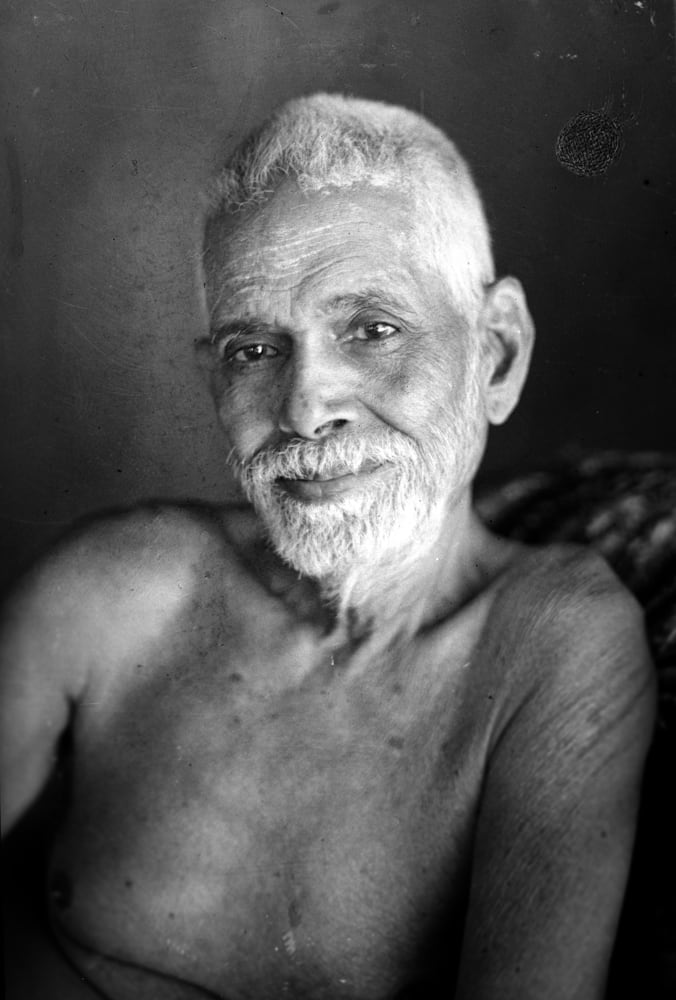
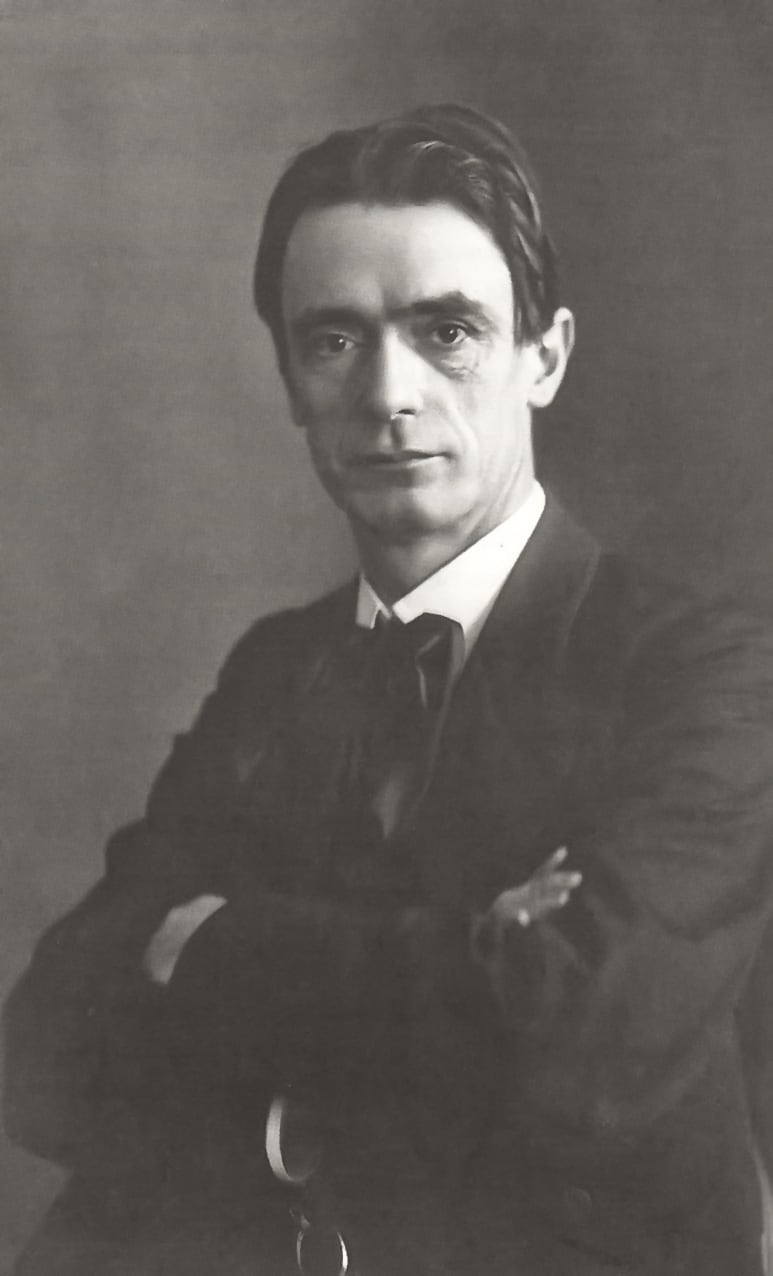
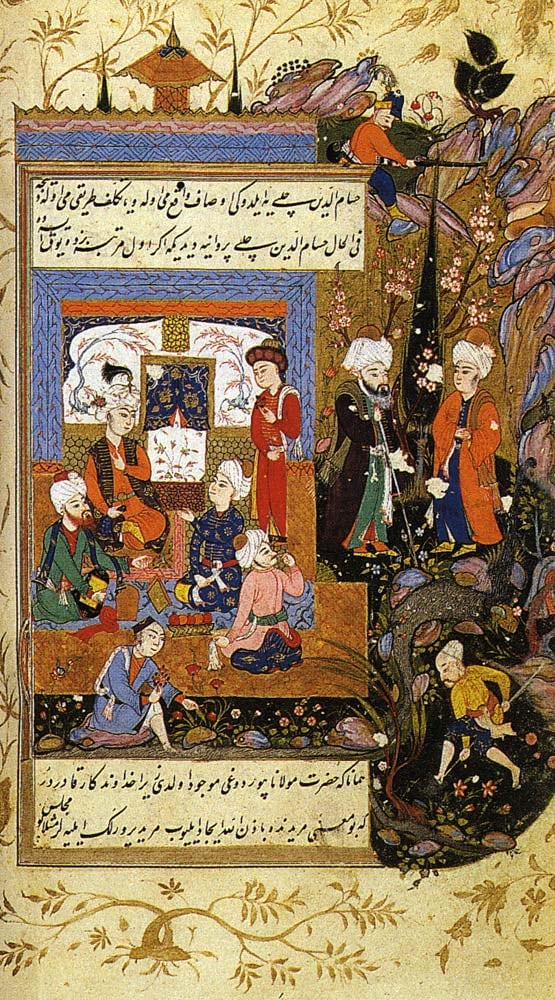
- Falsch zugeschrieben
«Come, come, whoever you are; wanderer, idolater, worshipper of fire, come. Ours is not a caravan of despair; though you have broken your vows a hundred times, come again.»
The quatrain "Baz a, baz a…" (literally "return, return", in the Qur'anic sense of repentance) is displayed at the Mevlana Museum, but it does not appear in the early manuscripts of Rumi's quatrains and circulated earlier under the names of Abu Said Abul-Khayr or Baba Afzal Kashani.
Warum es nicht von ihm ist → - Falsch zugeschrieben
«The wound is the place where the Light enters you.»
A viral line with no located counterpart in the *Masnavi*, the *Divan* or *Fihi ma fihi*. It comes from the circuit of free English versions and spreads without reference.
Warum es nicht von ihm ist → - Falsch zugeschrieben
«Out beyond ideas of wrongdoing and rightdoing, there is a field. I'll meet you there.»
Coleman Barks's version (The Essential Rumi, 1995), rewriting an original about what lies beyond unbelief (*kufr*) and Islam: the religious context disappears in the paraphrase, as Rozina Ali points out.
Warum es nicht von ihm ist → - Falsch zugeschrieben
«Yesterday I was clever, so I wanted to change the world. Today I am wise, so I am changing myself.»
No source in any work of Rumi; it appears on social media and in self-help books from the 2010s onward.
Warum es nicht von ihm ist → - Falsch zugeschrieben
«What you seek is seeking you.»
Not located in the Persian corpus. It is sometimes presented as a summary of *Fihi ma fihi*, but corresponds to no identifiable passage.
Warum es nicht von ihm ist → - Falsch zugeschrieben
«Raise your words, not voice. It is rain that grows flowers, not thunder.»
No located source; it circulates only in quote compilations.
Warum es nicht von ihm ist →
- Falsch zugeschrieben
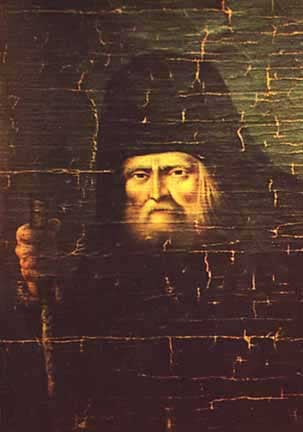
«"Acquire the spirit of peace, and thousands around you will be saved."»
It is his most quoted saying, but it is not found in this form either in the Instructions of 1839 or in the Conversation with Motovilov as published by Nilus. The idea is in the chapter 'On peace of soul' of the Instructions ('when a man comes to a peaceful state, he can pour out on others the light…'); the short formula circulates in twentieth- and twenty-first-century devotional collections without reference to a primary source.
Warum es nicht von ihm ist → - Falsch zugeschrieben
«Prophecies about the Antichrist, the fall of the dynasty and Seraphim's resurrection ('The Great Mystery of Diveyevo').»
They come from Motovilov manuscripts published by Nilus, who presented them as the elder's exact words; no independent source confirms them and church authority banned them.
Warum es nicht von ihm ist → - Falsch zugeschrieben
«"This is the Christian way of crossing oneself! […] Crossing oneself with two fingers is contrary to the holy statutes."»
A condemnation of the Old Believer rite that first appears in the 1863 life (Elagin), written by a censor; the episode of the four Old Believers had been expanded in the 1844 life. Mikhail Novoselov held that Seraphim's polemic with the priestless Old Believers of Nizhny Novgorod became anti-ritual under the pen of synodal censors; the question remains open.
Warum es nicht von ihm ist →

- Falsch zugeschrieben
«Holding on to anger is like grasping a hot coal with the intent of throwing it at someone else; you are the one who gets burned.»
It does not appear in the canon. According to Bodhipaksa's research, it is a modern reworking of an image used by the commentator Buddhaghosa (5th century) in the Visuddhimagga, comparing the angry person to someone who picks up embers or excrement to strike another.
Warum es nicht von ihm ist → - Falsch zugeschrieben
«Peace comes from within. Do not seek it without.»
It has not been located in the Pali canon or in the Mahayana texts consulted; it circulates in quotation collections with no reference to any text. Its origin could not be traced.
Warum es nicht von ihm ist → - Falsch zugeschrieben
«What we think, we become.»
It is a simplification of Max Müller's Victorian rendering of Dhammapada 1 ("All that we are is the result of what we have thought"), itself a free translation; the Pali says that phenomena are preceded by mind and that suffering follows action done with a corrupted mind.
Warum es nicht von ihm ist → - Falsch zugeschrieben
«Three things cannot be long hidden: the sun, the moon, and the truth.»
A distortion of Anguttara Nikaya 3.131, which contrasts three things that shine openly (the moon, the sun and the Tathagata's teaching) with three that work in secret (women, the brahmins' hymns and wrong views). The popular version drops the second half.
Warum es nicht von ihm ist → - Falsch zugeschrieben
«Believe nothing, no matter where you read it, or who said it, no matter if I have said it, unless it agrees with your own reason and your own common sense.»
A modern paraphrase of the Kalama Sutta (AN 3.65). The text does not appeal to "one's own reason": it lists logic and inference among the insufficient criteria and proposes judging doctrines by whether they lead to harm or well-being, as confirmed by the wise.
Warum es nicht von ihm ist →
- Falsch zugeschrieben
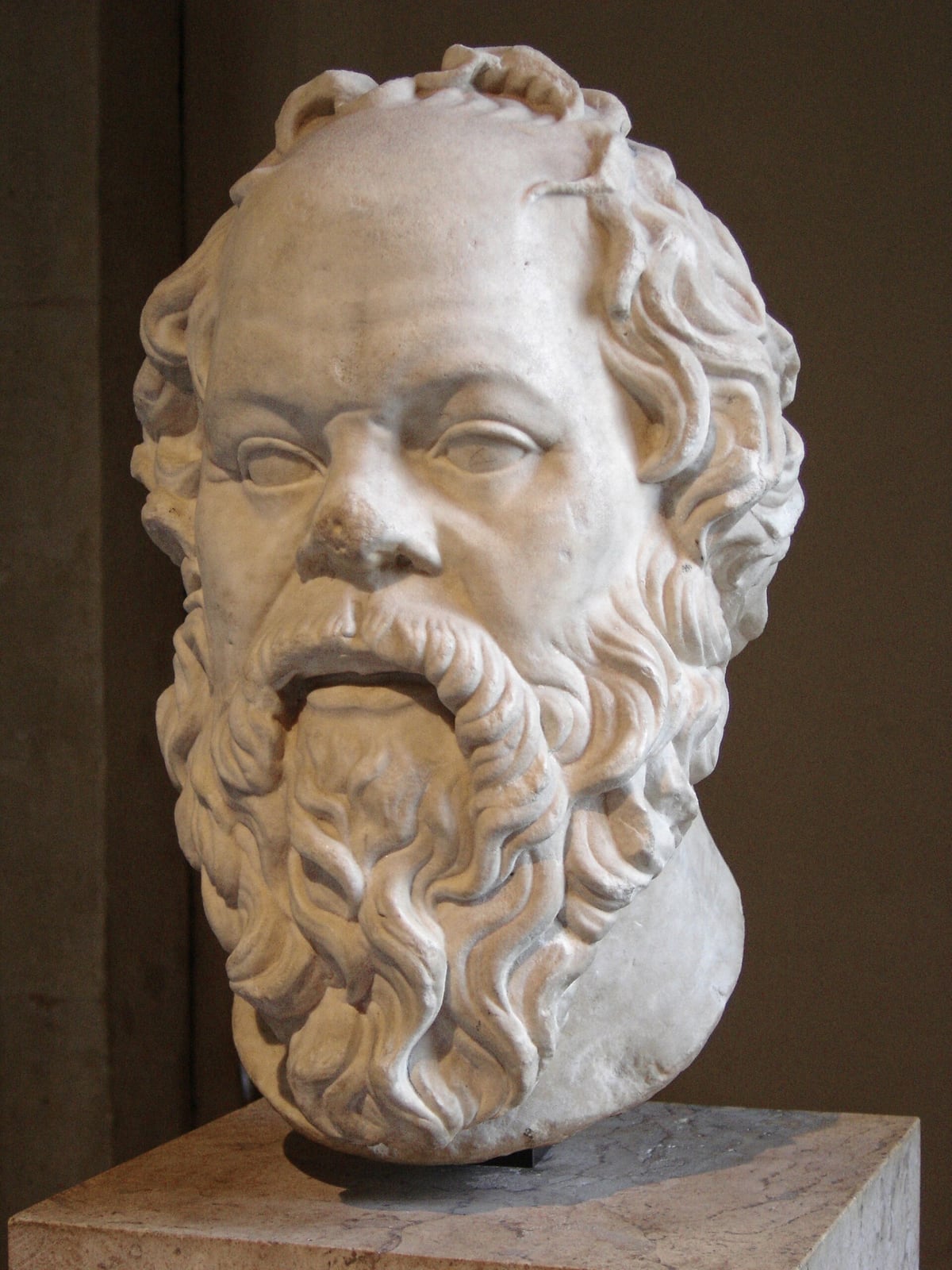
«I know that I know nothing.»
The formula appears in no ancient text about Socrates. It is a later simplification of Apology 21d, where Socrates says something more precise: that he does not think he knows what he does not know. In Plato Socrates claims to know some things (for instance, that doing wrong is bad, Apology 29b).
Warum es nicht von ihm ist → - Falsch zugeschrieben
«Know thyself.»
It is one of the maxims inscribed at the temple of Apollo at Delphi, older than Socrates and ascribed in antiquity to several of the Seven Sages. Socrates quotes and discusses it (Phaedrus 229e, Charmides 164d), but it is not his.
Warum es nicht von ihm ist → - Falsch zugeschrieben
«There is only one good, knowledge, and one evil, ignorance.»
Only Diogenes Laertius (II 31) transmits it, more than six centuries later and without naming a source. It sums up Socratic intellectualism as a slogan, but it is not found in Plato or Xenophon.
Warum es nicht von ihm ist → - Falsch zugeschrieben
«Education is the kindling of a flame, not the filling of a vessel.»
Attributed to Socrates online, it comes from Plutarch, On Listening (Moralia 48c), who says the mind is not a vessel to be filled but kindling to be set alight. Plutarch lived five centuries later.
Warum es nicht von ihm ist → - Falsch zugeschrieben
«The "triple filter test": before you tell me something, is it true, is it good, is it useful?»
A moralising anecdote circulating in self-help books and chain emails since the late twentieth century. It has no ancient source.
Warum es nicht von ihm ist →
- Falsch zugeschrieben
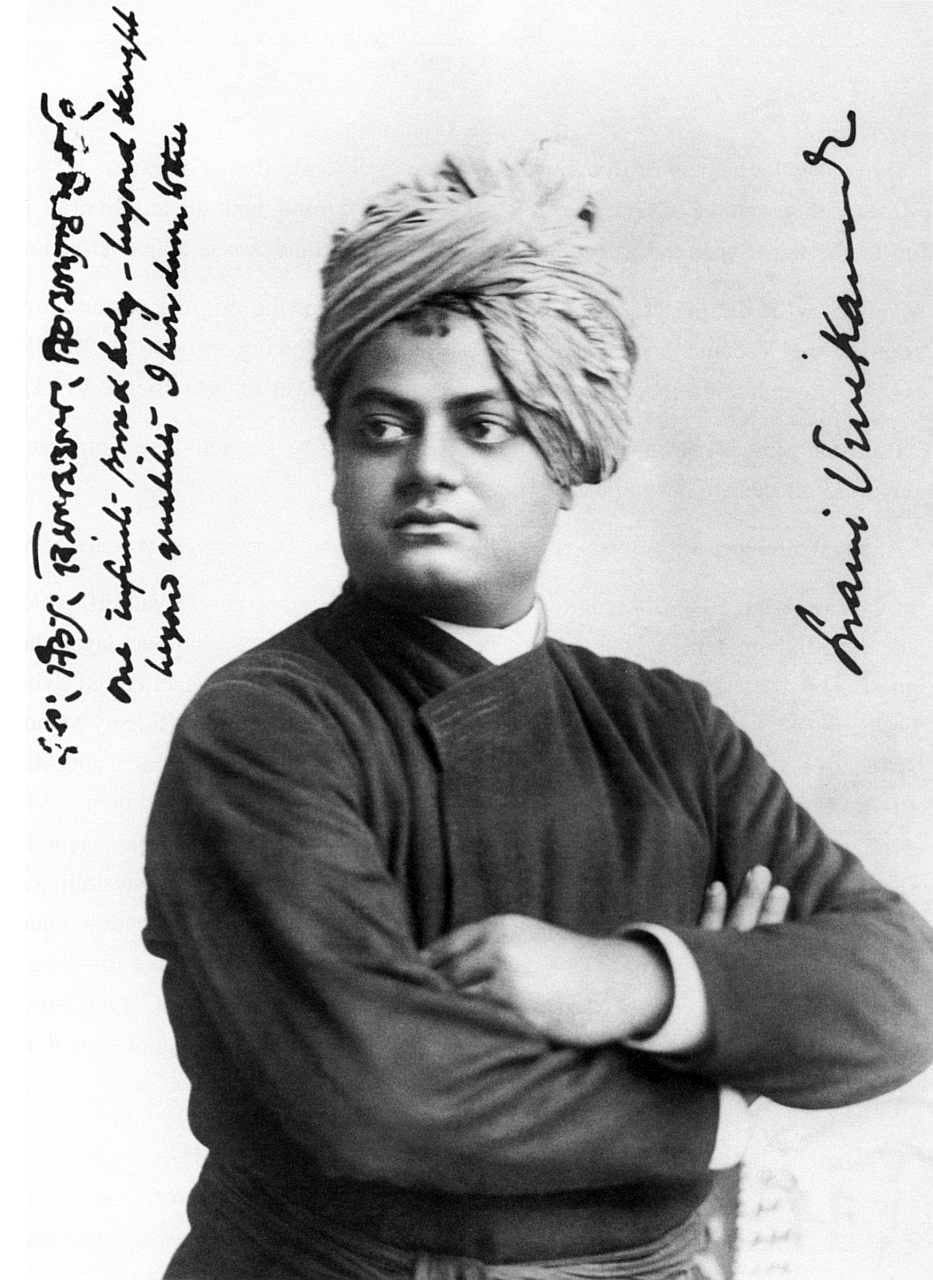
«'Talk to yourself once in a day, otherwise you may miss meeting an excellent person in this world.'»
It circulates massively on social media and posters under his name, but it does not appear in any of the nine volumes of the Complete Works (search of the full Wikisource text, 2026-10-23). Neither its style nor its vocabulary is Vivekananda's.
Warum es nicht von ihm ist → - Falsch zugeschrieben
«'In a day, when you don't come across any problems – you can be sure that you are travelling in a wrong path.'»
Not located in the Complete Works (Wikisource search, 2026-10-23). It belongs to the self-help sayings attributed online without a source.
Warum es nicht von ihm ist → - Falsch zugeschrieben
«The audio recordings circulating as 'the voice of Swami Vivekananda' delivering the Chicago address.»
No sound recording of Vivekananda survives. The recordings presented as his 'own voice' are modern readings; neither the Ramakrishna Order nor Marie Louise Burke's research on his American stay mentions any recording.
Warum es nicht von ihm ist →
- Falsch zugeschrieben
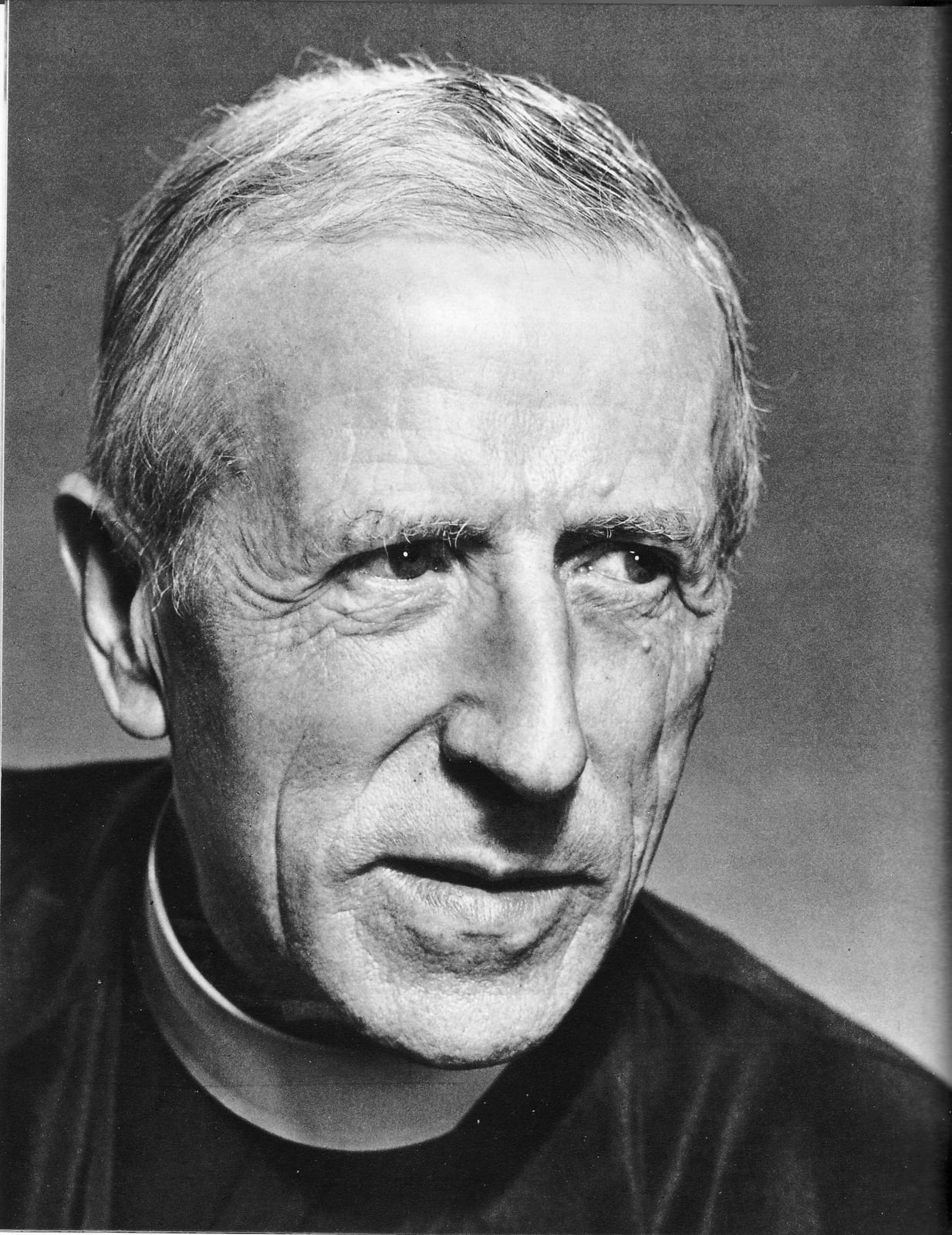
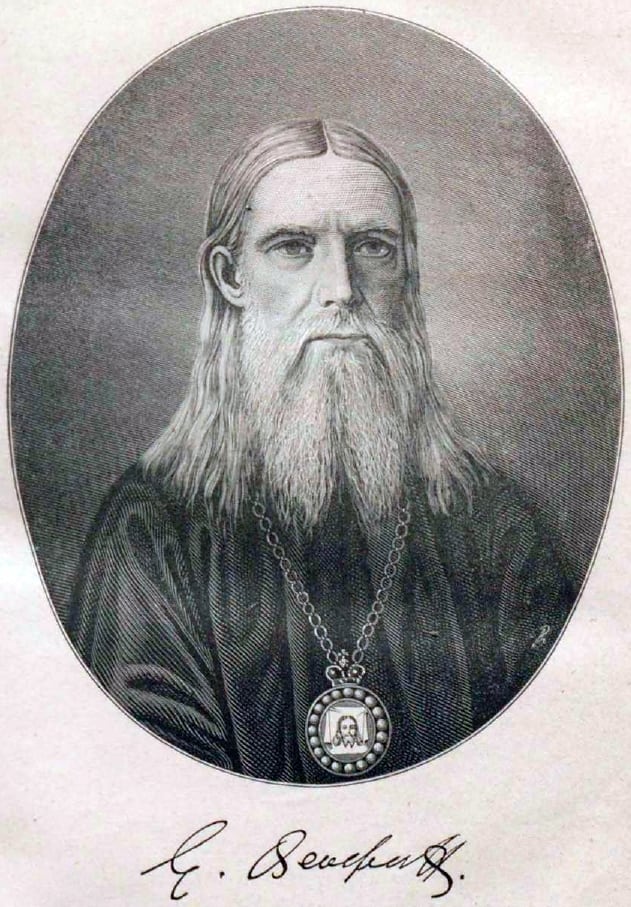
«"To pray is to descend with the mind into the heart, and there to stand before the face of the Lord, ever-present, all-seeing, within you."»
Widely circulated in English, it comes from the anthology The Art of Prayer (1936; English translation 1966), which assembles and sometimes condenses fragments of his letters. The idea is his and appears in letters 45 and 58 of What Is the Spiritual Life; the exact Russian wording has not been located.
Warum es nicht von ihm ist → - Falsch zugeschrieben
«Prophecies about the Russian revolution and the Antichrist attributed to him in devotional compilations.»
There is an authentic letter of 3 May 1881 in which, comparing Russia with pre-revolutionary France, he concludes that 'we too are on the road to revolution'; the 'prophecies' circulating under his name expand and dramatise passages like this, and many cannot be found in his writings.
Warum es nicht von ihm ist →

- Falsch zugeschrieben
«This is how I treat my friends. — That is why you have so few.»
Dialogue with God after a fall into the mud; it appears in no work, letter or sixteenth-century testimony. See the corresponding anecdote.
Warum es nicht von ihm ist → - Falsch zugeschrieben
«More tears are shed over answered prayers than unanswered ones.»
Modern attribution with no source in the Teresian corpus; the phrase has circulated in English since the twentieth century and seems to derive from the novel Mr. Blue (Myles Connolly, 1928) or its later diffusion.
Warum es nicht von ihm ist →

- Falsch zugeschrieben
«There is no way to happiness—happiness is the way.»
Attributed to Thich Nhat Hanh on thousands of pages, but it is a variant of “There is no way to peace; peace is the way”, a line of the pacifist A. J. Muste (1940s), which he occasionally quoted without claiming it. It is not found in any of his works in that wording.
Warum es nicht von ihm ist → - Falsch zugeschrieben
«Smile, breathe and go slowly.»
A card-and-T-shirt motto that sums up his teaching but does not appear as his sentence in any locatable work; probably a condensation of several passages from Peace Is Every Step.
Warum es nicht von ihm ist → - Falsch zugeschrieben
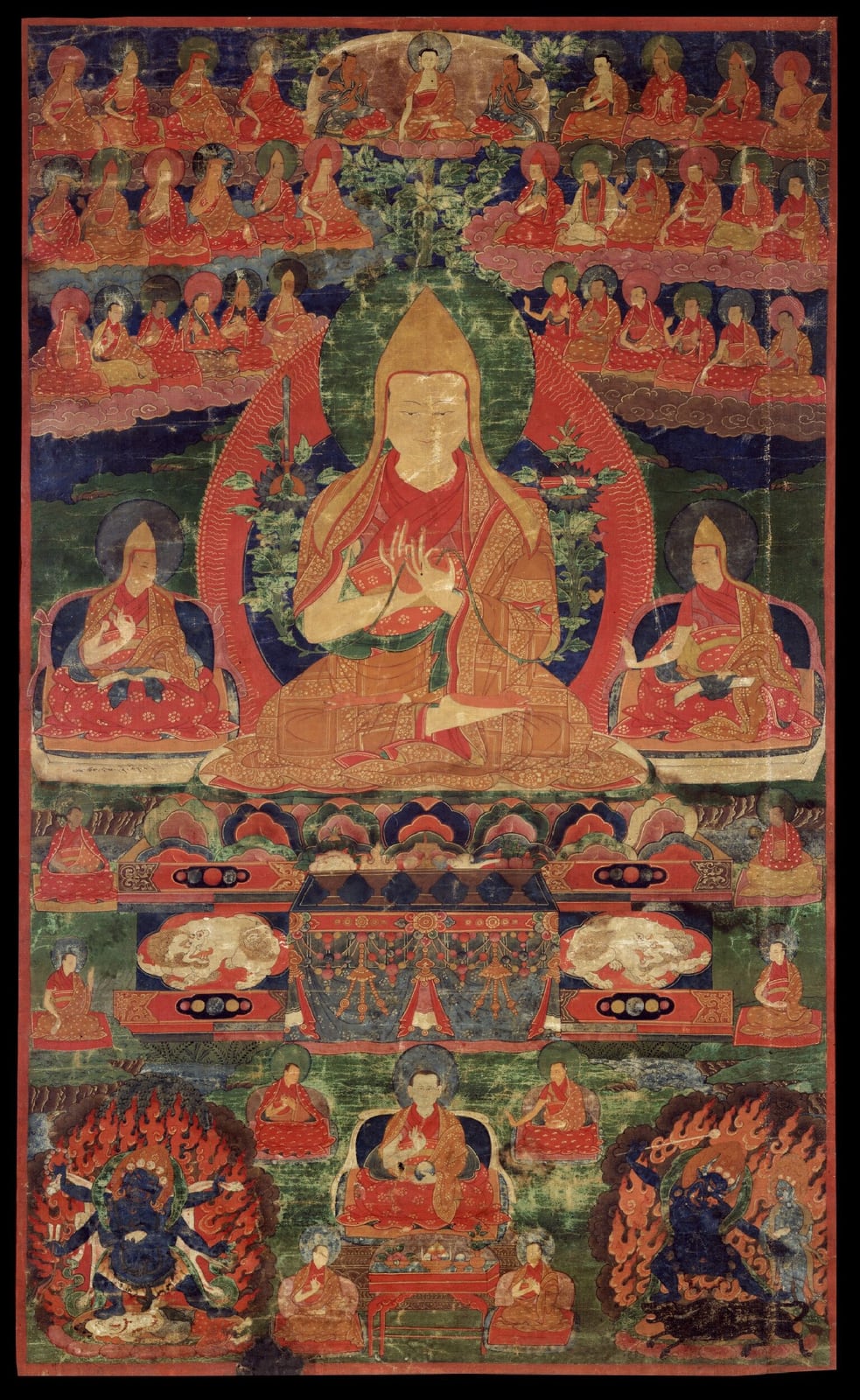
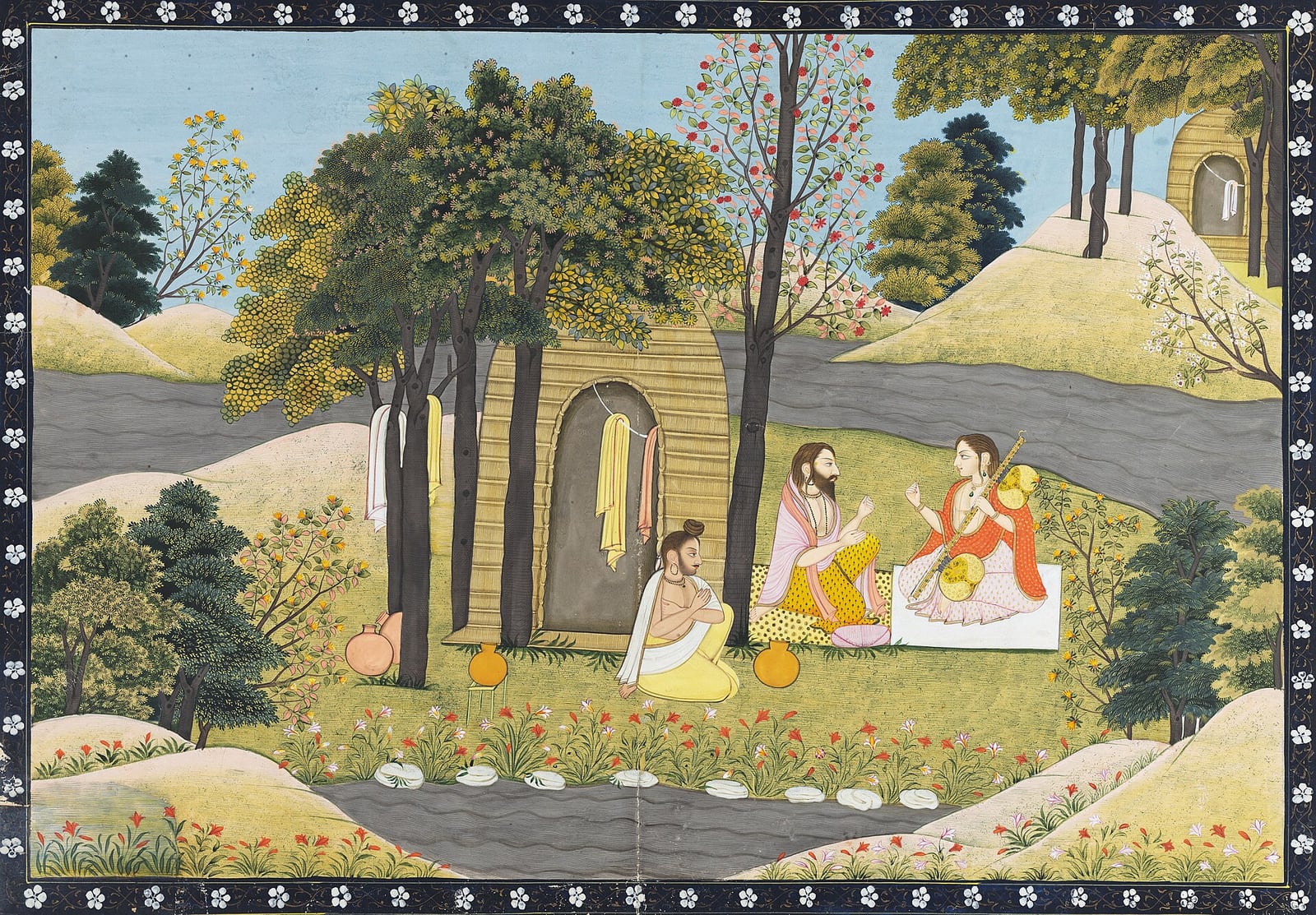
«To be beautiful means to be yourself. You don't need to be accepted by others. You need to accept yourself.»
Widely circulated on social media and in quotation anthologies; it could not be traced to any book or specific talk. Listed here as unverified, not as false.
Warum es nicht von ihm ist →

- Falsch zugeschrieben
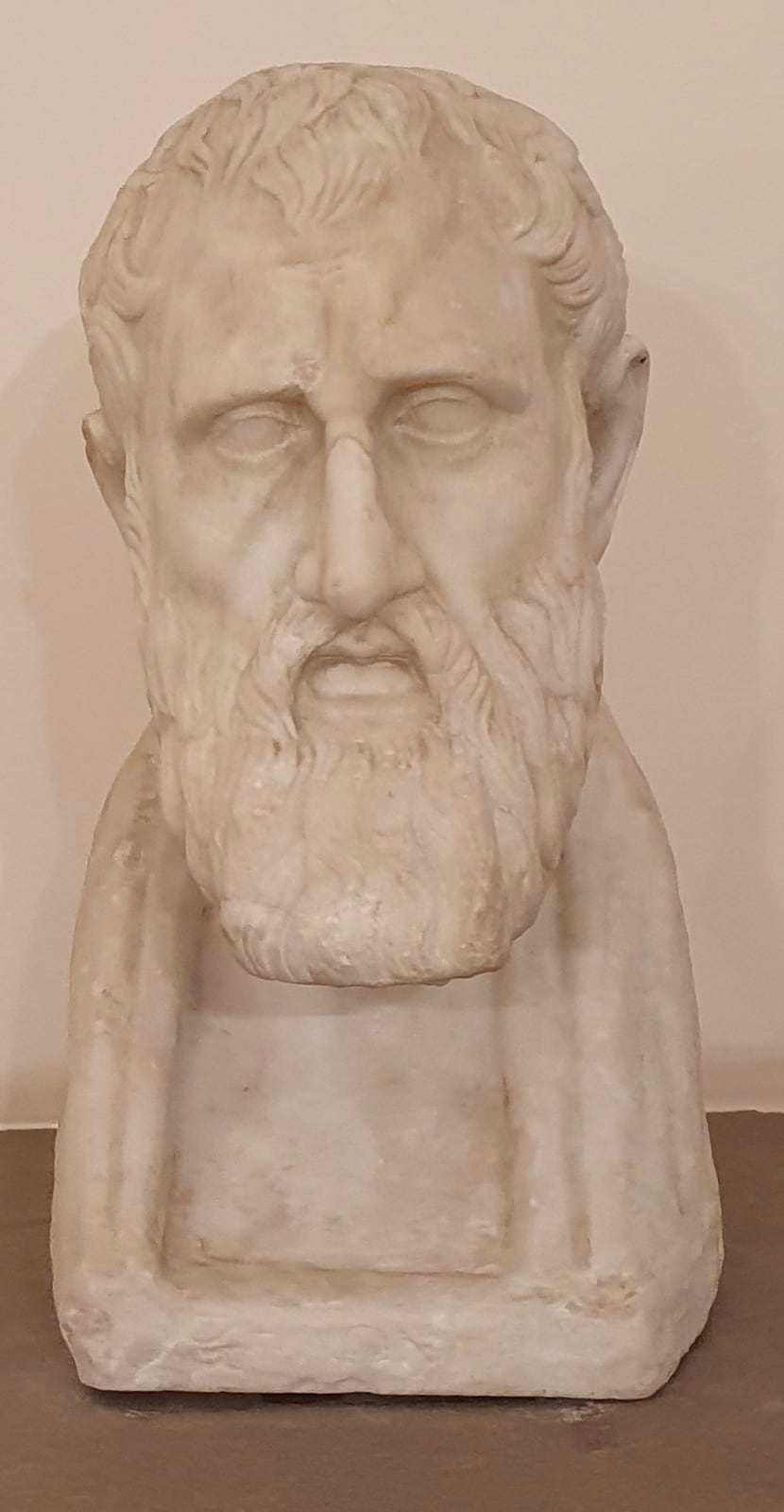
«Man conquers the world by conquering himself.»
It circulates online attributed to Zeno of Citium without any reference. It does not appear in Diogenes Laertius nor in the fragments collected by Pearson and von Arnim.
Warum es nicht von ihm ist → - Falsch zugeschrieben
«We have two ears and one mouth so that we can listen twice as much as we speak.»
A modern, arithmetical version of the saying genuinely transmitted by Diogenes Laertius (VII 23), which says only "that we may listen more and talk less". The "twice as much" form is not in the ancient text.
Warum es nicht von ihm ist →
- Falsch zugeschrieben
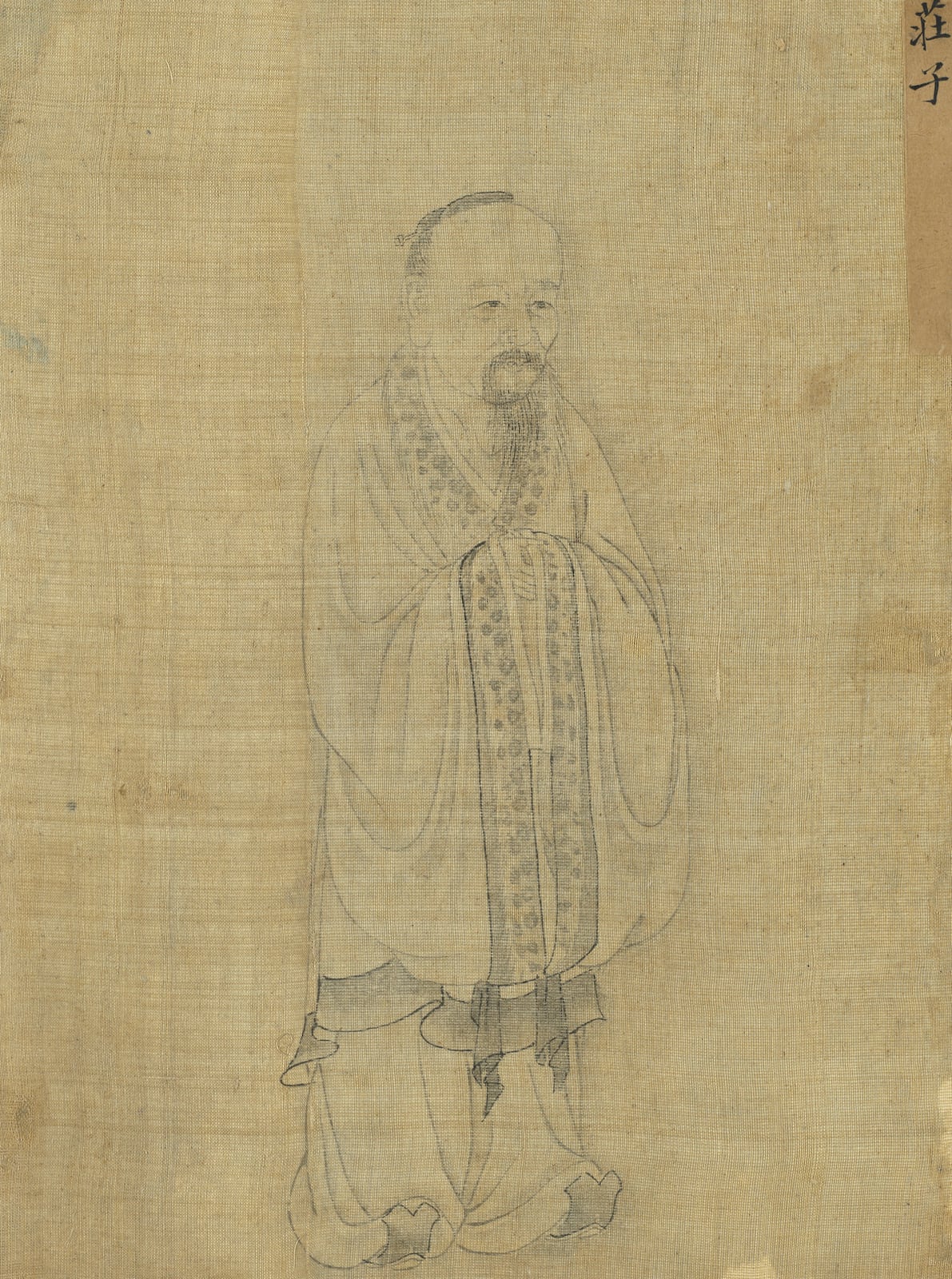
«"Flow with whatever may happen and let your mind be free: stay centred by accepting whatever you are doing. This is the ultimate."»
It circulates online as a literal quotation from Zhuangzi. It is a free modern paraphrase of a sentence in chapter 4 (乘物以遊心,託不得已以養中,至矣: "let your mind wander by riding on things, entrust yourself to the unavoidable to nourish your centre: that is the highest"), part of Confucius's counsel to the Duke of She. It matches no recognisable published translation.
Warum es nicht von ihm ist → - Falsch zugeschrieben
«"Happiness is the absence of the striving for happiness."»
A self-help line attributed to Zhuangzi. It distantly echoes chapter 18 (an outer chapter, not his work), which says 至樂無樂, "supreme happiness is having no happiness" or "not seeking it"; the popular wording is not a translation.
Warum es nicht von ihm ist →