Hinduismus · Christliche Mystik · Theosophie · Säkulare Kontemplation
Annie Besant
1847 – 1933Historisch belegte Person
Annie Besant (1847–1933), britische Rednerin, Reformerin und Theosophin, lebte mehrere Leben: Frau eines Geistlichen, Freidenkerin an der Seite von Charles Bradlaugh, Fabianische Sozialistin, die 1888 den Streik der Streichholzarbeiterinnen organisierte, ab 1889 Schülerin Blavatskys und Präsidentin der Theosophischen Gesellschaft (1907–1933). In Indien gründete sie das Central Hindu College, führte die Home Rule League an und leitete 1917 den Nationalkongress. Sie erzog Jiddu Krishnamurti zum künftigen »Weltlehrer« und akzeptierte 1929 seinen Verzicht.
- Werke
- 84Werke
- Ausgaben
- 178Ausgaben
- Zitate
- 9Zitate
- Videos
- 16Videos
- Bilder
- 8Bilder
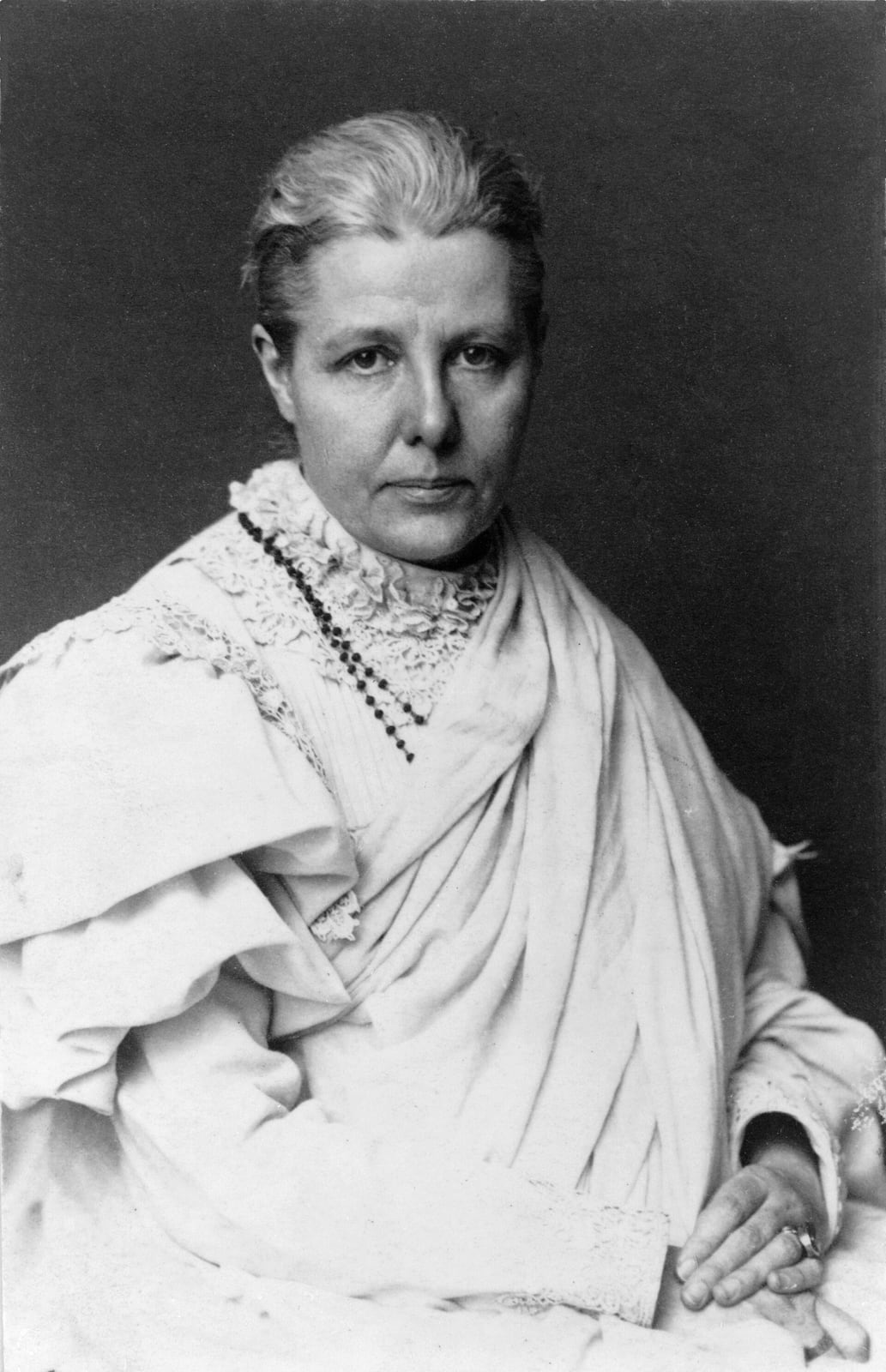
Annie Besant hacia 1897 · Public domain
In eigenen Worten
«Yoga is the rational application of the laws of the unfolding of consciousness, self-applied in an individual case.»An Introduction to Yoga (1908), conferencia I, «La naturaleza del yoga»

Der zentrale Gedanke
Thought-forms: According to Besant and Leadbeater, every thought and emotion produces two effects in the subtle matter surrounding the person: a radiating vibration that tends to reproduce the same state in other minds, and a 'form' that detaches itself, with colour, shape and definiteness determined by the quality, nature and precision of the thought.
Im Zusammenhang sehen
Biografie
5 Min. Lesezeit
Unterstützte Übersetzung aus dem spanischen Original, Durchsicht durch einen muttersprachlichen Übersetzer ausstehend.
Die Frau des Geistlichen
Annie Wood wurde am 1. Oktober 1847 in Clapham im Süden Londons geboren, in einer Mittelstandsfamilie irischer Herkunft. Ihr Vater, William Wood, ein Arzt, der nicht praktizierte, starb, als sie fünf Jahre alt war, und hinterließ die Familie mittellos; ihre Mutter, Emily Morris, eröffnete eine Pension für Schüler aus Harrow und vertraute die Erziehung des Mädchens Ellen Marryat an, der Schwester des Romanciers, die es in evangelikaler Strenge aufzog und ihm Französisch und Deutsch beibrachte. Annie war ein frommes junges Mädchen, das vom Martyrium träumte. Im Dezember 1867 heiratete sie Frank Besant, einen anglikanischen Geistlichen von spröder Art, und bekam zwei Kinder, Digby und Mabel. Die Ehe war ein Desaster, das sie selbst in ihrer Autobiographie von 1893 ohne Beschönigung schilderte: die Krankheit der Tochter, die Lektüre der Bibelkritiker, die Unmöglichkeit, ohne Glauben zum Abendmahl zu gehen. 1873 trennte sie sich rechtlich von ihrem Mann, der das Sorgerecht für den Sohn behielt, und ging mit der Tochter und ohne Beruf in die Welt hinaus.
Freidenkerin und Sozialistin
1874 lernte sie Charles Bradlaugh kennen, den Führer der National Secular Society, und war fünfzehn Jahre lang seine Mitstreiterin auf der Rednertribüne und, unter dem Pseudonym »Ajax«, seine Mitarbeiterin beim National Reformer. Sie lernte in Arbeitersälen öffentlich zu sprechen – man sagte, sie sei die beste Rednerin Englands –, schrieb My Path to Atheism (1877) und verteidigte den Atheismus als die ehrlichste Haltung angesichts fehlender Beweise. 1877 gaben die beiden Fruits of Philosophy neu heraus, die Schrift des Arztes Charles Knowlton über Geburtenkontrolle, um einen Obszönitätsprozess zu erzwingen. Sie wurden verurteilt und in der Berufung freigesprochen; Annie schrieb ihre eigene Abhandlung, The Law of Population, und zahlte den Preis: 1878 entzog ihr ein Gericht wegen ihrer Ansichten das Sorgerecht für Mabel. Sie studierte Naturwissenschaften an der Universität London, veröffentlichte über Vivisektion und über die Ehe und wandte sich um 1885 dem Sozialismus zu. Sie trat der Fabian Society bei, nahm am 13. November 1887 am »Bloody Sunday« auf dem Trafalgar Square teil und veröffentlichte im Juni 1888, nachdem sie die Arbeiterinnen der Streichholzfabrik Bryant & May befragt hatte, in ihrer Zeitung The Link den Artikel »White Slavery in London«. Der darauf folgende Streik, den die Streichholzarbeiterinnen in drei Wochen gewannen, ist ein Meilenstein der britischen Gewerkschaftsgeschichte. In jenem Herbst wurde sie für Tower Hamlets in das London School Board gewählt.
Theosophin
Im Frühjahr 1889 bat W. T. Stead sie, Die Geheimlehre für die Pall Mall Gazette zu besprechen. Besant beschrieb die Lektüre als ein Wiedererkennen, besuchte Blavatsky und beantragte im Mai, nachdem sie den Bericht der SPR gelesen hatte, der diese des Betrugs bezichtigte, die Aufnahme in die Theosophische Gesellschaft. Die Bekehrung empörte ihre rationalistischen Freunde – Bradlaugh hielt sie für eine Tragödie – und machte sie binnen zwei Jahren zur Erbin Blavatskys: Sie leitete die Blavatsky Lodge, führte gemeinsam mit William Q. Judge die Esoterische Sektion und nach der Spaltung von 1895 allein. 1893 sprach sie auf dem Parlament der Religionen in Chicago und kam zum ersten Mal nach Indien. Von da an teilte sich ihr Leben zwischen Adyar, Benares und Vortragsreisen um die Welt.
In Indien wurde sie aus freier Wahl zur Hindu: Sie lernte Sanskrit, übersetzte die Bhagavad Gita (1895) und gründete 1898 das Central Hindu College in Benares, die Keimzelle der Banaras Hindu University. Ihr theosophisches Schaffen ist gewaltig: Uralte Weisheit (The Ancient Wisdom, 1897), das systematische Handbuch der Bewegung; Esoterisches Christentum (1901), das die Evangelien als Einweihungsmysterien liest; Thought Power (1901) und, mit Charles Webster Leadbeater, Gedankenformen (1905) und Okkulte Chemie (1908), Werke der »Hellsichtigkeit«, die Kandinsky und die ersten Abstrakten faszinierten. 1907, nach Olcotts Tod, wurde sie zur Präsidentin der Theosophischen Gesellschaft gewählt, ein Amt, das sie bis zu ihrem Tod innehatte. Sie holte Leadbeater zurück, der 1906 nach Vorwürfen unangemessenen Verhaltens gegenüber Minderjährigen die Gesellschaft hatte verlassen müssen – eine Entscheidung, die den Rest ihrer Amtszeit prägte.
Krishnamurti
1909 bemerkte Leadbeater am Strand von Adyar einen vierzehnjährigen Brahmanenjungen, Jiddu Krishnamurti, dessen Aura ihm frei von jeder Spur von Selbstsucht schien. Besant erwirkte vom Vater, Narayaniah, die Vormundschaft über Krishnamurti und seinen Bruder Nitya, und 1911 wurde der Orden des Sterns im Osten gegründet, um das Kommen des »Weltlehrers« vorzubereiten, der sich in ihm verkörpern sollte. Der Vater forderte die Söhne 1912 gerichtlich zurück; das Oberste Gericht von Madras entschied 1913 gegen sie, und der Kronrat (Privy Council) in London hob das Urteil 1914 auf. Die messianische Erwartung spaltete die Gesellschaft – Rudolf Steiner trennte sich 1912–1913 mit der deutschen Sektion – und gipfelte am 3. August 1929 in Ommen, als Krishnamurti den Orden vor dreitausend Mitgliedern und in Anwesenheit Besants mit dem Satz »Die Wahrheit ist ein pfadloses Land« auflöste. Sie nahm die Entscheidung hin, liebte ihn weiterhin wie einen Sohn und hielt schriftlich fest, dass sie nicht mit dem Lehrer zu streiten gedenke.
Indien und die Home Rule
Zugleich wurde Besant zu einer der Stimmen des indischen Nationalismus. 1914 kaufte sie den Madras Standard und benannte ihn in New India um; 1916 gründete sie nach irischem Vorbild die Home Rule League, mit Tilak als Verbündetem. Die Regierung von Madras internierte sie im Juni 1917 in Ootacamund; die Kampagne für ihre Freilassung trug sie im Dezember jenes Jahres an die Spitze der Sitzung des Indischen Nationalkongresses in Kalkutta – als erste Frau in diesem Amt. Ihr politischer Stern sank bald: Sie widersetzte sich dem zivilen Ungehorsam Gandhis, den sie für unbesonnen hielt, und die Bewegung ließ sie hinter sich. Sie arbeitete weiter für die Bildung, die indische Pfadfinderbewegung, die Rechte der Frauen und die Commonwealth of India Bill von 1925.
Sie starb am 20. September 1933 in Adyar im Alter von fünfundachtzig Jahren. Ihre Asche wurde in Benares in den Ganges gestreut, ein Teil ruht im Garten der Erinnerung in Adyar. Indien ehrte sie 1963 mit einer Briefmarke. Ihr Vermächtnis ist doppelt und widersprüchlich: die Rednerin, die weder Gericht noch Gefängnis fürchtete, und die Präsidentin, die an einen jugendlichen Messias glaubte; dazwischen ein Leben, das, mit ihren eigenen Worten, »dem Dienst am Menschen« geweiht war.
Quellen: Raw, Louise. Striking a Light: The Bryant and May Matchwomen and Their Place in History. Londres: Continuum, 2009. · Besant, Annie. Annie Besant: An Autobiography. Londres: T. Fisher Unwin, 1893. · Taylor, Anne. Annie Besant: A Biography. Oxford: Oxford University Press, 1992. · Nethercot, Arthur H. The First Five Lives of Annie Besant. Chicago: University of Chicago Press, 1960. · Nethercot, Arthur H. The Last Four Lives of Annie Besant. Chicago: University of Chicago Press, 1963.
Zeitleiste
Das Leben, Jahr für Jahr
Jeder Punkt ist ein belegtes Ereignis. Klicken Sie, um es mit Quelle und Grad der Gewissheit zu lesen.
1. Oktober 18470 JahreClapham, Londres
Birth
Annie Wood is born, daughter of William Wood and Emily Morris, into a middle-class family of Irish origin.
BelegtBesant, Annie. Annie Besant: An Autobiography. Londres: T. Fisher Unwin, 1893.
Nach dem Tod
- 1. Oktober 1963Commemorative stamp
1. Oktober 1847 · 0 Jahre
Birth
Annie Wood is born, daughter of William Wood and Emily Morris, into a middle-class family of Irish origin.
Belegt
1852 · 5 Jahre
Death of her father
William Wood dies. Her mother opens a boarding house at Harrow and entrusts Annie's education to Ellen Marryat.
Belegt
Dezember 1867 · 20 Jahre
Marriage to Frank Besant
She marries the Rev. Frank Besant. Digby (1869) and Mabel (1870) are born. Her religious crisis begins with her daughter's illness.
Belegt
1873 · 26 Jahre
Separation
She refuses to take communion and is legally separated from her husband, who keeps custody of their son. She settles in London with Mabel.
Belegt
2. August 1874 · 26 Jahre
Meeting Charles Bradlaugh
She meets Charles Bradlaugh, leader of the National Secular Society, and begins writing in the National Reformer as 'Ajax'. Her first public lecture is on 25 August.
Belegt
18. Juni 1877 · 29 Jahre
The Knowlton pamphlet trial
Bradlaugh and Besant are tried for reissuing Charles Knowlton's Fruits of Philosophy, on birth control. Besant conducts her own defence; convicted, the sentence is quashed on appeal on a technicality.
Belegt
Mai 1878 · 30 Jahre
Loss of custody of Mabel
Sir George Jessel removes Mabel from Besant's custody because of her atheist views and the Knowlton pamphlet. She regains contact with her children when they come of age.
Belegt
1885 · 37 Jahre
Towards socialism
She joins the Fabian Society and publishes Autobiographical Sketches. In November 1887 she takes part in 'Bloody Sunday' in Trafalgar Square.
Belegt
23. Juni 1888 · 40 Jahre
The matchgirls' strike
She publishes 'White Slavery in London' in The Link after interviewing Bryant & May workers. Dismissals and a strike of some 1,400 women follow; Besant organises the committee and the firm gives in within three weeks. In November she is elected to the London School Board.
Belegt
10. Mai 1889 · 41 Jahre
Joining the Theosophical Society
After reviewing The Secret Doctrine for the Pall Mall Gazette and meeting Blavatsky, she applies for membership. She publishes Why I Became a Theosophist and breaks with Bradlaugh's secularism.
Belegt
8. Mai 1891 · 43 Jahre
Blavatsky's death; Besant as heir
Blavatsky dies at Besant's house in Avenue Road. Besant and W. Q. Judge jointly direct the Esoteric Section; in 1893 she publishes her Autobiography.
Belegt
16. November 1893 · 46 Jahre
First arrival in India
After speaking at the World's Parliament of Religions in Chicago (September), she lands in India, which will become her home. She learns Sanskrit and translates the Bhagavad Gita (1895).
Belegt
1895 · 47 Jahre
The Judge schism
The dispute with William Q. Judge over the authenticity of his messages from the Masters splits the Society: the American section secedes. Besant is left in charge of the Adyar Esoteric School.
Belegt
7. Juli 1898 · 50 Jahre
Founding of the Central Hindu College
She opens the Central Hindu College, which in 1916 is absorbed into Madan Mohan Malaviya's Banaras Hindu University.
Belegt
Juni 1907 · 59 Jahre
President of the Theosophical Society
After Olcott's death in February she is elected president by a large majority. In 1908 she reinstates C. W. Leadbeater, expelled in 1906, a much-disputed decision.
Belegt
1909 · 61 Jahre
The 'discovery' of Krishnamurti
Leadbeater notices the fourteen-year-old Jiddu Krishnamurti on the beach at Adyar. Besant takes over his guardianship and his brother Nitya's in 1910 and, in 1911, the Order of the Star in the East is founded to prepare the coming of the World Teacher.
Belegt
1912 – 1914 · 65 Jahre
The Narayaniah suit and the break with Steiner
Narayaniah, Krishnamurti's father, sues Besant for custody; the Madras High Court rules against her (1913) and the Privy Council reverses the judgment (1914). Rudolf Steiner and the German section, opposed to the messianism of the Order of the Star, break with the Society (1912–1913).
Belegt
September 1916 · 68 Jahre
Founding of the Home Rule League
After buying and renaming the daily New India (1914), she founds the All-India Home Rule League, parallel to Tilak's, to demand self-government within the Empire.
Belegt
26. Dezember 1917 · 70 Jahre
President of the Indian National Congress
Interned by the Madras Government at Ootacamund from June to September, the campaign for her release carries her to the presidency of the Calcutta session of Congress, the first woman to hold it.
Belegt
3. August 1929 · 81 Jahre
Krishnamurti dissolves the Order of the Star
Before some three thousand members and in Besant's presence, Krishnamurti dissolves the Order ('Truth is a pathless land') and rejects the role of World Teacher. Besant publicly accepts the decision.
Belegt
20. September 1933 · 85 Jahre
Death
She dies at the Theosophical Society headquarters after months of decline. Her ashes are scattered in the Ganges at Benares; part rests in the Garden of Remembrance at Adyar.
Belegt
1. Oktober 1963
Commemorative stamp
The Indian postal service issues a stamp in her honour; schools and streets in Chennai, Varanasi and other cities bear her name.
Belegt
Werke
Grundlegende Werke
Die Werke, ohne die sich das Vermächtnis nicht verstehen lässt.
Schriftliches Werk · 1893
An Autobiography
Annie Besant: An Autobiography
An account of her first forty-five years: the evangelical childhood, the marriage to Frank Besant, the crisis of faith, the years with Bradlaugh, the Knowlton trial, the loss of her daughter, socialism, the matchgirls' strike and, in the final chapter, 'Through Storm to Peace', the meeting with Blavatsky. Written with a candour unusual in a Victorian woman, it is the indispensable primary source and a remarkable piece of autobiographical prose.
4 Ausgaben · amazon.com

Schriftliches Werk · 1897
The Ancient Wisdom
The Ancient Wisdom: An Outline of Theosophical Teachings
The systematic manual of Adyar Theosophy and Besant's most influential book. It sets out the planes of nature, the bodies of man, reincarnation, karma, the law of sacrifice, the ascent of man and the building of the kosmos, with an expository clarity Blavatsky never had. It was the training text of several generations of Theosophists and the way many readers—among them artists such as Kandinsky and Mondrian—came to know the doctrine.
7 Ausgaben · amazon.de

Schriftliches Werk · 1901
Esoteric Christianity
Esoteric Christianity, or The Lesser Mysteries
A Theosophical reading of Christianity: it holds that the early Church possessed initiatory 'Mysteries of Jesus', later lost, and distinguishes in Christ three figures: the historical Jesus, the mythic Christ (the solar drama) and the mystic Christ (the divine principle born in every soul). It reinterprets atonement, resurrection, the Trinity, prayer and the sacraments as symbols of inner processes. It is the text that most influenced twentieth-century esoteric Christianity and the Liberal Catholic Church.
5 Ausgaben · amazon.com

Schriftliches Werk · 1905
Thought-Forms
It describes the shapes and colours which, according to the authors, thoughts and emotions generate in astral and mental matter: each definite thought produces a radiating vibration and a floating form. The 58 plates—colour abstractions for devotion, anger, the music of Wagner or Gounod—circulated among avant-garde painters: Kandinsky, Kupka, Mondrian and the first abstract artists knew them, as Sixten Ringbom showed. It is today the Theosophical book most cited by art history.
6 Ausgaben · amazon.com
Das gesamte Werk (84)

Autobiographical Sketches
1885

My Path to Atheism
1877

The Law of Population
1877

Marriage, As It Was, As It Is, and As It Should Be
1879

Why I Became a Theosophist
1889

The Seven Principles of Man
1892

Reincarnation
1892

Death—and After?
1893

Karma
1895

Man and His Bodies
1896

The Building of the Kosmos
1894

In the Outer Court
1895

The Path of Discipleship
1896

The Bhagavad Gita (translation)
1895

Four Great Religions
1897

Thought Power
1901

A Study in Consciousness
1904

An Introduction to Yoga
1908

Occult Chemistry
1908

The Laws of the Higher Life
1903

The Pedigree of Man
1904

Theosophy and the New Psychology
1904

London Lectures of 1907
1907

The Changing World
1909
Zitate
Zitate, die in einem bestimmten Werk nachgewiesen sind. Jedes trägt seine Herkunft und seinen Grad an Verlässlichkeit.
Yoga is the rational application of the laws of the unfolding of consciousness, self-applied in an individual case.GeprüftAn Introduction to Yoga (1908), conferencia I, «La naturaleza del yoga»
Apokryphe Zitate oder Zitate umstrittener Zuschreibung (2)
«'Better remain silent, better not even think, if you are not prepared to act.'»
Attributed to Besant in countless quotation collections, it does not appear in her Autobiography, in the Autobiographical Sketches or in the Theosophical works digitised at Project Gutenberg. With no location in any specific work, it must be regarded as of unverified authenticity.
«'No philosophy, no religion, has ever brought so glad a message to the world as this good news of Atheism.'»
Quoted as from My Path to Atheism or The Gospel of Atheism (1877). It could not be located in the text of My Path to Atheism digitised at Project Gutenberg; it may come from the pamphlet The Gospel of Atheism, not consulted. Unverified.
Letzte Worte
Es gibt keine überprüfbaren Aufzeichnungen der letzten Worte.
Her biographers (Nethercot, The Last Four Lives of Annie Besant, 1963; Taylor, 1992) describe a decline of several months at Adyar, with progressive memory loss and long periods of unconsciousness, and record no last words. The phrases circulating online as Besant's 'last words' have no source.
Quelle: Nethercot, Arthur H. The Last Four Lives of Annie Besant. Chicago: University of Chicago Press, 1963.
Fragen
Was das Werk beantwortet
Zwölf große Fragen der Menschheit und was sich aus den Texten darauf antworten lässt, mit Belegen. Wir legen niemandem Worte in den Mund.
Was ist das Absolute? Gibt es Gott?
One Existence from which proceeds a Logos that does relate
Persönlich und unpersönlich zugleichAusdrücklich gesagt
Annie Besant came to Theosophy from militant atheism: in My Path to Atheism (1877) she had rejected the Christian God. As a Theosophist, in The Ancient Wisdom (1897) she starts from one Existence, infinite and unknowable, the root of all, from which proceeds the Logos or manifested God, triple in nature, who shapes a universe and relates to it. Unlike Blavatsky, who stresses the rejection of a personal God, Besant grants this Logos features of consciousness, will and love, and in Esoteric Christianity (1901) she rereads the Christian Trinity as an expression of that triplicity. The divine thus has an impersonal, formless ground and a manifested face to which devotion can be addressed; both are true, each at its level, and human evolution consists in coming to recognise them.
Diese Frage mit anderen Meistern vergleichenWer bin ich? Gibt es ein wahres Selbst?
We are an immortal Ego that puts on bodies in order to learn
Eine sich entwickelnde SeeleAusdrücklich gesagt
Annie Besant popularised Theosophical anthropology with a more didactic scheme than Blavatsky's. In The Seven Principles of Man (1892) and Man and His Bodies (1896) she distinguishes between the Ego or soul, which persists, and the bodies — physical, etheric, astral, mental — which it uses in each incarnation and which are renewed. Above the Ego she places the Monad, a spark of the divine. The everyday self, with its desires and opinions, is the personality of a single life; the true self is the Ego which, from existence to existence, learns to master its vehicles and to express divine qualities. In The Ancient Wisdom (1897) she presents reincarnation and karma as the laws of this evolution. To know oneself is, for Besant, to identify progressively with the soul and not with the bodies that clothe it.
Diese Frage mit anderen Meistern vergleichenWarum leiden wir?
Each pain is a debt being paid and a lesson being learned
Karma und das Lernen der SeeleAusdrücklich gesagt
Annie Besant devoted an early book to karma, Karma (1895), and years later a broader study, A Study in Karma (1912). There she presents it as natural law, not sanction: thoughts, desires and acts generate forces that return to whoever emitted them. Thoughts shape the character of the next life, desires determine opportunities and environment, and acts produce favourable or painful circumstances. Suffering is the way old debts are paid, and Besant insists that knowing the law frees one from resentment: nothing comes by anyone's whim. Yet karma is not fatalism, since the present always adds new causes and the will can modify the future. In her evolutionary vision, pain teaches what the soul did not learn by other means and pushes it to grow.
Diese Frage mit anderen Meistern vergleichenWas geschieht nach dem Tod?
Death is a change of garment in a long series of lives
Wiedergeburt nach dem KarmaAusdrücklich gesagt
Annie Besant popularised the Theosophical doctrine of death in short, clear manuals: Death—and After? and Reincarnation, both from the 1890s, and later in The Ancient Wisdom. She holds that death affects only the vehicles of the human being. The Thinker, the immortal Ego, leaves the physical body, passes through the astral world or kamaloka, where desires are purified, and rests in the heavenly world or devachan, where it turns the experiences of life into faculties. Afterwards it returns to a new body, determined by its karma and by what it needs to learn. Besant stresses the moral value of this view: it explains inequalities of birth without resorting to divine arbitrariness, takes the terror out of death and makes each person responsible for their future, until the evolution of the soul frees it from the need to be reborn.
Diese Frage mit anderen Meistern vergleichenWie erlangt man Befreiung oder Erlösung?
A path of discipleship with precise requirements culminating in successive initiations
Durch disziplinierte ÜbungAusdrücklich gesagt
Annie Besant describes liberation as the last stage of an evolution of consciousness that spans many lives and can be deliberately accelerated. In In the Outer Court and The Path of Discipleship she sets out the requirements for entering the path, taken from the Vedantic tradition: discrimination between the real and the unreal, dispassion, a set of virtues of mental conduct, and longing for liberation. On that basis are built the purification of the bodies, meditation and service. In Initiation: The Perfecting of Man she presents the great initiations as steps the disciple takes under the guidance of the Masters. For Besant yoga is an applied science governed by laws, not a reverie: freedom is worked at with method.
Diese Frage mit anderen Meistern vergleichenBraucht es einen Lehrer?
The disciple advances under a Master who accepts and initiates him
UnverzichtbarAusdrücklich gesagt
Annie Besant systematised the Theosophical doctrine of discipleship. In In the Outer Court and The Path of Discipleship she describes the stages through which the aspirant, after cultivating the required qualities, is tested, accepted and finally taken in charge by a Master of the occult Hierarchy. In Initiation: The Perfecting of Man she presents the great initiations as acts in which that Master and the Hierarchy intervene. The outer teacher is therefore a structural part of the accelerated path, although Besant insists that the aspirant should not seek him anxiously: it is the Master who appears when the disciple is ready. It was this conception that led her to proclaim the young Krishnamurti as the vehicle of the World Teacher.
Diese Frage mit anderen Meistern vergleichenIst die Welt wirklich?
Human beings live on several planes at once, with corresponding bodies
DaseinsebenenAusdrücklich gesagt
Annie Besant systematically popularised Theosophical cosmology. In The Ancient Wisdom and Man and His Bodies she describes a universe formed of planes of matter of decreasing density, physical, astral, mental and higher ones, which interpenetrate. To each plane corresponds a body or vehicle of the human being, so that the person lives simultaneously on several of them, though normally aware only of the physical. The visible world is real, but it is only the densest of these levels, and evolution consists in consciousness learning to function on ever subtler planes. With C. W. Leadbeater she held that thoughts create observable forms in mental matter.
Diese Frage mit anderen Meistern vergleichenWas ist Liebe?
Love is the force that unites the divided Self and proves itself in service
Grenzenloses MitgefühlAus der Lehre abgeleitet
Annie Besant came to Theosophy after a long secularist and socialist militancy, and kept from it the conviction that love is measured in service. In her atheist period she dreamed of a brotherhood in which service of Man would take the place of service of God. As a Theosophist she reinterprets that same passion: in The Ancient Wisdom and in her lectures on the higher life she describes love as the force of attraction by which the one Self, divided into many forms, tends to reunite, and hatred as a force of separation. The disciple must transform personal affection, which chooses and excludes, into an impersonal love offered to all that expects nothing. Her translation of the Bhagavad Gita and her defence of devotion complete this view, but the final criterion remains effective help to those who suffer.
Diese Frage mit anderen Meistern vergleichenSind wir frei, oder ist alles vorherbestimmt?
Karma is natural law: by knowing it, the human being builds his future
Karma und WahlAusdrücklich gesagt
Besant devoted two works to karma, *Karma* (1895) and *A Study in Karma* (1912), and in both she treats it as a natural law comparable to those of physics, not as punishment. Her argument distinguishes three levels: thought generates character, desire attracts circumstances and action determines the environment of the next life. What comes from the past is unavoidable, but the way of responding to it is open, and whoever understands the law stops suffering it and starts using it. Hence her insistence that theosophy is a doctrine of responsibility and hope: no one is condemned, because every present thought is a new cause. Her exposition systematises Blavatsky's in a more didactic tone, with scientific analogies.
Diese Frage mit anderen Meistern vergleichenWozu meditieren oder beten?
Yoga is a science for consciousness to discover the Self
Zur Quelle des Ich zurückkehrenAusdrücklich gesagt
Besant presents meditation as a rational discipline, not a drifting. In *An Introduction to Yoga* (1908) she defines yoga as the rational application of the laws of the unfolding of consciousness to an individual case, and warns that it is an applied science with a definite end. That end is that consciousness, having identified successively with body, emotions and mind, should recognise itself as the Self that uses them. In *Thought Power* (1901) she describes the method: concentration to make the mind a docile instrument, and meditation so that, once stilled, it lets the light of the Higher Self through. Practising it, she insists, also transforms ordinary life and character.
Diese Frage mit anderen Meistern vergleichenKann die Vernunft das Letzte erkennen?
From freethinking reason to the ancient wisdom, without abandoning method
Esoterisches WissenAusdrücklich gesagt
Besant came to theosophy from militant atheism and freethought, and kept from that period the demand for rational coherence. In her *Autobiography* she recounts that on reading *The Secret Doctrine* in 1889 she felt her mind leap ahead to the conclusions, so natural, coherent and subtle did the whole seem, and in *Why I Became a Theosophist* she explains the step as an answer to problems materialism could not solve. In *The Ancient Wisdom* (1897) she presents that doctrine as a knowledge transmitted by the masters and, at the same time, verifiable through the development of higher faculties. For her yoga is an applied science: reason leads to the threshold and inner experience confirms what the tradition teaches.
Diese Frage mit anderen Meistern vergleichenSich von der Welt zurückziehen oder sie verwandeln?
From the matchgirls' strike to Indian Home Rule
Sich in der Welt engagierenAusdrücklich gesagt
Few spiritual figures of her time committed themselves to public action as much as Annie Besant. Before Theosophy she was a secularist, an advocate of birth control — which earned her a prosecution — and a Fabian socialist; in 1888 she supported the strike of the Bryant & May matchgirls, whose words she records in her autobiography: it was time someone came and helped them. Converted to Theosophy, she did not abandon action but carried it to India: she founded the Central Hindu College in Benares, launched the Home Rule League in 1916 and was president of the Indian National Congress in 1917. For her the spiritual life proves itself in service, and universal brotherhood had to be translated into education, social justice and political freedom, in London as much as in Madras.
Diese Frage mit anderen Meistern vergleichen
Affinitäten und Spannungen
Affinitäten und Spannungen
Frage für Frage aus den Positionen berechnet. Den Grund jeder Übereinstimmung und jedes Widerspruchs zeigt ein Klick.
Denkt ähnlich wie
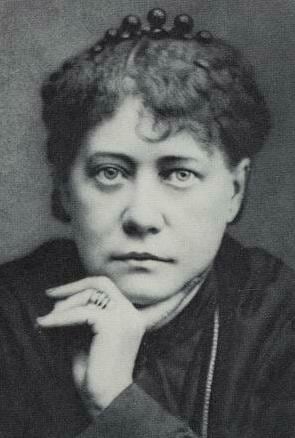
Helena Blavatsky
Übereinstimmung bei: Ist die Welt wirklich? · Wer bin ich? Gibt es ein wahres Selbst? · Warum leiden wir?
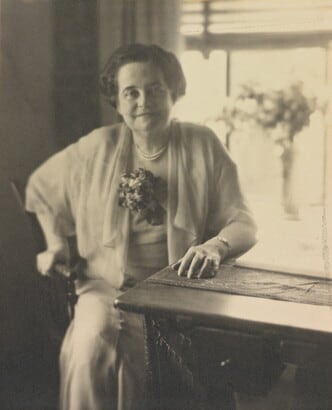
Alice A. Bailey
Übereinstimmung bei: Was ist das Absolute? Gibt es Gott? · Wer bin ich? Gibt es ein wahres Selbst? · Warum leiden wir?
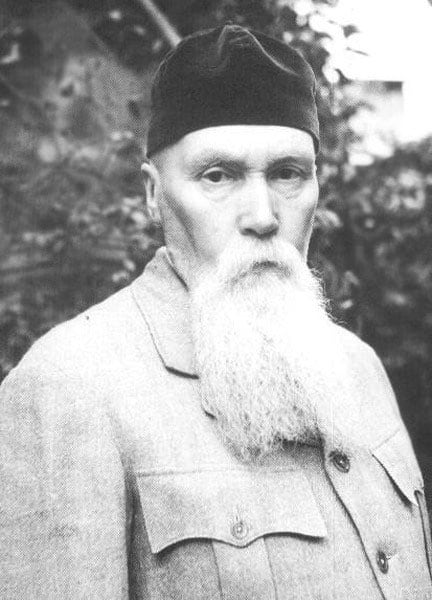
Nicholas Roerich
Übereinstimmung bei: Braucht es einen Lehrer? · Ist die Welt wirklich? · Kann die Vernunft das Letzte erkennen?
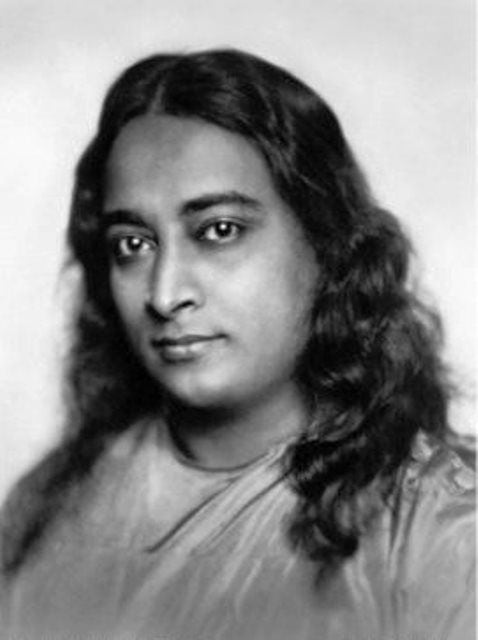
Paramahansa Yogananda
Übereinstimmung bei: Was ist das Absolute? Gibt es Gott? · Wer bin ich? Gibt es ein wahres Selbst? · Warum leiden wir?
Denkt anders als
Alan Watts
Widerspruch bei: Wie erlangt man Befreiung oder Erlösung? · Braucht es einen Lehrer?
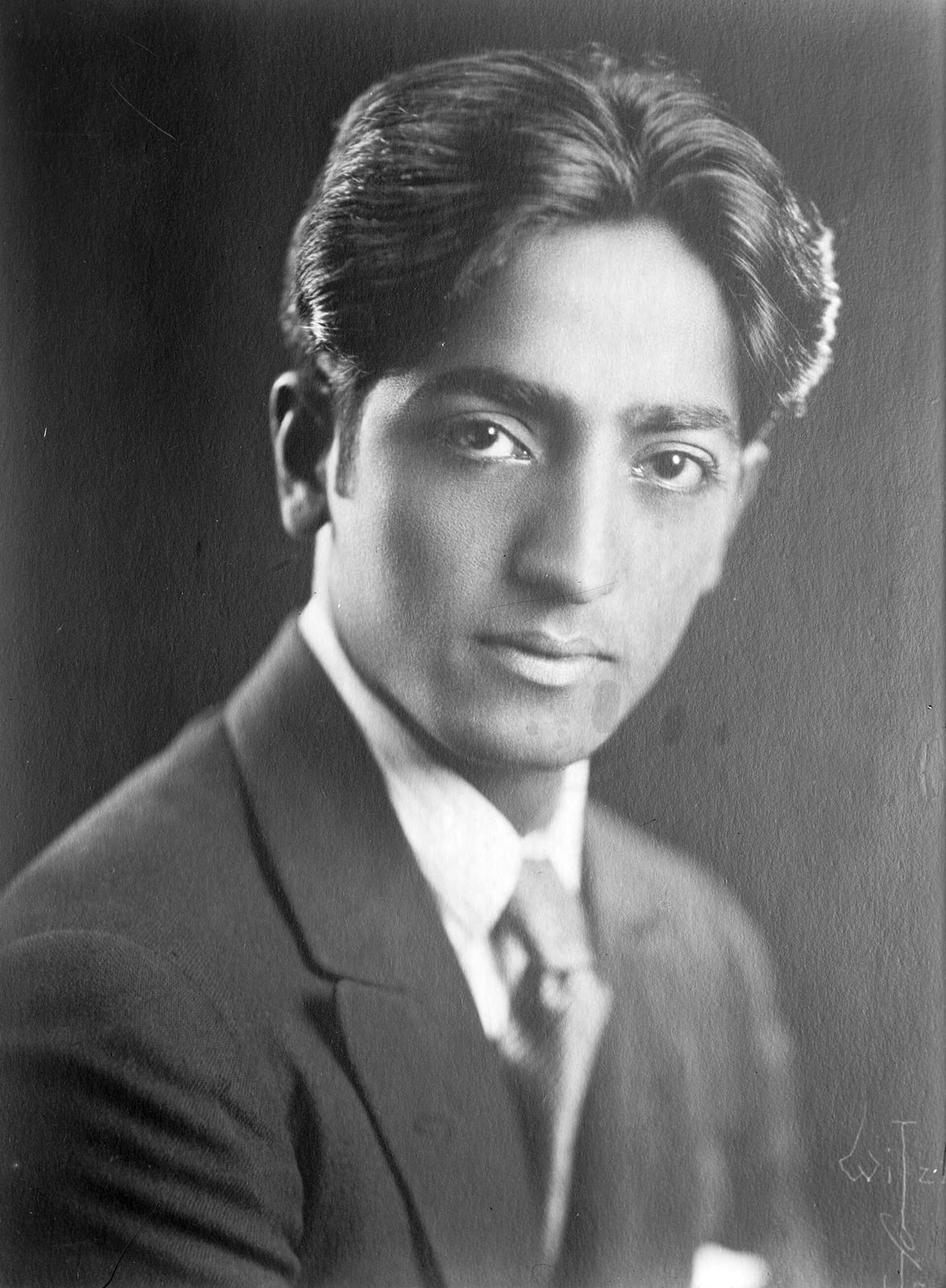
Jiddu Krishnamurti
Widerspruch bei: Wie erlangt man Befreiung oder Erlösung? · Braucht es einen Lehrer?

Rabia al-Adawiyya
Widerspruch bei: Was geschieht nach dem Tod?

Francis of Assisi
Widerspruch bei: Was geschieht nach dem Tod?
Widerspruch beiGrundsätzliche Meinungsverschiedenheit
Annie Besant · Jiddu Krishnamurti
The adoptive mother and the Teacher who refused the role: the master as path or as obstacle
Warum: The contradiction is real and also biographical. Besant, together with Charles Leadbeater, had adopted and raised Krishnamurti as the vehicle of the World Teacher: her doctrine of discipleship needed precisely a master who would embody the Hierarchy. Krishnamurti rejected from within the role that doctrine assigned him, after having lived it, and his critique of spiritual authority is largely a response to that upbringing. They speak on the same plane, the seeker's path, and exclude each other: she affirms transmission and hierarchy; he holds that transmission itself is the obstacle. Besant remained at the head of the Theosophical Society until her death in 1933.
Übereinstimmung bei
Annie Besant · Helena Blavatsky
A soul that learns from life to life: the founder and the systematiser of Theosophy
Warum: The affinity is one of direct descent. Besant, then a freethinker and activist, reviewed The Secret Doctrine in 1889, met Blavatsky that same year and became her disciple; after Blavatsky's death in 1891 she became a central figure of the movement and presided over the Theosophical Society from 1907. The theological difference is explained by trajectory and audience: Blavatsky polemicised against ecclesiastical Christianity and materialism; Besant, who came from militant atheism, later sought to build bridges with Christianity and with the devotional Hinduism of the India where she lived. She systematised what Blavatsky had left scattered.
Widerspruch beiGrundsätzliche Meinungsverschiedenheit
Annie Besant · Rumi
He died as a mineral and became a plant: the soul's ascent, not reincarnation
Warum: The contradiction is real, although it is often presented as an affinity. Besant systematises a Theosophical doctrine that takes reincarnation and karma from Hinduism and Buddhism and combines them with a modern idea of the soul's evolution. Rumi writes in the thirteenth century within Islam, which affirms a single earthly life followed by resurrection; his verses on mineral, plant and animal refer to the Neoplatonic cosmology of the grades of being and to the Sufi saying about dying before death. Reading them as reincarnation, or as an anticipation of evolutionism, projects foreign categories onto the poem. Both see death as a passage and not an end; they differ over whether the passage repeats.
Widerspruch beiGrundsätzliche Meinungsverschiedenheit
Annie Besant · Swami Vivekananda
Chicago, 1893: the wisdom of the hidden Masters versus a Vedanta to be verified
Warum: The relationship is historical: both spoke at the 1893 Parliament of Religions in Chicago, which launched Vivekananda, and they later competed to represent India's wisdom before the West. Vivekananda publicly distanced himself from the Theosophical Society and its doctrine of the Mahatmas, which he regarded as foreign to the Vedantic tradition. The tension is not only one of rivalry: Besant inherits from Blavatsky a wisdom presented as hidden and revealed to initiates; Vivekananda, from Ramakrishna and Vedanta, a public teaching anyone can test through practice. Both wanted to reconcile religion and science; they differed over the place they left for secrecy.
Anekdoten und Erzählungen
Anekdoten und Erzählungen
Zeugnis1872–1873
The refusal to take communion
Herkunft der Erzählung: Annie Besant, An Autobiography (1893), ch. V, 'The Storm of Doubt'. Autobiographical account.
Quelle: Besant, Annie. Annie Besant: An Autobiography. Londres: T. Fisher Unwin, 1893.
Belegt1877
The Knowlton pamphlet trial
Herkunft der Erzählung: Autobiography (1893), ch. IX, 'The Knowlton Pamphlet'; proceedings published as The Queen v. Charles Bradlaugh and Annie Besant (Freethought Publishing Co., 1877), digitised at Internet Archive.
Quelle: Besant, Annie. Annie Besant: An Autobiography. Londres: T. Fisher Unwin, 1893.
Belegt1888
'White Slavery in London'
Herkunft der Erzählung: 'White Slavery in London', The Link, 23 June 1888; Autobiography (1893), ch. XIII; modern study in Louise Raw, Striking a Light (2009), which qualifies Besant's role relative to that of the workers themselves.
Quelle: Besant, Annie. «White Slavery in London». The Link: A Journal for the Servants of Man, n.º 21, 23 de junio de 1888.
Zeugnis1889
The report flung aside
Herkunft der Erzählung: Autobiography (1893), ch. XIV, 'Through Storm to Peace'. Besant's own account; Bradlaugh's reaction is documented in the National Reformer of June 1889.
Quelle: Besant, Annie. Annie Besant: An Autobiography. Londres: T. Fisher Unwin, 1893.
Belegt1909–1911
The boy on the Adyar beach
Herkunft der Erzählung: Mary Lutyens, Krishnamurti: The Years of Awakening (1975), chs. 2–4, drawing on Leadbeater's and Besant's letters and on Krishnamurti's recollections; chronology also in Wessinger (1988).
Quelle: Lutyens, Mary. Krishnamurti: The Years of Awakening. Londres: John Murray, 1975.
Belegt1929
Ommen, 1929: 'Truth is a pathless land'
Herkunft der Erzählung: Text of the speech in the International Star Bulletin (September 1929) and in Lutyens, Krishnamurti: The Years of Awakening (1975), ch. 23, which also records Besant's reaction.
Quelle: Lutyens, Mary. Krishnamurti: The Years of Awakening. Londres: John Murray, 1975.
Belegt1917
Interned at Ootacamund
Herkunft der Erzählung: Anne Taylor, Annie Besant: A Biography (1992), chapters on 1914–1919; Nethercot, The Last Four Lives (1963); proceedings of the 1917 Congress.
Quelle: Taylor, Anne. Annie Besant: A Biography. Oxford: Oxford University Press, 1992.
Lehren
Lehren
Die Begriffe, die das Denken gliedern, in ihrem Zusammenhang erklärt.
Thought-formsthought-forms
Thought-Forms (1905) and Thought Power (1901). On its influence on Kandinsky and abstraction: Sixten Ringbom, 'Art in The Epoch of the Great Spiritual', Journal of the Warburg and Courtauld Institutes, 29 (1966).
Quelle: Ringbom, Sixten. «Art in “The Epoch of the Great Spiritual”: Occult Elements in the Early Theory of Abstract Painting». Journal of the Warburg and Courtauld Institutes, vol. 29 (1966), pp. 386–418.
Thought powerthought-power-concept
Thought Power: Its Control and Culture (1901); A Study in Consciousness (1904) for the theoretical basis.
The Lesser Mysteries and the mystic Christlesser-mysteries
Esoteric Christianity (1901); precedent in Blavatsky's 'The Esoteric Character of the Gospels' (Lucifer, 1887–1888).
The path of discipleshippath-of-discipleship
In the Outer Court (1895), The Path of Discipleship (1896), Initiation: The Perfecting of Man (1912), Talks on the Path of Occultism (1926).
The World Teacher and the Order of the Starworld-teacher
The Changing World (1909); Wessinger, Annie Besant and Progressive Messianism (1988); Lutyens, Krishnamurti: The Years of Awakening (1975).
The bodies of manbodies-of-man
Man and His Bodies (1896), The Seven Principles of Man (1892), The Ancient Wisdom (1897).
Karma as natural lawkarma-besant
Karma (1895), A Study in Karma (1912), The Laws of the Higher Life (1903).
Home Rule: self-government as a spiritual dutyhome-rule
How India Wrought for Freedom (1915), The Case for India (1917), India: Bond or Free? (1926); Taylor (1992), chapters on India.
Quelle: Taylor, Anne. Annie Besant: A Biography. Oxford: Oxford University Press, 1992.
Retreats
Retreats und Zentren
Orte und Begegnungen, die mit dieser Lehre verbunden sind. Wir stellen den Kontakt zu den Veranstaltern her.
Adyar, Chennai, Tamil Nadu · India
International headquarters of the Theosophical Society, Adyar
The Theosophical Society (Adyar)
The Adyar campus, on the river of the same name in Chennai, has been the international headquarters of the Theosophical Society since 1882, a few years after Helena Blavatsky and Henry Olcott founded it in New York in 1875. Annie Besant presided over it for more than a quarter of a century and died there in 1933. The grounds hold the headquarters building, the Adyar Library and Research Centre, the archives, gardens with shrines of different religions and a famous banyan tree. It hosts the International Convention around each new year and offers accommodation for visitors and members.
Wheaton, Illinois · Estados Unidos
Theosophical Society in America (Olcott, Wheaton)
The Theosophical Society in America
The Theosophical Society in America is the US section of the society founded in New York in 1875 by Helena Blavatsky and Henry Olcott. Its national centre in Wheaton, near Chicago, runs a weekly lecture series, spiritual workshops, meditation retreats, yoga classes and study groups, and keeps an extensive library devoted to the traditions of East and West, with particular attention to Theosophy. It also offers online webinars, a distance school of Theosophy and Quest magazine, making it possible to study Blavatsky and Besant without travelling to its campus.
Ramas en Madrid, Barcelona y otras ciudades · España
Spanish Theosophical Society: summer school and retreats
Sociedad Teosófica Española
The Spanish Theosophical Society is the Spanish section of the Theosophical Society headquartered at Adyar. Through its branches in Madrid, Barcelona and other cities it organises lectures, study groups and an annual summer school, as well as silent retreats reserved for members and joint gatherings with the Portuguese section. It marks the movement's own dates, such as White Lotus Day in memory of Helena Blavatsky, and keeps an online programme of talks and video meetings. It is the most accessible route in Spanish for studying the work of Blavatsky and Annie Besant in a group.
Adyar, Chennai, Tamil Nadu · India
School of the Wisdom, Adyar
The Theosophical Society (Adyar)
The School of the Wisdom is the intensive study programme the Theosophical Society runs at its international headquarters in Adyar. Its multi-day sessions are devoted to particular themes in Theosophy and its founding texts, those of Helena Blavatsky and Annie Besant among them, as well as to dialogue between religious and philosophical traditions. Classes are concentrated in the morning, leaving time for personal study in the library and gardens of the campus. It draws members and scholars from many countries who wish to go deeper into the movement's sources in the very place where its leading figures lived and worked.
Videos
Videos
Aufnahmen, Gespräche und Dokumentarfilme. Die Videos werden von YouTube wiedergegeben; sie werden nicht hier gespeichert.
J. Krishnamurti with Dr. Annie Besant in 1926 (metraje de archivo)
Originalaufnahme· EN· 1926· 2 min
Theosophy Delhi
Rare Footage — C. W. Leadbeater, Dr Annie Besant and J. Krishnamurti
Originalaufnahme· EN· 18 min
Theosophy Delhi
Timewatch: A Woman's Story — Annie Besant (BBC, 1988)
Dokumentarfilm· EN· 1988· 50 min
Richard Eyre (copia; producción BBC)
Annie Besant: An Unlikely Rebel — Historical Documentary
Dokumentarfilm· EN· 27 min
LucasfilmOffizieller Kanal
The Annie Besant Story (Theosophy UK)
Dokumentarfilm· EN· 27 min
Theosophical Society in England & WalesOffizieller Kanal
Annie Besant — documental biográfico (audio inglés, subtítulos en español)
Dokumentarfilm· ES· 27 min
Sociedad Teosófica, Rama CórdobaOffizieller Kanal
Annie Besant — documental biográfico en español (parte 1 de 3)
Dokumentarfilm· ES· 10 min
Alejandro Daniele
La historia de Annie Besant
Dokumentarfilm· EN· 27 min
America Teosofica - FTI OficialOffizieller Kanal
Annie Besant, Theosophy and Academic Bias — Kurt Leland
Vortrag· EN· 44 min
Theosophical Society in England & WalesOffizieller Kanal
Annie Besant and the Laws of Higher Life: Tools for Leading a Life of Service
Vortrag· EN· 72 min
Theosophical Society (in America)Offizieller Kanal
Thought-Forms: A Key to Theosophy? — Kurt Leland
Vortrag· EN· 43 min
Theosophical Society (in America)Offizieller Kanal
The Annie Besant Birthday Celebration, 1 October 2022 at Adyar
Vortrag· EN· 2022· 64 min
Theosophical Society AdyarOffizieller Kanal
C. W. Leadbeater, Annie Besant, Krishnamurti (Theosophy UK)
Analyse· EN· 5 min
Theosophical Society in England & WalesOffizieller Kanal
The Matchgirls Strike of 1888 recounted by Annie Besant
Aufnahme Dritter· EN· 4 min
History Hub
Pahal (पहल): EP #06 — Annie Besant
Dokumentarfilm· HI· 25 min
Doordarshan NationalOffizieller Kanal
Sea of Faith — Don Cupitt on Annie Besant (BBC, 1984)
Analyse· EN· 1984· 11 min
Nigel Verney (copia; producción BBC)
Galerie
Galerie
Bilder mit geprüfter Lizenz. Jedes bewahrt seine Urheberschaft und seinen Herkunftsnachweis.
Beziehungen
Beziehungen
Einflüsse, Schülerschaften und Verwandtschaften. Die belegte Beziehung wird von der durch Analyse ermittelten Ähnlichkeit unterschieden.
Schüler von
She joined the Theosophical Society in May 1889, was made co-head of the Esoteric Section and housed Blavatsky at Avenue Road until her death in 1891.
Belegte Beziehung
Lehrer von
Legal guardian of Krishnamurti from 1910 (confirmed by the Privy Council in 1914) and head of the Order of the Star in the East that presented him as the vehicle of the World Teacher; she accepted its dissolution in 1929.
Belegte Beziehung
Widersprach
Steiner, general secretary of the German section, rejected the Order of the Star; Besant cancelled the section's charter in 1913 and Steiner founded the Anthroposophical Society.
Belegte Beziehung
Widersprach
Bailey left the Theosophical Society in 1920 after clashing with Besant's leadership and the Esoteric School; she tells of it in The Unfinished Autobiography (1951).
Belegte Beziehung
Begegnete
Both took part in the World's Parliament of Religions in Chicago in September 1893, where Besant represented Theosophy; Besant left an admiring recollection of Vivekananda's oratory, preserved in Ramakrishna Mission literature.
Belegte Beziehung
Zeitgenosse von
They coincided in the Indian nationalism of 1905–1917 from different positions (Aurobindo, extremist; Besant, moderate) and shared the idea of a spiritual mission for India.
Durch Analyse ermittelte Ähnlichkeit
Verwandte Gedanken mit
The presentation of yoga as a 'science' of consciousness and its popularisation in the West are common to An Introduction to Yoga (1908) and to Yogananda's later work.
Durch Analyse ermittelte Ähnlichkeit
Quellen
Quellen
Für diesen Eintrag herangezogene Bibliografie und Kataloge.
- Raw, Louise. Striking a Light: The Bryant and May Matchwomen and Their Place in History. Londres: Continuum, 2009.
- Besant, Annie. Annie Besant: An Autobiography. Londres: T. Fisher Unwin, 1893.
- Taylor, Anne. Annie Besant: A Biography. Oxford: Oxford University Press, 1992.
- Nethercot, Arthur H. The First Five Lives of Annie Besant. Chicago: University of Chicago Press, 1960.
- Nethercot, Arthur H. The Last Four Lives of Annie Besant. Chicago: University of Chicago Press, 1963.
- Lutyens, Mary. Krishnamurti: The Years of Awakening. Londres: John Murray, 1975.
- Wessinger, Catherine Lowman. Annie Besant and Progressive Messianism (1847–1933). Lewiston: Edwin Mellen Press, 1988.
- Besant, Annie. Autobiographical Sketches. Londres: Freethought Publishing Company, 1885.
- Wikidata, entidad Q464318 («Annie Besant»): fechas, lugares, identificadores (VIAF 68925562, Open Library OL16933A, Project Gutenberg 1425).
- Project Gutenberg, obras de Annie Besant (autora 1425): An Autobiography (#12085), Thought-Forms (#16269), Esoteric Christianity (#26938), An Introduction to Yoga (#4278), Death—and After? (#18266), My Path to Atheism (#37234), London Lectures of 1907 (#20800), The Case for India (#12820), entre otras.
- Open Library, autora Annie Wood Besant (OL16933A): registros de obras y ediciones con ISBN consultados el 2026-10-22; primeras ediciones digitalizadas en Internet Archive.
- Besant, Annie. «White Slavery in London». The Link: A Journal for the Servants of Man, n.º 21, 23 de junio de 1888.
- Taylor, Anne. «Besant [née Wood], Annie (1847–1933)». Oxford Dictionary of National Biography. Oxford University Press, 2004.
- Besterman, Theodore. Mrs Annie Besant: A Modern Prophet. Londres: Kegan Paul, 1934.
- Krishnamurti, Jiddu. «The Dissolution of the Order of the Star» (Ommen, 3 de agosto de 1929). International Star Bulletin, septiembre de 1929; reproducido en Lutyens (1975).
- Besant v. Narayaniah, sentencia del Comité Judicial del Consejo Privado, 1914 (recurso contra la sentencia del Tribunal Superior de Madrás de 1913), (1914) L.R. 41 I.A. 314.
- Ringbom, Sixten. «Art in “The Epoch of the Great Spiritual”: Occult Elements in the Early Theory of Abstract Painting». Journal of the Warburg and Courtauld Institutes, vol. 29 (1966), pp. 386–418.
- Internet Archive, búsqueda por creador «Besant, Annie» (1873–1935): primeras ediciones digitalizadas de la Freethought Publishing Company y la Theosophical Publishing Society.
- Open Library: búsqueda por autor y fichas de edición por ISBN (comprobado el 2026-10-25).
- India Posts and Telegraphs. Sello conmemorativo «Annie Besant 1847–1933», 1963 (Colnect 142037); reproducción en Wikimedia Commons.
- Rechteinhaber
- Dominio público (fallecida en 1933; obras publicadas antes de 1929 en dominio público en EE. UU.). Las obras en colaboración con C. W. Leadbeater (m. 1934) también son de dominio público. Los derechos de las ediciones modernas pertenecen a la Theosophical Publishing House (Adyar/Wheaton).
- Offizielle Website
- www.ts-adyar.org/
Bestätigung ausstehend
Was dieser Eintrag noch nicht klären konnte. Wir sagen es lieber, als es aufzufüllen.
- ISBN de catálogo para la edición francesa de Le Christianisme ésotérique (Éditions Adyar): no localizado en Open Library.
- Fecha de la edición rusa de Законы высшей жизни (АСТ, ISBN 9785170372928): el registro de Open Library no la indica.
- Ediciones italianas de editoriales establecidas (Società Teosofica Italiana): Open Library solo recoge autoediciones; no se han incluido.
- Confirmar en el International Star Bulletin (septiembre de 1929) las palabras exactas con que Besant reaccionó a la disolución de la Orden; la ficha sigue a Lutyens.
- Localizar la fuente original de las dos citas marcadas como apócrifas (The Gospel of Atheism, 1877, no consultado).
- Las obras «India: Bond or Free?» (1926) y «Talks on the Path of Occultism» (1926) pueden conservar derechos en jurisdicciones de 95 años desde publicación; marcadas como public_domain «unknown».
- Obras completas (2026-10-25): Open Library registra 1.578 entradas para Annie Besant (OL16933A), en su mayoría folletos, conferencias sueltas y reimpresiones de Kessinger o Creative Media Partners. Se han registrado sus libros y ciclos de conferencias principales. Quedan fuera, por ser folletos o conferencias sueltas, más de doscientos títulos de su etapa librepensadora (The Gospel of Atheism, Is Socialism Sound?, Modern Socialism, The Political Status of Women, On the Nature and Existence of God…) y de su etapa teosófica (Occultism, Semi-Occultism and Pseudo-Occultism, The Use of Evil, Esoteric Christianity and Prayer…). Catálogo completo: Open Library OL16933A e Internet Archive (fuente s18).
- Libros pendientes de verificar edición o autoría antes de registrarlos: In Defence of Hinduism (Open Library data la edición en «c1867», fecha errónea; primera edición sin fijar), Seven Great Religions (recopilación póstuma de Adyar), Esoteric Vegetarianism (recopilación moderna), el resto de Essays and Addresses (vols. III–IV), y los manuales colectivos del Central Hindu College (Sanatana Dharma, 1903; The Universal Text Book of Religion and Morals, 1910–1911), cuya autoría es de su junta de redacción. (Hindu Ideals, Legends and Tales, Talks with a Class y Evolution and Man's Destiny se registraron el 2026-10-25.)
- Confirmar la primera edición de The Riddle of Life (Open Library registra una de 1897 sin editorial y la de 1913), de The Doctrine of the Heart (anterior a 1914) y de The Religious Problem in India (conferencias de 1901; edición vista, 1909).
- Sala de lectura (2026-10-25): 19 textos proceden de anandgholap.net (transcripciones en página única, sin índice de capítulos y con encabezados irregulares; The Ancient Wisdom conserva marcas «(Page N)»). Sustituirlas por Wikisource o Gutenberg cuando existan; alternativa para The Ancient Wisdom: archive.org/details/ancientwisdomout00besa (OCR limpio en el cuerpo, con cabeceras de página dañadas).
- Sala de lectura: no se ha localizado en línea ninguna traducción española de Besant con traductor identificado y fallecido hace más de 80 años (las copias españolas de archive.org —Evolución de la vida y la forma, El uso del mal, Avataras— no acreditan traductor ni edición).
Recherchiert am 2026-10-22