Hinduismus · Buddhismus · Theosophie
Helena Roerich
Елена Ивановна Рерих
1879 – 1955Historisch belegte Person
Helena Roerich (1879–1955), russische Schriftstellerin und Übersetzerin, Frau des Malers Nicholas Roerich, ist die zentrale Gestalt des Agni Yoga oder der „Lebendigen Ethik", einer neotheosophischen Lehre in vierzehn Büchern (1924–1938), die sie als vom Mahatma Morya diktiert ausgab. Sie übersetzte Blavatskys „Geheimlehre" ins Russische, schrieb die „Grundlagen des Buddhismus" und hinterließ Tausende von Briefen. Sie nahm an der Zentralasiatischen Expedition und an der Kampagne für den Roerich-Pakt teil und starb in Kalimpong in Indien.
- Werke
- 25Werke
- Ausgaben
- 81Ausgaben
- Zitate
- 6Zitate
- Videos
- 12Videos
- Bilder
- 8Bilder
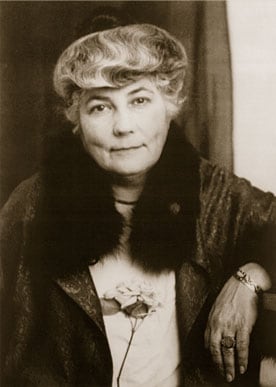
Helena Roerich en Naggar, hacia 1940 · Public domain
In eigenen Worten
«Wayfarer, friend, let us travel together. Night is drawing near, wild beasts are all about, and our campfire may go out.»«Община» (Comunidad), párrafo inicial; Texto de la Agni Yoga, atribuido por la tradición al mahatma Morya y recibido y redactado por Helena Roerich. Versión inglesa de la Agni Yoga Society.

Der zentrale Gedanke
Agni Yoga presents itself as a yoga for daily life: it does not demand withdrawal from the world, but the transformation of work, thought and relationships into spiritual exercise.
Im Zusammenhang sehen
Biografie
4 Min. Lesezeit
Unterstützte Übersetzung aus dem spanischen Original, Durchsicht durch einen muttersprachlichen Übersetzer ausstehend.
Die Tochter des Architekten
Jelena Iwanowna Schaposchnikowa wurde am 12. Februar 1879 (31. Januar nach julianischem Kalender) in Sankt Petersburg geboren. Ihr Vater, Iwan Iwanowitsch Schaposchnikow, war ein bekannter Architekt der Hauptstadt; ihre Mutter, Jekaterina Wassiljewna, stammte aus der alten Familie Golenischtschew-Kutusow, mit der der Komponist Modest Mussorgski verwandt war. Sie wuchs zwischen Musikern und Büchern auf, lernte von Kindheit an Sprachen und schloss 1895 das Mariinski-Gymnasium mit der Goldmedaille ab. Sie studierte Klavier an der Privatschule von Iossif Borowka, doch die Familie hinderte sie am Eintritt ins Konservatorium, aus Furcht vor den revolutionären Studentenkreisen.
Im Sommer 1899 lernte sie auf dem Gut des Fürsten Pawel Putjatin in Bologoje den Maler und Archäologen Nicholas Roerich kennen. Sie heirateten 1901, gegen den Willen ihrer Verwandten, in der Kirche der Akademie der Künste. Zwei Söhne wurden geboren: George (Juri) 1902, der spätere Tibetologe, und Swjatoslaw 1904, Maler. Nicholas widmete ihr seine Bücher – „Helena, meiner Frau, Freundin, Gefährtin und Inspiratorin" – und schrieb sogar, viele seiner Werke müssten eigentlich zwei Signaturen tragen.
Ein geteiltes Leben
In den Petersburger Jahren begleitete sie ihren Mann auf den Reisen von 1903 und 1904 durch mehr als vierzig alte Städte, fotografierte Kirchen und Ornamente, nahm an Ausgrabungen in den Gouvernements Nowgorod und Twer teil und trug mit ihm eine Sammlung alter europäischer Malerei zusammen, die später zum Teil in die Eremitage gelangte. Valentin Serow porträtierte sie 1909. Sie las Ramakrishna, Vivekananda und Tagore, und in diesen Jahren entdeckte sie die Theosophie Helena Blavatskys, die ihr weiteres Leben prägen sollte.
London, 1920
1916 übersiedelte die Familie wegen Nicholas' Lungenleiden nach Karelien; die Unabhängigkeit Finnlands ließ sie außerhalb Russlands zurück, und 1919 ließ sie sich in London nieder. Dort näherten sich die Roerichs der Theosophischen Gesellschaft: Im Juli 1920 erhielten sie Mitgliedsurkunden, unterzeichnet von deren Präsidentin Annie Besant. Seit dem Frühjahr jenes Jahres hielten sie zu Hause spiritistische Sitzungen mit Tischrücken und automatischem Schreiben ab, bei denen vor allem Nicholas und George schrieben. Darin trat, den Familientagebüchern zufolge, nach und nach ein „Meister" hervor, den sie mit Morya identifizierten, einem der Mahatmas Blavatskys. Helena versicherte stets, sie selbst habe kein automatisches Schreiben betrieben: Um 1923 begann sie, die Botschaften durch „Hellhören" zu empfangen und in ihren Notizbüchern festzuhalten.
Die Lebendige Ethik
Aus diesen Notizbüchern gingen die vierzehn Bücher des Agni Yoga oder der „Lehre der Lebendigen Ethik" hervor: die beiden Blätter aus Moryas Garten (1924 und 1925), Gemeinschaft (1926), Agni Yoga (1929), die beiden Bände Unendlichkeit (1930), Hierarchie (1931), Herz (1932), die drei Bände Feurige Welt (1933–1935), Aum (1936), Bruderschaft (1937) und Überirdisches, 1938 abgeschlossen und ein halbes Jahrhundert später veröffentlicht. Sie erschienen ohne Verfassernamen in Paris, Urga und Riga, als Worte des Meisters ausgegeben. Es sind Folgen nummerierter Absätze, die eine Synthese der Yogawege vorschlagen, gegründet auf das innere „Feuer", die psychische Energie, das Herz, die Zusammenarbeit und den Gehorsam gegenüber der Hierarchie des Lichts.
Die Erstausgaben tragen die Spuren ihrer Zeit. Gemeinschaft, für Leser im sowjetischen Russland gedacht, wurde 1927 in Urga gedruckt – mit der Jahreszahl 1926 auf dem Titelblatt – und 1936 in Riga mit Änderungen und Ergänzungen neu aufgelegt; Grundlagen des Buddhismus, 1926 anonym in Urga erschienen, beginnt mit der Behauptung, „der große Gautama gab der Welt eine vollendete Lehre des Kommunismus", ein Satz, den die englische Ausgabe von 1930 in „eine vollkommene Lehre vom Aufbau des Lebens" verwandelte. Das erste Buch beginnt auf Russisch mit „Dem Neuen Russland meine erste Botschaft"; die englische Fassung sagt „Der Neuen Welt".
Asien, Blavatsky und der Pakt
Ab 1923 lebte sie in Indien. Zwischen 1924 und 1928 legte sie, schon über vierzig, die gesamte Zentralasiatische Expedition zu Pferd zurück, einschließlich des Winters der Festsetzung auf dem tibetischen Hochland; ihr Mann hielt fest, dass sie mit einem Puls von hundertvierzig noch immer als Erste der Karawane Mut zusprach. Während der Reise übersetzte sie eine umfangreiche Auswahl der Mahatma-Briefe ins Russische (Der Kelch des Ostens, 1925, unter dem Pseudonym Iskander Khanum), schrieb die Grundlagen des Buddhismus und veröffentlichte, bereits in Kullu, die Kryptogramme des Ostens (1929) unter dem Namen Josephine Saint-Hilaire. Anfang der Dreißigerjahre übersetzte sie die ersten beiden Bände von Blavatskys Geheimlehre, die 1937 in Riga erschienen.
Sie war Ehrenpräsidentin des Instituts Urusvati und des ständigen Komitees des Roerich-Pakts. Während der Mandschurei-Expedition führte sie die Korrespondenz mit den Gesellschaften, die den Vertrag unterstützten, und schrieb zwischen 1933 und 1936 an Franklin D. Roosevelt allegorische Briefe, in denen sie ihm von „kosmischen Bedingungen" sprach; der Präsident nahm sie nicht so ernst wie sein Landwirtschaftsminister Henry A. Wallace. Sie schrieb Tausende von Briefen an mehr als hundertvierzig Korrespondenten auf mehreren Kontinenten; eine Auswahl erschien 1940 in Riga.
Kalimpong
Nach dem Tod von Nicholas im Dezember 1947 zog sie mit George nach Delhi und nach Khandala bei Bombay, in Erwartung der Visa für die Rückkehr in die Sowjetunion, die nie kamen. Sie ließ sich in Kalimpong am Fuß des östlichen Himalaya nieder, wo sie ihre letzten Jahre der Korrespondenz und der Ordnung ihrer Papiere widmete. Sie starb am 5. Oktober 1955. Am Ort der Einäscherung errichteten die Lamas einen weißen Stupa mit der Inschrift: „Helena Roerich, Frau von Nicholas Roerich, Denkerin und Schriftstellerin, alte Freundin Indiens".
Autorin und Empfängerin
Belegt ist eine gebildete, vielsprachige Frau, die Blavatsky übersetzte, über den Buddhismus schrieb, die Unternehmungen ihrer Familie trug und einen gewaltigen Briefwechsel hinterließ. Zum Glauben ihrer Anhänger gehört der Ursprung des Agni Yoga: Sie stellte sich als Empfängerin und Redakteurin der Worte Moryas dar, und die Bücher erschienen ohne Namen. Die Forschung, allen voran Alexandre Andreyev, liest diese Texte als Werk Helenas und ihres Umfelds, hervorgegangen aus Theosophie und Spiritismus, und belegt, wie die Familie ihre Entscheidungen diesen Mitteilungen unterwarf. Nach dem Zerfall der Sowjetunion fanden die Bücher der Lebendigen Ethik in Russland enorme Verbreitung; 1994 verurteilte das Bischofskonzil der Russisch-Orthodoxen Kirche die Lehre als unvereinbar mit dem Christentum.
Quellen: Decter, Jacqueline (con el Nicholas Roerich Museum). Nicholas Roerich: The Life and Art of a Russian Master. Rochester (Vermont): Park Street Press, 1989. · Andreyev, Alexandre. The Myth of the Masters Revived: The Occult Lives of Nikolai and Elena Roerich. Leiden/Boston: Brill, 2014 (Aries Book Series, 18). · McCannon, John. Nicholas Roerich: The Artist Who Would Be King. Pittsburgh: University of Pittsburgh Press, 2022. · Znamenski, Andrei. Red Shambhala: Magic, Prophecy, and Geopolitics in the Heart of Asia. Wheaton (Illinois): Quest Books, 2011. · [Рерих, Е. И.] Основы буддизма. Urga, 1926 (anónimo). Texto íntegro en Wikisource en ruso.
Zeitleiste
Das Leben, Jahr für Jahr
Jeder Punkt ist ein belegtes Ereignis. Klicken Sie, um es mit Quelle und Grad der Gewissheit zu lesen.
12. Februar 18790 JahreSan Petersburgo
Birth
Elena Ivanovna Shaposhnikova is born, daughter of the architect Ivan Shaposhnikov and Yekaterina Golenishcheva-Kutuzova. The date corresponds to 31 January in the Julian calendar.
Belegt«Рерих, Елена Ивановна», Wikipedia en ruso (secciones de biografía, «Спиритические сеансы», «Живая Этика», «Написание книг и переводы», «Эпистолярное наследие», «Последние годы»), revisión consultada el 2026-10-25.
Nach dem Tod
- 1994Condemnation by the Russian Orthodox Church
- 2005Museum at Crookety House
12. Februar 1879 · 0 Jahre
Birth
Elena Ivanovna Shaposhnikova is born, daughter of the architect Ivan Shaposhnikov and Yekaterina Golenishcheva-Kutuzova. The date corresponds to 31 January in the Julian calendar.
Belegt
1895 · 16 Jahre
Gold medal at the Mariinsky gymnasium
She finishes secondary school with a gold medal and studies piano at Iosif Borovka's school; her family prevents her from entering the conservatory.
Belegt
1899 · 20 Jahre
Meeting Nicholas Roerich
At Prince Putyatin's estate she meets the painter and archaeologist Nicholas Roerich.
Belegt
28. Oktober 1901 · 22 Jahre
Marriage
She marries Nicholas Roerich in the church of the Academy of Arts (Julian date). George (1902) and Svetoslav (1904) will be born.
Belegt
1909 · 30 Jahre
Serov's portrait
Valentin Serov paints her portrait.
Belegt
Juli 1920 · 41 Jahre
Joining the Theosophical Society
The Roerichs receive membership certificates signed by Annie Besant. Since the spring they have been holding spiritualist sessions in which they identify a 'Master' as the Mahatma Morya.
Belegt
Dezember 1923 · 44 Jahre
Arrival in India
The family settles in India. From then on Helena records by 'clairaudience' the messages she attributes to Morya.
Belegt
1924 · 45 Jahre
Leaves of Morya's Garden: The Call
The first book of Agni Yoga is published without an author's name; in Russian it opens with 'To the New Russia, my first message'.
Belegt
1924 – 1928 · 45 Jahre
The Central Asian expedition
She takes part for four years in the family expedition, including the winter detention on the Tibetan plateau (1927–1928).
Belegt
23. April 1925 · 46 Jahre
Translating the Mahatma letters
She begins translating into Russian a selection of The Mahatma Letters to A. P. Sinnett, published that year as Chalice of the East under the pseudonym Iskander Khanum.
Belegt
1926 · 47 Jahre
Foundations of Buddhism
Her anonymous essay on Buddhism is printed in Urga during the expedition, presenting the Buddha as a teacher of communism and building a 'bridge' to Lenin; the 1930 English edition will drop those formulas. The following year Community is printed there.
Belegt
1928 · 49 Jahre
Honorary president of the Urusvati Institute
The Urusvati Himalayan Research Institute is founded, with her as honorary president-founder.
Belegt
1929 · 50 Jahre
Agni Yoga and Cryptograms of the East
The book that gives the teaching its name appears and, under the pseudonym Josephine Saint-Hilaire, her collection of legends Cryptograms of the East.
Belegt
18. November 1933 · 54 Jahre
Honorary president of the Pact committee
She is elected, with her husband, honorary president of the Permanent Committee of the Roerich Pact and Banner of Peace. That year she begins writing to Franklin D. Roosevelt.
Belegt
1937 · 58 Jahre
Translation of The Secret Doctrine
The Uguns press publishes in two volumes her Russian translation of Blavatsky's work. That year Brotherhood appears, the last book of Agni Yoga published in her lifetime.
Belegt
1940 · 61 Jahre
The Letters of Helena Roerich
The Latvian Roerich Society publishes a two-volume selection of her letters from 1929 to 1938.
Belegt
13. Dezember 1947 · 68 Jahre
Death of Nicholas Roerich
Her husband dies. In January 1948 she moves with George to Delhi and Khandala to wait for Soviet visas that never come.
Belegt
5. Oktober 1955 · 76 Jahre
Death
She dies in Kalimpong. The lamas raise a white stupa at the place of cremation.
Belegt
1994
Condemnation by the Russian Orthodox Church
The Bishops' Council declares the Agni Yoga teaching incompatible with Christianity, at the height of the spread of the Living Ethics books in post-Soviet Russia.
Belegt
2005
Museum at Crookety House
A museum devoted to Helena Roerich opens in the Kalimpong house where she spent her last years.
Belegt
Werke
Grundlegende Werke
Die Werke, ohne die sich das Vermächtnis nicht verstehen lässt.
Traditionelle Zuschreibung · 1924
Leaves of Morya's Garden I: The Call
Листы Сада Мории. Зов
The first book of the series: short aphorisms, sometimes verses, in which a voice presenting itself as the Master calls the disciple, demands discipline, joy and labour, and announces a new epoch. Its form—fragments dated between 1920 and 1923—bears the trace of the family sessions. The Russian original opens with 'To the New Russia, my first message'; the Agni Yoga Society's English translation reads 'Into the New World'.
5 Ausgaben · amazon.com

Traditionelle Zuschreibung · 1929
Agni Yoga
Агни Йога
The book that gives the teaching its name. It defines Agni Yoga as the yoga of 'fire', a synthesis of all the yogas adapted to daily life rather than withdrawal from the world, and develops its central notions: psychic energy, the discipline of thought, the purification of the subtle centres, collaboration with the Master and preparation for an age of 'fiery energies'. It is the reference text for anyone wishing to know the doctrine in a single volume.
4 Ausgaben · amazon.com

Schriftliches Werk · 1926
Foundations of Buddhism
Основы буддизма
A short exposition of the Buddha's life and the central notions of his teaching—karma, rebirth, nirvana, the community—presented as a rational Buddhism without idols. The Urga edition, intended for Soviet readers, opens by stating that Gotama gave the world 'a complete teaching of communism' and draws a 'bridge' between the Buddha and Lenin; the 1930 English edition removed those formulas. It is one of the first handbooks of Buddhism written in Russian for a general public.
8 Ausgaben · amazon.com
Helena Roerich
The Secret Doctrine (Russian translation)
Schriftliches Werk · 1937
The Secret Doctrine (Russian translation)
Тайная Доктрина (перевод Е. И. Рерих)
The first complete Russian translation of the two main volumes of Blavatsky's magnum opus, made in under two years according to her biographers. For decades it was the only Russian version of those volumes, and the Russian Wikisource now offers it in full. It is Helena Roerich's most lasting contribution to the spread of Theosophy in her language.
1 Ausgabe
Das gesamte Werk (25)
Helena Roerich
Leaves of Morya's Garden II: Illumination
The Conscious LibraryLeaves of Morya's Garden II: Illumination
1925
Helena Roerich
Community (New Era Community)
The Conscious LibraryCommunity (New Era Community)
1927
Helena Roerich
Infinity I
The Conscious LibraryInfinity I
1930
Helena Roerich
Infinity II
The Conscious LibraryInfinity II
1930
Helena Roerich
Hierarchy
The Conscious LibraryHierarchy
1931
Helena Roerich
Heart
The Conscious LibraryHeart
1932
Helena Roerich
Fiery World I
The Conscious LibraryFiery World I
1933
Helena Roerich
Fiery World II
The Conscious LibraryFiery World II
1934

Fiery World III
1935
Helena Roerich
Aum
The Conscious LibraryAum
1936
Helena Roerich
Brotherhood
The Conscious LibraryBrotherhood
1937

Supermundane
1938

Cryptograms of the East (On Eastern Crossroads)
1929
Helena Roerich
Chalice of the East: Letters of the Mahatma
The Conscious LibraryChalice of the East: Letters of the Mahatma
1925
Helena Roerich
St Sergius of Radonezh
The Conscious LibrarySt Sergius of Radonezh
1934

Letters of Helena Roerich
1940
Helena Roerich
Letters to America
The Conscious LibraryLetters to America
1996
Helena Roerich
On the Threshold of the New World
The Conscious LibraryOn the Threshold of the New World
1993
Helena Roerich
Diary Leaves
The Conscious LibraryDiary Leaves
2006
Helena Roerich
Three Keys
The Conscious LibraryThree Keys
2009
Helena Roerich
The Better Country
The Conscious LibraryThe Better Country
2017
Zitate
Zitate, die in einem bestimmten Werk nachgewiesen sind. Jedes trägt seine Herkunft und seinen Grad an Verlässlichkeit.
Wayfarer, friend, let us travel together. Night is drawing near, wild beasts are all about, and our campfire may go out.Путник-друг, пойдём вместе. Ночь близка, звери кругом, и огонь костра может потухнуть.
Geprüft«Община» (Comunidad), párrafo inicial; Texto de la Agni Yoga, atribuido por la tradición al mahatma Morya y recibido y redactado por Helena Roerich. Versión inglesa de la Agni Yoga Society.
Wesentliche Gedanken (redaktionelle Zusammenfassung)
Aus Achtung vor dem Urheberrecht werden diese Gedanken mit eigenen Worten zusammengefasst und nicht als wörtliche Zitate dargestellt.
- Agni Yoga presents itself as a yoga for daily life: it does not demand withdrawal from the world, but the transformation of work, thought and relationships into spiritual exercise.
- Thought is energy: every idea acts on the one who thinks it and on his surroundings, and so the discipline of thought is the disciple's first task.
- The heart, not the intellect, is the organ that unites the human being with the subtle worlds and with the Master.
Letzte Worte
Es gibt keine überprüfbaren Aufzeichnungen der letzten Worte.
There is no reliable record of her last words. She died in Kalimpong on 5 October 1955, cared for by her son George; the available sources are limited to the date, the cremation and the stupa the lamas raised at the spot.
Quelle: «Рерих, Елена Ивановна», Wikipedia en ruso (secciones de biografía, «Спиритические сеансы», «Живая Этика», «Написание книг и переводы», «Эпистолярное наследие», «Последние годы»), revisión consultada el 2026-10-25.
Fragen
Was das Werk beantwortet
Zwölf große Fragen der Menschheit und was sich aus den Texten darauf antworten lässt, mit Belegen. Wir legen niemandem Worte in den Mund.
Was ist das Absolute? Gibt es Gott?
An infinite, impersonal Absolute, served by a Hierarchy of higher beings
Ein unpersönliches AbsolutesAusdrücklich gesagt
Helena Roerich inherits from Blavatsky, whose Secret Doctrine she translated into Russian, the idea of an infinite and ineffable ultimate principle, of which the cosmos is the manifestation through energy and fire. The Agni Yoga books, which she presented as received from the mahatma Morya, speak of the Infinite, of psychic energy and of cosmic Fire, and concentrate the religious relationship on the Hierarchy: a chain of more evolved beings linking the human being to that principle. In her letters she rejects the idea of an anthropomorphic God who rewards and punishes, which she considers a distortion of institutional religions, and proposes instead the law of karma and cooperation with the Hierarchy. The personal does not vanish, but is displaced onto the Masters and the figure of the Mother of the World.
Diese Frage mit anderen Meistern vergleichenWer bin ich? Gibt es ein wahres Selbst?
A spiritual spark perfecting itself life after life, gathering into its chalice
Eine sich entwickelnde SeeleAusdrücklich gesagt
In Agni Yoga, which Helena Roerich presented as teaching received from the mahatma Morya, the human being is composed of several principles, from the dense body to the subtle and fiery bodies, around an immortal spiritual spark. That spark perfects itself over numerous incarnations, and what each life conquers is stored in what the texts call the chalice, the repository of the spirit's accumulations. The decisive organ is not the intellect but the heart, which unites the person with the subtle worlds and with the Master, and psychic energy, which each must purify through the discipline of thought. In Fiery World the aim is to transmute the subtle body until one can live consciously in the world of fire. The self is thus a soul in cosmic evolution.
Diese Frage mit anderen Meistern vergleichenWarum leiden wir?
Pain is karmic consequence and a school for the evolving spirit
Karma und das Lernen der SeeleAusdrücklich gesagt
In Agni Yoga, suffering is explained by the law of karma: every thought and every act is energy that returns to its author, in this life or in others, and present pain is largely the harvest of earlier sowing. But the texts present it not as punishment but as trial and learning: difficulties temper the spirit, widen consciousness and prepare the disciple to cooperate with the Hierarchy. In her letters Helena Roerich insists that thought is the most powerful force and that thoughts of hatred, fear or irritation poison both the one who harbours them and their surroundings; hence the importance of mental discipline. Foundations of Buddhism, her exposition of Gotama's teaching, also places the origin of suffering in ignorance and desire.
Diese Frage mit anderen Meistern vergleichenWas geschieht nach dem Tod?
After death, the subtle world; then new incarnations up to the fiery world
Wiedergeburt nach dem KarmaAusdrücklich gesagt
Agni Yoga, which Helena Roerich wrote down as the teaching of the mahatma Morya, describes death as a passage: the human being leaves the dense body and comes to live in the subtle world, where his state depends on the quality of his thoughts and the accumulations of his spirit. There he remains for a time before incarnating again, according to the law of karma, until the purification of the subtle body allows him to rise to the fiery world, the higher plane that gives its title to the three volumes of Fiery World. That is why the texts insist on preparing in life: a consciousness accustomed to the lofty is not lost at death, and whoever has lived in fear or hatred carries those states along. In her letters Helena Roerich often treats the death of loved ones within this same framework.
Diese Frage mit anderen Meistern vergleichenWie erlangt man Befreiung oder Erlösung?
Through devotion to the Hierarchy, the fire of the heart and daily labour
Durch Hingabe und ErgebungAusdrücklich gesagt
Agni Yoga presents itself as a yoga of fire for the present age, without withdrawal from the world. Its way combines several elements, but the book Hierarchy orders them around one: devotion to the Master and to the chain of higher beings linking the disciple to the highest; without that connection, it holds, personal effort is scattered. The organ of that union is the heart, which gives its title to another of the books and which the teaching considers more reliable than the intellect. To devotion are added the discipline of thought, because thought is energy; daily work turned into an offering; and the accumulation of purified psychic energy. The goal is not dissolution into the Absolute, but the widening of consciousness and conscious cooperation with cosmic evolution.
Diese Frage mit anderen Meistern vergleichenBraucht es einen Lehrer?
Without the Master and the chain of the Hierarchy there is no safe ascent
UnverzichtbarAusdrücklich gesagt
Agni Yoga is built on the figure of the Master: Helena Roerich presented its fourteen books as the teaching of the mahatma Morya, received and written down by her, and the volume Hierarchy sets out the doctrine of a chain of more evolved beings stretching from the disciple to the highest. Joining that chain through the devotion of the heart is, according to the texts, the condition of all progress; breaking it through pride or betrayal is the greatest danger. The Master does not replace the disciple's work, who must discipline his thought and serve, but guides and protects him. In her letters Helena Roerich warns both against false masters and against those who believe they can do without any higher guidance.
Diese Frage mit anderen Meistern vergleichenIst die Welt wirklich?
Three worlds, dense, subtle and fiery, joined by energy and thought
DaseinsebenenAusdrücklich gesagt
Agni Yoga, written down by Helena Roerich as the teaching of the mahatma Morya, describes reality as a hierarchy of planes: the dense world, in which we live with the physical body; the subtle world, which we inhabit in dreams and after death; and the fiery world, the higher plane of spirit, which gives its title to the three volumes of Fiery World. All three are crossed by a single energy, the fire of space, and human thought acts in all of them. The visible world is real, but it is neither the only nor the most important one; the human being is called to live consciously in all three and to contribute to their harmonisation. This cosmology derives from Blavatsky's Secret Doctrine, which Helena Roerich translated into Russian, and reorients it towards daily practice.
Diese Frage mit anderen Meistern vergleichenWas ist Liebe?
Love is the heart's fire and a magnet drawing towards the Hierarchy of light
Sehnsucht und VereinigungAus der Lehre abgeleitet
In Agni Yoga, which Helena Roerich wrote down as the teaching of the mahatma Morya, love is presented not as a moral commandment but as energy. The book Heart places it at the centre: the heart is the organ uniting the human being with the subtle worlds and with the Master, and its fire, once kindled, draws upward like a magnet. The highest love is ardent devotion to the Hierarchy, which leads the soul towards the source from which it comes, and is expressed in self-denial and service. The texts also insist on compassion and brotherhood, to which they devote the book Brotherhood, and on reverence for the Mother of the World as the feminine principle of cosmic love. The affinity with the mystics of longing is real, though the language is energetic.
Diese Frage mit anderen Meistern vergleichenSind wir frei, oder ist alles vorherbestimmt?
Karma conditions, but present thought and will transform it
Karma und WahlAusdrücklich gesagt
In Agni Yoga, written down by Helena Roerich as the teaching of the mahatma Morya, the law of karma explains the circumstances of each life as the consequence of earlier thoughts and acts, in this and other existences. But the teaching is not fatalistic: it insists that thought is creative energy, and that each present thought and act sows the future and can change the course of karma. The disciple is responsible for what he thinks, because his thoughts act on him and his surroundings. At the same time, individual freedom is inscribed in a cosmic plan and in cooperation with the Hierarchy, which guides but does not force. In her letters Helena Roerich warns against passive resignation and against the idea that everything is written.
Diese Frage mit anderen Meistern vergleichenWozu meditieren oder beten?
Communion of the heart with the Master, amid daily work and without forced techniques
Freundschaft mit GottAus der Lehre abgeleitet
Agni Yoga, written down by Helena Roerich as the teaching of the mahatma Morya, discourages mechanical practices and forced breathing exercises, which it considers dangerous for the unprepared, and proposes a yoga of daily life. Its centre is communion with the Master through the heart: turning to him in thought, keeping his inner image, sensing his presence in work and in difficulties. The book Heart returns again and again to that relationship, presenting it as a source of energy and protection and asking that it be continuous and simple. To this is added the discipline of thought, vigilance against irritation and attention to psychic energy. The goal is not stillness of mind, but conscious cooperation with the Hierarchy.
Diese Frage mit anderen Meistern vergleichenKann die Vernunft das Letzte erkennen?
A wisdom transmitted by the Masters, which the heart verifies
Esoterisches WissenAusdrücklich gesagt
Helena Roerich translated Blavatsky's Secret Doctrine into Russian and wrote down the fourteen books of Agni Yoga as the teaching of the mahatma Morya: her whole work assumes that there is an ancient wisdom, kept by a Brotherhood of Masters and communicated to humanity in a form suited to each age. That wisdom is not opposed to science; the texts announce that future science will confirm psychic energy, the subtle worlds and the action of thought, and Helena Roerich followed the discoveries of her time with interest. But the decisive organ of knowledge is not the intellect, which they regard as limited and cold, but the heart, able to perceive what the mind cannot reach. Verification is inward: the teaching is tested by living it.
Diese Frage mit anderen Meistern vergleichenSich von der Welt zurückziehen oder sie verwandeln?
A yoga of daily life: work and community are spiritual exercise
Kontemplation im HandelnAusdrücklich gesagt
Agni Yoga, written down by Helena Roerich as the teaching of the mahatma Morya, presents itself expressly as a yoga for life in the world, not for retreat: it demands not abandoning family or work, but transforming them into spiritual exercise. Labour is one of its central words; disciplined thought and an ardent heart must accompany the most ordinary tasks, and cooperation with others is as important as the relationship with the Master. The book Community develops the idea of a human community based on common work and knowledge, and Brotherhood that of a fraternity of those who serve the good. Helena Roerich herself took part in the Central Asian expedition and in the campaign for the Pact that bears her husband's name.
Diese Frage mit anderen Meistern vergleichen
Affinitäten und Spannungen
Affinitäten und Spannungen
Frage für Frage aus den Positionen berechnet. Den Grund jeder Übereinstimmung und jedes Widerspruchs zeigt ein Klick.
Denkt ähnlich wie
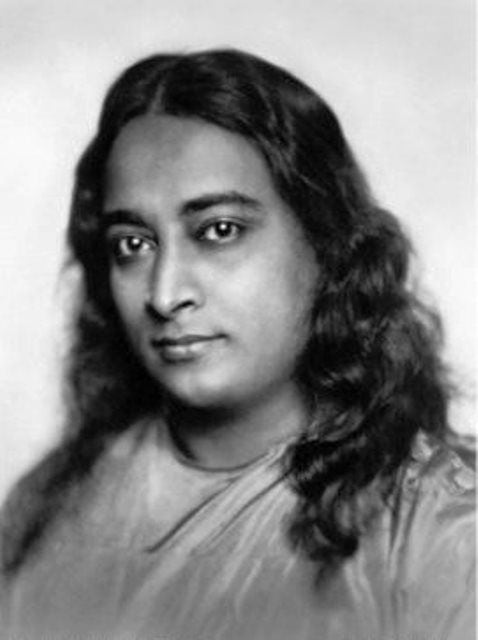
Paramahansa Yogananda
Übereinstimmung bei: Wer bin ich? Gibt es ein wahres Selbst? · Warum leiden wir? · Was geschieht nach dem Tod?
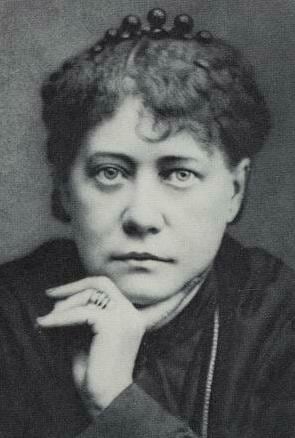
Helena Blavatsky
Übereinstimmung bei: Was ist das Absolute? Gibt es Gott? · Ist die Welt wirklich? · Wer bin ich? Gibt es ein wahres Selbst?
Meher Baba
Übereinstimmung bei: Warum leiden wir? · Was geschieht nach dem Tod? · Wie erlangt man Befreiung oder Erlösung?
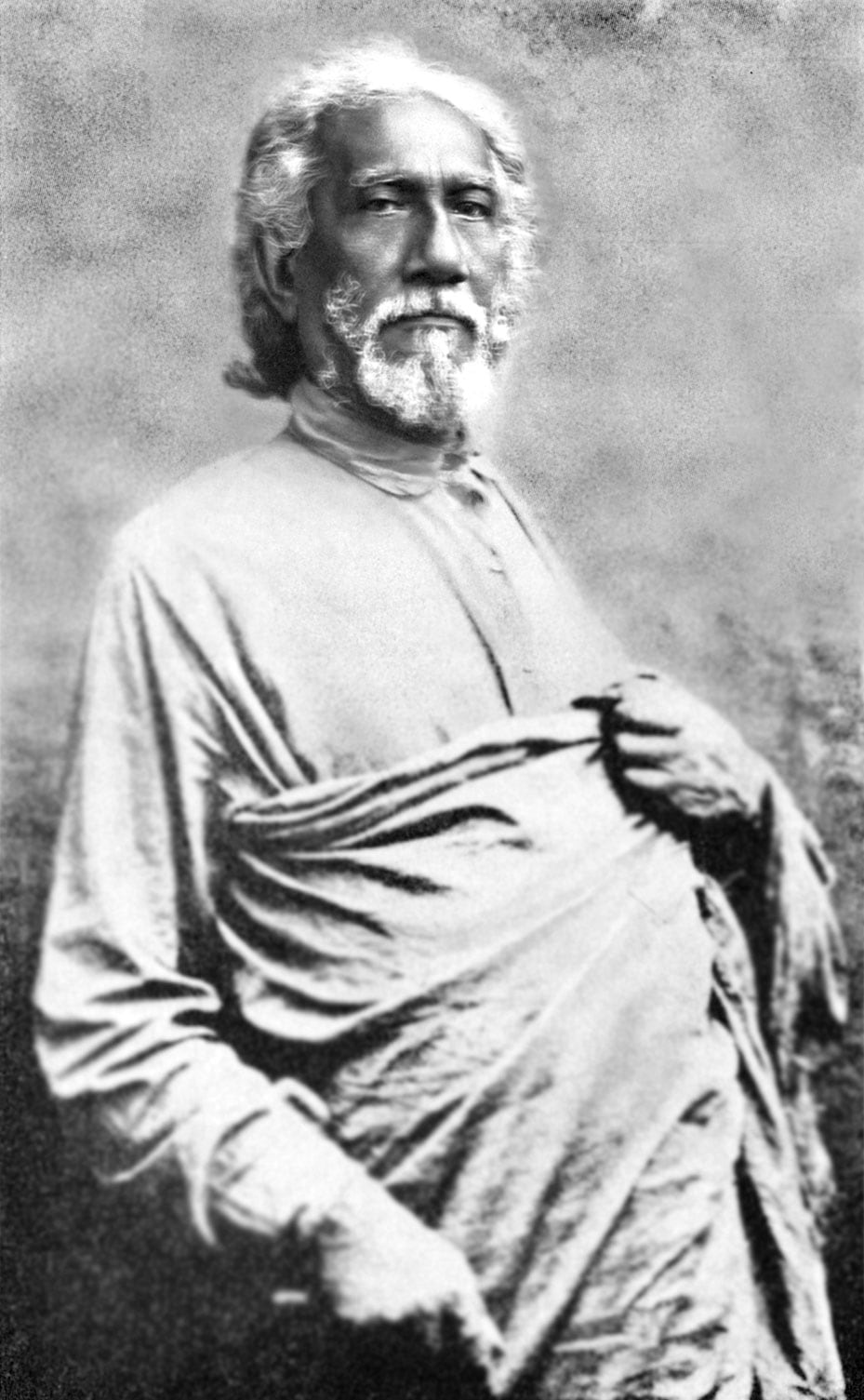
Sri Yukteswar
Übereinstimmung bei: Was ist das Absolute? Gibt es Gott? · Was geschieht nach dem Tod? · Braucht es einen Lehrer?
Denkt anders als


Anekdoten und Erzählungen
Anekdoten und Erzählungen
Zeugnis1899–1901
Bologoye, 1899
Herkunft der Erzählung: The meeting is documented; the sentence comes from Nicholas Roerich's essay 'University', written in old age and reproduced on the Bologoye monument (2001).
Belegt1920–1921
The London sessions
Herkunft der Erzählung: The sessions are documented by the family diaries and correspondence, studied by Andreyev (2014) and summarised in the Russian Wikipedia. What is documented is the practice; the identity of the 'Master' belongs to the faith of the family and their followers.
Quelle: Andreyev, Alexandre. The Myth of the Masters Revived: The Occult Lives of Nikolai and Elena Roerich. Leiden/Boston: Brill, 2014 (Aries Book Series, 18).
Belegt1924–1936
Two versions of the same book
Herkunft der Erzählung: Direct comparison of the Urga edition (1926) on Wikisource, the 1930 English edition on the Internet Archive and the Russian and English texts of the Agni Yoga Society. Andreyev, Znamenski and McCannon place these changes within the evolution of the family's relationship with the USSR.
Quelle: [Рерих, Е. И.] Основы буддизма. Urga, 1926 (anónimo). Texto íntegro en Wikisource en ruso.
Zeugnis1927–1928
A pulse of a hundred and forty
Herkunft der Erzählung: Testimony of Nicholas Roerich, quoted in the Russian Wikipedia from his writings. The conditions of the detention are documented by the 1928 telegram and by George Roerich's Trails to Inmost Asia (1931).
Belegt1933–1936
Letters to the President
Herkunft der Erzählung: Walker, 'The New Deal and the Guru', American Heritage (1989); photocopies of the letters at Rutgers University Libraries (1933–1936).
Quelle: Walker, J. Samuel. «The New Deal and the Guru». American Heritage, vol. 40, n.º 2 (marzo de 1989).
Belegt1948–1955
The white stupa of Kalimpong
Herkunft der Erzählung: Data from the Russian and English Wikipedias (stupa inscription, Crookety House museum, George's return in 1957).
Lehren
Lehren
Die Begriffe, die das Denken gliedern, in ihrem Zusammenhang erklärt.
Agni Yoga (Living Ethics)agni-yoga
Inter-war neo-Theosophy; mass diffusion in post-Soviet Russia.
Psychic energyenergia-psiquica
Developed above all in Agni Yoga, Infinity and Fiery World.
Hierarchy of Lightjerarquia
Inherited from Theosophy; basis of Helena's spiritual authority within the movement.
Quelle: Andreyev, Alexandre. The Myth of the Masters Revived: The Occult Lives of Nikolai and Elena Roerich. Leiden/Boston: Brill, 2014 (Aries Book Series, 18).
The heartcorazon
Theme of the book Heart (1932), present throughout the series.
Subtle World and Fiery Worldmundo-ardiente
Core of the Fiery World trilogy; taken up again in Supermundane.
The Mother of the Worldmadre-del-mundo
A theme shared by Agni Yoga, Nicholas Roerich's painting and the address 'To Women' (1931).
Videos
Videos
Aufnahmen, Gespräche und Dokumentarfilme. Die Videos werden von YouTube wiedergegeben; sie werden nicht hier gespeichert.
«Николай и Елена Рерих. Больше, чем любовь»
Auf YouTube ansehen
Dieses Video lässt sich nicht einbetten; es wird auf YouTube geöffnet.
«Николай и Елена Рерих. Больше, чем любовь»
Dokumentarfilm· RU· 39 min
Телеканал КультураOffizieller Kanal
«Елена Рерих» (Женщины в русской истории, n.º 100)
Dokumentarfilm· RU· 2013· 15 min
365 Дней ТВOffizieller Kanal
Лекция «Елена Ивановна Рерих»
Vortrag· RU· 2017· 77 min
RoerichSpb Museum (Museo-Instituto de la Familia Roerich, San Petersburgo)Offizieller Kanal
Онлайн-лекция «Елена Ивановна Рерих – философ реального Космоса»
Vortrag· RU· 2026· 99 min
Международный Центр РериховOffizieller Kanal
«Елена Ивановна Рерих. Эпистолярное наследие и переводы» (E. G. Petrenko)
Vortrag· RU· 2023· 135 min
Лига Культуры Одесского Дома-Музея РерихаOffizieller Kanal
«Портреты Елены Ивановны Рерих» (E. G. Petrenko)
Vortrag· RU· 2022· 95 min
Лига Культуры Одесского Дома-Музея РерихаOffizieller Kanal
«Елена Рерих о приходе Нового мира и новой науки» (145.º aniversario)
Vortrag· RU· 2024· 112 min
Лига Культуры Одесского Дома-Музея РерихаOffizieller Kanal
Nicholas and Helena Roerich: Life, Vision, and a Shared Quest for the Spirit (Alex Audziayuk)
Vortrag· EN· 2026· 51 min
Theosophical SocietyOffizieller Kanal
Helena Roerich
Vortrag· EN· 2023· 59 min
Brisbane Theosophical SocietyOffizieller Kanal
Helena Roerich's Contribution to the Object of Theosophical Science (Martha M. Libster)
Vortrag· EN· 2025· 74 min
European School of TheosophyOffizieller Kanal
Nicholas y Helena Roerich, El Sendero del Agni Yoga
Vortrag· ES· 2022· 96 min
America Teosofica - FTI OficialOffizieller Kanal
Matrimonio Roerich. El camino hacia Shamballa (José Rubio Sánchez)
Vortrag· ES· 2017· 104 min
Grupo de Estudios Teosóficos de Valencia
Galerie
Galerie
Bilder mit geprüfter Lizenz. Jedes bewahrt seine Urheberschaft und seinen Herkunftsnachweis.
Handschriften
Handschriften
Handschriftliche Zeugen und alte Texte, mit ihrer verwahrenden Einrichtung und ihren Einsichtsbedingungen.
RU · Cyrillic · 1920–1955
Дневники и записные книжки Е. И. Рерих
- Erhaltener Textzeuge
- Cuadernos de diario manuscritos, fuente de los libros de la Agni Yoga.
- Verwahrende Einrichtung
- Museo Estatal de Arte Oriental, Moscú (edición «Листы дневника», 2006–) y otras colecciones; reparto exacto no verificado
RU · Cyrillic · 1920–1955
Эпистолярное наследие Е. И. Рерих
- Erhaltener Textzeuge
- Originales y copias de cartas.
- Verwahrende Einrichtung
- Centro Internacional de los Roerich (Moscú)
EN · Latin · 1933–1936
Letters from Helena Roerich to Franklin D. Roosevelt (photocopies), 1933–1936
- Erhaltener Textzeuge
- Fotocopias
- Verwahrende Einrichtung
- Rutgers University Libraries, Special Collections and University Archives (New Brunswick, Nueva Jersey)
- Digitalisierung
- archives.libraries.rutgers.edu/repositories/11/a…
Beziehungen
Beziehungen
Einflüsse, Schülerschaften und Verwandtschaften. Die belegte Beziehung wird von der durch Analyse ermittelten Ähnlichkeit unterschieden.
Familie von
Her husband from 1901; she shared all his undertakings, from archaeology to the Central Asian expedition and the Pact.
Belegte Beziehung
Familie von
Sviatoslav Roerich
Younger son (1904–1993), a painter; in 1990 he gave his mother's correspondence to the International Centre of the Roerichs.
Belegte Beziehung
Familie von
George (Yuri) Roerich
Elder son (1902–1960), a Tibetologist; he stayed with her in Kalimpong until her death and returned to Moscow in 1957.
Belegte Beziehung
Beeinflusst von
She translated into Russian the two volumes of The Secret Doctrine (Riga, 1937) and a selection of the Mahatma letters (1925); the figure of Morya and the notion of Hierarchy come from Blavatsky's Theosophy.
Belegte Beziehung
Zeitgenosse von
In July 1920 the Roerichs received in London membership certificates of the Theosophical Society signed by Besant as president.
Belegte Beziehung
Verwandte Gedanken mit
Contemporaries and heirs of Theosophy, both published between the 1920s and 1940s long series of books presented as dictated by a Himalayan master—Morya in one case, 'the Tibetan' Djwal Khul in the other—and announced a new era. The English Wikipedia associates them in its 'See also' section.
Durch Analyse ermittelte Ähnlichkeit
Beeinflusst von
From her youth she read Vivekananda and Ramakrishna, together with Tagore.
Belegte Beziehung
Beeinflusst von
A youthful reading, according to her biographers.
Belegte Beziehung
Verwandte Gedanken mit
Siddhartha Gautama, the Buddha
She wrote Foundations of Buddhism (1926), and Agni Yoga incorporates Buddhist notions—karma, rebirth, Maitreya—though reinterpreted through Theosophy.
Durch Analyse ermittelte Ähnlichkeit
Stand im Briefwechsel mit
Franklin D. Roosevelt
She wrote him allegorical letters between 1933 and 1936; Roosevelt apparently answered some.
Belegte Beziehung
Von anderen Einträgen aus verknüpft
Quellen
Quellen
Für diesen Eintrag herangezogene Bibliografie und Kataloge.
- Decter, Jacqueline (con el Nicholas Roerich Museum). Nicholas Roerich: The Life and Art of a Russian Master. Rochester (Vermont): Park Street Press, 1989.
- Andreyev, Alexandre. The Myth of the Masters Revived: The Occult Lives of Nikolai and Elena Roerich. Leiden/Boston: Brill, 2014 (Aries Book Series, 18).
- McCannon, John. Nicholas Roerich: The Artist Who Would Be King. Pittsburgh: University of Pittsburgh Press, 2022.
- Znamenski, Andrei. Red Shambhala: Magic, Prophecy, and Geopolitics in the Heart of Asia. Wheaton (Illinois): Quest Books, 2011.
- Wikidata, entidad Q271493 («Helena Roerich»): fechas, lugares e identificadores (VIAF 7396456, Open Library OL267680A).
- «Рерих, Елена Ивановна», Wikipedia en ruso (secciones de biografía, «Спиритические сеансы», «Живая Этика», «Написание книг и переводы», «Эпистолярное наследие», «Последние годы»), revisión consultada el 2026-10-25.
- «Helena Roerich», Wikipedia en inglés, revisión consultada el 2026-10-25.
- Agni Yoga Society (Nueva York): textos íntegros de la serie Agni Yoga, «Letters of Helena Roerich», «On Eastern Crossroads» y «Foundations of Buddhism», con avisos de copyright y datos de edición, en inglés, ruso y español.
- Sociedad Agni Yoga Hispana (Caguas, Puerto Rico): traducciones españolas de la serie Agni Yoga (1994–2012), publicadas en el sitio de la Agni Yoga Society.
- Wikisource en ruso, «Автор:Елена Ивановна Рерих»: bibliografía (Учение Живой Этики con lugares y años de primera edición, obras, traducciones, cartas, ediciones póstumas).
- [Рерих, Е. И.] Основы буддизма. Urga, 1926 (anónimo). Texto íntegro en Wikisource en ruso.
- Rokotoff, Natalie [Helena Roerich]. Foundations of Buddhism. Nueva York: Roerich Museum Press, 1930.
- Walker, J. Samuel. «The New Deal and the Guru». American Heritage, vol. 40, n.º 2 (marzo de 1989).
- Rutgers University Libraries, Special Collections (New Brunswick): fotocopias de cartas de Helena Roerich a Franklin D. Roosevelt, 1933–1936.
- Open Library, autora Helena Roerich (OL267680A) y registros de la Agni Yoga Society como editorial, consultados el 2026-10-25.
- Рерих, Е. И. Община (Рига, 1936): nota editorial sobre la primera edición de Urga (1927, con fecha de 1926 en la portada) y la reedición de Riga con párrafos añadidos en diciembre de 1935, en la ficha de LitRes.
- Nicholas Roerich Museum (Nueva York). «Nicholas Roerich: biographical outline», con la semblanza de Helena Roerich.
- Rechteinhaber
- Helena Roerich murió en 1955: sus textos son de dominio público en la Unión Europea y en Rusia desde el 1 de enero de 2026, pero en España (80 años) no lo serán hasta 2036, y en Estados Unidos las ediciones originales posteriores a 1930 siguen protegidas 95 años desde su publicación. Las traducciones inglesas son propiedad de la Agni Yoga Society (Nueva York) y las españolas de la Sociedad Agni Yoga Hispana, que las ofrecen gratis en línea con restricciones de uso; el Centro Internacional de los Roerich (Moscú) edita el epistolario completo.
- Offizielle Website
- www.agniyoga.org/
Bestätigung ausstehend
Was dieser Eintrag noch nicht klären konnte. Wir sagen es lieber, als es aufzufüllen.
- Los textos íntegros de los catorce libros de la Agni Yoga en ruso están en agniyoga.org (copyright de la Agni Yoga Society) y no en Wikisource: buscar una fuente de los originales rusos (ediciones de París y Riga, 1924–1937) apta para la sala de lectura; los anteriores a 1931 ya son de dominio público en EE. UU. y, desde 2026, en Rusia y la UE.
- ISBN de ediciones impresas en español: la Sociedad Agni Yoga Hispana publica sus traducciones sin ISBN visible en línea; comprobar ediciones impresas (y las de editoriales argentinas o españolas) en la base del ISBN de España y de Argentina.
- ISBN de las ediciones de 2017 de «Hierarchy», «Aum», «Brotherhood» y de los volúmenes I, III y IV de «Supermundane» (Agni Yoga Society): no localizados en Open Library.
- Confirmar la primera edición de «Hojas del jardín de Moria I»: la Agni Yoga Society da 1923 para la edición inglesa y Wikisource 1924 (París) para la rusa.
- Verificar el contenido y la autoría de «Огонь Неопаляющий» (MCR, 2004), citado en Wikisource como obra de Helena Roerich; no se ha registrado.
- Comprobar el reparto actual de los diarios manuscritos (Museo Estatal de Arte Oriental, Centro Internacional de los Roerich, colecciones privadas).
- Localizar el texto del ensayo «Университет» de Nicolás Roerich con la frase sobre el encuentro de Bologoye, y el escrito en que describe el pulso de Helena en el Tíbet.
- Fecha exacta del traslado a Kalimpong (entre 1948 y 1949) y fecha de la cremación.
Recherchiert am 2026-10-25