Christentum · Christliche Mystik · Platonismus
Simone Weil
1909 – 1943Historisch belegte Person
Französische Philosophin (1909–1943), Schülerin Alains und Gymnasiallehrerin, die aus der Erfahrung der Unterdrückten heraus denken wollte: Sie arbeitete ein Jahr in Fabriken, kämpfte kurz im Spanischen Bürgerkrieg und erlebte ab 1937 eine christliche mystische Erfahrung, ohne sich je taufen zu lassen. Sie starb mit vierunddreißig Jahren in England an Tuberkulose und Unterernährung, im Dienst des Freien Frankreich. Ihr fast ganz postum erschienenes Werk — Schwerkraft und Gnade, Die Einwurzelung, Attente de Dieu, die Cahiers — denkt über Aufmerksamkeit, Unglück und Gewalt nach.
- Werke
- 33Werke
- Ausgaben
- 63Ausgaben
- Zitate
- 8Zitate
- Videos
- 13Videos
- Bilder
- 8Bilder
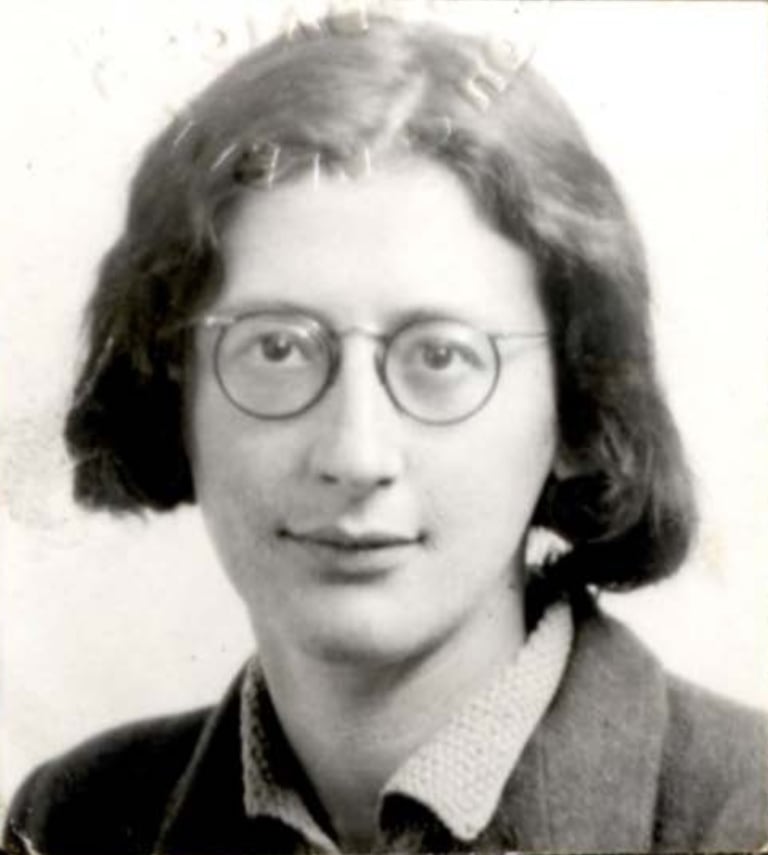
Simone Weil en 1943 · Public domain
In eigenen Worten
«The true hero, the true subject, the centre of the Iliad is force.»«L'Iliade ou le poème de la force», primera frase (Cahiers du Sud, 1940–1941)

Zum Einstieg ein Werk
Gravity and GraceDer zentrale Gedanke
For Weil, attention is the highest faculty of the soul: it consists in suspending thought, leaving it empty and available, without searching, so that the object may enter it. In its purest form it is prayer, and turned toward an afflicted person it is the rarest form of love of neighbour.
Im Zusammenhang sehen
Biografie
5 Min. Lesezeit
Unterstützte Übersetzung aus dem spanischen Original, Durchsicht durch einen muttersprachlichen Übersetzer ausstehend.
Eine Kindheit ohne Zugeständnisse
Simone Adolphine Weil wurde am 3. Februar 1909 in Paris in eine jüdische, laizistische und wohlhabende Familie geboren: Ihr Vater, Bernard Weil, war Arzt, ihre Mutter, Salomea Reinherz, war in Rostow und in Belgien aufgewachsen. Ihr älterer Bruder André sollte einer der großen Mathematiker des Jahrhunderts und Mitbegründer der Gruppe Bourbaki werden. In der Familie erzählte man, das Mädchen habe mit fünf Jahren, während des Ersten Weltkriegs, auf Zucker verzichtet, weil die Soldaten an der Front keinen hatten; die von den Ihren überlieferte und von ihrer Biographin Simone Pétrement festgehaltene Geste kündigt ein Leben an, in dem das Mitgefühl nicht beim Gefühl stehen blieb, sondern in den Körper überging.
Die Schülerin Alains
Sie lernte am Lycée Victor-Duruy bei René Le Senne und ab 1925 in der Vorbereitungsklasse des Lycée Henri-IV bei Émile Chartier, genannt Alain, der sie lehrte, gegen das Herkömmliche zu denken und jeder Abstraktion zu misstrauen, die sich nicht im Handeln bewähren ließ. 1928 wurde sie als einzige Frau ihres Jahrgangs an der École normale supérieure aufgenommen. Der stellvertretende Direktor der Schule, Célestin Bouglé, nannte sie wegen ihres gewerkschaftlichen und pazifistischen Engagements die »rote Jungfrau«. Ihre Diplomarbeit Wissenschaft und Wahrnehmung bei Descartes (1930) vertritt bereits einen Gedanken, den sie nicht mehr aufgeben sollte: Erkenntnis entsteht aus der Arbeit, aus der Berührung des Geistes mit dem Widerstand der Welt. 1931 bestand sie die Agrégation in Philosophie.
Lehrerin und Aktivistin
Als Gymnasiallehrerin in Le Puy (1931–1932), Auxerre (1932–1933) und Roanne (1933–1934) erregte sie den Anstoß der Behörden, weil sie Abordnungen von Arbeitslosen anführte und den Teil ihres Gehalts, der die Unterstützung eines Arbeitslosen überstieg, an die Solidaritätskasse abgab. Im Sommer 1932 reiste sie nach Deutschland und beschrieb hellsichtig den Zerfall, der dem Nationalsozialismus den Boden bereitete; sie schrieb für die revolutionär-syndikalistische Presse und verfasste 1934 die Reflexionen über die Ursachen der Freiheit und der sozialen Unterdrückung, eine Analyse der Unterdrückung, die sich weder auf den Marxismus noch auf den Liberalismus zurückführen lässt. Die Mitschriften einer Schülerin aus Roanne erschienen später als Vorlesungen über Philosophie.
Das Fabrikjahr
Im Dezember 1934 ließ sie sich beurlauben und trat als ungelernte Arbeiterin in die Pariser Fabrik von Alsthom ein; danach arbeitete sie bei den Forges de Basse-Indre und bei Renault, bis August 1935. Ihr Fabriktagebuch hält mit der Genauigkeit einer Ethnographin den Takt, die Akkordzeiten, die Angst, den Arbeitsplatz zu verlieren, und die Demütigung der Befehle fest. Über diese Erfahrung schrieb sie, sie habe dort »für immer das Mal der Sklaverei« empfangen und das Unglück der anderen sei in ihr Fleisch eingedrungen. An Leib und Seele »in Stücken«, reiste sie mit ihren Eltern nach Portugal; in einem Fischerdorf sah sie eine Prozession von Frauen, die im Mondlicht sangen, und gewann die Gewissheit, dass das Christentum »die Religion der Sklaven« sei.
Spanien, Assisi, Solesmes
Im August 1936, beim Ausbruch des Spanischen Bürgerkriegs, ging sie nach Barcelona und schloss sich an der Aragonfront der internationalen Gruppe einer anarchistischen Kolonne an. Am 20. August verbrühte sie sich das Bein mit siedendem Öl, und ihre Eltern holten sie zurück. Was sie dort gesehen hatte — standrechtliche Erschießungen, über die sich beide Lager freuten —, schilderte sie 1938 in einem Brief an Georges Bernanos. Im Frühjahr 1937 zwang sie, allein in der Kapelle Santa Maria degli Angeli in Assisi, etwas »Stärkeres« als sie selbst zum ersten Mal auf die Knie. In der Karwoche 1938 half ihr in der Abtei Solesmes der gregorianische Gesang, entsetzliche Migräneanfälle zu durchstehen; ein junger englischer Katholik machte sie dort mit George Herbert bekannt. Als sie sein Gedicht Love mit ganzer Aufmerksamkeit rezitierte, schreibt sie, »ist Christus selbst herabgestiegen und hat mich ergriffen«.
Marseille: das verborgene Werk
Nach der Besetzung von Paris im Juni 1940 floh die Familie nach Vichy und dann nach Marseille. Durch die antijüdischen Gesetze vom Schuldienst ausgeschlossen, schrieb Weil für die Cahiers du Sud — dort erschien unter dem Anagramm Émile Novis Die Ilias oder das Poem der Gewalt —, studierte Griechisch und Sanskrit, wirkte in Widerstandsnetzen mit und füllte Hefte mit Fragmenten, die ihr Vermächtnis werden sollten. Der Dominikaner Joseph-Marie Perrin wurde ihr Gesprächspartner; ihm erklärte sie in Briefen, warum sie an der Schwelle der Kirche blieb, ohne sich taufen zu lassen, aus Solidarität mit allem, was die Kirche draußen ließ. Perrin machte sie mit dem Bauernphilosophen Gustave Thibon bekannt, auf dessen Hof in der Ardèche sie arbeitete und mit dem sie 1941 die Weinlese hielt, wobei sie jeden Morgen das Vaterunser auf Griechisch sprach.
New York und London
Im Mai 1942 schiffte sie sich mit ihren Eltern nach Casablanca und New York ein, entschlossen, so bald wie möglich in den Kampf zurückzukehren. Von dort schrieb sie den Brief an einen Ordensmann, einen Katalog ihrer Einwände gegen die Kirche, und im November gelang es ihr, nach London zu kommen, um für das Freie Frankreich zu arbeiten. Ihre Vorgesetzten lehnten ihr Projekt eines Fronteinsatzes von Krankenschwestern ab und beauftragten sie mit Berichten über den Wiederaufbau Frankreichs. Aus diesem Auftrag gingen Die Einwurzelung hervor, eine Reflexion über die »Bedürfnisse der Seele« und die moderne Entwurzelung, sowie Die Person und das Heilige und die Anmerkung zur generellen Abschaffung der politischen Parteien.
Der Tod in Ashford
Am 15. April 1943 fand man sie bewusstlos in ihrem Zimmer; im Middlesex Hospital wurde Tuberkulose festgestellt. Sie aß sehr wenig, und in ihrer Umgebung hieß es, sie weigere sich, mehr zu sich zu nehmen, als im besetzten Frankreich zugeteilt wurde. Ende Juli trat sie aus dem Freien Frankreich aus, und am 17. August wurde sie in das Grosvenor-Sanatorium in Ashford in der Grafschaft Kent verlegt, wo sie am 24. August 1943 im Alter von vierunddreißig Jahren starb. Der Coroner befand auf Selbsttötung durch Nahrungsverweigerung in einem Zustand gestörten seelischen Gleichgewichts, ein Urteil, das ihre Biographen bestreiten. Sie wurde auf dem Friedhof von Ashford zwischen dem jüdischen und dem katholischen Gräberfeld beigesetzt.
Ein nachgelassenes Werk
Fast nichts von dem, was sie berühmt machte, erschien zu ihren Lebzeiten. Thibon stellte Fragmente aus den Heften zu Schwerkraft und Gnade (1947) zusammen; Albert Camus gab bei Gallimard Die Einwurzelung und einen großen Teil des Nachlasses heraus; Perrin veröffentlichte Attente de Dieu (»Warten auf Gott«, 1950). Seither hat ihr Denken — die Aufmerksamkeit als Form des Gebets, das Unglück, die »Ent-Schöpfung«, der Vorrang der Verpflichtungen vor den Rechten — Gläubige und Agnostiker, politische Philosophen und Mystiker gleichermaßen herausgefordert. Die historische Gestalt ist weniger heilig und unbequemer als die Legende: eine strenge Denkerin, unnachgiebig gegen sich selbst, die die Übereinstimmung von Idee und Leben zu einer Forderung ohne Rast machte.
Quellen: Perrin, Joseph-Marie, y Gustave Thibon. Simone Weil telle que nous l'avons connue. Paris: La Colombe, 1952. · Du Plessix Gray, Francine. Simone Weil. New York: Viking (Penguin Lives), 2001. · Pétrement, Simone. La Vie de Simone Weil. 2 vols. Paris: Fayard, 1973 (reed. en un volumen, 1997). · Weil, Simone. Attente de Dieu. Ed. Joseph-Marie Perrin. Paris: La Colombe, 1950 (incluye la «Autobiographie spirituelle», carta al P. Perrin de mayo de 1942). Texto en Wikisource. · Weil, Simone. La Pesanteur et la Grâce. Ed. Gustave Thibon. Paris: Plon, 1947. Texto en Wikisource.
Zeitleiste
Das Leben, Jahr für Jahr
Jeder Punkt ist ein belegtes Ereignis. Klicken Sie, um es mit Quelle und Grad der Gewissheit zu lesen.
3. Februar 19090 JahreParís
Birth
Born into a secular Jewish family; her brother André is almost three.
BelegtRozelle-Stone, A. Rebecca, y Benjamin P. Davis. «Simone Weil». Stanford Encyclopedia of Philosophy, publicado el 10 de marzo de 2018, revisión sustantiva del 18 de septiembre de 2025.
Nach dem Tod
- 1947Gravity and Grace
- 1949The Need for Roots in the 'Espoir' series
- 1988Complete works
3. Februar 1909 · 0 Jahre
Birth
Born into a secular Jewish family; her brother André is almost three.
Belegt
Oktober 1925 · 16 Jahre
Pupil of Alain
She enters the khâgne of the Lycée Henri-IV, where Émile Chartier (Alain) shapes her philosophical method.
Belegt
1928
Admission to the École normale supérieure
The only woman in her year; Célestin Bouglé nicknames her the 'Red Virgin'.
Belegt
1931
Agrégation and first post
She passes the agrégation in philosophy and is posted to the lycée at Le Puy, where she supports the unemployed.
Belegt
August 1932
Journey to Germany
She observes the German crisis on the eve of Nazism and publishes a series of articles.
Belegt
1934
Reflections on oppression
She writes the Reflections concerning the Causes of Liberty and Social Oppression, which she calls her 'great work'.
Belegt
Dezember 1934
Factory worker at Alsthom
She begins her factory year (Alsthom, Basse-Indre, Renault), which lasts until August 1935.
Belegt
August 1935
The fishermen's procession
In a Portuguese village she feels that Christianity is 'the religion of slaves': her first decisive contact with Catholicism.
Belegt
20. August 1936
Injured in the Spanish war
A militia volunteer in an anarchist column, she burns her leg with boiling oil and returns to France.
Belegt
April 1937
Santa Maria degli Angeli
Alone in Saint Francis's chapel, something 'stronger' than herself makes her kneel for the first time.
Belegt
April 1938
Solesmes and the poem 'Love'
She attends the Holy Week offices; she discovers George Herbert's poem whose recitation will lead her to feel that 'Christ himself came down'.
Belegt
Dezember 1940
The Iliad, or the Poem of Force
The Cahiers du Sud publish the essay under the anagram Émile Novis (December 1940–January 1941).
Belegt
September 1941
Grape harvest with Gustave Thibon
She works on the land and recites the Lord's Prayer in Greek daily, making it her only practice of prayer.
Belegt
Mai 1942
Exile in New York
She leaves with her parents for the United States; there she writes the Letter to a Priest.
Belegt
November 1942
In the service of Free France
She reaches England; in the office of the Commissariat for the Interior she writes The Need for Roots and the London Writings.
Belegt
15. April 1943
Hospitalised
She is found unconscious; at the Middlesex Hospital she is diagnosed with tuberculosis.
Belegt
24. August 1943 · 34 Jahre
Death
She dies at the Grosvenor Sanatorium; the coroner returns a verdict of suicide by refusing to eat.
Belegt
1947
Gravity and Grace
Gustave Thibon publishes with Plon the anthology from the notebooks that makes her known.
Belegt
1949
The Need for Roots in the 'Espoir' series
Albert Camus publishes L'Enracinement with Gallimard and begins editing her unpublished writings.
Belegt
1988
Complete works
Gallimard begins the edition of the Œuvres complètes directed by André A. Devaux and Florence de Lussy.
Belegt
Werke
Grundlegende Werke
Die Werke, ohne die sich das Vermächtnis nicht verstehen lässt.
Nachgelassenes Werk · 1947
Gravity and Grace
La Pesanteur et la Grâce
Short fragments grouped into chapters —gravity and grace, the void, detachment, decreation, the self, affliction, violence, attention and will, love, chance, the sacred— which set out her metaphysics: every natural movement of the soul obeys a law analogous to gravity, and only grace, which needs a void in order to enter, is the exception. This was the book that revealed Weil to the public and it remains the most widespread entry point to her thought, although Thibon's edition emphasises her spiritual side.
5 Ausgaben

Nachgelassenes Werk · 1949
The Need for Roots
L'Enracinement. Prélude à une déclaration des devoirs envers l'être humain
It starts from a principle: obligation precedes right. The first part lists the 'needs of the soul' (order, liberty, obedience, responsibility, equality, hierarchy, honour, punishment, freedom of opinion, security, risk, property, truth…); the second analyses the uprootedness of workers, peasants and nations; the third sketches how to give a people roots again through education and work with a spiritual meaning. It is her major political work and a radical critique both of the modern state and of the cult of greatness.
5 Ausgaben

Nachgelassenes Werk · 1950
Waiting for God
Attente de Dieu
It contains the six letters to Perrin —among them 'Hesitations concerning Baptism' and the 'Spiritual Autobiography', which recounts Portugal, Assisi, Solesmes and Herbert's poem— and the essays 'Reflections on the Right Use of School Studies', 'The Love of God and Affliction', 'Forms of the Implicit Love of God', 'Concerning the Our Father' and 'The Three Sons of Noah'. It is Weil's most personal text and the one that fixes her position on the threshold of the Church.
4 Ausgaben

Nachgelassenes Werk · 1951
Notebooks
Cahiers
The laboratory of all her thought: reading notes on Plato, the Upanishads and the Gita, the Pythagoreans and the Gospels, exercises in Greek and Sanskrit, problems of mathematics and physics, and fragments on gravity, grace, the void, necessity, beauty and decreation. They are the source of Gravity and Grace and the most direct way to read Weil without an editor's mediation.
3 Ausgaben
Das gesamte Werk (33)

First and Last Notebooks (Supernatural Knowledge)
1950

Reflections concerning the Causes of Liberty and Social Oppression
1934
Oppression and Liberty
1955

The Worker's Condition (La Condition ouvrière)
1951
Factory Journal
1935

The Iliad, or the Poem of Force
1940

The Greek Source
1953

Intimations of Christianity among the Ancient Greeks
1951

Letter to a Priest
1951

London Writings and Last Letters
1957

Human Personality (The Person and the Sacred)
1943

On the Abolition of All Political Parties
1943
Simone Weil
Draft for a Statement of Human Obligations
The Conscious LibraryDraft for a Statement of Human Obligations
1943
Simone Weil
Project for a Formation of Front-Line Nurses
The Conscious LibraryProject for a Formation of Front-Line Nurses
1940

Reflections on the Right Use of School Studies with a View to the Love of God
1942
The Love of God and Affliction
1942

Forms of the Implicit Love of God
1942
Spiritual Autobiography
1942

Unordered Thoughts on the Love of God
1962

Lectures on Philosophy
1959
Simone Weil
Science and Perception in Descartes
The Conscious LibraryScience and Perception in Descartes
1930

On Science
1966

Historical and Political Writings
1960
Letter to Georges Bernanos
1938
Zitate
Zitate, die in einem bestimmten Werk nachgewiesen sind. Jedes trägt seine Herkunft und seinen Grad an Verlässlichkeit.
The true hero, the true subject, the centre of the Iliad is force.Le vrai héros, le vrai sujet, le centre de l’Iliade, c’est la force.
Geprüft«L'Iliade ou le poème de la force», primera frase (Cahiers du Sud, 1940–1941)
Wesentliche Gedanken (redaktionelle Zusammenfassung)
Aus Achtung vor dem Urheberrecht werden diese Gedanken mit eigenen Worten zusammengefasst und nicht als wörtliche Zitate dargestellt.
- For Weil, attention is the highest faculty of the soul: it consists in suspending thought, leaving it empty and available, without searching, so that the object may enter it. In its purest form it is prayer, and turned toward an afflicted person it is the rarest form of love of neighbour.
- Affliction (malheur) is not simply pain but a simultaneous destruction of body, soul and social place that marks the victim with contempt, even in their own eyes; that is why it can scarcely be looked at directly and almost no one is capable of true compassion.
- Creation is an act of withdrawal: God limits himself to let the world be. 'Decreation' is the reverse movement asked of human beings: renouncing the self so that God may love through them, without destroying themselves by force of will.
- Force, in her reading of the Iliad, is what turns a person into a thing; it intoxicates those who wield it and petrifies those who suffer it, and no one truly possesses it. Justice begins by recognising that law without being deceived by it.
- Obligations come before rights: a right exists only if someone recognises an obligation to respect it. Hence her proposal to replace the declaration of the rights of man with a declaration of obligations toward the human being, founded on the needs of body and soul.
- Uprootedness —of workers by the factory, of peasants by the rural exodus, of peoples by conquest and the centralised state— is the gravest disease of modern societies, because it spreads: the uprooted uproot others.
- Manual work, carried out with attention and free from haste and fear, can be contact with the necessity of the world and therefore a form of spirituality; a well-ordered civilisation would place physical work at its spiritual centre.
- The 'metaxu' (intermediaries, in Plato's word) are the relative goods —homeland, home, culture, beauty— that must not be mistaken for the absolute good, yet cannot be taken from anyone without harming their soul.
Letzte Worte
Es gibt keine überprüfbaren Aufzeichnungen der letzten Worte.
No reliable final words survive. Weil died at the Grosvenor Sanatorium in Ashford on the night of 24 August 1943, after falling into a coma, with no family or friends present; her parents were still in New York and did not know how ill she was, because her last letters concealed it. The last written words that survive are those letters to her family (Écrits de Londres et dernières lettres).
Quelle: Weil, Simone. Écrits de Londres et dernières lettres. Paris: Gallimard (col. «Espoir»), 1957. Texto en Wikisource.
Fragen
Was das Werk beantwortet
Zwölf große Fragen der Menschheit und was sich aus den Texten darauf antworten lässt, mit Belegen. Wir legen niemandem Worte in den Mund.
Was ist das Absolute? Gibt es Gott?
God is love that withdraws in creating: personal and impersonal at once
Persönlich und unpersönlich zugleichAusdrücklich gesagt
Simone Weil, raised in agnosticism, recounts in her Spiritual Autobiography that in 1938 Christ himself came down and took her, without her having sought it. Her God is love, but a love that shows itself as renunciation: in creating, God withdraws, abdicates, ceases to be everything so that something other than him may exist, and the world is handed over to necessity. In the Notebooks and in The Love of God and Affliction, the cross is the infinite distance between God and God crossed by love. Weil insists that God is at once personal and impersonal: personal in Christ and in the relationship of love; impersonal in the order of the world, in beauty, and in the sacred that dwells in every human being.
Diese Frage mit anderen Meistern vergleichenWer bin ich? Gibt es ein wahres Selbst?
We own only the power to say «I»: it must be surrendered
Das Ego ist ein Konstrukt des DenkensAusdrücklich gesagt
Simone Weil does not look for a true self to discover, but for a self to undo. In Gravity and Grace, the «I» is what a human being believes to be their own and which actually belongs to gravity: psychological necessity, the imagination that fills voids, the will to be the centre. The only thing that truly belongs to us is the faculty of saying «I», and that is what must be offered to God. She calls this process decreation: undoing in ourselves what is created so that God may love himself through us. In Human Personality she adds that what is sacred in each human being is not their person, but something impersonal that expects good.
Diese Frage mit anderen Meistern vergleichenWarum leiden wir?
Affliction is distance from God that love can cross
Die Trennung von GottAusdrücklich gesagt
Simone Weil distinguishes mere suffering from affliction (malheur), which strikes body, soul and social standing at once, and marks the one who undergoes it like a slave. In The Love of God and Affliction she maintains that affliction is not punishment: it is the effect of the mechanical necessity to which God handed over the world when he withdrew so that it could exist. That is why it makes God absent for a time. But the cross reveals that this distance is the one separating God from God, and that love crosses it: if the soul goes on loving in the void, even if only by wanting to love, affliction becomes the place where God touches it.
Diese Frage mit anderen Meistern vergleichenWas geschieht nach dem Tod?
Belief in immortality robs us of the use of death
Schweigen oder ZurückhaltungAusdrücklich gesagt
Simone Weil distrusts hope in another life as consolation. In the texts gathered in Gravity and Grace she writes that belief in the immortality of the soul is harmful, because we cannot picture the soul as truly incorporeal: it becomes belief in a prolongation of life and takes away the use of death. What matters is to love God without expecting reward, to consent to necessity and to one's own disappearance, and to accept the void without filling it with imagination. She does not deny eternal life, which in her Spiritual Autobiography she associates with grace, but refuses to speculate on it: death teaches renunciation of the self here.
Diese Frage mit anderen Meistern vergleichenWie erlangt man Befreiung oder Erlösung?
Only grace escapes gravity; ours is to wait
Durch Gnade und LiebeAusdrücklich gesagt
Simone Weil frames the question with a physical image: all the natural movements of the soul are governed by laws analogous to those of gravity, and grace alone is the exception. The human being cannot rise by himself; every effort of the will to be good returns him to gravity. What is his to do is attention and waiting (attente): to look, to desire, not to fill the void with imaginings, to consent. In her Reflections on the Right Use of School Studies she argues that a geometry problem solved with true attention prepares for prayer. Salvation is grace descending into the soul that has emptied itself to receive it.
Diese Frage mit anderen Meistern vergleichenBraucht es einen Lehrer?
Intelligence needs total freedom, even before the Church
Keine spirituelle AutoritätAusdrücklich gesagt
Simone Weil stresses that no human being played a part in her encounter with Christ: neither in her reasoning nor in her reading had she foreseen the possibility of a real contact, person to person, with God. She had decisive interlocutors, such as the Dominican Joseph-Marie Perrin and Gustave Thibon, but declined baptism. In the Spiritual Autobiography and the Letter to a Priest she explains that the proper function of the intelligence demands total freedom, implying the right to deny everything and the absence of all domination; the Church's anathema sit, as an instrument of collective power, seemed to her incompatible with that freedom. No authority can take the place of personal attention to truth.
Diese Frage mit anderen Meistern vergleichenIst die Welt wirklich?
Love the order of the world and consent to necessity
Natürliche Ordnung im WandelAusdrücklich gesagt
Simone Weil sees the world as a fabric of necessity: blind forces, mechanical laws, gravity, to which God handed it over when he withdrew to let it be. That necessity crushes, produces affliction and takes no account of anyone. And yet it is beautiful: in Forms of the Implicit Love of God, love of the order of the world and its beauty appears as one of the ways in which the soul loves God without knowing it, and Weil links it with the Stoic tradition of amor fati. The sea is no less beautiful because it sinks ships. The right attitude is consent: to obey necessity as the stars do, without rebellion and without imagination, until one recognises in it the world's obedience to God.
Diese Frage mit anderen Meistern vergleichenWas ist Liebe?
To love is to give attention to the afflicted
Grenzenloses MitgefühlAusdrücklich gesagt
For Simone Weil, love of neighbour begins with attention. In the Reflections on the Right Use of School Studies she writes that the afflicted need nothing else in this world than people capable of giving them their attention, and that to ask the other «what are you going through?» is to recognise them as a fellow being, not as a specimen of the category of the afflicted. In Forms of the Implicit Love of God, love of neighbour is one of the ways God is loved without being named, and she describes it as a creative love which, like the Samaritan's, gives existence to one whom affliction had reduced to a thing. That love requires renouncing being the centre: it is attention emptied of self.
Diese Frage mit anderen Meistern vergleichenSind wir frei, oder ist alles vorherbestimmt?
The soul obeys a gravity; only grace is the exception
Wir sind Maschinen, bis wir erwachenAusdrücklich gesagt
Simone Weil opens the selection Gravity and Grace with a thesis that sounds like physics: all the natural movements of the soul are governed by laws analogous to those of physical gravity, and grace alone is the exception. The human being, left to himself, does nothing but fall: he seeks compensations, fills voids with imagination, yields to force. What we call will changes hardly anything essential. The only true freedom is consent: accepting necessity and desiring the good without claiming to reach it by one's own effort, leaving a void through which grace may descend. Apart from that consented obedience, the soul is mechanism.
Diese Frage mit anderen Meistern vergleichenWozu meditieren oder beten?
Attention, at its highest, is prayer
Gegenwärtig seinAusdrücklich gesagt
For Simone Weil, prayer consists in attention. In the Reflections on the Right Use of School Studies she argues that attention consists in suspending thought, leaving it available, empty and open to its object, and that this capacity, exercised even on a geometry problem, prepares for prayer; elsewhere she writes that attention, at its highest degree, is the same thing as prayer. In the Spiritual Autobiography she recounts that she made herself recite the Our Father in Greek each day with absolute attention, and that sometimes, during that recitation, Christ was present in person. To pray is to stop filling the void and to look without appropriating.
Diese Frage mit anderen Meistern vergleichenKann die Vernunft das Letzte erkennen?
Intelligence must go to its limit, where contradiction opens the way
Glaube und Vernunft helfen einanderAusdrücklich gesagt
Simone Weil, agrégée in philosophy and a pupil of Alain, always defended the honesty of the intelligence. In the Spiritual Autobiography she recounts that, even after Christ took her, she continued to think that one can never wrestle enough with God if one does so out of pure regard for truth, because Christ likes us to prefer truth to him, since before being Christ he is truth. The intelligence must be exercised with total freedom and go to its limit; there it meets contradictions —necessity and the good, justice and affliction— that it cannot resolve, and which, held with attention, open it to the supernatural. Faith does not cancel reason: reason pushed to the extreme makes way for mystery.
Diese Frage mit anderen Meistern vergleichenSich von der Welt zurückziehen oder sie verwandeln?
Share the condition of the oppressed and think through rootedness
Sich in der Welt engagierenAusdrücklich gesagt
Simone Weil carried engagement into her own body. A philosophy teacher, she was active in trade unionism, took leave to work as a labourer in metalworking factories in 1934–1935 —an experience recorded in the Factory Journal and The Workers' Condition—, enlisted in Durruti's anarchist column in the Spanish war and, in London, worked for Free France. There she wrote The Need for Roots, a programme for the reconstruction of France based on the needs of the soul and on obligations toward the human being. But her engagement was never merely political: in The Iliad, or the Poem of Force she analyses the force that turns people into things, which only attention and grace can counter.
Diese Frage mit anderen Meistern vergleichen
Affinitäten und Spannungen
Affinitäten und Spannungen
Frage für Frage aus den Positionen berechnet. Den Grund jeder Übereinstimmung und jedes Widerspruchs zeigt ein Klick.
Denkt ähnlich wie

Nikolai Berdyaev
Übereinstimmung bei: Was ist das Absolute? Gibt es Gott? · Warum leiden wir? · Wie erlangt man Befreiung oder Erlösung?
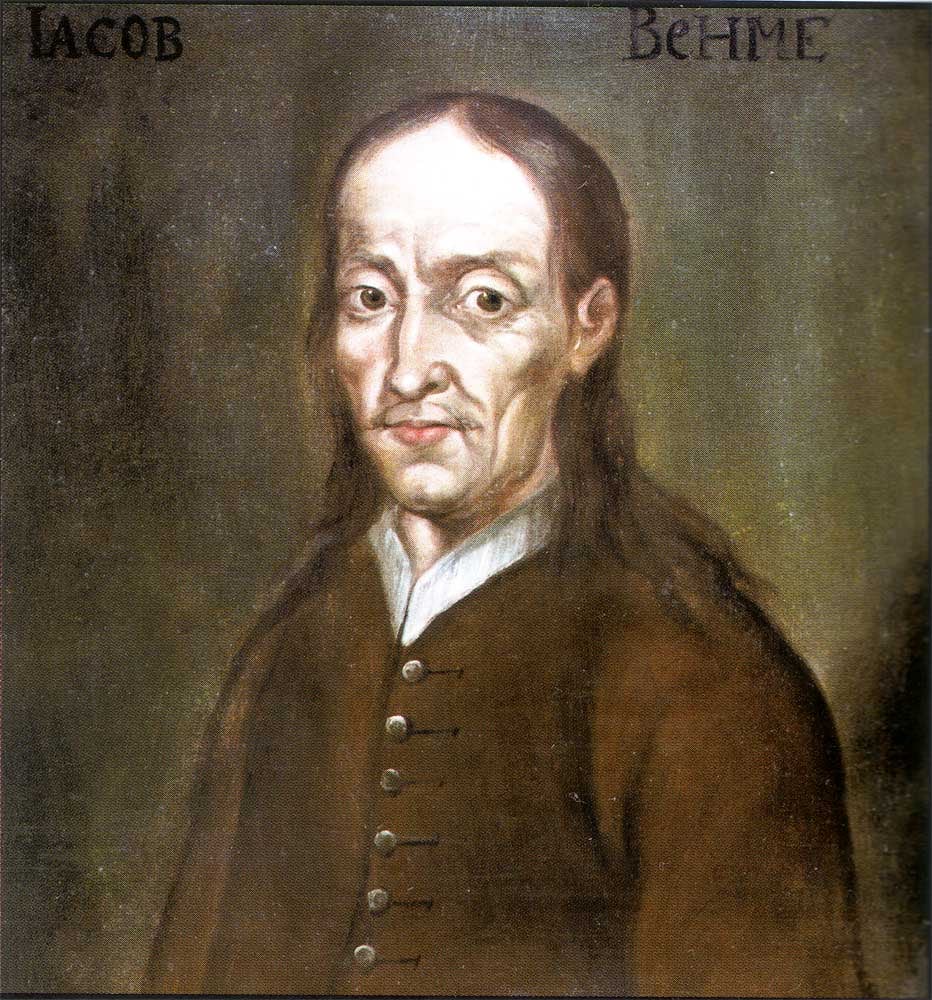
Jakob Böhme
Übereinstimmung bei: Was ist das Absolute? Gibt es Gott? · Warum leiden wir? · Wie erlangt man Befreiung oder Erlösung?
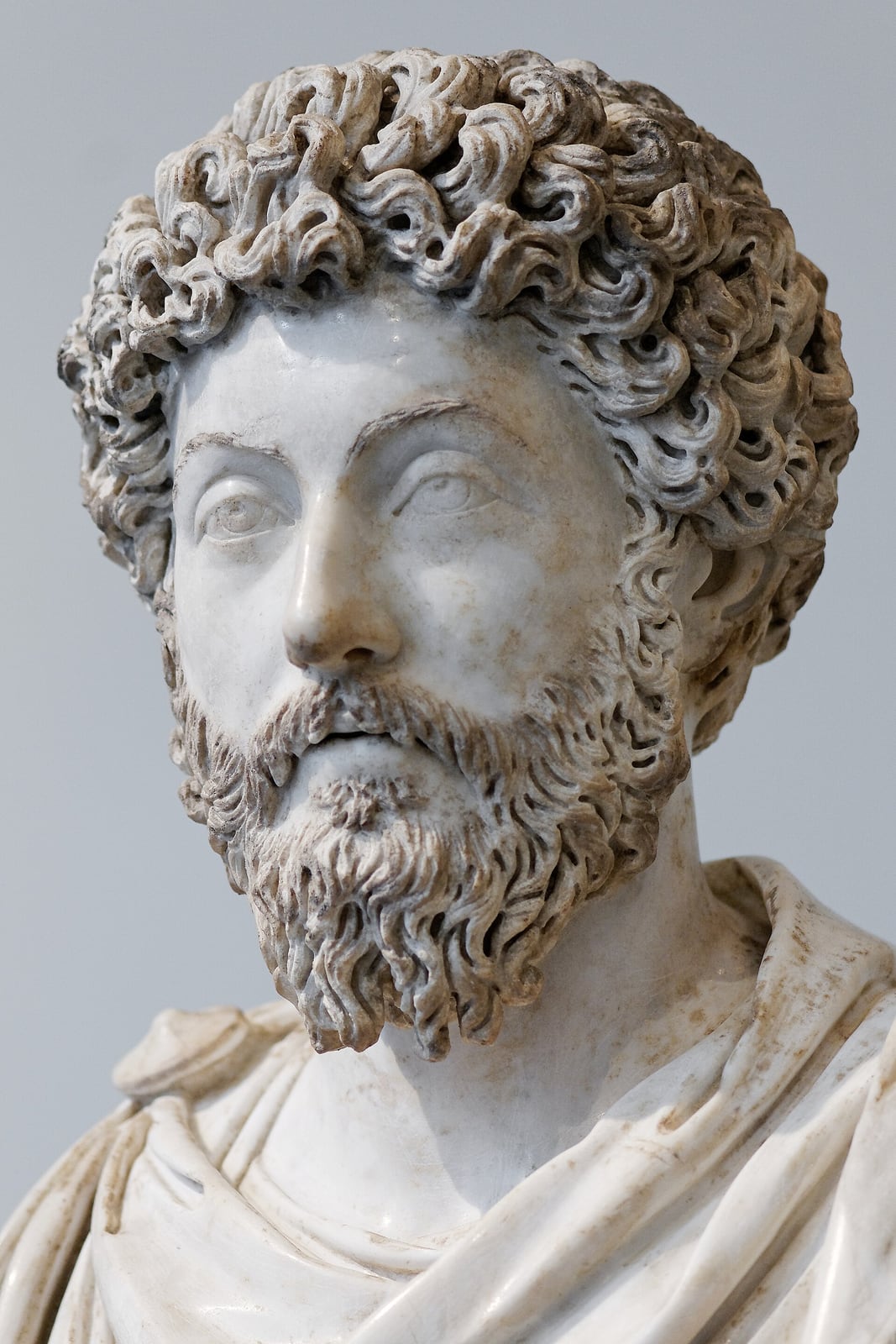
Marcus Aurelius
Übereinstimmung bei: Was ist das Absolute? Gibt es Gott? · Was geschieht nach dem Tod? · Ist die Welt wirklich?
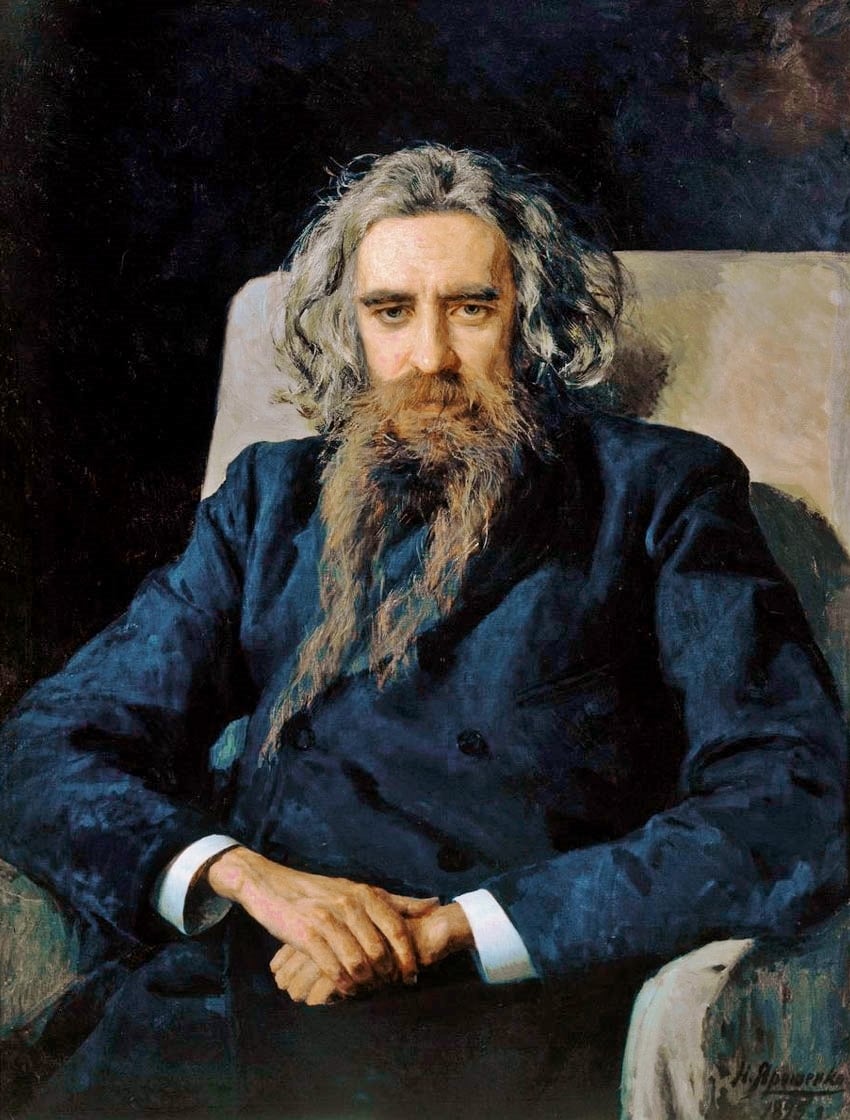
Vladimir Solovyov
Übereinstimmung bei: Was ist das Absolute? Gibt es Gott? · Warum leiden wir? · Wie erlangt man Befreiung oder Erlösung?
Denkt anders als


Anekdoten und Erzählungen
Anekdoten und Erzählungen
Zeugnis1914–1915
The soldiers' sugar
Herkunft der Erzählung: Family recollections gathered by Simone Pétrement, her friend and fellow student, in La Vie de Simone Weil (1973).
Quelle: Pétrement, Simone. La Vie de Simone Weil. 2 vols. Paris: Fayard, 1973 (reed. en un volumen, 1997).
Zeugnis1931–1932
The 'Red Virgin' of Le Puy
Herkunft der Erzählung: Told by Pétrement on the basis of the local press and testimony; the reply about dismissal is handed down in several versions.
Quelle: Pétrement, Simone. La Vie de Simone Weil. 2 vols. Paris: Fayard, 1973 (reed. en un volumen, 1997).
Zeugnis1933
Trotsky in the flat on rue Auguste-Comte
Herkunft der Erzählung: Pétrement (La Vie de Simone Weil), from her parents' recollections and Simone's notes on the discussion.
Quelle: Pétrement, Simone. La Vie de Simone Weil. 2 vols. Paris: Fayard, 1973 (reed. en un volumen, 1997).
Zeugnis1934–1935
The mark of slavery
Herkunft der Erzählung: Her own testimony in the 'Spiritual Autobiography' (1942) and the Journal d'usine published in La Condition ouvrière.
Belegt1936
The boiling oil on the Aragon front
Herkunft der Erzählung: Date of the accident according to the Stanford Encyclopedia of Philosophy; details of the stay in Pétrement and in the letter to Bernanos (Écrits historiques et politiques).
Zeugnis1938
George Herbert's poem 'Love'
Herkunft der Erzählung: 'Spiritual Autobiography', letter to Fr. Perrin of May 1942 (Attente de Dieu). Weil does not give the young Englishman's name.
Zeugnis1941
The Greek Our Father in the vineyard
Herkunft der Erzählung: 'Spiritual Autobiography' (Attente de Dieu), where Thibon appears as 'T…'; Thibon gave his version in Simone Weil telle que nous l'avons connue (1952).
Umstritten1943
The rations of occupied France
Herkunft der Erzählung: The verdict appears on the death certificate and is cited by the Stanford Encyclopedia of Philosophy and the biographies by Pétrement and Du Plessix Gray; the ration motive comes from testimony by those around her in London.
Lehren
Lehren
Die Begriffe, die das Denken gliedern, in ihrem Zusammenhang erklärt.
Attentionattention
Developed above all in Marseille (1941–1942), rooted in Alain's teaching on perception.
Affliction (malheur)malheur
Born of the factory experience (1934–1935) and formulated in 'L'Amour de Dieu et le malheur' (1942).
Decreationdecreation
A term coined in the Marseille Notebooks; gathered by Thibon into a chapter of La Pesanteur et la Grâce.
Quelle: Weil, Simone. La Pesanteur et la Grâce. Ed. Gustave Thibon. Paris: Plon, 1947. Texto en Wikisource.
Gravity and gracepesanteur-et-grace
The founding metaphor of the 1940–1942 Notebooks.
Quelle: Weil, Simone. La Pesanteur et la Grâce. Ed. Gustave Thibon. Paris: Plon, 1947. Texto en Wikisource.
Forceforce
Written in 1939–1940, in the face of war.
Rootedness and uprootednessenracinement
The core of L'Enracinement (London, 1943).
Obligations and the needs of the soulobligations
First part of L'Enracinement and the 'Draft for a Statement of Obligations'.
Metaxu (intermediaries)metaxu
Fragments from the Notebooks gathered in La Pesanteur et la Grâce (chapter 'Metaxu').
Quelle: Weil, Simone. La Pesanteur et la Grâce. Ed. Gustave Thibon. Paris: Plon, 1947. Texto en Wikisource.
Videos
Videos
Aufnahmen, Gespräche und Dokumentarfilme. Die Videos werden von YouTube wiedergegeben; sie werden nicht hier gespeichert.
Simone Weil "L'irrégulière" | Documentaire
Dokumentarfilm· FR· 26 min
Le Jour du SeigneurOffizieller Kanal
Pourquoi il faut lire Simone Weil aujourd'hui - #CulturePrime
Analyse· FR· 4 min
France CultureOffizieller Kanal
Relire la philosophe Simone Weil - L'édito culture
Analyse· FR· 5 min
France InterOffizieller Kanal
Colloque Simone Weil - Emmanuel Gabellieri
Vortrag· FR· 52 min
Institut du Pont-Neuf
Conférence de Christian Loubère, Simone Weil et le poème de la force
Vortrag· FR· 75 min
Société toulousaine de philosophie
An Encounter with Simone Weil: trailer (documentary feature)
Dokumentarfilm· EN· 3 min
SimoneWeilMovieOffizieller Kanal
Sylvie Weil talks about what it was like growing up as Simone Weil's niece
Gespräch· EN· 1 min
SimoneWeilMovieOffizieller Kanal
Why Study Simone Weil with Philip Goodchild
Vortrag· EN· 6 min
University of NottinghamOffizieller Kanal
Simone Weil, Waiting for God
Vortrag· EN· 62 min
The Philosophical Research Society
Remedios Zafra. Conversando con la obra de Simone Weil
Vortrag· ES· 62 min
La Casa EncendidaOffizieller Kanal
«Simone Weil: una filosofía nueva y muy antigua» por Laia Colell. Foro Arte y Pensamiento
Vortrag· ES· 70 min
Fundación CajaCanariasOffizieller Kanal
En torno a la cuestión colonial. Simone Weil y el destino de Europa — Cristina Basili
Vortrag· ES· 75 min
Círculo de Bellas ArtesOffizieller Kanal
Hebe Uhart - «¿Para qué le sirve Simone Weil a los escritores?»
Vortrag· ES· 68 min
Cátedra Abierta Roberto Bolaño
Galerie
Galerie
Bilder mit geprüfter Lizenz. Jedes bewahrt seine Urheberschaft und seinen Herkunftsnachweis.
Handschriften
Handschriften
Handschriftliche Zeugen und alte Texte, mit ihrer verwahrenden Einrichtung und ihren Einsichtsbedingungen.
FR · Latin · 1925–1943
Fonds Simone Weil (cuadernos, manuscritos y correspondencia)
- Erhaltener Textzeuge
- Cuadernos de Marsella, Nueva York y Londres; borradores de L'Enracinement y de los ensayos
- Verwahrende Einrichtung
- Bibliothèque nationale de France, departamento de Manuscritos (París)
Beziehungen
Beziehungen
Einflüsse, Schülerschaften und Verwandtschaften. Die belegte Beziehung wird von der durch Analyse ermittelten Ähnlichkeit unterschieden.
Beeinflusst von
She considered him the father of Western mysticism; she translated and commented on him at length in Intuitions pré-chrétiennes and La Source grecque.
Belegte Beziehung
Beeinflusst von
She devoted her longest study in Intuitions pré-chrétiennes to 'The Pythagorean Doctrine', seeing in harmony and mediation Christian foreshadowings.
Belegte Beziehung
Beeinflusst von
'I fell in love with Saint Francis as soon as I came to know of him,' she writes; in his chapel at Assisi she knelt for the first time (1937).
Belegte Beziehung
Beeinflusst von
She quotes him repeatedly in the Notebooks and the letters to Perrin (the image of the thread that holds the bird down).
Belegte Beziehung
Beeinflusst von
In the Spiritual Autobiography she acknowledges having found in Marcus Aurelius, as amor fati, the duty of accepting God's will.
Belegte Beziehung
Beeinflusst von
In the fragments on non-action she states that the highest 'passive activity' is perfectly described in the Bhagavad Gita and in Lao Tzu.
Belegte Beziehung
Beeinflusst von
Her mystical experience of 1938 was, by her own account, a personal contact with Christ; the Passion is at the centre of her theology of affliction.
Belegte Beziehung
Verwandte Gedanken mit
'Decreation' and the critique of self-will have been compared with Eckhart's detachment (Abgeschiedenheit); no significant direct reading is recorded.
Durch Analyse ermittelte Ähnlichkeit
Zeitgenosse von
French contemporaries engaging with Catholicism from opposite positions: Teilhard optimistic about evolution, Weil focused on affliction and necessity. There is no record that they met.
Durch Analyse ermittelte Ähnlichkeit
Von anderen Einträgen aus verknüpft
Quellen
Quellen
Für diesen Eintrag herangezogene Bibliografie und Kataloge.
- Perrin, Joseph-Marie, y Gustave Thibon. Simone Weil telle que nous l'avons connue. Paris: La Colombe, 1952.
- Du Plessix Gray, Francine. Simone Weil. New York: Viking (Penguin Lives), 2001.
- Wikidata, «Simone Weil» (Q157309).
- Pétrement, Simone. La Vie de Simone Weil. 2 vols. Paris: Fayard, 1973 (reed. en un volumen, 1997).
- Weil, Simone. Attente de Dieu. Ed. Joseph-Marie Perrin. Paris: La Colombe, 1950 (incluye la «Autobiographie spirituelle», carta al P. Perrin de mayo de 1942). Texto en Wikisource.
- Rozelle-Stone, A. Rebecca, y Benjamin P. Davis. «Simone Weil». Stanford Encyclopedia of Philosophy, publicado el 10 de marzo de 2018, revisión sustantiva del 18 de septiembre de 2025.
- Weil, Simone. La Pesanteur et la Grâce. Ed. Gustave Thibon. Paris: Plon, 1947. Texto en Wikisource.
- Weil, Simone. L'Enracinement: prélude à une déclaration des devoirs envers l'être humain. Paris: Gallimard (col. «Espoir»), 1949. Texto en Wikisource.
- Weil, Simone [Émile Novis]. «L'Iliade ou le poème de la force». Cahiers du Sud, n.º 230–231, diciembre de 1940 – enero de 1941; recogido en La Source grecque, Gallimard, 1953. Texto en Wikisource.
- Weil, Simone. La Condition ouvrière. Paris: Gallimard (col. «Espoir»), 1951 (incluye el Journal d'usine). Texto en Wikisource.
- Fiori, Gabriella. Simone Weil: biografia di un pensiero. Milano: Garzanti, 1981.
- Weil, Simone. Œuvres complètes. Dir. André A. Devaux y Florence de Lussy. Paris: Gallimard, 1988– (7 tomos previstos en 16 volúmenes).
- Wikisource en francés, «Auteur:Simone Weil» (relación de obras con fechas de redacción y publicación).
- Weil, Simone. Écrits de Londres et dernières lettres. Paris: Gallimard (col. «Espoir»), 1957. Texto en Wikisource.
- Weil, Simone. Oppression et Liberté. Paris: Gallimard (col. «Espoir»), 1955 (incluye las Réflexions sur les causes de la liberté et de l'oppression sociale, 1934). Texto en Wikisource.
- Weil, Simone. Lettre à un religieux. Paris: Gallimard (col. «Espoir»), 1951. Texto en Wikisource.
- Weil, Simone. Intuitions pré-chrétiennes. Paris: La Colombe, 1951. Texto en Wikisource.
- Open Library, registros de edición consultados por ISBN (obras de Simone Weil).
- Haslett, Julia (dir.). An Encounter with Simone Weil. Documental, Line Street Productions, 2010.
- Weil, Simone, y Joë Bousquet. Correspondance 1942. Paris: Éditions Claire Paulhan, 2019 (primera ed.: Lausanne, L'Âge d'homme, 1982).
- Rechteinhaber
- Éditions Gallimard (ediciones francesas) y los herederos de Simone Weil; obra de dominio público en la UE desde 2014 y en España desde 2024, pero no en EE. UU. Las traducciones tienen derechos propios (Trotta, Routledge, NYRB, Harper, etc.).
- Offizielle Website
- www.simoneweil-association.com/
Bestätigung ausstehend
Was dieser Eintrag noch nicht klären konnte. Wir sagen es lieber, als es aufzufüllen.
- Derechos: comprobar si Simone Weil fue declarada «morte pour la France», lo que en Francia añadiría 30 años de protección a sus obras; no afecta a la regla UE/España/EE. UU. aplicada aquí, pero sí a la difusión en Francia.
- Todas las entradas de reading_texts llevan caution: la obra no es de dominio público en EE. UU. (publicaciones francesas de 1940–1968 restauradas por la URAA). Reevaluar a partir de 2036 (La Ilíada) y de 2043 (primeras obras póstumas).
- Verificar en la biografía de Pétrement los detalles de la anécdota de Trotski (fecha exacta y lugar) y la réplica de Le Puy sobre la destitución.
- Localizar ISBN de ediciones en alemán, italiano y ruso de La gravedad y la gracia, Echar raíces y A la espera de Dios; y de la edición castellana de Venecia salvada.
- Confirmar los traductores de las ediciones de Trotta sin traductor registrado (A la espera de Dios, Intuiciones precristianas, Escritos de Londres).
- Confirmar la signatura del fondo Simone Weil en la Bibliothèque nationale de France y si existe digitalización en Gallica.
- Vídeos: no se encontraron en YouTube documentales completos de televisiones públicas en alemán o italiano con canal oficial; se registran 13.
- Programas de afiliación: ninguno verificado.
Recherchiert am 2026-10-25