Christentum · Christliche Mystik · Katholizismus
Thomas Merton
1915 – 1968Historisch belegte Person
Trappistenmönch der Abtei Gethsemani in Kentucky, Priester, Dichter und Essayist. Seine Autobiographie Der Berg der sieben Stufen (1948) führte Tausende Leser der Nachkriegszeit ins Klosterleben, und Werke wie Neue Saat der Kontemplation machten die christliche Kontemplation zu einer Frage der persönlichen Identität. In seinem letzten Lebensjahrzehnt trat er für Gewaltlosigkeit und die Bürgerrechte ein, übertrug Zhuangzi und suchte das Gespräch mit dem Zen- und dem tibetischen Buddhismus. Er starb 1968 in Thailand, während seiner einzigen Reise nach Asien.
- Werke
- 132Werke
- Ausgaben
- 219Ausgaben
- Zitate
- 8Zitate
- Videos
- 11Videos
- Bilder
- 7Bilder

La ermita de Thomas Merton en Getsemaní · CC BY 2.0
In eigenen Worten
«On the last day of January 1915, under the sign of the Water Bearer, in a year of a great war, and down in the shadow of some French mountains on the borders of Spain, I came into the world.»The Seven Storey Mountain (1948), parte I, cap. 1, primera frase

Zum Einstieg ein Werk
The Seven Storey MountainDer zentrale Gedanke
Human beings habitually live identified with a false self, made of desires, roles and appearances, which tries to assert itself against others and against God; spiritual life consists in letting that mask fall so as to discover the true self, which is not possessed but received from God and coincides with one's own vocation.
Im Zusammenhang sehen
Biografie
6 Min. Lesezeit
Unterstützte Übersetzung aus dem spanischen Original, Durchsicht durch einen muttersprachlichen Übersetzer ausstehend.
Eine Waise zwischen zwei Kontinenten
Thomas Merton wurde am 31. Januar 1915 in Prades am Fuß der französischen Pyrenäen geboren, als Sohn zweier Maler: des Neuseeländers Owen Merton und der Amerikanerin Ruth Jenkins, die in einem Quäkermilieu aufgewachsen war. Der Krieg trieb die Familie im August 1916 nach New York. Ruth starb 1921 an Krebs, als der Junge sechs Jahre alt war, und fortan war Mertons Kindheit eine Abfolge von Wohnorten: das Haus der Großeltern in Douglaston, die Bermudas, das mittelalterliche Dorf Saint-Antonin, das Internat des Lycée Ingres in Montauban, die englischen Schulen Ripley Court und Oakham. 1931 starb auch der Vater an einem Gehirntumor, und der Heranwachsende kam unter die Vormundschaft seines Londoner Paten.
Das Studienjahr 1933 am Clare College in Cambridge war der Tiefpunkt dieses Treibenlassens. Merton selbst beschrieb es in seiner Autobiographie als eine Zeit des Trinkens und der Unordnung; seine Biographen haben zudem belegt, dass er dort ein Kind zeugte, das er nie kennenlernte. Sein Tutor riet ihm, nicht zurückzukehren. Im Januar 1935 schrieb er sich an der Columbia University in New York ein, wo er endlich einen Platz fand: die Lehre Mark Van Dorens, die lebenslange Freundschaft mit dem Dichter Robert Lax und dem Maler Ad Reinhardt, die Studentenzeitschriften und eine Masterarbeit über William Blake.
Die Bekehrung
Die Wende hatte einen unerwarteten Ursprung. 1938 stellte ihm ein Freund Mahanambrata Brahmachari vor, einen hinduistischen Mönch auf der Durchreise in New York, von dem Merton eine Einladung nach Osten erwartete. Brahmachari riet ihm stattdessen, die Bekenntnisse des heiligen Augustinus und die Nachfolge Christi zu lesen. Diese Lektüre führte ihn, zusammen mit Étienne Gilsons Der Geist der mittelalterlichen Philosophie, in die kleine Kirche Corpus Christi neben dem Campus, wo er am 16. November 1938 in die katholische Kirche aufgenommen wurde. Nach einem gescheiterten Versuch, bei den Franziskanern einzutreten, unterrichtete er Englisch am St. Bonaventure College und beschloss nach Exerzitien in der Karwoche in Kentucky, Trappist zu werden.
Am 10. Dezember 1941, drei Tage nach Pearl Harbor, klopfte er an die Pforte der Abtei Our Lady of Gethsemani. Er erhielt den Namen Frater Mary Louis — Pater Louis für seine Mitbrüder — und sollte nie wieder außerhalb des Klosters leben. 1944 legte er die einfachen, 1947 die feierlichen Gelübde ab; 1949 wurde er zum Priester geweiht.
Der Mönch, der schrieb
Das Paradox Mertons besteht darin, dass ausgerechnet der Orden des Schweigens ihn zum meistgelesenen Mönch des Jahrhunderts machte. Sein Abt Frederic Dunne bat ihn zu schreiben, und aus diesem Gehorsam entstand Der Berg der sieben Stufen, 1948 bei Harcourt Brace erschienen. Die Autobiographie eines weltgewandten jungen Mannes, der zu den Trappisten flieht, traf den Nerv einer vom Krieg gezeichneten Generation und wurde ein außergewöhnlicher Bestseller; die Trappistenklöster der Vereinigten Staaten erlebten in den folgenden Jahren einen Zustrom von Berufungen, den seine Biographen mit dem Buch in Verbindung bringen. Es folgten Saat der Kontemplation (1949), Die Wasser von Siloe, Das Zeichen des Jonas — sein Mönchstagebuch — und Keiner ist eine Insel.
In der Abtei war er Magister der Scholastiker und von 1955 bis 1965 Novizenmeister. Seine Vorträge über Cassian, die Wüstenväter, die Benediktsregel oder die christliche Mystik, auf Tonband aufgezeichnet und in seinen Notizen bewahrt, erscheinen bis heute in einer mehrbändigen Reihe. Neue Saat der Kontemplation (1961), eine tiefgreifende Neufassung seines Buches von 1949, verdichtete seinen zentralen Gedanken: Kontemplation ist weder eine Technik noch ein Ausnahmezustand, sondern das Erwachen des wahren Selbst, das in Gott verborgen ist, gegenüber dem falschen Selbst, das Begehren und Schein errichtet haben.
Die Öffnung zur Welt
Am 18. März 1958 erlebte Merton an einer belebten Geschäftsecke in Louisville, was er selbst als das Ende seiner „Trennung“ von der Welt betrachtete: die plötzliche Gewissheit, dass er alle Passanten liebte und dass ihm niemand fremd war. Er hielt die Erfahrung in seinem Tagebuch fest und verarbeitete sie Jahre später in Vermutungen eines schuldigen Zuschauers. Von da an wandte sich sein Schreiben dem Atomkrieg, der Rassentrennung und später Vietnam zu. 1962 verboten ihm seine Oberen, über den Frieden zu publizieren; er schrieb weiterhin an Briefpartner in aller Welt hektographierte Briefe, die heute als die Briefe aus dem Kalten Krieg bekannt sind.
Zugleich pflegte er einen beispiellosen Dialog mit dem Osten. Er korrespondierte mit D. T. Suzuki, den er 1964 in New York besuchte; er veröffentlichte Der Weg des Chuang Tzu (1965), eine freie Nachdichtung des taoistischen Klassikers, Mystiker und Zen-Meister (1967) und Zen und die Vögel der Begierde (1968). 1966 empfing er in Gethsemani den vietnamesischen Mönch Thich Nhat Hanh und schrieb zu dessen Verteidigung den Artikel „Nhat Hanh ist mein Bruder“. Sein Briefwechsel mit Boris Pasternak, Czesław Miłosz, Ernesto Cardenal — einst sein Novize —, Dorothy Day oder Martin Luther King füllt fünf Bände.
Die Einsiedelei und die Liebe
Im August 1965 erhielt er die Erlaubnis, als Eremit in einem kleinen Haus aus Betonsteinen in den Wäldern der Abtei zu leben. Die Einsamkeit bescherte ihm jedoch die unerwartetste Prüfung: Im Frühjahr 1966, als er sich in einem Krankenhaus in Louisville von einer Rückenoperation erholte, verliebte er sich in eine junge Krankenpflegeschülerin, die in seinen Tagebüchern „M.“ heißt. Die Beziehung, die er mit einer Zerrissenheit lebte, von der er selbst schriftlich Zeugnis ablegte, endete in jenem Sommer, als der Abt davon erfuhr. Merton hatte verfügt, dass seine Tagebücher erst fünfundzwanzig Jahre nach seinem Tod erscheinen dürften; als sie zwischen 1995 und 1998 in sieben Bänden herauskamen, zeigten sie einen widersprüchlicheren und menschlicheren Mann als den der Autobiographie.
Asien und das Ende
Im Oktober 1968 flog Merton mit Zustimmung des neuen Abtes Flavian Burns nach Asien, um an einem Kongress benediktinischer und zisterziensischer Mönche in Bangkok teilzunehmen. In Indien traf er dreimal den Dalai Lama, der in seiner Autobiographie schreiben sollte, Merton habe ihm den wahren Sinn des Wortes „Christ“ erschlossen; in Darjeeling sprach er stundenlang mit dem Dzogchen-Meister Chatral Rinpoche. Am 2. Dezember notierte er vor den steinernen Buddhas von Polonnaruwa auf Ceylon, er sei durch „die Oberfläche“ der Dinge hindurchgedrungen, in einer Erleuchtung, die er in die Worte fasste, alles sei Leere und alles sei Mitgefühl.
Am 10. Dezember 1968, auf den Tag genau siebenundzwanzig Jahre nach seiner Ankunft in Gethsemani, hielt er am Vormittag den Vortrag „Marxismus und monastische Perspektiven“. Am Nachmittag fand man ihn tot in seinem Zimmer im Rotkreuzzentrum von Samut Prakan, einen elektrischen Ventilator auf dem Körper. Die von seinen Mitbrüdern verbreitete Version lautete auf einen Unfall durch Stromschlag; die offiziellen thailändischen Berichte führen den Tod auf ein Herzversagen zurück, das der Berührung mit dem Gerät vorausgegangen sei. Eine Obduktion fand nicht statt, und die ungeklärte Kopfwunde hat Mordthesen genährt, die die meisten Forscher für unbegründet halten. Am 17. Dezember wurde er in Gethsemani beigesetzt.
Vermächtnis
Merton hinterließ mehr als fünfzig zu Lebzeiten veröffentlichte Bücher und einen Nachlass an Tagebüchern, Briefen, Gedichten und Vorträgen, der noch längst nicht ausgeschöpft ist. Sein Werk hat die kontemplative Laienspiritualität der zweiten Hälfte des 20. Jahrhunderts und den monastischen Dialog zwischen Christentum und Buddhismus maßgeblich begründet. 2015 nannte ihn Papst Franziskus vor dem Kongress der Vereinigten Staaten einen „Mann des Gebets“ und einen „Mann des Dialogs“, an der Seite von Lincoln, Martin Luther King und Dorothy Day. Sein Archiv wird im Thomas Merton Center der Bellarmine University in Louisville verwahrt, und die Rechte an seinem Werk verwaltet der Merton Legacy Trust zugunsten der Abtei.
Quellen: Mott, Michael. The Seven Mountains of Thomas Merton. Boston: Houghton Mifflin, 1984 (biografía autorizada por el Merton Legacy Trust). · Merton, Thomas. The Seven Storey Mountain. Nueva York: Harcourt, Brace and Company, 1948. · Merton, Thomas. The Asian Journal of Thomas Merton. Ed. Naomi Burton Stone, Patrick Hart y James Laughlin. Nueva York: New Directions, 1973 (incluye el epílogo de Patrick Hart y los apéndices VII, «Marxism and Monastic Perspectives», y VIII, carta de los delegados trapenses al abad Flavian Burns). · Shannon, William H.; Bochen, Christine M.; O'Connell, Patrick F. The Thomas Merton Encyclopedia. Maryknoll (NY): Orbis Books, 2002. · Merton, Thomas. Conjectures of a Guilty Bystander. Garden City (NY): Doubleday, 1966.
Zeitleiste
Das Leben, Jahr für Jahr
Jeder Punkt ist ein belegtes Ereignis. Klicken Sie, um es mit Quelle und Grad der Gewissheit zu lesen.
31. Januar 19150 JahrePrades (Francia)
Birth in the Pyrenees
Born to Owen Merton, a New Zealand painter, and Ruth Jenkins, an American artist of Quaker upbringing, who had met while studying painting in Paris.
BelegtThomas Merton Center, Bellarmine University. «Thomas Merton: Chronology of Life and Publications».
Nach dem Tod
- 1995 – 1998Publication of the complete journals
- 24. September 2015Cited by Pope Francis before Congress
31. Januar 1915 · 0 Jahre
Birth in the Pyrenees
Born to Owen Merton, a New Zealand painter, and Ruth Jenkins, an American artist of Quaker upbringing, who had met while studying painting in Paris.
Belegt
21. Oktober 1921 · 6 Jahre
Death of his mother
Ruth Jenkins dies of stomach cancer. The boy learns of it by letter; the loss opens an itinerant childhood between the United States, Bermuda, France and England.
Belegt
1926 – 1928 · 11 Jahre
Boarding at the Lycée Ingres
His father enrols him at the lycée in Montauban while painting in Saint-Antonin; in 1928 they move to England (Ripley Court and, from 1929, Oakham).
Belegt
1931 · 15 Jahre
Death of his father
Owen Merton dies of a brain tumour. The adolescent is placed under the guardianship of his godfather, the physician Tom Bennett.
Belegt
Oktober 1933 – 1934 · 18 Jahre
A disordered year at Clare College
He reads modern languages at Cambridge; a year of excess that he would later judge harshly. He loses his scholarship and returns to the United States.
Belegt
Januar 1935 – 1939 · 19 Jahre
Columbia: Van Doren, Lax and literature
He studies English literature under Mark Van Doren and forms lifelong friendships with Robert Lax and Ad Reinhardt. Graduating in 1938, he takes his master's degree in 1939 with a thesis on William Blake.
Belegt
16. November 1938 · 23 Jahre
Received into the Catholic Church
After months of reading—Gilson, Augustine, à Kempis—and the advice of the Hindu monk Mahanambrata Brahmachari, he is baptised and receives his first communion.
Belegt
1940 – 1941 · 25 Jahre
Teaching among the Franciscans
Turned away by the Franciscan novitiate, he teaches English at St. Bonaventure and becomes a Franciscan tertiary. A Holy Week retreat at Gethsemani (1941) settles his vocation.
Belegt
10. Dezember 1941 · 26 Jahre
Arrival at Gethsemani
He knocks at the door of the Trappist abbey; on 13 December he is admitted as a postulant and given the name Brother Mary Louis.
Belegt
17. April 1943 · 28 Jahre
Death of his brother John Paul
His only brother, an RCAF airman baptised months earlier in Kentucky, dies after his plane comes down at sea. Merton writes for him the poem that appears in his autobiography.
Belegt
19. März 1944 · 29 Jahre
Simple vows and Thirty Poems
He takes temporary vows; that same year James Laughlin publishes his first book, Thirty Poems, at New Directions.
Belegt
1948 · 33 Jahre
The Seven Storey Mountain
Harcourt Brace publishes the autobiography, written under obedience to his abbot. It becomes a publishing phenomenon and the most widely read conversion narrative of post-war America.
Belegt
26. Mai 1949 · 34 Jahre
Ordination to the priesthood
He is ordained priest on Ascension Day; that year he publishes Seeds of Contemplation and The Waters of Siloe.
Belegt
1955 – 1965 · 40 Jahre
Master of novices
After four years as master of scholastics, he directs the formation of novices for a decade; his recorded conferences and notes are now published as a series.
Belegt
18. März 1958 · 43 Jahre
The Fourth and Walnut revelation
In a Louisville shopping street he suddenly realises that he loves all the passers-by and that they are not alien to him; he records it in his journal and reworks it in Conjectures of a Guilty Bystander (1966).
Belegt
1961 · 46 Jahre
New Seeds and the turn towards the world
He publishes New Seeds of Contemplation and begins writing against nuclear war; in 1962 his superiors forbid him to publish on peace, and his texts circulate as the 'Cold War Letters'.
Belegt
Juni 1964 · 49 Jahre
Meeting D. T. Suzuki
With exceptional permission he travels to New York to meet the great interpreter of Zen, with whom he had corresponded since 1959.
Belegt
August 1965 – 1968 · 50 Jahre
Hermit in the abbey woods
He gives up the office of novice master and moves full time into the cinder-block hermitage built on the monastery grounds.
Belegt
März 1966 · 51 Jahre
Love for 'M.'
After back surgery he falls in love with a young student nurse; the relationship, which ends that summer, is documented in the sixth volume of his journals.
Belegt
28. Mai 1966 · 51 Jahre
Visit of Thich Nhat Hanh
He receives the Vietnamese monk during his peace tour and afterwards writes 'Nhat Hanh Is My Brother', a plea against the Vietnam War.
Belegt
15. Oktober 1968 · 53 Jahre
Departure for Asia
With leave from the new abbot, Flavian Burns, he flies to Asia to attend a monastic congress and an interreligious meeting in Calcutta.
Belegt
4. November 1968 · 53 Jahre
Three audiences with the Dalai Lama
On 4, 6 and 8 November he talks with the young Dalai Lama about epistemology, meditation and monastic life; in the following weeks he meets Chatral Rinpoche.
Belegt
2. Dezember 1968 · 53 Jahre
Before the Buddhas of Polonnaruwa
Barefoot before the great stone figures of the Gal Vihara he lives what he describes as an aesthetic and spiritual illumination unlike any in his life.
Belegt
10. Dezember 1968 · 53 Jahre
Death in Bangkok
In the morning he delivers the lecture 'Marxism and Monastic Perspectives'; in the afternoon he is found dead in his room with an electric fan lying across his body. The Thai reports speak of heart failure; accidental electrocution was the version made public by his brethren.
Belegt
17. Dezember 1968
Burial in the monastic cemetery
His body, flown home on a military aircraft returning from Vietnam, is buried beneath a white cross identical to those of the other monks.
Belegt
1995 – 1998
Publication of the complete journals
Once the twenty-five-year embargo he himself had imposed has expired, HarperSanFrancisco publishes his journals from 1939 to 1968 in seven volumes.
Belegt
24. September 2015
Cited by Pope Francis before Congress
Francis names him alongside Lincoln, Martin Luther King and Dorothy Day as one of four Americans who embody the best of the nation: 'a man of dialogue'.
Belegt
Werke
Grundlegende Werke
Die Werke, ohne die sich das Vermächtnis nicht verstehen lässt.
Schriftliches Werk · 1948
The Seven Storey Mountain
Autobiography of Merton's first twenty-six years, from his birth in Prades to his entry into Gethsemani, written at the suggestion of Abbot Frederic Dunne. The title alludes to Dante's mountain of Purgatory. The story of a wandering youth, of his parents' deaths, of Cambridge and Columbia, and of a conversion lived as a homecoming, it became one of the most widely read religious books of the twentieth century and moved thousands of readers towards monastic life. In Britain it appeared abridged as Elected Silence (1949), with a foreword by Evelyn Waugh.
10 Ausgaben

Schriftliches Werk · 1949
Seeds of Contemplation
A collection of short reflections on the interior life, prayer and detachment, written in the wake of John of the Cross. Its direct language, free of scholastic apparatus, made it an immediate classic; Merton revised it in 1949 and rewrote it thoroughly in 1961 as New Seeds of Contemplation.
4 Ausgaben

Schriftliches Werk · 1961
New Seeds of Contemplation
A complete rewriting of Seeds of Contemplation, twenty years after his entry into the monastery. Merton removes the cloistered tone of the first version and develops the opposition between the false self and the true self, contemplation as awakening to reality, and unity with other human beings. Chapters such as 'Things in Their Identity', 'Pray for Your Own Discovery' and 'The General Dance' have made it his most widely read spiritual book and a reference text of contemporary Christian spirituality.
6 Ausgaben

Schriftliches Werk · 1966
Conjectures of a Guilty Bystander
A notebook drawn from the journals of 1956–1965: reflections on technology, race, war, Barth, Gandhi and the Council. It contains the account of the Fourth and Walnut revelation and the page on the 'point vierge', the untouched centre of the human being.
3 Ausgaben
Das gesamte Werk (132)
Thomas Merton
Thirty Poems
The Conscious LibraryThirty Poems
1944

A Man in the Divided Sea
1946
Thomas Merton
Figures for an Apocalypse
The Conscious LibraryFigures for an Apocalypse
1947

Exile Ends in Glory
1948

What Are These Wounds?
1948
Thomas Merton
Guide to Cistercian Life
The Conscious LibraryGuide to Cistercian Life
1948
Thomas Merton
Cistercian Contemplatives
The Conscious LibraryCistercian Contemplatives
1948

The Spirit of Simplicity
1948

What Is Contemplation?
1948

The Tears of the Blind Lions
1949

The Waters of Siloe
1949
Thomas Merton
Gethsemani Magnificat
The Conscious LibraryGethsemani Magnificat
1949

The Ascent to Truth
1951

Bread in the Wilderness
1953

The Sign of Jonas
1953

The Last of the Fathers
1954

No Man Is an Island
1955

The Living Bread
1956

Praying the Psalms
1956
Thomas Merton
Silence in Heaven
The Conscious LibrarySilence in Heaven
1956

The Silent Life
1957

The Strange Islands
1957
Thomas Merton
The Tower of Babel
The Conscious LibraryThe Tower of Babel
1957

Basic Principles of Monastic Spirituality
1957
Zitate
Zitate, die in einem bestimmten Werk nachgewiesen sind. Jedes trägt seine Herkunft und seinen Grad an Verlässlichkeit.
On the last day of January 1915, under the sign of the Water Bearer, in a year of a great war, and down in the shadow of some French mountains on the borders of Spain, I came into the world.GeprüftThe Seven Storey Mountain (1948), parte I, cap. 1, primera frase
Wesentliche Gedanken (redaktionelle Zusammenfassung)
Aus Achtung vor dem Urheberrecht werden diese Gedanken mit eigenen Worten zusammengefasst und nicht als wörtliche Zitate dargestellt.
- Human beings habitually live identified with a false self, made of desires, roles and appearances, which tries to assert itself against others and against God; spiritual life consists in letting that mask fall so as to discover the true self, which is not possessed but received from God and coincides with one's own vocation.
- Contemplation is neither an extraordinary state reserved for mystics nor a technique of concentration but an awakening to reality as it is, in which God is present; it is a gift that cannot be manufactured, though it can be prepared for through silence, simplicity and attention.
- Authentic solitude is neither flight from the world nor contempt for others: whoever truly withdraws discovers a deeper solidarity with all human beings, and monastic enclosure, far from separating, ought to make the monk more responsible for the sufferings of his time.
- Christian nonviolence is not an effective tactic for obtaining results but a form of truth born of humility and respect for the adversary; whoever practises it must therefore give up measuring its worth by immediate success and rest on the truth of what is done.
- Fruitful dialogue between religions does not take place at the level of doctrines, where the differences are real, but at the level of contemplative experience: the Christian monk and the Buddhist monk can recognise each other in a shared search for inner freedom without either renouncing his tradition.
- Mass technological civilisation produces a bureaucratic sanity capable of planning genocide without losing its composure; against it, the poet, the monk and the outsider fulfil the prophetic task of recalling what cannot be measured or sold.
- At the centre of each person there is an untouched point, prior to sin and illusion, which belongs entirely to God; recognising this 'virgin point' in oneself and in others is the foundation of all compassion.
Letzte Worte
Bezeugte und belegte Worte
«I will conclude on that note. I believe the plan is to have all the questions for this morning's lectures this evening at the panel. So I will disappear.»I will conclude on that note. I believe the plan is to have all the questions for this morning's lectures this evening at the panel. So I will disappear.
These are his last documented public words: the close of his lecture 'Marxism and Monastic Perspectives', delivered at ten in the morning of 10 December 1968 at the monastic congress in Samut Prakan and transcribed in Appendix VII of The Asian Journal; there is also a filmed recording of the end of the talk, whose transcriptions circulate with small variants. According to Patrick Hart's epilogue, based on the reports and on delegates' testimony, after lunch he told a companion that he was tired and looking forward to a siesta; there are no witnesses to anything he said afterwards. The irony of 'I will disappear' has been noted by all his biographers.
Quelle: Merton, Thomas. The Asian Journal of Thomas Merton. Ed. Naomi Burton Stone, Patrick Hart y James Laughlin. Nueva York: New Directions, 1973 (incluye el epílogo de Patrick Hart y los apéndices VII, «Marxism and Monastic Perspectives», y VIII, carta de los delegados trapenses al abad Flavian Burns).
Fragen
Was das Werk beantwortet
Zwölf große Fragen der Menschheit und was sich aus den Texten darauf antworten lässt, mit Belegen. Wir legen niemandem Worte in den Mund.
Was ist das Absolute? Gibt es Gott?
God is not an object: he is the hidden ground of love who calls
Ein persönlicher GottAusdrücklich gesagt
Thomas Merton, a Trappist monk, confesses a personal, Trinitarian and incarnate God, but insists that he is not one object among others nor something that can be possessed by concepts. In New Seeds of Contemplation, contemplation is the living awareness that life and being proceed from an invisible, transcendent and infinitely abundant Source, known not as a thing but as a presence that calls the person by name. In his last years, in dialogue with Zen and Tibetan Buddhism, he stressed the apophatic character of this God and called him, in his letters, the hidden ground of love. For Merton the Absolute remains someone, but is found in the darkness of faith rather than in evidence.
Diese Frage mit anderen Meistern vergleichenWer bin ich? Gibt es ein wahres Selbst?
The false self is an illusion; the true self is hidden in God
Das Ego ist ein Konstrukt des DenkensAusdrücklich gesagt
The distinction between the false self and the true self runs through Thomas Merton's work. In New Seeds of Contemplation, the false self is the person we want to be and who cannot exist, because God knows nothing about him: a self made of desires, social image and the urge to assert oneself against others, living in the illusion of separation. The true self, by contrast, is not manufactured: it is hidden in God and discovered in discovering him. Hence his formula: for him, to be a saint means to be himself. In his last years he compared this doctrine with the Buddhist anatman and with Zen, without identifying them.
Diese Frage mit anderen Meistern vergleichenWarum leiden wir?
We suffer by living in a false self, cut off from our truth
Unwissenheit über das, was wir sindAusdrücklich gesagt
Thomas Merton locates the root of human suffering in alienation: the human being builds a false self that lives by asserting itself against others, protects itself with possessions, prestige and violence, and therefore feels separated from God, from others and from itself. New Seeds of Contemplation identifies that false self with sin: it is to refuse the identity God gives. In his writings on peace and racism he extends the diagnosis to society, where collective illusion produces war. In Calcutta, in 1968, he put it this way: we are already one, but we imagine we are not. Awakening to what we are is the beginning of healing.
Diese Frage mit anderen Meistern vergleichenWas geschieht nach dem Tod?
Christ is risen: the new life begins already
Ewiges Leben und AuferstehungAusdrücklich gesagt
Thomas Merton professes the Christian faith in resurrection and eternal life, to which he devoted the short Easter meditation He Is Risen, published posthumously. In it he insists that the resurrection is not merely a future event or a consolation for later, but the presence of the living Christ who calls us to live already as new men, free from the fear of death. In The New Man he develops the same idea: life in Christ is a present participation in his victory. His journals also show a keen awareness of his own death, which overtook him in Bangkok in December 1968, during his journey to Asia.
Diese Frage mit anderen Meistern vergleichenWie erlangt man Befreiung oder Erlösung?
Contemplation is a gift: awakening to God's life in us
Durch Gnade und LiebeAusdrücklich gesagt
For Thomas Merton, liberation is discovering the true self hidden in God, and that discovery cannot be manufactured. New Seeds of Contemplation opens by affirming that contemplation is a gift: an awakening to the real in all that is real, a response to a call from the One who has no voice. The human being can dispose himself —with silence, solitude, prayer, asceticism and detachment from his false self— but cannot produce by technique what can only be received. In Contemplative Prayer he warns against turning prayer into a search for experiences. Freedom comes when the false self yields and the person allows himself to be found by mercy.
Diese Frage mit anderen Meistern vergleichenBraucht es einen Lehrer?
The director helps one see; the true director is the Spirit
Hilfreich, aber nicht unverzichtbarAusdrücklich gesagt
Thomas Merton wrote Spiritual Direction and Meditation (1960) and was for years master of novices at Gethsemani. For him, the spiritual director is neither a guru nor an administrator of techniques, but someone who helps recognise and follow the action of the Holy Spirit in the soul, who is the true director. Direction is especially valuable in monastic life and in moments of discernment, but it does not replace personal responsibility. In The Wisdom of the Desert he recovered the figure of the abba of the Desert Fathers, who guides with few words and by example, and in his last years he took a respectful interest in the master–disciple relationship in Zen and Tibetan Buddhism.
Diese Frage mit anderen Meistern vergleichenIst die Welt wirklich?
A tree gives glory to God by being a tree
Eine gute und wirkliche SchöpfungAusdrücklich gesagt
Thomas Merton defends the goodness and holiness of creation against a spirituality that despises the world. In New Seeds of Contemplation, in the chapter on things in their identity, he writes that a tree gives glory to God by being a tree, because in being what God wants it to be it obeys him; each creature is holy in its singularity. Hagia Sophia contemplates divine wisdom as a hidden fullness in all visible things. In The Asian Journal, before the Buddhas of Polonnaruwa, he notes that all matter and all life are charged with dharmakaya, and that everything is emptiness and everything is compassion. The world is real, good and transparent to God.
Diese Frage mit anderen Meistern vergleichenWas ist Liebe?
They were mine and I theirs: love discovers we are already one
Liebe zu Gott und zum NächstenAusdrücklich gesagt
In Conjectures of a Guilty Bystander, Thomas Merton recounts that in 1958, on a street corner in downtown Louisville, he was suddenly overwhelmed by the realisation that he loved all those strangers, that they were his and he theirs. That experience corrected the idea that the monk is a being apart. For Merton, Christian love is neither sentimentality nor philanthropy: it is sharing in God's love, which seeks the good of the other for the other's sake and recognises Christ in every person. No Man Is an Island develops that idea, and his writings on nonviolence, racism and war turn it into a political demand. Love reveals the hidden unity.
Diese Frage mit anderen Meistern vergleichenSind wir frei, oder ist alles vorherbestimmt?
We are free to be real or unreal
Echter freier WilleAusdrücklich gesagt
Thomas Merton understands freedom as the possibility of becoming who one is. In New Seeds of Contemplation he writes that God leaves us free to be whatever we like: we can be real or unreal, true or false; the choice is ours, and our vocation is to work together with God in creating our own identity. Holiness is not a destiny fixed in advance, but a free response to a call. The famous prayer in Thoughts in Solitude —I have no idea where I am going, I do not see the road— expresses that freedom lived without guarantees, trusting that the desire to please God does in fact please him. In his social writings he extends responsibility to collective decisions.
Diese Frage mit anderen Meistern vergleichenWozu meditieren oder beten?
Contemplation is not a technique: it is waking to the real
Meditation ist keine TechnikAusdrücklich gesagt
Thomas Merton lived monastic prayer —choral office, lectio divina, the psalms— and explained it in Praying the Psalms. But he insists that contemplation is not the fruit of a method. In New Seeds of Contemplation he defines it as the highest expression of the human being's intellectual and spiritual life: a spontaneous and grateful awakening to reality and its Source, which cannot be taught or produced. In Contemplative Prayer he warns against turning prayer into a search for experiences or special states, and in his dialogue with Zen he stresses that it is a matter of seeing, not obtaining. Practice disposes, but what matters happens without technique.
Diese Frage mit anderen Meistern vergleichenKann die Vernunft das Letzte erkennen?
Contemplation goes beyond concepts, without despising them
Das Letzte liegt jenseits des VerstandesAusdrücklich gesagt
Thomas Merton studied Thomas Aquinas and John of the Cross and devoted The Ascent to Truth (1951) to them, arguing that reason and faith have their place and that Christian mysticism is not irrational. But his doctrine of contemplation places ultimate knowledge beyond concepts: in New Seeds of Contemplation, contemplation is not the vision of an object or clear knowledge, but a dark knowing that transcends reason and in which God is known as unknown. In his dialogue with Zen, in Zen and the Birds of Appetite, he valued the direct experience prior to the division between subject and object. Thought points; the ultimate is received.
Diese Frage mit anderen Meistern vergleichenSich von der Welt zurückziehen oder sie verwandeln?
From monastery to world: contemplation turns prophetic
Kontemplation im HandelnAusdrücklich gesagt
Thomas Merton's trajectory is a journey out and back. The Seven Storey Mountain recounts his flight from the world to the Trappist abbey of Gethsemani in 1941, presented as renunciation. But from the late fifties, after the Louisville experience, he understood that the monk is not separate from others, and wrote against nuclear war, racism and the Vietnam War in Seeds of Destruction, Faith and Violence and his Cold War Letters. In 1965 he withdrew to a hermitage within the monastery. Contemplation in a World of Action argues that solitude, far from distancing, makes presence in the world more lucid and its critique freer.
Diese Frage mit anderen Meistern vergleichen
Affinitäten und Spannungen
Affinitäten und Spannungen
Frage für Frage aus den Positionen berechnet. Den Grund jeder Übereinstimmung und jedes Widerspruchs zeigt ein Klick.
Denkt ähnlich wie
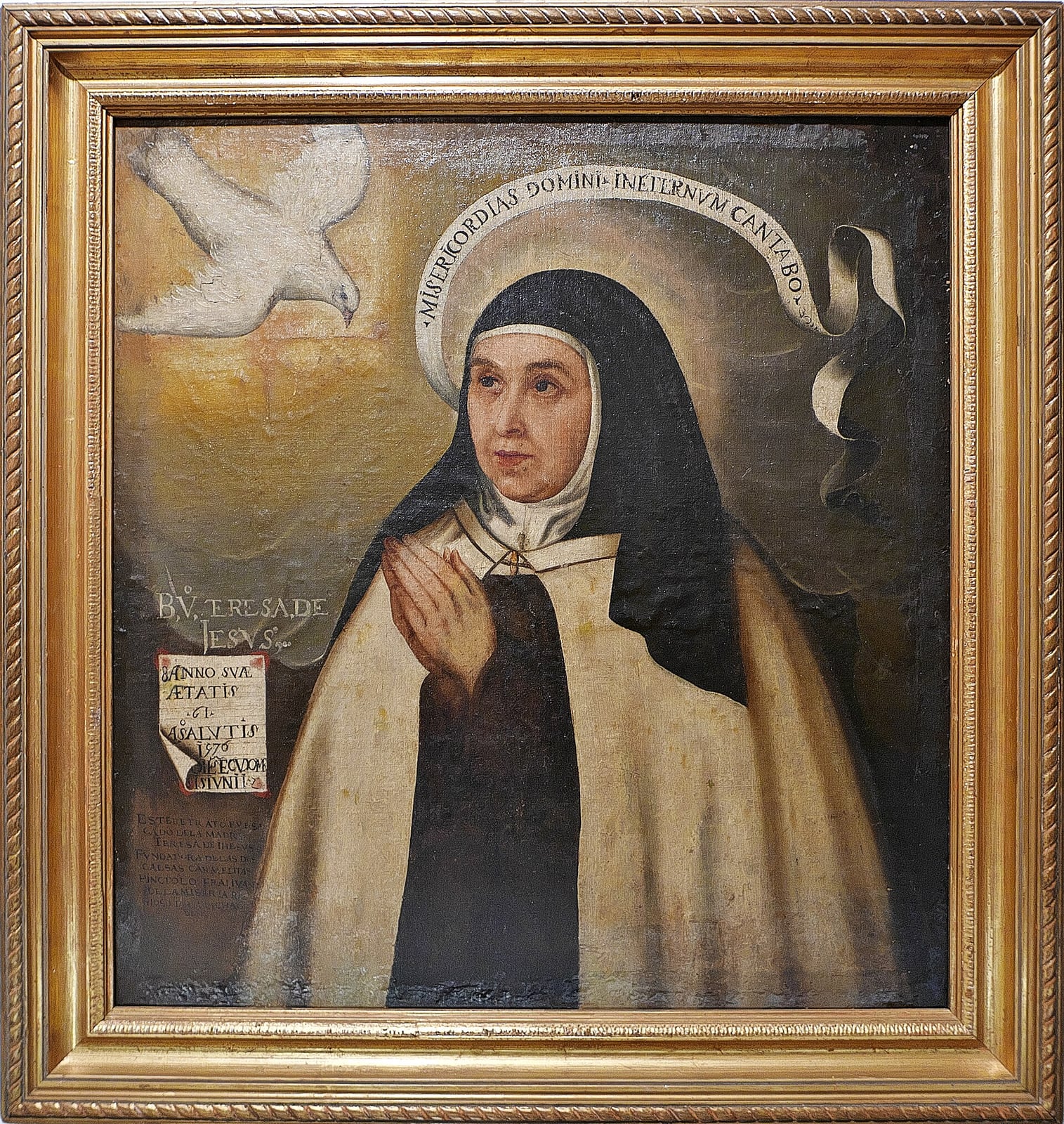
Teresa of Ávila
Übereinstimmung bei: Was ist das Absolute? Gibt es Gott? · Was geschieht nach dem Tod? · Wie erlangt man Befreiung oder Erlösung?
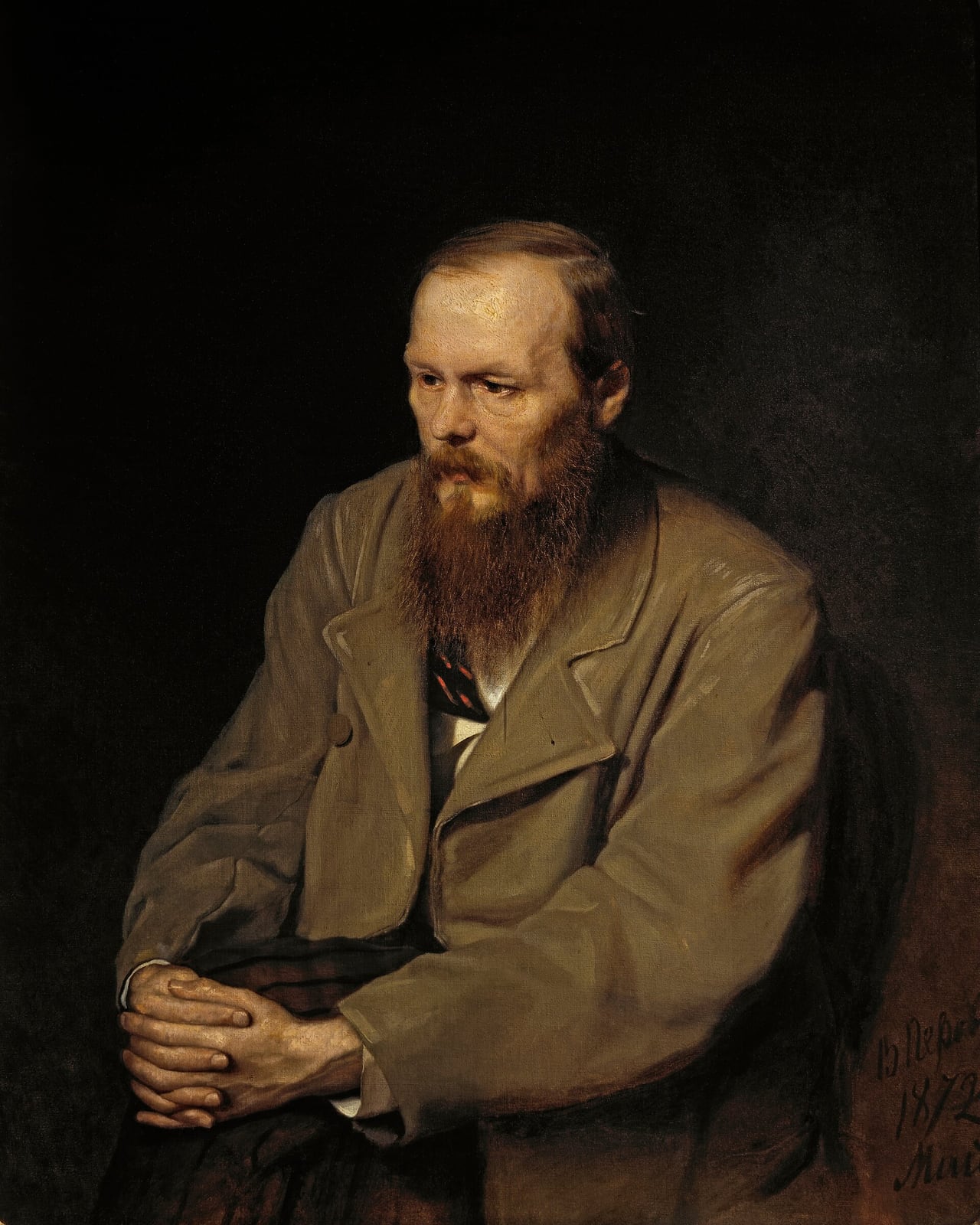
Fyodor Dostoevsky
Übereinstimmung bei: Was ist das Absolute? Gibt es Gott? · Was geschieht nach dem Tod? · Wie erlangt man Befreiung oder Erlösung?
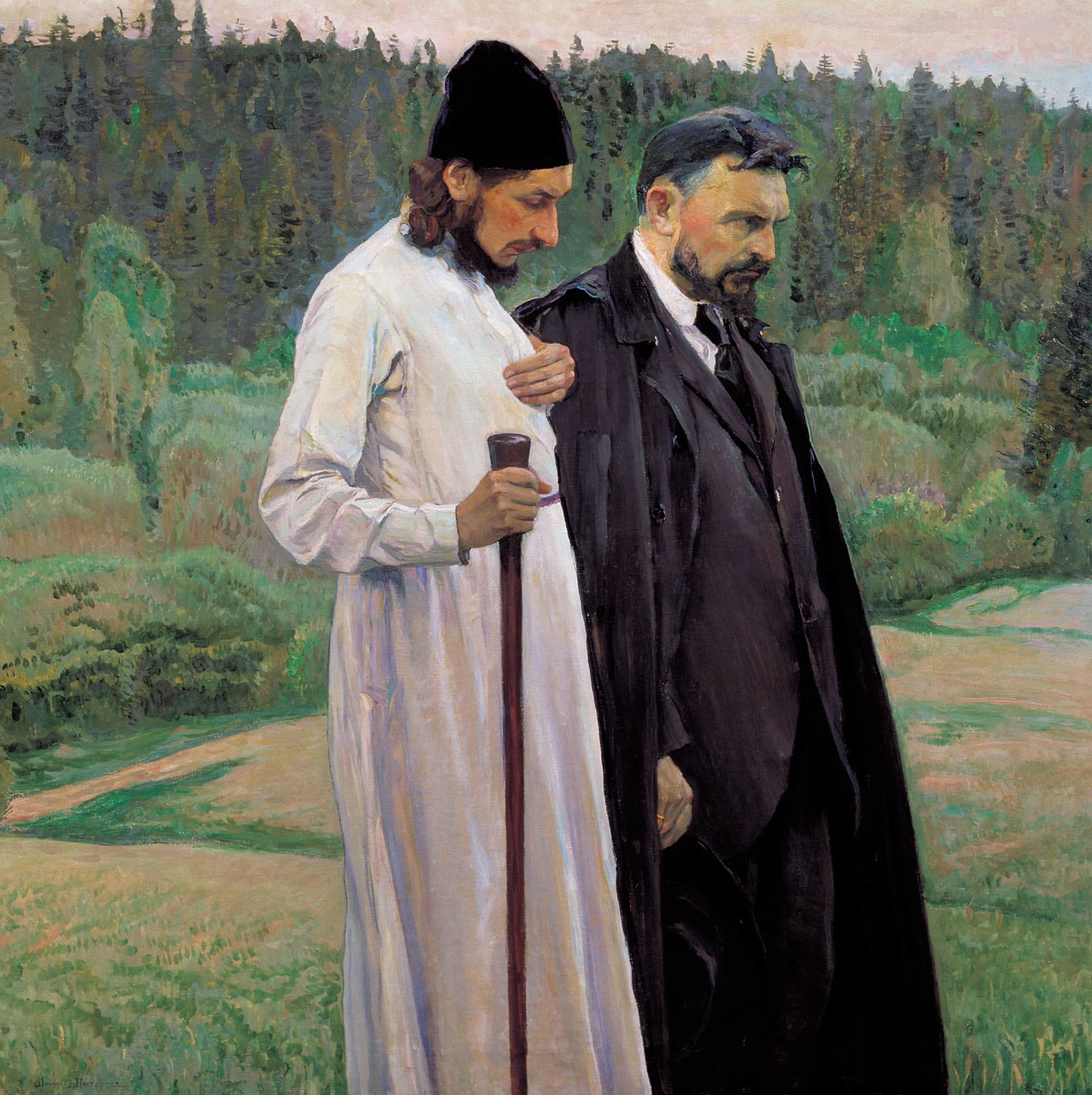
Pavel Florensky
Übereinstimmung bei: Was ist das Absolute? Gibt es Gott? · Was geschieht nach dem Tod? · Wie erlangt man Befreiung oder Erlösung?

Francis of Assisi
Übereinstimmung bei: Was ist das Absolute? Gibt es Gott? · Was geschieht nach dem Tod? · Wie erlangt man Befreiung oder Erlösung?
Denkt anders als

Tsongkhapa
Widerspruch bei: Was ist das Absolute? Gibt es Gott? · Was geschieht nach dem Tod?

Pema Chödrön
Widerspruch bei: Was ist das Absolute? Gibt es Gott? · Was geschieht nach dem Tod?
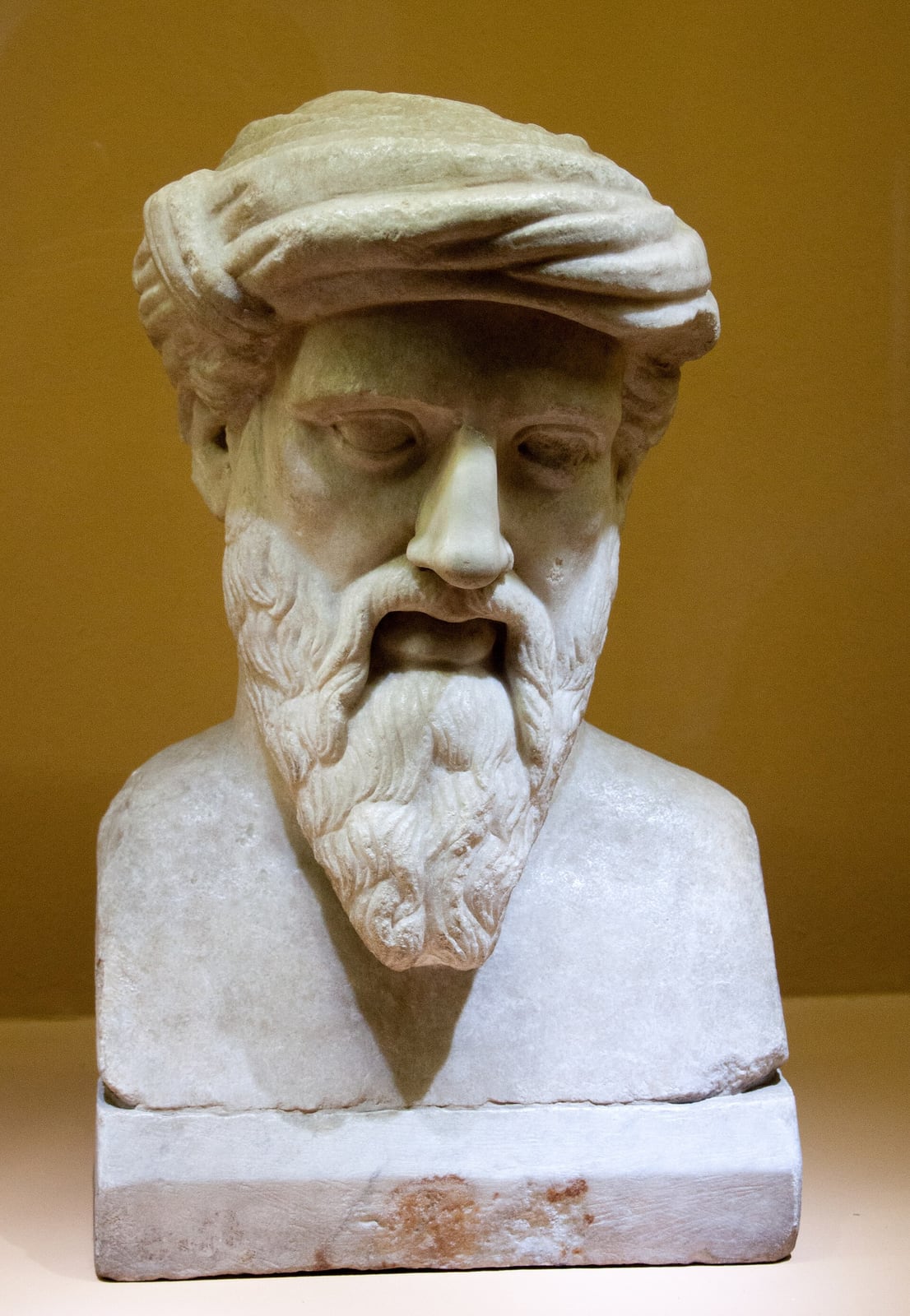
Pythagoras
Widerspruch bei: Was geschieht nach dem Tod?

Nāgārjuna
Widerspruch bei: Was ist das Absolute? Gibt es Gott? · Was geschieht nach dem Tod?
Anekdoten und Erzählungen
Anekdoten und Erzählungen
Zeugnis1938
The Hindu monk who sent him to Augustine
Herkunft der Erzählung: Merton's own account in The Seven Storey Mountain (part II). There is no other independent source for the content of the conversation.
Quelle: Merton, Thomas. The Seven Storey Mountain. Nueva York: Harcourt, Brace and Company, 1948.
Belegt1941
Three days before the door of Gethsemani
Herkunft der Erzählung: The dates are recorded in the Thomas Merton Center chronology and in Patrick Hart's epilogue to The Asian Journal; the detail of the window comes from the autobiographical account and is repeated in his biographies.
Quelle: Thomas Merton Center, Bellarmine University. «Thomas Merton: Chronology of Life and Publications».
Zeugnis1958
Fourth and Walnut
Herkunft der Erzählung: Merton's own testimony: journal entry of 19 March 1958 (A Search for Solitude) and reworked version in Conjectures of a Guilty Bystander (1966). The Louisville plaque is documented on Wikimedia Commons.
Quelle: Merton, Thomas. Conjectures of a Guilty Bystander. Garden City (NY): Doubleday, 1966.
Belegt1966
A Vietnamese monk at Gethsemani
Herkunft der Erzählung: The visit is documented in Merton's journals (Learning to Love) and in the article published in Jubilee in August 1966; the remark about the way of closing a door comes from the recollection of Gethsemani novices reported by his biographers (indirect testimony).
Quelle: Merton, Thomas. «Nhat Hanh Is My Brother» (Jubilee, agosto de 1966), recogido en Faith and Violence. Notre Dame: University of Notre Dame Press, 1968.
Belegt1966
'M.'
Herkunft der Erzählung: Main source: the sixth volume of his journals (Learning to Love, 1997), edited by Christine M. Bochen, which includes the 'Midsummer Diary'. Michael Mott's biography (1984) had already reported the episode with access to those papers.
Quelle: Merton, Thomas. Learning to Love: Exploring Solitude and Freedom. The Journals of Thomas Merton, vol. 6 (1966–1967). Ed. Christine M. Bochen. San Francisco: HarperSanFrancisco, 1997.
Zeugnis1968
'There must be something wrong here': Chatral Rinpoche
Herkunft der Erzählung: Merton's own account in The Asian Journal, mid-November 1968 entry (a photograph of the meeting is reproduced in the book). No account by Chatral has been published.
Quelle: Merton, Thomas. The Asian Journal of Thomas Merton. Ed. Naomi Burton Stone, Patrick Hart y James Laughlin. Nueva York: New Directions, 1973 (incluye el epílogo de Patrick Hart y los apéndices VII, «Marxism and Monastic Perspectives», y VIII, carta de los delegados trapenses al abad Flavian Burns).
Zeugnis1968
Barefoot before the Buddhas of Polonnaruwa
Herkunft der Erzählung: Account written by Merton a few days after the visit (the entry reads 'I visited Polonnaruwa on Monday. Today is Thursday'), published in The Asian Journal (1973).
Quelle: Merton, Thomas. The Asian Journal of Thomas Merton. Ed. Naomi Burton Stone, Patrick Hart y James Laughlin. Nueva York: New Directions, 1973 (incluye el epílogo de Patrick Hart y los apéndices VII, «Marxism and Monastic Perspectives», y VIII, carta de los delegados trapenses al abad Flavian Burns).
Umstritten1968
Death in Bangkok: the fan and the questions
Herkunft der Erzählung: The circumstances come from Patrick Hart's epilogue and the letter of six Trappist delegates to Abbot Flavian Burns (The Asian Journal, Appendix VIII); the Thai reports were published in The Catholic Historical Review (2024). The murder thesis comes from Turley and Martin (2018), and its critique from Dekar's review in The Merton Seasonal.
Quelle: «The Official Thai Reports on Thomas Merton's Death». The Catholic Historical Review 110, n.º 2 (primavera de 2024): 384–396.
Lehren
Lehren
Die Begriffe, die das Denken gliedern, in ihrem Zusammenhang erklärt.
True self and false selfyo-verdadero-y-yo-falso
It is rooted in the patristic tradition of the image of God, in Bernard and John of the Cross, but also engages existentialism and the Buddhist anatman, which Merton came to know through D. T. Suzuki.
Quelle: Merton, Thomas. New Seeds of Contemplation. Nueva York: New Directions, 1961.
Contemplationcontemplacion
It draws on the mystical theology of Pseudo-Dionysius, John of the Cross and the Cistercian tradition, and anticipates the renewal of lay contemplative prayer (centering prayer, Christian meditation) in the following decades.
Quelle: Merton, Thomas. New Seeds of Contemplation. Nueva York: New Directions, 1961.
Le point viergele-point-vierge
The fruit of his correspondence with Massignon (1959–1962) and his reading of the Sufi mystics, it is one of the clearest bridges between his Christian mysticism and Islam.
Quelle: Merton, Thomas. Conjectures of a Guilty Bystander. Garden City (NY): Doubleday, 1966.
Solitudesoledad
It inherits the eremitic tradition of the Desert Fathers, Guigo the Carthusian and the Camaldolese, and anticipates the eremitic renewal within cenobitic orders after Vatican II.
Quelle: Merton, Thomas. Thoughts in Solitude. Nueva York: Farrar, Straus & Cudahy, 1958.
Nonviolenceno-violencia
It belongs to the tradition of Christian pacifism (Dorothy Day, the Catholic Worker) and to Gandhi's thought, and precedes the conciliar teaching of Gaudium et spes on war.
Quelle: Shannon, William H.; Bochen, Christine M.; O'Connell, Patrick F. The Thomas Merton Encyclopedia. Maryknoll (NY): Orbis Books, 2002.
Contemplative dialogue between religionsdialogo-contemplativo-interreligioso
It developed in contact with D. T. Suzuki, John C. H. Wu, Thich Nhat Hanh, the Dalai Lama and Chatral Rinpoche, and lies at the origin of the Monastic Interreligious Dialogue founded after his death.
Quelle: Merton, Thomas. Zen and the Birds of Appetite. Nueva York: New Directions, 1968.
Videos
Videos
Aufnahmen, Gespräche und Dokumentarfilme. Die Videos werden von YouTube wiedergegeben; sie werden nicht hier gespeichert.
Thomas Merton's final talk.
Originalaufnahme· EN· 1968
Witnify
Silence & Contemplation (PM) | Merton in His Own Words (2013)
Originalaufnahme· EN· 2013
Festival of FaithsOffizieller Kanal
His Holiness the Dalai Lama speaks on Thomas Merton and common ground for all religious traditions
Vortrag· EN· 1994
Festival of FaithsOffizieller Kanal
His Holiness the 14th Dalai Lama Remembering Thomas Merton
Gespräch· EN· 2013
nunncenterOffizieller Kanal
The Dalai Lama reacts to Merton's death
Dokumentarfilm· EN· 2013
Morgan AtkinsonOffizieller Kanal
Thomas Merton's Legacy at Bellarmine
Dokumentarfilm· EN
bellarmineuniversityOffizieller Kanal
Thomas Merton and "M": What Merton's Affair with a Nurse Taught Him About Love and Humanity
Vortrag· EN
Curran Center for American Catholic StudiesOffizieller Kanal
Thomas Merton: Session 1
Vortrag· EN
Center for Action and ContemplationOffizieller Kanal
Bishop Barron on Thomas Merton, Spiritual Master
Analyse· EN
Bishop Robert BarronOffizieller Kanal
Fiestas Teología 2024. Conferencia de Fernando Beltrán sobre Thomas Merton
Vortrag· ES· 2024
UPSALAMANCAOffizieller Kanal
Los diarios de Thomas Merton
Analyse· ES
Grupo de Comunicación LoyolaOffizieller Kanal
Galerie
Galerie
Bilder mit geprüfter Lizenz. Jedes bewahrt seine Urheberschaft und seinen Herkunftsnachweis.
Beziehungen
Beziehungen
Einflüsse, Schülerschaften und Verwandtschaften. Die belegte Beziehung wird von der durch Analyse ermittelten Ähnlichkeit unterschieden.
Verwandte Gedanken mit
Merton devoted the essay 'Pacifism and Resistance in Simone Weil' (Faith and Violence) to her; both joined mysticism and commitment to the oppressed.
Durch Analyse ermittelte Ähnlichkeit
Begegnete
They met at Gethsemani on 28 May 1966; Merton then wrote 'Nhat Hanh Is My Brother'.
Belegte Beziehung
Begegnete
The 14th Dalai Lama (Tenzin Gyatso)
Three audiences at Dharamsala on 4, 6 and 8 November 1968; the Dalai Lama remembered him in his autobiography.
Belegte Beziehung
Beeinflusst von
The Ascent to Truth (1951) is a study of his mystical theology; his doctrine of the dark night runs through all of Merton's work.
Belegte Beziehung
Beeinflusst von
Reading the Confessions, on Brahmachari's advice in 1938, was decisive for his conversion.
Belegte Beziehung
Beeinflusst von
He read The Imitation of Christ in 1938 on Brahmachari's advice, on the road to his conversion.
Belegte Beziehung
Beeinflusst von
He re-created passages of the Zhuangzi in English in The Way of Chuang Tzu (1965), one of his favourite books.
Belegte Beziehung
Beeinflusst von
In Zen and the Birds of Appetite he compares Eckhart's spiritual poverty with Zen experience.
Belegte Beziehung
Beeinflusst von
Before entering La Trappe he was a Franciscan tertiary and taught at the Franciscan college of St. Bonaventure.
Belegte Beziehung
Verwandte Gedanken mit
Merton was formed by the Spanish Carmelite mystics; the affinity with Teresa is one of tradition rather than concrete documented influence.
Durch Analyse ermittelte Ähnlichkeit
Von anderen Einträgen aus verknüpft
- Thich Nhat Hanh · Begegnete
- John of the Cross · Beeinflusste
- Alan Watts · Verwandte Gedanken mit
- The 14th Dalai Lama (Tenzin Gyatso) · Begegnete
- Ignatius of Loyola · Verwandte Gedanken mit
- Martin Buber · Verwandte Gedanken mit
- Shunryu Suzuki · Zeitgenosse von
- Teresa of Ávila · Beeinflusste
- Zhuangzi · Beeinflusste
Quellen
Quellen
Für diesen Eintrag herangezogene Bibliografie und Kataloge.
- «The Official Thai Reports on Thomas Merton's Death». The Catholic Historical Review 110, n.º 2 (primavera de 2024): 384–396.
- Wikidata, «Thomas Merton» (Q335011).
- Thomas Merton Center, Bellarmine University. «Thomas Merton: Chronology of Life and Publications».
- Mott, Michael. The Seven Mountains of Thomas Merton. Boston: Houghton Mifflin, 1984 (biografía autorizada por el Merton Legacy Trust).
- Merton, Thomas. The Seven Storey Mountain. Nueva York: Harcourt, Brace and Company, 1948.
- Merton, Thomas. The Asian Journal of Thomas Merton. Ed. Naomi Burton Stone, Patrick Hart y James Laughlin. Nueva York: New Directions, 1973 (incluye el epílogo de Patrick Hart y los apéndices VII, «Marxism and Monastic Perspectives», y VIII, carta de los delegados trapenses al abad Flavian Burns).
- Wikipedia (en), «Thomas Merton».
- Wikipedia (en), «Thomas Merton bibliography».
- Shannon, William H.; Bochen, Christine M.; O'Connell, Patrick F. The Thomas Merton Encyclopedia. Maryknoll (NY): Orbis Books, 2002.
- Merton, Thomas. Conjectures of a Guilty Bystander. Garden City (NY): Doubleday, 1966.
- Merton, Thomas. New Seeds of Contemplation. Nueva York: New Directions, 1961.
- Merton, Thomas. Learning to Love: Exploring Solitude and Freedom. The Journals of Thomas Merton, vol. 6 (1966–1967). Ed. Christine M. Bochen. San Francisco: HarperSanFrancisco, 1997.
- Dekar, Paul R. Reseña de Hugh Turley y David Martin, The Martyrdom of Thomas Merton: An Investigation (2018). The Merton Seasonal 43, n.º 4 (2018).
- Papa Francisco. Discurso ante la sesión conjunta del Congreso de los Estados Unidos, Washington, 24 de septiembre de 2015. Santa Sede.
- Open Library, autor «Thomas Merton» (OL26986A): obras y ediciones con ISBN.
- Merton, Thomas. Thoughts in Solitude. Nueva York: Farrar, Straus & Cudahy, 1958.
- Merton, Thomas. The Hidden Ground of Love: Letters on Religious Experience and Social Concerns. Ed. William H. Shannon. Nueva York: Farrar, Straus & Giroux, 1985.
- New Directions Publishing, ficha de autor «Thomas Merton».
- Merton, Thomas. A Search for Solitude: Pursuing the Monk's True Life. The Journals of Thomas Merton, vol. 3 (1952–1960). Ed. Lawrence S. Cunningham. San Francisco: HarperSanFrancisco, 1996.
- Merton, Thomas. The Way of Chuang Tzu. Nueva York: New Directions, 1965.
- Merton, Thomas. «Nhat Hanh Is My Brother» (Jubilee, agosto de 1966), recogido en Faith and Violence. Notre Dame: University of Notre Dame Press, 1968.
- Merton, Thomas. Zen and the Birds of Appetite. Nueva York: New Directions, 1968.
- Wikipedia (es), «Thomas Merton».
- Furlong, Monica. Merton: A Biography. San Francisco: Harper & Row, 1980.
- Dalái Lama (Tenzin Gyatso). Freedom in Exile: The Autobiography of the Dalai Lama. Londres: Hodder & Stoughton; Nueva York: HarperCollins, 1990.
- Rechteinhaber
- Merton Legacy Trust (constituido por el propio Merton en 1967), en beneficio de la abadía de Getsemaní; las ediciones concretas pertenecen a sus editoriales
- Offizielle Website
- merton.org
Bestätigung ausstehend
Was dieser Eintrag noch nicht klären konnte. Wir sagen es lieber, als es aufzufüllen.
- No hay en Wikimedia Commons ningún retrato fotográfico de Merton con licencia libre verificable: el único («Merton photo.jpg») declara PD-US-no notice sin fuente original fiable y se ha descartado; las fotos conocidas son de John Howard Griffin, Sibylle Akers y otros, con derechos vigentes.
- Localizar ISBN de las ediciones españolas actuales de La montaña de los siete círculos, El signo de Jonás y Ningún hombre es una isla (Edhasa, Sudamericana, PPC) y de Nuevas semillas (Sal Terrae: año de edición).
- Confirmar año y traductor de las ediciones francesa (Seuil) y alemana (Benziger) de No Man Is an Island registradas en Open Library.
- Contrastar la paginación exacta de las citas en las primeras ediciones (New Seeds, Conjectures, Thoughts in Solitude).
- Autoría del artículo «The Official Thai Reports on Thomas Merton's Death» (Catholic Historical Review 110/2, 2024): no consignada en los catálogos consultados.
- Muchas obras menores (opúsculos de la abadía, ediciones de bibliófilo) tienen descripción breve por falta de información verificable más detallada.
- Sin textos para la sala de lectura: toda su obra tiene derechos vigentes (Merton murió en 1968).
Recherchiert am 2026-10-25