Christentum · Christliche Mystik · Katholizismus · Neuplatonismus
Meister Eckhart
um 1260 – 1328Historisch belegte Person
Thüringischer Dominikaner (um 1260–1328), zweimal Magister der Theologie in Paris, Provinzial der Saxonia und Prediger in Straßburg und Köln. Auf Latein schrieb er ein unvollendetes scholastisches Werk — das Opus tripartitum, Bibelkommentare, Predigten —, auf Deutsch predigte er über den Seelengrund, die Abgeschiedenheit und die Gottesgeburt in der Seele und prägte dabei den abstrakten Wortschatz der deutschen Sprache. Vom Kölner Erzbischof angeklagt, starb er, bevor die Bulle In agro dominico (1329) achtundzwanzig aus seinen Werken gezogene Sätze verurteilte.
- Werke
- 37Werke
- Ausgaben
- 112Ausgaben
- Zitate
- 9Zitate
- Videos
- 12Videos
- Bilder
- 6Bilder

Fraile dominico identificado tradicionalmente con Eckhart (Andrea di Bonaiuto, Via Veritatis) · CC BY-SA 4.0
In eigenen Worten
«Here God's ground is my ground and my ground is God's ground.»Sermón alemán 5b, «In hoc apparuit caritas dei» (DW I)

Der zentrale Gedanke
The ground (grunt): 'Grunt' is the word Eckhart uses for what is innermost in the soul and, at the same time, innermost in God, and his boldest thesis is that the two grounds coincide: 'here God's ground is my ground and my ground God's ground' (Sermon 5b).
Im Zusammenhang sehen
Biografie
5 Min. Lesezeit
Unterstützte Übersetzung aus dem spanischen Original, Durchsicht durch einen muttersprachlichen Übersetzer ausstehend.
Ein Ordensbruder aus Thüringen
Eckhart wurde um 1260 in Thüringen geboren, in Tambach oder in Hochheim bei Gotha; über seine Familie und seine Kindheit weiß man nichts Sicheres. Jung trat er in das Erfurter Dominikanerkloster ein und wurde an den Studienhäusern des Ordens ausgebildet, wahrscheinlich in Köln, wo das Erbe Alberts des Großen noch nachwirkte, und danach in Paris. Sein bekanntes Leben ist das eines Gelehrten des Predigerordens: Studium, Leitungsämter und Predigt, in dieser Reihenfolge und oft zugleich.
1293–1294 las er in Paris über die Sentenzen des Petrus Lombardus; aus diesen Monaten sind eine Antrittsvorlesung und eine Osterpredigt erhalten. Nach Thüringen zurückgekehrt, war er Prior in Erfurt und Vikar der Region. Dort hielt er den Novizen Ansprachen, die als Reden der Unterweisung (Die rede der underscheidunge) abgeschrieben wurden: Man solle sich nicht so sehr darum sorgen, was man tue, als darum, was man sei; nicht die Werke heiligen den Menschen, sondern der Mensch heiligt die Werke.
Magister in Paris
1302 erhielt er in Paris den theologischen Lehrstuhl, der den ausländischen Dominikanern vorbehalten war, und mit ihm den Titel magister, der ihm fortan anhaften sollte: „Meister“. In den Quaestiones dieses Studienjahres vertrat er gegen die übliche Lesart des Thomas von Aquin die These, dass in Gott das Erkennen grundlegender sei als das Sein, und stritt mit dem Franziskaner Gonsalvus Hispanus darüber, ob dem Intellekt oder dem Willen der Vorrang gebühre.
Von 1303 bis 1311 war er der erste Provinzial der neuen Dominikanerprovinz Saxonia, die von den Niederlanden bis nach Livland reichte, und 1307 Generalvikar für Böhmen. 1311 sandte ihn der Orden ein zweites Mal nach Paris, eine Ehre, die vor ihm nur Thomas von Aquin zuteilgeworden war. Aus diesen Jahren stammt der Plan eines Opus tripartitum — ein Werk der Thesen, eines der Fragen und eines der Auslegungen —, von dem nur Prologe, Kommentare zu Genesis, Exodus, Weisheit und Johannesevangelium sowie lateinische Predigten ausgeführt wurden. Sein Generalprolog spricht die These aus, die alles ordnet: „Das Sein ist Gott.“
Der Prediger von Straßburg und Köln
Um 1313 ließ er sich als Vikar des Ordensmeisters in Straßburg nieder, mit dem Auftrag, die zahlreichen Dominikanerinnenklöster und die Beginengemeinschaften am Oberrhein zu betreuen. Für sie predigte er auf Deutsch. Seine Predigten, von Zuhörern mitgeschrieben und in Hunderten von Handschriften kopiert, sind der Kern seines Ruhmes: Die kritische Ausgabe erkennt heute mehr als hundert an, nummeriert von Josef Quint und Georg Steer, dazu sechsundfünfzig lateinische Predigten.
Keine deutsche Predigt ist von seiner Hand erhalten. Wir kennen sie aus Nachschriften von Hörern, oft Nonnen, die ohne Namen oder vermischt mit Texten anderer Prediger umliefen; Sammlungen wie das Paradisus anime intelligentis vereinen Stücke von ihm mit denen anderer Dominikaner. Um Echtes von Unechtem zu scheiden, ging Josef Quint von den Stellen aus, die im Kölner Prozess und in Eckharts eigener Verteidigung zitiert werden und seine Urheberschaft verbürgen, und zog von ihnen ausgehend die Parallelen in Lehre und Stil heran. Deshalb ist Quints Zählung zur Art geworden, Eckhart zu zitieren, und deshalb ist manches, was man ihm im 19. Jahrhundert zuschrieb, wie der Traktat Schwester Katrei, aus seinem Werk ausgeschieden.
In ihnen kehren wenige Gedanken mit unerhörter sprachlicher Kühnheit wieder: Die Seele hat einen „Grund“ oder ein ungeschaffenes „Fünklein“, in dem der Vater unablässig seinen Sohn gebiert; damit diese Geburt geschieht, muss man alles Bild, alles Wollen und sogar Gott, wie wir ihn uns vorstellen, „lassen“ und sich von ihm „abscheiden“; jenseits von Gott ist die „Gottheit“, eine stille Wüste, in der es keine Unterscheidung gibt. Indem er das sagte, schuf Eckhart einen guten Teil des abstrakten Wortschatzes der deutschen Sprache.
Für die verwitwete Königin Agnes von Ungarn schrieb er das Buch der göttlichen Tröstung, begleitet von der Predigt Vom edlen Menschen, die lehrt, in Gott den Trost für jeden Verlust zu finden. Der Traktat Von abegescheidenheit, der die Abgeschiedenheit über die Liebe und die Demut stellt, wird ihm seit alters zugeschrieben, doch seine Echtheit ist umstritten.
Der Prozess
Um 1323 versetzte ihn der Orden an das Generalstudium in Köln. 1326 eröffnete Erzbischof Heinrich von Virneburg, beunruhigt über die Bewegungen des Freien Geistes und im Streit mit den Dominikanern, ein Inquisitionsverfahren gegen ihn, gestützt auf Listen von Sätzen aus seinen Büchern und Predigten. Eckhart antwortete mit einer peniblen Verteidigung, in der er zwischen Irren und Ketzersein unterscheidet: Irren könne er, schreibt er, aber nicht Ketzer sein, denn das eine gehöre dem Verstand an, das andere dem Willen.
Im Januar 1327 appellierte er an den Papst; am 13. Februar ließ er in der Kölner Dominikanerkirche eine notariell beurkundete öffentliche Erklärung seiner Rechtgläubigkeit verlesen und reiste nach Avignon. Dort reduzierte eine päpstliche Kommission die Anklagen auf achtundzwanzig Artikel. Eckhart starb vor dem 30. April 1328, dem Tag, an dem Johannes XXII. dem Erzbischof schrieb, das Verfahren nehme seinen Fortgang; weder Tag noch genauer Ort seines Todes sind bekannt.
Am 27. März 1329 erklärte die Bulle In agro dominico siebzehn der Artikel für häretisch und die übrigen elf für „übel klingend“ und verdächtig; sie fügte hinzu, Eckhart habe am Ende seines Lebens alles widerrufen, was in den Gläubigen einen häretischen Sinn erzeugen könne. Die Bulle wurde nur in der Kirchenprovinz Köln veröffentlicht und verurteilte nicht seine Person.
Ein unterirdisches Nachleben
Seine Schüler Johannes Tauler und Heinrich Seuse führten seine Lehre mit Vorsicht fort, und viele Predigten liefen anonym oder unter fremden Namen um. Nikolaus von Kues ließ seine lateinischen Werke abschreiben und verteidigte ihn 1449, verlangte aber, man solle sie nicht in die Hände des einfachen Volkes geben. Auf diesen Wegen und durch die Übersetzungen Taulers erreichte die rheinische Mystik die europäische Spiritualität des 15. und 16. Jahrhunderts.
Im 19. Jahrhundert entdeckten ihn Franz von Baader und Hegel wieder; Franz Pfeiffer gab 1857 die deutschen Texte heraus, und Heinrich Denifle entdeckte 1886 die lateinischen Werke, die dazu zwangen, ihn als scholastischen Theologen zu lesen. Der Nationalsozialismus wollte ihn als germanischen Mystiker vereinnahmen; die 1936 begonnene kritische Ausgabe und die spätere Forschung haben ihm seinen Platz in der dominikanischen und neuplatonischen Tradition zurückgegeben.
Seit Rudolf Otto ihn 1926 mit Shankara verglich, ist Eckhart zu einem bevorzugten Gesprächspartner im Dialog mit dem Vedanta und dem Zen-Buddhismus geworden, von Suzuki bis zur Kyoto-Schule. Diese Rezeption war fruchtbar, doch Historiker wie Kurt Flasch warnen vor einem aus seinem Kontext gelösten Eckhart: Er war ein scholastischer Magister, der von Christus und der Schrift mit den Mitteln der Philosophie seiner Zeit sprach.
Quellen: Meister Eckhart. Die deutschen und lateinischen Werke. Herausgegeben im Auftrage der Deutschen Forschungsgemeinschaft. Stuttgart: W. Kohlhammer, 1936– (Die deutschen Werke, ed. Josef Quint y Georg Steer; Die lateinischen Werke, ed. Konrad Weiß, Josef Koch, Loris Sturlese et al.). · McGinn, Bernard. The Mystical Thought of Meister Eckhart: The Man from Whom God Hid Nothing. Nueva York: Crossroad, 2001. · Ruh, Kurt. Meister Eckhart: Theologe, Prediger, Mystiker. Múnich: C. H. Beck, 1985 (2.ª ed. 1989). · Flasch, Kurt. Meister Eckhart: Philosoph des Christentums. Múnich: C. H. Beck, 2010. Trad. ingl.: Meister Eckhart: Philosopher of Christianity. New Haven: Yale University Press, 2015. · Meister Eckhart. The Essential Sermons, Commentaries, Treatises, and Defense. Trad. e introd. de Edmund Colledge y Bernard McGinn. Nueva York: Paulist Press, 1981 (Classics of Western Spirituality; ISBN 0809123703).
Zeitleiste
Das Leben, Jahr für Jahr
Jeder Punkt ist ein belegtes Ereignis. Klicken Sie, um es mit Quelle und Grad der Gewissheit zu lesen.
um 12600 JahreTambach o Hochheim (Turingia)
Birth
He is born in Thuringia, near Gotha. Neither the exact date nor his family is known.
WahrscheinlichRuh, Kurt. Meister Eckhart: Theologe, Prediger, Mystiker. Múnich: C. H. Beck, 1985 (2.ª ed. 1989).
Nach dem Tod
- 27. März 1329Bull In agro dominico
- 1449Defence by Nicholas of Cusa
- 1857Pfeiffer's edition
- 1886Discovery of the Latin works
- 1936The critical edition begins
um 1260 · 0 Jahre
Birth
He is born in Thuringia, near Gotha. Neither the exact date nor his family is known.
Wahrscheinlich
um 1275 · 15 Jahre
Joins the Dominicans
He enters the Dominican convent of Erfurt; the date is an estimate.
Wahrscheinlich
um 1293 · 33 Jahre
Lecturer on the Sentences
He lectures on the Sentences in Paris (1293–1294); the inaugural Collatio and the Easter Sermon of 1294 survive.
Belegt
um 1294 · 34 Jahre
Prior of Erfurt
Prior of Erfurt and vicar of Thuringia (until c. 1298); he delivers the Talks of Instruction.
Belegt
1302 · 42 Jahre
Master of theology
He holds the Dominican chair for foreigners (1302–1303); Parisian Questions.
Belegt
1303 · 43 Jahre
Provincial of Saxony
First provincial of the new Dominican province of Saxony (1303–1311).
Belegt
1307 · 47 Jahre
Vicar general of Bohemia
The general chapter entrusts him with reforming the convents of Bohemia.
Belegt
1311 · 51 Jahre
Second regency in Paris
He teaches in Paris again (1311–1313), a privilege previously held only by Thomas Aquinas.
Belegt
um 1313 · 53 Jahre
Vicar in Strasbourg
Vicar of the master general with care of the Dominican nuns and beguines of the Upper Rhine; the period of the great German sermons.
Wahrscheinlich
um 1323 · 63 Jahre
Studium generale in Cologne
He teaches and preaches in Cologne.
Wahrscheinlich
1326 · 66 Jahre
The trial begins
Archbishop Henry of Virneburg opens an inquisitorial process; Eckhart writes his defence.
Belegt
24. Januar 1327 · 67 Jahre
Appeal to the pope
Eckhart appeals to the Holy See against the archbishop's commissioners.
Belegt
13. Februar 1327 · 67 Jahre
Public declaration
He has a protestation of orthodoxy read, recorded in a notarial instrument (now in the Vatican Archives), and leaves for Avignon.
Belegt
1328 · 68 Jahre
Death
He dies before 30 April 1328, when John XXII writes to the archbishop referring to him as deceased.
Belegt
27. März 1329
Bull In agro dominico
John XXII condemns twenty-eight articles: seventeen heretical and eleven evil-sounding or suspect.
Belegt
1449
Defence by Nicholas of Cusa
In the Apologia doctae ignorantiae Cusanus defends Eckhart; his library preserves the main codex of the Latin works.
Belegt
1857
Pfeiffer's edition
Franz Pfeiffer publishes the German texts attributed to Eckhart, the basis of his rediscovery.
Belegt
1886
Discovery of the Latin works
Heinrich Denifle publishes the Latin works found in Erfurt and in Cusanus's library.
Belegt
1936
The critical edition begins
The Deutsche Forschungsgemeinschaft begins Die deutschen und lateinischen Werke (Kohlhammer).
Belegt
Werke
Grundlegende Werke
Die Werke, ohne die sich das Vermächtnis nicht verstehen lässt.
Schriftliches Werk · um 1296
Talks of Instruction (Counsels on Discernment)
Die rede der underscheidunge
Twenty-three chapters of practical spiritual direction on true obedience, prayer, detachment from one's own will, the Eucharist, sins and how to work without losing God. They contain the maxim that what one does matters less than what one is. It is Eckhart's earliest German work.
5 Ausgaben · amazon.com

Schriftliches Werk · um 1318
The Book of Divine Consolation
Daz buoch der götlîchen træstunge (Liber Benedictus I)
A treatise of consolation in three parts: truths about the relation between the just man and justice, some thirty grounds of comfort in loss, and examples of sages and saints. It teaches that whoever suffers with God and for God finds that God suffers with him, and that accepted suffering becomes sweet.
6 Ausgaben · amazon.de
Schriftliches Werk · um 1320
On Detachment
Von abegescheidenheit
A short treatise that places detachment above love, humility and mercy, because it compels God to come into the soul: a detached heart is a blank tablet on which God writes. Its image of the door swinging on its motionless hinge is among the most quoted in German mysticism.
6 Ausgaben · amazon.com
Spätere Zusammenstellung · um 1320
German Sermons (complete corpus)
Predigten (deutsche Predigten)
More than a hundred sermons preached mainly to nuns and beguines, commenting on the Gospel or Epistle of the day. In them the theses for which Eckhart is known are formulated: the birth of the Son in the ground of the soul, the uncreated spark, poverty of spirit, the Godhead beyond God. Their language, at once popular and abstract, is a landmark of German prose.
10 Ausgaben · amazon.de
Schriftliches Werk
German Sermon 5b: 'In hoc apparuit caritas dei in nobis'
Predigt 5b: «In hoc apparuit caritas dei in nobis»
A sermon on the incarnation and the ground: God became man so that man might be born as son, and 'here God's ground is my ground and my ground God's ground'. It asks for a life 'without why', lived from one's own ground. A manuscript fragment discovered in 2010 is one of its oldest witnesses.
4 Ausgaben · amazon.de
Schriftliches Werk
German Sermon 52: 'Beati pauperes spiritu'
Predigt 52: «Beati pauperes spiritu»
The sermon on poverty: poor is the one who wills nothing, knows nothing and has nothing, not even a place in which God could work. It contains the prayer that God rid us of 'God' and the evocation of the state in which man was before he was created. It is his most commented sermon.
5 Ausgaben · amazon.de
Schriftliches Werk
German Sermon 86: 'Intravit Iesus in quoddam castellum'
Predigt 86: «Intravit Iesus in quoddam castellum»
It reverses the traditional reading of Martha and Mary: Martha, mature and active, knows how to work from the ground without losing God, while Mary is still learning. It is Eckhart's key text on the union of contemplation and action.
4 Ausgaben · amazon.de
Das gesamte Werk (37)
Meister Eckhart
Inaugural Lecture on the Sentences
The Conscious LibraryInaugural Lecture on the Sentences
1293
Meister Eckhart
Easter Sermon (Paris, 1294)
The Conscious LibraryEaster Sermon (Paris, 1294)
1294
Meister Eckhart
Treatise on the Lord's Prayer
The Conscious LibraryTreatise on the Lord's Prayer
1294
Meister Eckhart
Sermon on the Feast of Saint Augustine (Paris)
The Conscious LibrarySermon on the Feast of Saint Augustine (Paris)
1302

Parisian Questions
1302
Tripartite Work (prologues)
1311

Commentary on the Book of Genesis
1314
Book of the Parables of Genesis
1314

Commentary on the Book of Exodus
1314
Sermons and Lectures on Ecclesiasticus 24
1314
Commentary on the Book of Wisdom
1314
Commentary on the Gospel of John
1320
Latin Sermons
1320
Defence (Reply to the Cologne charges)
1326
On the Noble Man
1318
German Sermon 1: 'Intravit Iesus in templum'
German Sermon 2: 'Intravit Iesus in quoddam castellum'
German Sermon 6: 'Iusti vivent in aeternum'
German Sermon 9: 'Quasi stella matutina'
German Sermon 12: 'Qui audit me'
German Sermon 22: 'Ave, gratia plena'
German Sermon 48: 'Ein meister sprichet: alliu glîchiu dinc minnent sich'
German Sermon 71: 'Surrexit autem Saulus de terra'
German Sermon 83: 'Renovamini spiritu'
Zitate
Zitate, die in einem bestimmten Werk nachgewiesen sind. Jedes trägt seine Herkunft und seinen Grad an Verlässlichkeit.
Here God's ground is my ground and my ground is God's ground.Hie ist gotes grunt mîn grunt und mîn grunt gotes grunt.
GeprüftSermón alemán 5b, «In hoc apparuit caritas dei» (DW I)
Apokryphe Zitate oder Zitate umstrittener Zuschreibung (2)
«If the only prayer you ever say in your entire life is thank you, it will be enough.»
A widely circulated English quotation not found in the German or Latin works of the critical edition. It appears to be a modern paraphrase; its first appearance has not been located.
«What we plant in the soil of contemplation, we shall reap in the harvest of action.»
Attributed to Eckhart in modern compilations without reference to any sermon or treatise. The idea recalls Sermon 86 on Martha and Mary, but the sentence is not in it.
Letzte Worte
Es gibt keine überprüfbaren Aufzeichnungen der letzten Worte.
No account of his death survives. It is known only that he died before 30 April 1328, probably in Avignon or on the road, while the process was still open. The bull In agro dominico (1329) states that at the end of his life he revoked and deplored the articles he had admitted teaching 'insofar as they could generate a heretical sense in the minds of the faithful', but that is a legal formula, not last words.
Quelle: Juan XXII. Bula «In agro dominico», Aviñón, 27 de marzo de 1329. Texto en Denzinger–Hünermann, Enchiridion symbolorum, n.os 950–980; trad. ingl. en Colledge y McGinn (1981), 77–81.
Fragen
Was das Werk beantwortet
Zwölf große Fragen der Menschheit und was sich aus den Texten darauf antworten lässt, mit Belegen. Wir legen niemandem Worte in den Mund.
Was ist das Absolute? Gibt es Gott?
Beyond the God of three Persons lies the modeless Godhead
Persönlich und unpersönlich zugleichAusdrücklich gesagt
Eckhart affirms the Trinitarian faith without reservation and, in his Latin works, identifies God with being itself («being is God», prologue to the Tripartite Work) and, in the Parisian Questions, with understanding. But in the German sermons he distinguishes between God, who is spoken in Persons, acts and is named by creatures, and the Godhead (gotheit), a desert ground without mode in which there is no distinction. Hence in sermon 52 he prays that God rid us of «God», that is, of the image of God as an object, and in sermon 83 he proposes loving him as a non-God, a non-spirit, a non-person. Both levels are true: the personal God is the Godhead as manifested; the Godhead is that same God in his ground, which no name reaches.
Diese Frage mit anderen Meistern vergleichenWer bin ich? Gibt es ein wahres Selbst?
In the ground of the soul, God's ground and mine are one
Das Selbst ist das AbsoluteAusdrücklich gesagt
Eckhart distinguishes in the soul its powers, which deal with images and creatures, and a ground (grunt), a spark or «little castle» so simple that not even God as Persons can peer into it (sermon 2). In that ground, he says in sermon 5b, God's ground is my ground and my ground is God's; there the Father begets his Son, and the eye in which I see God is the same eye in which God sees me (sermon 12). Sermon 52 even evokes the state in which man was in God before being created. The true self is not the one who owns, knows and wills, but the one who, detached, coincides with the divine ground.
Diese Frage mit anderen Meistern vergleichenWarum leiden wir?
All sorrow springs from love of what is lost
Begehren und AnhaftenAusdrücklich gesagt
In the Book of Divine Consolation, written for a grieving queen, Eckhart diagnoses suffering with precision: all sorrow comes from love of what loss takes from us. Whoever grieves over outward goods shows that their heart was set on them and not on God. The remedy is detachment: the soul that wills nothing of its own, that has left its will in God's, cannot be wounded in what is essential, because nothing it loses was its own. Eckhart adds a theological consolation: whoever suffers for God and in God does not suffer alone, because God suffers with him, and so pain loses its bitterness.
Diese Frage mit anderen Meistern vergleichenWas geschieht nach dem Tod?
The just live in eternity, which is a timeless now
Ewiges Leben und AuferstehungAusdrücklich gesagt
Eckhart shares the faith in eternal life, but shifts the emphasis from afterwards to now. In sermon 6, on the verse «the just shall live for ever», he explains that the just man, as just, is begotten by justice and lives in it as the Son in the Father; this life does not begin after death, because eternity is a now that knows no before or after. The sermons on the eternal birth place in that same now the birth of the Son in the ground of the soul. The death that matters is the death of attachment and of self-will; whoever has died to himself already shares, in the ground, in the life that does not end.
Diese Frage mit anderen Meistern vergleichenWie erlangt man Befreiung oder Erlösung?
Whoever seeks God by a way keeps the way and loses God
Ohne Methode: totale AufmerksamkeitAusdrücklich gesagt
Eckhart distrusts paths that turn into ends. In sermon 5b he warns that whoever seeks God by a way takes the way and leaves God hidden in it; whoever seeks him without a way takes him as he is in himself. What is decisive is not what one does, but what one is: the Talks of Instruction ask us to think less about works and more about being. The path, if it can be called that, is detachment: a heart empty of images, of self-will and of desire for reward, in which God begets his Son. The noble man, poor in spirit, lives and acts «without why», like life that lives because it lives.
Diese Frage mit anderen Meistern vergleichenBraucht es einen Lehrer?
God speaks his Word in the ground of the silent soul
Der Lehrer ist innenAus der Lehre abgeleitet
Eckhart was himself a master —the title came from his chair in Paris— and a preacher to communities of friars and nuns. But his doctrine places the true teacher within: in the sermons on the eternal birth, the Father speaks his Word in the ground of the soul, and to hear it the faculties and images must be silenced. No outward teaching can give what is received only in that silence. In sermon 12, the eye with which the soul sees God is the same with which God sees it: ultimate knowledge does not come from outside. The preacher can only point and awaken.
Diese Frage mit anderen Meistern vergleichenIst die Welt wirklich?
Creatures are a pure nothing; all their being is God in them
Offenbarung des GöttlichenAusdrücklich gesagt
Eckhart holds two theses that only appear contradictory. On the one hand, if being is God, creatures have no being of their own: in a German sermon he goes so far as to say that all creatures are a pure nothing, not small or something, but nothing. On the other, all they have they receive from God at every instant, so that every creature is full of God and is a book about him: whoever knew a single creature thoroughly would need no sermons. In the Commentary on Genesis he interprets «in the beginning» as the Word: God creates in the eternal now in which he begets the Son. The world is real as manifestation, never as something that stands by itself.
Diese Frage mit anderen Meistern vergleichenWas ist Liebe?
To love without why, from a ground that seeks nothing
Was erscheint, wenn das Ich aufhörtAusdrücklich gesagt
Eckhart distrusts love that seeks something, even God or his consolation: whoever loves God for the reward treats him like a cow, wanted for its milk and cheese. True love is «without why», like life that lives because it lives. In the treatise On Detachment he goes so far as to place detachment above love, because love urges me to love God, whereas detachment compels God to love me. And in sermon 12 he explains that whoever truly loves himself loves all people as himself, without preference. Love appears when the possessive self yields: it is God loving himself in the bare ground of the soul.
Diese Frage mit anderen Meistern vergleichenSind wir frei, oder ist alles vorherbestimmt?
The will is free, and its summit is to let itself go into God's
Echter freier WilleAus der Lehre abgeleitet
Eckhart presupposes the scholastic doctrine of free will: in his Defence he distinguishes error, which belongs to the intellect, from heresy, which belongs to the will, and therefore asserts that he can err but cannot be a heretic. But his interest lies not in the freedom to choose, but in what the will does with it. The Talks of Instruction teach gelâzenheit, letting go: renouncing one's own will so that God's will may be one's own. Whoever achieves this wills all that God wills and acts without why. The highest freedom, for Eckhart, is not choosing among options, but willing nothing of one's own.
Diese Frage mit anderen Meistern vergleichenWozu meditieren oder beten?
The most powerful prayer comes from an empty mind
Meditation ist keine TechnikAusdrücklich gesagt
Eckhart proposes no meditation techniques. In the Talks of Instruction, asked which prayer is most powerful, he answers that it is the one that comes from an empty mind, detached from all things and from itself. Asking God for this or that is, in a sense, treating him as a means; pure prayer asks for nothing. In sermon 52, the poor in spirit do not even wish to fulfil God's will, nor keep within themselves a place where God might act. And in the sermons on the eternal birth, the Word is spoken when all the faculties fall silent. Meditation is not a method to be carried out, but a silence without a centre of its own.
Diese Frage mit anderen Meistern vergleichenKann die Vernunft das Letzte erkennen?
Expound faith and Scripture with the natural reasons of philosophers
Glaube und Vernunft helfen einanderAusdrücklich gesagt
Eckhart, master of theology in Paris, states at the beginning of his Commentary on the Gospel of John his purpose: to expound what the Christian faith and the Scripture of both Testaments affirm by means of the natural reasons of the philosophers. For him, Scripture, theology and philosophy say the same thing in different ways, and Moses, Christ and Aristotle teach one truth. In the Parisian Questions he even asserts that in God understanding is more fundamental than being. But this intellectualism ends in silence: the intellect, carried to its ground, breaks through all images and concepts, and God remains beyond every name. Reason is a path, not a destination.
Diese Frage mit anderen Meistern vergleichenSich von der Welt zurückziehen oder sie verwandeln?
Martha, mature, acts from the ground without losing God
Kontemplation im HandelnAusdrücklich gesagt
Eckhart reverses a traditional reading of the Gospel. In sermon 86, on Martha and Mary, he holds that Martha, who serves, is more mature than Mary, who listens seated at Jesus's feet: Mary is still learning, whereas Martha has come to act from the ground without activity separating her from God. The Talks of Instruction insist on the same point: whoever truly has God has him everywhere, in the street and among people as much as in church or in the cell, and need not flee things but learn to pass through them. Holiness depends not on place or work, but on the being from which one acts.
Diese Frage mit anderen Meistern vergleichen
Affinitäten und Spannungen
Affinitäten und Spannungen
Frage für Frage aus den Positionen berechnet. Den Grund jeder Übereinstimmung und jedes Widerspruchs zeigt ein Klick.
Denkt ähnlich wie
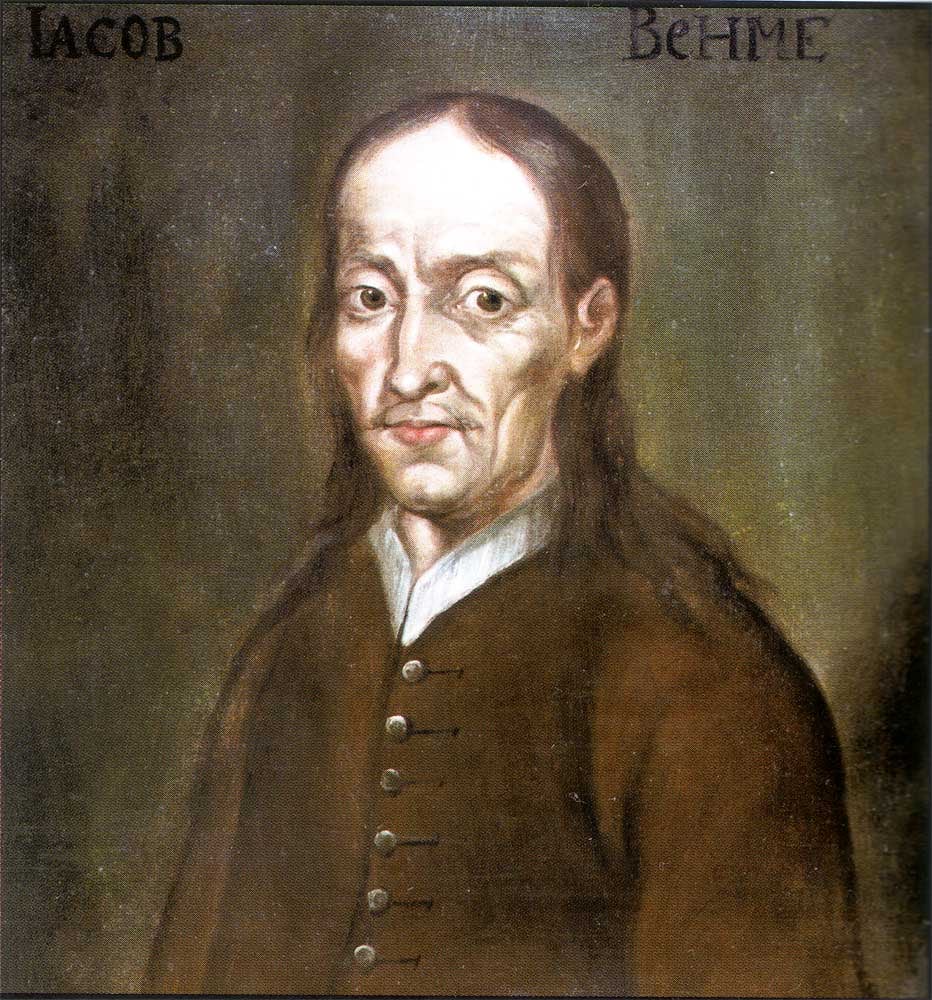
Jakob Böhme
Übereinstimmung bei: Was ist das Absolute? Gibt es Gott? · Was geschieht nach dem Tod? · Braucht es einen Lehrer?
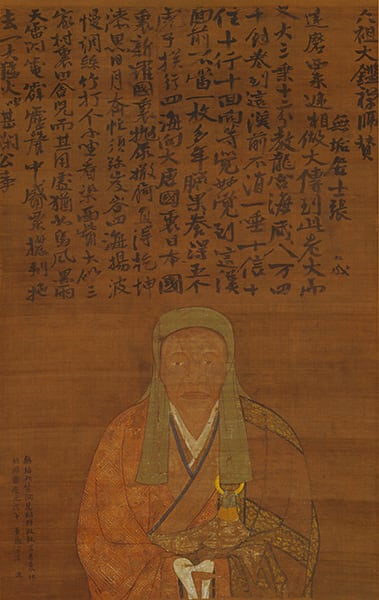
Huineng
Übereinstimmung bei: Wer bin ich? Gibt es ein wahres Selbst? · Braucht es einen Lehrer? · Ist die Welt wirklich?
Uddalaka Aruni
Übereinstimmung bei: Wer bin ich? Gibt es ein wahres Selbst? · Ist die Welt wirklich? · Kann die Vernunft das Letzte erkennen?

Ibn Arabi
Übereinstimmung bei: Was ist das Absolute? Gibt es Gott? · Wer bin ich? Gibt es ein wahres Selbst? · Was geschieht nach dem Tod?
Denkt anders als

Milarepa
Widerspruch bei: Wer bin ich? Gibt es ein wahres Selbst? · Was geschieht nach dem Tod? · Wie erlangt man Befreiung oder Erlösung?

Pema Chödrön
Widerspruch bei: Wer bin ich? Gibt es ein wahres Selbst? · Was geschieht nach dem Tod? · Wie erlangt man Befreiung oder Erlösung?
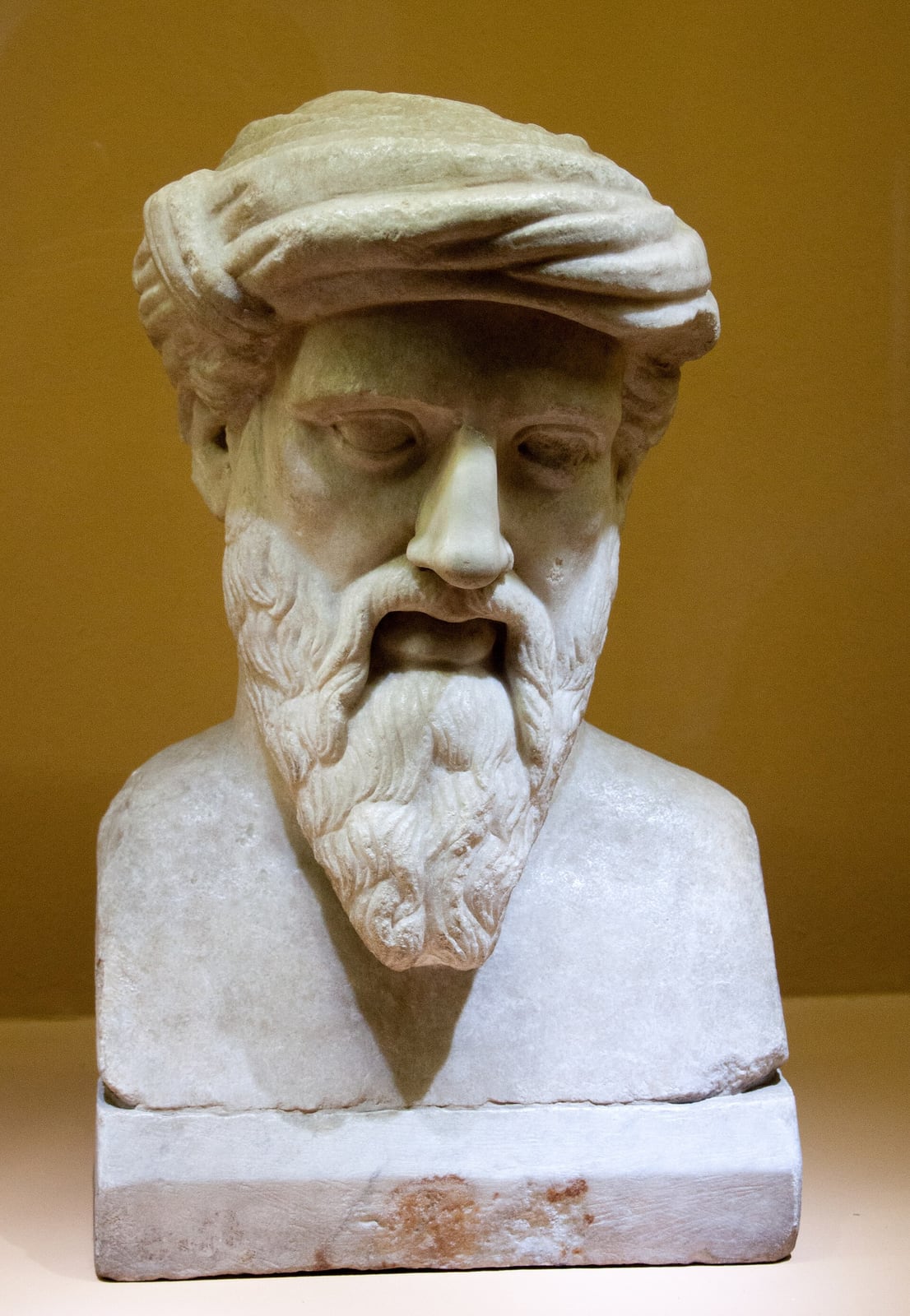
Pythagoras
Widerspruch bei: Was geschieht nach dem Tod? · Wie erlangt man Befreiung oder Erlösung?
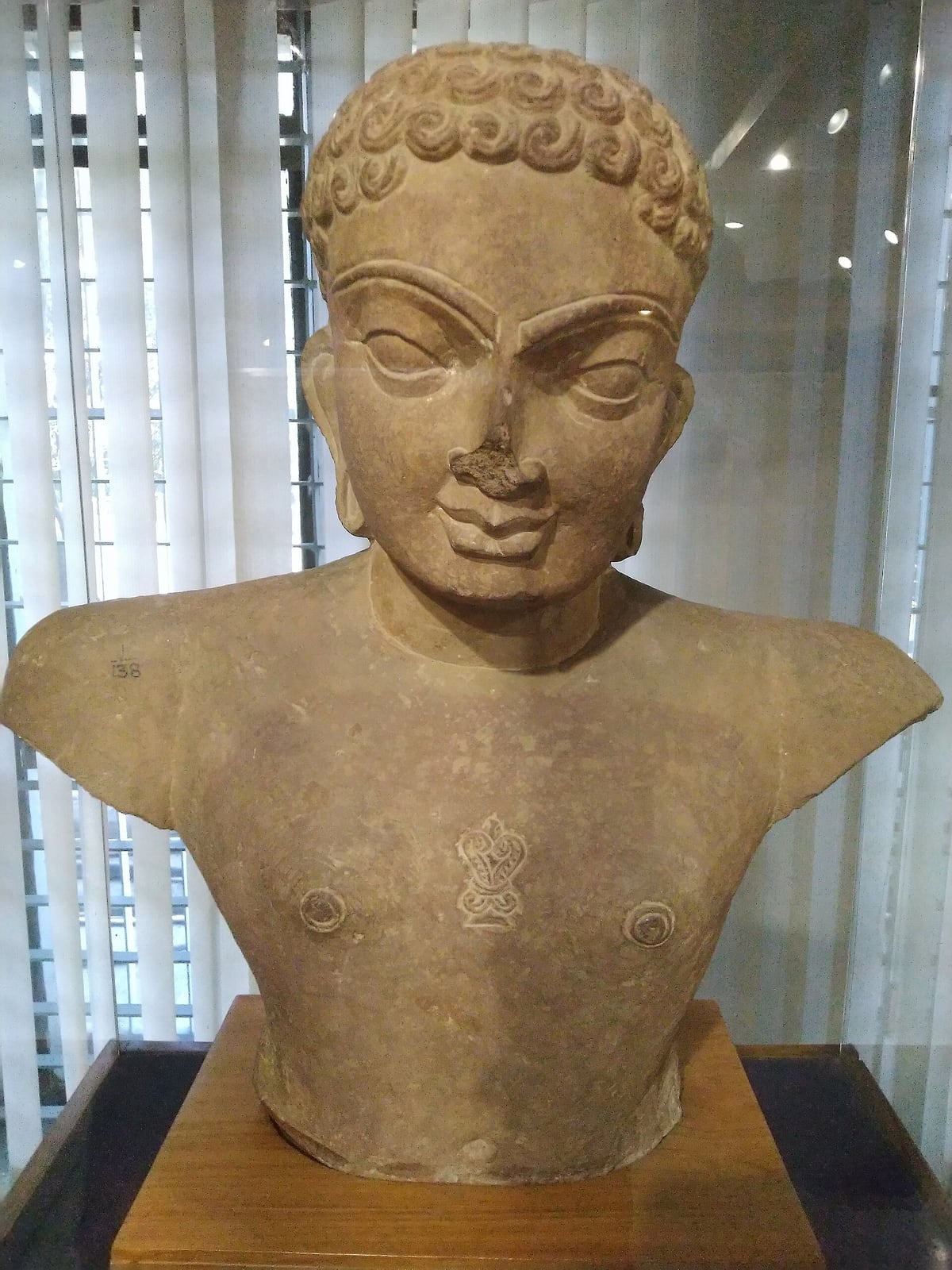
Mahāvīra
Widerspruch bei: Was geschieht nach dem Tod? · Wie erlangt man Befreiung oder Erlösung?
Anekdoten und Erzählungen
Anekdoten und Erzählungen
Belegt1302–1303
The master and the Franciscan
Herkunft der Erzählung: Quaestiones Parisienses (LW V) and Quaestio magistri Consalvi; analysis in McGinn (2001) and Flasch (2010).
Quelle: McGinn, Bernard. The Mystical Thought of Meister Eckhart: The Man from Whom God Hid Nothing. Nueva York: Crossroad, 2001.
Belegt1326
'I can err, but I cannot be a heretic'
Herkunft der Erzählung: Rechtfertigungsschrift, in the Acta Echardiana (LW V); partial English translation in Colledge and McGinn (1981).
Quelle: Acta Echardiana: documentos del proceso de Colonia y Aviñón (listas de artículos, defensa, apelación, protesta pública de 13 de febrero de 1327, votum de Aviñón, carta de Juan XXII de 30 de abril de 1328). Ed. Loris Sturlese, en Die lateinischen Werke, vol. V. Stuttgart: Kohlhammer, 2000–2006.
Belegt13 de febrero de 1327
The protestation in the Dominican church
Herkunft der Erzählung: Notarial instrument of 13 February 1327 (Vatican Apostolic Archive, Archivum Arcis, Arm. C, 1123), edited in the Acta Echardiana.
Quelle: Acta Echardiana: documentos del proceso de Colonia y Aviñón (listas de artículos, defensa, apelación, protesta pública de 13 de febrero de 1327, votum de Aviñón, carta de Juan XXII de 30 de abril de 1328). Ed. Loris Sturlese, en Die lateinischen Werke, vol. V. Stuttgart: Kohlhammer, 2000–2006.
Belegt1328–1329
A condemnation without a condemned man
Herkunft der Erzählung: Letter of John XXII of 30 April 1328 (Acta Echardiana); bull In agro dominico (DH 950–980).
Quelle: Juan XXII. Bula «In agro dominico», Aviñón, 27 de marzo de 1329. Texto en Denzinger–Hünermann, Enchiridion symbolorum, n.os 950–980; trad. ingl. en Colledge y McGinn (1981), 77–81.
Belegt1449
The books Cusanus did not want in common hands
Herkunft der Erzählung: Nicholas of Cusa, Apologia doctae ignorantiae (1449); Codex Cusanus 21 (Bernkastel-Kues, library of the St Nicholas Hospital).
Quelle: Nicolás de Cusa. Apologia doctae ignorantiae (1449). Ed. Raymond Klibansky, Nicolai de Cusa Opera omnia, vol. II. Leipzig: Meiner, 1932.
Mündliche Überlieferungrelato del siglo XIV
Meister Eckhart's daughter
Herkunft der Erzählung: An anonymous legend edited by Pfeiffer (1857) among the attributed texts; the Augsburg version, Universitätsbibliothek, Cod. III.2.8.9, fol. 104v, titles it 'Meister Eckharts Wirtschaft'.
Lehren
Lehren
Die Begriffe, die das Denken gliedern, in ihrem Zusammenhang erklärt.
The ground (grunt)grunt
Christian Neoplatonism (Augustine, Dionysius, Proclus through the Liber de causis) and scholastic debate on the powers of the soul.
Quelle: McGinn, Bernard. The Mystical Thought of Meister Eckhart: The Man from Whom God Hid Nothing. Nueva York: Crossroad, 2001.
The birth of God in the soulnacimiento-de-dios-en-el-alma
Greek and Latin patristics (Origen, Augustine) and the Christmas liturgy; Christology of adoptive grace.
Quelle: McGinn, Bernard. The Mystical Thought of Meister Eckhart: The Man from Whom God Hid Nothing. Nueva York: Crossroad, 2001.
Detachment (abegescheidenheit) and releasement (gelâzenheit)desasimiento
Dominican and beguine spirituality of the Upper Rhine; the monastic tradition of renouncing one's own will.
Quelle: McGinn, Bernard. The Mystical Thought of Meister Eckhart: The Man from Whom God Hid Nothing. Nueva York: Crossroad, 2001.
God and the Godheaddeidad
Dionysian apophatic theology and the Neoplatonism of the One.
Quelle: McGinn, Bernard. The Mystical Thought of Meister Eckhart: The Man from Whom God Hid Nothing. Nueva York: Crossroad, 2001.
Poverty of spiritpobreza-de-espiritu
The early fourteenth-century controversy on evangelical poverty and beguine spirituality.
Quelle: Meister Eckhart. Die deutschen und lateinischen Werke. Herausgegeben im Auftrage der Deutschen Forschungsgemeinschaft. Stuttgart: W. Kohlhammer, 1936– (Die deutschen Werke, ed. Josef Quint y Georg Steer; Die lateinischen Werke, ed. Konrad Weiß, Josef Koch, Loris Sturlese et al.).
Living without whysin-porque
The scholastic ethics of intention and the critique of self-interested piety.
Quelle: McGinn, Bernard. The Mystical Thought of Meister Eckhart: The Man from Whom God Hid Nothing. Nueva York: Crossroad, 2001.
'Being is God' and 'God is understanding'esse-est-deus
Parisian scholastic metaphysics (Thomas Aquinas, Albert the Great, Dietrich of Freiberg) and the Liber de causis.
Quelle: Flasch, Kurt. Meister Eckhart: Philosoph des Christentums. Múnich: C. H. Beck, 2010. Trad. ingl.: Meister Eckhart: Philosopher of Christianity. New Haven: Yale University Press, 2015.
Videos
Videos
Aufnahmen, Gespräche und Dokumentarfilme. Die Videos werden von YouTube wiedergegeben; sie werden nicht hier gespeichert.
Meister Eckhart with Prof. Bernard McGinn
Vortrag· EN· 2020· 70 min
Lumen Christi InstituteOffizieller Kanal
Bernard McGinn on The Nothingness of God in Jewish and Christian Mysticism
Vortrag· EN· 2017· 64 min
University of GlasgowOffizieller Kanal
The Bible and Western Culture - Meister Eckhart: From Whom God Hid Nothing
Vortrag· EN· 2020· 44 min
Michael Sugrue
Meister Eckhart & Christian Mysticism
Analyse· EN· 2021· 44 min
Let's Talk Religion
Christian Mysticism, Vedanta und Meister Eckhart – by Swami Sarvapriyānanda
Vortrag· EN· 2025· 84 min
Vedanta GermanyOffizieller Kanal
La experiencia de Dios en el Maestro Eckhart: el nacimiento de Dios en el fondo del alma
Vortrag· ES· 2023· 74 min
Universidad Pontificia ComillasOffizieller Kanal
El todo y la nada de Dios: Maestro Eckhart (Inés Fuente)
Vortrag· ES· 2016· 15 min
Dominicos EspañaOffizieller Kanal
Conferencia sobre el Maestro Eckhart y Santo Tomás de Aquino
Vortrag· ES· 2020· 83 min
Facultad de Teología San Vicente Ferrer de ValenciaOffizieller Kanal
Silvia Bara Bancel: «San Juan de la Cruz, lector del Maestro Eckhart»
Vortrag· ES· 2026· 109 min
Centro de Estudios de HermenéuticaOffizieller Kanal
Dietmar Mieth: Mystik, Widerstand und Politik – Zugänge bei Meister Eckhart
Vortrag· DE· 2021· 65 min
Evangelische Akademie ThüringenOffizieller Kanal
«L'Ombra della Luce: Tommaso d'Aquino e Meister Eckhart» con Marco Vannini e Giuseppe Barzaghi
Vortrag· IT· 2026· 120 min
IstitutoTomisticoOffizieller Kanal
Marco Vannini | Distacco | festivalfilosofia 2024
Vortrag· IT· 2024· 48 min
FestivalfilosofiaOffizieller Kanal
Galerie
Galerie
Bilder mit geprüfter Lizenz. Jedes bewahrt seine Urheberschaft und seinen Herkunftsnachweis.
Handschriften
Handschriften
Handschriftliche Zeugen und alte Texte, mit ihrer verwahrenden Einrichtung und ihren Einsichtsbedingungen.
LA · Latina (gótica) · Obras de c. 1305–1326; copia del siglo XV
Codex Cusanus 21 (obras latinas de Eckhart)
- Erhaltener Textzeuge
- Testigo principal del Opus tripartitum y de los comentarios bíblicos
- Verwahrende Einrichtung
- Biblioteca del Hospital de San Nicolás (Cusanusstift), Bernkastel-Kues · Cod. Cus. 21
LA · Latina (notarial) · 13 de febrero de 1327
Instrumento notarial de la protesta de Colonia
- Erhaltener Textzeuge
- Original
- Verwahrende Einrichtung
- Archivo Apostólico Vaticano · Archivum Arcis, Arm. C, 1123
GMH · Latina (gótica) · c. 1340
Paradisus anime intelligentis
- Erhaltener Textzeuge
- Manuscrito principal de la colección
- Verwahrende Einrichtung
- Bodleian Library, Oxford · MS. Laud Misc. 479
LA · Latina · 1326
Rechtfertigungsschrift (Defensa)
- Erhaltener Textzeuge
- Copia única conocida
- Verwahrende Einrichtung
- Stadtbibliothek Soest
Beziehungen
Beziehungen
Einflüsse, Schülerschaften und Verwandtschaften. Die belegte Beziehung wird von der durch Analyse ermittelten Ähnlichkeit unterschieden.
Verwandte Gedanken mit
Two summits of spirituality in German lands with opposite paths: Hildegard's symbolic, imaginative vision and Eckhart's detachment from every image.
Durch Analyse ermittelte Ähnlichkeit
Beeinflusst von
His whole work is exegesis: Latin commentaries on the Gospel of John and German sermons on the Gospels of the day. His central doctrine, the birth of the Son in the soul, is a reading of the incarnation.
Belegte Beziehung
Beeinflusst von
Eckhart's metaphysics of the One, procession and return, and his negative theology are Neoplatonic in origin, received mainly through Augustine, Dionysius the Areopagite, Proclus (Liber de causis) and Macrobius rather than by direct reading of the Enneads.
Durch Analyse ermittelte Ähnlichkeit
Verwandte Gedanken mit
In 1926 Rudolf Otto compared Eckhart's mysticism with Shankara's Advaita: both distinguish an attributeless absolute (Godhead / nirguna brahman) from its personal manifestation and place liberation in recognising the identity of the ground. Otto also stressed the differences, especially the living dynamism of Eckhart's God.
Durch Analyse ermittelte Ähnlichkeit
Verwandte Gedanken mit
Since D. T. Suzuki and the Kyoto School (Nishitani, Ueda Shizuteru), Eckhart has been a partner of Zen: his 'nothing', the life 'without why' and detachment have been read alongside emptiness and Dōgen's dropping off of body and mind. There is no historical contact.
Durch Analyse ermittelte Ähnlichkeit
Beeinflusste
Rhineland mysticism reached sixteenth-century Spain through Latin and Castilian translations attributed to Tauler, Eckhart's disciple. Research (Silvia Bara Bancel) has studied John of the Cross as an indirect reader of Eckhart in the doctrine of nothingness and the ground of the soul; the exact route of transmission is still debated.
Durch Analyse ermittelte Ähnlichkeit
Verwandte Gedanken mit
Both speak of a centre or ground of the soul where God dwells, but Teresa refuses to leave behind the Humanity of Christ and distrusts imageless prayer, distancing herself from the more speculative Eckhart.
Durch Analyse ermittelte Ähnlichkeit
Verwandte Gedanken mit
Sermon 52 transposes to the inner plane the poverty Francis lived materially, at a time when the Franciscan controversy over Christ's poverty divided the Church.
Durch Analyse ermittelte Ähnlichkeit
Beeinflusste
Ulrich Tölle adopted the name Eckhart in homage to the Dominican master, as he himself has explained on his official channel.
Belegte Beziehung
Von anderen Einträgen aus verknüpft
- Aristotle · Beeinflusste
- John of the Cross · Beeinflusst von
- Laozi · Verwandte Gedanken mit
- Francis of Assisi · Verwandte Gedanken mit
- Simone Weil · Verwandte Gedanken mit
- Hildegard of Bingen · Verwandte Gedanken mit
- Adi Shankara · Verwandte Gedanken mit
- Carl Gustav Jung · Beeinflusst von
- Catherine of Siena · Verwandte Gedanken mit
- Thomas à Kempis · Verwandte Gedanken mit
- Julian of Norwich · Verwandte Gedanken mit
- Rudolf Steiner · Beeinflusst von
- Thomas Merton · Beeinflusst von
- Baruch Spinoza · Verwandte Gedanken mit
- Jakob Böhme · Verwandte Gedanken mit
- Maimonides · Beeinflusste
- Martin Buber · Verwandte Gedanken mit
- Ibn Arabi · Verwandte Gedanken mit
- Al-Hallaj · Verwandte Gedanken mit
- Augustine of Hippo · Beeinflusste
- Plato · Verwandte Gedanken mit
- Rumi · Verwandte Gedanken mit
- Teresa of Ávila · Verwandte Gedanken mit
- Baal Shem Tov · Verwandte Gedanken mit
- Yajnavalkya · Verwandte Gedanken mit
Quellen
Quellen
Für diesen Eintrag herangezogene Bibliografie und Kataloge.
- Wikidata, Q76548 «Meister Eckhart» (P31=Q5; 74 enlaces entre wikis).
- Meister Eckhart. Die deutschen und lateinischen Werke. Herausgegeben im Auftrage der Deutschen Forschungsgemeinschaft. Stuttgart: W. Kohlhammer, 1936– (Die deutschen Werke, ed. Josef Quint y Georg Steer; Die lateinischen Werke, ed. Konrad Weiß, Josef Koch, Loris Sturlese et al.).
- McGinn, Bernard. The Mystical Thought of Meister Eckhart: The Man from Whom God Hid Nothing. Nueva York: Crossroad, 2001.
- Ruh, Kurt. Meister Eckhart: Theologe, Prediger, Mystiker. Múnich: C. H. Beck, 1985 (2.ª ed. 1989).
- Flasch, Kurt. Meister Eckhart: Philosoph des Christentums. Múnich: C. H. Beck, 2010. Trad. ingl.: Meister Eckhart: Philosopher of Christianity. New Haven: Yale University Press, 2015.
- Meister Eckhart. The Essential Sermons, Commentaries, Treatises, and Defense. Trad. e introd. de Edmund Colledge y Bernard McGinn. Nueva York: Paulist Press, 1981 (Classics of Western Spirituality; ISBN 0809123703).
- Acta Echardiana: documentos del proceso de Colonia y Aviñón (listas de artículos, defensa, apelación, protesta pública de 13 de febrero de 1327, votum de Aviñón, carta de Juan XXII de 30 de abril de 1328). Ed. Loris Sturlese, en Die lateinischen Werke, vol. V. Stuttgart: Kohlhammer, 2000–2006.
- Juan XXII. Bula «In agro dominico», Aviñón, 27 de marzo de 1329. Texto en Denzinger–Hünermann, Enchiridion symbolorum, n.os 950–980; trad. ingl. en Colledge y McGinn (1981), 77–81.
- Vega Esquerra, Amador (ed. y trad.). Maestro Eckhart, El fruto de la nada y otros escritos. Madrid: Siruela, 1998; Alianza Editorial, 2011 (ISBN 9788420654966).
- Otto, Rudolf. West-östliche Mystik. Vergleich und Unterscheidung zur Wesensdeutung. Gotha: Leopold Klotz, 1926. Trad. ingl.: Mysticism East and West: A Comparative Analysis of the Nature of Mysticism. Nueva York: Macmillan, 1932.
- Ueda, Shizuteru. Die Gottesgeburt in der Seele und der Durchbruch zur Gottheit. Die mystische Anthropologie Meister Eckharts und ihre Konfrontation mit der Mystik des Zen-Buddhismus. Gütersloh: Gerd Mohn, 1965.
- Pfeiffer, Franz (ed.). Deutsche Mystiker des vierzehnten Jahrhunderts, vol. II: Meister Eckhart. Leipzig: G. J. Göschen, 1857; reimpr. anastática Gotinga: Vandenhoeck & Ruprecht, 1906.
- Open Library, registros de edición de las obras de Meister Eckhart (consultados por ISBN y por obra).
- Nicolás de Cusa. Apologia doctae ignorantiae (1449). Ed. Raymond Klibansky, Nicolai de Cusa Opera omnia, vol. II. Leipzig: Meiner, 1932.
- Eckhart Tolle. «Why Did You Choose the Name ‘Eckhart’?», canal oficial Eckhart Tolle en YouTube (vídeo no insertable).
- Bara Bancel, Silvia. «San Juan de la Cruz, lector del Maestro Eckhart». Conferencia, Centro de Estudios de Hermenéutica, 2026.
- Meister Eckhart. Werke. Texte und Übersetzungen von Josef Quint. Ed. y comentario de Niklaus Largier. 2 vols. Fráncfort: Deutscher Klassiker Verlag, 1993.
- Field, Claud (trad.). Meister Eckhart's Sermons. Londres: H. R. Allenson, 1909. Texto en Christian Classics Ethereal Library.
- Rechteinhaber
- Dominio público (obras del siglo XIV). La edición crítica Die deutschen und lateinischen Werke (Kohlhammer) y las traducciones modernas (Quint, Largier, Walshe, Colledge y McGinn, Vega, Vannini) están sujetas a los derechos de sus editores.
- Offizielle Website
- www.eckhartsociety.org/
Bestätigung ausstehend
Was dieser Eintrag noch nicht klären konnte. Wir sagen es lieber, als es aufzufüllen.
- Registrar individualmente los sermones alemanes que faltan (Pr. 3–4, 7–8, 10–11, 13–21, 23–47, 49–51, 53–70, 72–82, 84–85 de DW I–III y los de DW IV desde el 87, salvo 101–104), cada uno con su incipit según la edición crítica: no se ha podido consultar un índice fiable en línea y no se ha querido reconstruir de memoria.
- Verificar con la edición crítica la grafía exacta de las citas en alemán medio marcadas como «probable» (Instrucciones 4, sermones 5b —«sin porqué»— y 83).
- Localizar ISBN de Tratados y sermones (trad. Ilse M. de Brugger, Edhasa, 1983), de los Sermoni tedeschi (Adelphi, 1985) y de los volúmenes de la edición Kohlhammer.
- Confirmar la signatura del manuscrito de Soest que conserva la defensa y la del códice de Erfurt (Amploniana) con obras latinas.
- C. de B. Evans (traductor, 1924): fecha de muerte desconocida; la traducción queda marcada con precaución en la sala de lectura.
- El fragmento de Gotinga (sermón 5b): confirmar institución custodia y signatura.
- Las fechas de subida de los vídeos se han deducido de la fecha relativa que muestra YouTube.
- Programas de afiliación: ninguno verificado.
Recherchiert am 2026-10-25