Jainismus
Mahāvīra
महावीर · वर्धमान · Mahāvīra / Vardhamāna · Samaṇe Bhagavaṃ Mahāvīre / Vaddhamāṇe
um 599 v. Chr. – um 527 v. Chr.Historizität umstritten
Asket und Lehrer aus dem Gangestal, vierundzwanzigster und letzter Tīrthaṅkara des Jainismus, etwas älterer Zeitgenosse des Buddha, der ihn als Nigaṇṭha Nātaputta kannte. Mit Namen Vardhamāna, entsagte er mit dreißig Jahren der Welt, erlangte nach zwölf Jahren Askese die Allwissenheit und lehrte einen Weg der Gewaltlosigkeit, der Gelübde und der Strenge, um die Seele vom Karma zu befreien. Er schrieb nichts: Der Jaina-Kanon, der seine Lehre überliefert, wurde im 5. Jahrhundert n. Chr. in Valabhī festgelegt.
- Werke
- 51Werke
- Ausgaben
- 20Ausgaben
- Zitate
- 8Zitate
- Videos
- 12Videos
- Bilder
- 7Bilder
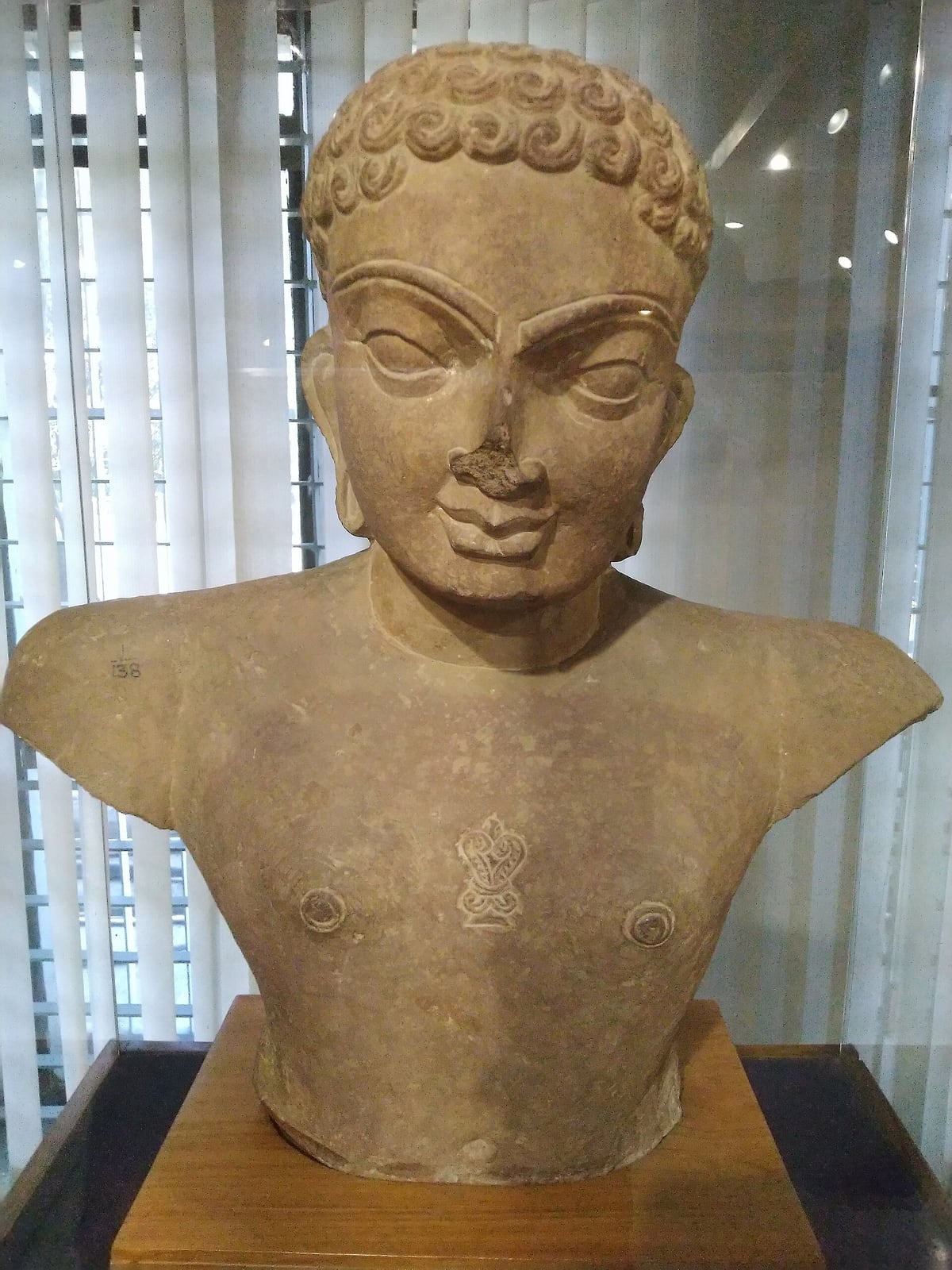
Busto de Mahāvīra, período kuṣāṇa (Museo de Chandigarh) · CC BY 3.0
In eigenen Worten
«All breathing, existing, living, sentient creatures should not be slain, nor treated with violence, nor abused, nor tormented, nor driven away.»Ācārāṅga I.4.1.1; trad. de Hermann Jacobi, SBE 22 (1884), verificada en el texto; versión española del investigador; palabras que el canon atribuye a Mahāvīra

Der zentrale Gedanke
Non-violence (ahiṃsā): The central principle of Jain ethics and the first of the vows.
Im Zusammenhang sehen
Biografie
4 Min. Lesezeit
Unterstützte Übersetzung aus dem spanischen Original, Durchsicht durch einen muttersprachlichen Übersetzer ausstehend.
Der letzte der Furtbereiter
Für die Jainas hat Mahāvīra keine Religion gegründet. Er war der vierundzwanzigste und letzte Tīrthaṅkara dieses Zeitzyklus, der letzte „Furtbereiter“, der den Wesen den Übergang über den Strom der Existenzen eröffnet, und seine Lehre erneuerte die eines Vorgängers, Pārśva, dessen Gemeinde bereits bestand. Sein persönlicher Name war Vardhamāna, „der Wachsende“; Mahāvīra, „großer Held“, ist ein Titel, ebenso wie Jina, „der Sieger“, von dem sich der Name seiner Anhänger herleitet. Seine geschichtliche Existenz ist durch ein fremdes und feindseliges Zeugnis gut belegt: Die buddhistischen Pāli-Texte erwähnen häufig Nigaṇṭha Nātaputta, „den aus dem Clan der Nāta, Haupt derer, die ohne Fesseln sind“, als einen der rivalisierenden Lehrer des Buddha und schreiben ihm Lehren zu, die mit denen der Jainas übereinstimmen.
Wann er lebte
Die Tradition setzt seinen Tod auf 527 v. Chr., 470 Jahre vor dem Beginn der Vikrama-Ära, und seine Geburt zweiundsiebzig Jahre früher, auf 599. Schon im 12. Jahrhundert überlieferte der Mönch Hemacandra eine abweichende Berechnung, die auf 467 v. Chr. führt und die Hermann Jacobi für die wahrscheinlichste hielt. Die Pāli-Texte stellen Mahāvīra als etwas älteren Zeitgenossen des Buddha dar, dessen Tod in Pāvā die buddhistische Gemeinde als Nachricht erreicht, und die heutige Forschung, die die Lebensdaten des Buddha bis ans Ende des 5. Jahrhunderts v. Chr. herabgesetzt hat, neigt dazu, auch die seinen zu verschieben. Dieser Eintrag behält die traditionellen Daten als Bezugspunkt bei, mit dem Hinweis, dass sie den tatsächlichen um ein Jahrhundert vorausliegen könnten.
Zwei Lebensgeschichten
Was man über sein Leben weiß, stammt aus kanonischen Texten, die Jahrhunderte später verfasst und festgelegt wurden, und die beiden großen Jaina-Gemeinschaften erzählen nicht dieselbe Geschichte. Das älteste Zeugnis ist ein Gedicht im Ācārāṅga, dem ersten Buch des Kanons, das ohne Wunder die Jahre der Askese schildert: die Kälte, die Insekten, die Hunde, die die Bauern von Lāḍha auf ihn hetzten, das Schweigen, mit dem er es ertrug. Die vollständige Lebensgeschichte findet sich im Kalpasūtra, das dem Lehrer Bhadrabāhu zugeschrieben wird, und ihr folgen die Śvetāmbara, die „Weißgekleideten“. Die Digambara, die „Luftgekleideten“, haben ihre eigene in Sanskrit-Texten des 8. und 9. Jahrhunderts und weichen in wesentlichen Punkten ab: Sie bestreiten, dass der Embryo Mahāvīras aus dem Leib einer Brahmanin in den einer Königin übertragen wurde, bestreiten, dass er heiratete und eine Tochter hatte, und behaupten, er habe vom ersten Tag an auf jede Kleidung verzichtet.
Was die Tradition erzählt
Nach der Śvetāmbara-Erzählung wurde er in Kuṇḍagrāma bei Vaiśālī, im heutigen Bihar, geboren, als Sohn des Siddhārtha, eines Adligen aus dem Clan der Jñātṛ, und der Triśalā, die mit den Häuptern des Licchavi-Bundes verwandt war. Vor seiner Geburt sah seine Mutter vierzehn glückverheißende Träume. Er heiratete Yaśodā und hatte eine Tochter, Priyadarśanā. Mit dreißig Jahren, nach dem Tod seiner Eltern, raufte er sich das Haar aus und verließ das Haus; zwölfeinhalb Jahre wanderte er als Asket umher, fastete lange Zeiten und schwieg, und nach dreizehn Monaten ließ er das einzige Tuch fallen, das er trug. Mit zweiundvierzig Jahren erlangte er am Fluss Ṛjupālikā die Allwissenheit (kevala). Dreißig Jahre lang lehrte er in den Reichen am Ganges; seine elf Hauptschüler, die Gaṇadharas, waren bekehrte Brahmanen unter der Führung von Indrabhūti Gautama, und die Gemeinde umfasste Mönche, Nonnen sowie Laien beiderlei Geschlechts. Er starb mit zweiundsiebzig Jahren in Pāvā; in jener Nacht, so das Kalpasūtra, entzündeten die Könige der Gegend Lampen, weil das Licht der Erkenntnis erloschen war, und darauf geht das Jaina-Fest Dīpāvalī zurück.
Eine Lehre der Gewaltlosigkeit
Das Universum ist für Mahāvīra von unzähligen Seelen (jīva) bevölkert, nicht nur in Menschen und Tieren, sondern auch in Pflanzen, Wasser, Erde, Feuer und Luft; und jede Seele, ihrem Wesen nach allwissend und glückselig, wird vom Karma verdunkelt, das der Jainismus als feinen Stoff auffasst, der durch Handlungen und Leidenschaften an ihr haftet. Daher die zentrale Stellung der Gewaltlosigkeit (ahiṃsā): „Alle Wesen lieben das Leben“, heißt es im Ācārāṅga, und irgendeines von ihnen zu verletzen heißt, sich selbst zu fesseln. Der Weg besteht darin, den Zufluss neuen Karmas durch die Gelübde aufzuhalten – nicht verletzen, nicht lügen, nicht stehlen, Keuschheit und Lösung von allem Besitz – und das angesammelte durch Askese zu verbrennen, bis die befreite Seele zum Gipfel des Universums aufsteigt. Aus den vier Gelübden der Tradition Pārśvas soll Mahāvīra die Keuschheit als fünftes Gelübde herausgelöst haben, wie es das Gespräch zwischen Keśin und Gautama im Uttarādhyayana berichtet. Einen Schöpfergott gibt es in seiner Lehre nicht.
Der Kanon und seine Festlegung
Mahāvīra schrieb nichts. Der Überlieferung nach fassten seine Schüler seine Lehre in zwölf Büchern zusammen, den Aṅgas, die mündlich weitergegeben wurden; das zwölfte, das die vierzehn Pūrvas enthielt, ging früh verloren. Nach mehreren Konzilien wurde der Śvetāmbara-Kanon in Valabhī in Gujarat unter dem Vorsitz von Devarddhigaṇi schriftlich festgelegt, 980 oder 993 Jahre nach dem Tod des Meisters, also um 453 oder 466 n. Chr. Er umfasst je nach Richtung 45 oder 32 Texte in Ardhamāgadhī-Prakrit. Die Digambara halten den ursprünglichen Kanon für verloren und verehren das Ṣaṭkhaṇḍāgama und das Kasāyapāhuḍa als heilige Schriften. Dieser Eintrag verzeichnet alle diese Texte als Kompilationen, die der Lehre Mahāvīras zugeschrieben werden, nicht als seine Werke.
Das Erbe
Die Übersetzungen Hermann Jacobis in den Sacred Books of the East (1884 und 1895) bewiesen der europäischen Indologie, dass der Jainismus nicht, wie man geglaubt hatte, ein Zweig des Buddhismus war, sondern eine eigenständige und alte Tradition. Heute zählt die Jaina-Gemeinschaft einige Millionen Gläubige, vor allem im Westen Indiens; sie feiert Mahāvīras Geburt jedes Frühjahr und hat die Ethik der Gewaltlosigkeit weit über ihre Grenzen hinaus beeinflusst: Gandhi erkannte an, dass der Juwelier und Jaina-Denker Raychandbhai Mehta seine sittliche Bildung geprägt hatte.
Quellen: Jacobi, Hermann (trad.). Gaina Sûtras, Part I: The Âkârâṅga Sûtra. The Kalpa Sûtra. Oxford: Clarendon Press, 1884 (Sacred Books of the East 22). Introducción y textos; reimpr. Motilal Banarsidass (ISBN 9788120801233). · Dundas, Paul. The Jains. 2.ª ed. Londres / Nueva York: Routledge, 2002 (Library of Religious Beliefs and Practices). ISBN 9780415266055. · Jaini, Padmanabh S. The Jaina Path of Purification. Berkeley: University of California Press, 1979; reimpr. Delhi: Motilal Banarsidass, 1998. ISBN 9788120815780. · Jacobi, Hermann (trad.). Gaina Sûtras, Part II: The Uttarâdhyayana Sûtra. The Sûtrakritâṅga Sûtra. Oxford: Clarendon Press, 1895 (Sacred Books of the East 45). Reimpr. Motilal Banarsidass (ISBN 9788120801462). · Pániker, Agustín. El jainismo. Historia, sociedad, filosofía y práctica. Barcelona: Kairós, 2001; ed. 2007. ISBN 9788472454842.
Zeitleiste
Das Leben, Jahr für Jahr
Jeder Punkt ist ein belegtes Ereignis. Klicken Sie, um es mit Quelle und Grad der Gewissheit zu lesen.
um 599 v. Chr.0 JahreKuṇḍagrāma, junto a Vaiśālī
Birth at Kuṇḍagrāma (traditional date)
Son of Siddhārtha and Triśalā according to the Kalpasūtra, which relates the mother's fourteen dreams and, in the Śvetāmbara version, the transfer of the embryo from the womb of the brahmin woman Devānandā. Traditional date; scholars lower it by up to a century.
ÜberlieferungJacobi, Hermann (trad.). Gaina Sûtras, Part I: The Âkârâṅga Sûtra. The Kalpa Sûtra. Oxford: Clarendon Press, 1884 (Sacred Books of the East 22). Introducción y textos; reimpr. Motilal Banarsidass (ISBN 9788120801233).
Nach dem Tod
- um 453 v. Chr. – 466 v. Chr.The Council of Valabhī
- um 300 v. Chr.Council of Pāṭaliputra
- um 150 v. Chr.The Ṣaṭkhaṇḍāgama
- um 80 v. Chr.The Śvetāmbara–Digambara split
- um 1160Hemacandra's life of Mahāvīra
- 1884 – 1895Jacobi and the Sacred Books of the East
- 19742500 years since the nirvāṇa
um 599 v. Chr. · 0 Jahre
Birth at Kuṇḍagrāma (traditional date)
Son of Siddhārtha and Triśalā according to the Kalpasūtra, which relates the mother's fourteen dreams and, in the Śvetāmbara version, the transfer of the embryo from the womb of the brahmin woman Devānandā. Traditional date; scholars lower it by up to a century.
Überlieferung
um 569 v. Chr. · 30 Jahre
Renunciation
At thirty, his parents dead, he tears out his hair in five handfuls and leaves home. The Śvetāmbaras hold that he had previously married Yaśodā and had a daughter; the Digambaras deny it.
Überlieferung
um 569 v. Chr. – 557 v. Chr.
Twelve and a half years of asceticism
He wanders as an ascetic, fasts and keeps silence; the Ācārāṅga describes the hardships suffered in the land of the Lāḍhas. According to the Śvetāmbara tradition he spends six years with Gośāla Maṅkhaliputta, future head of the Ājīvikas.
Überlieferung
um 557 v. Chr. · 42 Jahre
Omniscience
At forty-two, beside the river Ṛjupālikā near Jṛmbhikagrāma, he attains absolute knowledge (kevala) and becomes a Jina.
Überlieferung
um 557 v. Chr. – 527 v. Chr.
Thirty years of teaching
He teaches in the Ganges kingdoms; eleven brahmins led by Indrabhūti Gautama become his chief disciples (gaṇadharas). The Pali texts present him as a rival of the Buddha under the name Nigaṇṭha Nātaputta.
Überlieferung
um 527 v. Chr. · 72 Jahre
Death at Pāvā (traditional date)
He dies at seventy-two at Pāvā; the kings of the region light lamps, origin of the Jain celebration of Dīpāvalī. The Pali canon (DN 29) records the news of his death and the division of his followers.
Umstritten
um 453 v. Chr. – 466 v. Chr.
The Council of Valabhī
Under the presidency of Devarddhigaṇi Kṣamāśramaṇa, the Śvetāmbara canon is written down, 980 or 993 years after Mahāvīra's death according to the Kalpasūtra (§ 148).
Wahrscheinlich
um 300 v. Chr.
Council of Pāṭaliputra
According to tradition, after a great famine the monks who had stayed in Magadha assemble the Aṅgas at Pāṭaliputra under Sthūlabhadra while Bhadrabāhu is absent; the Digambaras do not recognise the result.
Überlieferung
um 150 v. Chr.
The Ṣaṭkhaṇḍāgama
Puṣpadanta and Bhūtabali write down in Śaurasenī Prakrit a treatise on karma that the Digambaras revere as their oldest scripture. Date much disputed (1st–3rd c.).
Wahrscheinlich
um 80 v. Chr.
The Śvetāmbara–Digambara split
The two traditions date their separation only three years apart: 609 years after Mahāvīra (82 CE) according to the Śvetāmbaras, 136 years after Vikrama (79 CE) according to the Digambaras. The actual division was a gradual process.
Überlieferung
um 1160
Hemacandra's life of Mahāvīra
The monk Hemacandra (1089–1172) narrates Mahāvīra's life in the tenth book of the Triṣaṣṭiśalākāpuruṣacarita and transmits the chronology placing his death 155 years before Candragupta.
Wahrscheinlich
1884 – 1895
Jacobi and the Sacred Books of the East
Hermann Jacobi translates the Ācārāṅga and the Kalpasūtra (SBE 22, 1884) and, in 1895, the Uttarādhyayana and the Sūtrakṛtāṅga (SBE 45); he shows that Jainism is independent of Buddhism.
Belegt
1974
2500 years since the nirvāṇa
India officially celebrates the 2500th anniversary of Mahāvīra's nirvāṇa according to the traditional chronology, the occasion on which the different Jain branches adopt a common flag and emblem.
Belegt
Werke
Grundlegende Werke
Die Werke, ohne die sich das Vermächtnis nicht verstehen lässt.
Spätere Zusammenstellung
Ācārāṅga (The Book of Conduct)
आयारंग (Āyāraṃga) / आचाराङ्ग (Ācārāṅga)
The first Aṅga and probably the oldest Jain text, in two parts. The first, in archaic prose and verse, sets out non-violence towards all beings —including earth, water, fire, air and plants— and the ascetic's discipline; its ninth chapter, the "Uvahāṇasuya", is the oldest account of Mahāvīra's austerities. The second, later part regulates monastic life and adds a biography of the master.
3 Ausgaben · amazon.com
Mahāvīra
Sūtrakṛtāṅga (The Book of Doctrines)
Spätere Zusammenstellung
Sūtrakṛtāṅga (The Book of Doctrines)
सूयगड (Sūyagaḍa) / सूत्रकृताङ्ग (Sūtrakṛtāṅga)
The second Aṅga, also of an early stratum. It sets out and refutes the doctrines of the rival teachers of Mahāvīra's time —materialists, fatalists, agnostics, ritualists— and warns the monk against the world's temptations. It is a key source for the panorama of the ascetics of the Ganges valley in the time of Mahāvīra and the Buddha. The second part includes Ārdraka's dialogue with Gośāla and with a Buddhist.
2 Ausgaben
Mahāvīra
Kalpasūtra (Lives of the Jinas)
Traditionelle Zuschreibung
Kalpasūtra (Lives of the Jinas)
कप्पसुत्त (Kappasutta) / कल्पसूत्र (Kalpasūtra), también Pajjosavaṇākappa (Paryuṣaṇākalpa)
The eighth chapter of the Daśāśrutaskandha turned into an independent book, and the most copied and illustrated Jain text. It has three parts: the lives of the Jinas, above all Mahāvīra's —the transfer of the embryo, the fourteen dreams, renunciation, asceticism, omniscience and death at Pāvā—, the list of successors (sthavirāvalī) and the rules for the rainy-season retreat. It is read aloud every year during the festival of Paryuṣaṇa. The illuminated manuscripts from Gujarat of the fourteenth to sixteenth centuries are held in museums around the world.
4 Ausgaben
Mahāvīra
Uttarādhyayana (The Last Lectures)
Spätere Zusammenstellung
Uttarādhyayana (The Last Lectures)
उत्तरज्झयण (Uttarajjhayaṇa) / उत्तराध्ययन (Uttarādhyayana)
Thirty-six lectures in verse and prose, one of the oldest and most beautiful texts of the canon, which tradition identifies with the "thirty-six unasked questions" Mahāvīra recited on the night of his death (Kalpasūtra § 147). It contains teachings on the monk's discipline, parables, King Nami's dialogue with Indra, the exhortation to Gautama "not to be careless for a moment" and the meeting of Keśin, a disciple of Pārśva, with Gautama, which explains the reform of the vows.
3 Ausgaben
Das gesamte Werk (51)
Mahāvīra
The Śvetāmbara canon (the Āgamas)
The Conscious LibraryThe Śvetāmbara canon (the Āgamas)
453
Mahāvīra
Sthānāṅga (The Stations)
The Conscious LibrarySthānāṅga (The Stations)
Mahāvīra
Samavāyāṅga (The Groupings)
The Conscious LibrarySamavāyāṅga (The Groupings)
Mahāvīra
Bhagavatī Sūtra (Vyākhyāprajñapti)
The Conscious LibraryBhagavatī Sūtra (Vyākhyāprajñapti)
Mahāvīra
Jñātādharmakathā (Parables and Stories of the Doctrine)
The Conscious LibraryJñātādharmakathā (Parables and Stories of the Doctrine)
Mahāvīra
Upāsakadaśā (The Ten Lay Followers)
The Conscious LibraryUpāsakadaśā (The Ten Lay Followers)
Mahāvīra
Antakṛddaśā (Those Who Made an End)
The Conscious LibraryAntakṛddaśā (Those Who Made an End)
Mahāvīra
Anuttaraupapātikadaśā (Those Reborn in the Highest Heavens)
The Conscious LibraryAnuttaraupapātikadaśā (Those Reborn in the Highest Heavens)
Mahāvīra
Praśnavyākaraṇa (Explanation of Questions)
The Conscious LibraryPraśnavyākaraṇa (Explanation of Questions)
Mahāvīra
Vipākaśruta (The Ripening of Deeds)
The Conscious LibraryVipākaśruta (The Ripening of Deeds)
Mahāvīra
Dṛṣṭivāda (The Exposition of Views, lost)
The Conscious LibraryDṛṣṭivāda (The Exposition of Views, lost)
Mahāvīra
The fourteen Pūrvas (lost)
The Conscious LibraryThe fourteen Pūrvas (lost)
Mahāvīra
Aupapātika (On Rebirths)
The Conscious LibraryAupapātika (On Rebirths)
Mahāvīra
Rājapraśnīya (The King's Questions)
The Conscious LibraryRājapraśnīya (The King's Questions)
Mahāvīra
Jīvājīvābhigama (Understanding the Living and the Non-living)
The Conscious LibraryJīvājīvābhigama (Understanding the Living and the Non-living)
Mahāvīra
Prajñāpanā (The Exposition)
The Conscious LibraryPrajñāpanā (The Exposition)
Mahāvīra
Sūryaprajñapti (Exposition on the Sun)
The Conscious LibrarySūryaprajñapti (Exposition on the Sun)
Mahāvīra
Jambūdvīpaprajñapti (Exposition on Jambūdvīpa)
The Conscious LibraryJambūdvīpaprajñapti (Exposition on Jambūdvīpa)
Mahāvīra
Candraprajñapti (Exposition on the Moon)
The Conscious LibraryCandraprajñapti (Exposition on the Moon)
Mahāvīra
Nirayāvalikā (The Series of Hells)
The Conscious LibraryNirayāvalikā (The Series of Hells)
Mahāvīra
Kalpāvataṃsikā (The Ornaments of the Heavens)
The Conscious LibraryKalpāvataṃsikā (The Ornaments of the Heavens)
Mahāvīra
Puṣpikā (The Flowers)
The Conscious LibraryPuṣpikā (The Flowers)
Mahāvīra
Puṣpacūlikā (The Flower Crests)
The Conscious LibraryPuṣpacūlikā (The Flower Crests)
Mahāvīra
Vṛṣṇidaśā (The Ten Vṛṣṇis)
The Conscious LibraryVṛṣṇidaśā (The Ten Vṛṣṇis)
Zitate
Zitate, die in einem bestimmten Werk nachgewiesen sind. Jedes trägt seine Herkunft und seinen Grad an Verlässlichkeit.
All breathing, existing, living, sentient creatures should not be slain, nor treated with violence, nor abused, nor tormented, nor driven away.savve pāṇā savve bhūyā savve jīvā savve sattā na haṃtavvā na ajjāveyavvā na parighetavvā na pariyāveyavvā na uddaveyavvā
GeprüftĀcārāṅga I.4.1.1; trad. de Hermann Jacobi, SBE 22 (1884), verificada en el texto; versión española del investigador; palabras que el canon atribuye a Mahāvīra
Apokryphe Zitate oder Zitate umstrittener Zuschreibung (2)
«Live and let live.»
A slogan widely spread as a summary of Mahāvīra's teaching (in Hindi, "jiyo aur jīne do"), present on posters, stamps and twentieth-century celebrations. It is not a quotation from any canonical text; it condenses the doctrine of non-violence in a modern formula.
«Non-violence is the highest law (ahiṃsā paramo dharmaḥ).»
A Sanskrit formula the Jain community has adopted as a motto and which is often ascribed to Mahāvīra. It appears in the Mahābhārata, in brahmanical contexts, and not in the Prakrit Jain canon, which expresses the idea in other words (see the Daśavaikālika quotation).
Letzte Worte
Es gibt keine überprüfbaren Aufzeichnungen der letzten Worte.
No final words of Mahāvīra survive. The Kalpasūtra (§ 147) says he died at Pāvā, alone and seated, while reciting the fifty-five lectures on the fruits of karma and the thirty-six "unasked questions", which tradition identifies with the Uttarādhyayana, but it quotes no sentence. For the Digambaras the omniscient Jina does not speak in human words but with a "divine sound" (divyadhvani), and he died in silent meditation.
Quelle: Jacobi, Hermann (trad.). Gaina Sûtras, Part I: The Âkârâṅga Sûtra. The Kalpa Sûtra. Oxford: Clarendon Press, 1884 (Sacred Books of the East 22). Introducción y textos; reimpr. Motilal Banarsidass (ISBN 9788120801233).
Fragen
Was das Werk beantwortet
Zwölf große Fragen der Menschheit und was sich aus den Texten darauf antworten lässt, mit Belegen. Wir legen niemandem Worte in den Mund.
Was ist das Absolute? Gibt es Gott?
An eternal universe with no creator; the divine is the liberated soul
Kein SchöpfergottAusdrücklich gesagt
In the Jain canon attributed to him, Mahavira teaches that the universe is eternal and created by no god: it is made of souls (jiva) and non-living substances (ajiva) that follow their own laws. The Sutrakritanga examines and rejects the doctrines that ascribe the world to a creator god, to Brahma or to Ishvara. What Jainism venerates is not a lord of the cosmos but the tirthankaras, human souls who by their own effort shed karma and attained omniscience (kevala). These perfected souls do not intervene in the world or grant favours: they are model and guide. Liberation therefore depends on each soul’s conduct and knowledge, not on the will of a God.
Diese Frage mit anderen Meistern vergleichenWer bin ich? Gibt es ein wahres Selbst?
Each being is an eternal individual soul, veiled by karmic matter
Eine sich entwickelnde SeeleAusdrücklich gesagt
The Jainism that goes back to Mahavira affirms countless souls (jiva), eternal, uncreated and individual, whose nature is consciousness, knowledge and bliss. These qualities are veiled by subtle particles of karma that cling to the soul through action driven by the passions. The soul transmigrates through the four destinies (hells, animals and plants, humans and gods) and can be purified life after life. When it sheds all karma it attains omniscience and rises to the summit of the universe, where it keeps its individuality forever. The true self is neither body nor passions, but neither does it merge into an Absolute: it is a soul recovering its original purity.
Diese Frage mit anderen Meistern vergleichenWarum leiden wir?
Karma, drawn by violence and passions, binds the soul to pain
Karma und das Lernen der SeeleAusdrücklich gesagt
In the Jain canon suffering is explained by karma, understood as a subtle matter that flows into the soul when it acts driven by the passions (kashaya): anger, pride, deceit and greed. Violence is the action that attracts the most karma, and the Acaranga insists that all beings love life, desire pleasure and hate pain. Accumulated karma ripens into experiences of suffering in this life and the next. But Mahavira does not teach resignation: karma can be stopped through right conduct and destroyed through asceticism (tapas). Hardships voluntarily accepted by the monk burn up past karma. Pain is thus the consequence of one’s own acts and an occasion for purification.
Diese Frage mit anderen Meistern vergleichenWas geschieht nach dem Tod?
The soul transmigrates through four destinies until freed and ascending
Wiedergeburt nach dem KarmaAusdrücklich gesagt
According to the Jain canon, at death the soul, drawn by its karma, is reborn in one of four destinies: the hells, animals and plants, humans or gods. None is final, not even the heavenly. Only the soul that has destroyed all its karma escapes the cycle and rises to the summit of the universe, where it abides in omniscience and bliss. The Uttaradhyayana recalls with the image of the dry leaf that human life is short and must not be wasted: Gautama must not be careless for a single moment. The tradition also values voluntary death by fasting (sallekhana), accepted in full awareness and without passion when life can no longer sustain the practice.
Diese Frage mit anderen Meistern vergleichenWie erlangt man Befreiung oder Erlösung?
Right faith, knowledge and conduct; asceticism that burns karma
Durch disziplinierte ÜbungAusdrücklich gesagt
Mahavira’s path, as handed down by the Jain canon, is one of self-effort. Chapter 28 of the Uttaradhyayana, devoted to the road to liberation, sums it up as right knowledge, faith, conduct and asceticism. Conduct takes concrete form in the monk’s five great vows: non-violence, truthfulness, non-stealing, chastity and non-possession. Asceticism (tapas), inner and outer, destroys accumulated karma, and vigilance prevents new karma from entering. No one can do this work for another; one of the sayings attributed to him asks one to fight oneself rather than external enemies, since conquering oneself is the greatest victory. The fruit is omniscience (kevala) and final liberation.
Diese Frage mit anderen Meistern vergleichenBraucht es einen Lehrer?
The Jina shows the ford, but each soul crosses alone
Hilfreich, aber nicht unverzichtbarAusdrücklich gesagt
For Jains Mahavira is a tirthankara, a ‘ford-maker’ who shows the crossing through the ocean of rebirths. His teaching was handed down by his chief disciples (ganadharas) and is preserved in a fourfold community of monks, nuns, laymen and laywomen, with detailed rules of obedience to superiors and of communal life. But the teacher neither saves nor grants grace: the Acaranga says, in a line recorded among his sayings, that one is one’s own friend and need not seek friends outside. The tirthankara teaches and gives example, the community sustains, and the work of purifying the soul is done by each through their own effort.
Diese Frage mit anderen Meistern vergleichenIst die Welt wirklich?
An eternal universe of substances that endure and change
Natürliche Ordnung im WandelAusdrücklich gesagt
Jainism teaches that the world is real, eternal and uncreated, made up of six substances: souls, matter, the principle of motion, that of rest, space and time. Each substance endures in its essence while its modes arise and pass away: everything is at once permanent and changing. The universe passes through immense cycles of ascent and descent, without beginning or end, and is ordered in regions: the hells below, the middle world of humans and the heavens above. This vision goes with the doctrine of many-sidedness (anekantavada): no statement about reality exhausts it. The world is no illusion, but its truth requires looking at it from many sides.
Diese Frage mit anderen Meistern vergleichenWas ist Liebe?
Friendship with all beings, enmity towards none
Grenzenloses MitgefühlAusdrücklich gesagt
Love, in Mahavira’s Jainism, takes the form of universal non-violence. The Acaranga grounds it in reciprocity: all beings love life, desire pleasure and shrink from pain, and therefore no breathing being should be killed, mistreated or tormented. The confession formula preserved in the Avasyaka, which Jains recite every year, asks forgiveness of all beings, forgives them and declares friendship with all and enmity towards none. That benevolence extends to insects, plants and invisible beings, and demands meticulous care in every act. Affective attachment, by contrast, is considered a binding passion: Jain love is benevolence without possession.
Diese Frage mit anderen Meistern vergleichenSind wir frei, oder ist alles vorherbestimmt?
Against fatalism: human effort changes the course of karma
Karma und WahlAusdrücklich gesagt
Mahavira shared his time and setting with Makkhali Gosala, head of the Ajivikas, who taught that everything is determined by fate (niyati) and that human effort is useless. The Jain canon presents him as Mahavira’s great adversary. In the Upasakadasa Mahavira refutes a potter who follows Gosala with a practical argument: if someone broke his pots, would he punish them or think it was all determined? For Jainism karma truly conditions the present, but the soul can stop its inflow through vigilance and destroy it through asceticism. Effort (purushartha) is real and decisive: without it the doctrine of liberation would make no sense.
Diese Frage mit anderen Meistern vergleichenWozu meditieren oder beten?
The daily duties: equanimity, confession and abandonment of the body
Ritual und SelbstkultivierungAusdrücklich gesagt
Jainism does not pray to a God who answers: the liberated tirthankaras do not intervene in the world. Their veneration is a remembrance of their example. Daily practice is organised in the six obligatory duties preserved in the Avasyaka: equanimity (samayika), praise of the tirthankaras, veneration of the teacher, confession of faults (pratikramana), motionless abandonment of the body (kayotsarga) and voluntary renunciation. Tradition attributes to Mahavira long periods of motionless meditation in which he bore cold, heat and assaults without reacting. Meditation serves to stop the inflow of karma and burn what has accumulated, and ultimately leads to omniscience.
Diese Frage mit anderen Meistern vergleichenKann die Vernunft das Letzte erkennen?
The pure soul’s omniscience surpasses all sensory and textual knowledge
Das Letzte liegt jenseits des VerstandesAusdrücklich gesagt
Jain epistemology, which the canon attributes to Mahavira’s teaching, distinguishes five kinds of knowledge: sensory and mental, scriptural, clairvoyance, knowledge of others’ minds and omniscience (kevala). The first two are indirect, mediated by senses and mind; the last is direct, proper to the soul freed from all karma, and knows all things in all their modes. Mahavira is said to have attained it after twelve years of asceticism. Meanwhile human reasoning is partial, and the doctrine of many-sidedness (anekantavada) teaches one not to absolutise any statement. Reason is useful and necessary, but the ultimate is seen only by the purified soul.
Diese Frage mit anderen Meistern vergleichenSich von der Welt zurückziehen oder sie verwandeln?
The monk’s total renunciation is the path; the layperson follows halfway
Sich zurückziehen, um zu findenAusdrücklich gesagt
According to the Kalpa Sutra and the Acaranga, Mahavira left his princely life at thirty, renounced his possessions and wandered for twelve years as an ascetic, enduring hunger, cold and assault, until he attained omniscience. The path he taught has renunciation at its centre: the monk’s five great vows demand owning nothing and leaving family life. Laypeople keep milder versions of those vows and support the monastic community, but their liberation lies through a future renunciation. This withdrawal is not indifference to the world: non-violence towards every living being is its way of relating to it.
Diese Frage mit anderen Meistern vergleichen
Affinitäten und Spannungen
Affinitäten und Spannungen
Frage für Frage aus den Positionen berechnet. Den Grund jeder Übereinstimmung und jedes Widerspruchs zeigt ein Klick.
Denkt ähnlich wie

Patañjali
Übereinstimmung bei: Was ist das Absolute? Gibt es Gott? · Was geschieht nach dem Tod? · Wie erlangt man Befreiung oder Erlösung?
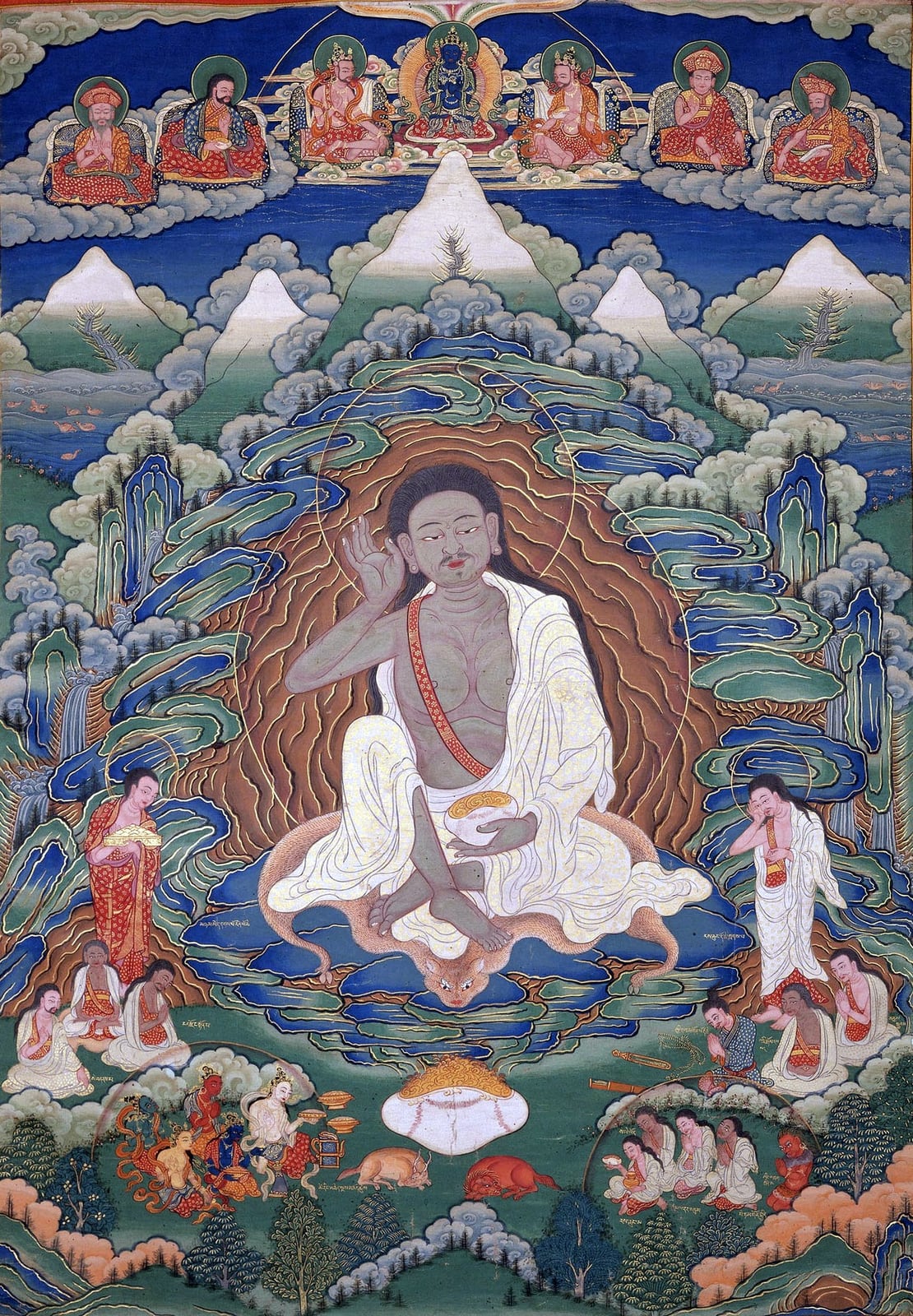
Milarepa
Übereinstimmung bei: Was ist das Absolute? Gibt es Gott? · Warum leiden wir? · Was geschieht nach dem Tod?
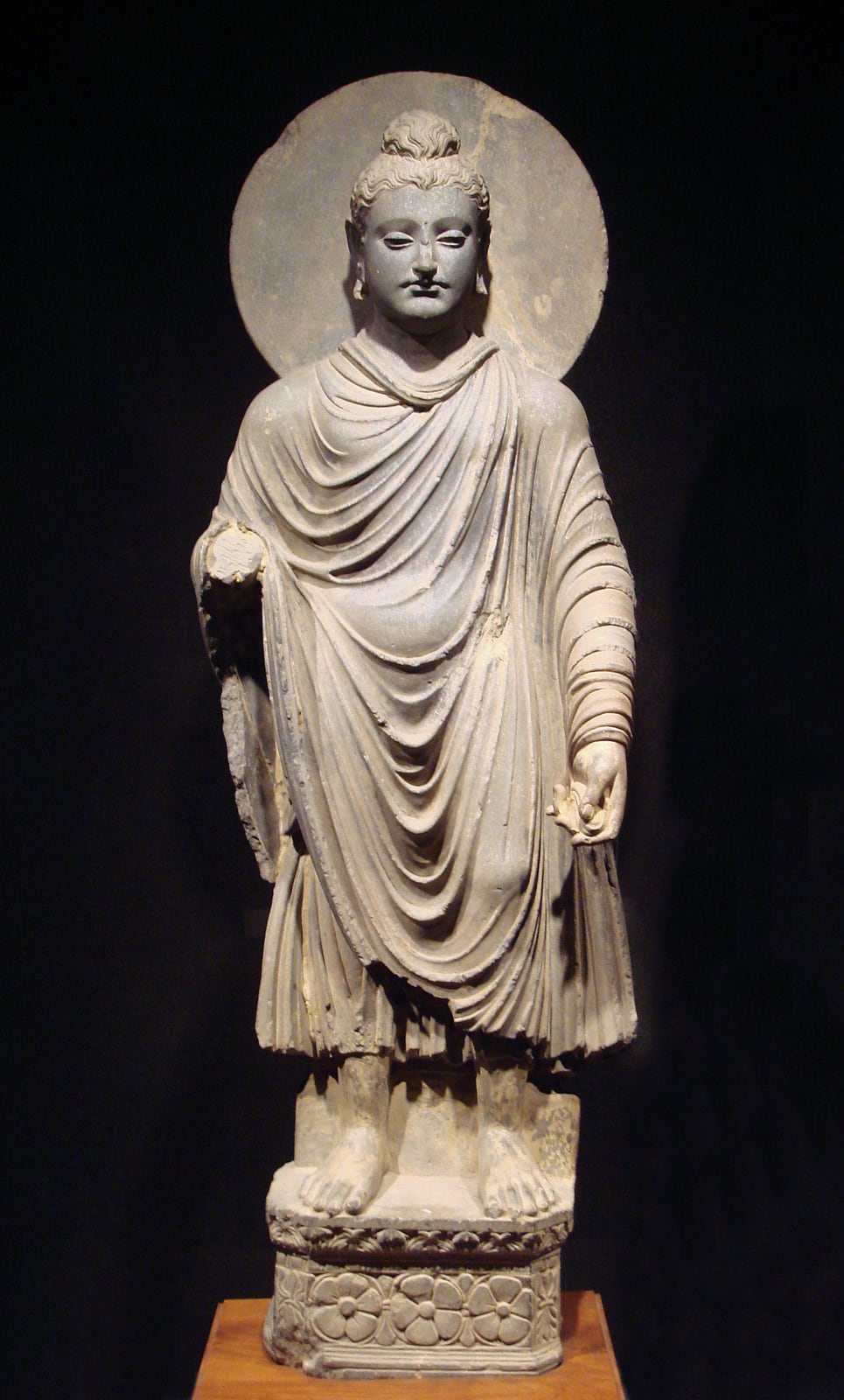
Siddhartha Gautama, the Buddha
Übereinstimmung bei: Was ist das Absolute? Gibt es Gott? · Was geschieht nach dem Tod? · Wie erlangt man Befreiung oder Erlösung?

Dōgen
Übereinstimmung bei: Was ist das Absolute? Gibt es Gott? · Was geschieht nach dem Tod? · Wie erlangt man Befreiung oder Erlösung?
Denkt anders als

Francis of Assisi
Widerspruch bei: Was ist das Absolute? Gibt es Gott? · Was geschieht nach dem Tod?

Chaitanya Mahaprabhu
Widerspruch bei: Was ist das Absolute? Gibt es Gott? · Was geschieht nach dem Tod?
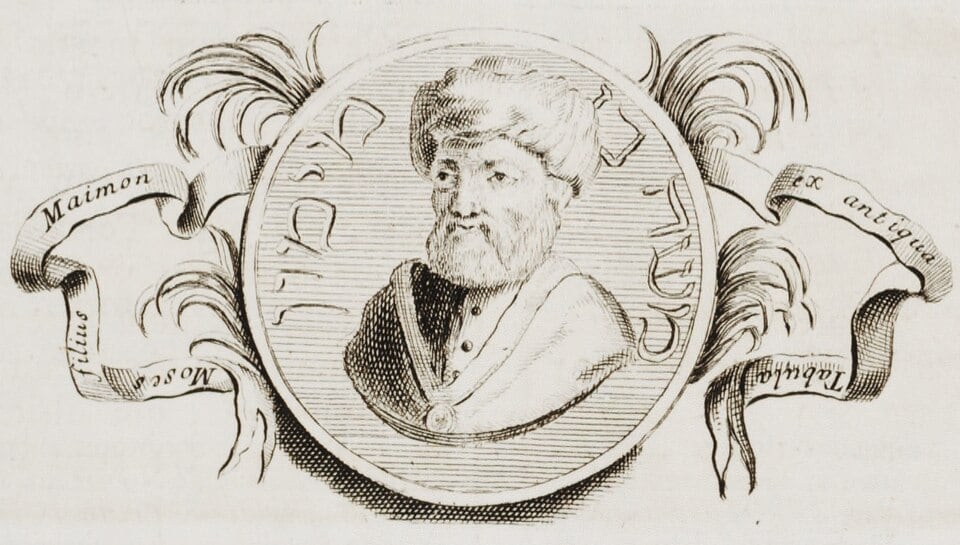
Maimonides
Widerspruch bei: Was ist das Absolute? Gibt es Gott? · Was geschieht nach dem Tod?

Theophan the Recluse
Widerspruch bei: Was ist das Absolute? Gibt es Gott? · Was geschieht nach dem Tod?
Anekdoten und Erzählungen
Anekdoten und Erzählungen
Hagiographische Erzählungconcepción (fecha tradicional c. 600 a. C.)
The transferred embryo
Herkunft der Erzählung: Kalpasūtra, Life of Mahāvīra, §§ 2–31 (trans. Jacobi, SBE 22), also in the second part of the Ācārāṅga. Exclusive to the Śvetāmbara tradition.
Quelle: Jacobi, Hermann (trad.). Gaina Sûtras, Part I: The Âkârâṅga Sûtra. The Kalpa Sûtra. Oxford: Clarendon Press, 1884 (Sacred Books of the East 22). Introducción y textos; reimpr. Motilal Banarsidass (ISBN 9788120801233).
Mündliche Überlieferungaños de ascesis (c. 569–557 a. C., fechas tradicionales)
The dogs of Lāḍha
Herkunft der Erzählung: Ācārāṅga I.9 ("Uvahāṇasuya"), 3.1–3.8 (trans. Jacobi, SBE 22), the oldest stratum of the canon according to scholarship. Lāḍha is identified with the region of Rāḍha, in western Bengal.
Quelle: Jacobi, Hermann (trad.). Gaina Sûtras, Part I: The Âkârâṅga Sûtra. The Kalpa Sûtra. Oxford: Clarendon Press, 1884 (Sacred Books of the East 22). Introducción y textos; reimpr. Motilal Banarsidass (ISBN 9788120801233).
Umstrittenc. 560–540 a. C. (fechas tradicionales)
Gośāla, the companion who became a rival
Herkunft der Erzählung: Bhagavatī Sūtra, book 15, and the Āvaśyaka-cūrṇi; critical study in Basham (1951). Buddhist texts mention Makkhali Gosāla as another of the Buddha's six rival teachers.
Quelle: Basham, A. L. History and Doctrines of the Ājīvikas: A Vanished Indian Religion. Londres: Luzac, 1951.
Hagiographische Erzählungnoche de la muerte de Mahāvīra
Gautama's night
Herkunft der Erzählung: Kalpasūtra, Life of Mahāvīra, § 127, and Jacobi's note (SBE 22); Indrabhūti's arrival to debate is narrated in the commentarial literature (Āvaśyaka-niryukti).
Quelle: Jacobi, Hermann (trad.). Gaina Sûtras, Part I: The Âkârâṅga Sûtra. The Kalpa Sûtra. Oxford: Clarendon Press, 1884 (Sacred Books of the East 22). Introducción y textos; reimpr. Motilal Banarsidass (ISBN 9788120801233).
Hagiographische Erzählungmuerte (527 a. C. según la tradición)
The lamps of Pāvā
Herkunft der Erzählung: Kalpasūtra, Life of Mahāvīra, § 128 (trans. Jacobi, SBE 22, quotation verified in the text); on the Jain celebration of Dīpāvalī, Dundas (2002).
Quelle: Jacobi, Hermann (trad.). Gaina Sûtras, Part I: The Âkârâṅga Sûtra. The Kalpa Sûtra. Oxford: Clarendon Press, 1884 (Sacred Books of the East 22). Introducción y textos; reimpr. Motilal Banarsidass (ISBN 9788120801233).
Umstrittenfinales de la vida de Mahāvīra
Nātaputta as seen by the Buddhists
Herkunft der Erzählung: Upāli Sutta (MN 56) and Pāsādika Sutta (DN 29), in Bhikkhu Sujato's translations (SuttaCentral, CC0). A Buddhist and polemical witness; the death at Pāvā agrees with Jain tradition.
Quelle: Upāli Sutta (Majjhima Nikāya 56), trad. Bhikkhu Sujato (CC0), SuttaCentral.
Lehren
Lehren
Die Begriffe, die das Denken gliedern, in ihrem Zusammenhang erklärt.
Non-violence (ahiṃsā)ahimsa
Ācārāṅga I.1–I.4; Sūtrakṛtāṅga I.11; Daśavaikālika 1.1.
Quelle: Jacobi, Hermann (trad.). Gaina Sûtras, Part I: The Âkârâṅga Sûtra. The Kalpa Sûtra. Oxford: Clarendon Press, 1884 (Sacred Books of the East 22). Introducción y textos; reimpr. Motilal Banarsidass (ISBN 9788120801233).
Soul and non-soul (jīva and ajīva)jiva-ajiva
Ācārāṅga I.1; Jīvājīvābhigama; Prajñāpanā; Uttarādhyayana 36.
Quelle: Jaini, Padmanabh S. The Jaina Path of Purification. Berkeley: University of California Press, 1979; reimpr. Delhi: Motilal Banarsidass, 1998. ISBN 9788120815780.
Karma as matterkarma-jaina
Uttarādhyayana 33; Ṣaṭkhaṇḍāgama; systematised in Umāsvāti's Tattvārthasūtra.
Quelle: Jaini, Padmanabh S. The Jaina Path of Purification. Berkeley: University of California Press, 1979; reimpr. Delhi: Motilal Banarsidass, 1998. ISBN 9788120815780.
The five great vows (mahāvrata)mahavrata
Ācārāṅga II.15; Uttarādhyayana 23; Upāsakadaśā.
Quelle: Jacobi, Hermann (trad.). Gaina Sûtras, Part II: The Uttarâdhyayana Sûtra. The Sûtrakritâṅga Sûtra. Oxford: Clarendon Press, 1895 (Sacred Books of the East 45). Reimpr. Motilal Banarsidass (ISBN 9788120801462).
Tīrthaṅkara (ford-maker)tirthankara
Kalpasūtra (lives of the Jinas); Samavāyāṅga; Jambūdvīpaprajñapti.
Quelle: Dundas, Paul. The Jains. 2.ª ed. Londres / Nueva York: Routledge, 2002 (Library of Religious Beliefs and Practices). ISBN 9780415266055.
Omniscience (kevala-jñāna)kevala
Kalpasūtra § 120–121; Nandīsūtra (the five kinds of knowledge).
Quelle: Jaini, Padmanabh S. The Jaina Path of Purification. Berkeley: University of California Press, 1979; reimpr. Delhi: Motilal Banarsidass, 1998. ISBN 9788120815780.
Many-sidedness (anekāntavāda)anekantavada
Bhagavatī Sūtra; Anuyogadvāra (the nayas); later development in the 5th–8th centuries.
Quelle: Pániker, Agustín. El jainismo. Historia, sociedad, filosofía y práctica. Barcelona: Kairós, 2001; ed. 2007. ISBN 9788472454842.
Videos
Videos
Aufnahmen, Gespräche und Dokumentarfilme. Die Videos werden von YouTube wiedergegeben; sie werden nicht hier gespeichert.
What is Jainism?
Analyse· EN· 2021· 28 min
Let's Talk Religion
2 Mahavira and the Fordmakers
Vortrag· EN· 2020· 56 min
Dr. Christopher Miller
Session 1 - Textual Studies, 17th Jaina Studies Workshop, SOAS, University of London
Vortrag· EN· 2015· 55 min
SOAS University of LondonOffizieller Kanal
19th Jaina Studies Workshop, Jainism and Buddhism, Session 1, SOAS University of London
Vortrag· EN· 2017· 113 min
SOAS University of LondonOffizieller Kanal
In Conversation with Professor Padmanabh S. Jaini: Jaina and Buddhist Karma Theory – Part 1
Gespräch· EN· 2022· 53 min
SahapediaOffizieller Kanal
Inaugural Bhagwaan Mahavir Lecture in Jain Studies | Feb. 3, 2023 lecture by Anil Mundra
Vortrag· EN· 2023· 70 min
Rice Humanities and ArtsOffizieller Kanal
Jain Manuscripts: A Unique Cultural Heritage
Vortrag· EN· 2025· 70 min
University of Toronto Mississauga AlumniOffizieller Kanal
Prof. Nalini Balbir on Illustrated Manuscripts of a 17th-Century Jain Tale
Vortrag· EN· 2023· 40 min
Pure Soul Exhibition @ SOAS LondonOffizieller Kanal
Jaïnisme - leçon 2 : Origines
Vortrag· FR· 2022· 21 min
Jaïnisme - Une introduction
II Módulo Ciencias contemplativas. Agustín Pániker. El Jainismo: La religión de la no violencia
Vortrag· ES· 2024· 68 min
Javier García Campayo
Agustín Pániker: «Pluralismo filosófico en el Jainismo»
Auf YouTube ansehen
Dieses Video lässt sich nicht einbetten; es wird auf YouTube geöffnet.
Agustín Pániker: «Pluralismo filosófico en el Jainismo»
Vortrag· ES· 2022· 59 min
Raquel Ferrández
Frontiers of Peace, Jainism
Auf YouTube ansehen
Dieses Video lässt sich nicht einbetten; es wird auf YouTube geöffnet.
Frontiers of Peace, Jainism
Dokumentarfilm· EN· 80 min
Edward Bastian FilmsOffizieller Kanal
Galerie
Galerie
Bilder mit geprüfter Lizenz. Jedes bewahrt seine Urheberschaft und seinen Herkunftsnachweis.
Handschriften
Handschriften
Handschriftliche Zeugen und alte Texte, mit ihrer verwahrenden Einrichtung und ihren Einsichtsbedingungen.
PRA · Devanagari (escritura jaina) · Redacción final c. 453/466 d. C. (Valabhī)
कल्पसूत्र (Kalpasūtra), manuscrito iluminado
- Erhaltener Textzeuge
- Manuscrito en papel con oro y pigmentos, Gujarat, fechado en 1461 (Saṃvat 1519)
- Verwahrende Einrichtung
- Metropolitan Museum of Art, Nueva York
PRA · Devanagari (escritura jaina) · Redacción final c. 453/466 d. C.
कल्पसूत्र (Kalpasūtra), manuscrito iluminado
- Erhaltener Textzeuge
- Folios ilustrados de Gujarat, c. 1460–1500
- Verwahrende Einrichtung
- Victoria and Albert Museum, Londres
Beziehungen
Beziehungen
Einflüsse, Schülerschaften und Verwandtschaften. Die belegte Beziehung wird von der durch Analyse ermittelten Ähnlichkeit unterschieden.
Zeitgenosse von
Siddhartha Gautama, the Buddha
Contemporaries and rivals in the Ganges valley. The Pali canon mentions Nigaṇṭha Nātaputta among the six non-Buddhist teachers (DN 2), narrates the conversion of his lay follower Upāli (MN 56) and the news of his death at Pāvā (DN 29). No personal meeting is recorded.
Belegte Beziehung
Beeinflusst von
Pārśva (Pārśvanātha)
The twenty-third tīrthaṅkara, whose community existed before Mahāvīra; the Uttarādhyayana (23) narrates the meeting of his disciple Keśin with Gautama and the adoption of the fifth vow.
Belegte Beziehung
Lehrer von
Indrabhūti Gautama
His first and chief disciple (gaṇadhara), interlocutor of almost the whole Bhagavatī; he attained omniscience on the night of Mahāvīra's death according to the Kalpasūtra.
Belegte Beziehung
Lehrer von
Sudharman
The gaṇadhara who, according to the Śvetāmbara tradition, transmitted the Aṅgas to his disciple Jambū and from whom the monastic lineages descend.
Belegte Beziehung
Widersprach
Gośāla Maṅkhaliputta
Companion in asceticism for six years and later a rival, founder of the Ājīvikas; the Bhagavatī (book 15) narrates his break with Mahāvīra.
Belegte Beziehung
Verwandte Gedanken mit
The five restraints (yama) of the Yogasūtra coincide with the five great Jain vows, and the text calls them the "great vow" when kept without exception; Chapple (2003) studies the dialogue between yoga and Jainism.
Durch Analyse ermittelte Ähnlichkeit
Verwandte Gedanken mit
Jain pluralism of standpoints and Nāgārjuna's four-cornered analysis are often compared as Indian answers to absolute assertions, although they start from opposite assumptions.
Durch Analyse ermittelte Ähnlichkeit
Widersprach
Posthumous relation: Śaṅkara refutes the Jain doctrine of multiple predication (syādvāda) and the variable size of the soul in his commentary on Brahmasūtra 2.2.33–36.
Belegte Beziehung
Beeinflusste
Mahatma Gandhi
Indirect influence, through the Jain tradition: Gandhi acknowledged in his autobiography the mark of the Jain thinker Raychandbhai Mehta on his moral formation and his idea of non-violence.
Belegte Beziehung
Quellen
Quellen
Für diesen Eintrag herangezogene Bibliografie und Kataloge.
- Jacobi, Hermann (trad.). Gaina Sûtras, Part I: The Âkârâṅga Sûtra. The Kalpa Sûtra. Oxford: Clarendon Press, 1884 (Sacred Books of the East 22). Introducción y textos; reimpr. Motilal Banarsidass (ISBN 9788120801233).
- Wikidata, «Mahavira», QID Q9422 (líder religioso indio). No confundir con Q2269861, el matemático jaina Mahāvīra (s. IX).
- Dundas, Paul. The Jains. 2.ª ed. Londres / Nueva York: Routledge, 2002 (Library of Religious Beliefs and Practices). ISBN 9780415266055.
- Jaini, Padmanabh S. The Jaina Path of Purification. Berkeley: University of California Press, 1979; reimpr. Delhi: Motilal Banarsidass, 1998. ISBN 9788120815780.
- Jacobi, Hermann (trad.). Gaina Sûtras, Part II: The Uttarâdhyayana Sûtra. The Sûtrakritâṅga Sûtra. Oxford: Clarendon Press, 1895 (Sacred Books of the East 45). Reimpr. Motilal Banarsidass (ISBN 9788120801462).
- Pániker, Agustín. El jainismo. Historia, sociedad, filosofía y práctica. Barcelona: Kairós, 2001; ed. 2007. ISBN 9788472454842.
- Hoernle, A. F. Rudolf (ed. y trad.). The Uvâsagadasâo, or the Religious Profession of an Uvâsaga, being the Seventh Anga of the Jains. 2 vols. Calcuta: Asiatic Society of Bengal, 1885–1890 (Bibliotheca Indica). Vol. II: traducción inglesa (1888).
- Pāsādika Sutta (Dīgha Nikāya 29), trad. Bhikkhu Sujato (CC0), SuttaCentral: noticia de la muerte de Nigaṇṭha Nātaputta en Pāvā y de la división de sus discípulos.
- Upāli Sutta (Majjhima Nikāya 56), trad. Bhikkhu Sujato (CC0), SuttaCentral.
- Sāmaññaphala Sutta (Dīgha Nikāya 2), trad. Bhikkhu Sujato (CC0), SuttaCentral: doctrina atribuida a Nigaṇṭha Nātaputta.
- Schubring, Walther. The Doctrine of the Jainas, Described after the Old Sources. Trad. Wolfgang Beurlen. Delhi: Motilal Banarsidass, 1962 (original alemán: Die Lehre der Jainas, 1935).
- Wiley, Kristi L. Historical Dictionary of Jainism. Lanham: Scarecrow Press, 2004.
- Basham, A. L. History and Doctrines of the Ājīvikas: A Vanished Indian Religion. Londres: Luzac, 1951.
- Wisdom Library, textos de las traducciones de Hermann Jacobi (Ācārāṅga, Kalpasūtra, Uttarādhyayana, Sūtrakṛtāṅga) con índice de capítulos, consultados el 2026-10-25 para verificar las citas.
- Wikimedia Commons, ficheros de imagen citados en images[] (licencias comprobadas por la API imageinfo el 2026-10-25).
- Open Library (openlibrary.org), fichas por ISBN y búsquedas por autor y título consultadas el 2026-10-25.
- Long, Jeffrey D. Jainism: An Introduction. Londres: I. B. Tauris, 2009.
- Chapple, Christopher Key. Reconciling Yogas: Haribhadra's Collection of Views on Yoga. Albany: State University of New York Press, 2003. ISBN 9780791458990.
- Lalwani, Kastur Chand (trad.). Kalpa Sūtra of Bhadrabāhu Svāmī. Delhi: Motilal Banarsidass, 1979. ISBN 9780861862306.
- Gandhi, M. K. An Autobiography, or The Story of My Experiments with Truth. Ahmedabad: Navajivan, 1927–1929, parte II, cap. 1 («Raychandbhai»).
- Thibaut, George (trad.). The Vedânta-Sûtras with the Commentary by Śaṅkarâkârya, Part I. Oxford: Clarendon Press, 1890 (Sacred Books of the East 34), comentario a Brahmasūtra 2.2.33–36 (refutación de la doctrina jaina).
- Rechteinhaber
- Textos canónicos prácritos en dominio público. Las traducciones de Hermann Jacobi (1884, 1895), A. F. R. Hoernle (1888) y L. D. Barnett (1907, sujeta a cautela en la UE y España por la muerte del traductor en 1960) son anteriores; las modernas tienen derechos propios: Motilal Banarsidass (Lalwani y reimpresiones de los SBE), Dover, Routledge (Dundas), University of California Press y Motilal (Jaini), Kairós (Pániker), Jain Vishva Bharati y Prakrit Bharati Academy (traducciones del canon).
Bestätigung ausstehend
Was dieser Eintrag noch nicht klären konnte. Wir sagen es lieber, als es aufzufüllen.
- Fechas: se conservan las tradicionales (599–527 a. C.) con precisión aproximada; Hemacandra lleva la muerte a c. 467 a. C. (preferida por Jacobi) y la crítica reciente, a finales del s. V a. C. Comprobar en Dundas (2002), cap. 2, la datación exacta que propone.
- Ediciones en español: no se ha encontrado en Open Library ninguna traducción castellana de textos del canon jaina (Ācārāṅga, Kalpasūtra, Uttarādhyayana); solo el estudio de Agustín Pániker (Kairós). Verificar en la BNE y en catálogos latinoamericanos.
- Ediciones con ISBN de las traducciones modernas del canon (Jain Vishva Bharati, Prakrit Bharati Academy, Āgama Prakāśana Samiti) para los Aṅga y Upāṅga menores: no verificadas.
- Sala de lectura: localizar la URL exacta de un escaneo con OCR limpio de la traducción de Barnett (1907; con cautela de derechos) y textos de dominio público de los demás Aṅga y Upāṅga. No hay textos en español de dominio público.
- Manuscritos: obtener las signaturas (números de acceso) del Kalpasūtra de 1461 en el Metropolitan Museum y de los folios del Victoria and Albert Museum.
- Las listas de los diez Prakīrṇaka y de los Mūlasūtra varían según las fuentes; se registra la lista habitual de los mūrtipūjaka (Dundas, Wiley).
Recherchiert am 2026-10-25