Hinduismus · Yoga
Patañjali
पतञ्जलि · Patañjali · पातञ्जलयोगशास्त्र · பதஞ்சலி
Historizität umstritten
Name des Verfassers des Pātañjalayogaśāstra, des Lehrbuchs, das die Yogasūtra enthält, den Gründungstext der klassischen Yoga-Schule, und des Grammatikers, der das Mahābhāṣya schrieb, den Großen Kommentar zu Pāṇini. Die Tradition hält beide für eine einzige Person, eine Verkörperung der Schlange Śeṣa, der sie zudem medizinische Werke zuschreibt; die Forschung unterscheidet den Grammatiker (2. Jh. v. Chr.) vom Verfasser des Yoga-Werks, den Philipp Maas zwischen 325 und 425 n. Chr. datiert. Von keinem der beiden ist eine Lebensgeschichte bekannt.
- Werke
- 11Werke
- Ausgaben
- 30Ausgaben
- Zitate
- 9Zitate
- Videos
- 13Videos
- Bilder
- 6Bilder

Patañjali como encarnación de Ādiśeṣa (imagen de culto) · CC BY-SA 3.0
In eigenen Worten
«Now the exposition of yoga [is to be made].»Yogasūtra 1.1; trad. inglesa de James Haughton Woods (1914, dominio público); versión española del investigador

Der zentrale Gedanke
Stilling of the movements of the mind (cittavṛttinirodha): This is the definition of yoga in the second aphorism.
Im Zusammenhang sehen
Biografie
4 Min. Lesezeit
Unterstützte Übersetzung aus dem spanischen Original, Durchsicht durch einen muttersprachlichen Übersetzer ausstehend.
Ein Name unter einem Buch
Wenige Werke des alten Indien haben eine so weitreichende Nachwirkung gehabt wie die Yogasūtra, und wenige haben einen so schwer greifbaren Verfasser. Patañjali ist vor allem ein Name unter einem Text: der Name dessen, der nach den Kolophonen der Handschriften das „Yoga-Lehrbuch des Patañjali“ (Pātañjalayogaśāstra) verfasst hat. Die indische Überlieferung hat aus diesem Namen eine dreifache Gestalt gemacht – den Grammatiker, der Pāṇini kommentierte, den Meister des Yoga und den Arzt, der das Lehrbuch des Caraka überarbeitete – und sie als Verkörperung Śeṣas vergöttlicht, der kosmischen Schlange, auf der Viṣṇu ruht. Die erste Quelle, die alle drei Gestalten in einer einzigen Person vereint, ist der Kommentar des Königs Bhoja von Dhārā im 11. Jahrhundert; die moderne Forschung hat diese Einheit fast vollständig aufgelöst.
Der Grammatiker des 2. Jahrhunderts v. Chr.
Der am besten datierbare Patañjali ist der Verfasser des Mahābhāṣya, des „Großen Kommentars“ zur Grammatik Pāṇinis und zu den Anmerkungen (vārttika) Kātyāyanas. Es ist eine dialogische Prosa aus Einwänden und Erwiderungen, die mit der Formel „Nun die Unterweisung in den Wörtern“ beginnt und über die Zwecke der Grammatik, das Verhältnis von Wort und Bedeutung und die Ewigkeit der Sprache nachdenkt. In seinen grammatischen Beispielen schimmert das Zeitgeschehen durch: „Hier vollziehen wir das Opfer für Puṣyamitra“, „Der Grieche belagerte Sāketa“. Puṣyamitra, der Begründer der Śuṅga-Dynastie, regierte um 185–149 v. Chr., und die Belagerung spielt auf die indo-griechischen Vorstöße jener Jahre an; deshalb setzt die Forschung das Werk in die Mitte des 2. Jahrhunderts v. Chr. Bhartṛhari erinnert im 5. Jahrhundert daran, dass das Studium des Mahābhāṣya beinahe verloren gegangen wäre, ehe man es wiederherstellte; seither galt es als höchste Autorität der Sanskrit-Grammatik.
Ein und derselbe Patañjali?
Dass der Grammatiker und der Verfasser des Yoga-Werks dieselbe Person waren, ist eine Überzeugung der Tradition, keine gesicherte Tatsache. James Haughton Woods kam in der ersten vollständigen wissenschaftlichen Übersetzung (1914) zu dem Schluss, dass nichts im Mahābhāṣya zur Annahme dieser Identität zwinge, und Louis Renou verwarf sie 1940, nachdem er den Wortschatz beider Texte verglichen hatte; Surendranath Dasgupta neigte ihr dagegen zu. Heute unterscheidet die Mehrheit der Fachleute zwei Verfasser, die mehrere Jahrhunderte trennen. Woods bemerkte zudem, dass die Yogasūtra gegen eine idealistische Lehre polemisieren, die derjenigen des buddhistischen Vijñānavāda zu entsprechen scheint, was sie in die Zeit nach dem 4. Jahrhundert rücken würde; Edwin Bryant gibt zu bedenken, dass andere Gelehrte frühere Datierungen vorgeschlagen haben und die Frage offen ist.
Ein einziges Buch: Merksätze und Kommentar
Die Forschung der letzten Jahrzehnte hat die Frage verschoben. Bei der Vorbereitung der ersten kritischen Edition des ersten Kapitels (2006) stellte Philipp Maas fest, dass die Handschriften die Merksätze und ihren Kommentar als ein einziges Werk überliefern, das Pātañjalayogaśāstra, das zuweilen auch „Darlegung des Sāṃkhya“ (sāṃkhyapravacana) heißt. Die Zuschreibung des Kommentars an einen eigenen Verfasser, Vyāsa, findet sich erst in späteren Quellen. Einer Anregung Johannes Bronkhorsts folgend, vertritt Maas die Auffassung, Patañjali habe Merksätze aus älteren Traditionen gesammelt und ihre Erklärung selbst verfasst, und er datiert das Ganze zwischen 325 und 425 n. Chr. Viele Übersetzer halten an der traditionellen Unterscheidung zwischen den sūtra des Patañjali und dem bhāṣya des Vyāsa fest; dieser Eintrag verzeichnet beide Positionen.
Was der Text lehrt
Die Yogasūtra umfassen je nach Ausgabe 195 oder 196 Merksätze, verteilt auf vier Kapitel (pāda): die Versenkung (samādhi), die Mittel (sādhana), die Kräfte (vibhūti) und die Absonderung (kaivalya). Der zweite Merksatz enthält die Definition, die um die Welt gegangen ist: Yoga ist das Zur-Ruhe-Bringen der Bewegungen des Geistes. Wenn sie aufhören, ruht der Sehende in seiner eigenen Gestalt; solange sie nicht aufhören, verwechselt er sich mit ihnen. Um dorthin zu gelangen, empfiehlt der Text beständige Übung und Gleichmut, beschreibt die Trübungen (kleśa), die das Leiden nähren, und ordnet den Weg in acht Glieder, von den sittlichen Enthaltungen bis zur Versenkung. Die Metaphysik ist dualistisch und dem Sāṃkhya nahe: ein reines Bewusstsein (puruṣa) gegenüber einer handelnden Natur (prakṛti), dazu ein īśvara, ein besonderer puruṣa, den die Trübungen nie berührt haben und dem sich die Hingabe zuwenden kann. Das Vokabular steht im Austausch mit dem der buddhistischen Scholastik, und die fünf Enthaltungen – nicht verletzen, nicht lügen, nicht stehlen, Keuschheit, Besitzlosigkeit – decken sich mit den großen Gelübden der Jainas.
Über die Sitzhaltung sagt der Text sehr wenig: Sie solle „fest und angenehm“ sein. Die Abfolgen von Körperhaltungen im modernen Yoga stammen aus anderen Traditionen, vor allem aus dem mittelalterlichen Haṭhayoga und der Körperkultur des 20. Jahrhunderts.
Die Legende
Um den Namen wuchs eine späte Hagiographie. Eine Volksetymologie erklärt ihn als „gefallen (pata) in die zur Schale geformten Hände (añjali)“ einer Frau, die der Sonne Wasser darbrachte; die Überlieferung des Tempels von Chidambaram macht ihn zusammen mit dem Weisen Vyāghrapāda zum Zeugen des Tanzes von Śiva Naṭarāja; und das Patañjalicarita des Rāmabhadra Dīkṣita, eine Dichtung, die Ende des 17. Jahrhunderts am Hof von Tanjore entstand, zeigt ihn, wie er tausend Schülern hinter einem Vorhang Grammatik lehrt, damit sie seine tausend Schlangenköpfe nicht sehen. Es sind Erzählungen der Frömmigkeit, die die Verehrung für den Verfasser ausdrücken; über sein Leben sagen sie nichts aus.
Das Nachleben des Textes
Das Pātañjalayogaśāstra war über Jahrhunderte ein philosophischer Referenztext. Kommentiert wurde es von Vācaspati Miśra, von König Bhoja, vom Verfasser des Śaṅkara zugeschriebenen Vivaraṇa und von Vijñānabhikṣu, und um 1030 übertrug der persische Gelehrte al-Bīrūnī es unter dem Titel Kitāb Bātanjal ins Arabische. David Gordon White hat gezeigt, dass es danach in der lebendigen Praxis an Gewicht verlor und sein heutiger Ruhm zu einem guten Teil modern ist: Die erste englische Teilübersetzung, von James Ballantyne, erschien 1852; 1896 nahm Swami Vivekananda es in Raja Yoga auf, das Buch, das es dem Westen als die Wissenschaft des Yoga vorstellte, und die Ausgabe von Woods (1914) verankerte es an der Universität. Heute ist es der Gründungstext, auf den sich Yogaschulen in aller Welt berufen, auch wenn viele etwas ganz anderes lehren als das, was er beschreibt.
Quellen: Maas, Philipp André. Samādhipāda. Das erste Kapitel des Pātañjalayogaśāstra zum ersten Mal kritisch ediert / The First Chapter of the Pātañjalayogaśāstra for the First Time Critically Edited. Aachen: Shaker, 2006 (Geisteskultur Indiens 9). · Woods, James Haughton (trad.). The Yoga-System of Patañjali, or the Ancient Hindu Doctrine of Concentration of Mind, embracing the Mnemonic Rules, called Yoga-sūtras, of Patañjali, and the Comment, called Yoga-bhāshya, attributed to Veda-Vyāsa, and the Explanation, called Tattva-vāiçāradī, of Vāchaspati-Miçra. Cambridge (Mass.): Harvard University Press, 1914 (Harvard Oriental Series 17). Introducción, §§ 3–5, sobre la identidad de los dos Patañjali y las fechas. · Bryant, Edwin F. The Yoga Sūtras of Patañjali: A New Edition, Translation, and Commentary with Insights from the Traditional Commentators. Nueva York: North Point Press, 2009. ISBN 9780865477360. · White, David Gordon. The Yoga Sutra of Patanjali: A Biography. Princeton: Princeton University Press, 2014 (Lives of Great Religious Books). ISBN 9780691143774. · Cardona, George. Pāṇini: A Survey of Research. La Haya / París: Mouton, 1976 (reimpr. Delhi: Motilal Banarsidass, 1980 y 1997); sobre la fecha del Mahābhāṣya y su transmisión.
Zeitleiste
Das Leben, Jahr für Jahr
Jeder Punkt ist ein belegtes Ereignis. Klicken Sie, um es mit Quelle und Grad der Gewissheit zu lesen.
um 150 v. Chr.Norte de la India (reino Śuṅga)
The Mahābhāṣya of Patañjali the grammarian
Composition of the great commentary on Pāṇini and Kātyāyana. Its examples allude to the sacrifice of Puṣyamitra Śuṅga (c. 185–149 BCE) and to the Indo-Greek siege of Sāketa, which date it to the mid-second century BCE.
WahrscheinlichCardona, George. Pāṇini: A Survey of Research. La Haya / París: Mouton, 1976 (reimpr. Delhi: Motilal Banarsidass, 1980 y 1997); sobre la fecha del Mahābhāṣya y su transmisión.
um 150 v. Chr.
The Mahābhāṣya of Patañjali the grammarian
Composition of the great commentary on Pāṇini and Kātyāyana. Its examples allude to the sacrifice of Puṣyamitra Śuṅga (c. 185–149 BCE) and to the Indo-Greek siege of Sāketa, which date it to the mid-second century BCE.
Wahrscheinlich
um 325 – 425
Composition of the Pātañjalayogaśāstra
Date proposed by Philipp Maas for the complete work (aphorisms and commentary) of the yoga Patañjali. Woods (1914) proposed 300–500 for the sūtras; Bryant notes that other scholars argue for earlier dates.
Umstritten
um 450
Bhartṛhari and the restoration of the Mahābhāṣya
The grammarian-philosopher Bhartṛhari (5th c.) relates in the Vākyapadīya that the study of the Mahābhāṣya had declined almost to extinction and was then restored; from that time on it is the authority of the grammatical school.
Wahrscheinlich
um 850
Vācaspati Miśra's Tattvavaiśāradī
The first great surviving sub-commentary on the Pātañjalayogaśāstra, translated by Woods together with the text in 1914. Vācaspati's date ranges, according to different scholars, from the mid-ninth to the late tenth century.
Wahrscheinlich
um 1030
Al-Bīrūnī renders the yoga text into Arabic
The Persian scholar al-Bīrūnī, who accompanied Maḥmūd of Ghazni in India, composes the Kitāb Bātanjal, an Arabic adaptation of the text with a commentary, before completing his book on India (c. 1030).
Belegt
um 1040
Bhoja and the threefold Patañjali
In the opening verse of his Rājamārtaṇḍa commentary, King Bhoja of Dhārā compares himself to "the lord of serpents" for having written on grammar, yoga and medicine: it is the first source that presupposes a single Patañjali as author in all three fields.
Belegt
um 1575
Vijñānabhikṣu's Yogavārttika
Vijñānabhikṣu, in the sixteenth century, comments on the text from a Vedāntic synthesis; it is the last great premodern exegesis.
Wahrscheinlich
um 1690
The Patañjalicarita
Rāmabhadra Dīkṣita, a poet at the Tanjore court under Śāhajī I (1683–1712), composes a poem in eight cantos on Patañjali's legendary life as an incarnation of Śeṣa.
Wahrscheinlich
1852
First English translation
James R. Ballantyne publishes at Allahabad an English translation of the first two chapters of the aphorisms with extracts from Bhoja's commentary.
Belegt
1896
Vivekananda's Raja Yoga
Swami Vivekananda publishes Raja Yoga in London and New York, with his annotated translation of the aphorisms; the book makes the text the reference work of yoga in the West.
Belegt
1914
Woods's translation
James Haughton Woods publishes in the Harvard Oriental Series the first complete scholarly translation of the aphorisms, the commentary and Vācaspati Miśra's gloss, and argues against identifying the two Patañjalis.
Belegt
2006
The first critical edition
Philipp Maas publishes the critical edition of the first chapter, based on more than twenty manuscripts, and argues that aphorisms and commentary form a single work by one author.
Belegt
Werke
Grundlegende Werke
Die Werke, ohne die sich das Vermächtnis nicht verstehen lässt.
Schriftliches Werk · um 325
Yoga Sūtras (The Aphorisms of Yoga)
योगसूत्र (Yogasūtra), en los colofones पातञ्जलयोगशास्त्र (Pātañjalayogaśāstra)
A treatise in 195 or 196 aphorisms (the number varies in the third chapter) divided into four pādas: Samādhi (51), Sādhana (55), Vibhūti (55 or 56) and Kaivalya (34). It defines yoga as the stilling of the movements of the mind and describes the states of concentration, the afflictions that cause suffering, the eight-limbed path, the powers that accompany absorption and the final isolation of consciousness from nature. It is the base text of the Yoga school, one of the six orthodox "views", and today the founding work invoked by yoga schools throughout the world.
20 Ausgaben

Traditionelle Zuschreibung · um 325
Yogabhāṣya (Commentary on the Yoga)
योगभाष्य (Yogabhāṣya, también Vyāsabhāṣya)
The prose commentary that accompanies the aphorisms in all manuscripts and without which many of them are unintelligible. It develops the psychology of mental states and latent impressions, quotes earlier masters of Sāṃkhya and yoga such as Pañcaśikha and Jaigīṣavya, and argues with the Buddhist schools. All later exegesis —Vācaspati Miśra, the Vivaraṇa, Vijñānabhikṣu— in fact comments on the combined aphorisms and commentary.
4 Ausgaben
Patañjali
Mahābhāṣya (The Great Commentary)
Traditionelle Zuschreibung · um 150 v. Chr.
Mahābhāṣya (The Great Commentary)
व्याकरणमहाभाष्य (Vyākaraṇa-Mahābhāṣya)
A commentary in dialogic prose on Pāṇini's grammar (Aṣṭādhyāyī) and on Kātyāyana's critical remarks. It discusses the aims of grammatical study, the eternity of the word, the relation between word and meaning and the notion of sphoṭa, and defends or corrects hundreds of rules. Its examples are a historical source on Śuṅga India. It was the supreme authority of Sanskrit grammar, commented on by Bhartṛhari, Kaiyaṭa and Nāgeśa.
3 Ausgaben
Das gesamte Werk (11)
Patañjali
Samādhipāda (Chapter on Concentration)
The Conscious LibrarySamādhipāda (Chapter on Concentration)
Patañjali
Sādhanapāda (Chapter on Means)
The Conscious LibrarySādhanapāda (Chapter on Means)
Patañjali
Vibhūtipāda (Chapter on Powers)
The Conscious LibraryVibhūtipāda (Chapter on Powers)
Patañjali
Kaivalyapāda (Chapter on Isolation)
The Conscious LibraryKaivalyapāda (Chapter on Isolation)
Patañjali
Revision of Caraka's treatise (lost)
The Conscious LibraryRevision of Caraka's treatise (lost)
Patañjali
Pātañjalatantra (medical treatise)
The Conscious LibraryPātañjalatantra (medical treatise)
Patañjali
Nidānasūtra (aphorisms on Vedic metre)
The Conscious LibraryNidānasūtra (aphorisms on Vedic metre)

Paramārthasāra (The Essence of Supreme Truth)
Zitate
Zitate, die in einem bestimmten Werk nachgewiesen sind. Jedes trägt seine Herkunft und seinen Grad an Verlässlichkeit.
Now the exposition of yoga [is to be made].atha yogānuśāsanam
GeprüftYogasūtra 1.1; trad. inglesa de James Haughton Woods (1914, dominio público); versión española del investigador
Apokryphe Zitate oder Zitate umstrittener Zuschreibung (2)
«When you are inspired by some great purpose, some extraordinary project, all your thoughts break their bonds: your mind transcends limitations, and you discover yourself to be a great person by far.»
It is the line most often quoted under his name on English quotation sites, but it corresponds to no aphorism of the Yogasūtra nor to any passage of the commentary: it does not appear in the complete translations of Woods or Bryant, and its vocabulary ("project", "great person") belongs to modern self-help literature. Its first appearance has not been traced.
«I bow to Patañjali, the noblest of sages, who removed the impurities of the mind by yoga, of speech by grammar and of the body by medicine.»
A Sanskrit verse (yogena cittasya padena vācāṃ…) recited at the start of many yoga classes as if it were an ancient invocation. It is not by Patañjali but in praise of him, and it is late: Meulenbeld places it in a tradition that begins with King Bhoja's commentary (11th c.), the first source to unite the three disciplines in a single person.
Letzte Worte
Es gibt keine überprüfbaren Aufzeichnungen der letzten Worte.
There is no record of his last words or of his death. The biography of none of the authors named Patañjali is known; the Tamil traditions that point to the place of his "samādhi" (Rameswaram, Tirupattur, Chidambaram) are devotional and late.
Quelle: White, David Gordon. The Yoga Sutra of Patanjali: A Biography. Princeton: Princeton University Press, 2014 (Lives of Great Religious Books). ISBN 9780691143774.
Fragen
Was das Werk beantwortet
Zwölf große Fragen der Menschheit und was sich aus den Texten darauf antworten lässt, mit Belegen. Wir legen niemandem Worte in den Mund.
Was ist das Absolute? Gibt es Gott?
Ishvara is a special purusha, not a creator; liberation is isolation
Kein SchöpfergottAusdrücklich gesagt
The Yoga Sutras start from Samkhya dualism: there are pure consciousnesses (purusha) and a nature (prakriti) that nobody created. Within that frame Patanjali introduces Ishvara in I.23–26 as a special purusha, untouched by the afflictions, by karma and its fruits, the seed of omniscience, teacher even of the ancients and designated by the syllable OM. But Ishvara does not create the world nor is he the ground from which souls proceed, and surrender to him is presented as one path among others: sutra I.23 begins with an ‘or’. The goal, kaivalya, is not union with God but the isolation of consciousness, which rests in its own form. Classical yoga thus admits a Lord worthy of devotion without making either the cosmos or liberation depend on him.
Diese Frage mit anderen Meistern vergleichenWer bin ich? Gibt es ein wahres Selbst?
I am the seer: pure consciousness, distinct from the mind it observes
Das Selbst ist das AbsoluteAusdrücklich gesagt
For the Yoga Sutras the true self is purusha, the seer (drashtri): pure consciousness that does not change, does not act and does not mix with the contents of the mind. What we ordinarily call the self is a confusion: the sense of ‘I am’ (asmita), one of the five afflictions, consists in identifying the power that sees with the instrument through which it sees (II.6). The mind (citta) belongs to nature and is in itself unconscious; it only seems conscious because it reflects purusha. When its movements cease, the seer rests in its own form (I.3). That rest is the goal of yoga and Patanjali’s answer to the question: I am the witness, not the witnessed.
Diese Frage mit anderen Meistern vergleichenWarum leiden wir?
The root of pain is avidya: confusing the seer with the seen
Unwissenheit über das, was wir sindAusdrücklich gesagt
The Yoga Sutras offer one of the most precise aetiologies of suffering in ancient India. There are five afflictions (kleshas): ignorance, sense of self, attachment, aversion and clinging to life (II.3). Ignorance is the field of the others (II.4) and consists in taking the impermanent, impure, painful and not-self for permanent, pure, pleasant and self (II.5). For the discerning, everything is painful, because of change, anxiety and the impressions it leaves (II.15). But future pain can be avoided (II.16), and its cause is the conjunction of seer and seen (II.17), whose origin is ignorance (II.24). When ignorance ceases through discernment, that conjunction ceases too: that is isolation (kaivalya).
Diese Frage mit anderen Meistern vergleichenWas geschieht nach dem Tod?
The store of karma ripens as birth, lifespan and experience
Wiedergeburt nach dem KarmaAusdrücklich gesagt
The Yoga Sutras presuppose rebirth and explain it with technical precision. The store of karma (karmashaya), rooted in the afflictions, is experienced in visible and invisible births (II.12); while the root exists, it ripens into three fruits: the type of birth, the length of life and the experience of pleasure or pain (II.13). Among the afflictions is clinging to life (abhinivesha), present even in the wise (II.9), which Vyasa interprets as the trace of previous deaths. Latent impressions (vasanas) persist through lives (IV.8–10). Only when discernment burns the seeds of the afflictions does the cycle cease, and consciousness attains isolation.
Diese Frage mit anderen Meistern vergleichenWie erlangt man Befreiung oder Erlösung?
Constant practice and detachment: the eight limbs of yoga
Durch disziplinierte ÜbungAusdrücklich gesagt
The Yoga Sutras are above all a manual of practice. The stilling of the mind’s movements is achieved through practice (abhyasa) and detachment (vairagya) (I.12), and practice becomes firm when cultivated for a long time, without interruption and with devotion (I.14). The second book sets out the eight limbs: ethical restraints (non-harming, truthfulness, non-stealing, chastity, non-possession), observances, posture, regulation of breath, withdrawal of the senses, concentration, meditation and absorption (II.29). Surrender to Ishvara is also offered as a path (I.23), but within a programme of discipline. The fruit is discernment between consciousness and nature, which leads to isolation.
Diese Frage mit anderen Meistern vergleichenBraucht es einen Lehrer?
He names only Ishvara, as teacher of the ancients
Nicht geäußert
The Yoga Sutras do not deal with the relationship between human master and disciple. The only mention of a teacher is theological: Ishvara, unlimited by time, is the guru even of the ancients (I.26). The text presupposes, without saying so, the context of oral transmission in classical India, in which a sutra was studied with a teacher’s explanation; its very form, aphorisms almost unintelligible without commentary, requires it. Among the observances is study (svadhyaya), which Vyasa’s commentary understands as recitation and study of texts of liberation. But Patanjali does not say whether there is a path without a human teacher; anyone wishing to attribute a doctrine of the guru to him must look for it in later tradition.
Diese Frage mit anderen Meistern vergleichenIst die Welt wirklich?
Nature is real and changing, and exists for the seer
Natürliche Ordnung im WandelAusdrücklich gesagt
The Yoga Sutras are realist: the seen, nature (prakriti) made up of the three qualities (gunas), truly exists and undergoes constant transformation. Its purpose is the experience and liberation of the seer (II.18): nature unfolds for the sake of purusha. When a consciousness is freed, the seen ceases to exist for it, but does not disappear, because it remains common to others (II.22). In the fourth book Patanjali argues against those who reduce objects to mind: the same object is perceived differently by different minds, so it does not depend on a single mind (IV.15–16). The world is not an illusion but a real process to be understood in order to disengage from it.
Diese Frage mit anderen Meistern vergleichenWas ist Liebe?
Friendliness, compassion, joy and equanimity clear the mind
Grenzenloses MitgefühlAusdrücklich gesagt
The Yoga Sutras do not treat love as a theme, but they propose cultivating four attitudes towards others: friendliness to the happy, compassion to those who suffer, gladness at the virtuous and equanimity towards wrongdoers. Through them, says sutra I.33, the mind becomes clear and serene. These are the same four abodes known to Buddhism. The first ethical restraint, non-harming (ahimsa), has an effect described in sutra II.35: in the presence of one firmly established in it, hostility ceases. Attachment (raga), by contrast, is listed among the afflictions (II.7). The love that counts for Patanjali is therefore a benevolence without attachment.
Diese Frage mit anderen Meistern vergleichenSind wir frei, oder ist alles vorherbestimmt?
Impressions condition, but future pain can be avoided
Karma und WahlAusdrücklich gesagt
The Yoga Sutras describe in detail how the past conditions the present: actions leave impressions (samskaras) and latent tendencies (vasanas) that ripen into birth, lifespan and experience (II.13), and persist even when separated by time, place or birth (IV.9). But the whole system presupposes that this conditioning can be broken. Pain not yet come can be avoided (II.16), constant practice creates new impressions that counteract the old, and discernment burns the seeds of the afflictions until they no longer sprout. The yogi’s karma, says IV.7, is neither white nor black. Freedom is the goal, and practice the means of winning it.
Diese Frage mit anderen Meistern vergleichenWozu meditieren oder beten?
Concentration, meditation and absorption until the seer is discerned
Die Wirklichkeit sehen, wie sie istAusdrücklich gesagt
For the Yoga Sutras meditation is the heart of the method. The last three limbs of yoga, concentration (dharana), meditation (dhyana) and absorption (samadhi), together form samyama (III.1–4). Samadhi has degrees: with and without an object as support, with and without discursive thought (I.17–18, I.42–51). Its fruit is truth-bearing wisdom (I.48) and, above all, discernment (viveka-khyati) between pure consciousness and nature, which is the means of removing ignorance (II.26). Meditation does not serve to obtain pleasant states, nor even the powers listed in the third book, which it regards as obstacles: it serves to see exactly what the seer is and what it is not.
Diese Frage mit anderen Meistern vergleichenKann die Vernunft das Letzte erkennen?
Perception, inference and testimony are movements of the mind
Das Letzte liegt jenseits des VerstandesAusdrücklich gesagt
The Yoga Sutras recognise three valid means of knowledge: perception, inference and reliable testimony or scripture (I.7). But they classify them among the movements of the mind (vrittis) that yoga sets out to still (I.6). Above them they place a wisdom that arises in the purest absorption, truth-bearing (ritambhara prajna), whose object differs from that of inference and testimony because it concerns the particular rather than the general (I.48–49). The supreme knowledge is discernment, culminating in an omniscience born of discrimination (III.54). Reason and scripture are valid in their domain, but the ultimate is known only when the mind is stilled.
Diese Frage mit anderen Meistern vergleichenSich von der Welt zurückziehen oder sie verwandeln?
Detachment, withdrawal of the senses and final isolation
Sich zurückziehen, um zu findenAus der Lehre abgeleitet
The Yoga Sutras do not speak of society or politics, nor do they expressly prescribe leaving family life. But their logic is one of withdrawal: detachment (vairagya) is, together with practice, the fundamental means (I.12–16); withdrawal of the senses (pratyahara) draws the mind away from its objects (II.54); and the goal is called kaivalya, isolation, the definitive separation of consciousness from nature. The ethical rules (yamas), such as non-harming or non-possession, have a social reach, but are presented as personal disciplines and, when observed without exception of place, time or circumstance, as a great vow (II.31). Classical yoga looks inward, not towards transforming the world.
Diese Frage mit anderen Meistern vergleichen
Affinitäten und Spannungen
Affinitäten und Spannungen
Frage für Frage aus den Positionen berechnet. Den Grund jeder Übereinstimmung und jedes Widerspruchs zeigt ein Klick.
Denkt ähnlich wie
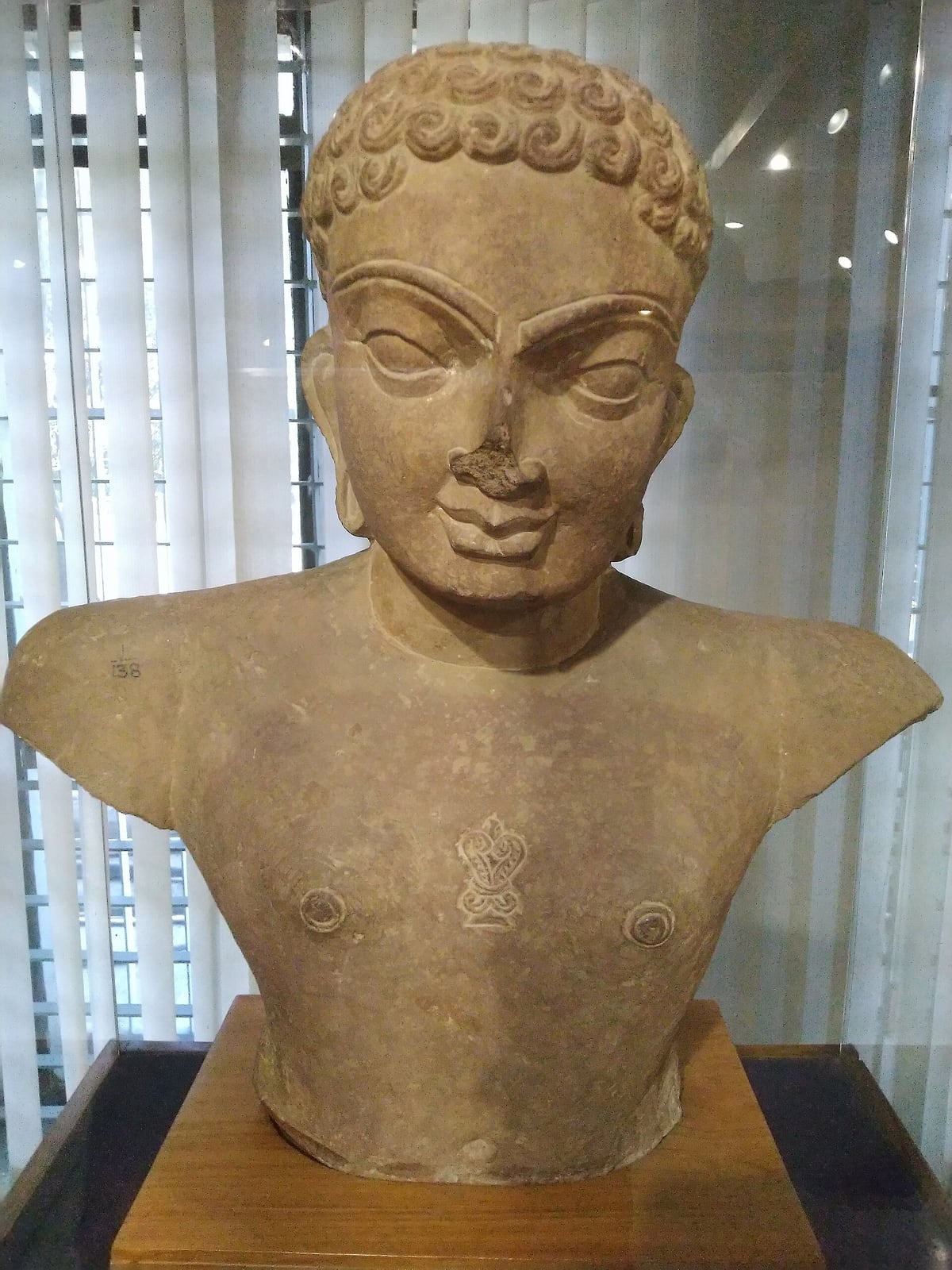
Mahāvīra
Übereinstimmung bei: Was ist das Absolute? Gibt es Gott? · Was geschieht nach dem Tod? · Wie erlangt man Befreiung oder Erlösung?
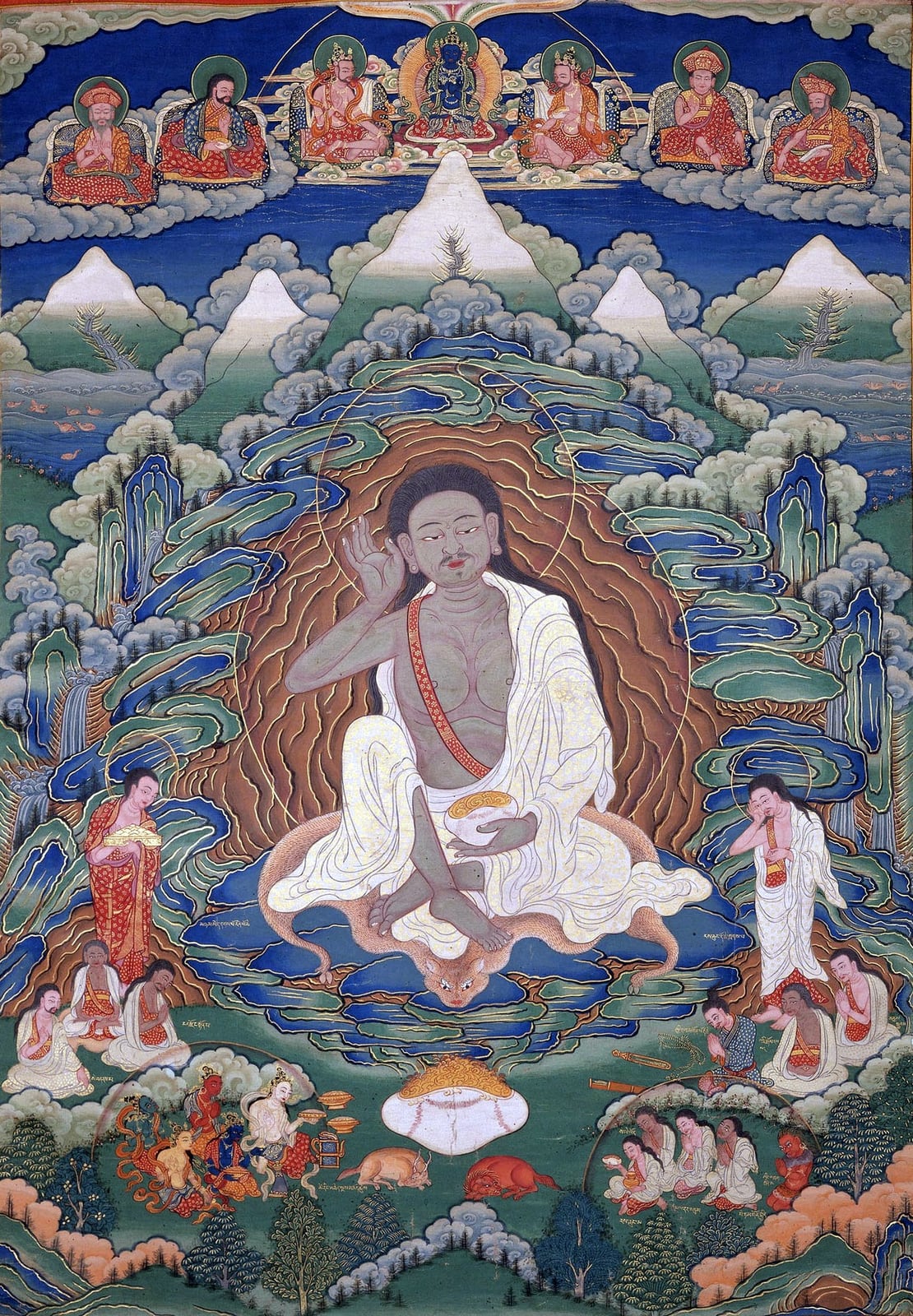
Milarepa
Übereinstimmung bei: Was ist das Absolute? Gibt es Gott? · Was geschieht nach dem Tod? · Wie erlangt man Befreiung oder Erlösung?

Siddhartha Gautama, the Buddha
Übereinstimmung bei: Was ist das Absolute? Gibt es Gott? · Was geschieht nach dem Tod? · Wie erlangt man Befreiung oder Erlösung?
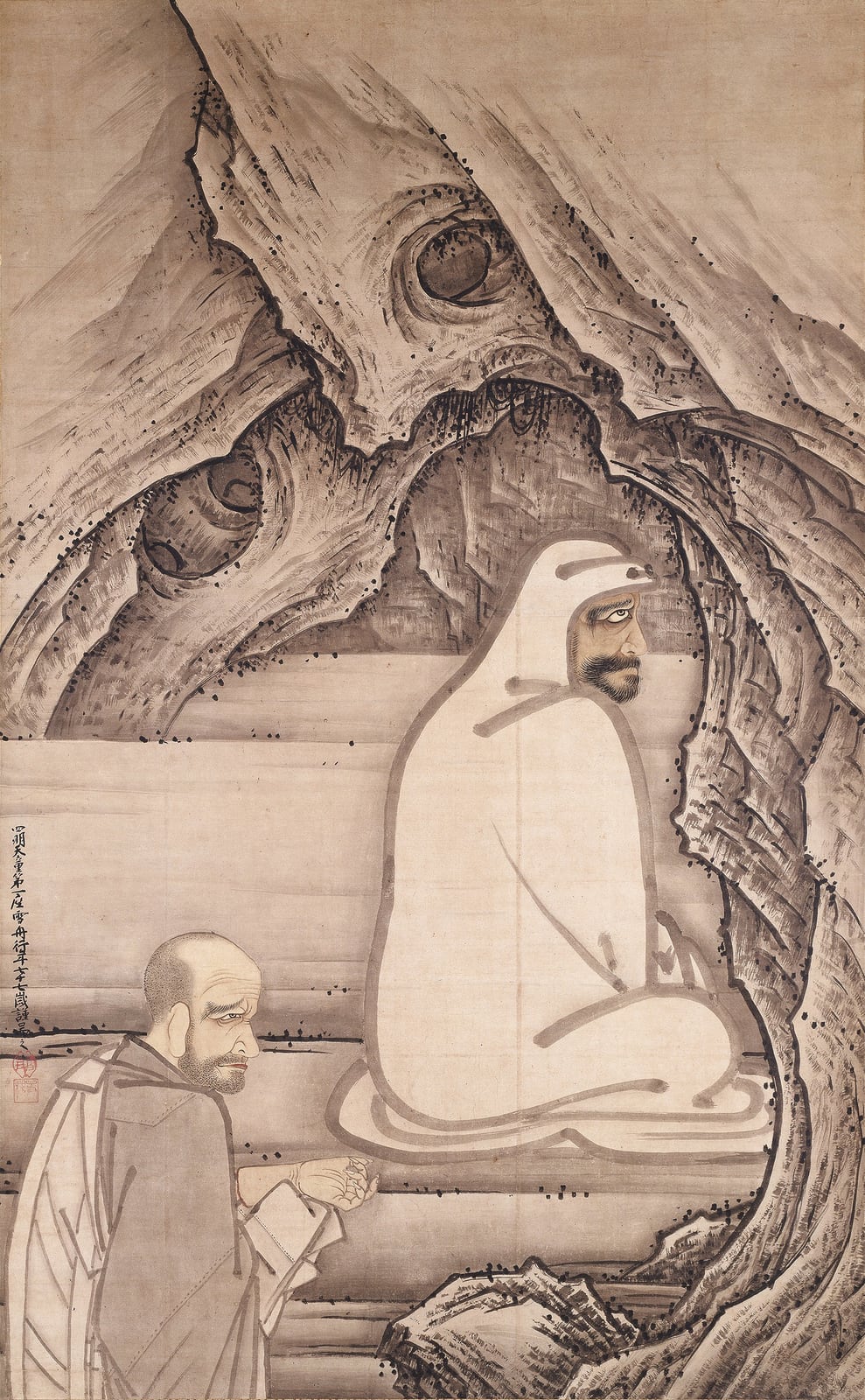
Bodhidharma
Übereinstimmung bei: Wer bin ich? Gibt es ein wahres Selbst? · Was geschieht nach dem Tod? · Wie erlangt man Befreiung oder Erlösung?
Denkt anders als

Francis of Assisi
Widerspruch bei: Was ist das Absolute? Gibt es Gott? · Wer bin ich? Gibt es ein wahres Selbst? · Was geschieht nach dem Tod?

Chaitanya Mahaprabhu
Widerspruch bei: Was ist das Absolute? Gibt es Gott? · Wer bin ich? Gibt es ein wahres Selbst? · Was geschieht nach dem Tod?
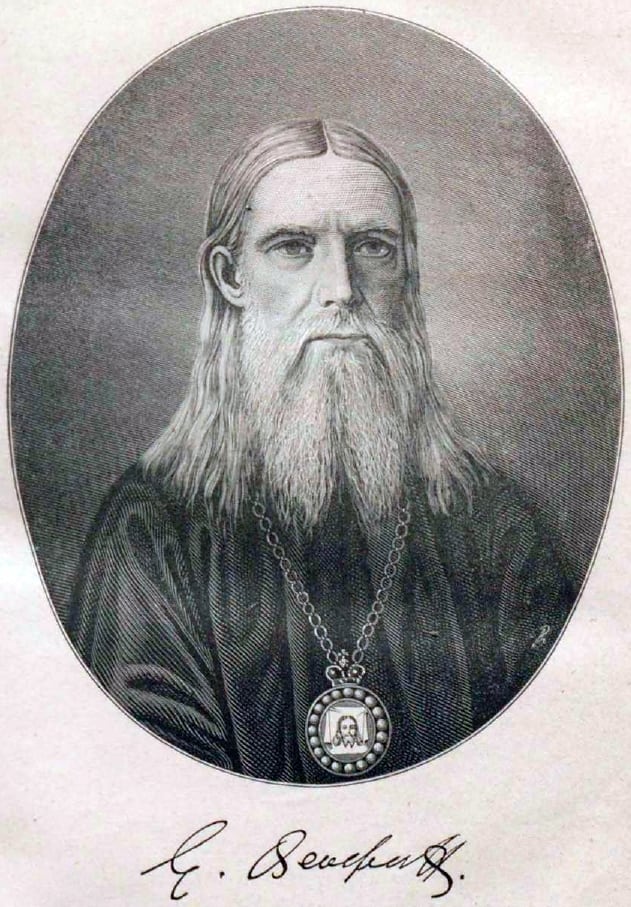
Theophan the Recluse
Widerspruch bei: Was ist das Absolute? Gibt es Gott? · Wer bin ich? Gibt es ein wahres Selbst? · Was geschieht nach dem Tod?

Emanuel Swedenborg
Widerspruch bei: Was ist das Absolute? Gibt es Gott? · Wer bin ich? Gibt es ein wahres Selbst? · Was geschieht nach dem Tod?
Anekdoten und Erzählungen
Anekdoten und Erzählungen
Belegtmediados del s. II a. C.
The Greek who besieged Sāketa
Herkunft der Erzählung: Examples from the Mahābhāṣya itself (commentary on Pāṇini 3.2.111 and 3.2.123 in Kielhorn's edition), discussed by Cardona as a dating argument.
Quelle: Cardona, George. Pāṇini: A Survey of Research. La Haya / París: Mouton, 1976 (reimpr. Delhi: Motilal Banarsidass, 1980 y 1997); sobre la fecha del Mahābhāṣya y su transmisión.
Mündliche Überlieferungsin fecha
Fallen into the cupped hands
Herkunft der Erzählung: A devotional story of modern circulation (biographies of teachers and yoga schools) based on a popular etymology of the name. It has not been located in ancient Sanskrit sources; the Mahābhāṣya quotes a Gonikāputra as an authority distinct from its author, and the identification with him is late and uncertain. The identification of Patañjali with Śeṣa is, however, presupposed in Bhoja's verse (11th c.).
Quelle: White, David Gordon. The Yoga Sutra of Patanjali: A Biography. Princeton: Princeton University Press, 2014 (Lives of Great Religious Books). ISBN 9780691143774.
Hagiographische Erzählungsin fecha (textos medievales)
The dance at Chidambaram
Herkunft der Erzählung: The foundation myth of the Chidambaram temple, transmitted in medieval Sanskrit and Tamil texts praising the temple, studied by David Smith (1996). It has no documentary connection with the author of the Mahābhāṣya or that of the Yogasūtra.
Quelle: Smith, David. The Dance of Siva: Religion, Art and Poetry in South India. Cambridge: Cambridge University Press, 1996. ISBN 9780521482349 (sobre los mitos del templo de Chidambaram, Patañjali y Vyāghrapāda).
Hagiographische Erzählungrelato compuesto a finales del s. XVII
A thousand disciples behind a curtain
Herkunft der Erzählung: The Patañjalicarita of Rāmabhadra Dīkṣita (Tanjore court, late 17th c.; Kāvyamālā 51). Specialists on the Indology list point out that it is the only written source linking Gauḍapāda with Patañjali. A literary legend with no biographical value.
Belegtc. 1017–1030
Yoga in Arabic
Herkunft der Erzählung: Arabic text preserved in an Istanbul manuscript, edited by Hellmut Ritter (Oriens, 1956) and translated and studied by Shlomo Pines and Tuvia Gelblum (BSOAS, 1966–1989).
Quelle: Pines, Shlomo, y Tuvia Gelblum. «Al-Bīrūnī's Arabic Version of Patañjali's Yogasūtra: A Translation of his First Chapter and a Comparison with Related Sanskrit Texts». Bulletin of the School of Oriental and African Studies 29, n.º 2 (1966): 302–325; continuado en BSOAS 40 (1977), 46 (1983) y 52 (1989).
Belegt1895–1896
Raja Yoga, New York, 1896
Herkunft der Erzählung: Preface and text of Raja Yoga (1896) and White's analysis (2014).
Quelle: White, David Gordon. The Yoga Sutra of Patanjali: A Biography. Princeton: Princeton University Press, 2014 (Lives of Great Religious Books). ISBN 9780691143774.
Lehren
Lehren
Die Begriffe, die das Denken gliedern, in ihrem Zusammenhang erklärt.
Stilling of the movements of the mind (cittavṛttinirodha)citta-vritti-nirodha
Yogasūtra 1.2–1.11 and commentary; foundation of the whole classical school.
Practice and detachment (abhyāsa and vairāgya)abhyasa-vairagya
Yogasūtra 1.12–1.16 and commentary.
Afflictions (kleśa)klesha
Yogasūtra 2.2–2.11; the Buddhist parallels are discussed by Maas and Bryant.
Quelle: Bryant, Edwin F. The Yoga Sūtras of Patañjali: A New Edition, Translation, and Commentary with Insights from the Traditional Commentators. Nueva York: North Point Press, 2009. ISBN 9780865477360.
The eight limbs (aṣṭāṅga)ashtanga-yoga
Yogasūtra 2.28–3.8; on the Jain parallel, Chapple (2003).
Quelle: Chapple, Christopher Key. Reconciling Yogas: Haribhadra's Collection of Views on Yoga. Albany: State University of New York Press, 2003. ISBN 9780791458990.
Īśvara, the lordishvara
Yogasūtra 1.23–1.29, 2.1, 2.32, 2.45.
Quelle: Bryant, Edwin F. The Yoga Sūtras of Patañjali: A New Edition, Translation, and Commentary with Insights from the Traditional Commentators. Nueva York: North Point Press, 2009. ISBN 9780865477360.
Absorption (samādhi)samadhi
Yogasūtra 1.17–1.51 and 3.3.
Isolation (kaivalya)kaivalya
Yogasūtra 2.25–2.26, 3.50–3.55 and 4.25–4.34.
Videos
Videos
Aufnahmen, Gespräche und Dokumentarfilme. Die Videos werden von YouTube wiedergegeben; sie werden nicht hier gespeichert.
The Yoga Sutras of Patanjali | Prof. Edwin Bryant
Vortrag· EN· 2018· 106 min
Vedanta Society of New YorkOffizieller Kanal
YSP 11 Philipp Maas | The Pātañjalayogaśāstra and its Textual History
Gespräch· EN· 2021· 99 min
Yogic Studies
The Yoga Sutras in Depth - Dr. Philipp Maas
Gespräch· EN· 2022· 51 min
Keen on Yoga
Once More on Postures in the Pātañjala Yogaśāstra by Philipp Maas
Vortrag· EN· 2016· 53 min
Loyola Marymount University, BCLA Yoga StudiesOffizieller Kanal
Thinking with the Yoga Sūtra, Opening by Dr Christopher Key Chapple, Chair
Vortrag· EN· 2016· 39 min
Loyola Marymount University, BCLA Yoga StudiesOffizieller Kanal
MIPodcast #13: What's the "Yoga Sutra of Patanjali," featuring David Gordon White
Gespräch· EN· 2015· 67 min
Maxwell InstituteOffizieller Kanal
Historical, Popular, and Scholarly Constructions of Yoga with David Gordon White
Gespräch· EN· 2016· 37 min
Religious Studies Project
What is Yoga?
Analyse· EN· 2024· 50 min
Let's Talk Religion
Lecturas en Español. De los Aforismos de Yoga de Patañjali
Vortrag· ES· 2017· 87 min
Instituto Cervantes Rio de JaneiroOffizieller Kanal
Los Yoga Sutras de Patamjali | Conferencia | 21/11/2024
Vortrag· ES· 2024· 58 min
Instituto Cervantes Nueva DelhiOffizieller Kanal
Les Yogas-Sutras - Erik Sablé : Les yoga-sutras de Patanjali - Jeudis Philo
Vortrag· FR· 2022· 138 min
Ancrages Éditions
Mahābhāṣya of Patañjali, Samarthāhnikam: Lecture-1, Part-2
Vortrag· EN· 2019· 116 min
RKMVERI - Deemed UniversityOffizieller Kanal
Ancient grammatical puzzle solved after 2,500 years
Dokumentarfilm· EN· 2022· 6 min
Cambridge UniversityOffizieller Kanal
Galerie
Galerie
Bilder mit geprüfter Lizenz. Jedes bewahrt seine Urheberschaft und seinen Herkunftsnachweis.
Handschriften
Handschriften
Handschriftliche Zeugen und alte Texte, mit ihrer verwahrenden Einrichtung und ihren Einsichtsbedingungen.
SA · Devanagari · c. 325–425 d. C. (Maas)
पातञ्जलयोगशास्त्र (Yogasūtra con bhāṣya)
- Erhaltener Textzeuge
- Manuscrito sin fecha, anterior a 1900
- Verwahrende Einrichtung
- National Library of India, Rare Books Division (Calcuta) · Th 217
SA · Devanagari · mediados del s. II a. C. (Mahābhāṣya); s. XI (Pradīpa)
व्याकरणमहाभाष्य with महाभाष्यप्रदीप (Mahābhāṣya con el Pradīpa de Kaiyaṭa)
- Erhaltener Textzeuge
- Copia sin fecha en formato de «doble libro»
- Verwahrende Einrichtung
- University of Pennsylvania, Kislak Center for Special Collections · Ms. Coll. 390
Beziehungen
Beziehungen
Einflüsse, Schülerschaften und Verwandtschaften. Die belegte Beziehung wird von der durch Analyse ermittelten Ähnlichkeit unterschieden.
Beeinflusst von
Pāṇini
The grammarian Patañjali's Mahābhāṣya is the great commentary on Pāṇini's grammar.
Belegte Beziehung
Beeinflusst von
Kātyāyana
The Mahābhāṣya discusses one by one Kātyāyana's critical remarks (vārttika) on Pāṇini.
Belegte Beziehung
Verwandte Gedanken mit
Siddhartha Gautama, the Buddha
The yoga text shares vocabulary and schemes with scholastic Buddhism (afflictions, absorptions, the four attitudes of friendliness, compassion, joy and equanimity) and argues against an idealist Buddhist school; the exact debt is debated (Maas, Bryant).
Durch Analyse ermittelte Ähnlichkeit
Verwandte Gedanken mit
The five restraints of aphorism 2.30 (non-harming, truthfulness, non-stealing, chastity, non-possession) coincide with the five great vows of Jain monasticism, and the text calls them the "great vow" when kept without exception; Chapple (2003) studies this kinship.
Durch Analyse ermittelte Ähnlichkeit
Zeitgenosse von
Woods (1914) noted that Nāgārjuna does not mention Patañjali although he knew a school of yoga; if the Yogasūtra are later than Buddhist idealism, as Woods and Maas argue, Patañjali wrote after him. No contact is documented.
Durch Analyse ermittelte Ähnlichkeit
Beeinflusste
Tradition ascribes to Śaṅkara a sub-commentary on the Pātañjalayogaśāstra (the Vivaraṇa), whose authorship is disputed; in the Brahmasūtra commentary (2.1.3) Śaṅkara refutes the dualist metaphysics of yoga while accepting its techniques.
Belegte Beziehung
Beeinflusste
He translated and commented on the aphorisms in Raja Yoga (1896), the book that made the text known in the West.
Belegte Beziehung
Beeinflusste
In Autobiography of a Yogi (1946, ch. 26) he quotes the aphorisms on kriyāyoga and breath control to present his lineage's Kriya Yoga as a continuation of Patañjali.
Belegte Beziehung
Beeinflusste
Al-Bīrūnī
He adapted the text into Arabic as the Kitāb Bātanjal (c. 1030).
Belegte Beziehung
Beeinflusste
Vācaspati Miśra
Author of the Tattvavaiśāradī, the great classical sub-commentary, translated by Woods.
Belegte Beziehung
Beeinflusste
Bhoja de Dhārā
King and author of the Rājamārtaṇḍa commentary (11th c.), first source of the threefold Patañjali.
Belegte Beziehung
Beeinflusste
Vijñānabhikṣu
Author of the Yogavārttika (16th c.), a Vedāntic reading of the text.
Belegte Beziehung
Beeinflusste
Bhartṛhari
He commented on the Mahābhāṣya and related its decline and restoration (5th c.).
Belegte Beziehung
Von anderen Einträgen aus verknüpft
- Carl Gustav Jung · Beeinflusst von
- Osho · Beeinflusst von
- Swami Vivekananda · Beeinflusst von
- Mahāvīra · Verwandte Gedanken mit
- Dattatreya · Verwandte Gedanken mit
- Nāgārjuna · Zeitgenosse von
- Kapila · Beeinflusste
- Paramahansa Yogananda · Beeinflusst von
- Sri Yukteswar · Beeinflusst von
- Vasishtha · Verwandte Gedanken mit
- Vyasa · Beeinflusst von
- Yajnavalkya · Verwandte Gedanken mit
- Alice A. Bailey · Beeinflusst von
Quellen
Quellen
Für diesen Eintrag herangezogene Bibliografie und Kataloge.
- Wikidata, «Patanjali», QID Q231680 (descrito como «autor o autores» de la gramática, del yoga y de tratados médicos; LCCN n80044780; GND 119387077; BnF 121635181).
- Maas, Philipp A. «A Concise Historiography of Classical Yoga Philosophy». En Eli Franco (ed.), Periodization and Historiography of Indian Philosophy. Viena: Sammlung de Nobili, 2013, pp. 53–90.
- Maas, Philipp André. Samādhipāda. Das erste Kapitel des Pātañjalayogaśāstra zum ersten Mal kritisch ediert / The First Chapter of the Pātañjalayogaśāstra for the First Time Critically Edited. Aachen: Shaker, 2006 (Geisteskultur Indiens 9).
- Woods, James Haughton (trad.). The Yoga-System of Patañjali, or the Ancient Hindu Doctrine of Concentration of Mind, embracing the Mnemonic Rules, called Yoga-sūtras, of Patañjali, and the Comment, called Yoga-bhāshya, attributed to Veda-Vyāsa, and the Explanation, called Tattva-vāiçāradī, of Vāchaspati-Miçra. Cambridge (Mass.): Harvard University Press, 1914 (Harvard Oriental Series 17). Introducción, §§ 3–5, sobre la identidad de los dos Patañjali y las fechas.
- Bryant, Edwin F. The Yoga Sūtras of Patañjali: A New Edition, Translation, and Commentary with Insights from the Traditional Commentators. Nueva York: North Point Press, 2009. ISBN 9780865477360.
- White, David Gordon. The Yoga Sutra of Patanjali: A Biography. Princeton: Princeton University Press, 2014 (Lives of Great Religious Books). ISBN 9780691143774.
- Bronkhorst, Johannes. «Patañjali and the Yoga sūtras». Studien zur Indologie und Iranistik 10 (1984 [1985]): 191–212.
- Cardona, George. Pāṇini: A Survey of Research. La Haya / París: Mouton, 1976 (reimpr. Delhi: Motilal Banarsidass, 1980 y 1997); sobre la fecha del Mahābhāṣya y su transmisión.
- Meulenbeld, G. Jan. A History of Indian Medical Literature, vol. IA. Groninga: Egbert Forsten, 1999 (sobre los Patañjali médicos y la estrofa de Bhoja).
- Larson, Gerald James, y Ram Shankar Bhattacharya (eds.). Encyclopedia of Indian Philosophies, vol. XII: Yoga: India's Philosophy of Meditation. Delhi: Motilal Banarsidass, 2008.
- Vivekananda, Swami. Raja Yoga, or Conquering the Internal Nature. Londres / Nueva York: Longmans, Green and Co., 1896. Texto en The Complete Works of Swami Vivekananda, vol. 1 (Wikisource).
- Pines, Shlomo, y Tuvia Gelblum. «Al-Bīrūnī's Arabic Version of Patañjali's Yogasūtra: A Translation of his First Chapter and a Comparison with Related Sanskrit Texts». Bulletin of the School of Oriental and African Studies 29, n.º 2 (1966): 302–325; continuado en BSOAS 40 (1977), 46 (1983) y 52 (1989).
- Renou, Louis. «On the Identity of the Two Patañjalis». En Narendra Nath Law (ed.), Louis de La Vallée Poussin Memorial Volume. Calcuta, 1940.
- Kielhorn, Franz (ed.). The Vyâkaraṇa-Mahâbhâshya of Patañjali. 3 vols. Bombay: Government Central Book Depôt, 1880–1885 (Bombay Sanskrit Series).
- Johnston, Charles (trad.). The Yoga Sutras of Patanjali: «The Book of the Spiritual Man». Nueva York, 1912. Project Gutenberg n.º 2526.
- Dvivedi, Manilal Nabhubhai (trad.). The Yoga-Sutra of Patanjali. Bombay: Bombay Theosophical Publication Fund, 1890.
- Pujol, Óscar (trad.). Yogasūtra. Los aforismos del yoga. Barcelona: Kairós, 2021. ISBN 9788499884981.
- Yogananda, Paramahansa. Autobiography of a Yogi. Nueva York: The Philosophical Library, 1946, cap. 26, «The Science of Kriya Yoga».
- Chapple, Christopher Key. Reconciling Yogas: Haribhadra's Collection of Views on Yoga. Albany: State University of New York Press, 2003. ISBN 9780791458990.
- The Pandit Project, «Rāmabhadra Dīkṣita» (ficha biográfica: nacido en la segunda mitad del siglo XVII cerca de Kumbakonam, protegido de Śāhajī I de Tanjore); el Patañjalicarita está impreso en la serie Kāvyamālā (n.º 51), Bombay, Nirṇaya Sāgara Press.
- Angot, Michel (ed. y trad.). Le Yoga-Sūtra de Patañjali. Le Yoga-Bhāṣya de Vyāsa, avec des extraits du Yoga-Vārttika de Vijñāna-Bhikṣu. París: Les Belles Lettres, 2008. ISBN 9782251720500.
- Ritter, Hellmut. «Al-Bīrūnī's Übersetzung des Yoga-Sūtra des Patañjali». Oriens 9, n.º 2 (1956): 165–200 (edición del texto árabe).
- Wikimedia Commons, ficheros de imagen citados en images[] (licencias comprobadas por la API imageinfo el 2026-10-25).
- Mallinson, James, y Mark Singleton (trads. y eds.). Roots of Yoga. Londres: Penguin Classics, 2017. ISBN 9780241253045.
- Smith, David. The Dance of Siva: Religion, Art and Poetry in South India. Cambridge: Cambridge University Press, 1996. ISBN 9780521482349 (sobre los mitos del templo de Chidambaram, Patañjali y Vyāghrapāda).
- Bhatnagar, K. N. (ed.). Nidāna-sūtra of Patañjali. Delhi: Meharchand Lachhmandas, 1971.
- Danielson, Henrik (trad.). Ādiśeṣa: The Essence of Supreme Truth (Paramārthasāra). Leiden: E. J. Brill, 1980. ISBN 9789004061736.
- Open Library (openlibrary.org), fichas por ISBN y búsquedas por autor y título consultadas el 2026-10-25 para verificar las ediciones.
- Rechteinhaber
- Textos sánscritos en dominio público (s. II a. C. y s. IV–V d. C.). Las traducciones modernas tienen derechos propios: Kairós (Pujol; Iyengar), Debate (Bahm), Edaf (Desikachar), Oniro (Hartranft), North Point Press / Farrar, Straus and Giroux (Bryant), SUNY Press (Hariharānanda Āraṇya), Les Belles Lettres (Angot), Integral Yoga Publications (Satchidananda), Vedanta Press (Prabhavananda e Isherwood). Las de Woods (1914), Johnston (1912), Vivekananda (1896) y Dvivedi (1890) son de dominio público.
Bestätigung ausstehend
Was dieser Eintrag noch nicht klären konnte. Wir sagen es lieber, als es aufzufüllen.
- Fechas: no hay fecha de nacimiento ni de muerte para ningún Patañjali; se dejan como «unknown» y la línea de tiempo usa las fechas de las obras (Mahābhāṣya, mediados del s. II a. C.; Pātañjalayogaśāstra, c. 325–425 según Maas).
- Comprobar en el texto de Renou (1940) la paginación exacta del artículo «On the Identity of the Two Patañjalis».
- Sala de lectura: la traducción de M. N. Dvivedi (1890) en Internet Archive (b28119411) tiene un OCR inservible (reconocido como devanagari); buscar otro escaneo limpio. El Mahābhāṣya de Kielhorn (1880–1885) solo existe en escaneos con OCR deficiente del devanagari. No se ha encontrado ningún texto en español de dominio público (es.wikisource no tiene ninguno).
- Ediciones: falta ISBN de la edición crítica de Maas (Shaker, 2006) y de las traducciones del Mahābhāṣya de Joshi y Roodbergen; buscar ediciones con ISBN en alemán, italiano, ruso e hindi. La edición española de Raja Yoga (Kier, ISBN 9789501701210) no indica fecha ni traductor en Open Library.
- Obras: Meulenbeld menciona otros textos médicos y alquímicos puestos bajo el nombre de Patañjali que no se han podido verificar; cotejar con su History of Indian Medical Literature, vol. IA.
- Vídeo CS2vRfWeFw4 (Instituto Cervantes Nueva Delhi): identificar al ponente.
- Anécdota del nacimiento en el «añjali» de Gonikā: localizar su primera fuente escrita.
Recherchiert am 2026-10-25