Hinduismus · Yoga · Tantra · Advaita Vedanta
Dattatreya
दत्तात्रेय
Legendäre Gestalt
Gott, Avatāra und Lehrer der Yogis im Hinduismus, legendärer Sohn des Weisen Atri und der Anasūyā, verehrt als gemeinsame Verkörperung von Brahmā, Viṣṇu und Śiva und als Urbild des Avadhūta, des Befreiten, der jenseits aller Normen lebt. Die Purāṇas schreiben ihm die Unterweisung des Königs Alarka im Yoga zu und, nach traditioneller Gleichsetzung, die vierundzwanzig Lehrer des Bhāgavata. Ihm werden die Avadhūta-Gītā und das Dattātreyayogaśāstra zugeschrieben; er gilt als Ur-Guru der Datta-Tradition und der Nāths.
- Werke
- 9Werke
- Ausgaben
- 28Ausgaben
- Zitate
- 7Zitate
- Videos
- 14Videos
- Bilder
- 6Bilder
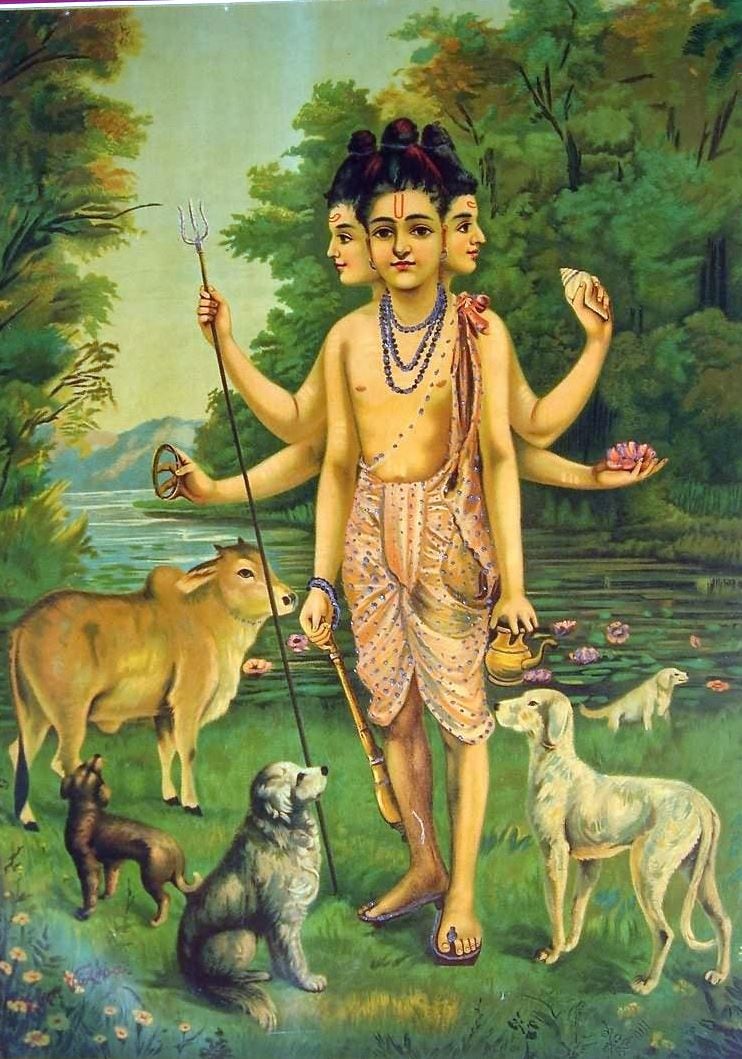
Dattātreya, cromolitografía de la Ravi Varma Press · Public domain
In eigenen Worten
«That by which all this is filled, the Self by the Self in the Self: how shall I salute the formless, undivided, imperishable Śiva?»Avadhūta Gītā 1.2 (texto sánscrito de Wikisource); versiones del investigador

Der zentrale Gedanke
The avadhūta: Avadhūta literally means "one who has shaken off": the renouncer who has rid himself of social, ritual and moral conventions because he no longer identifies with anything they regulate.
Im Zusammenhang sehen
Biografie
4 Min. Lesezeit
Unterstützte Übersetzung aus dem spanischen Original, Durchsicht durch einen muttersprachlichen Übersetzer ausstehend.
Ein Gott, der ein Lehrer ist
Dattātreya nimmt im Hinduismus einen einzigartigen Platz ein: Er ist zugleich ein Gott, dem man kultische Verehrung erweist, ein Avatāra Viṣṇus, für viele Gläubige die gemeinsame Verkörperung von Brahmā, Viṣṇu und Śiva und das Urbild des umherziehenden Lehrers, der jede Norm hinter sich gelassen hat, des Avadhūta. Keine Angabe erlaubt es, ihn als historische Person zu behandeln. Was es gibt, ist eine lange Reihe von Texten, die ihm über mehr als ein Jahrtausend hinweg Geburten, Taten und Lehren zuschreiben, und ein Geflecht lebendiger Traditionen, die ihn als Ur-Guru verehren. Die maßgebliche Untersuchung, die Monographie von Antonio Rigopoulos (1998), beschreibt ihn gerade durch seine Fähigkeit zur Verwandlung und Einbeziehung: als „Bienen-Yogin“, der aus allen Blüten der Überlieferung Nektar sammelt.
Der Sohn von Atri und Anasūyā
Sein Name erklärt sich aus seiner Abstammung: Datta, „der Gegebene“, und Ātreya, „Sohn des Atri“. Das Mārkaṇḍeya-Purāṇa (Gesänge 16–17 in Pargiters Übersetzung) erzählt, dass Anasūyā, die Gattin des Weisen Atri, von den Göttern eine Gnade erlangte, weil sie sich für eine treue Ehefrau eingesetzt hatte, die den Sonnenaufgang aufgehalten hatte; aus ihr wurden drei Söhne geboren, Teile der drei großen Götter: Soma von Brahmā, Dattātreya von Viṣṇu und Durvāsas von Śiva. Das Bhāgavata-Purāṇa zählt ihn als sechste Inkarnation des Herrn, geboren von Atri auf Anasūyās Bitte hin, und präzisiert, dass er Alarka, Prahlāda und andere die Wissenschaft vom Selbst lehrte (1.3.11). Das volkstümliche Bild des dreiköpfigen Gottes, der die Trimūrti in einem einzigen Leib vereint, ist eine spätere Weiterentwicklung dieser Genealogie.
Der Yogin im See
Die ältesten Erzählungen zeigen ihn als verstörenden Yogin. Das Mārkaṇḍeya-Purāṇa berichtet, dass er, umringt von jungen Asketen, die ihn nicht verlassen wollten, lange in einem See untertauchte, um sie loszuwerden; als sie noch immer auf ihn warteten, stieg er mit einer Frau aus dem Wasser, trank Wein und gab sich der Musik hin, ohne dass ihn irgendetwas davon befleckte, denn er war „Herr der Yogins“. Zu diesem Lehrer, der sich hinter anstößigem Verhalten verbarg, kam König Kārtavīrya Arjuna und erhielt von ihm seine Gaben. Das Mahābhārata erwähnt ihn in dieser Rolle (Āraṇyakaparvan 115; Anuśāsanaparvan 152–153 nach kritischer Zählung): Durch Dattātreyas Gunst hatte der König der Haihayas in der Schlacht tausend Arme und regierte die Erde gerecht.
Die vierundzwanzig Lehrer
Zwei Lehren machten ihn zu einer Gestalt ersten Ranges. Im Mārkaṇḍeya-Purāṇa (Gesänge 37–43) unterweist Dattātreya den vom Krieg bedrängten König Alarka in einer vollständigen Darlegung des Yoga: das Selbst, der Atem, die Hindernisse, die Silbe Om und die Vorzeichen des Todes. Im elften Buch des Bhāgavata-Purāṇa (11.7–9) erklärt ein junger, namenloser Avadhūta dem König Yadu, er habe vierundzwanzig Lehrer gehabt: die Erde, die Luft, den Himmel, das Wasser, das Feuer, den Mond, die Sonne, die Taube, den Python, das Meer, den Nachtfalter, die Biene, den Elefanten, den Honigdieb, die Gazelle, den Fisch, die Kurtisane Piṅgalā, den Fischadler, das Kind, das Mädchen, den Pfeilmacher, die Schlange, die Spinne und die Wespe. Der Text nennt ihn nicht Dattātreya; die Gleichsetzung ist traditionell, und Kommentatoren wie Volksfrömmigkeit haben sie übernommen.
Herr des Yoga und der Entsagenden
Sein Name taucht früh in den Upaniṣaden der Entsagung auf: Die Jābāla-Upaniṣad, nach Olivelle zwischen dem 3. Jahrhundert v. Chr. und dem 3. Jahrhundert n. Chr. entstanden, zählt ihn zu den großen Asketen. Später wird er zum Lehrer, der in der Jābāladarśana-Upaniṣad seinem Schüler Sāṅkṛti den achtgliedrigen Yoga darlegt, und der in der Avadhūta-Upaniṣad, von Olivelle und Sprockhoff auf etwa das 14.–15. Jahrhundert datiert, den Avadhūta bestimmt. Das Dattātreyayogaśāstra, nach James Mallinson, der 2024 seine kritische Ausgabe vorlegte, um 1200 in Südindien verfasst, ist der erste Text, der den achtgliedrigen Yoga des Patañjali mit den körperlichen Techniken des Haṭhayoga verbindet, und zeigt Dattātreya, wie er sie Sāṅkṛti lehrt. Die Nāth-Yogis verehren ihn als Ur-Guru; Mallinson vertritt die Auffassung, dass diese Zugehörigkeit spät ist, eine Aneignung aus der Zeit um das 18. Jahrhundert.
Die zugeschriebenen Werke
Die Überlieferung schreibt ihm mehrere Texte eines radikalen Nichtdualismus zu. Der berühmteste ist die Avadhūta-Gītā, das „Lied des Befreiten“, in acht Kapiteln und rund 289 Versen nach Rigopoulos, der sie für wahrscheinlich im Dekkan entstanden hält, mit einem später angefügten Schlusskapitel; Grimes und Abhayananda setzen sie um das 9.–10. Jahrhundert an. Ihr letzter Vers erklärt sie zum Werk „Dattātreyas, des Avadhūta, dessen Gestalt Seligkeit ist“. Die Jīvanmukta-Gītā beschreibt den zu Lebzeiten Befreiten. Das Tripurā-Rahasya, das der Schule der Göttin Tripurā angehört und zwischen dem 11. und dem 17. Jahrhundert entstand, stammt nicht von ihm: Haritāyana erzählt es dem Nārada, doch es legt die Lehre dar, die Dattātreya Paraśurāma auf dem Berg Gandhamādana erteilte. Keine dieser Zuschreibungen lässt sich historisch halten: Sie sind die Art, wie eine Tradition ihre Texte mit dem Namen ihres archetypischen Lehrers zeichnet.
Die Datta-Tradition
Seit dem Mittelalter steht Dattātreya im Dekkan im Mittelpunkt eines eigenen Kultes. Die Mahānubhāvas zählen ihn zu ihren göttlichen Inkarnationen; die Tradition des Gurucaritra, eines Marathi-Textes von Sarasvatī Gaṅgādhara, verehrt Śrīpāda Śrīvallabha und Narasiṃha Sarasvatī als seine Inkarnationen – das Heiligtum des Letzteren in Ganagapur ist ein Wallfahrtsort –, und Dattātreyas Fest, die Datta Jayantī, wird am Vollmond des Monats Mārgaśīrṣa gefeiert. Seine verbreitetste Ikonographie zeigt ihn mit drei Köpfen und sechs Armen, begleitet von einer Kuh und vier Hunden, die die Überlieferung als die Erde und die vier Veden deutet; einige frühe Bildwerke, etwa in Badami oder Narayanpur, geben ihm nur einen Kopf.
Moderne Leser
Der Avadhūta hat auch den modernen Vedānta durchwandert. Vivekananda las und übersetzte im Juli 1895 in seinen Gesprächen im Thousand Island Park Passagen der Avadhūta-Gītā. Ramana Maharshi antwortete 1935 W. Y. Evans-Wentz, der alte Avadhūta habe mehr als vierundzwanzig Lehrer gehabt, manche davon unbelebt, denn Lehrer sei, von wem man etwas lernt. Und Nisargadatta Maharaj erklärte seinen Besuchern, der Legende nach sei der erste Lehrer seiner Linie, der der „neun Meister“ (Navnāth), der Ṛṣi Dattātreya gewesen, fügte aber hinzu, diese neun Meister seien mythologisch.
Quellen: Rigopoulos, Antonio. Dattātreya: The Immortal Guru, Yogin, and Avatāra. A Study of the Transformative and Inclusive Character of a Multi-faceted Hindu Deity. Albany: State University of New York Press, 1998. ISBN 9780791436967 (tapa dura), 9780791436950 (rústica). Las páginas citadas (43, 57, 77, 195–197, 227–228) se toman de las referencias de la Wikipedia en inglés; no se ha consultado el libro directamente. · Pargiter, F. Eden (trad.). The Mārkaṇḍeya Purāṇa. Calcuta: Asiatic Society (Bibliotheca Indica), 1888–1904; cantos XVI–XIX (nacimiento de Dattātreya, el lago, Kārtavīrya Arjuna) y XXXVII–XLIII (enseñanza a Alarka). · Mahābhārata: Āraṇyakaparvan 115 y Anuśāsanaparvan 91, 152–157 (numeración de la traducción de Ganguli; en la edición crítica, 3.115.12, 12.49.36–37, 13.152.5 y 13.153.12). Ganguli, Kisari Mohan (trad.). The Mahabharata of Krishna-Dwaipayana Vyasa. Calcuta: Pratap Chandra Roy, 1883–1896. · Mallinson, James (ed. y trad.). The Dattātreyayogaśāstra. Pondicherry: Institut Français de Pondichéry / École française d'Extrême-Orient, 2024 (Collection Indologie 162; Haṭha Yoga Series 5). ISBN 9782855392967 (EFEO), 9788184702552 (IFP). · Abhayananda, Swami (trad.). Dattatreya: Song of the Avadhut. Olympia (Washington): Atma Books, 1992, p. 10 (datación en los siglos IX–X). Con Grimes, John A. A Concise Dictionary of Indian Philosophy. Albany: SUNY Press, 1996, p. 110. Ambas citadas según la Wikipedia en inglés.
Zeitleiste
Das Leben, Jahr für Jahr
Jeder Punkt ist ein belegtes Ereignis. Klicken Sie, um es mit Quelle und Grad der Gewissheit zu lesen.
I. Jahrhundert
Earliest mentions: the Jābāla Upaniṣad
The Jābāla Upaniṣad, which Olivelle dates between the third century BCE and the third century CE, includes Dattātreya in its list of great renouncers. The year is only the midpoint of the range.
WahrscheinlichOlivelle, Patrick (trad.). The Saṃnyāsa Upaniṣads: Hindu Scriptures on Asceticism and Renunciation. Nueva York: Oxford University Press, 1992 (datación de la Jābāla y de la Avadhūta Upaniṣad, citadas según la Wikipedia en inglés). Texto sánscrito de la Avadhūtopaniṣad en Wikisource.
I. Jahrhundert
Earliest mentions: the Jābāla Upaniṣad
The Jābāla Upaniṣad, which Olivelle dates between the third century BCE and the third century CE, includes Dattātreya in its list of great renouncers. The year is only the midpoint of the range.
Wahrscheinlich
III. Jahrhundert
Dattātreya in the Mahābhārata
The epic mentions him as the sage whose favour gave King Kārtavīrya Arjuna his thousand arms and his kingdom (Āraṇyakaparvan 115; Anuśāsanaparvan 152–153) and as an ancestor in the story of the origin of the śrāddha. The dates of composition of these passages are uncertain.
Wahrscheinlich
V. Jahrhundert
The cantos of the Mārkaṇḍeya Purāṇa
The Mārkaṇḍeya Purāṇa narrates his birth from Atri and Anasūyā, the episode of the lake, the boons to Kārtavīrya and the teaching of yoga to King Alarka. The dating of this part of the Purāṇa is much debated.
Umstritten
IX. Jahrhundert
The avadhūta of the Bhāgavata Purāṇa
The Bhāgavata Purāṇa, composed around the ninth or tenth century according to most specialists, counts him as the sixth avatāra (1.3.11) and narrates the dialogue between an unnamed avadhūta and King Yadu on the twenty-four teachers (11.7–9), which tradition ascribes to him.
Wahrscheinlich
X. Jahrhundert
Composition of the Avadhūta Gītā (hypothesis)
Grimes and Abhayananda place the poem around the ninth or tenth century; Rigopoulos believes it was probably composed in the Deccan and regards the eighth chapter as an addition.
Umstritten
um 1200
The Dattātreyayogaśāstra
Around 1200, in South India according to Mallinson, the first treatise integrating eight-limbed yoga with the techniques of haṭhayoga is composed, placed in Dattātreya's mouth.
Wahrscheinlich
XIV. Jahrhundert
The Upaniṣads of Dattātreya
Olivelle and Sprockhoff date the Avadhūta Upaniṣad, in which Dattātreya defines the avadhūta for Sāṅkṛti, to around the fourteenth or fifteenth century; the Dattātreya Upaniṣad, tantric and sectarian, is considered of the same period.
Wahrscheinlich
XVII. Jahrhundert
Incorporation into the Nāth lineage (Mallinson's hypothesis)
According to Mallinson, Dattātreya was adopted as guru by the Nāth yogins around the eighteenth century, in a context of syncretism between Vaiṣṇavas and Śaivas; Rigopoulos presents him as the lineage's primordial guru.
Umstritten
28. Juli 1895
Vivekananda and the Avadhūta Gītā
At Thousand Island Park (New York), Vivekananda glosses and translates passages of the Avadhūta Gītā before his disciples; the notes of the talk were published as Inspired Talks.
Belegt
1904
Pargiter completes the Mārkaṇḍeya Purāṇa
F. Eden Pargiter completes in the Bibliotheca Indica the English translation of the Mārkaṇḍeya Purāṇa, with the cantos devoted to Dattātreya and Alarka.
Belegt
2. Februar 1935
Ramana Maharshi and the twenty-four teachers
Before W. Y. Evans-Wentz, Ramana recalls that the ancient avadhūta had more than twenty-four teachers, some of them inanimate.
Belegt
1957
The Maharaja of Mysore's book
Jaya Chamarajendra Wadiyar publishes Dattātreya: The Way and the Goal, with a translation and commentary of the Jīvanmukta Gītā and the Avadhūta Gītā and a foreword by S. Radhakrishnan.
Belegt
1998
Rigopoulos's monograph
Antonio Rigopoulos publishes with SUNY Press the first comprehensive study of the figure and its transformations.
Belegt
2024
Critical edition of the Dattātreyayogaśāstra
James Mallinson publishes in Pondicherry (EFEO and IFP) the critical edition and annotated translation of the treatise.
Belegt
Werke
Grundlegende Werke
Die Werke, ohne die sich das Vermächtnis nicht verstehen lässt.
Traditionelle Zuschreibung · X. Jahrhundert
Avadhūta Gītā (Song of the Liberated One)
अवधूतगीता (Avadhūtagītā)
A Sanskrit poem in eight chapters, of some 289 verses according to Rigopoulos, in which the liberated one speaks in the first person, recognising himself as identical with the formless Self. It opens by asking how one can salute what fills everything, denies any difference between self and world, teacher and disciple, castes and genders, and sings the state of "equal taste" (samarasa) and the "nectar of the natural" (sahaja). It has been an essential text for the Nāth yogins and for readers of modern Vedānta.
11 Ausgaben

Traditionelle Zuschreibung
Tripurā Rahasya (The Mystery of Tripurā)
त्रिपुरारहस्य (Tripurārahasya), también हारितायनसंहिता (Hāritāyanasaṃhitā)
A work in three sections, two of which survive: that of the goddess's greatness (Māhātmya) and that of knowledge (Jñāna), the latter in twenty-two chapters. Paraśurāma, after his defeat by Rāma and twelve years of worship of the goddess, recalls the words of the avadhūta Saṃvarta and goes to Dattātreya on Mount Gandhamādana. The teacher shows him, through stories such as that of Prince Hemacūḍa and his wife Hemalekhā, that consciousness alone is real and that the world is its reflection. Ramana Maharshi quoted it to his visitors, and his ashram published Munagala Venkataramiah's English translation.
5 Ausgaben
Dattatreya
Dattātreyayogaśāstra (Dattātreya's Treatise on Yoga)
Traditionelle Zuschreibung · um 1200
Dattātreyayogaśāstra (Dattātreya's Treatise on Yoga)
दत्तात्रेययोगशास्त्र (Dattātreyayogaśāstra)
A treatise of 193 verses that distinguishes four kinds of yoga (mantra, laya, haṭha and rāja) and devotes most of its exposition to haṭhayoga. It is the first text to combine Patañjali's eight-limbed yoga, which it ascribes to Yājñavalkya, with physical techniques: breath retentions, the inverted posture and ten practices later called mudrās, among them khecarī, mahāmudrā, jālandhara and vajrolī. The Haṭhapradīpikā borrows many of its verses.
4 Ausgaben
Dattatreya
The twenty-four teachers: dialogue of the avadhūta with Yadu (Bhāgavata Purāṇa 11.7–9)
Traditionelle Zuschreibung · IX. Jahrhundert
The twenty-four teachers: dialogue of the avadhūta with Yadu (Bhāgavata Purāṇa 11.7–9)
भागवतपुराण ११.७–९ (Bhāgavatapurāṇa 11.7–9), अवधूत-यदु-संवाद
Kṛṣṇa tells Uddhava how King Yadu met a young brahmin avadhūta, wise and fearless, and asked him where his joy came from. The ascetic answers that he has learned from twenty-four teachers, from the earth to the wasp, and draws a lesson from each: the patience of the earth, the detachment of the air, the solitude of the girl whose bracelets jingled, the abandoned hope of the courtesan Piṅgalā. Some verses of this same eleventh book (11.11.29–31) coincide with the Avadhūta Gītā (8.2–4).
1 Ausgabe
Das gesamte Werk (9)
Dattatreya
Jīvanmukta Gītā (Song of the One Liberated While Living)
The Conscious LibraryJīvanmukta Gītā (Song of the One Liberated While Living)
Dattatreya
Jābāladarśana Upaniṣad (Darśana Upaniṣad)
The Conscious LibraryJābāladarśana Upaniṣad (Darśana Upaniṣad)

Avadhūta Upaniṣad
1400
Dattatreya
The teaching of yoga to Alarka (Mārkaṇḍeya Purāṇa)
The Conscious LibraryThe teaching of yoga to Alarka (Mārkaṇḍeya Purāṇa)
Dattatreya
Dattātreya Tantra
The Conscious LibraryDattātreya Tantra
Zitate
Zitate, die in einem bestimmten Werk nachgewiesen sind. Jedes trägt seine Herkunft und seinen Grad an Verlässlichkeit.
That by which all this is filled, the Self by the Self in the Self: how shall I salute the formless, undivided, imperishable Śiva?येनेदं पूरितं सर्वमात्मनैवात्मनात्मनि। निराकारं कथं वन्दे ह्यभिन्नं शिवमव्ययम्॥
GeprüftAvadhūta Gītā 1.2 (texto sánscrito de Wikisource); versiones del investigador
Letzte Worte
Es gibt keine überprüfbaren Aufzeichnungen der letzten Worte.
There are no last words: tradition regards Dattātreya as immortal (ciranjīvin) and present in his incarnations, and no text narrates his death.
Fragen
Was das Werk beantwortet
Zwölf große Fragen der Menschheit und was sich aus den Texten darauf antworten lässt, mit Belegen. Wir legen niemandem Worte in den Mund.
Was ist das Absolute? Gibt es Gott?
All is filled by the Self: formless Śiva, undivided and imperishable
Ein unpersönliches AbsolutesAusdrücklich gesagt
The Avadhūta Gītā, which tradition places in Dattātreya's mouth, identifies the Absolute with the Self that fills everything and calls it Śiva, but in a strictly non-dual sense: from its second verse it asks how one could salute the formless, undivided and imperishable, when there is no one distinct to do the saluting. «All is brahman», the poem repeats, and there is neither a you nor an I. The Tripurā Rahasya, also attributed to his teaching, names that same ground as the goddess Tripurā and describes it as pure consciousness reflected in the world like a city in a mirror. In both texts the divine name does not designate a separate person governing from outside, but the consciousness that is the reality of all.
Diese Frage mit anderen Meistern vergleichenWer bin ich? Gibt es ein wahres Selbst?
You were neither born nor have died: the Self is Śiva, with no you or I
Das Selbst ist das AbsoluteAusdrücklich gesagt
The Avadhūta Gītā denies one by one the identifications by which we usually define ourselves: for the sage there is no good or bad act of mind, body or speech, for he is the nectar of knowledge, pure and beyond the senses; he was never born, has not died and has never had a body; nor is there, ultimately, a you and an I, so that disputes over lineage and caste are false. What remains is the Self, which the poem calls Śiva, the supreme reality. The Tripurā Rahasya, also attributed to his teaching, reaches the same point by enquiry: the self is the pure consciousness that illumines all states, and in it the world appears like an image in a mirror.
Diese Frage mit anderen Meistern vergleichenWarum leiden wir?
Hope is the greatest suffering; expecting nothing, the greatest bliss
Begehren und AnhaftenAusdrücklich gesagt
In the Bhāgavata Purāṇa, the avadhūta whom tradition identifies with Dattātreya explains to King Yadu what he has learnt from his twenty-four teachers, and almost every lesson concerns desire and attachment. The pigeon that loses its young and throws itself into the net shows the danger of binding affection; the moth that flies into the flame, that of the senses; and the courtesan Piṅgalā, who spends the night waiting for a client who never comes, discovers that hope is the greatest suffering and expecting nothing the greatest bliss, and then sleeps in peace (11.8.44). The Avadhūta Gītā states the same in another register: pain belongs to one who believes himself body and agent, and it dissolves in the nectar of the natural (sahaja).
Diese Frage mit anderen Meistern vergleichenWas geschieht nach dem Tod?
You were never born and have never died; you never had a body
Was ich bin, wird nie geboren und stirbt nieAusdrücklich gesagt
The Avadhūta Gītā answers with a formula that leaves no loophole: you were never born and have never died, you never had a body, and revelation proclaims in many ways that all is brahman. Death, like birth, belongs to the body and to the ideas of caste, lineage and action that the avadhūta has shaken off; the Self, which the poem calls Śiva, is imperishable and formless. The text's frame nonetheless keeps the belief in rebirth for others: its colophon promises that those who read or hear it will not be born again. Purāṇic tradition, for its part, makes Dattātreya one of the immortals who still roam the earth, which belongs to myth rather than doctrine.
Diese Frage mit anderen Meistern vergleichenWie erlangt man Befreiung oder Erlösung?
To be liberated is to know oneself as Śiva; enquiry dissolves what yoga prepares
Durch unmittelbare ErkenntnisAusdrücklich gesagt
The texts attributed to Dattātreya do not speak with a single voice. The Avadhūta Gītā understands liberation as immediate knowledge: there is no good or bad act for one who knows himself as the nectar of knowledge, and the liberated one lives in sameness of taste (samarasa), in the natural state (sahaja) that need not be produced because it already is. The Tripurā Rahasya makes enquiry (vicāra) the direct cause of liberation, preceded by devotion to the goddess, which awakens the desire for freedom. The Dattātreyayogaśāstra, by contrast, sets out a path of practice: four yogas —mantra, laya, haṭha and rāja— leading to absorption (samādhi). The tradition's synthesis places practice at the service of knowledge, not the reverse.
Diese Frage mit anderen Meistern vergleichenBraucht es einen Lehrer?
Twenty-four teachers: everything teaches one who knows how to look
Der Lehrer ist innenAusdrücklich gesagt
The best-known teaching associated with Dattātreya is that of the twenty-four teachers, which the Bhāgavata Purāṇa places in the mouth of an avadhūta before King Yadu. The sage has had no human guru, but the earth, from which he learnt patience; the air, which passes among things without clinging; the sky, untouched by what it contains; the spider, which weaves its web and draws it back in; or the courtesan Piṅgalā, who discovered that hope is the greatest suffering. The lesson is twofold: anything can be a teacher to one who knows how to look, and whoever discerns is ultimately his own teacher. Paradoxically, later devotion has made Dattātreya the guru par excellence, source of lineages such as that of the Nāths.
Diese Frage mit anderen Meistern vergleichenIst die Welt wirklich?
The world is consciousness reflected, like a city in a mirror
Offenbarung des GöttlichenAus der Lehre abgeleitet
The texts attributed to Dattātreya waver between two readings of the world. The Avadhūta Gītā, strictly Advaitic in tone, reduces it to appearance: all is brahman and there is truly neither you nor I. The Tripurā Rahasya, close to Śaiva and Śākta non-dualism, prefers another image: the universe appears in consciousness like a city reflected in a mirror, inseparable from it and without existence of its own, yet not for that reason empty, because it is consciousness itself, the goddess Tripurā, that manifests. The terms the Avadhūta Gītā shares with the Nāth yogis, sameness of taste (samarasa) and the natural (sahaja), point the same way: a non-duality that does not separate the transcendent from the immanent.
Diese Frage mit anderen Meistern vergleichenWas ist Liebe?
Sameness of taste: when the boundary between self and other falls
Was erscheint, wenn das Ich aufhörtAus der Lehre abgeleitet
The texts attributed to Dattātreya do not treat love as such, but they describe a state that takes its place. The Avadhūta Gītā calls sameness of taste (samarasa) the experience in which everything has the same flavour because there is no longer any difference between self and other, between one's own body and another's: the avadhūta dwells happily in an empty house, purified by that sameness. Of love as a bond, by contrast, the Bhāgavata has the avadhūta of the twenty-four teachers speak with caution: the pigeon that throws itself into the net after its young teaches that binding affection leads to ruin. What remains when the self falls is not indifference but an identity with everything that needs to cling to nothing.
Diese Frage mit anderen Meistern vergleichenSind wir frei, oder ist alles vorherbestimmt?
For the sage there is no good or bad act: he is pure knowledge
Es gibt keinen HandelndenAus der Lehre abgeleitet
The Avadhūta Gītā does not discuss free will, but its doctrine leaves it without a subject. The sage declares that for him there is no good or bad act of mind, nor of body, nor of speech, because he is the nectar of knowledge, pure and beyond the senses. If there is no self that acts, neither is there a destiny weighing on it: action and its fruits belong to the body and mind, which the avadhūta has shaken off. The ideal that follows is that of the liberated one who lives spontaneously, in the natural (sahaja), like the python of the Bhāgavata that is content with whatever comes. Freedom does not consist in choosing well, but in not mistaking oneself for the one who chooses.
Diese Frage mit anderen Meistern vergleichenWozu meditieren oder beten?
How can one salute the formless? Enquiry is returning to consciousness
Zur Quelle des Ich zurückkehrenAus der Lehre abgeleitet
Dattātreya's heritage gathers opposite attitudes to practice. From its second verse the Avadhūta Gītā asks how it could salute Śiva, formless and undivided, when it is that itself, and declares that, being Śiva, it has no one to bow to: dualistic worship and meditation are left behind. The Tripurā Rahasya, also attributed to his teaching, proposes an explicit path instead: enquiry (vicāra) into the nature of consciousness, which the work considers the direct cause of liberation and which earned the esteem of Ramana Maharshi. The Dattātreyayogaśāstra, finally, sets out the techniques of haṭhayoga. The common denominator is that every practice aims at recognising the consciousness one already is.
Diese Frage mit anderen Meistern vergleichenKann die Vernunft das Letzte erkennen?
The nectar of knowledge lies beyond the senses and beyond words
Das Letzte liegt jenseits des VerstandesAus der Lehre abgeleitet
The Avadhūta Gītā presents itself as the song of one who has already left reasoning behind: the sage declares himself the nectar of knowledge, pure and beyond the senses, and denies one by one the categories by which the mind orders experience —you and I, caste and lineage, merit and demerit—. It invokes revelation («all is brahman») not as the premise of an argument but as confirmation of what is seen. The Tripurā Rahasya grants reason more: it makes enquiry (vicāra) the instrument of liberation and argues at length. But for it too, the consciousness sought cannot be an object of thought, because it is the light in which every thought appears.
Diese Frage mit anderen Meistern vergleichenSich von der Welt zurückziehen oder sie verwandeln?
The avadhūta shakes off caste, rite and convention, and wanders free
Sich zurückziehen, um zu findenAusdrücklich gesagt
Dattātreya is the model of the avadhūta, «the one who has shaken off» social, ritual and moral conventions because he no longer identifies with anything they regulate. The Avadhūta Gītā describes him beyond castes and stages of life, with no one to bow to, dwelling happily in an empty house; the avadhūta of the Bhāgavata wanders homeless, learning from the air, which passes among things without clinging, and from the python, which is content with whatever comes. There is no project here of transforming society: the liberated one detaches from it. But neither does he withdraw to seek anything, for he lacks nothing; his withdrawal is the consequence of freedom, not its means.
Diese Frage mit anderen Meistern vergleichen
Affinitäten und Spannungen
Affinitäten und Spannungen
Frage für Frage aus den Positionen berechnet. Den Grund jeder Übereinstimmung und jedes Widerspruchs zeigt ein Klick.
Denkt ähnlich wie
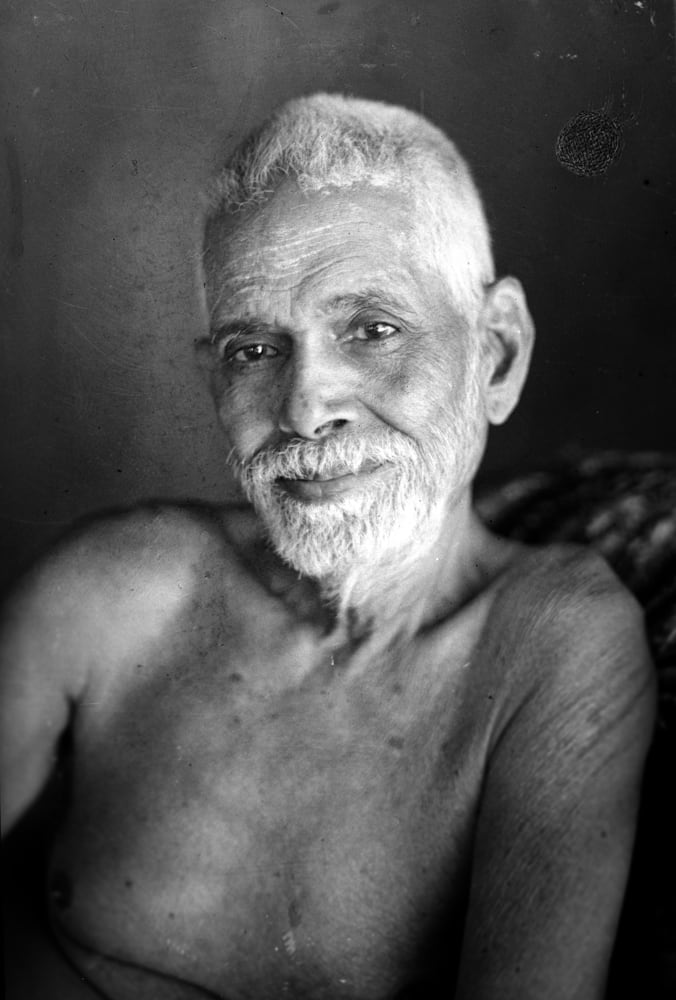
Ramana Maharshi
Übereinstimmung bei: Was ist das Absolute? Gibt es Gott? · Wer bin ich? Gibt es ein wahres Selbst? · Was geschieht nach dem Tod?
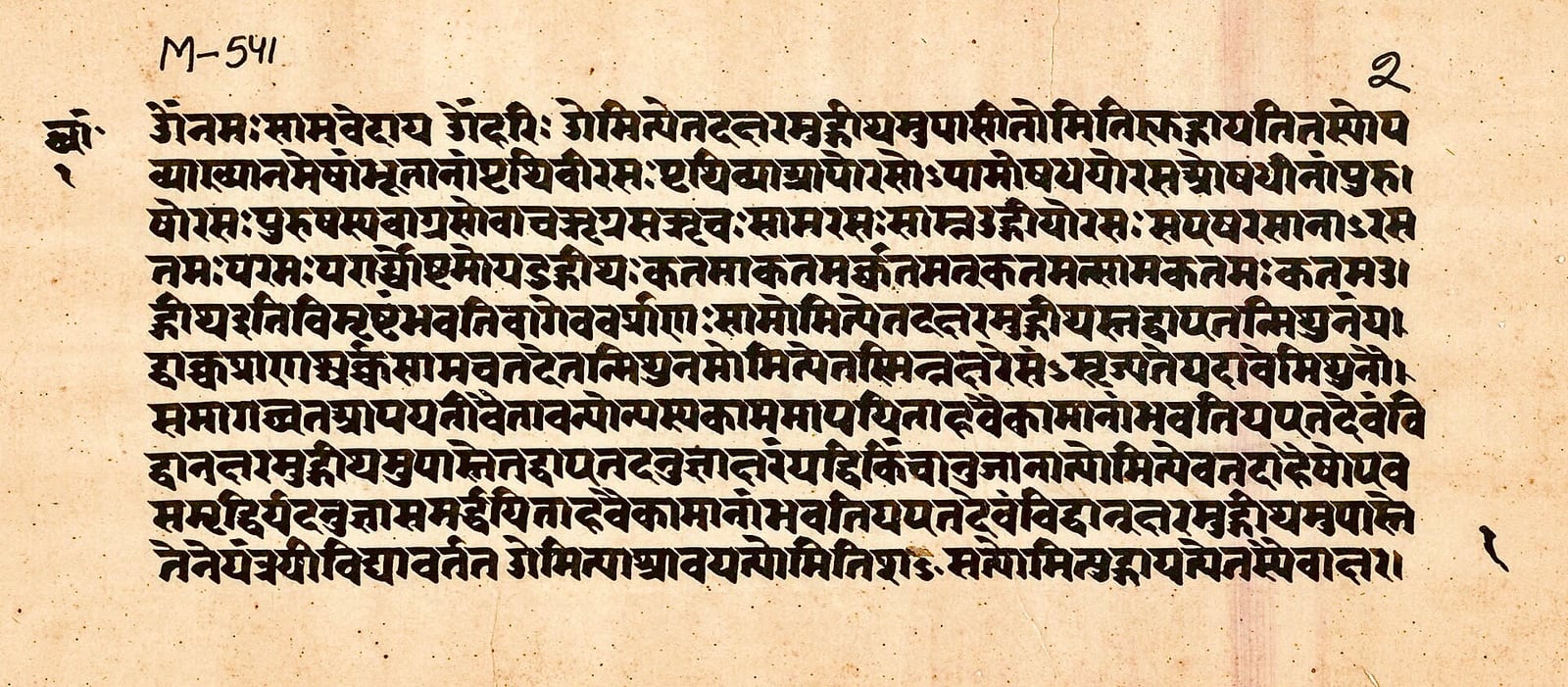
Uddalaka Aruni
Übereinstimmung bei: Was ist das Absolute? Gibt es Gott? · Wer bin ich? Gibt es ein wahres Selbst? · Was geschieht nach dem Tod?
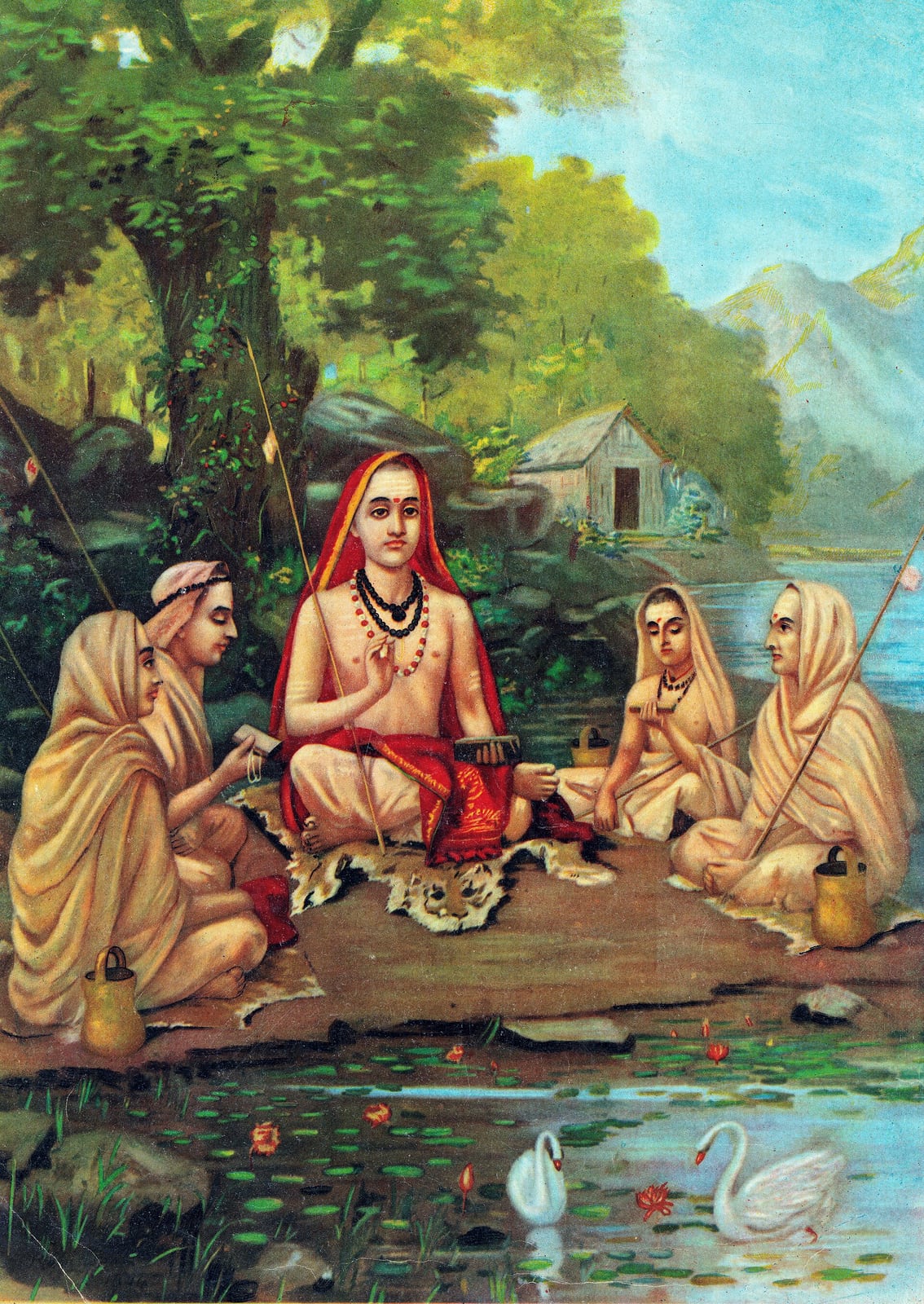
Adi Shankara
Übereinstimmung bei: Was ist das Absolute? Gibt es Gott? · Wer bin ich? Gibt es ein wahres Selbst? · Was geschieht nach dem Tod?
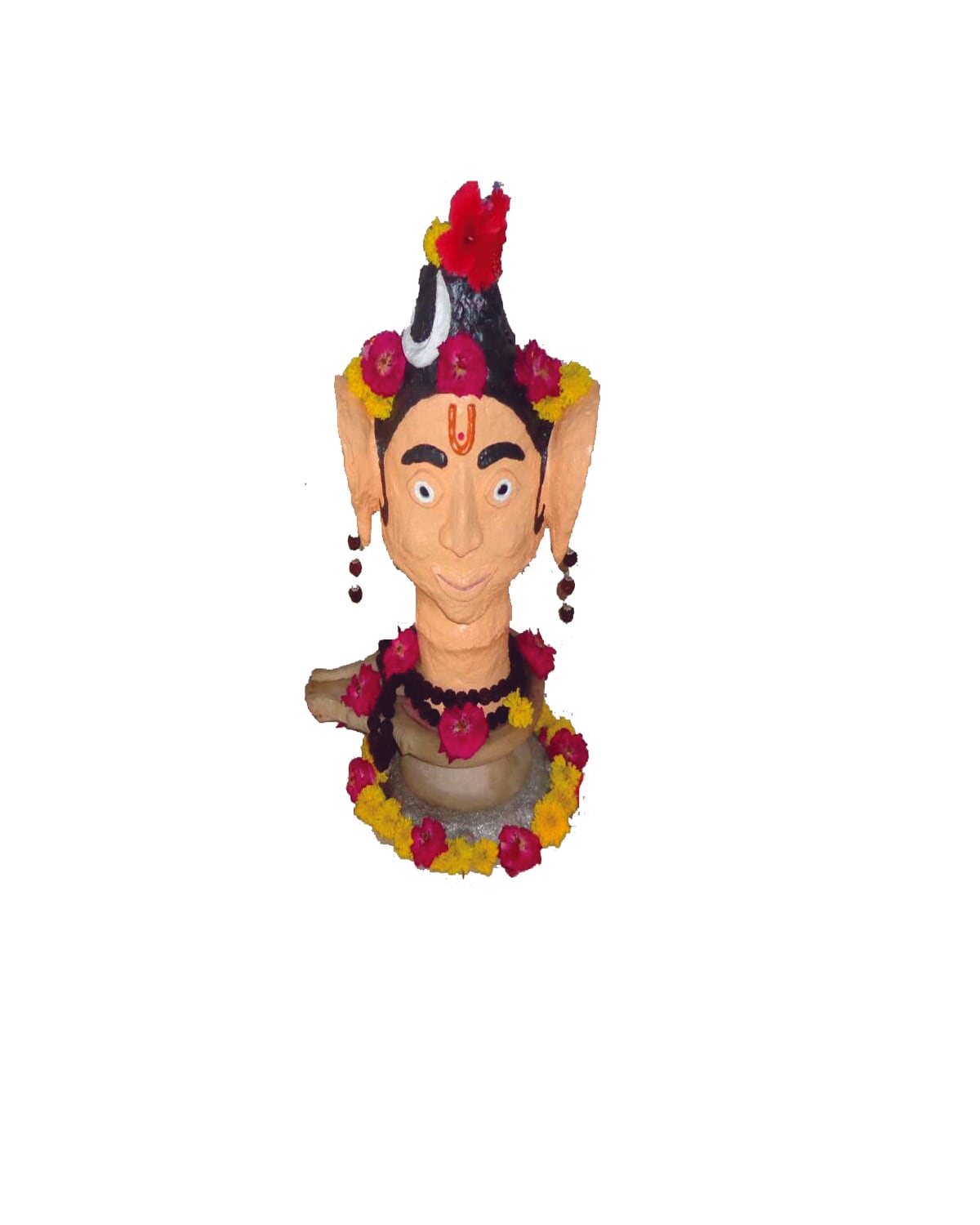
Nisargadatta Maharaj
Übereinstimmung bei: Wer bin ich? Gibt es ein wahres Selbst? · Was geschieht nach dem Tod? · Wie erlangt man Befreiung oder Erlösung?
Denkt anders als



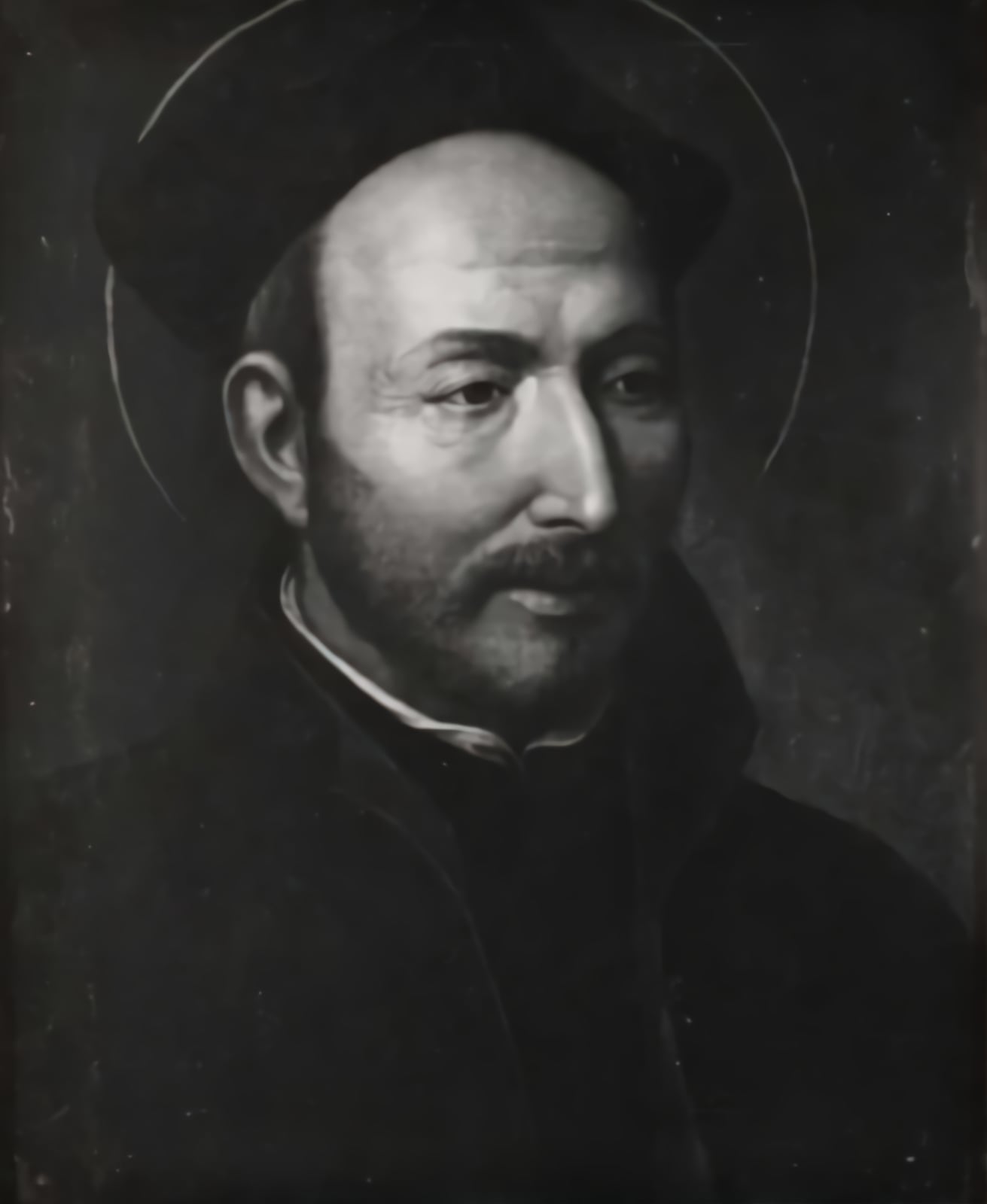
Anekdoten und Erzählungen
Anekdoten und Erzählungen
Hagiographische Erzählungtiempo mítico
The three sons of Anasūyā
Herkunft der Erzählung: Mārkaṇḍeya Purāṇa, cantos XVI–XVII (Pargiter's translation, 1888–1904). In Pargiter the cursed brahmin is unnamed and the one who curses him is Māṇḍavya; other versions call him Kauśika. Variants of the birth appear in the Bhāgavata (4.1) and other Purāṇas.
Hagiographische Erzählungtiempo mítico
The yogin who hid in the lake
Herkunft der Erzählung: Mārkaṇḍeya Purāṇa, canto XVII (Pargiter's translation, pp. 100–101).
Hagiographische Erzählungtiempo mítico
The boons of Kārtavīrya Arjuna
Herkunft der Erzählung: Mahābhārata, Anuśāsanaparvan, section CLII of Ganguli's translation (dialogue of Pavana and Arjuna) and Āraṇyakaparvan 115; Mārkaṇḍeya Purāṇa, cantos XVIII–XIX (Pargiter's translation).
Hagiographische Erzählungtiempo mítico
The girl with the bracelets
Herkunft der Erzählung: Bhāgavata Purāṇa 11.9.5–10. The text does not name the avadhūta; the identification with Dattātreya is traditional.
Hagiographische Erzählungtiempo mítico
Piṅgalā, the courtesan who stopped waiting
Herkunft der Erzählung: Bhāgavata Purāṇa 11.8.22–44. Piṅgalā also appears in the Mahābhārata (Śāntiparvan) as an example of renouncing hope.
Hagiographische Erzählungtiempo mítico
Paraśurāma on Mount Gandhamādana
Herkunft der Erzählung: Tripurā Rahasya, Jñānakhaṇḍa, ch. 1 (vv. 23–57 in the Kaviraj and Khiste edition, Wikisource text), referring to the Māhātmyakhaṇḍa for the meeting with Saṃvarta.
Zeugnis1935
"The guru may be inanimate"
Herkunft der Erzählung: Talks with Sri Ramana Maharshi, talk 23, dated 2 February 1935; notes by Munagala Venkataramiah, published by Sri Ramanasramam in 1955.
Lehren
Lehren
Die Begriffe, die das Denken gliedern, in ihrem Zusammenhang erklärt.
The avadhūtaavadhuta
The ideal belongs to the literature of renunciation (saṃnyāsa) and has parallels in the paramahaṃsa of the late Upaniṣads and in tantric and Nāth yogins.
The twenty-four teachersveinticuatro-gurus
Ramana Maharshi used this passage to explain that the guru is ultimately the Self; in the Datta tradition it is the core of the teaching on the teacher.
Equal taste (samarasa) and the natural (sahaja)samarasa
Sahaja and samarasa are also key terms of tantric Buddhism (the siddhas) and of Nāth and Sant poetry in North India.
Haṭhayoga and eight-limbed yogahatha-ashtanga
The Jābāladarśana Upaniṣad, also in Dattātreya's mouth, sets out eight-limbed yoga with ten restraints and ten observances.
The synthesis of the trimūrtitrimurti-sintesis
The fused trimūrti iconography is common in modern India, especially in Maharashtra, Karnataka and Gujarat.
Videos
Videos
Aufnahmen, Gespräche und Dokumentarfilme. Die Videos werden von YouTube wiedergegeben; sie werden nicht hier gespeichert.
Dattātreya: An Introduction | by Prof. Antonio Rigopoulos | Seminar Session 1
Vortrag· EN· 2025· 55 min
Let's Talk Tattva
YSP 37 James Mallinson | Dattātreya's Discourse on Yoga
Gespräch· EN· 2023· 51 min
Yogic StudiesOffizieller Kanal
Avadhūta Gītā Retreat | Session 1 | Swami Sarvapriyananda
Vortrag· EN· 2026· 51 min
Vedanta Society of New YorkOffizieller Kanal
The Song of the Avadhoota I · Swami Sarvapriyananda (Class 1 of 3)
Vortrag· EN· 2026· 90 min
Vedanta Society of Southern CaliforniaOffizieller Kanal
Upanishad Ganga | Episode 25 | Guru! | Who Are Dattatreya's 24 Gurus? | Guru Tatva
Dokumentarfilm· HI· 2022· 23 min
ChinmayaChannelOffizieller Kanal
The Whole World is my Guru! | DattaGuru Special
Aufnahme Dritter· HI· 2025· 10 min
ChinmayaChannelOffizieller Kanal
Tripura Rahasya (Ch-22) Talk 01 of 7 @ Prem Puri 2018 (English)
Vortrag· EN· 2018· 65 min
Anubhavananda Saraswati - Smiling SwamiOffizieller Kanal
How Dattatreya Made Parashuram His Disciple – Sadhguru
Aufnahme Dritter· EN· 2019· 12 min
SadhguruOffizieller Kanal
Dr. Robert Svoboda's Living with Reality Ep. 20: Dattatreya Story Time
Vortrag· EN· 2021· 48 min
Be Here Now NetworkOffizieller Kanal
|| अवधूत - यदु संवाद (दत्तात्रयांचे २४ गुरु) || भाग- 01
Vortrag· MR· 2026· 50 min
Chaitanya Maharaj Deglurkar : OfficialOffizieller Kanal
Ganagapur Dattatreya | Documentary Video | English
Dokumentarfilm· EN· 2021· 15 min
PrakhyatBhatt Pujari Ganagapur
Avadhuta Gita Capítulo 1
Aufnahme Dritter· ES· 2021· 40 min
Silencio entre palabras
Avadhûta Gîtâ - I - Le Soi [Advaita Vedanta]
Aufnahme Dritter· FR· 2022· 40 min
Le Vieux Sage
AVADHUTA GITA - Audiolibro completo
Aufnahme Dritter· IT· 2023· 70 min
Nisargadatta Maharaj in italiano
Galerie
Galerie
Bilder mit geprüfter Lizenz. Jedes bewahrt seine Urheberschaft und seinen Herkunftsnachweis.
Beziehungen
Beziehungen
Einflüsse, Schülerschaften und Verwandtschaften. Die belegte Beziehung wird von der durch Analyse ermittelten Ähnlichkeit unterschieden.
Beeinflusste
Nisargadatta explained that, according to legend, the first teacher of his lineage of the "nine masters" (Navnāth Sampradāya) was the ṛṣi Dattātreya, though he regarded those nine masters as mythological (I Am That, ch. 97).
Belegte Beziehung
Beeinflusste
Ramana cited the "ancient saint Avadhūta" of the twenty-four teachers (talk 23, 1935) and the Tripurā Rahasya (talks 314 and 616), the work that sets out Dattātreya's teaching to Paraśurāma.
Belegte Beziehung
Beeinflusste
Vivekananda glossed and translated passages of the Avadhūta Gītā in his talks at Thousand Island Park (28 July 1895).
Belegte Beziehung
Verwandte Gedanken mit
The Dattātreyayogaśāstra integrates for the first time Patañjali's eight-limbed yoga with the techniques of haṭhayoga (Mallinson, 2024).
Belegte Beziehung
Verwandte Gedanken mit
The Dattātreyayogaśāstra ascribes the teaching of eight-limbed yoga to Yājñavalkya; a yoga text (Yogayājñavalkya) also circulates under his name.
Durch Analyse ermittelte Ähnlichkeit
Verwandte Gedanken mit
Kapila and Dattātreya appear together in the Bhāgavata Purāṇa's list of avatāras (1.3.10–11), fifth and sixth, both as teachers of the science of the soul; the Dattātreyayogaśāstra ascribes haṭhayoga practices to Kapila.
Durch Analyse ermittelte Ähnlichkeit
Verwandte Gedanken mit
Tradition ascribes to Vyāsa the Mahābhārata and the Bhāgavata Purāṇa, the works that transmit the stories about Dattātreya and the avadhūta of the twenty-four teachers.
Durch Analyse ermittelte Ähnlichkeit
Verwandte Gedanken mit
In the Tripurā Rahasya, Haritāyana narrates to Nārada the teaching Dattātreya gave to Paraśurāma.
Durch Analyse ermittelte Ähnlichkeit
Verwandte Gedanken mit
The Avadhūta Gītā sets out a radical non-dualism akin to Śaṅkara's Advaita, though with a vocabulary (samarasa, sahaja) closer to tantric and Nāth traditions.
Durch Analyse ermittelte Ähnlichkeit
Verwandte Gedanken mit
The Avadhūta Gītā and the Aṣṭāvakra Gītā are often published together (Alexandra David-Néel translated them in one volume) because of their uncompromising non-dualism.
Durch Analyse ermittelte Ähnlichkeit
Verwandte Gedanken mit
Rigopoulos notes, according to the secondary literature, that the Avadhūta Gītā's ideas on attributeless brahman influenced Kabir's poetry; the relationship is not directly documented.
Durch Analyse ermittelte Ähnlichkeit
Von anderen Einträgen aus verknüpft
Quellen
Quellen
Für diesen Eintrag herangezogene Bibliografie und Kataloge.
- Rigopoulos, Antonio. Dattātreya: The Immortal Guru, Yogin, and Avatāra. A Study of the Transformative and Inclusive Character of a Multi-faceted Hindu Deity. Albany: State University of New York Press, 1998. ISBN 9780791436967 (tapa dura), 9780791436950 (rústica). Las páginas citadas (43, 57, 77, 195–197, 227–228) se toman de las referencias de la Wikipedia en inglés; no se ha consultado el libro directamente.
- Pargiter, F. Eden (trad.). The Mārkaṇḍeya Purāṇa. Calcuta: Asiatic Society (Bibliotheca Indica), 1888–1904; cantos XVI–XIX (nacimiento de Dattātreya, el lago, Kārtavīrya Arjuna) y XXXVII–XLIII (enseñanza a Alarka).
- Bhāgavata Purāṇa 1.3.11 (Dattātreya, sexto avatāra) y 11.7.25–11.9 (el avadhūta y el rey Yadu: los veinticuatro maestros, lista en 11.7.33–35); texto sánscrito y traducción en Vedabase (Bhaktivedanta Book Trust).
- Mahābhārata: Āraṇyakaparvan 115 y Anuśāsanaparvan 91, 152–157 (numeración de la traducción de Ganguli; en la edición crítica, 3.115.12, 12.49.36–37, 13.152.5 y 13.153.12). Ganguli, Kisari Mohan (trad.). The Mahabharata of Krishna-Dwaipayana Vyasa. Calcuta: Pratap Chandra Roy, 1883–1896.
- Mallinson, James (ed. y trad.). The Dattātreyayogaśāstra. Pondicherry: Institut Français de Pondichéry / École française d'Extrême-Orient, 2024 (Collection Indologie 162; Haṭha Yoga Series 5). ISBN 9782855392967 (EFEO), 9788184702552 (IFP).
- Mallinson, James. «Nāth Sampradāya». En Knut A. Jacobsen et al. (eds.), Brill's Encyclopedia of Hinduism, vol. III. Leiden: Brill, 2011, pp. 407–428 (tesis de la incorporación tardía de Dattātreya al linaje nāth, pp. 407–411, citada según la Wikipedia en inglés).
- अवधूतगीता (Avadhūtagītā), texto sánscrito completo en ocho capítulos, Wikisource en sánscrito; colofón en 8.10.
- Abhayananda, Swami (trad.). Dattatreya: Song of the Avadhut. Olympia (Washington): Atma Books, 1992, p. 10 (datación en los siglos IX–X). Con Grimes, John A. A Concise Dictionary of Indian Philosophy. Albany: SUNY Press, 1996, p. 110. Ambas citadas según la Wikipedia en inglés.
- Olivelle, Patrick (trad.). The Saṃnyāsa Upaniṣads: Hindu Scriptures on Asceticism and Renunciation. Nueva York: Oxford University Press, 1992 (datación de la Jābāla y de la Avadhūta Upaniṣad, citadas según la Wikipedia en inglés). Texto sánscrito de la Avadhūtopaniṣad en Wikisource.
- जाबालदर्शनोपनिषत् (Jābāladarśanopaniṣad), texto sánscrito en diez khaṇḍa, Wikisource en sánscrito: Dattātreya enseña el yoga de ocho miembros a Sāṅkṛti (1.1–5).
- Tripurārahasya, Jñānakhaṇḍa, con la Tātparyadīpikā de Śrīnivāsa. Ed. Gopinath Kaviraj y Nārāyaṇa Śāstrī Khiste. Benarés: Government Sanskrit College, 1925–1933 (Princess of Wales Sarasvati Bhavana Texts 15); texto en Wikisource en sánscrito. Traducción inglesa: Munagala S. Venkataramiah (Swami Ramanananda Saraswathi), Tripura Rahasya or The Mystery beyond the Trinity, Tiruvannamalai, Sri Ramanasramam (ed. 2006, ISBN 9788188018291).
- Venkataramiah, Munagala (comp.). Talks with Sri Ramana Maharshi. Tiruvannamalai: Sri Ramanasramam, 1955; charla 23 (2 de febrero de 1935, preguntas de W. Y. Evans-Wentz) y charlas 314 y 616 (citas de la Tripurā Rahasya).
- Nisargadatta Maharaj. I Am That: Talks with Sri Nisargadatta Maharaj. Trad. Maurice Frydman, ed. Sudhakar S. Dikshit. Bombay: Chetana, 1973; cap. 97, «Mind and the World are not Separate».
- Vivekananda, Swami. Inspired Talks, «Sunday, July 28» (1895), en The Complete Works of Swami Vivekananda, vol. 7. Mayavati: Advaita Ashrama.
- Wikidata: «Dattatreya» (Q850805); «Avadhuta Gita» (Q790053); «Tripura Rahasya» (Q17036247); «Dattatreya Yoga Shastra» (Q104870312).
- Wadiyar, Jaya Chamarajendra. Dattātreya: The Way and the Goal. Introducción de S. Radhakrishnan. Londres: George Allen & Unwin, 1957 (traducción y comentario de la Jīvanmukta Gītā y la Avadhūta Gītā).
- जीवन्मुक्तगीता (Jīvanmuktagītā), texto sánscrito con el comentario de Jaya Chamarajendra Wadiyar, Wikisource en sánscrito; colofón: «compuesta por Śrī Dattātreya, león del vedānta».
- दत्तात्रेयोपनिषत् (Dattātreyopaniṣad), texto sánscrito, Wikisource en sánscrito.
- Hulin, Michel (trad.). La doctrine secrète de la déesse Tripurā: Tripurā Rahasya, section de la connaissance. París: Fayard, 1979 (Documents spirituels). ISBN 9782213008127.
- «Dattatreya», Wikipedia en inglés (consultada el 26-10-2026): síntesis de las tradiciones datta (Mahānubhāva, Gurucaritra, Navnāth), de la iconografía y de la Datta Jayantī, con referencias a Rigopoulos (1998), Bühnemann (1988) y Gopinatha Rao (1914). Fuente terciaria: se usa solo para datos de tradición.
- Open Library: Dattātreya Tantra, «Dattātreya viracita», con comentario hindi de Rudradeva Tripāṭhī. Delhi: Rañjana Pablikeśansa, 1995 (OL23606841W).
- Rechteinhaber
- Textos sánscritos anónimos en dominio público. Las traducciones y ediciones modernas tienen derechos propios: SUNY Press (Rigopoulos), EFEO / Institut Français de Pondichéry (Mallinson), Sri Ramanasramam y World Wisdom (Tripurā Rahasya), Sri Ramakrishna Math y Advaita Ashrama (Avadhūta Gītā), Shanti Sadan (Shastri), Atma Books (Abhayananda), José J. de Olañeta, Luis Cárcamo, Éditions du Rocher, Fayard (Hulin), Oxford University Press (Olivelle).
Bestätigung ausstehend
Was dieser Eintrag noch nicht klären konnte. Wir sagen es lieber, als es aufzufüllen.
- Fechas: Dattātreya es figura de la tradición, sin fechas; la línea de tiempo usa las de los textos, todas aproximadas y discutidas.
- Consultar directamente Rigopoulos (1998): las páginas citadas (43, 57, 77, 195–197, 227–228) proceden de las referencias de la Wikipedia en inglés.
- Confirmar en la edición de Mallinson (2024) la forma de diálogo con Sāṅkṛti y la relación con la Haṭhapradīpikā.
- Confirmar en Brill's Encyclopedia of Hinduism, vol. III (2011), las páginas de Mallinson sobre la incorporación de Dattātreya al linaje nāth (la Wikipedia cita «Mallinson 2012, pp. 407–411»).
- Avadhūta Gītā: la cifra de 289 versos es de Rigopoulos; la edición de Wikisource numera unos 280. Comparar con una edición impresa.
- Traducción de Shri Purohit Swami (Munshiram Manoharlal, 1979): es póstuma y no se ha encontrado en línea; en EE. UU. no es de dominio público (primera publicación en 1979). Un vendedor indica una 2.ª edición con ISBN 8121502451, no comprobada en catálogo.
- Traducción de Lala Kannoo Mal (Madrás, 1920): se desconoce la fecha de muerte del traductor; el escaneo del Digital Library of India (dli.ernet.214590) corresponde por error a otro libro. Buscar un escaneo válido.
- Dattātreya Tantra: comprobar contenido y forma (diálogo) en una edición crítica o un estudio; aquí se describe según las ediciones populares.
- Datta Saṃhitā: la tradición śrīvidyā menciona una «Dattasaṃhitā» perdida; no se registra hasta encontrar una fuente fiable.
- No se ha encontrado ninguna traducción española de la Tripurā Rahasya ni del Dattātreyayogaśāstra con ISBN.
- Sala de lectura: el Mārkaṇḍeya Purāṇa de Pargiter (dominio público) y la traducción de Ganguli contienen los relatos, pero en volúmenes que reúnen la obra entera; no se registran como lectura propia de Dattātreya.
- Vídeos: los del canal oficial de OSHO, de Sri M y otros sobre la Tripurā Rahasya no se han registrado por no ser oficiales o no estar verificados.
- Project Gutenberg no tiene ninguna edición de estas obras (búsqueda en gutenberg.org el 2026-10-26: «No records found»).
Recherchiert am 2026-10-26