Hinduismus · Bhakti · Vedische Tradition
Narada
नारद
Legendäre Gestalt
Göttlicher Weiser (devarṣi) der hinduistischen Tradition, Bote zwischen Göttern und Menschen und Spieler der vīṇā. Er erscheint im Ṛgveda, im Aitareya-Brāhmaṇa, in der Chāndogya-Upaniṣad (sein Dialog mit Sanatkumāra), im Mahābhārata, im Rāmāyaṇa – wo er Vālmīki die Geschichte Rāmas erzählt – und in den Purāṇas, die ihn zum Vorbild des Gottergebenen machen. Ihm zugeschrieben werden das Nārada Bhakti Sūtra, mittelalterlich und unsicher datiert, die Nārada-Smṛti, ein Rechtstraktat aus den ersten Jahrhunderten unserer Zeitrechnung (nach Olivelle 5.–6. Jh.), den die Forschung einem anderen Verfasser zuschreibt, das Nārada Purāṇa und das Nārada Pañcarātra.
- Werke
- 12Werke
- Ausgaben
- 29Ausgaben
- Zitate
- 7Zitate
- Videos
- 13Videos
- Bilder
- 8Bilder
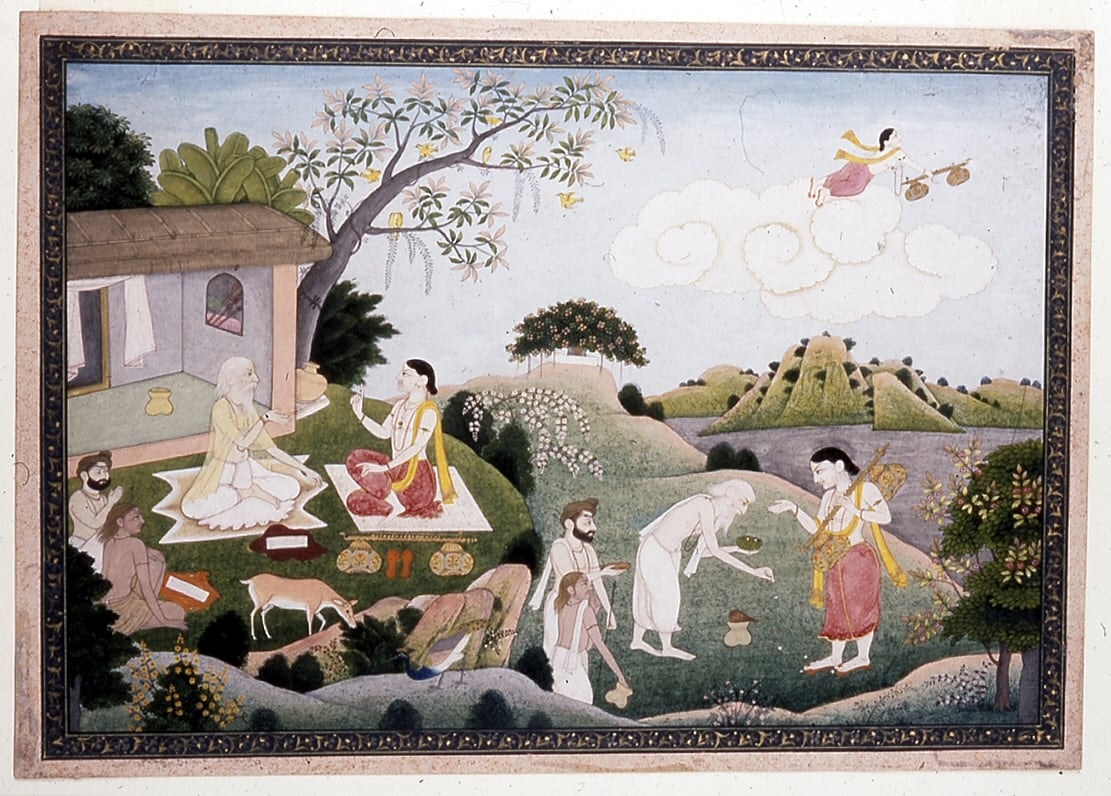
Nārada visita a Vālmīki · Public domain
In eigenen Worten
«Sir, I am only a knower of mantras, not a knower of the Self.»Chāndogya Upaniṣad VII.1.3, palabras de Nārada a Sanatkumāra; sánscrito de Wikisource; traducciones del investigador.

Der zentrale Gedanke
Parabhakti (supreme love): The Nārada Bhakti Sūtra defines devotion as “supreme love” (paramaprema) directed to God and immortal in nature.
Im Zusammenhang sehen
Biografie
5 Min. Lesezeit
Unterstützte Übersetzung aus dem spanischen Original, Durchsicht durch einen muttersprachlichen Übersetzer ausstehend.
Der Bote zwischen den Welten
Nārada ist eine der allgegenwärtigsten und zugleich am schwersten fassbaren Gestalten der Sanskritliteratur. Er erscheint in den vedischen Hymnen, in den Upaniṣaden, in beiden Epen und in fast allen Purāṇas, und stets ist er unterwegs: ein göttlicher Weiser (devarṣi), der mit seiner vīṇā die drei Welten durchwandert, Nachrichten von den Göttern zu den Menschen und von den Menschen zu den Göttern trägt, Könige berät, Dichter unterweist und oft Konflikte entfacht, die am Ende einem höheren Plan dienen. Eine historische Person ist er in keinem überprüfbaren Sinn; er ist ein literarischer und religiöser Typus, den die Tradition über mehr als zwei Jahrtausende fortwährend bereicherte und unter dessen Namen sich Werke aus ganz unterschiedlichen Epochen und Gattungen sammelten.
Vom vedischen Hymnus zur Upaniṣad
Die traditionellen Verfasserlisten des Ṛgveda schreiben einem Nārada aus der Familie der Kāṇva den Hymnus 8,13 zu und, gemeinsam mit Parvata, die dem Soma gewidmeten Hymnen 9,104 und 9,105; es sind späte Zuschreibungen, die sich nicht als biographische Angaben lesen lassen. Im Aitareya-Brāhmaṇa wohnen Nārada und Parvata im Haus des kinderlosen Königs Hariścandra, und Nārada ist es, der ihm in zehn Strophen über den Wert eines Sohnes antwortet und ihm rät, diesen dem Varuṇa zu versprechen: So beginnt die berühmte Erzählung von Śunaḥśepa. In der Chāndogya-Upaniṣad (VII) schließlich ist er Hauptfigur eines der schönsten Dialoge des Korpus: Der Weise, der alle Wissenschaften seiner Zeit beherrscht, tritt vor Sanatkumāra und bekennt, er kenne nur Worte – „ich bin ein Kenner der Mantras, nicht des Selbst“ – und leide; der Lehrer führt ihn Stufe um Stufe bis zum Unendlichen (bhūman), dem Einzigen, in dem Glück ist.
Der Ratgeber des Epos
Im Mahābhārata ist Nārada der Besucher, der an den Hof der Pāṇḍavas kommt und Yudhiṣṭhira einem langen Fragenkatalog über die Kunst des Regierens unterzieht – den Staatsschatz, das Heer, die Minister, die Rechtspflege, die Fürsorge für die Bauern –, bevor er ihm die Versammlungshallen der Götter beschreibt; im Śāntiparvan reist er zur Weißen Insel (Śvetadvīpa), um Nārāyaṇa zu schauen, eine zentrale Episode des Nārāyaṇīya und der Pāñcarātra-Theologie. In der Bhagavadgītā erklärt Kṛṣṇa, unter den göttlichen Weisen sei er Nārada. Im Rāmāyaṇa ist es Nārada, der Vālmīki auf die Frage nach dem vollkommenen Menschen seiner Zeit die Geschichte Rāmas zusammenfasst: Nach der eigenen Darstellung des Werkes entsteht das ganze Gedicht aus diesem Gespräch.
Der Fromme der Purāṇas
Die vaiṣṇavitischen Purāṇas machten ihn zum Vorbild des Gottergebenen. Das Bhāgavata Purāṇa schreibt ihm ein früheres Leben als Sohn einer Dienerin zu, der, im Dienst einiger Asketen, deren Erzählungen über Viṣṇu hörte und eine flüchtige Schau des Gottes hatte; als Sohn Brahmās wiedergeboren, durchwandert er das Weltall und singt die göttlichen Namen. Er ist es, der Vyāsa nach der Abfassung des Mahābhārata niedergeschlagen antrifft und ihm rät, die Herrlichkeit Kṛṣṇas zu besingen – nach der Überlieferung der Ursprung des Bhāgavata selbst; er unterweist Prahlāda im Mutterleib und weist den Knaben Dhruva auf den Weg seiner Askese. Doch dieselben Texte bewahren auch einen hochmütigen Nārada, den die Illusion (māyā) Viṣṇus zum Narren hält, und die volkstümliche Vorstellung hat ihn als zudringlichen Weisen gezeichnet, der Zwietracht zwischen Göttern und Königen sät. Die Zwiespältigkeit gehört zur Figur.
Die Aphorismen der göttlichen Liebe
Das meistgelesene Werk unter seinem Namen ist das Nārada Bhakti Sūtra, vierundachtzig Aphorismen über die Gottesliebe. Es bestimmt die bhakti als höchste Liebe zu Gott, verzeichnet die Definitionen von Pārāśarya, Garga und Śāṇḍilya, bevor es die eigene gibt – Gott alle Handlungen darzubringen und äußerste Angst zu empfinden, wenn man ihn vergisst –, stellt die Hirtinnen (gopī) von Vraja als Vorbild hin, vertritt die Ansicht, die Hingabe stehe über Handeln, Erkenntnis und Yoga, weil sie selbst ihre eigene Frucht sei, und erklärt sie für unaussprechlich wie der Geschmack für einen Stummen. Seine Entstehungszeit ist ungewiss: Die Abhängigkeit vom Kṛṣṇa-Kult weist ins Mittelalter, und Gavin Flood hält es für möglicherweise aus dem 12. Jahrhundert stammend. Ramakrishna empfahl die von Nārada gelehrte Hingabe als den eigentlichen Weg des gegenwärtigen Zeitalters, und Vivekananda übersetzte den Text in seinen amerikanischen Jahren frei.
Ein Name für viele Bücher
Unter seiner Autorität sammelten sich Texte ganz verschiedener Art. Die Nārada-Smṛti ist der juristischste unter den Dharma-Traktaten: Sie lässt Riten und Bußen beiseite und befasst sich allein mit dem Gerichtsverfahren und den achtzehn Rechtstiteln – Schulden, Verwahrungen, Verträge, Erbschaften, Beleidigungen. Ihre Datierung schwankt je nach Autor zwischen den ersten Jahrhunderten unserer Zeitrechnung und dem von Olivelle vorgeschlagenen 5. bis 6. Jahrhundert, und die Forschung schreibt sie nicht dem Weisen des Epos zu, sondern einem Juristen, der sich auf seinen Namen berief. Das Nārada Purāṇa (oder Nāradīya) und seine kleinere Fassung, das Bṛhannāradīya, verdanken ihren Titel dem Umstand, dass Nārada darin der Gesprächspartner ist; die Nāradīya-Śikṣā behandelt Phonetik und Musik des Sāmaveda-Gesangs, das Saṅgītamakaranda die Musik; und das sogenannte Nārada Pañcarātra ist eine späte Andachtskompilation, die Otto Schrader nicht zu den alten Pāñcarātra-Saṃhitās zählte.
Der erste Musiker
In der indischen Vorstellungswelt ist Nārada vor allem der Musiker der Götter: der weißbärtige Weise, der mit der vīṇā – in der Tradition Mahatī genannt – umherzieht und den Namen Nārāyaṇas singt. Die Überlieferung schreibt ihm die Erfindung dieses Instruments zu, und sein Name steht über musiktheoretischen Traktaten. Die Ikonographie – Mogul- und Rajputen-Miniaturen, Kangra-Malerei, die Figuren des javanischen Wayang, in dem Batara Narada der Ratgeber der Götter ist – zeigt, wie weit der Bote gereist ist. Seine Geburt (Nārada Jayantī) wird im Monat jyeṣṭha gefeiert, und die indische Presse beruft sich bisweilen mit Humor auf ihn als den ersten Journalisten.
Eine Autorität auf der Durchreise
Nārada hat keine Biographie, weil es seine Aufgabe ist, auf der Durchreise zu sein. Wo immer eine Geschichte eine Nachricht, einen Rat oder einen Anstoß braucht, erscheint er. Die Tradition hat diese Beweglichkeit zu einem Bild der frommen Seele gemacht, die sich in keiner Welt niederlässt und in allen singt; die Forschung liest darin die Spur einer Gestalt, die über die Jahrhunderte von vielen Händen geformt wurde. Zwischen beiden Lesarten bleibt der Zug, den er mit den großen legendären Lehrern Indiens teilt: Seine Autorität liegt in dem, was man ihm zuschreibt, nicht in dem, was er nachweislich getan hat.
Quellen: Vivekananda, Swami. «Narada-Bhakti-Sutras (a free translation dictated by Swamiji in America)», en The Complete Works of Swami Vivekananda, vol. 6 (Notes of Class Talks and Lectures). Texto en Wikisource. · Sturdy, E. T. (trad.). Nârada Sûtra: An Inquiry into Love (Bhakti-jijnâsâ). Londres: Longmans, Green & Co., 1896. · Sinha, Nandalal (trad.). The Bhakti Sûtras of Nârada. Allahabad: Pāṇini Office (Sacred Books of the Hindus 7, parte 1); ejemplar digitalizado fechado en 1917. · Jolly, Julius (trad.). The Minor Law-Books, parte I: Nârada, Brihaspati. Oxford: Clarendon Press, 1889 (Sacred Books of the East 33). Introducción sobre la Nāradasmṛti. · Lariviere, Richard W. (ed. y trad.). The Nāradasmṛti. 2 partes. Filadelfia: Department of South Asia Regional Studies, University of Pennsylvania, 1989 (University of Pennsylvania Studies on South Asia 4–5); reimpr. Delhi: Motilal Banarsidass, 2003 (ISBN 9788120818040).
Zeitleiste
Das Leben, Jahr für Jahr
Jeder Punkt ist ein belegtes Ereignis. Klicken Sie, um es mit Quelle und Grad der Gewissheit zu lesen.
X. Jahrhundert v. Chr.
Nārada in the lists of Ṛgvedic poets
The Anukramaṇī ascribes hymn 8.13 to Nārada Kāṇva and, with Parvata, hymns 9.104 and 9.105. A traditional ascription later than the hymns themselves.
ÜberlieferungJamison, Stephanie W. y Joel P. Brereton (trads.). The Rigveda: The Earliest Religious Poetry of India. 3 vols. Nueva York: Oxford University Press, 2014. Introducciones a RV 8.13 y 9.104–105.
X. Jahrhundert v. Chr.
Nārada in the lists of Ṛgvedic poets
The Anukramaṇī ascribes hymn 8.13 to Nārada Kāṇva and, with Parvata, hymns 9.104 and 9.105. A traditional ascription later than the hymns themselves.
Überlieferung
um 700 v. Chr.
Counsellor of Hariścandra (Aitareya Brāhmaṇa)
In the story of Śunaḥśepa (AB VII.13–14), Nārada answers King Hariścandra in ten stanzas on the worth of a son and advises him to ask Varuṇa for one. The text’s date is approximate (late Vedic period).
Überlieferung
VI. Jahrhundert v. Chr.
Nārada before Sanatkumāra (Chāndogya Upaniṣad VII)
A dialogue in which Nārada, master of all learning, confesses that he knows only words and is led to the infinite (bhūman). The Upaniṣad’s date is approximate.
Überlieferung
um 200 v. Chr. – 400
The sage of the epic
The Mahābhārata presents him as Yudhiṣṭhira’s counsellor (Sabhāparvan 5) and the seer of Nārāyaṇa in Śvetadvīpa (Nārāyaṇīya); the Rāmāyaṇa, as the one who tells Vālmīki the story of Rāma. The epics took shape between c. 300 BCE and 400 CE.
Wahrscheinlich
um 500
The Nārada Smṛti
A legal treatise devoted to procedure and the eighteen titles of litigation. Olivelle places it around the 5th–6th centuries; other scholars, in the first centuries CE. Scholars do not ascribe it to the sage of the epic.
Umstritten
um 850
The Bṛhannāradīya Purāṇa
Hazra dates this upapurāṇa centred on devotion to Viṣṇu to around the 9th century; the major Nāradīya would be later, with parts earlier than the 11th century.
Umstritten
um 900
Teacher of Vyāsa in the Bhāgavata Purāṇa
The Bhāgavata (I.4–6) gives him a previous life as the son of a maidservant and shows him advising Vyāsa to sing the glories of Kṛṣṇa. The Purāṇa’s date is debated (c. 9th–10th centuries).
Umstritten
XII. Jahrhundert
The Nārada Bhakti Sūtra
Composition of the 84 aphorisms on devotion ascribed to Nārada. Uncertain date; Flood considers it possibly twelfth-century.
Umstritten
1865
Edition of the Nārada Pañcarātra
K. M. Banerjea publishes in Calcutta, in the Bibliotheca Indica, the Sanskrit text of the Jñānāmṛtasāra, known as the Nārada Pañcarātra.
Belegt
1889
Jolly translates the Nārada Smṛti
Julius Jolly publishes the English translation in the Sacred Books of the East (vol. 33).
Belegt
1896
First English translation of the Bhakti Sūtra
E. T. Sturdy publishes in London “Nârada Sûtra: An Inquiry into Love”.
Belegt
1989
Critical edition of the Nārada Smṛti
Richard W. Lariviere publishes the critical edition and annotated translation in Philadelphia.
Belegt
Werke
Grundlegende Werke
Die Werke, ohne die sich das Vermächtnis nicht verstehen lässt.
Traditionelle Zuschreibung · um 1150
Nārada Bhakti Sūtra (Nārada’s Aphorisms on Devotion)
नारदभक्तिसूत्र
Eighty-four aphorisms defining devotion (bhakti) as supreme love for God, immortal in nature. After quoting the definitions of Pārāśarya (worship), Garga (sacred stories) and Śāṇḍilya (delight in the Self), it gives Nārada’s own: to consecrate every act to God and to feel extreme anguish at forgetting Him, like the gopīs of Vraja. It holds that bhakti is superior to action, knowledge and yoga because it is its own fruit; teaches its means —renunciation, ceaseless worship, hearing and singing the divine qualities and, above all, the grace of great souls—; declares it ineffable, “like taste for a mute”; distinguishes secondary from supreme devotion and lists eleven forms of attachment to God.
12 Ausgaben

Traditionelle Zuschreibung · um 500
Nārada Smṛti (Nārada’s Treatise on Law)
नारदस्मृति
The only treatise on dharma devoted entirely to procedural and substantive law, without rules on rites or penances. After an introduction on procedure (the plaint, the answer, evidence, witnesses, documents and ordeals), it sets out the eighteen titles of litigation: debts, deposits, partnerships, resumption of gifts, service, wages, sale without ownership, non-delivery and rescission of purchase, conventions, boundary disputes, relations between husband and wife, inheritance, violence, verbal and physical assault, gambling and betting, and miscellaneous cases. It survives in two recensions; the shorter was commented on by Asahāya and revised by Kalyāṇabhaṭṭa.
6 Ausgaben
Narada
Nārada Purāṇa (Nāradīya Purāṇa)
Spätere Zusammenstellung · um 1000
Nārada Purāṇa (Nāradīya Purāṇa)
नारदपुराण (नारदीयपुराण)
A Vaiṣṇava Purāṇa in two parts: the first (125 chapters, in four sections) deals with devotion to Viṣṇu, the duties of classes and stages of life, rites and vows and the auxiliary sciences of the Veda, and devotes a chapter to summarising each of the eighteen major Purāṇas, which makes it a valuable document for their history; the second (82 chapters) includes the story of King Rukmāṅgada and long glorifications of pilgrimage places along the Ganges. It is distinguished from the shorter Bṛhannāradīya.
3 Ausgaben
Das gesamte Werk (12)
Narada
Bṛhannāradīya Purāṇa
The Conscious LibraryBṛhannāradīya Purāṇa
850
Narada
Nārada Pañcarātra (Jñānāmṛtasāra Saṃhitā)
The Conscious LibraryNārada Pañcarātra (Jñānāmṛtasāra Saṃhitā)
Narada
Nāradīya Śikṣā
The Conscious LibraryNāradīya Śikṣā
Narada
Saṅgītamakaranda
The Conscious LibrarySaṅgītamakaranda
Narada
Ṛgvedic hymns ascribed to Nārada (8.13; 9.104–105)
The Conscious LibraryṚgvedic hymns ascribed to Nārada (8.13; 9.104–105)
1000
Narada
Nārada’s stanzas on the son (Aitareya Brāhmaṇa VII.13)
The Conscious LibraryNārada’s stanzas on the son (Aitareya Brāhmaṇa VII.13)
700
Narada
Nārada’s abridged Rāmāyaṇa (Rāmāyaṇa I.1)
The Conscious LibraryNārada’s abridged Rāmāyaṇa (Rāmāyaṇa I.1)
100
Narada
Nārada’s questionnaire on government (Mahābhārata, Sabhāparvan 5)
The Conscious LibraryNārada’s questionnaire on government (Mahābhārata, Sabhāparvan 5)
Narada
Nāradaparivrājaka Upaniṣad
The Conscious LibraryNāradaparivrājaka Upaniṣad
Zitate
Zitate, die in einem bestimmten Werk nachgewiesen sind. Jedes trägt seine Herkunft und seinen Grad an Verlässlichkeit.
Sir, I am only a knower of mantras, not a knower of the Self.so 'haṃ bhagavo mantravid evāsmi nātmavit
GeprüftChāndogya Upaniṣad VII.1.3, palabras de Nārada a Sanatkumāra; sánscrito de Wikisource; traducciones del investigador.
Apokryphe Zitate oder Zitate umstrittener Zuschreibung (1)
«“The best path to union with God is to follow the way of divine love as taught by Narada.”»
It circulates attributed to Ramakrishna without a specific reference. What is documented in the 1911 English Gospel is the idea —the devotion taught by Nārada is the path suited to this age—, not this literal sentence.
Letzte Worte
Es gibt keine überprüfbaren Aufzeichnungen der letzten Worte.
Nārada is a mythical figure to whom tradition ascribes no death: the texts present him as a divine sage who travels the worlds in every age. There are no last words to record.
Fragen
Was das Werk beantwortet
Zwölf große Fragen der Menschheit und was sich aus den Texten darauf antworten lässt, mit Belegen. Wir legen niemandem Worte in den Mund.
Was ist das Absolute? Gibt es Gott?
God is the beloved Lord to whom every act is consecrated
Ein persönlicher GottAusdrücklich gesagt
The Nārada Bhakti Sūtra does not discuss God's existence: it takes it for granted and deals with how to love him. It defines devotion as supreme love directed to him (sūtra 2) and its sign as the surrender of all acts to the Lord and extreme anguish at the slightest forgetting (sūtra 19). This God is personal: he has qualities that are heard and sung (sūtra 37), he grants grace (sūtra 40) and he can be loved as master, friend, child or lover (sūtra 82). The model it proposes is the cowherd women of Vraja, in love with Kṛṣṇa (sūtra 21). The text does not deny ultimate unity, for it goes so far as to say that between God and his own there is no difference (sūtra 41), but the Absolute is reached here as a relationship of love, not as an abstract principle.
Diese Frage mit anderen Meistern vergleichenWer bin ich? Gibt es ein wahres Selbst?
He does not theorise the self: he describes how love of God transforms it
Nicht geäußert
The Nārada Bhakti Sūtra does not ask what the self is: its subject is devotion. It does describe what happens to one who attains it: he becomes perfect, immortal and satisfied (sūtra 4), ceases to desire, to grieve and to hate, and becomes intoxicated, still and delighting in himself (sūtra 6). The question appears more clearly elsewhere in the tradition, in the Chāndogya Upaniṣad, where Nārada is the disciple who confesses to Sanatkumāra that he knows the mantras but not the Self, and learns that the infinite is the ātman, the only source of happiness. But that passage presents him as a pupil, not as a teacher, and cannot be taken as his doctrine.
Diese Frage mit anderen Meistern vergleichenWarum leiden wir?
Forgetting God hurts, and bad company multiplies the passions
Die Trennung von GottAus der Lehre abgeleitet
The Nārada Bhakti Sūtra offers no theory of suffering, but one can be deduced from its doctrine. The sign of true love is to feel extreme anguish at the slightest forgetting of God (sūtra 19), and full devotion is described as a state in which one no longer desires, grieves or hates (sūtra 5): ordinary pain thus comes from living turned towards something else. The text also points to its mechanism: bad company arouses desire, anger, confusion, forgetfulness of the goal, loss of judgement and ruin; the passions, which at first are ripples, become an ocean (sūtras 43–45). In the Chāndogya Upaniṣad, Nārada comes to his teacher in sorrow and learns that there is no happiness in the small.
Diese Frage mit anderen Meistern vergleichenWas geschieht nach dem Tod?
The sūtra promises the immortality of love; it does not describe the beyond
Nicht geäußert
The Nārada Bhakti Sūtra is not concerned with what happens after death. It says that devotion is immortal in nature (sūtra 3) and that one who attains it becomes perfect, immortal and satisfied (sūtra 4), but it does not clarify whether that immortality is a state of the soul after death, a life in God's presence, or the fullness that love already gives in this life, which is what the context suggests. Nor does it discuss rebirth, which the culture of its time took for granted. The Vaiṣṇava traditions that read it place the devotee, after death, in God's world and at his service; the Purāṇic stories about Nārada himself, who remembers a previous life, belong to legend, not to the sūtra.
Diese Frage mit anderen Meistern vergleichenWie erlangt man Befreiung oder Erlösung?
Devotion surpasses action, knowledge and yoga: it is its own fruit
Durch Hingabe und ErgebungAusdrücklich gesagt
The Nārada Bhakti Sūtra places devotion above the other paths: it is greater than action, knowledge and yoga (sūtra 25), because it is not a means to anything else but its own fruit (sūtras 26 and 30). It reviews the opinions of other teachers —that knowledge is its means, or that the two support each other— and concludes that devotion needs no other foundation. Its means are renunciation of objects and of company, unbroken worship and the hearing and singing of God's qualities (sūtras 35–37), but the principal one is the grace of great souls or a drop of divine grace (sūtra 38). The goal is neither a knowledge nor an absorption but love itself, which leaves the devotee satisfied and immortal.
Diese Frage mit anderen Meistern vergleichenBraucht es einen Lehrer?
The principal means is the company of great souls; flee bad company
Gemeinschaft und TraditionAusdrücklich gesagt
The Nārada Bhakti Sūtra speaks not of an individual guru but of the company of saints. It declares that the principal means of attaining devotion is the grace of great souls or a drop of divine grace (sūtra 38); that company is hard to obtain, unattainable by one's own effort and unfailing in its effects (sūtra 39), and is gained only by God's grace, since between him and his own there is no difference (sūtras 40–41). Hence the exhortation: seek that, seek that alone (sūtra 42). The reverse is equally sharp: bad company must always be avoided (sūtra 43). The text closes by invoking a long series of teachers of devotion, from the Kumāras and Vyāsa to Hanumān (sūtra 83), as guarantors of the tradition.
Diese Frage mit anderen Meistern vergleichenIst die Welt wirklich?
The world is not denied: it is offered to God with all it contains
Offenbarung des GöttlichenAus der Lehre abgeleitet
The Nārada Bhakti Sūtra has no cosmology, but neither does it treat the world as an illusion to escape from. It asks the devotee not to be troubled by worldly losses, since he has surrendered to God his own self, the world and the Veda (sūtra 61), and specifies that, once devotion is attained, activity in the world is not to be abandoned, but its fruit renounced (sūtra 62). The world is thus the field in which love is exercised and consecrated. The Purāṇic literature associated with Nārada and the Vaiṣṇava theology in which the sūtra is read complete the picture: the universe is the Lord's work and manifestation, real and dependent on him, and not an appearance superimposed on an impersonal absolute.
Diese Frage mit anderen Meistern vergleichenWas ist Liebe?
Intense love for God, inexpressible like taste for a mute
Sehnsucht und VereinigungAusdrücklich gesagt
Love is the whole subject of the Nārada Bhakti Sūtra. It defines it as supreme love for God (sūtra 2), immortal in nature, and says it begins when all thoughts, words and deeds are surrendered to the Lord and the slightest forgetting brings extreme anguish (sūtra 19). Its nature is inexpressible: as the mute cannot say what he tastes, but his gestures betray it (sūtras 51–52). The model is the cowherd women of Vraja, who loved Kṛṣṇa without forgetting his greatness (sūtras 21–24). That love, though one, takes eleven forms, from servanthood and friendship to the love of a lover and the supreme pain of separation (sūtra 82). And it knows no human boundaries: among those who love thus there is no distinction of caste, learning, form or wealth (sūtra 72).
Diese Frage mit anderen Meistern vergleichenSind wir frei, oder ist alles vorherbestimmt?
Keep acting, renounce the fruit and surrender everything to God
Karma und WahlAus der Lehre abgeleitet
The Nārada Bhakti Sūtra does not pose the problem of determinism, but a position can be deduced from its counsels. The devotee goes on acting: once devotion is attained, activity in the world is not to be abandoned, but its fruit renounced (sūtra 62), and even once conviction is firm the rules of scripture must be respected (sūtras 12–13). What is decisive is a sustained choice: to consecrate all acts to God (sūtra 19) and to direct towards him even desire, anger and pride (sūtra 65). At the same time, the principal means does not depend on one's own effort: it is the grace of great souls or of God (sūtras 38–40). Human freedom is real, but its highest use is to surrender to another.
Diese Frage mit anderen Meistern vergleichenWozu meditieren oder beten?
Remembering unceasingly, hearing and singing the Beloved's qualities
Freundschaft mit GottAus der Lehre abgeleitet
For the Nārada Bhakti Sūtra spiritual practice is a form of loving intercourse with God. Its means are unbroken worship (sūtra 36) and, even amid ordinary life, the hearing and singing of the Lord's qualities (sūtra 37). The mark of true love is constant remembrance: consecrating all acts to him and suffering at the slightest forgetting (sūtra 19). The relationship can take eleven forms, from service to friendship, filial affection, the love of a lover and total absorption (sūtra 82), and the devotee who surrenders thus does not do so to obtain anything: devotion is its own fruit. To pray is neither to ask nor to train, but to keep alive a personal relationship that fills the whole of existence.
Diese Frage mit anderen Meistern vergleichenKann die Vernunft das Letzte erkennen?
One must not enter into disputes: love is not explained, it is tasted
Das Letzte liegt jenseits des VerstandesAusdrücklich gesagt
The Nārada Bhakti Sūtra relativises discursive knowledge in two ways. First, it places devotion above knowledge (sūtra 25) and, against those who hold that knowledge is its means, affirms that it is its own fruit (sūtras 28–30), like a king or a banquet, which are enjoyed not by knowing about them but by having them (sūtras 31–32). Second, it advises against dispute: one should not resort to argument, because it leads to excess and has no end (sūtras 74–75). The nature of love is inexpressible, like taste for a mute (sūtras 51–52). Study is not excluded —the texts that nourish devotion are recommended (sūtra 76)— but the ultimate is known by loving.
Diese Frage mit anderen Meistern vergleichenSich von der Welt zurückziehen oder sie verwandeln?
Not abandoning life in the world: renouncing the fruit and offering everything
Kontemplation im HandelnAusdrücklich gesagt
The Nārada Bhakti Sūtra expressly rejects withdrawal as a condition of devotion. Once devotion is attained, activity in the world is not to be abandoned, but its fruit renounced, and the means that sustain it are to be kept up (sūtra 62); the devotee should not be troubled by worldly losses, since he has surrendered to God his self, the world and the Veda (sūtra 61). What it asks is to transform motivation: to direct towards God even desire, anger and pride (sūtra 65). Ordinary life thus becomes the place of love. The renunciation the sūtra does demand is of bad company and of talk about women, wealth, unbelievers and enemies (sūtras 43 and 63).
Diese Frage mit anderen Meistern vergleichen
Affinitäten und Spannungen
Affinitäten und Spannungen
Frage für Frage aus den Positionen berechnet. Den Grund jeder Übereinstimmung und jedes Widerspruchs zeigt ein Klick.
Denkt ähnlich wie

Rabia al-Adawiyya
Übereinstimmung bei: Was ist das Absolute? Gibt es Gott? · Warum leiden wir? · Wie erlangt man Befreiung oder Erlösung?
Rumi
Übereinstimmung bei: Was ist das Absolute? Gibt es Gott? · Warum leiden wir? · Wie erlangt man Befreiung oder Erlösung?

Chaitanya Mahaprabhu
Übereinstimmung bei: Was ist das Absolute? Gibt es Gott? · Warum leiden wir? · Wie erlangt man Befreiung oder Erlösung?

Al-Hallaj
Übereinstimmung bei: Was ist das Absolute? Gibt es Gott? · Warum leiden wir? · Wie erlangt man Befreiung oder Erlösung?
Denkt anders als
Kapila
Widerspruch bei: Was ist das Absolute? Gibt es Gott?
Jiddu Krishnamurti
Widerspruch bei: Wie erlangt man Befreiung oder Erlösung?
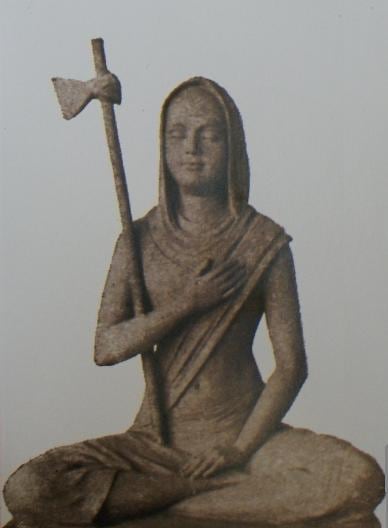
Gaudapada
Widerspruch bei: Was ist das Absolute? Gibt es Gott? · Warum leiden wir? · Wie erlangt man Befreiung oder Erlösung?
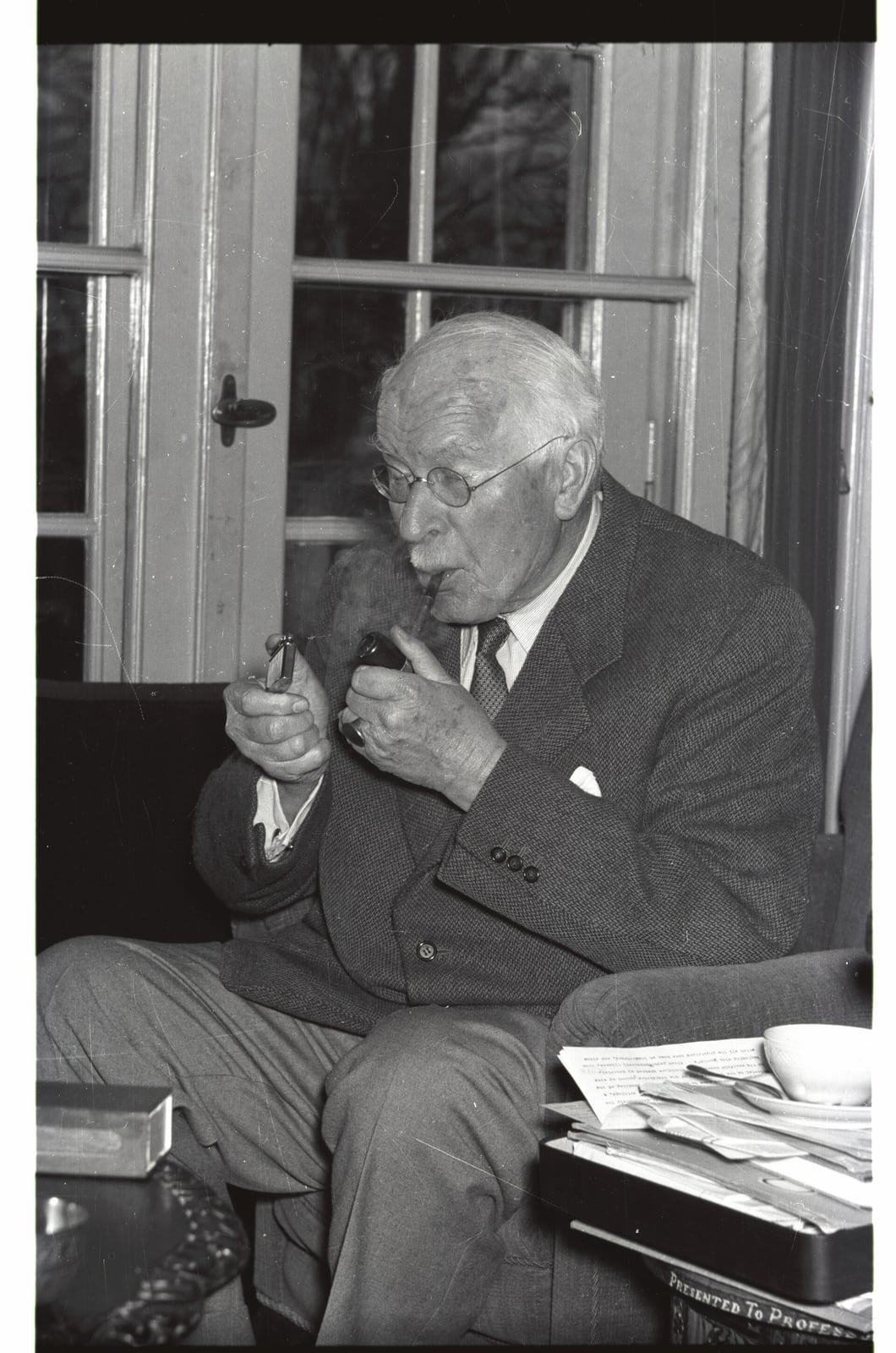
Carl Gustav Jung
Widerspruch bei: Was ist das Absolute? Gibt es Gott? · Warum leiden wir? · Wie erlangt man Befreiung oder Erlösung?
Anekdoten und Erzählungen
Anekdoten und Erzählungen
Mündliche Überlieferungperiodo upaniṣádico
“I know mantras, not the Self”
Herkunft der Erzählung: Chāndogya Upaniṣad VII.1–26, checked against the Sanskrit on Wikisource. A didactic dialogue in an early Upaniṣad; not a historical event but a teaching in narrative form. The translations of the sentences quoted are the researcher’s.
Mündliche Überlieferungperiodo védico tardío
The childless king and the promise to Varuṇa
Herkunft der Erzählung: Aitareya Brāhmaṇa VII.13–18, checked in Martin Haug’s translation (1863; repr. 1922). The story was recited at the royal consecration (rājasūya). A ritual text, not a chronicle.
Hagiographische Erzählungtiempo legendario
Vālmīki asks about the perfect man
Herkunft der Erzählung: Rāmāyaṇa, Bālakāṇḍa, sargas 1–2 (critical ed.; trans. Robert P. Goldman, 1984). The first two sargas belong to the layers of the poem considered later; the story is an aetiology of poetry, not a historical event.
Quelle: Goldman, Robert P. (trad.). The Rāmāyaṇa of Vālmīki: An Epic of Ancient India, vol. I: Bālakāṇḍa. Princeton: Princeton University Press, 1984. Sarga 1–2 (Nārada narra a Vālmīki la historia de Rāma).
Hagiographische Erzählungtiempo mítico
The son of the maidservant
Herkunft der Erzählung: Bhāgavata Purāṇa I.4–6, a devotional text of debated date (c. 9th–10th centuries), checked in Burnouf’s French translation (1840). The scene works as a foundation story for the Bhāgavata itself.
Hagiographische Erzählungtiempo mítico
Kubera’s sons turned into trees
Herkunft der Erzählung: Bhāgavata Purāṇa X.10 (Sanskrit on Wikisource), taken up in Kṛṣṇaite iconography as the episode of the yamalārjuna trees. A devotional story with no historical basis.
Mündliche Überlieferungtiempo mítico
The water Viṣṇu asked for
Herkunft der Erzählung: A Purāṇic story with many variants: in the Devī-Bhāgavata Purāṇa (book VI) Nārada is turned into a woman by bathing in a pond; the version with the village and the flood is the one popularised by Heinrich Zimmer (1946), who drew it from Purāṇic sources. Details (twelve years, half an hour) vary between versions; Zimmer’s is followed here.
Quelle: Zimmer, Heinrich. Myths and Symbols in Indian Art and Civilization, ed. Joseph Campbell. Nueva York: Pantheon Books, 1946 (Bollingen Series VI). Capítulo I, relato de Nārada y la māyā de Viṣṇu.
Umstrittentradición medieval y moderna
The highwayman who became a poet
Herkunft der Erzählung: The highwayman legend is later than the Rāmāyaṇa. In the Adhyātma Rāmāyaṇa it is the seven sages (saptarṣi) who convert the highwayman; the figure of Nārada as initiator belongs to later popular versions. No ancient source supports it.
Lehren
Lehren
Die Begriffe, die das Denken gliedern, in ihrem Zusammenhang erklärt.
Parabhakti (supreme love)para-bhakti
It is the central notion of the Vaiṣṇava theology of devotion, later developed by the schools of Rāmānuja, Madhva and Caitanya; the Nārada Bhakti Sūtra and the Śāṇḍilya Bhakti Sūtra are its two aphoristic manuals.
Quelle: Wikisource en sánscrito: «नारदभक्तिसूत्रम्» (Nārada Bhakti Sūtra, 84 aforismos).
Bhūman (the infinite)bhuman
It is one of the Upaniṣadic texts most quoted by Vedānta; the Brahmasūtra (I.3.8–9) discuss whether bhūman denotes breath or Brahman.
Mahatsaṅga (the company of great souls)mahat-sanga
The value placed on the company of the saintly (satsaṅga) is a feature common to Hindu devotional movements, from the Bhāgavata to the medieval poet-saints.
Quelle: Wikisource en sánscrito: «नारदभक्तिसूत्रम्» (Nārada Bhakti Sūtra, 84 aforismos).
The eleven forms of attachment to Godekadasha-asakti
The classification anticipates the theory of devotional sentiments (bhakti-rasa) systematised in the sixteenth century by Rūpa Gosvāmī, a disciple of Caitanya.
Quelle: Wikisource en sánscrito: «नारदभक्तिसूत्रम्» (Nārada Bhakti Sūtra, 84 aforismos).
Vyavahāra (litigation and its eighteen titles)vyavahara
It is the only dharmaśāstra that entirely excludes ritual and penance; scholars ascribe it to a jurist distinct from the sage of the epic.
Quelle: Lariviere, Richard W. (ed. y trad.). The Nāradasmṛti. 2 partes. Filadelfia: Department of South Asia Regional Studies, University of Pennsylvania, 1989 (University of Pennsylvania Studies on South Asia 4–5); reimpr. Delhi: Motilal Banarsidass, 2003 (ISBN 9788120818040).
Devarṣi (divine sage)devarshi
The category brings together a small group of figures in the Purāṇas; Nārada is the only one who became a recurring character throughout narrative literature.
Videos
Videos
Aufnahmen, Gespräche und Dokumentarfilme. Die Videos werden von YouTube wiedergegeben; sie werden nicht hier gespeichert.
“Learning from the Sage Narada” | Swami Sarvapriyananda
Vortrag· EN· 51 min
Ramakrishna Vedanta Society of North TexasOffizieller Kanal
Nārada Bhakti Sūtra 1/5 | Pravrajika Divyanandaprana
Vortrag· EN· 82 min
Ramakrishna Vedanta Society of North TexasOffizieller Kanal
Narada Bhakti Sutra by Swami Mitrananda | Day 1 | Narada Jayanthi 2021
Vortrag· EN· 43 min
Chinmaya Mission ChennaiOffizieller Kanal
Narada Bhakti Sutra | Day 1 | Swami Abhedananda
Vortrag· EN· 57 min
Chinmaya Mission South AfricaOffizieller Kanal
The 3 Qualities Of Divine Love | Excerpts From Narad Bhakti Sutra Discourse By Gurudev
Vortrag· EN· 9 min
Gurudev Sri Sri Ravi ShankarOffizieller Kanal
2. Narada Bhakti Sutras || Swami Ishadhyanananda
Auf YouTube ansehen
Dieses Video lässt sich nicht einbetten; es wird auf YouTube geöffnet.
2. Narada Bhakti Sutras || Swami Ishadhyanananda
Vortrag· EN· 71 min
Vedanta Society of SacramentoOffizieller Kanal
भक्त को संसार में कैसे जीना चाहिए? नारद भक्ति दर्शन - 21/37 (1990)
Vortrag· HI· 20 min
Jagadguru Shri Kripalu Ji Maharaj - OfficialOffizieller Kanal
Narada Bhakti Sutram - 84 Sutrams - Recited by Smt. Vidhya Ramesh
Aufnahme Dritter· SA· 12 min
Nivedita R
Swami Brahmarupananda - True Happiness, Sanatkumara’s instruction to Narada in the Chandogya Upanishad
Vortrag· EN· 80 min
Ramakrishna Vedanta Society of North Carolina (Vedanta NC)Offizieller Kanal
Dialogue between Narada and Sanatkumar. Chandogya Upanishad Chapter 7. - Prof. Rambachan
Vortrag· EN· 75 min
Discourse on Hinduism
Sarga 1.1 - HOW did Narada DESCRIBE Shri Rama to Sage Valmiki! - #ValmikiRamayanam
Analyse· EN· 28 min
The Sanskrit Channel
Understanding the Dharma Shastras: A Conversation with Dr. Patrick Olivelle and Dr. Donald Davis
Gespräch· EN· 113 min
Meru Media
EPISODIO 5: EL PASADO DE UN SABIO - La historia de Narada Muni
Aufnahme Dritter· ES· 11 min
Historias del Srimad Bhagavatam
Galerie
Galerie
Bilder mit geprüfter Lizenz. Jedes bewahrt seine Urheberschaft und seinen Herkunftsnachweis.
Beziehungen
Beziehungen
Einflüsse, Schülerschaften und Verwandtschaften. Die belegte Beziehung wird von der durch Analyse ermittelten Ähnlichkeit unterschieden.
Lehrer von
According to the Bhāgavata Purāṇa (I.4–6), Nārada advises Vyāsa, dissatisfied after composing the Mahābhārata, to sing the glories of Kṛṣṇa; the Bhagavad Gītā (10.13) names them together among those who proclaimed God. A narrative relation within the tradition.
Belegte Beziehung
Beeinflusste
In the first sarga of the Rāmāyaṇa, Nārada tells Vālmīki the story of Rāma, the kernel from which the poem arises. The later legend making Nārada the initiator of the highwayman Ratnākara does not come from the Rāmāyaṇa.
Belegte Beziehung
Beeinflusste
Vivekananda dictated in the United States a free translation of the Nārada Bhakti Sūtra, included in volume 6 of his complete works.
Belegte Beziehung
Beeinflusste
Ramakrishna recommended the devotion “of the Rishi Narada” as the path suited to the present age, according to the 1911 English edition of the Gospel.
Belegte Beziehung
Verwandte Gedanken mit
The Bhagavad Gītā (10.26) names in the same verse Nārada, foremost of divine sages, and Kapila, foremost of the perfected; the Mahābhārata presents Nārada as versed in Sāṃkhya.
Durch Analyse ermittelte Ähnlichkeit
Verwandte Gedanken mit
The Chāndogya Upaniṣad brings together, in consecutive chapters, Uddālaka’s teaching to Śvetaketu (VI) and Sanatkumāra’s to Nārada (VII): two paths to knowledge of the Self.
Durch Analyse ermittelte Ähnlichkeit
Verwandte Gedanken mit
The Nārada Smṛti and the Yājñavalkya Smṛti are the two great dharmaśāstras after Manu; Olivelle places Nārada’s after Yājñavalkya’s and regards it as the most specialised in law.
Durch Analyse ermittelte Ähnlichkeit
Verwandte Gedanken mit
Caitanya’s Gauḍīya school inherits the theology of devotion of the Bhāgavata, where Nārada is Vyāsa’s teacher, and its authors quote definitions of bhakti under the name Nārada Pañcarātra.
Durch Analyse ermittelte Ähnlichkeit
Verwandte Gedanken mit
Mīrābāī’s love for Kṛṣṇa, with its pain of separation, corresponds to the forms of attachment that the Nārada Bhakti Sūtra (82) recognises as full devotion, following the model of the gopīs.
Durch Analyse ermittelte Ähnlichkeit
Von anderen Einträgen aus verknüpft
Quellen
Quellen
Für diesen Eintrag herangezogene Bibliografie und Kataloge.
- Wikidata, «Narada» (santo de la clase celestial), QID Q844066; GND 118818422; VIAF 193295452.
- Wikisource en sánscrito: «नारदभक्तिसूत्रम्» (Nārada Bhakti Sūtra, 84 aforismos).
- Vivekananda, Swami. «Narada-Bhakti-Sutras (a free translation dictated by Swamiji in America)», en The Complete Works of Swami Vivekananda, vol. 6 (Notes of Class Talks and Lectures). Texto en Wikisource.
- Sturdy, E. T. (trad.). Nârada Sûtra: An Inquiry into Love (Bhakti-jijnâsâ). Londres: Longmans, Green & Co., 1896.
- Sinha, Nandalal (trad.). The Bhakti Sûtras of Nârada. Allahabad: Pāṇini Office (Sacred Books of the Hindus 7, parte 1); ejemplar digitalizado fechado en 1917.
- Jolly, Julius (trad.). The Minor Law-Books, parte I: Nârada, Brihaspati. Oxford: Clarendon Press, 1889 (Sacred Books of the East 33). Introducción sobre la Nāradasmṛti.
- Lariviere, Richard W. (ed. y trad.). The Nāradasmṛti. 2 partes. Filadelfia: Department of South Asia Regional Studies, University of Pennsylvania, 1989 (University of Pennsylvania Studies on South Asia 4–5); reimpr. Delhi: Motilal Banarsidass, 2003 (ISBN 9788120818040).
- Olivelle, Patrick. «Dharmaśāstra: A Textual History». En Timothy Lubin, Donald R. Davis Jr. y Jayanth K. Krishnan (eds.), Hinduism and Law: An Introduction. Cambridge: Cambridge University Press, 2010, pp. 28–57.
- Wikisource en sánscrito: «छान्दोग्योपनिषद्/अध्यायः ७» (Chāndogya Upaniṣad VII, diálogo de Nārada y Sanatkumāra).
- Goldman, Robert P. (trad.). The Rāmāyaṇa of Vālmīki: An Epic of Ancient India, vol. I: Bālakāṇḍa. Princeton: Princeton University Press, 1984. Sarga 1–2 (Nārada narra a Vālmīki la historia de Rāma).
- Burnouf, Eugène (trad.). Le Bhâgavata Purâna, ou Histoire poétique de Krĭchṇa, tome premier. París: Imprimerie royale, 1840. Libro I, caps. 4–6 (Nārada y Vyāsa; la vida anterior de Nārada).
- Arnold, Edwin (trad.). The Song Celestial, or Bhagavad-Gîtâ. Londres: Trübner, 1885. Capítulo X, versos 13 y 26. Project Gutenberg n.º 2388.
- M. [Mahendranath Gupta]. The Gospel of Sri Ramakrishna (According to M., a Son of the Lord and Disciple). Edición inglesa condensada del autor. Madrás: Ramakrishna Math, 1911.
- Rocher, Ludo. The Purāṇas. Wiesbaden: Otto Harrassowitz, 1986 (A History of Indian Literature II.3). Entradas sobre el Nāradīya y el Bṛhannāradīya.
- Tagare, Ganesh Vasudeo (trad.). The Nārada-Purāṇa. 5 vols. Delhi: Motilal Banarsidass, 1980–1982 (Ancient Indian Tradition and Mythology 15–19).
- Haug, Martin (trad.). The Aitareya Brahmanam of the Rigveda. Bombay, 1863; reimpr. Allahabad: Pāṇini Office, 1922. VII.13–14 (Hariścandra y Nārada).
- Schrader, F. Otto. Introduction to the Pāñcarātra and the Ahirbudhnya Saṃhitā. Madrás: Adyar Library, 1916.
- Flood, Gavin. An Introduction to Hinduism. Cambridge: Cambridge University Press, 1996 (capítulo sobre la devoción vaiṣṇava).
- Wikisource en sánscrito: «नारदीयशिक्षा» (Nāradīya Śikṣā).
- Telang, M. R. (ed.). Saṅgīta-makaranda of Nārada. Baroda: Central Library, 1920 (Gaekwad's Oriental Series 16).
- Zimmer, Heinrich. Myths and Symbols in Indian Art and Civilization, ed. Joseph Campbell. Nueva York: Pantheon Books, 1946 (Bollingen Series VI). Capítulo I, relato de Nārada y la māyā de Viṣṇu.
- Jamison, Stephanie W. y Joel P. Brereton (trads.). The Rigveda: The Earliest Religious Poetry of India. 3 vols. Nueva York: Oxford University Press, 2014. Introducciones a RV 8.13 y 9.104–105.
- van Buitenen, J. A. B. (trad.). The Mahābhārata, vol. 2: The Book of the Assembly Hall; The Book of the Forest. Chicago: University of Chicago Press, 1975 (Sabhāparvan 5–11); y The Mahābhārata, edición crítica, Śāntiparvan (Nārāyaṇīya), Poona: BORI, 1949–1966.
- Banerjea, K. M. (ed.). Śrī Nārada Pañcarātram: the Jñānāmṛtasāra Saṃhitā. Calcuta: Asiatic Society, 1865 (Bibliotheca Indica); trad. inglesa de Swami Vijnanananda, Allahabad, 1921 (Sacred Books of the Hindus 23).
- Wikisource en sánscrito: «नारदस्मृतिः» y «नारदपुराणम्» (textos sánscritos con subpáginas).
- Hazra, Rajendra Chandra. Studies in the Upapurāṇas, vol. I. Calcuta: Sanskrit College, 1958 (sobre el Bṛhannāradīya).
- Wikipedia en inglés, «Narada» (consultada para la iconografía, el culto, Nārada Jayantī y la imagen popular; contrastada con las fuentes primarias).
- Wereldmuseum Amsterdam (antiguo Tropenmuseum), marioneta de wayang golek «Batara Narada», inv. TM-4283-48; descripción en Wikimedia Commons.
- Wikisource en sánscrito: «श्रीमद्भागवतपुराणम्» (Bhāgavata Purāṇa; libros IV, VII y X para Dhruva, Prahlāda y los hijos de Kubera).
- Wikipedia en inglés, «Valmiki» (versiones de la leyenda del bandolero Ratnākara: los siete sabios en el Adhyātma Rāmāyaṇa, Nārada en los relatos populares).
- Rechteinhaber
- Textos sánscritos en dominio público. Las traducciones de Vivekananda (m. 1902), Jolly (m. 1932), Haug (m. 1876) y Burnouf (m. 1852) son de dominio público; la de E. T. Sturdy (1896; m. 1957) solo lo es en EE. UU. Las ediciones modernas (Sri Ramakrishna Math, Vedanta Press, Bhaktivedanta Book Trust, Art of Living, Advaita Ashrama, Inner Traditions, Motilal Banarsidass, University of Pennsylvania) tienen derechos propios.
Bestätigung ausstehend
Was dieser Eintrag noch nicht klären konnte. Wir sagen es lieber, als es aufzufüllen.
- Ediciones en español con ISBN del Nārada Bhakti Sūtra, de la Nārada Smṛti y del Nārada Purāṇa: no localizadas (Open Library sin resultados; Google Books devolvió error 429). Revisar BNE e Iberlibro.
- Comprobar en Flood (1996) la página exacta de la datación «posiblemente del siglo XII» del Nārada Bhakti Sūtra, tomada de una referencia secundaria.
- Comprobar la fecha de muerte de Nandalal Sinha y la fecha original (1911 o 1917) de su traducción en la serie Sacred Books of the Hindus.
- Verificar la referencia exacta de la versión de Zimmer del relato de la māyā (capítulo y fuente purāṇica que él cita).
- Localizar una edición con ISBN de la Nāradaparivrājaka Upaniṣad (p. ej., en las Saṃnyāsa Upaniṣads de Olivelle) y del Saṅgītamakaranda.
- Los vídeos no traen año de publicación en oEmbed; se dejó year en null. El vídeo de la Vedanta Society of Sacramento devuelve 401 (no insertable).
Recherchiert am 2026-10-26