Hinduismus · Bhakti
Mirabai
मीराबाई · મીરાંબાઈ
um 1498 – um 1547Historizität umstritten
Rajputische Dichterin und Heilige des 16. Jahrhunderts (um 1498 – um 1547), Verehrerin Krishnas, als dessen Gattin sie sich bezeichnete. Die Prinzessin aus dem Rathore-Clan von Merta und Witwe des Thronerben von Mewar trotzte den Normen ihrer Kaste und ihres Standes; die Überlieferung erinnert sich an sie als von der angeheirateten Familie Verfolgte, die in Dwarka verschwand. Ihr werden Hunderte von Liedern (Padas) zugeschrieben, die noch heute in ganz Indien gesungen werden, obwohl kaum eines in Handschriften vor dem 18. Jahrhundert erscheint.
- Werke
- 11Werke
- Ausgaben
- 14Ausgaben
- Zitate
- 5Zitate
- Videos
- 11Videos
- Bilder
- 7Bilder
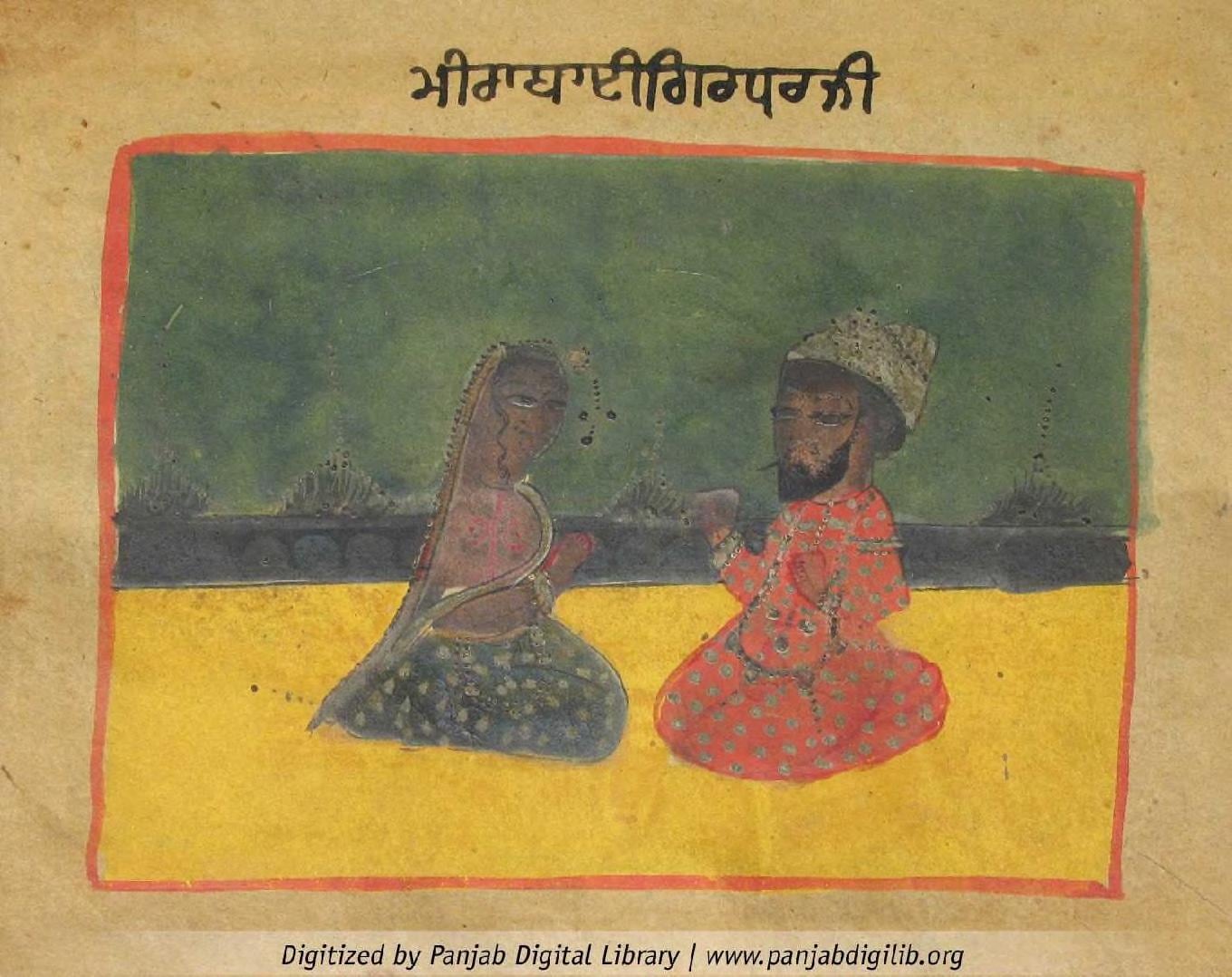
Mirabai y Girdharji en la Prem Ambodh Pothi · Public domain
In eigenen Worten
«Mine is Giridhar Gopal, and no one else. The one who wears the peacock-feather crown on his head, he is my husband.»Pada atribuido, en la Mīrāṃbāī kī padāvalī de P. Chaturvedi. Traducción propia.
Der zentrale Gedanke
Krishna as husband (Giridhar Nagar): The most personal feature of Mira's devotion is its form: she does not love Krishna as one of the many cowherd women of legend, but as a wife married to him, and she calls her god by the epithet Giridhar Nagar, the gallant who held up Mount Govardhana to protect the herders.
Im Zusammenhang sehen
Biografie
4 Min. Lesezeit
Unterstützte Übersetzung aus dem spanischen Original, Durchsicht durch einen muttersprachlichen Übersetzer ausstehend.
Eine Prinzessin aus Merta
Mira – Mirabai, mit der ehrenden Anrede – wurde um 1498 in Kudki geboren, einem Dorf im Gebiet von Merta im Herzen Rajasthans. Sie gehörte zum Merta-Zweig des Rajputen-Clans der Rathore: Tochter Ratan Singhs, Enkelin Rao Dudas, des Gründers der Stadt, und Cousine Jaimals, des Verteidigers von Chittor. Die Überlieferung erzählt, sie habe als Kind ein kleines Bildnis Krishnas geschenkt bekommen und, als ein Hochzeitszug vorbeikam, ihre Mutter gefragt, wer einmal ihr Gemahl sein werde; die Mutter habe auf das Bildnis gezeigt. Die Szene ist Legende, doch sie verdichtet den Kern ihrer Gestalt: eine Frau, die sich für die Gattin Krishnas erklärte, des Giridhar, »der den Berg emporhob«.
Was man weiß und was man erzählt
Man muss von Anfang an zwei Schichten trennen. Die erste ist dünn: Keine Chronik ihrer Zeit nennt sie, und die ältesten Erwähnungen stammen aus dem 17. Jahrhundert, alle weniger als hundertfünfzig Jahre nach ihrem Tod. Die früheste datierbare ist eine Strophe aus dem Bhaktamal des Nabhadas, um 1600, die sie mit den Kuhhirtinnen Krishnas vergleicht und sagt, sie habe die öffentliche Scham und die Fesseln der Familie abgeworfen und das Gift, das ihr die Bösen reichten, wie Nektar getrunken. Die zweite Schicht ist unermesslich: der Kommentar des Priyadas (1712), regionale Legenden, Lieder, das Kino. Zwischen beiden ist ein Leben entstanden, das die Historiker kaum in einer Einzelheit bestätigen können und das die Menschen weiterhin singen.
Chittor
Um 1516 wurde sie mit Bhoj Raj verheiratet, dem ältesten Sohn Rana Sangas, des Herrschers von Mewar, des angesehensten Rajputenreichs, dessen Hauptstadt die Festung Chittor war. Bhoj Raj starb jung, noch vor seinem Vater, um 1521, wahrscheinlich an Kriegsverletzungen. Dann kam die Katastrophe: 1527 schlug Babur die Rajputen-Koalition bei Khanwa; Miras Vater starb an den Folgen dieser Schlacht, Sanga kurz darauf. Die folgenden Jahre waren geprägt von Nachfolgekämpfen in Mewar und von Belagerung: 1535 nahm Bahadur Shah von Gujarat Chittor ein. Es liegt nahe, mit Nancy Martin anzunehmen, dass Miras Konflikt mit dem Hof ebenso politisch wie religiös war: eine hochrangige Witwe aus einem verbündeten, später rivalisierenden Clan, die sich weigerte, sich wie eine solche zu verhalten.
Die Witwe, die keine sein wollte
Die traditionelle Erzählung ist eine andere. Mira weigert sich, die Trauer der Rajputenwitwen einzuhalten, und nach späten Fassungen auch, sich auf dem Scheiterhaufen zu verbrennen; sie singt und tanzt in den Tempeln vor Sadhus jeder Kaste; sie empfängt Pilger; sie sagt, ihr Gemahl sei Krishna. Ihr Schwager Vikramaditya, der Anfang der 1530er Jahre über Mewar herrschte, versucht sie zu töten: ein Becher Gift, der sich in Nektar verwandelt, eine Schlange in einem Blumenkorb, die zu einem Krishna-Bildnis oder einer Girlande wird, ein Nagelbett, das zum Blumenlager wird. Das Gift steht schon bei Nabhadas; das Übrige fügen Priyadas und die mündliche Überlieferung hinzu. Die Gedichte, die ihren Namen tragen, halten die Klage fest: Die Leute sagen, Mira sei verrückt geworden, die Schwiegermutter, sie entehre die Familie.
Vrindavan und Dwarka
Die Überlieferungen stimmen darin überein, dass sie Chittor verließ, eine Zeitlang nach Merta zurückkehrte und dann die Pilgerfahrt nach Vrindavan antrat, ins Land Krishnas, wo Priyadas ihre Begegnung mit dem Theologen Jiva Gosvamin ansiedelt, der keine Frauen empfing. Von dort zog sie nach Dwarka an der Küste Gujarats, der Stadt des Königs Krishna. Die letzte Legende besagt, eine Gesandtschaft von Brahmanen sei aus Mewar gekommen, um sie zurückzuholen, und habe gedroht, bis zum Tod zu fasten, falls sie sich weigere; Mira bat um Erlaubnis, sich im Tempel vom Bildnis des Ranchhodji zu verabschieden, trat ein und kam nie wieder heraus: Nur ihr Sari blieb, um die Statue geschlungen. Man datiert dies auf 1546 oder 1547, ohne dass ein Dokument es bestätigte.
Ein Korpus, das mit ihr wuchs
Ihr werden Hunderte von Padas zugeschrieben, kurze Lieder mit ihrem Namen im letzten Vers, in einer Mischung aus Rajasthani und Braj Bhasha, aber auch auf Gujarati. Doch die handschriftliche Grundlage ist erstaunlich schwach. John Stratton Hawley, der sie gründlicher erforscht hat als irgendjemand sonst, fand in Handschriften vor dem 18. Jahrhundert nur zwei Gedichte, die Mira zugeschrieben werden; der Großteil des Korpus erscheint in Abschriften vom Ende des 18. und aus dem 19. Jahrhundert. Die kritische Ausgabe von Parashuram Chaturvedi (1932), auf der fast alle modernen Übersetzungen beruhen, versammelt rund zweihundert Gedichte, ohne die benutzten Handschriften anzugeben. Daher Hawleys Vorsicht: Von Mirabais Dichtung zu sprechen heißt immer, von einem Rätsel zu sprechen. Beschreiben lässt sich dagegen ein Stil: die Liebe zu Krishna als Ehe gelebt, die Ungeduld der wartenden Geliebten, der Yogi Krishna, der verführt und davongeht, die offene Herausforderung der Familienehre.
Eine Gestalt des Volkes
Mira ist, wie Parita Mukta schrieb, eher eine Heilige des Volkes als des Hofes: In Rajasthan singen sie vor allem Bauern, Weber und niedere Kasten, die sich an sie als die Königin erinnern, die den Schuster Raidas zum Guru wählte und die Ehre ihres Geschlechts verachtete, während das Gedächtnis des Rajputenadels ihr jahrhundertelang mit Unbehagen begegnete. Das 20. Jahrhundert machte sie zum Sinnbild. Gandhi sah in ihrem gewaltlosen Widerstand ein Vorbild und gab ihren Namen seiner englischen Schülerin Madeleine Slade, Mirabehn; M. S. Subbulakshmi verkörperte sie 1945 im Film; Gulzar widmete ihr 1979 einen Film. Die Übersetzungen von Robert Bly, Jane Hirshfield oder Andrew Schelling haben sie als Dichterin der inneren Freiheit in andere Sprachen getragen. Hinter all diesen Miras stehen eine wirkliche Frau, von der wir sehr wenig wissen, und eine Stimme, die sich unaufhörlich gewandelt hat.
Quellen: Hawley, John Stratton. Three Bhakti Voices: Mirabai, Surdas, and Kabir in Their Times and Ours. Nueva Delhi: Oxford University Press, 2005. ISBN 9780195670851. · Hawley, John Stratton, y Mark Juergensmeyer. Songs of the Saints of India. Nueva York: Oxford University Press, 1988. ISBN 9780195052213. · Mukta, Parita. Upholding the Common Life: The Community of Mirabai. Delhi: Oxford University Press, 1994. ISBN 9780195631159. · Nābhādās. Bhaktamāl (c. 1600), con el comentario Bhaktirasabodhinī de Priyādās (1712). Ed. y trad. parcial en Hawley, Three Bhakti Voices, y en Mukta, Upholding the Common Life. · Martin, Nancy M. Mirabai: The Making of a Saint. Nueva York: Oxford University Press, 2023. ISBN 9780195153903.
Zeitleiste
Das Leben, Jahr für Jahr
Jeder Punkt ist ein belegtes Ereignis. Klicken Sie, um es mit Quelle und Grad der Gewissheit zu lesen.
um 14980 JahreKudki, territorio de Merta (Rajastán)
Birth
Born into the Merta branch of the Rathor clan, daughter of Ratan Singh and granddaughter of Rao Duda. The year is a historians' estimate; other proposals go as late as 1504.
WahrscheinlichGoetz, Hermann. Mira Bai: Her Life and Times. Bombay: Bharatiya Vidya Bhavan, 1966.
Nach dem Tod
- um 1600Nabhadas's Bhaktamal
- 1712Priyadas's commentary
- 1829James Tod confuses her with Rana Kumbha's wife
- 1932Parashuram Chaturvedi's edition
- 1945Meera, with M. S. Subbulakshmi
um 1498 · 0 Jahre
Birth
Born into the Merta branch of the Rathor clan, daughter of Ratan Singh and granddaughter of Rao Duda. The year is a historians' estimate; other proposals go as late as 1504.
Wahrscheinlich
um 1516 · 18 Jahre
Marriage to Bhoj Raj
She is married to the heir of Rana Sanga of Mewar. Tradition says she already considered herself married to Krishna.
Wahrscheinlich
um 1521 · 23 Jahre
Death of Bhoj Raj
Her husband dies before succeeding his father, probably of war wounds. Mira is left a childless widow.
Wahrscheinlich
März 1527 · 29 Jahre
Battle of Khanwa
Babur defeats Rana Sanga's Rajput coalition; Mira's father dies as a result of the battle and Sanga soon afterwards.
Belegt
um 1531 · 33 Jahre
The persecution
Under Vikramaditya (c. 1531-1536), according to tradition, she suffers poisoning attempts and the court's hostility for her public devotion. Nabhadas (c. 1600) already mentions the poison.
Überlieferung
um 1535 · 37 Jahre
Departure from Mewar and pilgrimage
She leaves Chittor, returns to Merta and makes the pilgrimage to Vrindavan. Priyadas places her meeting with Jiva Gosvamin there.
Überlieferung
um 1540
Dwarka
She settles in Dwarka, the city of Krishna as king, where she will spend her last years.
Überlieferung
um 1547 · 49 Jahre
Death or disappearance
Legend has her vanish into the image of Ranchhodji when a delegation from Mewar comes for her. It is dated to around 1546-1547; other sources give later dates.
Umstritten
um 1600
Nabhadas's Bhaktamal
The first datable reference to Mira: a stanza presenting her as a fearless devotee who drank poison as nectar.
Belegt
1712
Priyadas's commentary
Priyadas's Bhaktirasabodhini expands Mira's life with the episodes of the snake, Jiva Gosvamin and Dwarka.
Belegt
1829
James Tod confuses her with Rana Kumbha's wife
The Annals and Antiquities of Rajast'han place her a century earlier, as Kumbha's wife; the error was repeated for decades.
Belegt
1932
Parashuram Chaturvedi's edition
The Hindi Sahitya Sammelan's Mīrāṃbāī kī padāvalī fixes the corpus of some two hundred padas on which almost all translators work.
Belegt
1945
Meera, with M. S. Subbulakshmi
Tamil film by Ellis R. Dungan with the singer in the lead role; the 1947 Hindi version was introduced by Sarojini Naidu.
Belegt
Werke
Grundlegende Werke
Die Werke, ohne die sich das Vermächtnis nicht verstehen lässt.
Spätere Zusammenstellung
Padavali (Mirabai's songs)
मीराँबाई की पदावली
Short songs, composed to be sung to a raga, ending with the signature "Mira ke prabhu Giridhar Nagar" ("Mira's lord is the gallant Giridhar"). They speak of Krishna as a husband chosen against the family's will, of waiting and separation, of the yogi Krishna who seduces and leaves, of mockery and persecution, of the joy of meeting. The language mixes Rajasthani and Braj Bhasha; there is also a Gujarati corpus. Musical tradition also attributes to her a variant of raga Malhar, called "Mira ki Malhar". It is the work for which she is known throughout India.
8 Ausgaben · amazon.com
Mirabai
"Mere to Giridhar Gopal" ("Mine is Giridhar Gopal")
Traditionelle Zuschreibung
"Mere to Giridhar Gopal" ("Mine is Giridhar Gopal")
मेरे तो गिरधर गोपाल, दूसरो न कोई
Probably the pada most associated with her name. The singer declares she has no one but Krishna, the one with the peacock-feather crown, and that for him she has lost the family's honour: she has sat with the saints, cast off public shame, watered the creeper of love with her tears. It sums up the break with lineage that defines her figure.
1 Ausgabe
Mirabai
"Payoji maine Ram ratan dhan payo" ("I have found the jewel of Ram's name")
Traditionelle Zuschreibung
"Payoji maine Ram ratan dhan payo" ("I have found the jewel of Ram's name")
पायो जी मैंने राम रतन धन पायो
A song of gratitude for the divine name, presented as a treasure that is never spent, that thieves cannot steal and that grows every day. It is one of the most popular bhajans of modern India, spread by Lata Mangeshkar's recording and by singing in temples and schools.
1 Ausgabe
Das gesamte Werk (11)
Mirabai
Narsi ji ro Mahero
The Conscious LibraryNarsi ji ro Mahero
Mirabai
Commentary on the Gita Govinda
The Conscious LibraryCommentary on the Gita Govinda
Mirabai
Rag Govind
The Conscious LibraryRag Govind
Mirabai
Padas in raga Sorath
The Conscious LibraryPadas in raga Sorath

Three Bhakti Voices (John Stratton Hawley)
2005
Mirabai
Upholding the Common Life (Parita Mukta)
The Conscious LibraryUpholding the Common Life (Parita Mukta)
1994
Mirabai
Mirabai: The Making of a Saint (Nancy M. Martin)
The Conscious LibraryMirabai: The Making of a Saint (Nancy M. Martin)
2023
Mirabai
Mira Bai: Her Life and Times (Hermann Goetz)
The Conscious LibraryMira Bai: Her Life and Times (Hermann Goetz)
1966
Zitate
Zitate, die in einem bestimmten Werk nachgewiesen sind. Jedes trägt seine Herkunft und seinen Grad an Verlässlichkeit.
Mine is Giridhar Gopal, and no one else. The one who wears the peacock-feather crown on his head, he is my husband.मेरे तो गिरधर गोपाल, दूसरो न कोई। जाके सिर मोर मुकुट, मेरो पति सोई॥
UmstrittenPada atribuido, en la Mīrāṃbāī kī padāvalī de P. Chaturvedi. Traducción propia.
Letzte Worte
Es gibt keine überprüfbaren Aufzeichnungen der letzten Worte.
There is no testimony of her last words or her death. The legend transmitted since Priyadas (1712) has her enter the temple of Ranchhodji in Dwarka and vanish into the image; some popular versions attribute a final song to her, but there is no fixed form and no early source that records it.
Quelle: Nābhādās. Bhaktamāl (c. 1600), con el comentario Bhaktirasabodhinī de Priyādās (1712). Ed. y trad. parcial en Hawley, Three Bhakti Voices, y en Mukta, Upholding the Common Life.
Fragen
Was das Werk beantwortet
Zwölf große Fragen der Menschheit und was sich aus den Texten darauf antworten lässt, mit Belegen. Wir legen niemandem Worte in den Mund.
Was ist das Absolute? Gibt es Gott?
The ultimate has a name and a face: Giridhar Gopal, her husband
Ein persönlicher GottAusdrücklich gesagt
In the songs attributed to Mirabai the divine is neither a principle nor an idea: it is Krishna, Giridhar Gopal, the one who lifts the mountain, the cowherd with the peacock-feather crown. Her most famous pada declares him hers and no one else’s, and calls him husband. Mirabai does not debate the nature of the Absolute or compare schools; her theology is that of loving bhakti, which presupposes a personal God who can be loved, awaited and lost. In other songs she also invokes the name of Ram as a jewel received from her teacher, but the figure that dominates her work is a concrete lover with a face, to whom she gives herself above family and convention.
Diese Frage mit anderen Meistern vergleichenWer bin ich? Gibt es ein wahres Selbst?
She does not theorise the self: she knows herself as Krishna’s bride
Nicht geäußert
The songs attributed to Mirabai contain no doctrine of soul or ego. The closest thing to an answer is the way she names herself: as the bride of Giridhar Gopal, as the one who has lost all shame before public opinion (lok-laj), as a woman mad with love whom nobody understands. Her identity is defined by her relation to Krishna and by her break with the roles assigned to her by caste, by the royal family of Mewar and by widowhood. In some songs she says she was his in earlier lives, which presupposes a persisting soul, but she draws no theory from it. Asking her for an anthropology would force a voice that is, above all, lyrical.
Diese Frage mit anderen Meistern vergleichenWarum leiden wir?
The pain of separation from the Beloved, which no one else understands
Die Trennung von GottAusdrücklich gesagt
The songs attributed to Mirabai are shot through with viraha, the pain of separation from Krishna: sleepless nights, eyes that never dry, a wound no physician can heal. One of the most quoted lines says it plainly: she is mad with love and no one knows her pain. To that suffering is added another, inflicted by her in-laws and by society for choosing Krishna above the norms of caste and widowhood; tradition tells of attempts to poison her. Mirabai does not explain the origin of pain: she sings it. But in her songs the suffering of separation is inseparable from love, and the only possible cure is the Beloved’s coming.
Diese Frage mit anderen Meistern vergleichenWas geschieht nach dem Tod?
No speculation on the afterlife: she sings a love across lives
Nicht geäußert
The songs attributed to Mirabai contain no teaching about what happens after death. What appears is the conviction of a bond with Krishna that precedes this life and outlives it: in some padas she presents herself as his bride from previous births and asks not to be separated from him in those to come. Hagiography gives her a symbolic end: in Dwarka, before the image of Krishna, she is said to have vanished into it, leaving no body. That story expresses the devotional hope of a union that death does not interrupt, but it is not a doctrine of Mirabai’s, rather a later legend. In her voice death hardly matters: what matters is not being far from the Beloved.
Diese Frage mit anderen Meistern vergleichenWie erlangt man Befreiung oder Erlösung?
Giving herself wholly to Giridhar, though the world calls her mad
Durch Hingabe und ErgebungAusdrücklich gesagt
In the songs attributed to Mirabai the only path is love of Krishna lived without reserve. She does not speak of liberation in a technical sense; what she seeks is the Beloved’s presence. Her devotion is expressed in song and dance: one of her best-known verses shows her dancing with bells on her ankles while people say she has gone mad and her mother-in-law that she is the ruin of the family. Another pada speaks of the Name of Ram as a priceless jewel received from her true teacher. Surrendering like this means breaking with public opinion (lok-laj), with caste and with the royal family: for Mirabai devotion is also a form of freedom.
Diese Frage mit anderen Meistern vergleichenBraucht es einen Lehrer?
The true master gave her the jewel of the Name
UnverzichtbarAus der Lehre abgeleitet
The songs attributed to Mirabai mention the teacher in few places, but with weight. In the pada that begins by saying she has found the treasure, the jewel of Ram’s name, she states that her true teacher gave her something priceless and, by his grace, made her his own. Another verse says she found her guru, Raidas, the saintly cobbler, who gave her the pill of knowledge. The link with Raidas, of untouchable caste, carries a strong social meaning: a Rajput princess declaring herself the disciple of an untouchable. Whatever the historicity, Mirabai’s tradition makes the teacher the one who hands over the Name, without which devotion does not catch fire.
Diese Frage mit anderen Meistern vergleichenIst die Welt wirklich?
She does not ask about the world’s reality: she turns from it for love
Nicht geäußert
The songs attributed to Mirabai do not ask whether the world is real or illusory. What they do is relativise it from love: palaces, jewels, honours and kinship are worthless beside Giridhar Gopal, and other people’s opinion (lok-laj) ceases to matter. Some padas call the world fleeting, a fair of a few days, in the common language of North Indian bhakti, but without developing an ontology. Her relation to the world is more ethical and social than metaphysical: she leaves the one assigned to her as princess and widow to live among devotees. Attributing to her a doctrine on the nature of the real would go beyond what the texts say.
Diese Frage mit anderen Meistern vergleichenWas ist Liebe?
Mad with love for Giridhar, defying the world
Sehnsucht und VereinigungAusdrücklich gesagt
The songs attributed to Mirabai are above all love songs. Krishna is her husband, to whom she has always belonged; she waits for him at night, calls him, complains of his absence and celebrates his arrival. One of her most quoted lines shows her mad with love with no one to understand her pain. Her love is not abstract: it has body, desire and jealousy, and uses the language of lover and wife. What sets it apart from human love is its object and its radicality: for it she renounces honour, family and the social place that was hers. In Mirabai divine love is longing for union lived as transgression.
Diese Frage mit anderen Meistern vergleichenSind wir frei, oder ist alles vorherbestimmt?
She does not speak of fate: she chooses Krishna against what was imposed
Nicht geäußert
The songs attributed to Mirabai do not deal with the problem of freedom and fate. What they show is a radical choice: against marriage, caste, the widow’s duty and the royal family’s honour, she chooses Krishna and declares him her only husband. In some padas she ascribes that choice to a bond older than this life, as if her destiny were precisely to belong to Giridhar, and in others to the grace of the teacher who gave her the Name. But none of this is presented as doctrine. Modern readings that see Mirabai as an emblem of women’s freedom start from that choice, not from any theory of hers.
Diese Frage mit anderen Meistern vergleichenWozu meditieren oder beten?
Singing and dancing before Giridhar: prayer as love song
Freundschaft mit GottAusdrücklich gesagt
Mirabai’s prayer, as the songs attributed to her preserve it, is song and dance before the image of Krishna. One of her verses shows her dancing with bells on her ankles amid people’s mockery and her family’s scandal; others show her keeping vigil at night, talking to the Beloved, complaining of his absence or begging him to come. There is no technique or method: prayer is the direct expression of a loving relationship with a personal God. The songs themselves serve that function for those who sing them, which is why they have survived in the oral tradition of northern India. To pray, for Mirabai, is to speak to the Beloved.
Diese Frage mit anderen Meistern vergleichenKann die Vernunft das Letzte erkennen?
She does not discuss knowledge: love suffices her
Nicht geäußert
The songs attributed to Mirabai do not address the relation between reason and the divine. They contain no arguments nor any critique of scholars comparable to Kabir’s; what they contain is the affirmation that love of Krishna suffices and that no one who has not felt it can understand her pain or her madness. One pada speaks of the pill of knowledge received from the teacher, but that knowledge is of the Name, not a doctrine. Her voice belongs to the bhakti tradition that values loving experience above learning, but she does not formulate that hierarchy as a theory. Attributing an epistemology to her would go beyond the texts.
Diese Frage mit anderen Meistern vergleichenSich von der Welt zurückziehen oder sie verwandeln?
Breaking with court and convention to live among devotees
Sich zurückziehen, um zu findenAus der Lehre abgeleitet
Mirabai’s tradition narrates a rupture: a Rajput princess married into the royal house of Mewar, she refused the roles of wife and widow, kept company with devotees and wandering saints, endured her in-laws’ hostility and finally left court to live in Vrindavan and Dwarka. Her songs repeat that she has abandoned shame before public opinion (lok-laj) and cares nothing for palace or jewels. It is not the regulated renunciation of the monastery but the abandonment of a social order for love of Krishna. Some studies have read that rupture as social protest, but its meaning in the texts is above all devotional.
Diese Frage mit anderen Meistern vergleichen
Affinitäten und Spannungen
Affinitäten und Spannungen
Frage für Frage aus den Positionen berechnet. Den Grund jeder Übereinstimmung und jedes Widerspruchs zeigt ein Klick.
Denkt ähnlich wie
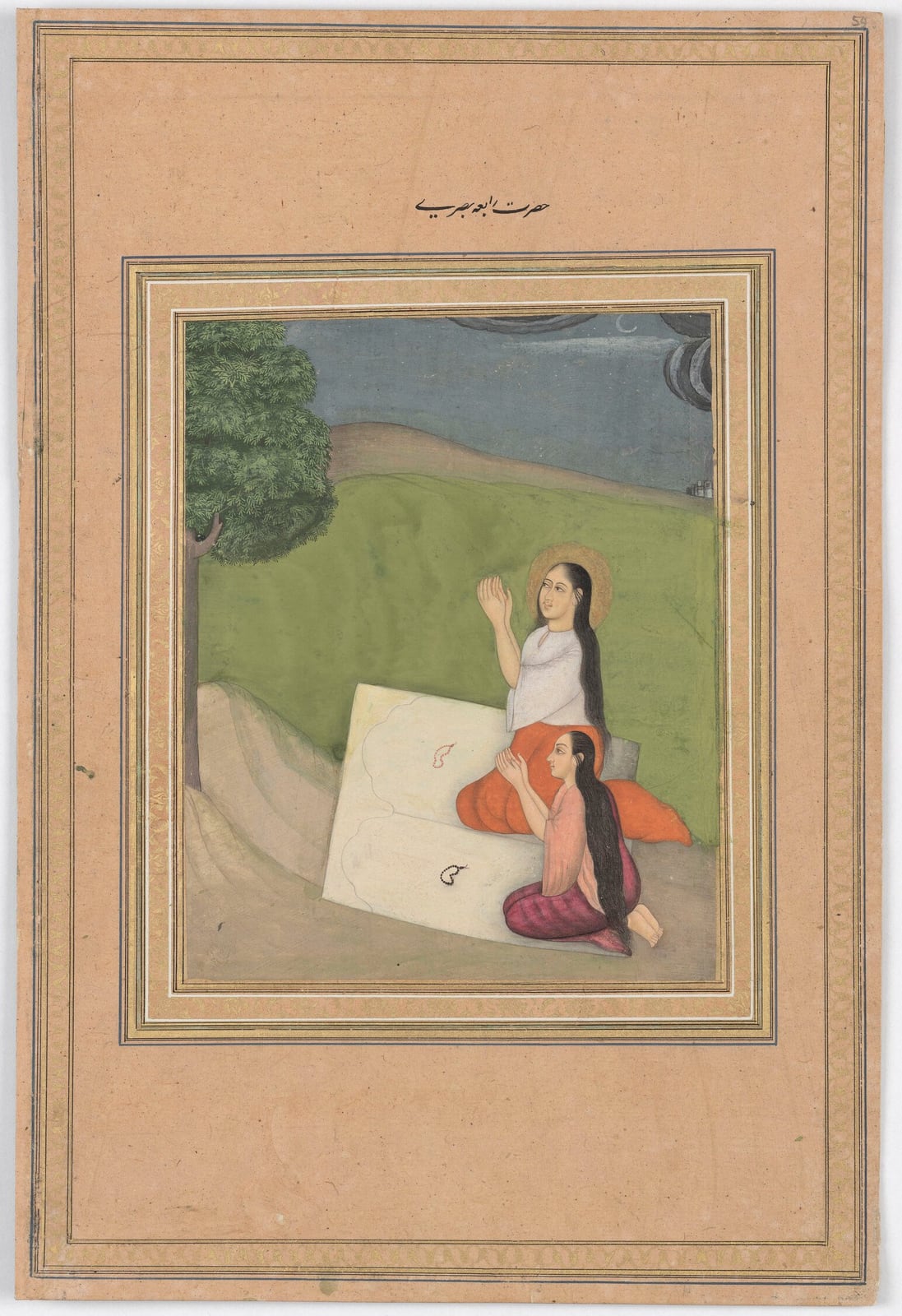
Rabia al-Adawiyya
Übereinstimmung bei: Was ist das Absolute? Gibt es Gott? · Warum leiden wir? · Wie erlangt man Befreiung oder Erlösung?
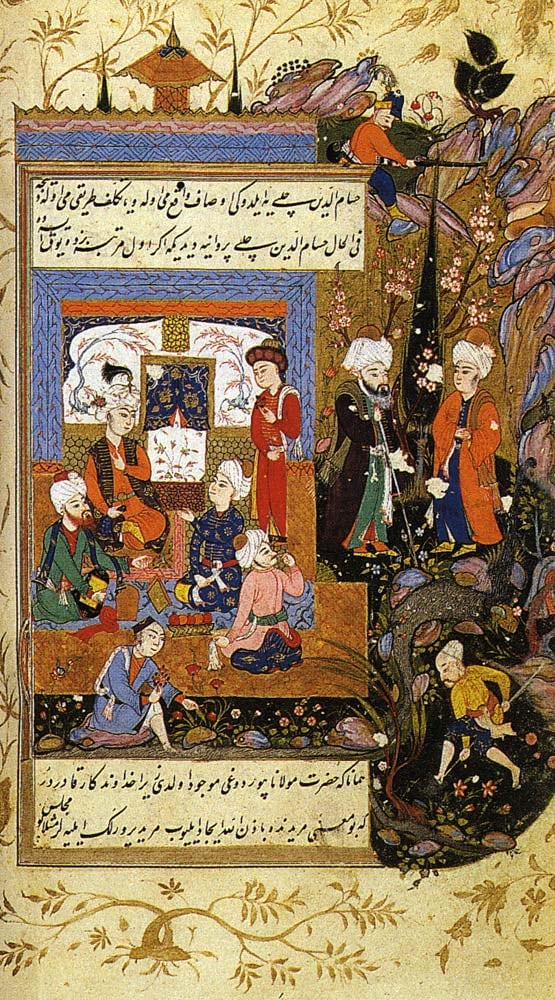
Rumi
Übereinstimmung bei: Was ist das Absolute? Gibt es Gott? · Warum leiden wir? · Wie erlangt man Befreiung oder Erlösung?
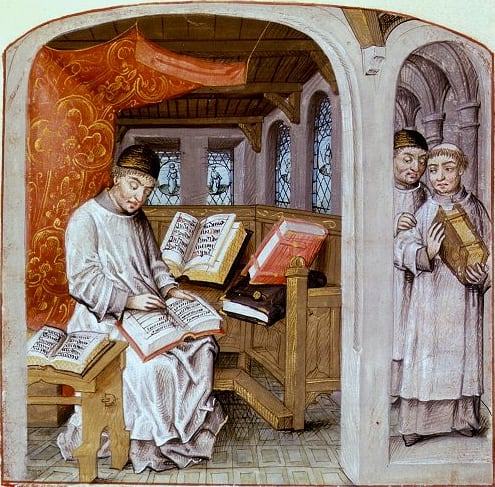
Thomas à Kempis
Übereinstimmung bei: Was ist das Absolute? Gibt es Gott? · Warum leiden wir? · Wie erlangt man Befreiung oder Erlösung?
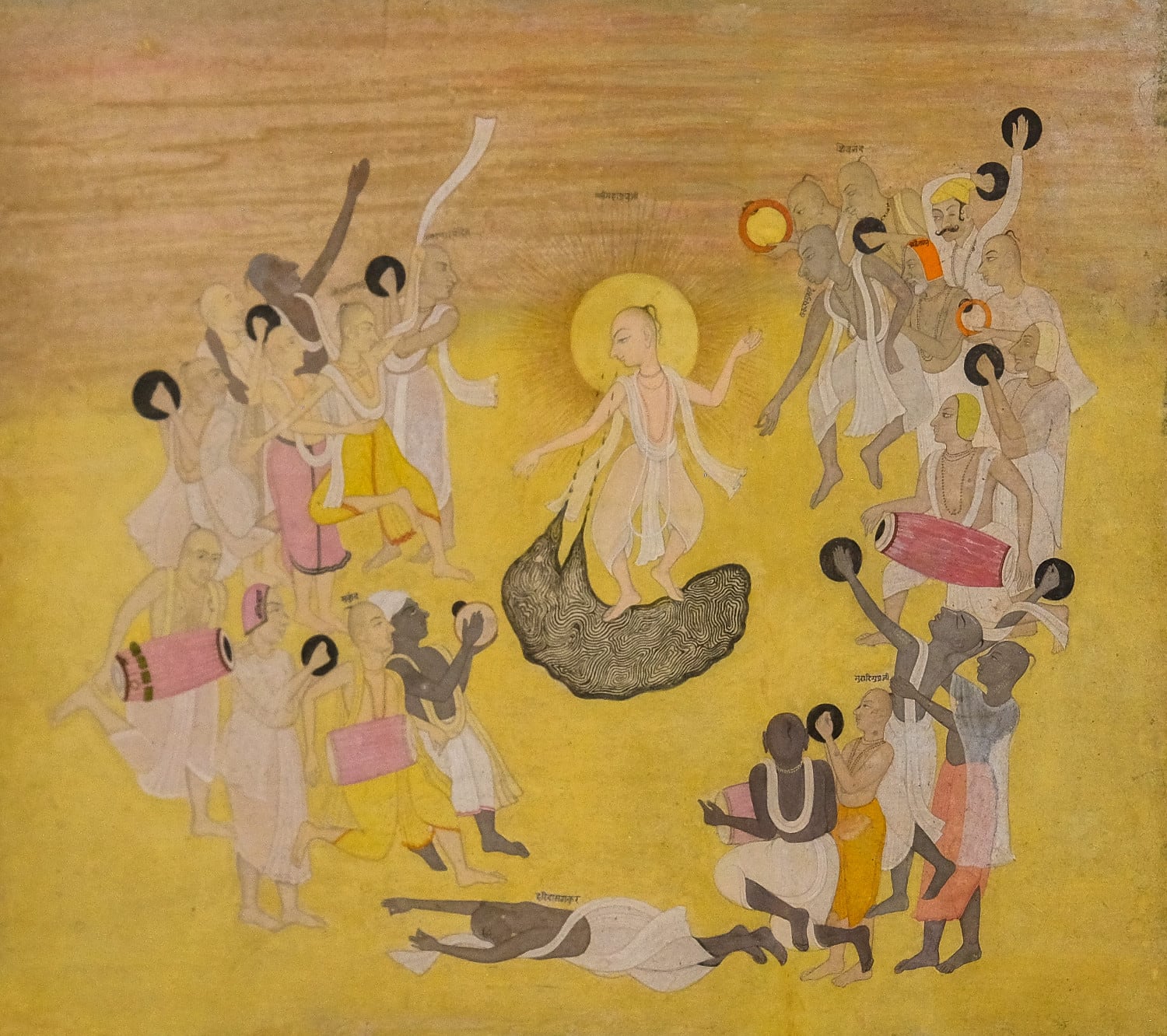
Chaitanya Mahaprabhu
Übereinstimmung bei: Was ist das Absolute? Gibt es Gott? · Warum leiden wir? · Wie erlangt man Befreiung oder Erlösung?
Denkt anders als

Alan Watts
Widerspruch bei: Wie erlangt man Befreiung oder Erlösung? · Braucht es einen Lehrer?
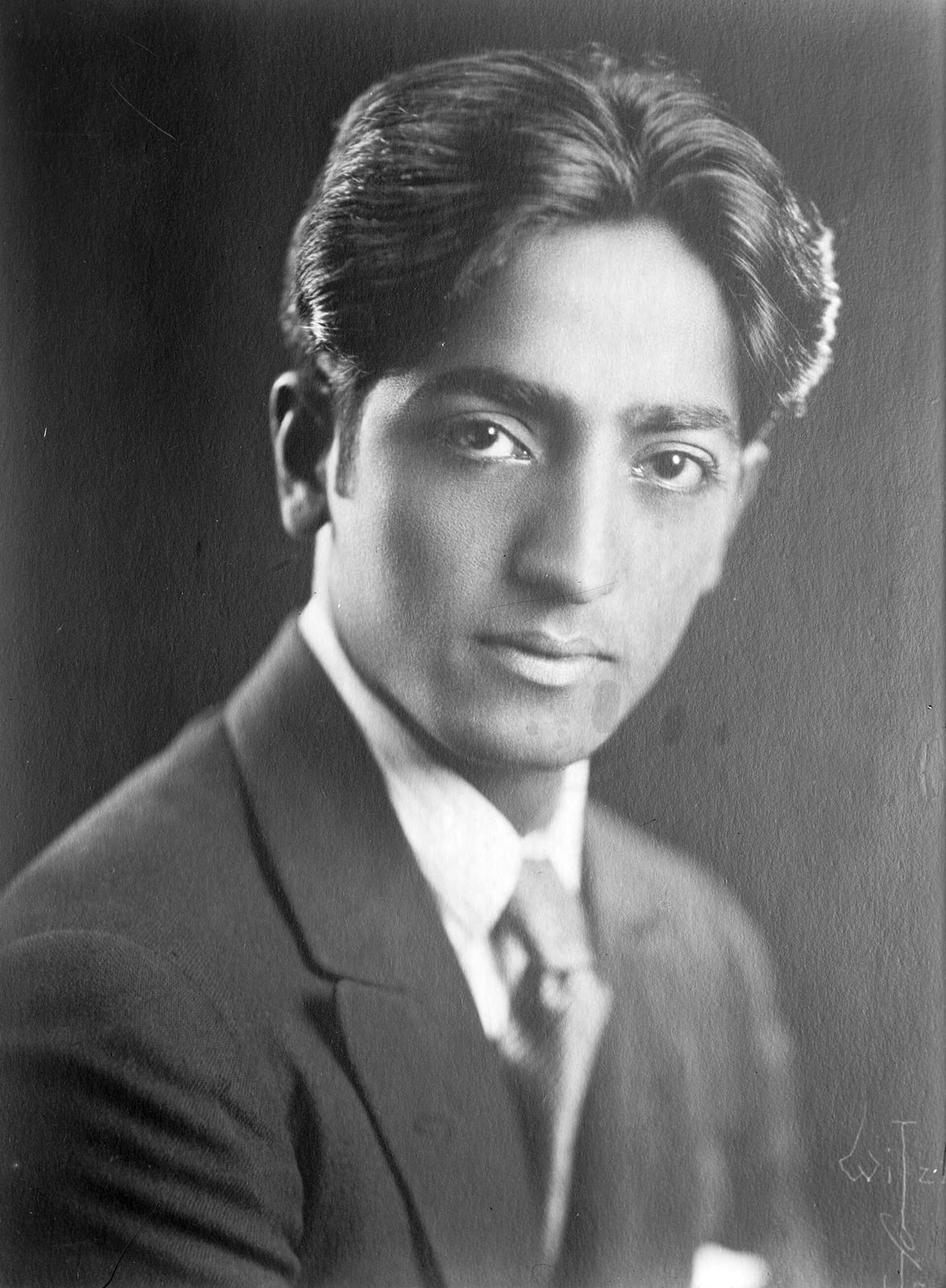
Jiddu Krishnamurti
Widerspruch bei: Wie erlangt man Befreiung oder Erlösung? · Braucht es einen Lehrer?
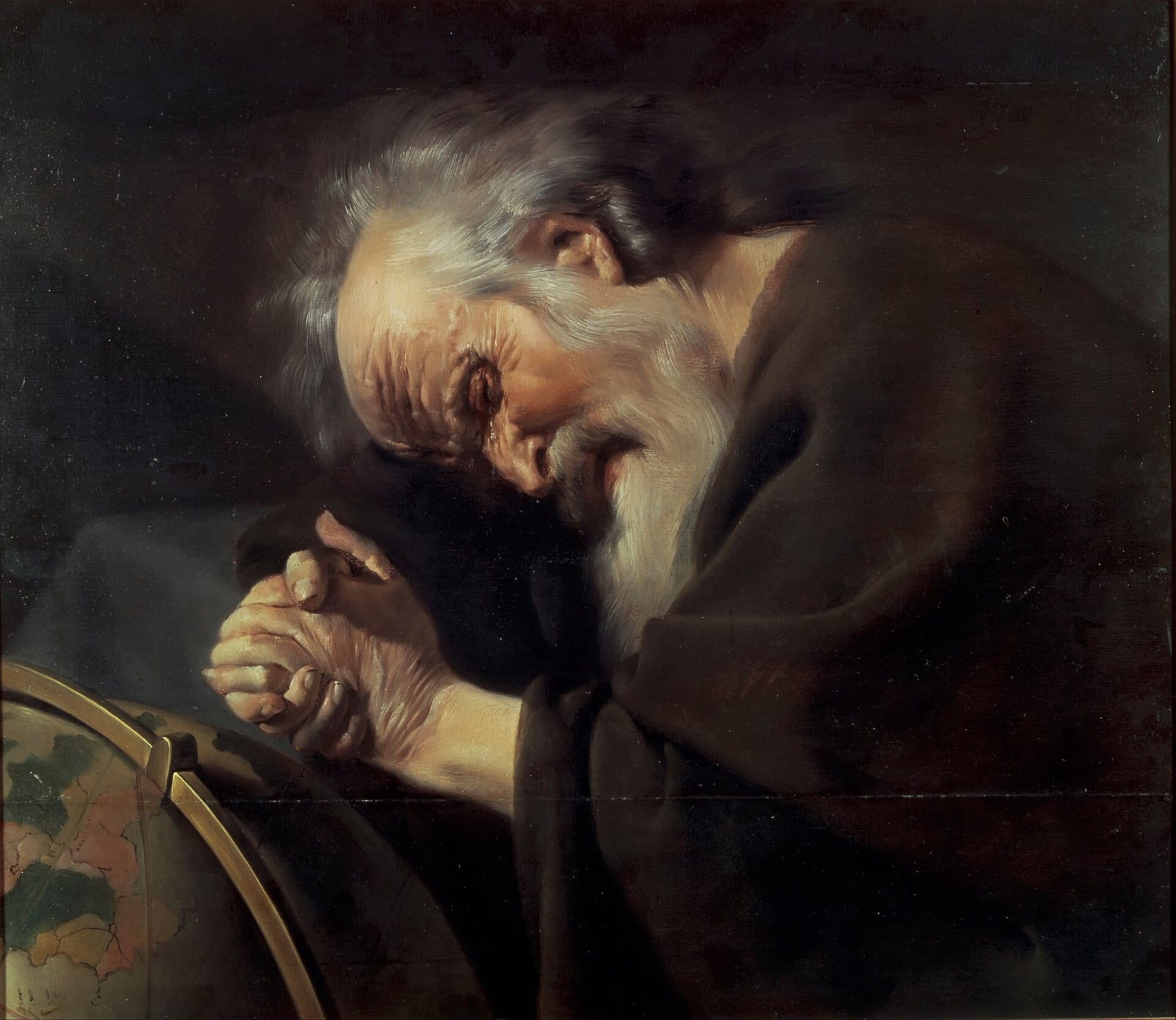
Heraclitus
Widerspruch bei: Braucht es einen Lehrer?
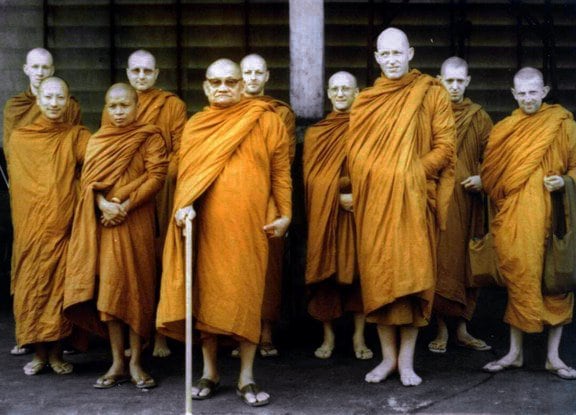
Ajahn Chah
Widerspruch bei: Was ist das Absolute? Gibt es Gott?
Anekdoten und Erzählungen
Anekdoten und Erzählungen
Hagiographische Erzählungc. 1530
The cup of poison
Herkunft der Erzählung: Nabhadas's Bhaktamal (c. 1600), stanza on Mira; developed by Priyadas (1712) and by the attributed poems ("the Rana sent me a cup of poison").
Quelle: Nābhādās. Bhaktamāl (c. 1600), con el comentario Bhaktirasabodhinī de Priyādās (1712). Ed. y trad. parcial en Hawley, Three Bhakti Voices, y en Mukta, Upholding the Common Life.
Hagiographische Erzählungc. 1530
The snake in the basket
Herkunft der Erzählung: Absent from Nabhadas; it appears in Priyadas's commentary (1712) and in attributed padas. No documentary basis.
Quelle: Nābhādās. Bhaktamāl (c. 1600), con el comentario Bhaktirasabodhinī de Priyādās (1712). Ed. y trad. parcial en Hawley, Three Bhakti Voices, y en Mukta, Upholding the Common Life.
Hagiographische Erzählungc. 1540
"I thought there was only one male in Vrindavan"
Herkunft der Erzählung: Priyadas's Bhaktirasabodhini (1712); it does not appear in Gaudiya sources. The meeting is chronologically possible but undocumented.
Quelle: Nābhādās. Bhaktamāl (c. 1600), con el comentario Bhaktirasabodhinī de Priyādās (1712). Ed. y trad. parcial en Hawley, Three Bhakti Voices, y en Mukta, Upholding the Common Life.
Umstrittens. XVI (legendario)
Akbar and Tansen at the temple
Herkunft der Erzählung: Popular tradition recorded in modern biographies and in films; it does not appear in Nabhadas and is anachronistic.
Quelle: Goetz, Hermann. Mira Bai: Her Life and Times. Bombay: Bharatiya Vidya Bhavan, 1966.
Nicht überprüfbars. XVI (legendario)
The letter to Tulsidas
Herkunft der Erzählung: Tulsidas's poem exists in the Vinaya Patrika; Mira's letter and its connection with the poem come from late oral tradition and have no documentary support.
Quelle: Nilsson, Usha S. Mira Bai. Nueva Delhi: Sahitya Akademi (Makers of Indian Literature), 1969.
Hagiographische Erzählungc. 1546-1547
The sari on the image of Ranchhodji
Herkunft der Erzählung: Priyadas (1712) and later tradition of Dwarka and Mewar. There is no historical record of her death.
Quelle: Nābhādās. Bhaktamāl (c. 1600), con el comentario Bhaktirasabodhinī de Priyādās (1712). Ed. y trad. parcial en Hawley, Three Bhakti Voices, y en Mukta, Upholding the Common Life.
Belegt1925
Gandhi and Mirabehn
Herkunft der Erzählung: Madeleine Slade, The Spirit's Pilgrimage (1960); Mukta (1994) analyses the nationalist appropriation of Mira.
Quelle: Slade, Madeleine (Mirabehn). The Spirit's Pilgrimage. Londres: Longmans, 1960.
Lehren
Lehren
Die Begriffe, die das Denken gliedern, in ihrem Zusammenhang erklärt.
Krishna as husband (Giridhar Nagar)giridhar-nagar
Krishnaite bhakti of northern India; madhurya attitude; comparison with the gopis in Nabhadas.
Quelle: Hawley, John Stratton. Three Bhakti Voices: Mirabai, Surdas, and Kabir in Their Times and Ours. Nueva Delhi: Oxford University Press, 2005. ISBN 9780195670851.
Separation (viraha)viraha
Lyric of the seasons (baramasa) and the poetics of viraha; compare with the vipralambha of Chaitanya's school.
Quelle: Hawley, John Stratton. Three Bhakti Voices: Mirabai, Surdas, and Kabir in Their Times and Ours. Nueva Delhi: Oxford University Press, 2005. ISBN 9780195670851.
Casting off "public shame" (lok laj)lok-laj
Rajput ethics of honour; critique of caste in bhakti; Mukta's study (1994).
Quelle: Mukta, Parita. Upholding the Common Life: The Community of Mirabai. Delhi: Oxford University Press, 1994. ISBN 9780195631159.
The yogi and the yoginijogi
Nath and Sant traditions of Rajasthan; the literary motif of the yogi lover.
Quelle: Hawley, John Stratton, y Mark Juergensmeyer. Songs of the Saints of India. Nueva York: Oxford University Press, 1988. ISBN 9780195052213.
Videos
Videos
Aufnahmen, Gespräche und Dokumentarfilme. Die Videos werden von YouTube wiedergegeben; sie werden nicht hier gespeichert.
"Seeking Mirabai: Scholarly Engagement and Personal Empowerment" lecture with Nancy M. Martin, PhD
Vortrag· EN· 71 min
Loyola Marymount University, BCLA Yoga StudiesOffizieller Kanal
"Mirabai speaks....": The Emergent Voice of Medieval Saint
Vortrag· EN· 2017· 70 min
Claremont McKenna CollegeOffizieller Kanal
Meera, Thaare Kain Laage Gopal? | Meera, Who Is Krishna To You After All?
Dokumentarfilm· HI· 41 min
ajab shahar - kabir projectOffizieller Kanal
Meera | Movie | 1945 | Part-1
Aufnahme Dritter· HI· 1947· 35 min
Prasar Bharati ArchivesOffizieller Kanal
Meera Bhajan by M.S. Subbulakshmi
Auf YouTube ansehen
Dieses Video lässt sich nicht einbetten; es wird auf YouTube geöffnet.
Meera Bhajan by M.S. Subbulakshmi
Aufnahme Dritter· HI· 5 min
Prasar Bharati ArchivesOffizieller Kanal
Pandit Kumar Gandharva sings a Meerabai Bhajan
Aufnahme Dritter· HI· 11 min
Sangeetveda1
Payoji Maine Ram Ratan Dhan Payo (Official Lyric Video) | Lata Mangeshkar
Aufnahme Dritter· HI· 4 min
Universal Music IndiaOffizieller Kanal
Meera (1979) {HD + Eng Subs}
Aufnahme Dritter· HI· 1979· 140 min
ShemarooOffizieller Kanal
Mirabai's Life and Teachings – Swami Mukundananda | Saints of India
Vortrag· EN· 48 min
Swami MukundanandaOffizieller Kanal
Mirabai (Meera) - Selected Poems for Meditation
Aufnahme Dritter· EN· 22 min
Samaneri Jayasāra - Wisdom of the Masters
Mirabai: La princesa que dejó un reino por amor a un dios (Audio Podcast)
Analyse· ES· 36 min
Almas de la Historia
Galerie
Galerie
Bilder mit geprüfter Lizenz. Jedes bewahrt seine Urheberschaft und seinen Herkunftsnachweis.
Beziehungen
Beziehungen
Einflüsse, Schülerschaften und Verwandtschaften. Die belegte Beziehung wird von der durch Analyse ermittelten Ähnlichkeit unterschieden.
Verwandte Gedanken mit
Both belong to northern bhakti and share the challenge to caste and ritualism; Kabir sings to a formless God, Mira to Krishna. Tradition links both with Raidas.
Durch Analyse ermittelte Ähnlichkeit
Verwandte Gedanken mit
Contemporaries and devotees of Krishna in the language of the separated lover; Priyadas brings her into contact with Jiva Gosvamin, of Chaitanya's school, not with him.
Durch Analyse ermittelte Ähnlichkeit
Zeitgenosse von
Contemporaries. A Mira pada appears in the Bhai Banno recension of the Adi Granth, which the Sikh canon excluded, and the Prem Ambodh Pothi (1693) counts her among the bhakti saints.
Durch Analyse ermittelte Ähnlichkeit
Verwandte Gedanken mit
A frequent comparison: two contemporary women who lived their relationship with God as betrothal and confronted the norms of their milieu. No historical connection.
Durch Analyse ermittelte Ähnlichkeit
Verwandte Gedanken mit
Two female figures of the love of God turned into legend, with an attributed corpus of uncertain authenticity. No historical connection.
Durch Analyse ermittelte Ähnlichkeit
Von anderen Einträgen aus verknüpft
Quellen
Quellen
Für diesen Eintrag herangezogene Bibliografie und Kataloge.
- Hawley, John Stratton. Three Bhakti Voices: Mirabai, Surdas, and Kabir in Their Times and Ours. Nueva Delhi: Oxford University Press, 2005. ISBN 9780195670851.
- Hawley, John Stratton, y Mark Juergensmeyer. Songs of the Saints of India. Nueva York: Oxford University Press, 1988. ISBN 9780195052213.
- Mukta, Parita. Upholding the Common Life: The Community of Mirabai. Delhi: Oxford University Press, 1994. ISBN 9780195631159.
- Nābhādās. Bhaktamāl (c. 1600), con el comentario Bhaktirasabodhinī de Priyādās (1712). Ed. y trad. parcial en Hawley, Three Bhakti Voices, y en Mukta, Upholding the Common Life.
- Martin, Nancy M. Mirabai: The Making of a Saint. Nueva York: Oxford University Press, 2023. ISBN 9780195153903.
- Alston, A. J. (trad.). The Devotional Poems of Mīrābāī. Delhi: Motilal Banarsidass, 1980 (reimpr. 1998, ISBN 9788120804425).
- Caturvedī, Paraśurām (ed.). Mīrāṃbāī kī padāvalī. Prayāg: Hindī Sāhitya Sammelan, 1932 (ediciones posteriores de 1947 y 1966).
- Tod, James. Annals and Antiquities of Rajast'han, or the Central and Western Rajpoot States of India. 2 vols. Londres: Smith, Elder, 1829-1832.
- Wikidata, «Meera / Mirabai» (Q466330).
- Bly, Robert, y Jane Hirshfield. Mirabai: Ecstatic Poems. Epílogo de John Stratton Hawley. Boston: Beacon Press, 2004. ISBN 9780807063866.
- Schelling, Andrew (trad.). For Love of the Dark One: Songs of Mirabai. Boston: Shambhala, 1993 (ISBN 9780877738725); ed. rev. Prescott: Hohm Press, 1998 (ISBN 9780934252843).
- Goetz, Hermann. Mira Bai: Her Life and Times. Bombay: Bharatiya Vidya Bhavan, 1966.
- Nilsson, Usha S. Mira Bai. Nueva Delhi: Sahitya Akademi (Makers of Indian Literature), 1969.
- Futehally, Shama (trad.). In the Dark of the Heart: Songs of Meera. Prólogo de M. S. Subbulakshmi. San Francisco: HarperCollins, 1994. ISBN 9780060628819.
- Slade, Madeleine (Mirabehn). The Spirit's Pilgrimage. Londres: Longmans, 1960.
- Prasar Bharati Archives. «Meera | Movie | 1945 | Part-1» (versión hindi de 1947 con la presentación de Sarojini Naidu). YouTube, 2020.
- Mīrābāī kī śabdāvalī aura jīvana-caritra. Allahabad: Belvedere Printing Works (serie Santbānī), principios del siglo XX. Ejemplar digitalizado en Internet Archive (colección hindi-urdu de Sarai, CSDS).
- Rechteinhaber
- Los padas atribuidos a Mirabai son de dominio público. Las traducciones y ediciones modernas tienen titulares propios (Beacon Press, Shambhala y Hohm Press, Motilal Banarsidass, Oxford University Press, HarperCollins; la edición de Chaturvedi, el Hindi Sahitya Sammelan).
Bestätigung ausstehend
Was dieser Eintrag noch nicht klären konnte. Wir sagen es lieber, als es aufzufüllen.
- No se localizó ninguna traducción española publicada de los padas de Mirabai con ISBN (consultas en Open Library y en la web).
- No hay en Wikisource ni en Project Gutenberg una edición en dominio público de la Padavali; la de Belvedere en Internet Archive queda con cautela (editor desconocido, OCR sin verificar).
- Localizar los dos manuscritos anteriores al siglo XVIII que, según Hawley, contienen poemas de Mira, para fichar su signatura en manuscripts[].
- Contrastar la datación (1498-1547) con Martin (2023); las fechas proceden en buena parte de Goetz (1966) y son conjeturales.
- Confirmar la numeración de los padas citados en la edición de Chaturvedi.
Recherchiert am 2026-10-25