Bhakti · Sikhismus
Guru Nanak
ਗੁਰੂ ਨਾਨਕ · گرو نانک · गुरु नानक
1469 – 1539Historisch belegte Person
Spiritueller Lehrer und Dichter aus dem Punjab (1469–1539), erster der zehn Gurus und Begründer der Sikh-Tradition. Nach einer Erfahrung im Fluss Bein verkündete er: »Es gibt keinen Hindu und keinen Muslim«, reiste zwei Jahrzehnte lang mit dem Musiker Mardana und gründete in Kartarpur eine Gemeinschaft von Schülern, die zusammen arbeiteten, sangen und aßen. Seine 974 Dichtungen, darunter das Japji, sind im Guru Granth Sahib bewahrt; die Janamsakhis, die sein Leben erzählen, sind hagiographisch.
- Werke
- 27Werke
- Ausgaben
- 42Ausgaben
- Zitate
- 10Zitate
- Videos
- 15Videos
- Bilder
- 9Bilder
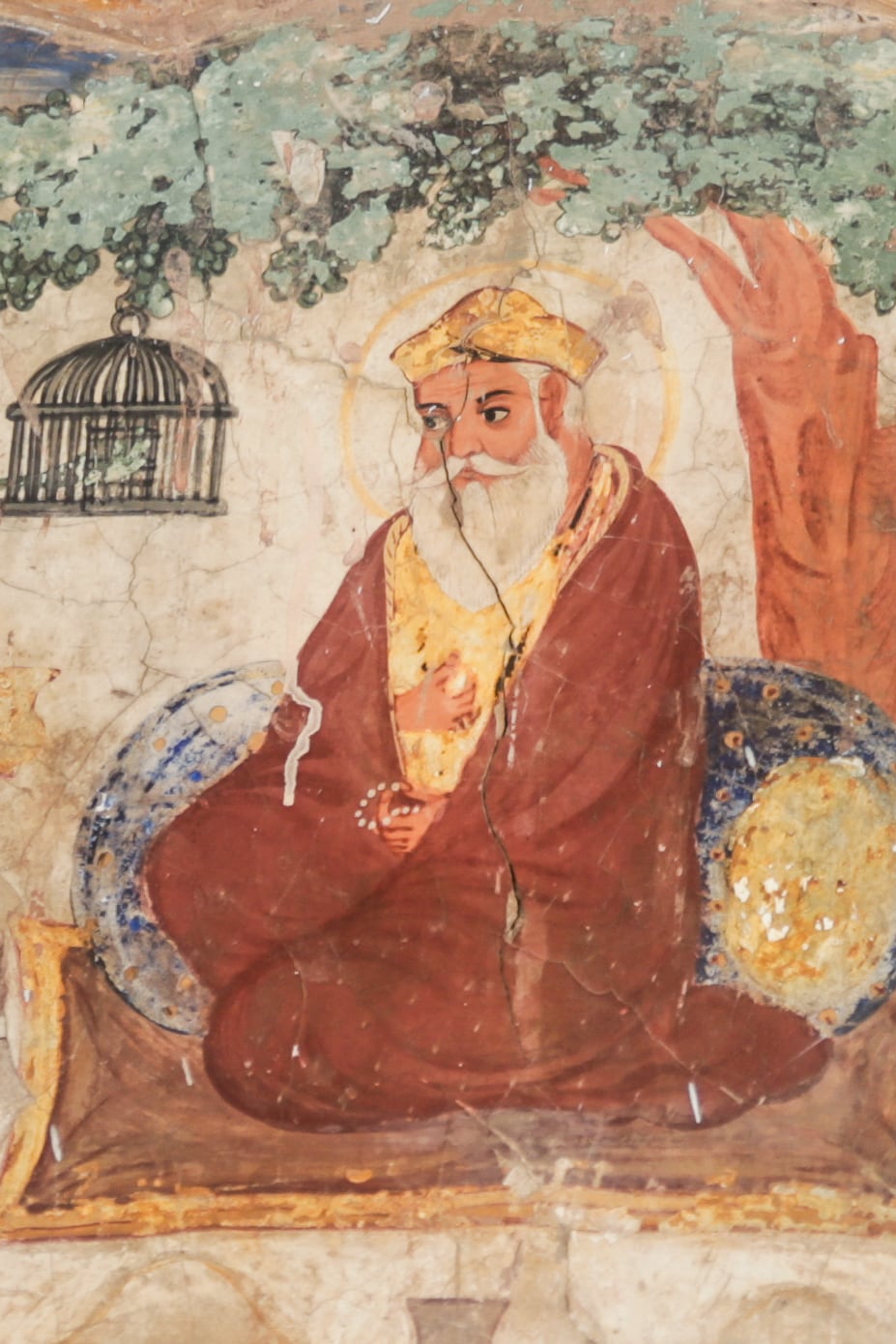
Guru Nanak en un mural del gurdwara Baba Atal Rai · CC BY-SA 4.0
In eigenen Worten
«One God. Truth is his name. Creator, without fear, without enmity, of timeless form, unborn, self-existent; attained by the guru's grace.»Mul Mantar, Guru Granth Sahib, ang 1. Traducción propia.

Der zentrale Gedanke
Ik Onkar: one God: The Sikh scripture opens with a sign, the numeral "one" joined to the syllable Onkar, which Nanak made the emblem of his theology: there is a single God, at once transcendent, without form (nirgun), and present throughout creation (sargun).
Im Zusammenhang sehen
Biografie
4 Min. Lesezeit
Unterstützte Übersetzung aus dem spanischen Original, Durchsicht durch einen muttersprachlichen Übersetzer ausstehend.
Talwandi
Nanak wurde 1469 in Rai Bhoi di Talwandi geboren, einem Dorf im Punjab etwa siebzig Kilometer westlich von Lahore, das heute Nankana Sahib heißt und in Pakistan liegt. Fast alle traditionellen Biographien setzen die Geburt in den Monat Vaisakh, also in den April – nach der üblichen Umrechnung auf den 15. –, doch die Sikhs feiern seinen Geburtstag am Vollmond des Kattak im November, einer Überlieferung folgend, die sich im 19. Jahrhundert durchsetzte. Sein Vater Kalu, aus der Händlerkaste der Khatri und dem Geschlecht der Bedi, war Rechnungsführer des örtlichen Grundherrn Rai Bular, eines Muslims; seine Mutter hieß Tripta, und seine ältere Schwester Nanaki sollte als Erste etwas Außergewöhnliches in ihm erkennen. Er lernte lesen, Rechnungen führen und, so die Biographien, etwas Persisch.
Der Fluss Bein
Um 1487 heiratete er in Batala Sulakhani, mit der er zwei Söhne hatte, Sri Chand und Lakhmi Das. Durch Vermittlung von Nanakis Ehemann trat er in den Dienst Daulat Khan Lodis, des Statthalters der Region, als Verwalter des Kornspeichers von Sultanpur. Dort badete er, so die Janamsakhis – die Sammlungen von Erzählungen über sein Leben –, jeden Morgen im Fluss Bein; eines Tages kam er nicht zurück. Man hielt ihn für ertrunken. Am dritten Tag tauchte er wieder auf, schwieg und sagte, als er sprach: »Es gibt keinen Hindu, es gibt keinen Muslim.« Die Biographien schildern diese Tage als Audienz am göttlichen Hof, bei der er den Auftrag empfing, den Namen zu preisen. Das überlieferte Datum ist 1499, als er etwa dreißig Jahre alt war; nichts erlaubt, es zu überprüfen.
Die Wege
Er gab seine Stellung auf und unternahm lange Reisen, die Udasis, begleitet von Mardana, einem muslimischen Musiker, der die Rabab spielte, während Nanak sang. Die Janamsakhis führen ihn nach Osten bis Benares, Bengalen, Assam und Puri; nach Süden bis Sri Lanka; nach Norden in den Himalaya und auf den Berg Sumeru, wo er mit den Nath-Yogis disputiert; nach Westen bis Mekka und Bagdad. W. H. McLeod, der diese Erzählungen der historischen Kritik unterzog, kam zu dem Schluss, dass er sehr wahrscheinlich viel gereist ist, besonders zu hinduistischen und muslimischen Pilgerstätten, dass die ausführlichen Reiserouten aber spätere Konstruktionen sind. In Bagdad gibt es ein »Baba Nanak« geweihtes Heiligtum mit einer Inschrift, deren Lesung und Datierung umstritten sind. Nanaks eigene Dichtungen bestätigen dagegen seine Gesprächspartner: Brahmanen, Kadis, Asketen, Yogis.
Babur
Um 1520 plünderte das Heer Baburs, der wenige Jahre später das Mogulreich gründen sollte, Saidpur, das heutige Eminabad. Nanak war dort oder ganz in der Nähe, und was er sah, ging in sein Werk ein: Vier als Babarvani bekannte Hymnen beschreiben das Gemetzel, die verschleppten Frauen, die zerstörten Tempel und Moscheen und wenden sich an Gott mit einer Frage, die in der Andachtsdichtung seiner Zeit ohne Beispiel ist: Bei so vielen Geschlagenen und Schreienden – hast du keinen Schmerz gefühlt? Die Janamsakhis fügen hinzu, Nanak sei gefangen genommen worden, im Kerker hätten sich die Mühlsteine von selbst gedreht, und Babur habe ihn schließlich freigelassen; das ist Legende, die Hymnen aber sind unmittelbares Zeugnis eines historischen Ereignisses.
Kartarpur
In den 1520er Jahren ließ er sich in Kartarpur nieder, einem Dorf, das er am Ufer des Ravi gegründet hatte. Dort verbrachte er seine letzten fünfzehn Jahre als Familienvater und Bauer, nicht als Asket: Der Tag begann mit dem Gesang seines Japji und endete mit Abendhymnen, und die Schüler – Sikh bedeutet eben »Schüler« – bestellten das Land und teilten die Mahlzeit in einer gemeinsamen Küche. Bhai Gurdas, ein Autor der folgenden Generation, beschreibt diese Gemeinschaft als Vorbild des Lebens, das Nanak predigte: sich des Namens erinnern, seinen Lebensunterhalt redlich verdienen und teilen, was man hat. Die Gemeinschaft von Kartarpur ist für die Historiker der institutionelle Kern dessen, was zur Sikh-Religion werden sollte.
Der Nachfolger
Nanak bestimmte keinen seiner Söhne. Sri Chand, ein Asket, sollte den Orden der Udasis gründen; Lakhmi Das führte ein weltliches Leben. Der Erwählte war ein Anhänger namens Lehna aus Khadur, den Nanak in Angad umbenannte, »Glied meines Leibes«, und vor dem er sich wie ein Schüler niederwarf. Ein Gedicht der Barden Satta und Balvand, aufgenommen in das heilige Buch der Sikhs und zumindest in seiner endgültigen Gestalt zur Zeit des fünften Gurus, Arjan, verfasst, bezeugt diese Übertragung der Autorität: Das Licht ist dasselbe, nur der Leib hat gewechselt. Nanak starb am 22. September 1539 in Kartarpur. Die älteste Janamsakhi erzählt, Hindus und Muslime hätten um den Leichnam gestritten, der Meister habe sie gebeten, zu beiden Seiten Blumen niederzulegen, und am Morgen seien unter dem Tuch nur die Blumen geblieben, noch frisch.
Das Wort
Anders als viele Religionsstifter hinterließ Nanak ein umfangreiches und gut überliefertes Werk: rund 974 Dichtungen – Hymnen (Shabads), Strophen (Saloks) und lange Gedichte – auf Punjabi und in einer nordindischen Mischsprache, geordnet nach den musikalischen Modi (Ragas), in denen sie zu singen waren. Seine Nachfolger bewahrten sie in Heften auf, und der fünfte Guru, Arjan, vereinte sie 1604 im Adi Granth mit denen anderer Gurus und von Heiligen wie Kabir, Ravidas oder Farid; 1708 erklärte Gobind Singh dieses Buch zum ewigen Guru der Sikhs. Aus ihm stammen das Japji, die Asa di Var, der Sidh Gosht oder das Barah Maha. Die Janamsakhis dagegen sind hagiographische Sammlungen, die seit dem späten 16. Jahrhundert entstanden: Das Bild, das sie von Nanak zeichnen, ist das der Erinnerung seiner Anhänger, das die kritische Geschichtsschreibung mit Vorsicht lesen muss. Sein Mittelpunkt ist klar: ein einziger, gestaltloser Gott, der nur durch seine Gnade erreicht wird, durch die Disziplin des Namens und durch ein redliches Leben inmitten der Welt.
Quellen: McLeod, W. H. Gurū Nānak and the Sikh Religion. Oxford: Clarendon Press, 1968. ISBN 9780198265214 (ed. india, Delhi: Oxford University Press, 1976, ISBN 9780195608069). · Macauliffe, Max Arthur. The Sikh Religion: Its Gurus, Sacred Writings and Authors. 6 vols. Oxford: Clarendon Press, 1909. Vol. 1 en Wikisource. · Srī Gurū Granth Sāhib (Ādi Granth). Compilado por Guru Arjan en 1604; recensión de Damdama, 1706. Edición estándar de 1.430 páginas (ang). Trad. inglesa de Manmohan Singh, 8 vols. Amritsar: Shiromani Gurdwara Parbandhak Committee, 1962-1969. · McLeod, W. H. Early Sikh Tradition: A Study of the Janam-sākhīs. Oxford: Clarendon Press, 1980. · Grewal, J. S. The Sikhs of the Punjab. The New Cambridge History of India II.3. Cambridge: Cambridge University Press, 1990 (ed. rev. 1998).
Zeitleiste
Das Leben, Jahr für Jahr
Jeder Punkt ist ein belegtes Ereignis. Klicken Sie, um es mit Quelle und Grad der Gewissheit zu lesen.
15. April 14690 JahreRai Bhoi di Talwandi (hoy Nankana Sahib, Pakistán)
Birth
Born in Vaisakh 1469 according to most janamsakhis; the Bala janamsakhi places it in Kattak (November), the date on which the Gurpurab is celebrated today.
WahrscheinlichSingh, Harbans (ed.). The Encyclopaedia of Sikhism. 4 vols. Patiala: Punjabi University, 1992-1998.
Nach dem Tod
- 1604The Adi Granth
- 1708The book as eternal guru
- 1968McLeod's critique
- 9. November 2019The Kartarpur Corridor
15. April 1469 · 0 Jahre
Birth
Born in Vaisakh 1469 according to most janamsakhis; the Bala janamsakhi places it in Kattak (November), the date on which the Gurpurab is celebrated today.
Wahrscheinlich
um 1487 · 18 Jahre
Marriage to Sulakhani
Marries Sulakhani, daughter of Mul Chand; they will have two sons, Sri Chand (1494) and Lakhmi Das (1496 or 1497).
Wahrscheinlich
um 1495
In Daulat Khan Lodi's service
Through his brother-in-law Jai Ram he manages the governor's granary at Sultanpur. The exact chronology is uncertain.
Wahrscheinlich
um 1499 · 30 Jahre
The Bein river experience
Disappears for three days in the river and reappears saying "There is no Hindu, there is no Muslim". Traditional date; some authors propose 1496 or 1507.
Überlieferung
um 1500 – 1520 · 31 Jahre
The journeys (udasis)
With the musician Mardana he travels to Hindu and Muslim pilgrimage centres. Scholarship accepts extensive travels, not the detailed itineraries.
Überlieferung
um 1520 · 51 Jahre
Babur's sack of Saidpur
A witness of the sack, he composes the Babarvani hymns. His imprisonment and meeting with Babur belong to legend.
Wahrscheinlich
um 1522 – 1539 · 53 Jahre
Settlement at Kartarpur
Settles as a householder and farmer in the village he has founded; organises the first Sikh community with daily singing and a common kitchen.
Wahrscheinlich
1539 · 70 Jahre
Lehna, successor under the name Angad
Appoints his disciple Lehna, whom he calls Angad, as successor, rather than his sons. The transmission is attested by Satta and Balvand's var in the scripture.
Belegt
22. September 1539 · 70 Jahre
Death
Dies on the tenth day of Asauj, 1596 of the Bikrami era (22 September 1539), according to Sikh records.
Wahrscheinlich
1604
The Adi Granth
Guru Arjan gathers the compositions of Nanak, of the following gurus and of Hindu and Muslim saints into the Sikh scripture.
Belegt
1708
The book as eternal guru
Before dying, Guru Gobind Singh declares that the Granth will be the guru of the Sikhs: Nanak's word becomes their living authority.
Belegt
1968
McLeod's critique
Guru Nanak and the Sikh Religion applies historical criticism to the janamsakhis and separates the few secure facts from hagiography; it opens a lasting debate in Sikh studies.
Belegt
9. November 2019
The Kartarpur Corridor
On the 550th anniversary of his birth, India and Pakistan open a corridor allowing pilgrims to cross the border to the Kartarpur gurdwara.
Belegt
Werke
Grundlegende Werke
Die Werke, ohne die sich das Vermächtnis nicht verstehen lässt.
Schriftliches Werk
Japji (Japu)
ਜਪੁ
It opens the Guru Granth Sahib with the Mul Mantar, the definition of God in one line, followed by thirty-eight stanzas (pauris) and a final salok. It traverses the impossibility of reaching God through ritual purity, silence or learning; obedience to the divine will (hukam); the power of hearing and accepting the Name; the immensity of creation, and the five realms of spiritual ascent up to the "realm of truth". Sikhs recite it every morning. The final salok recurs almost identically in a var by Guru Angad, so some attribute it to the second guru.
7 Ausgaben · amazon.com
Guru Nanak
Asa di Var (Ballad in raga Asa)
Schriftliches Werk
Asa di Var (Ballad in raga Asa)
ਆਸਾ ਦੀ ਵਾਰ
A var or heroic ballad in twenty-four stanzas by Nanak, interspersed with saloks by him and by Guru Angad, sung every dawn in gurdwaras. It criticises the religious hypocrisy of brahmins and qadis, the sacred thread, the notion of impurity and the arrogance of power; in one of its saloks it defends the dignity of woman, from whom kings are born. It is one of the central pieces of Sikh liturgy.
4 Ausgaben · amazon.com
Guru Nanak
Sidh Gosht (Dialogue with the Siddhas)
Schriftliches Werk
Sidh Gosht (Dialogue with the Siddhas)
ਸਿਧ ਗੋਸਟਿ
A poem of seventy-three stanzas in raga Ramkali, in the form of a dialogue between Nanak and the Nath yogis, whom tradition places at Achal Batala or on Mount Sumeru. The yogis ask who he is, where he comes from, why he does not renounce the world; Nanak replies that true yoga is to live in the world without being stained, through the guru's Word (shabad) and remembrance of the Name. It sets out the Sikh critique of asceticism.
2 Ausgaben · amazon.de

Spätere Zusammenstellung · 1604
Hymns and stanzas in the Guru Granth Sahib (the complete corpus)
ਸਬਦ ਅਤੇ ਸਲੋਕ (ਮਹਲਾ ੧)
The whole body of some 974 compositions by Nanak —shabads, ashtapadis, chhants, saloks and vars— spread across nineteen ragas: Sri, Majh, Gauri, Asa, Gujri, Vadhans, Sorath, Dhanasari, Tilang, Suhi, Bilaval, Ramkali, Maru, Tukhari, Bhairo, Basant, Sarang, Malar and Prabhati. The pieces with their own titles are recorded separately; the rest are short hymns exploring the Name, grace, the ego, truth and the critique of ritual religion.
6 Ausgaben · amazon.com
Das gesamte Werk (27)
Guru Nanak
Mul Mantar
The Conscious LibraryMul Mantar
Guru Nanak
Onkar (Ramkali Dakhni)
The Conscious LibraryOnkar (Ramkali Dakhni)
Guru Nanak
Var in raga Majh
The Conscious LibraryVar in raga Majh
Guru Nanak
Var in raga Malar
The Conscious LibraryVar in raga Malar
Guru Nanak
Barah Maha (The twelve months), raga Tukhari
The Conscious LibraryBarah Maha (The twelve months), raga Tukhari
Guru Nanak
Babarvani (The Babur hymns)
The Conscious LibraryBabarvani (The Babur hymns)
1520
Guru Nanak
Arti ("Gagan mai thal")
The Conscious LibraryArti ("Gagan mai thal")
Guru Nanak
Kirtan Sohila (Nanak's contributions)
The Conscious LibraryKirtan Sohila (Nanak's contributions)
Guru Nanak
So Dar and Rahras (Nanak's contributions)
The Conscious LibrarySo Dar and Rahras (Nanak's contributions)
Guru Nanak
Patti (The alphabet), raga Asa
The Conscious LibraryPatti (The alphabet), raga Asa
Guru Nanak
Alahanian (Dirges), raga Vadhans
The Conscious LibraryAlahanian (Dirges), raga Vadhans
Guru Nanak
Pahare (The watches), Sri Rag
The Conscious LibraryPahare (The watches), Sri Rag
Guru Nanak
Thiti (The lunar days), raga Bilaval
The Conscious LibraryThiti (The lunar days), raga Bilaval
Guru Nanak
Kuchaji and Suchaji, raga Suhi
The Conscious LibraryKuchaji and Suchaji, raga Suhi
Guru Nanak
Saloks in sahaskriti
The Conscious LibrarySaloks in sahaskriti
Guru Nanak
Pran Sangli
The Conscious LibraryPran Sangli
Guru Nanak
Puratan Janamsakhi (and the B40 manuscript)
The Conscious LibraryPuratan Janamsakhi (and the B40 manuscript)
1600
Guru Nanak
Bhai Bala Janamsakhi
The Conscious LibraryBhai Bala Janamsakhi
1650
Guru Nanak
Miharban Janamsakhi
The Conscious LibraryMiharban Janamsakhi
1640
Guru Nanak
Bhai Gurdas's first var
The Conscious LibraryBhai Gurdas's first var
1610
Guru Nanak
Guru Nanak and the Sikh Religion (W. H. McLeod)
The Conscious LibraryGuru Nanak and the Sikh Religion (W. H. McLeod)
1968
Guru Nanak
The Sikh Religion (Max Arthur Macauliffe)
The Conscious LibraryThe Sikh Religion (Max Arthur Macauliffe)
1909
Guru Nanak
Life and teachings of Guru Nanak (Premka Kaur Khalsa)
The Conscious LibraryLife and teachings of Guru Nanak (Premka Kaur Khalsa)
2004
Zitate
Zitate, die in einem bestimmten Werk nachgewiesen sind. Jedes trägt seine Herkunft und seinen Grad an Verlässlichkeit.
One God. Truth is his name. Creator, without fear, without enmity, of timeless form, unborn, self-existent; attained by the guru's grace.ੴ ਸਤਿ ਨਾਮੁ ਕਰਤਾ ਪੁਰਖੁ ਨਿਰਭਉ ਨਿਰਵੈਰੁ ਅਕਾਲ ਮੂਰਤਿ ਅਜੂਨੀ ਸੈਭੰ ਗੁਰ ਪ੍ਰਸਾਦਿ ॥
GeprüftMul Mantar, Guru Granth Sahib, ang 1. Traducción propia.
Apokryphe Zitate oder Zitate umstrittener Zuschreibung (1)
«"Nam japo, kirat karo, vand chhako" ("remember the Name, work honestly, share"), quoted as a literal saying of Nanak.»
It faithfully sums up Nanak's ethics and the Kartarpur life described by Bhai Gurdas, but it does not appear in that form in his compositions in the Guru Granth Sahib: it is a later formula of the Sikh tradition.
Letzte Worte
Traditionelle Zuschreibung
«(Paraphrase) Let the Hindus place flowers on my right and the Muslims on my left: those whose flowers are still fresh in the morning shall dispose of the body.»There is no direct testimony. The Puratan janamsakhi (B40 manuscript, copied in 1733) relates that, faced with the dispute between Hindus and Muslims over his funeral rites, Nanak gave this instruction in indirect speech, covered himself with a sheet and died; in the morning only the flowers remained, all fresh. It is a hagiographic account and the wording is not fixed.
Quelle: McLeod, W. H. (trad.). The B40 Janam-sākhī. Amritsar: Guru Nanak Dev University, 1980 (traducción del manuscrito Panjabi B40 de la British Library, copiado en 1733).
Fragen
Was das Werk beantwortet
Zwölf große Fragen der Menschheit und was sich aus den Texten darauf antworten lässt, mit Belegen. Wir legen niemandem Worte in den Mund.
Was ist das Absolute? Gibt es Gott?
One creator God, whose name is Truth, reached through grace
Ein persönlicher GottAusdrücklich gesagt
The Mul Mantar that opens the Japji sums up Guru Nanak’s theology: one God, whose name is Truth, creator, without fear or enmity, timeless in form, unborn, self-existent, reached through the grace of the guru. This God creates, orders the world through his hukam (will or command), grants his gracious glance (nadar) and receives the love of those who remember him. Nanak calls him formless (nirankar) and rejects incarnation or confinement in images, but he does not conceive him as a cold principle: the soul seeks him as the bride seeks the bridegroom. The divine is both transcendent and present in the whole creation, which Nanak describes as a great cosmic worship in which the sun and moon are the lamps.
Diese Frage mit anderen Meistern vergleichenWer bin ich? Gibt es ein wahres Selbst?
The soul is light of the Light, led astray by ego (haumai)
Eine geschaffene, unsterbliche SeeleAusdrücklich gesagt
Guru Nanak sees in every being a light (jot) that proceeds from the divine Light: in his Arti he sings that one and the same light shines in all, and that it is God’s. What darkens that light is haumai, the ‘I-I’, the ego that thinks itself separate and appropriates what it receives; living from it is to live as a manmukh, turned towards one’s own mind. Whoever follows the guru’s word becomes gurmukh and recognises the divine order (hukam) in all things. In the Barah Maha the soul appears as a bride who, month after month, yearns for her husband and longs for union. The true self is therefore not the ego, but neither does it simply dissolve: it is a soul seeking to merge with its source, like water into water.
Diese Frage mit anderen Meistern vergleichenWarum leiden wir?
Ego separates from God; pain can be a medicine
Die Trennung von GottAusdrücklich gesagt
For Guru Nanak the root of suffering is haumai, the ego that thinks itself self-sufficient and forgets the Name. Whoever lives this way, as a manmukh, is caught in lust, anger, greed, attachment and pride, and turns on the wheel of births and deaths. The Asa di Var contains a characteristic reversal: suffering can be the medicine and pleasure the disease, because in comfort human beings forget God. Pain, then, is not only punishment: it can break the ego’s self-sufficiency and return the soul to the divine order (hukam). The way out is not to flee the world but to remember the Name and accept God’s will within ordinary life.
Diese Frage mit anderen Meistern vergleichenWas geschieht nach dem Tod?
Karma gives the body; grace opens the door of liberation
Wiedergeburt nach dem KarmaAusdrücklich gesagt
Guru Nanak accepts the Indian framework of rebirth: the soul passes from one body to another according to its actions, and ego keeps it bound to the wheel of births and deaths. In the fourth stanza of the Japji he states his decisive nuance: through karma one obtains the garment, that is, the body; through the glance of grace, the door of liberation. Leaving the cycle is not earned by merit or ritual but received from God, and whoever remembers the Name merges with Him. In his funeral hymns (Alahanian) he recalls that death is universal and comes by divine order, and warns that it should not be called an evil if one knew how to die: dying to the ego and living in the remembrance of God.
Diese Frage mit anderen Meistern vergleichenWie erlangt man Befreiung oder Erlösung?
By the grace of God and guru, through remembering the Name
Durch Gnade und LiebeAusdrücklich gesagt
The Mul Mantar ends by saying that God is reached through the grace of the guru (gur prasad), and the Japji specifies that karma gives the body, but the door of liberation opens through the glance of grace (nadar). Guru Nanak does not deny effort: he asks for remembrance of the Name (nam simran), truthful living and submission to the divine order (hukam). But he rejects the idea that rites, ablutions or forced silence suffice; one of the first verses of the Japji says that washing a hundred thousand times does not make one pure. Liberation (mukti) is not escape from the world but merging with God already in this life, as a gurmukh. Grace precedes and crowns the path.
Diese Frage mit anderen Meistern vergleichenBraucht es einen Lehrer?
Without the guru there is no path, but the guru is the Word
UnverzichtbarAusdrücklich gesagt
For Guru Nanak the guru is indispensable: the Mul Mantar ends by saying that God is reached through the guru’s grace, and his hymns repeat that without the guru no one crosses the ocean of the world. But the guru is not, first and foremost, a person. In the Sidh Gosht, his dialogue with the yogis, Nanak replies that his guru is the Word (shabad) and the consciousness that listens to it, its disciple. The true guru is God’s voice made audible in the hymn; a human teacher is guru insofar as he transmits it. This conception explains why, after the tenth guru, authority passed to the scripture, the Guru Granth Sahib, and to the assembled community (sangat).
Diese Frage mit anderen Meistern vergleichenIst die Welt wirklich?
True are your worlds: creation is real and God’s work
Eine gute und wirkliche SchöpfungAusdrücklich gesagt
Guru Nanak strongly affirms the reality of creation. In the Asa di Var he sings that God’s worlds and universes are true, true his forms and works; the world is not an appearance but the dwelling of the True One, who sustains it through his order (hukam). In his Arti he describes the whole cosmos as a ceremony of worship: the sky is the tray, the sun and moon are the lamps and the stars the pearls. What is false is not the world but attachment to it and forgetting its Creator. Hence he rejects the yogis’ renunciation and proposes living in the world as in a sacred place, fulfilling its duties truthfully.
Diese Frage mit anderen Meistern vergleichenWas ist Liebe?
The soul-bride who, month after month, yearns for her Lord
Sehnsucht und VereinigungAusdrücklich gesagt
Guru Nanak expresses love of God through the image of the bride longing for her husband. In the Barah Maha, composed in raga Tukhari, he goes through the twelve months of the year via the feelings of the separated soul: rain, heat or cold intensify her yearning, until union comes through the Lord’s grace. That love (bhau, prem) is cultivated by remembering the Name and shows itself in conduct: Nanak asks for humility, truthfulness and service. The institutions born of his teaching, the assembled community (sangat) and the common kitchen open to all (langar), translate that love of God into practical equality between castes and sexes. Love seeks union and proves itself in shared life.
Diese Frage mit anderen Meistern vergleichenSind wir frei, oder ist alles vorherbestimmt?
All lies within the divine order, and each reaps what they sow
Schicksal und VerantwortungAusdrücklich gesagt
Guru Nanak sets out two claims that seem opposed. The first is hukam, the divine order or will: in the second stanza of the Japji he says that by it forms are created, greatness or lowliness, pain or joy are received, and no one stands outside it. The second is responsibility: in stanza twenty he states that each one sows and each one eats what was sown. Human beings cannot leave the hukam, but they can recognise it or resist it; whoever understands it, the Japji says, stops speaking from ego. Freedom consists in walking according to the order that is written with us, as one of his recorded verses says.
Diese Frage mit anderen Meistern vergleichenWozu meditieren oder beten?
Remember the Name with every breath, in daily life
Freundschaft mit GottAusdrücklich gesagt
The practice Guru Nanak proposes is remembrance of God’s Name (nam simran), repeated and sung, both alone and in the assembled community. It is not a technique for reaching extraordinary states but a way of keeping the Beloved present amid daily life. In the first stanza of the Japji he warns that neither repeated washing purifies nor forced silence gives inner silence; what transforms is a living relationship with God. In the Sidh Gosht he argues with yogis who practise austerities and bodily techniques and sets the Word (shabad) against them as the means. For Nanak to pray is to be in love with the Lord and live according to his order, remembering him with every breath.
Diese Frage mit anderen Meistern vergleichenKann die Vernunft das Letzte erkennen?
Thinking a hundred thousand times does not think Him: He is known by grace
Das Letzte liegt jenseits des VerstandesAusdrücklich gesagt
The first stanza of the Japji sets out the mind’s limit through a series of negations: by thinking He is not reached, though one think a hundred thousand times; by keeping silent silence is not attained; by sating oneself hunger is not stilled; and a thousand clevernesses go with no one at the end. For Guru Nanak the True One lies beyond calculation and speculation and is revealed only through the divine order and grace. This does not lead him to despise understanding: his hymns are reflective, argue with yogis, Brahmins and mullahs, and ask one to understand (bujh) the hukam. But decisive knowledge is not a reasoning but recognition of the Word the guru transmits.
Diese Frage mit anderen Meistern vergleichenSich von der Welt zurückziehen oder sie verwandeln?
Pure amid impurity: honest work, sharing and community
Sich in der Welt engagierenAusdrücklich gesagt
Guru Nanak rejects the yogis’ renunciation: in one of his hymns he says that yoga lies not in the patched cloak, the staff or the ashes, but in remaining pure amid impurity. He himself, after his travels, settled at Kartarpur as a farmer and founded a community. Sikh tradition sums up his teaching in three precepts: remember the Name, earn one’s living honestly and share with others. His engagement with the world also had a critical dimension: in the Asa di Var he defends the dignity of woman, from whom kings are born, and in the hymns of Babur he denounces the violence of the Mughal invasion and asks God whether he felt no pain.
Diese Frage mit anderen Meistern vergleichen
Affinitäten und Spannungen
Affinitäten und Spannungen
Frage für Frage aus den Positionen berechnet. Den Grund jeder Übereinstimmung und jedes Widerspruchs zeigt ein Klick.
Denkt ähnlich wie

Mirabai
Übereinstimmung bei: Was ist das Absolute? Gibt es Gott? · Warum leiden wir? · Braucht es einen Lehrer?

Martin Buber
Übereinstimmung bei: Was ist das Absolute? Gibt es Gott? · Warum leiden wir? · Wie erlangt man Befreiung oder Erlösung?
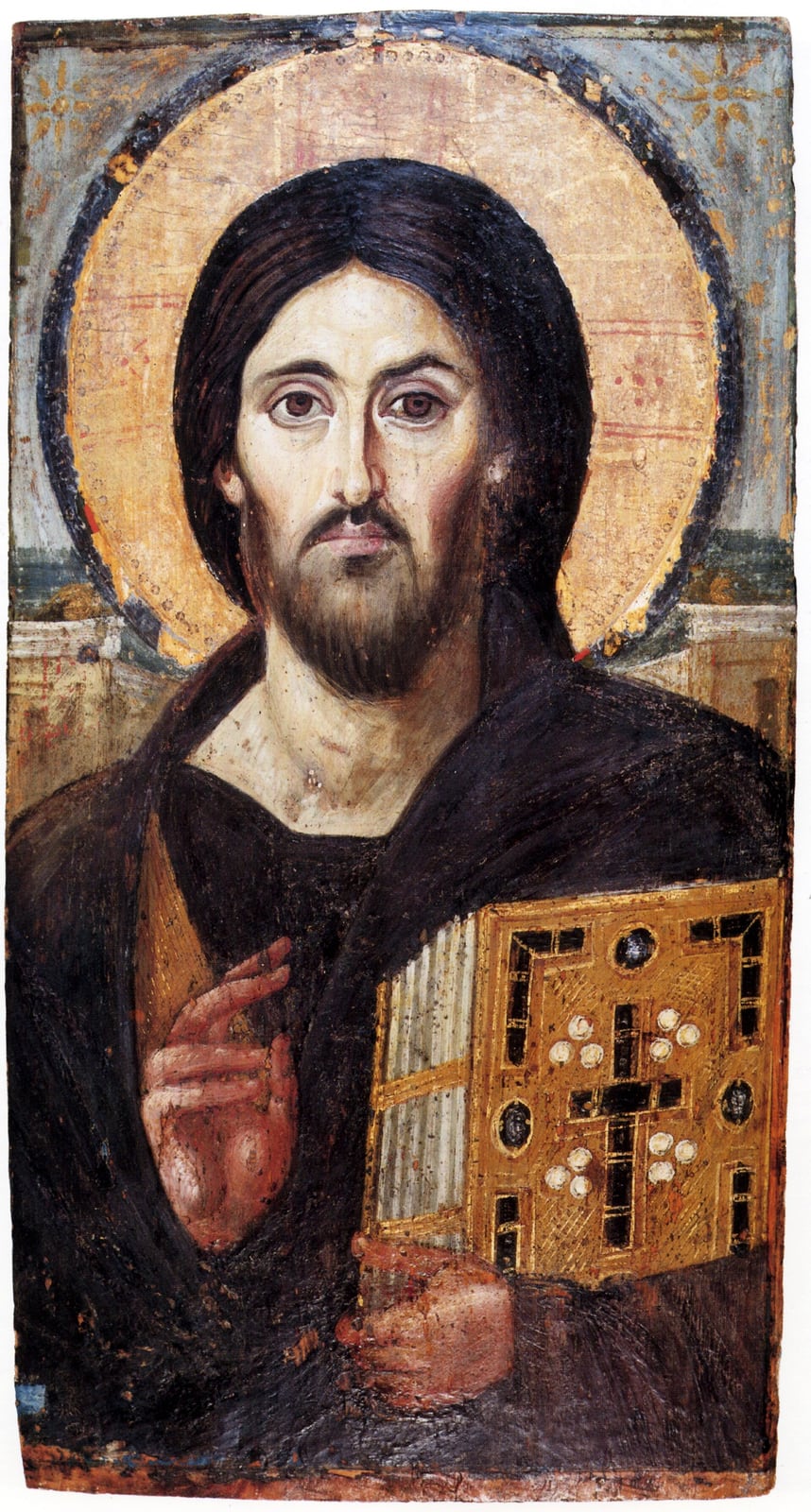
Jesus of Nazareth
Übereinstimmung bei: Was ist das Absolute? Gibt es Gott? · Ist die Welt wirklich? · Wer bin ich? Gibt es ein wahres Selbst?

John of the Cross
Übereinstimmung bei: Was ist das Absolute? Gibt es Gott? · Wer bin ich? Gibt es ein wahres Selbst? · Warum leiden wir?
Denkt anders als

Epicurus
Widerspruch bei: Was ist das Absolute? Gibt es Gott? · Wer bin ich? Gibt es ein wahres Selbst? · Was geschieht nach dem Tod?
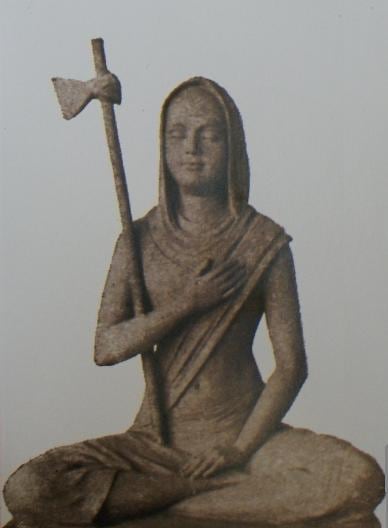
Gaudapada
Widerspruch bei: Wer bin ich? Gibt es ein wahres Selbst? · Ist die Welt wirklich?
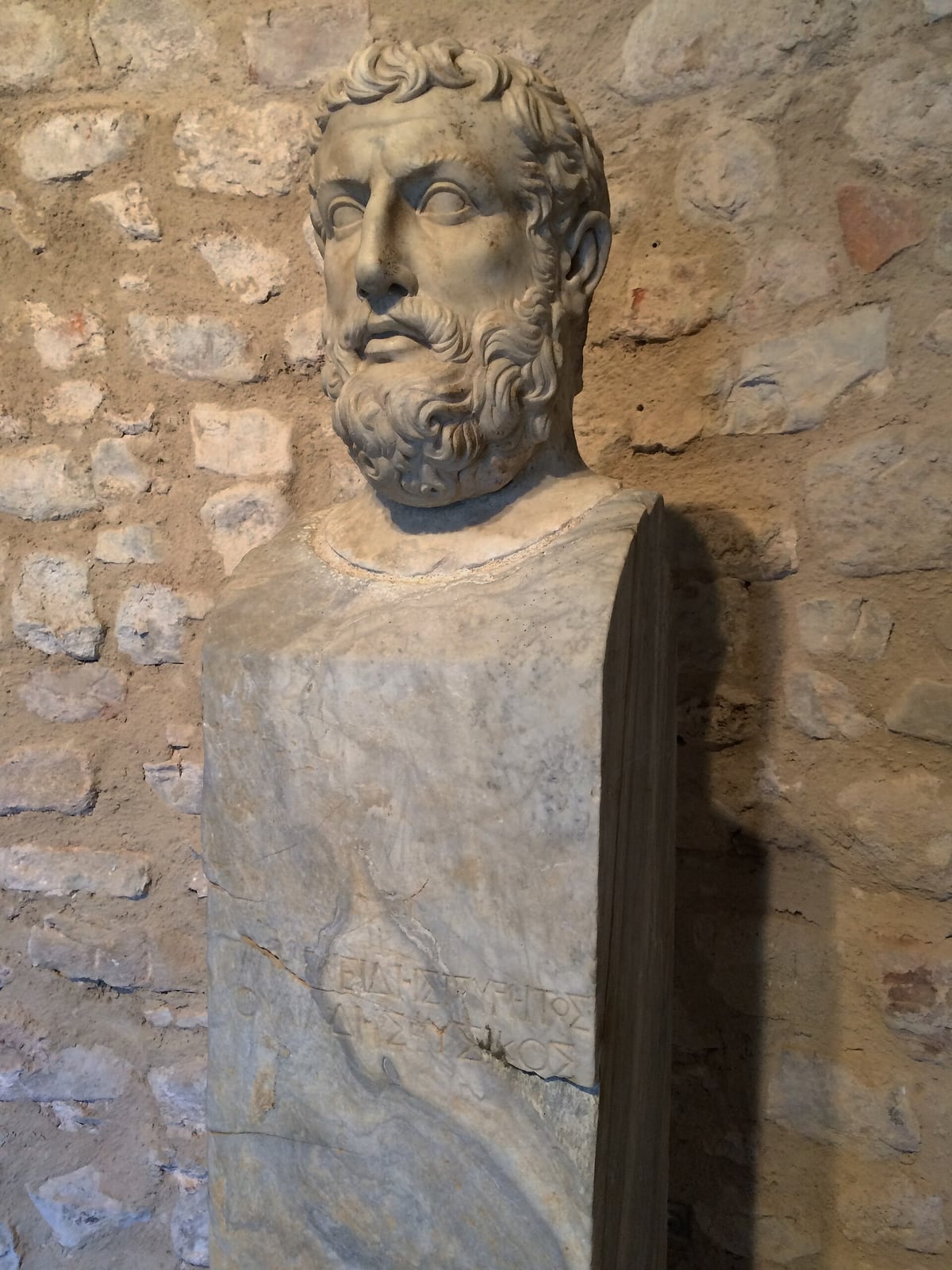
Parmenides
Widerspruch bei: Ist die Welt wirklich?
Baruch Spinoza
Widerspruch bei: Wer bin ich? Gibt es ein wahres Selbst? · Braucht es einen Lehrer?
Anekdoten und Erzählungen
Anekdoten und Erzählungen
Hagiographische Erzählungc. 1485
The true bargain (Sacha Sauda)
Herkunft der Erzählung: It comes from the later janamsakhi tradition (in particular the Bala line); it is not in the oldest core of the Puratan.
Quelle: McLeod, W. H. Early Sikh Tradition: A Study of the Janam-sākhīs. Oxford: Clarendon Press, 1980.
Hagiographische Erzählungc. 1499
Three days in the Bein river
Herkunft der Erzählung: Puratan janamsakhi (B40 manuscript) and related traditions; McLeod regards it as a vocation story built on a probable but unverifiable experience.
Quelle: McLeod, W. H. (trad.). The B40 Janam-sākhī. Amritsar: Guru Nanak Dev University, 1980 (traducción del manuscrito Panjabi B40 de la British Library, copiado en 1733).
Hagiographische Erzählungc. 1518
Feet towards the Kaaba
Herkunft der Erzählung: Bhai Gurdas, Var 1, and the Puratan and Bala janamsakhis. No external source; the visit to Mecca is disputed.
Quelle: Bhāī Gurdās. Vārāṁ Bhāī Gurdās, Vār 1 (primeras décadas del siglo XVII). Texto y trad. en J. S. Grewal y otros; ed. de la SGPC, Amritsar.
Hagiographische Erzählungc. 1520
Lalo's bread and Malik Bhago's
Herkunft der Erzählung: Later janamsakhis; Lalo's name appears in the Tilang hymn of the Babarvani ("Jaisi mai avai khasam ki bani").
Quelle: McLeod, W. H. Early Sikh Tradition: A Study of the Janam-sākhīs. Oxford: Clarendon Press, 1980.
Hagiographische Erzählungc. 1520
Babur and the millstones
Herkunft der Erzählung: Puratan janamsakhi; Gurdwara Chakki Sahib at Eminabad keeps a millstone as a relic. The meeting with Babur is not recorded in his memoirs (Baburnama).
Quelle: McLeod, W. H. (trad.). The B40 Janam-sākhī. Amritsar: Guru Nanak Dev University, 1980 (traducción del manuscrito Panjabi B40 de la British Library, copiado en 1733).
Hagiographische Erzählung1539
Lehna, the one who obeyed
Herkunft der Erzählung: The tests come from janamsakhis and later traditions; the succession is documented in Satta and Balvand's var (Ramkali), in the Guru Granth Sahib.
Quelle: Srī Gurū Granth Sāhib (Ādi Granth). Compilado por Guru Arjan en 1604; recensión de Damdama, 1706. Edición estándar de 1.430 páginas (ang). Trad. inglesa de Manmohan Singh, 8 vols. Amritsar: Shiromani Gurdwara Parbandhak Committee, 1962-1969.
Hagiographische Erzählung1539
The flowers under the sheet
Herkunft der Erzählung: Puratan janamsakhi (B40) and later tradition; the motif of the dispute over the body is also told of Kabir.
Quelle: McLeod, W. H. (trad.). The B40 Janam-sākhī. Amritsar: Guru Nanak Dev University, 1980 (traducción del manuscrito Panjabi B40 de la British Library, copiado en 1733).
Lehren
Lehren
Die Begriffe, die das Denken gliedern, in ihrem Zusammenhang erklärt.
Ik Onkar: one Godik-onkar
The Sant tradition of northern India (nirgun bhakti); comparable to Islamic monotheism, but with an immanent God.
Quelle: McLeod, W. H. Gurū Nānak and the Sikh Religion. Oxford: Clarendon Press, 1968. ISBN 9780198265214 (ed. india, Delhi: Oxford University Press, 1976, ISBN 9780195608069).
Hukam: the divine orderhukam
Japji, stanzas 1-2; Sikh theology of grace (nadar) and will (raza).
Quelle: McLeod, W. H. Gurū Nānak and the Sikh Religion. Oxford: Clarendon Press, 1968. ISBN 9780198265214 (ed. india, Delhi: Oxford University Press, 1976, ISBN 9780195608069).
Haumai: the egohaumai
Asa di Var and other hymns; the term is shared with the yogic and Sant traditions.
Quelle: McLeod, W. H. Gurū Nānak and the Sikh Religion. Oxford: Clarendon Press, 1968. ISBN 9780198265214 (ed. india, Delhi: Oxford University Press, 1976, ISBN 9780195608069).
Nam: the Namenam
A reinterpreted Sant and Vaishnava heritage; the basis of the Sikh practice of kirtan and nitnem.
Quelle: McLeod, W. H. Gurū Nānak and the Sikh Religion. Oxford: Clarendon Press, 1968. ISBN 9780198265214 (ed. india, Delhi: Oxford University Press, 1976, ISBN 9780195608069).
Sach achar: truthful livingsach-achar
Asa di Var, Sidh Gosht, Sri Rag; the Kartarpur community according to Bhai Gurdas.
Quelle: McLeod, W. H. Gurū Nānak and the Sikh Religion. Oxford: Clarendon Press, 1968. ISBN 9780198265214 (ed. india, Delhi: Oxford University Press, 1976, ISBN 9780195608069).
Sangat and langar: the community and the common tablesangat-langar
Bhai Gurdas, Var 1; Satta and Balvand's var on Khivi's langar; Grewal.
Quelle: Grewal, J. S. The Sikhs of the Punjab. The New Cambridge History of India II.3. Cambridge: Cambridge University Press, 1990 (ed. rev. 1998).
Videos
Videos
Aufnahmen, Gespräche und Dokumentarfilme. Die Videos werden von YouTube wiedergegeben; sie werden nicht hier gespeichert.
Guru Nanak Dev | Jeevan Darshan | 550th Birth Anniversary of Guru Nanak Dev
Dokumentarfilm· HI· 25 min
Prasar Bharati ArchivesOffizieller Kanal
Ritu Raag | Documentary | Birth Anniversary celebration of Guru Nanak Dev
Dokumentarfilm· HI· 32 min
Prasar Bharati ArchivesOffizieller Kanal
Ekas Ke Ham Barik | Sri Guru Nanak Dev Ji | Serial | Episode 1 (Part 1)
Aufnahme Dritter· HI· 28 min
Prasar Bharati ArchivesOffizieller Kanal
Bharat Ek Khoj | Episode-27 | Synthesis
Dokumentarfilm· HI· 1988· 59 min
Prasar Bharati ArchivesOffizieller Kanal
What is Sikhism?
Analyse· EN· 38 min
Let's Talk Religion
Pashaura Singh, April 12, 2018 (Power Play in the Formation of the Sikh Canon)
Vortrag· EN· 2018· 44 min
Center for South Asia at UW-MadisonOffizieller Kanal
Guru Nanak - Introduction (English)
Dokumentarfilm· EN· 2025· 52 min
Oneness In DiversityOffizieller Kanal
Episode 1 (English) - Allegory, A Tapestry of Guru Nanak's Travels
Dokumentarfilm· EN· 44 min
Oneness In DiversityOffizieller Kanal
Guru Nanak Dev ਨਾਲ ਜੁੜੇ ਅਸਥਾਨਾਂ ਬਾਰੇ ਜਾਣੋ
Dokumentarfilm· PA· 6 min
BBC News PunjabiOffizieller Kanal
Guru Nanak Jayanti: सिख धर्म के संस्थापक गुरु नानक के बारे में ये बातें जानते हैं आप? (BBC Hindi)
Analyse· HI· 3 min
BBC News HindiOffizieller Kanal
Japji Sahib | Bhai Harbans Singh | Nitnem
Aufnahme Dritter· PA· 17 min
Shabad Gurbani
Nanak Shah Fakir | Full HD Movie
Aufnahme Dritter· PA· 2015· 137 min
Gurbani MediaOffizieller Kanal
Wo Kon Tha - Baba Guru Nanak Biography Founder of Sikhism | Complete Documentary by Faisal Warraich
Dokumentarfilm· UR· 51 min
Dekho Suno Jano
Quién fue Gurú Nanak (Dubbed in Spanish)
Analyse· ES· 6 min
Basics of Sikhi
Mensaje de Guru Nanak para la Humanidad (En Español)
Vortrag· ES· 56 min
Bulandpuri Spiritual Light House
Galerie
Galerie
Bilder mit geprüfter Lizenz. Jedes bewahrt seine Urheberschaft und seinen Herkunftsnachweis.
Beziehungen
Beziehungen
Einflüsse, Schülerschaften und Verwandtschaften. Die belegte Beziehung wird von der durch Analyse ermittelten Ähnlichkeit unterschieden.
Verwandte Gedanken mit
Both belong to the Sant tradition of the formless God, criticise brahmins and qadis and make the Name the centre of practice. Guru Arjan included Kabir's poems in the Adi Granth; that Nanak knew them is plausible but unproven.
Durch Analyse ermittelte Ähnlichkeit
Zeitgenosse von
Contemporaries. The janamsakhis take Nanak to Puri, Chaitanya's city, but no meeting is recorded.
Durch Analyse ermittelte Ähnlichkeit
Zeitgenosse von
Contemporaries. A Mira pada appears in the Bhai Banno recension of the Adi Granth, excluded from the canon.
Durch Analyse ermittelte Ähnlichkeit
Verwandte Gedanken mit
An analogy between Nanak's sung poetry and the Sufi tradition of divine love; the Sikh scripture includes a Sufi, Farid, and the stories show Nanak conversing with pirs. No direct historical connection.
Durch Analyse ermittelte Ähnlichkeit
Von anderen Einträgen aus verknüpft
Quellen
Quellen
Für diesen Eintrag herangezogene Bibliografie und Kataloge.
- McLeod, W. H. Gurū Nānak and the Sikh Religion. Oxford: Clarendon Press, 1968. ISBN 9780198265214 (ed. india, Delhi: Oxford University Press, 1976, ISBN 9780195608069).
- Macauliffe, Max Arthur. The Sikh Religion: Its Gurus, Sacred Writings and Authors. 6 vols. Oxford: Clarendon Press, 1909. Vol. 1 en Wikisource.
- Srī Gurū Granth Sāhib (Ādi Granth). Compilado por Guru Arjan en 1604; recensión de Damdama, 1706. Edición estándar de 1.430 páginas (ang). Trad. inglesa de Manmohan Singh, 8 vols. Amritsar: Shiromani Gurdwara Parbandhak Committee, 1962-1969.
- McLeod, W. H. Early Sikh Tradition: A Study of the Janam-sākhīs. Oxford: Clarendon Press, 1980.
- Grewal, J. S. The Sikhs of the Punjab. The New Cambridge History of India II.3. Cambridge: Cambridge University Press, 1990 (ed. rev. 1998).
- Singh, Harbans. Guru Nanak and Origins of the Sikh Faith. Bombay: Asia Publishing House, 1969.
- Mandair, Arvind-Pal Singh. Sikhism: A Guide for the Perplexed. Londres: Bloomsbury, 2013.
- Singh, Nikky-Guninder Kaur (trad.). The Name of My Beloved: Verses of the Sikh Gurus. San Francisco: HarperSanFrancisco, 1995. ISBN 9780060670498.
- Wikidata, «Guru Nanak» (Q83322).
- Bhāī Gurdās. Vārāṁ Bhāī Gurdās, Vār 1 (primeras décadas del siglo XVII). Texto y trad. en J. S. Grewal y otros; ed. de la SGPC, Amritsar.
- Trumpp, Ernst. The Ādi Granth, or the Holy Scriptures of the Sikhs, Translated from the Original Gurmukhī. Londres: W. H. Allen / India Office, 1877.
- McLeod, W. H. (trad.). The B40 Janam-sākhī. Amritsar: Guru Nanak Dev University, 1980 (traducción del manuscrito Panjabi B40 de la British Library, copiado en 1733).
- Singh, Pashaura, y Louis E. Fenech (eds.). The Oxford Handbook of Sikh Studies. Oxford: Oxford University Press, 2014.
- Singh, Harbans (ed.). The Encyclopaedia of Sikhism. 4 vols. Patiala: Punjabi University, 1992-1998.
- BaniDB. Base de datos del texto gurmukhi del Guru Granth Sahib por página (ang), consultada mediante su API.
- Akashvani News (All India Radio). «Kartarpur Sahib Corridor between India and Pakistan completes 5 years». Noviembre de 2024.
- «ਜਪੁ» (Japu), texto gurmukhi con glosas. Wikisource en panyabí.
- Rechteinhaber
- Las composiciones de Guru Nanak son de dominio público. El texto impreso oficial del Guru Granth Sahib lo edita la Shiromani Gurdwara Parbandhak Committee (SGPC); las traducciones modernas tienen titulares propios.
- Offizielle Website
- sgpc.net/
Bestätigung ausstehend
Was dieser Eintrag noch nicht klären konnte. Wir sagen es lieber, als es aufzufüllen.
- No se localizó ninguna traducción española del Japji ni del Guru Granth Sahib con ISBN; solo el libro divulgativo de Premka Kaur Khalsa (Diana, 2004).
- Completar ediciones con ISBN del Sidh Gosht, el Barah Maha y el Onkar en inglés y panyabí, y de las janamsakhis de Bala y Miharban.
- Fichar en manuscripts[] los cuadernos de Goindval (Goindval pothis) y el manuscrito B40 de la British Library con sus signaturas.
- Verificar la fecha y la lectura de la inscripción del santuario de Baba Nanak en Bagdad.
- La página gurmukhi del Japji en Wikisource lleva glosas modernas sin autor: buscar un texto limpio en dominio público.
Recherchiert am 2026-10-25