Tantra · Zen / Chan · Jainismus · Zeitgenössische Nondualität
Osho
चन्द्र मोहन जैन · ओशो
1931 – 1990Historisch belegte Person
Indischer spiritueller Lehrer (1931–1990), nacheinander als Acharya Rajneesh, Bhagwan Shree Rajneesh und Osho bekannt. Der zum Guru gewordene Philosophieprofessor schuf die Dynamische Meditation und eine internationale Bewegung von Neo-Sannyasins. Seine Kommune in Oregon, Rajneeshpuram, endete 1985 nach dem bioterroristischen Anschlag, den 1984 von seiner Sekretärin angeleitete Mitglieder verübt hatten, und nach seiner Ausreise aus den Vereinigten Staaten wegen Einwanderungsbetrugs. Seine mehr als sechshundert Titel sind Transkriptionen von Reden.
- Werke
- 54Werke
- Ausgaben
- 95Ausgaben
- Zitate
- 8Zitate
- Videos
- 14Videos
- Bilder
- 6Bilder
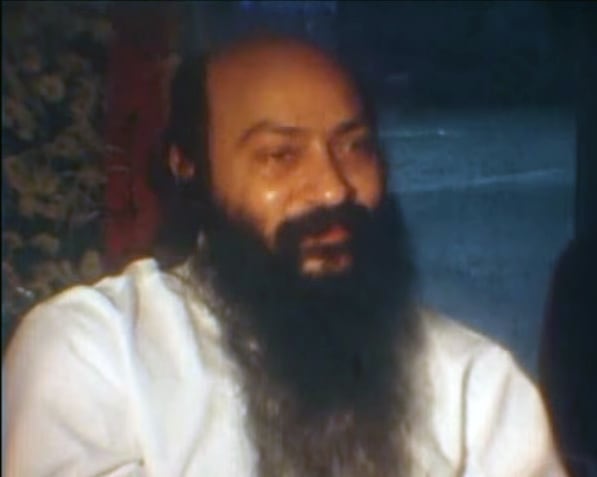
Osho en 1972 · CC BY-SA 3.0
In eigenen Worten
«Never Born – Never Died. Only visited this planet Earth between December 11, 1931 and January 19, 1990»Epitafio de su samadhi en la casa Lao Tzu, Pune; texto dictado por él semanas antes de morir

Der zentrale Gedanke
Enlightenment is not the preserve of exceptional saints: every human being is a potential buddha, and what prevents it is the ego, formed by social conditioning.
Im Zusammenhang sehen
Biografie
5 Min. Lesezeit
Unterstützte Übersetzung aus dem spanischen Original, Durchsicht durch einen muttersprachlichen Übersetzer ausstehend.
Ein Jaina-Kind aus Madhya Pradesh
Chandra Mohan Jain wurde am 11. Dezember 1931 in Kuchwada, einem Dorf im heutigen Distrikt Raisen (Madhya Pradesh), im Haus seiner Großeltern mütterlicherseits geboren. Er war das älteste der elf Kinder von Babulal, einem Tuchhändler aus einer Digambara-Jaina-Familie, und Saraswati. Bis zu seinem siebten Lebensjahr lebte er bei den Großeltern; erst der Tod des Großvaters brachte ihn zu den Eltern nach Gadarwara. Schon als Kind wurde er Rajneesh genannt, „Herr der Nacht“. Er selbst führte die Wurzeln seines Charakters auf diese Kindheit ohne aufgezwungene Disziplin zurück und auf die frühe Begegnung mit dem Tod – dem des Großvaters und, als er fünfzehn war, dem seiner Freundin Shashi. Als glänzender Schüler und gefürchteter Debattierer las er Marx und die russischen Anarchisten und misstraute früh den etablierten Religionen.
Der rebellische Professor
1951 nahm er in Jabalpur ein Studium auf. Nach eigener Darstellung erlebte er am 21. März 1953, mit einundzwanzig Jahren, unter einem Baum im Bhanvartal-Garten sitzend eine Erleuchtung; ein anderes Zeugnis als sein eigenes gibt es dafür nicht. 1955 erwarb er den Bachelor in Philosophie, 1957 den Master an der Universität Sagar; er lehrte am Sanskrit College in Raipur und ab 1958 an der Universität Jabalpur. Zugleich bereiste er als „Acharya Rajneesh“ Indien, kritisierte den Sozialismus, Gandhi und die institutionalisierten Religionen und leitete ab 1962 Meditationscamps. 1966 verließ er die Universität.
Seine Vorträge über die Sexualität aus dem Jahr 1968, später unter dem Titel Vom Sex zum Überbewusstsein veröffentlicht, trugen ihm in der indischen Presse den Spitznamen „Sex-Guru“ ein. Auf der Zweiten Welt-Hindu-Konferenz 1969 vertrat er die These, eine Religion, die lehre, das Leben zu hassen, sei keine wahre Religion, und empörte damit die traditionellen Würdenträger.
Bombay und Pune: der Neo-Sannyas
1970 stellte er die Dynamische Meditation vor – schnelles Atmen, Katharsis, Springen, Stillstand und Tanz – und weihte am 26. September seine ersten Schüler ein, die Neo-Sannyasins: Sie erhielten einen neuen Namen, kleideten sich safranfarben und trugen eine Mala mit seinem Bild, mussten der Welt aber nicht entsagen. In Bombay ansässig, nahm er 1971 den Titel Bhagwan Shree Rajneesh an. 1974 zog er nach Koregaon Park in Pune, wo der Ashram schließlich rund dreißigtausend Besucher im Jahr empfing, überwiegend aus dem Westen. Er sprach jeden Morgen, abwechselnd in Reihen auf Hindi und auf Englisch, über Buddha, Laozi, Jesus, die Sufis, das Tantra oder den Zen; diese aufgezeichneten und transkribierten Reden bilden den Ursprung fast seines gesamten Werks. Der Ashram verband die Meditation mit Gruppentherapien aus der Human-Potential-Bewegung, von denen einige so gewaltsam waren, dass der Ashram selbst sie 1979 abschaffte.
Oregon: Rajneeshpuram
1981 trat er in ein langes öffentliches Schweigen ein, und seine Sekretärin Ma Anand Sheela übernahm die Leitung der Organisation. Im selben Jahr reiste er mit einem Touristenvisum aus medizinischen Gründen in die Vereinigten Staaten, und die Stiftung kaufte die Big Muddy Ranch in Oregon, auf der die Schüler eine Stadt errichteten, Rajneeshpuram, die 1982 als Gemeinde anerkannt wurde. Rechtsstreitigkeiten mit den Nachbarn, dem Bundesstaat und den Gerichten über die Bodennutzung waren an der Tagesordnung, und seine Sammlung von mehr als neunzig Rolls-Royce wurde zum medialen Sinnbild der Kommune.
Im September 1984 verseuchten von Sheela angeleitete Mitglieder der Kommune die Salatbüfetts von zehn Restaurants in The Dalles mit Salmonellen, um die Einwohner an der Teilnahme an den Kreiswahlen zu hindern. 751 Menschen erkrankten, 45 wurden ins Krankenhaus eingeliefert, Todesopfer gab es keine: Es ist der größte bioterroristische Anschlag in der Geschichte der Vereinigten Staaten. Dass die Vergiftung vorsätzlich herbeigeführt worden war, bestätigte sich erst im September 1985, als Rajneesh selbst, nachdem Sheela und ihr Team nach Europa geflohen waren, sie auf einer Pressekonferenz dieses und anderer Verbrechen beschuldigte und eine Untersuchung forderte. Sheela und mehrere Mitarbeiter wurden verurteilt. Die Staatsanwälte räumten ein, nur wenige Beweise für eine direkte Beteiligung Rajneeshs zu haben, auch wenn einige öffentlich die Auffassung vertraten, seine Verantwortung reiche über das gerichtlich Verhandelte hinaus.
Im Oktober 1985 erhob eine Grand Jury auf Bundesebene Anklage gegen ihn wegen Einwanderungsbetrugs. Er wurde in Charlotte (North Carolina) festgenommen, als er auf dem Weg zu den Bermudas war, und bekannte sich im Rahmen einer Absprache mit der Staatsanwaltschaft in zwei Anklagepunkten schuldig – die Absicht, im Land zu bleiben, verschwiegen und Scheinehen gefördert zu haben –, und zwar mit einem Alford-Plea, der kein Eingeständnis der Tatsachen bedeutet. Er wurde zu zehn Jahren Haft auf Bewährung, fünf Jahren Bewährungsaufsicht sowie 400.000 Dollar an Geldstrafe und Verfahrenskosten verurteilt und verließ die Vereinigten Staaten mit der Zusage, fünf Jahre lang nicht zurückzukehren. Die Kommune löste sich kurz darauf auf.
Weltreise und Rückkehr nach Pune
Am 17. November 1985 traf er in Delhi ein. In den folgenden Monaten hielt er sich in Nepal, Griechenland, Uruguay und anderen Ländern auf, von denen ihm viele die Einreise oder den Aufenthalt verweigerten; im Juli 1986 kehrte er nach Bombay zurück, im Januar 1987 in den Ashram von Pune. Den Verfall seiner Gesundheit führte er auf eine Vergiftung in amerikanischen Gefängnissen zurück, eine Anschuldigung, die die Staatsanwaltschaft als Fiktion bezeichnete und die nie bewiesen wurde. Er legte den Titel Bhagwan ab und nahm 1989 den Namen Osho an. Er starb am 19. Januar 1990 in Pune, mit achtundfünfzig Jahren; als offizielle Todesursache wurde Herzversagen angegeben. Seine Asche ruht im Lao-Tzu-Haus des Ashrams unter einer Grabinschrift, die besagt, er sei nie geboren worden und nie gestorben, sondern habe die Erde nur zwischen diesen beiden Daten besucht.
Ein gesprochenes Werk und ein umstrittenes Erbe
Bücher im eigentlichen Sinn hat Osho kaum geschrieben: Die mehr als sechshundert Titel, die seinen Namen tragen, sind fast alle redigierte Transkriptionen von Reden, ergänzt um Briefe, Darshan-Gespräche und thematische Sammlungen, die nach seinem Tod von der Osho International Foundation mit Sitz in Zürich zusammengestellt wurden; sie verwaltet seine Rechte und die Marke OSHO, und das Gericht der Europäischen Union bestätigte 2017 ihre Inhaberschaft gegenüber einer anderen Schülergruppe. Der Ashram in Pune firmiert heute als Osho International Meditation Resort.
Das Urteil über ihn bleibt geteilt. Der Schriftsteller Khushwant Singh und der Philosoph Peter Sloterdijk sahen in ihm einen originellen Denker; Wissenschaftler wie Hugh B. Urban betonen den Eklektizismus seiner Ideen und ihre Nähe zur Konsumkultur, und der Religionswissenschaftler Ronald O. Clarke schrieb ihm narzisstische Persönlichkeitszüge zu. Seit 2022 haben ehemalige Schülerinnen in Büchern, Podcasts und Dokumentarfilmen sexuellen Missbrauch angeprangert, den er bei privaten Begegnungen begangen habe, und eine dokumentarische Recherche aus dem Jahr 2024 hat Zeugnisse über Missbrauch von Minderjährigen innerhalb der Bewegung zusammengetragen; es handelt sich um Vorwürfe, die erst nach seinem Tod erhoben und nie gerichtlich geprüft wurden.
Quellen: Joshi, Vasant. The Awakened One: The Life and Work of Bhagwan Shree Rajneesh. San Francisco: Harper & Row, 1982 (ISBN 006064205X). Biografía escrita por un discípulo. · Fox, Judith M. Osho Rajneesh. Studies in Contemporary Religion, 4. Salt Lake City: Signature Books, 2002 (ISBN 1560851562). · Carter, Lewis F. Charisma and Control in Rajneeshpuram: A Community without Shared Values. Cambridge: Cambridge University Press, 1990 (ISBN 0521385547). · Urban, Hugh B. Zorba the Buddha: Sex, Spirituality, and Capitalism in the Global Osho Movement. Oakland: University of California Press, 2015. · Gordon, James S. The Golden Guru: The Strange Journey of Bhagwan Shree Rajneesh. Lexington (Massachusetts): The Stephen Greene Press, 1987 (ISBN 0828906300).
Zeitleiste
Das Leben, Jahr für Jahr
Jeder Punkt ist ein belegtes Ereignis. Klicken Sie, um es mit Quelle und Grad der Gewissheit zu lesen.
11. Dezember 19310 JahreKuchwada, Madhya Pradesh
Born in Kuchwada
Chandra Mohan Jain is born on 11 December in Kuchwada (Madhya Pradesh) into a Jain family.
BelegtWikidata, «Osho» (Q148285).
Nach dem Tod
- 11. Oktober 2017Ruling on the OSHO trademark
- 2022Abuse allegations
11. Dezember 1931 · 0 Jahre
Born in Kuchwada
Chandra Mohan Jain is born on 11 December in Kuchwada (Madhya Pradesh) into a Jain family.
Belegt
1939 · 7 Jahre
Move to Gadarwara
After his maternal grandfather's death he goes to live with his parents in Gadarwara.
Wahrscheinlich
21. März 1953 · 21 Jahre
Enlightenment experience
By his own account, on 21 March he attains enlightenment under a tree in the Bhanvartal garden, Jabalpur.
Überlieferung
1957 · 25 Jahre
Master's in philosophy
Gains his master's in philosophy at the University of Sagar and begins teaching in Raipur.
Belegt
1958 · 26 Jahre
Lecturer at Jabalpur
Teaches philosophy at the University of Jabalpur, where he is made professor in 1960.
Belegt
1966 · 34 Jahre
Leaves the university
After a controversial lecture tour he leaves his university post.
Belegt
1968 · 36 Jahre
Talks on sex
The Bombay lectures later published as From Sex to Superconsciousness earn him the nickname 'sex guru'.
Belegt
26. September 1970 · 38 Jahre
Dynamic Meditation and first sannyasins
Introduces Dynamic Meditation and on 26 September initiates his first neo-sannyasins.
Belegt
1971 · 39 Jahre
Bhagwan Shree Rajneesh
Adopts the title Bhagwan Shree Rajneesh.
Belegt
1974 · 42 Jahre
Pune ashram
Settles in Koregaon Park (Pune), where he founds the ashram.
Belegt
Mai 1980 · 48 Jahre
Attack during a talk
In May a young Hindu fundamentalist attempts to attack him during a discourse.
Belegt
1981 · 49 Jahre
Silence and move to the United States
On 10 April he begins a public silence; on 1 June he travels to the United States and in August settles on the Oregon ranch.
Belegt
Mai 1982 · 50 Jahre
Rajneeshpuram
Ranch residents vote to incorporate it as the city of Rajneeshpuram.
Belegt
September 1984 · 52 Jahre
The Dalles bioterror attack
Commune members led by Ma Anand Sheela contaminate restaurants in The Dalles with salmonella: 751 people fall ill.
Belegt
16. September 1985 · 53 Jahre
Accusation against Sheela
On 16 September he accuses Sheela and her team of serious crimes at a press conference and asks for an investigation.
Belegt
28. Oktober 1985 · 53 Jahre
Arrest and departure from the United States
Arrested on 28 October in Charlotte; in November he accepts a plea deal for immigration fraud and leaves the country. He lands in Delhi on 17 November.
Belegt
1986 · 54 Jahre
World tour
Travels through several countries that refuse him entry or residence; returns to Bombay on 30 July.
Belegt
Januar 1987 · 55 Jahre
Return to Pune
In January he returns to the Pune ashram and resumes his talks.
Belegt
1989 · 57 Jahre
Takes the name Osho
Drops the title Bhagwan and adopts the name Osho; in April he gives his last public discourse.
Belegt
19. Januar 1990 · 58 Jahre
Death in Pune
Dies on 19 January at the Pune ashram; official cause, heart failure.
Belegt
11. Oktober 2017
Ruling on the OSHO trademark
The EU General Court upholds the Osho International Foundation's ownership of the OSHO trademark.
Belegt
2022
Abuse allegations
Former disciples publicly allege sexual abuse by Osho; the accusations have not been tried.
Umstritten
Werke
Grundlegende Werke
Die Werke, ohne die sich das Vermächtnis nicht verstehen lässt.
Veröffentlichte Vorträge · 1968
From Sex to Superconsciousness
संभोग से समाधि की ओर (Sambhog se samadhi ki or)
Series of talks given in Hindi in Bombay in 1968 that caused the scandal that made him famous in India. It argues that religious repression of sex produces sex-obsessed societies and that sexual energy, lived with full awareness, can be transformed into meditation and lead to samadhi. It is probably the best-selling and most controversial title of his Indian period.
5 Ausgaben · amazon.com

Veröffentlichte Vorträge · 1974
The Book of Secrets
Vigyan Bhairav Tantra
Commentary, in eighty talks given in Bombay and Pune in 1972–1973, on the 112 meditation techniques of the Vigyan Bhairav Tantra, a Kashmir Shaivite text framed as a dialogue between Shiva and Devi. Osho explains each technique — attention to breath, the senses, sound, emptiness — and relates it to modern psychology. His followers regard it as his central work on meditation.
2 Ausgaben · amazon.com

Spätere Zusammenstellung · 1988
Meditation: The First and Last Freedom
Practical handbook gathering, from his talks, the active meditations Osho created — dynamic, kundalini, nadabrahma, nataraj — and techniques from various traditions, with instructions and answers to practitioners' questions. It is the Osho International Foundation's reference guide to his methods and one of his most translated works.
4 Ausgaben · amazon.com

Nachgelassenes Werk · 2000
Autobiography of a Spiritually Incorrect Mystic
Account of his life assembled posthumously by the Osho International Foundation from excerpts of hundreds of talks in which he spoke of his childhood, student and teaching years, the 1953 experience, Pune, Oregon and his arrest. It is not a written autobiography but an editorial selection that presents events from his point of view and omits or softens the most controversial episodes.
3 Ausgaben · amazon.com
Das gesamte Werk (54)

Glimpses of a Golden Childhood
1985

Notes of a Madman
1985
Osho
Books I Have Loved
The Conscious LibraryBooks I Have Loved
1985

The Mustard Seed
1975
Osho
Come Follow Me
The Conscious LibraryCome Follow Me
1976

Tantra: The Supreme Understanding
1975

The Tantra Vision
1978

Tao: The Three Treasures
1975

The Empty Boat
1976

When the Shoe Fits
1976

The Hidden Harmony
1976

No Water, No Moon
1975

And the Flowers Showered
1975

Neither This Nor That
1975
Osho
This Very Body the Buddha
The Conscious LibraryThis Very Body the Buddha
1978

The Heart Sutra
1977

The Diamond Sutra
1979
Osho
The Dhammapada
The Conscious LibraryThe Dhammapada
1979

The Discipline of Transcendence
1976
Osho
Yoga: The Alpha and the Omega
The Conscious LibraryYoga: The Alpha and the Omega
1976

The Ultimate Alchemy
1974
Osho
I Am That
The Conscious LibraryI Am That
1980

Until You Die
1976

Unio Mystica
1980
Zitate
Zitate, die in einem bestimmten Werk nachgewiesen sind. Jedes trägt seine Herkunft und seinen Grad an Verlässlichkeit.
Never Born – Never Died. Only visited this planet Earth between December 11, 1931 and January 19, 1990GeprüftEpitafio de su samadhi en la casa Lao Tzu, Pune; texto dictado por él semanas antes de morir
Wesentliche Gedanken (redaktionelle Zusammenfassung)
Aus Achtung vor dem Urheberrecht werden diese Gedanken mit eigenen Worten zusammengefasst und nicht als wörtliche Zitate dargestellt.
- Enlightenment is not the preserve of exceptional saints: every human being is a potential buddha, and what prevents it is the ego, formed by social conditioning.
- Repressing desires — especially sex — does not eliminate them but displaces them and makes them obsessive; accepted and lived with awareness, they transform of their own accord.
- Modern people are too tense to sit in silence; they first need to discharge their emotions physically before they can meditate, hence the active meditations.
- Spirituality does not require renouncing the world or wealth: the ideal is a human being who unites the sensual fullness of Zorba the Greek with the Buddha's inner silence.
- Organised religions, political ideologies, the traditional family and the nation are structures of control that keep people in obedience and fear.
- Meditation is not a practice confined to a moment of the day but a state of witnessing awareness that can be maintained in any activity.
- Truth cannot be transmitted as doctrine; the master only creates situations — talks, jokes, contradictions, silences — to shake the disciple's mind.
Apokryphe Zitate oder Zitate umstrittener Zuschreibung (2)
«If you love a flower, don't pick it up. Because if you pick it up it dies and it ceases to be what you love. Love is not about possession; love is about appreciation.»
Probably the most widely shared line under his name on social media, but it has not been located in the published transcripts consulted or in the Osho International Foundation's talk archive; its wording looks like a modern paraphrase.
«'The most beautiful sayings of Osho' on Italian politics.»
Since 2016 an Italian satirical page, Le più belle frasi di Osho, has put humorous comments on current affairs into Osho's mouth over photographs of him. It passed a million followers and its lines have sometimes been quoted as genuine: none is.
Letzte Worte
Es gibt keine überprüfbaren Aufzeichnungen der letzten Worte.
There is no independent record of his last words. He died on 19 January 1990 in Pune and his physician, Swami Amrito, announced the death that afternoon in Buddha Hall. Several versions circulate in the movement — instructions about his belongings, a sentence naming a disciple as his 'medium', the title 'I Leave You My Dream' of the commemorative video — all from internal sources and unconfirmed. The epitaph text was dictated a few weeks before his death, according to his press secretary Swami Chaitanya Keerti.
Quelle: «Osho», «1984 Rajneeshee bioterror attack» y «Ma Anand Sheela», Wikipedia en inglés (consultadas para cotejar hechos y bibliografía secundaria; texto propio).
Fragen
Was das Werk beantwortet
Zwölf große Fragen der Menschheit und was sich aus den Texten darauf antworten lässt, mit Belegen. Wir legen niemandem Worte in den Mund.
Was ist das Absolute? Gibt es Gott?
There is no personal God: only the godliness of existence itself
Ein unpersönliches AbsolutesAusdrücklich gesagt
Osho rejects the creator and personal God of organised religions, which he regards as a projection of fear and an instrument of priests. In its place he speaks of godliness as a quality of existence: there is no God but life itself, in one of his most repeated formulas. The ultimate is not someone who judges or rewards but the living totality in which one dissolves when the ego disappears, an experience reached through meditation and not through belief. In his commentaries on the Upanishads, Zen or Tantra he renders that totality in each tradition’s vocabulary: Brahman, emptiness, consciousness. What remains constant is the denial of a separate God and the affirmation of the sacred in what exists.
Diese Frage mit anderen Meistern vergleichenWer bin ich? Gibt es ein wahres Selbst?
The ego is a social product; behind it is the witness, the potential buddha
Das Ego ist ein Konstrukt des DenkensAusdrücklich gesagt
Osho describes the ego as a construction: an image manufactured by parents, school, religion and society so that the individual will be useful and obedient. It is not an enemy to be defeated, since fighting it strengthens it, but an illusion that vanishes when observed. What observes is the witnessing consciousness (sakshi), which is neither a thing nor an idea and which he identifies with the buddha-nature every human being carries in potential. In The Book of the Ego and in his commentaries on the Heart Sutra he sets out this double thesis: the social self is fictitious, and what remains when its fiction is seen is not a sad void but consciousness itself, free and joyful.
Diese Frage mit anderen Meistern vergleichenWarum leiden wir?
Misery is made by the mind: repression, ego and living outside the now
Denken und psychologische ZeitAusdrücklich gesagt
Osho holds that human misery is largely manufactured: it is produced by a mind that lives in past and future, compares, desires and fears, and that, as one of his recorded sayings puts it, has no capacity of its own for joy but only thinks about joy. To this cause he adds another he regards as social: religions and morality have taught people to repress the body, sex and emotions, and what is repressed becomes obsessive and painful. Hence his criticism of any religion that teaches hatred of life. The way out he proposes is not a doctrine but meditation: first releasing what is repressed through active techniques, then watching the mind until it loses its hold.
Diese Frage mit anderen Meistern vergleichenWas geschieht nach dem Tod?
Never born, never died: death is a threshold crossed awake
Was ich bin, wird nie geboren und stirbt nieAusdrücklich gesagt
The epitaph Osho dictated weeks before his death says that he was never born and never died, and only visited this planet between 1931 and 1990. That formula sums up the thesis he develops in The Art of Dying and in his commentaries on the Upanishads: what dies is body and mind; witnessing consciousness has no beginning or end. Hence his proposal to learn to die before dying, through a meditation that allows one to watch the dissolution of the ego, so that physical death is lived lucidly. In certain contexts he accepted rebirth: he even claimed that in a previous life he had died seven hundred years earlier, during a long fast, without completing his path.
Diese Frage mit anderen Meistern vergleichenWie erlangt man Befreiung oder Erlösung?
Techniques to reach witnessing awareness, then dropping them
Ohne Methode: totale AufmerksamkeitAusdrücklich gesagt
For Osho enlightenment is not an achievement reserved for saints: it is the nature of every human being, hidden by ego and conditioning. What reveals it is witnessing awareness: watching body, mind and emotions without identifying with them. Unlike Krishnamurti, whom he both admired and criticised, Osho defended the use of techniques: he commented on the 112 of the Vigyan Bhairav Tantra in The Book of Secrets and created active meditations, such as Dynamic Meditation, for modern people too tense to sit in silence. But he insisted that techniques are provisional devices to be dropped: meditation itself is not a method but a state of effortless attention.
Diese Frage mit anderen Meistern vergleichenBraucht es einen Lehrer?
The master shares his being; but obey nothing that does not arise in you
Der Lehrer ist innenAusdrücklich gesagt
Osho holds two claims that pull in opposite directions. On the one hand he initiated thousands into neo-sannyas and spoke of surrender to the master as the condition of transformation: a master, as one of his recorded sayings has it, shares his being, not his philosophy, and transmission happens through closeness rather than words. On the other he repeated that no one should obey an order that does not also come from within, criticised all religious authority, and in his last years presented himself as a friend rather than a guru. What reconciles the two, in his account, is that the master serves only to awaken the inner witness.
Diese Frage mit anderen Meistern vergleichenIst die Welt wirklich?
No need to flee the world: existence itself is the divine
Offenbarung des GöttlichenAusdrücklich gesagt
Osho fights the Indian tradition that declares the world illusory and counsels renouncing it. For him there is no God but life itself, and the world, with its beauty, pleasures and wealth, is the expression of that godliness. His ideal of ‘Zorba the Buddha’ joins the sensual fullness of Kazantzakis’s character with the Buddha’s inner silence: the point is not to choose between world and spirit but to live both consciously. Hence he criticises religions that teach hatred of life and defines religion as the art of enjoying it. What is illusory for Osho is not the world but the mind that interprets it and turns it into a problem.
Diese Frage mit anderen Meistern vergleichenWas ist Liebe?
Love is a state of being, not a relationship: it flowers without ego
Was erscheint, wenn das Ich aufhörtAusdrücklich gesagt
Osho distinguishes love as need, which seeks to possess and turns into jealousy and dependence, from love as overflowing, which is only possible when the ego has quietened. In Love, Freedom, Aloneness he holds that only someone who can be alone without feeling isolated is able to love without chaining the other, and that love and freedom are inseparable. His approach also has an energetic trajectory: in From Sex to Superconsciousness he argues that sexual energy, accepted and lived consciously rather than repressed, is transformed into love and, in its highest form, into prayer and meditation. Love is not cultivated as a virtue: it appears when the self is absent.
Diese Frage mit anderen Meistern vergleichenSind wir frei, oder ist alles vorherbestimmt?
The sleeping man is a robot; awareness is the only freedom
Wir sind Maschinen, bis wir erwachenAus der Lehre abgeleitet
Osho often takes up the diagnosis of Gurdjieff, whom he commented on and admired: ordinary human beings live asleep, reacting mechanically according to their conditioning, like robots. What he calls freedom is not the capacity to choose between options but the awareness that watches the mechanisms without identifying with them; only one who is awake acts instead of reacting. But this view coexists with another, equally insistent, that recommends letting go of control and being carried by existence, floating with the river rather than swimming against it. The two theses meet in witnessing consciousness: one who watches without choosing is no longer a mechanism, and has no need to impose a will either.
Diese Frage mit anderen Meistern vergleichenWozu meditieren oder beten?
Meditation is not concentration: it is being present, a witness, without mind
Gegenwärtig seinAusdrücklich gesagt
Osho distinguishes meditation from concentration and contemplation: to concentrate is to narrow the mind, to contemplate is to think about something, and to meditate is a state of no-mind, of pure attention to the present. Hence it can be done while walking, eating or working, and its goal is not to achieve anything in the future but to be wholly here. To reach that state he designed active meditations, such as Dynamic or Kundalini, which begin with movement, catharsis or dance and end in silence, because he held that modern people are too tense to sit still. Prayer, in his devotional talks, is the same state lived as gratitude towards existence.
Diese Frage mit anderen Meistern vergleichenKann die Vernunft das Letzte erkennen?
The mind only thinks about joy; truth lies in no-mind
Das Denken ist begrenztAusdrücklich gesagt
Osho, who was a philosophy lecturer before becoming a spiritual teacher, uses reason with polemical skill, but holds that thought cannot reach truth. The mind works with memory and language, repeats the known and cannot touch the new; according to one of his recorded sayings it has no capacity of its own for joy, it only thinks about joy. Hence he sets mind against no-mind, the meditative state in which thought falls quiet and reality is perceived directly. He does not, however, ask for faith: he sharply criticises beliefs and encourages doubting everything, himself included. Reason serves to dismantle beliefs; truth appears when the mind falls silent.
Diese Frage mit anderen Meistern vergleichenSich von der Welt zurückziehen oder sie verwandeln?
The rebel, not the revolutionary: change consciousness, not the system
Die Revolution ist innerlichAusdrücklich gesagt
Osho rejected traditional renunciation: his sannyasins wore orange but kept working, earning money and living in the world, following the ideal of Zorba the Buddha. At the same time he distrusted projects of social transformation. In The Rebel he distinguishes the revolutionary, who wants to change society and ends up reproducing the power he fights, from the rebel, who transforms himself and, by contagion, creates a new human being. He criticised Gandhi, socialism and organised religions as ways of imposing ideals. The only thing that truly changes the world, he held, is individual consciousness, and a new society can only be born of meditative individuals.
Diese Frage mit anderen Meistern vergleichen
Affinitäten und Spannungen
Affinitäten und Spannungen
Frage für Frage aus den Positionen berechnet. Den Grund jeder Übereinstimmung und jedes Widerspruchs zeigt ein Klick.
Denkt ähnlich wie
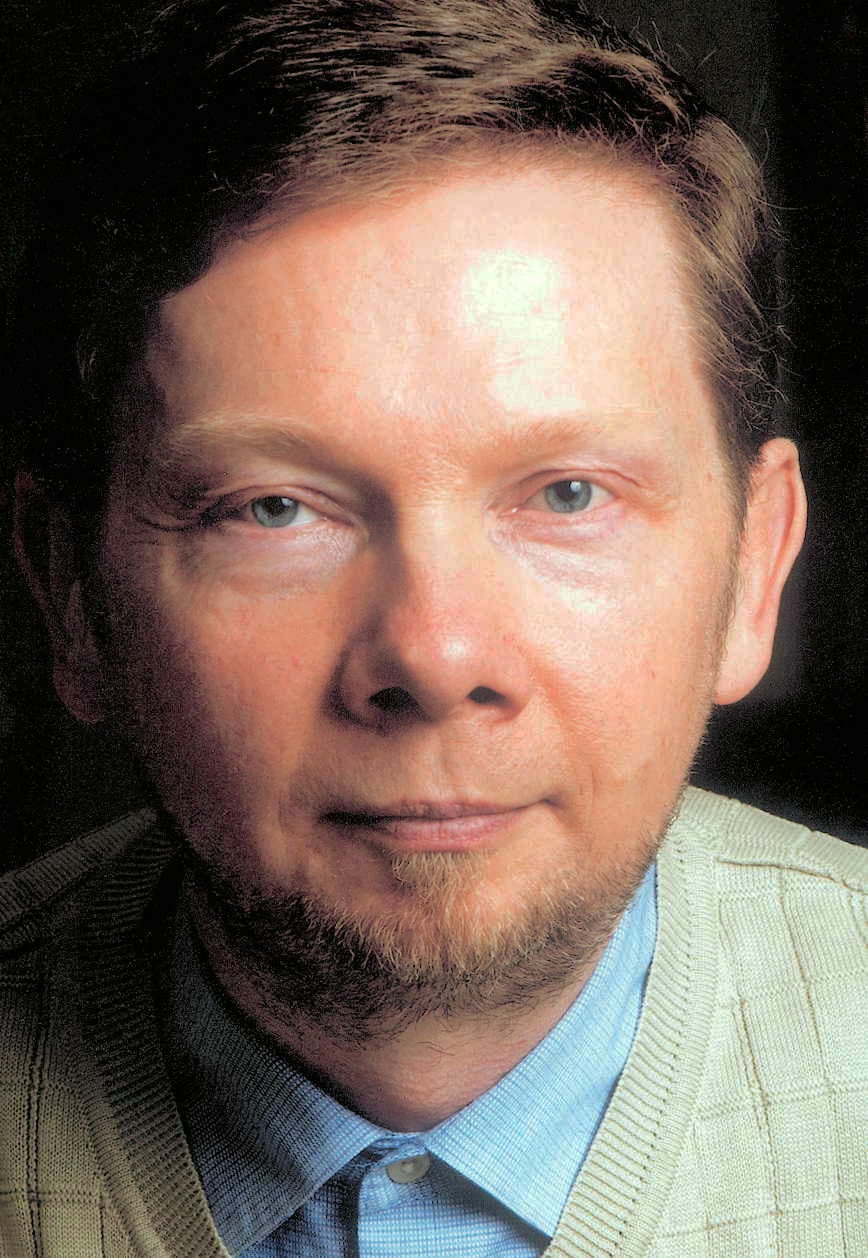
Eckhart Tolle
Übereinstimmung bei: Was ist das Absolute? Gibt es Gott? · Wer bin ich? Gibt es ein wahres Selbst? · Warum leiden wir?
- BKByron Katie
Byron Katie
Übereinstimmung bei: Was ist das Absolute? Gibt es Gott? · Wer bin ich? Gibt es ein wahres Selbst? · Warum leiden wir?
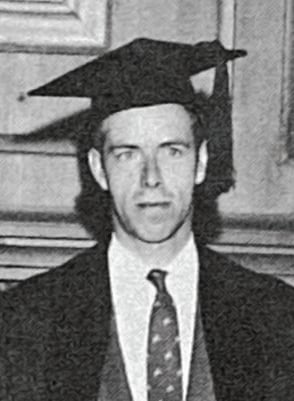
Alan Watts
Übereinstimmung bei: Was ist das Absolute? Gibt es Gott? · Warum leiden wir? · Was geschieht nach dem Tod?

Jiddu Krishnamurti
Übereinstimmung bei: Wer bin ich? Gibt es ein wahres Selbst? · Warum leiden wir? · Wie erlangt man Befreiung oder Erlösung?


Anekdoten und Erzählungen
Anekdoten und Erzählungen
Zeugnis1953
Under a tree in Jabalpur
Herkunft der Erzählung: The only testimony is his own, in later talks; it is recorded in the biography by his disciple Vasant Joshi (1982) and repeated in the movement's publications.
Quelle: Joshi, Vasant. The Awakened One: The Life and Work of Bhagwan Shree Rajneesh. San Francisco: Harper & Row, 1982 (ISBN 006064205X). Biografía escrita por un discípulo.
Belegt1970
The first sannyasins
Herkunft der Erzählung: Facts recorded by Judith M. Fox, Bob Mullan and Vasant Joshi; the description of the stages comes from the instructions published by the movement itself.
Quelle: Fox, Judith M. Osho Rajneesh. Studies in Contemporary Religion, 4. Salt Lake City: Signature Books, 2002 (ISBN 1560851562).
Belegt1980
A knife in Buddha Hall
Herkunft der Erzählung: Recorded in the literature on the movement (Fox, Carter) and in the Indian press of the time; the attacker's motives come from his own statement.
Belegt1981–1985
Ninety-three Rolls-Royces
Herkunft der Erzählung: Documented by Lewis F. Carter, Frances FitzGerald and the Oregon press; the figure of 93 vehicles comes from the inventory of the owning company.
Quelle: Carter, Lewis F. Charisma and Control in Rajneeshpuram: A Community without Shared Values. Cambridge: Cambridge University Press, 1990 (ISBN 0521385547).
Belegtseptiembre de 1985
The press conference and the bonfire
Herkunft der Erzählung: Press conference reported by the Oregon press and by Frances FitzGerald (The New Yorker, 1986); the booklet burning was reported by international agencies and is recorded in the academic literature.
Zeugnis1990
'Never born, never died'
Herkunft der Erzählung: The plaque text can be verified on site; the circumstances of its dictation come from the testimony of his press secretary, Swami Chaitanya Keerti (The Indian Express, 2024), and the cremation is described by Judith M. Fox and the Indian press.
Quelle: Fox, Judith M. Osho Rajneesh. Studies in Contemporary Religion, 4. Salt Lake City: Signature Books, 2002 (ISBN 1560851562).
Lehren
Lehren
Die Begriffe, die das Denken gliedern, in ihrem Zusammenhang erklärt.
Dynamic Meditationmeditacion-dinamica
Osho's active meditations (dynamic, kundalini, nadabrahma, nataraj), described in Meditation: The First and Last Freedom.
Quelle: Fox, Judith M. Osho Rajneesh. Studies in Contemporary Religion, 4. Salt Lake City: Signature Books, 2002 (ISBN 1560851562).
Neo-sannyasneo-sannyas
Neo-sannyasin movement (1970–1990); studied by Carter, Mullan and Palmer.
Quelle: Mullan, Bob. Life as Laughter: Following Bhagwan Shree Rajneesh. Londres: Routledge & Kegan Paul, 1983 (ISBN 0710200439).
Zorba the Buddhazorba-el-buda
Pune talks (1970s and 1987–1989); critical analysis in Urban, Zorba the Buddha (2015).
Quelle: Urban, Hugh B. Zorba the Buddha: Sex, Spirituality, and Capitalism in the Global Osho Movement. Oakland: University of California Press, 2015.
Witnessing awarenessconciencia-testigo
Present in almost all his talk series, especially The Book of Secrets.
Quelle: Fox, Judith M. Osho Rajneesh. Studies in Contemporary Religion, 4. Salt Lake City: Signature Books, 2002 (ISBN 1560851562).
From sex to superconsciousnessdel-sexo-a-la-superconsciencia
Bombay talks of 1968 (Sambhog se samadhi ki or); later commentaries on Tilopa and Saraha.
Quelle: Urban, Hugh B. Zorba the Buddha: Sex, Spirituality, and Capitalism in the Global Osho Movement. Oakland: University of California Press, 2015.
Silence and heart-to-heart communionsilencio-y-comunion
Rajneeshpuram, 1981–1984; assessment in Carter (1990) and FitzGerald (1986).
Quelle: Carter, Lewis F. Charisma and Control in Rajneeshpuram: A Community without Shared Values. Cambridge: Cambridge University Press, 1990 (ISBN 0521385547).
Videos
Videos
Aufnahmen, Gespräche und Dokumentarfilme. Die Videos werden von YouTube wiedergegeben; sie werden nicht hier gespeichert.
OSHO: Waking Up the World
Originalaufnahme· EN· 14 min
OSHO InternationalOffizieller Kanal
OSHO: The Greatest Courage Is Being Capable of Change
Originalaufnahme· EN· 22 min
OSHO InternationalOffizieller Kanal
OSHO: Sheela Never Even Listened
Originalaufnahme· EN· 1985· 21 min
OSHO InternationalOffizieller Kanal
OSHO: Ateet Aur Bhavishya Se Mukti (अतीत और भविष्य से मुक्ति)
Originalaufnahme· HI· 15 min
OSHO InternationalOffizieller Kanal
OSHO: Nacho, Gao, Dhyan Mein Dubo
Originalaufnahme· HI· 7 min
OSHO InternationalOffizieller Kanal
OSHO Dynamic Meditation – a revolution in consciousness
Dokumentarfilm· EN· 24 min
OSHO InternationalOffizieller Kanal
Bhagwan Shree Rajneesh Interview - July 1985 | KATU In The Archives
Gespräch· EN· 1985· 13 min
KATU NewsOffizieller Kanal
Rajneeshpuram: Paradise Lost? - November 2nd, 1985 - KATU In The Archives
Dokumentarfilm· EN· 1985· 23 min
KATU NewsOffizieller Kanal
Rajneeshpuram - News Footage (KGW, 1985)
Dokumentarfilm· EN· 1985· 52 min
Oregon Historical SocietyOffizieller Kanal
Update: Rajneesh | KGW 1984 award-winning documentary
Dokumentarfilm· EN· 1984· 59 min
KGW NewsOffizieller Kanal
How the Rajneesh Cult Overran This Oregon Town
Dokumentarfilm· EN· 1 min
Smithsonian ChannelOffizieller Kanal
Wild Wild Country | Official Trailer | Netflix
Dokumentarfilm· EN· 2018· 3 min
NetflixOffizieller Kanal
Bhagwan - Die Deutschen und der Guru | Dokumentarfilm | Trailer
Dokumentarfilm· DE· 11 min
ARDOffizieller Kanal
Einblicke in Oshos umstrittenen Kult - Die dunkle Seite der Rajneesh-Bewegung (Dokumentation, 2013)
Dokumentarfilm· DE· 2013· 97 min
wocomoDEUTSCH
Galerie
Galerie
Bilder mit geprüfter Lizenz. Jedes bewahrt seine Urheberschaft und seinen Herkunftsnachweis.
Beziehungen
Beziehungen
Einflüsse, Schülerschaften und Verwandtschaften. Die belegte Beziehung wird von der durch Analyse ermittelten Ähnlichkeit unterschieden.
Lehrer von
Ma Anand Sheela
His secretary from 1981 to 1985 and manager of Rajneeshpuram; she led the 1984 bioterror attack and was convicted. Osho accused her publicly in September 1985.
Belegte Beziehung
Beeinflusst von
The Pune ashram's work regime was consciously modelled on Gurdjieff's community in France.
Belegte Beziehung
Zeitgenosse von
Krishnamurti disapproved of Rajneesh, though similarities between their teachings have been noted; Osho commented on him often.
Belegte Beziehung
Beeinflusst von
Siddhartha Gautama, the Buddha
He devoted long cycles of talks to the Dhammapada and the Mahayana sutras.
Belegte Beziehung
Beeinflusst von
He commented on the Tao Te Ching in Tao: The Three Treasures.
Belegte Beziehung
Beeinflusst von
He commented on his stories in The Empty Boat and When the Shoe Fits.
Belegte Beziehung
Beeinflusst von
He commented on his fragments in The Hidden Harmony.
Belegte Beziehung
Beeinflusst von
He devoted several talk cycles to him, such as The Divine Melody.
Belegte Beziehung
Beeinflusst von
He commented on the Japji in The True Name.
Belegte Beziehung
Beeinflusst von
He commented on the Yoga Sutras in Yoga: The Alpha and the Omega.
Belegte Beziehung
Beeinflusst von
He commented on the Gospel of Thomas and the canonical Gospels in The Mustard Seed and Come Follow Me.
Belegte Beziehung
Beeinflusst von
He commented on his Song of Meditation in This Very Body the Buddha.
Belegte Beziehung
Beeinflusst von
During his 1981 silence The Prophet was read at satsangs; he commented on it in several talks.
Belegte Beziehung
Lehrer von
Peter Sloterdijk
The German philosopher lived at the Pune ashram from 1978 to 1980 and called him 'a Wittgenstein of religions'.
Belegte Beziehung
Zeitgenosse von
Both spread Zen, Tantra and Taoism in the West in a free and provocative style; there is no record that they met.
Durch Analyse ermittelte Ähnlichkeit
Verwandte Gedanken mit
The emphasis on witnessing awareness recalls Ramana's self-enquiry, though their teaching styles are opposite.
Durch Analyse ermittelte Ähnlichkeit
Von anderen Einträgen aus verknüpft
Quellen
Quellen
Für diesen Eintrag herangezogene Bibliografie und Kataloge.
- Wikidata, «Osho» (Q148285).
- Joshi, Vasant. The Awakened One: The Life and Work of Bhagwan Shree Rajneesh. San Francisco: Harper & Row, 1982 (ISBN 006064205X). Biografía escrita por un discípulo.
- Fox, Judith M. Osho Rajneesh. Studies in Contemporary Religion, 4. Salt Lake City: Signature Books, 2002 (ISBN 1560851562).
- Carter, Lewis F. Charisma and Control in Rajneeshpuram: A Community without Shared Values. Cambridge: Cambridge University Press, 1990 (ISBN 0521385547).
- FitzGerald, Frances. «Rajneeshpuram», The New Yorker, 22 y 29 de septiembre de 1986 (recogido en Cities on a Hill, Nueva York: Simon & Schuster, 1986).
- Török, Thomas J. et al. «A Large Community Outbreak of Salmonellosis Caused by Intentional Contamination of Restaurant Salad Bars». JAMA 278, n.º 5 (1997): 389–395.
- Urban, Hugh B. Zorba the Buddha: Sex, Spirituality, and Capitalism in the Global Osho Movement. Oakland: University of California Press, 2015.
- Gordon, James S. The Golden Guru: The Strange Journey of Bhagwan Shree Rajneesh. Lexington (Massachusetts): The Stephen Greene Press, 1987 (ISBN 0828906300).
- «Osho», «1984 Rajneeshee bioterror attack» y «Ma Anand Sheela», Wikipedia en inglés (consultadas para cotejar hechos y bibliografía secundaria; texto propio).
- OSHO International Foundation, web oficial (biblioteca de charlas, meditaciones y catálogo).
- Open Library: obras y ediciones atribuidas a Osho / Bhagwan Shree Rajneesh (búsqueda por autor y por título).
- Carus, W. Seth. «The Rajneeshees (1984)», en Jonathan B. Tucker (ed.), Toxic Terror: Assessing Terrorist Use of Chemical and Biological Weapons. Cambridge (Massachusetts): MIT Press, 2000, pp. 115–137.
- Goldman, Marion S. «Rajneesh/Osho», en James R. Lewis (ed.), Controversial New Religions. Nueva York: Oxford University Press, 2004.
- Mullan, Bob. Life as Laughter: Following Bhagwan Shree Rajneesh. Londres: Routledge & Kegan Paul, 1983 (ISBN 0710200439).
- Richter, Anke. Cult Trip: Inside the World of Coercion and Control. Auckland: HarperCollins New Zealand, 2022.
- Tribunal General de la Unión Europea, sentencia de 11 de octubre de 2017, asunto T-670/15, Osho Lotus Commune contra EUIPO (marca denominativa «OSHO»).
- Milne, Hugh. Bhagwan: The God That Failed. Londres: Caliban Books, 1986 (ISBN 1850660069). Memorias de su antiguo guardaespaldas.
- Abbott, Carl. «Utopia and Bureaucracy: The Fall of Rajneeshpuram, Oregon». Pacific Historical Review 59, n.º 1 (1990): 77–103.
- Children of the Cult (documental, 2024), investigación periodística sobre abusos a menores dentro del movimiento Rajneesh.
- Archivo audiovisual de KGW y KATU (Portland) y Oregon Historical Society: reportajes y entrevistas sobre Rajneeshpuram, 1984–1985.
- Chryssides, George D. Exploring New Religions. Londres y Nueva York: Cassell, 1999, cap. «New Forms of Buddhism: Osho/Rajneesh».
- Clarke, Ronald O. «The Narcissistic Guru: A Profile of Bhagwan Shree Rajneesh». Free Inquiry, primavera de 1988, pp. 33–45 (reimpr. en Harry Aveling, ed., Osho Rajneesh and His Disciples, Delhi: Motilal Banarsidass, 1999).
- Rechteinhaber
- OSHO International Foundation (Zúrich); marca OSHO registrada en la Unión Europea (confirmada por el Tribunal General en 2017)
- Offizielle Website
- www.osho.com
Bestätigung ausstehend
Was dieser Eintrag noch nicht klären konnte. Wir sagen es lieber, als es aufzufüllen.
- Obra: más de 600 títulos atribuidos (transcripciones de charlas en hindi e inglés, cartas, diarios de darshan y recopilaciones póstumas de la Osho International Foundation). Se registran 54 principales; el resto son compilaciones de discursos editadas por la OIF. Pendiente cotejar el catálogo completo de la OIF y la lista de series en hindi (Geeta Darshan, Shiv Sutra, Mahavir Vani, etc.) con su año y su ISBN.
- ISBN sin verificar en catálogo: Geeta Darshan, The True Name, Yoga: The Alpha and the Omega, The Silent Explosion; ediciones en español de El libro de los secretos posteriores a 2003 y de los ciclos sobre Tao y zen.
- Localizar en la transcripción original (archivo de la OIF) las citas marcadas como «probable», hoy tomadas de fuentes secundarias (Joshi, Fox, Goldman, Gordon).
- Acusaciones de abusos (2022–2024): seguir la bibliografía y la prensa de referencia; hoy se apoyan en el libro de Anke Richter (2022), pódcasts de antiguas discípulas y el documental Children of the Cult (2024). Confirmar la ficha técnica completa del documental.
- Coordenadas exactas de Kuchwada (distrito de Raisen) sin verificar.
- Vídeos: no hay en YouTube un canal oficial de Osho en español ni documentales en castellano de televisiones públicas; los vídeos en español disponibles son de canales de terceros sin garantías.
Recherchiert am 2026-10-25