Zeitgenössische Nondualität · Säkulare Kontemplation
Byron Katie
1942 –LebtHistorisch belegte Person
US-amerikanische Autorin und Vortragsrednerin (geb. 1942), Begründerin von „The Work“, einer Methode der Selbsterforschung, die auf vier Fragen und auf der Umkehrung leidvoller Gedanken beruht. Nach einem Jahrzehnt der Depression erlebte sie 1986 eine Wandlung, die sie auf einen Morgen in einer Behandlungseinrichtung in Los Angeles datiert. Gemeinsam mit Stephen Mitchell schrieb sie Lieben was ist und A Mind at Home with Itself („Ein Geist, der in sich selbst zu Hause ist“).
- Werke
- 12Werke
- Ausgaben
- 27Ausgaben
- Zitate
- 7Zitate
- Videos
- 11Videos
- Bilder
- 0Bilder
In eigenen Worten
«I discovered that when I believed my thoughts, I suffered, but that when I didn't believe them, I didn't suffer»Relato de su experiencia de 1986 en la web oficial y en Loving What Is (2002)

Der zentrale Gedanke
Suffering does not come from events but from believing the thoughts we have about them; when a stressful thought is examined and no longer believed, the distress it produced fades.
Im Zusammenhang sehen
Biografie
4 Min. Lesezeit
Unterstützte Übersetzung aus dem spanischen Original, Durchsicht durch einen muttersprachlichen Übersetzer ausstehend.
Eine Kindheit in der Mojave-Wüste
Byron Kathleen Reid wurde am 6. Dezember 1942 in Breckenridge (Texas) geboren und wuchs in Barstow auf, einer kleinen Stadt in der kalifornischen Mojave-Wüste. Ihr Vater, Rodney Reid, war Lokomotivführer, ihre Mutter, Marion Campbell, Hausfrau. 1963 heiratete sie neunzehnjährig in San Bernardino Robert Robinson; sie bekam drei Kinder – Bob, Ross und Roxann – und verdiente ihren Lebensunterhalt im Immobiliengeschäft mit der Vermietung von Wohnungen. Ihre Tochter beschrieb dieses Umfeld später als völlig unberührt von Therapie und Spiritualität.
Zehn dunkle Jahre
Mitte der Achtzigerjahre, inzwischen in zweiter Ehe verheiratet, versank Katie seit einem Jahrzehnt in Depression, Agoraphobie, zwanghaftem Essen und der Abhängigkeit von Codein und Alkohol. Ihre Kinder erinnern sich an eine zornige, unberechenbare Frau, die fast immer im Bett lag. Im Februar 1986, mit dreiundvierzig Jahren, überwies ihre Krankenversicherung sie nach Hope House, einer inzwischen nicht mehr bestehenden Wohneinrichtung in Los Angeles für Frauen mit Essstörungen.
Der Morgen mit der Kakerlake
Ihrer Schilderung nach erwachte sie weniger als zwei Wochen nach der Aufnahme eines Morgens, weil ihr eine Kakerlake über den Fuß lief. Als sie die Augen öffnete, so erzählt sie in Lieben was ist, war es, als sei etwas anderes erwacht und blicke, trunken vor Freude, durch ihre Augen; Zorn und Angst waren verschwunden. Sie habe entdeckt, sagt sie, dass sie litt, wenn sie ihren Gedanken glaubte, und nicht litt, wenn sie ihnen nicht glaubte. Auf diesen Augenblick führt sie die Fragen zurück, die sie später als „The Work“ formulieren sollte. Ihre Kinder und eine der Therapeutinnen der Einrichtung bestätigten der Los Angeles Times einen radikalen Wandel ihrer Persönlichkeit; andere Einzelheiten der Episode sind nur aus ihrem eigenen Zeugnis bekannt.
Von Barstow in die Welt
Zurück in Barstow nahm sie ab, gab den Alkohol auf und verharrte stundenlang reglos in einem Schweigen, das ihre Familie ratlos machte. Fremde, denen sie begegnete, begannen sie zu besuchen, um zu sehen, wie sie lebte; sie zeigte ihnen, wie man aufschreibt, was einen quält, und es hinterfragt. Ihre zweite Ehe zerbrach. Die Einladung einer Gruppe von Psychologen und Therapeuten aus der Gegend von Berkeley gab ihren ersten Workshops Gestalt, und ab 1992 bereiste sie die Vereinigten Staaten und Europa mit öffentlichen Veranstaltungen, bei denen sie auf der Bühne mit Freiwilligen arbeitete. Es entstanden die gemeinnützige Work Foundation und das Unternehmen Byron Katie International. 1999 prüfte die kalifornische Psychologenkammer (California Board of Psychology), ob ihre Tätigkeit Psychotherapie darstelle, und stellte das Verfahren ein, ohne etwas gegen sie festzustellen.
Die Methode
The Work besteht darin, belastende Gedanken aufzuschreiben – „Mein Mann sollte mir zuhören“ – und jeden von ihnen vier Fragen zu unterziehen: Ist das wahr? Kannst du mit absoluter Sicherheit wissen, dass das wahr ist? Wie reagierst du, was geschieht, wenn du diesen Gedanken glaubst? Wer wärst du ohne den Gedanken? Darauf folgt die „Umkehrung“: Der Satz wird umgedreht – „Ich sollte mir zuhören“, „Ich sollte meinem Mann zuhören“ – und man sucht nach konkreten Beispielen dafür, inwiefern er ebenso wahr sein könnte wie der ursprüngliche. Katie betont, sie lehre keine Doktrin, sondern ein Verfahren, das jeder für sich allein üben könne, und lehnt es ab, sich als erleuchtete Lehrerin darzustellen. Manche Psychologen haben auf die Verwandtschaft der Methode mit der kognitiven Therapie hingewiesen.
Zwischen Spiritualität und Selbsthilfe
Die Reportage, die Allison Adato 2002 in der Los Angeles Times veröffentlichte, zeichnete ein differenziertes Bild des Phänomens. Die Methode war bereits als Fortbildung für Sozialarbeiter, Pflegekräfte und Paartherapeuten anerkannt; die öffentlichen Veranstaltungen waren kostenlos, doch die School for The Work, ein Intensivkurs von gut einer Woche, kostete zwischen 1800 und 3000 Dollar, und das Unternehmen verkaufte Aufnahmen und Artikel mit seinem Emblem. Eine befragte Psychologin merkte an, die beiden ersten Fragen seien die der kognitiven Verhaltenstherapie, und die Arbeit mit konkreten Menschen vor Publikum bewege sich in einer unscharfen Grenzzone zur Psychotherapie; manche Teilnehmer warfen der Methode eine gewisse Passivität gegenüber dem Geschehen vor. Katie ihrerseits sagte, sie gehe nur dorthin, wohin man sie rufe – 1996 in ein texanisches Gefängnis, zu Gruppen in Deutschland –, und habe keinerlei Ehrgeiz: „Ich bin eine Frau ohne Zukunft“, sagte sie der Journalistin.
Bücher und Verbreitung
Im Jahr 2000 widmete ihr das Magazin Time einen Bericht. 2002 veröffentlichte sie mit ihrem Mann, dem Übersetzer und Schriftsteller Stephen Mitchell, den sie kurz zuvor geheiratet hatte, Lieben was ist (Loving What Is), die systematische Darstellung der Methode, die in zahlreiche Sprachen übersetzt wurde. Es folgten I Need Your Love—Is That True? (2005, mit Michael Katz), A Thousand Names for Joy (2007), das Passagen des Tao te king in Mitchells Fassung kommentiert, Who Would You Be Without Your Story? (2008), zwei von Hans Wilhelm illustrierte Kinderbücher und A Mind at Home with Itself (2017), das um das Diamant-Sutra aufgebaut ist. Ihr Sohn Ross Robinson ist ein bekannter Musikproduzent.
Eine Praxis im Blick der Forschung
Seit den 2010er-Jahren wird die Methode unter der Bezeichnung inquiry-based stress reduction (IBSR) wissenschaftlich untersucht, vor allem von israelischen Forschergruppen. Eine 2021 veröffentlichte systematische Übersichtsarbeit fasste siebzehn Studien zusammen, von denen mehrere Verbesserungen bei Stress, Angst und Wohlbefinden zeigten, darunter jedoch nur drei randomisierte Studien, und kam zu dem Schluss, dass Forschung von höherer Qualität nötig sei; im selben Jahr veröffentlichte eine klinische Studie mit Trägerinnen von BRCA-Varianten günstige Ergebnisse. Byron Katie International mit Sitz in Ojai (Kalifornien) unterhält die School for The Work und ein internationales Netz zertifizierter Begleiter, und ihre Gründerin lehrt weiterhin bei Präsenz- und Online-Veranstaltungen.
Quellen: Katie, Byron y Mitchell, Stephen. Loving What Is: Four Questions That Can Change Your Life. Nueva York: Harmony Books, 2002 (prólogo de Stephen Mitchell). · Katie, Byron y Mitchell, Stephen. A Thousand Names for Joy: Living in Harmony with the Way Things Are. Nueva York: Harmony Books, 2007. · Katie, Byron y Mitchell, Stephen. A Mind at Home with Itself: How Asking Four Questions Can Free Your Mind, Open Your Heart, and Turn Your World Around. Nueva York: HarperOne, 2017. · Mitchell, Stephen (ed.). Question Your Thinking, Change the World: Quotations from Byron Katie. Carlsbad: Hay House, 2007.
Zeitleiste
Das Leben, Jahr für Jahr
Jeder Punkt ist ein belegtes Ereignis. Klicken Sie, um es mit Quelle und Grad der Gewissheit zu lesen.
6. Dezember 19420 JahreBreckenridge, Texas
Birth
Byron Kathleen Reid is born on 6 December in Breckenridge, Texas; she will grow up in Barstow, California.
BelegtWikidata, «Byron Katie» (Q437339).
6. Dezember 1942 · 0 Jahre
Birth
Byron Kathleen Reid is born on 6 December in Breckenridge, Texas; she will grow up in Barstow, California.
Belegt
1963
First marriage
Marries Robert Robinson in San Bernardino; they will have three children.
Belegt
Februar 1986 · 43 Jahre
The Hope House transformation
In February, while staying at Hope House (Los Angeles), she undergoes by her account the awakening from which The Work arises.
Belegt
1992 · 49 Jahre
First travelling workshops
Begins travelling across the United States and Europe with public events on The Work.
Belegt
1996 · 53 Jahre
The Work in a Texas prison
Takes her method to a Texas prison at the institution's request.
Belegt
1998 · 55 Jahre
Losing the Moon
The Work Foundation publishes Losing the Moon, the first collection of her dialogues.
Belegt
1999 · 56 Jahre
Board of Psychology inquiry
The California Board of Psychology examines her activity and closes the inquiry.
Belegt
2001 · 58 Jahre
Marriage to Stephen Mitchell
Marries the translator and writer Stephen Mitchell (date inferred from 2002 press coverage).
Wahrscheinlich
2002 · 59 Jahre
Loving What Is
Publishes Loving What Is with Stephen Mitchell (Harmony Books).
Belegt
2007 · 64 Jahre
A Thousand Names for Joy
Publishes A Thousand Names for Joy, based on the Tao Te Ching.
Belegt
2010 · 67 Jahre
Peace in the Present Moment
Peace in the Present Moment, a book shared with Eckhart Tolle, appears.
Belegt
2017 · 74 Jahre
A Mind at Home with Itself
Publishes A Mind at Home with Itself with Stephen Mitchell (HarperOne).
Belegt
2021 · 78 Jahre
Scientific review of the method
A systematic review in the Journal of Clinical Psychology assesses seventeen studies on IBSR; the revised edition of Loving What Is is also published.
Belegt
Werke
Grundlegende Werke
Die Werke, ohne die sich das Vermächtnis nicht verstehen lässt.
Schriftliches Werk · 2002
Loving What Is
Loving What Is: Four Questions That Can Change Your Life
Systematic account of The Work, written with Stephen Mitchell, who signs the foreword and narrates the 1986 awakening. It explains the Judge-Your-Neighbor Worksheet, the four questions and the turnaround, illustrating them with many transcripts of real dialogues about couples, family, work, money, illness or fear of death. It is the method's reference book, translated into many languages; a revised edition appeared in 2021.
6 Ausgaben · amazon.de

Schriftliches Werk · 2007
A Thousand Names for Joy
A Thousand Names for Joy: Living in Harmony with the Way Things Are
Book structured on the 81 chapters of the Tao Te Ching: Stephen Mitchell selected passages from his version of the Taoist classic and Katie responds to each by describing her experience of living in harmony with what is, with no mind opposing reality. It is her most personal work and the closest to contemplative literature.
4 Ausgaben · amazon.de

Schriftliches Werk · 2017
A Mind at Home with Itself
A Mind at Home with Itself: How Asking Four Questions Can Free Your Mind, Open Your Heart, and Turn Your World Around
Written with Stephen Mitchell on his version of the Diamond Sutra: Katie comments on passages of the Buddhist text from her own experience, alternating them with dialogues of The Work and autobiographical episodes. It is her most extensive book on the nature of mind and self.
4 Ausgaben · amazon.com
Das gesamte Werk (12)
Byron Katie
Losing the Moon
The Conscious LibraryLosing the Moon
1998

The Work of Byron Katie: An Introduction
2002

I Need Your Love—Is That True?
2005

Your Inner Awakening
2005

Question Your Thinking, Change the World
2007

Who Would You Be Without Your Story?
2008

Tiger-Tiger, Is It True?
2009
Byron Katie
Peace in the Present Moment
The Conscious LibraryPeace in the Present Moment
2010

The Four Questions
2016
Zitate
Zitate, die in einem bestimmten Werk nachgewiesen sind. Jedes trägt seine Herkunft und seinen Grad an Verlässlichkeit.
I discovered that when I believed my thoughts, I suffered, but that when I didn't believe them, I didn't sufferGeprüftRelato de su experiencia de 1986 en la web oficial y en Loving What Is (2002)
Wesentliche Gedanken (redaktionelle Zusammenfassung)
Aus Achtung vor dem Urheberrecht werden diese Gedanken mit eigenen Worten zusammengefasst und nicht als wörtliche Zitate dargestellt.
- Suffering does not come from events but from believing the thoughts we have about them; when a stressful thought is examined and no longer believed, the distress it produced fades.
- Arguing with reality — thinking that what happens should not happen — is a battle lost in advance; accepting what is does not mean resignation but seeing clearly before acting.
- Much anguish comes from mentally minding other people's business, or reality's, instead of one's own.
- The judgements we make about others usually describe ourselves; turning them around reveals what truth they hold about the person making them.
- Inquiry does not seek positive thoughts to replace negative ones, but to understand the thought until it loses its power.
- Anyone can practise the method alone, with pen and paper, without believing in anything or depending on a teacher.
Fragen
Was das Werk beantwortet
Zwölf große Fragen der Menschheit und was sich aus den Texten darauf antworten lässt, mit Belegen. Wir legen niemandem Worte in den Mund.
Was ist das Absolute? Gibt es Gott?
She calls reality as it is God, because it is reality that rules
Ein unpersönliches AbsolutesAus der Lehre abgeleitet
Byron Katie does not develop a theology. In Loving What Is she uses the word God in a deliberately bare way: she calls reality, what is, God, for the simple reason that it always prevails. Hence her maxim that arguing with reality is a battle lost one hundred per cent of the time. Her work contains no God who listens or intervenes, nor any doctrine of a hidden principle: the ultimate is the present fact, and what separates us from it are the thoughts we believe about it. In A Thousand Names for Joy, built on the Tao Te Ching, she describes that living in accord with what is as her experience, not as a thesis.
Diese Frage mit anderen Meistern vergleichenWer bin ich? Gibt es ein wahres Selbst?
The self is a story believed; without it, someone remains who cannot be described
Das Ego ist ein Konstrukt des DenkensAusdrücklich gesagt
Byron Katie's question is the fourth in her method: who would you be without that thought. Her whole work applies it to identity. What we call self, in her account, is made of stories we believe about ourselves and about others: I am someone who was abandoned, someone who needs approval, someone who ought to be different. Who Would You Be Without Your Story?, a collection of dialogues with participants, shows how those identities loosen when examined. Katie proposes no alternative true self and no doctrine about one; she describes what remains when thought is no longer believed as something free, open and hard to name. In the account of her 1986 experience she puts it this way: it was as if something else had woken up.
Diese Frage mit anderen Meistern vergleichenWarum leiden wir?
We suffer not from what happens but from believing what we think about it
Denken und psychologische ZeitAusdrücklich gesagt
Byron Katie's diagnosis comes from her 1986 experience, which she sums up as follows: she discovered that when she believed her thoughts she suffered, and that when she did not believe them she did not suffer. Suffering is caused not by events but by the stressful thoughts we believe about them, especially those that argue with reality: he should not have left, I should be different. Since what has already happened cannot not have happened, that argument is always lost. In Loving What Is she adds that much anguish comes from mentally minding other people's business, or reality's, instead of one's own. The remedy is not positive thinking but examining each thought with the four questions until it loses its power.
Diese Frage mit anderen Meistern vergleichenWas geschieht nach dem Tod?
No speculation about the hereafter: she examines the thoughts that make death fearsome
Schweigen oder ZurückhaltungAus der Lehre abgeleitet
Byron Katie offers no doctrine about what happens after death. What she does is apply her method to death as to any other stressful situation: fear, in her account, comes not from death, which no one has experienced, but from the thoughts one has about it. In Who Would You Be Without Your Story? she collects dialogues with people facing the death of a child or a serious illness, and shows how beliefs such as «he shouldn't have died» or «I won't be able to bear it» produce the suffering attributed to the event. In A Thousand Names for Joy she describes her own serenity before death as the result of not arguing with what is. What matters is how one looks at what is happening now.
Diese Frage mit anderen Meistern vergleichenWie erlangt man Befreiung oder Erlösung?
Four questions and a turnaround: inquiry undoes what was believed
Durch unmittelbare ErkenntnisAusdrücklich gesagt
What Byron Katie offers is neither years of practice nor a grace, but a method of inquiry anyone can apply with pen and paper. One writes down the stressful thought and asks it four questions: is it true?, can you absolutely know that it's true?, how do you react when you believe that thought?, who would you be without that thought? Then the statement is turned around, to oneself, to the other or to its opposite, and one looks for examples of how the turnaround is as true or truer. The aim is not to replace negative thoughts with positive ones but to understand them until they lose their power. Freedom, in Loving What Is, is that clarity: seeing what is without the story that covered it.
Diese Frage mit anderen Meistern vergleichenBraucht es einen Lehrer?
The answers lie with the one asking; the method needs no teacher
Der Lehrer ist innenAus der Lehre abgeleitet
Byron Katie does not present herself as a guru or ask for adherence. Her method was designed so that anyone could practise it alone, with pen and paper, without believing anything or depending on anyone: one asks the questions oneself, and the answers can come only from the one who answers them. In her public sessions, collected in Loving What Is and in Who Would You Be Without Your Story?, she simply asks the questions and waits; she describes her role in a terse sentence: she clears people's minds. At the same time she suggests that those who irritate us can act as teachers, because they show the judgements we still believe. Authority lies in one's own inquiry, not in her.
Diese Frage mit anderen Meistern vergleichenIst die Welt wirklich?
The world we suffer is the story we tell; what is, is kind
Erscheinung über der einen WirklichkeitAus der Lehre abgeleitet
Byron Katie distinguishes two things we usually confuse: what is and the story we tell about it. The first is not to be argued with; the second is projection. Much of what we call the world, the hostility of others, the injustice of what happens to us, is for her the image of our own thoughts projected outwards, which is why turning judgements around returns to the one judging what was attributed to the world. In A Mind at Home with Itself, her commentary on Stephen Mitchell's version of the Diamond Sutra, she relates this experience to the Buddhist teaching that things are not what the mind fixes in them. Without the story, what is always seems to her kinder than what was imagined.
Diese Frage mit anderen Meistern vergleichenWas ist Liebe?
Seeking love and approval drives it away; without the search, love is already there
Was erscheint, wenn das Ich aufhörtAusdrücklich gesagt
Byron Katie devoted a book to the question, I Need Your Love: Is That True?, written with Michael Katz. Her thesis is that the search for love, approval and recognition arises from thoughts we believe without examining them: I need her to love me, I cannot be happy without him. Those thoughts produce dependence, manipulation and fear, and drive away precisely what they seek. When they are examined and no longer believed, what remains is not a lack but a way of loving that needs nothing in return. In her account love is neither obtained from others nor cultivated as a technique: it is what appears when one is not busy defending one's own story.
Diese Frage mit anderen Meistern vergleichenSind wir frei, oder ist alles vorherbestimmt?
Things do themselves; the problem is believing they should be otherwise
Es gibt keinen HandelndenAus der Lehre abgeleitet
Byron Katie does not frame the problem philosophically, but her descriptions come close to the idea that there is no separate doer. In A Thousand Names for Joy, commenting on the Tao Te Ching, she describes her own life as something that happens, rather than as a series of decisions taken by someone in control of it. Hence her maxim that arguing with what is is always lost: what happened could not have been otherwise, because it is what happened. This does not lead to passivity; she holds that without the argument with reality action is clearer and kinder. The responsibility she proposes is to mind one's own business.
Diese Frage mit anderen Meistern vergleichenWozu meditieren oder beten?
Inquiry is her meditation: questioning until the thought lets go
Zur Quelle des Ich zurückkehrenAusdrücklich gesagt
Byron Katie teaches no techniques of concentration or prayer. What she proposes instead is inquiry, which she describes as a form of meditation: after writing down a stressful thought, one asks it the four questions and waits in silence for the answer to arise, instead of reasoning it out. The decisive question is the fourth, who would you be without that thought?, which leads one to observe what the present moment would be like without the story that covers it. The aim is not to reach a special state, but to see clearly what the mind believed, until it lets go of itself. In A Mind at Home with Itself she alternates this work with commentary on the Diamond Sutra.
Diese Frage mit anderen Meistern vergleichenKann die Vernunft das Letzte erkennen?
You cannot absolutely know that a thought is true
Das Denken ist begrenztAus der Lehre abgeleitet
The second of Byron Katie's four questions, can you absolutely know that it's true?, contains her epistemology. The thoughts that cause suffering present themselves as facts, but when examined turn out to be interpretations that cannot be proved. Katie does not despise the mind; in A Mind at Home with Itself she speaks of a mind that, by questioning itself, stops fighting with itself. But thought gives no access to an ultimate truth: the only incontestable thing is what is, before the story. Her method uses questions that look like reasoning, but the answers it seeks are not arguments but what is seen in silence while contemplating the question.
Diese Frage mit anderen Meistern vergleichenSich von der Welt zurückziehen oder sie verwandeln?
Question your thinking, change the world
Die Revolution ist innerlichAusdrücklich gesagt
The title of the anthology Stephen Mitchell compiled from her sayings sums up Byron Katie's position: Question Your Thinking, Change the World. She proposes neither withdrawal nor activism, but examining the thoughts through which one looks at what happens. She holds that action born of anger or fear, of the belief that the world should not be as it is, tends to reproduce what it fights, while action born of clarity is more effective and kinder. Loving what is, she insists, does not mean resignation or approving of injustice: it is seeing clearly before acting. Changing the world passes through changing the one who looks at it, one person at a time.
Diese Frage mit anderen Meistern vergleichen
Affinitäten und Spannungen
Affinitäten und Spannungen
Frage für Frage aus den Positionen berechnet. Den Grund jeder Übereinstimmung und jedes Widerspruchs zeigt ein Klick.
Denkt ähnlich wie
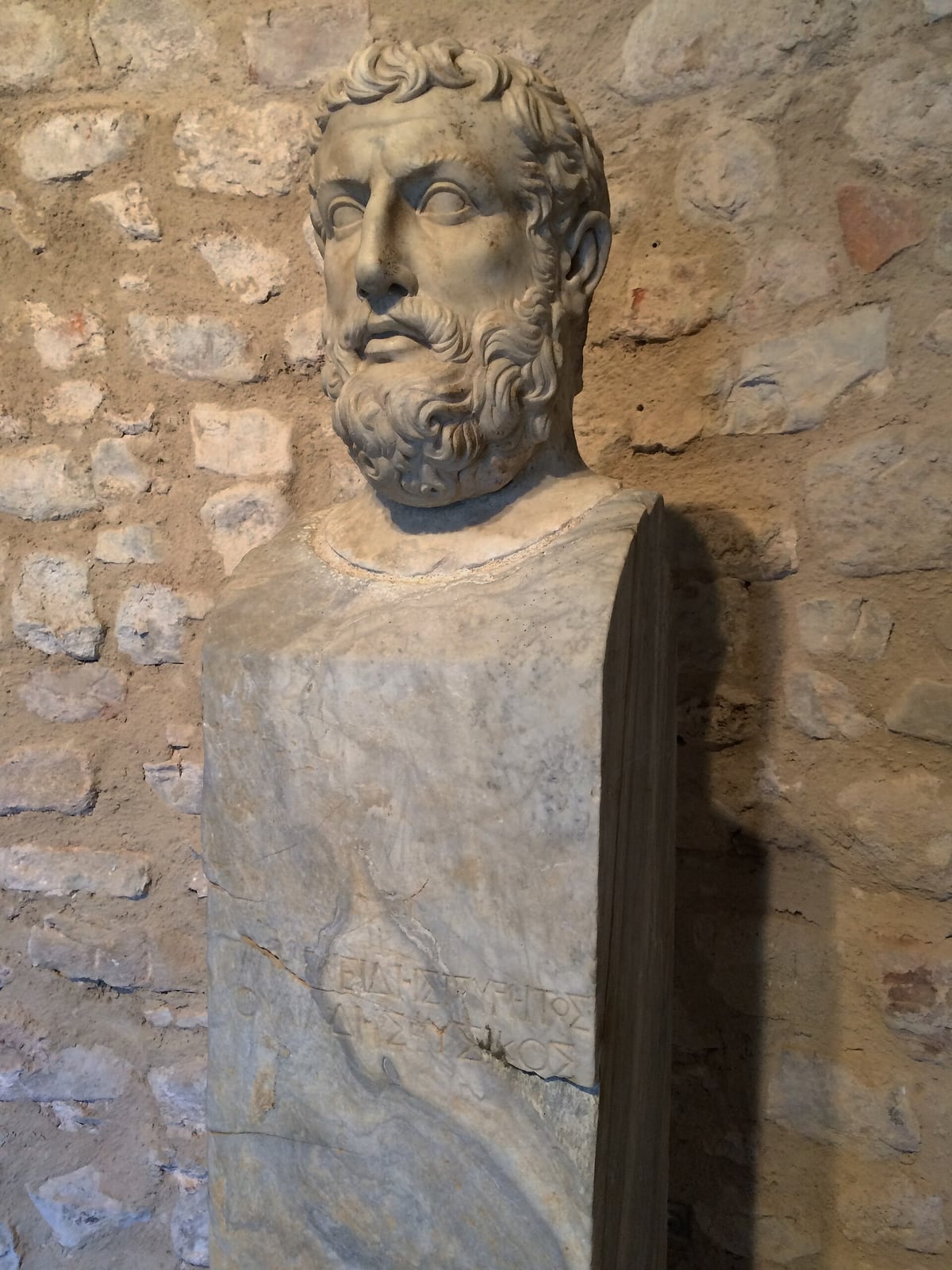
Parmenides
Übereinstimmung bei: Was ist das Absolute? Gibt es Gott? · Wie erlangt man Befreiung oder Erlösung? · Ist die Welt wirklich?
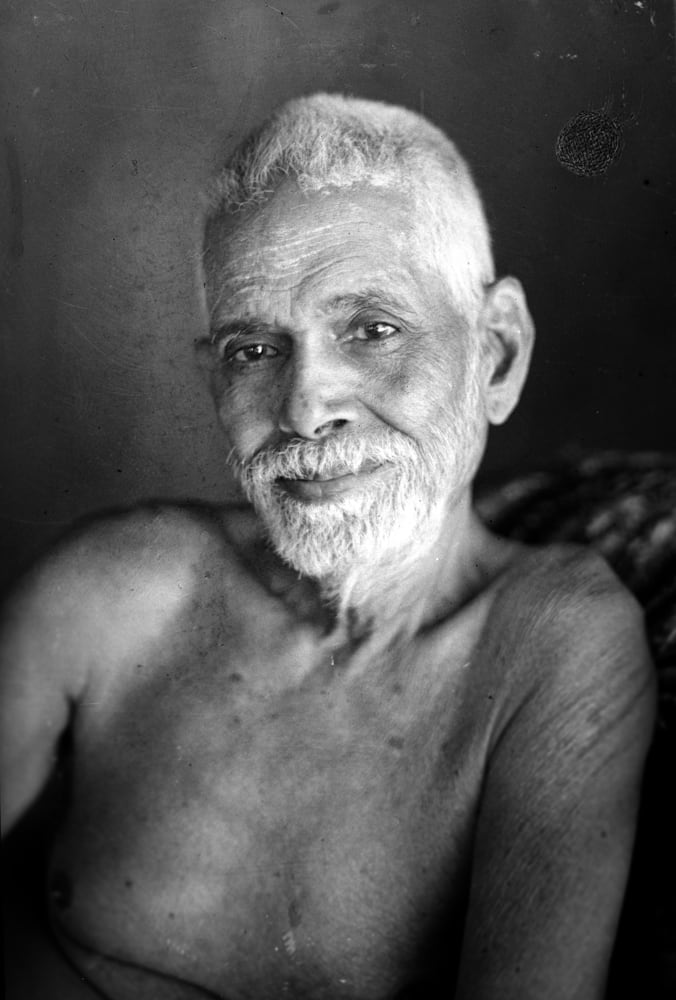
Ramana Maharshi
Übereinstimmung bei: Was ist das Absolute? Gibt es Gott? · Ist die Welt wirklich? · Wie erlangt man Befreiung oder Erlösung?

Nisargadatta Maharaj
Übereinstimmung bei: Wie erlangt man Befreiung oder Erlösung? · Braucht es einen Lehrer? · Ist die Welt wirklich?
Osho
Übereinstimmung bei: Was ist das Absolute? Gibt es Gott? · Wer bin ich? Gibt es ein wahres Selbst? · Warum leiden wir?


Anekdoten und Erzählungen
Anekdoten und Erzählungen
Zeugnisfebrero de 1986
A cockroach on her foot
Herkunft der Erzählung: Katie's own account in the foreword of Loving What Is (2002) and in interviews. Allison Adato (Los Angeles Times, 2002) noted that the episode had been left out of the method's early literature and that several details cannot be corroborated; the detail of the mattress on the floor comes from her own account.
Quelle: Katie, Byron y Mitchell, Stephen. Loving What Is: Four Questions That Can Change Your Life. Nueva York: Harmony Books, 2002 (prólogo de Stephen Mitchell).
Zeugnis1986
'As if they had dropped off a different person'
Herkunft der Erzählung: Testimonies gathered by Allison Adato for the Los Angeles Times Magazine (24 November 2002).
Zeugnis1986–1992
The Barstow living room
Herkunft der Erzählung: Katie's account and testimony from her son Bob Robinson and Judith Avalon in the Los Angeles Times Magazine (2002).
Belegt1999
A tape before the Board of Psychology
Herkunft der Erzählung: Los Angeles Times Magazine (2002), based on Katie's account; the Board declined to comment and did not release the file.
Belegt1992–
Only for those who ask
Herkunft der Erzählung: Los Angeles Times Magazine (2002) and the official website, which offers the method in more than thirty languages.
Lehren
Lehren
Die Begriffe, die das Denken gliedern, in ihrem Zusammenhang erklärt.
The Workel-trabajo
Formulated from 1986; systematic account in Loving What Is (2002). In academic research it is called inquiry-based stress reduction (IBSR).
Quelle: Katie, Byron y Mitchell, Stephen. Loving What Is: Four Questions That Can Change Your Life. Nueva York: Harmony Books, 2002 (prólogo de Stephen Mitchell).
The turnaroundla-inversion
Loving What Is (2002) and the official worksheet.
Quelle: Katie, Byron y Mitchell, Stephen. Loving What Is: Four Questions That Can Change Your Life. Nueva York: Harmony Books, 2002 (prólogo de Stephen Mitchell).
The three kinds of businesstres-asuntos
Loving What Is (2002), ch. 1.
Quelle: Katie, Byron y Mitchell, Stephen. Loving What Is: Four Questions That Can Change Your Life. Nueva York: Harmony Books, 2002 (prólogo de Stephen Mitchell).
Loving what isamar-lo-que-es
Loving What Is (2002); A Thousand Names for Joy (2007).
Inquiry-based stress reduction (IBSR)ibsr
Hook et al., Journal of Clinical Psychology (2021); Landau et al., JAMA Network Open (2021).
Videos
Videos
Aufnahmen, Gespräche und Dokumentarfilme. Die Videos werden von YouTube wiedergegeben; sie werden nicht hier gespeichert.
No One Can Wrong Me—The Work of Byron Katie
Originalaufnahme· EN· 18 min
Byron KatieOffizieller Kanal
I Want Mom to Be Happy—The Work of Byron Katie
Originalaufnahme· EN· 41 min
Byron KatieOffizieller Kanal
How to be Successful—The Work of Byron Katie
Originalaufnahme· EN· 57 min
Byron KatieOffizieller Kanal
I'm Afraid of Trump—The Work of Byron Katie
Originalaufnahme· EN· 2016· 37 min
Byron KatieOffizieller Kanal
The Work: A Two Hour Intensive | Byron Katie | Wisdom 2.0
Vortrag· EN· 119 min
Wisdom 2.0 with Soren Gordhamer
The four questions that can help your mind heal | Byron Katie
Gespräch· EN· 7 min
Big Think
Why You Shouldn't Look for Mr. Right | SuperSoul Sunday
Gespräch· EN· 2 min
OWN
The Question to Ask Yourself Every Day | SuperSoul Sunday
Gespräch· EN· 3 min
OWN
Cómo encontrar la iluminación con el poder de la auto indagación | Byron Katie & Lewis Howes
Gespräch· ES· 87 min
Lewis Howes Español
El cáncer frente a la indagación - El Trabajo de Byron Katie (subtítulos en español)
Originalaufnahme· ES· 49 min
Sofía Torre
Le Travail de Byron Katie : Qui es tu sans ton histoire ?
Originalaufnahme· FR· 23 min
Le Travail en Francophonie
Beziehungen
Beziehungen
Einflüsse, Schülerschaften und Verwandtschaften. Die belegte Beziehung wird von der durch Analyse ermittelten Ähnlichkeit unterschieden.
Familie von
Stephen Mitchell
Her husband since the early 2000s, translator and writer; co-author of Loving What Is, A Thousand Names for Joy and A Mind at Home with Itself.
Belegte Beziehung
Familie von
Ross Robinson
Her son, a music producer who credits The Work with improving his life.
Belegte Beziehung
Zeitgenosse von
The two share the book of texts and photographs Peace in the Present Moment (2010).
Belegte Beziehung
Stand im Briefwechsel mit
Michael Katz
Co-author of I Need Your Love—Is That True? (2005).
Belegte Beziehung
Verwandte Gedanken mit
A Thousand Names for Joy (2007) comments on the 81 chapters of the Tao Te Ching in Stephen Mitchell's version.
Belegte Beziehung
Verwandte Gedanken mit
Ramana's self-enquiry ('who am I?') and Katie's fourth question ('who would you be without the thought?') share the same movement back to the subject, though she comes from no tradition.
Durch Analyse ermittelte Ähnlichkeit
Verwandte Gedanken mit
Both teach non-identification with thoughts and put direct experience above doctrine.
Durch Analyse ermittelte Ähnlichkeit
Zeitgenosse von
Contemporary teachers with large English-speaking audiences who propose meeting distress rather than fleeing it, from different frameworks.
Durch Analyse ermittelte Ähnlichkeit
Von anderen Einträgen aus verknüpft
Quellen
Quellen
Für diesen Eintrag herangezogene Bibliografie und Kataloge.
- Wikidata, «Byron Katie» (Q437339).
- «Byron Katie», Wikipedia en inglés y en español (consultadas para cotejar hechos y bibliografía; texto propio).
- Adato, Allison. «How a Self-Help Guru Is Born». Los Angeles Times Magazine, 24 de noviembre de 2002 (entrevistas con Byron Katie, Stephen Mitchell, sus hijos Roxann Burroughs, Bob y Ross Robinson y la terapeuta Pat Scales).
- Katie, Byron y Mitchell, Stephen. Loving What Is: Four Questions That Can Change Your Life. Nueva York: Harmony Books, 2002 (prólogo de Stephen Mitchell).
- The Work of Byron Katie, web oficial de Byron Katie International (método, hoja de trabajo, libros y actividades).
- «New Age: Four Questions to Inner Peace». Time, 11 de diciembre de 2000.
- Katie, Byron y Mitchell, Stephen. A Thousand Names for Joy: Living in Harmony with the Way Things Are. Nueva York: Harmony Books, 2007.
- Katie, Byron y Mitchell, Stephen. A Mind at Home with Itself: How Asking Four Questions Can Free Your Mind, Open Your Heart, and Turn Your World Around. Nueva York: HarperOne, 2017.
- Hook, Joshua N.; Penberthy, J. Kim; Davis, Don E.; Van Tongeren, Daryl R. «Inquiry-based stress reduction: A systematic review of the empirical literature». Journal of Clinical Psychology 77, n.º 6 (2021): 1280–1295.
- Landau, C. et al. «Effect of Inquiry-Based Stress Reduction on Well-being and Views on Risk-Reducing Surgery Among Women With BRCA Variants in Israel: A Randomized Clinical Trial». JAMA Network Open 4, n.º 12 (2021): e2139670.
- Open Library: obras y ediciones de Byron Katie (búsqueda por autor y por título).
- Matousek, Mark. «Quit Your Pain». AARP The Magazine, mayo-junio de 2006.
- Mitchell, Stephen (ed.). Question Your Thinking, Change the World: Quotations from Byron Katie. Carlsbad: Hay House, 2007.
- Registro bibliográfico de Mil nombres para el gozo (Barcelona: La Liebre de Marzo, 2009, trad. de Brianda Domecq), catálogo de bibliotecas públicas de Extremadura.
- Rechteinhaber
- Byron Katie International, Inc. (marca «The Work of Byron Katie»); derechos de los libros según cada editorial
- Offizielle Website
- thework.com
Bestätigung ausstehend
Was dieser Eintrag noch nicht klären konnte. Wir sagen es lieber, als es aufzufüllen.
- Imágenes: no hay en Wikimedia Commons ningún retrato de Byron Katie con licencia libre verificada; no se incluye ninguna.
- ISBN sin verificar en catálogo: Losing the Moon (1998), Peace in the Present Moment (2010), las ediciones españolas de Faro (Cuestiona tu pensamiento, cambia el mundo, 2011; Necesito que me quieran, ¿es eso verdad?, 2012) y otras traducciones (francés, italiano, portugués).
- Año exacto del matrimonio con Stephen Mitchell (la prensa de noviembre de 2002 lo sitúa unos dieciocho meses antes).
- Localizar la página de la cita «When I argue with reality, I lose…» en la edición impresa de Loving What Is.
- Vídeos: no hay en el canal oficial versiones en español; los dos vídeos en castellano son de terceros (doblaje y subtítulos).
- Persona viva: revisar periódicamente su actividad y nuevas publicaciones.
Recherchiert am 2026-10-25