Christentum · Christliche Mystik · Orthodoxes Christentum
Theophan the Recluse
Феофан Затворник · Георгий Васильевич Говоров
1815 – 1894Historisch belegte Person
Russischer Bischof, Theologe und geistlicher Schriftsteller (1815–1894). Professor und Rektor der Petersburger Akademie, Mitglied der russischen Mission in Jerusalem und Bischof von Tambow und Wladimir, legte er 1866 sein Amt nieder und lebte zweiundzwanzig Jahre als Klausner im Kloster Wyscha, von wo aus er Kommentare zum gesamten Paulus, „Der Weg zum Heil“, Tausende Briefe geistlicher Führung und die russische Fassung der Philokalie in fünf Bänden schrieb. Als Lehrer des Herzensgebets wurde er 1988 heiliggesprochen.
- Werke
- 80Werke
- Ausgaben
- 65Ausgaben
- Zitate
- 10Zitate
- Videos
- 14Videos
- Bilder
- 8Bilder

Teófano el Recluso en 1891 · Public domain
In eigenen Worten
«The Christian life is zeal and strength to abide in active communion with God, through faith in our Lord Jesus Christ, with the help of God's grace, by fulfilling His holy will, to the glory of His most holy name.»«Путь ко спасению», sección I, «Как начинается в нас христианская жизнь?».
Theophan the Recluse
The Philokalia (Dobrotolubie) in Russian translation, enlarged, 5 vols
Zum Einstieg ein Werk
The Philokalia (Dobrotolubie) in Russian translation, enlarged, 5 volsDer zentrale Gedanke
The mind in the heart: The centre of Theophan's teaching is a hesychast formula he repeats in a thousand ways: one must 'descend with the mind into the heart' and 'stand there before the Lord'.
Im Zusammenhang sehen
Biografie
5 Min. Lesezeit
Unterstützte Übersetzung aus dem spanischen Original, Durchsicht durch einen muttersprachlichen Übersetzer ausstehend.
Der Sohn des Priesters von Tschernawa
Georgi Wassiljewitsch Gowórow wurde am 10. Januar 1815 nach dem julianischen Kalender (22. Januar nach dem gregorianischen) in Tschernawa geboren, einem Dorf im Kreis Jelez im Gouvernement Orjol, als Sohn des Landpriesters Wassili Timofejewitsch und der Tatjana Iwanowna, die ebenfalls aus einer Klerikerfamilie stammte. Er ging den üblichen Weg der Söhne des russischen Klerus: ab 1823 die geistliche Schule in Liwny, ab 1829 das Seminar in Orjol — wo ihn die Berichte als „zur Einsamkeit neigend“, „sanft und still“ beschreiben — und 1837, als Bester seines Jahrgangs, die Geistliche Akademie in Kiew. Dort, zwischen akademischer Wissenschaft und dem Leben des Kiewer Höhlenklosters, und nach dem Tod seiner Mutter 1838 und seines Vaters 1839, entschloss er sich, Mönch zu werden.
Professor, Reisender, Rektor
Am 15. Februar 1841 empfing er das Mönchsgewand mit dem Namen Theophan, zu Ehren Theophanes' des Bekenners; im selben Jahr wurde er zum Diakon und Priester geweiht und erwarb den Magistergrad mit einer Studie über die Religion des mosaischen Gesetzes, die Metropolit Filaret von Moskau lobte. Es folgten Jahre der Lehrtätigkeit: Rektor der Sophienschule in Kiew, Inspektor des Seminars in Nowgorod und ab 1844 Professor für Moraltheologie an der Akademie in Sankt Petersburg. Das Amt lastete auf ihm; seinem geistlichen Vater schrieb er, die akademische Tätigkeit werde ihm allmählich unerträglich, und er würde lieber in einer Kirche sitzen. 1847 erreichte er seine Versetzung zur Russischen Geistlichen Mission in Jerusalem, wo er Ikonen malen lernte, sein Griechisch und Französisch vervollkommnete, Hebräisch und Arabisch studierte und in den Klöstern des Ostens die asketischen Handschriften entdeckte, die er sein übriges Leben lang übersetzen sollte. Der Krimkrieg erzwang 1854 den Abzug der Mission; die Rückreise durch Europa schloss eine Audienz bei Pius IX. ein.
In Russland war er Rektor des Seminars von Olonez, Geistlicher an der Botschaftskirche in Konstantinopel — mit dem Auftrag, über das griechisch-bulgarische Schisma zu berichten — und ab 1857 Rektor der Geistlichen Akademie in Sankt Petersburg, wo er zudem dem Komitee für die Übersetzung der Bibel ins Russische vorstand.
Bischof und Prediger
Am 1. Juni 1859 wurde er zum Bischof von Tambow geweiht, einer riesigen Diözese mit über tausend Priestern und zahlreichen Sekten und Altgläubigen. Theophan machte die Predigt zum Mittelpunkt seines Dienstes: Fast jeden Gottesdienst begleitete er mit einer Predigt, veröffentlichte eine kurze Abhandlung darüber, wie man eine Homilie verfasst, und erklärte, die seinen seien nicht ausgearbeitet, sondern „niedergeschriebene Improvisationen“. Dort erschienen auch die „Briefe über das christliche Leben“ (1860). 1863 wechselte er auf den Bischofsstuhl von Wladimir, wo er eine orthodoxe Bruderschaft und eine Diözesanschule für Mädchen gründete. Doch schon im Mai 1865 vertraute er Ignati Brjantschaninow, der sich 1861 zurückgezogen hatte, an, er sei oft versucht, dessen Weg zu folgen. Im März 1866 bat er den Synod um seine Entlassung in den Ruhestand. Dem überraschten Metropoliten von Sankt Petersburg erklärte er, er suche die Ruhe nicht für Liebhabereien, sondern für eine der Kirche nützliche Arbeit: „Ich habe im Sinn, der Kirche Gottes zu dienen, nur auf andere Weise.“
Wyscha
Im Juni 1866 zog er sich in das kleine Kloster Wyscha im Gouvernement Tambow zurück; drei Monate später verzichtete er auch auf dessen Leitung. Sechs Jahre lebte er zurückgezogen, aber nicht eingeschlossen, und 1872 wurde ihm sogar die Diözese Moskau angetragen. In jenem Jahr schloss er sich endgültig in einem zweistöckigen Holzhaus ein, in dem er eine Kapelle der Theophanie einrichtete; dort feierte er die Liturgie zunächst an Sonn- und Feiertagen und in den letzten elf Jahren täglich. Er selbst nahm der Geste jede Feierlichkeit: „Aus meinem Rückzug hat man eine Klausur gemacht. Daran ist nichts von einem Klausner. Ich habe mich eingeschlossen, damit man mich nicht stört […], um mich ungehindert den Büchern zu widmen.“ In der Zelle malte er Ikonen, schnitzte Holz, nähte seine Kleidung, beobachtete den Himmel und schrieb.
Eine Bibliothek für Laien
In Wyscha schrieb er fast sein gesamtes Werk: Kommentare zu sämtlichen Briefen des Apostels Paulus, vor allem auf Johannes Chrysostomos gestützt; „Der Weg zum Heil“ (1868–1869), den er für sein Hauptwerk hielt; „Was ist das geistliche Leben und wie stimmt man sich darauf ein?“ (1878), hervorgegangen aus Briefen an ein junges Mädchen, das ein Ball in Moskau mit der Frage nach dem Sinn des Lebens zurückgelassen hatte; eine Evangelienharmonie, Psalmenkommentare und die „Gedanken für jeden Tag des Jahres“. Täglich beantwortete er zwanzig bis vierzig Briefe, und seine Korrespondenz, nach seinem Tod in acht Bänden veröffentlicht, machte ihn zum geistlichen Führer Tausender Menschen, die ihn nie gesehen hatten.
Sein größtes Unternehmen war die russische „Philokalie“, das Dobrotoljubije in fünf dicken Bänden, deren erster 1877 erschien. Es ist keine wörtliche Übersetzung: Theophan selbst räumte ein, dass er beim „Unsichtbaren Kampf“ des Nikodemos Hagiorites nicht übersetzt, sondern frei bearbeitet habe, „hinzufügend, weglassend und abändernd“, und ebenso verfuhr er mit der Philokalie, die er kürzte und zugleich um Autoren erweiterte, die im griechischen Original fehlten. Spätere Patrologen, von Bischof Weniamin (Milow) 1922 bis Alexei Sidorow, haben darauf hingewiesen, dass es sich eher um eine pastorale Paraphrase als um eine kritische Edition handelt, und zugleich ihren immensen Wert hervorgehoben. Außerdem übersetzte er alte Mönchsregeln, die Homilien Symeons des Neuen Theologen, ein palästinensisches Paterikon und eine Anthologie Ephräms des Syrers.
Der Mann der festen Grundsätze
Theophans Lehre ist eine Pädagogik des Herzens. Gebet ist nicht das Hersagen von Formeln, sondern „das Aufsteigen ehrfürchtiger Gefühle zu Gott im Herzen“; der Weg besteht darin, mit dem Verstand ins Herz hinabzusteigen und dort vor dem Herrn zu stehen; das geistliche Leben entspringt einem „Erwachen“ durch die Gnade, das die menschliche Freiheit mit Eifer aufnehmen muss. Diese Innerlichkeit ging mit starren Überzeugungen einher: Er verteidigte die Septuaginta gegen die auf dem hebräischen Text beruhende Synodalübersetzung, bekämpfte die Evangelikalen um Radstock und Paschkow, nannte Lew Tolstoi einen „Baschibosuk“, der „einen Haufen Unsinn verzapft“ habe, und forderte 1881 in einem Brief, aus Furcht vor einer Revolution nach französischem Vorbild, die Presse zu knebeln und den Unglauben als Staatsverbrechen zu bestrafen. Mit Ignati Brjantschaninow stritt er auch über die Natur der Seelen und der Engel, obwohl er dessen Schriften schätzte. Berdjajew hielt ihn als Denker für wenig originell und warf ihm „empörende“ moralische und soziale Ansichten vor; Florowski behandelte ihn neben Johannes von Kronstadt in den „Wegen der russischen Theologie“ (1937).
Er starb allein in seiner Zelle am 6. Januar 1894 (18. Januar nach dem gregorianischen Kalender), am Fest der Theophanie, dem Geheimnis, das seiner Kapelle den Namen gab. Er wurde in der Kasaner Kathedrale von Wyscha beigesetzt. Das Landeskonzil der Russischen Kirche von 1988, das zur Tausendjahrfeier der Taufe der Rus, sprach ihn heilig und erklärte, seine Schriften könnten als Entfaltung der Lehre der Väter gelesen werden. 2002 kehrten seine Reliquien nach Wyscha zurück, das wieder Kloster geworden war. Durch „The Art of Prayer“, die Anthologie des Igumen Chariton (1936), 1966 ins Englische übersetzt, erreichte er ein breites westliches Publikum.
Quellen: Teófano el Recluso. Что есть духовная жизнь и как на нее настроиться. 1.ª ed. 1878; ed. Moscú: Otchi dom, 2012 (ISBN 5-87301-120-6). Ochenta cartas a E. A. Arnoldi. Texto en Azbuka very. · Teófano el Recluso. Путь ко спасению. Краткий очерк аскетики. 1868–1869 (5 ediciones en vida). Texto en Azbuka very; facsímil de la ed. de 1899 en Wikimedia Commons. · Teófano el Recluso. Четыре слова о молитве. 1872. Texto en Azbuka very. · Teófano el Recluso. Избранные письма о сектах и ересях (selección del Собрание писем, con las cartas sobre Tolstói, Radstock y Páshkov, n.º 1171 y otras). Texto en Azbuka very. · Gueorgui (Tertýshnikov), archimandrita. Святитель Феофан Затворник и его учение о спасении. Moscú: Pravilo very, 1999. ISBN 9785753300782.
Zeitleiste
Das Leben, Jahr für Jahr
Jeder Punkt ist ein belegtes Ereignis. Klicken Sie, um es mit Quelle und Grad der Gewissheit zu lesen.
22. Januar 18150 JahreChernava (prov. de Oriol)
Birth
Georgy Govorov is born, son of the priest Vasily Timofeyevich (10 January, Julian calendar).
Belegt«Феофан Затворник», Wikipedia en ruso (biografía, carta a Ignati Brianchanínov de mayo de 1865, carta al metropolita Isidoro de 30-5-1866, reclusión, carta de 3-5-1881, canonización, juicio de Berdiáev, obras y bibliografía). Consultada el 25-10-2026.
Nach dem Tod
- Juni 1988Canonisation
- 29. Juni 2002Translation of the relics
22. Januar 1815 · 0 Jahre
Birth
Georgy Govorov is born, son of the priest Vasily Timofeyevich (10 January, Julian calendar).
Belegt
1829 · 14 Jahre
Oryol seminary
After six years at the Livny church school he enters the Oryol seminary.
Belegt
1837 · 22 Jahre
Kiev Theological Academy
He enters as the best pupil of his year; his mother (1838) and father (1839) die.
Belegt
27. Februar 1841 · 26 Jahre
Monastic tonsure: Theophan
He is tonsured with the name Theophan (15 February, Julian); in April and July he is ordained deacon and priest; he takes his master's degree.
Belegt
Oktober 1844 · 29 Jahre
Lecturer at the St Petersburg Academy
He teaches moral and pastoral theology; his lectures are the basis of The Path to Salvation.
Belegt
August 1847 – 1854 · 32 Jahre
Ecclesiastical mission in Jerusalem
A member of the mission led by Porphyry Uspensky; he learns icon painting and languages and begins translating ascetic texts.
Belegt
1854 · 39 Jahre
Audience with Pius IX
With the mission recalled because of the Crimean War, he returns through Europe and is received with Porphyry by the Pope.
Belegt
Mai 1857 · 42 Jahre
Rector of the St Petersburg Academy
After Olonets and Constantinople he heads the Academy and chairs the committee for translating the Bible into Russian (1858).
Belegt
1. Juni 1859 · 44 Jahre
Bishop of Tambov
Consecrated in the Trinity Cathedral of the Alexander Nevsky Lavra; he takes up the see on 5 July.
Belegt
1860 · 45 Jahre
Letters on the Christian Life
He publishes the four parts of Letters on the Christian Life.
Belegt
22. Juli 1863 · 48 Jahre
Bishop of Vladimir
Transferred to the see of Vladimir, where he publishes his instruction for preaching (1864).
Belegt
17. Juni 1866 · 51 Jahre
Resignation and retirement to Vysha
The Synod accepts his retirement; in September he also gives up the direction of the monastery.
Belegt
1868 – 1869 · 53 Jahre
The Path to Salvation
He publishes his synthesis of the spiritual life, which will go through five editions in his lifetime.
Belegt
1872 · 57 Jahre
Seclusion
He shuts himself in his wing with a chapel of the Theophany; he begins the commentaries on St Paul (1872–1882).
Belegt
1877 · 62 Jahre
First volume of the Russian Philokalia
The first volume of the Dobrotolubie appears, published by the Russian monastery of St Panteleimon on Athos.
Belegt
1878 · 63 Jahre
What Is the Spiritual Life
He publishes the eighty letters to E. A. Arnoldi.
Belegt
1888 · 73 Jahre
Blind in one eye
Cataracts leave him blind in the right eye; he also suffers from rheumatism, neuralgia and arrhythmia.
Belegt
18. Januar 1894 · 79 Jahre
Death
He dies alone in his cell on the feast of the Theophany (6 January, Julian); funeral on 11 January.
Belegt
Juni 1988
Canonisation
The council of the millennium of the baptism of Rus proclaims him a saint.
Belegt
29. Juni 2002
Translation of the relics
The relics, kept at Emmanuilovka since 1988, return to Vysha monastery.
Belegt
Werke
Grundlegende Werke
Die Werke, ohne die sich das Vermächtnis nicht verstehen lässt.
Theophan the Recluse
The Philokalia (Dobrotolubie) in Russian translation, enlarged, 5 vols
Spätere Zusammenstellung · 1877
The Philokalia (Dobrotolubie) in Russian translation, enlarged, 5 vols
Добротолюбие в русском переводе, дополненное
A Russian version, in five volumes (some 3,143 pages), of the great anthology of ascetic and mystical texts by Fathers of the fourth to fifteenth centuries on watchfulness, pure prayer and the Jesus Prayer, compiled by Nicodemus the Hagiorite and Macarius of Corinth (Venice, 1782) and put into Slavonic by Paisius Velichkovsky (1793). Theophan does not simply translate: he abridges many texts and adds others absent from the original—such as the teachings of Dorotheus of Gaza, in volume II—to give the Russian reader, monk or layperson, a complete manual of inner warfare. The first volume appeared in 1877, published by the Russian monastery of St Panteleimon on Athos; the work went through several editions and was for a century the Russians' Philokalia.
2 Ausgaben

Schriftliches Werk · 1868
The Path to Salvation: A Brief Outline of Ascetics
Путь ко спасению. Краткий очерк аскетики
Theophan regarded it as his main book. Born of his lectures in moral theology at St Petersburg and conceived as the third part of his Outline of Christian Moral Teaching, it describes in three sections how the Christian life begins—through baptism and through repentance—how the sinner is awakened by grace from his 'sleep' and comes to the decision to give himself to God, and how the new life then matures through zeal, the discipline of the faculties of soul and body, and prayer. Its opening definition, 'the Christian life is zeal and strength to abide in communion with God', sums up his whole method: a systematic asceticism meant for laypeople as much as for monks.
4 Ausgaben

Briefwechsel · 1878
What Is the Spiritual Life and How to Be Attuned to It
Что есть духовная жизнь и как на нее настроиться
Eighty letters to a young woman, E. A. Arnoldi, daughter of an estate manager from Tula, who after a ball began to wonder about the meaning of life. Theophan first sets out the three dimensions of the human being—body, soul and spirit, the last shown in the fear of God, conscience and thirst for God—explains the Fall and the grace of baptism, and then guides his correspondent step by step: preparing for confession and communion, unceasing remembrance of God, prayer with the mind in the heart, the struggle with the passions, reading, household tasks, music and amusements. It is the author's most widely read book and a classic of spiritual direction for laypeople.
3 Ausgaben

Briefwechsel · 1898
Collected Letters (8 parts)
Собрание писем святителя Феофана (вып. 1–8)
The letters of spiritual direction Theophan wrote from Vysha—twenty to forty a day in his last years—to monks, nuns, priests, laypeople of every station, families and the sick. They deal with prayer and the Jesus Prayer, confession and communion, marriage and education, sickness and death, the sects and atheism of his day, with a characteristic mixture of tenderness, practical sense and doctrinal severity. Published after his death in eight parts (1898–1901), with over 1,400 pieces, they remain the main route by which he is read in Russia.
3 Ausgaben
Das gesamte Werk (80)
Theophan the Recluse
Letters on the Christian Life
The Conscious LibraryLetters on the Christian Life
1860
Theophan the Recluse
Letters on the Spiritual Life
The Conscious LibraryLetters on the Spiritual Life
1870
Theophan the Recluse
Letters to Various Persons on Various Matters of Faith and Life
The Conscious LibraryLetters to Various Persons on Various Matters of Faith and Life
1880
Theophan the Recluse
On the Jesus Prayer, in Letters to Schema-Igumen Herman and Schemamonk Agapius
The Conscious LibraryOn the Jesus Prayer, in Letters to Schema-Igumen Herman and Schemamonk Agapius
1880
Theophan the Recluse
Selected Letters on Sects and Heresies
The Conscious LibrarySelected Letters on Sects and Heresies
Theophan the Recluse
Last Counsels and Correspondence of the Last Year
The Conscious LibraryLast Counsels and Correspondence of the Last Year
1894
Theophan the Recluse
Letters to Tatiana Vladimirovna Netsvetaeva
The Conscious LibraryLetters to Tatiana Vladimirovna Netsvetaeva
1887
Theophan the Recluse
Letters to Archpriest Mikhail Kheraskov
The Conscious LibraryLetters to Archpriest Mikhail Kheraskov
1892
Theophan the Recluse
Unpublished letters (to I. D. Andreyev, to 'S. V.' and others)
The Conscious LibraryUnpublished letters (to I. D. Andreyev, to 'S. V.' and others)
Theophan the Recluse
Four Homilies on Prayer
The Conscious LibraryFour Homilies on Prayer
1872
Theophan the Recluse
Outline of Christian Moral Teaching
The Conscious LibraryOutline of Christian Moral Teaching
1891
Theophan the Recluse
Survey of the Religion under the Law
The Conscious LibrarySurvey of the Religion under the Law
1841
Theophan the Recluse
Sermons of the Rector of the St Petersburg Academy
The Conscious LibrarySermons of the Rector of the St Petersburg Academy
1859
Theophan the Recluse
Sermons to the Flock of Tambov
The Conscious LibrarySermons to the Flock of Tambov
1861
Theophan the Recluse
Nine Homilies on the Fires in Tambov
The Conscious LibraryNine Homilies on the Fires in Tambov
1860
Theophan the Recluse
Sermons to the Flock of Vladimir
The Conscious LibrarySermons to the Flock of Vladimir
1863
Theophan the Recluse
The Inner Life (collected sermons)
The Conscious LibraryThe Inner Life (collected sermons)
1859
Theophan the Recluse
The Heavenly Protection over Us
The Conscious LibraryThe Heavenly Protection over Us
1865
Theophan the Recluse
On Orthodoxy, with Warnings against Errors
The Conscious LibraryOn Orthodoxy, with Warnings against Errors
1863
Theophan the Recluse
Reminder to Nuns of What Monasticism Requires of Them
The Conscious LibraryReminder to Nuns of What Monasticism Requires of Them
1892
Theophan the Recluse
On Complete Conversion to God from the Seductions of the World and Sin
The Conscious LibraryOn Complete Conversion to God from the Seductions of the World and Sin
1867
Theophan the Recluse
On Repentance, Communion and Amendment of Life
The Conscious LibraryOn Repentance, Communion and Amendment of Life
1869
Theophan the Recluse
Resolving Perplexities on the Parable of the Unjust Steward
The Conscious LibraryResolving Perplexities on the Parable of the Unjust Steward
1869
Theophan the Recluse
Lessons from the Deeds and Words of the Lord
The Conscious LibraryLessons from the Deeds and Words of the Lord
1870
Zitate
Zitate, die in einem bestimmten Werk nachgewiesen sind. Jedes trägt seine Herkunft und seinen Grad an Verlässlichkeit.
The Christian life is zeal and strength to abide in active communion with God, through faith in our Lord Jesus Christ, with the help of God's grace, by fulfilling His holy will, to the glory of His most holy name.Христианская жизнь есть ревность и сила пребывать в общении с Богом, деятельном, по вере в Господа нашего Иисуса Христа, при помощи благодати Божией, исполнением святой воли Его, во славу пресвятого имени Его.
Geprüft«Путь ко спасению», sección I, «Как начинается в нас христианская жизнь?».
Apokryphe Zitate oder Zitate umstrittener Zuschreibung (2)
«"To pray is to descend with the mind into the heart, and there to stand before the face of the Lord, ever-present, all-seeing, within you."»
Widely circulated in English, it comes from the anthology The Art of Prayer (1936; English translation 1966), which assembles and sometimes condenses fragments of his letters. The idea is his and appears in letters 45 and 58 of What Is the Spiritual Life; the exact Russian wording has not been located.
«Prophecies about the Russian revolution and the Antichrist attributed to him in devotional compilations.»
There is an authentic letter of 3 May 1881 in which, comparing Russia with pre-revolutionary France, he concludes that 'we too are on the road to revolution'; the 'prophecies' circulating under his name expand and dramatise passages like this, and many cannot be found in his writings.
Letzte Worte
Es gibt keine überprüfbaren Aufzeichnungen der letzten Worte.
He died alone in his cell at Vysha on 6 January 1894 (Julian), the feast of the Theophany, and no one witnessed his death, so no last words are recorded. The pious biographies (Khitrov, 1905) describe how he was found but ascribe no words to him.
Quelle: «Феофан Затворник», Wikipedia en ruso (biografía, carta a Ignati Brianchanínov de mayo de 1865, carta al metropolita Isidoro de 30-5-1866, reclusión, carta de 3-5-1881, canonización, juicio de Berdiáev, obras y bibliografía). Consultada el 25-10-2026.
Fragen
Was das Werk beantwortet
Zwölf große Fragen der Menschheit und was sich aus den Texten darauf antworten lässt, mit Belegen. Wir legen niemandem Worte in den Mund.
Was ist das Absolute? Gibt es Gott?
God is the Trinitarian Lord with whom the Christian lives in active communion
Ein persönlicher GottAusdrücklich gesagt
Theophan the Recluse writes not as a philosopher but as a bishop and spiritual director. In the Outline of Christian Moral Teaching he starts from the God of Orthodox faith, one in three persons, creator and provident, and derives all of moral life from him. In The Path to Salvation he defines Christian life as zeal and strength to remain in active communion with God through faith in Jesus Christ, with the help of grace and by fulfilling his will. God is for him someone who listens: in one of his letters he affirms that there is no interval between prayer and its hearing, provided the prayer comes from the heart. The question of God's existence barely concerns him; what matters is how he is found, and his answer is the prayer of the heart, attention and the sacraments of the Church.
Diese Frage mit anderen Meistern vergleichenWer bin ich? Gibt es ein wahres Selbst?
Body, soul and spirit: the spirit is the power that seeks God
Eine geschaffene, unsterbliche SeeleAusdrücklich gesagt
Theophan the Recluse develops a tripartite anthropology that fills the first letters of What Is Spiritual Life and returns in the Outline of Christian Moral Teaching. The human being has a body, a soul with its faculties of thinking, willing and feeling, and a spirit, the power God breathed into him, which shows itself as fear of God, conscience and thirst for God. When the spirit governs, soul and body live in order; when the psychic or the carnal dominates, the person is scattered. In his controversy with Ignatius Brianchaninov, set out in The Soul and the Angel Are Not Body but Spirit, he maintained that the soul is purely spiritual, without any subtle matter. The true self is a created, immortal soul that is realised by turning to God from the heart.
Diese Frage mit anderen Meistern vergleichenWarum leiden wir?
Passions arise from turning away from God; sorrows are medicine for the soul
Die Trennung von GottAusdrücklich gesagt
Theophan the Recluse explains suffering within Orthodox ascetic anthropology. In The Path to Salvation he describes the man who lives without God as one ruled by passions, which arise from egoism and branch out into the pursuit of pleasure, greed and vainglory; that state is in itself restlessness and pain, even if the one inside it does not perceive it. Conversion begins when grace awakens the sinner and makes him see his state. As for outward afflictions, his letters of spiritual direction treat them as medicine and as a cross: God permits them to heal, humble or purify, and bearing them patiently unites the Christian with Christ. In his homilies on the cross he distinguishes the cross of sorrows, that of the struggle against the passions and that of obedience to the divine will.
Diese Frage mit anderen Meistern vergleichenWas geschieht nach dem Tod?
Death opens the particular judgement; one must live preparing for it
Ewiges Leben und AuferstehungAusdrücklich gesagt
Theophan the Recluse teaches Orthodox eschatology without altering it: after death the soul appears at a particular judgement and awaits, in a state of anticipated joy or of pain, the resurrection of bodies and the last judgement, after which comes eternal life. In his commentary on Psalm 118 he also records the tradition of the trials the soul passes through on leaving the body. His main interest is pastoral: in his letters of direction he recommends keeping death in mind, not as terror but as a reminder that orders life and stirs vigilance, and he consoles the bereaved by recalling that prayer for the departed reaches them. In his last letters, secluded at Vysha, he speaks of his own end with serenity and asks for prayers.
Diese Frage mit anderen Meistern vergleichenWie erlangt man Befreiung oder Erlösung?
Grace awakens the sinner; yet without his effort there is no salvation
Durch Gnade und LiebeAusdrücklich gesagt
The Path to Salvation, Theophan's most widely read book, describes the whole itinerary in three moments: conversion, purification and perfection. Everything begins with grace, which awakens the sinner asleep in his passions and makes him see his state; but grace does not act without the person's free decision, who must repent, confess, receive communion and take up the struggle against the passions. Hence the title of one of his writings, Without Effort You Will Not Be Saved. Christian life is defined as active communion with God through faith in Christ, with the help of grace and by fulfilling his will, and its centre is the prayer of the heart. This is the Orthodox doctrine of synergy: salvation is a gift, but a gift welcomed through constant labour.
Diese Frage mit anderen Meistern vergleichenBraucht es einen Lehrer?
A spiritual father, the sacraments and the Fathers: guidance lies in the Church
Gemeinschaft und TraditionAusdrücklich gesagt
Theophan the Recluse was, during twenty-two years of seclusion, spiritual director by letter to hundreds of people, and his whole work is an exercise in guidance. He recommends having a spiritual father, confessing and receiving communion regularly and submitting one's inner movements to his judgement, especially in prayer, where lack of direction exposes one to errors. But he knows experienced guides are scarce, and that is why he translated and enlarged the Philokalia in five volumes and edited Unseen Warfare: so that the Fathers may guide whoever has no elder at hand. The authority is not that of a charismatic master, but that of the Church's tradition, to which he himself submits and in whose name he counsels, adapting his advice to each correspondent's situation.
Diese Frage mit anderen Meistern vergleichenIst die Welt wirklich?
God's good creation, which the Christian uses without clinging to it
Eine gute und wirkliche SchöpfungAus der Lehre abgeleitet
Theophan the Recluse teaches the Orthodox doctrine of creation without speculative elaboration: the world is God's free work, good, sustained by his providence, and the human being holds a central place in it as a creature endowed with spirit. In his Outline of Christian Moral Teaching created things appear as means the Christian must use with gratitude and measure, not as ends; the danger lies not in the world but in the attachment that turns it into an idol. When his letters speak of the world as something to turn away from, they mean the passions and customs estranged from God, not material creation. In his commentaries on Saint Paul he also takes up the hope that the whole of creation, which groans, will be set free with the children of God.
Diese Frage mit anderen Meistern vergleichenWas ist Liebe?
Love of God and neighbour, born together from a heart warmed by grace
Liebe zu Gott und zum NächstenAusdrücklich gesagt
Theophan the Recluse places love at the centre of the Christian morality he sets out in his Outline: the double commandment of love of God and neighbour sums up the whole law, and the other virtues are its forms. But, as a master of the prayer of the heart, he insists that such love is not manufactured by will: it is born when grace warms the heart, and that is why attentive prayer is its root. In his letters he is very concrete: love of neighbour is exercised in patience with one's household, in not judging, in almsgiving and in humble service, and whoever claims to love God without loving those close by deceives himself. His four homilies on prayer describe prayer itself as the rising in the heart of feelings of humility, gratitude and self-surrender, which are already forms of love.
Diese Frage mit anderen Meistern vergleichenSind wir frei, oder ist alles vorherbestimmt?
Grace awakens, but the decision to turn to God belongs to the person
Echter freier WilleAusdrücklich gesagt
Theophan the Recluse sets out in The Path to Salvation a psychology of conversion in which freedom holds a decisive place. The sinner lives asleep in his passions and would not wake by himself; grace shakes him, shows him his state and offers him the possibility of change. But at that moment everything depends on the person's decision: he can accept the awakening and set out, or fall asleep again. Once the decision is made, the struggle continues daily, and freedom must be exercised against the inclinations that keep pulling backwards; hence the title of his writing Without Effort You Will Not Be Saved. In the Outline of Christian Moral Teaching he defends freedom as the condition of all morality: without it there would be neither merit nor guilt.
Diese Frage mit anderen Meistern vergleichenWozu meditieren oder beten?
To stand before the Lord with the mind in the heart, conversing with him
Freundschaft mit GottAusdrücklich gesagt
Prayer is the centre of Theophan the Recluse's work. In his Four Homilies on Prayer he calls it the first task of Christian life and the breath of the spirit: where there is prayer, the spirit lives; where there is none, there is no life in it. He defines it as the rising in the heart of reverent feelings towards God, humility, self-surrender, gratitude, praise, contrition. His most famous formula, repeated in the letters of What Is Spiritual Life, is to stand always before the Lord with the mind in the heart, to bring back thoughts when they wander and make them stay in the cell of the heart conversing with the sweetest Lord. Through his translation of the Philokalia he became the great Russian popularizer of the Jesus Prayer and hesychasm for monks and lay people alike.
Diese Frage mit anderen Meistern vergleichenKann die Vernunft das Letzte erkennen?
Scripture, read with the Fathers, guides a reason that must descend into the heart
Schrift und DenkenAusdrücklich gesagt
Theophan the Recluse was professor and rector of the St Petersburg Theological Academy, and devoted his years of seclusion to commenting on all of Saint Paul's epistles and translating the Fathers: his work is that of an interpreter of Scripture within the Church's tradition. Reason has a legitimate role in it, that of understanding and ordering what is revealed, and he himself wrote a systematic Outline of Christian Moral Teaching. But he distinguishes between rational knowledge about God, which can remain in the head, and living knowledge, which is given when the mind descends into the heart and unites with it in prayer. His letters warn against the rationalism that submits revelation to reason's judgement and against sects that interpret Scripture outside the Church.
Diese Frage mit anderen Meistern vergleichenSich von der Welt zurückziehen oder sie verwandeln?
One can live in the world with the mind in the heart, before God
Kontemplation im HandelnAusdrücklich gesagt
Theophan the Recluse spent his last twenty-two years secluded in the monastery of Vysha, but explained that he did not shut himself away for extreme ascesis, but to devote himself to books without hindrance and serve the Church in another way. From his cell he directed hundreds of lay people by letter, and much of his work is written for them. What Is Spiritual Life and How to Attune Oneself to It consists of letters to a young woman living in society who wishes to lead a Christian life without becoming a nun, and his answer is that it is possible: it is enough to keep the mind in the heart before the Lord amid one's occupations, to fulfil faithfully the duties of one's state and to order the day around prayer. What must be abandoned is not the world, but its passions.
Diese Frage mit anderen Meistern vergleichen
Affinitäten und Spannungen
Affinitäten und Spannungen
Frage für Frage aus den Positionen berechnet. Den Grund jeder Übereinstimmung und jedes Widerspruchs zeigt ein Klick.
Denkt ähnlich wie

Francis of Assisi
Übereinstimmung bei: Was ist das Absolute? Gibt es Gott? · Wer bin ich? Gibt es ein wahres Selbst? · Warum leiden wir?
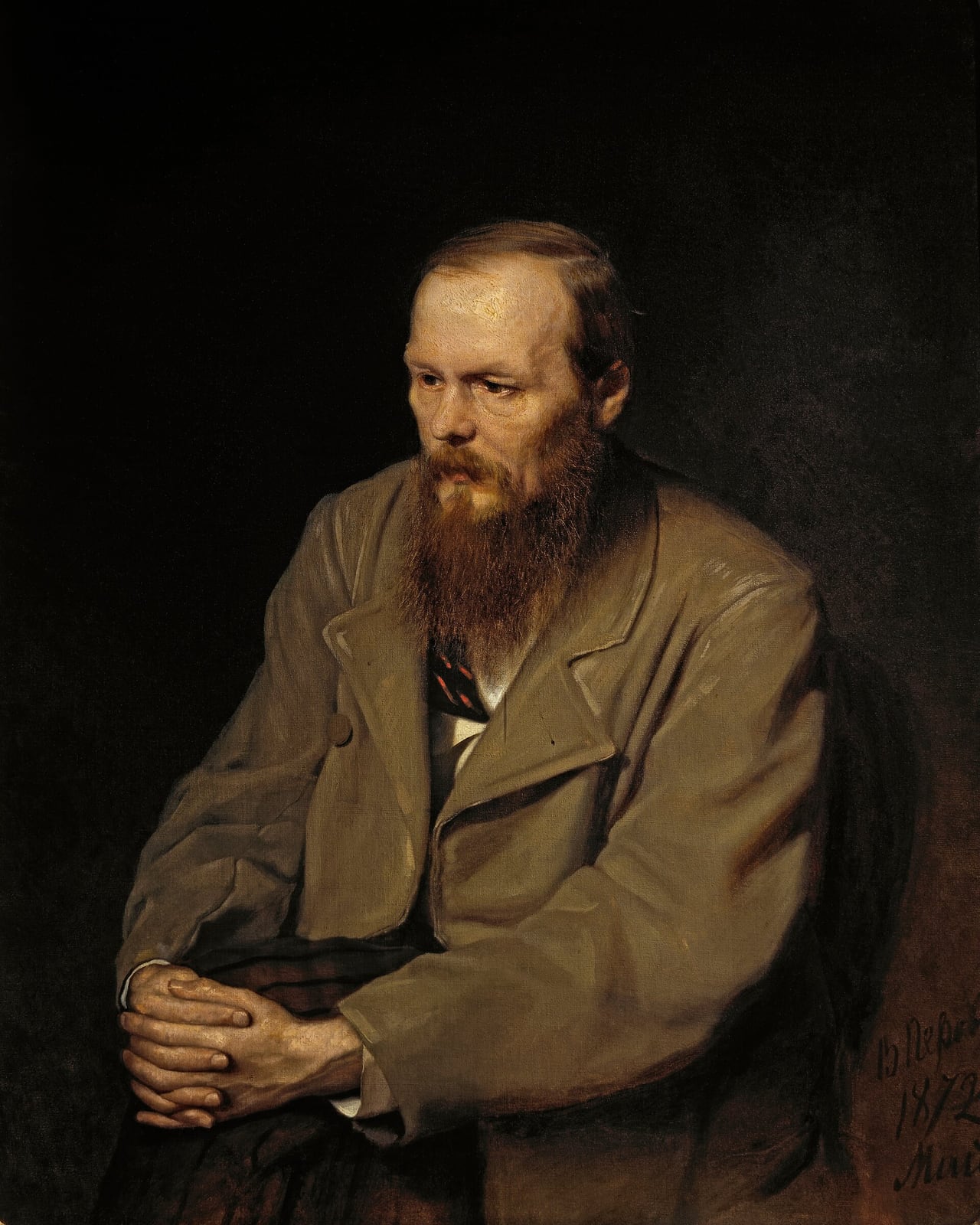
Fyodor Dostoevsky
Übereinstimmung bei: Was ist das Absolute? Gibt es Gott? · Wer bin ich? Gibt es ein wahres Selbst? · Warum leiden wir?
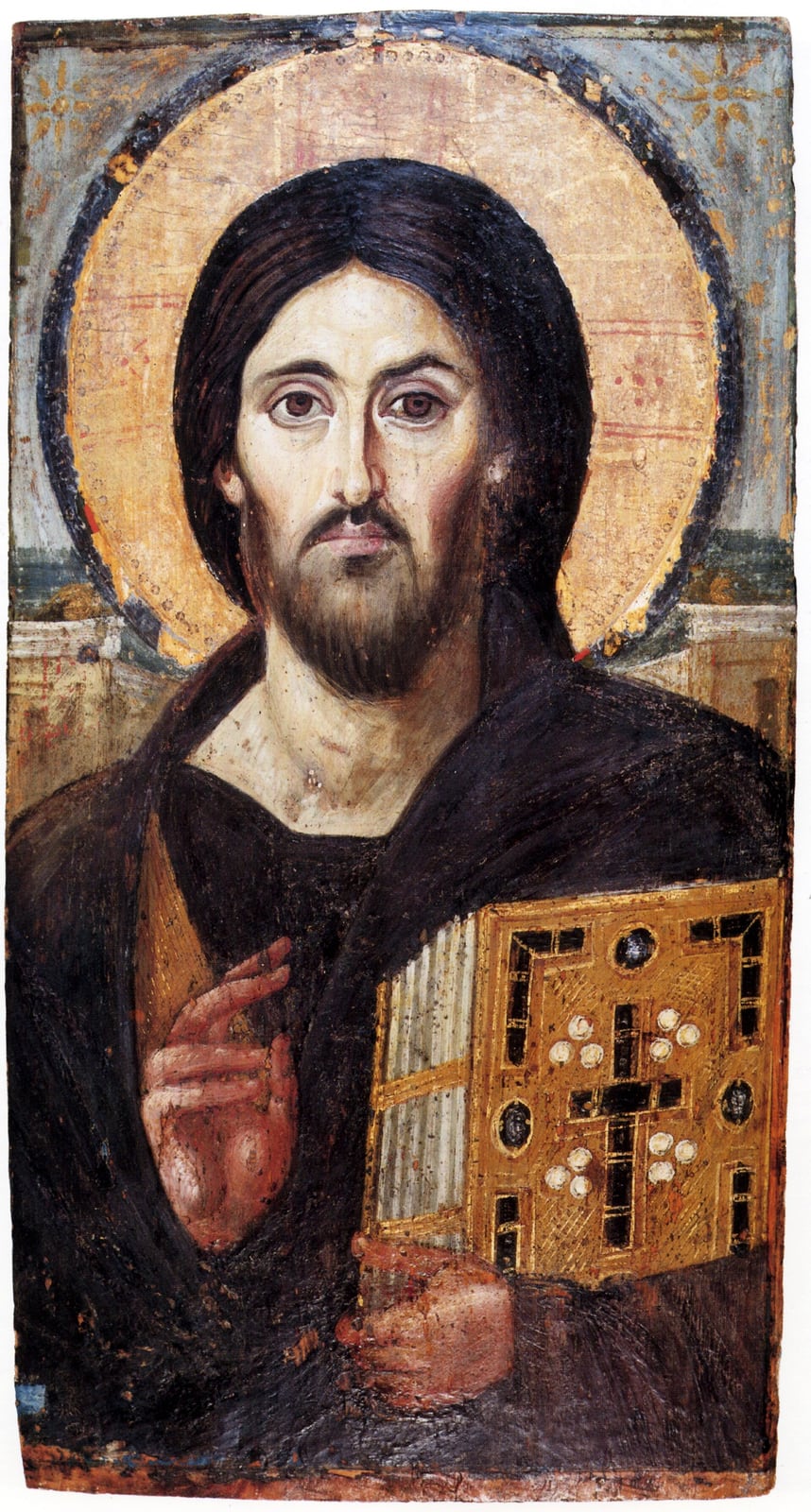
Jesus of Nazareth
Übereinstimmung bei: Was ist das Absolute? Gibt es Gott? · Ist die Welt wirklich? · Wer bin ich? Gibt es ein wahres Selbst?
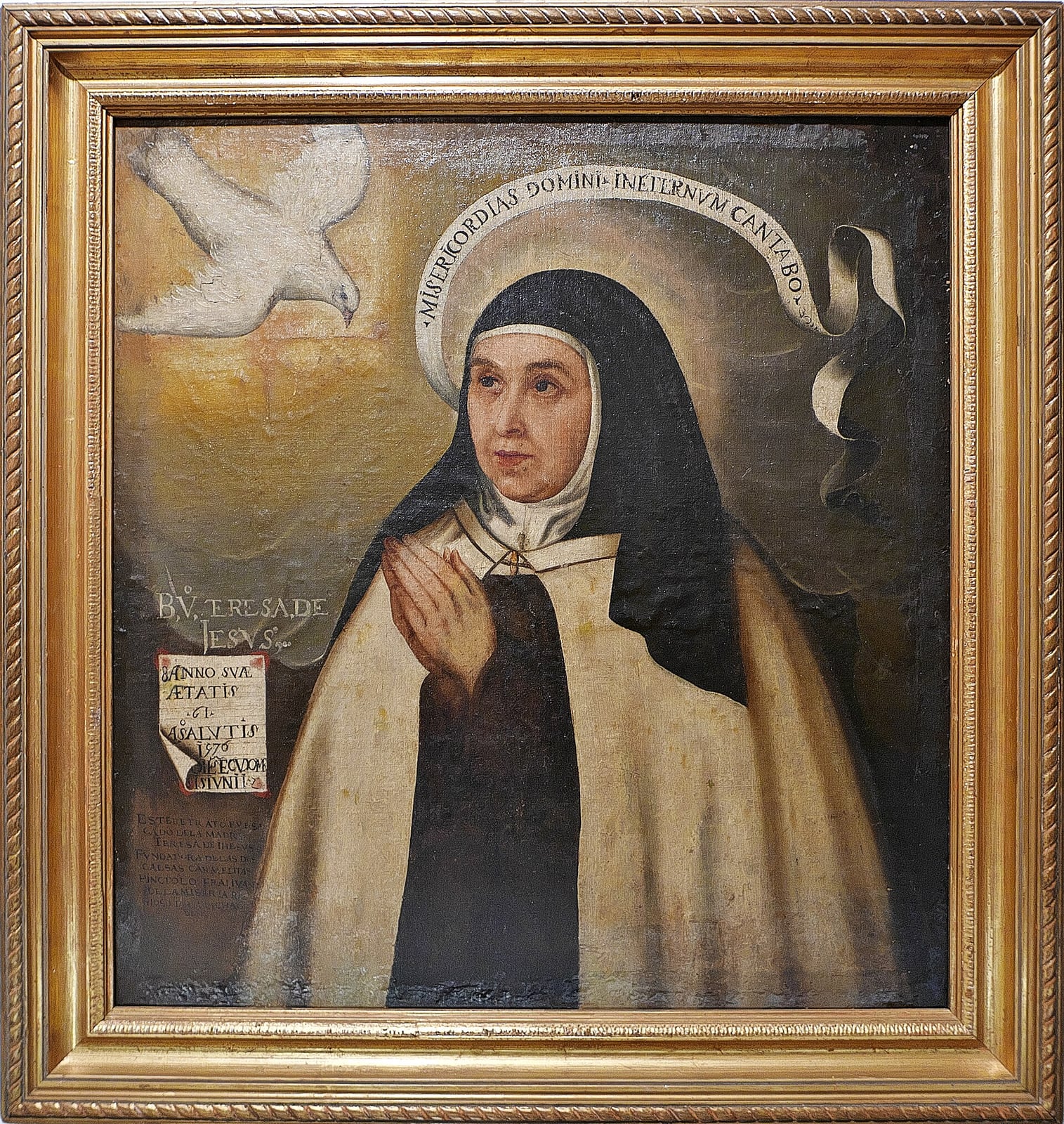
Teresa of Ávila
Übereinstimmung bei: Was ist das Absolute? Gibt es Gott? · Wer bin ich? Gibt es ein wahres Selbst? · Warum leiden wir?
Denkt anders als
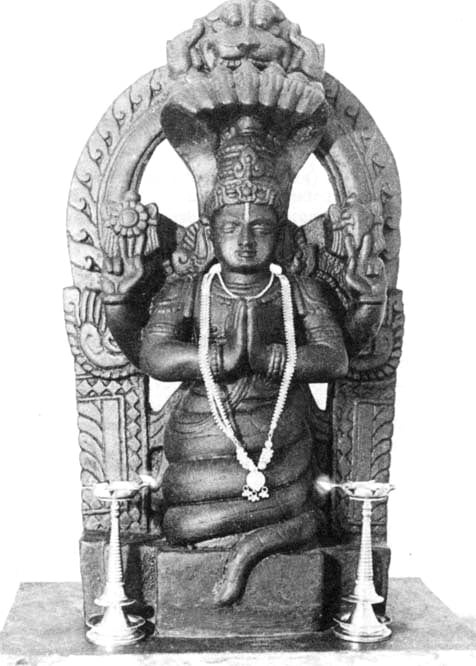
Patañjali
Widerspruch bei: Was ist das Absolute? Gibt es Gott? · Wer bin ich? Gibt es ein wahres Selbst? · Was geschieht nach dem Tod?

Pema Chödrön
Widerspruch bei: Was ist das Absolute? Gibt es Gott? · Wer bin ich? Gibt es ein wahres Selbst? · Was geschieht nach dem Tod?

Nāgārjuna
Widerspruch bei: Was ist das Absolute? Gibt es Gott? · Wer bin ich? Gibt es ein wahres Selbst? · Was geschieht nach dem Tod?
Dōgen
Widerspruch bei: Was ist das Absolute? Gibt es Gott? · Wer bin ich? Gibt es ein wahres Selbst? · Was geschieht nach dem Tod?
Anekdoten und Erzählungen
Anekdoten und Erzählungen
Zeugnisdécada de 1870
The girl from the ball
Herkunft der Erzählung: The addressee's identity and the quotation come from a letter of Theophan reproduced in Azbuka very's presentation of the work; the ball episode is handed down by the publishing tradition (the St Herman Brotherhood's preface to the English edition).
Belegt1865–1866
Serving in another way
Herkunft der Erzählung: Theophan's letters to Ignatius (May 1865), to N. V. Elagin (11 March 1866) and to Metropolitan Isidore (30 May 1866), cited in the biographical literature and gathered in the Russian Wikipedia.
Zeugnis1872–1894
Locked in for the books
Herkunft der Erzählung: The sayings come from his letters as cited by biographers; the manual crafts, from the monastery's biography and Azbuka very.
Belegt1872–1894
Forty letters a day
Herkunft der Erzählung: The daily number of letters is given by the Azbuka very biography and the Russian Wikipedia; the posthumous publication, by the catalogues of the 1898–1901 editions (Open Library, Wikimedia Commons).
Belegtdécada de 1880
'That bashi-bazouk Leo Tolstoy'
Herkunft der Erzählung: Collected Letters, nos. 1171, 1172, 1175, 1359 and 1413, and letters 281–285 of the 1899 collection cited in Selected Letters on Sects and Heresies.
Belegtdécada de 1860
Two bishops and the nature of angels
Herkunft der Erzählung: The controversy is documented by Azbuka very and the studies of D. Predein (Feofanovskie chteniya, 2011) and D. Rogozhin; the dream, letter 239 cited in Selected Letters on Sects and Heresies.
Belegt1854
An audience with Pius IX
Herkunft der Erzählung: The audience is recorded in the biographies (Russian and English Wikipedia); the detail about his library, in the posthumous presentation of letter 228 on Tolstoy.
Lehren
Lehren
Die Begriffe, die das Denken gliedern, in ihrem Zusammenhang erklärt.
The mind in the heartmente-en-el-corazon
It gathers the tradition of the Philokalia (Symeon the New Theologian, Gregory of Sinai, Nicephorus the Solitary) that he himself translated, and spread it among laypeople through his letters and Chariton's anthology.
Prayer as reverent feelingoracion-como-sentimiento
A pedagogy designed for the nineteenth-century Orthodox layperson, who knew the Church's prayers but often recited them without attention.
Quelle: Teófano el Recluso. Четыре слова о молитве. 1872. Texto en Azbuka very.
Body, soul and spiritcuerpo-alma-espiritu
Formulated from St Paul and the Alexandrian tradition and developed at the Kiev Academy; P. Khondzinsky has related it to the Kiev school of Pamfil Yurkevich.
The awakening of grace and zealdespertar-de-la-gracia
An original systematisation of patristic asceticism in an anthropological scheme; later criticism (Florovsky) placed it in the context of the Russian academic moral theology of his century.
Translating as reworkingtraducir-como-reelaborar
It continues the practice of Paisius Velichkovsky and Nicodemus, who also adapted their sources; it contrasts with the modern critical edition of ascetic texts.
Videos
Videos
Aufnahmen, Gespräche und Dokumentarfilme. Die Videos werden von YouTube wiedergegeben; sie werden nicht hier gespeichert.
Феофан Затворник / Острова / Телеканал Культура
Auf YouTube ansehen
Dieses Video lässt sich nicht einbetten; es wird auf YouTube geöffnet.
Феофан Затворник / Острова / Телеканал Культура
Dokumentarfilm· RU· 2020· 39 min
Телеканал КультураOffizieller Kanal
Русский мир. Святитель Феофан (1994)
Dokumentarfilm· RU· 1994· 26 min
History Lab
Святитель Феофан Затворник
Dokumentarfilm· RU· 2015· 30 min
Феофан Затворник. Свято-Успенский Вышенский монастырьOffizieller Kanal
Вышенская обитель
Dokumentarfilm· RU· 2015· 4 min
Феофан Затворник. Свято-Успенский Вышенский монастырьOffizieller Kanal
Празднование 200-летия Феофана, Затворника Вышенского
Dokumentarfilm· RU· 2015· 4 min
Феофан Затворник. Свято-Успенский Вышенский монастырьOffizieller Kanal
Святитель Феофан, затворник Вышенский. Эфир от 24 апреля 2014 г.
Dokumentarfilm· RU· 2014· 56 min
tvsoyuzOffizieller Kanal
Лекции в Сретенской духовной семинарии. Святитель Феофан Затворник. Часть 1
Vortrag· RU· 2019· 43 min
tvsoyuzOffizieller Kanal
Лекция 1. Введение в предмет. Свт. Феофан Затворник и его антропологическая модель
Vortrag· RU· 2020· 62 min
Елена Никулина. ПСТГУ. Нравственное богословиеOffizieller Kanal
Святитель Феофан Затворник и антропология Киевской духовной школы
Vortrag· RU· 2019· 19 min
Научный центр истории богословия и богословского образованияOffizieller Kanal
Русская патрология. 14. Святитель Феофан Затворник Вышенский
Vortrag· RU· 2026· 27 min
Школа Православия София
Почему свт. Феофан Затворник запрещал читать «Откровенные рассказы странника»? — Осипов А. И.
Vortrag· RU· 2017· 18 min
Алексей Ильич ОсиповOffizieller Kanal
The Life of St. Theophan the Recluse
Aufnahme Dritter· EN· 2022· 32 min
Orthodox Hagiography
The Path of Prayer by Saint Theophan the Recluse
Vortrag· EN· 2014· 42 min
Fr Deacon Charles Joiner
San Teófano el recluso (Parte I)
Vortrag· ES· 2020· 16 min
Catedral Ortodoxa San JorgeOffizieller Kanal
Galerie
Galerie
Bilder mit geprüfter Lizenz. Jedes bewahrt seine Urheberschaft und seinen Herkunftsnachweis.
Handschriften
Handschriften
Handschriftliche Zeugen und alte Texte, mit ihrer verwahrenden Einrichtung und ihren Einsichtsbedingungen.
RU · Cyrillic · Siglos XIX y anteriores
Книги из келейной библиотеки Феофана Затворника
- Erhaltener Textzeuge
- Colección dispersa
- Verwahrende Einrichtung
- Biblioteca Estatal de Rusia (RGB), Departamento de Manuscritos (parcialmente)
Beziehungen
Beziehungen
Einflüsse, Schülerschaften und Verwandtschaften. Die belegte Beziehung wird von der durch Analyse ermittelten Ähnlichkeit unterschieden.
Stand im Briefwechsel mit
They corresponded; in May 1865 Theophan confided to him that he thought of following his road and retiring. Theophan valued his works and recalled him later in his letters.
Belegte Beziehung
Widersprach
He argued against Ignatius's thesis (Word on Death) that souls and angels have an ethereal body, in The Soul and the Angel Are Not Body but Spirit.
Belegte Beziehung
Widersprach
In many letters of the 1880s he fought Tolstoy's religious teachings, calling him a 'bashi-bazouk' who 'has blurted out a heap of nonsense', and encouraged their refutation.
Belegte Beziehung
Beeinflusste
Florensky cites him in The Pillar and Ground of the Truth (1914) as a witness to the experience of Christ as centre, as translator of the Philokalia, for his letters on spiritual delusion and for his commentary on 1 Corinthians.
Belegte Beziehung
Beeinflusst von
Paisi Velichkovski
His Russian Philokalia continues and enlarges Paisius's Slavonic translation (1793), the basis of the Russian hesychast revival.
Belegte Beziehung
Beeinflusst von
Nicodemo el Hagiorita
He translated and reworked two works by Nicodemus: the Greek Philokalia (1782) and Unseen Warfare (1796).
Belegte Beziehung
Beeinflusst von
Padres del desierto
He translated the ancient paterikon and the rules of Pachomius, Basil and Cassian; his teaching constantly draws on the apophthegms.
Belegte Beziehung
Beeinflusst von
Simeón el Nuevo Teólogo
He translated his discourses into Russian; Theophan cites his teaching on the conscious experience of grace.
Belegte Beziehung
Beeinflusst von
Juan Crisóstomo
The main source of his commentaries on the epistles of St Paul.
Belegte Beziehung
Verwandte Gedanken mit
Both brought the hesychast teaching on the prayer of the heart and the acquisition of grace to laypeople; in 1861 Theophan was for a few months in charge of the Diveyevo convent founded by Seraphim, to settle its disorders.
Durch Analyse ermittelte Ähnlichkeit
Widersprach
Berdyaev judged him 'unoriginal as a thinker', untouched by problems and the author of 'outrageous' moral and social views.
Belegte Beziehung
Zeitgenosse von
Contemporaries; no documented mutual mention has been found.
Durch Analyse ermittelte Ähnlichkeit
Von anderen Einträgen aus verknüpft
Quellen
Quellen
Für diesen Eintrag herangezogene Bibliografie und Kataloge.
- Wikidata, «Theophan the Recluse» (Q980914): P31=Q5, nacimiento 10/22-1-1815, muerte 6/18-1-1894, 21 enlaces entre wikis.
- «Феофан Затворник», Wikipedia en ruso (biografía, carta a Ignati Brianchanínov de mayo de 1865, carta al metropolita Isidoro de 30-5-1866, reclusión, carta de 3-5-1881, canonización, juicio de Berdiáev, obras y bibliografía). Consultada el 25-10-2026.
- «Theophan the Recluse», Wikipedia en inglés (biografía, traducciones inglesas). Consultada el 25-10-2026.
- Azbuka very, «святитель Феофан Затворник»: biografía, «Творческое наследие» (traducciones, juicio de Veniamín (Milov) y A. I. Sídorov, polémica con Ignati, Septuaginta) y catálogo de obras con sus fechas.
- Teófano el Recluso. Что есть духовная жизнь и как на нее настроиться. 1.ª ed. 1878; ed. Moscú: Otchi dom, 2012 (ISBN 5-87301-120-6). Ochenta cartas a E. A. Arnoldi. Texto en Azbuka very.
- Teófano el Recluso. Путь ко спасению. Краткий очерк аскетики. 1868–1869 (5 ediciones en vida). Texto en Azbuka very; facsímil de la ed. de 1899 en Wikimedia Commons.
- Teófano el Recluso. Четыре слова о молитве. 1872. Texto en Azbuka very.
- Teófano el Recluso. Избранные письма о сектах и ересях (selección del Собрание писем, con las cartas sobre Tolstói, Radstock y Páshkov, n.º 1171 y otras). Texto en Azbuka very.
- Gueorgui (Tertýshnikov), archimandrita. Святитель Феофан Затворник и его учение о спасении. Moscú: Pravilo very, 1999. ISBN 9785753300782.
- Florovski, Gueorgui. Пути русского богословия. París: YMCA-Press, 1937 (cap. «Влияние философского кризиса 60-х гг. на богословие: Феофан Затворник и Иоанн Кронштадтский»).
- Florenski, Pável. Столп и утверждение истины. Moscú: Put', 1914 (cita a Teófano en las cartas primera, cuarta, novena, décima y undécima). Texto en Azbuka very.
- Jítrov, Mijaíl, arcipreste. Житие святителя Феофана, Затворника Вышенского. Moscú: Tipo-litografía I. Efímov, 1905.
- Wikimedia Commons, «Category:Literary works by St. Theophan the Recluse» (facsímiles de ediciones de 1890–1901).
- Open Library, registros de autor «Saint Ḟeofan, Bishop of Tambov and Shatsk» (ediciones rusas de 1860–1901 y traducciones inglesas con ISBN).
- Chariton de Valaam, higúmeno (comp.). The Art of Prayer: An Orthodox Anthology. Trad. E. Kadloubovsky y E. M. Palmer; ed. e introd. Timothy Ware. Londres: Faber & Faber, 1966 (ISBN 9780571068999). Original: Умное делание. О молитве Иисусовой, Sortavala, 1936.
- Rechteinhaber
- Dominio público: Teófano murió en 1894. Las traducciones y ediciones modernas pertenecen a sus traductores y editoriales.
Bestätigung ausstehend
Was dieser Eintrag noch nicht klären konnte. Wir sagen es lieber, als es aufzufüllen.
- Ediciones españolas con ISBN de «El camino de la salvación», «Qué es la vida espiritual», las cartas y «El combate invisible»: no localizadas en Open Library ni en la búsqueda web; sólo se ha verificado «El arte de la oración» (Lumen, 2006).
- Años exactos de los tomos II–V de la Filocalía rusa (el I es de 1877) y de la primera edición de «El combate invisible», los «Discursos» de Simeón el Nuevo Teólogo, el «Miterikon» y los comentarios paulinos (se han dejado sin año salvo Romanos, 1890, y Hebreos, 1896).
- Fecha y destinatario de la carta «Из моего запора сделали затвор…» y su número en el Собрание писем.
- Año de redacción de «Душа и ангел — не тело, а дух» (Azbuka very indica 1891, probablemente fecha de edición).
- Las fechas que Azbuka very asigna a varias obras pueden ser de edición y no de redacción; no se han contrastado una por una con la «Летопись жизни и творений святителя Феофана» (2016–).
- Traducciones inglesas de dominio público: ninguna localizada (las de Kadloubovsky y Palmer, Seraphim Rose y otras están protegidas).
- Relación con Fiódor Dostoievski y Vladímir Soloviov: no se ha encontrado ninguna mención documentada; Dostoievski figura sólo como contemporáneo.
- ISBN de «Psalm 118: A Commentary» (St. John of Kronstadt Press, 2014) y de «Now is the Accepted Time» (Holy Trinity Publications) citados en Wikipedia: no confirmados en Open Library, no registrados.
- Atribución del «Слово перед отпеванием архим. Иннокентия» (1847), que Azbuka very da a Teófano pese a que entonces no era archimandrita: comprobar si es de Teófano (Alexándrov).
Recherchiert am 2026-10-25