Christentum · Christliche Mystik · Orthodoxes Christentum
Pavel Florensky
Павел Александрович Флоренский
1882 – 1937Historisch belegte Person
Russischer orthodoxer Priester, Theologe, Philosoph, Mathematiker und Ingenieur (1882–1937), oft „der russische Leonardo“ genannt. Sein Werk „Der Pfeiler und die Grundfeste der Wahrheit“ (1914) erneuerte die orthodoxe Theologie durch eine Sophiologie und eine Theorie der Antinomie; „Die Ikonostase“ und „Die umgekehrte Perspektive“ begründeten eine Philosophie der Ikone. Er arbeitete in der Soutane an der sowjetischen Elektrifizierung mit, wurde 1933 in den Gulag deportiert, schrieb seinen Kindern von den Solowki-Inseln und wurde am 8. Dezember 1937 vom NKWD erschossen.
- Werke
- 43Werke
- Ausgaben
- 69Ausgaben
- Zitate
- 6Zitate
- Videos
- 13Videos
- Bilder
- 7Bilder
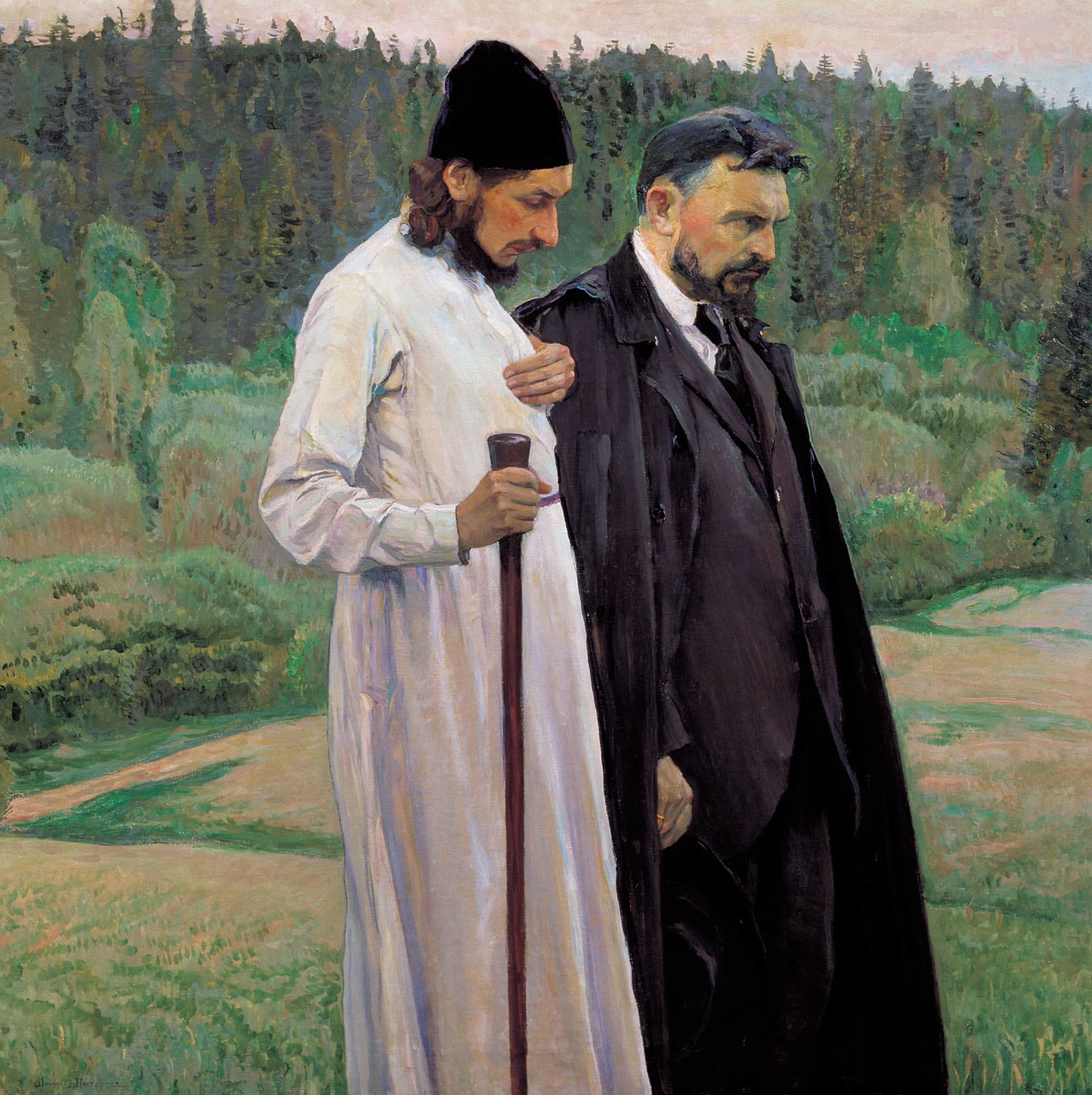
«Filósofos»: Florenski y Bulgákov, por Mijaíl Nésterov · Public domain
In eigenen Worten
«Living religious experience as the sole legitimate way of knowing dogmas.»«Столп и утверждение истины» (1914), «К читателю», primera frase: así resume el autor la intención de todo el libro.

Zum Einstieg ein Werk
The Pillar and Ground of the Truth: An Essay in Orthodox Theodicy in Twelve LettersDer zentrale Gedanke
Antinomy: For Florensky religious truth is antinomic: it can be stated only through pairs of contradictory propositions, equally true, which discursive reason cannot reconcile.
Im Zusammenhang sehen
Biografie
5 Min. Lesezeit
Unterstützte Übersetzung aus dem spanischen Original, Durchsicht durch einen muttersprachlichen Übersetzer ausstehend.
Ein Kind des Kaukasus
Pawel Alexandrowitsch Florenski wurde am 21. Januar 1882 (nach julianischem Kalender am 9.) in Jewlach im heutigen Aserbaidschan geboren, wo sein Vater, Alexander Iwanowitsch, ein Ingenieur aus einer Geistlichenfamilie, der jedoch der Kirche fernstand, am Bau der Transkaukasischen Eisenbahn arbeitete. Seine Mutter, Olga (Salome) Pawlowna Saparowa, stammte aus einer alten armenischen Familie aus Karabach. Er war das älteste von sieben Kindern und wuchs zwischen Tiflis und Batumi in einem gebildeten, religiös gleichgültigen Haus auf. In „Meinen Kindern“ erzählte er später selbst, dass er als Kind in einem „Eden“ der Naturerscheinungen gelebt habe – das Meer, die Steine, die Pflanzen – und dass Goethe seine geistige Nahrung gewesen sei, noch vor jedem Philosophen.
Mathematiker in Moskau
1900 schloss er das Zweite Gymnasium in Tiflis ab und trat in die Physikalisch-Mathematische Fakultät der Moskauer Universität ein. Dort studierte er bei Nikolai Bugajew, schloss Freundschaft mit Andrei Bely und über ihn mit Brjussow, Balmont, den Mereschkowskis und Blok und veröffentlichte in „Nowy put“ und „Wessy“ Essays wie „Über die Symbole des Unendlichen“ (1904), der Mengenlehre Cantors gewidmet. In jenen Jahren fühlte er sich zu Wladimir Solowjow und zum Archimandriten Serapion (Maschkin) hingezogen. 1904 schloss er mit Auszeichnung ab, trat aber, statt eine wissenschaftliche Laufbahn einzuschlagen, mit dem Segen von Bischof Antoni (Florensow) in die Moskauer Geistliche Akademie in Sergijew Possad ein.
Die Geistliche Akademie
Im März 1906 hielt er noch als Student in der Kirche der Akademie eine Predigt gegen die Todesstrafe, „Der Schrei des Blutes“, die ohne Zensur gedruckt wurde; er wurde verhaftet und verbrachte kurze Zeit im Gefängnis. 1908 schloss er das Studium ab und blieb als Dozent für Geschichte der Philosophie an der Akademie. 1910 heiratete er Anna Michailowna Giazintowa, mit der er fünf Kinder hatte – Wassili, Kirill, Olga, Michail und Maria –, und 1911 wurde er zum Priester geweiht. Von 1912 bis 1917 leitete er die Zeitschrift der Akademie, „Bogoslowski westnik“, und diente als Geistlicher an der Kirche des Rotkreuz-Heims in Sergijew Possad.
Der Pfeiler und die Grundfeste der Wahrheit
1914 veröffentlichte er in erweiterter Fassung das Werk, das er als Student begonnen hatte: „Der Pfeiler und die Grundfeste der Wahrheit. Versuch einer orthodoxen Theodizee in zwölf Briefen“. Als Briefwechsel mit einem Freund angelegt, verbindet es Theologie, Mathematik, Philologie, Kunstgeschichte und mystische Erfahrung. Es vertritt die Auffassung, dass die Wahrheit nicht bewiesen, sondern in der Kirche gelebt wird, dass das Dogma antinomisch ist – es lässt sich nur in gegensätzlichen Thesen aussprechen, die die Vernunft nicht versöhnt – und dass die göttliche Weisheit, Sophia, die Wurzel der Schöpfung ist. Das von der Akademie ausgezeichnete Buch faszinierte die einen und empörte die anderen: Berdjajew nannte es eine „stilisierte Orthodoxie“.
Ein Schatten: der Fall Beilis
In denselben Jahren hinterließ Florenski Schriften, die seine Bewunderer lieber vergessen. Während des Prozesses von 1913 gegen Menachem Beilis, einen Kiewer Juden, der fälschlich des Ritualmords beschuldigt wurde, schickte er Wassili Rosanow zwei anonyme Artikel, in denen er die Anklage für begründet hielt; Rosanow veröffentlichte sie als Anhang zu seinem Buch über das Verhältnis der Juden zum Blut. Die Forschung hat darin den Übergang von einem christlichen Antijudaismus zu einem rassisch geprägten Antisemitismus gesehen.
Revolution, Ikonen und Perspektive
Die Revolution empfing er als Apokalypse und neigte einer theokratischen Monarchie zu, emigrierte aber nicht. Von 1918 bis 1920 war er wissenschaftlicher Sekretär der Kommission zum Schutz der Denkmäler des Dreifaltigkeits-Sergius-Klosters, katalogisierte dessen Ikonen und setzte sich dafür ein, dass das Kloster nicht zu einem „toten Museum“ würde. Damals schrieb er seine Texte über Kult und Kunst: „Die umgekehrte Perspektive“ (1919), in der er die Perspektive der Ikone als eine andere Weise erklärt, einen geistigen Raum darzustellen, und „Die Ikonostase“ (1922), wonach die Ikone ein Fenster und die Ikonostase die Grenze zwischen der sichtbaren und der unsichtbaren Welt ist.
Der Priester als Ingenieur
Ab 1919 arbeitete er als Wissenschaftler im Dienst des Sowjetstaats, ohne je die Soutane abzulegen: in der Kunststofffabrik Karbolit, in der Abteilung für Werkstoffkunde von Glawenergo und am Elektrifizierungsplan GOELRO. Er schrieb eine Monographie über Dielektrika (1924), meldete Erfindungen zum Patent an, lehrte von 1921 bis 1927 an den Kunstwerkstätten WChUTEMAS und gehörte zu den Redakteuren der „Technischen Enzyklopädie“, für die er rund hundertfünfzig Artikel verfasste. 1922 veröffentlichte er „Die Imaginärgrößen in der Geometrie“, worin er sich auf Dante und die Relativitätstheorie stützte, eine geozentrische Kosmologie verteidigte und dafür als Obskurantist angegriffen wurde.
Sibirien und die Solowki-Inseln
1928 wurde er nach Nischni Nowgorod verbannt; dank Jekaterina Peschkowa konnte er zurückkehren, und man bot ihm die Emigration nach Prag an, doch er zog es vor zu bleiben. Am 26. Februar 1933 wurde er in einem konstruierten Verfahren gegen eine angebliche konterrevolutionäre Organisation verhaftet und am 26. Juli zu zehn Jahren Arbeitslager verurteilt. Er durchlief das Lager Swobodny im Fernen Osten und die Permafrost-Versuchsstation von Skoworodino und wurde im Herbst 1934 auf die Solowki-Inseln verlegt, wo er die Gewinnung von Jod und Agar-Agar aus Algen erforschte. Von dort schrieb er seiner Frau, seiner Mutter und seinen Kindern mehr als hundert Briefe voller Wissenschaft, Poesie und Zärtlichkeit.
Der 8. Dezember 1937
Am 25. November 1937, während des Großen Terrors, verurteilte ihn eine Troika des NKWD des Leningrader Gebiets zum Tode. Am 8. Dezember wurde er zusammen mit anderen von den Solowki-Inseln überstellten Häftlingen erschossen; Ort der Hinrichtung und Grab sind nicht ermittelt, genannt werden Lewaschowo und andere Schießplätze in der Umgebung Leningrads. Der Familie wurde jahrelang ein falsches Todesdatum mitgeteilt, der 15. Dezember 1943. Die in den Archiven der Sicherheitsorgane verwahrten und nach der Perestroika geöffneten Akten belegten das Urteil und das Datum der Hinrichtung. 1958 und 1959 wurde er rehabilitiert.
Nachwirkung
Florenski wurde in den Sechziger- und Siebzigerjahren wiederentdeckt, als die Zeitschrift des Moskauer Patriarchats seine unveröffentlichten Texte zu drucken begann, und seine gesammelten Werke erschienen in Russland ab 1994. Seine Theorie der umgekehrten Perspektive und seine Philosophie der Ikone wirkten auf Kunstgeschichte und Semiotik, und seine Synthese von Wissenschaft und Glauben machte ihn zum Symbol der vom Sowjetregime vernichteten religiösen Intelligenzija. Sein Enkel, Igumen Andronik (Trubatschow), gab seine Werke heraus und gründete das nach ihm benannte Museum in Sergijew Possad.
Quellen: Pyman, Avril. Pavel Florensky: A Quiet Genius. The Tragic and Extraordinary Life of Russia's Unknown da Vinci. Nueva York y Londres: Continuum, 2010. · Florenski, P. A. Столп и утверждение истины. Опыт православной феодицеи в двенадцати письмах [La columna y el fundamento de la verdad]. Moscú: Put, 1914. Texto en Azbuka. · Florenski, P. A. Иконостас [El iconostasio] (1922). Богословские труды, n.º 9 (1972), pp. 83–148. Texto en Azbuka. · Florenski, P. A. Письма с Соловков [Cartas desde las Solovkí], en Сочинения в 4 томах, t. 4: Письма с Дальнего Востока и Соловков, ed. igumeno Andronik (Trubachov) et al. Moscú: Mysl, 1998, pp. 139–781. Texto en Azbuka. · Florenski, P. A. Детям моим. Воспоминания прошлых дней [A mis hijos. Recuerdos de días pasados] (1916–1926). Moscú: Moskovski rabochi, 1992. Texto en Azbuka.
Zeitleiste
Das Leben, Jahr für Jahr
Jeder Punkt ist ein belegtes Ereignis. Klicken Sie, um es mit Quelle und Grad der Gewissheit zu lesen.
21. Januar 18820 JahreYevlaj
Birth
Born (9 January Old Style), the first of seven children of the railway engineer Alexander Florensky and Olga Saparova.
BelegtWikidata, Q336769: Pavel Florensky (1882–1937). P31=Q5; 47 enlaces entre wikis.
Nach dem Tod
- 5. Mai 1958Rehabilitation
- 1972Iconostasis published
21. Januar 1882 · 0 Jahre
Birth
Born (9 January Old Style), the first of seven children of the railway engineer Alexander Florensky and Olga Saparova.
Belegt
1900 · 18 Jahre
Moscow University
Finishes at the Second Tiflis Gymnasium and enters Physics and Mathematics at Moscow University.
Belegt
1904 · 22 Jahre
From mathematics to theology
Graduates with a first-class diploma and, with Bishop Antony (Florensov)'s blessing, enters the Moscow Theological Academy. Publishes 'On the Symbols of Infinity'.
Belegt
März 1906 · 24 Jahre
'The Cry of Blood'
His sermon against the death penalty, printed without censorship, leads to his arrest and a short spell in prison.
Wahrscheinlich
1908 · 26 Jahre
Academy lecturer
Completes his studies and begins teaching the history of philosophy at the Theological Academy.
Belegt
1910 · 28 Jahre
Marriage
Marries Anna Mikhailovna Giatsintova (1889–1973); they will have five children.
Belegt
1911 · 29 Jahre
Ordination
He is ordained priest; from 1912 to 1917 he edits Bogoslovsky vestnik.
Belegt
1913 · 31 Jahre
The Beilis articles
Sends Rozanov two anonymous articles that treat as true the ritual-murder accusation against Menahem Beilis.
Belegt
1914 · 32 Jahre
The Pillar and Ground of the Truth
The Put publishing house issues his major work, an enlargement of his master's thesis.
Belegt
1918 – 1920 · 36 Jahre
The Lavra Commission
Scientific secretary of the Commission for the Protection of the Monuments of the Trinity–St Sergius Lavra (1918–1920).
Belegt
1919 · 37 Jahre
Reverse Perspective and scientific work
Writes 'Reverse Perspective' and begins working as a scientist at the Karbolit plant and then at Glavenergo.
Belegt
1921 – 1927 · 39 Jahre
Professor at VKhUTEMAS
At Vladimir Favorsky's recommendation he teaches at the VKhUTEMAS art workshops until 1927.
Belegt
1922 · 40 Jahre
Iconostasis and Imaginaries in Geometry
Writes Iconostasis (published 1972) and publishes Imaginaries in Geometry at his own expense.
Belegt
1924 · 42 Jahre
Dielectrics
Publishes Dielectrics and Their Technical Application.
Belegt
1927 · 45 Jahre
Technical Encyclopedia
Joins the editorial board of the Technical Encyclopedia, for which he writes some 150 articles.
Belegt
1928 · 46 Jahre
Exile and refusal to emigrate
Exiled to Nizhny Novgorod; thanks to Ekaterina Peshkova he returns and is offered emigration to Prague, but decides to stay.
Belegt
26. Februar 1933 · 51 Jahre
Arrest
Arrested by the OGPU; on 26 July he is sentenced to ten years in a labour camp.
Belegt
1. Dezember 1933 · 51 Jahre
Svobodny camp
Arrives at the BAMLAG camp at Svobodny; in February 1934 he moves to the experimental permafrost station at Skovorodino.
Belegt
15. November 1934 · 52 Jahre
Solovki
Begins work at the iodine factory of the Solovki camp, to which he had been moved in the autumn.
Belegt
18. Juni 1937 · 55 Jahre
Last surviving letter
Date of letter no. 103 to his wife, the last of those published in his Letters from Solovki.
Wahrscheinlich
25. November 1937 · 55 Jahre
Death sentence
A special NKVD troika of the Leningrad region sentences him to death.
Belegt
8. Dezember 1937 · 55 Jahre
Execution
Shot by the NKVD; the site of the grave remains unestablished. The family was given a false date (15 December 1943).
Belegt
5. Mai 1958
Rehabilitation
Rehabilitated for the 1933 conviction; on 5 March 1959, for that of 1937.
Belegt
1972
Iconostasis published
Bogoslovskie trudy, a journal of the Moscow Patriarchate, publishes Iconostasis, fifty years after it was written.
Belegt
Werke
Grundlegende Werke
Die Werke, ohne die sich das Vermächtnis nicht verstehen lässt.
Schriftliches Werk · 1914
The Pillar and Ground of the Truth: An Essay in Orthodox Theodicy in Twelve Letters
Столп и утверждение истины. Опыт православной феодицеи в двенадцати письмах
His capital work, published by Put in 1914. Twelve letters to a friend — doubt, the Trinity, the light of truth, the Comforter, contradiction, sin, Gehenna, the creature, Sophia, friendship and jealousy — with extensive mathematical, philological and iconographic appendices. It holds that truth is reached by living religious experience rather than deduction; that dogma is antinomic; that the Trinity is the foundation of all truth; that Sophia is the root of creation; and that friendship, the 'we' of two, is the cell of the Church. It influenced Bulgakov and Losev and was criticised by Berdyaev and Florovsky.
8 Ausgaben

Nachgelassenes Werk · 1922
Iconostasis
Иконостас
Written in 1922 and published in 1972 in Bogoslovskie trudy. Starting from the experience of dreams, which separate and join two worlds, it defines the icon as a window onto the invisible and the iconostasis as the boundary between the visible and invisible worlds, formed by the saints themselves. It defends the technique of the icon — egg tempera, gold, construction in layers of light — as the expression of an ontology of light, against the oil painting and perspective of Western art.
5 Ausgaben
Pavel Florensky
Imaginaries in Geometry
Schriftliches Werk · 1922
Imaginaries in Geometry
Мнимости в геометрии. Расширение области двухмерных образов геометрии (Опыт нового истолкования мнимостей)
A short treatise published at the author's expense in 1922. It proposes interpreting imaginary numbers as the reverse side of a surface, and applies this to relativity: beyond the speed of light an 'imaginary' space, the invisible world, would begin. Drawing on Dante's Paradiso, it defends a geocentric cosmology and places the boundary between Earth and Heaven between the orbits of Uranus and Neptune. Its cover was designed by Vladimir Favorsky.
3 Ausgaben

Briefwechsel · 1998
Letters from the Far East and Solovki
Письма с Дальнего Востока и Соловков
Letters written between 1933 and 1937 from the camps of Svobodny, Skovorodino and Solovki to his wife, his mother and his five children, to whom he gave lessons in physics, chemistry, botany, poetry and music. Published in part from the 1980s and complete in 1998 (vol. 4 of his Works). They are one of the great spiritual testimonies of the Gulag.
6 Ausgaben
Das gesamte Werk (43)
Pavel Florensky
The Idea of Discontinuity as an Element of a Worldview
The Conscious LibraryThe Idea of Discontinuity as an Element of a Worldview
1904
Pavel Florensky
On the Symbols of Infinity (An Essay on the Ideas of G. Cantor)
The Conscious LibraryOn the Symbols of Infinity (An Essay on the Ideas of G. Cantor)
1904
Pavel Florensky
On One Premise of a Worldview
The Conscious LibraryOn One Premise of a Worldview
1904
Pavel Florensky
Spiritualism as Anti-Christianity
The Conscious LibrarySpiritualism as Anti-Christianity
1904
Pavel Florensky
The Cry of Blood
The Conscious LibraryThe Cry of Blood
1906

Salt of the Earth: A Narrative on the Life of the Elder of Gethsemane Skete, Hieromonk Abba Isidore
1909
Pavel Florensky
Anthony of the Novel and Anthony of Tradition
The Conscious LibraryAnthony of the Novel and Anthony of Tradition
1907
Pavel Florensky
The Author of Life
The Conscious LibraryThe Author of Life
1907
Pavel Florensky
Joy Forever
The Conscious LibraryJoy Forever
1907
Pavel Florensky
In the Eternal Azure
The Conscious LibraryIn the Eternal Azure
1907
Pavel Florensky
The Cosmological Antinomies of Immanuel Kant
The Conscious LibraryThe Cosmological Antinomies of Immanuel Kant
1909
Pavel Florensky
The Universal Human Roots of Idealism
The Conscious LibraryThe Universal Human Roots of Idealism
1909
Pavel Florensky
On Spiritual Truth: An Essay in Orthodox Theodicy
The Conscious LibraryOn Spiritual Truth: An Essay in Orthodox Theodicy
1912
Pavel Florensky
The Meaning of Idealism
The Conscious LibraryThe Meaning of Idealism
1914
Pavel Florensky
Reason and Dialectic
The Conscious LibraryReason and Dialectic
1914
Pavel Florensky
Articles on the Beilis Case
The Conscious LibraryArticles on the Beilis Case
1913
Pavel Florensky
Did Not Count It Robbery (Towards a Judgement on Mysticism)
The Conscious LibraryDid Not Count It Robbery (Towards a Judgement on Mysticism)
1916
Pavel Florensky
Around Khomyakov: Critical Notes
The Conscious LibraryAround Khomyakov: Critical Notes
1916
Pavel Florensky
The Reduction of Numbers
The Conscious LibraryThe Reduction of Numbers
1916
Pavel Florensky
To My Children: Memories of Days Past
The Conscious LibraryTo My Children: Memories of Days Past
1992
Pavel Florensky
The Philosophy of Cult
The Conscious LibraryThe Philosophy of Cult
1977
Pavel Florensky
The Trinity–St Sergius Lavra and Russia
The Conscious LibraryThe Trinity–St Sergius Lavra and Russia
1919

Reverse Perspective
1919
Pavel Florensky
Celestial Signs (On the Symbolism of Colours)
The Conscious LibraryCelestial Signs (On the Symbolism of Colours)
1919
Zitate
Zitate, die in einem bestimmten Werk nachgewiesen sind. Jedes trägt seine Herkunft und seinen Grad an Verlässlichkeit.
Living religious experience as the sole legitimate way of knowing dogmas.Живой религиозный опыт, как единственный законный способ познания догматов.
Geprüft«Столп и утверждение истины» (1914), «К читателю», primera frase: así resume el autor la intención de todo el libro.
Letzte Worte
Es gibt keine überprüfbaren Aufzeichnungen der letzten Worte.
His last words are not known. He was shot by the NKVD on 8 December 1937, together with other prisoners transferred from Solovki, at an unestablished place outside Leningrad; there were no witnesses who left an account. His last known letter to his family, no. 103 in the 1998 edition, is dated 18 June 1937: it speaks of the lack of work in the Solovki Kremlin, of his corner with a view of the sea in the monastery museum and of how much he would regret leaving the sea.
Quelle: Florenski, P. A. Письма с Соловков [Cartas desde las Solovkí], en Сочинения в 4 томах, t. 4: Письма с Дальнего Востока и Соловков, ed. igumeno Andronik (Trubachov) et al. Moscú: Mysl, 1998, pp. 139–781. Texto en Azbuka.
Fragen
Was das Werk beantwortet
Zwölf große Fragen der Menschheit und was sich aus den Texten darauf antworten lässt, mit Belegen. Wir legen niemandem Worte in den Mund.
Was ist das Absolute? Gibt es Gott?
The truth that proves itself is the Trinity, and the icon bears witness to it
Ein persönlicher GottAusdrücklich gesagt
Florensky starts, in The Pillar and Ground of the Truth, from living religious experience as the only legitimate way of knowing dogmas. In the letter on doubt he follows scepticism to its end and concludes that only a truth that is at once subject and relation, an I that gives itself to a Thou and recognises itself in a He, can stand: the Trinity. His God is personal and tri-personal, and his inner life is self-giving love. To this speculative path he adds an aesthetic one: in Iconostasis he asserts that, since Rublev's Trinity exists, God exists, and presents this as the most convincing proof, one the textbooks never mention. For him the icon does not illustrate an idea: it is a window through which the invisible lets itself be seen.
Diese Frage mit anderen Meistern vergleichenWer bin ich? Gibt es ein wahres Selbst?
The self finds itself only in love and in friendship
Ein in Beziehung gebildetes SelbstAusdrücklich gesagt
Florensky criticises the identity of the self conceived as the logical law A is A. In The Pillar and Ground of the Truth, such closed self-affirmation is the very form of sin and death: a self that only repeats itself becomes empty. True personal identity is reached by going out of oneself, when the self gives itself to another and receives itself from him; its model is Trinitarian life, in which each person is what it is through its relation to the others. That is why he devotes an entire letter to friendship, which he understands from the tradition of spiritual brotherhood in the early Church, as the experience in which two persons become consubstantial without being confused. The self is real and immortal, but it is found only in communion.
Diese Frage mit anderen Meistern vergleichenWarum leiden wir?
Sin is self-assertion that disintegrates; the true gift is paid for in pain
Die Trennung von GottAusdrücklich gesagt
In The Pillar and Ground of the Truth, Florensky defines sin as the self-assertion of an I that shuts itself into its empty identity and breaks communion; its consequence is inner disintegration, the loss of the person's integrity, and its end is gehenna, the loneliness of one who can no longer go out of himself. Suffering is the fruit of that separation, but love also includes it: in the letter on Sophia he writes that love eternally takes away in order eternally to give, and puts to death in order to bring to life. His own life confirmed it: from Solovki, shortly before he was shot, he wrote to his wife that the more selfless the gift, the harsher the persecution and the more severe the suffering, and called this the law of life.
Diese Frage mit anderen Meistern vergleichenWas geschieht nach dem Tod?
Before gehenna, an antinomy: salvation of all and eternal damnation at once
Ewiges Leben und AuferstehungAusdrücklich gesagt
Florensky addresses what happens after death in the letter on gehenna in The Pillar and Ground of the Truth, and he does so with his method of antinomy. On one hand, God's love demands that all be saved; on the other, the creature's freedom makes eternal damnation possible. Neither thesis can be eliminated without betraying faith, and reason must accept holding them together. His solution points to a distinction within the person: what in it is the image of God is saved, while what sin has built, its caricature, burns and is separated. Beyond speculation, his faith in the resurrection is that of the Orthodox Church, which he lived until his execution in 1937, as his letters from Solovki show.
Diese Frage mit anderen Meistern vergleichenWie erlangt man Befreiung oder Erlösung?
Salvation is lived in the Church: ascesis, sacrament and transfiguring love
Durch Gnade und LiebeAusdrücklich gesagt
Florensky presents salvation as incorporation into the life of truth, reached not by reasoning but by experience: the living religious experience he defines at the start of The Pillar and Ground of the Truth as the only legitimate path to the dogmas. That experience is given in the Church, through ascesis, which restores the integrity of the person broken up by sin, through the sacraments and through brotherly love. Its fruit is transfiguration: in the letter on the light of truth he reproduces the passage where Motovilov sees Seraphim illumined, as an example of what grace does in the flesh. In The Philosophy of Cult he adds that liturgical worship is the place where the human and the divine meet and where the whole of reality is sanctified.
Diese Frage mit anderen Meistern vergleichenBraucht es einen Lehrer?
Truth is received in the Church and in the spiritual fatherhood of an elder
Gemeinschaft und TraditionAusdrücklich gesagt
Florensky came to faith as an adult, from science, and his path was marked by concrete figures: Bishop Antony Florensov, whom he regarded as his spiritual father, and the elder Isidore of Gethsemane, to whom he devoted The Salt of the Earth, a portrait of an elder's simple holiness. His theology holds that truth is not passed on as information, but by incorporation into the living experience of the Church, its sacraments, its worship and its saints. In The Pillar and Ground of the Truth, written as letters to a friend, the genre itself expresses this conviction: truth is sought in dialogue and friendship, not in self-sufficient solitude. The teacher is necessary, but within a community of faith that precedes and sustains him.
Diese Frage mit anderen Meistern vergleichenIst die Welt wirklich?
The creature is rooted in God through Sophia; the visible borders the invisible
Eine gute und wirkliche SchöpfungAusdrücklich gesagt
Florensky, theologian and scientist at once, does not doubt the reality of the created world, but thinks of it as open from above. In The Pillar and Ground of the Truth he devotes one letter to the creature and another to Sophia, which he defines as the great root of all creation, through which the creature enters Trinitarian life and receives eternal life. The world is good because it is rooted in God. In Iconostasis he describes the boundary between the visible and the invisible world, which dreams, art and liturgy allow one to cross, and the icon as its witness. In Imaginaries in Geometry he went so far as to propose, on the basis of relativity, a model of the cosmos in which the visible world borders a space of another nature.
Diese Frage mit anderen Meistern vergleichenWas ist Liebe?
Love is consubstantiality: it takes in order to give and makes two one unconfused
Liebe zu Gott und zum NächstenAusdrücklich gesagt
In The Pillar and Ground of the Truth, love is the key to Trinitarian life and therefore to truth itself: God is love because each divine person gives itself to the others. Florensky describes it with paradoxical formulas: love eternally takes away in order eternally to give, eternally puts to death in order eternally to give life. In the letter on friendship and the letter on jealousy he studies it in its most concrete human form, friendship between two persons, which the early Church blessed with a rite of brother-making of its own, and which makes two one without confusing them, in the image of the Trinity's consubstantiality. Jealousy, in this sense, can be the face of love defending its unique object. Love of neighbour in general is first learned in love for one concrete friend.
Diese Frage mit anderen Meistern vergleichenSind wir frei, oder ist alles vorherbestimmt?
Freedom and grace form an antinomy that reason does not solve but accepts
Echter freier WilleAus der Lehre abgeleitet
Florensky does not treat freedom as an isolated problem, but as one of the cases of antinomy he considers proper to all religious truth. In the letter on contradiction in The Pillar and Ground of the Truth he holds that truth, seen from finite reason, appears as a pair of opposed affirmations that must be held together: providence that disposes all things and freedom that responds, grace that saves and human effort. In the letter on gehenna he applies the same scheme: God's love wills the salvation of all, but the creature's freedom can refuse it, and both theses are true. Human freedom is therefore real, and the human being answers for his acts, though his relation to providence cannot be reduced to a formula.
Diese Frage mit anderen Meistern vergleichenWozu meditieren oder beten?
Worship is the root of culture and the place where reality is sanctified
Ritual und SelbstkultivierungAusdrücklich gesagt
Florensky, a priest as well as a scientist, thought of prayer above all from liturgical worship. In the lectures gathered as The Philosophy of Cult he maintains that worship is the centre from which all culture springs, as the word itself indicates, and that in it material reality, water, bread, oil, word and gesture, is sanctified and opened to the divine. In Church Ritual as a Synthesis of the Arts and in Iconostasis he describes the liturgy as a total work of art involving architecture, candlelight, incense smoke, chant and the icon, and the icon as a window onto the invisible world. His interest in the divine name, in the context of the name-glorifying controversy, shows that personal prayer is not separated from rite.
Diese Frage mit anderen Meistern vergleichenKann die Vernunft das Letzte erkennen?
Religious truth is antinomic: reason touches it only as contradiction
Das Letzte liegt jenseits des VerstandesAusdrücklich gesagt
Florensky was a mathematician by training and never despised reason: he studied Cantor's set theory, wrote on the infinite and worked as an engineer. Precisely for that reason he knew its limits. In The Pillar and Ground of the Truth he holds that reason, governed by the law of identity, cannot by itself find a truth that proves itself: it leads to scepticism. And when it approaches the mysteries of faith, it meets them as antinomies, pairs of contradictory affirmations equally true, such as God's unity and trinity or freedom and grace. The letter on contradiction makes antinomy the seal of religious truth. Knowledge of the ultimate is possible only through living religious experience, in which reason is transfigured without being abolished.
Diese Frage mit anderen Meistern vergleichenSich von der Welt zurückziehen oder sie verwandeln?
A priest in a cassock at the technical office: serving through science without leaving faith
Kontemplation im HandelnAus der Lehre abgeleitet
Florensky embodied a singular way of living in the world. After the revolution, when the Theological Academy closed, he neither emigrated nor withdrew: he worked on the commission for the protection of the monuments of the Lavra of Saint Sergius and later on the country's electrification plan, where he attended meetings in cassock and pectoral cross. He published studies on dielectrics and wrote articles for the technical encyclopaedia. Deported to Solovki, he researched the extraction of iodine and agar from seaweed. In his letters to his children from the camp he teaches them to observe nature attentively and to work well, as a form of service. Science, art and liturgy were for him expressions of one and the same vision of the world, and none required renouncing the others.
Diese Frage mit anderen Meistern vergleichen
Affinitäten und Spannungen
Affinitäten und Spannungen
Frage für Frage aus den Positionen berechnet. Den Grund jeder Übereinstimmung und jedes Widerspruchs zeigt ein Klick.
Denkt ähnlich wie
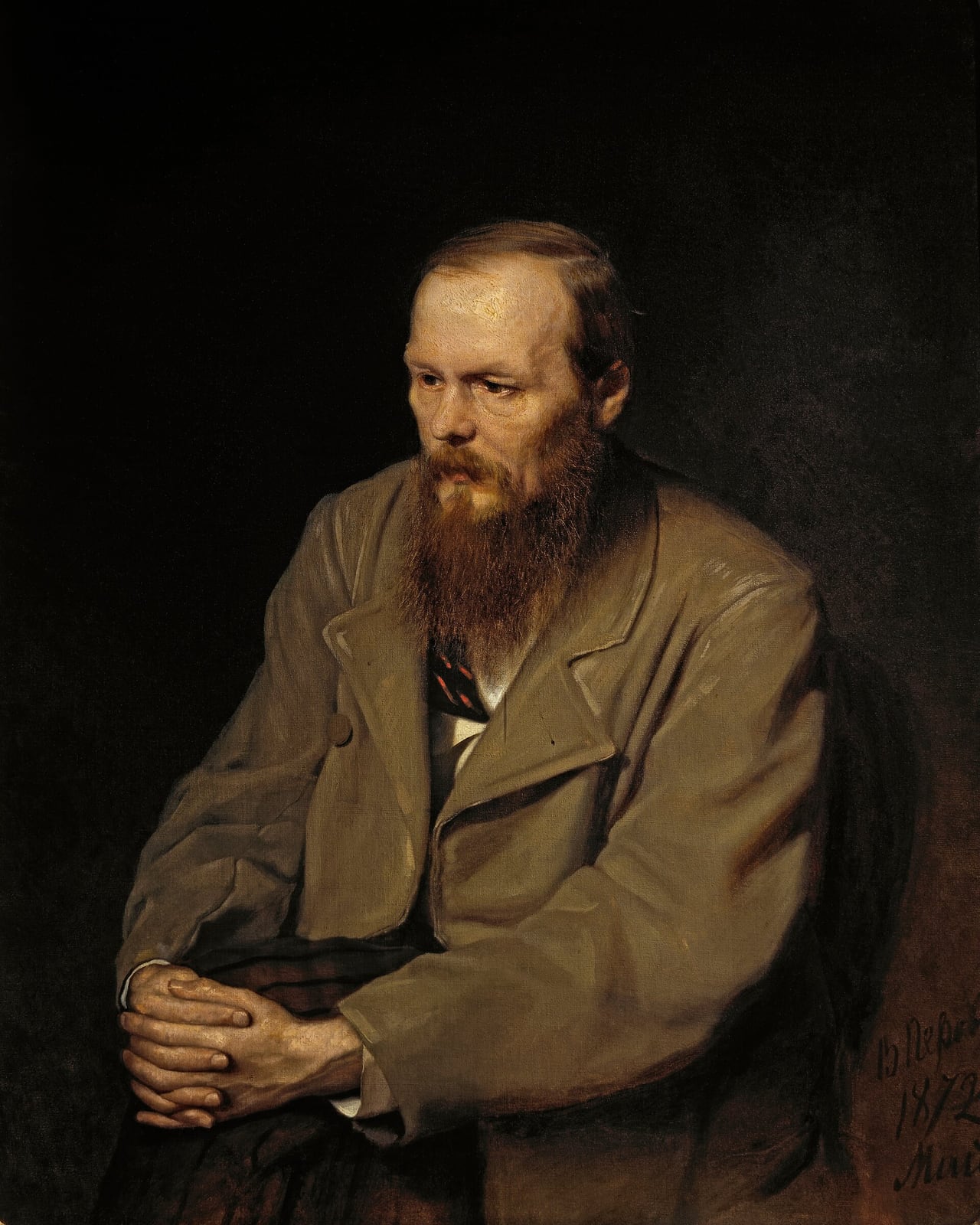
Fyodor Dostoevsky
Übereinstimmung bei: Was ist das Absolute? Gibt es Gott? · Warum leiden wir? · Was geschieht nach dem Tod?

Francis of Assisi
Übereinstimmung bei: Was ist das Absolute? Gibt es Gott? · Warum leiden wir? · Was geschieht nach dem Tod?
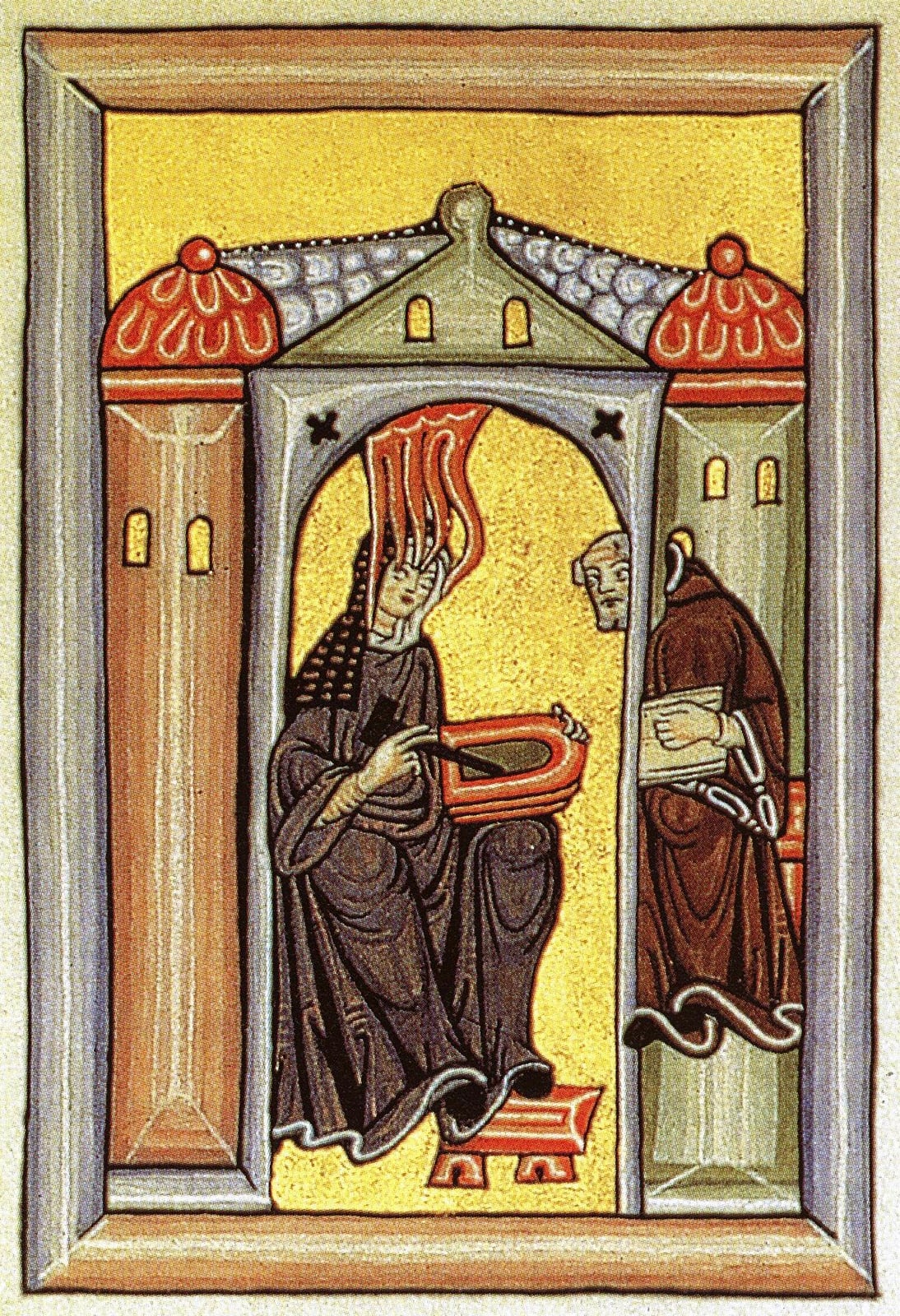
Hildegard of Bingen
Übereinstimmung bei: Was ist das Absolute? Gibt es Gott? · Was geschieht nach dem Tod? · Wie erlangt man Befreiung oder Erlösung?
Seraphim of Sarov
Übereinstimmung bei: Was ist das Absolute? Gibt es Gott? · Warum leiden wir? · Was geschieht nach dem Tod?
Denkt anders als
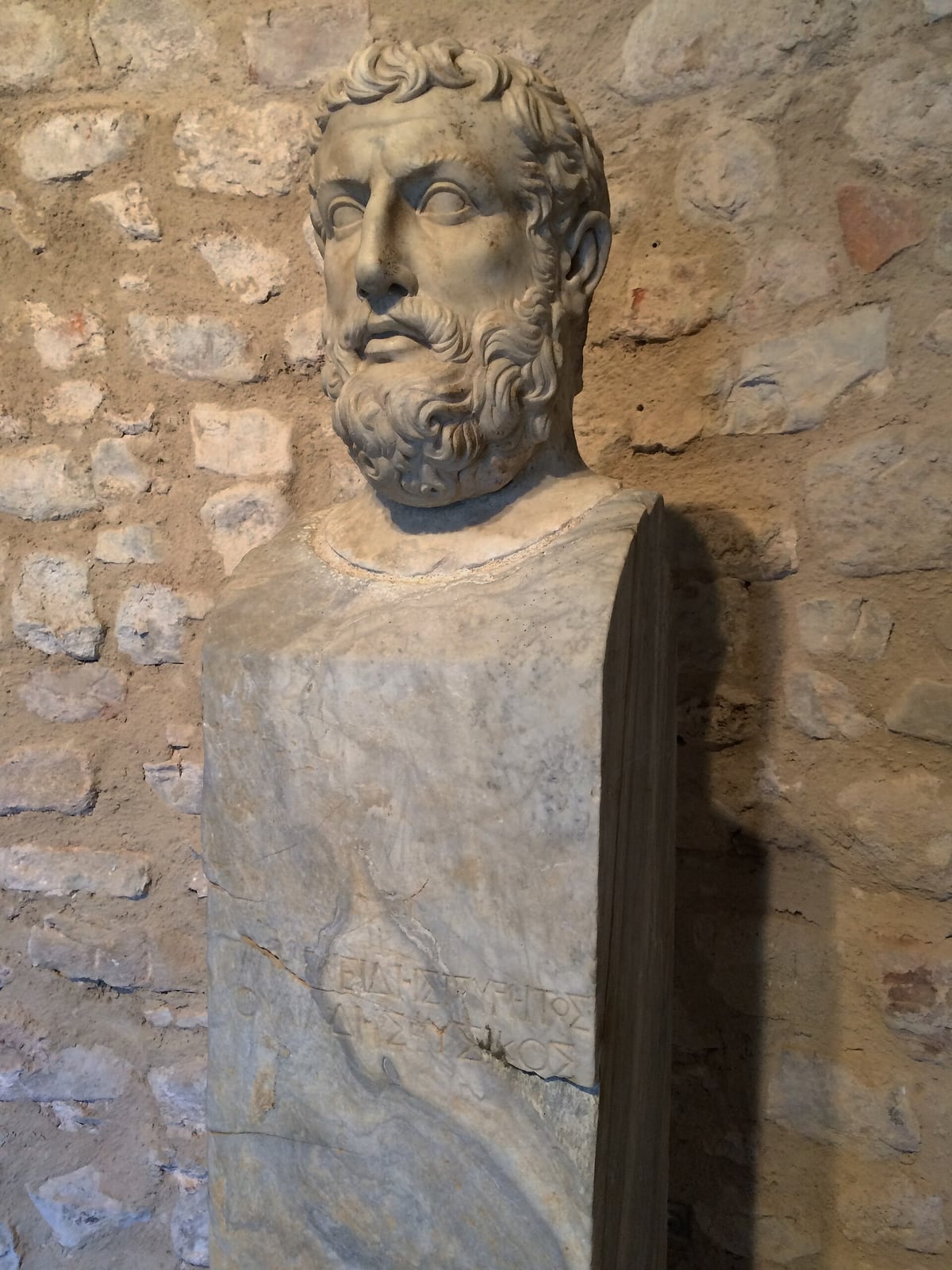
Parmenides
Widerspruch bei: Ist die Welt wirklich?
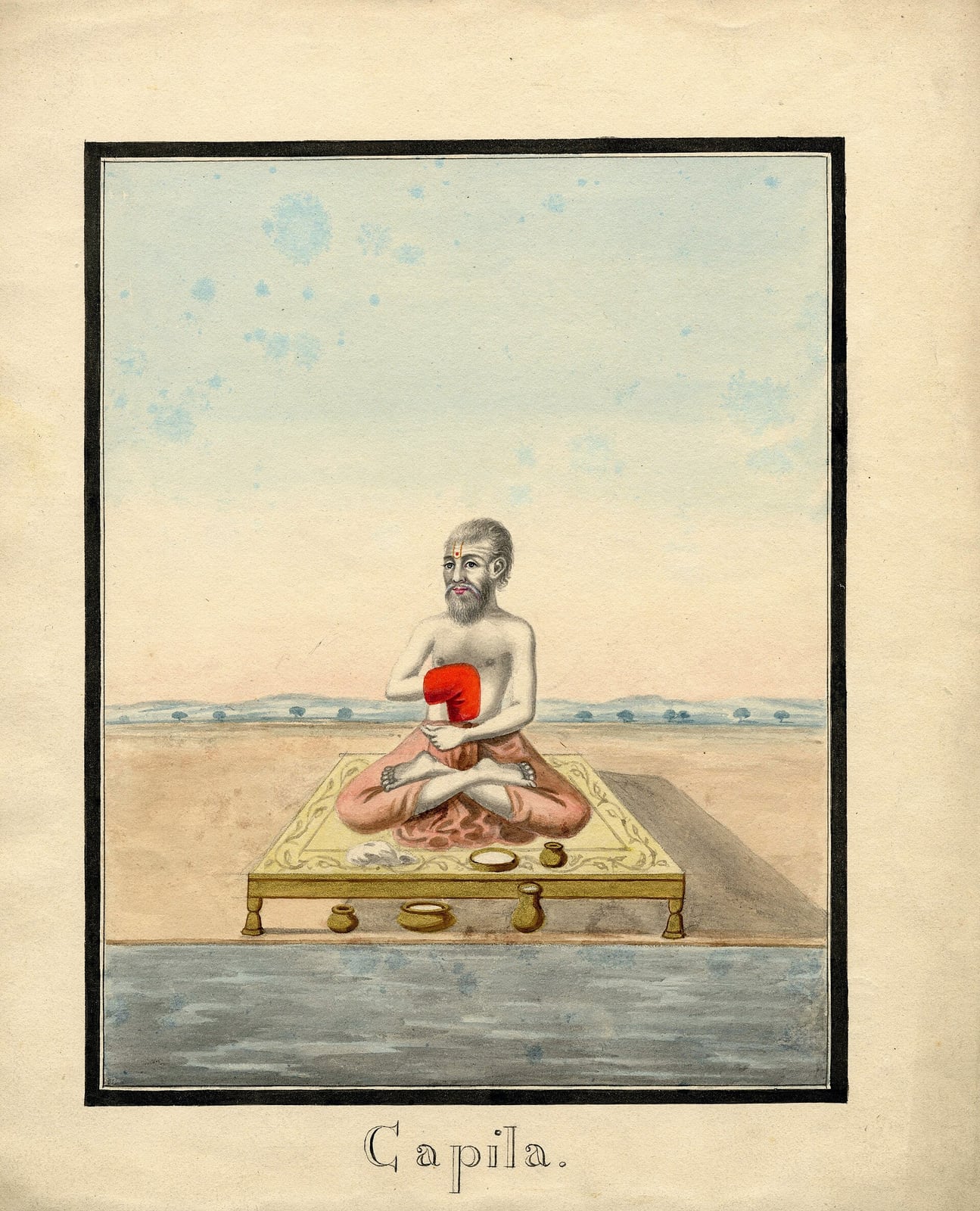
Kapila
Widerspruch bei: Was ist das Absolute? Gibt es Gott? · Was geschieht nach dem Tod?

Pema Chödrön
Widerspruch bei: Was ist das Absolute? Gibt es Gott? · Was geschieht nach dem Tod?
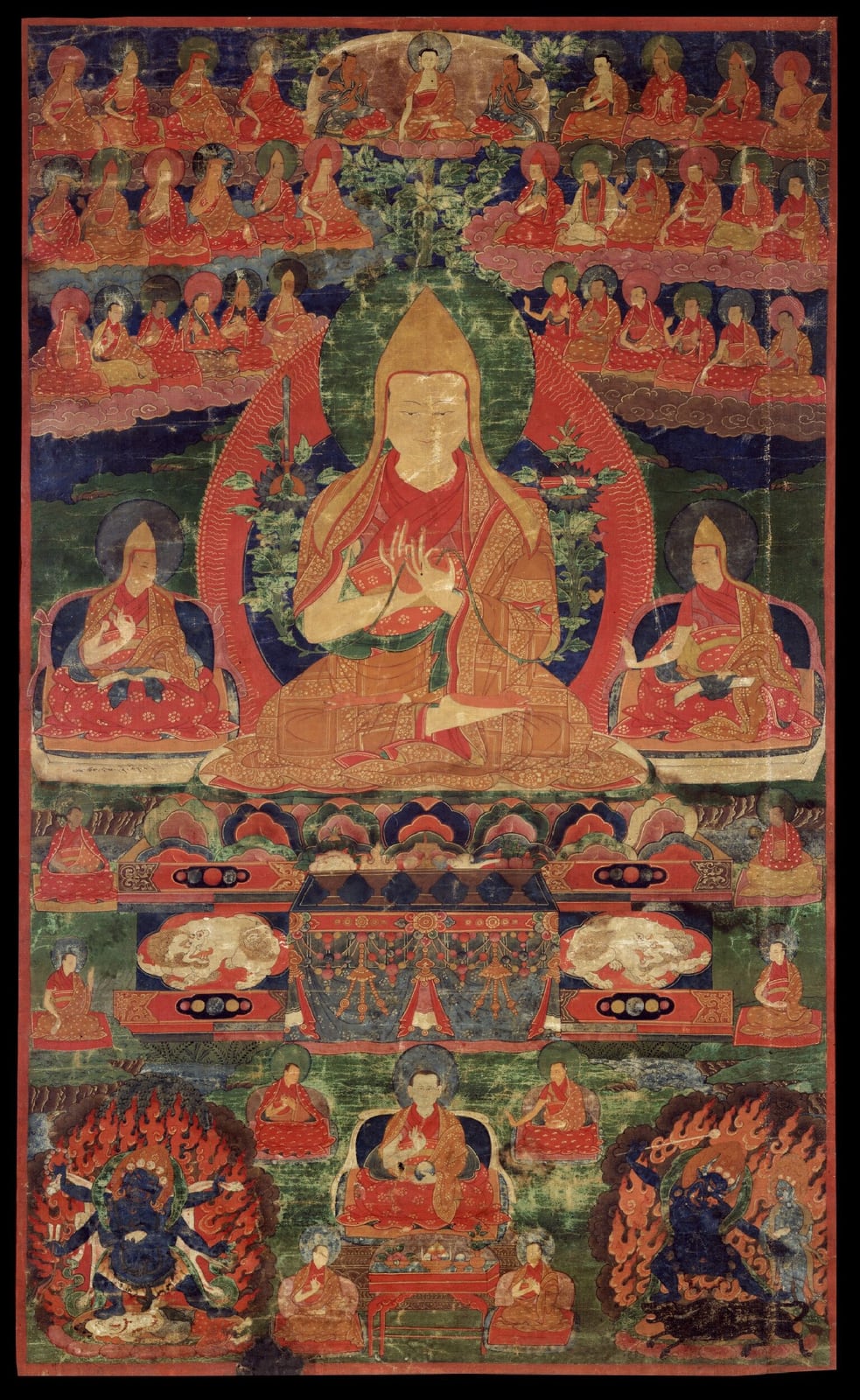
Tsongkhapa
Widerspruch bei: Was ist das Absolute? Gibt es Gott? · Was geschieht nach dem Tod?
Anekdoten und Erzählungen
Anekdoten und Erzählungen
Belegtmarzo de 1906
The cry of blood
Herkunft der Erzählung: The sermon and the prosecution are recorded in his biographies; the detail of the sentence imposed and its remission comes from the Ekzeget.ru biography. That the sermon responded specifically to the execution of Lieutenant Pyotr Schmidt (March 1906) is held by several biographers but has not been verified here.
Mündliche Überlieferung1919–1946
The head of St Sergius
Herkunft der Erzählung: It comes from late memories transmitted in the Florensky family and by Ekaterina Vasilchikova, Olsufyev's niece, and by Archbishop Sergei (Golubtsov); it was published in the 1990s. The opening of the relics on 11 April 1919 is documented; the substitution of the head has no independent documentary confirmation. A later legend even attributes Florensky's death sentence to his refusal to reveal the hiding place, without any evidence.
Belegt1928
Staying
Herkunft der Erzählung: Recorded in the Russian Wikipedia biography and in A. Pyman's biography, on the basis of the Political Red Cross and family documentation.
Belegt1934–1937
Chemistry lessons from Solovki
Herkunft der Erzählung: The letters themselves, published in full in vol. 4 of his Works (Mysl, 1998).
Belegt1937–1989
An invented date of death
Herkunft der Erzählung: The sentence, the date of execution and the falsity of the date given to the family are recorded in the case-file documents published after perestroika; the research on the burial site is that of Anatoly Razumov (Leningradsky martirolog).
Lehren
Lehren
Die Begriffe, die das Denken gliedern, in ihrem Zusammenhang erklärt.
Antinomyantinomia
Sixth letter ('Contradiction') of The Pillar and Ground of the Truth; antecedents in The Cosmological Antinomies of Kant (1909).
Sophia and sophiologysofia
Heir to Solovyov; in critical dialogue with Böhme's sophiology, which Berdyaev compared with the Russian one in 1930.
Reverse perspectiveperspectiva-invertida
Later developed in the VKhUTEMAS course on spatiality (1924–1925).
The icon and the iconostasisicono
Written in 1922, at the height of the Soviet campaign against the Church; published in 1972.
Imaginaries and the space beyondimaginarios
It joins his mathematical training with his theology of the icon and of the boundary between worlds.
The name and the magic of the wordnombre
Part of his 'concrete metaphysics' of the 1920s.
Videos
Videos
Aufnahmen, Gespräche und Dokumentarfilme. Die Videos werden von YouTube wiedergegeben; sie werden nicht hier gespeichert.
«Почаще смотрите на звёзды»
Dokumentarfilm· RU
ТК ТОНУС
Жизнь замечательных семей. Флоренский
Dokumentarfilm· RU
Радость мояOffizieller Kanal
о. Павел Флоренский
Dokumentarfilm· RU
Игорь ШтернбергOffizieller Kanal
Павел Флоренский. От геометрии мнимостей к топологии духа (часть 1)
Vortrag· RU· 2018
Калининградская областная научная библиотекаOffizieller Kanal
Обратная перспектива в эстетике и космологии отца Павла Флоренского. Лекция Оксаны Седых
Vortrag· RU· 2020
nffedorov
Reverse Perspective, the Politics of Space, and Contemporary Art Practice
Vortrag· EN
IWMVienna (Institut für die Wissenschaften vom Menschen)Offizieller Kanal
Philosophy of Love in the Context of Russian Philosophy. V. Solovyov and P. Florensky
Vortrag· EN
Studium Europy Wschodniej (Universidad de Varsovia)Offizieller Kanal
Ciclo de Charlas — Pavel Florenski: filósofo, historiador del arte, matemático y sacerdote ruso
Vortrag· ES
cursosoficialesderusoOffizieller Kanal
Vita e pensiero di Pavel Florenskij — Prof.ssa A. Marcuccini
Vortrag· IT
Filippo Tassi
Nulla va perduto. L'esperienza di Pavel Florenskij
Vortrag· IT· 2013
Filosofia Tor VergataOffizieller Kanal
Il respiro della vita. Pavel A. Florenskij testimone della verità (con Massimo Cacciari)
Vortrag· IT
icaroplay
La testimonianza di Pavel Florenskij
Dokumentarfilm· IT
12PorteOffizieller Kanal
Benedetto XVI cita Florenskij: «Quando avrete un peso nell'animo, guardate le stelle…»
Aufnahme Dritter· IT
raffaellablogpapa1
Galerie
Galerie
Bilder mit geprüfter Lizenz. Jedes bewahrt seine Urheberschaft und seinen Herkunftsnachweis.
Beziehungen
Beziehungen
Einflüsse, Schülerschaften und Verwandtschaften. Die belegte Beziehung wird von der durch Analyse ermittelten Ähnlichkeit unterschieden.
Beeinflusst von
In his university years he was drawn to Solovyov's teaching, and his sophiology, in the tenth letter of The Pillar and Ground of the Truth, starts from Solovyov's, which he corrects with Russian liturgy and iconography. He belongs to the generation that made Solovyov its starting point.
Belegte Beziehung
Widersprach
Berdyaev reviewed The Pillar and Ground of the Truth harshly in 'Stylised Orthodoxy' (1914) and argued against 'Around Khomyakov' (1916); in Self-Knowledge he would call him 'alien and hostile', a 'refined reactionary' indifferent to ethics. For him Florensky represented the aesthetic and magical Orthodoxy that freedom had to overcome.
Belegte Beziehung
Beeinflusst von
In The Pillar and Ground of the Truth he quotes, in the fourth letter, 'The Light of Truth', Seraphim's conversation with Motovilov on the acquisition of the Holy Spirit, and in the tenth, 'Sophia', he recalls that the saint called the icon of Tenderness, the only one in his cell, 'Joy of all joys'.
Belegte Beziehung
Beeinflusst von
He devoted to Plato his lectures 'The Universal Human Roots of Idealism' (1909) and 'The Meaning of Idealism' (1914), in which he interprets the doctrine of ideas as the philosophical elaboration of a universal religious and magical experience. In To My Children he describes his youthful search for Goethe's 'primal phenomenon' in an ontological density 'after Plato'.
Belegte Beziehung
Zeitgenosse von
In To My Children he recalls that as an adolescent he read Tolstoy's philosophical writings and found them 'mostly tedious', though he was interested in Carpenter's article on science translated by Tolstoy; Merezhkovsky's study of Tolstoy and Dostoevsky marked him more.
Belegte Beziehung
Verwandte Gedanken mit
No detailed influence is recorded, but Florensky draws on Dostoevsky in Iconostasis — Stavrogin's 'mask' as a face petrified by passion — and shares with him the vision of the elder and of Russian holiness as the centre of spiritual life.
Durch Analyse ermittelte Ähnlichkeit
Verwandte Gedanken mit
Berdyaev, in 'The Doctrine of Sophia and the Androgyne in J. Böhme and the Russian Sophiological Currents' (1930), compared Böhme's Sophia with that of Russian sophiology, from Solovyov to Florensky and Bulgakov, and noted their differences: in Böhme Sophia is virginity and freedom; in the Russians, a more cosmic and Platonic idea.
Belegte Beziehung
Quellen
Quellen
Für diesen Eintrag herangezogene Bibliografie und Kataloge.
- Wikidata, Q336769: Pavel Florensky (1882–1937). P31=Q5; 47 enlaces entre wikis.
- «Флоренский, Павел Александрович». Wikipedia en ruso (biografía, «Столп», caso Beilis, arresto y fusilamiento, publicaciones).
- Pyman, Avril. Pavel Florensky: A Quiet Genius. The Tragic and Extraordinary Life of Russia's Unknown da Vinci. Nueva York y Londres: Continuum, 2010.
- Florenski, P. A. Столп и утверждение истины. Опыт православной феодицеи в двенадцати письмах [La columna y el fundamento de la verdad]. Moscú: Put, 1914. Texto en Azbuka.
- Florenski, P. A. Иконостас [El iconostasio] (1922). Богословские труды, n.º 9 (1972), pp. 83–148. Texto en Azbuka.
- Florenski, P. A. Письма с Соловков [Cartas desde las Solovkí], en Сочинения в 4 томах, t. 4: Письма с Дальнего Востока и Соловков, ed. igumeno Andronik (Trubachov) et al. Moscú: Mysl, 1998, pp. 139–781. Texto en Azbuka.
- Florenski, P. A. Детям моим. Воспоминания прошлых дней [A mis hijos. Recuerdos de días pasados] (1916–1926). Moscú: Moskovski rabochi, 1992. Texto en Azbuka.
- Open Library, autor OL54367A: Pavel Florensky (1882–1937), obras y ediciones.
- Berdiáyev, N. A. «Стилизованное православие (о. Павел Флоренский)». Русская мысль, 1914, n.º 1. Texto en la Biblioteca «Vejí».
- Razumov, Anatoli Ya. (entrevista). «Соловецкие этапы. Где расстрелян священник Павел Флоренский?». Radio Grad Petrov, 2017 (archivada en Internet Archive). Razumov es el compilador del «Ленинградский мартиролог» de la Biblioteca Nacional de Rusia.
- «Павел Флоренский, священник». Ekzeget.ru (biografía: el sermón de 1906, la detención de 1933, las Solovkí).
- Berdiáyev, N. A. «Из этюдов о Я. Беме. Этюд II: Учение о Софии и андрогине Я. Беме и русские софиологические течения». Путь, 1930, n.º 21, pp. 34–62.
- «Pavel Florensky». Wikipedia en inglés (traslado desde las Solovkí y ejecución, con referencias a A. Maccioni, eSamizdat, 2007).
- Rechteinhaber
- Florenski murió en 1937: sus obras publicadas en vida son de dominio público en EE. UU. (anteriores a 1930), en la UE (desde 2008) y en España (desde 2018). Las obras póstumas publicadas desde 1967 pueden estar protegidas en EE. UU.; en Rusia, por su rehabilitación póstuma, el plazo se cuenta desde 1958. Las traducciones pertenecen a sus traductores y editoriales.
Bestätigung ausstehend
Was dieser Eintrag noch nicht klären konnte. Wir sagen es lieber, als es aufzufüllen.
- Edición española de «Los imaginarios en geometría» y de «Los nombres»: no localizadas.
- Confirmar la vinculación del sermón «El clamor de la sangre» (marzo de 1906) con la ejecución del teniente Piotr Schmidt, y la pena exacta impuesta.
- Confirmar fechas y revistas de «El sentido del idealismo» (1914), «Razón y dialéctica» (1914), «Signos celestes» y «La acción del templo» (en «Makovets», 1922).
- Registrar uno por uno sus artículos de la «Enciclopedia técnica» (unos 150), sus escritos teológicos publicados en «Bogoslovskie trudy» (1972–2007) y sus poemas; hoy figuran agrupados o sólo los principales.
- Lugar de la ejecución y de la fosa: no establecido (Levashovo, polígono de Rzhevka/Koirangakangas o una fosa del campo de Lodéinoye Pole, según las hipótesis de A. Razumov y A. Maccioni).
- Contenido exacto de «Early Religious Writings, 1903–1909» (Eerdmans, 2017): no se ha asignado a obras concretas.
- Verificar en el texto de su «Testamento» la frase sobre mirar las estrellas que citó Benedicto XVI (no se ha podido cotejar).
- Duración y año de la mayoría de los vídeos: oEmbed no los proporciona.
Recherchiert am 2026-10-25