Christentum · Christliche Mystik · Katholizismus
Francis of Assisi
um 1182 – 1226Historisch belegte Person
Sohn eines reichen Tuchhändlers aus Assisi (um 1182–1226), kehrte er der Laufbahn seines Vaters den Rücken, um das Evangelium „buchstäblich“ unter Aussätzigen und Armen zu leben. Er gründete den Orden der Minderbrüder, inspirierte Klara von Assisi und den Dritten Orden, dichtete den Sonnengesang — eines der ersten Gedichte in italienischer Sprache — und hinterließ wenige echte Schriften: Regeln, Ermahnungen, Briefe, Lobpreisungen und ein Testament. Er wurde 1228 heiliggesprochen; seine historische Gestalt steht neben einer gewaltigen Hagiographie, die man Schicht um Schicht lesen sollte.
- Werke
- 44Werke
- Ausgaben
- 121Ausgaben
- Zitate
- 10Zitate
- Videos
- 14Videos
- Bilder
- 8Bilder

Fresco de «Frater Franciscus» en el Sacro Speco de Subiaco · Public domain
In eigenen Worten
«Most High, all-powerful, good Lord, yours are the praises, the glory and the honour and all blessing.»Cántico de las criaturas, v. 1 (Asís, Biblioteca del Sacro Convento, cód. 338)

Der zentrale Gedanke
Living 'without anything of one's own': The formula 'sine proprio', which opens the 1223 Rule alongside obedience and chastity, is broader than material poverty.
Im Zusammenhang sehen
Biografie
5 Min. Lesezeit
Unterstützte Übersetzung aus dem spanischen Original, Durchsicht durch einen muttersprachlichen Übersetzer ausstehend.
Ein Kaufmann aus Assisi
Giovanni di Pietro di Bernardone wurde um 1181 oder 1182 in Assisi geboren, einer umbrischen Stadt, die sich vom Feudaladel und vom Kaiser zu befreien suchte. Sein Vater Pietro war ein Tuchhändler, der auf den Messen der Champagne Geschäfte machte; seine Mutter hieß Pica. Der Überlieferung nach ersetzte der Vater nach seiner Rückkehr aus Frankreich den Taufnamen des Kindes durch Francesco, „der Franzose“. In der Pfarrschule von San Giorgio lernte er die Anfangsgründe des Lateins, etwas Französisch und das Handwerk des Verkaufens; seine Jugend war die eines Sohnes des aufstrebenden Bürgertums: Geld, Feste, ritterlicher Ehrgeiz.
1202 kämpfte er mit den Milizen Assisis bei Collestrada gegen Perugia und verbrachte fast ein Jahr in Gefangenschaft. Krank kehrte er heim. Um 1205 schloss er sich einem Kriegszug nach Apulien an, brach ihn aber bei Spoleto ab; spätere Biographien machen aus dieser Umkehr das erste Zeichen einer Berufung. Was die Quellen zu sagen erlauben, ist nüchterner: eine lange Krise ohne genaues Datum, in der sich der junge Kaufmann in dem Leben, das ihn erwartete, nicht mehr wiedererkannte.
Unter den Aussätzigen
Für die Bekehrung gibt es ein Zeugnis aus erster Hand, das des Franziskus selbst in seinem Testament von 1226: Als er „in Sünden“ war, sei es ihm überaus bitter gewesen, Aussätzige zu sehen; der Herr habe ihn unter sie geführt, er habe ihnen Barmherzigkeit erwiesen, und was ihm bitter war, habe sich ihm in Süße für Seele und Leib verwandelt. In diesem Bericht gibt es keine Stimmen vom Himmel, wohl aber eine soziale Verschiebung: Der Sohn des Kaufmanns stellt sich auf die Seite der Ausgestoßenen der Stadt. Alles Übrige — Visionen, Träume von Waffen — stammt von Biographen, die nach seinem Tod schrieben.
In diese Zeit fällt die Wiederherstellung des Kirchleins San Damiano, das die Dreigefährtenlegende und die zweite Lebensbeschreibung des Thomas von Celano mit einem Kruzifix verbinden, das zu ihm gesagt haben soll: „Franziskus, geh und baue mein Haus wieder auf.“ Um die Arbeiten zu bezahlen, verkaufte er Tuche seines Vaters, der ihn bei den Konsuln und dann beim Bischof Guido verklagte. Bei dieser Verhandlung, vermutlich 1206, gab Franziskus das Geld zurück, entledigte sich seiner Kleider und erklärte, er werde fortan nur noch sagen: „Vater unser, der du bist im Himmel.“ Die Szene, die alle frühen Quellen überliefern, bezeichnet seinen Austritt aus der Ordnung des Handels.
1208 oder 1209 hörte er in der Portiuncula die Stelle, an der Jesus die Jünger ohne Gold und ohne Tasche aussendet (Mt 10), und erkannte darin seine Lebensform. Bernhard von Quintavalle, Petrus Catanii und andere schlossen sich ihm an; um 1209 oder 1210 zogen sie nach Rom, und Innozenz III. bestätigte mündlich eine kurze Regel aus Evangelienzitaten. Das Testament sagt es selbst: Niemand habe ihm gezeigt, was er tun solle, sondern der Höchste habe ihm offenbart, dass er nach der Form des heiligen Evangeliums leben müsse.
Eine Bruderschaft, die zu schnell wächst
In der Nacht zum Palmsonntag 1212 floh Klara, die Tochter einer adligen Familie aus Assisi, aus ihrem Elternhaus und empfing von Franziskus das Ordenskleid; mit ihr entstanden die Armen Frauen von San Damiano. Die Bruderschaft der „Minderen“ — der Unteren im sozialen Vokabular der Kommunen — wuchs mit einer Geschwindigkeit, die niemand vorhergesehen hatte: Wanderpredigt, Handarbeit, Betteln, wo der Lohn fehlte, jährliche Kapitel in der Portiuncula und seit 1217 Missionen außerhalb Italiens.
1219 schiffte sich Franziskus mit den Kreuzfahrern nach Damiette in Ägypten ein, überschritt die Frontlinien und wurde von Sultan al-Malik al-Kamil empfangen. Das bezeugt ein zeitgenössischer Beobachter außerhalb des Ordens, Bischof Jakob von Vitry, in einem Brief von 1220: Der Sultan habe ihn mehrere Tage angehört und mit freiem Geleit entlassen. Das Angebot einer Feuerprobe taucht erst viel später bei Bonaventura auf und gehört zur Konstruktion des Heiligen, nicht zum Protokoll der Begegnung.
Als er 1220 zurückkehrte, fand er einen Orden von Tausenden Brüdern vor, zerrissen zwischen dem Ideal völliger Armut und den Erfordernissen einer Institution. Er legte die Leitung zugunsten von Petrus Catanii und nach dessen Tod von Elias von Cortona nieder. Er verfasste die Regel von 1221, die sogenannte „nicht bullierte“, lang und ermahnend, und 1223 eine juristischere Fassung, die Honorius III. mit der Bulle Solet annuere vom 29. November bestätigte. Zwischen beiden lässt sich ermessen, welchen Preis die Institutionalisierung forderte.
La Verna, der Sonnengesang und der Tod
An Weihnachten 1223 feierte er in Greccio eine Messe vor einer Krippe mit Ochs und Esel, eine Szene, die Celano als Ursprung einer Volksfrömmigkeit erzählt. Im September 1224, zurückgezogen auf dem Berg La Verna, empfing er nach dem Zeugnis seiner Gefährten die Wundmale Christi an Händen, Füßen und Seite. Belegt sind die eigenhändige „Chartula“, die er dort Bruder Leo übergab, mit dessen Vermerk über die Vision des Seraphs, der Brief des Elias, der nach dem Tod die Stigmata ankündigte — seine Echtheit ist umstritten —, und der Bericht Celanos. Chiara Frugoni hat gezeigt, wie Text und Bild das Ereignis nach und nach festschrieben; sein Wesen entzieht sich der Geschichte.
Fast blind und krank, einer Kauterisation an den Schläfen unterzogen, dichtete er 1225 in San Damiano den Sonnengesang in umbrischer Volkssprache: ein Lob des Höchsten „mit“ und „durch“ Sonne, Mond, Wind, Wasser, Feuer und Erde, dem er Verse über die Vergebung hinzufügte, um den Bischof mit dem Podestà zu versöhnen, und am Ende die Strophe von „Schwester leiblicher Tod“. Er ist einer der ersten dichterischen Texte der italienischen Literatur.
Er starb am Abend des 3. Oktober 1226 bei der Portiuncula, auf eigenen Wunsch auf dem nackten Boden liegend, nachdem er sein Testament diktiert hatte. Gregor IX., der frühere Kardinalprotektor Hugolin, sprach ihn am 16. Juli 1228 in Assisi heilig und ließ die Basilika errichten, in die sein Leichnam 1230 überführt wurde; das damals verborgene Grab wurde erst 1818 wiederentdeckt.
Die Schichten einer Legende
Fast alles, was man von Franziskus erzählt, stammt aus einer Hagiographie, die ein mit sich selbst zerstrittener Orden schrieb. Thomas von Celano verfasste die erste Lebensbeschreibung 1228–1229 und eine zweite 1246–1247 mit Erinnerungen der Gefährten; zu diesem Gedächtnis gehören die Dreigefährtenlegende und die Compilatio Assisiensis. 1260–1263 schrieb Bonaventura die Legenda maior, und das Generalkapitel von 1266 ordnete die Vernichtung der älteren Viten an. 2014 identifizierte Jacques Dalarun in einer Handschrift der Bibliothèque nationale de France eine bis dahin unbekannte gekürzte Vita Celanos.
Die Fioretti, die das volkstümliche Bild des Heiligen geprägt haben, sind die toskanische Fassung der Actus beati Francisci, die ein Jahrhundert nach seinem Tod zusammengestellt wurden: Dort erscheint zum ersten Mal der Wolf von Gubbio. Das berühmte Gebet „Herr, mach mich zu einem Werkzeug deines Friedens“ stammt nicht von ihm: Es erschien 1912 anonym in Paris und wird ihm seit dem Ende der zwanziger Jahre zugeschrieben. Den Menschen von seiner Legende zu trennen, macht ihn nicht kleiner; es erlaubt, ihn in seinen eigenen Worten zu lesen, und die sind wenige, herb und leuchtend.
Sein institutionelles Erbe — die Minderbrüder und ihre Zweige, die Klarissen, der Dritte Orden — und sein symbolisches Erbe haben die Grenzen der Kirche überschritten. Johannes Paul II. erklärte ihn 1979 zum Patron der Ökologie und ihrer Förderer; 2013 nahm erstmals ein Papst seinen Namen an, und die Enzyklika Laudato si’ (2015) beginnt mit dem ersten Vers seines Sonnengesangs.
Quellen: Esser, Kajetan, O.F.M. Die Opuscula des hl. Franziskus von Assisi. Neue textkritische Edition. Grottaferrata: Collegium S. Bonaventurae ad Claras Aquas, 1976 (Spicilegium Bonaventurianum 13); editio minor: Opuscula sancti patris Francisci Assisiensis, 1978 (Bibliotheca Franciscana Ascetica Medii Aevi 12). · Armstrong, Regis J.; Hellmann, J. A. Wayne; Short, William J. (eds.). Francis of Assisi: Early Documents. 3 vols. e índice. Nueva York: New City Press, 1999–2002 (vol. 1, The Saint, ISBN 1565481100). · Guerra, José Antonio (ed.). San Francisco de Asís: Escritos, biografías, documentos de la época. Madrid: Biblioteca de Autores Cristianos (BAC 399), 1978; reed. 2003 (ISBN 8479146273). · Vauchez, André. François d'Assise. Entre histoire et mémoire. París: Fayard, 2009. Trad. ingl.: Francis of Assisi. The Life and Afterlife of a Medieval Saint. New Haven: Yale University Press, 2012. · Thompson, Augustine, O.P. Francis of Assisi: A New Biography. Ithaca: Cornell University Press, 2012.
Zeitleiste
Das Leben, Jahr für Jahr
Jeder Punkt ist ein belegtes Ereignis. Klicken Sie, um es mit Quelle und Grad der Gewissheit zu lesen.
um 11820 JahreAsís
Birth
Giovanni is born to the cloth merchant Pietro di Bernardone and Pica. The sources waver between 1181 and 1182; his father is said to have given him the name Francesco.
BelegtVauchez, André. François d'Assise. Entre histoire et mémoire. París: Fayard, 2009. Trad. ingl.: Francis of Assisi. The Life and Afterlife of a Medieval Saint. New Haven: Yale University Press, 2012.
Nach dem Tod
- 16. Juli 1228Canonisation
- 25. Mai 1230Translation to the basilica
- um 1263Bonaventure's Major Legend
- 29. November 1979Patron of ecology
- 2014A lost life by Celano
um 1182 · 0 Jahre
Birth
Giovanni is born to the cloth merchant Pietro di Bernardone and Pica. The sources waver between 1181 and 1182; his father is said to have given him the name Francesco.
Belegt
1202 · 20 Jahre
War and prison
He fights for Assisi against Perugia at Collestrada; taken prisoner, he spends about a year in jail and comes out ill.
Belegt
um 1205 · 23 Jahre
Return from Spoleto
He abandons a military expedition to Apulia. Later biographies place here a dream or a voice that made him turn back.
Überlieferung
um 1206 · 24 Jahre
Renunciation before the bishop
Denounced by his father, he gives back money and clothes before Bishop Guido and leaves the merchant life. He repairs San Damiano and other small churches.
Belegt
um 1208 · 26 Jahre
The Gospel of mission
At the Portiuncula he hears Mt 10 and adopts the poor itinerant life; the first companions join him (1208–1209).
Wahrscheinlich
um 1209 · 27 Jahre
Oral approval by Innocent III
Innocent III orally approves the brothers' first form of life (1209 or 1210).
Belegt
März 1212 · 30 Jahre
Clare of Assisi
On the night of Palm Sunday Clare leaves home and receives the habit; the Poor Ladies of San Damiano are born.
Belegt
1219 · 37 Jahre
Before the sultan al-Kamil
He accompanies the crusaders and is received by the sultan al-Malik al-Kamil, according to Jacques de Vitry's letter (1220).
Belegt
um 1220 · 38 Jahre
Resignation from governing the order
Back from the East, he hands the government to Peter Catanii and then to Elias of Cortona.
Wahrscheinlich
1221 · 39 Jahre
Earlier Rule (Regula non bullata)
Drafting of the long rule presented at the Pentecost chapter of 1221, never approved by bull.
Belegt
29. November 1223 · 41 Jahre
Later Rule (Regula bullata)
Honorius III approves the definitive rule of the Friars Minor with the bull Solet annuere.
Belegt
Dezember 1223 · 41 Jahre
The crib at Greccio
He celebrates Christmas with a manger, an ox and an ass; Celano narrates it in his first life (1C 84–87).
Wahrscheinlich
September 1224 · 42 Jahre
The stigmata
During a Lent on La Verna his companions attest the wounds; he writes for Brother Leo the Praises of God Most High and his blessing (autograph preserved).
Umstritten
1225 · 43 Jahre
The Canticle of Brother Sun
Ill and almost blind, he composes the Canticle of the Creatures in the Umbrian vernacular; he later adds the stanzas on forgiveness and death.
Belegt
1226 · 44 Jahre
Testaments
He dictates the brief Siena Testament and, shortly before dying, the Testament, a memoir of his conversion and an exhortation to fidelity to the rule.
Belegt
3. Oktober 1226 · 44 Jahre
Death
He dies at nightfall, laid on the ground, beside the Portiuncula.
Belegt
16. Juli 1228
Canonisation
Gregory IX canonises him in Assisi and lays the first stone of the basilica.
Belegt
25. Mai 1230
Translation to the basilica
His body is moved to the new basilica and hidden; the tomb would not be rediscovered until 1818.
Belegt
um 1263
Bonaventure's Major Legend
Bonaventure composes the official biography (1260–1263); the chapter of 1266 orders the earlier legends destroyed.
Belegt
29. November 1979
Patron of ecology
John Paul II proclaims him heavenly patron of those who promote ecology (bull Inter sanctos).
Belegt
2014
A lost life by Celano
Jacques Dalarun identifies at the BnF Thomas of Celano's Vita brevior, published in 2015.
Belegt
Werke
Grundlegende Werke
Die Werke, ohne die sich das Vermächtnis nicht verstehen lässt.
Schriftliches Werk · 1225
Canticle of the Creatures (Canticle of Brother Sun)
Laudes creaturarum (Cantico di frate Sole)
Thirty-odd lines of rhymed prose praising the Most High 'with all his creatures': Brother Sun, Sister Moon and the stars, Brother Wind, Sister Water, Brother Fire and Sister Mother Earth; then those who forgive for his love and 'Sister bodily Death'. The preposition 'per' admits instrumental, causal or agentive readings, and critics still debate it. It is one of the first poems of Italian literature and the most read Franciscan text.
5 Ausgaben · amazon.de

Schriftliches Werk · um 1220
Admonitions
Admonitiones
Twenty-eight short exhortations, nearly all in the form of beatitudes ('Blessed is the servant who…'), that dismantle the appropriation of one's own will, learning, virtue or office. They contain some of Francis's most quoted formulas: a person is worth what he is worth before God, 'and no more'; where there is poverty with joy there is neither greed nor avarice. They are the core of his spiritual teaching.
4 Ausgaben · amazon.com
Schriftliches Werk · 1226
Testament
Testamentum
A memoir of his own conversion (the lepers, the churches, the first brothers, the revelation to live according to the Gospel, the greeting 'The Lord give you peace') and a final exhortation to keep the Rule 'simply and without gloss', forbidding requests for privileges from the curia. It is Francis's most personal text and the main autobiographical source on his life.
5 Ausgaben · amazon.de

Traditionelle Zuschreibung · um 1380
The Little Flowers of Saint Francis
Fioretti di san Francesco (de los Actus beati Francisci et sociorum eius)
Fifty-three chapters of stories about Francis and his companions (the wolf of Gubbio, the sermon to the birds, perfect joy, Brother Juniper, Brother Masseo) written with a freshness that has made them a classic of fourteenth-century Italian prose. They are the source of the saint's popular image, but not a record of his life: they should be read as memory and as literature.
6 Ausgaben · amazon.com
Das gesamte Werk (44)

Earlier Rule (Regula non bullata, 1221)
1221
Later Rule (Regula bullata, 1223)
1223
Rule for Hermitages
1218
Earlier Exhortation to the Brothers and Sisters of Penance (First Letter to the Faithful)
1215
Later Admonition and Exhortation to the Brothers and Sisters of Penance (Second Letter to the Faithful)
1220
Exhortation to the Clergy (Letter to the Clergy)
1220
Letters to the Custodians (first and second)
1220
Letter to the Rulers of the Peoples
1220
Letter to the Entire Order
1225
Letter to a Minister
1221
Letter to Brother Anthony of Padua
1223
Letter to Brother Leo
1220
The Praises of God and the Blessing for Brother Leo (Chartula)
1224
The Praises to Be Said at All the Hours
1220
Exhortation to the Praise of God
1220
The Office of the Passion
1220
The Prayer before the Crucifix
1206
A Salutation of the Blessed Virgin Mary
1220
A Salutation of the Virtues
1220
A Prayer Inspired by the Our Father
1215
Form of Life and Last Will for Saint Clare
1212
The Canticle of Exhortation to the Poor Ladies ('Audite, poverelle')
1225
The Testament Written in Siena
1226
Fragments of Another Rule
1222
Zitate
Zitate, die in einem bestimmten Werk nachgewiesen sind. Jedes trägt seine Herkunft und seinen Grad an Verlässlichkeit.
Most High, all-powerful, good Lord, yours are the praises, the glory and the honour and all blessing.Altissimu onnipotente bon signore, tue so' le laude la gloria e l'honore et onne benedictione.
GeprüftCántico de las criaturas, v. 1 (Asís, Biblioteca del Sacro Convento, cód. 338)
Apokryphe Zitate oder Zitate umstrittener Zuschreibung (3)
«Lord, make me an instrument of your peace: where there is hatred, let me sow love; where there is injury, pardon…»
Published anonymously in Paris in December 1912 (La Clochette) and attributed to Francis from 1927. It appears in no manuscript or medieval source. See the work 'Peace Prayer'.
«Preach the Gospel at all times and, if necessary, use words.»
It does not appear in his writings or in the medieval biographies. The closest authentic text is Earlier Rule 17:3, 'All the brothers, however, should preach by their deeds', which does not disparage words (the same rule regulates preaching).
«Start by doing what's necessary; then do what's possible; and suddenly you are doing the impossible.»
A modern phrase circulating online; it is not found in the canon of writings established by Esser or in the Franciscan legends.
Letzte Worte
Traditionelle Zuschreibung
«I have done what was mine to do; may Christ teach you what is yours.»Ego quod meum est feci; quod vestrum est, Christus vos doceat.
There is no record of his last words, but hagiographic accounts composed from the companions' recollections. Thomas of Celano's second life (2C 214, 1246–1247) puts this sentence in Francis's mouth when, already dying, he asked to be laid naked on the ground; Bonaventure repeats it (Major Legend 14:3). Celano's first life (1C 109–110, 1229) says that in his last hours he intoned Psalm 141 ('Voce mea ad Dominum clamavi') and died on finishing it. Both traditions are compatible, but neither is direct testimony.
Quelle: Armstrong, Regis J.; Hellmann, J. A. Wayne; Short, William J. (eds.). Francis of Assisi: Early Documents. 3 vols. e índice. Nueva York: New City Press, 1999–2002 (vol. 1, The Saint, ISBN 1565481100).
Fragen
Was das Werk beantwortet
Zwölf große Fragen der Menschheit und was sich aus den Texten darauf antworten lässt, mit Belegen. Wir legen niemandem Worte in den Mund.
Was ist das Absolute? Gibt es Gott?
God is the Most High, the highest good, to be praised and thanked
Ein persönlicher GottAusdrücklich gesagt
Francis of Assisi does not argue for God's existence: he sings it. His authentic writings are, to a large extent, praises addressed to a Thou. The Praises of God Most High, an autograph preserved in Assisi, string together attributes in the second person: holy, strong, great, most high, three and one, love, humility, patience, all good. The Canticle of the Creatures opens with the «Most High, all-powerful, good Lord» and ascribes to him all praise, glory and honour. In chapter 23 of the Earlier Rule, the great thanksgiving is addressed to the Father, the Son and the Holy Spirit, creator and saviour. This God chooses, reveals and leads: in the Testament, Francis attributes every step of his conversion to the Lord's initiative. The Absolute is, for him, someone to whom one responds with gratitude.
Diese Frage mit anderen Meistern vergleichenWer bin ich? Gibt es ein wahres Selbst?
A person is what he is before God, and no more
Eine geschaffene, unsterbliche SeeleAus der Lehre abgeleitet
Francis of Assisi does not develop a theory of the self, but his Admonitions contain a precise anthropology. A person's identity lies not in what he owns, knows or appears to be, but in what he is before God: «what a person is before God, that he is, and no more». He places the root of evil in appropriation: Admonition 2 interprets Adam's sin as appropriating one's own will and exalting oneself over the good that God says and does in one. The true self is thus a creature that receives itself and returns every good to its owner; the Earlier Rule asks that one claim nothing as one's own except vices and sins. Like his tradition, he presupposes a created soul destined for eternal life.
Diese Frage mit anderen Meistern vergleichenWarum leiden wir?
What is bitter turns sweet when embraced for love
Die Trennung von GottAusdrücklich gesagt
Francis of Assisi does not explain the origin of suffering; he shows how it changes sign. The Testament begins with that experience: while he was in sin it seemed very bitter to him to see lepers, but the Lord led him among them and what had been bitter was turned into sweetness of soul and body. The dictation on true and perfect joy places perfect joy not in the order's successes but in being turned away, at night and frozen, at the door of one's own house, without losing patience. The suffering that wounds is that of the soul turned away from God by self-appropriation; that which is embraced in union with Christ's cross purifies and unites.
Diese Frage mit anderen Meistern vergleichenWas geschieht nach dem Tod?
Bodily death is a sister; only the second death harms
Ewiges Leben und AuferstehungAusdrücklich gesagt
The last stanza that Francis of Assisi added to the Canticle of the Creatures, in 1226, shortly before his death, praises God for sister bodily death, from whom no living man can escape. The same verse distinguishes two deaths: woe to those who die in mortal sin; blessed those whom death finds in God's most holy will, for the second death will do them no harm. The death of the body is no enemy, but part of the creation that gives praise; what is at stake is the person's eternal destiny. The Letter to All the Faithful describes starkly the death of one who lived clinging to his goods, to move readers to penance while there is time.
Diese Frage mit anderen Meistern vergleichenWie erlangt man Befreiung oder Erlösung?
The Lord gives the beginning; following the poor Christ is the answer
Durch Gnade und LiebeAusdrücklich gesagt
In the Testament, Francis of Assisi repeats a formula that says a great deal: «the Lord gave me». The Lord gave him to begin doing penance, gave him faith in churches and priests, gave him brothers, and the Most High himself revealed to him that he should live according to the form of the holy Gospel. Salvation thus begins with a gift. The response is to follow in the footsteps of the poor and humble Christ: the Later Rule sums it up as keeping the Gospel by living in obedience, without anything of one's own and in chastity. The Admonitions insist that every good belongs to God and that the blessed servant is the one who gives it back, without appropriating even his own virtues.
Diese Frage mit anderen Meistern vergleichenBraucht es einen Lehrer?
No one showed him the way: the Most High revealed it, within the Church
Gemeinschaft und TraditionAusdrücklich gesagt
Francis of Assisi had no human teacher, and he says so: in the Testament he recalls that, when the Lord gave him brothers, no one showed him what he should do, but the Most High himself revealed to him that he should live according to the form of the holy Gospel. Yet that revelation did not set him apart from ecclesial mediation: in the same Testament he asks that priests and theologians be honoured, he had his form of life approved by the pope and entrusted the brothers to obedience to the minister general and the Roman Church. His school is the fraternity: ministers who serve, brothers who correct one another with mercy, and a common rule. What guides is the Gospel lived in community.
Diese Frage mit anderen Meistern vergleichenIst die Welt wirklich?
Creatures are siblings, and through them the Most High is praised
Eine gute und wirkliche SchöpfungAusdrücklich gesagt
The Canticle of the Creatures is Francis of Assisi's answer: the sun, moon, stars, wind, water, fire and earth are brothers and sisters, and through them —or with them, since the Umbrian preposition per admits both readings— the Lord is praised. The world is real, good and beautiful, and bears the meaning of the Most High: brother sun, the text says, is his likeness. But it is not divine: everything comes from God and belongs to him, and praise is due to him alone. The Exhortation to the Praise of God invites heaven, earth, rivers and creatures to bless the Lord, in the line of the Psalms and the canticle of Daniel.
Diese Frage mit anderen Meistern vergleichenWas ist Liebe?
Love the brother who sins and do not demand he be better
Liebe zu Gott und zum NächstenAusdrücklich gesagt
For Francis of Assisi love is, before any feeling, a concrete way of treating the other. In the Letter to a Minister he asks a superior burdened by his brothers not to want them to be better Christians, to love them as they are, and that there be no brother in the world who, having sinned as much as he could sin, should leave his presence without having obtained mercy. The Admonitions call blessed the one who loves his brother as much when he is ill and can give nothing back as when he is well. Love of God and love of neighbour form a single charity, learned, according to the Testament, among the lepers.
Diese Frage mit anderen Meistern vergleichenSind wir frei, oder ist alles vorherbestimmt?
He does not discuss freedom: he denounces appropriating one's own will
Nicht geäußert
Francis of Assisi did not take up the problem of freedom versus providence or fate; he was no school theologian. What he does treat, insistently, is the use of the will. In Admonition 2 he interprets original sin as appropriating one's own will: to eat of the tree of the knowledge of good is to ascribe to oneself the good that God says and does in one. His whole rule rests on obedience, understood as the free surrender of that will, and Admonition 3 calls true and perfect obedience the giving up of oneself. He thus presupposes a will capable of appropriating or giving back, but does not theorise about its freedom or about predestination.
Diese Frage mit anderen Meistern vergleichenWozu meditieren oder beten?
To pray is to praise and make the heart a dwelling for the Lord
Freundschaft mit GottAusdrücklich gesagt
The writings of Francis of Assisi are full of prayer, and almost always of praise: the Praises of God Most High, the Praises to Be Said at All the Hours, the Office of the Passion composed from verses of the Psalms, the Salutation of the Virgin. His prayer is a relationship with a Thou who is blessed and thanked. The Earlier Rule asks that a home and dwelling place be made in the heart for the Lord, and the Later Rule that the brothers desire above all to have the spirit of the Lord and his holy operation and to pray always with a pure heart; work itself must not extinguish that spirit. The Rule for Hermitages organises retreats of prayer in small groups.
Diese Frage mit anderen Meistern vergleichenKann die Vernunft das Letzte erkennen?
He does not theorise about reason: he subordinates study to the spirit of prayer
Nicht geäußert
Francis of Assisi did not ask whether reason can know God; he asked what knowledge is for. His answer is practical and cautious. Admonition 7 distinguishes between those who study letters only to be thought wiser and to gain riches, whom the letter kills, and those who give back to God what they know by word and example. The Later Rule asks those who do not know letters not to be anxious to learn them. And the short Letter to Saint Anthony authorises him to teach theology to the brothers, provided that study does not extinguish the spirit of prayer and devotion. Reason is no enemy, but neither is it the way.
Diese Frage mit anderen Meistern vergleichenSich von der Welt zurückziehen oder sie verwandeln?
From hermitage to the roads: preach by deeds
Kontemplation im HandelnAusdrücklich gesagt
Francis of Assisi left the world —in the Testament he says that, after serving the lepers, he left the world behind— but he did not shut himself away. His form of life was itinerant: the brothers go through the world with nothing of their own, work with their hands, serve and proclaim peace. The Earlier Rule asks that all preach by their deeds, and the Letter to the Rulers of the Peoples addresses governors to remind them of judgement and ask them to have God honoured. At the same time, the Rule for Hermitages organises retreats of prayer in which some brothers act as mothers, like Martha, and others as sons, like Mary, taking turns. Contemplation and mission alternate and nourish each other.
Diese Frage mit anderen Meistern vergleichen
Affinitäten und Spannungen
Affinitäten und Spannungen
Frage für Frage aus den Positionen berechnet. Den Grund jeder Übereinstimmung und jedes Widerspruchs zeigt ein Klick.
Denkt ähnlich wie
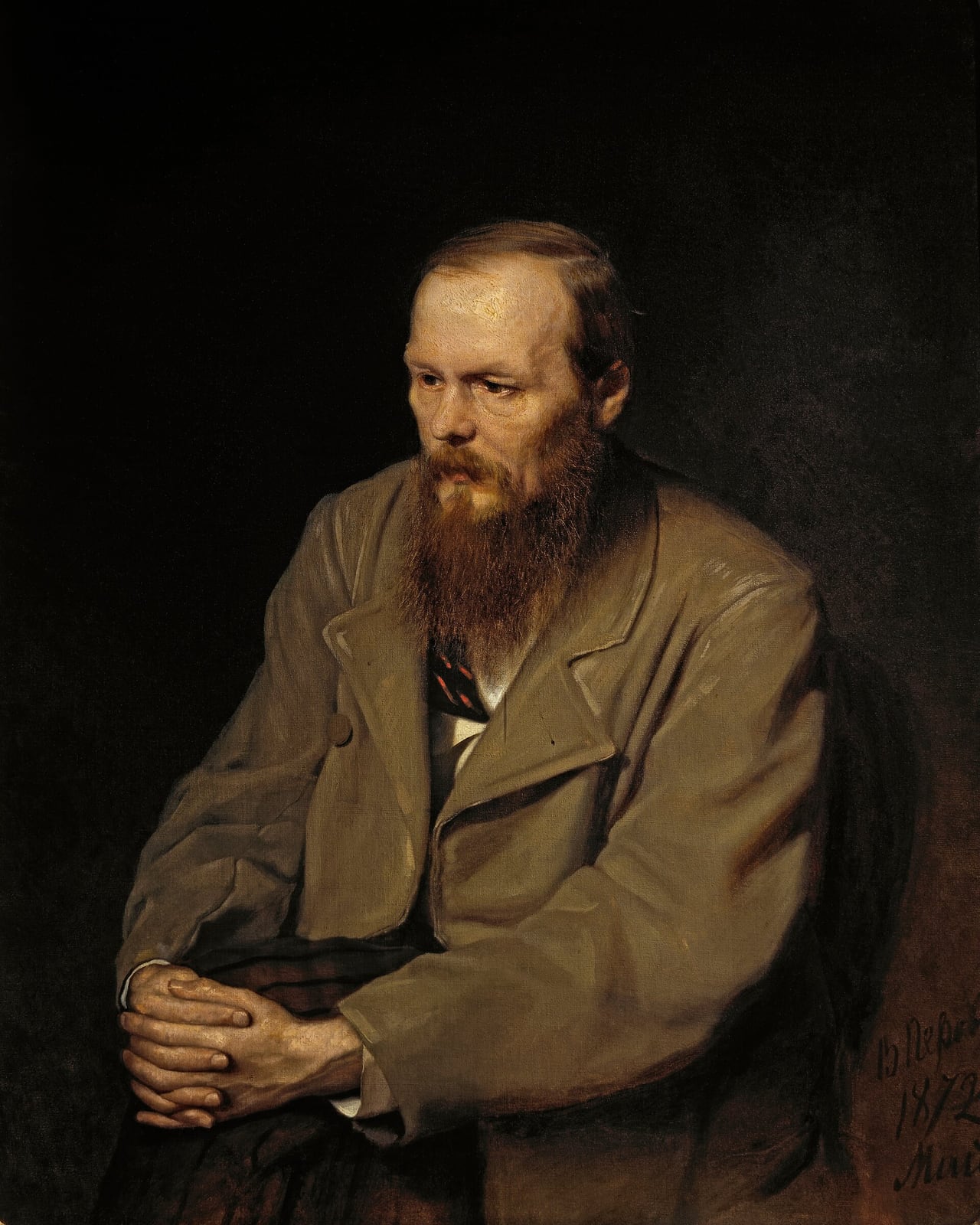
Fyodor Dostoevsky
Übereinstimmung bei: Was ist das Absolute? Gibt es Gott? · Wer bin ich? Gibt es ein wahres Selbst? · Warum leiden wir?

Theophan the Recluse
Übereinstimmung bei: Was ist das Absolute? Gibt es Gott? · Wer bin ich? Gibt es ein wahres Selbst? · Warum leiden wir?

Teresa of Ávila
Übereinstimmung bei: Was ist das Absolute? Gibt es Gott? · Wer bin ich? Gibt es ein wahres Selbst? · Warum leiden wir?

Julian of Norwich
Übereinstimmung bei: Was ist das Absolute? Gibt es Gott? · Wer bin ich? Gibt es ein wahres Selbst? · Warum leiden wir?
Denkt anders als

Patañjali
Widerspruch bei: Was ist das Absolute? Gibt es Gott? · Wer bin ich? Gibt es ein wahres Selbst? · Was geschieht nach dem Tod?

Nāgārjuna
Widerspruch bei: Was ist das Absolute? Gibt es Gott? · Wer bin ich? Gibt es ein wahres Selbst? · Was geschieht nach dem Tod?

Dōgen
Widerspruch bei: Was ist das Absolute? Gibt es Gott? · Wer bin ich? Gibt es ein wahres Selbst? · Was geschieht nach dem Tod?

Pema Chödrön
Widerspruch bei: Was ist das Absolute? Gibt es Gott? · Wer bin ich? Gibt es ein wahres Selbst? · Was geschieht nach dem Tod?
Anekdoten und Erzählungen
Anekdoten und Erzählungen
Belegtc. 1205–1206
The leper
Herkunft der Erzählung: Testament 1–3 (authentic text, Esser). The kiss of the leper comes from 2C 9 (Celano, 1246–1247) and the Legend of the Three Companions 11; the leper's disappearance only from the latter.
Quelle: Esser, Kajetan, O.F.M. Die Opuscula des hl. Franziskus von Assisi. Neue textkritische Edition. Grottaferrata: Collegium S. Bonaventurae ad Claras Aquas, 1976 (Spicilegium Bonaventurianum 13); editio minor: Opuscula sancti patris Francisci Assisiensis, 1978 (Bibliotheca Franciscana Ascetica Medii Aevi 12).
Hagiographische Erzählungc. 1205–1206
'Francis, go and repair my house'
Herkunft der Erzählung: 2C 10–11 (Celano, 1246–1247) and Legend of the Three Companions 13; absent from 1C (1229), which narrates only the repair (1C 18). Bonaventure incorporates it into the Major Legend 2:1.
Quelle: Armstrong, Regis J.; Hellmann, J. A. Wayne; Short, William J. (eds.). Francis of Assisi: Early Documents. 3 vols. e índice. Nueva York: New City Press, 1999–2002 (vol. 1, The Saint, ISBN 1565481100).
Zeugnis1206
Naked before the bishop
Herkunft der Erzählung: 1C 14–15 (Celano, 1229); Legend of the Three Companions 19–20; Major Legend 2:4. The words about 'Our Father' come from the Legend of the Three Companions.
Quelle: Armstrong, Regis J.; Hellmann, J. A. Wayne; Short, William J. (eds.). Francis of Assisi: Early Documents. 3 vols. e índice. Nueva York: New City Press, 1999–2002 (vol. 1, The Saint, ISBN 1565481100).
Belegt1219
Francis and the sultan
Herkunft der Erzählung: Jacques de Vitry, letter VI (1220) and Historia occidentalis 32; the chronicle of Ernoul; 1C 57 (1229). The ordeal by fire appears in the Major Legend 9:8 (Bonaventure, 1263). Overall study: Tolan (2009).
Quelle: Jacques de Vitry. Lettres de Jacques de Vitry (1160/1170–1240), évêque de Saint-Jean-d'Acre. Ed. R. B. C. Huygens. Leiden: Brill, 1960 (carta VI, 1220); y Historia occidentalis, cap. 32.
ZeugnisNavidad de 1223
The crib at Greccio
Herkunft der Erzählung: 1C 84–87 (Celano, 1229); Major Legend 10:7. The vision of the child is attributed to an anonymous witness.
Quelle: Armstrong, Regis J.; Hellmann, J. A. Wayne; Short, William J. (eds.). Francis of Assisi: Early Documents. 3 vols. e índice. Nueva York: New City Press, 1999–2002 (vol. 1, The Saint, ISBN 1565481100).
Hagiographische Erzählungc. 1213–1220
The sermon to the birds
Herkunft der Erzählung: 1C 58 (Celano, 1229); Major Legend 12:3; Little Flowers 16. The date is unknown.
Quelle: Armstrong, Regis J.; Hellmann, J. A. Wayne; Short, William J. (eds.). Francis of Assisi: Early Documents. 3 vols. e índice. Nueva York: New City Press, 1999–2002 (vol. 1, The Saint, ISBN 1565481100).
Hagiographische Erzählungsin fecha (relato del siglo XIV)
The wolf of Gubbio
Herkunft der Erzählung: Actus beati Francisci 23 (c. 1327–1337) and Little Flowers 21. None of the thirteenth-century biographies (Celano, Julian of Speyer, Three Companions, Bonaventure) mentions it.
Quelle: Vauchez, André. François d'Assise. Entre histoire et mémoire. París: Fayard, 2009. Trad. ingl.: Francis of Assisi. The Life and Afterlife of a Medieval Saint. New Haven: Yale University Press, 2012.
Umstrittenseptiembre de 1224
The wounds of La Verna
Herkunft der Erzählung: Autograph chartula with Brother Leo's rubric (Sacro Convento, Assisi); Elias's encyclical letter (authenticity debated); 1C 94–95; Major Legend 13. The Considerations on the Stigmata, added to the Little Flowers in the fourteenth century, amplify the account.
Quelle: Frugoni, Chiara. Francesco e l'invenzione delle stimmate. Una storia per parole e immagini fino a Bonaventura e Giotto. Turín: Einaudi, 1993.
Lehren
Lehren
Die Begriffe, die das Denken gliedern, in ihrem Zusammenhang erklärt.
Living 'without anything of one's own'sine-proprio
Twelfth- and thirteenth-century evangelical and poverty movements (Waldensians, Humiliati) within the monetary economy of the Italian communes.
Quelle: Esser, Kajetan, O.F.M. Die Opuscula des hl. Franziskus von Assisi. Neue textkritische Edition. Grottaferrata: Collegium S. Bonaventurae ad Claras Aquas, 1976 (Spicilegium Bonaventurianum 13); editio minor: Opuscula sancti patris Francisci Assisiensis, 1978 (Bibliotheca Franciscana Ascetica Medii Aevi 12).
Minority (being 'lesser')minoridad
Italian communal society and the spirituality of following the poor and humble Christ.
Quelle: Esser, Kajetan, O.F.M. Die Opuscula des hl. Franziskus von Assisi. Neue textkritische Edition. Grottaferrata: Collegium S. Bonaventurae ad Claras Aquas, 1976 (Spicilegium Bonaventurianum 13); editio minor: Opuscula sancti patris Francisci Assisiensis, 1978 (Bibliotheca Franciscana Ascetica Medii Aevi 12).
Kinship with creaturesfraternidad-de-las-criaturas
Thirteenth-century vernacular religious poetry; the psalms and the canticle of Daniel (Dan 3) as models of cosmic praise.
Quelle: Branca, Vittore. Il Cantico di frate Sole. Studio delle fonti e testo critico. Florencia: Olschki, 1950; reimpr. 1994 (ISBN 8822215222).
Doing penancehacer-penitencia
The lay penitential movement of the twelfth and thirteenth centuries and the Fourth Lateran Council (1215).
Quelle: Esser, Kajetan, O.F.M. Die Opuscula des hl. Franziskus von Assisi. Neue textkritische Edition. Grottaferrata: Collegium S. Bonaventurae ad Claras Aquas, 1976 (Spicilegium Bonaventurianum 13); editio minor: Opuscula sancti patris Francisci Assisiensis, 1978 (Bibliotheca Franciscana Ascetica Medii Aevi 12).
Perfect joyperfecta-alegria
The spirituality of dispossession and patience in Francis's writings.
Quelle: Armstrong, Regis J.; Hellmann, J. A. Wayne; Short, William J. (eds.). Francis of Assisi: Early Documents. 3 vols. e índice. Nueva York: New City Press, 1999–2002 (vol. 1, The Saint, ISBN 1565481100).
Following in the footprints of Christseguir-las-huellas
Medieval devotion to the humanity of Christ (Bernard of Clairvaux) and the spirituality of the 'vita apostolica'.
Quelle: Esser, Kajetan, O.F.M. Die Opuscula des hl. Franziskus von Assisi. Neue textkritische Edition. Grottaferrata: Collegium S. Bonaventurae ad Claras Aquas, 1976 (Spicilegium Bonaventurianum 13); editio minor: Opuscula sancti patris Francisci Assisiensis, 1978 (Bibliotheca Franciscana Ascetica Medii Aevi 12).
Videos
Videos
Aufnahmen, Gespräche und Dokumentarfilme. Die Videos werden von YouTube wiedergegeben; sie werden nicht hier gespeichert.
"Francis of Assisi: Lost Between Myth and History," Augustine Thompson, O.P.
Vortrag· EN· 2014· 63 min
Lumen Christi InstituteOffizieller Kanal
Poverty in the Church & St. Francis of Assisi - Augustine Thompson, OP
Vortrag· EN· 2015· 21 min
Dominican School of Philosophy & Theology (DSPT)Offizieller Kanal
St. Francis of Assisi: In His Own Words, by Larry Cunningham
Vortrag· EN· 2012· 60 min
McGrath Institute for Church Life (University of Notre Dame)Offizieller Kanal
The Death of St. Francis in 1226: Looking Back after 800 Years
Vortrag· EN· 2026· 39 min
Franciscan School of TheologyOffizieller Kanal
Spirituality of Francis and Clare of Assisi
Vortrag· EN· 2009· 77 min
Villanova UniversityOffizieller Kanal
How Francis of Assisi rejected wealth and found purpose
Dokumentarfilm· EN· 2026· 11 min
DW History and CultureOffizieller Kanal
San Francisco de Asís: la búsqueda de la verdad
Dokumentarfilm· ES· 2026· 11 min
DW EspañolOffizieller Kanal
El año de San Francisco
Dokumentarfilm· ES· 2026· 27 min
EWTN EspañolOffizieller Kanal
Cántico de las Criaturas de San Francisco de Asís. Cantado por Fr. Ángel Ramón Serrano García
Originalaufnahme· ES· 2020· 4 min
Franciscanos Santo Espíritu del Monte HospederíaOffizieller Kanal
Franz von Assisi - Der Grenzgänger | Doku HD | ARTE
Dokumentarfilm· DE· 2026· 87 min
ARTEdeOffizieller Kanal
François d'Assise - L'exigence de la foi | Documentaire | ARTE
Dokumentarfilm· FR· 2026· 87 min
ARTEOffizieller Kanal
Francesco d'Assisi | Documentario integrale | ARTE.tv Documentari
Dokumentarfilm· IT· 2026· 87 min
ARTE.tv DocumentariOffizieller Kanal
Il realismo di San Francesco | Massimo Cacciari | Basilica superiore di Assisi
Vortrag· IT· 2023· 70 min
Massimo Cacciari YouTubeOffizieller Kanal
Alessandro Baricco: il Testamento di San Francesco - Francesco, il Santo di tutti 04/10/2026
Analyse· IT· 2026· 7 min
RaiOffizieller Kanal
Galerie
Galerie
Bilder mit geprüfter Lizenz. Jedes bewahrt seine Urheberschaft und seinen Herkunftsnachweis.
Handschriften
Handschriften
Handschriftliche Zeugen und alte Texte, mit ihrer verwahrenden Einrichtung und ihren Einsichtsbedingungen.
LA · Latina (minúscula gótica de mano no profesional) · Septiembre de 1224, La Verna
Chartula fratri Leoni data (Laudes Dei altissimi; Benedictio fratri Leoni)
- Erhaltener Textzeuge
- Autógrafo en un pequeño pergamino
- Verwahrende Einrichtung
- Sacro Convento de San Francisco, Asís (capilla de las reliquias)
LA · Latina · c. 1220–1224
Epistola ad fratrem Leonem
- Erhaltener Textzeuge
- Autógrafo
- Verwahrende Einrichtung
- Catedral de Santa María de la Asunción, Espoleto
LA · Latina (gótica) · Mediados del siglo XIII
Codex Assisiensis 338
- Erhaltener Textzeuge
- Testimonio más antiguo del Cántico de las criaturas y de buena parte de los Opuscula
- Verwahrende Einrichtung
- Fondo antiguo de la Biblioteca del Sacro Convento (Biblioteca comunale), Asís · Assisi, cod. 338
LA · Latina (cancilleresca pontificia) · 29 de noviembre de 1223
Regula bullata con la bula «Solet annuere»
- Erhaltener Textzeuge
- Original de la bula de aprobación
- Verwahrende Einrichtung
- Sacro Convento de San Francisco, Asís
LA · Latina · 1232–1239 (copia de c. 1230–1250)
Thomas de Celano, Vita brevior
- Erhaltener Textzeuge
- Único testimonio conocido de la Vita brevior, identificado por Jacques Dalarun en 2014
- Verwahrende Einrichtung
- Bibliothèque nationale de France, París · nouv. acq. lat. 3245
Beziehungen
Beziehungen
Einflüsse, Schülerschaften und Verwandtschaften. Die belegte Beziehung wird von der durch Analyse ermittelten Ähnlichkeit unterschieden.
Beeinflusst von
The 1223 Rule defines the brothers' life as 'to observe the holy Gospel of our Lord Jesus Christ', and the 1221 Rule as following Christ's 'teaching and footprints'. The Testament attributes to divine revelation the decision to live 'according to the form of the holy Gospel'.
Belegte Beziehung
Beeinflusste
The unendowed poverty of Teresa's foundations was inspired by the Franciscan ideal through Peter of Alcántara, Franciscan reformer and Teresa's adviser. The relation is one of mediated reception, not contact.
Durch Analyse ermittelte Ähnlichkeit
Verwandte Gedanken mit
Francis's dispossession ('without anything of one's own', perfect joy) and John of the Cross's 'nada' share the intuition that the self must be emptied of every possession, even spiritual; John systematises it as the dark night.
Durch Analyse ermittelte Ähnlichkeit
Verwandte Gedanken mit
Eckhart's German Sermon 52 on the poor in spirit radicalises, in a speculative key, an inner poverty (to will nothing, know nothing, have nothing) that engages with the Franciscan poverty controversy of his time.
Durch Analyse ermittelte Ähnlichkeit
Verwandte Gedanken mit
Both celebrate creation as a place of God's presence (Hildegard's viriditas, the Canticle's kinship of creatures) from very different forms of religious life: the Benedictine abbey and mendicant itinerancy.
Durch Analyse ermittelte Ähnlichkeit
Von anderen Einträgen aus verknüpft
- John of the Cross · Verwandte Gedanken mit
- Simone Weil · Beeinflusst von
- Hildegard of Bingen · Verwandte Gedanken mit
- Catherine of Siena · Verwandte Gedanken mit
- Leo Tolstoy · Verwandte Gedanken mit
- Milarepa · Verwandte Gedanken mit
- Pierre Teilhard de Chardin · Verwandte Gedanken mit
- Ignatius of Loyola · Beeinflusst von
- Thomas à Kempis · Verwandte Gedanken mit
- Julian of Norwich · Verwandte Gedanken mit
- Shinran · Verwandte Gedanken mit
- Thomas Merton · Beeinflusst von
- Jesus of Nazareth · Beeinflusste
- Meister Eckhart · Verwandte Gedanken mit
- Augustine of Hippo · Verwandte Gedanken mit
- Teresa of Ávila · Beeinflusst von
- Baal Shem Tov · Verwandte Gedanken mit
- Ignatius Brianchaninov · Widersprach
Quellen
Quellen
Für diesen Eintrag herangezogene Bibliografie und Kataloge.
- Wikidata, Q676555 «Francis of Assisi» (P31=Q5; 139 enlaces entre wikis; P569 1182, P570 1226-10-03).
- Esser, Kajetan, O.F.M. Die Opuscula des hl. Franziskus von Assisi. Neue textkritische Edition. Grottaferrata: Collegium S. Bonaventurae ad Claras Aquas, 1976 (Spicilegium Bonaventurianum 13); editio minor: Opuscula sancti patris Francisci Assisiensis, 1978 (Bibliotheca Franciscana Ascetica Medii Aevi 12).
- Armstrong, Regis J.; Hellmann, J. A. Wayne; Short, William J. (eds.). Francis of Assisi: Early Documents. 3 vols. e índice. Nueva York: New City Press, 1999–2002 (vol. 1, The Saint, ISBN 1565481100).
- Guerra, José Antonio (ed.). San Francisco de Asís: Escritos, biografías, documentos de la época. Madrid: Biblioteca de Autores Cristianos (BAC 399), 1978; reed. 2003 (ISBN 8479146273).
- Vauchez, André. François d'Assise. Entre histoire et mémoire. París: Fayard, 2009. Trad. ingl.: Francis of Assisi. The Life and Afterlife of a Medieval Saint. New Haven: Yale University Press, 2012.
- Thompson, Augustine, O.P. Francis of Assisi: A New Biography. Ithaca: Cornell University Press, 2012.
- Frugoni, Chiara. Francesco e l'invenzione delle stimmate. Una storia per parole e immagini fino a Bonaventura e Giotto. Turín: Einaudi, 1993.
- Renoux, Christian. La prière pour la paix attribuée à saint François: une énigme à résoudre. París: Éditions franciscaines, 2001. Resumen del autor: «The Origin of the Peace Prayer of St. Francis», Franciscan Archive.
- Tolan, John. Saint Francis and the Sultan: The Curious History of a Christian-Muslim Encounter. Oxford: Oxford University Press, 2009.
- Branca, Vittore. Il Cantico di frate Sole. Studio delle fonti e testo critico. Florencia: Olschki, 1950; reimpr. 1994 (ISBN 8822215222).
- Dalarun, Jacques. «Thome Celanensis Vita beati patris nostri Francisci (Vita brevior)». Analecta Bollandiana 133 (2015), 23–86; y La Vie retrouvée de François d'Assise. París: Éditions franciscaines, 2015.
- Opuscula sancti patris Francisci Assisiensis sec. codices mss. emendata et denuo edita a PP. Collegii S. Bonaventurae. Quaracchi: Ex typographia Collegii S. Bonaventurae, 1904.
- Juan Pablo II. Litterae apostolicae «Inter sanctos» (29 de noviembre de 1979): S. Franciscus Assisiensis caelestis Patronus oecologiae cultorum eligitur.
- Open Library, registros de edición de las obras de Francisco de Asís y de sus fuentes (consultados por ISBN y por obra).
- Jacques de Vitry. Lettres de Jacques de Vitry (1160/1170–1240), évêque de Saint-Jean-d'Acre. Ed. R. B. C. Huygens. Leiden: Brill, 1960 (carta VI, 1220); y Historia occidentalis, cap. 32.
- Manselli, Raoul. San Francesco d'Assisi. Roma: Bulzoni, 1980 (trad. esp.: San Francisco de Asís, Oñati: Arantzazu, 1997).
- Francisco (papa). Carta encíclica Laudato si' sobre el cuidado de la casa común, 24 de mayo de 2015, n. 1 y 10–12.
- Wikisource (la, it, es): Testamentum, Regula bullata y non bullata, Epistola toti Ordini missa (la); Cantico di Frate Sole y Fioretti di San Francesco, ed. Antonio Cesari (it); Cántico de las criaturas (es).
- Rechteinhaber
- Dominio público (escritos del siglo XIII). Las ediciones críticas (Esser, Paolazzi), traducciones y aparatos modernos están sujetos a los derechos de sus editores (BAC, New City Press, Paulist Press, Éditions du Cerf, Editrici Francescane, Butzon & Bercker…). Los autógrafos y el códice 338 los custodian el Sacro Convento de Asís y la catedral de Espoleto.
- Offizielle Website
- www.sanfrancescoassisi.org/
Bestätigung ausstehend
Was dieser Eintrag noch nicht klären konnte. Wir sagen es lieber, als es aufzufüllen.
- Añadir con ISBN la edición crítica de Carlo Paolazzi (Francisci Assisiensis Scripta, Grottaferrata, 2009) y la edición española de Fonti/Escritos de Editorial Arantzazu: no se han localizado en Open Library.
- Identificar al traductor de la versión española del Cántico en Wikisource (es) para poder retirar la marca de precaución.
- Confirmar la fecha de muerte de A. G. Ferrers Howell (traductor de Celano, 1908) y el traductor de la edición Dent de 1904 de la Leyenda mayor (¿E. Gurney Salter?) para la sala de lectura.
- Localizar digitalizaciones oficiales del códice 338 de Asís y del manuscrito de la Vita brevior (BnF, nouv. acq. lat. 3245): no se ha querido inventar una URL.
- Las fechas de subida de los vídeos se han deducido de la fecha relativa que muestra YouTube; conviene fijarlas si se necesitan exactas.
- Programas de afiliación: ninguno verificado para las editoriales listadas.
Recherchiert am 2026-10-25