Buddhismus · Mahayana · Zen / Chan
Hakuin Ekaku
白隠慧鶴 · はくいん えかく
1686 – 1769Historisch belegte Person
Japanischer Zen-Mönch der Edo-Zeit, der als Erneuerer der Rinzai-Schule gilt: Alle ihre heutigen Linien gehen auf ihn zurück. Er systematisierte die Kōan-Praxis, schuf das Kōan vom „Klang der einen Hand“, bestand auf der Übung nach dem Erwachen und auf dem Gelübde, für andere zu wirken, schrieb für Mönche auf Chinesisch und für Bauern in schlichtem Japanisch und hinterließ Tausende von Gemälden und Kalligraphien, die ihn unter die großen Künstler seiner Zeit stellen.
- Werke
- 31Werke
- Ausgaben
- 45Ausgaben
- Zitate
- 5Zitate
- Videos
- 11Videos
- Bilder
- 5Bilder
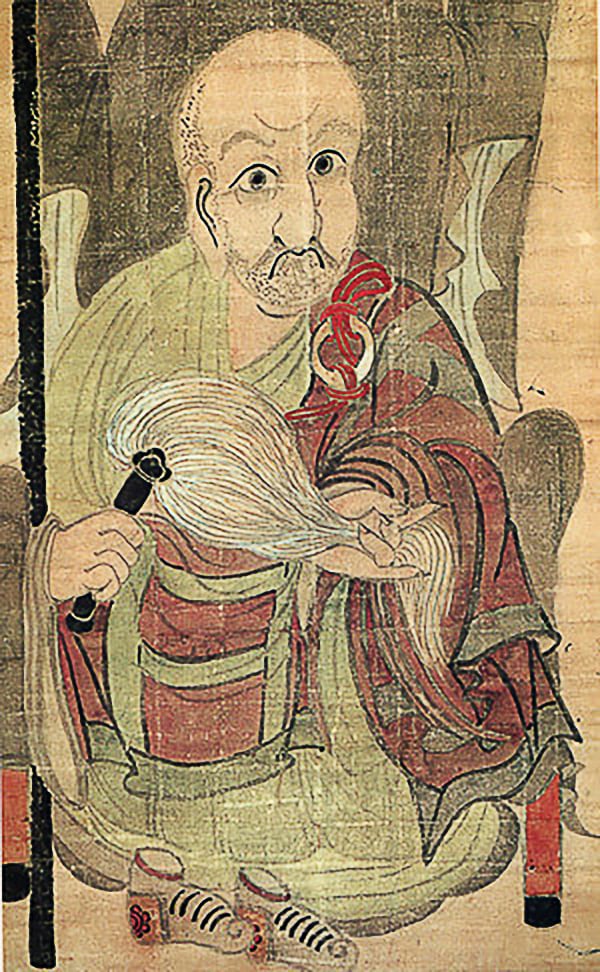
Autorretrato de Hakuin (1767) · Public domain
In eigenen Worten
«Beings are buddha from the beginning, like water and ice: without water there is no ice, and outside beings there is no buddha.»Zazen wasan, versos iniciales. Traducción propia del japonés.
Der zentrale Gedanke
Initial awakening (kenshō) is not the end but the beginning: what is decisive is the practice that follows, which consists in working for the good of others with the bodhisattva's four great vows.
Im Zusammenhang sehen
Biografie
5 Min. Lesezeit
Unterstützte Übersetzung aus dem spanischen Original, Durchsicht durch einen muttersprachlichen Übersetzer ausstehend.
Der Mönch von Hara
„Zwei Dinge hat Suruga, die zu groß für es sind: den Berg Fuji und den Hakuin von Hara.“ Das Sprichwort, das man in Japan noch heute zitiert, fasst das Paradox des Hakuin Ekaku zusammen: Der Erneuerer des Rinzai-Zen, der Mann, auf den heute sämtliche Linien dieser Schule zurückgehen, verbrachte fast sein ganzes Leben in einem armen Tempel eines Poststationsdorfs an der Tōkaidō-Straße, am Fuß des Fuji. Anders als über Śāntideva oder Huineng wissen wir über ihn viel, und vieles davon wissen wir von ihm selbst: Er schrieb unermüdlich, vor allem in seinen letzten fünfzehn Jahren, und hinterließ eine Autobiographie, Itsumadegusa, die sein Schüler Tōrei um eine Chronologie ergänzte. Doch auch er erzählte sein Leben als Lehrstück, und die Forschung hat gelernt, es mit derselben Vorsicht zu lesen wie die Hagiographien.
Die Angst vor der Hölle
Er wurde am 19. Januar 1686 in Hara in der Provinz Suruga geboren, als dritter Sohn der Nagasawa, einer Kaufmannsfamilie der Poststation; als Kind hieß er Iwajirō. Seine Mutter war eine fromme Anhängerin der Nichiren-Schule, und Hakuin selbst erzählte, dass ihn als Kind eine Predigt über die brennenden Höllen mit einem Schrecken erfüllt habe, der ihn nicht mehr losließ: Das heiße Bad erinnerte ihn an die Flammen. Mit fünfzehn Jahren erlaubten ihm die Eltern, im Shōin-ji, dem Zen-Tempel des Dorfes, Mönch zu werden, wo der Abt Tanrei ihm den Namen Ekaku gab. Die Lektüre des Lotos-Sutra, das seine Nichiren-Lehrer verehrten, enttäuschte ihn: Es erschien ihm als eine Sammlung von Gleichnissen über Ursache und Wirkung.
Wanderjahre
Die folgenden Jahre waren Jahre der Krise und der Reisen. Im Zensō-ji las er mit neunzehn, dass der große chinesische Meister Yantou schreiend unter den Händen von Räubern gestorben war, und verlor den Glauben, dass das Zen ihn vor der Hölle retten könne; er widmete sich daraufhin der Dichtung und der Kalligraphie. Zur Praxis zurück führte ihn ein Buch, das er aufs Geratewohl aus einem Stapel von Bänden zog, die in einem Hof gelüftet wurden: eine chinesische Anthologie aus der Ming-Zeit über die Anstrengungen der alten Meister, in der ein Mönch sich einen Pfriem in den Oberschenkel stach, um nicht einzuschlafen. 1708 im Eigan-ji von Takada in Echigo, nach Tagen der Arbeit am Kōan Mu des Zhaozhou, löste der ferne Klang einer Glocke in ihm ein so heftiges Erwachen aus, dass er glaubte, seit dreihundert Jahren habe niemand dergleichen erlebt. Sein Hochmut währte nicht lange: Der Einsiedler Dōkyō Etan, der „Alte von Shōju“, schalt ihn einen „Zen-Mönch, der in seinem Loch hockt“, stieß ihn von der Veranda seiner Klause in Iiyama und gab ihm schwierige Kōan. Hakuin blieb nur acht Monate bei ihm, sah in ihm aber schließlich seinen wahren Meister.
Die Zen-Krankheit
Die maßlose Anstrengung machte ihn krank. In Yasenkanna, 1757 veröffentlicht, beschrieb er eine „Zen-Krankheit“ – Hitze im Kopf, Kälte in den Beinen, Angst, Schlaflosigkeit –, von der ihn ein daoistischer Einsiedler aus den Hügeln von Kyōto, Hakuyū, mit zwei Techniken geheilt habe: der inneren Betrachtung (naikan), die die Lebensenergie in den Unterbauch lenkt, und der Vorstellung eines Butterballs, der vom Scheitel abwärts schmilzt. Das Buch hatte unter Laien gewaltigen Erfolg und wird bis heute nachgedruckt. Die Forschung liest es allerdings als literarische Komposition, in der Hakuin medizinisches Wissen und Meditationspraktiken seiner Zeit unter der Gestalt eines Bergweisen versammelte.
Der Tempel und die Grille
1716 kehrte er in den Shōin-ji zurück, einen fast verfallenen Tempel, und 1718 ließ er sich mit dem niedrigsten Rang eines „ersten Mönchs“ des Myōshin-ji als Abt eintragen; um diese Zeit nahm er den Namen Hakuin an, „verborgen im Weißen“. Er sollte den Tempel nicht mehr verlassen. Das Erwachen, das er für endgültig hielt, kam 1726, in seinem zweiundvierzigsten Lebensjahr nach japanischer Zählung: Als er nachts das Kapitel über die Gleichnisse im Lotos-Sutra las, dem Text, den er in seiner Jugend verachtet hatte, hörte er eine Grille und begriff mit einem Schlag, was Shōju ihm hatte sagen wollen. Das persönliche Erwachen genügt nicht: Worauf es ankommt, ist die „Übung nach dem Satori“, der Geist des Erwachens, der zum Wohl der anderen wirkt. Fortan stand das Bodhisattva-Gelübde im Mittelpunkt seiner Lehre.
Lehrer von Mönchen und Bauern
In den Shōin-ji kamen nun Mönche aus ganz Japan, die in Häusern und Tempeln der Umgebung unterkamen. 1740 versammelten seine Vorlesungen über die Aussprüche des chinesischen Meisters Xutang mehrere hundert Zuhörer und gingen in das Sokkōroku kaien-fusetsu ein. Hakuin bekämpfte das „Zen des Nichtstuns“, die leere Stille, die er vielen Meistern seiner Zeit vorwarf, und systematisierte die Kōan-Praxis; in seinen letzten Jahren erfand er sein eigenes Kōan: „Höre den Klang der einen Hand“, das er für wirksamer hielt als das Mu, um den großen Zweifel hervorzurufen. Zugleich wandte er sich in schlichtem Japanisch an die einfachen Leute: mit Briefen an Feudalherren über gute Regierung wie Hebiichigo, mit Predigten für Frauen und Bauern, mit Mühlen- und Wiegenliedern und mit dem Zazen wasan, dem Hymnus auf die Sitzmeditation, den die Rinzai-Tempel noch heute täglich rezitieren.
Der Maler mit sechzig
Mit etwa sechzig Jahren begann er ernsthaft zu malen, und er tat es mit einer Freiheit, die in der Zen-Malerei ohne Vorbild ist. Man schreibt ihm Tausende von Werken zu: Bildnisse des Bodhidharma mit hervorquellenden Augen, Hotei-Figuren mit dem Sack, Kannon, volkstümliche Szenen, Karikaturen seiner selbst und große kalligraphische Schriftzeichen wie „Tod“ oder „Tugend“. Es waren keine Sammlerobjekte, sondern gemalte Predigten, die er seinen meist analphabetischen Besuchern schenkte. Sein bewusst unbeholfener Pinselstrich, den Yoshizawa Katsuhiro untersucht und Inschrift für Inschrift entziffert hat, beeinflusste spätere exzentrische Maler und hat Hakuin für die Museen des 21. Jahrhunderts zu einem der großen Künstler der Edo-Zeit gemacht.
Das Erbe
Er starb im Shōin-ji am elften Tag des zwölften Monats im fünften Jahr der Ära Meiwa, am 18. Januar 1769, nach japanischer Zählung im Alter von vierundachtzig Jahren. Der Kaiser verlieh ihm im selben Jahr den Titel Shinki Dokumyō Zenji und 1884 den Titel Shōshū Kokushi. Eine förmliche Dharma-Übertragung erhielt er nie, was in einer so auf Linien bedachten Schule fast einer Häresie gleichkommt; doch seine Schüler, vor allem Tōrei Enji und über ihn Gasan Jitō und dessen Erben Inzan und Takuju, ordneten das Kōan-Curriculum, dem heute alle Rinzai-Zweige folgen. Durch D. T. Suzuki und Yasutani Hakuun gelangte sein Beharren auf dem Kenshō in das westliche Zen des 20. Jahrhunderts.
Quellen: Hakuin Ekaku. Wild Ivy: The Spiritual Autobiography of Zen Master Hakuin (Itsumadegusa). Trad. Norman Waddell. Boston: Shambhala, 1999. ISBN 1570624356. · Yampolsky, Philip B. (trad.). The Zen Master Hakuin: Selected Writings. Nueva York: Columbia University Press, 1971. ISBN 0231034636. · Waddell, Norman (trad.). The Essential Teachings of Zen Master Hakuin: A Translation of the Sokkō-roku Kaien-fusetsu. Boston: Shambhala, 1994. ISBN 0877739722. · Seo, Audrey Yoshiko y Stephen Addiss. The Sound of One Hand: Paintings and Calligraphy by Zen Master Hakuin. Boston: Shambhala, 2010. ISBN 1590305787. · Yoshizawa Katsuhiro. The Religious Art of Zen Master Hakuin. Ed. y trad. Norman Waddell. Berkeley: Counterpoint, 2009. ISBN 9781582434544.
Zeitleiste
Das Leben, Jahr für Jahr
Jeder Punkt ist ein belegtes Ereignis. Klicken Sie, um es mit Quelle und Grad der Gewissheit zu lesen.
19. Januar 16860 JahreHara (Numazu, Shizuoka)
Birth at Hara
Born on 19 January (25th day of the 12th month of Jōkyō 2) at Hara, Suruga province, into the Nagasawa family; his childhood name is Iwajirō.
BelegtKotobank, «白隠» (artículos de Nihon daihyakka zensho, Sekai daihyakka jiten y Britannica Kokusai daihyakka jiten).
Nach dem Tod
- 1884Title Shōshū Kokushi
- 2010 – 2011“The Sound of One Hand” exhibition
19. Januar 1686 · 0 Jahre
Birth at Hara
Born on 19 January (25th day of the 12th month of Jōkyō 2) at Hara, Suruga province, into the Nagasawa family; his childhood name is Iwajirō.
Belegt
1700 · 14 Jahre
Ordination at the Shōin-ji
At fifteen (Japanese count) he becomes a monk under abbot Tanrei Soden, who gives him the name Ekaku.
Belegt
um 1704
Crisis at the Zensō-ji and return to practice
The story of Yantou's violent death makes him lose faith; reading a Ming anthology on the masters' efforts brings him back to practice.
Belegt
1708
Awakening at the Eigan-ji and meeting with Shōju
The sound of a bell brings his first great awakening with the kōan mu; he then spends eight months with Dōkyō Etan at Iiyama.
Belegt
1710
Hakuyū and the Zen sickness
According to Yasenkanna, he visits the hermit Hakuyū at Shirakawa (Kyoto) to be cured; the account is partly literary.
Umstritten
1716
Return to the Shōin-ji
He returns to his village temple, almost in ruins, from which he will never again part.
Belegt
1718
Abbot and new name: Hakuin
He registers as abbot with the rank of “first monk” of the Myōshin-ji and adopts the name Hakuin, “hidden in white”.
Belegt
1726
The cricket and the Lotus Sūtra
Definitive awakening reading the third chapter of the Lotus Sūtra: post-satori practice and bodhicitta move to the centre of his teaching.
Belegt
1740
Lectures on Xutang's record
Several hundred monks attend his talks at the Shōin-ji, published as Sokkōroku kaien-fusetsu.
Belegt
1749
Orategama
He publishes the letters of Orategama; his most prolific period as a writer in Japanese for lay people begins.
Belegt
um 1753
The sound of one hand
He presents his own kōan in writing, which he prefers to mu for beginners.
Wahrscheinlich
1757
Publication of Yasenkanna
Yasenkanna, his most widely circulated book, appears in Kyoto.
Belegt
um 1758
Founding of the Ryūtaku-ji
He restores as founder the Ryūtaku-ji temple near Mishima, to be headed by Tōrei; sources give 1758 or 1763.
Umstritten
1766
Itsumadegusa
At eighty he writes his spiritual autobiography.
Belegt
18. Januar 1769 · 83 Jahre
Death at the Shōin-ji
He dies on 18 January (11th day of the 12th month of Meiwa 5) aged eighty-four (Japanese count). That year he receives the posthumous title Shinki Dokumyō Zenji.
Belegt
1884
Title Shōshū Kokushi
Emperor Meiji grants him the title Shōshū Kokushi, “national master of the true school”.
Belegt
2010 – 2011
“The Sound of One Hand” exhibition
The Japan Society in New York (2010) and LACMA (2011) present the first major Western show of his painting and calligraphy.
Belegt
Werke
Grundlegende Werke
Die Werke, ohne die sich das Vermächtnis nicht verstehen lässt.
Hakuin Ekaku
The Embossed Tea Kettle (Orategama)
Briefwechsel · 1749
The Embossed Tea Kettle (Orategama)
遠羅天釜 (Orategama) y 遠羅天釜続集 (Orategama zokushū)
Letter-treatises on practice in the midst of activity, meditation on the kōan, the naikan remedy for Zen sickness and the relation between Zen and invoking Amida's name. The title, “embossed tea kettle”, alludes to a rough, useful object. It is the classic gateway to his teaching for lay people.
4 Ausgaben · amazon.com
Hakuin Ekaku
Idle Talk on a Night Boat (Yasenkanna)
Schriftliches Werk · 1757
Idle Talk on a Night Boat (Yasenkanna)
夜船閑話 (Yasenkanna)
An account of the young Hakuin's “Zen sickness” and its cure through inner contemplation (naikan), which brings the vital energy down to the lower belly, and the butter-egg method. It blends Chinese medicine, Daoism and Zen; it was his most widely read book among lay people and still circulates as a health manual.
4 Ausgaben · amazon.com

Schriftliches Werk · 1766
Wild Ivy (Itsumadegusa)
壁生草 (Itsumadegusa)
A first-person account of his childhood fear of hell, the Zensō-ji crisis, the awakening of 1708, the months with Shōju, the Zen sickness and the definitive awakening. It is the main source for his biography and at the same time a teaching piece: every episode is chosen to exhort the reader.
3 Ausgaben · amazon.com
Hakuin Ekaku
Song in Praise of Zazen (Zazen wasan)
Schriftliches Werk
Song in Praise of Zazen (Zazen wasan)
白隠禅師坐禅和讃 (Hakuin Zenji zazen wasan)
It begins “all beings are buddha from the beginning, like water and ice” and ends “this very place is the lotus land, this very body is the buddha”. It sums up Hakuin's doctrine in some forty lines and is the text recited daily in Rinzai temples in Japan and in many Western Zen centres.
2 Ausgaben · amazon.com

Spätere Zusammenstellung · um 1719
Painting and calligraphy
白隠禅画墨蹟 (Hakuin zenga bokuseki)
Portraits of Bodhidharma, Hotei, Kannon and ancient masters, self-portraits, popular scenes and caricatures, and large characters—“death”, “virtue”, “the sound of one hand”—with inscriptions that are themselves sermons. Given to visitors and patrons, they are now kept in temples (Ryūtaku-ji, Shōin-ji, Eisei Bunko) and in museums worldwide.
4 Ausgaben · amazon.com
Das gesamte Werk (31)
Hakuin Ekaku
The Sound of One Hand (Sekishu onjō)
The Conscious LibraryThe Sound of One Hand (Sekishu onjō)
1753

Introductory Talks on the Record of Sokkō (Sokkōroku kaien-fusetsu)
1743
Hakuin Ekaku
Poison Blossoms from a Thicket of Thorn (Keisō dokuzui)
The Conscious LibraryPoison Blossoms from a Thicket of Thorn (Keisō dokuzui)
1758
Hakuin Ekaku
Words from the Land of Kaian (Kaiankokugo)
The Conscious LibraryWords from the Land of Kaian (Kaiankokugo)
1750

Poison Words on the Heart Sūtra (Dokugo shingyō)
Hakuin Ekaku
An Icchantika's Notes on the Poems of Hanshan
The Conscious LibraryAn Icchantika's Notes on the Poems of Hanshan
1746
Hakuin Ekaku
Treasure Left to the Cold Forest (Kanrin ihō)
The Conscious LibraryTreasure Left to the Cold Forest (Kanrin ihō)
Hakuin Ekaku
Reflections Left by the Precious Mirror (Hōkan ishō)
The Conscious LibraryReflections Left by the Precious Mirror (Hōkan ishō)
Hakuin Ekaku
Spear Flower (Yabukōji)
The Conscious LibrarySpear Flower (Yabukōji)
1753
Hakuin Ekaku
Snake Strawberries (Hebiichigo)
The Conscious LibrarySnake Strawberries (Hebiichigo)
1754
Hakuin Ekaku
Thistle (Oniazami)
The Conscious LibraryThistle (Oniazami)
1751
Hakuin Ekaku
Goosegrass (Yaemugura)
The Conscious LibraryGoosegrass (Yaemugura)
1759
Hakuin Ekaku
Sashimogusa
The Conscious LibrarySashimogusa
Hakuin Ekaku
Miraculous Tales of the Ten-Phrase Kannon Sūtra
The Conscious LibraryMiraculous Tales of the Ten-Phrase Kannon Sūtra
Hakuin Ekaku
Kana Sermons on Causes and Conditions
The Conscious LibraryKana Sermons on Causes and Conditions
Hakuin Ekaku
Kana Goosegrass (Kanamugura)
The Conscious LibraryKana Goosegrass (Kanamugura)
Hakuin Ekaku
Tales of Spurring On for Beginners
The Conscious LibraryTales of Spurring On for Beginners
Hakuin Ekaku
Record of the Filial Piety of Takatsuka's Fourth Daughter
The Conscious LibraryRecord of the Filial Piety of Takatsuka's Fourth Daughter
Hakuin Ekaku
The Tale of Heishirō of Ihara and Other Tales
The Conscious LibraryThe Tale of Heishirō of Ihara and Other Tales

Record of the Precious Mirror Cave
Hakuin Ekaku
Grinding songs, lullabies, weeding songs and riddles
The Conscious LibraryGrinding songs, lullabies, weeding songs and riddles
Hakuin Ekaku
Letters
The Conscious LibraryLetters
Hakuin Ekaku
Rōhatsu Exhortations
The Conscious LibraryRōhatsu Exhortations
Hakuin Ekaku
Secret Notes on the Blue Cliff Record
The Conscious LibrarySecret Notes on the Blue Cliff Record
1916
Zitate
Zitate, die in einem bestimmten Werk nachgewiesen sind. Jedes trägt seine Herkunft und seinen Grad an Verlässlichkeit.
Beings are buddha from the beginning, like water and ice: without water there is no ice, and outside beings there is no buddha.衆生本来仏なり 水と氷の如くにて 水を離れて氷なく 衆生の外に仏なし
GeprüftZazen wasan, versos iniciales. Traducción propia del japonés.
Wesentliche Gedanken (redaktionelle Zusammenfassung)
Aus Achtung vor dem Urheberrecht werden diese Gedanken mit eigenen Worten zusammengefasst und nicht als wörtliche Zitate dargestellt.
- Initial awakening (kenshō) is not the end but the beginning: what is decisive is the practice that follows, which consists in working for the good of others with the bodhisattva's four great vows.
- The great doubt is the engine of Zen: the kōan serves to accumulate it until it bursts; the greater the doubt, the greater the awakening.
- Empty quietude is not Zen: sitting without doing anything, without doubt or effort, is dozing; true practice is sustained in the midst of activity.
- Body and mind are not separate: whoever forces meditation falls ill, and the vital energy must settle in the lower belly for practice to be sustainable.
- All beings are buddha from the beginning: the problem is not arriving but ceasing to seek far away what is near.
Apokryphe Zitate oder Zitate umstrittener Zuschreibung (1)
«“Is that so?” (the story of the pregnant girl and the child)»
The reply “Is that so?” Hakuin supposedly gave when falsely accused of fathering a child is his best-known saying in the West, but it comes from 101 Zen Stories (Senzaki and Reps, 1939) and has not been found in his writings or in Tōrei's chronology.
Letzte Worte
Es gibt keine überprüfbaren Aufzeichnungen der letzten Worte.
No reliable record of his last words was found in the sources consulted. He died at the Shōin-ji on the eleventh day of the twelfth month of Meiwa 5 (18 January 1769). A large calligraphy of the character 死 (“death”) with an inscription circulates as his “death poem”, but it is a teaching work whose connection with his deathbed is undocumented; a New Year verse from his last months, thanking the sound-of-one-hand kōan for his longevity, is also quoted.
Quelle: Kotobank, «白隠» (artículos de Nihon daihyakka zensho, Sekai daihyakka jiten y Britannica Kokusai daihyakka jiten).
Fragen
Was das Werk beantwortet
Zwölf große Fragen der Menschheit und was sich aus den Texten darauf antworten lässt, mit Belegen. Wir legen niemandem Worte in den Mund.
Was ist das Absolute? Gibt es Gott?
Beings are buddha from the beginning; there is nothing to seek outside
Kein SchöpfergottAusdrücklich gesagt
Hakuin does not speculate about a creator. His hymn in praise of seated meditation, the Zazen wasan, opens with the formula that sums up his position: beings are buddha from the beginning, like water and ice, and apart from beings there is no buddha. The ultimate is not a separate being to be addressed, but one's own nature, which is to be seen (kenshō); the hymn compares whoever seeks it far away to someone standing in water and crying out with thirst. Hakuin also preached to lay devotees of Kannon and Amida and did not despise those devotions, but in the letters gathered in Orategama he places them within the same path: invocation is worthwhile if it leads to seeing one's own nature.
Diese Frage mit anderen Meistern vergleichenWer bin ich? Gibt es ein wahres Selbst?
To see one's own nature is to see that this nature is no nature
Es gibt kein bleibendes SelbstAusdrücklich gesagt
Hakuin speaks constantly of seeing one's own nature (kenshō) and of the original face, which might suggest a hidden true self. But his Zazen wasan specifies that when one turns inwards and bears witness to one's own nature, that nature turns out to be no nature at all: the gate then opens in which cause and effect are one. What is found is not a substantial subject but the identity of beings with the buddha, like water and ice. In the Yasenkanna he gives that expression a bodily sense: the lower belly, the waist, the legs and the soles of the feet are the original face. The self to be broken through is the one that clings; what remains is not another self.
Diese Frage mit anderen Meistern vergleichenWarum leiden wir?
We wander through the six realms through the darkness of our own ignorance
Unwissenheit über das, was wir sindAusdrücklich gesagt
Hakuin's Zazen wasan puts it in an image: beings, not knowing that the buddha is near, seek it far away, like someone in water crying out with thirst, or like the son of a rich man lost among the poor. The cause of circling through the six realms of rebirth is the darkness of one's own ignorance, and from darkness into darkness the path goes on. We suffer, then, because we do not see what we already are. Hakuin also knew another suffering, which he recounts in the Yasenkanna and in Itsumadegusa: the «Zen sickness», physical and nervous exhaustion caused by forced practice, which he cured with the inward contemplation that brought energy down to the lower belly.
Diese Frage mit anderen Meistern vergleichenWas geschieht nach dem Tod?
One must die the great death on the cushion to stop fearing the other
Jeden Tag dem Bekannten sterbenAus der Lehre abgeleitet
Death shaped Hakuin's vocation. In Itsumadegusa he tells how as a child, on hearing a sermon about the hells, he was terrified and sought in religious life a way to escape them. His mature answer is not a description of the hereafter but kōan practice, which leads to great doubt until the practitioner, as the traditional formula he makes his own says, finds under great doubt the great awakening. The Zen tradition calls that breakthrough the «great death»: the end of the clinging self, here and now. Hakuin, who painted and brushed the character «death», presented the urgency of death as the driving force of practice, without abandoning the framework of the six realms that the Zazen wasan takes for granted.
Diese Frage mit anderen Meistern vergleichenWie erlangt man Befreiung oder Erlösung?
Under great doubt lies great awakening, and practice continues after it
Durch disziplinierte ÜbungAusdrücklich gesagt
Hakuin teaches a path of intense effort centred on the kōan. The practitioner must concentrate on a case, Zhaozhou's mu or the one he himself devised, the sound of one hand, until great doubt forms, a mass of perplexity that absorbs the whole mind; under great doubt lies great awakening, he repeats, with a formula he makes his own. In Sekishu onjō he explains why he prefers his kōan for arousing that doubt in beginners. But kenshō is not the end: Hakuin insists on the practice that follows awakening, which deepens understanding and turns it into compassion, and he fiercely attacks the Zen of quietude that settles for a state of calm.
Diese Frage mit anderen Meistern vergleichenBraucht es einen Lehrer?
He thought he had awakened until his teacher showed him otherwise
UnverzichtbarAusdrücklich gesagt
Hakuin learned the need for a teacher at first hand. In Itsumadegusa he tells how after his first awakening, in 1708, he thought himself the greatest practitioner in three hundred years, until old Shōju, with whom he spent a few months, dismantled his pride with mockery, blows and kōans he could not resolve. From then on he considered it indispensable for awakening to be tested by an authentic teacher, and criticised those who considered themselves realised without that verification. In Kaiankokugo he champions the line of transmission of Daiō, Daitō and Kanzan as authentic Japanese Zen, to which he tied his own teaching. He trained many disciples, and his kōan system, transmitted from teacher to disciple, is still in use in Rinzai.
Diese Frage mit anderen Meistern vergleichenIst die Welt wirklich?
This very place is the lotus land; this very body is the buddha
Offenbarung des GöttlichenAusdrücklich gesagt
Hakuin does not deny the world in order to seek another. His Zazen wasan ends with the formula that condenses his vision: this very place is the lotus land and this very body is the buddha. The Pure Land is not elsewhere, and the world of confusion, seen from awakening, turns out to be the same one in which the way is realised. The hymn prepares this by affirming that when one bears witness to one's own nature, which is no-nature, the gate opens in which cause and effect are one, and the form of no-form is taken as form. Hakuin made that affirmation of the everyday world part of his teaching to lay people, with popular songs, paintings and stories that carry the doctrine into daily life.
Diese Frage mit anderen Meistern vergleichenWas ist Liebe?
Awakening is proved in compassion: practice continues to save others
Grenzenloses MitgefühlAus der Lehre abgeleitet
For Hakuin, kenshō that stays within oneself is incomplete. He insists on post-awakening practice, whose meaning is the bodhisattva mind: working tirelessly for the good of all beings. His own life shows it. He devoted his last decades to teaching monks and lay people with means within anyone's reach: paintings, calligraphy, songs for grinding grain and lullabies. In Hebiichigo he addresses rulers to warn them about greed, luxury and the suffering of peasants, and in Yabukōji he defends meditation for those who govern. Compassion is for him not a feeling but the necessary consequence of having seen one's own nature.
Diese Frage mit anderen Meistern vergleichenSind wir frei, oder ist alles vorherbestimmt?
Karma is real, but awakening opens the gate where cause and effect are one
Karma und WahlAus der Lehre abgeleitet
Hakuin wrote no treatise on freedom, but his teaching takes the framework of karma for granted and uses it for moral ends. His childhood terror of hell, which he recounts in Itsumadegusa, arose from a sermon on the consequences of actions, and in his stories for lay people, such as that of the filial piety of the Takatsuka daughter, he extols virtue and warns against evil. At the same time, the Zazen wasan presents awakening as the moment when the gate opens in which cause and effect are one, and the path of karma ceases to bind. Freedom does not consist in escaping causality but in realising it awake; and getting there requires the determined effort of practice.
Diese Frage mit anderen Meistern vergleichenWozu meditieren oder beten?
Concentrate on the kōan until great doubt bursts open
Zur Quelle des Ich zurückkehrenAusdrücklich gesagt
For Hakuin, meditation is not stillness but intense inquiry. The practitioner takes a kōan, Zhaozhou's mu or the sound of one hand, and holds it at the centre of attention, seated or in the midst of any activity, until great doubt forms: a total perplexity in which the questioner and the question fuse. When that mass breaks apart, one sees one's own nature. Hakuin fiercely attacked the Zen of quietude that is content with a state of calm, and in Orategama he holds that practice in the midst of activity is worth far more than practice in repose. For the practitioner's health he also prescribed naikan, a contemplation that brings energy down to the lower belly.
Diese Frage mit anderen Meistern vergleichenKann die Vernunft das Letzte erkennen?
Intellect does not reach it: it must be broken in great doubt
Das Letzte liegt jenseits des VerstandesAusdrücklich gesagt
Hakuin knew the texts well: he read and commented on the Chinese masters, wrote in classical Chinese and glossed the Heart Sutra and the Blue Cliff Record. But his method starts from the premise that discursive understanding does not reach one's own nature. The kōan, especially the sound of one hand, is built so that reason cannot solve it: the practitioner must exhaust his resources until great doubt forms and, when it breaks, a direct knowing appears. In Dokugo shingyō he comments on the Heart Sutra with biting remarks that do not explain but shake the reader. Study has its place, but subordinate to the experience of awakening and to its testing by the teacher.
Diese Frage mit anderen Meistern vergleichenSich von der Welt zurückziehen oder sie verwandeln?
Practice amid activity far surpasses practice in repose
Kontemplation im HandelnAusdrücklich gesagt
Hakuin, who spent most of his life in a small rural temple at Hara, did not preach flight from the world. In Orategama, written as letters to a feudal lord, to a sick monk and to other correspondents, he holds that practice in the midst of activity is worth far more than practice done in repose, and that the kōan must be sustained while working, governing or looking after the household. He addressed rulers in Hebiichigo to warn them about the suffering of peasants, and ordinary people with work songs and paintings. He trained monks rigorously, but his ideal was not the closed monastery, but awakening lived out in any occupation.
Diese Frage mit anderen Meistern vergleichen
Affinitäten und Spannungen
Affinitäten und Spannungen
Frage für Frage aus den Positionen berechnet. Den Grund jeder Übereinstimmung und jedes Widerspruchs zeigt ein Klick.
Denkt ähnlich wie

Dōgen
Übereinstimmung bei: Was ist das Absolute? Gibt es Gott? · Wer bin ich? Gibt es ein wahres Selbst? · Wie erlangt man Befreiung oder Erlösung?
Milarepa
Übereinstimmung bei: Was ist das Absolute? Gibt es Gott? · Wer bin ich? Gibt es ein wahres Selbst? · Wie erlangt man Befreiung oder Erlösung?
Śāntideva
Übereinstimmung bei: Was ist das Absolute? Gibt es Gott? · Wer bin ich? Gibt es ein wahres Selbst? · Wie erlangt man Befreiung oder Erlösung?
Padmasambhava
Übereinstimmung bei: Wer bin ich? Gibt es ein wahres Selbst? · Warum leiden wir? · Braucht es einen Lehrer?
Denkt anders als
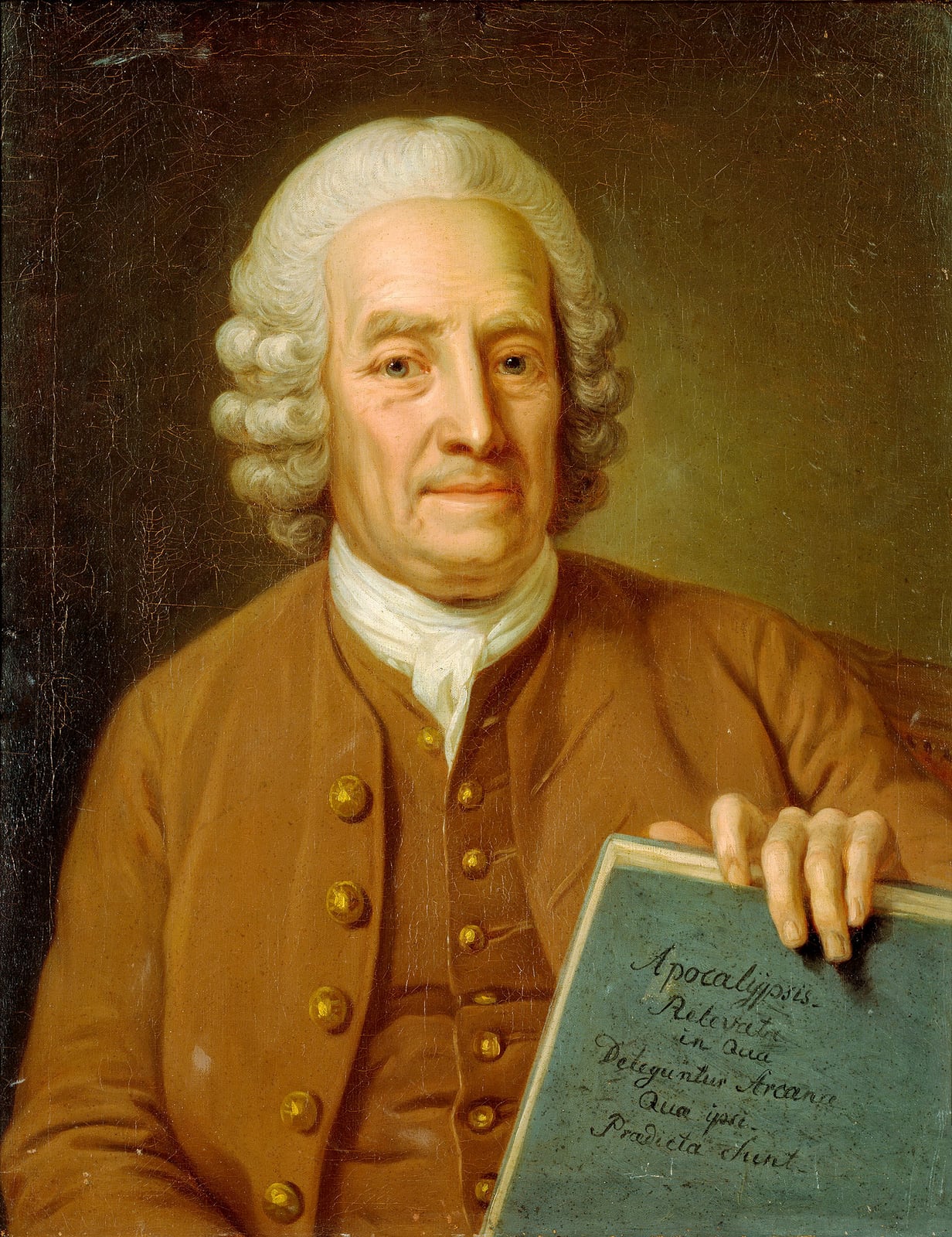
Emanuel Swedenborg
Widerspruch bei: Was ist das Absolute? Gibt es Gott? · Wer bin ich? Gibt es ein wahres Selbst?

Julian of Norwich
Widerspruch bei: Was ist das Absolute? Gibt es Gott? · Wer bin ich? Gibt es ein wahres Selbst?
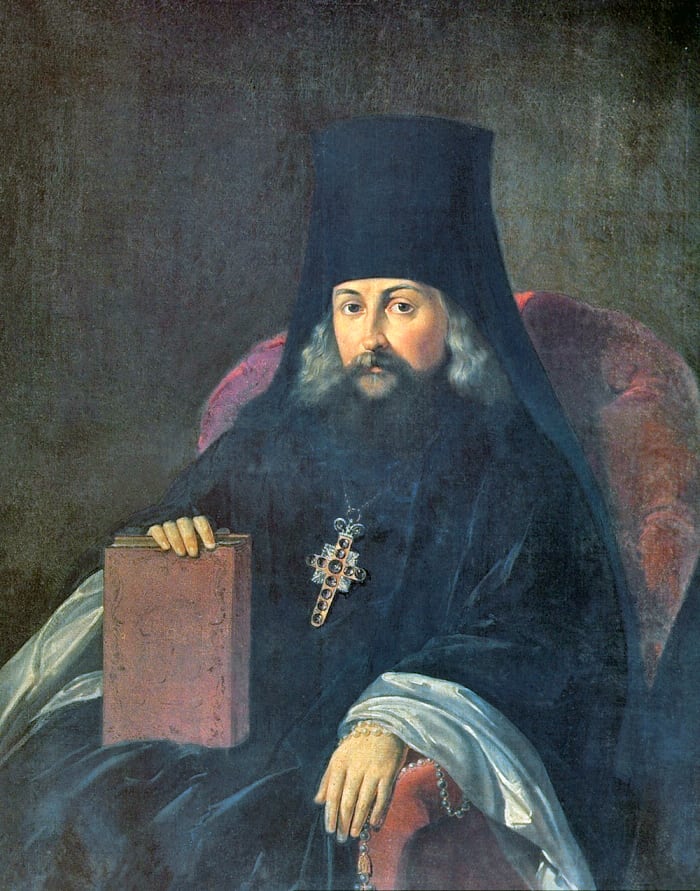
Ignatius Brianchaninov
Widerspruch bei: Was ist das Absolute? Gibt es Gott? · Wer bin ich? Gibt es ein wahres Selbst?
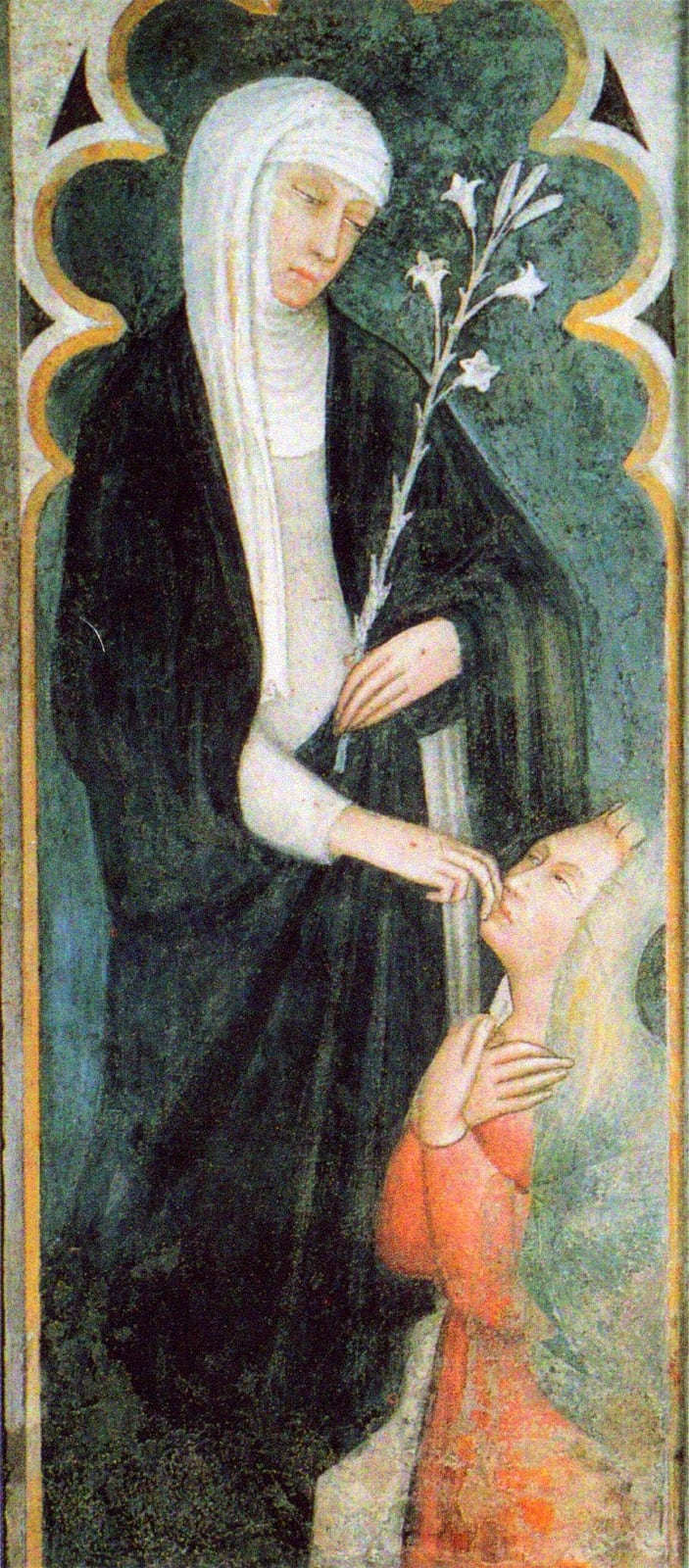
Catherine of Siena
Widerspruch bei: Was ist das Absolute? Gibt es Gott? · Wer bin ich? Gibt es ein wahres Selbst?
Anekdoten und Erzählungen
Anekdoten und Erzählungen
Zeugnisdécada de 1690
The boy who feared hell
Herkunft der Erzählung: Autobiographical account in Itsumadegusa (1766), written by Hakuin at eighty with exemplary intent; also recorded in Tōrei's chronology.
Quelle: Hakuin Ekaku. Wild Ivy: The Spiritual Autobiography of Zen Master Hakuin (Itsumadegusa). Trad. Norman Waddell. Boston: Shambhala, 1999. ISBN 1570624356.
Zeugnis1708
The bell of Eigan-ji and the old man of Shōju
Herkunft der Erzählung: Autobiographical account in Itsumadegusa (1766), written by Hakuin at eighty with exemplary intent; also recorded in Tōrei's chronology.
Quelle: Hakuin Ekaku. Wild Ivy: The Spiritual Autobiography of Zen Master Hakuin (Itsumadegusa). Trad. Norman Waddell. Boston: Shambhala, 1999. ISBN 1570624356.
Zeugnis1708
The old woman's broom
Herkunft der Erzählung: Autobiographical account in Itsumadegusa (1766), written by Hakuin at eighty with exemplary intent; also recorded in Tōrei's chronology.
Quelle: Hakuin Ekaku. Wild Ivy: The Spiritual Autobiography of Zen Master Hakuin (Itsumadegusa). Trad. Norman Waddell. Boston: Shambhala, 1999. ISBN 1570624356.
Umstritten1710
The hermit Hakuyū and the butter egg
Herkunft der Erzählung: Yasenkanna (preface dated 1757), with the date of the visit (Hōei 7, 1710) in the text itself; critical assessment by Katō Shōshun as cited by Waddell.
Quelle: Waddell, Norman (trad.). «Hakuin's Yasenkanna». The Eastern Buddhist, nueva serie, 34, n.º 1 (2002).
Zeugnis1726
The cricket and the Lotus Sūtra
Herkunft der Erzählung: Autobiographical account in Itsumadegusa (1766), written by Hakuin at eighty with exemplary intent; also recorded in Tōrei's chronology.
Quelle: Hakuin Ekaku. Wild Ivy: The Spiritual Autobiography of Zen Master Hakuin (Itsumadegusa). Trad. Norman Waddell. Boston: Shambhala, 1999. ISBN 1570624356.
Nicht überprüfbarsiglo XVIII (sin fecha)
“Is that so?”
Herkunft der Erzählung: 101 Zen Stories (Senzaki and Reps, 1939), included in Zen Flesh, Zen Bones (1957). Not found in Itsumadegusa or in Tōrei's chronology.
Quelle: Senzaki, Nyogen y Paul Reps (comps.). 101 Zen Stories. Filadelfia: David McKay, 1939; incluido en Reps, Zen Flesh, Zen Bones, 1957.
Lehren
Lehren
Die Begriffe, die das Denken gliedern, in ihrem Zusammenhang erklärt.
The sound of one hand (sekishu onjō)sekishu-onjo
Rinzai kōan system (Hakuin school).
Quelle: Yoshizawa Katsuhiro 芳澤勝弘 (ed. y anot.). Hakuin Zenji hōgo zenshū 白隠禅師法語全集. Kioto: Zen Bunka Kenkyūsho, 1999–2003, 14 vols. e índice. ISBN del primer volumen 4881821318.
The great doubt (daigi)daigi
Kōan practice (kanna Zen).
Quelle: Waddell, Norman (trad.). The Essential Teachings of Zen Master Hakuin: A Translation of the Sokkō-roku Kaien-fusetsu. Boston: Shambhala, 1994. ISBN 0877739722.
Post-satori practice (gogo no shugyō)gogo-no-shugyo
Bodhisattva ethics in Rinzai Zen.
Quelle: Hakuin Ekaku. Wild Ivy: The Spiritual Autobiography of Zen Master Hakuin (Itsumadegusa). Trad. Norman Waddell. Boston: Shambhala, 1999. ISBN 1570624356.
Inner contemplation and Zen sickness (naikan, zenbyō)naikan
Chinese medicine and inner alchemy in Edo-period Zen.
Quelle: Waddell, Norman (trad.). «Hakuin's Yasenkanna». The Eastern Buddhist, nueva serie, 34, n.º 1 (2002).
Seeing one's nature (kenshō)kensho
Doctrine of buddha-nature; Rinzai kōan curriculum.
Quelle: Yampolsky, Philip B. (trad.). The Zen Master Hakuin: Selected Writings. Nueva York: Columbia University Press, 1971. ISBN 0231034636.
Painting as sermon (zenga)zenga
Edo-period Zen painting.
Quelle: Yoshizawa Katsuhiro. The Religious Art of Zen Master Hakuin. Ed. y trad. Norman Waddell. Berkeley: Counterpoint, 2009. ISBN 9781582434544.
Videos
Videos
Aufnahmen, Gespräche und Dokumentarfilme. Die Videos werden von YouTube wiedergegeben; sie werden nicht hier gespeichert.
Lecture by Masaki Matsubara: Revisiting Japanese Zen Master Hakuin
Vortrag· EN· 2017
Brown UniversityOffizieller Kanal
The Sound of One Hand: Paintings and Calligraphy by Zen Master Hakuin
Dokumentarfilm· EN· 2010
JapanSocietyNYCOffizieller Kanal
The Sound of One Hand: Paintings and Calligraphy by Zen Master Hakuin
Dokumentarfilm· EN· 2011
Los Angeles County Museum of ArtOffizieller Kanal
Zenga: A New History
Vortrag· EN· 2024
JapanSocietyNYCOffizieller Kanal
白隠禅画「観音三幅対」 解説:芳澤勝弘
Analyse· JA
臨済宗 建仁寺派 神勝禅寺Offizieller Kanal
Bunkamura「白隠展 HAKUIN 禅画に込めたメッセージ」紹介 ロングver
Dokumentarfilm· JA· 2013
BunkamurachannelOffizieller Kanal
正宗国師白隠禅師坐禅和讃
Originalaufnahme· JA
建長寺Offizieller Kanal
Zen Master Hakuin #1
Vortrag· EN
Rochester Zen CenterOffizieller Kanal
Hakuin Ekaku - Zen's Japanese Ancestors
Vortrag· EN
Great Mountain Zen CenterOffizieller Kanal
Hakuin's Sound of One Hand
Vortrag· EN
Great Mountain Zen CenterOffizieller Kanal
Zazen Wasan de Hakuin Zenji
Aufnahme Dritter· ES· 2007
semillas de bambu
Galerie
Galerie
Bilder mit geprüfter Lizenz. Jedes bewahrt seine Urheberschaft und seinen Herkunftsnachweis.
Handschriften
Handschriften
Handschriftliche Zeugen und alte Texte, mit ihrer verwahrenden Einrichtung und ihren Einsichtsbedingungen.
JA · Japonés (inscripción en chino) · 1767
白隠自画像 (autorretrato)
- Erhaltener Textzeuge
- Pintura con tinta y color sobre papel, 133,3 × 57 cm
- Verwahrende Einrichtung
- Ryūtaku-ji (Mishima, Shizuoka)
- Digitalisierung
- commons.wikimedia.org/wiki/File:Zen-Master-Hakui…
JA · Japonés · 1751
達磨図 (Daruma-zu), Shōshū-ji
- Erhaltener Textzeuge
- Gran retrato de Daruma de más de 220 cm de altura
- Verwahrende Einrichtung
- Shōshū-ji, Toyohashi (Aichi)
Beziehungen
Beziehungen
Einflüsse, Schülerschaften und Verwandtschaften. Die belegte Beziehung wird von der durch Analyse ermittelten Ähnlichkeit unterschieden.
Schüler von
Dōkyō Etan (Shōju Rōjin, 1642–1721)
Eight months of training in 1708; Hakuin regarded him as his true teacher, though he received no formal transmission from him.
Belegte Beziehung
Lehrer von
Tōrei Enji (1721–1792)
His closest disciple, author of his chronology and first abbot of the Ryūtaku-ji.
Belegte Beziehung
Beeinflusst von
A central figure of his painting: he painted Daruma hundreds of times as an emblem of Zen determination.
Belegte Beziehung
Beeinflusst von
His Rinzai lineage goes back to the sixth patriarch through Linji, and the kenshō he demands is the Platform Sūtra's “seeing the nature”.
Durch Analyse ermittelte Ähnlichkeit
Verwandte Gedanken mit
They represent the two poles of Japanese Zen: the kōan and sudden awakening versus Dōgen's practice-realisation of zazen; Hakuin belongs to the Rinzai school and Dōgen to the Sōtō.
Durch Analyse ermittelte Ähnlichkeit
Widersprach
Bankei Yōtaku (1622–1693)
Hakuin criticised “do-nothing Zen” and the Zen of the Unborn associated with Bankei's followers.
Durch Analyse ermittelte Ähnlichkeit
Verwandte Gedanken mit
Both place bodhicitta—the vow to work for all beings—above any personal attainment.
Durch Analyse ermittelte Ähnlichkeit
Verwandte Gedanken mit
His Sōtō “beginner's mind” contrasts with Hakuin's great doubt, but both place everyday practice above extraordinary experiences.
Durch Analyse ermittelte Ähnlichkeit
Verwandte Gedanken mit
Both heirs of the Linji lineage, they share the idea that awakening is proven in service to others.
Durch Analyse ermittelte Ähnlichkeit
Beeinflusste
D. T. Suzuki
His writings spread Hakuin's idea of kenshō and the kōan in the West.
Durch Analyse ermittelte Ähnlichkeit
Von anderen Einträgen aus verknüpft
Quellen
Quellen
Für diesen Eintrag herangezogene Bibliografie und Kataloge.
- Wikidata, «Hakuin Ekaku», QID Q177059 (VIAF 32794627; LCCN n80037860).
- Hakuin Ekaku. Wild Ivy: The Spiritual Autobiography of Zen Master Hakuin (Itsumadegusa). Trad. Norman Waddell. Boston: Shambhala, 1999. ISBN 1570624356.
- Yampolsky, Philip B. (trad.). The Zen Master Hakuin: Selected Writings. Nueva York: Columbia University Press, 1971. ISBN 0231034636.
- Waddell, Norman (trad.). The Essential Teachings of Zen Master Hakuin: A Translation of the Sokkō-roku Kaien-fusetsu. Boston: Shambhala, 1994. ISBN 0877739722.
- Seo, Audrey Yoshiko y Stephen Addiss. The Sound of One Hand: Paintings and Calligraphy by Zen Master Hakuin. Boston: Shambhala, 2010. ISBN 1590305787.
- Yoshizawa Katsuhiro. The Religious Art of Zen Master Hakuin. Ed. y trad. Norman Waddell. Berkeley: Counterpoint, 2009. ISBN 9781582434544.
- Katō Shōshun 加藤正俊. Hakuin Oshō nenpu 白隠和尚年譜 (edición anotada de la cronología de Tōrei Enji). Kioto, 1985.
- Yoshizawa Katsuhiro 芳澤勝弘 (ed. y anot.). Hakuin Zenji hōgo zenshū 白隠禅師法語全集. Kioto: Zen Bunka Kenkyūsho, 1999–2003, 14 vols. e índice. ISBN del primer volumen 4881821318.
- Gotō Kōson 後藤光村 (ed.). Hakuin Oshō zenshū 白隠和尚全集. Tokio: Ryūginsha, 1934–1935, 8 vols.
- Hakuin Ekaku. Poison Blossoms from a Thicket of Thorn (Keisō dokuzui). Trad. Norman Waddell. Berkeley: Counterpoint, 2014. ISBN 1619023121.
- Waddell, Norman (trad.). Hakuin's Precious Mirror Cave: A Zen Miscellany. Berkeley: Counterpoint, 2009. ISBN 9781582434759.
- Waddell, Norman (trad.). Beating the Cloth Drum: Letters of Zen Master Hakuin. Boston: Shambhala, 2012. ISBN 1590309480.
- Waddell, Norman (trad.). Zen Words for the Heart: Hakuin's Commentary on the Heart Sutra (Dokugo shingyō). Boston: Shambhala, 1996. ISBN 1570621659.
- Shaw, R. D. M. (trad.). The Embossed Tea Kettle: Orate Gama and Other Works of Hakuin Zenji. Londres: George Allen & Unwin, 1963.
- Senzaki, Nyogen y Paul Reps (comps.). 101 Zen Stories. Filadelfia: David McKay, 1939; incluido en Reps, Zen Flesh, Zen Bones, 1957.
- Kotobank, «白隠» (artículos de Nihon daihyakka zensho, Sekai daihyakka jiten y Britannica Kokusai daihyakka jiten).
- Waddell, Norman (trad.). «Hakuin's Yasenkanna». The Eastern Buddhist, nueva serie, 34, n.º 1 (2002).
- Tanahashi, Kazuaki. Penetrating Laughter: Hakuin's Zen and Art. Woodstock (NY): Overlook Press, 1984. ISBN 0879519525.
- Wikisource en japonés: 夜船閑話 (texto de Hakuin según Shaku Dokutan, Hakuin Zenji hōgoroku, Ōshima Seishindō, 1916).
- Wikipedia en japonés, «白隠慧鶴» (consultada para la lista de obras, los discípulos y las obras pictóricas fechadas).
- Shaw, R. D. M. y Wilhelm Schiffer (trads.). «Yasen Kanna: A Chat on a Boat in the Evening». Monumenta Nipponica 13 (1956).
- Rechteinhaber
- Textos originales de Hakuin (m. 1769) en dominio público. Traducciones y ediciones modernas con derechos: Shambhala (Waddell; Seo y Addiss; Low), Counterpoint (Waddell; Yoshizawa), Columbia University Press (Yampolsky), Zen Bunka Kenkyūsho (Yoshizawa). Las pinturas son propiedad de templos, museos y coleccionistas.
Bestätigung ausstehend
Was dieser Eintrag noch nicht klären konnte. Wir sagen es lieber, als es aufzufüllen.
- No se ha encontrado ninguna edición española de las obras de Hakuin con ISBN verificable (ni Orategama, ni Yasenkanna, ni Itsumadegusa, ni el Zazen wasan); buscar en el ISBN de España y en editoriales como Kairós, Siruela, Olañeta o Miraguano.
- Fechas de varias obras (Dokugo shingyō, Zazen wasan, Kanrin ihō, Hōkan ishō, Sashimogusa, Kana innen hōgo, Kanamugura, Enmei jikku Kannon-gyō reigenki) no verificadas; las demás son aproximadas según la bibliografía secundaria. Cotejar con la cronología de Katō Shōshun (1985) y con Yoshizawa.
- Contenido de Kanrin ihō, Hōkan ishō, Sashimogusa, Oniazami y Yaemugura: no se ha podido consultar; las descripciones son deliberadamente neutras.
- Fundación del Ryūtaku-ji: 1758 (Kotobank, MyPedia) o 1763 (Wikipedia en japonés).
- Sala de lectura: solo Yasenkanna está transcrito en Wikisource. Las traducciones inglesas (Shaw 1963, Yampolsky 1971, Waddell) tienen derechos; la versión de D. T. Suzuki del Zazen wasan (Manual of Zen Buddhism, 1935) está protegida en la UE hasta 2037. El texto japonés de las demás obras existe en la Biblioteca Nacional de la Dieta (escaneos), que el importador no lee.
- Texto exacto de la caligrafía «死» que circula como poema de despedida y del verso de Año Nuevo de 1769: no localizados en una fuente primaria verificable.
- Relaciones con dokyo-etan, torei-enji, bankei y dt-suzuki: no son slugs del catálogo; se han usado como identificadores provisionales.
Recherchiert am 2026-10-25