Christentum · Christliche Mystik · Protestantismus
Emanuel Swedenborg
Emanuel Swedenborg
1688 – 1772Historisch belegte Person
Schwedischer Naturforscher, Ingenieur und Visionär (1688–1772). Als Assessor im Bergkollegium, 1719 geadelt, schrieb er über Metallurgie, Kosmologie (Principia, 1734) und die Anatomie des Gehirns (Oeconomia regni animalis, Regnum animale), bevor er zwischen 1743 und 1745 eine geistige Krise durchlebte. Fortan erklärte er, mit Engeln und Geistern Umgang zu haben, und veröffentlichte auf Latein eine umfangreiche Theologie: Arcana Coelestia, Himmel und Hölle, die Weisheit der Engel, Die eheliche Liebe und Die wahre christliche Religion. Kant verspottete ihn; Blake, Balzac, Emerson und Borges lasen ihn mit Leidenschaft.
- Werke
- 38Werke
- Ausgaben
- 60Ausgaben
- Zitate
- 7Zitate
- Videos
- 12Videos
- Bilder
- 8Bilder

Retrato de Emanuel Swedenborg a los setenta y cinco años · Public domain
In eigenen Worten
«I am aware that many who read the following pages and the Memorable Relations annexed to the chapters, will believe that they are fictions of the imagination; but I solemnly declare they are not fictions, but were truly done and seen; and that I saw them, not in any state of the mind asleep, but in a state of perfect wakefulness.»De amore conjugiali (1768), n. 1, trad. inglesa de 1850 (reimpr. 1892). Se cita por la traducción inglesa de dominio público; original latino no cotejado.

Der zentrale Gedanke
Correspondences: The doctrine of correspondences is the key to the whole of Swedenborg's theological work.
Im Zusammenhang sehen
Biografie
5 Min. Lesezeit
Unterstützte Übersetzung aus dem spanischen Original, Durchsicht durch einen muttersprachlichen Übersetzer ausstehend.
Der Sohn des Bischofs
Emanuel Swedberg wurde am 29. Januar 1688 (nach dem damaligen schwedischen Kalender) in Stockholm geboren, als drittes Kind von Jesper Swedberg, Hofprediger und später Bischof von Skara, und Sara Behm, die aus einer durch den Bergbau reich gewordenen Familie stammte. Der Vater war ein Lutheraner von glühender Frömmigkeit, des Pietismus verdächtig und überzeugt, dass Engel in das tägliche Leben eingreifen; die Mutter starb, als der Junge acht Jahre alt war. Von 1699 bis 1709 studierte er in Uppsala, wo er im Haus seines Schwagers Erik Benzelius wohnte, des Universitätsbibliothekars, und schloss mit einer Dissertation über die Sentenzen Senecas und des Publilius Syrus ab.
1710 brach er nach England auf. Fünf Jahre lang bereiste er London, Oxford, Holland, Paris und Norddeutschland; er las Newton, besuchte den Astronomen Flamsteed, lernte Linsen schleifen und Bücher binden und schrieb Benzelius Briefe voller Projekte: ein Unterseeboot, eine Flugmaschine, eine Methode zur Bestimmung der Länge auf See. 1715 kehrte er zurück, entschlossen, ein Mann der Wissenschaft zu werden, der seinem Land nützte.
Der Assessor im Bergkollegium
1716 gab er den Daedalus Hyperboreus heraus, die erste wissenschaftliche Zeitschrift Schwedens, und Karl XII. ernannte ihn zum außerordentlichen Assessor im Bergkollegium, der Behörde, die den wichtigsten Reichtum des Königreichs verwaltete. Er arbeitete mit dem Ingenieur Christopher Polhem zusammen und wirkte 1718 am Landtransport von Kriegsschiffen für die Belagerung von Fredriksten mit. 1719 erhob Königin Ulrika Eleonora die Familie in den Adelsstand; sie nannte sich fortan Swedenborg, und Emanuel nahm einen Sitz im Ritterhaus ein, wo er sich zu Münzwesen, Bergbau und Handel äußerte. 1724 lehnte er den Lehrstuhl für Mathematik in Uppsala ab; er stotterte und sprach nie öffentlich.
Zwanzig Jahre lang schrieb er über Chemie, Metallurgie, Geologie und Kosmologie. Die drei Bände der Opera philosophica et mineralia (Leipzig 1734) brachten ihm mit ihren Abhandlungen über Eisen und Kupfer europäischen Ruhm; der erste, die Principia, entwarf eine mechanistische Kosmologie, zu der eine Nebularhypothese über die Entstehung des Sonnensystems gehörte. Im selben Jahr veröffentlichte er De infinito, seinen ersten Versuch, das Verhältnis von Seele und Leib zu erklären. Auf der Suche nach dem Sitz der Seele wandte er sich der Anatomie zu: Die Oeconomia regni animalis (1740–1741) und das Regnum animale (1744–1745) enthalten Einsichten über die Großhirnrinde, die Lokalisation der Funktionen und den Kreislauf der Gehirn-Rückenmarks-Flüssigkeit, die die Neurologie erst viel später bestätigen sollte.
Die Krise von 1743–1745
1743 reiste er nach Holland, um das Regnum animale drucken zu lassen. In den folgenden Monaten führte er ein Traumtagebuch, das im 19. Jahrhundert in der Königlichen Bibliothek entdeckt wurde und mit beispielloser Offenheit Versuchungen, Ängste, Begierden und Visionen festhält; in der Osternacht 1744 notierte er in Delft, er habe Christus selbst gesehen. Im April 1745, so erzählte er später seinen Freunden, sprach ihn in einem Londoner Gasthaus am Ende der Mahlzeit eine Gestalt an, die sich ihm in derselben Nacht als der Herr zu erkennen gab und ihm auftrug, den geistigen Sinn der Schrift zu erklären. Swedenborg gab die Anatomie auf, lernte Hebräisch und legte 1747 sein Amt im Bergkollegium bei halbem Gehalt nieder.
Die himmlischen Geheimnisse
Zwischen 1749 und 1756 veröffentlichte er in London, anonym und auf Latein, die acht Bände der Arcana Coelestia, eine Vers für Vers fortschreitende Auslegung von Genesis und Exodus nach ihrem inneren Sinn, durchsetzt mit Berichten über das, was er in der geistigen Welt zu sehen und zu hören angab. 1758 folgten, ebenfalls in London, Himmel und Hölle, Vom Jüngsten Gericht — worin er behauptete, das Gericht habe 1757 in der Geisterwelt stattgefunden —, Vom weißen Pferd, Die Erdkörper im Weltall und Vom Neuen Jerusalem. Danach kamen die vier Hauptlehren (1763), Die Weisheit der Engel betreffend die göttliche Liebe und Weisheit (1763), Die Weisheit der Engel betreffend die göttliche Vorsehung (1764), Die enthüllte Offenbarung (1766), Die eheliche Liebe (1768) und Die wahre christliche Religion (Amsterdam 1771). Seine Theologie verwirft die Dreiheit der Personen und die Rechtfertigung allein aus dem Glauben, verlegt das Heil in die tätige Liebe und die Nutzwirkungen und liest die ganze natürliche Welt als »Entsprechung« der geistigen.
Das Eigentümliche dieser Bücher ist nicht nur die Lehre, sondern der Ton. Swedenborg beschreibt Himmel und Hölle mit der Nüchternheit eines Bergwerksberichts: Der ganze Himmel hat menschliche Gestalt, der »Größte Mensch«; die Engel leben in Gesellschaften, die sich nach Verwandtschaft der Liebe ordnen; zwischen dem Tod und der endgültigen Bestimmung erstreckt sich eine »Geisterwelt«, in der jeder am Ende das wird, was er liebt. Niemand wird in die Hölle geschickt: Es geht dorthin, wer sie vorzieht. Der Herr ist eine einzige göttliche Person, Jesus Christus, in dem Vater, Sohn und Geist sind wie Seele, Leib und Wirken. Das Leben, das zum Himmel führt, betont er, ist nicht das des Asketen, der die Welt flieht, sondern das dessen, der sein Amt mit Gerechtigkeit und Nächstenliebe versieht.
Der Geisterseher von Stockholm
Von 1759 an verband sich sein Name mit Fällen von Hellsehen: dem Brand von Stockholm, den er von Göteborg aus beschrieben haben soll, einem der Königin Luise Ulrike enthüllten Geheimnis, einer verlorenen Quittung, die auf Hinweis eines Verstorbenen wiedergefunden wurde. Kant interessierte sich dafür, bestellte die Arcana und veröffentlichte 1766 anonym die Träume eines Geistersehers, eine Satire auf Swedenborg, die zugleich eine Kritik der Metaphysik ist. Swedenborg blieb unterdessen ein methodischer, liebenswürdiger und genügsamer Aristokrat, der seinen Garten in der Hornsgatan pflegte, längere Zeit in London und Amsterdam verbrachte und seine Bücher auf eigene Kosten druckte. Zwischen 1768 und 1771 wurde gegen zwei seiner Anhänger in Göteborg wegen Ketzerei prozessiert, und das Konsistorium erörterte sogar die Rechtgläubigkeit seiner Bücher.
London, 1772
Im Dezember 1771 erlitt er in London einen Schlaganfall, der ihn teilweise lähmte. Nach dem Zeugnis der Magd des Hauses in Clerkenwell, in dem er wohnte, hatte er den Tag seines Todes vorausgesagt. Dem schwedischen Pfarrer Arvid Ferelius, der ihm das Abendmahl reichte, versicherte er, alles, was er geschrieben habe, sei wahr. Er starb am 29. März 1772 und wurde in der schwedischen Kirche in London beigesetzt; 1908 wurden seine Gebeine in den Dom von Uppsala überführt. Eine Kirche gründete er nicht: Die Leserkreise, aus denen die Kirche des Neuen Jerusalem hervorging, bildeten sich in England fünfzehn Jahre nach seinem Tod. Sein Einfluss reichte bis zu Blake, Balzac, Emerson, Baudelaire, Strindberg, Yeats, Helen Keller und Borges, und die UNESCO nahm seine Handschriften 2005 in das Register des Weltdokumentenerbes »Memory of the World« auf.
Quellen: Bergquist, Lars. Swedenborg's Secret: The Meaning and Significance of the Word of God, the Life of the Angels, and Service to God. A Biography. Londres: Swedenborg Society, 2005 (orig. sueco: Swedenborgs hemlighet, Estocolmo: Natur och Kultur, 1999). · Lachman, Gary. Swedenborg: An Introduction to His Life and Ideas. Nueva York: Tarcher/Penguin, 2012. · Tafel, Rudolph Leonhard (ed.). Documents Concerning the Life and Character of Emanuel Swedenborg. 2 vols. en 3. Londres: Swedenborg Society, 1875–1877 (incluye las memorias de Carl Robsahm, las declaraciones de Arvid Ferelius y de la familia Shearsmith y la carta de Kant a Charlotte von Knobloch). · Sigstedt, Cyriel Odhner. The Swedenborg Epic: The Life and Works of Emanuel Swedenborg. Nueva York: Bookman Associates, 1952. · Kant, Immanuel. Träume eines Geistersehers, erläutert durch Träume der Metaphysik. Königsberg: Kanter, 1766 (Project Gutenberg n.º 36076).
Zeitleiste
Das Leben, Jahr für Jahr
Jeder Punkt ist ein belegtes Ereignis. Klicken Sie, um es mit Quelle und Grad der Gewissheit zu lesen.
29. Januar 16880 JahreEstocolmo
Birth
Born in Stockholm, third child of Jesper Swedberg and Sara Behm. The date follows the Swedish calendar of the time.
BelegtBergquist, Lars. Swedenborg's Secret: The Meaning and Significance of the Word of God, the Life of the Angels, and Service to God. A Biography. Londres: Swedenborg Society, 2005 (orig. sueco: Swedenborgs hemlighet, Estocolmo: Natur och Kultur, 1999).
Nach dem Tod
- um 1787The New Church is born
- 1908Transfer to Uppsala
- 2005Memory of the World
29. Januar 1688 · 0 Jahre
Birth
Born in Stockholm, third child of Jesper Swedberg and Sara Behm. The date follows the Swedish calendar of the time.
Belegt
1699 – 1709 · 11 Jahre
Studies at Uppsala
He enters Uppsala University and lives with his brother-in-law Erik Benzelius. He graduates in 1709 with a dissertation on maxims of Seneca and Publilius Syrus.
Belegt
1710 – 1715 · 22 Jahre
Grand tour
Five years in England, Holland, France and Germany: he reads Newton, visits Flamsteed, learns mechanical crafts and designs inventions.
Belegt
1716 · 28 Jahre
Daedalus Hyperboreus and the Board of Mines
He publishes the first Swedish scientific journal and Charles XII appoints him extraordinary assessor of the Board of Mines.
Belegt
1719 · 31 Jahre
Ennoblement
Queen Ulrika Eleonora ennobles Bishop Swedberg's children, who take the name Swedenborg; he takes a seat in the House of Nobles.
Belegt
1734 · 46 Jahre
Opera philosophica et mineralia
He publishes in Leipzig his three volumes of natural philosophy and metallurgy, including the Principia, and the treatise De infinito.
Belegt
1740 – 1741 · 52 Jahre
Oeconomia regni animalis
His great work of anatomy and physiology, searching for the seat of the soul, appears in Amsterdam (1740–1741). He joins the Royal Swedish Academy of Sciences.
Belegt
April 1744 · 56 Jahre
The Delft vision
In his journal of dreams he notes that on Easter night (6–7 April) he saw Christ. The journal covers 1743 to 1744.
Belegt
April 1745 · 57 Jahre
The London call
As he later told Carl Robsahm, in April, after a meal at a London inn, the Lord appeared to him and charged him with explaining the spiritual sense of Scripture.
Wahrscheinlich
1747 · 59 Jahre
Resignation from the Board of Mines
He leaves his post on half pay to devote himself to the study of Scripture; he learns Hebrew.
Belegt
1749 – 1756 · 61 Jahre
Arcana Coelestia
He begins publishing in London, anonymously, the eight volumes of Arcana Coelestia (1749–1756).
Belegt
1758 · 70 Jahre
Heaven and Hell and four other works
He publishes in London De caelo et inferno, De ultimo judicio, De equo albo, De telluribus and De nova Hierosolyma.
Belegt
19. Juli 1759 · 71 Jahre
The Stockholm fire
On 19 July a great fire destroys part of Stockholm. According to later accounts (Kant, 1763), Swedenborg described it in Gothenburg as it happened. The fire is documented; the vision is indirect testimony.
Umstritten
10. August 1763 · 75 Jahre
Kant's letter
Kant writes to Charlotte von Knobloch narrating the fire and other episodes and declaring that he wishes to meet Swedenborg. That year Swedenborg publishes the four doctrines and Angelic Wisdom concerning Divine Love.
Belegt
1766 · 78 Jahre
Dreams of a Spirit-Seer
Kant anonymously publishes his satire against Swedenborg. Swedenborg publishes the Apocalypsis revelata in Amsterdam.
Belegt
1768 – 1771 · 80 Jahre
The Gothenburg trial
A heresy trial opens in Gothenburg against his followers Gabriel Beyer and Johan Rosén, lasting until 1771. He publishes Conjugial Love.
Belegt
1771 · 83 Jahre
The True Christian Religion
He publishes Vera christiana religio in Amsterdam, the synthesis of his theology. In December, in London, he suffers a stroke that leaves him partly paralysed.
Belegt
29. März 1772 · 84 Jahre
Death
He dies in London on 29 March at the house of Richard Shearsmith in Clerkenwell. He is buried in the Swedish church in Princes Square.
Belegt
um 1787
The New Church is born
In London, readers of his works organise the first groups of the Church of the New Jerusalem (1787–1789).
Belegt
1908
Transfer to Uppsala
His remains are moved from London to Sweden and rest in Uppsala Cathedral.
Belegt
2005
Memory of the World
UNESCO inscribes Swedenborg's manuscript collection, kept at the Royal Swedish Academy of Sciences, in the Memory of the World register.
Belegt
Werke
Grundlegende Werke
Die Werke, ohne die sich das Vermächtnis nicht verstehen lässt.
Schriftliches Werk · 1734
The Principia (The First Principles of Natural Things)
Opera philosophica et mineralia, I: Principia rerum naturalium
The first volume of the Opera philosophica et mineralia: a mechanical cosmology that derives the universe from a 'natural point' and successive particles in spiral motion, and includes a nebular hypothesis on the formation of the solar system from the Sun, earlier than those of Kant and Laplace. It is the work that gave him standing as a natural philosopher in Europe.
2 Ausgaben · amazon.com

Schriftliches Werk · 1749
Arcana Coelestia (Secrets of Heaven / Heavenly Arcana)
Arcana Coelestia, quae in Scriptura Sacra seu Verbo Domini sunt, detecta
His chief work: eight volumes published anonymously in London between 1749 and 1756 commenting verse by verse on Genesis and Exodus according to their 'inner sense', where sacred history is read as the process of man's regeneration and the Lord's glorification. Between chapters he inserts accounts of what he says he saw and heard in the other world. It is the foundation of all his later theology.
3 Ausgaben · amazon.com

Schriftliches Werk · 1758
Heaven and Hell (Heaven and its Wonders and Hell)
De Caelo et ejus Mirabilibus, et de Inferno, ex Auditis et Visis
Swedenborg's most widely read book (London, 1758): a systematic description, 'from things heard and seen', of heaven, the world of spirits and hell. Heaven has human form and is ordered in societies according to loves; after death man keeps his form and memory and ends up being what he loves; no one is damned: each goes where his ruling love leads him. It influenced Blake, Balzac, Emerson and Borges.
6 Ausgaben · amazon.com

Schriftliches Werk · 1771
The True Christian Religion (True Christianity)
Vera Christiana Religio, continens Universam Theologiam Novae Ecclesiae
His last book (Amsterdam, 1771) and the synthesis of his whole theology, addressed above all to Lutherans: the one God, the Lord as redeemer, Scripture, the Decalogue, faith, charity, free will, repentance, regeneration, imputation, baptism, the Supper, the consummation of the age and the second coming, understood as the revelation of the inner sense of the Word. It ends with the declaration that the Lord founded the new Church on 19 June 1770.
3 Ausgaben · amazon.com
Das gesamte Werk (38)
Emanuel Swedenborg
Selected Maxims of Seneca and Publilius Syrus
The Conscious LibrarySelected Maxims of Seneca and Publilius Syrus
1709

Ludus Heliconius (Latin poems)
1714
Emanuel Swedenborg
Daedalus Hyperboreus (The Northern Inventor)
The Conscious LibraryDaedalus Hyperboreus (The Northern Inventor)
1716
Emanuel Swedenborg
Modest Thoughts on the Raising and Lowering of the Coinage
The Conscious LibraryModest Thoughts on the Raising and Lowering of the Coinage
1722
Emanuel Swedenborg
Prodromus of the Principles of Natural Things (Principles of Chemistry)
The Conscious LibraryProdromus of the Principles of Natural Things (Principles of Chemistry)
1721
Emanuel Swedenborg
Miscellaneous Observations on Natural Things
The Conscious LibraryMiscellaneous Observations on Natural Things
1722
Emanuel Swedenborg
Treatises on Iron and on Copper and Brass
The Conscious LibraryTreatises on Iron and on Copper and Brass
1734

On the Infinite and the Final Cause of Creation
1734

The Economy of the Animal Kingdom
1740
Emanuel Swedenborg
The Animal Kingdom
The Conscious LibraryThe Animal Kingdom
1744

The Worship and Love of God
1745
Emanuel Swedenborg
The Brain
The Conscious LibraryThe Brain
1743

Rational Psychology
1742
Emanuel Swedenborg
A Hieroglyphic Key to Natural and Spiritual Mysteries
The Conscious LibraryA Hieroglyphic Key to Natural and Spiritual Mysteries
1742

Journal of Dreams
1744
Emanuel Swedenborg
Spiritual Diary (Spiritual Experiences)
The Conscious LibrarySpiritual Diary (Spiritual Experiences)
1765

The Word Explained (Adversaria)
1747
Emanuel Swedenborg
The Last Judgment
The Conscious LibraryThe Last Judgment
1758
Emanuel Swedenborg
The White Horse
The Conscious LibraryThe White Horse
1758

Earths in the Universe (Other Planets)
1758

The New Jerusalem and its Heavenly Doctrine
1758
Emanuel Swedenborg
The Doctrine of the Lord
The Conscious LibraryThe Doctrine of the Lord
1763

The Doctrine of Sacred Scripture
1763

The Doctrine of Life
1763
Zitate
Zitate, die in einem bestimmten Werk nachgewiesen sind. Jedes trägt seine Herkunft und seinen Grad an Verlässlichkeit.
I am aware that many who read the following pages and the Memorable Relations annexed to the chapters, will believe that they are fictions of the imagination; but I solemnly declare they are not fictions, but were truly done and seen; and that I saw them, not in any state of the mind asleep, but in a state of perfect wakefulness.GeprüftDe amore conjugiali (1768), n. 1, trad. inglesa de 1850 (reimpr. 1892). Se cita por la traducción inglesa de dominio público; original latino no cotejado.
Apokryphe Zitate oder Zitate umstrittener Zuschreibung (1)
«What a man loves is what he is.»
A popular formula that faithfully sums up the doctrine of the ruling love (Heaven and Hell, n. 479: 'man after death is his own love'), but is not a literal sentence of Swedenborg's.
Letzte Worte
Späterer Bericht von Zeugen
«As truly as you see me before your eyes, so true is everything that I have written; and I could have said more had it been permitted. When you enter eternity you will see everything, and then you and I shall have much to talk about.»These are not, strictly speaking, his last words, but the last solemn declaration attributed to him: it was reported by the pastor of the Swedish church in London, Arvid Ferelius, who visited him in his last days and gave him communion, in a letter written years later and published by Tafel. The maid of the house, Elizabeth Reynolds, stated that Swedenborg had foretold the date of his death and died peacefully on the afternoon of 29 March 1772 after asking the time. Given in translation; Ferelius's original has not been checked.
Quelle: Tafel, Rudolph Leonhard (ed.). Documents Concerning the Life and Character of Emanuel Swedenborg. 2 vols. en 3. Londres: Swedenborg Society, 1875–1877 (incluye las memorias de Carl Robsahm, las declaraciones de Arvid Ferelius y de la familia Shearsmith y la carta de Kant a Charlotte von Knobloch).
Fragen
Was das Werk beantwortet
Zwölf große Fragen der Menschheit und was sich aus den Texten darauf antworten lässt, mit Belegen. Wir legen niemandem Worte in den Mund.
Was ist das Absolute? Gibt es Gott?
God is one, is a Man, and is the Lord Jesus Christ
Ein persönlicher GottAusdrücklich gesagt
Swedenborg affirms a personal God to the utmost: in Angelic Wisdom concerning Divine Love he declares that in all the heavens there is no other idea of God than that of a Man, and in Heaven and Hell, that heaven as a whole reflects a single man because it proceeds from the Divine Human. God is in himself divine love and divine wisdom, life itself, from which all things receive life. But he rejects a Trinity of three Persons: in True Christian Religion he teaches that the Trinity —Father, Son and Spirit— is in one Person, the Lord Jesus Christ, as soul, body and activity are in one man. The Absolute is, for him, a single God, human in form and infinite in essence.
Diese Frage mit anderen Meistern vergleichenWer bin ich? Gibt es ein wahres Selbst?
Man is his love: his will is his life
Eine geschaffene, unsterbliche SeeleAusdrücklich gesagt
Emanuel Swedenborg, who before his visionary turn sought the soul in the anatomy of the brain, afterwards defines it by love. For him, the human being has no life of its own: it is a receptacle of the life that proceeds from the Lord, and what makes it who it is is its ruling love, which forms its will and understanding. Heaven and Hell sums it up: man after death is his own love or his own will. The soul is immortal and, at death, awakens in the spiritual world with its spiritual body, its memory and its character. The true self is what one truly loves, which death reveals without changing it.
Diese Frage mit anderen Meistern vergleichenWarum leiden wir?
Evil springs from love of self and the world, and hell is chosen
Die Trennung von GottAusdrücklich gesagt
For Emanuel Swedenborg, moral suffering stems from two loves he calls infernal: love of self and love of the world, opposed to love of the Lord and of the neighbour. Heaven and Hell maintains that the Lord casts no one into hell: it is the spirit who, through its ruling love, is drawn toward those who share its evil, and there finds the torment that evil produces. In Angelic Wisdom concerning Divine Providence he explains that providence permits evils so as not to violate human freedom, without which no one could be regenerated. Pain arises from turning away from divine order, and regeneration is the way back.
Diese Frage mit anderen Meistern vergleichenWas geschieht nach dem Tod?
Man rises at death and remains who he was
Ewiges Leben und AuferstehungAusdrücklich gesagt
Emanuel Swedenborg describes what he claims to have seen in the spiritual world. In Heaven and Hell, death is merely the passage from one world to another: the human being rises immediately, not in earthly flesh but in a spiritual body, keeps his memory and senses, and at first hardly knows he has died. He passes through an intermediate world of spirits, where he sheds what is external until his ruling love appears; according to it, he goes freely to heaven or hell, where he remains for ever. That is why he rejects the expectation of a bodily resurrection at the end of time.
Diese Frage mit anderen Meistern vergleichenWie erlangt man Befreiung oder Erlösung?
It is not so hard to live the life that leads to heaven
Durch Tugend und HarmonieAusdrücklich gesagt
Emanuel Swedenborg explicitly rejects salvation by faith alone, which he regards as the great error of the Reformation. For him, salvation is regeneration and consists in living according to the commandments: Doctrine of Life teaches that all religion is life and that this life consists in shunning evils as sins against God, whereupon the Lord can bring in good. It does not require withdrawal from the world: Heaven and Hell maintains that it is not so hard as people think to live the life that leads to heaven, and that it is lived in work, trade and civil life, acting with justice and sincerity. Faith without charity does not save; charity is doing good to others.
Diese Frage mit anderen Meistern vergleichenBraucht es einen Lehrer?
He ignores the human teacher and points to the Word, read through the Lord
Nicht geäußert
Emanuel Swedenborg does not deal with the figure of the spiritual teacher or the direction of souls. His approach is different: he claims that the Lord opened his spiritual sight to reveal the inner sense of the Word, and presents his works as the doctrine of the New Jerusalem, not as personal teaching. He insists that each person should read the Word and understand it rationally: in True Christian Religion he proclaims that it is now permitted to enter with the understanding into the mysteries of faith. He founded no Church and gathered no disciples; the New Church was organised after his death. His silence on the human guide is consistent with that trust in the Word and in enlightened reason.
Diese Frage mit anderen Meistern vergleichenIst die Welt wirklich?
The whole natural world corresponds to the spiritual world
DaseinsebenenAusdrücklich gesagt
Emanuel Swedenborg describes a tiered reality. There is a natural world, the one known to the senses and to science —which he himself cultivated for decades—, and a spiritual world, with the world of spirits, the heavens and the hells, in which every human being lives after death. Between them governs the law of correspondences: in Heaven and Hell he states that the whole natural world corresponds to the spiritual world, not only as a whole but in each of its parts. The heavens themselves are ordered in three degrees, celestial, spiritual and natural, through which the Lord's life descends. The visible world is real, but it is the last of the planes and an effect of the higher ones.
Diese Frage mit anderen Meistern vergleichenWas ist Liebe?
Love is man's very life, and God is Love itself
Liebe zu Gott und zum NächstenAusdrücklich gesagt
Angelic Wisdom concerning Divine Love opens with an observation: man knows that love exists, but does not know what it is. Swedenborg answers that love is the human being's very life, the warmth that animates him, and that its source is God, who is Love itself and Wisdom itself. He distinguishes four loves: two heavenly, love of the Lord and love of the neighbour or charity, and two infernal, love of self and love of the world. Charity consists in doing good to the neighbour for the love of good, above all by faithfully fulfilling one's own office. In Conjugial Love he sees in the union of spouses the image of the union of love and wisdom.
Diese Frage mit anderen Meistern vergleichenSind wir frei, oder ist alles vorherbestimmt?
Providence wills that man act freely according to reason
Echter freier WilleAusdrücklich gesagt
Angelic Wisdom concerning Divine Providence lays down as a law that the human being must act from freedom according to reason. Swedenborg calls those two faculties liberty and rationality, and regards them as gifts of the Lord that are never withdrawn, not even in hell. Providence governs everything, even the smallest things, but in hidden fashion, so as to force no one: were the human being to see providence, or be compelled by miracles, he would cease to be free and could not be regenerated. That is why evils are permitted. Swedenborg rejects predestination to hell: all are born for heaven, and each chooses according to his love.
Diese Frage mit anderen Meistern vergleichenWozu meditieren oder beten?
True worship is a life of use and charity
Ritual und SelbstkultivierungAus der Lehre abgeleitet
Emanuel Swedenborg develops no meditation techniques. For him, outward worship —prayer, sermon, sacraments— is good and necessary, but it has value only if it proceeds from inward worship, which is love and charity. Religion is life, he repeats in the Doctrine of Life, and true worship consists in doing good, faithfully fulfilling one's office and shunning evils as sins. Heaven and Hell describes angels who hold services in temples and hear sermons, but their essential worship is the life of use. Prayer, properly speaking, is conversation with the Lord, who grants what is asked when it coincides with the good.
Diese Frage mit anderen Meistern vergleichenKann die Vernunft das Letzte erkennen?
Now it is permitted to enter the mysteries of faith with the understanding
Schrift und DenkenAusdrücklich gesagt
Emanuel Swedenborg was a first-rate scientist before his visionary turn, and never renounced reason. His principal source is the Word, Scripture, which according to him has an inner spiritual sense, decipherable through the science of correspondences; the Arcana Coelestia thus comment on Genesis and Exodus verse by verse. Against the blind faith of the Churches, which commanded belief without understanding, True Christian Religion proclaims that now it is permitted to enter with the understanding into the mysteries of faith. Reason enlightened by the Lord interprets Scripture; what is not understood cannot truly be believed.
Diese Frage mit anderen Meistern vergleichenSich von der Welt zurückziehen oder sie verwandeln?
Heaven is won by a useful life in the world, not by fleeing it
Sich in der Welt engagierenAusdrücklich gesagt
Emanuel Swedenborg was an assessor of Sweden's Board of Mines, a member of the Diet and author of memoranda on economics and currency, and his doctrine reflects that public life. In Heaven and Hell he states that the life leading to heaven is not a life withdrawn from the world, but a life in the world: whoever carries out his office, trade or post with justice and sincerity, for the love of good, prepares himself for heaven. He relates that those who renounced the world to live in piety alone, secluded and sorrowful, do not reach heaven as easily as they thought, because angelic life consists of uses, that is, useful services to others. Charity is the active life of the good.
Diese Frage mit anderen Meistern vergleichen
Affinitäten und Spannungen
Affinitäten und Spannungen
Frage für Frage aus den Positionen berechnet. Den Grund jeder Übereinstimmung und jedes Widerspruchs zeigt ein Klick.
Denkt ähnlich wie
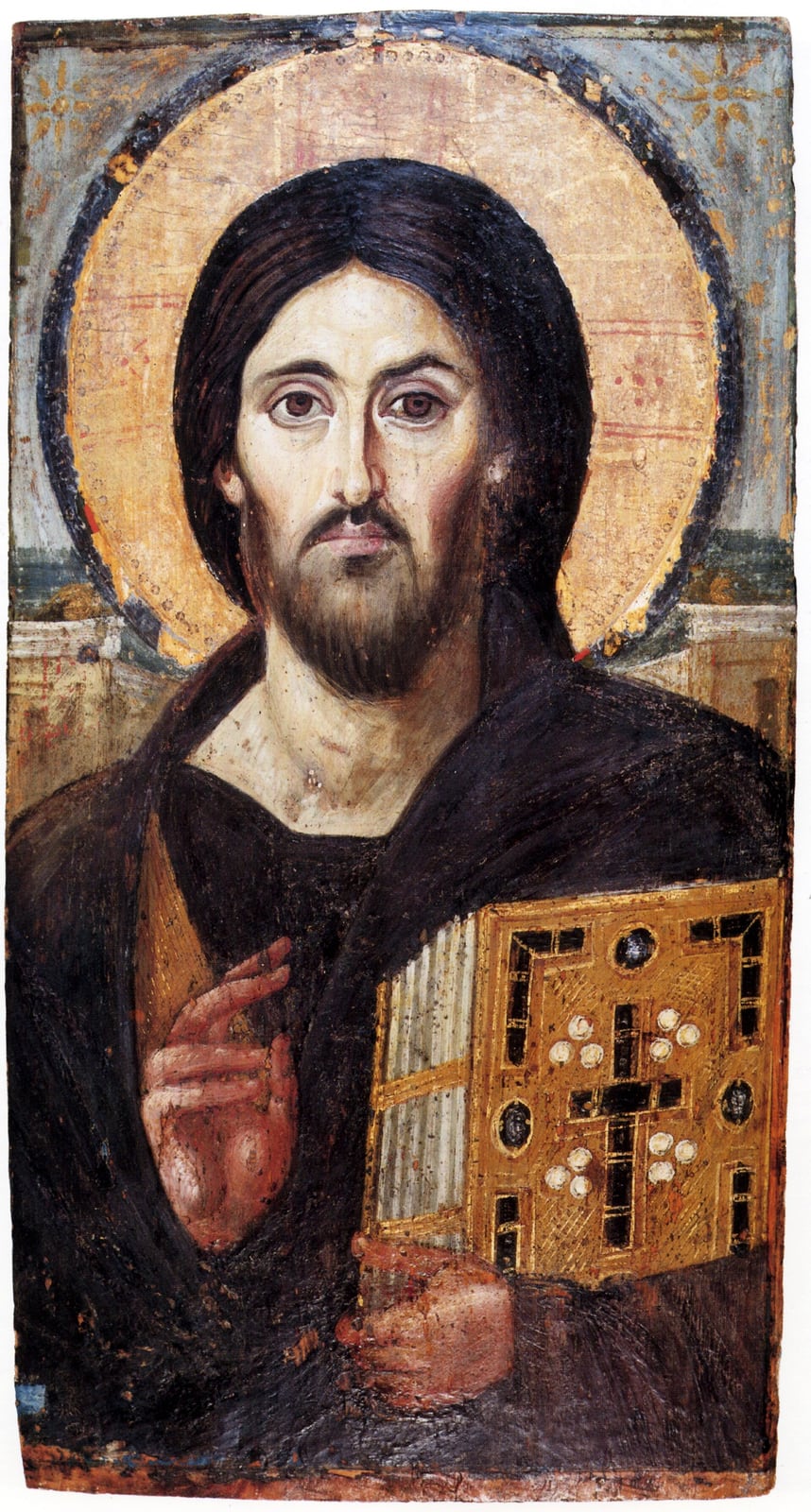
Jesus of Nazareth
Übereinstimmung bei: Was ist das Absolute? Gibt es Gott? · Wer bin ich? Gibt es ein wahres Selbst? · Warum leiden wir?
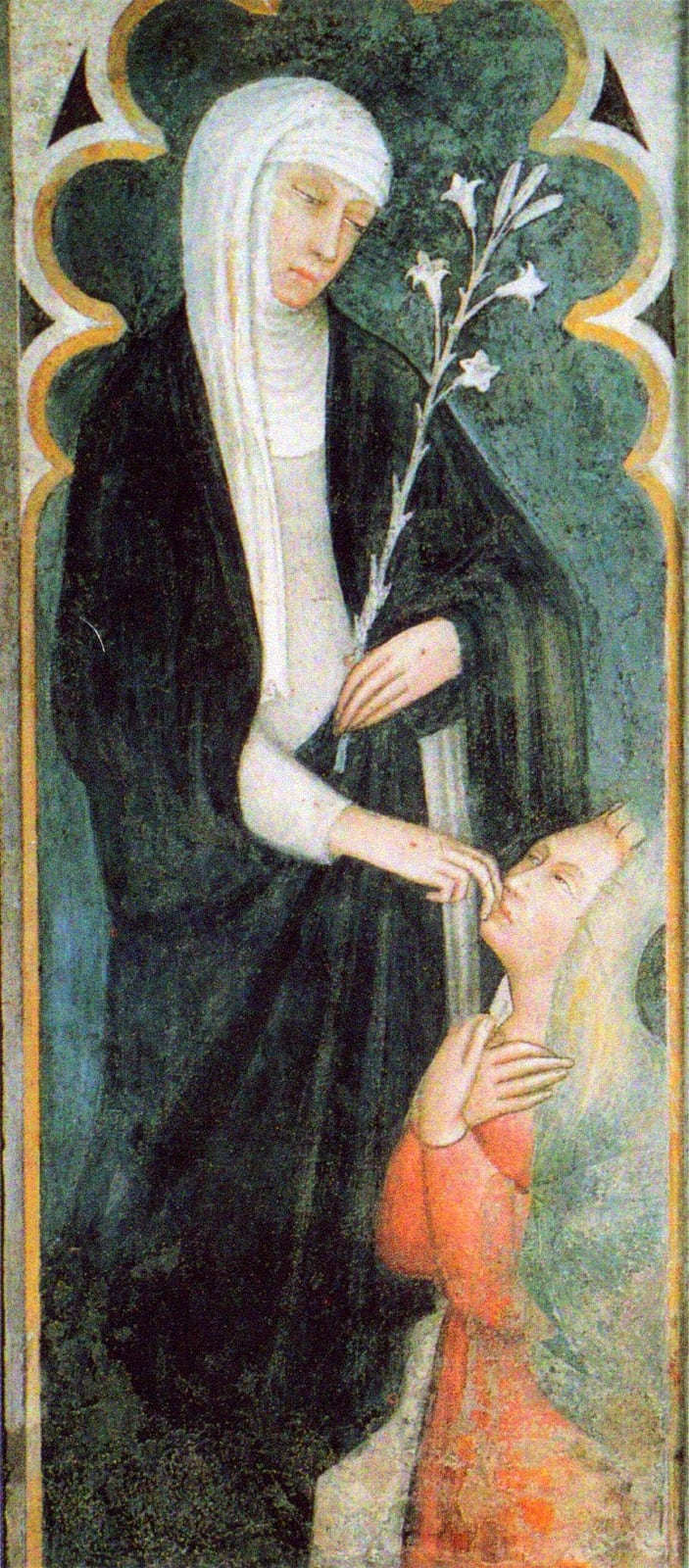
Catherine of Siena
Übereinstimmung bei: Was ist das Absolute? Gibt es Gott? · Wer bin ich? Gibt es ein wahres Selbst? · Warum leiden wir?
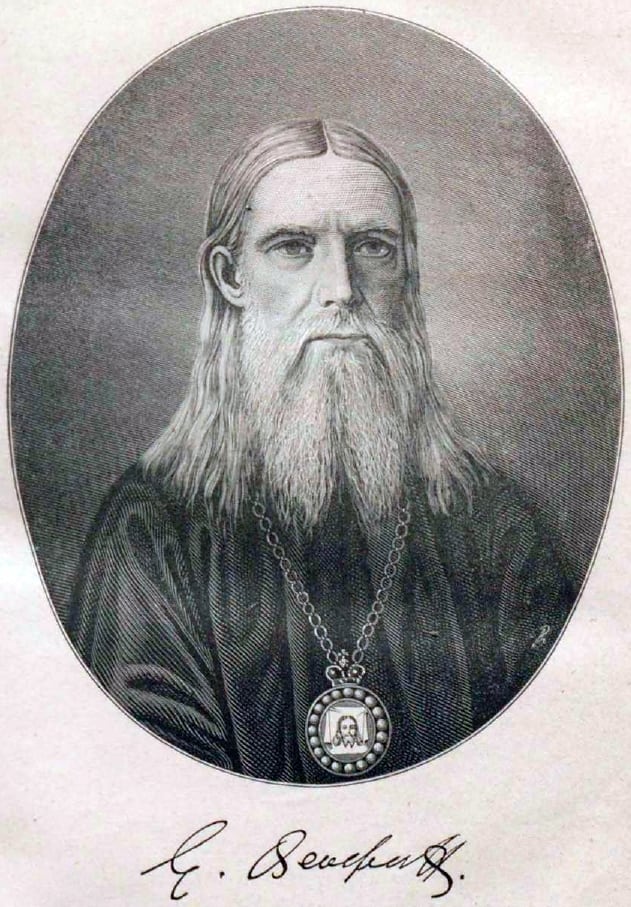
Theophan the Recluse
Übereinstimmung bei: Was ist das Absolute? Gibt es Gott? · Wer bin ich? Gibt es ein wahres Selbst? · Warum leiden wir?
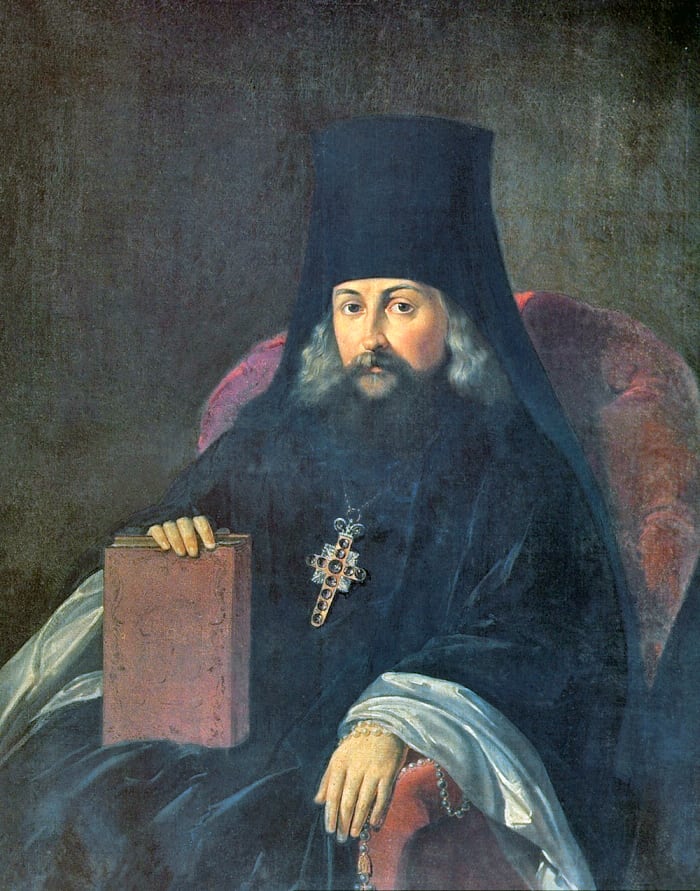
Ignatius Brianchaninov
Übereinstimmung bei: Was ist das Absolute? Gibt es Gott? · Wer bin ich? Gibt es ein wahres Selbst? · Warum leiden wir?
Denkt anders als

Pema Chödrön
Widerspruch bei: Was ist das Absolute? Gibt es Gott? · Wer bin ich? Gibt es ein wahres Selbst? · Was geschieht nach dem Tod?

Dōgen
Widerspruch bei: Was ist das Absolute? Gibt es Gott? · Wer bin ich? Gibt es ein wahres Selbst? · Was geschieht nach dem Tod?

Patañjali
Widerspruch bei: Was ist das Absolute? Gibt es Gott? · Wer bin ich? Gibt es ein wahres Selbst? · Was geschieht nach dem Tod?

Nāgārjuna
Widerspruch bei: Was ist das Absolute? Gibt es Gott? · Wer bin ich? Gibt es ein wahres Selbst? · Was geschieht nach dem Tod?
Anekdoten und Erzählungen
Anekdoten und Erzählungen
Umstritten1759
The Stockholm fire
Herkunft der Erzählung: Kant's letter to Charlotte von Knobloch (10 August 1763) and accounts collected by Tafel (Documents, 1875–1877); critical discussion of dates in Bergquist (1999/2005).
Quelle: Kant, Immanuel. Carta a Charlotte von Knobloch, 10 de agosto de 1763. En Kant's gesammelte Schriften (Akademie-Ausgabe), vol. X: Briefwechsel I, Berlín, 1900 (a menudo fechada erróneamente en 1758); trad. inglesa en Tafel, Documents, vol. I.
Umstritten1761
The queen's secret
Herkunft der Erzählung: Versions collected by Tafel (Documents) and Kant's 1763 letter; Bergquist (pp. 314–315) stresses that the diversity of accounts makes it impossible to establish the facts.
Quelle: Tafel, Rudolph Leonhard (ed.). Documents Concerning the Life and Character of Emanuel Swedenborg. 2 vols. en 3. Londres: Swedenborg Society, 1875–1877 (incluye las memorias de Carl Robsahm, las declaraciones de Arvid Ferelius y de la familia Shearsmith y la carta de Kant a Charlotte von Knobloch).
Umstrittenc. 1761
Madame de Marteville's receipt
Herkunft der Erzählung: Kant's letter (1763); memoirs of Carl Robsahm and a pastor's letter to the widow, in Tafel (Documents); critical assessment in Bergquist (p. 316).
Quelle: Tafel, Rudolph Leonhard (ed.). Documents Concerning the Life and Character of Emanuel Swedenborg. 2 vols. en 3. Londres: Swedenborg Society, 1875–1877 (incluye las memorias de Carl Robsahm, las declaraciones de Arvid Ferelius y de la familia Shearsmith y la carta de Kant a Charlotte von Knobloch).
Zeugnis1745
'Do not eat so much'
Herkunft der Erzählung: Memoirs of Carl Robsahm (Anteckningar om Swedenborg), written after 1772 and published in English translation by Tafel (Documents, vol. I).
Quelle: Tafel, Rudolph Leonhard (ed.). Documents Concerning the Life and Character of Emanuel Swedenborg. 2 vols. en 3. Londres: Swedenborg Society, 1875–1877 (incluye las memorias de Carl Robsahm, las declaraciones de Arvid Ferelius y de la familia Shearsmith y la carta de Kant a Charlotte von Knobloch).
Belegt1763–1766
Kant buys the Arcana
Herkunft der Erzählung: Kant's letter to Charlotte von Knobloch (1763), Träume eines Geistersehers (1766) and Kant's letter to Mendelssohn (8 April 1766).
Belegt1744
The night at Delft
Herkunft der Erzählung: Swedenborg, Drömboken, entries of April 1744 (ed. Klemming, 1859); the text is autograph, the interpretation of the experience is his.
Quelle: Swedenborg, Emanuel. Swedenborgs drömmar 1744 (Drömboken). Ed. G. E. Klemming. Estocolmo, 1859. Trad. inglesa: Swedenborg's Journal of Dreams, ed. William Ross Woofenden, Nueva York: Swedenborg Foundation, 1977.
Lehren
Lehren
Die Begriffe, die das Denken gliedern, in ihrem Zusammenhang erklärt.
Correspondencescorrespondencias
Regnum animale, Clavis hieroglyphica, Arcana Coelestia, Heaven and Hell (nn. 87–115).
The Grand Man (Maximus Homo)maximus-homo
Heaven and Hell, nn. 59–86; Arcana Coelestia, nn. 3624–3649 ff.; Angelic Wisdom concerning Divine Love, n. 11.
World of spirits and ruling lovemundo-de-los-espiritus
Heaven and Hell, nn. 421–535; Arcana Coelestia, memorable relations.
One God, the Lord (the Trinity in one person)dios-hombre
Doctrine of the Lord (1763); True Christian Religion (1771), ch. 1–3.
Charity, uses and freedomcaridad-y-usos
Doctrine of Life (1763); Divine Providence (1764); Heaven and Hell, nn. 528–535; True Christian Religion.
The Last Judgment of 1757 and the New Churchjuicio-final-y-nueva-iglesia
The Last Judgment (1758); Continuation (1763); True Christian Religion, ch. 14.
Quelle: Lachman, Gary. Swedenborg: An Introduction to His Life and Ideas. Nueva York: Tarcher/Penguin, 2012.
Videos
Videos
Aufnahmen, Gespräche und Dokumentarfilme. Die Videos werden von YouTube wiedergegeben; sie werden nicht hier gespeichert.
Splendors of the Spirit: Swedenborg's Quest for Insight (Biographical Documentary)
Dokumentarfilm· EN· 2006· 59 min
Swedenborg FoundationOffizieller Kanal
Who Was Swedenborg?
Dokumentarfilm· EN· 8 min
Swedenborg FoundationOffizieller Kanal
Heaven, Hell and Other Places | a documentary about Emanuel Swedenborg
Dokumentarfilm· EN· 33 min
Swedenborg HouseOffizieller Kanal
The Other Side of Life - Swedenborg Foundation
Dokumentarfilm· EN· 28 min
Swedenborg FoundationOffizieller Kanal
What is Swedenborgianism?
Vortrag· EN· 3 min
Harvard UniversityOffizieller Kanal
Swedenborg 101: The Basic Nature of Everything - Swedenborg and Life
Vortrag· EN· 90 min
Off The Left EyeOffizieller Kanal
The Life and Ideas of Emanuel Swedenborg with Gary Lachman
Gespräch· EN· 57 min
New Thinking Allowed with Jeffrey Mishlove
Why Metaphysics had to be Destroyed to Save It - Kant & Mysticism
Analyse· EN· 43 min
ESOTERICA
Dreams of a Spirit-Seer by Immanuel Kant read by Peter Tucker | Full Audio Book
Aufnahme Dritter· EN· 126 min
LibriVox AudiobooksOffizieller Kanal
Swedenborg An Example of Difficulties in Entering Spiritual Worlds - Rudolf Steiner
Vortrag· EN· 35 min
Rudolf Steiner Press AudioOffizieller Kanal
Emanuel Swedenborg's Spiritual Experiences and the NDE Connection
Vortrag· EN· 92 min
IANDS
Emanuel Swedenborg: A most unusual mystic
Analyse· EN· 51 min
The Christian Mysticism Podcast
Galerie
Galerie
Bilder mit geprüfter Lizenz. Jedes bewahrt seine Urheberschaft und seinen Herkunftsnachweis.
Handschriften
Handschriften
Handschriftliche Zeugen und alte Texte, mit ihrer verwahrenden Einrichtung und ihren Einsichtsbedingungen.
LA · Latina (cursiva del siglo XVIII) · c. 1710–1771
Colección de manuscritos de Emanuel Swedenborg
- Erhaltener Textzeuge
- Borradores y copias en limpio de obras científicas y teológicas, diarios e índices; incluye el manuscrito de los Arcana Coelestia
- Verwahrende Einrichtung
- Real Academia Sueca de Ciencias (Kungliga Vetenskapsakademien), Estocolmo
Beziehungen
Beziehungen
Einflüsse, Schülerschaften und Verwandtschaften. Die belegte Beziehung wird von der durch Analyse ermittelten Ähnlichkeit unterschieden.
Verwandte Gedanken mit
Two Protestant visionaries who described the spiritual worlds and a correspondence between the visible and the invisible; the Pietist Oetinger compared them in the eighteenth century. Swedenborg acknowledged no debt to Böhme, and his Latin, systematic language is very different from the shoemaker's torrential German.
Durch Analyse ermittelte Ähnlichkeit
Beeinflusste
Blavatsky quotes him frequently in Isis Unveiled (1877), where she regards him as a genuine seer though limited by his Christian theology, and adopts his language of correspondences. An acknowledged affinity, not discipleship.
Belegte Beziehung
Beeinflusste
Jung read Swedenborg as a student, cited him in his Zofingia lectures (1896–1899) and in his memoirs recalls reading several volumes; the Stockholm fire episode served him as an example of synchronicity.
Belegte Beziehung
Beeinflusste
In London in 1875 Solovyov read Swedenborg alongside Böhme, the Gnostics and the Kabbalah, readings that fed his early sophiology.
Belegte Beziehung
Verwandte Gedanken mit
The historian Martin Lamm (1915) argued that Swedenborg's theology develops Neoplatonic ideas (emanation, degrees, correspondence between levels of reality) already present in his scientific period; Swedenborg did not regard himself as a disciple of Plotinus.
Durch Analyse ermittelte Ähnlichkeit
Widersprach
Steiner devoted several lectures to him in which he acknowledges his clairvoyance but judges it distorted by the concepts of his scientific training, as an example of the difficulties of entering the spiritual worlds.
Belegte Beziehung
Von anderen Einträgen aus verknüpft
Quellen
Quellen
Für diesen Eintrag herangezogene Bibliografie und Kataloge.
- Wikidata, Q185832 «Emanuel Swedenborg» (P31=Q5; 88 enlaces entre wikis; P569 1688-01-29; P570 1772-03-29; P20 Londres).
- Bergquist, Lars. Swedenborg's Secret: The Meaning and Significance of the Word of God, the Life of the Angels, and Service to God. A Biography. Londres: Swedenborg Society, 2005 (orig. sueco: Swedenborgs hemlighet, Estocolmo: Natur och Kultur, 1999).
- Lachman, Gary. Swedenborg: An Introduction to His Life and Ideas. Nueva York: Tarcher/Penguin, 2012.
- Tafel, Rudolph Leonhard (ed.). Documents Concerning the Life and Character of Emanuel Swedenborg. 2 vols. en 3. Londres: Swedenborg Society, 1875–1877 (incluye las memorias de Carl Robsahm, las declaraciones de Arvid Ferelius y de la familia Shearsmith y la carta de Kant a Charlotte von Knobloch).
- Sigstedt, Cyriel Odhner. The Swedenborg Epic: The Life and Works of Emanuel Swedenborg. Nueva York: Bookman Associates, 1952.
- Kant, Immanuel. Träume eines Geistersehers, erläutert durch Träume der Metaphysik. Königsberg: Kanter, 1766 (Project Gutenberg n.º 36076).
- Kant, Immanuel. Carta a Charlotte von Knobloch, 10 de agosto de 1763. En Kant's gesammelte Schriften (Akademie-Ausgabe), vol. X: Briefwechsel I, Berlín, 1900 (a menudo fechada erróneamente en 1758); trad. inglesa en Tafel, Documents, vol. I.
- Swedenborg, Emanuel. Heaven and its Wonders and Hell. Trad. John C. Ager. Nueva York: Swedenborg Foundation (Project Gutenberg n.º 17368).
- Swedenborg, Emanuel. Swedenborgs drömmar 1744 (Drömboken). Ed. G. E. Klemming. Estocolmo, 1859. Trad. inglesa: Swedenborg's Journal of Dreams, ed. William Ross Woofenden, Nueva York: Swedenborg Foundation, 1977.
- Swedenborg, Emanuel. The Delights of Wisdom Pertaining to Conjugial Love. Trad. inglesa de 1850, reimpr. 1892 (Project Gutenberg n.º 11248).
- Swedenborg, Emanuel. The True Christian Religion; containing the Universal Theology of the New Church. Nueva York: American Swedenborg Printing and Publishing Society, 1886.
- Swedenborg, Emanuel. Angelic Wisdom concerning the Divine Love and the Divine Wisdom. Trad. John C. Ager. Nueva York: Swedenborg Foundation (Project Gutenberg n.º 16627).
- Hyde, James. A Bibliography of the Works of Emanuel Swedenborg, Original and Translated. Londres: Swedenborg Society, 1906.
- Jonsson, Inge. Emanuel Swedenborg. Trad. Catherine Djurklou. Nueva York: Twayne (Twayne's World Authors Series), 1971.
- Jung, C. G. Memories, Dreams, Reflections. Ed. Aniela Jaffé. Nueva York: Pantheon, 1963 (cap. «Student Years»: lectura de Swedenborg); y The Zofingia Lectures (1896–1899), Collected Works, suppl. vol. A. Princeton: Princeton University Press, 1983; y «Synchronicity: An Acausal Connecting Principle» (1952), Collected Works 8, donde cita la visión del incendio de Estocolmo.
- Blavatsky, H. P. Isis Unveiled. 2 vols. Nueva York: J. W. Bouton, 1877 (pasajes sobre Swedenborg y las correspondencias).
- Borges, Jorge Luis. «Emanuel Swedenborg», conferencia en la Universidad de Belgrano (1978). En Borges oral. Buenos Aires: Emecé/Editorial de Belgrano, 1979.
- Emerson, Ralph Waldo. «Swedenborg; or, the Mystic». En Representative Men: Seven Lectures. Boston: Phillips, Sampson, 1850 (Project Gutenberg n.º 6312).
- UNESCO, Memory of the World Register: «The Emanuel Swedenborg Collection» (Suecia, inscrita en 2005), conservada en la Real Academia Sueca de Ciencias.
- Open Library (Internet Archive): registros consultados por autor, título e ISBN para las ediciones listadas.
- Wikimedia Commons: metadatos de licencia (extmetadata) de cada fichero, leídos por la API imageinfo el 2026-10-25.
- Swedenborg Foundation (West Chester, Pensilvania): New Century Edition y Portable New Century Edition de las obras teológicas.
- Swedenborg Society (Londres), editorial y biblioteca de Swedenborg House.
- Kornblatt, Judith Deutsch (ed. y trad.). Divine Sophia: The Wisdom Writings of Vladimir Solovyov. Ithaca: Cornell University Press, 2009.
- Benz, Ernst. Emanuel Swedenborg: Visionary Savant in the Age of Reason. Trad. Nicholas Goodrick-Clarke. West Chester: Swedenborg Foundation, 2002 (orig. alemán, Múnich, 1948).
- Gross, Charles G. «Emanuel Swedenborg: A Neuroscientist before His Time». En Brain, Vision, Memory: Tales in the History of Neuroscience. Cambridge (Mass.): MIT Press, 1998, pp. 119–135.
- Steiner, Rudolf. «Swedenborg: An Example of Difficulties in Entering Spiritual Worlds», conferencia (lectura en audio publicada por Rudolf Steiner Press).
- Rechteinhaber
- Dominio público (Swedenborg murió en 1772). Las traducciones del siglo XIX son de dominio público; las modernas (New Century Edition de la Swedenborg Foundation, Swedenborg Society, Siruela) pertenecen a sus editores y traductores.
- Offizielle Website
- swedenborg.com/
Bestätigung ausstehend
Was dieser Eintrag noch nicht klären konnte. Wir sagen es lieber, als es aufzufüllen.
- Cotejar las citas con el original latino (De caelo et inferno, Sapientia angelica, De amore conjugiali): hoy se dan en las traducciones inglesas de dominio público.
- Arcana Coelestia: localizar un texto completo y limpio (latín de 1749–1756 o traducción inglesa del siglo XIX) con todos los volúmenes; en Internet Archive aparecen series incompletas.
- Las cuatro doctrinas de 1763 comparten volumen en las ediciones antiguas (Four Leading Doctrines, 1892): buscar una URL propia para cada una antes de registrarlas en la sala de lectura.
- Verificar las fechas de muerte de William F. Wunsch y de James R. Rendell e Isaiah Tansley para levantar la cautela sobre Divine Providence y los Principia.
- Ediciones en español: solo se ha localizado con ISBN Del cielo y del infierno (Siruela, 2003; traductor por confirmar). Confirmar el contenido de El habitante de dos mundos (Trotta, 2000) y Arquitectura del cielo (Adriana Hidalgo, 2004), probablemente antologías, y la traducción española de 1912 de la Sociedad Americana Swedenborg.
- Vídeos: no se han encontrado vídeos en español ni en sueco de canales solventes; los doce registrados están en inglés.
- Precisar el año exacto del traslado de sus restos a Upsala (1908, según The Gist of Swedenborg, 1920; otras fuentes dan 1910–1913 para la inauguración del sarcófago).
- Fijar la fecha y el destinatario de la carta de Arvid Ferelius sobre los últimos días de Swedenborg.
- Programas de afiliación: ninguno verificado; lista vacía.
Recherchiert am 2026-10-25