Islam · Sufismus
Rabia al-Adawiyya
رابعة العدوية القيسية · رابعة بنت إسماعيل · رابعه عدویه
um 717 – um 801Historizität umstritten
Asketin und Lehrerin aus Basra im 8. Jahrhundert (gest. um 801), verehrt als erste große Heilige des Islam und als Begründerin der Mystik der selbstlosen Gottesliebe. Sie hinterließ kein schriftliches Werk: Ihre Aussprüche und die wenigen ihr zugeschriebenen Verse erreichen uns über spätere Quellen, von Ibn Abi d-Dunya und al-Makki bis zur legendarischen Lebensbeschreibung des persischen Dichters Attar vier Jahrhunderte danach. Die moderne Forschung, allen voran Rkia Cornell, unterscheidet die historische Rabi'a, von der sehr wenig bekannt ist, von jener, die die Überlieferung erschuf.
- Werke
- 9Werke
- Ausgaben
- 17Ausgaben
- Zitate
- 7Zitate
- Videos
- 14Videos
- Bilder
- 4Bilder

Rabia de Basora y su sirvienta en oración · Public domain
In eigenen Worten
«I love You with two loves: a love of desire, and a love because You are worthy of it. The love of desire is that I am occupied with remembering You to the exclusion of all else; the love of which You are worthy is that You lift the veils for me until I see You. Neither in this nor in that is the praise mine: Yours is the praise in this and in that.»Atribuido; Abu Talib al-Makki, Qut al-qulub (s. X), y al-Ghazali, Ihya ulum al-din, libro XXXVI. Texto árabe según la versión que reproduce Abd al-Ghani al-Nabulsi (Wikisource); traducción propia.

Zum Einstieg ein Werk
The Two Loves (attributed verses)Der zentrale Gedanke
Disinterested love of God: The idea associated with Rabia is that God must be loved for His own sake and not as a means of escaping Hell or gaining Paradise.
Im Zusammenhang sehen
Biografie
5 Min. Lesezeit
Unterstützte Übersetzung aus dem spanischen Original, Durchsicht durch einen muttersprachlichen Übersetzer ausstehend.
Eine Frau aus Basra
Über Rabi'a al-Adawiyya weiß man mit Sicherheit nur sehr wenig: dass eine Asketin und Lehrerin dieses Namens – oder des Namens Rabi'a al-Qaisiyya, der auf ihren Stamm verweist, während al-Adawiyya ihren Clan bezeichnet – im 8. Jahrhundert in Basra im Süden des Irak lebte. Die Quellen nennen sie Rabi'a bint Isma'il, geben ihr die Kunya Umm Amr und beschreiben sie als Freigelassene (maula) der Familie Atik. Das häufig wiederholte Geburtsdatum um 717 und das Todesjahr 185 der Hidschra (801) stammen von viel späteren Autoren und sind nicht die einzigen: al-Dhahabi überliefert, sie sei etwa achtzig Jahre alt geworden und 180 (796) gestorben, andere lassen sie 135 (752) sterben. Rkia Elaroui Cornell, Verfasserin der umfassendsten Studie, kommt zudem zu dem Schluss, dass ihr keine einzige Schrift mit Sicherheit zugeschrieben werden kann.
Das Basra der Asketen
Basra, 638 als Heerlager gegründet, war im 8. Jahrhundert eine reiche Stadt, Hafen am Persischen Golf und Zentrum grammatischer, theologischer und juristischer Studien. Dort blühte auch eine Bewegung strenger Frömmigkeit: Männer und Frauen, die ihre Sünden beweinten, fasteten, die Nächte durchwachten und dem Reichtum der Herrschenden misstrauten. Hasan al-Basri, Malik ibn Dinar, Riyah al-Qaisi oder Abd al-Wahid ibn Zaid sind ihre bekanntesten Namen, doch das Buch al-Sulamis über die Sufi-Frauen zeigt, dass es auch viele Asketinnen und Lehrerinnen gab, manche von ihnen Freigelassene. Rabi'a gehört in dieses Milieu: das der „Weinenden“ und Frommen von Basra, deren Spiritualität der Gottesfurcht der Mystik der Liebe vorausging.
Was die ältesten Quellen sagen
Der beste Beweis für ihre Existenz ist die örtliche Erinnerung: Zwei Autoren aus Basra im 9. Jahrhundert, unter ihnen al-Dschahiz, erwähnen sie als bekannte Gestalt. Die Sammlungen asketischer Aussprüche des Ibn Abi d-Dunya (gest. 894), überliefert durch al-Dhahabi, bewahren nüchterne Szenen mit namentlich genannten Zeugen. Ihre Dienerin Abda erzählte, Rabi'a habe die ganze Nacht gebetet und sich im Morgengrauen den kurzen Schlaf vorgeworfen: „Seele, wie lange willst du noch schlafen? Bald wirst du einen Schlaf schlafen, aus dem du erst am Tag der Auferstehung erwachst.“ Sufyan ath-Thauri, der große Traditionarier aus Kufa, besuchte sie; als er seufzte: „Welch ein Kummer!“, wies sie ihn zurecht: „Lüg nicht; sag: Wie wenig Kummer!“ Besuchern, die von weltlichen Dingen sprachen, verwehrte sie den Zutritt. Das Bild ist das einer anspruchsvollen Asketin und einer von den gelehrtesten Männern ihrer Zeit geachteten Lehrerin, weniger das einer Dichterin der Liebe.
Drei Rabi'as und ein Verdacht
Die Überlieferung vermengte bald mehrere Frauen. Al-Sulami (gest. 1021) unterscheidet in seinem Buch über die Sufi-Frauen von Rabi'a al-Adawiyya zwei weitere Rabi'as jener Zeit: Rabi'a al-Azdiyya, die Frau des Asketen Abd al-Wahid ibn Zaid, und Rabi'a bint Isma'il aus Damaskus, die Frau des Ahmad ibn Abi l-Hawari (gest. 844). Diese Verwechslung erklärt das ihr zugeschriebene Grab auf dem Ölberg in Jerusalem, das Ibn Kathir erwähnt; schon Ibn Battuta wies darauf hin, dass die dort bestattete Frau eine andere sei. Auch an Verdächtigungen fehlte es nicht: Nach Ibn Kathir bezichtigte sie der Traditionarier Abu Dawud as-Sidschistani der Häresie, und al-Dhahabi musste sie gegen jene verteidigen, die in einem ihrer Verse – „Ich habe dich zum Vertrauten meines Herzens gemacht und meinen Leib dem überlassen, der neben mir sitzen will“ – die Lehre von der göttlichen Inkarnation lasen.
Die Heilige der Liebe
Die Rabi'a, die die Nachwelt kennt, entsteht zwischen dem 10. und dem 13. Jahrhundert. Abu Talib al-Makki (gest. 996) schreibt ihr die Verse von den „zwei Lieben“ zu – der Liebe des Verlangens und der Liebe, die Gott gebührt, weil Er ihrer würdig ist –, die al-Ghazali in der Ihya' kommentieren wird; al-Qushairi, Abu Nu'aim und Ibn al-Dschauzi, der ihr eine kleine Schrift widmete, vermehren ihre Aussprüche. Die große Lebensbeschreibung aber stammt von dem persischen Dichter Farid ad-Din Attar, der zu Beginn des 13. Jahrhunderts schreibt, mehr als vierhundert Jahre später: Dort erscheinen die vierte Tochter einer armen Familie – daher ihr Name, „die Vierte“ –, die Hungersnot, der Verkauf in die Sklaverei, das Licht über ihrem Kopf, das ihren Herrn bewegt, sie freizulassen, die Gespräche mit Hasan al-Basri und das berühmte Gebet, in dem sie bittet, in der Hölle verbrannt zu werden, wenn sie Gott aus Furcht anbete, und vom Paradies ausgeschlossen zu werden, wenn sie Ihn aus Hoffnung anbete. Viele dieser Erzählungen sind chronologisch unmöglich – Hasan al-Basri starb 728, als sie noch ein Kind gewesen wäre – und folgen bekannten hagiographischen Mustern.
Was ihre Gestalt möglich machte
Cornell unterscheidet in diesem Prozess mehrere übereinandergelagerte Rabi'as: die Lehrerin, die Asketin, die Gottesliebende und die Sufi. Die dritte hat sich durchgesetzt. In ihr fand die Überlieferung den reinsten Ausdruck eines Gedankens, der die islamische Frömmigkeit verwandelte: dass Gott um Seiner selbst willen zu lieben sei, ohne Furcht vor Strafe und ohne Verlangen nach Lohn. Das Thema ging auf die großen Theoretiker der mystischen Liebe über, von Ahmad al-Ghazali bis Rumi, und gelangte auch nach Europa. Jean de Joinville erzählt in seinem Leben des heiligen Ludwig (1309), ein Mönch des Kreuzzugs, Yves der Bretone, sei in Damaskus einer alten Frau begegnet, die in der einen Hand Feuer und in der anderen Wasser trug, um das Paradies zu verbrennen und die Hölle zu löschen, damit niemand mehr das Gute aus Furcht oder aus Eigennutz tue; im Frankreich des 17. Jahrhunderts wurde die Szene zum Sinnbild der reinen Liebe. Spätere islamische Fassungen legen diese Geste in die Hände Rabi'as.
Eine Gegenwart, die unaufhörlich wächst
Im 20. Jahrhundert wurde Rabi'a als erste Heilige des Islam und als weibliche Gestalt religiöser Autorität in Anspruch genommen. Margaret Smith widmete ihr 1928 die erste westliche Monographie; Abd ar-Rahman Badawi ein Buch, das sie „Märtyrerin der göttlichen Liebe“ nannte; das ägyptische und das türkische Kino populäre Filme, von denen zwei 1973 in der Türkei anliefen. Moderne Anthologien schreiben ihr Gedichte und Gebete ungewisser Herkunft zu, und viele ihrer Sätze kursieren ohne Quellenangabe. Im Licht der Quellen gelesen, ist Rabi'a zugleich eine wirkliche Frau aus dem umayyadischen und abbasidischen Basra, über die wir fast nichts wissen, und eine kollektive Schöpfung mehrerer Jahrhunderte, die der Idee der selbstlosen Gottesliebe Gestalt gab.
Quellen: Cornell, Rkia Elaroui. Rabi'a from Narrative to Myth: The Many Faces of Islam's Most Famous Woman Saint, Rabi'a al-'Adawiyya. Londres: Oneworld Academic, 2019. · Smith, Margaret. Rabi'a the Mystic and Her Fellow-Saints in Islam. Cambridge: Cambridge University Press, 1928; reed. 1984 con introducción de Annemarie Schimmel. · al-Dhahabi, Shams al-Din. Siyar a'lam al-nubala', entrada «Rabi'a al-'Adawiyya» (texto árabe en Wikisource). · Ibn Kathir. al-Bidaya wa-l-nihaya, vol. X, obituarios del año 185 H, entrada «Rabi'a al-'Adawiyya» (texto árabe en Wikisource). · Attar, Farid al-Din. Tadhkirat al-awliya', capítulo de Rabia; en la adaptación inglesa de Claud Field, Mystics and Saints of Islam, Londres: Francis Griffiths, 1910, cap. III «Rabia, the Woman Sufi» (Project Gutenberg 24314).
Zeitleiste
Das Leben, Jahr für Jahr
Jeder Punkt ist ein belegtes Ereignis. Klicken Sie, um es mit Quelle und Grad der Gewissheit zu lesen.
um 7170 JahreBasora
Birth (traditional date)
The usual date (c. 95–99 AH / 714–718) comes from late sources of uncertain origin, according to Cornell; placed in Basra.
ÜberlieferungCornell, Rkia Elaroui. Rabi'a from Narrative to Myth: The Many Faces of Islam's Most Famous Woman Saint, Rabi'a al-'Adawiyya. Londres: Oneworld Academic, 2019.
Nach dem Tod
- um 869Al-Jahiz mentions her
- um 996The verses of the "two loves"
- um 1021Al-Sulami distinguishes three Rabias
- um 1221Attar's biography
- 1309The woman of fire and water reaches Europe
- 1928First Western monograph
- 2019From narrative to myth
um 717 · 0 Jahre
Birth (traditional date)
The usual date (c. 95–99 AH / 714–718) comes from late sources of uncertain origin, according to Cornell; placed in Basra.
Überlieferung
728
Death of Hasan al-Basri
Death of the great preacher of Basra (110 AH). The dialogues between him and Rabia narrated by Attar are therefore chronologically impossible.
Belegt
um 770
Visits of Sufyan al-Thawri
Ibn Abi l-Dunya and others transmit encounters with the traditionist Sufyan al-Thawri (d. 778) and other Basran ascetics; this is the oldest layer of her memory.
Wahrscheinlich
801
Death (185 AH, most cited date)
Ibn Kathir lists her among those who died in 185 AH (801); al-Dhahabi gives 180 (796) and other sources 135 (752). She probably died in Basra.
Umstritten
um 869
Al-Jahiz mentions her
The Basran polymath al-Jahiz (d. 868–869) is one of the two ninth-century authors who cite her: the oldest surviving mention.
Belegt
um 996
The verses of the "two loves"
Abu Talib al-Makki (d. 996) attributes to her in the Qut al-qulub the verses on the two loves, which al-Ghazali would comment on in the Ihya.
Belegt
um 1021
Al-Sulami distinguishes three Rabias
In his book on Sufi women, al-Sulami (d. 1021) separates Rabia al-Adawiyya from Rabia al-Azdiyya and Rabia of Damascus.
Belegt
um 1221
Attar's biography
Farid al-Din Attar writes in Persian the biography that fixes the legend: slavery, liberation, dialogues with Hasan al-Basri, the Kaaba coming out to meet her.
Belegt
1309
The woman of fire and water reaches Europe
Joinville narrates in his Life of Saint Louis Yves the Breton's encounter in Damascus with a woman who wanted to burn Paradise and quench Hell.
Belegt
1928
First Western monograph
Margaret Smith publishes Rabi'a the Mystic and Her Fellow-Saints in Islam in Cambridge.
Belegt
2019
From narrative to myth
Rkia Elaroui Cornell publishes the critical study separating the historical and legendary layers of her figure.
Belegt
Werke
Grundlegende Werke
Die Werke, ohne die sich das Vermächtnis nicht verstehen lässt.
Traditionelle Zuschreibung · um 996
The Two Loves (attributed verses)
أحبك حبين: حب الهوى * وحباً لأنك أهل لذاكا
The most famous of the poems attributed to Rabia distinguishes two loves for God: the "love of desire", which occupies her in remembering Him to the exclusion of all else, and the love owed to Him "because He is worthy of it", in which God lifts the veils until He lets Himself be seen. It ends by denying any merit of her own: the praise, in both cases, belongs to God alone. Al-Ghazali made it the canonical example of pure love, and since then it has summed up the doctrine tradition associates with her name.
3 Ausgaben

Traditionelle Zuschreibung · um 1221
Prayers and Sayings in Attar's Memorial of the Saints
تذکرة الاولیاء، ذکر رابعه عدویه (Tadhkirat al-awliya', capítulo de Rabia)
The chapter devoted to Rabia in the *Tadhkirat al-awliya* is the fullest and most influential biography: it narrates her poor childhood, slavery, liberation, the pilgrimage in which the Kaaba comes out to meet her, her dialogues with the ascetics of Basra and her prayers. The most famous of these asks God to burn her in Hell if she worships Him from fear and to shut Paradise to her if she worships Him from hope. Attar presents her as "the woman worth a hundred men".
4 Ausgaben · amazon.com
Das gesamte Werk (9)
Rabia al-Adawiyya
I Have Made You the Confidant of My Heart (attributed verses)
The Conscious LibraryI Have Made You the Confidant of My Heart (attributed verses)
1000
Rabia al-Adawiyya
Ascetic Sayings Transmitted with Chains (Ibn Abi l-Dunya, al-Dhahabi)
The Conscious LibraryAscetic Sayings Transmitted with Chains (Ibn Abi l-Dunya, al-Dhahabi)
894

Sayings in al-Sulami and al-Qushayri's Epistle
1045
Rabia al-Adawiyya
First among Sufis
The Conscious LibraryFirst among Sufis
1982

Rabi'a the Mystic and Her Fellow-Saints in Islam
1928
Rabia al-Adawiyya
Rabi'a from Narrative to Myth
The Conscious LibraryRabi'a from Narrative to Myth
2019

Doorkeeper of the Heart: Versions of Rabi'a
1988
Zitate
Zitate, die in einem bestimmten Werk nachgewiesen sind. Jedes trägt seine Herkunft und seinen Grad an Verlässlichkeit.
I love You with two loves: a love of desire, and a love because You are worthy of it. The love of desire is that I am occupied with remembering You to the exclusion of all else; the love of which You are worthy is that You lift the veils for me until I see You. Neither in this nor in that is the praise mine: Yours is the praise in this and in that.أحبك حبين: حب الهوى * وحباً لأنك أهل لذاكا / فأما الذي هو حب الهوى * فشغلي بذكرك عمن سواكا / وأما الذي أنت أهل له * فكشفك لي الحجب حتى أراكا / فلا الحمد في ذا ولا ذاك لي * ولكن لك الحمد في ذا وذاكا
UmstrittenAtribuido; Abu Talib al-Makki, Qut al-qulub (s. X), y al-Ghazali, Ihya ulum al-din, libro XXXVI. Texto árabe según la versión que reproduce Abd al-Ghani al-Nabulsi (Wikisource); traducción propia.
Apokryphe Zitate oder Zitate umstrittener Zuschreibung (1)
«I carry a torch in one hand and a bucket of water in the other: with these I will set fire to Heaven and put out the flames of Hell, so that voyagers to God can rip the veils and see the real goal.»
A modern poem, spread above all through Charles Upton's free versions (1988), that puts a hagiographical anecdote into the first person. The story of the woman with fire and water appears without a name in Joinville's *Life of Saint Louis* (1309), and later Islamic versions attribute it to Rabia; no Arabic poem by Rabia with this text exists.
Letzte Worte
Es gibt keine überprüfbaren Aufzeichnungen der letzten Worte.
No attested last words survive. The early sources do not even agree on the year of her death. Attar and later hagiography narrate an exemplary death (Rabia asks those with her to make way for God's messengers, and the verse "O soul at peace, return to your Lord!" (Qur'an 89:27–28) is heard), but it is a late account and is not recorded as testimony.
Quelle: Attar, Farid al-Din. Tadhkirat al-awliya', capítulo de Rabia; en la adaptación inglesa de Claud Field, Mystics and Saints of Islam, Londres: Francis Griffiths, 1910, cap. III «Rabia, the Woman Sufi» (Project Gutenberg 24314).
Fragen
Was das Werk beantwortet
Zwölf große Fragen der Menschheit und was sich aus den Texten darauf antworten lässt, mit Belegen. Wir legen niemandem Worte in den Mund.
Was ist das Absolute? Gibt es Gott?
God is the Beloved, loved for His own sake
Ein persönlicher GottAusdrücklich gesagt
Rabia left no writings and formulated no theology: what we know of her comes through sayings and verses gathered by later authors, from Ibn Abi l-Dunya and al-Makki to Attar, four centuries later. In those texts the Absolute is always a Thou: the Beloved spoken to at night, whom she asks to worship for His own sake, not in hope of paradise nor for fear of hell. The poem of the two loves, made canonical by al-Makki and al-Ghazali, distinguishes the love of desire, which turns her away from everything that is not God, from the love God deserves, in which He lifts the veils until He lets Himself be seen. There is no speculation about the divine essence: there is a personal, demanding and exclusive relationship, in which all praise returns to God.
Diese Frage mit anderen Meistern vergleichenWer bin ich? Gibt es ein wahres Selbst?
She did not theorise the self: she urged a sleeping soul to wake
Nicht geäußert
Rabia left no writings, and among the sayings her biographers attribute to her there is no doctrine of the self. The closest thing is her exhortations to the soul. According to the oldest ascetic accounts, she kept vigil at night and at dawn reproached herself for having slept: she asked her soul how long it would sleep, for soon it would sleep a sleep from which it would wake only on the Day of Resurrection. That soul is the soul of Islam: created, responsible and called to account. What the later tradition adds is a demand for sincerity: to strip worship of all self-interest, not to worship for paradise or for fear of hell, and to deny any merit, for praise belongs to God alone. It is an ascesis of the self-interested self, not a metaphysics of the subject.
Diese Frage mit anderen Meistern vergleichenWarum leiden wir?
The only true pain is not knowing whether God is pleased
Die Trennung von GottAus der Lehre abgeleitet
Rabia did not write, and what is attributed to her on pain consists of transmitted scenes. In the oldest she corrects Sufyan al-Thawri when he laments his sadness: he should not lie, but rather say how little sadness he has. The only worthy grief is that of one who knows herself far from God, and hardly anyone feels it enough. Attar, four centuries later, tells that as a child and a slave she fell and broke her wrist, and that in her prayer she said she did not grieve over being orphaned, enslaved or wounded, but only over not knowing whether God was pleased with her. Outward suffering is received with contentment (rida); what truly wounds is the Beloved's distance, and the only thing that matters is His good pleasure.
Diese Frage mit anderen Meistern vergleichenWas geschieht nach dem Tod?
Resurrection and judgement, yes; but God is not loved for paradise
Ewiges Leben und AuferstehungAusdrücklich gesagt
Rabia did not write, but the sayings her biographers attribute to her take Islamic eschatology for granted. In the oldest ascetic accounts she reproaches herself for having slept and warns her soul that soon it will sleep a sleep from which it will wake only on the Day of Resurrection. What is distinctive of the tradition bearing her name is not denying the hereafter but displacing it: the prayer recorded by Attar asks God to burn her in hell if she worships Him from fear, to shut paradise to her if she worships Him from hope, and not to deny her His eternal beauty if she worships Him for Himself. The paradise desired is not a garden but the vision of the Beloved. The image of a Rabia who wants to burn paradise and quench hell is much later.
Diese Frage mit anderen Meistern vergleichenWie erlangt man Befreiung oder Erlösung?
To love God expecting nothing, and to know that returning is His gift
Durch Hingabe und ErgebungAusdrücklich gesagt
The tradition bearing Rabia's name, transmitted by her biographers and not written by her, makes disinterested love the path. Worshipping God from fear of hell or desire for paradise is still trading with Him; the only thing that saves is to love Him for Himself. Her poem of the two loves describes that surrender: a love that turns away from all that is not God and another in which He lifts the veils. But the surrender is not her own merit. The manuals of al-Sulami and al-Qushayri attribute to her a reply to someone who asked whether God would accept his repentance: no, unless He first turns towards you; if He turns towards you, you will turn towards Him. Love is the way; grace, its source.
Diese Frage mit anderen Meistern vergleichenBraucht es einen Lehrer?
With no known master, tradition shows her teaching the masters
Nicht geäußert
No saying attributed to Rabia deals with the need for a master, and the sources know of none for her. On the contrary, the accounts show her correcting men of authority. In the oldest ascetic sources she rebukes Sufyan al-Thawri for boasting of his sadness; in Attar's Memorial of the Saints her dialogues with Hasan of Basra place her above the famous preacher, though chronology makes such meetings unlikely. What these scenes convey is the figure of a saint taught directly by God, whose authority springs from her sincerity and asceticism, not from a chain of initiation. It is not a doctrine about masters but the portrait of someone who depended on none.
Diese Frage mit anderen Meistern vergleichenIst die Welt wirklich?
Come in to see the Creator instead of going out to look at creation
Nicht geäußert
Rabia did not pronounce on the reality of the world, and nothing in the sayings attributed to her suggests she took it for an illusion. What they convey is an ascetic attitude: the world distracts. The early sources show her shutting the door on those who came to talk to her about worldly matters. Attar, much later, tells that one spring morning her servant invited her to come out and contemplate the works of God, and she answered that the servant should rather come in and contemplate the One who had made them. Creation is good, but whoever has known the Creator no longer needs to linger over it. It is a hierarchy of attention, not a metaphysics of the real.
Diese Frage mit anderen Meistern vergleichenWas ist Liebe?
Two loves: the love of desire and the love God deserves for Himself
Sehnsucht und VereinigungAusdrücklich gesagt
The figure of Rabia has become the emblem of mystical love in Islam, though what survives are verses and sayings transmitted by others. In the poem of the two loves, the first is the love of desire, which keeps her occupied in remembering God and turns her away from everything else; the second is the love God deserves because He is worthy of it, in which He lifts the veils until He lets Himself be seen. In other verses she says she has made God the confidant of her heart: her body keeps company with whoever sits beside her, but the Beloved is her only intimate companion. And the prayer transmitted by Attar sums up the demand: to love God not for paradise nor from fear of hell, but for His eternal beauty.
Diese Frage mit anderen Meistern vergleichenSind wir frei, oder ist alles vorherbestimmt?
She did not debate freedom: she practised contentment with what God disposes
Nicht geäußert
The question of free will, which divided the theologians of Basra in her time, does not appear in the sayings attributed to Rabia. What her biographers transmit is an attitude towards what happens: contentment (rida) with the divine will. According to the accounts, she did not ask God to free her from poverty or illness, because to desire anything other than what He wills would be to oppose her Beloved. Al-Qushayri and other manuals also attribute to her the idea that repentance itself is a gift: man turns towards God when God has first turned towards him. There is no theory of freedom in this, but a spirituality of surrender that leaves the initiative to God.
Diese Frage mit anderen Meistern vergleichenWozu meditieren oder beten?
Keeping vigil at night alone with the Beloved, confidant of the heart
Freundschaft mit GottAusdrücklich gesagt
The scenes transmitted about Rabia show her above all praying at night. The oldest ascetic sources tell that she kept vigil until dawn and reproached herself for every sleep as time stolen from God. Later tradition attributes to her night prayers in which, with the doors of kings closed and lovers lying together, she remains alone with her Beloved. Her verses say the same: she has made God the confidant of her heart, and while her body keeps visitors company, her heart converses with Him. Prayer is not for her a means of obtaining anything, not even paradise, but the very form of intimacy with God, an exclusive friendship that admits no third party.
Diese Frage mit anderen Meistern vergleichenKann die Vernunft das Letzte erkennen?
No word on reason: her authority did not come from learning
Nicht geäußert
Rabia did not write, and among the sayings attributed to her there is no reflection on the powers or limits of reason. What the sources convey is an implicit contrast. In them Rabia appears alongside traditionists, ascetics and preachers of Basra, men of religious learning, and her authority comes not from study or argument but from her sincerity, her asceticism and the intensity of her love for God. When she corrects Sufyan al-Thawri she does not oppose an argument to him, but a truth about his heart. Later tradition made her an example of a knowledge of God that does not pass through the schools, but that is a reading by her biographers, not a doctrine of hers.
Diese Frage mit anderen Meistern vergleichenSich von der Welt zurückziehen oder sie verwandeln?
Poverty, celibacy and a door shut to whoever spoke of the world
Sich zurückziehen, um zu findenAusdrücklich gesagt
The Rabia transmitted by the sources is a withdrawn ascetic. The oldest accounts show her shutting the door on those who came to talk of worldly matters and preferring conversation about God to any comfort. Later tradition, recorded by Attar, adds that she turned down marriage proposals from powerful and pious men because her heart was occupied, and that she accepted no gifts or help, not even from those who venerated her, so as to owe nothing to anyone but God. She lived, according to those sources, in the voluntary poverty of Basra. She preached no reforms and did not intervene in public life: her testimony is a life set apart, devoted to prayer and the love of God.
Diese Frage mit anderen Meistern vergleichen
Affinitäten und Spannungen
Affinitäten und Spannungen
Frage für Frage aus den Positionen berechnet. Den Grund jeder Übereinstimmung und jedes Widerspruchs zeigt ein Klick.
Denkt ähnlich wie
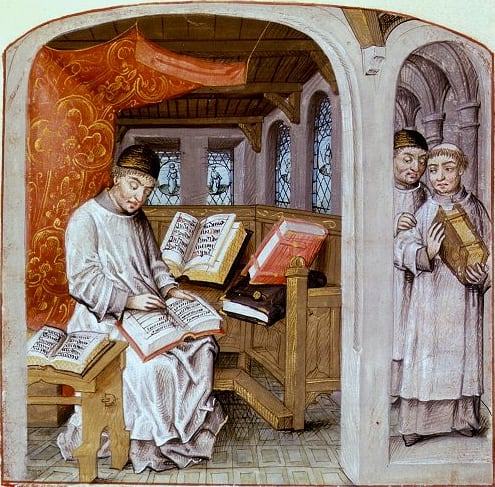
Thomas à Kempis
Übereinstimmung bei: Was ist das Absolute? Gibt es Gott? · Warum leiden wir? · Was geschieht nach dem Tod?
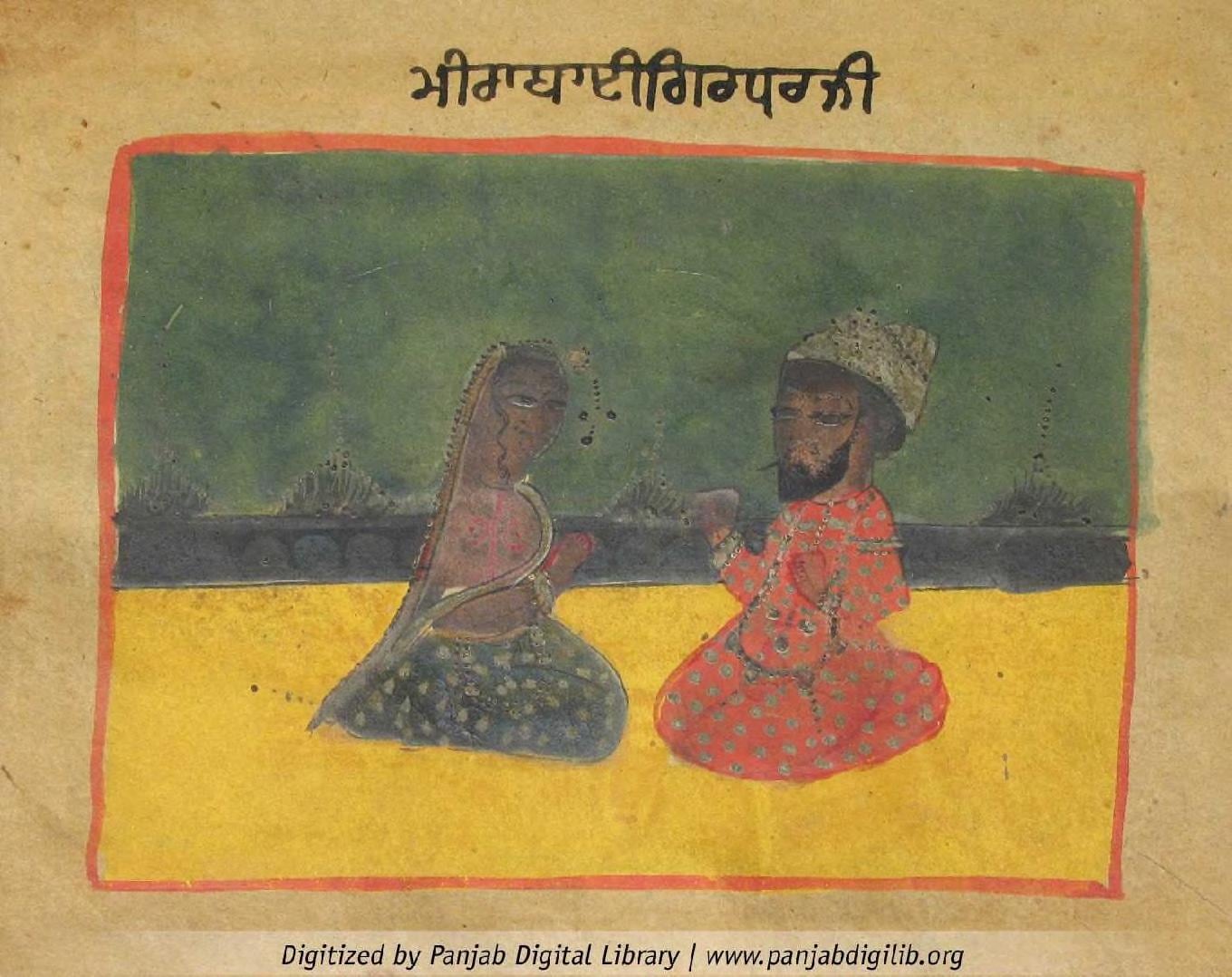
Mirabai
Übereinstimmung bei: Was ist das Absolute? Gibt es Gott? · Warum leiden wir? · Wie erlangt man Befreiung oder Erlösung?
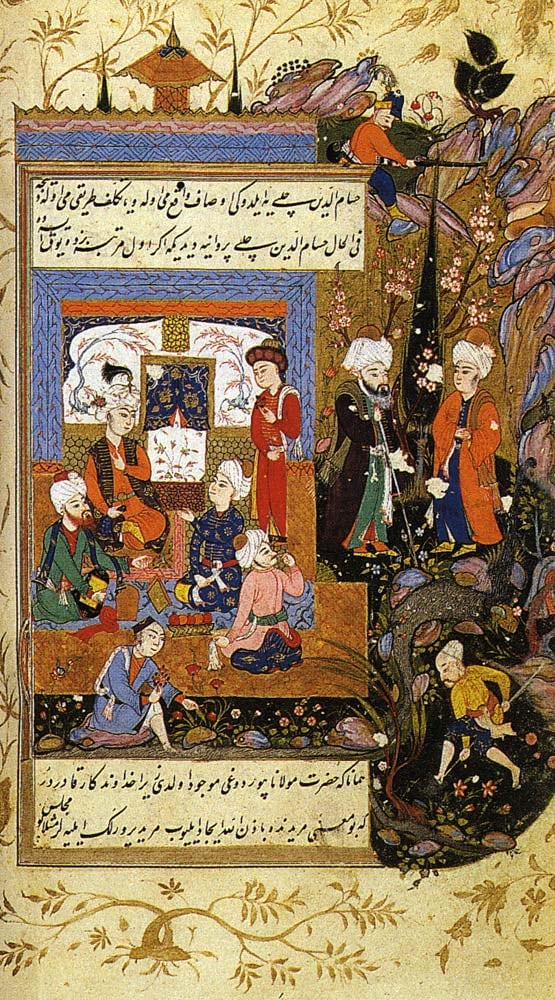
Rumi
Übereinstimmung bei: Was ist das Absolute? Gibt es Gott? · Warum leiden wir? · Was geschieht nach dem Tod?
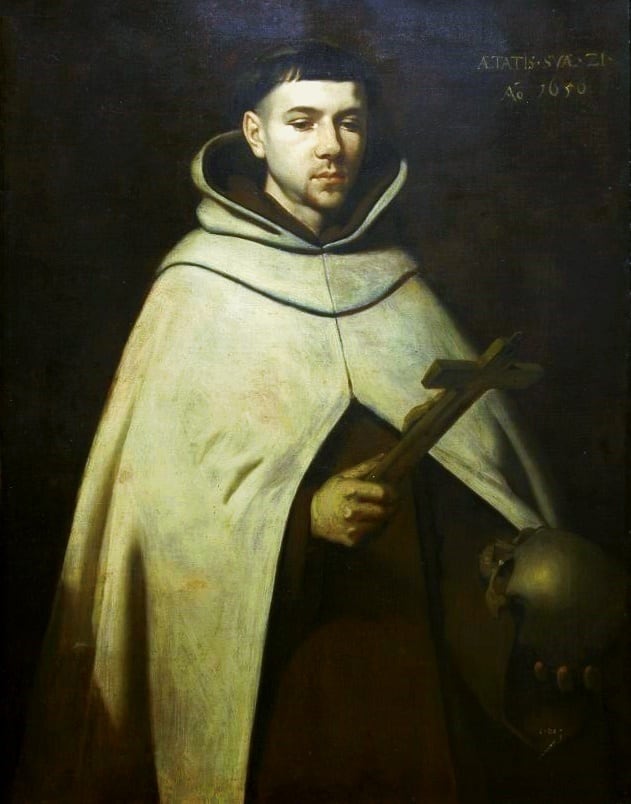
John of the Cross
Übereinstimmung bei: Was ist das Absolute? Gibt es Gott? · Warum leiden wir? · Was geschieht nach dem Tod?
Denkt anders als

Pema Chödrön
Widerspruch bei: Was ist das Absolute? Gibt es Gott? · Was geschieht nach dem Tod?
Śāntideva
Widerspruch bei: Was ist das Absolute? Gibt es Gott? · Was geschieht nach dem Tod?

The 14th Dalai Lama (Tenzin Gyatso)
Widerspruch bei: Was ist das Absolute? Gibt es Gott? · Was geschieht nach dem Tod?

Nāgārjuna
Widerspruch bei: Was ist das Absolute? Gibt es Gott? · Was geschieht nach dem Tod?
Anekdoten und Erzählungen
Anekdoten und Erzählungen
Nicht überprüfbarc. 1250 (relato de Joinville)
Fire and water
Herkunft der Erzählung: Joinville, *Vie de saint Louis* (1309), without a name; later attribution to Rabia in the Persian Sufi tradition. Schimmel (1975) and Cornell (2019) discuss its spread.
Quelle: Schimmel, Annemarie. Mystical Dimensions of Islam. Chapel Hill: University of North Carolina Press, 1975 (sobre Rabia y la difusión europea del relato del fuego y el agua a través de Joinville).
Hagiographische Erzählungs. VIII (según Attar)
The freed slave
Herkunft der Erzählung: Attar, *Tadhkirat al-awliya* (13th c.); English adaptation in Field (1910). Cornell notes that slavery does not appear in the ninth- to eleventh-century sources, which call her the freedwoman of a clan.
Hagiographische Erzählungs. VIII (según Attar)
The Kaaba comes out to meet her
Herkunft der Erzählung: Attar, *Tadhkirat al-awliya*. Ibrahim ibn Adham died around 777; the meeting has no basis in the early sources.
Zeugnisc. 760–778
Sufyan al-Thawri and sorrow
Herkunft der Erzählung: Al-Dhahabi, *Siyar a'lam al-nubala'*, entry on Rabia (Arabic Wikisource), with chains going back to Ibn Abi l-Dunya and Basran witnesses.
Hagiographische Erzählungs. VIII (según la tradición)
Hasan al-Basri's proposal
Herkunft der Erzählung: Attar, *Tadhkirat al-awliya*, adapted by Field (1910). Wikipedia (en), summarising Cornell, stresses that there is no evidence they ever met.
Lehren
Lehren
Die Begriffe, die das Denken gliedern, in ihrem Zusammenhang erklärt.
Disinterested love of Godhubb-ilahi
The passage from the asceticism of fear (*khawf*) to the mysticism of love (*mahabba*); Nicholson, Schimmel and Cornell.
Quelle: Cornell, Rkia Elaroui. Rabi'a from Narrative to Myth: The Many Faces of Islam's Most Famous Woman Saint, Rabi'a al-'Adawiyya. Londres: Oneworld Academic, 2019.
Asceticism (zuhd)zuhd
Basran asceticism in the seventh and eighth centuries.
Quelle: Cornell, Rkia Elaroui. Rabi'a from Narrative to Myth: The Many Faces of Islam's Most Famous Woman Saint, Rabi'a al-'Adawiyya. Londres: Oneworld Academic, 2019.
Sincerity (sidq)sidq
Sufi doctrine of states and stations; *ikhlas* and *sidq* in al-Qushayri.
Contentment with the divine will (rida)rida
The station of *rida* in Sufi manuals; link with trust (*tawakkul*).
Repentance as gracetawba-como-gracia
Sufi doctrine of *tawba*; Nicholson, The Mystics of Islam (1914).
Quelle: Nicholson, Reynold A. The Mystics of Islam. Londres: G. Bell & Sons, 1914 (Project Gutenberg 67388).
Videos
Videos
Aufnahmen, Gespräche und Dokumentarfilme. Die Videos werden von YouTube wiedergegeben; sie werden nicht hier gespeichert.
The Woman Who Rejected Heaven and Hell
Analyse· EN· 50 min
Let's Talk Religion
Mystical Love & Sufi Women
Analyse· EN· 20 min
Let's Talk Religion
"The life and significance of Rab'ia al-Adawiyya" - Dr. Sophia Pandya
Vortrag· EN· 43 min
Salaam Islamic Center
First Female Sufi - Rabia al-Adawiyya
Vortrag· EN· 27 min
Claudia Yaghoobi
Great Figures of Islam – Rabi'a al-'Adawiyyah - Lecture Series (Session 6)
Vortrag· EN· 39 min
ISRA AcademyOffizieller Kanal
Episode 4: Rabiah Al-Adawiyya | Inspirational Muslim Women
Analyse· EN· 6 min
Yaqeen InstituteOffizieller Kanal
Conferencia: Rabi'a Al-'adawiyya. Dra. Paulina Pezzat
Vortrag· ES· 89 min
Seminario de Historia de la Filosofía Canal
Dolors Bramon - Los sufíes Al-Khallaj y la ex esclava Rabia Al-Adawiyya
Vortrag· ES· 49 min
Espacio Ronda Barcelona
Hasnat Mustafa Hashmi - Rabiya Basri, la mujer sufí
Vortrag· ES· 58 min
Espacio Ronda Barcelona
Mundo Poesía. Capítulo 17: Poesía sufí. Primera parte. Rābia'a al-'Adawiyya
Analyse· ES· 3 min
Culturas Veintidós
Râbi'a al-'Adawiyya : Femme, Mystique et Sainte musulmane - Focus #1
Analyse· FR· 30 min
Ave'Roes
Râbi'a al-'Adawiyya, mystique et liberté, par Asma Lamrabet
Vortrag· FR· 85 min
Conscience Soufie
RÂBI'AH al-'Adawiyyah – Une Vie, une Œuvre : l'amour spirituel (France Culture, 2006)
Dokumentarfilm· FR· 2006· 88 min
ÉCLAIR BRUT
Rabia-i Adviyye Hazretleri: Hazreti Rabia (ARŞİV FİLM)
Aufnahme Dritter· TR· 77 min
TGRT Belgesel TV
Galerie
Galerie
Bilder mit geprüfter Lizenz. Jedes bewahrt seine Urheberschaft und seinen Herkunftsnachweis.
Beziehungen
Beziehungen
Einflüsse, Schülerschaften und Verwandtschaften. Die belegte Beziehung wird von der durch Analyse ermittelten Ähnlichkeit unterschieden.
Beeinflusste
Al-Ghazali quotes and comments on the verses of the "two loves" attributed to Rabia in book XXXVI of the *Ihya* as an example of pure love.
Belegte Beziehung
Beeinflusste
Attar wrote in the *Tadhkirat al-awliya* the legendary biography of Rabia that fixed her image in the Persian, Turkish and Indian worlds.
Belegte Beziehung
Verwandte Gedanken mit
Rumi, Attar's heir, develops the mysticism of disinterested love that tradition associates with Rabia. No direct mention in his work is cited here.
Durch Analyse ermittelte Ähnlichkeit
Verwandte Gedanken mit
Both are central figures of love mysticism in early Sufism and appear together in modern anthologies and studies; there was no contact (Rabia died around 801, al-Hallaj was born around 858).
Durch Analyse ermittelte Ähnlichkeit
Verwandte Gedanken mit
Ibn Arabi studied with women Sufi masters in al-Andalus and defended women's full spiritual capacity, a theme Rabia's figure embodies in the tradition. An affinity, not influence documented here.
Durch Analyse ermittelte Ähnlichkeit
Verwandte Gedanken mit
Rabia's detachment before the Kaaba has been compared with Teresa of Jesus's degrees of prayer (Salto Sánchez del Corral, 2017). An academic comparison, with no contact.
Durch Analyse ermittelte Ähnlichkeit
Verwandte Gedanken mit
Rabia's hagiographical stories share with the Christian tradition of women saints and desert fathers motifs such as voluntary poverty and the love of God for His own sake; the story of fire and water circulated in Christian Europe. A thematic affinity.
Durch Analyse ermittelte Ähnlichkeit
Von anderen Einträgen aus verknüpft
Quellen
Quellen
Für diesen Eintrag herangezogene Bibliografie und Kataloge.
- Wikidata, Q256506 «Rabia of Basri» (P31=Q5; 65 enlaces entre wikis; P569 710 (década); P570 801).
- Cornell, Rkia Elaroui. Rabi'a from Narrative to Myth: The Many Faces of Islam's Most Famous Woman Saint, Rabi'a al-'Adawiyya. Londres: Oneworld Academic, 2019.
- Smith, Margaret. Rabi'a the Mystic and Her Fellow-Saints in Islam. Cambridge: Cambridge University Press, 1928; reed. 1984 con introducción de Annemarie Schimmel.
- al-Dhahabi, Shams al-Din. Siyar a'lam al-nubala', entrada «Rabi'a al-'Adawiyya» (texto árabe en Wikisource).
- Ibn Kathir. al-Bidaya wa-l-nihaya, vol. X, obituarios del año 185 H, entrada «Rabi'a al-'Adawiyya» (texto árabe en Wikisource).
- Attar, Farid al-Din. Tadhkirat al-awliya', capítulo de Rabia; en la adaptación inglesa de Claud Field, Mystics and Saints of Islam, Londres: Francis Griffiths, 1910, cap. III «Rabia, the Woman Sufi» (Project Gutenberg 24314).
- Nicholson, Reynold A. The Mystics of Islam. Londres: G. Bell & Sons, 1914 (Project Gutenberg 67388).
- al-Sulami, Abu Abd al-Rahman. Dhikr al-niswa al-muta'abbidat al-sufiyyat. Ed. y trad. de Rkia Elaroui Cornell: Early Sufi Women. Louisville: Fons Vitae, 1999.
- al-Qushayri. al-Risala al-qushayriyya. Trad. de Alexander D. Knysh: Al-Qushayri's Epistle on Sufism. Reading: Garnet, 2007.
- Schimmel, Annemarie. Mystical Dimensions of Islam. Chapel Hill: University of North Carolina Press, 1975 (sobre Rabia y la difusión europea del relato del fuego y el agua a través de Joinville).
- Abu Talib al-Makki, Qut al-qulub (s. X), y al-Ghazali, Ihya ulum al-din, libro XXXVI (Kitab al-mahabba), trad. Eric Ormsby, Love, Longing, Intimacy and Contentment, Islamic Texts Society, 2012; texto árabe de los versos reproducido por Abd al-Ghani al-Nabulsi en Wikisource.
- Wikipedia (en), «Rabia of Basra» (citas de Cornell 2019 sobre la escasez de datos históricos, las tres Rabias de al-Sulami y su recepción moderna).
- Ibn Battuta. Tuhfat al-nuzzar fi ghara'ib al-amsar, vol. I, descripción de Jerusalén: la tumba del monte de los Olivos es de «Rabi'a al-Badawiyya», distinta de la célebre al-Adawiyya (texto árabe en Wikisource).
- Open Library, registros de ediciones de Smith, Cornell, al-Sulami, al-Qushayri, Attar (Arberry, Pavet de Courteille), Lings, Upton y Oudaimah.
- Rechteinhaber
- Sin titular: no hay obra de Rabia. Los textos que se le atribuyen proceden de autores medievales de dominio público; las traducciones y estudios modernos (Cambridge University Press, Oneworld, Fons Vitae, Islamic Texts Society, Arfuyen, Seuil…) están sujetos a los derechos de sus editores.
Bestätigung ausstehend
Was dieser Eintrag noch nicht klären konnte. Wir sagen es lieber, als es aufzufüllen.
- Obra: Rabia no dejó escritos. Se registran como «obras» los conjuntos de versos y dichos que se le atribuyen, cada uno con su fuente de transmisión (al-Makki, al-Dhahabi/Ibn Abi l-Dunya, al-Sulami, al-Qushayri, Attar), y los estudios y antologías principales como academic_about o compilation. No se ha podido verificar en el texto de Kitab al-luma' de al-Sarraj (ed. Nicholson, 1914) qué dichos de Rabia recoge: el OCR de Internet Archive no permite buscarlos.
- Ediciones en español: no se ha localizado ninguna traducción castellana con ISBN de los dichos o poemas atribuidos a Rabia, ni del Tadhkirat al-awliya de Attar.
- Sala de lectura: los textos de dominio público que contienen sus dichos (Attar en la edición persa de Nicholson, 1905–1907; la traducción francesa de Pavet de Courteille, 1889; Field, Mystics and Saints of Islam, 1910; Nicholson, The Mystics of Islam, 1914) son libros de otros autores en los que Rabia ocupa un capítulo; no se registran porque el importador no puede separar el capítulo. Margaret Smith (1928) es libre en EE. UU. pero no en la UE ni en España (Smith murió en 1970).
- Fechas: el nacimiento c. 717 y la muerte en 185/801 son tradicionales; Cornell subraya que su origen es incierto. Verificar en Cornell 2019 qué dos autores basrenses del siglo IX la mencionan (se cita a al-Jahiz).
- Citas: cotejar con el texto árabe de Qut al-qulub y del Ihya los versos de los «dos amores» (se ha usado la versión reproducida por al-Nabulsi en Wikisource) y localizar el texto árabe del dicho sobre el arrepentimiento citado por Nicholson.
- Vídeos: no se ha localizado un documental institucional; el programa de France Culture (2006) está subido por un canal no oficial.
Recherchiert am 2026-10-25