Epikureismus
Epicurus
Ἐπίκουρος
341 v. Chr. – 270 v. Chr.Historisch belegte Person
Griechischer Philosoph (341–270 v. Chr.), Gründer der Schule des Gartens in Athen. Er verband eine von Demokrit übernommene atomistische Physik mit einer Ethik, die die Lust – verstanden als Freisein von Schmerz im Körper und von Unruhe in der Seele – zum Ziel des Lebens erklärt. Er lehrte, weder die Götter noch den Tod zu fürchten und die Freundschaft zu pflegen. Von seinen rund dreihundert Buchrollen sind nur drei Briefe, zwei Spruchsammlungen und Fragmente seines Hauptwerks „Über die Natur“ erhalten.
- Werke
- 49Werke
- Ausgaben
- 58Ausgaben
- Zitate
- 13Zitate
- Videos
- 15Videos
- Bilder
- 6Bilder

Cabeza de Epicuro (Metropolitan Museum) · CC0
In eigenen Worten
«Let no one be slow to seek wisdom when he is young nor weary in the search thereof when he is grown old. For no age is too early or too late for the health of the soul.»Carta a Meneceo, en Diógenes Laercio X 122. Griego: Diógenes Laercio X, ed. de Wikisource griega; inglés: R. D. Hicks (Loeb, 1925, dominio público); español: traducción propia.

Der zentrale Gedanke
Pleasure (hedone) as the end: For Epicurus pleasure is "the beginning and end of the blessed life": the first good, innate in every living being, and the rule by which we judge each choice.
Im Zusammenhang sehen
Biografie
5 Min. Lesezeit
Unterstützte Übersetzung aus dem spanischen Original, Durchsicht durch einen muttersprachlichen Übersetzer ausstehend.
Dreihundert Buchrollen und drei Briefe
Epikur war einer der fruchtbarsten Autoren der Antike: Diogenes Laertios schreibt ihm rund dreihundert Buchrollen zu, ohne ein einziges fremdes Zitat. Fast alles ist verloren. Was wir besitzen, gelangt auf drei Wegen zu uns. Das zehnte Buch der Leben des Laertios gibt drei Briefe vollständig wieder – an Herodot, an Pythokles und an Menoikeus –, dazu die vierzig Hauptlehrsätze und sein Testament. Die Glutlawinen des Vesuvs begruben im Jahr 79 in einer Villa in Herculaneum die Bibliothek des Epikureers Philodemos, mit verkohlten Rollen seines großen Werkes Über die Natur. Und 1888 tauchte in einer Handschrift der Vatikanischen Bibliothek eine weitere Spruchsammlung auf. Ringsum bleiben die oft feindseligen Nachrichten von Stoikern, Akademikern und Christen und der getreue Widerhall von Schülern wie Lukrez.
Samos, Kolophon und Teos
Er wurde 341 v. Chr. auf Samos geboren, wo Athen Siedler angesiedelt hatte; sein Vater Neokles war Schulmeister und athenischer Bürger aus dem Demos Gargettos, seine Mutter hieß Chairestrate. Nach dem Epikureer Apollodor wandte er sich mit vierzehn Jahren der Philosophie zu, verärgert darüber, dass ihm seine Lehrer nicht erklären konnten, was das „Chaos“ Hesiods sei. Mit achtzehn ging er nach Athen, um seinen Ephebendienst abzuleisten, als Xenokrates an der Akademie lehrte und Aristoteles sich nach Chalkis zurückgezogen hatte. Nach Alexanders Tod vertrieb Perdikkas die Athener aus Samos, und Epikur folgte seiner Familie nach Kolophon. In der Nähe, in Teos, hörte er den Demokriteer Nausiphanes, den Verfasser eines Dreifußes, aus dem er seinen Kanon geschöpft haben soll; er selbst bestritt das stets, nannte sich einen Autodidakten und überhäufte seinen einstigen Lehrer mit Schmähungen.
Von der Ägäis in den Garten
Mit zweiunddreißig Jahren begann er in Mytilene auf Lesbos zu lehren und bald darauf in Lampsakos am Hellespont, wo er die Schüler um sich sammelte, die ihn sein Leben lang begleiten sollten: Metrodor, Polyainos, Idomeneus, Kolotes, Leonteus und dessen Frau Themista. Um 307 v. Chr. kehrte er nach Athen zurück und kaufte für achtzig Minen einen Garten, den Kepos, der der Schule ihren Namen gab. Er war eher eine Gemeinschaft von Freunden als ein Hörsaal: Dort lebten seine Brüder, Frauen wie Leontion oder Themista, der Sklave Mys, der an den Studien teilnahm; man aß einfach, begnügte sich mit Brot und Wasser und ein wenig verdünntem Wein und legte die Güter nicht zusammen, denn das, sagte Epikur, setzte Misstrauen unter Freunden voraus. Jahrhunderte später erinnerte Seneca an die Inschrift über dem Tor: „Gast, hier wirst du gut weilen; hier ist die Lust das höchste Gut.“
Eine Arznei gegen die Furcht
Epikur teilte die Philosophie in Kanonik, Physik und Ethik und ordnete die beiden ersten der dritten unter: Die Natur zu erforschen, hat nur Sinn, wenn es von der Furcht befreit. Alles, was existiert, sind unteilbare Atome, die sich im Leeren bewegen; auch die Seele ist ein Gefüge aus Atomen, das sich mit dem Körper auflöst; die Götter existieren, leben aber selig und unbekümmert und strafen und belohnen niemanden. Daher der berühmteste Satz: Der Tod geht uns nichts an, denn solange wir sind, ist er nicht da, und wenn er da ist, sind wir nicht mehr. Die Lust ist Anfang und Ziel des glücklichen Lebens, doch nicht die der Schlemmer, sondern das Freisein von Schmerz im Körper (Aponie) und von Unruhe in der Seele (Ataraxie). Um dahin zu gelangen, muss man die natürlichen und notwendigen Begierden von den nichtigen unterscheiden und mit Klugheit wählen, die mehr wert ist als die Philosophie selbst. Die Freundschaft ist das größte Gut, das die Weisheit verschafft, und das zurückgezogene Leben – „lebe im Verborgenen“, so sollten es die Epikureer zusammenfassen – schützt vor Ehrgeiz und Politik.
Wahrnehmungen, Atome und Abweichung
Die Erkenntnislehre, dargelegt im verlorenen Kanon, hält alle Wahrnehmungen für wahr; der Irrtum entsteht aus der Meinung, die wir ihnen hinzufügen; neben ihnen sind die Vorbegriffe (Prolepseis) und die Empfindungen von Lust und Schmerz Kriterien der Wahrheit. Die Physik folgt eng Demokrit, dem Epikur mehr verdankte, als er zugab, weicht aber in einem entscheidenden Punkt von ihm ab: Um die Freiheit gegenüber der Notwendigkeit zu retten, können die Atome minimal von ihrer Bahn abweichen. Diese Abweichung, das clinamen der Lateiner, kommt in den erhaltenen Texten Epikurs nicht vor; wir kennen sie aus Lukrez und Cicero, obwohl schon der Brief an Menoikeus die Göttermythen der unerbittlichen Notwendigkeit der Physiker vorzieht und erklärt, dass manches bei uns liegt.
Verleumder und Verteidiger
Keine antike Schule wurde so verleumdet. Timokrates, der Bruder Metrodors und Abtrünniger des Gartens, erzählte, Epikur habe sich vor lauter Völlerei zweimal am Tag übergeben und täglich eine Mine für seine Tafel ausgegeben; der Stoiker Diotimos brachte fünfzig obszöne Briefe in Umlauf, die ihm fälschlich zugeschrieben wurden. Epiktet nannte ihn einen Prediger der Weichlichkeit, und die Kirchenväter machten „Epikureer“ zum Synonym für Gottesleugner und Genussmensch. Diogenes Laertios, der die Vorwürfe überliefert, widerlegt sie mit dem Zeugnis seines Testaments, der Treue seiner Freunde und der Genügsamkeit des Gartens. Epikur selbst freilich verachtete ohne Rücksicht Platon, Aristoteles, die Kyniker und die Dialektiker.
Der glücklichste Tag
Er starb 270 v. Chr. mit zweiundsiebzig Jahren, nach vierzehn Tagen des Leidens an einem Stein, der ihn am Harnlassen hinderte, wie sein Nachfolger Hermarchos berichtete. An diesem letzten Tag schrieb er an Idomeneus, er setze den Blasen- und Darmschmerzen, die nicht größer sein könnten, die Freude der Seele über die Erinnerung an ihre Gespräche entgegen, und trug ihm auf, für die Kinder Metrodors zu sorgen. Der Biograph Hermippos fügte hinzu, er habe sich in eine bronzene Wanne mit warmem Wasser gelegt, ungemischten Wein verlangt, ihn getrunken und sei gestorben, nachdem er die Freunde gebeten hatte, seiner Lehren zu gedenken. In seinem Testament vermachte er den Garten der Schule, ließ seine Sklaven Mys, Nikias, Lykon und Phaidrion frei und setzte ein Treffen am Zwanzigsten jedes Monats zu seinem und Metrodors Gedächtnis fest.
Die lange Nachwelt
Der Garten überdauerte Jahrhunderte in außerordentlicher Treue zu seinem Gründer. Im 1. Jahrhundert v. Chr. lehrte Philodemos den Epikureismus in Italien, und Lukrez goss ihn in die sechs Bücher Über die Natur der Dinge; im 2. Jahrhundert n. Chr. ließ Diogenes von Oinoanda seine Lehren in eine Mauer seiner Stadt in Lykien meißeln, für jeden, der sie lesen wollte. Das Christentum begrub ihn; die Entdeckung der Lukrez-Handschrift durch Poggio Bracciolini 1417 leitete seine Rückkehr ein, und im 17. Jahrhundert versöhnte Pierre Gassendi den epikureischen Atomismus mit dem Glauben und stellte ihn an den Ursprung der modernen Wissenschaft. Heute, da die Papyri von Herculaneum nach und nach entziffert werden, bleibt Epikur der Philosoph, der die Gelassenheit als eine erlernbare Kunst vorschlug.
Quellen: García Gual, Carlos. Epicuro. Alianza Editorial, Madrid, 1981. · Diógenes Laercio. Vidas y opiniones de los filósofos ilustres, libro X (Epicuro: vida, testamento, cartas a Heródoto, Pitocles y Meneceo, Máximas capitales), s. III d. C. Trad. inglesa de R. D. Hicks, Loeb Classical Library 185, 1925 (Wikisource en inglés); texto griego en Wikisource griega; trad. de C. D. Yonge, Bohn, 1853 (Project Gutenberg n.º 57342). · Diógenes Laercio. Los diez libros de Diógenes Laercio sobre las vidas, opiniones y sentencias de los filósofos más ilustres, trad. de José Ortiz y Sanz, tomo II (libros VI–X). Imprenta Real, Madrid, 1792 (Internet Archive). · Usener, Hermann (ed.). Epicurea. Teubner, Leipzig, 1887 (Internet Archive). Edición clásica de los textos y testimonios; numeración «Us.» de los fragmentos. · Bailey, Cyril (ed. y trad.). Epicurus: The Extant Remains. Clarendon Press, Oxford, 1926 (Internet Archive).
Zeitleiste
Das Leben, Jahr für Jahr
Jeder Punkt ist ein belegtes Ereignis. Klicken Sie, um es mit Quelle und Grad der Gewissheit zu lesen.
341 v. Chr.0 JahreSamos
Birth
Born on Samos on the 7th of the month Gamelion in the third year of the 109th Olympiad, archonship of Sosigenes (January–February 341 BCE), according to Apollodorus' chronology in Diogenes Laertius X 14. Son of Neocles and Chaerestrate, Athenian citizens. Wikidata records 342 and 341. Years BCE are expressed as negative numbers.
BelegtDiógenes Laercio. Vidas y opiniones de los filósofos ilustres, libro X (Epicuro: vida, testamento, cartas a Heródoto, Pitocles y Meneceo, Máximas capitales), s. III d. C. Trad. inglesa de R. D. Hicks, Loeb Classical Library 185, 1925 (Wikisource en inglés); texto griego en Wikisource griega; trad. de C. D. Yonge, Bohn, 1853 (Project Gutenberg n.º 57342).
Nach dem Tod
- um 150 v. Chr.The inscription of Diogenes of Oenoanda
- 79 v. Chr.The Herculaneum library
- um 55 v. Chr.Lucretius, On the Nature of Things
- 1417Poggio finds Lucretius
- 1888The Vatican Sayings
341 v. Chr. · 0 Jahre
Birth
Born on Samos on the 7th of the month Gamelion in the third year of the 109th Olympiad, archonship of Sosigenes (January–February 341 BCE), according to Apollodorus' chronology in Diogenes Laertius X 14. Son of Neocles and Chaerestrate, Athenian citizens. Wikidata records 342 and 341. Years BCE are expressed as negative numbers.
Belegt
um 327 v. Chr. · 14 Jahre
Hesiod's chaos
By his own account he comes to philosophy at fourteen; Apollodorus the Epicurean says it was out of contempt for teachers who could not explain Hesiod's "chaos" to him (Diogenes Laertius X 2).
Überlieferung
323 v. Chr. · 18 Jahre
Ephebe in Athens
Comes to Athens at eighteen for his ephebic service, when Xenocrates heads the Academy and Aristotle is in Chalcis (Diogenes Laertius X 1).
Belegt
um 321 v. Chr. · 20 Jahre
Colophon and Nausiphanes
With the Athenian settlers expelled from Samos by Perdiccas, he joins his father in Colophon. At Teos he hears the Democritean Nausiphanes, though he later denied having had teachers (Diogenes Laertius X 1, 13–14).
Wahrscheinlich
um 311 v. Chr.
First school
Around 311 BCE—Laertius says at thirty-two—he begins teaching at Mytilene and then at Lampsacus, where Metrodorus, Polyaenus, Idomeneus, Colotes, Leonteus and Themista join him (Diogenes Laertius X 15).
Wahrscheinlich
um 307 v. Chr. · 34 Jahre
Return to Athens and purchase of the Garden
Returns to Athens in the archonship of Anaxicrates (307/306 BCE) and buys for eighty minae the garden that gives the school its name (Diogenes Laertius X 2, 11).
Belegt
um 277 v. Chr.
Death of Metrodorus
Metrodorus of Lampsacus, his closest disciple, dies seven years before Epicurus (Diogenes Laertius X 23); the master's will provides for his children.
Wahrscheinlich
270 v. Chr. · 71 Jahre
Death
Dies in the second year of the 127th Olympiad, archonship of Pytharatus (271/270 BCE), aged seventy-two (ancient reckoning), after fourteen days of illness from a urinary stone. Hermarchus of Mytilene succeeds him (Diogenes Laertius X 15–22).
Belegt
um 150 v. Chr.
The inscription of Diogenes of Oenoanda
A citizen of Oenoanda, Diogenes, has a great inscription with Epicurus' doctrines carved on a stoa of his city, of which hundreds of fragments have been recovered. Approximate date (second century CE).
Belegt
79 v. Chr.
The Herculaneum library
The eruption of Vesuvius buries the Villa of the Papyri and Philodemus' library, with rolls of Epicurus' On Nature; the papyri will be found carbonised in the eighteenth century.
Belegt
um 55 v. Chr.
Lucretius, On the Nature of Things
Lucretius composes in Latin hexameters the six books of his poem, the fullest surviving exposition of the Epicurean system.
Wahrscheinlich
1417
Poggio finds Lucretius
The humanist Poggio Bracciolini discovers a manuscript of On the Nature of Things in a German monastery and has it copied; the poem reintroduces Epicureanism into European culture.
Belegt
1888
The Vatican Sayings
Karl Wotke publishes, with Hermann Usener's help, the collection of 81 Epicurean sayings he had found in the codex Vaticanus graecus 1950.
Belegt
Werke
Grundlegende Werke
Die Werke, ohne die sich das Vermächtnis nicht verstehen lässt.
Briefwechsel
Letter to Menoeceus
Ἐπιστολὴ πρὸς Μενοικέα
Epicurus' most widely read text: a short moral treatise in the form of a letter. It opens by urging philosophy at any age, since it is never too early or too late for the health of the soul; recalls that the gods are immortal and blessed and do not concern themselves with men; shows that death is nothing to us; classifies desires as natural and necessary, natural and unnecessary, and empty; defines pleasure as the absence of pain in the body and of disturbance in the soul, not the enjoyment of the profligate; places prudence above philosophy; and closes with the portrait of the sage, who lives "like a god among men".
10 Ausgaben · amazon.com
Briefwechsel
Letter to Herodotus
Ἐπιστολὴ πρὸς Ἡρόδοτον
A summary of Epicurean physics addressed to a disciple. It sets out the principles: nothing comes from nothing or perishes into nothing; the whole consists of bodies and void; compound bodies are made of indivisible atoms, of varied though not infinite shapes, moving ceaselessly at equal speed; there are infinitely many worlds. It explains perception through the images (eidola) that flow from things, the bodily nature of the soul and its dispersal at death, and ends by showing that the study of celestial phenomena serves to free us from fear, not to foretell.
9 Ausgaben · amazon.com
Spätere Zusammenstellung
Principal Doctrines (Kyriai Doxai)
Κύριαι δόξαι
The forty maxims condense the system into short formulas meant to be learned by heart. The first four contain the so-called "fourfold remedy": the blessed and immortal being neither has troubles nor causes them; death is nothing to us; the limit of pleasure is the removal of all pain; intense pain is brief and prolonged pain is bearable. Then come maxims on prudence and justice, on desires, on the security friendship brings and, at the end, a theory of justice as a compact neither to harm nor be harmed.
9 Ausgaben · amazon.com
Spätere Zusammenstellung
Vatican Sayings
Ἐπικούρου προσφώνησις (Gnomologium Vaticanum Epicureum)
A collection of moral maxims at times more poetic and personal in tone than the Principal Doctrines. They include the most quoted sayings on friendship—"friendship dances around the world", calling everyone to wake to happiness—on gratitude for past goods, the simplicity of what is necessary, independence from fame and politics, and preparation for death. Together with the Principal Doctrines, it was the school's instrument for memorisation.
6 Ausgaben · amazon.com

Schriftliches Werk · um 300 v. Chr.
On Nature
Περὶ φύσεως
Epicurus' major work: a series of lectures in thirty-seven rolls that set out, completely and polemically, the physics, theory of knowledge and psychology of the system. The scholia to the Letter to Herodotus refer to it for the thesis that the whole consists of bodies and void or for the variety of shapes of worlds. The Herculaneum papyri, deciphered with difficulty since the eighteenth century and today with imaging techniques, preserve discussions of moral responsibility (Book XXV) and of language and error (Book XXVIII), in a dense style very different from that of the letters.
3 Ausgaben · amazon.com
Das gesamte Werk (49)
Letter to Pythocles

Last Will
270
Letter to Idomeneus (on his last day)
270
Epicurus
Letters (fragments)
The Conscious LibraryLetters (fragments)
Epicurus
On Atoms and Void
The Conscious LibraryOn Atoms and Void
Epicurus
On Love
The Conscious LibraryOn Love
Epicurus
Epitome of Objections to the Physicists
The Conscious LibraryEpitome of Objections to the Physicists
Epicurus
Against the Megarians
The Conscious LibraryAgainst the Megarians
Epicurus
Problems
The Conscious LibraryProblems
Epicurus
On Choice and Avoidance
The Conscious LibraryOn Choice and Avoidance
Epicurus
On the End
The Conscious LibraryOn the End
Epicurus
On the Criterion, or Canon
The Conscious LibraryOn the Criterion, or Canon
Epicurus
Chaeredemus
The Conscious LibraryChaeredemus
Epicurus
On the Gods
The Conscious LibraryOn the Gods
Epicurus
On Piety
The Conscious LibraryOn Piety
Epicurus
Hegesianax
The Conscious LibraryHegesianax
Epicurus
On Lives (4 books)
The Conscious LibraryOn Lives (4 books)
Epicurus
On Just Dealing
The Conscious LibraryOn Just Dealing
Epicurus
Neocles, to Themista
The Conscious LibraryNeocles, to Themista
Epicurus
Symposium
The Conscious LibrarySymposium
Epicurus
Eurylochus, to Metrodorus
The Conscious LibraryEurylochus, to Metrodorus
Epicurus
On Vision
The Conscious LibraryOn Vision
Epicurus
On the Angle in the Atom
The Conscious LibraryOn the Angle in the Atom
Epicurus
On Touch
The Conscious LibraryOn Touch
Zitate
Zitate, die in einem bestimmten Werk nachgewiesen sind. Jedes trägt seine Herkunft und seinen Grad an Verlässlichkeit.
Let no one be slow to seek wisdom when he is young nor weary in the search thereof when he is grown old. For no age is too early or too late for the health of the soul.Μήτε νέος τις ὢν μελλέτω φιλοσοφεῖν, μήτε γέρων ὑπάρχων κοπιάτω φιλοσοφῶν· οὔτε γὰρ ἄωρος οὐδείς ἐστιν οὔτε πάρωρος πρὸς τὸ κατὰ ψυχὴν ὑγιαῖνον.
GeprüftCarta a Meneceo, en Diógenes Laercio X 122. Griego: Diógenes Laercio X, ed. de Wikisource griega; inglés: R. D. Hicks (Loeb, 1925, dominio público); español: traducción propia.
Apokryphe Zitate oder Zitate umstrittener Zuschreibung (3)
«Is God willing to prevent evil, but not able? Then he is impotent. Is he able, but not willing? Then he is malevolent. Is he both able and willing? Whence then is evil?»
The so-called "Epicurean paradox" appears in no surviving text of Epicurus. Its source is the Christian apologist Lactantius (On the Anger of God 13, c. 314), who attributes it to Epicurus in order to refute it; many scholars think it comes from the sceptical Academy (Carneades) rather than the Garden, and the modern question form is owed mainly to Hume.
«I was not; I was; I am not; I do not care.»
A Latin funerary formula (non fui, fui, non sum, non curo) attested in Roman epitaphs of the imperial age, Epicurean in inspiration. It circulates attributed to Epicurus, but it is not in his texts nor in Greek.
«The fourfold remedy: God presents no fears; death no worries; the good is easy to get; the terrible is easy to endure.»
The doctrine is Epicurus' (Principal Doctrines I–IV), but the compact formula of the "tetrapharmakos" is by his follower Philodemus (first century BCE), in a Herculaneum papyrus. Presenting it as a literal quotation from Epicurus is inaccurate.
Letzte Worte
Traditionelle Zuschreibung
«"Remember the doctrines" (according to Hermippus, he bade his friends remember his doctrines and so died).»τοῖς τε φίλοις παραγγείλαντα τῶν δογμάτων μεμνῆσθαι οὕτω τελευτῆσαι
Diogenes Laertius X 15–16 records the account of the biographer Hermippus (third century BCE): ill with a stone for fourteen days, he got into a bronze bath of warm water, asked for unmixed wine, drank it, bade his friends remember his doctrines and died. Laertius' own epigram puts in his mouth "χαίρετε, καὶ μέμνησθε τὰ δόγματα" ("farewell, and remember the doctrines"), a literary version. The most reliable testimony of his last hours is not spoken words but the last-day letter to Idomeneus (X 22), which Cicero knows as addressed to Hermarchus (De finibus II 96): "I write this on the blissful day that is also the last of my life…". English: R. D. Hicks; Spanish: own translation.
Quelle: Diógenes Laercio. Vidas y opiniones de los filósofos ilustres, libro X (Epicuro: vida, testamento, cartas a Heródoto, Pitocles y Meneceo, Máximas capitales), s. III d. C. Trad. inglesa de R. D. Hicks, Loeb Classical Library 185, 1925 (Wikisource en inglés); texto griego en Wikisource griega; trad. de C. D. Yonge, Bohn, 1853 (Project Gutenberg n.º 57342).
Fragen
Was das Werk beantwortet
Zwölf große Fragen der Menschheit und was sich aus den Texten darauf antworten lässt, mit Belegen. Wir legen niemandem Worte in den Mund.
Was ist das Absolute? Gibt es Gott?
The gods exist, happy and indifferent: they neither made the world nor govern it
Kein SchöpfergottAusdrücklich gesagt
Epicurus is no atheist: in the Letter to Menoeceus he affirms that the gods exist and that knowledge of them is evident, and he defines them as incorruptible and happy beings. But precisely for that reason they cannot concern themselves with the world: the first Principal Doctrine says that the happy and incorruptible being neither has troubles nor causes them, and is subject neither to anger nor to favour. The cosmos is not their work but that of atoms combining in the void, and celestial phenomena must not be ascribed to their government. Human happiness therefore depends on no God: freedom from fear of the gods is one of the first remedies of his philosophy.
Diese Frage mit anderen Meistern vergleichenWer bin ich? Gibt es ein wahres Selbst?
The soul is a compound of atoms that disperses with the body
Es gibt kein bleibendes SelbstAusdrücklich gesagt
In the Letter to Herodotus Epicurus describes the soul as a body of fine parts spread throughout the organism, resembling breath with an admixture of heat, and adds that it cannot feel apart from the body's covering: when the body dissolves, its atoms scatter and it ceases to exist. To call the soul incorporeal, he says, is to speak idly. There is therefore no permanent self surviving the composition that forms it. Ethics rests on this physics: fear of death arises from imagining that we will still be there to suffer it, and vanishes once one understands that, the compound dissolved, nobody remains to be affected.
Diese Frage mit anderen Meistern vergleichenWarum leiden wir?
Empty desires and groundless fears disturb us
Begehren und AnhaftenAusdrücklich gesagt
Epicurus identifies the good with pleasure, understood above all as absence of pain in the body and of disturbance in the soul, and explains unhappiness by two causes. The first is ill-ordered desires: some are natural and necessary, others natural and unnecessary, and others empty, like those for wealth or glory, which have no limit and are therefore never sated. The second is false opinions that breed fear, above all of the gods and of death. The Letter to Menoeceus teaches how to classify desires and weigh pleasures and pains, and physics dissolves the fears. We suffer by desiring what we do not need and fearing what should not be feared.
Diese Frage mit anderen Meistern vergleichenWas geschieht nach dem Tod?
Death is nothing to us: where it is, we are not
Der Tod ist das Ende der PersonAusdrücklich gesagt
Epicurus keeps no reserve: he states with confidence that death is the dissolution of the compound of atoms we are and that no one remains to undergo it. Hence his most famous argument, in the Letter to Menoeceus: good and evil lie in sensation, and death is the privation of sensation; so when we are, death is not, and when death is, we are no longer. The second Principal Doctrine reduces it to one line. The fear of death is thus an error, and its remedy is not a hope but physics properly understood. What matters is the quality of present life, not its length.
Diese Frage mit anderen Meistern vergleichenWie erlangt man Befreiung oder Erlösung?
Meditating day and night on the truths that heal the soul
Durch disziplinierte ÜbungAusdrücklich gesagt
For Epicurus philosophy is medicine for the soul, and its goal, ataraxia, is reached by sustained work. The Letter to Menoeceus begins by saying that no one is too young or too old to philosophise and ends with a watchword: meditate on these things day and night, by oneself and with someone like oneself, so as to live like a god among humans. The content of that meditation is fixed: the gods are not to be feared, death is nothing, the good is easy to obtain and pain easy to endure. The Principal Doctrines and the epitomes were written to be memorised. To this is added the study of nature, without which fears are not dissolved.
Diese Frage mit anderen Meistern vergleichenBraucht es einen Lehrer?
The Garden: learning among friends, with someone like oneself
Gemeinschaft und TraditionAusdrücklich gesagt
Epicurus presented himself as self-taught and denied owing anything to his teachers, but the way he proposed is communal. In the Garden at Athens men and women, free and slave, lived together, united by friendship, which according to Principal Doctrine XXVII is the greatest thing wisdom provides for happiness. The Letter to Menoeceus recommends meditating on the doctrine alone and with someone like oneself, and the school cultivated the founder's memory with feasts and portraits. Seneca transmits an Epicurean counsel: choose a good man and keep him always before your eyes, acting as if he saw you. One learns in a community of friends and with its texts.
Diese Frage mit anderen Meistern vergleichenIst die Welt wirklich?
Atoms and void: infinite worlds that arise and dissolve without design
Natürliche Ordnung im WandelAusdrücklich gesagt
In the Letter to Herodotus Epicurus sets out an atomist physics: nothing comes from nothing nor is destroyed into nothing; the whole consists of bodies and void, and compound bodies result from indivisible and indestructible atoms in perpetual motion. There are infinite worlds, like and unlike ours, which form by aggregation and dissolve over time, without the gods' intervention or any purpose. The senses are reliable: they are the final criterion of truth, and what is not perceived is inferred from what is. The world is real, material and changing; knowing its natural causes is what frees from fears.
Diese Frage mit anderen Meistern vergleichenWas ist Liebe?
Friendship, the greatest good wisdom provides; falling in love, a risk
Geordnetes WohlwollenAusdrücklich gesagt
Epicurus carefully distinguishes erotic love from friendship. The first he distrusts: the sage will not fall in love, because love is not sent by the gods and usually brings more disturbance than pleasure. Friendship, by contrast, is at the centre of his ethics: of all that wisdom provides for happiness, by far the greatest is the possession of friendship. One Vatican Saying states that every friendship is desirable in itself, though it began in utility; another, that friendship dances around the inhabited world announcing to all to wake up to happiness. It is an affection cultivated with measure, among equals, sustaining the life of the Garden.
Diese Frage mit anderen Meistern vergleichenSind wir frei, oder ist alles vorherbestimmt?
What depends on us has no master: better myth than fate
Echter freier WilleAusdrücklich gesagt
Epicurus is the first philosopher to state clearly the risk that a deterministic physics might cancel responsibility. In the Letter to Menoeceus he describes the sage as one who laughs at the fate some present as master of all, knows that some things happen by necessity, others by chance and others depend on us, and that what depends on us has no master, so that blame and praise follow from it. He adds that it would be better to follow the myths about the gods than to be enslaved to the fate of the natural philosophers. The doctrine of the swerve of atoms, known chiefly through Lucretius, was devised to save that freedom.
Diese Frage mit anderen Meistern vergleichenWozu meditieren oder beten?
Honouring the gods without fear and repeating daily the truths that calm
Ritual und SelbstkultivierungAus der Lehre abgeleitet
Epicurus did not pray to the gods to obtain favours, because they do not intervene in the world, but neither did he abandon cult. According to Philodemus, he took part in civic festivals and the mysteries, and honoured the gods for their perfection, as models of an undisturbed happiness. His characteristic practice is another: the repetition of doctrine. The Letter to Menoeceus asks one to meditate on his teachings day and night, alone and with a friend; the epitomes and Principal Doctrines were composed to be memorised. Thus the truths that free from fear are fixed in the soul. Serene rite, repeated study and daily conduct make up the life of the Garden.
Diese Frage mit anderen Meistern vergleichenKann die Vernunft das Letzte erkennen?
No one is too young or too old to study nature
Studium und GelehrsamkeitAusdrücklich gesagt
For Epicurus reason, resting on the senses, can know the ultimate constitution of things: atoms and void. His theory of knowledge, set out in the Canon, takes sensations, preconceptions and feelings as criteria of truth; what is not directly perceived is inferred from what is evident, provided nothing contradicts it. Philosophy is a lifelong task: no one is too young or too old to philosophise, begins the Letter to Menoeceus. And study has a practical aim: without knowing the nature of the universe it is impossible to dissolve fear about the most important matters. Learning is the way to serenity.
Diese Frage mit anderen Meistern vergleichenSich von der Welt zurückziehen oder sie verwandeln?
Live unnoticed: the sage will not engage in politics, unless needed
Sich zurückziehen, um zu findenAusdrücklich gesagt
Epicurus advised standing apart from public life. The maxim “live unnoticed”, transmitted by Plutarch, who attacked it in a whole essay, sums up his position; Diogenes Laertius adds that the sage will not engage in politics, and a Vatican Saying urges freeing oneself from the prison of business and politics. The reason is that ambition for fame and power brings disturbance, and the security that truly matters comes from the quiet life and withdrawal from the crowd. But that withdrawal is not solitude: Epicurus founded the Garden, a community of friends living together on the outskirts of Athens. It is about withdrawing from the city in order to live with friends.
Diese Frage mit anderen Meistern vergleichen
Affinitäten und Spannungen
Affinitäten und Spannungen
Frage für Frage aus den Positionen berechnet. Den Grund jeder Übereinstimmung und jedes Widerspruchs zeigt ein Klick.
Denkt ähnlich wie
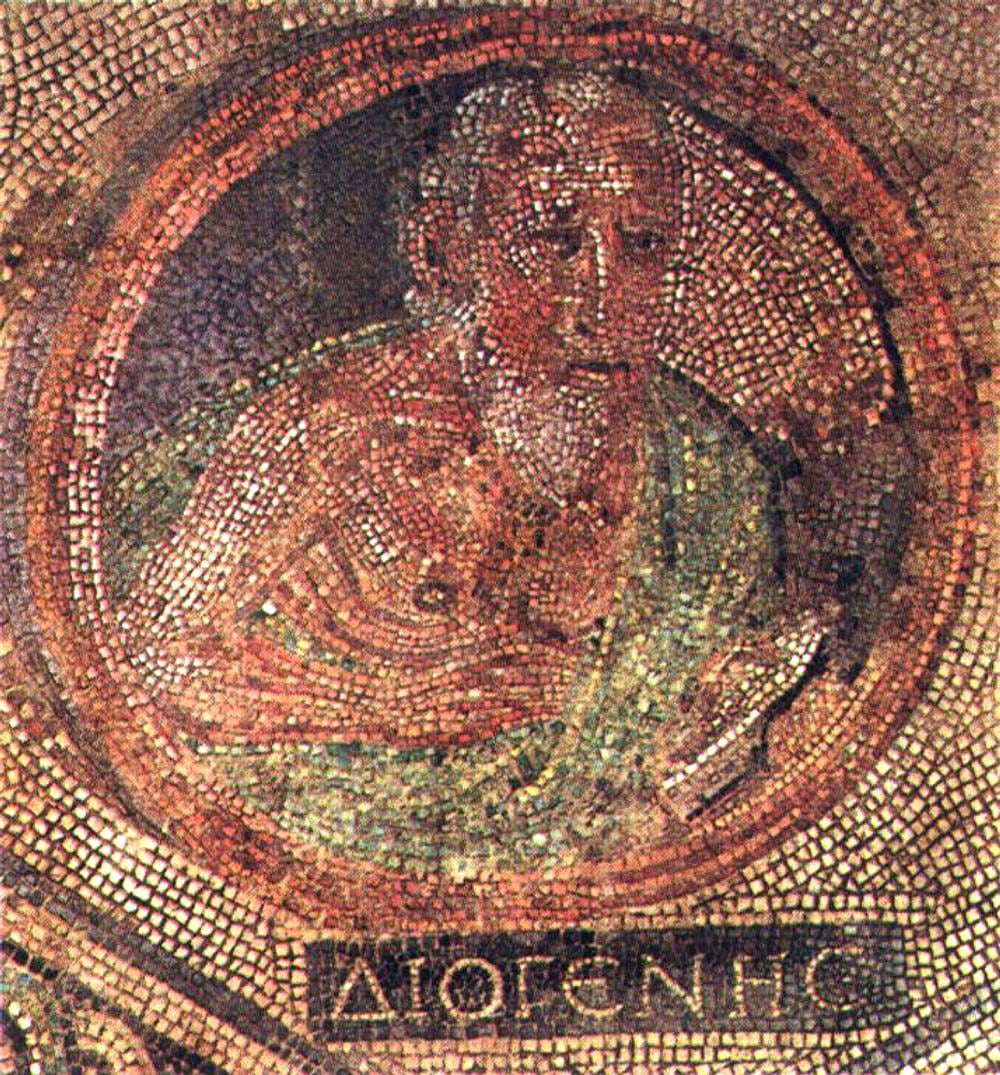
Diogenes of Sinope
Übereinstimmung bei: Warum leiden wir? · Wie erlangt man Befreiung oder Erlösung? · Ist die Welt wirklich?
Ajahn Chah
Übereinstimmung bei: Was ist das Absolute? Gibt es Gott? · Wer bin ich? Gibt es ein wahres Selbst? · Warum leiden wir?
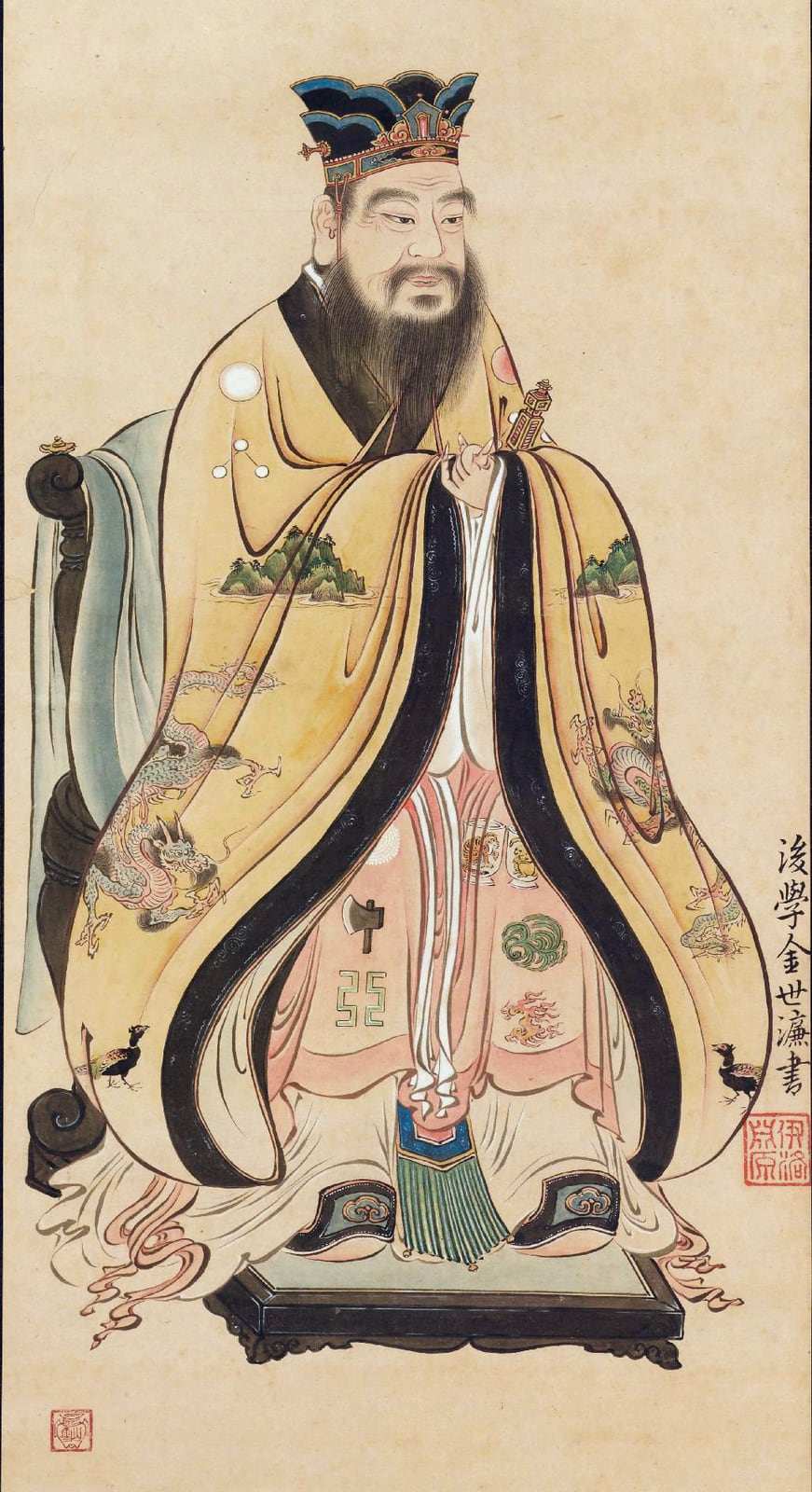
Confucius
Übereinstimmung bei: Braucht es einen Lehrer? · Ist die Welt wirklich? · Was ist Liebe?
Shunryu Suzuki
Übereinstimmung bei: Wer bin ich? Gibt es ein wahres Selbst? · Warum leiden wir? · Wie erlangt man Befreiung oder Erlösung?
Denkt anders als
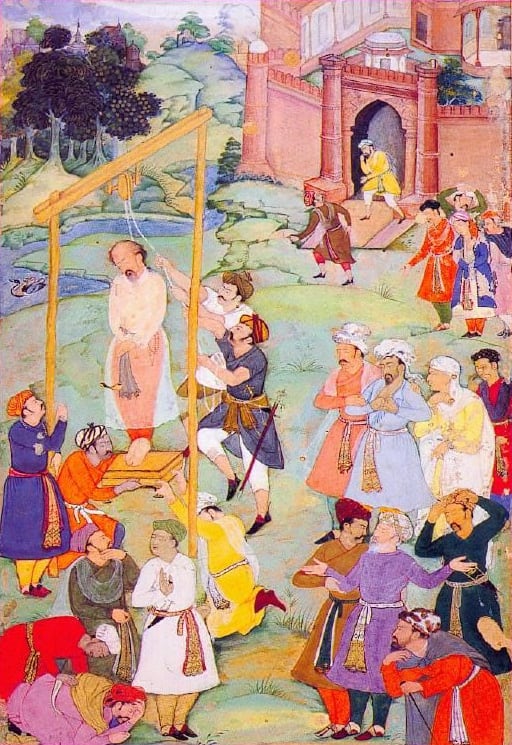
Al-Hallaj
Widerspruch bei: Was ist das Absolute? Gibt es Gott? · Wer bin ich? Gibt es ein wahres Selbst? · Was geschieht nach dem Tod?

Chaitanya Mahaprabhu
Widerspruch bei: Was ist das Absolute? Gibt es Gott? · Wer bin ich? Gibt es ein wahres Selbst? · Was geschieht nach dem Tod?
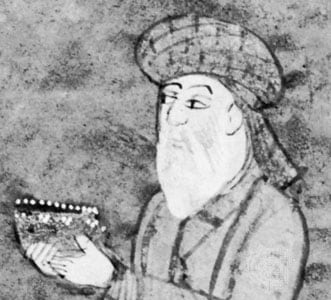
Hafez
Widerspruch bei: Was ist das Absolute? Gibt es Gott? · Wer bin ich? Gibt es ein wahres Selbst? · Was geschieht nach dem Tod?
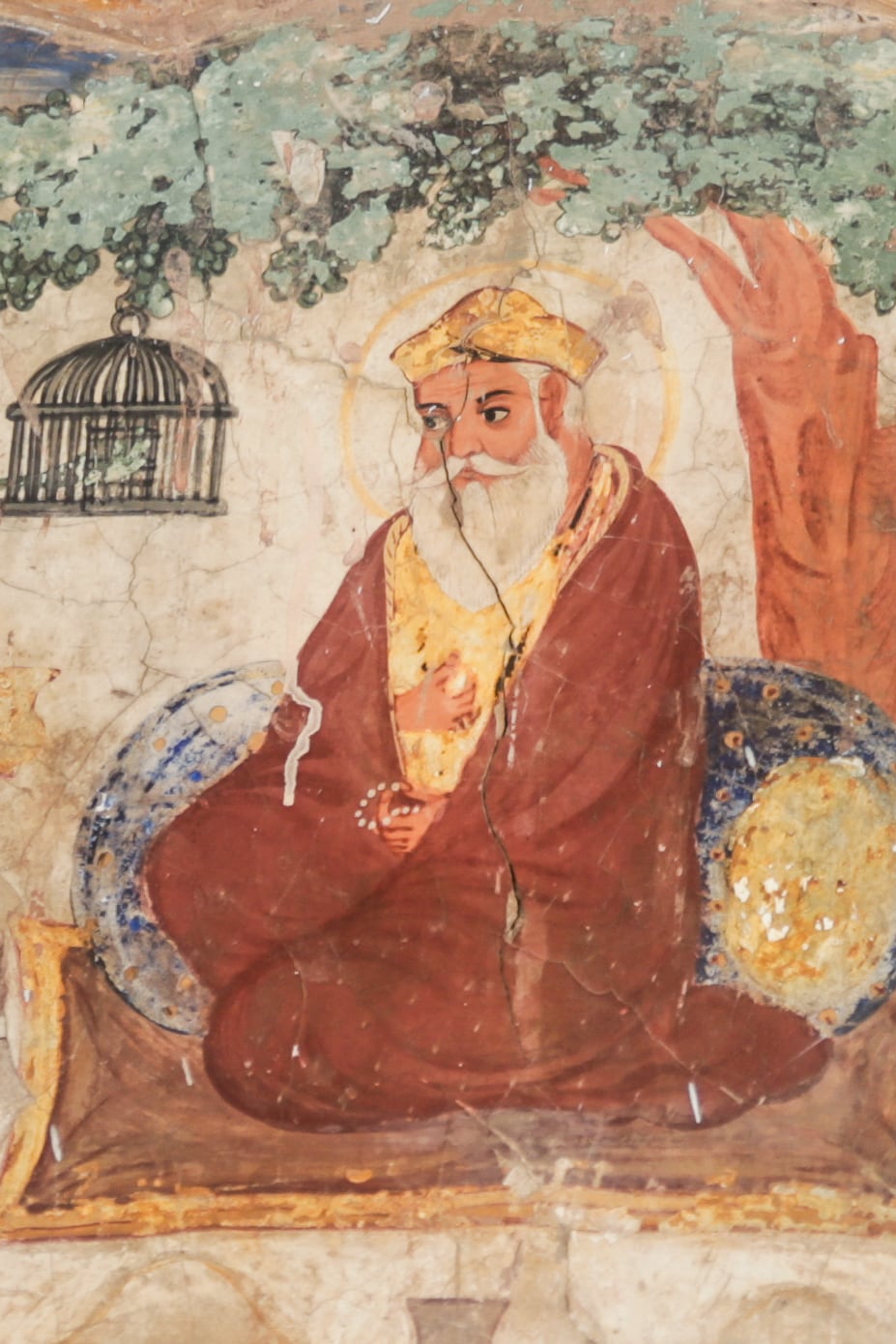
Guru Nanak
Widerspruch bei: Was ist das Absolute? Gibt es Gott? · Wer bin ich? Gibt es ein wahres Selbst? · Was geschieht nach dem Tod?
Anekdoten und Erzählungen
Anekdoten und Erzählungen
Zeugnisc. 307–270 a. C.
The Garden and its gate
Herkunft der Erzählung: Diogenes Laertius X 3, 10–11 (citing Apollodorus and Diocles); Seneca, Letters to Lucilius 21.10. The inscription is Seneca's testimony, four centuries later, and there is no evidence that it was already there in Epicurus' time.
Belegtc. 307–270 a. C.
A little pot of cheese
Herkunft der Erzählung: Diogenes Laertius X 11, quoting verbatim a now-lost letter of Epicurus; the theory, in the Letter to Menoeceus (X 130–131).
Umstrittens. III a. C. en adelante
The slanders of Timocrates
Herkunft der Erzählung: Diogenes Laertius X 3–9. These are accusations by opponents or by a deserter from the school, transmitted together with their refutation; no modern historian takes them as fact, but they show the hostility that surrounded Epicureanism from the start.
Zeugnis270 a. C.
The last day
Herkunft der Erzählung: Diogenes Laertius X 15–16 and 22 (Hermarchus, Hermippus and the text of the letter); Cicero, De finibus II 96. The letter survives by quotation and its authenticity is not seriously disputed; the bath scene comes from a Hellenistic biographer fond of exemplary deaths.
Mündliche Überlieferungc. 327 a. C.
Hesiod's chaos
Herkunft der Erzählung: Diogenes Laertius X 2, with two versions (Apollodorus the Epicurean and Hermippus). It is a school anecdote, transmitted by a sympathetic biographer; its value is illustrative rather than documentary.
Belegt1417–1888
How Epicurus came back
Herkunft der Erzählung: Greenblatt (2011) for the finding of Lucretius; Konstan (Stanford Encyclopedia of Philosophy) for Herculaneum and Oenoanda; Wotke (1888) for the Vatican Sayings. These are well-documented facts of the history of transmission.
Lehren
Lehren
Die Begriffe, die das Denken gliedern, in ihrem Zusammenhang erklärt.
Pleasure (hedone) as the endhedone
Letter to Menoeceus (X 128–132), Principal Doctrines III–V and Diogenes Laertius X 136. The confusion with vulgar hedonism began with his Stoic and Christian opponents.
Ataraxia and aponiaataraxia
Letter to Menoeceus (X 128, 131), Letter to Pythocles (X 85), Principal Doctrine IV, Diogenes Laertius X 118. The term was shared by Sceptics and Epicureans, with different meanings.
The classification of desiresdeseos
Letter to Menoeceus (X 127–131), Principal Doctrines XV, XXVI, XXIX–XXX and the scholion to XXIX (X 149).
The fourfold remedy (tetrapharmakos)tetrafarmaco
Principal Doctrines I–IV (Diogenes Laertius X 139–140); Philodemus, PHerc. 1005; Long and Sedley (1987), ch. 25.
Quelle: Long, A. A. y Sedley, D. N. The Hellenistic Philosophers, vol. 1: Translations of the Principal Sources with Philosophical Commentary. Cambridge University Press, Cambridge, 1987.
Atoms, void and the swerve (clinamen)atomismo
Letter to Herodotus (X 38–68); Lucretius II 216–293; Cicero, On Fate and De finibus I. The swerve does not appear in Epicurus' surviving texts.
The canon: criteria of truthcanon
Diogenes Laertius X 31–34; Letter to Herodotus (X 37–38, 50–52).
Friendship (philia) and "live unnoticed"philia
Principal Doctrines XXVII–XXVIII; Vatican Sayings 23, 52 and 56–57; Diogenes Laertius X 119; Plutarch, Moralia 1128a–1130e.
Epicurus' godsdioses-epicureos
Letter to Menoeceus (X 123–124), Principal Doctrine I and its scholion (X 139); Cicero, On the Nature of the Gods I.
Videos
Videos
Aufnahmen, Gespräche und Dokumentarfilme. Die Videos werden von YouTube wiedergegeben; sie werden nicht hier gespeichert.
La filosofía helenista (II): Los epicúreos · La March
Vortrag· ES· 2022· 53 min
Fundación Juan MarchOffizieller Kanal
13ª . 14ª. La Filosofía de Epicuro y su escuela
Vortrag· ES· 2022· 114 min
Fundación Universitaria EspañolaOffizieller Kanal
"La biblioteca de los papiros de Herculano y el gran muro epicúreo de Enoanda", C. García Gual
Vortrag· ES· 2016· 65 min
GipuzkoaKulturaOffizieller Kanal
La filosofía helenística (I) · La March
Vortrag· ES· 2022· 57 min
Fundación Juan MarchOffizieller Kanal
Diógenes, Epicuro y Crisipo | Historia de la filosofía (8/61)
Vortrag· ES· 2017· 87 min
Ernesto Castro
Cynics, Stoics, Epicureans
Vortrag· EN· 2021· 46 min
Gresham CollegeOffizieller Kanal
A History of Philosophy | 15 Epicurean Philosophy
Vortrag· EN· 2015· 63 min
wheatoncollegeOffizieller Kanal
Epicureanism - David Sedley, Angie Hobbs, James Warren
Dokumentarfilm· EN· 2021· 42 min
PhilosophyHub
Stoics vs. Skeptics vs. Epicureans | AA Long on Hellenistic Philosophy
Gespräch· EN· 2025· 86 min
Johnathan Bi
Catherine Wilson - How To Be an Epicurean
Vortrag· EN· 2019· 43 min
UNE Center for Global HumanitiesOffizieller Kanal
PHILOSOPHY - History: Epicurus’ Cure for Unhappiness [HD]
Analyse· EN· 2014· 10 min
Wireless PhilosophyOffizieller Kanal
Epicurus and the Epicureans in the Ancient World | Philosophers in the Midst of History
Vortrag· EN· 2020· 86 min
Gregory B. Sadler - That Philosophy Guy
« Montaigne & Épicure : grandeur et limites de l'hédonisme » - André Comte-Sponville | ENS-PSL
Vortrag· FR· 2016· 61 min
École normale supérieure - PSLOffizieller Kanal
Ringvorlesung "Philosophie im Garten: von Epikur bis Foucault"
Vortrag· DE· 2021· 71 min
Uni Erfurt LiveOffizieller Kanal
Geschichte der Philosophie (5): Stoa, Epikureer und pyrrhonische Skepsis, Prof. Dr. Torsten Wilholt
Vortrag· DE· 2013· 76 min
InstPhilOffizieller Kanal
Galerie
Galerie
Bilder mit geprüfter Lizenz. Jedes bewahrt seine Urheberschaft und seinen Herkunftsnachweis.
Handschriften
Handschriften
Handschriftliche Zeugen und alte Texte, mit ihrer verwahrenden Einrichtung und ihren Einsichtsbedingungen.
GRC · Minúscula griega · Sentencias de los ss. IV–III a. C.; copia del s. XIV
Gnomologium Vaticanum Epicureum (Ἐπικούρου προσφώνησις)
- Erhaltener Textzeuge
- Único testimonio de la colección, dentro de un códice misceláneo.
- Verwahrende Einrichtung
- Biblioteca Apostólica Vaticana, Ciudad del Vaticano · Vat. gr. 1950
GRC · Mayúscula griega (papiro) · Obra de fines del s. IV–comienzos del III a. C.; copias de época helenística tardía
Περὶ φύσεως (papiros de Herculano)
- Erhaltener Textzeuge
- Rollos carbonizados de la biblioteca de Filodemo en la Villa de los Papiros, sepultada por el Vesubio en el 79 d. C.
- Verwahrende Einrichtung
- Biblioteca Nazionale «Vittorio Emanuele III», Officina dei Papiri Ercolanesi, Nápoles · PHerc. (varios números; p. ej. PHerc. 1479/1417 para el libro XXVIII)
Beziehungen
Beziehungen
Einflüsse, Schülerschaften und Verwandtschaften. Die belegte Beziehung wird von der durch Analyse ermittelten Ähnlichkeit unterschieden.
Beeinflusst von
Demócrito
His atomist physics derives from Democritus, whose books reportedly led him to philosophy according to Hermippus (Diogenes Laertius X 2); Epicurus played down the debt and called him "Lerocritus" (X 8).
Belegte Beziehung
Schüler von
Nausífanes de Teos
Apollodorus names him as Epicurus' teacher; Epicurus denied it and insulted him (Diogenes Laertius X 7–8, 13–14).
Belegte Beziehung
Widersprach
Epicurus called the Platonists "toadies of Dionysius" and Plato "the golden" (Diogenes Laertius X 8); his physics and theology oppose those of the Timaeus.
Belegte Beziehung
Widersprach
He reached Athens when Aristotle was in Chalcis (X 1) and scorned him as a profligate who squandered his patrimony (X 8).
Belegte Beziehung
Widersprach
There is no direct testimony from Epicurus about Socrates; his disciple Colotes attacked the Socratics, and Plutarch answered him in Against Colotes.
Durch Analyse ermittelte Ähnlichkeit
Zeitgenosse von
Epicurus came to Athens as an ephebe around 323, the year Diogenes died; there is no record that they met. He called the Cynics "foes of Greece" (Diogenes Laertius X 8) and taught that the sage will not play the Cynic (X 119).
Durch Analyse ermittelte Ähnlichkeit
Zeitgenosse von
Both taught in Athens at the same time, the Garden and the Stoa, from the late fourth century until Epicurus' death in 270; their schools were rivals for centuries (Diogenes Laertius VII and X).
Belegte Beziehung
Beeinflusste
Lucrecio
Lucretius set out Epicurus' doctrine in De rerum natura and celebrates him as the liberator of humankind.
Belegte Beziehung
Widersprach
Epictetus repeatedly argues against Epicurus, whom he calls a preacher of effeminacy (Discourses I 23, II 20, III 7; Diogenes Laertius X 6).
Belegte Beziehung
Beeinflusste
Though a Stoic, he quotes Epicurus approvingly on pain, which is neither unbearable nor everlasting (Meditations VII 64), and on his serenity in illness (IX 41).
Belegte Beziehung
Beeinflusste
Séneca
Seneca quotes Epicurus in almost all of his early Letters to Lucilius and describes the inscription of the Garden (21.10).
Belegte Beziehung
Verwandte Gedanken mit
Siddhartha Gautama, the Buddha
A frequent typological parallel: both conceive wisdom as therapy against the suffering produced by desires and false opinions, and seek a state of peace (ataraxia, nirvana); there is no historical contact.
Durch Analyse ermittelte Ähnlichkeit
Quellen
Quellen
Für diesen Eintrag herangezogene Bibliografie und Kataloge.
- García Gual, Carlos. Epicuro. Alianza Editorial, Madrid, 1981.
- Wikidata, entidad Q43216 «Epicurus» (150 enlaces entre wikis; P31=Q5). Registra nacimiento en 342 o 341 a. C. y muerte en 270 a. C.; lugar de nacimiento, Samos; de muerte, Atenas.
- Diógenes Laercio. Vidas y opiniones de los filósofos ilustres, libro X (Epicuro: vida, testamento, cartas a Heródoto, Pitocles y Meneceo, Máximas capitales), s. III d. C. Trad. inglesa de R. D. Hicks, Loeb Classical Library 185, 1925 (Wikisource en inglés); texto griego en Wikisource griega; trad. de C. D. Yonge, Bohn, 1853 (Project Gutenberg n.º 57342).
- Diógenes Laercio. Los diez libros de Diógenes Laercio sobre las vidas, opiniones y sentencias de los filósofos más ilustres, trad. de José Ortiz y Sanz, tomo II (libros VI–X). Imprenta Real, Madrid, 1792 (Internet Archive).
- Usener, Hermann (ed.). Epicurea. Teubner, Leipzig, 1887 (Internet Archive). Edición clásica de los textos y testimonios; numeración «Us.» de los fragmentos.
- Bailey, Cyril (ed. y trad.). Epicurus: The Extant Remains. Clarendon Press, Oxford, 1926 (Internet Archive).
- Arrighetti, Graziano (ed. y trad.). Epicuro. Opere. Einaudi, Turín, 1960; 2.ª ed. 1973 (incluye los libros de Sobre la naturaleza conservados en Herculano).
- Konstan, David. «Epicurus». The Stanford Encyclopedia of Philosophy, ed. Edward N. Zalta; primera publicación 2005, revisión sustancial del 8 de julio de 2022.
- Inwood, Brad y Gerson, Lloyd P. (trads.). The Epicurus Reader: Selected Writings and Testimonia, introd. de D. S. Hutchinson. Hackett, Indianápolis, 1994.
- Séneca. Epístolas morales a Lucilio 21.10 (inscripción del Jardín), c. 64 d. C. Texto latino en The Latin Library.
- Plutarco. «Si está bien dicho “vive oculto”» (Εἰ καλῶς εἴρηται τὸ λάθε βιώσας), Moralia 1128a–1130e, s. I–II d. C. Texto griego en Wikisource griega.
- Lucrecio. De rerum natura, s. I a. C. Trad. inglesa de William Ellery Leonard, On the Nature of Things, Dutton, 1916 (Project Gutenberg n.º 785).
- Long, A. A. y Sedley, D. N. The Hellenistic Philosophers, vol. 1: Translations of the Principal Sources with Philosophical Commentary. Cambridge University Press, Cambridge, 1987.
- Sedley, David. Lucretius and the Transformation of Greek Wisdom. Cambridge University Press, Cambridge, 1998.
- Warren, James (ed.). The Cambridge Companion to Epicureanism. Cambridge University Press, Cambridge, 2009.
- «Epicurus», Wikipedia en inglés, y «Epicuro», Wikipedia en español (consultadas para contrastar datos y bibliografía; texto propio).
- Wotke, Karl. «Epikurische Spruchsammlung», con notas de Hermann Usener. Wiener Studien 10 (1888). Primera edición de las Sentencias vaticanas a partir del Vaticanus graecus 1950.
- Smith, Martin Ferguson (ed.). Diogenes of Oenoanda: The Epicurean Inscription. Bibliopolis, Nápoles, 1993.
- O'Keefe, Tim. «Epicurus (341–271 B.C.E.)». Internet Encyclopedia of Philosophy (ISSN 2161-0002).
- Open Library (Internet Archive): ediciones de Epicuro y de Diógenes Laercio verificadas por ISBN.
- Marco Aurelio. Meditaciones VII 64 y IX 41 (numeración estándar; en la traducción de Casaubon, VII 35 y IX 41), c. 170–180 d. C. Trad. inglesa de Meric Casaubon (1634) (Project Gutenberg n.º 2680).
- Epicteto. Disertaciones recogidas por Arriano, I 23, II 20 y III 7 (polémica contra Epicuro), c. 108 d. C. Trad. inglesa de George Long (Project Gutenberg n.º 10661).
- Lactancio. Sobre la ira de Dios 13, c. 314 d. C. Trad. inglesa de William Fletcher, Ante-Nicene Fathers, vol. VII, 1886 (Wikisource en inglés).
- Greenblatt, Stephen. The Swerve: How the World Became Modern. W. W. Norton, Nueva York, 2011 (trad. esp. El giro, Crítica, 2012).
- Wilson, Catherine. Epicureanism at the Origins of Modernity. Oxford University Press, Oxford, 2008.
- Cicerón. Del supremo bien y del supremo mal (De finibus) I–II y Sobre la naturaleza de los dioses I, 45 a. C. Trad. inglesa de C. D. Yonge (Project Gutenberg n.º 29247).
- Rechteinhaber
- Textos antiguos en dominio público; cada traducción y edición moderna pertenece a su traductor o editorial
Bestätigung ausstehend
Was dieser Eintrag noch nicht klären konnte. Wir sagen es lieber, als es aufzufüllen.
- Tradiciones: el catálogo (content/traditions.json) no tiene «epicureísmo»; se asigna provisionalmente «secular-contemplative». Valorar dar de alta una tradición «epicureanism».
- Traductores de las ediciones españolas de Cátedra (Obras completas, ISBN 9788437613307) y Tecnos (Obras, ISBN 9788430942572): no comprobados en catálogo; añadirlos cuando se verifiquen.
- Arrighetti, Epicuro. Opere (Einaudi): no se ha localizado ISBN en Open Library; registrado sin ISBN.
- Sentencias vaticanas: el texto griego de la n.º 52 se ha tomado de la edición corriente y cotejado solo en su comienzo; cotejar con la edición de Arrighetti. Localizar una traducción española de dominio público de las Sentencias vaticanas.
- Manuscritos: verificar la digitalización del Vat. gr. 1950 en DigiVatLib (la URL probada devolvió 404) y los números de inventario de los papiros de Herculano de Sobre la naturaleza (libros II, XI, XIV, XV, XXV, XXVIII, XXXIV) con el Catalogo dei Papiri Ercolanesi.
- Libros de Sobre la naturaleza conservados: se citan con seguridad el XV, el XXV y el XXVIII; confirmar la lista completa con Arrighetti y Sedley.
- Programas de afiliación: ninguno verificado. Lista vacía.
- Vídeos: el programa In Our Time de la BBC está subido por un canal no oficial; no se ha encontrado la versión oficial en YouTube.
Recherchiert am 2026-10-25