Sokratische Philosophie
Socrates
Σωκράτης
um 469 v. Chr. – 399 v. Chr.Historisch belegte Person
Athenischer Philosoph (um 469–399 v. Chr.), der nichts schrieb und der Philosophie eine neue Richtung gab, indem er die Frage, wie man leben soll, zu ihrem zentralen Gegenstand machte. Er führte Gespräche auf der Agora, prüfte jeden, der zu wissen glaubte, und nahm kein Geld dafür. Wegen Gottlosigkeit und Verführung der Jugend angeklagt, wurde er zum Tode verurteilt und trank den Schierlingsbecher. Wir kennen ihn durch Platon, Xenophon, Aristophanes und Aristoteles, deren Bilder nicht übereinstimmen: das „sokratische Problem“.
- Werke
- 31Werke
- Ausgaben
- 104Ausgaben
- Zitate
- 9Zitate
- Videos
- 13Videos
- Bilder
- 9Bilder
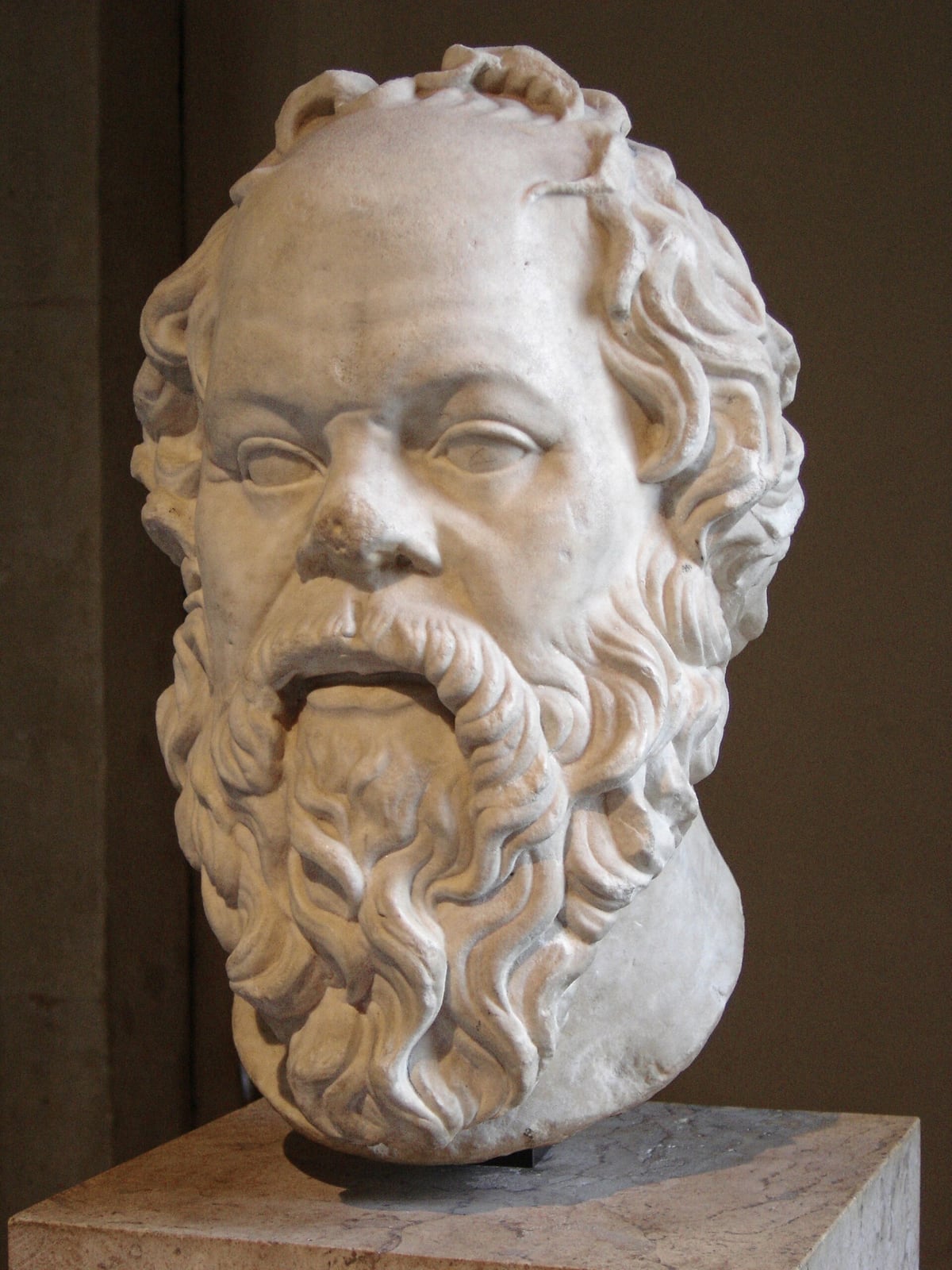
Busto de Sócrates (Louvre) · Public domain
In eigenen Worten
«The unexamined life is not worth living.»Platón, Apología 38a. Griego: ed. Burnet (OCT); inglés: Benjamin Jowett (1892); español: traducción propia. Son palabras que Platón atribuye a Sócrates.

Der zentrale Gedanke
Elenchus (Socratic refutation): The *elenchus*—"test", "refutation"—is the procedure Plato's early dialogues attribute to Socrates.
Im Zusammenhang sehen
Biografie
6 Min. Lesezeit
Unterstützte Übersetzung aus dem spanischen Original, Durchsicht durch einen muttersprachlichen Übersetzer ausstehend.
Der Mann, der nichts schrieb
Sokrates hat keine einzige geschriebene Zeile hinterlassen. Alles, was wir über ihn wissen, stammt von anderen: aus den Dialogen seines Schülers Platon, den sokratischen Schriften Xenophons, der Komödie des Aristophanes, die ihn zu Lebzeiten verspottete, aus den Nachrichten, die Aristoteles – fünfzehn Jahre nach seinem Tod geboren – in der Akademie sammelte, und aus der späten Kompilation des Diogenes Laertios im 3. Jahrhundert n. Chr. Diese Zeugnisse stimmen nicht überein. Der Sokrates des Aristophanes ist ein Scharlatan, der über die Wolken spekuliert und lehrt, ungerechte Prozesse zu gewinnen; der Xenophons ein vernünftiger Moralist, der seinen Freunden gute Ratschläge gibt; der Platons ein Denker von unvergleichlicher Tiefe, der in den späten Dialogen zum Sprachrohr von Lehren wird, die er vermutlich nie vertreten hat.
Diesen Abstand zwischen den Quellen nennt man das „sokratische Problem“. Friedrich Schleiermacher formulierte es 1818, als er fragte, was Sokrates gewesen sein könne, damit Platon und Xenophon ihn so zeichneten, wie sie ihn zeichneten. Seither haben die einen Xenophon wegen seiner scheinbaren Nüchternheit vertraut; andere, wie Gregory Vlastos, haben aus den frühen platonischen Dialogen einen historischen Sokrates rekonstruiert, und wieder andere, wie Olof Gigon oder Charles Kahn, haben betont, dass die „sokratischen Reden“ eine literarische Gattung waren, die mehrere Schüler pflegten und von denen keiner ein Protokoll liefern wollte. Das Folgende unterscheidet, soweit möglich, das, was die Quellen gemeinsam haben, von dem, was jede von ihnen beisteuert.
Alopeke
Er wurde um 469 v. Chr. in Athen geboren – Diogenes Laertios setzt die Geburt, der Chronologie Apollodors folgend, in das vierte Jahr der 77. Olympiade – im Demos Alopeke, der zur Phyle Antiochis gehörte. Sein Vater Sophroniskos war Steinmetz oder Bildhauer; seine Mutter Phainarete Hebamme, ein Beruf, den Sokrates selbst im Theaitetos zum Bild seiner Methode machen sollte. Spät heiratete er Xanthippe, mit der er drei Söhne hatte – Lamprokles, Sophroniskos und Menexenos; Aristoteles, von Diogenes zitiert, schreibt ihm außerdem eine zweite Frau, Myrto, zu, eine Nachricht, die die Forschung für zweifelhaft hält.
Er wuchs im Athen des Perikles auf, in der Generation, die den Parthenon entstehen und Tragödie, Sophistik und Naturforschung aufblühen sah. Platon lässt ihn als jungen Mann mit Parmenides und Zenon sprechen – eine vermutlich literarische Begegnung – und stellt ihn in seiner Jugend als Anhänger der Physik des Anaxagoras dar, von der er sich abgewandt habe, weil er in ihr keine Antwort auf die Frage nach dem Guten fand.
Der Soldat und der Bürger
Er diente als Hoplit, was in seiner Jugend einen gewissen Wohlstand voraussetzt. Er kämpfte bei Poteidaia (432–430 v. Chr.), wo er nach dem Bericht, den Platon im Symposion Alkibiades in den Mund legt, diesem das Leben rettete und den Winter barfuß ertrug; beim Rückzug von Delion (424 v. Chr.), wo seine Gelassenheit die Feldherren beeindruckte; und bei Amphipolis (422 v. Chr.). Die Apologie erinnert an diese drei Feldzüge als Beweis dafür, dass er den ihm zugewiesenen Posten nie verlassen habe.
Ein öffentliches Amt bekleidete er nur ein einziges Mal, und zwar durch Los. 406 v. Chr. widersetzte er sich als Mitglied des Rates während der Prytanie seiner Phyle dem gesetzwidrigen Vorhaben, die siegreichen Feldherren der Arginusenschlacht, denen man vorwarf, die Schiffbrüchigen nicht geborgen zu haben, in einem Sammelverfahren abzuurteilen. Zwei Jahre später, unter der Oligarchie der Dreißig, erhielt er mit vier anderen den Befehl, Leon von Salamis zur Hinrichtung festzunehmen – und ging nach Hause. Platon und Xenophon stimmen in beiden Episoden überein.
Das Fragen als Beruf
Sein Beruf war das Gespräch. Er führte es auf der Agora, in den Gymnasien und in den Häusern seiner Freunde, ohne Bezahlung – anders als die Sophisten, mit denen ihn viele verwechselten – und in einer Armut, die die Apologie äußerst nennt. Berühmt war seine Hässlichkeit: Stupsnase, hervorquellende Augen, das Aussehen eines Silens. Nach der Apologie fragte sein Freund Chairephon in Delphi, ob jemand weiser sei als er, und die Pythia verneinte; Sokrates, verwirrt, prüfte Politiker, Dichter und Handwerker und kam zu dem Schluss, dass sein einziger Vorzug darin bestehe, nicht zu glauben, er wisse, was er nicht wisse. Seitdem verstand er seine Prüfung der anderen als Dienst am Gott.
Diese Prüfung – der Elenchos – bestand darin, nach einer Definition der Tapferkeit, der Frömmigkeit oder der Gerechtigkeit zu fragen, die Zustimmung des Gesprächspartners zu weiteren Sätzen einzuholen und ihm zu zeigen, dass die anfängliche Definition mit diesen unvereinbar war. Aristoteles schreibt ihm zwei Leistungen zu: die induktiven Argumente und die Suche nach allgemeinen Definitionen, angewandt auf moralische Fragen, ohne diese Allgemeinbegriffe von den Dingen zu trennen, wie es Platon mit den Ideen tun sollte. Sokrates sprach auch von einem göttlichen Zeichen, seinem Daimonion, einer Stimme, die ihn seit seiner Kindheit von bestimmten Handlungen abhielt und ihn nie zu etwas antrieb.
Die Wolken
423 v. Chr. brachte Aristophanes Die Wolken auf die Bühne, in denen ein in einem Korb schwebender Sokrates eine „Denkerei“ leitet, in der man die Himmelserscheinungen erforscht, Zeus durch die Wirbel ersetzt und die ungerechte Rede lehrt. Die Komödie wurde nur Dritte, doch die Karikatur überlebte: In der Apologie zählt Sokrates diejenigen, die dieses Bild verbreitet haben, zu seinen „ersten Anklägern“ und nennt den Komödiendichter ausdrücklich beim Namen. Auch seine Verbindung zu Alkibiades, der Athen verriet, und zu Kritias, dem radikalsten der Dreißig, wog gegen ihn.
Der Prozess
Im Frühjahr 399 v. Chr. klagte ihn Meletos, unterstützt von Anytos und Lykon, an, die Götter der Stadt nicht anzuerkennen, neue Gottheiten einzuführen und die Jugend zu verderben; er beantragte die Todesstrafe. Da die Amnestie von 403 die Verfolgung früherer politischer Vergehen ausschloss, wurde die Anklage in religiösen Begriffen gefasst. Vor einem Geschworenengericht von etwa fünfhundert Bürgern verteidigte sich Sokrates ohne Flehen und ohne Tränen. Er wurde mit einem Unterschied von etwa sechzig Stimmen verurteilt, wie sich aus der platonischen Apologie ergibt; aufgefordert, eine Gegenstrafe vorzuschlagen, regte er zunächst an, auf Staatskosten im Prytaneion gespeist zu werden, dann eine Geldbuße von dreißig Minen, für die Platon, Kriton, Kritobulos und Apollodoros bürgten. Die Geschworenen stimmten für den Tod.
Die Hinrichtung wurde um etwa dreißig Tage aufgeschoben, weil das nach Delos entsandte heilige Schiff noch nicht zurückgekehrt war und die Stadt in seiner Abwesenheit niemanden hinrichten durfte. Kriton bot ihm die Flucht an, und Sokrates lehnte ab: In dem Dialog, der Kritons Namen trägt, erinnern ihn die Gesetze Athens daran, dass er siebzig Jahre unter ihrem Schutz gelebt hat und Unrecht nicht mit Unrecht vergelten darf.
Der Tod
Der Phaidon erzählt den letzten Tag. Platon war nicht anwesend – „Platon, glaube ich, war krank“, sagt der Erzähler –, und der Dialog, der um die Beweise für die Unsterblichkeit der Seele kreist, ist eher ein Kunstwerk und ein Lehrstück als ein Protokoll. Gegen Abend wusch sich Sokrates, verabschiedete sich von seiner Frau und seinen Söhnen, trank das Gift – den Schierling, nach der überlieferten Bestimmung – und ging umher, bis er seine Beine schwer werden fühlte. Als die Kälte ihm zum Herzen hinaufstieg, enthüllte er sein Gesicht und sagte zu Kriton, sie schuldeten dem Asklepios einen Hahn und sollten nicht vergessen, ihn zu entrichten. Das waren, nach Phaidon, seine letzten Worte.
Was blieb
Aus seinem Kreis gingen miteinander rivalisierende Schulen hervor: Platons Akademie, die Kyniker, die sich auf Antisthenes beriefen, die Kyrenaiker des Aristippos, die Megariker des Eukleides. Die Stoiker sahen in ihm das Vorbild des Weisen, und Epiktet zitiert ihn unablässig. In der Neuzeit widmete Kierkegaard seine Dissertation der sokratischen Ironie (1841), Nietzsche machte ihn zum Symptom einer Dekadenz (1889), und Jacques-Louis David hielt 1787 das Bild seines gelassenen Todes fest. Für die abendländische Überlieferung bleibt er die Gestalt des Philosophen, der lieber starb, als davon abzulassen, das Leben zu prüfen.
Quellen: Platón. Platonis Opera, ed. John Burnet, 5 vols. Oxford University Press (Oxford Classical Texts), 1900–1907; tomo I (Eutifrón, Apología, Critón, Fedón) consultado en la edición digital del Perseus Digital Library (Tufts University). · Plato. The Dialogues of Plato, trad. Benjamin Jowett, 3.ª ed., 5 vols. Clarendon Press, Oxford, 1892 (Project Gutenberg, n.º 1656 Apology, 1657 Crito, 1658 Phaedo y otros). · Platón. Obras completas, trad. Patricio de Azcárate, 11 vols. Medina y Navarro, Madrid, 1871–1872 (edición digital en Filosofía en español). · Jenofonte. Memorables (Recuerdos de Sócrates), Apología de Sócrates, Banquete y Económico. Texto griego: Xenophontis opera omnia, ed. E. C. Marchant, vol. 2, 2.ª ed., Clarendon Press, Oxford, 1921 (Perseus); trad. inglesa de H. G. Dakyns, The Works of Xenophon, Macmillan, Londres, 1890–1897 (Project Gutenberg). · Aristófanes. Las nubes (Νεφέλαι), representada en 423 a. C.; trad. inglesa de W. J. Hickie, The Comedies of Aristophanes, Bohn's Classical Library, Londres, 1853 (Project Gutenberg n.º 2562).
Zeitleiste
Das Leben, Jahr für Jahr
Jeder Punkt ist ein belegtes Ereignis. Klicken Sie, um es mit Quelle und Grad der Gewissheit zu lesen.
um 469 v. Chr.0 JahreAlopece (Atenas)
Birth
Born in the deme of Alopece, son of the stonemason Sophroniscus and the midwife Phaenarete. Diogenes Laertius (II 44), following Apollodorus, gives the fourth year of the 77th Olympiad (469/468 BCE); Wikidata records 470. Years BCE are expressed as negative numbers.
WahrscheinlichDiógenes Laercio. Vidas y opiniones de los filósofos ilustres, libro II, 18–47 (Sócrates), s. III d. C. Trad. inglesa de C. D. Yonge, Bohn, Londres, 1853 (Project Gutenberg n.º 57342); trad. española de José Ortiz y Sanz, Madrid, 1792 (Wikisource).
Nach dem Tod
- um 395 v. Chr.The "Socratic discourses"
- um 387 v. Chr.Founding of the Academy
- 1787David's Death of Socrates
- 1818Schleiermacher poses the "Socratic problem"
- 1841Kierkegaard on irony
um 469 v. Chr. · 0 Jahre
Birth
Born in the deme of Alopece, son of the stonemason Sophroniscus and the midwife Phaenarete. Diogenes Laertius (II 44), following Apollodorus, gives the fourth year of the 77th Olympiad (469/468 BCE); Wikidata records 470. Years BCE are expressed as negative numbers.
Wahrscheinlich
um 432 v. Chr. · 37 Jahre
The Potidaea campaign
Serves as a hoplite at the siege of Potidaea (432–430 BCE). In the Symposium (219e–220e) Alcibiades says Socrates saved his life and endured the winter barefoot.
Wahrscheinlich
424 v. Chr. · 45 Jahre
The retreat from Delium
Takes part in the Athenian defeat at Delium; the Laches (181b) and the Symposium (221a–b) praise his composure during the retreat.
Wahrscheinlich
423 v. Chr. · 46 Jahre
Aristophanes' Clouds
Aristophanes stages the Clouds at the City Dionysia, caricaturing Socrates as a teacher of speculative physics and unscrupulous rhetoric. It comes third; the surviving text is a later revision that was never staged.
Belegt
422 v. Chr. · 47 Jahre
Amphipolis
Last military campaign attributed to him in the Apology (28e).
Wahrscheinlich
406 v. Chr. · 63 Jahre
The Arginusae trial
As a member of the Council, during the prytany of the tribe Antiochis, he opposes trying the generals of Arginusae en bloc, against the law (Apology 32b; Xenophon, Hellenica I 7.15).
Belegt
404 v. Chr. · 65 Jahre
Leon of Salamis
Under the Thirty Tyrants he refuses the order to arrest Leon of Salamis for execution (Apology 32c–d; Xenophon, Memorabilia IV 4.3).
Belegt
403 v. Chr. · 66 Jahre
Democratic restoration and amnesty
Fall of the Thirty. The amnesty forbids prosecution for earlier political offences, which partly explains the religious framing of the 399 charge.
Belegt
399 v. Chr. · 70 Jahre
Trial
Meletus, Anytus and Lycon accuse him of impiety and of corrupting the youth. He is convicted by about sixty votes before a jury of some five hundred citizens and sentenced to death.
Belegt
399 v. Chr. · 70 Jahre
Death
After some thirty days' wait for the return of the Delian ship, he drinks the poison in prison, surrounded by his friends (Phaedo 116a–118a; Xenophon, Memorabilia IV 8.2).
Belegt
um 395 v. Chr.
The "Socratic discourses"
Plato, Xenophon, Aeschines of Sphettus, Antisthenes, Phaedo and others write dialogues with Socrates as protagonist; Aristotle (Poetics 1447b) treats them as a genre of their own. Except for Plato's and Xenophon's, almost all survive only in fragments.
Belegt
um 387 v. Chr.
Founding of the Academy
Plato founds his school in the grove of Academus; the dialogues read there will fix the image of Socrates for posterity.
Wahrscheinlich
1787
David's Death of Socrates
Jacques-Louis David shows at the Salon the painting that fixes the modern image of Socrates' death, now in the Metropolitan Museum, New York.
Belegt
1818
Schleiermacher poses the "Socratic problem"
In "Über den Werth des Sokrates als Philosophen" Schleiermacher asks how to reconcile Plato's and Xenophon's portraits: the critical question of the historical Socrates is born.
Belegt
1841
Kierkegaard on irony
Søren Kierkegaard defends his dissertation On the Concept of Irony with Continual Reference to Socrates.
Belegt
Werke
Grundlegende Werke
Die Werke, ohne die sich das Vermächtnis nicht verstehen lässt.
Aufgezeichnete mündliche Lehre · um 395 v. Chr.
Apology of Socrates
Ἀπολογία Σωκράτους
Socrates' defence speech before the Athenian court in 399 BCE, in three parts: the defence against the "first accusers" and against Meletus; the counter-proposal of a penalty after the verdict; and closing words to the jurors. It contains the account of the Delphic oracle, the image of the gadfly that rouses the city, the statement that he will obey the god rather than the Athenians and the dictum that the unexamined life is not worth living. It is the main source for reconstructing the trial and Socrates' understanding of himself.
6 Ausgaben
Aufgezeichnete mündliche Lehre · um 395 v. Chr.
Crito
Κρίτων
In prison, at dawn, his old friend Crito tells Socrates that the ship from Delos is about to arrive and offers him an escape, already arranged and paid for. Socrates examines whether it is just to flee: one must not answer an injustice with another, and the personified Laws of Athens remind him that for seventy years he has accepted living under them. It is the classic text on the obligation to obey the law and one of the first arguments about the compact between citizen and city.
6 Ausgaben

Aufgezeichnete mündliche Lehre · um 385 v. Chr.
Phaedo
Φαίδων
Account of Socrates' last day, told by Phaedo of Elis to Echecrates at Phlius. Socrates talks with the Thebans Simmias and Cebes, who had frequented Pythagoreans, about why the philosopher does not fear death, and sets out four arguments for the immortality of the soul and a myth about the fate of souls. The dialogue closes with the death scene: the bath, the farewell to his family, the cup of poison and the last words to Crito about the cock owed to Asclepius (118a).
6 Ausgaben

Spätere Zusammenstellung · um 371 v. Chr.
Memorabilia (Memoirs of Socrates)
Ἀπομνημονεύματα
Four books that begin by refuting one by one the charges of impiety and corruption of the young, and go on to dozens of short conversations: Socrates advises his son Lamprocles to be patient with Xanthippe, talks with the sophist Antiphon about poverty, with Aristippus about self-mastery, with craftsmen and generals about their trades. It is the portrait of a practical and pious teacher and the second great source on Socrates alongside Plato.
4 Ausgaben
Das gesamte Werk (31)
Euthyphro
395
Symposium
380
Socrates
Laches
The Conscious LibraryLaches
390
Socrates
Charmides
The Conscious LibraryCharmides
390
Socrates
Lysis
The Conscious LibraryLysis
390

Protagoras
385

Gorgias
385

Meno
385
Socrates
Ion
The Conscious LibraryIon
395
Socrates
Lesser Hippias
The Conscious LibraryLesser Hippias
395
Socrates
Euthydemus
The Conscious LibraryEuthydemus
385

Theaetetus
369
Phaedrus
370

Republic
375
Socrates
Greater Hippias
The Conscious LibraryGreater Hippias
390
Socrates
First Alcibiades
The Conscious LibraryFirst Alcibiades
360
Socrates
Parmenides
The Conscious LibraryParmenides
365
Socrates
Other dialogues of the Platonic corpus featuring Socrates
The Conscious LibraryOther dialogues of the Platonic corpus featuring Socrates
360
Apology of Socrates (Xenophon)
380
Symposium (Xenophon)
380
Oeconomicus (The Estate Manager)
362

The Clouds (Aristophanes)
423
Socrates
Aristotle's testimonies on Socrates
The Conscious LibraryAristotle's testimonies on Socrates
340

Life of Socrates (Diogenes Laertius, Lives II 18–47)
230
Zitate
Zitate, die in einem bestimmten Werk nachgewiesen sind. Jedes trägt seine Herkunft und seinen Grad an Verlässlichkeit.
The unexamined life is not worth living.ὁ δὲ ἀνεξέταστος βίος οὐ βιωτὸς ἀνθρώπῳ
GeprüftPlatón, Apología 38a. Griego: ed. Burnet (OCT); inglés: Benjamin Jowett (1892); español: traducción propia. Son palabras que Platón atribuye a Sócrates.
Apokryphe Zitate oder Zitate umstrittener Zuschreibung (5)
«I know that I know nothing.»
The formula appears in no ancient text about Socrates. It is a later simplification of Apology 21d, where Socrates says something more precise: that he does not think he knows what he does not know. In Plato Socrates claims to know some things (for instance, that doing wrong is bad, Apology 29b).
«Know thyself.»
It is one of the maxims inscribed at the temple of Apollo at Delphi, older than Socrates and ascribed in antiquity to several of the Seven Sages. Socrates quotes and discusses it (Phaedrus 229e, Charmides 164d), but it is not his.
«There is only one good, knowledge, and one evil, ignorance.»
Only Diogenes Laertius (II 31) transmits it, more than six centuries later and without naming a source. It sums up Socratic intellectualism as a slogan, but it is not found in Plato or Xenophon.
«Education is the kindling of a flame, not the filling of a vessel.»
Attributed to Socrates online, it comes from Plutarch, On Listening (Moralia 48c), who says the mind is not a vessel to be filled but kindling to be set alight. Plutarch lived five centuries later.
«The "triple filter test": before you tell me something, is it true, is it good, is it useful?»
A moralising anecdote circulating in self-help books and chain emails since the late twentieth century. It has no ancient source.
Letzte Worte
Späterer Bericht von Zeugen
«"Crito, we owe a cock to Asclepius. Pay it and do not neglect it."»ὦ Κρίτων, ἔφη, τῷ Ἀσκληπιῷ ὀφείλομεν ἀλεκτρυόνα· ἀλλὰ ἀπόδοτε καὶ μὴ ἀμελήσητε.
Plato, Phaedo 118a. According to the narrator, Phaedo of Elis, he spoke them when the chill of the poison had reached his abdomen: he uncovered his face and said these words, "which were his last". Crito answered that it would be done and asked whether he had anything else to say; Socrates no longer replied. The testimony is literary and second-hand—Plato states in the same dialogue (59b) that he was ill and absent—hence its classification as a witness account transmitted by another. The Greek verb is plural, "we owe": Jowett translates "I owe", Azcárate "debemos un gallo a Esculapio". Asclepius was the god of healing, to whom a cock was offered after recovery. The sentence has been interpreted in many ways: Nietzsche saw in it the confession that life is a disease; Georges Dumézil (1984), thanks for the cure of a false opinion; others, an outstanding vow for Plato's illness or a simple act of piety. Xenophon transmits no last words.
Quelle: Platón. Platonis Opera, ed. John Burnet, 5 vols. Oxford University Press (Oxford Classical Texts), 1900–1907; tomo I (Eutifrón, Apología, Critón, Fedón) consultado en la edición digital del Perseus Digital Library (Tufts University).
Fragen
Was das Werk beantwortet
Zwölf große Fragen der Menschheit und was sich aus den Texten darauf antworten lässt, mit Belegen. Wir legen niemandem Worte in den Mund.
Was ist das Absolute? Gibt es Gott?
A god who entrusts him with a mission and warns him by a sign
Ein persönlicher GottAusdrücklich gesagt
Socrates wrote nothing; his relation to the divine is known through Plato and Xenophon, who agree on the essentials. In Plato's Apology he speaks of “the god” of Delphi as someone who has assigned him a post in the city and whom he will obey rather than the Athenians, and he describes a divine sign, a voice that since childhood turns him away from what he should not do. Xenophon, in the Memorabilia, attributes to him an argument from design: eyes, eyelids or affection for offspring show the work of a wise craftsman who loves living beings, and the gods care for humans and see everything. It is a personal dealing with the divine, though Socrates avoids speculating about its nature.
Diese Frage mit anderen Meistern vergleichenWer bin ich? Gibt es ein wahres Selbst?
What we are is the soul, and caring for it matters above all
Eine geschaffene, unsterbliche SeeleAus der Lehre abgeleitet
In Plato's Apology Socrates sums up his life in an exhortation: not to care for the body or for wealth before the soul, so that it may become as good as possible. The Alcibiades I, of disputed authenticity, draws the conclusion that the human being is his soul, and the Delphic command to know oneself becomes a lifelong task. On immortality, the Socrates of the Apology is cautious and leaves two possibilities open; the arguments of the Phaedo are already Plato's elaboration. Xenophon, for his part, attributes to him the idea that the soul is what in the human shares in the divine. The core attributable to Socrates is that the true self is the soul.
Diese Frage mit anderen Meistern vergleichenWarum leiden wir?
Nobody does wrong knowingly: evil is ignorance and harms the soul
Unwissenheit über das, was wir sindAus der Lehre abgeleitet
Plato's dialogues attribute to Socrates two theses that together answer the question. First: no one errs willingly; whoever does wrong does so because he takes for good what is not, so that evil is a form of ignorance. Second: the greatest harm is not to suffer injustice but to commit it, because it spoils the only thing that matters, the soul; hence he would rather suffer it than commit it. Thus his reproach to the Athenians in the Apology: they care for wealth, fame and honours and not for the soul or for truth. The suffering that truly counts arises from not knowing oneself and confusing the goods of the body with one's own good.
Diese Frage mit anderen Meistern vergleichenWas geschieht nach dem Tod?
Either a dreamless sleep or a journey: in either case, not an evil
Schweigen oder ZurückhaltungAusdrücklich gesagt
In Plato's Apology, already condemned, Socrates reasons that fearing death is thinking one knows what one does not know. He proposes two possibilities: either death is being nothing and feeling nothing, like a dreamless sleep, which would be a gain; or it is a migration of the soul to another place, where he could converse with poets and heroes of the past, which would be an immense good. To the good man, he concludes, no evil befalls in life or after death. His last words to the court leave the question open: who goes to the better lot, nobody knows but the god. The proofs of immortality in the Phaedo are already Plato's.
Diese Frage mit anderen Meistern vergleichenWie erlangt man Befreiung oder Erlösung?
Examining oneself and others: an unexamined life is not worth living
Durch unmittelbare ErkenntnisAusdrücklich gesagt
Socrates promises no salvation, but his whole life is a method for making the soul better. In Plato's Apology he says that the greatest good for a man is to converse every day about virtue and to examine himself and others, and that an unexamined life is not worth living. The instrument is refutation: questioning until the interlocutor discovers that he does not know what he thought he knew, the first step to truly seeking it. If virtue is knowledge, as Aristotle attributes to him, knowing oneself — in the Delphic sense — is the way to become good. His own death, accepted without committing injustice, appears in the dialogues as proof of that freedom.
Diese Frage mit anderen Meistern vergleichenBraucht es einen Lehrer?
He does not teach: like a midwife, he delivers what the other carries
Der Lehrer ist innenAusdrücklich gesagt
Plato's Socrates rejects the title of teacher: in the Apology he states that he has never been anyone's teacher nor charged for conversation. In the Theaetetus he describes himself as a midwife: barren of wisdom himself, he helps others give birth to what they carried within and to tell whether it is true or false offspring; what they find they learn not from him but from themselves. His own guidance was inner: a divine sign that turned him away from certain actions. The Meno adds the Platonic theory of recollection, by which seeking and learning are remembering. The outer teacher only asks; truth lies in the soul of the seeker.
Diese Frage mit anderen Meistern vergleichenIst die Welt wirklich?
A world arranged by provident gods, though physics does not occupy him
Eine gute und wirkliche SchöpfungAus der Lehre abgeleitet
The sources agree that Socrates turned away from the investigation of nature. Aristotle states that he dealt with moral questions and not with nature as a whole; Xenophon says he did not discuss how the cosmos came about and considered those who did so foolish. In Plato's Apology he denies knowing anything of what lies beneath the earth or in the sky. But when he speaks of the world he does so in terms of providence: in the Memorabilia he argues that the arrangement of the organs and the beauty of the universe reveal a wise craftsman who cares for living beings, and that the gods have ordered the cosmos for the benefit of humans.
Diese Frage mit anderen Meistern vergleichenWas ist Liebe?
He claims to know only love: the desire that improves the beloved
Sehnsucht und VereinigungAus der Lehre abgeleitet
The man who claimed to know nothing declared himself expert in one thing alone: love. So Plato has him say in the Symposium and the Lysis. In the Symposium Socrates sets out what, he says, Diotima taught him: Eros is the desire to possess the good for ever and to beget in beauty, and it leads by degrees from beautiful bodies to Beauty itself. The Alcibiades of Aeschines of Sphettus, another Socratic, presents his love for the young man as a force that, by divine gift, could make him better without teaching him anything. Xenophon adds conversations on friendship. Socratic love is longing for the good that raises both lover and beloved.
Diese Frage mit anderen Meistern vergleichenSind wir frei, oder ist alles vorherbestimmt?
The god assigned him a post, and he answers for how he holds it
Schicksal und VerantwortungAus der Lehre abgeleitet
Socrates does not discuss the theoretical problem of freedom, but his life, as Plato and Xenophon tell it, is ordered by a charge. In the Apology he interprets the Delphic oracle as a mission: the god has set him beside the city like a gadfly, and abandoning that post for fear of death would be like deserting in battle. The divine sign turns him away from certain actions and, significantly, did not stop him on the day of the trial. At the same time, responsibility is fully his: in the Crito he chooses not to flee because committing injustice is never permitted. The thesis that nobody errs willingly, however, complicates any reading in terms of free will.
Diese Frage mit anderen Meistern vergleichenWozu meditieren oder beten?
Asking the gods for the good, unspecified, and to be beautiful within
Ritual und SelbstkultivierungAusdrücklich gesagt
The sources show a Socrates pious in the ways of his city. Xenophon relates that he sacrificed at home and at the public altars, consulted divination and asked the gods simply for good things, since they know best what is fitting; modest sacrifices from someone with little please them no less than great ones. In Plato's Phaedrus, at the end of the conversation, he prays to Pan and the gods of the place to grant him to be beautiful within and that what is outside be in friendship with what is within. Plato also relates that at Potidaea he stood absorbed in thought from dawn to the following dawn.
Diese Frage mit anderen Meistern vergleichenKann die Vernunft das Letzte erkennen?
He knows he does not know: he tests the god's word by reason
Glaube und Vernunft helfen einanderAusdrücklich gesagt
Plato's Apology relates how Socrates received the reply of the Delphic oracle — no one was wiser than he — and, instead of simply accepting it, set out to examine it by questioning politicians, poets and craftsmen. He concluded that his wisdom lay in not thinking he knew what he did not know, and that human wisdom is worth little or nothing: the truly wise one is the god. Reason, exercised in dialogue, does not reach a final science of the ultimate, but it purges false opinions and guides life; divine signs and dreams complete that limited knowledge. Aristotle credits him with the search for universal definitions and inductive arguments.
Diese Frage mit anderen Meistern vergleichenSich von der Welt zurückziehen oder sie verwandeln?
True politics is making the citizens' souls better
Die Revolution ist innerlichAusdrücklich gesagt
Socrates did not withdraw from Athens: he spent his life in the agora, served as a hoplite and fulfilled his public offices, opposing the majority and the Thirty when justice required it. But, according to Plato's Apology, he abstained from active politics because his divine sign prevented him and because whoever truly fights for justice does not survive long in it. His task was another: to urge each citizen, in private, to care for the soul before wealth. In the Gorgias he claims to be one of the few Athenians practising the true political art, because he seeks his fellow citizens' good and not their pleasure. Changing the city begins with changing souls.
Diese Frage mit anderen Meistern vergleichen
Affinitäten und Spannungen
Affinitäten und Spannungen
Frage für Frage aus den Positionen berechnet. Den Grund jeder Übereinstimmung und jedes Widerspruchs zeigt ein Klick.
Denkt ähnlich wie
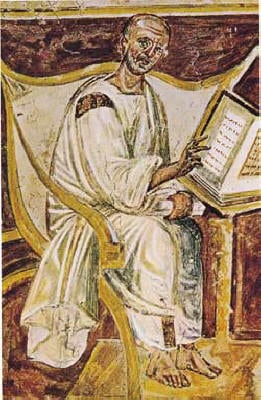
Augustine of Hippo
Übereinstimmung bei: Was ist das Absolute? Gibt es Gott? · Wer bin ich? Gibt es ein wahres Selbst? · Braucht es einen Lehrer?
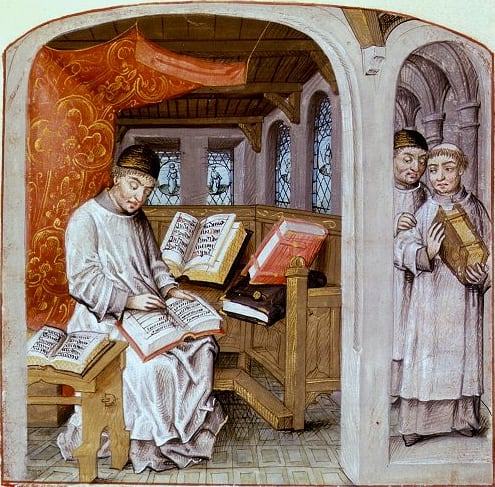
Thomas à Kempis
Übereinstimmung bei: Was ist das Absolute? Gibt es Gott? · Wer bin ich? Gibt es ein wahres Selbst? · Braucht es einen Lehrer?
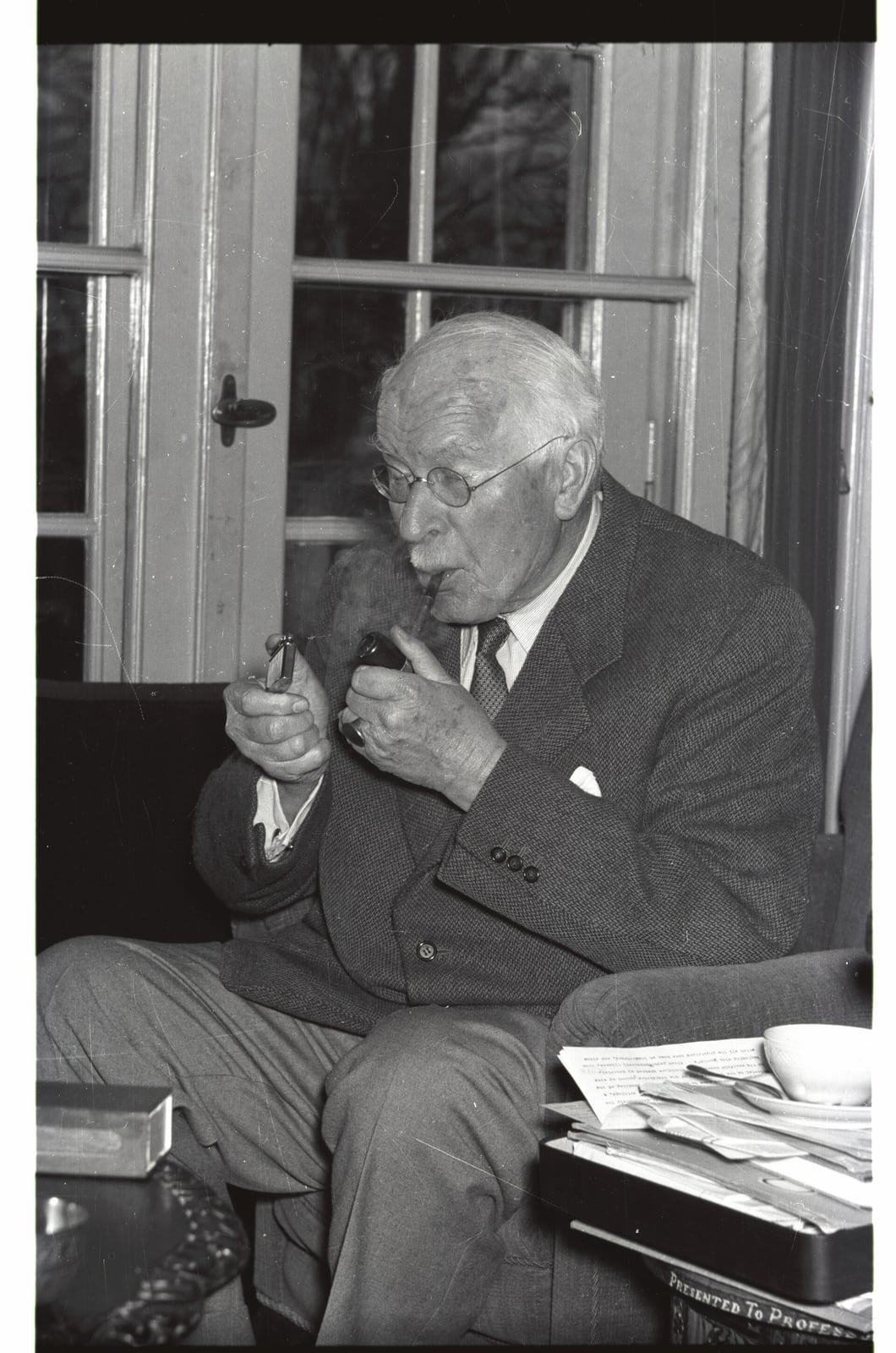
Carl Gustav Jung
Übereinstimmung bei: Warum leiden wir? · Was geschieht nach dem Tod? · Braucht es einen Lehrer?
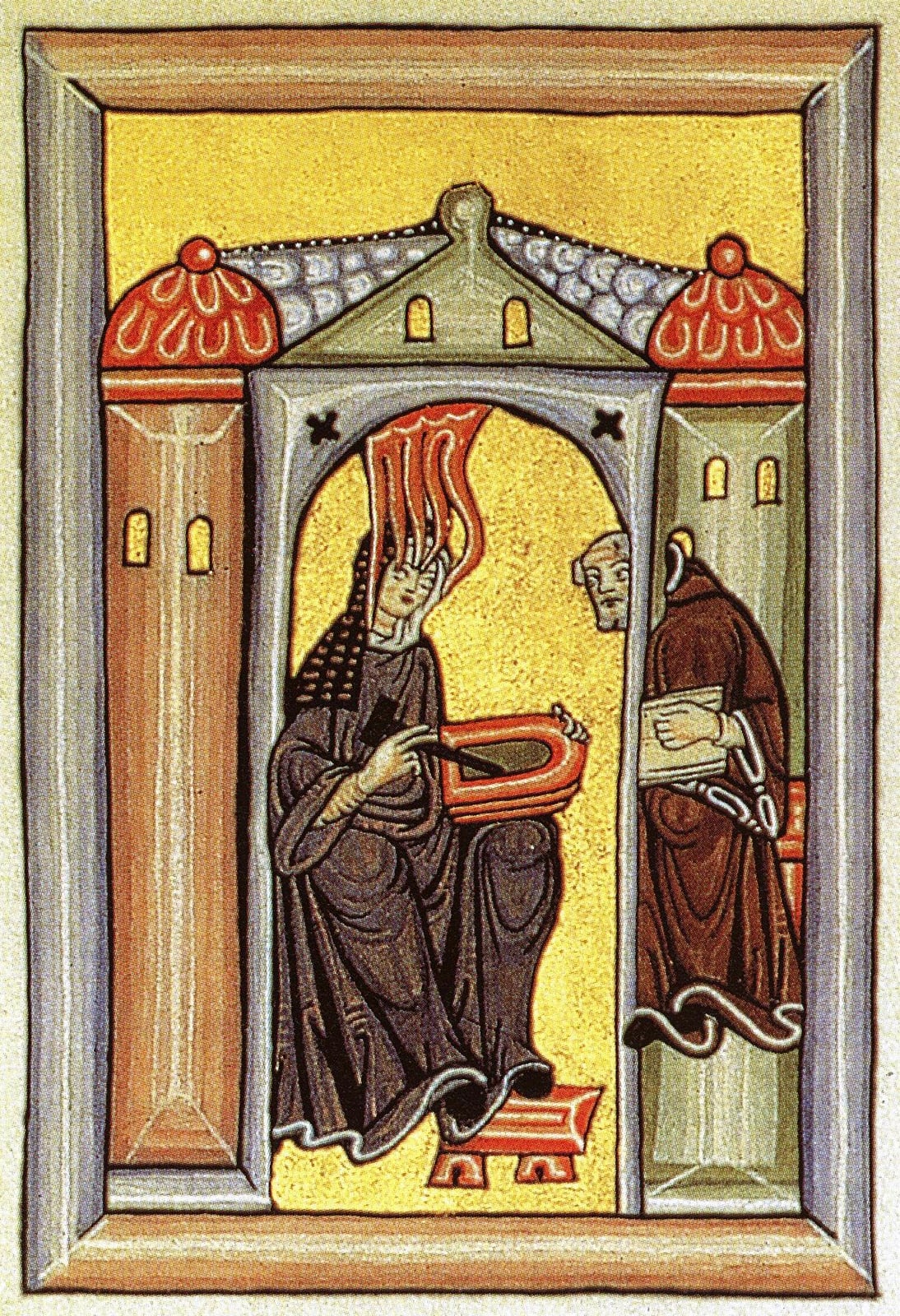
Hildegard of Bingen
Übereinstimmung bei: Was ist das Absolute? Gibt es Gott? · Wer bin ich? Gibt es ein wahres Selbst? · Ist die Welt wirklich?
Denkt anders als

Dōgen
Widerspruch bei: Was ist das Absolute? Gibt es Gott? · Wer bin ich? Gibt es ein wahres Selbst?

Tsongkhapa
Widerspruch bei: Was ist das Absolute? Gibt es Gott? · Wer bin ich? Gibt es ein wahres Selbst?

Śāntideva
Widerspruch bei: Was ist das Absolute? Gibt es Gott? · Wer bin ich? Gibt es ein wahres Selbst?

Siddhartha Gautama, the Buddha
Widerspruch bei: Was ist das Absolute? Gibt es Gott? · Wer bin ich? Gibt es ein wahres Selbst?
Anekdoten und Erzählungen
Anekdoten und Erzählungen
Zeugnisantes del 431 a. C. (incierto)
The Delphic oracle
Herkunft der Erzählung: Plato, Apology 20e–23b, where Socrates calls Chaerephon's brother as witness, Chaerephon being dead. Xenophon (Apology 14) gives a different version: the oracle supposedly said no one was more free, just or sensible than Socrates. Some scholars doubt the consultation took place; others accept it because it appears in a speech delivered before hundreds of Athenians.
Zeugnis432–424 a. C.
Potidaea and Delium
Herkunft der Erzählung: Plato, Symposium 219e–221c; the Laches (181b) confirms the conduct at Delium through the general Laches. It is a literary testimony in a character's mouth, but it agrees with the Apology (28e) on the three campaigns. The Aristophanes quotation comes from the Clouds (362).
Belegt406–404 a. C.
The Arginusae generals and Leon of Salamis
Herkunft der Erzählung: Plato, Apology 32b–e; Xenophon, Hellenica I 7.14–15 and Memorabilia I 1.18 and IV 4.2–3. It is one of the few episodes in Socrates' life attested by two independent authors and by a historian narrating the events apart from Socrates.
Umstritten423 a. C.
Socrates stands up in the theatre
Herkunft der Erzählung: Aelian, Varia Historia II 13 (2nd–3rd century CE). There is no contemporary testimony. Plutarch (On the Education of Children 14) attributes a similar reaction to Socrates when mocked by comedy. The story of a bribe to Aristophanes is incompatible with the chronology.
Quelle: Eliano, Claudio. Historias curiosas (Varia historia) II 13, s. II–III d. C. Trad. esp. de Juan Manuel Cortés Copete, Gredos, Madrid, 2006.
Nicht überprüfbars. V a. C. (tradicional)
Xanthippe and the water
Herkunft der Erzählung: Diogenes Laertius II 36–37 (3rd century CE); the image of the difficult wife is already in Xenophon, Symposium 2.10, where Antisthenes calls her "the most intolerable of women", and Memorabilia II 2. The bucket scene appears only in late sources and belongs to a repertoire of jokes about philosophers; it inspired many Baroque paintings.
Zeugnis401 a. C.
Xenophon asks for advice
Herkunft der Erzählung: Xenophon, Anabasis III 1.4–7, in which the author himself narrates the episode. It is the only surviving autobiographical testimony of a private conversation with Socrates.
Lehren
Lehren
Die Begriffe, die das Denken gliedern, in ihrem Zusammenhang erklärt.
Elenchus (Socratic refutation)elenchos
The method of Plato's "aporetic" dialogues (Euthyphro, Laches, Charmides, Lysis); Aristotle links it to the search for universal definitions.
Quelle: Vlastos, Gregory. Socrates, Ironist and Moral Philosopher. Cambridge University Press / Cornell University Press, Cambridge e Ithaca, 1991.
Socratic ironyironia-socratica
A character trait attributed to Socrates by Plato, Xenophon and Aristotle; a central category of later rhetoric and philosophy.
Quelle: Vlastos, Gregory. Socrates, Ironist and Moral Philosopher. Cambridge University Press / Cornell University Press, Cambridge e Ithaca, 1991.
The daimonion (the divine sign)daimonion
The religious element in Socrates' figure, central to the impiety charge of 399 BCE.
No one does wrong willingly (moral intellectualism)nadie-obra-mal-voluntariamente
The core of Socratic ethics in the Protagoras, the Gorgias and the Meno.
Care of the soulcuidado-del-alma
The ethical programme of the Apology and the First Alcibiades; the basis of the ancient idea of philosophy as spiritual exercise.
Maieuticsmayeutica
An image from the Theaetetus, associated with the Meno and Platonic recollection.
Videos
Videos
Aufnahmen, Gespräche und Dokumentarfilme. Die Videos werden von YouTube wiedergegeben; sie werden nicht hier gespeichert.
2. Socratic Citizenship: Plato's Apology
Vortrag· EN· 2008· 46 min
YaleCoursesOffizieller Kanal
3. Socratic Citizenship: Plato's Crito
Vortrag· EN· 2008· 47 min
YaleCoursesOffizieller Kanal
Ancient Philosophies as a Way of Life: Socrates
Vortrag· EN· 2012· 61 min
StanfordOffizieller Kanal
Bettany Hughes | Socrates and his Athens
Vortrag· EN· 2021· 61 min
The Ramsay Centre for Western CivilisationOffizieller Kanal
PBS Broadcast - The Trial of Socrates
Dokumentarfilm· EN· 2025· 58 min
National Hellenic MuseumOffizieller Kanal
Paul Woodruff, "In Socrates' Footsteps: A Better Model for Virtue Ethics."
Vortrag· EN· 2020· 85 min
International Society for Socratic StudiesOffizieller Kanal
Socrates & Plato's Philosophy - Myles Burnyeat & Bryan Magee (1987)
Gespräch· EN· 1987· 44 min
Philosophy Overdose
Conferencia de Francesc Casadesús: 'Sócrates y sus enemigos'
Vortrag· ES· 2022· 63 min
Fundación BBVAOffizieller Kanal
Carlos Fernández Liria "Sócrates y el problema de la democracia"
Vortrag· ES· 2021· 55 min
G.I. UCM: Metafísica, Crítica y PolíticaOffizieller Kanal
«Apología de Sócrates» | Notas a Platón (3/27)
Analyse· ES· 2020· 107 min
Ernesto CastroOffizieller Kanal
El juicio a Sócrates: ¿Por qué Atenas mató a su hombre más sabio? - H. Grecia #48
Vortrag· ES· 2024· 40 min
Darío Sánchez VendraminiOffizieller Kanal
Portrait de Socrate | Cours méthodiques et populaires de philosophie
Vortrag· FR· 2014· 98 min
Bibliothèque nationale de France BnFOffizieller Kanal
Geschichte der Philosophie (2): Von Sokrates zu Platon, Prof. Dr. Torsten Wilholt
Vortrag· DE· 2013· 88 min
InstPhilOffizieller Kanal
Galerie
Galerie
Bilder mit geprüfter Lizenz. Jedes bewahrt seine Urheberschaft und seinen Herkunftsnachweis.
Handschriften
Handschriften
Handschriftliche Zeugen und alte Texte, mit ihrer verwahrenden Einrichtung und ihren Einsichtsbedingungen.
GRC · Minúscula griega · Diálogos compuestos c. 399–347 a. C.; copia de 895
Codex Oxoniensis Clarkianus 39 («Clarke Plato», B)
- Erhaltener Textzeuge
- Códice de pergamino de 418 folios, copiado por Juan el Calígrafo para Aretas de Patras
- Verwahrende Einrichtung
- Bodleian Library, Oxford · MS. E. D. Clarke 39
- Digitalisierung
- medieval.bodleian.ox.ac.uk/catalog/manuscript_40…
Beziehungen
Beziehungen
Einflüsse, Schülerschaften und Verwandtschaften. Die belegte Beziehung wird von der durch Analyse ermittelten Ähnlichkeit unterschieden.
Lehrer von
Plato frequented Socrates in his youth, attended the trial (Apology 34a, 38b) and made him the protagonist of almost all his dialogues.
Belegte Beziehung
Lehrer von
Jenofonte
A pupil in his youth; he wrote the Memorabilia, the Apology, the Symposium and the Oeconomicus, and recounts in the Anabasis how he asked him for advice.
Belegte Beziehung
Lehrer von
Antístenes
A follower of Socrates present at his death (Phaedo 59b); founder of the tradition that would lead to Cynicism.
Belegte Beziehung
Zeitgenosse von
Aristófanes
He caricatured him in the Clouds (423 BCE); Plato seats them together in the Symposium.
Belegte Beziehung
Beeinflusste
He never knew him, but in the Metaphysics credits him with induction and universal definition and discusses his moral intellectualism in the Nicomachean Ethics.
Belegte Beziehung
Beeinflusste
A pupil of Antisthenes according to Diogenes Laertius (VI 21); Plato allegedly called him "a Socrates gone mad" (VI 54).
Belegte Beziehung
Beeinflusste
According to Diogenes Laertius (VII 2–3), he became a philosopher after reading the second book of Xenophon's Memorabilia in Athens.
Belegte Beziehung
Beeinflusste
The Discourses recorded by Arrian hold up Socrates as the constant model of the philosophical life.
Belegte Beziehung
Begegnete
Plato narrates a meeting between a very young Socrates and the aged Parmenides in the dialogue Parmenides; it is almost certainly a literary fiction.
Durch Analyse ermittelte Ähnlichkeit
Verwandte Gedanken mit
The speakers of the Phaedo, Simmias and Cebes, had frequented the Pythagorean Philolaus; the immortality of the soul and the philosophical life as purification bring Plato's Socrates close to the Pythagorean tradition.
Durch Analyse ermittelte Ähnlichkeit
Verwandte Gedanken mit
Oral teachers known through their disciples, centred on virtue and self-examination; Karl Jaspers grouped them among the "paradigmatic individuals".
Durch Analyse ermittelte Ähnlichkeit
Verwandte Gedanken mit
Neither wrote anything, both were executed by the authority of their city and their figure reaches us through disciples who disagree; the comparison has been a commonplace since the Christian apologists.
Durch Analyse ermittelte Ähnlichkeit
Von anderen Einträgen aus verknüpft
- Aristotle · Beeinflusst von
- Plotinus · Beeinflusst von
- Heraclitus · Beeinflusste
- Marcus Aurelius · Beeinflusst von
- Epicurus · Widersprach
- Zeno of Citium · Beeinflusst von
- Diogenes of Sinope · Beeinflusst von
- Epictetus · Beeinflusst von
- Parmenides · Begegnete
- Pythagoras · Verwandte Gedanken mit
- Augustine of Hippo · Verwandte Gedanken mit
- Plato · Schüler von
Quellen
Quellen
Für diesen Eintrag herangezogene Bibliografie und Kataloge.
- Wikidata, entidad Q913 «Socrates» (276 enlaces entre wikis; P31=Q5). Registra nacimiento en 470 a. C. (precisión: año) y muerte en 399 a. C. (15 de febrero o mayo, fechas sin base antigua); lugar de nacimiento Alopece y Atenas.
- Platón. Platonis Opera, ed. John Burnet, 5 vols. Oxford University Press (Oxford Classical Texts), 1900–1907; tomo I (Eutifrón, Apología, Critón, Fedón) consultado en la edición digital del Perseus Digital Library (Tufts University).
- Plato. The Dialogues of Plato, trad. Benjamin Jowett, 3.ª ed., 5 vols. Clarendon Press, Oxford, 1892 (Project Gutenberg, n.º 1656 Apology, 1657 Crito, 1658 Phaedo y otros).
- Platón. Obras completas, trad. Patricio de Azcárate, 11 vols. Medina y Navarro, Madrid, 1871–1872 (edición digital en Filosofía en español).
- Jenofonte. Memorables (Recuerdos de Sócrates), Apología de Sócrates, Banquete y Económico. Texto griego: Xenophontis opera omnia, ed. E. C. Marchant, vol. 2, 2.ª ed., Clarendon Press, Oxford, 1921 (Perseus); trad. inglesa de H. G. Dakyns, The Works of Xenophon, Macmillan, Londres, 1890–1897 (Project Gutenberg).
- Aristófanes. Las nubes (Νεφέλαι), representada en 423 a. C.; trad. inglesa de W. J. Hickie, The Comedies of Aristophanes, Bohn's Classical Library, Londres, 1853 (Project Gutenberg n.º 2562).
- Aristóteles. Metafísica A 6, 987b1–4, y M 4, 1078b17–32; Poética 1, 1447b11. Trad. inglesa de W. D. Ross (Oxford, 1908; Internet Classics Archive, MIT); trad. española de Patricio de Azcárate, Obras de Aristóteles, vol. 10, Madrid, 1875.
- Diógenes Laercio. Vidas y opiniones de los filósofos ilustres, libro II, 18–47 (Sócrates), s. III d. C. Trad. inglesa de C. D. Yonge, Bohn, Londres, 1853 (Project Gutenberg n.º 57342); trad. española de José Ortiz y Sanz, Madrid, 1792 (Wikisource).
- Guthrie, W. K. C. A History of Greek Philosophy, vol. III: The Fifth-Century Enlightenment, parte 2: Socrates. Cambridge University Press, Cambridge, 1969 (publicado aparte como Socrates, 1971; trad. esp. Historia de la filosofía griega, vol. III, Gredos).
- Vlastos, Gregory. Socrates, Ironist and Moral Philosopher. Cambridge University Press / Cornell University Press, Cambridge e Ithaca, 1991.
- Nails, Debra y Monoson, S. Sara. «Socrates». The Stanford Encyclopedia of Philosophy, ed. Edward N. Zalta; primera publicación 2005, revisión sustancial del 26 de mayo de 2022.
- Kahn, Charles H. Plato and the Socratic Dialogue: The Philosophical Use of a Literary Form. Cambridge University Press, Cambridge, 1996.
- Brickhouse, Thomas C. y Smith, Nicholas D. (eds.). The Trial and Execution of Socrates: Sources and Controversies. Oxford University Press, Nueva York, 2002.
- Waterfield, Robin. Why Socrates Died: Dispelling the Myths. Faber and Faber / W. W. Norton, Londres y Nueva York, 2009.
- «Socrates», Wikipedia en inglés, y «Sócrates», Wikipedia en español (consultadas para contrastar datos y bibliografía; texto propio).
- Giannantoni, Gabriele (ed.). Socratis et Socraticorum Reliquiae, 4 vols. Bibliopolis, Nápoles, 1990 (fragmentos de Esquines de Esfeto, Antístenes y demás socráticos).
- Eliano, Claudio. Historias curiosas (Varia historia) II 13, s. II–III d. C. Trad. esp. de Juan Manuel Cortés Copete, Gredos, Madrid, 2006.
- The Metropolitan Museum of Art. Jacques-Louis David, «The Death of Socrates» (1787), n.º de inventario 31.45.
- Bodleian Libraries, Universidad de Oxford. MS. E. D. Clarke 39 («Clarke Plato»), códice de las tetralogías I–VI de Platón copiado en 895 por Juan el Calígrafo para Aretas. A Catalogue of Western Manuscripts at the Bodleian Libraries.
- Open Library (Internet Archive): ediciones de Platón, Jenofonte, Aristófanes y Diógenes Laercio verificadas por ISBN.
- Rechteinhaber
- Textos antiguos en dominio público; cada traducción y edición crítica pertenece a su traductor o editorial
Bestätigung ausstehend
Was dieser Eintrag noch nicht klären konnte. Wir sagen es lieber, als es aufzufüllen.
- Fecha de nacimiento: se adopta 469 a. C. (Apolodoro en Diógenes Laercio II 44; Nails y Monoson); Wikidata da 470. Las fechas de muerte de Wikidata (15 de febrero o 1 de mayo de 399) no tienen base antigua: solo se sabe que fue en primavera, unos treinta días después del juicio.
- Ediciones españolas con ISBN verificado de Gorgias, Menón, Eutidemo, Teeteto, Parménides y Alcibíades I (Gredos, Diálogos II y V; Alianza): no localizadas en Open Library en esta sesión.
- «Las nubes» en español: solo se ha verificado la edición de Ediciones Clásicas (1999) sin traductor identificado; falta la de Gredos (Comedias I) con ISBN y contenido comprobados.
- Traducción española de dominio público de las Memorables y el Banquete de Jenofonte (p. ej., Diego Gracián, s. XVI): no localizada en línea con URL estable.
- Programas de afiliación: ninguno verificado (Gredos, Alianza, Penguin, Hackett). Lista vacía.
- Año de los vídeos: es el de la grabación cuando la descripción lo indica y, si no, el de publicación en YouTube.
Recherchiert am 2026-10-25