Hinduismus · Yoga · Bhakti · Advaita Vedanta · Vedische Tradition
Vyasa
व्यास · वेदव्यास · कृष्णद्वैपायन · Kṛṣṇa Dvaipāyana Vyāsa
Erzählung, die Geschichte, Theologie und Überlieferung verbindet
Legendärer Weiser, Kṛṣṇa Dvaipāyana genannt, dem die Überlieferung die Teilung des Veda in vier Sammlungen, die Abfassung des Mahābhārata – samt der Bhagavad Gītā – und der achtzehn Purāṇas zuschreibt und den sie mit Bādarāyaṇa, dem Verfasser der Brahma-Sūtras, sowie mit dem Kommentator der Yoga-Sūtras gleichsetzt. Im Mahābhārata ist er zugleich Autor, Erzähler und Großvater beider Parteien. Die Philologie sieht in ihm eine von den Texten geschaffene Autoritätsfigur; die Texte selbst entstanden zwischen dem 4. Jahrhundert v. Chr. und dem ersten Jahrtausend n. Chr.
- Werke
- 30Werke
- Ausgaben
- 44Ausgaben
- Zitate
- 5Zitate
- Videos
- 15Videos
- Bilder
- 8Bilder
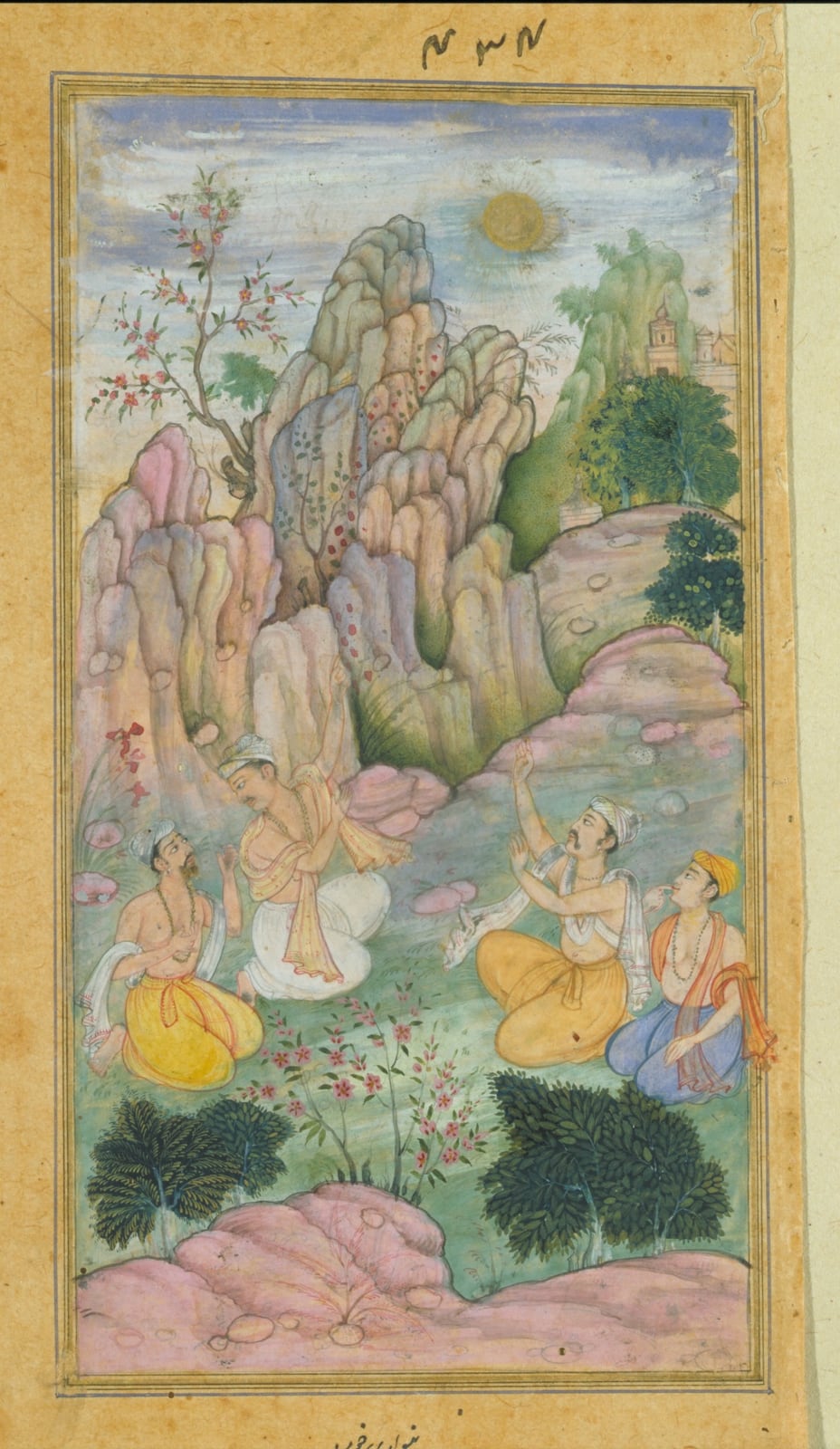
Vyāsa y sus discípulos ven llegar a Śuka (Razmnāma) · Public domain
In eigenen Worten
«Whatever is spoken about virtue, wealth, pleasure, and salvation may be seen elsewhere; but whatever is not contained in this is not to be found anywhere.»Mahābhārata, Ādiparvan (1.56.33 de la edición crítica; sección LXII de la trad. de K. M. Ganguli, dominio público); versión española del investigador

Der zentrale Gedanke
Subtle dharma (sūkṣma dharma): One of the ideas running through the Mahābhārata is that dharma, the right order of conduct, is 'subtle' and hard to know: norms conflict, the just lose and the victors doubt their victory.
Im Zusammenhang sehen
Biografie
5 Min. Lesezeit
Unterstützte Übersetzung aus dem spanischen Original, Durchsicht durch einen muttersprachlichen Übersetzer ausstehend.
Der die Texte ordnete
Vyāsa bedeutet im Sanskrit »der Teilende« oder »der Ordnende« und ist weniger ein Name als eine Funktion. Die Überlieferung nennt so Kṛṣṇa Dvaipāyana, »den Dunklen, auf einer Insel Geborenen«, und schreibt ihm ein Werk zu, das kein Mensch hätte verfassen können: die Teilung des einen Veda in vier Sammlungen, die Abfassung des Mahābhārata – des längsten Gedichts der Antike –, die achtzehn großen Purāṇas, die Brahma-Sūtras und den klassischen Kommentar zu den Yoga-Sūtras. Kein äußeres Zeugnis belegt ihn. Die Philologie sieht in Vyāsa eine Autorfigur, die innerhalb der Texte geschaffen wurde, um ihnen Autorität zu verleihen, die Religionsgeschichte ein Gebilde, in dem sich über mehr als tausend Jahre Zuschreibungen abgelagert haben.
Sohn eines Weisen und einer Fährfrau
Das Mahābhārata erzählt seine Geburt. Der Weise Parāśara, ein Enkel Vasiṣṭhas, setzte im Boot der Satyavatī, der Tochter eines Fischers, über die Yamunā; er begehrte sie, hüllte sie in Nebel und schwängerte sie auf einer Insel im Fluss. Das Kind kam noch am selben Tag zur Welt, wuchs augenblicklich heran und zog davon, um Askese zu üben, mit dem Versprechen, stets zu kommen, wenn die Mutter es riefe. Weil er auf einer Insel geboren war, nannte man ihn Dvaipāyana; weil er den Veda geordnet hatte, Vyāsa. Jahre später heiratete Satyavatī König Śaṃtanu, und als ihre Söhne ohne Nachkommen starben, rief sie Vyāsa herbei, damit er nach dem Brauch des niyoga mit den Witwen Erben zeuge. Aus diesen Verbindungen gingen Dhṛtarāṣṭra, der Blinde, Pāṇḍu, der Bleiche, und Vidura, der Sohn einer Dienerin, hervor. Der Verfasser des Gedichts ist so der Großvater beider Parteien, die einander darin vernichten.
Autor und Figur
Vyāsa tritt in sein eigenes Werk ein und wieder aus ihm heraus. Er berät die Pāṇḍavas im Exil, verleiht Sañjaya die göttliche Sicht, damit er dem blinden König den Krieg schildern kann, tröstet die Überlebenden und lässt Jahre nach der Schlacht die gefallenen Krieger für eine Nacht aus den Wassern der Gaṅgā aufsteigen, damit ihre Familien sie wiedersehen. Das Gedicht stellt sich als Kette von Rezitationen dar: Vyāsa lehrt es seinen Schüler Vaiśampāyana, der es beim Schlangenopfer des Königs Janamejaya vorträgt, und der Barde Ugraśravas wiederholt es vor den Weisen des Naimiṣa-Waldes. Bruce Sullivan hat diesen Vyāsa als brahmāhafte Gestalt gelesen, als Schöpfer und Seher des »fünften Veda«; Alf Hiltebeitel als den Autor, der sich in den Text einschreibt, um dessen Lektüre zu lenken. Die berühmte Episode, in der Gaṇeśa nach Diktat schreibt, steht in der Vulgata, doch die kritische Ausgabe verweist sie in einen Anhang, weil sie in einem großen Teil der Handschriften fehlt.
Eine Bibliothek in achtzehn Büchern
Das Mahābhārata bezeichnet sich als »Sammlung von hunderttausend Strophen«; in achtzehn Bücher (parvan) gegliedert und durch das Harivaṃśa ergänzt, erzählt es die Rivalität zwischen den Kauravas und den Pāṇḍavas bis zum großen Krieg von Kurukṣetra und dessen Folgen, enthält aber auch Erzählungen wie die von Nala und Sāvitrī, eine Fassung der Rāma-Geschichte und ganze Bücher der Unterweisung über den dharma, die Staatskunst und die Erlösung. Das Gedicht selbst erklärt: »Was hier ist, mag sich auch anderswo finden; was nicht hier ist, ist nirgends.« Das Bhandarkar Oriental Research Institute in Pune veröffentlichte zwischen 1919 und 1966 die kritische Ausgabe. Über die Datierung herrscht keine Einigkeit: John Brockington beschreibt ein Wachstum über mehrere Jahrhunderte, zwischen dem 4. Jahrhundert v. Chr. und dem 4. Jahrhundert n. Chr.; Hiltebeitel und James Fitzgerald vertreten eine schriftliche, verhältnismäßig rasche Abfassung in den beiden letzten Jahrhunderten vor der Zeitenwende, auf die Erweiterungen folgten.
Die Bhagavad Gītā
Im sechsten Buch, dem Bhīṣmaparvan, als die Heere schon aufgestellt sind, weigert sich der Krieger Arjuna, gegen seine Verwandten zu kämpfen, und Kṛṣṇa, sein Wagenlenker, antwortet ihm mit siebenhundert Strophen in achtzehn Gesängen: der Bhagavad Gītā. Die Überlieferung schreibt sie Vyāsa als dem Kompilator des Gedichts zu, und die Erzählung bettet den Dialog in den Bericht ein, den Sañjaya dank der Gabe des Weisen dem blinden König erstattet. Seit der ersten englischen Übersetzung, der von Charles Wilkins 1785, ist sie der außerhalb Indiens meistgelesene indische Text; die Übersetzungen von Kashinath Trimbak Telang (1882) und Edwin Arnold (1885) sind heute gemeinfrei.
Der Ordner des Veda und der Purāṇas
Die Purāṇas machen aus Vyāsa ein kosmisches Amt: In jedem dvāpara-Zeitalter der Welt erscheint ein Vyāsa, der den Veda aufteilt, und das Viṣṇu-Purāṇa zählt achtundzwanzig auf, darunter Vasiṣṭha, Vālmīki und Parāśara, bis hin zu Kṛṣṇa Dvaipāyana, dem des gegenwärtigen Zeitalters. Er übergab den Ṛgveda an Paila, den Yajurveda an Vaiśampāyana, den Sāmaveda an Jaimini, den Atharvaveda an Sumantu und die Geschichte und die Purāṇas an Lomaharṣaṇa. Das Bhāgavata-Purāṇa fügt hinzu, Vyāsa sei nach alledem unzufrieden geblieben, bis Nārada ihm riet, die Taten Kṛṣṇas zu besingen: So sei das Bhāgavata entstanden, das er seinen Sohn Śuka lehrte. Ludo Rocher hat gezeigt, dass die Zuschreibung der Purāṇas an Vyāsa eine Autoritätsformel für Texte ist, die im gesamten ersten Jahrtausend und darüber hinaus verfasst wurden.
Bādarāyaṇa und der Kommentar zum Yoga
Auch zwei philosophische Traktate stehen unter seinem Namen. Die Brahma-Sūtras, Grundlage des Vedānta, werden Bādarāyaṇa zugeschrieben, den die spätere vedantische Überlieferung mit Vyāsa gleichsetzt; die Forschung unterscheidet beide und datiert die Abfassung der Aphorismen in die ersten Jahrhunderte n. Chr. – Hajime Nakamura schlug 400–450 vor. Der Kommentar zu den Yoga-Sūtras (Yogabhāṣya) wird seit den mittelalterlichen Kommentatoren Vyāsa zugeschrieben, doch Philipp Maas und Johannes Bronkhorst vertreten die Auffassung, dass Aphorismen und Kommentar ein einziges Werk bilden, das Pātañjalayogaśāstra aus der Zeit um 325–425.
Was sich sagen lässt
Der Historiker kann Vyāsa weder Daten noch einen Ort zuweisen. Er kann feststellen, dass sein Name zwei Jahrtausende lang als Siegel der großen Texte der brahmanischen Überlieferung diente und dass das Mahābhārata ihn als einen in seinem Werk gegenwärtigen Autor gestaltete – zugleich Großvater, Zeuge und Erzähler. Indien ehrt ihn an jedem Vollmond des Monats āṣāḍha mit der Guru Pūrṇimā, dem Fest der Lehrer, und zählt ihn zu den Unsterblichen, die noch immer die Welt durchwandern. Im letzten Buch des Gedichts fasst Vyāsa seine Lehre in einer Klage zusammen: »Mit erhobenen Armen rufe ich, und niemand hört mich: Aus dem dharma entspringen Reichtum und Lust; warum folgt man nicht dem dharma?«
Quellen: Sullivan, Bruce M. Kṛṣṇa Dvaipāyana Vyāsa and the Mahābhārata: A New Interpretation. Leiden: Brill, 1990; reed. como Seer of the Fifth Veda: Kṛṣṇa Dvaipāyana Vyāsa in the Mahābhārata. Delhi: Motilal Banarsidass, 1999. · Hiltebeitel, Alf. Rethinking the Mahābhārata: A Reader's Guide to the Education of the Dharma King. Chicago: University of Chicago Press, 2001 (caps. 1–2, sobre Vyāsa como autor y la fecha de composición). · Fitzgerald, James L. (trad.). The Mahābhārata, vol. 7: Book 11, The Book of the Women; Book 12, The Book of Peace, Part One. Chicago: University of Chicago Press, 2004. Introducción. · Brockington, John. The Sanskrit Epics. Leiden: Brill, 1998 (Handbuch der Orientalistik, 2. Abt., Bd. 12). Capítulos sobre el Mahābhārata. · Sukthankar, Vishnu S. (ed.). The Mahābhārata for the First Time Critically Edited. Vol. 1: The Ādiparvan, with Prolegomena. Poona: Bhandarkar Oriental Research Institute, 1933 (edición crítica completa, 1919–1966).
Zeitleiste
Das Leben, Jahr für Jahr
Jeder Punkt ist ein belegtes Ereignis. Klicken Sie, um es mit Quelle und Grad der Gewissheit zu lesen.
um 400 v. Chr. – 400Norte de la India
Formation of the Mahābhārata
According to John Brockington, the epic grew over some eight centuries, from an oral bardic tradition to a text of a hundred thousand stanzas. This is the range of the work ascribed to Vyāsa, not of a person.
UmstrittenBrockington, John. The Sanskrit Epics. Leiden: Brill, 1998 (Handbuch der Orientalistik, 2. Abt., Bd. 12). Capítulos sobre el Mahābhārata.
um 400 v. Chr. – 400
Formation of the Mahābhārata
According to John Brockington, the epic grew over some eight centuries, from an oral bardic tradition to a text of a hundred thousand stanzas. This is the range of the work ascribed to Vyāsa, not of a person.
Umstritten
um 150 v. Chr.
Written composition, according to Hiltebeitel
Alf Hiltebeitel and James Fitzgerald argue that the Mahābhārata was composed in writing by a group of Brahmin authors in a relatively short period, between the mid-second century BCE and the turn of the era, and then enlarged.
Umstritten
um 300 – 1000
The composition of the Purāṇas
The great Purāṇas, ascribed to Vyāsa, were composed and reworked throughout the first millennium and later, according to Ludo Rocher; in them Vyāsa appears as the arranger of the Veda in each age of the world.
Wahrscheinlich
um 325 – 425
The Pātañjalayogaśāstra
The date Philipp Maas proposes for the Yogasūtras and their commentary, which medieval tradition ascribed to Vyāsa and which Maas regards as the work of the same author as the aphorisms.
Umstritten
um 400 – 450
Bādarāyaṇa's Brahmasūtras
Date proposed by Hajime Nakamura for the final redaction of the Brahmasūtras, which Vedāntic tradition ascribes to Bādarāyaṇa, identified with Vyāsa.
Umstritten
1598
Vyāsa in the Razmnāma
Banwari paints Vyāsa with his disciples for an illustrated copy of the Razmnāma, the Persian translation of the Mahābhārata commissioned by Akbar; the folio is in the Victoria and Albert Museum.
Belegt
1785
First English translation of the Gītā
Charles Wilkins publishes The Bhagvat-Geeta, the first translation of the Bhagavad Gītā into a European language.
Belegt
1883 – 1896
Ganguli's translation
Kisari Mohan Ganguli translates the complete Mahābhārata into English, published by Pratap Chandra Roy; it is the only complete public-domain English translation.
Belegt
1900
Vivekananda speaks on the Mahābhārata
Swami Vivekananda devotes a lecture to the Mahābhārata before an American audience and presents Vyāsa as its author.
Belegt
1919 – 1966
The Bhandarkar Oriental Research Institute's critical edition
Under the direction of V. S. Sukthankar and his successors, the Pune institute publishes the critical edition of the Mahābhārata, which relegates to appendices the passages missing from many manuscripts, such as that of Gaṇeśa as scribe.
Belegt
Werke
Grundlegende Werke
Die Werke, ohne die sich das Vermächtnis nicht verstehen lässt.
Traditionelle Zuschreibung · um 400 v. Chr.
Mahābhārata
महाभारत (Mahābhārata)
The longest epic in world literature, a 'collection of a hundred thousand stanzas' in eighteen books, with the Harivaṃśa as a supplement. It narrates the rivalry between the Kauravas and their cousins the Pāṇḍavas for the kingdom of Hastināpura, the dice game, the exile and the eighteen-day war at Kurukṣetra, with its aftermath. It includes the Bhagavad Gītā and numerous tales and treatises on dharma, politics and liberation, and regards itself as a 'fifth Veda'.
8 Ausgaben
Traditionelle Zuschreibung · um 200 v. Chr.
Bhagavad Gītā (The Song of the Lord)
भगवद्गीता (Bhagavadgītā)
A dialogue of seven hundred stanzas in eighteen cantos between the warrior Arjuna, who refuses to fight his kinsmen, and Kṛṣṇa, his charioteer, who teaches him to act without attachment to the fruit of action, sets out the paths of knowledge, action and devotion and reveals himself to him in his universal form. It is the most commented text of Hinduism —by Śaṅkara, Rāmānuja, Madhva and so many others— and the most widely read outside India.
9 Ausgaben · amazon.es
Vyasa
The eighteen great Purāṇas (traditional attribution)
Spätere Zusammenstellung · um 300
The eighteen great Purāṇas (traditional attribution)
महापुराण (mahāpurāṇa)
Encyclopaedias of mythology, cosmology, royal genealogies, ritual and devotion. According to the canonical list there are eighteen: Brahma, Padma, Viṣṇu, Śiva (or Vāyu), Bhāgavata, Nārada, Mārkaṇḍeya, Agni, Bhaviṣya, Brahmavaivarta, Liṅga, Varāha, Skanda, Vāmana, Kūrma, Matsya, Garuḍa and Brahmāṇḍa. The lists vary slightly from text to text, and alongside them there are numerous upapurāṇas or minor Purāṇas.
0 Ausgaben

Traditionelle Zuschreibung · um 400
Brahmasūtras (Aphorisms on Brahman)
ब्रह्मसूत्र (Brahmasūtra), también वेदान्तसूत्र
Some 555 aphorisms in four books systematising the teaching of the Upaniṣads on Brahman: its nature, the refutation of other schools (Sāṃkhya, Buddhists, Jains), the means of realisation and the fruit of liberation. Their concision makes them intelligible only with a commentary, and each school of Vedānta —Śaṅkara, Rāmānuja, Madhva— founded its doctrine on its own.
4 Ausgaben · amazon.com
Das gesamte Werk (30)
Vyasa
Mahābhārata I: Ādiparvan (The Book of the Beginning)
The Conscious LibraryMahābhārata I: Ādiparvan (The Book of the Beginning)
Vyasa
Mahābhārata II: Sabhāparvan (The Book of the Assembly)
The Conscious LibraryMahābhārata II: Sabhāparvan (The Book of the Assembly)
Vyasa
Mahābhārata III: Āraṇyakaparvan (The Book of the Forest)
The Conscious LibraryMahābhārata III: Āraṇyakaparvan (The Book of the Forest)
Vyasa
Mahābhārata IV: Virāṭaparvan (The Book of Virāṭa)
The Conscious LibraryMahābhārata IV: Virāṭaparvan (The Book of Virāṭa)
Vyasa
Mahābhārata V: Udyogaparvan (The Book of the Effort)
The Conscious LibraryMahābhārata V: Udyogaparvan (The Book of the Effort)
Vyasa
Mahābhārata VI: Bhīṣmaparvan (The Book of Bhīṣma)
The Conscious LibraryMahābhārata VI: Bhīṣmaparvan (The Book of Bhīṣma)
Vyasa
Mahābhārata VII: Droṇaparvan (The Book of Droṇa)
The Conscious LibraryMahābhārata VII: Droṇaparvan (The Book of Droṇa)
Vyasa
Mahābhārata VIII: Karṇaparvan (The Book of Karṇa)
The Conscious LibraryMahābhārata VIII: Karṇaparvan (The Book of Karṇa)
Vyasa
Mahābhārata IX: Śalyaparvan (The Book of Śalya)
The Conscious LibraryMahābhārata IX: Śalyaparvan (The Book of Śalya)
Vyasa
Mahābhārata X: Sauptikaparvan (The Book of the Night Raid)
The Conscious LibraryMahābhārata X: Sauptikaparvan (The Book of the Night Raid)
Vyasa
Mahābhārata XI: Strīparvan (The Book of the Women)
The Conscious LibraryMahābhārata XI: Strīparvan (The Book of the Women)
Vyasa
Mahābhārata XII: Śāntiparvan (The Book of Peace)
The Conscious LibraryMahābhārata XII: Śāntiparvan (The Book of Peace)
Vyasa
Mahābhārata XIII: Anuśāsanaparvan (The Book of Instruction)
The Conscious LibraryMahābhārata XIII: Anuśāsanaparvan (The Book of Instruction)
Vyasa
Mahābhārata XIV: Āśvamedhikaparvan (The Book of the Horse Sacrifice)
The Conscious LibraryMahābhārata XIV: Āśvamedhikaparvan (The Book of the Horse Sacrifice)
Vyasa
Mahābhārata XV: Āśramavāsikaparvan (The Book of the Hermitage)
The Conscious LibraryMahābhārata XV: Āśramavāsikaparvan (The Book of the Hermitage)
Vyasa
Mahābhārata XVI: Mausalaparvan (The Book of the Clubs)
The Conscious LibraryMahābhārata XVI: Mausalaparvan (The Book of the Clubs)
Vyasa
Mahābhārata XVII: Mahāprasthānikaparvan (The Book of the Great Journey)
The Conscious LibraryMahābhārata XVII: Mahāprasthānikaparvan (The Book of the Great Journey)
Vyasa
Mahābhārata XVIII: Svargārohaṇaparvan (The Book of the Ascent to Heaven)
The Conscious LibraryMahābhārata XVIII: Svargārohaṇaparvan (The Book of the Ascent to Heaven)
Vyasa
Harivaṃśa (The Lineage of Hari)
The Conscious LibraryHarivaṃśa (The Lineage of Hari)
Vyasa
The division of the Veda into four collections (traditional attribution)
The Conscious LibraryThe division of the Veda into four collections (traditional attribution)

Bhāgavata Purāṇa
900
Vyasa
Viṣṇu Purāṇa
The Conscious LibraryViṣṇu Purāṇa
Vyasa
Devī Bhāgavata Purāṇa
The Conscious LibraryDevī Bhāgavata Purāṇa
Vyasa
Adhyātma Rāmāyaṇa
The Conscious LibraryAdhyātma Rāmāyaṇa
Zitate
Zitate, die in einem bestimmten Werk nachgewiesen sind. Jedes trägt seine Herkunft und seinen Grad an Verlässlichkeit.
Whatever is spoken about virtue, wealth, pleasure, and salvation may be seen elsewhere; but whatever is not contained in this is not to be found anywhere.dharme cārthe ca kāme ca mokṣe ca bharatarṣabha / yad ihāsti tad anyatra yan nehāsti na tat kvacit
GeprüftMahābhārata, Ādiparvan (1.56.33 de la edición crítica; sección LXII de la trad. de K. M. Ganguli, dominio público); versión española del investigador
Letzte Worte
Es gibt keine überprüfbaren Aufzeichnungen der letzten Worte.
There is no record of his death: tradition counts him among the ciranjīvins, the immortals who will live until the end of the age. His last words in the Mahābhārata are the closing verses of the Svargārohaṇaparvan, but they are not presented as the words of a dying man.
Quelle: Wikipedia (inglés), «Vyasa», sobre la Guru Pūrṇimā (Vyāsa Pūrṇimā), los cirañjīvin y los lugares de culto asociados.
Fragen
Was das Werk beantwortet
Zwölf große Fragen der Menschheit und was sich aus den Texten darauf antworten lässt, mit Belegen. Wir legen niemandem Worte in den Mund.
Was ist das Absolute? Gibt es Gott?
Formless Brahman and the supreme Lord: the Gītā holds both
Persönlich und unpersönlich zugleichAusdrücklich gesagt
In the Bhagavad Gītā, which tradition ascribes to Vyāsa, the Absolute has two faces that the text does not separate. On one side is the supreme brahman, beginningless, of which it cannot be said that it is or that it is not (13.12); on the other, Kṛṣṇa presents himself as the Lord who sustains the world, the «supreme spirit» beyond both the perishable and the imperishable (15.16–18), and even says that he is the foundation of brahman itself (14.27). Chapter 12 compares those who worship the unmanifest with those who worship him, and declares the first path harder. The Brahmasūtras, ascribed to Bādarāyaṇa, whom tradition identifies with Vyāsa, define brahman as that from which the birth, subsistence and dissolution of the world proceed (1.1.2).
Diese Frage mit anderen Meistern vergleichenWer bin ich? Gibt es ein wahres Selbst?
The embodied one is neither born nor dies; the ego believes it acts
Das Selbst ist das AbsoluteAus der Lehre abgeleitet
The Bhagavad Gītā distinguishes sharply between the embodied one (dehin) and the body: the former is neither born nor dies, is not wounded by weapons nor wetted by water, and changes bodies as one changes clothes (2.20–22). The sense of being the author of one's acts belongs to material nature: one deluded by the ego (ahaṃkāra) thinks «I am the doer», when it is the qualities of nature that act (3.27). Chapter 13 identifies the knower of the field in all bodies with Kṛṣṇa himself, and the one who attains wisdom «becomes brahman» (18.54). The Gītā thus invites one to recognise oneself as an eternal Self, witness of the activity of body and mind.
Diese Frage mit anderen Meistern vergleichenWarum leiden wir?
From attachment comes desire, from desire anger, and from anger ruin
Begehren und AnhaftenAusdrücklich gesagt
The Bhagavad Gītā describes a precise chain: whoever dwells on the objects of the senses becomes attached to them; from attachment comes desire, from desire anger, from anger delusion, and thence the loss of memory and intelligence, down to ruin (2.62–63). When Arjuna asks what drives a person to do wrong even against his will, Kṛṣṇa answers that it is desire, which turns into anger, the insatiable enemy (3.37). The remedy is not to stop acting, but to act without attachment to the fruit. Behind desire lies an ignorance that veils knowledge (5.15). The Mahābhārata as a whole, for its part, shows the collective suffering to which the greed and pride of a lineage that destroys itself can lead.
Diese Frage mit anderen Meistern vergleichenWas geschieht nach dem Tod?
It is not slain when the body is slain: it changes bodies like clothes
Was ich bin, wird nie geboren und stirbt nieAusdrücklich gesagt
The Bhagavad Gītā's answer is born on a battlefield: Arjuna does not want to kill his kinsmen, and Kṛṣṇa teaches him that the embodied one is neither born nor dies, is eternal and ancient, and is not slain when the body is slain (2.20). As a man discards worn-out clothes and puts on new ones, so it discards worn-out bodies and enters others (2.22); for one who is born death is certain, and for one who dies, birth. What one remembers on leaving the body determines where one goes (8.6), and whoever thinks of Kṛṣṇa at death reaches him and is not born again (8.5, 8.15–16). The Mahābhārata tests this teaching in the yakṣa's question to Yudhiṣṭhira: the greatest wonder is that, seeing everyone die, each believes himself immortal.
Diese Frage mit anderen Meistern vergleichenWie erlangt man Befreiung oder Erlösung?
Action without attachment, knowledge and, finally, refuge in the Lord alone
Durch Hingabe und ErgebungAusdrücklich gesagt
The Bhagavad Gītā presents several paths: action without attachment to the fruit (karmayoga), knowledge (jñāna), meditation and devotion (bhakti). It does not set them against one another but integrates them, and the text culminates in surrender. Kṛṣṇa says that only by exclusive devotion can he be known and seen as he is (11.54); that whoever offers him with love a leaf, a flower, a fruit or water, he accepts it (9.26); and, at the end, he asks Arjuna to abandon all duties and take refuge in him alone, for he will free him from all evil (18.66). The Brahmasūtras, ascribed to Bādarāyaṇa, whom tradition identifies with Vyāsa, assert instead that the human goal is attained through the knowledge of brahman (3.4.1).
Diese Frage mit anderen Meistern vergleichenBraucht es einen Lehrer?
Learn from the sages who have seen the truth, serving and questioning them
UnverzichtbarAusdrücklich gesagt
The Bhagavad Gītā is itself a scene of teaching: Arjuna, paralysed, declares himself Kṛṣṇa's disciple and asks him for instruction (2.7). Kṛṣṇa explains that this knowledge was handed down from teacher to teacher since ancient times and was lost over time (4.1–2), and advises seeking it by prostrating, questioning and serving the sages who have seen the truth, for they will teach it (4.34). Tradition made Vyāsa the teacher par excellence: the one who divided the Veda and transmitted it to his disciples, and whose birth is celebrated on the full moon of āṣāḍha, Guru Pūrṇimā, the festival in which teachers are honoured. The seat from which the texts are recited is still called the «seat of Vyāsa».
Diese Frage mit anderen Meistern vergleichenIst die Welt wirklich?
The world is the Lord's nature, which Arjuna sees whole in his form
Offenbarung des GöttlichenAusdrücklich gesagt
In the Bhagavad Gītā, Kṛṣṇa says that the world proceeds from his twofold nature (prakṛti): the lower, made of earth, water, fire, air, space, mind, intellect and ego, and the higher, the life principle that sustains the universe (7.4–6). Everything is strung on him like pearls on a thread (7.7). In chapter 11, Arjuna receives divine sight and beholds the entire universe, with its gods and its armies, in Kṛṣṇa's body. The world here is not a dream, but the divine unfolded, although the Gītā also calls māyā the power by which the Lord produces it, which is hard to cross (7.14). The Brahmasūtras hold that brahman is both the material and the efficient cause of the world (1.4.23).
Diese Frage mit anderen Meistern vergleichenWas ist Liebe?
Whoever loves me is in me, and I in him; you are dear
Sehnsucht und VereinigungAusdrücklich gesagt
In the Bhagavad Gītā love is above all devotion (bhakti), and it is reciprocal. Kṛṣṇa says he is the same towards all beings, but that those who worship him with devotion are in him and he in them (9.29). He accepts what is offered with love, be it a leaf or a little water (9.26), and at the end declares to Arjuna that he is very dear to him and that, if he fixes his mind and his devotion on him, he will come to him (18.64–65). Love so understood is the force that leads the being to its source. It also has an ethical side: the devotee the Lord loves is the one who hates no being, is friendly and compassionate, without possessiveness or egoism, equal in pain and pleasure (12.13–20).
Diese Frage mit anderen Meistern vergleichenSind wir frei, oder ist alles vorherbestimmt?
Nature's qualities act; the deluded believes himself the author
Es gibt keinen HandelndenAus der Lehre abgeleitet
The Bhagavad Gītā states that all actions are performed by the qualities (guṇa) of nature, and that only one deluded by the ego thinks «I am the doer» (3.27). The sage, absorbed in reality, thinks that he does nothing while he sees, hears or breathes (5.8). In chapter 11, after showing him his universal form, Kṛṣṇa tells Arjuna that the warriors have already been slain by him and that Arjuna is merely his instrument (11.33); and in chapter 18, that the Lord dwells in the heart of all beings and turns them as if mounted on a machine (18.61). The freedom that remains is not that of a separate agent, but that of acting without attachment, offering one's acts and renouncing the idea of being their author.
Diese Frage mit anderen Meistern vergleichenWozu meditieren oder beten?
Fix the mind on the Lord, who calls the disciple friend
Freundschaft mit GottAus der Lehre abgeleitet
The Bhagavad Gītā describes meditation in detail: sitting in a clean, steady place, holding body, head and neck erect, fixing the gaze and stilling the mind like a flame that does not flicker where no wind blows (6.10–19). But the object of that concentration is not a void: the yogin is to sit «intent on me», with his mind on Kṛṣṇa (6.14). Practice culminates in a personal relationship. Kṛṣṇa imparts his teaching to Arjuna because he is his devotee and his friend (4.3), accepts what is offered with love (9.26) and assures him that, fixing his mind on him, he will come to him (18.65). Meditating and praying thus converge in dealing with a Lord who knows and loves whoever turns to him.
Diese Frage mit anderen Meistern vergleichenKann die Vernunft das Letzte erkennen?
Brahman is known through scripture; reasoning alone has no firm footing
Schrift und DenkenAusdrücklich gesagt
The Brahmasūtras, which tradition ascribes to Bādarāyaṇa and identifies with Vyāsa, establish from the outset that scripture is the source of the knowledge of brahman (1.1.3) and that reasoning on its own lacks a firm foundation, because what one thinker proves a cleverer one refutes (2.1.11). Reasoning is not discarded: the whole text is an exercise in interpretation that reconciles passages and refutes other schools, such as Sāṃkhya or Buddhism. But its role is to serve scripture, not to replace it. The Bhagavad Gītā says the same in the field of conduct: let scripture be the authority in deciding what to do and what not to do (16.24), and whoever abandons it to follow his whim does not reach perfection.
Diese Frage mit anderen Meistern vergleichenSich von der Welt zurückziehen oder sie verwandeln?
Your right is to action, never to its fruits
Kontemplation im HandelnAusdrücklich gesagt
The Bhagavad Gītā is born of a thwarted renunciation: on the battlefield, Arjuna lets fall his bow and would rather live on alms than kill his kinsmen. Kṛṣṇa replies that no one can stop acting even for an instant, that true renunciation is not abandoning action but attachment to its fruits, and that each must fulfil his own duty (svadharma) even if imperfectly. Let right deeds be the motive, not the fruit which comes from them; live in action (2.47). The model is Janaka, who attained perfection through action (3.20). The Mahābhārata, for its part, devotes two whole books to Bhīṣma's teaching on the duty of the king and on conduct in times of crisis.
Diese Frage mit anderen Meistern vergleichen
Affinitäten und Spannungen
Affinitäten und Spannungen
Frage für Frage aus den Positionen berechnet. Den Grund jeder Übereinstimmung und jedes Widerspruchs zeigt ein Klick.
Denkt ähnlich wie
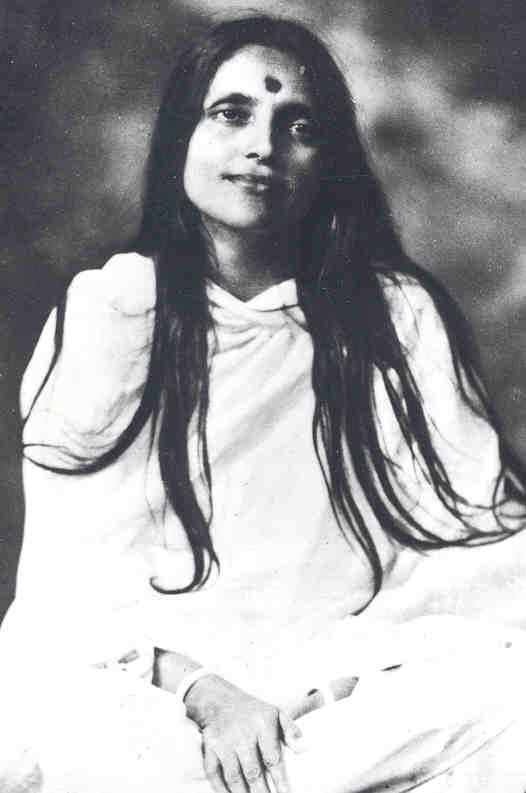
Anandamayi Ma
Übereinstimmung bei: Was ist das Absolute? Gibt es Gott? · Wer bin ich? Gibt es ein wahres Selbst? · Was geschieht nach dem Tod?
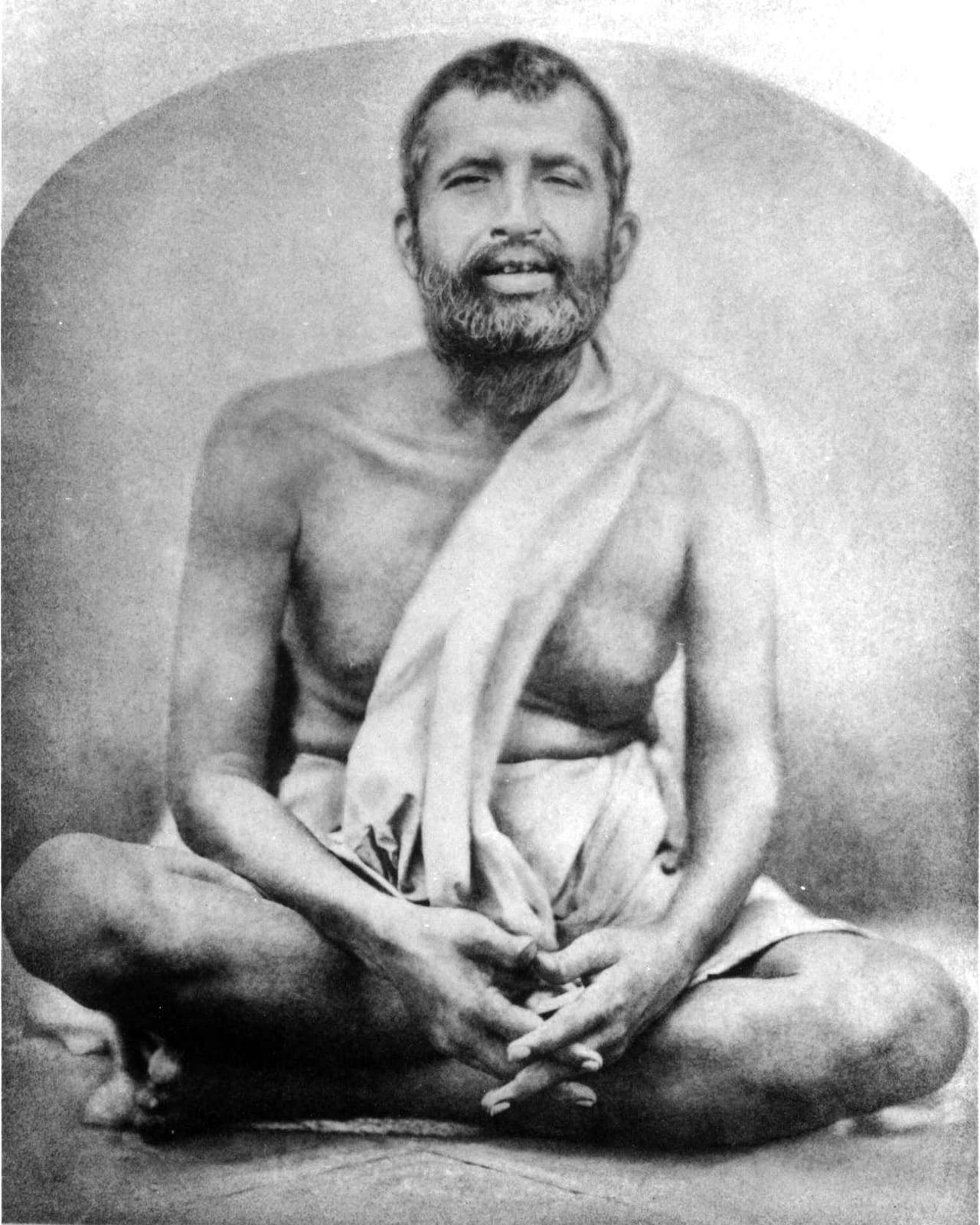
Ramakrishna
Übereinstimmung bei: Was ist das Absolute? Gibt es Gott? · Wer bin ich? Gibt es ein wahres Selbst? · Wie erlangt man Befreiung oder Erlösung?
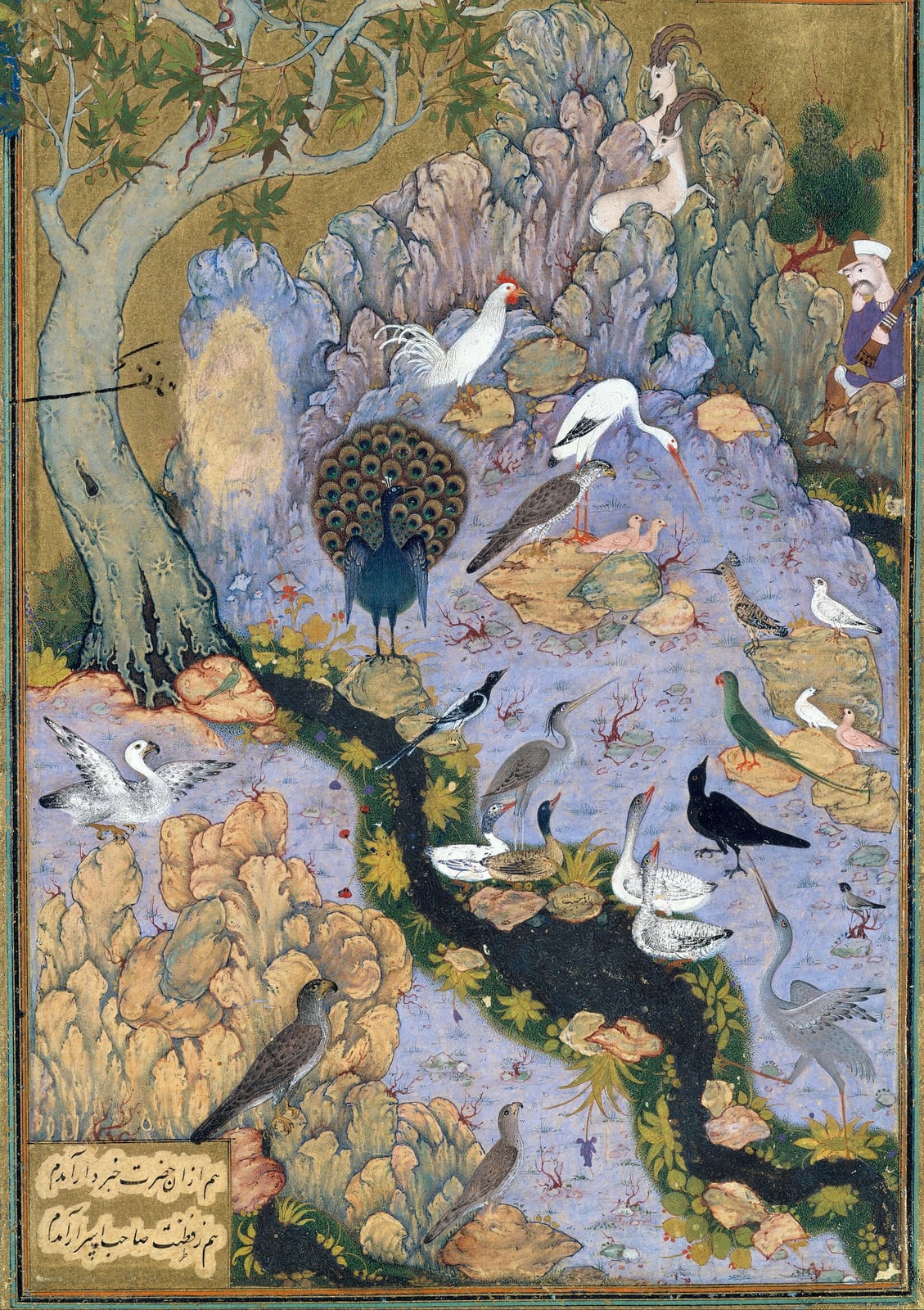
Attar
Übereinstimmung bei: Was ist das Absolute? Gibt es Gott? · Wer bin ich? Gibt es ein wahres Selbst? · Braucht es einen Lehrer?
Ibn Arabi
Übereinstimmung bei: Was ist das Absolute? Gibt es Gott? · Wer bin ich? Gibt es ein wahres Selbst? · Ist die Welt wirklich?
Denkt anders als

Nikolai Berdyaev
Widerspruch bei: Wer bin ich? Gibt es ein wahres Selbst? · Braucht es einen Lehrer?
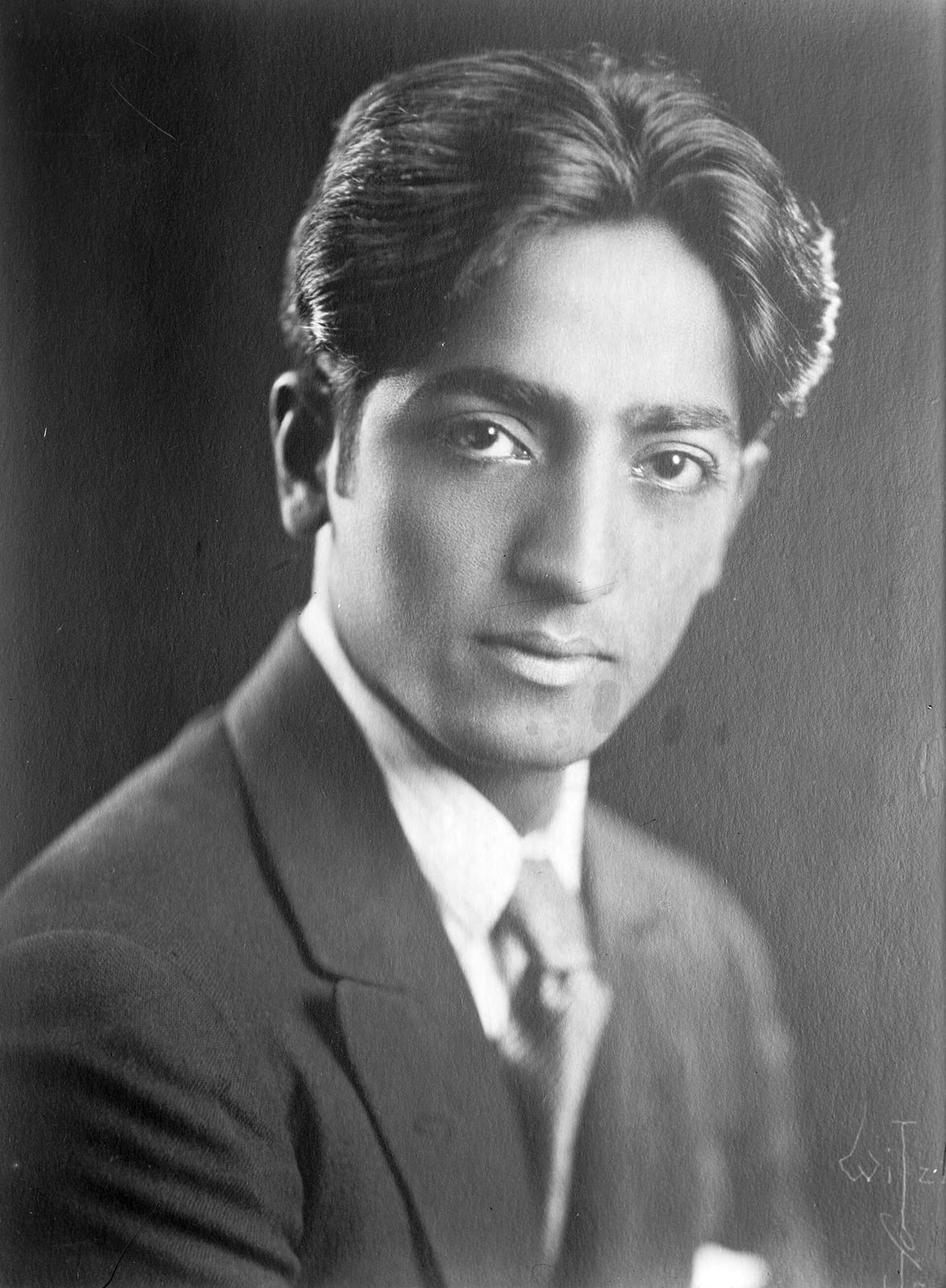
Jiddu Krishnamurti
Widerspruch bei: Wie erlangt man Befreiung oder Erlösung? · Braucht es einen Lehrer?
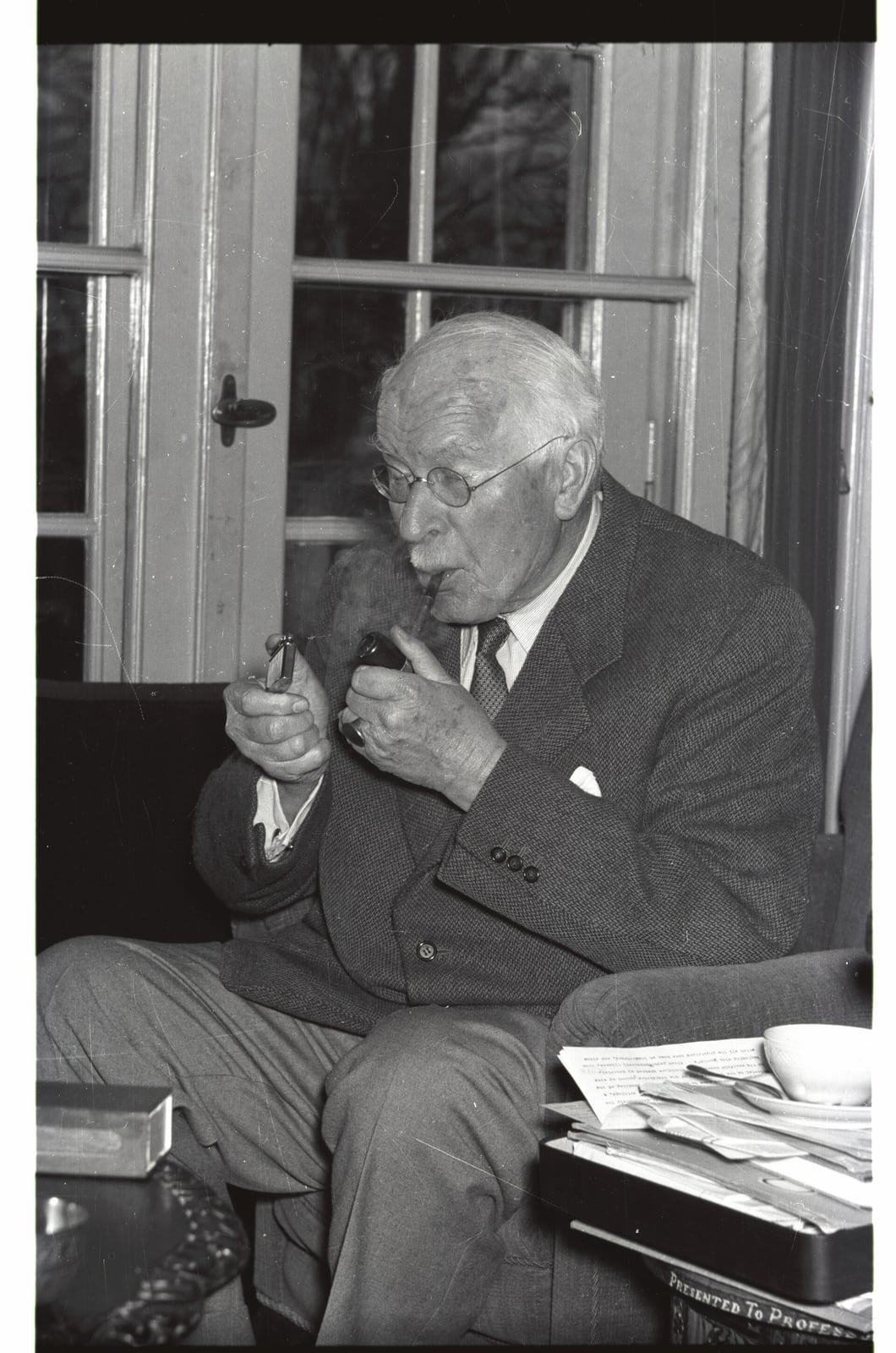
Carl Gustav Jung
Widerspruch bei: Was ist das Absolute? Gibt es Gott? · Wer bin ich? Gibt es ein wahres Selbst? · Warum leiden wir?

Seraphim of Sarov
Widerspruch bei: Wer bin ich? Gibt es ein wahres Selbst?
Anekdoten und Erzählungen
Anekdoten und Erzählungen
Hagiographische Erzählungrelato épico
Born on an island in the Yamunā
Herkunft der Erzählung: Mahābhārata, Ādiparvan, section LXIII of Ganguli's translation (and Satyavatī's account to Bhīṣma, section CV). It is epic legend with no verifiable historical basis.
Hagiographische Erzählungrelato épico
The grandfather of both sides
Herkunft der Erzählung: Mahābhārata, Ādiparvan, sections CV–CVI of Ganguli's translation. Sullivan sees in this episode a central piece in the construction of Vyāsa as an author figure.
Umstrittenrelato épico (interpolación)
Gaṇeśa the scribe
Herkunft der Erzählung: Ādiparvan, section I of Ganguli's translation (vulgate). Sukthankar's critical edition (1933) relegates it to appendix I of the Ādiparvan because it is missing from many manuscripts: it is regarded as an interpolation.
Quelle: Sukthankar, Vishnu S. (ed.). The Mahābhārata for the First Time Critically Edited. Vol. 1: The Ādiparvan, with Prolegomena. Poona: Bhandarkar Oriental Research Institute, 1933 (edición crítica completa, 1919–1966).
Hagiographische Erzählungrelato épico
Sañjaya's divine sight
Herkunft der Erzählung: Mahābhārata, Bhīṣmaparvan, section II of Ganguli's translation (Jambū-khaṇḍa-nirmāṇa). Text checked.
Hagiographische Erzählungrelato épico
One night with the dead
Herkunft der Erzählung: Mahābhārata, Āśramavāsikaparvan, sections XXXI–XXXIII of Ganguli's translation. Text checked (section XXXII).
Hagiographische Erzählungrelato épico
Śuka's echo
Herkunft der Erzählung: Mahābhārata, Śāntiparvan (Mokṣadharma), sections CCCXXXIII–CCCXXXIV of Ganguli's translation. The Bhāgavata Purāṇa (1.2.2) preserves a version in which the trees answer.
Hagiographische Erzählungrelato purāṇico
Vyāsa's dissatisfaction
Herkunft der Erzählung: Bhāgavata Purāṇa, book I, chaps. 4–7. A self-presentation of the Purāṇa itself, composed according to scholarship around the ninth–tenth centuries; summary after Bryant's introduction (2003).
Quelle: Bryant, Edwin F. (trad. e introd.). Krishna: The Beautiful Legend of God. Śrīmad Bhāgavata Purāṇa, Book X. Londres: Penguin, 2003. Introducción (el marco del Bhāgavata y su atribución a Vyāsa).
Lehren
Lehren
Die Begriffe, die das Denken gliedern, in ihrem Zusammenhang erklärt.
Subtle dharma (sūkṣma dharma)dharma-sutil
Ethics of the Mahābhārata.
Quelle: Hiltebeitel, Alf. Rethinking the Mahābhārata: A Reader's Guide to the Education of the Dharma King. Chicago: University of Chicago Press, 2001 (caps. 1–2, sobre Vyāsa como autor y la fecha de composición).
The fifth Veda (itihāsa)quinto-veda
The Mahābhārata's self-understanding (Ādiparvan, section LXIII).
Quelle: Sullivan, Bruce M. Kṛṣṇa Dvaipāyana Vyāsa and the Mahābhārata: A New Interpretation. Leiden: Brill, 1990; reed. como Seer of the Fifth Veda: Kṛṣṇa Dvaipāyana Vyāsa in the Mahābhārata. Delhi: Motilal Banarsidass, 1999.
Vyāsa as a function: the twenty-eight Vyāsasvyasa-de-cada-era
Viṣṇu Purāṇa, part III, chaps. 3–4.
Action without desire for the fruit (niṣkāma karma)nishkama-karma
Bhagavad Gītā, cantos 2–5.
Guru Pūrṇimā (Vyāsa Pūrṇimā)guru-purnima
Hindu religious calendar.
Videos
Videos
Aufnahmen, Gespräche und Dokumentarfilme. Die Videos werden von YouTube wiedergegeben; sie werden nicht hier gespeichert.
Understanding the Mahabharata
Vortrag· EN· 2021· 79 min
Oxford Centre for Hindu StudiesOffizieller Kanal
Mahābhārata - History or Mythology? | Prof. Robert P. Goldman
Vortrag· EN· 2022· 92 min
Argumentative Indians
Dharma and Dharmas: The Moral and Ethical Legacies of the Mahābharata and Rāmāyaṇa
Vortrag· EN· 2022· 109 min
Karwaan Heritage
The Geography of the Mahabharata
Vortrag· EN· 2022· 67 min
Bhandarkar Oriental Research InstituteOffizieller Kanal
From Manuscripts to Masterpieces - Bhandarkar Institute's Mahabharata Publications
Dokumentarfilm· EN· 2023· 3 min
Bhandarkar Oriental Research InstituteOffizieller Kanal
Dr. Vishwa Adluri - Mahābhārata: The Principal Monument to Bhakti
Vortrag· EN· 2018· 54 min
Indian Institute of World Culture - IIWCOffizieller Kanal
Wendy Doniger: Cutting the Red Cord of Vengeance — The Oresteia and the Mahabharata
Vortrag· EN· 2021· 37 min
Einstein ForumOffizieller Kanal
Peter Brook on the making of his 1985 production of The Mahabharata
Gespräch· EN· 2015· 3 min
Young VicOffizieller Kanal
Mahabharata: the Ancient Indian Epic
Dokumentarfilm· EN· 2021· 16 min
World History EncyclopediaOffizieller Kanal
Brahma Sutra with Shankara Bhashyam | Session 13 (Sutra 1.1.4) | Swami Tattwamayananda
Vortrag· EN· 2026· 79 min
Vedanta Society of New YorkOffizieller Kanal
Bharat Ek Khoj | Episode-5 | Mahabharata, Part I
Dokumentarfilm· HI· 1988· 49 min
Prasar Bharati ArchivesOffizieller Kanal
Bharat Ek Khoj | Episode-6 | Mahabharata, Part II
Dokumentarfilm· HI· 1988· 43 min
Prasar Bharati ArchivesOffizieller Kanal
Juan Arnau. Bhagavad Gita. Tesoros de la Literatura India
Vortrag· ES· 2020· 35 min
Casa de la India in SpainOffizieller Kanal
Diálogo entre Òscar Pujol y Agustín Pániker: «La Bhagavadgītā»
Vortrag· ES· 2023· 76 min
Casa AsiaOffizieller Kanal
«La Bhagavadgītā», conferencia dictada por el Dr. Òscar Pujol
Vortrag· ES· 2023· 90 min
RDenIndiaOffizieller Kanal
Galerie
Galerie
Bilder mit geprüfter Lizenz. Jedes bewahrt seine Urheberschaft und seinen Herkunftsnachweis.
Handschriften
Handschriften
Handschriftliche Zeugen und alte Texte, mit ihrer verwahrenden Einrichtung und ihren Einsichtsbedingungen.
FA · Nastaʿlīq (persa) · Mahābhārata (s. IV a. C.–IV d. C.); traducción persa de la década de 1580
Razmnāma (traducción persa del Mahābhārata), copia ilustrada de 1598
- Erhaltener Textzeuge
- Copia ilustrada de 1598, hoy dispersa
- Verwahrende Einrichtung
- Folios dispersos; uno en el Victoria and Albert Museum (Londres) y otro en el Dallas Museum of Art
- Digitalisierung
- collections.vam.ac.uk/item/O112323/painting-the-…
Beziehungen
Beziehungen
Einflüsse, Schülerschaften und Verwandtschaften. Die belegte Beziehung wird von der durch Analyse ermittelten Ähnlichkeit unterschieden.
Familie von
According to the Mahābhārata, Vyāsa is the son of Parāśara, grandson of Śakti and great-grandson of Vasiṣṭha. A textual, not historical, genealogy.
Belegte Beziehung
Schüler von
In the Bhāgavata Purāṇa, Nārada appears as Vyāsa's teacher and advises him to compose the Bhāgavata. A textual relation.
Belegte Beziehung
Verwandte Gedanken mit
The two 'authors' of the epics are at once characters in their works and names that authorise whole corpora; the Viṣṇu Purāṇa counts Vālmīki among the twenty-eight Vyāsas.
Durch Analyse ermittelte Ähnlichkeit
Beeinflusst von
Tradition ascribes to Vyāsa the commentary (Yogabhāṣya) on Patañjali's Yogasūtras; Maas maintains that both texts are by the same author.
Belegte Beziehung
Beeinflusste
Śaṅkara commented on the Brahmasūtras, which he ascribes to Bādarāyaṇa (identified with Vyāsa by tradition), and on the Bhagavad Gītā.
Belegte Beziehung
Beeinflusste
Rāmānuja
Rāmānuja founded his Vedānta on his commentary on the Brahmasūtras (Śrī Bhāṣya) and also commented on the Gītā.
Belegte Beziehung
Verwandte Gedanken mit
The traditional list of Advaita teachers places Gauḍapāda after Vyāsa and his son Śuka; it is a school genealogy, not historically documented.
Durch Analyse ermittelte Ähnlichkeit
Beeinflusste
In 1900 Vivekananda devoted a lecture to the Mahābhārata and commented on the Gītā on many occasions.
Belegte Beziehung
Beeinflusste
Yogananda wrote an extensive commentary on the Bhagavad Gītā, God Talks with Arjuna, published posthumously in 1995.
Belegte Beziehung
Verwandte Gedanken mit
Aurobindo made the Bhagavad Gītā one of the foundations of his integral yoga; the relation is one of reception of the work ascribed to Vyāsa.
Durch Analyse ermittelte Ähnlichkeit
Verwandte Gedanken mit
The Bhāgavata Purāṇa, ascribed to Vyāsa, was the central text of Caitanya's devotion and of the Gauḍīya school.
Durch Analyse ermittelte Ähnlichkeit
Quellen
Quellen
Für diesen Eintrag herangezogene Bibliografie und Kataloge.
- Wikipedia (inglés), «Vyasa», sobre la Guru Pūrṇimā (Vyāsa Pūrṇimā), los cirañjīvin y los lugares de culto asociados.
- Wikidata, «Vyasa», QID Q330521 (sabio legendario, compilador de los Veda y autor del Mahābhārata; LCCN n79109341; GND 119017687; BnF 11928738t).
- Sullivan, Bruce M. Kṛṣṇa Dvaipāyana Vyāsa and the Mahābhārata: A New Interpretation. Leiden: Brill, 1990; reed. como Seer of the Fifth Veda: Kṛṣṇa Dvaipāyana Vyāsa in the Mahābhārata. Delhi: Motilal Banarsidass, 1999.
- Hiltebeitel, Alf. Rethinking the Mahābhārata: A Reader's Guide to the Education of the Dharma King. Chicago: University of Chicago Press, 2001 (caps. 1–2, sobre Vyāsa como autor y la fecha de composición).
- Fitzgerald, James L. (trad.). The Mahābhārata, vol. 7: Book 11, The Book of the Women; Book 12, The Book of Peace, Part One. Chicago: University of Chicago Press, 2004. Introducción.
- Brockington, John. The Sanskrit Epics. Leiden: Brill, 1998 (Handbuch der Orientalistik, 2. Abt., Bd. 12). Capítulos sobre el Mahābhārata.
- Sukthankar, Vishnu S. (ed.). The Mahābhārata for the First Time Critically Edited. Vol. 1: The Ādiparvan, with Prolegomena. Poona: Bhandarkar Oriental Research Institute, 1933 (edición crítica completa, 1919–1966).
- Ganguli, Kisari Mohan (trad.). The Mahabharata of Krishna-Dwaipayana Vyasa. Calcuta: Bharata Press (P. C. Roy), 1883–1896. Ādi Parva, secc. I, LXII, LXIII y CV–CVI; Bhishma Parva, secc. II; Asramavasika Parva, secc. XXXII; Svargarohanika Parva, secc. V. Project Gutenberg n.º 15474–15477.
- Telang, Kashinath Trimbak (trad.). The Bhagavadgîtâ, with the Sanatsugâtîya and the Anugîtâ. Oxford: Clarendon Press, 1882 (Sacred Books of the East 8).
- Arnold, Edwin (trad.). The Song Celestial; or, Bhagavad-Gîtâ (from the Mahâbhârata). Londres: Trübner, 1885. Project Gutenberg n.º 2388.
- Rocher, Ludo. The Purāṇas. Wiesbaden: Otto Harrassowitz, 1986 (A History of Indian Literature, vol. II, fasc. 3).
- Dutt, Manmatha Nath (trad.). A Prose English Translation of Vishnupuranam (Based on Professor H. H. Wilson's Translation). Calcuta, 1894. Parte III, secc. III–IV (los veintiocho Vyāsa y la división del Veda). Project Gutenberg n.º 66208.
- Nakamura, Hajime. A History of Early Vedānta Philosophy, Part One. Delhi: Motilal Banarsidass, 1983 (sobre Bādarāyaṇa y la fecha de los Brahmasūtra).
- Maas, Philipp A. «A Concise Historiography of Classical Yoga Philosophy». En Eli Franco (ed.), Periodization and Historiography of Indian Philosophy. Viena: Sammlung de Nobili, 2013, pp. 53–90.
- Woods, James Haughton (trad.). The Yoga-System of Patañjali … and the Comment, called Yoga-bhāshya, attributed to Veda-Vyāsa. Cambridge (Mass.): Harvard University Press, 1914 (Harvard Oriental Series 17).
- Bryant, Edwin F. (trad. e introd.). Krishna: The Beautiful Legend of God. Śrīmad Bhāgavata Purāṇa, Book X. Londres: Penguin, 2003. Introducción (el marco del Bhāgavata y su atribución a Vyāsa).
- Thibaut, George (trad.). The Vedânta-Sûtras with the Commentary by Śaṅkarâkârya. Part I. Oxford: Clarendon Press, 1890 (Sacred Books of the East 34). Introducción. Project Gutenberg n.º 16295.
- Vivekananda, Swami. «The Mahabharata», conferencia en Pasadena, 1 de febrero de 1900. The Complete Works of Swami Vivekananda, vol. 4 (Wikisource).
- Thibaut, George (trad.). The Vedânta-Sûtras with the Commentary by Râmânuja. Oxford: Clarendon Press, 1904 (Sacred Books of the East 48). Project Gutenberg n.º 7297.
- Paramahansa Yogananda. God Talks with Arjuna: The Bhagavad Gita. Royal Science of God-Realization. 2 vols. Los Ángeles: Self-Realization Fellowship, 1995.
- Wikipedia (inglés), «Bhagavad Gita», sección de traducciones (Charles Wilkins, The Bhagvat-Geeta, Londres, 1785).
- Victoria and Albert Museum, «The sage Vyasa with disciples observes his son Suka approaching them», pintura de Banwari para una copia del Razmnāma (traducción persa del Mahābhārata), 1598 (registro O112323).
- Rechteinhaber
- Textos sánscritos de dominio público. Traducciones con derechos propios: University of Chicago Press (van Buitenen, Fitzgerald), Penguin (Debroy, Smith, Patton, Bryant), Bantam (Miller), SUNY Press (Sargeant, Hariharānanda Āraṇya), Seuil (Biardeau), Kairós, Edaf (Barrio), Trotta (Consuelo Martín), Advaita Ashrama (Gambhirananda). Son de dominio público las de Ganguli (1883–1896), Telang (1882), Arnold (1885), Burnouf (1861), Schroeder (1912), Thibaut (1890–1904), Woods (1914) y Dutt (1894–1897).
Bestätigung ausstehend
Was dieser Eintrag noch nicht klären konnte. Wir sagen es lieber, als es aufzufüllen.
- Fechas: no hay nacimiento ni muerte; la línea de tiempo usa las fechas de los textos atribuidos. Las horquillas (Brockington, Hiltebeitel, Nakamura, Maas, Rocher) se resumen sin cita de página: precisarlas.
- Ediciones en español: solo se han verificado la adaptación de R. K. Narayan (Kairós) para el Mahābhārata y las Gītā de Edaf y Trotta. Buscar con ISBN la Bhagavadgītā de Òscar Pujol (Kairós) y ediciones españolas de los Purāṇa y de los Brahmasūtra distintas de Trotta; también ediciones en italiano, ruso e hindi (Gita Press).
- Obras atribuidas menores (Vyāsa Smṛti, Devī Bhāgavata, Adhyātma Rāmāyaṇa): falta fuente académica propia y ediciones con ISBN.
- Sala de lectura: falta la segunda parte de los Vedānta-Sūtras de Thibaut (SBE 38) en una fuente con texto; no se ha encontrado traducción española de dominio público de ninguna obra. Las páginas inglesas por libro del Mahābhārata en Wikisource son esbozos y no se han registrado.
- Manuscritos: identificar las signaturas de los folios del Razmnāma de 1598 (V&A, Dallas) y añadir el manuscrito de Jaipur (1584–1586).
- Vídeos: verificar el idioma de otras charlas en hindi de canales académicos (BORI) para equilibrar las lenguas.
Recherchiert am 2026-10-26