Христианство · Христианская мистика · Католицизм · Неоплатонизм
Meister Eckhart
ок. 1260 – 1328Исторически документированная личность
Доминиканец из Тюрингии (ок. 1260–1328), дважды магистр теологии в Париже, провинциал Саксонии и проповедник в Страсбурге и Кёльне. По-латыни он писал незавершённый схоластический труд — «Трёхчастный труд», библейские комментарии, проповеди, — а по-немецки проповедовал об основе души, об отрешённости и о рождении Бога в душе, создавая отвлечённую лексику немецкого языка. Привлечённый к суду архиепископом Кёльнским, он умер прежде, чем булла In agro dominico (1329) осудила двадцать восемь положений, извлечённых из его сочинений.
- трудов
- 37трудов
- изданий
- 112изданий
- цитат
- 9цитат
- видео
- 12видео
- изображений
- 6изображений
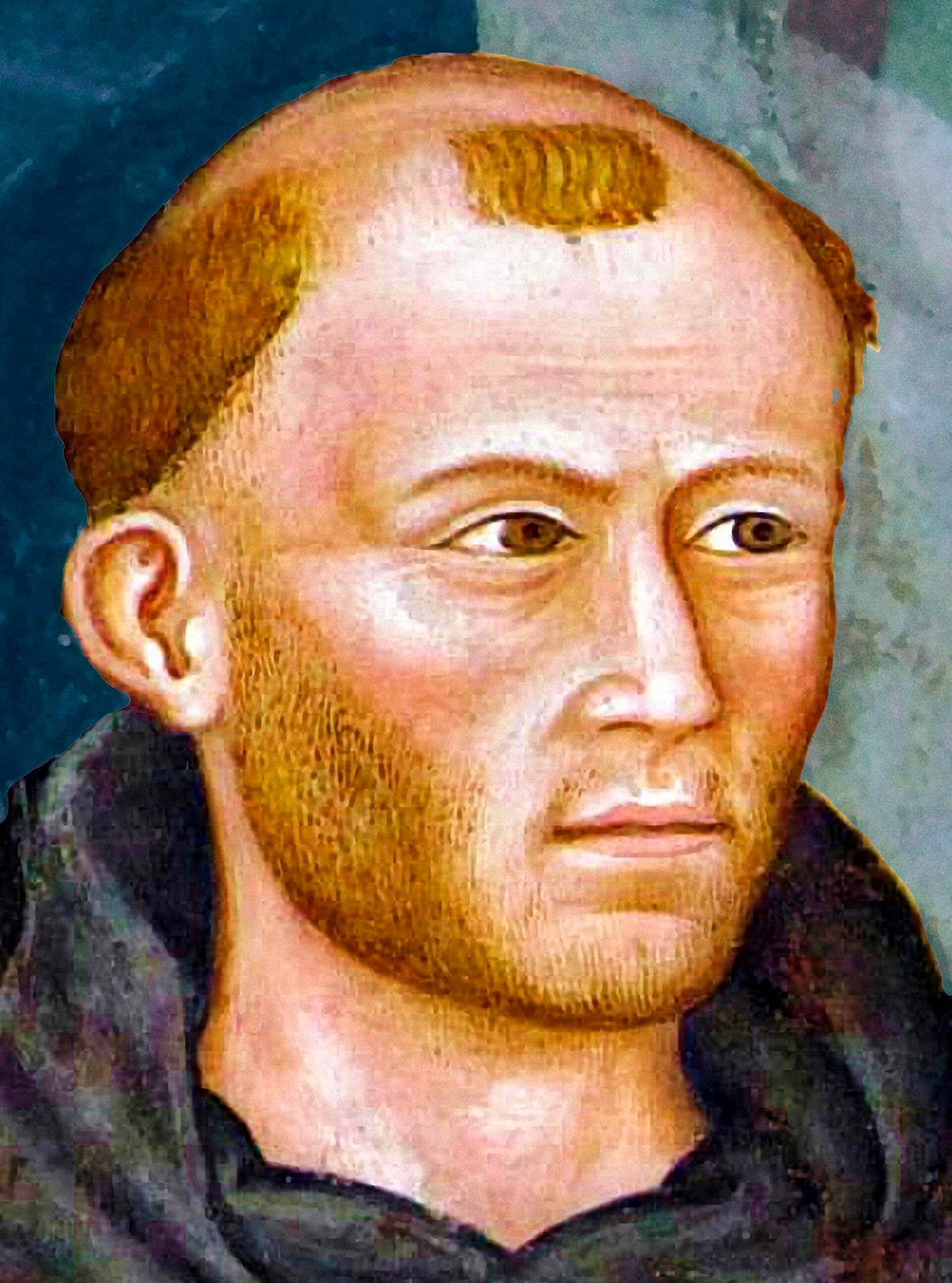
Fraile dominico identificado tradicionalmente con Eckhart (Andrea di Bonaiuto, Via Veritatis) · CC BY-SA 4.0
Своими словами
«Here God's ground is my ground and my ground is God's ground.»Sermón alemán 5b, «In hoc apparuit caritas dei» (DW I)

Для начала — одна книга
Talks of Instruction (Counsels on Discernment)Главная мысль
The ground (grunt): 'Grunt' is the word Eckhart uses for what is innermost in the soul and, at the same time, innermost in God, and his boldest thesis is that the two grounds coincide: 'here God's ground is my ground and my ground God's ground' (Sermon 5b).
В контексте
Биография
4 мин чтения
Перевод с испанского оригинала, выполненный с помощью ИИ; ожидает проверки носителем языка.
Монах из Тюрингии
Экхарт родился около 1260 года в Тюрингии, в Тамбахе или в Хоххайме близ Готы; о его семье и детстве ничего достоверного не известно. В юности он вступил в доминиканский монастырь в Эрфурте и учился в школах ордена — вероятно, в Кёльне, где ещё сильно было наследие Альберта Великого, а затем в Париже. Известная нам жизнь его — это жизнь учёного из ордена проповедников: занятия наукой, управленческие должности и проповедь, именно в таком порядке, а нередко и одновременно.
В 1293–1294 годах он комментировал в Париже «Сентенции» Петра Ломбардского; от этих месяцев сохранились вступительная лекция и пасхальная проповедь. Вернувшись в Тюрингию, он был приором в Эрфурте и викарием области. Там он вёл с послушниками беседы, которые переписывались под названием «Беседы о наставлении» (Die rede der underscheidunge): заботиться следует не столько о том, что ты делаешь, сколько о том, что ты есть; не дела освящают человека, а человек освящает дела.
Магистр в Париже
В 1302 году он получил в Париже кафедру теологии, предназначенную для доминиканцев-иностранцев, а вместе с ней и звание magister, которое отныне стало частью его имени: «Майстер». В диспутах того учебного года он утверждал, вопреки привычному прочтению Фомы Аквинского, что в Боге познание первичнее бытия, и спорил с францисканцем Гонсальвом Испанским о том, интеллекту или воле принадлежит первенство.
С 1303 по 1311 год он был первым провинциалом новой доминиканской провинции Саксония, простиравшейся от Нидерландов до Ливонии, а в 1307 году — генеральным викарием Богемии. В 1311 году орден вновь направил его в Париж — честь, которой до него удостаивался лишь Фома Аквинский. К этим годам относится замысел «Трёхчастного труда» (Opus tripartitum) — книги положений, книги вопросов и книги толкований, — от которого остались лишь прологи, комментарии к Книгам Бытия, Исхода, Премудрости и к Евангелию от Иоанна, а также латинские проповеди. Общий пролог провозглашает тезис, упорядочивающий всё остальное: «бытие есть Бог».
Проповедник Страсбурга и Кёльна
Около 1313 года он обосновался в Страсбурге в качестве викария магистра ордена, с поручением опекать многочисленные монастыри доминиканок и общины бегинок Верхнего Рейна. Для них он и проповедовал по-немецки. Его проповеди, записанные слушателями и переписанные в сотнях рукописей, составляют ядро его славы: критическое издание признаёт сегодня подлинными более сотни из них, пронумерованных Йозефом Квинтом и Георгом Штеером, а также пятьдесят шесть латинских проповедей.
Ни одна немецкая проповедь не дошла до нас в его собственноручной записи. Мы знаем их по копиям слушателей, нередко монахинь, ходившим без имени автора или вперемешку с текстами других проповедников; такие собрания, как Paradisus anime intelligentis, соединяют его проповеди с проповедями других доминиканцев. Чтобы отделить подлинное от подложного, Йозеф Квинт взял за отправную точку места, процитированные на кёльнском процессе и в защитительной речи самого Экхарта, — они удостоверяют его авторство, — а от них перешёл к параллелям в учении и стиле. Поэтому нумерация Квинта стала общепринятым способом цитировать Экхарта, и поэтому часть того, что приписывали ему в XIX веке, например трактат «Сестра Катрей», была исключена из его наследия.
В этих проповедях с неслыханной словесной дерзостью возвращаются немногие мысли: у души есть «основа», или несотворённая «искорка», в которой Отец непрестанно рождает Сына; чтобы это рождение совершилось, нужно «отрешиться» от всякого образа, от всякого хотения и даже от Бога, каким мы его себе представляем; по ту сторону Бога пребывает «Божество» — безмолвная пустыня, где нет различия. Говоря об этом, Экхарт создал значительную часть отвлечённой лексики немецкого языка.
Для овдовевшей королевы Агнессы Венгерской он написал «Книгу божественного утешения» вместе с проповедью «О благородном человеке», которая учит находить в Боге утешение во всякой утрате. Трактат «Об отрешённости», ставящий отрешённость выше любви и смирения, издавна приписывается ему, хотя его подлинность оспаривается.
Процесс
Около 1323 года орден перевёл его в генеральную школу в Кёльне. В 1326 году архиепископ Генрих фон Вирнебург, встревоженный движениями братьев Свободного Духа и враждовавший с доминиканцами, возбудил против него инквизиционный процесс на основании списков положений, извлечённых из его книг и проповедей. Экхарт ответил скрупулёзной защитой, в которой различает заблуждение и ересь: заблуждаться он может, пишет он, но еретиком быть не может, ибо первое относится к разуму, а второе — к воле.
В январе 1327 года он обратился с апелляцией к папе; 13 февраля он велел зачитать в доминиканской церкви Кёльна публичное заявление о своей правоверности, заверенное нотариусом, и отправился в Авиньон. Там папская комиссия свела обвинения к двадцати восьми статьям. Экхарт умер до 30 апреля 1328 года, когда Иоанн XXII написал архиепископу, что процесс идёт своим чередом; ни день, ни точное место его смерти неизвестны.
27 марта 1329 года булла In agro dominico объявила еретическими семнадцать статей, а остальные одиннадцать — «дурно звучащими» и подозрительными, добавив, что Экхарт в конце жизни отрёкся от всего, что могло породить у верующих еретическое понимание. Булла была обнародована только в Кёльнской церковной провинции и не осуждала его лично.
Подземное наследие
Его ученики Иоганн Таулер и Генрих Сузо с осторожностью продолжали его учение, и многие проповеди ходили анонимно или под чужими именами. Николай Кузанский велел переписать его латинские сочинения и в 1449 году выступил в его защиту, хотя и просил не давать их в руки простого народа. Этими путями, а также благодаря переводам Таулера, рейнская мистика достигла европейской духовности XV и XVI веков.
В XIX веке его заново открыли Франц фон Баадер и Гегель; Франц Пфайффер издал в 1857 году немецкие тексты, а Генрих Денифле в 1886 году обнаружил латинские сочинения, заставившие читать его как богослова-схоласта. Национал-социализм пытался присвоить его как германского мистика; критическое издание, начатое в 1936 году, и последующие исследования вернули ему место в доминиканской и неоплатонической традиции.
С тех пор как Рудольф Отто в 1926 году сопоставил его с Шанкарой, Экхарт стал излюбленным собеседником в диалоге с ведантой и дзэн-буддизмом — от Судзуки до Киотской школы. Эта рецепция оказалась плодотворной, однако историки, в частности Курт Флаш, предостерегают от Экхарта, вырванного из контекста: он был схоластическим магистром, говорившим о Христе и Писании с помощью философских средств своего времени.
Источники: Meister Eckhart. Die deutschen und lateinischen Werke. Herausgegeben im Auftrage der Deutschen Forschungsgemeinschaft. Stuttgart: W. Kohlhammer, 1936– (Die deutschen Werke, ed. Josef Quint y Georg Steer; Die lateinischen Werke, ed. Konrad Weiß, Josef Koch, Loris Sturlese et al.). · McGinn, Bernard. The Mystical Thought of Meister Eckhart: The Man from Whom God Hid Nothing. Nueva York: Crossroad, 2001. · Ruh, Kurt. Meister Eckhart: Theologe, Prediger, Mystiker. Múnich: C. H. Beck, 1985 (2.ª ed. 1989). · Flasch, Kurt. Meister Eckhart: Philosoph des Christentums. Múnich: C. H. Beck, 2010. Trad. ingl.: Meister Eckhart: Philosopher of Christianity. New Haven: Yale University Press, 2015. · Meister Eckhart. The Essential Sermons, Commentaries, Treatises, and Defense. Trad. e introd. de Edmund Colledge y Bernard McGinn. Nueva York: Paulist Press, 1981 (Classics of Western Spirituality; ISBN 0809123703).
Хронология
Жизнь год за годом
Каждая точка — документированное событие. Нажмите, чтобы прочитать о нём, с источником и степенью достоверности.
ок. 12600 летTambach o Hochheim (Turingia)
Birth
He is born in Thuringia, near Gotha. Neither the exact date nor his family is known.
ВероятноRuh, Kurt. Meister Eckhart: Theologe, Prediger, Mystiker. Múnich: C. H. Beck, 1985 (2.ª ed. 1989).
После смерти
- 27 марта 1329 г.Bull In agro dominico
- 1449Defence by Nicholas of Cusa
- 1857Pfeiffer's edition
- 1886Discovery of the Latin works
- 1936The critical edition begins
ок. 1260 · 0 лет
Birth
He is born in Thuringia, near Gotha. Neither the exact date nor his family is known.
Вероятно
ок. 1275 · 15 лет
Joins the Dominicans
He enters the Dominican convent of Erfurt; the date is an estimate.
Вероятно
ок. 1293 · 33 года
Lecturer on the Sentences
He lectures on the Sentences in Paris (1293–1294); the inaugural Collatio and the Easter Sermon of 1294 survive.
Документировано
ок. 1294 · 34 года
Prior of Erfurt
Prior of Erfurt and vicar of Thuringia (until c. 1298); he delivers the Talks of Instruction.
Документировано
1302 · 42 года
Master of theology
He holds the Dominican chair for foreigners (1302–1303); Parisian Questions.
Документировано
1303 · 43 года
Provincial of Saxony
First provincial of the new Dominican province of Saxony (1303–1311).
Документировано
1307 · 47 лет
Vicar general of Bohemia
The general chapter entrusts him with reforming the convents of Bohemia.
Документировано
1311 · 51 год
Second regency in Paris
He teaches in Paris again (1311–1313), a privilege previously held only by Thomas Aquinas.
Документировано
ок. 1313 · 53 года
Vicar in Strasbourg
Vicar of the master general with care of the Dominican nuns and beguines of the Upper Rhine; the period of the great German sermons.
Вероятно
ок. 1323 · 63 года
Studium generale in Cologne
He teaches and preaches in Cologne.
Вероятно
1326 · 66 лет
The trial begins
Archbishop Henry of Virneburg opens an inquisitorial process; Eckhart writes his defence.
Документировано
24 января 1327 г. · 67 лет
Appeal to the pope
Eckhart appeals to the Holy See against the archbishop's commissioners.
Документировано
13 февраля 1327 г. · 67 лет
Public declaration
He has a protestation of orthodoxy read, recorded in a notarial instrument (now in the Vatican Archives), and leaves for Avignon.
Документировано
1328 · 68 лет
Death
He dies before 30 April 1328, when John XXII writes to the archbishop referring to him as deceased.
Документировано
27 марта 1329 г.
Bull In agro dominico
John XXII condemns twenty-eight articles: seventeen heretical and eleven evil-sounding or suspect.
Документировано
1449
Defence by Nicholas of Cusa
In the Apologia doctae ignorantiae Cusanus defends Eckhart; his library preserves the main codex of the Latin works.
Документировано
1857
Pfeiffer's edition
Franz Pfeiffer publishes the German texts attributed to Eckhart, the basis of his rediscovery.
Документировано
1886
Discovery of the Latin works
Heinrich Denifle publishes the Latin works found in Erfurt and in Cusanus's library.
Документировано
1936
The critical edition begins
The Deutsche Forschungsgemeinschaft begins Die deutschen und lateinischen Werke (Kohlhammer).
Документировано
Труды
Главные труды
Труды, без которых не понять это наследие.
Письменный труд · ок. 1296
Talks of Instruction (Counsels on Discernment)
Die rede der underscheidunge
Twenty-three chapters of practical spiritual direction on true obedience, prayer, detachment from one's own will, the Eucharist, sins and how to work without losing God. They contain the maxim that what one does matters less than what one is. It is Eckhart's earliest German work.
5 изданий
Письменный труд · ок. 1318
The Book of Divine Consolation
Daz buoch der götlîchen træstunge (Liber Benedictus I)
A treatise of consolation in three parts: truths about the relation between the just man and justice, some thirty grounds of comfort in loss, and examples of sages and saints. It teaches that whoever suffers with God and for God finds that God suffers with him, and that accepted suffering becomes sweet.
6 изданий
Письменный труд · ок. 1320
On Detachment
Von abegescheidenheit
A short treatise that places detachment above love, humility and mercy, because it compels God to come into the soul: a detached heart is a blank tablet on which God writes. Its image of the door swinging on its motionless hinge is among the most quoted in German mysticism.
6 изданий
Позднейший сборник · ок. 1320
German Sermons (complete corpus)
Predigten (deutsche Predigten)
More than a hundred sermons preached mainly to nuns and beguines, commenting on the Gospel or Epistle of the day. In them the theses for which Eckhart is known are formulated: the birth of the Son in the ground of the soul, the uncreated spark, poverty of spirit, the Godhead beyond God. Their language, at once popular and abstract, is a landmark of German prose.
10 изданий
Письменный труд
German Sermon 5b: 'In hoc apparuit caritas dei in nobis'
Predigt 5b: «In hoc apparuit caritas dei in nobis»
A sermon on the incarnation and the ground: God became man so that man might be born as son, and 'here God's ground is my ground and my ground God's ground'. It asks for a life 'without why', lived from one's own ground. A manuscript fragment discovered in 2010 is one of its oldest witnesses.
4 издания
Письменный труд
German Sermon 52: 'Beati pauperes spiritu'
Predigt 52: «Beati pauperes spiritu»
The sermon on poverty: poor is the one who wills nothing, knows nothing and has nothing, not even a place in which God could work. It contains the prayer that God rid us of 'God' and the evocation of the state in which man was before he was created. It is his most commented sermon.
5 изданий
Письменный труд
German Sermon 86: 'Intravit Iesus in quoddam castellum'
Predigt 86: «Intravit Iesus in quoddam castellum»
It reverses the traditional reading of Martha and Mary: Martha, mature and active, knows how to work from the ground without losing God, while Mary is still learning. It is Eckhart's key text on the union of contemplation and action.
4 издания
Все труды (37)
Meister Eckhart
Inaugural Lecture on the Sentences
The Conscious LibraryInaugural Lecture on the Sentences
1293
Meister Eckhart
Easter Sermon (Paris, 1294)
The Conscious LibraryEaster Sermon (Paris, 1294)
1294
Meister Eckhart
Treatise on the Lord's Prayer
The Conscious LibraryTreatise on the Lord's Prayer
1294
Meister Eckhart
Sermon on the Feast of Saint Augustine (Paris)
The Conscious LibrarySermon on the Feast of Saint Augustine (Paris)
1302

Parisian Questions
1302
Tripartite Work (prologues)
1311

Commentary on the Book of Genesis
1314
Book of the Parables of Genesis
1314

Commentary on the Book of Exodus
1314
Sermons and Lectures on Ecclesiasticus 24
1314
Commentary on the Book of Wisdom
1314
Commentary on the Gospel of John
1320
Latin Sermons
1320
Defence (Reply to the Cologne charges)
1326
On the Noble Man
1318
German Sermon 1: 'Intravit Iesus in templum'
German Sermon 2: 'Intravit Iesus in quoddam castellum'
German Sermon 6: 'Iusti vivent in aeternum'
German Sermon 9: 'Quasi stella matutina'
German Sermon 12: 'Qui audit me'
German Sermon 22: 'Ave, gratia plena'
German Sermon 48: 'Ein meister sprichet: alliu glîchiu dinc minnent sich'
German Sermon 71: 'Surrexit autem Saulus de terra'
German Sermon 83: 'Renovamini spiritu'
Изречения
Изречения, найденные в конкретном труде. Каждое сопровождается указанием происхождения и степени надёжности.
Here God's ground is my ground and my ground is God's ground.Hie ist gotes grunt mîn grunt und mîn grunt gotes grunt.
ПровереноSermón alemán 5b, «In hoc apparuit caritas dei» (DW I)
Апокрифические изречения и изречения спорной атрибуции (2)
«If the only prayer you ever say in your entire life is thank you, it will be enough.»
A widely circulated English quotation not found in the German or Latin works of the critical edition. It appears to be a modern paraphrase; its first appearance has not been located.
«What we plant in the soil of contemplation, we shall reap in the harvest of action.»
Attributed to Eckhart in modern compilations without reference to any sermon or treatise. The idea recalls Sermon 86 on Martha and Mary, but the sentence is not in it.
Последние слова
Проверяемых записей о последних словах не существует.
No account of his death survives. It is known only that he died before 30 April 1328, probably in Avignon or on the road, while the process was still open. The bull In agro dominico (1329) states that at the end of his life he revoked and deplored the articles he had admitted teaching 'insofar as they could generate a heretical sense in the minds of the faithful', but that is a legal formula, not last words.
Источник: Juan XXII. Bula «In agro dominico», Aviñón, 27 de marzo de 1329. Texto en Denzinger–Hünermann, Enchiridion symbolorum, n.os 950–980; trad. ingl. en Colledge y McGinn (1981), 77–81.
Спросить
На что отвечают эти труды
Двенадцать великих вопросов человечества и то, что позволяют на них ответить эти тексты, со ссылками. Мы никогда не вкладываем слова в чужие уста.
Что такое Абсолют? Существует ли Бог?
Beyond the God of three Persons lies the modeless Godhead
И личный, и безличныйСказано прямо
Eckhart affirms the Trinitarian faith without reservation and, in his Latin works, identifies God with being itself («being is God», prologue to the Tripartite Work) and, in the Parisian Questions, with understanding. But in the German sermons he distinguishes between God, who is spoken in Persons, acts and is named by creatures, and the Godhead (gotheit), a desert ground without mode in which there is no distinction. Hence in sermon 52 he prays that God rid us of «God», that is, of the image of God as an object, and in sermon 83 he proposes loving him as a non-God, a non-spirit, a non-person. Both levels are true: the personal God is the Godhead as manifested; the Godhead is that same God in his ground, which no name reaches.
Сравнить этот вопрос с другими учителямиКто я? Существует ли истинное «я»?
In the ground of the soul, God's ground and mine are one
Самость есть АбсолютСказано прямо
Eckhart distinguishes in the soul its powers, which deal with images and creatures, and a ground (grunt), a spark or «little castle» so simple that not even God as Persons can peer into it (sermon 2). In that ground, he says in sermon 5b, God's ground is my ground and my ground is God's; there the Father begets his Son, and the eye in which I see God is the same eye in which God sees me (sermon 12). Sermon 52 even evokes the state in which man was in God before being created. The true self is not the one who owns, knows and wills, but the one who, detached, coincides with the divine ground.
Сравнить этот вопрос с другими учителямиПочему мы страдаем?
All sorrow springs from love of what is lost
Жажда и привязанностьСказано прямо
In the Book of Divine Consolation, written for a grieving queen, Eckhart diagnoses suffering with precision: all sorrow comes from love of what loss takes from us. Whoever grieves over outward goods shows that their heart was set on them and not on God. The remedy is detachment: the soul that wills nothing of its own, that has left its will in God's, cannot be wounded in what is essential, because nothing it loses was its own. Eckhart adds a theological consolation: whoever suffers for God and in God does not suffer alone, because God suffers with him, and so pain loses its bitterness.
Сравнить этот вопрос с другими учителямиЧто происходит после смерти?
The just live in eternity, which is a timeless now
Вечная жизнь и воскресениеСказано прямо
Eckhart shares the faith in eternal life, but shifts the emphasis from afterwards to now. In sermon 6, on the verse «the just shall live for ever», he explains that the just man, as just, is begotten by justice and lives in it as the Son in the Father; this life does not begin after death, because eternity is a now that knows no before or after. The sermons on the eternal birth place in that same now the birth of the Son in the ground of the soul. The death that matters is the death of attachment and of self-will; whoever has died to himself already shares, in the ground, in the life that does not end.
Сравнить этот вопрос с другими учителямиКак достигается освобождение или спасение?
Whoever seeks God by a way keeps the way and loses God
Без метода: полное вниманиеСказано прямо
Eckhart distrusts paths that turn into ends. In sermon 5b he warns that whoever seeks God by a way takes the way and leaves God hidden in it; whoever seeks him without a way takes him as he is in himself. What is decisive is not what one does, but what one is: the Talks of Instruction ask us to think less about works and more about being. The path, if it can be called that, is detachment: a heart empty of images, of self-will and of desire for reward, in which God begets his Son. The noble man, poor in spirit, lives and acts «without why», like life that lives because it lives.
Сравнить этот вопрос с другими учителямиНужен ли учитель?
God speaks his Word in the ground of the silent soul
Учитель внутриСледует из учения
Eckhart was himself a master —the title came from his chair in Paris— and a preacher to communities of friars and nuns. But his doctrine places the true teacher within: in the sermons on the eternal birth, the Father speaks his Word in the ground of the soul, and to hear it the faculties and images must be silenced. No outward teaching can give what is received only in that silence. In sermon 12, the eye with which the soul sees God is the same with which God sees it: ultimate knowledge does not come from outside. The preacher can only point and awaken.
Сравнить этот вопрос с другими учителямиРеален ли мир?
Creatures are a pure nothing; all their being is God in them
Проявление божественногоСказано прямо
Eckhart holds two theses that only appear contradictory. On the one hand, if being is God, creatures have no being of their own: in a German sermon he goes so far as to say that all creatures are a pure nothing, not small or something, but nothing. On the other, all they have they receive from God at every instant, so that every creature is full of God and is a book about him: whoever knew a single creature thoroughly would need no sermons. In the Commentary on Genesis he interprets «in the beginning» as the Word: God creates in the eternal now in which he begets the Son. The world is real as manifestation, never as something that stands by itself.
Сравнить этот вопрос с другими учителямиЧто такое любовь?
To love without why, from a ground that seeks nothing
То, что появляется, когда «я» прекращаетсяСказано прямо
Eckhart distrusts love that seeks something, even God or his consolation: whoever loves God for the reward treats him like a cow, wanted for its milk and cheese. True love is «without why», like life that lives because it lives. In the treatise On Detachment he goes so far as to place detachment above love, because love urges me to love God, whereas detachment compels God to love me. And in sermon 12 he explains that whoever truly loves himself loves all people as himself, without preference. Love appears when the possessive self yields: it is God loving himself in the bare ground of the soul.
Сравнить этот вопрос с другими учителямиСвободны ли мы или всё предопределено?
The will is free, and its summit is to let itself go into God's
Подлинная свобода волиСледует из учения
Eckhart presupposes the scholastic doctrine of free will: in his Defence he distinguishes error, which belongs to the intellect, from heresy, which belongs to the will, and therefore asserts that he can err but cannot be a heretic. But his interest lies not in the freedom to choose, but in what the will does with it. The Talks of Instruction teach gelâzenheit, letting go: renouncing one's own will so that God's will may be one's own. Whoever achieves this wills all that God wills and acts without why. The highest freedom, for Eckhart, is not choosing among options, but willing nothing of one's own.
Сравнить этот вопрос с другими учителямиЗачем медитировать или молиться?
The most powerful prayer comes from an empty mind
Медитация — не техникаСказано прямо
Eckhart proposes no meditation techniques. In the Talks of Instruction, asked which prayer is most powerful, he answers that it is the one that comes from an empty mind, detached from all things and from itself. Asking God for this or that is, in a sense, treating him as a means; pure prayer asks for nothing. In sermon 52, the poor in spirit do not even wish to fulfil God's will, nor keep within themselves a place where God might act. And in the sermons on the eternal birth, the Word is spoken when all the faculties fall silent. Meditation is not a method to be carried out, but a silence without a centre of its own.
Сравнить этот вопрос с другими учителямиМожет ли разум познать предельное?
Expound faith and Scripture with the natural reasons of philosophers
Вера и разум помогают друг другуСказано прямо
Eckhart, master of theology in Paris, states at the beginning of his Commentary on the Gospel of John his purpose: to expound what the Christian faith and the Scripture of both Testaments affirm by means of the natural reasons of the philosophers. For him, Scripture, theology and philosophy say the same thing in different ways, and Moses, Christ and Aristotle teach one truth. In the Parisian Questions he even asserts that in God understanding is more fundamental than being. But this intellectualism ends in silence: the intellect, carried to its ground, breaks through all images and concepts, and God remains beyond every name. Reason is a path, not a destination.
Сравнить этот вопрос с другими учителямиУйти от мира или преобразить его?
Martha, mature, acts from the ground without losing God
Созерцание в действииСказано прямо
Eckhart reverses a traditional reading of the Gospel. In sermon 86, on Martha and Mary, he holds that Martha, who serves, is more mature than Mary, who listens seated at Jesus's feet: Mary is still learning, whereas Martha has come to act from the ground without activity separating her from God. The Talks of Instruction insist on the same point: whoever truly has God has him everywhere, in the street and among people as much as in church or in the cell, and need not flee things but learn to pass through them. Holiness depends not on place or work, but on the being from which one acts.
Сравнить этот вопрос с другими учителями
Созвучия и противоречия
Созвучия и противоречия
Рассчитаны вопрос за вопросом на основе позиций. Причина каждого совпадения или расхождения — по нажатию.
Ближе всего к
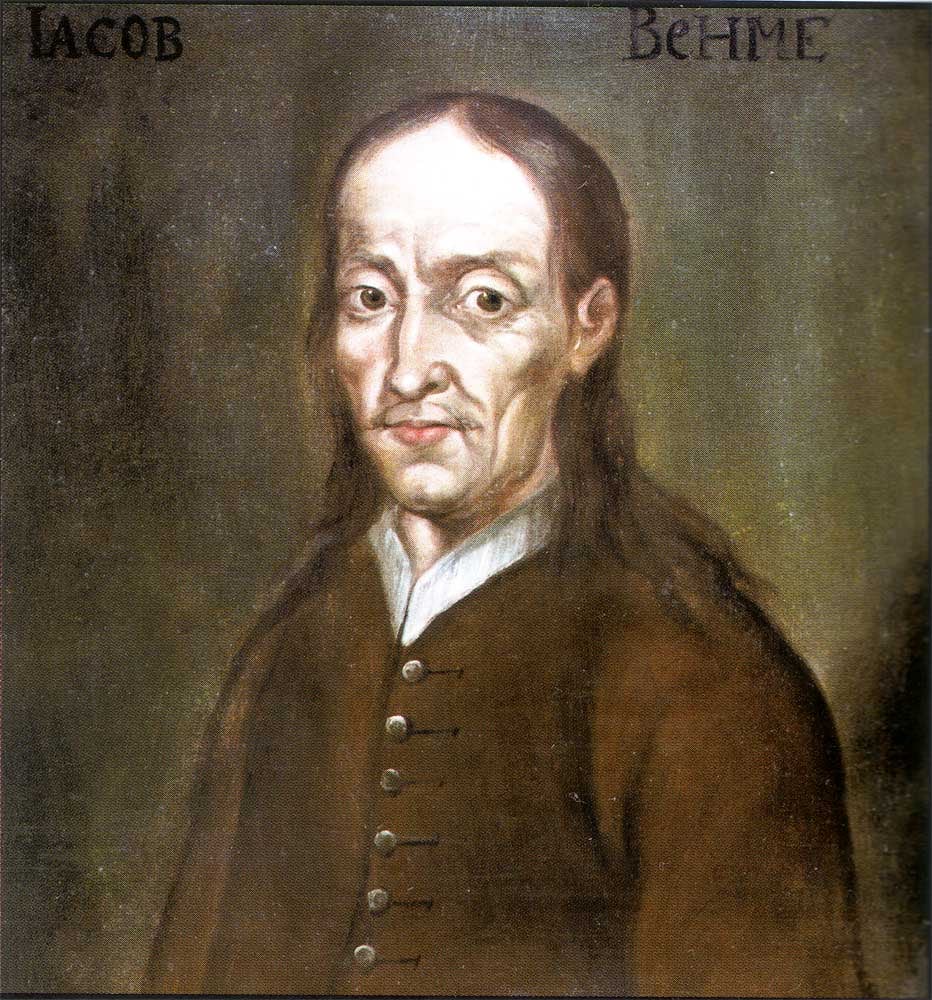
Jakob Böhme
Совпадают в вопросах: Что такое Абсолют? Существует ли Бог? · Что происходит после смерти? · Нужен ли учитель?
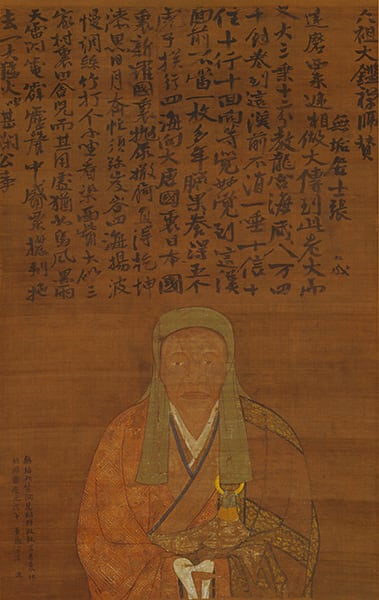
Huineng
Совпадают в вопросах: Кто я? Существует ли истинное «я»? · Нужен ли учитель? · Реален ли мир?

Ibn Arabi
Совпадают в вопросах: Что такое Абсолют? Существует ли Бог? · Кто я? Существует ли истинное «я»? · Что происходит после смерти?
Alan Watts
Совпадают в вопросах: Кто я? Существует ли истинное «я»? · Как достигается освобождение или спасение? · Реален ли мир?
Дальше всего от

Milarepa
Расходятся в вопросах: Кто я? Существует ли истинное «я»? · Что происходит после смерти? · Как достигается освобождение или спасение?

Pema Chödrön
Расходятся в вопросах: Кто я? Существует ли истинное «я»? · Что происходит после смерти? · Как достигается освобождение или спасение?
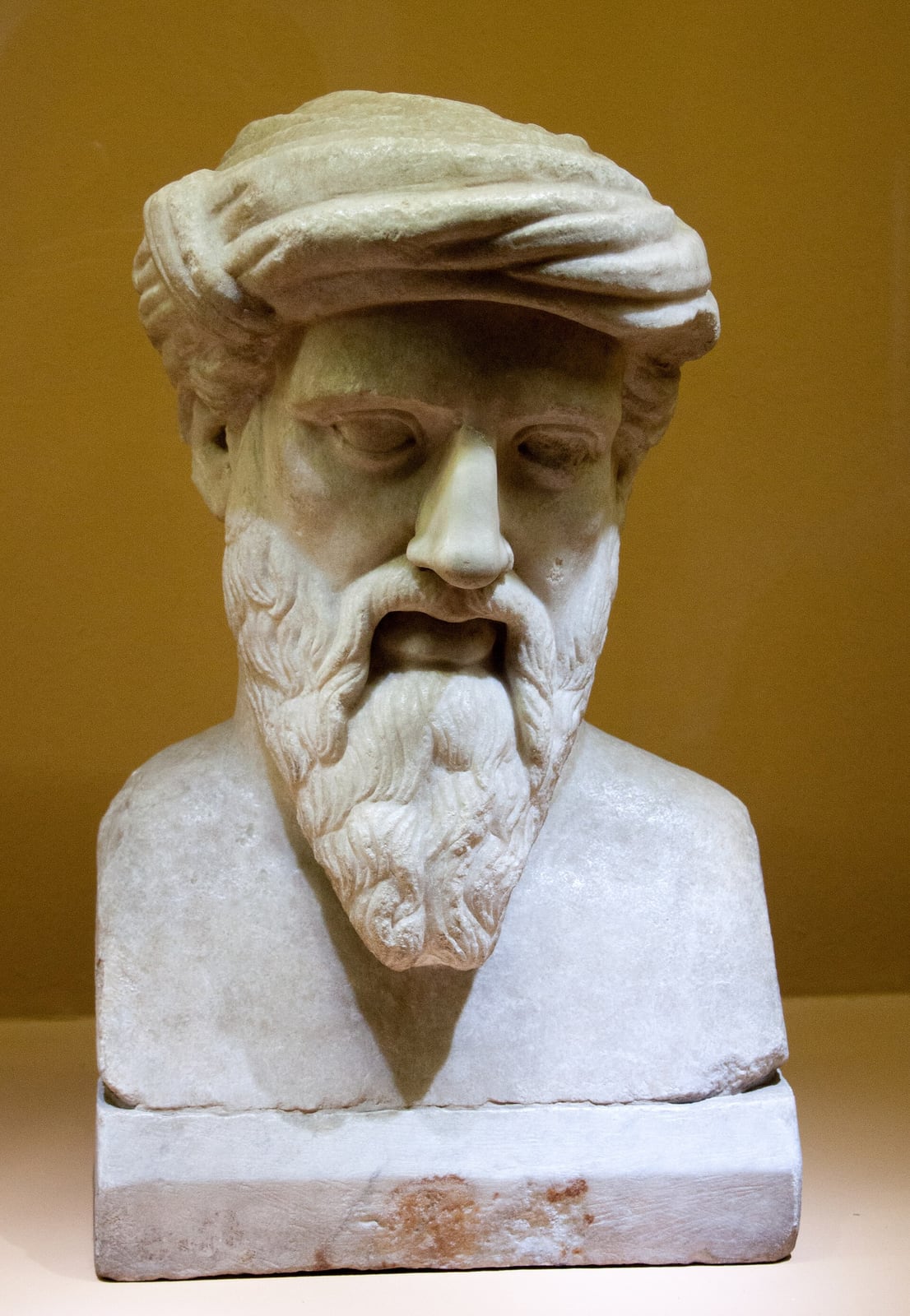
Pythagoras
Расходятся в вопросах: Что происходит после смерти? · Как достигается освобождение или спасение?

Siddhartha Gautama, the Buddha
Расходятся в вопросах: Кто я? Существует ли истинное «я»? · Что происходит после смерти? · Как достигается освобождение или спасение?
Предания и рассказы
Предания и рассказы
Документировано1302–1303
The master and the Franciscan
Происхождение рассказа: Quaestiones Parisienses (LW V) and Quaestio magistri Consalvi; analysis in McGinn (2001) and Flasch (2010).
Источник: McGinn, Bernard. The Mystical Thought of Meister Eckhart: The Man from Whom God Hid Nothing. Nueva York: Crossroad, 2001.
Документировано1326
'I can err, but I cannot be a heretic'
Происхождение рассказа: Rechtfertigungsschrift, in the Acta Echardiana (LW V); partial English translation in Colledge and McGinn (1981).
Источник: Acta Echardiana: documentos del proceso de Colonia y Aviñón (listas de artículos, defensa, apelación, protesta pública de 13 de febrero de 1327, votum de Aviñón, carta de Juan XXII de 30 de abril de 1328). Ed. Loris Sturlese, en Die lateinischen Werke, vol. V. Stuttgart: Kohlhammer, 2000–2006.
Документировано13 de febrero de 1327
The protestation in the Dominican church
Происхождение рассказа: Notarial instrument of 13 February 1327 (Vatican Apostolic Archive, Archivum Arcis, Arm. C, 1123), edited in the Acta Echardiana.
Источник: Acta Echardiana: documentos del proceso de Colonia y Aviñón (listas de artículos, defensa, apelación, protesta pública de 13 de febrero de 1327, votum de Aviñón, carta de Juan XXII de 30 de abril de 1328). Ed. Loris Sturlese, en Die lateinischen Werke, vol. V. Stuttgart: Kohlhammer, 2000–2006.
Документировано1328–1329
A condemnation without a condemned man
Происхождение рассказа: Letter of John XXII of 30 April 1328 (Acta Echardiana); bull In agro dominico (DH 950–980).
Источник: Juan XXII. Bula «In agro dominico», Aviñón, 27 de marzo de 1329. Texto en Denzinger–Hünermann, Enchiridion symbolorum, n.os 950–980; trad. ingl. en Colledge y McGinn (1981), 77–81.
Документировано1449
The books Cusanus did not want in common hands
Происхождение рассказа: Nicholas of Cusa, Apologia doctae ignorantiae (1449); Codex Cusanus 21 (Bernkastel-Kues, library of the St Nicholas Hospital).
Источник: Nicolás de Cusa. Apologia doctae ignorantiae (1449). Ed. Raymond Klibansky, Nicolai de Cusa Opera omnia, vol. II. Leipzig: Meiner, 1932.
Устная традицияrelato del siglo XIV
Meister Eckhart's daughter
Происхождение рассказа: An anonymous legend edited by Pfeiffer (1857) among the attributed texts; the Augsburg version, Universitätsbibliothek, Cod. III.2.8.9, fol. 104v, titles it 'Meister Eckharts Wirtschaft'.
Учение
Учение
Понятия, на которых строится мысль учителя, объяснённые в их контексте.
The ground (grunt)grunt
Christian Neoplatonism (Augustine, Dionysius, Proclus through the Liber de causis) and scholastic debate on the powers of the soul.
Источник: McGinn, Bernard. The Mystical Thought of Meister Eckhart: The Man from Whom God Hid Nothing. Nueva York: Crossroad, 2001.
The birth of God in the soulnacimiento-de-dios-en-el-alma
Greek and Latin patristics (Origen, Augustine) and the Christmas liturgy; Christology of adoptive grace.
Источник: McGinn, Bernard. The Mystical Thought of Meister Eckhart: The Man from Whom God Hid Nothing. Nueva York: Crossroad, 2001.
Detachment (abegescheidenheit) and releasement (gelâzenheit)desasimiento
Dominican and beguine spirituality of the Upper Rhine; the monastic tradition of renouncing one's own will.
Источник: McGinn, Bernard. The Mystical Thought of Meister Eckhart: The Man from Whom God Hid Nothing. Nueva York: Crossroad, 2001.
God and the Godheaddeidad
Dionysian apophatic theology and the Neoplatonism of the One.
Источник: McGinn, Bernard. The Mystical Thought of Meister Eckhart: The Man from Whom God Hid Nothing. Nueva York: Crossroad, 2001.
Poverty of spiritpobreza-de-espiritu
The early fourteenth-century controversy on evangelical poverty and beguine spirituality.
Источник: Meister Eckhart. Die deutschen und lateinischen Werke. Herausgegeben im Auftrage der Deutschen Forschungsgemeinschaft. Stuttgart: W. Kohlhammer, 1936– (Die deutschen Werke, ed. Josef Quint y Georg Steer; Die lateinischen Werke, ed. Konrad Weiß, Josef Koch, Loris Sturlese et al.).
Living without whysin-porque
The scholastic ethics of intention and the critique of self-interested piety.
Источник: McGinn, Bernard. The Mystical Thought of Meister Eckhart: The Man from Whom God Hid Nothing. Nueva York: Crossroad, 2001.
'Being is God' and 'God is understanding'esse-est-deus
Parisian scholastic metaphysics (Thomas Aquinas, Albert the Great, Dietrich of Freiberg) and the Liber de causis.
Источник: Flasch, Kurt. Meister Eckhart: Philosoph des Christentums. Múnich: C. H. Beck, 2010. Trad. ingl.: Meister Eckhart: Philosopher of Christianity. New Haven: Yale University Press, 2015.
Видео
Видео
Записи, интервью и документальные фильмы. Видео воспроизводятся с YouTube; здесь они не хранятся.
Meister Eckhart with Prof. Bernard McGinn
Лекция· EN· 2020· 70 min
Lumen Christi InstituteОфициальный канал
Bernard McGinn on The Nothingness of God in Jewish and Christian Mysticism
Лекция· EN· 2017· 64 min
University of GlasgowОфициальный канал
The Bible and Western Culture - Meister Eckhart: From Whom God Hid Nothing
Лекция· EN· 2020· 44 min
Michael Sugrue
Meister Eckhart & Christian Mysticism
Разбор· EN· 2021· 44 min
Let's Talk Religion
Christian Mysticism, Vedanta und Meister Eckhart – by Swami Sarvapriyānanda
Лекция· EN· 2025· 84 min
Vedanta GermanyОфициальный канал
La experiencia de Dios en el Maestro Eckhart: el nacimiento de Dios en el fondo del alma
Лекция· ES· 2023· 74 min
Universidad Pontificia ComillasОфициальный канал
El todo y la nada de Dios: Maestro Eckhart (Inés Fuente)
Лекция· ES· 2016· 15 min
Dominicos EspañaОфициальный канал
Conferencia sobre el Maestro Eckhart y Santo Tomás de Aquino
Лекция· ES· 2020· 83 min
Facultad de Teología San Vicente Ferrer de ValenciaОфициальный канал
Silvia Bara Bancel: «San Juan de la Cruz, lector del Maestro Eckhart»
Лекция· ES· 2026· 109 min
Centro de Estudios de HermenéuticaОфициальный канал
Dietmar Mieth: Mystik, Widerstand und Politik – Zugänge bei Meister Eckhart
Лекция· DE· 2021· 65 min
Evangelische Akademie ThüringenОфициальный канал
«L'Ombra della Luce: Tommaso d'Aquino e Meister Eckhart» con Marco Vannini e Giuseppe Barzaghi
Лекция· IT· 2026· 120 min
IstitutoTomisticoОфициальный канал
Marco Vannini | Distacco | festivalfilosofia 2024
Лекция· IT· 2024· 48 min
FestivalfilosofiaОфициальный канал
Галерея
Галерея
Изображения с проверенной лицензией. Каждое сохраняет своё авторство и атрибуцию.
Рукописи
Рукописи
Рукописные свидетельства и древние тексты, с указанием хранителя и условий доступа.
LA · Latina (gótica) · Obras de c. 1305–1326; copia del siglo XV
Codex Cusanus 21 (obras latinas de Eckhart)
- Сохранившийся список
- Testigo principal del Opus tripartitum y de los comentarios bíblicos
- Хранитель
- Biblioteca del Hospital de San Nicolás (Cusanusstift), Bernkastel-Kues · Cod. Cus. 21
LA · Latina (notarial) · 13 de febrero de 1327
Instrumento notarial de la protesta de Colonia
- Сохранившийся список
- Original
- Хранитель
- Archivo Apostólico Vaticano · Archivum Arcis, Arm. C, 1123
GMH · Latina (gótica) · c. 1340
Paradisus anime intelligentis
- Сохранившийся список
- Manuscrito principal de la colección
- Хранитель
- Bodleian Library, Oxford · MS. Laud Misc. 479
LA · Latina · 1326
Rechtfertigungsschrift (Defensa)
- Сохранившийся список
- Copia única conocida
- Хранитель
- Stadtbibliothek Soest
Связи
Связи
Влияния, ученичество и близость взглядов. Документированная связь отличается от сходства, выявленного путём анализа.
Испытал влияние
His whole work is exegesis: Latin commentaries on the Gospel of John and German sermons on the Gospels of the day. His central doctrine, the birth of the Son in the soul, is a reading of the incarnation.
Документированная связь
Испытал влияние
Eckhart's metaphysics of the One, procession and return, and his negative theology are Neoplatonic in origin, received mainly through Augustine, Dionysius the Areopagite, Proclus (Liber de causis) and Macrobius rather than by direct reading of the Enneads.
Сходство, выявленное путём анализа
Идеи, близкие к
In 1926 Rudolf Otto compared Eckhart's mysticism with Shankara's Advaita: both distinguish an attributeless absolute (Godhead / nirguna brahman) from its personal manifestation and place liberation in recognising the identity of the ground. Otto also stressed the differences, especially the living dynamism of Eckhart's God.
Сходство, выявленное путём анализа
Идеи, близкие к
Since D. T. Suzuki and the Kyoto School (Nishitani, Ueda Shizuteru), Eckhart has been a partner of Zen: his 'nothing', the life 'without why' and detachment have been read alongside emptiness and Dōgen's dropping off of body and mind. There is no historical contact.
Сходство, выявленное путём анализа
Повлиял на
Rhineland mysticism reached sixteenth-century Spain through Latin and Castilian translations attributed to Tauler, Eckhart's disciple. Research (Silvia Bara Bancel) has studied John of the Cross as an indirect reader of Eckhart in the doctrine of nothingness and the ground of the soul; the exact route of transmission is still debated.
Сходство, выявленное путём анализа
Идеи, близкие к
Both speak of a centre or ground of the soul where God dwells, but Teresa refuses to leave behind the Humanity of Christ and distrusts imageless prayer, distancing herself from the more speculative Eckhart.
Сходство, выявленное путём анализа
Идеи, близкие к
Two summits of spirituality in German lands with opposite paths: Hildegard's symbolic, imaginative vision and Eckhart's detachment from every image.
Сходство, выявленное путём анализа
Идеи, близкие к
Sermon 52 transposes to the inner plane the poverty Francis lived materially, at a time when the Franciscan controversy over Christ's poverty divided the Church.
Сходство, выявленное путём анализа
Повлиял на
Ulrich Tölle adopted the name Eckhart in homage to the Dominican master, as he himself has explained on his official channel.
Документированная связь
Упоминается в других статьях
- Aristotle · Повлиял на
- John of the Cross · Испытал влияние
- Laozi · Идеи, близкие к
- Francis of Assisi · Идеи, близкие к
- Simone Weil · Идеи, близкие к
- Baruch Spinoza · Идеи, близкие к
- Hildegard of Bingen · Идеи, близкие к
- Adi Shankara · Идеи, близкие к
- Carl Gustav Jung · Испытал влияние
- Catherine of Siena · Идеи, близкие к
- Martin Buber · Идеи, близкие к
- Julian of Norwich · Идеи, близкие к
- Thomas Merton · Испытал влияние
- Rudolf Steiner · Испытал влияние
- Maimonides · Повлиял на
- Thomas à Kempis · Идеи, близкие к
- Ibn Arabi · Идеи, близкие к
- Jakob Böhme · Идеи, близкие к
- Augustine of Hippo · Повлиял на
- Al-Hallaj · Идеи, близкие к
- Plato · Идеи, близкие к
- Rumi · Идеи, близкие к
- Teresa of Ávila · Идеи, близкие к
- Baal Shem Tov · Идеи, близкие к
Источники
Источники
Библиография и каталоги, использованные для этой статьи.
- Wikidata, Q76548 «Meister Eckhart» (P31=Q5; 74 enlaces entre wikis).
- Meister Eckhart. Die deutschen und lateinischen Werke. Herausgegeben im Auftrage der Deutschen Forschungsgemeinschaft. Stuttgart: W. Kohlhammer, 1936– (Die deutschen Werke, ed. Josef Quint y Georg Steer; Die lateinischen Werke, ed. Konrad Weiß, Josef Koch, Loris Sturlese et al.).
- McGinn, Bernard. The Mystical Thought of Meister Eckhart: The Man from Whom God Hid Nothing. Nueva York: Crossroad, 2001.
- Ruh, Kurt. Meister Eckhart: Theologe, Prediger, Mystiker. Múnich: C. H. Beck, 1985 (2.ª ed. 1989).
- Flasch, Kurt. Meister Eckhart: Philosoph des Christentums. Múnich: C. H. Beck, 2010. Trad. ingl.: Meister Eckhart: Philosopher of Christianity. New Haven: Yale University Press, 2015.
- Meister Eckhart. The Essential Sermons, Commentaries, Treatises, and Defense. Trad. e introd. de Edmund Colledge y Bernard McGinn. Nueva York: Paulist Press, 1981 (Classics of Western Spirituality; ISBN 0809123703).
- Acta Echardiana: documentos del proceso de Colonia y Aviñón (listas de artículos, defensa, apelación, protesta pública de 13 de febrero de 1327, votum de Aviñón, carta de Juan XXII de 30 de abril de 1328). Ed. Loris Sturlese, en Die lateinischen Werke, vol. V. Stuttgart: Kohlhammer, 2000–2006.
- Juan XXII. Bula «In agro dominico», Aviñón, 27 de marzo de 1329. Texto en Denzinger–Hünermann, Enchiridion symbolorum, n.os 950–980; trad. ingl. en Colledge y McGinn (1981), 77–81.
- Vega Esquerra, Amador (ed. y trad.). Maestro Eckhart, El fruto de la nada y otros escritos. Madrid: Siruela, 1998; Alianza Editorial, 2011 (ISBN 9788420654966).
- Otto, Rudolf. West-östliche Mystik. Vergleich und Unterscheidung zur Wesensdeutung. Gotha: Leopold Klotz, 1926. Trad. ingl.: Mysticism East and West: A Comparative Analysis of the Nature of Mysticism. Nueva York: Macmillan, 1932.
- Ueda, Shizuteru. Die Gottesgeburt in der Seele und der Durchbruch zur Gottheit. Die mystische Anthropologie Meister Eckharts und ihre Konfrontation mit der Mystik des Zen-Buddhismus. Gütersloh: Gerd Mohn, 1965.
- Pfeiffer, Franz (ed.). Deutsche Mystiker des vierzehnten Jahrhunderts, vol. II: Meister Eckhart. Leipzig: G. J. Göschen, 1857; reimpr. anastática Gotinga: Vandenhoeck & Ruprecht, 1906.
- Open Library, registros de edición de las obras de Meister Eckhart (consultados por ISBN y por obra).
- Nicolás de Cusa. Apologia doctae ignorantiae (1449). Ed. Raymond Klibansky, Nicolai de Cusa Opera omnia, vol. II. Leipzig: Meiner, 1932.
- Eckhart Tolle. «Why Did You Choose the Name ‘Eckhart’?», canal oficial Eckhart Tolle en YouTube (vídeo no insertable).
- Bara Bancel, Silvia. «San Juan de la Cruz, lector del Maestro Eckhart». Conferencia, Centro de Estudios de Hermenéutica, 2026.
- Meister Eckhart. Werke. Texte und Übersetzungen von Josef Quint. Ed. y comentario de Niklaus Largier. 2 vols. Fráncfort: Deutscher Klassiker Verlag, 1993.
- Field, Claud (trad.). Meister Eckhart's Sermons. Londres: H. R. Allenson, 1909. Texto en Christian Classics Ethereal Library.
- Правообладатель
- Dominio público (obras del siglo XIV). La edición crítica Die deutschen und lateinischen Werke (Kohlhammer) y las traducciones modernas (Quint, Largier, Walshe, Colledge y McGinn, Vega, Vannini) están sujetas a los derechos de sus editores.
- Официальный сайт
- www.eckhartsociety.org/
Ожидает подтверждения
То, что в этой статье пока не удалось установить. Мы предпочитаем сказать об этом, а не заполнять пробел.
- Registrar individualmente los sermones alemanes que faltan (Pr. 3–4, 7–8, 10–11, 13–21, 23–47, 49–51, 53–70, 72–82, 84–85 de DW I–III y los de DW IV desde el 87, salvo 101–104), cada uno con su incipit según la edición crítica: no se ha podido consultar un índice fiable en línea y no se ha querido reconstruir de memoria.
- Verificar con la edición crítica la grafía exacta de las citas en alemán medio marcadas como «probable» (Instrucciones 4, sermones 5b —«sin porqué»— y 83).
- Localizar ISBN de Tratados y sermones (trad. Ilse M. de Brugger, Edhasa, 1983), de los Sermoni tedeschi (Adelphi, 1985) y de los volúmenes de la edición Kohlhammer.
- Confirmar la signatura del manuscrito de Soest que conserva la defensa y la del códice de Erfurt (Amploniana) con obras latinas.
- C. de B. Evans (traductor, 1924): fecha de muerte desconocida; la traducción queda marcada con precaución en la sala de lectura.
- El fragmento de Gotinga (sermón 5b): confirmar institución custodia y signatura.
- Las fechas de subida de los vídeos se han deducido de la fecha relativa que muestra YouTube.
- Programas de afiliación: ninguno verificado.
Исследовано 2026-10-25