Христианство · Христианская мистика · Католицизм
Thomas Merton
1915 – 1968Исторически документированная личность
Монах-траппист аббатства Гефсимани (Кентукки), священник, поэт и эссеист. Его автобиография «Семиярусная гора» (1948) привела к монашеской жизни тысячи послевоенных читателей, а такие книги, как «Новые семена созерцания», сделали христианское созерцание вопросом личной идентичности. В последнее десятилетие жизни он отстаивал ненасилие и гражданские права, переводил Чжуан-цзы и вёл диалог с дзэн-буддизмом и тибетским буддизмом. Умер в Таиланде в 1968 году, во время своего единственного путешествия в Азию.
- трудов
- 132трудов
- изданий
- 219изданий
- цитат
- 8цитат
- видео
- 11видео
- изображений
- 7изображений

La ermita de Thomas Merton en Getsemaní · CC BY 2.0
Своими словами
«On the last day of January 1915, under the sign of the Water Bearer, in a year of a great war, and down in the shadow of some French mountains on the borders of Spain, I came into the world.»The Seven Storey Mountain (1948), parte I, cap. 1, primera frase

Для начала — одна книга
The Seven Storey MountainГлавная мысль
Human beings habitually live identified with a false self, made of desires, roles and appearances, which tries to assert itself against others and against God; spiritual life consists in letting that mask fall so as to discover the true self, which is not possessed but received from God and coincides with one's own vocation.
В контексте
Биография
5 мин чтения
Перевод с испанского оригинала, выполненный с помощью ИИ; ожидает проверки носителем языка.
Сирота между двумя континентами
Томас Мертон родился 31 января 1915 года в Праде, у подножия французских Пиренеев, в семье двух художников — новозеландца Оуэна Мертона и американки Рут Дженкинс, выросшей в квакерской среде. В августе 1916 года война вынудила семью перебраться в Нью-Йорк. Рут умерла от рака в 1921 году, когда мальчику было шесть лет, и с тех пор детство Мертона превратилось в череду адресов: дом деда и бабушки в Дугластоне, Бермудские острова, средневековая деревня Сен-Антонен, пансион лицея Энгра в Монтобане, английские школы Рипли-Корт и Окем. В 1931 году от опухоли мозга умер и отец, и подросток остался на попечении своего лондонского крёстного.
Учебный 1933 год в Клэр-колледже в Кембридже стал низшей точкой этого дрейфа. Сам Мертон описал его в автобиографии как время пьянства и беспорядочной жизни; биографы, кроме того, установили, что там у него родился ребёнок, которого он так и не увидел. Наставник посоветовал ему не возвращаться. В январе 1935 года он поступил в Колумбийский университет в Нью-Йорке и наконец обрёл своё место: уроки Марка Ван Дорена, дружба на всю жизнь с поэтом Робертом Лэксом и художником Эдом Рейнхардтом, студенческие журналы и магистерская диссертация об Уильяме Блейке.
Обращение
Поворот пришёл с неожиданной стороны. В 1938 году друг познакомил его с Маханамбратой Брахмачари, индуистским монахом, проезжавшим через Нью-Йорк, и Мертон ждал от него приглашения на Восток. Брахмачари же посоветовал ему прочесть «Исповедь» блаженного Августина и «О подражании Христу». Эти книги вместе с «Духом средневековой философии» Этьена Жильсона привели его в небольшую церковь Корпус-Кристи рядом с кампусом, где 16 ноября 1938 года он был принят в Католическую церковь. После неудачной попытки вступить к францисканцам он преподавал английский в колледже Святого Бонавентуры, а после духовных упражнений на Страстной неделе в Кентукки решил стать траппистом.
10 декабря 1941 года, через три дня после Пёрл-Харбора, он постучал в ворота аббатства Богоматери Гефсиманской. Он получил имя брат Мэри Луи — для собратьев отец Луи — и больше никогда не жил вне монастыря. Простые обеты он принёс в 1944 году, торжественные — в 1947-м; в 1949 году был рукоположен в священники.
Монах, который писал
Парадокс Мертона в том, что орден молчания сделал его самым читаемым монахом столетия. Настоятель Фредерик Данн попросил его писать, и из этого послушания родилась «Семиярусная гора», вышедшая в 1948 году в издательстве Harcourt Brace. Автобиография светского молодого человека, бежавшего к траппистам, отозвалась в поколении, отмеченном войной, и стала небывалым бестселлером; в последующие годы траппистские монастыри США пережили наплыв послушников, который биографы связывают с этой книгой. Затем последовали «Семена созерцания» (1949), «Воды Силоама», «Знамение Ионы» — его монашеский дневник — и «Ни один человек не остров».
В аббатстве он был наставником схоластиков, а с 1955 по 1965 год — наставником послушников. Его беседы о Кассиане, отцах-пустынниках, уставе святого Бенедикта и христианской мистике, записанные на плёнку и сохранившиеся в его конспектах, до сих пор выходят многотомной серией. «Новые семена созерцания» (1961), глубокая переработка книги 1949 года, сосредоточили его главную мысль: созерцание — не техника и не исключительное состояние, а пробуждение истинного «я», сокрытого в Боге, в противовес ложному «я», выстроенному желанием и видимостью.
Открытость миру
18 марта 1958 года на оживлённом торговом перекрёстке Луисвилла Мертон пережил то, что сам считал концом своей «отделённости» от мира: внезапную очевидность того, что он любит всех прохожих и что никто ему не чужой. Он записал это в дневник и много лет спустя переосмыслил в книге «Домыслы виноватого свидетеля». С тех пор его перо обратилось к ядерной войне, расовой сегрегации, а позднее — к Вьетнаму. В 1962 году настоятели запретили ему публиковаться на тему мира; он продолжал рассылать корреспондентам по всему миру размноженные на мимеографе письма, известные сегодня как «Письма времён холодной войны».
Одновременно он вёл беспрецедентный диалог с Востоком. Он переписывался с Д. Т. Судзуки, которого навестил в Нью-Йорке в 1964 году; издал «Путь Чжуан-цзы» (1965), вольное переложение даосского классика, «Мистиков и мастеров дзэн» (1967) и «Дзэн и птиц вожделения» (1968). В 1966 году он принял в Гефсимани вьетнамского монаха Тхить Нят Ханя и написал в его защиту статью «Нят Хань — мой брат». Его переписка с Борисом Пастернаком, Чеславом Милошем, Эрнесто Карденалем — некогда его послушником, — Дороти Дэй и Мартином Лютером Кингом занимает пять томов.
Скит и любовь
В августе 1965 года он получил разрешение жить отшельником в домике из шлакоблоков в лесу аббатства. Однако уединение готовило ему самое неожиданное испытание: весной 1966 года, оправляясь после операции на позвоночнике в одной из больниц Луисвилла, он влюбился в молодую студентку-медсестру, которую его дневники называют «М.». Эти отношения, пережитые с душевным надломом, о котором он сам оставил письменное свидетельство, оборвались тем же летом, когда о них узнал настоятель. Мертон запретил публиковать свои дневники раньше чем через двадцать пять лет после смерти; когда они вышли — семью томами в 1995–1998 годах, — перед читателем предстал человек более противоречивый и более человечный, чем автор автобиографии.
Азия и конец
В октябре 1968 года, с благословения нового настоятеля Флавиана Бёрнса, Мертон вылетел в Азию, чтобы принять участие в конгрессе бенедиктинских и цистерцианских монахов в Бангкоке. В Индии он трижды встречался с Далай-ламой, который позднее напишет в автобиографии, что Мертон открыл ему истинный смысл слова «христианин»; в Дарджилинге он часами беседовал с учителем дзогчена Чатралом Ринпоче. 2 декабря перед каменными буддами Полоннарувы на Цейлоне он записал, что прорвался сквозь «поверхность» вещей, в озарении, которое подытожил словами: всё есть пустота и всё есть сострадание.
10 декабря 1968 года, ровно через двадцать семь лет после прихода в Гефсимани, он утром прочёл доклад «Марксизм и монашеские перспективы». Днём его нашли мёртвым в комнате центра Красного Креста в Самутпракане; на теле лежал упавший электрический вентилятор. Версией, которую распространили собратья, стал несчастный случай — удар током; официальные тайские отчёты объясняют смерть сердечной недостаточностью, наступившей ещё до соприкосновения с прибором. Вскрытия не проводилось, и необъяснённая рана на голове породила версии об убийстве, которые большинство исследователей считают необоснованными. 17 декабря он был похоронен в Гефсимани.
Наследие
Мертон оставил более пятидесяти книг, изданных при жизни, и посмертное наследие — дневники, письма, стихи и беседы, — которое до сих пор не исчерпано. Его творчество во многом заложило основы созерцательной мирской духовности второй половины XX века и монашеского диалога между христианством и буддизмом. В 2015 году папа Франциск назвал его перед Конгрессом США «человеком молитвы» и «человеком диалога» — рядом с Линкольном, Мартином Лютером Кингом и Дороти Дэй. Его архив хранится в Центре Томаса Мертона при Университете Беллармина в Луисвилле, а правами на его наследие распоряжается фонд Merton Legacy Trust в пользу аббатства.
Источники: Mott, Michael. The Seven Mountains of Thomas Merton. Boston: Houghton Mifflin, 1984 (biografía autorizada por el Merton Legacy Trust). · Merton, Thomas. The Seven Storey Mountain. Nueva York: Harcourt, Brace and Company, 1948. · Merton, Thomas. The Asian Journal of Thomas Merton. Ed. Naomi Burton Stone, Patrick Hart y James Laughlin. Nueva York: New Directions, 1973 (incluye el epílogo de Patrick Hart y los apéndices VII, «Marxism and Monastic Perspectives», y VIII, carta de los delegados trapenses al abad Flavian Burns). · Shannon, William H.; Bochen, Christine M.; O'Connell, Patrick F. The Thomas Merton Encyclopedia. Maryknoll (NY): Orbis Books, 2002. · Merton, Thomas. Conjectures of a Guilty Bystander. Garden City (NY): Doubleday, 1966.
Хронология
Жизнь год за годом
Каждая точка — документированное событие. Нажмите, чтобы прочитать о нём, с источником и степенью достоверности.
31 января 1915 г.0 летPrades (Francia)
Birth in the Pyrenees
Born to Owen Merton, a New Zealand painter, and Ruth Jenkins, an American artist of Quaker upbringing, who had met while studying painting in Paris.
ДокументированоThomas Merton Center, Bellarmine University. «Thomas Merton: Chronology of Life and Publications».
После смерти
- 1995 – 1998Publication of the complete journals
- 24 сентября 2015 г.Cited by Pope Francis before Congress
31 января 1915 г. · 0 лет
Birth in the Pyrenees
Born to Owen Merton, a New Zealand painter, and Ruth Jenkins, an American artist of Quaker upbringing, who had met while studying painting in Paris.
Документировано
21 октября 1921 г. · 6 лет
Death of his mother
Ruth Jenkins dies of stomach cancer. The boy learns of it by letter; the loss opens an itinerant childhood between the United States, Bermuda, France and England.
Документировано
1926 – 1928 · 11 лет
Boarding at the Lycée Ingres
His father enrols him at the lycée in Montauban while painting in Saint-Antonin; in 1928 they move to England (Ripley Court and, from 1929, Oakham).
Документировано
1931 · 15 лет
Death of his father
Owen Merton dies of a brain tumour. The adolescent is placed under the guardianship of his godfather, the physician Tom Bennett.
Документировано
октябрь 1933 г. – 1934 · 18 лет
A disordered year at Clare College
He reads modern languages at Cambridge; a year of excess that he would later judge harshly. He loses his scholarship and returns to the United States.
Документировано
январь 1935 г. – 1939 · 19 лет
Columbia: Van Doren, Lax and literature
He studies English literature under Mark Van Doren and forms lifelong friendships with Robert Lax and Ad Reinhardt. Graduating in 1938, he takes his master's degree in 1939 with a thesis on William Blake.
Документировано
16 ноября 1938 г. · 23 года
Received into the Catholic Church
After months of reading—Gilson, Augustine, à Kempis—and the advice of the Hindu monk Mahanambrata Brahmachari, he is baptised and receives his first communion.
Документировано
1940 – 1941 · 25 лет
Teaching among the Franciscans
Turned away by the Franciscan novitiate, he teaches English at St. Bonaventure and becomes a Franciscan tertiary. A Holy Week retreat at Gethsemani (1941) settles his vocation.
Документировано
10 декабря 1941 г. · 26 лет
Arrival at Gethsemani
He knocks at the door of the Trappist abbey; on 13 December he is admitted as a postulant and given the name Brother Mary Louis.
Документировано
17 апреля 1943 г. · 28 лет
Death of his brother John Paul
His only brother, an RCAF airman baptised months earlier in Kentucky, dies after his plane comes down at sea. Merton writes for him the poem that appears in his autobiography.
Документировано
19 марта 1944 г. · 29 лет
Simple vows and Thirty Poems
He takes temporary vows; that same year James Laughlin publishes his first book, Thirty Poems, at New Directions.
Документировано
1948 · 33 года
The Seven Storey Mountain
Harcourt Brace publishes the autobiography, written under obedience to his abbot. It becomes a publishing phenomenon and the most widely read conversion narrative of post-war America.
Документировано
26 мая 1949 г. · 34 года
Ordination to the priesthood
He is ordained priest on Ascension Day; that year he publishes Seeds of Contemplation and The Waters of Siloe.
Документировано
1955 – 1965 · 40 лет
Master of novices
After four years as master of scholastics, he directs the formation of novices for a decade; his recorded conferences and notes are now published as a series.
Документировано
18 марта 1958 г. · 43 года
The Fourth and Walnut revelation
In a Louisville shopping street he suddenly realises that he loves all the passers-by and that they are not alien to him; he records it in his journal and reworks it in Conjectures of a Guilty Bystander (1966).
Документировано
1961 · 46 лет
New Seeds and the turn towards the world
He publishes New Seeds of Contemplation and begins writing against nuclear war; in 1962 his superiors forbid him to publish on peace, and his texts circulate as the 'Cold War Letters'.
Документировано
июнь 1964 г. · 49 лет
Meeting D. T. Suzuki
With exceptional permission he travels to New York to meet the great interpreter of Zen, with whom he had corresponded since 1959.
Документировано
август 1965 г. – 1968 · 50 лет
Hermit in the abbey woods
He gives up the office of novice master and moves full time into the cinder-block hermitage built on the monastery grounds.
Документировано
март 1966 г. · 51 год
Love for 'M.'
After back surgery he falls in love with a young student nurse; the relationship, which ends that summer, is documented in the sixth volume of his journals.
Документировано
28 мая 1966 г. · 51 год
Visit of Thich Nhat Hanh
He receives the Vietnamese monk during his peace tour and afterwards writes 'Nhat Hanh Is My Brother', a plea against the Vietnam War.
Документировано
15 октября 1968 г. · 53 года
Departure for Asia
With leave from the new abbot, Flavian Burns, he flies to Asia to attend a monastic congress and an interreligious meeting in Calcutta.
Документировано
4 ноября 1968 г. · 53 года
Three audiences with the Dalai Lama
On 4, 6 and 8 November he talks with the young Dalai Lama about epistemology, meditation and monastic life; in the following weeks he meets Chatral Rinpoche.
Документировано
2 декабря 1968 г. · 53 года
Before the Buddhas of Polonnaruwa
Barefoot before the great stone figures of the Gal Vihara he lives what he describes as an aesthetic and spiritual illumination unlike any in his life.
Документировано
10 декабря 1968 г. · 53 года
Death in Bangkok
In the morning he delivers the lecture 'Marxism and Monastic Perspectives'; in the afternoon he is found dead in his room with an electric fan lying across his body. The Thai reports speak of heart failure; accidental electrocution was the version made public by his brethren.
Документировано
17 декабря 1968 г.
Burial in the monastic cemetery
His body, flown home on a military aircraft returning from Vietnam, is buried beneath a white cross identical to those of the other monks.
Документировано
1995 – 1998
Publication of the complete journals
Once the twenty-five-year embargo he himself had imposed has expired, HarperSanFrancisco publishes his journals from 1939 to 1968 in seven volumes.
Документировано
24 сентября 2015 г.
Cited by Pope Francis before Congress
Francis names him alongside Lincoln, Martin Luther King and Dorothy Day as one of four Americans who embody the best of the nation: 'a man of dialogue'.
Документировано
Труды
Главные труды
Труды, без которых не понять это наследие.
Письменный труд · 1948
The Seven Storey Mountain
Autobiography of Merton's first twenty-six years, from his birth in Prades to his entry into Gethsemani, written at the suggestion of Abbot Frederic Dunne. The title alludes to Dante's mountain of Purgatory. The story of a wandering youth, of his parents' deaths, of Cambridge and Columbia, and of a conversion lived as a homecoming, it became one of the most widely read religious books of the twentieth century and moved thousands of readers towards monastic life. In Britain it appeared abridged as Elected Silence (1949), with a foreword by Evelyn Waugh.
10 изданий

Письменный труд · 1949
Seeds of Contemplation
A collection of short reflections on the interior life, prayer and detachment, written in the wake of John of the Cross. Its direct language, free of scholastic apparatus, made it an immediate classic; Merton revised it in 1949 and rewrote it thoroughly in 1961 as New Seeds of Contemplation.
4 издания

Письменный труд · 1961
New Seeds of Contemplation
A complete rewriting of Seeds of Contemplation, twenty years after his entry into the monastery. Merton removes the cloistered tone of the first version and develops the opposition between the false self and the true self, contemplation as awakening to reality, and unity with other human beings. Chapters such as 'Things in Their Identity', 'Pray for Your Own Discovery' and 'The General Dance' have made it his most widely read spiritual book and a reference text of contemporary Christian spirituality.
6 изданий

Письменный труд · 1966
Conjectures of a Guilty Bystander
A notebook drawn from the journals of 1956–1965: reflections on technology, race, war, Barth, Gandhi and the Council. It contains the account of the Fourth and Walnut revelation and the page on the 'point vierge', the untouched centre of the human being.
3 издания
Все труды (132)
Thomas Merton
Thirty Poems
The Conscious LibraryThirty Poems
1944

A Man in the Divided Sea
1946
Thomas Merton
Figures for an Apocalypse
The Conscious LibraryFigures for an Apocalypse
1947

Exile Ends in Glory
1948

What Are These Wounds?
1948
Thomas Merton
Guide to Cistercian Life
The Conscious LibraryGuide to Cistercian Life
1948
Thomas Merton
Cistercian Contemplatives
The Conscious LibraryCistercian Contemplatives
1948

The Spirit of Simplicity
1948

What Is Contemplation?
1948

The Tears of the Blind Lions
1949

The Waters of Siloe
1949
Thomas Merton
Gethsemani Magnificat
The Conscious LibraryGethsemani Magnificat
1949

The Ascent to Truth
1951

Bread in the Wilderness
1953

The Sign of Jonas
1953

The Last of the Fathers
1954

No Man Is an Island
1955

The Living Bread
1956

Praying the Psalms
1956
Thomas Merton
Silence in Heaven
The Conscious LibrarySilence in Heaven
1956

The Silent Life
1957

The Strange Islands
1957
Thomas Merton
The Tower of Babel
The Conscious LibraryThe Tower of Babel
1957

Basic Principles of Monastic Spirituality
1957
Изречения
Изречения, найденные в конкретном труде. Каждое сопровождается указанием происхождения и степени надёжности.
On the last day of January 1915, under the sign of the Water Bearer, in a year of a great war, and down in the shadow of some French mountains on the borders of Spain, I came into the world.ПровереноThe Seven Storey Mountain (1948), parte I, cap. 1, primera frase
Основные идеи (редакционное изложение)
Из уважения к авторскому праву эти идеи изложены своими словами и не выдаются за дословные цитаты.
- Human beings habitually live identified with a false self, made of desires, roles and appearances, which tries to assert itself against others and against God; spiritual life consists in letting that mask fall so as to discover the true self, which is not possessed but received from God and coincides with one's own vocation.
- Contemplation is neither an extraordinary state reserved for mystics nor a technique of concentration but an awakening to reality as it is, in which God is present; it is a gift that cannot be manufactured, though it can be prepared for through silence, simplicity and attention.
- Authentic solitude is neither flight from the world nor contempt for others: whoever truly withdraws discovers a deeper solidarity with all human beings, and monastic enclosure, far from separating, ought to make the monk more responsible for the sufferings of his time.
- Christian nonviolence is not an effective tactic for obtaining results but a form of truth born of humility and respect for the adversary; whoever practises it must therefore give up measuring its worth by immediate success and rest on the truth of what is done.
- Fruitful dialogue between religions does not take place at the level of doctrines, where the differences are real, but at the level of contemplative experience: the Christian monk and the Buddhist monk can recognise each other in a shared search for inner freedom without either renouncing his tradition.
- Mass technological civilisation produces a bureaucratic sanity capable of planning genocide without losing its composure; against it, the poet, the monk and the outsider fulfil the prophetic task of recalling what cannot be measured or sold.
- At the centre of each person there is an untouched point, prior to sin and illusion, which belongs entirely to God; recognising this 'virgin point' in oneself and in others is the foundation of all compassion.
Последние слова
Слова, засвидетельствованные и документированные
«I will conclude on that note. I believe the plan is to have all the questions for this morning's lectures this evening at the panel. So I will disappear.»I will conclude on that note. I believe the plan is to have all the questions for this morning's lectures this evening at the panel. So I will disappear.
These are his last documented public words: the close of his lecture 'Marxism and Monastic Perspectives', delivered at ten in the morning of 10 December 1968 at the monastic congress in Samut Prakan and transcribed in Appendix VII of The Asian Journal; there is also a filmed recording of the end of the talk, whose transcriptions circulate with small variants. According to Patrick Hart's epilogue, based on the reports and on delegates' testimony, after lunch he told a companion that he was tired and looking forward to a siesta; there are no witnesses to anything he said afterwards. The irony of 'I will disappear' has been noted by all his biographers.
Источник: Merton, Thomas. The Asian Journal of Thomas Merton. Ed. Naomi Burton Stone, Patrick Hart y James Laughlin. Nueva York: New Directions, 1973 (incluye el epílogo de Patrick Hart y los apéndices VII, «Marxism and Monastic Perspectives», y VIII, carta de los delegados trapenses al abad Flavian Burns).
Спросить
На что отвечают эти труды
Двенадцать великих вопросов человечества и то, что позволяют на них ответить эти тексты, со ссылками. Мы никогда не вкладываем слова в чужие уста.
Что такое Абсолют? Существует ли Бог?
God is not an object: he is the hidden ground of love who calls
Личный БогСказано прямо
Thomas Merton, a Trappist monk, confesses a personal, Trinitarian and incarnate God, but insists that he is not one object among others nor something that can be possessed by concepts. In New Seeds of Contemplation, contemplation is the living awareness that life and being proceed from an invisible, transcendent and infinitely abundant Source, known not as a thing but as a presence that calls the person by name. In his last years, in dialogue with Zen and Tibetan Buddhism, he stressed the apophatic character of this God and called him, in his letters, the hidden ground of love. For Merton the Absolute remains someone, but is found in the darkness of faith rather than in evidence.
Сравнить этот вопрос с другими учителямиКто я? Существует ли истинное «я»?
The false self is an illusion; the true self is hidden in God
Эго — конструкция мыслиСказано прямо
The distinction between the false self and the true self runs through Thomas Merton's work. In New Seeds of Contemplation, the false self is the person we want to be and who cannot exist, because God knows nothing about him: a self made of desires, social image and the urge to assert oneself against others, living in the illusion of separation. The true self, by contrast, is not manufactured: it is hidden in God and discovered in discovering him. Hence his formula: for him, to be a saint means to be himself. In his last years he compared this doctrine with the Buddhist anatman and with Zen, without identifying them.
Сравнить этот вопрос с другими учителямиПочему мы страдаем?
We suffer by living in a false self, cut off from our truth
Незнание того, кто мы естьСказано прямо
Thomas Merton locates the root of human suffering in alienation: the human being builds a false self that lives by asserting itself against others, protects itself with possessions, prestige and violence, and therefore feels separated from God, from others and from itself. New Seeds of Contemplation identifies that false self with sin: it is to refuse the identity God gives. In his writings on peace and racism he extends the diagnosis to society, where collective illusion produces war. In Calcutta, in 1968, he put it this way: we are already one, but we imagine we are not. Awakening to what we are is the beginning of healing.
Сравнить этот вопрос с другими учителямиЧто происходит после смерти?
Christ is risen: the new life begins already
Вечная жизнь и воскресениеСказано прямо
Thomas Merton professes the Christian faith in resurrection and eternal life, to which he devoted the short Easter meditation He Is Risen, published posthumously. In it he insists that the resurrection is not merely a future event or a consolation for later, but the presence of the living Christ who calls us to live already as new men, free from the fear of death. In The New Man he develops the same idea: life in Christ is a present participation in his victory. His journals also show a keen awareness of his own death, which overtook him in Bangkok in December 1968, during his journey to Asia.
Сравнить этот вопрос с другими учителямиКак достигается освобождение или спасение?
Contemplation is a gift: awakening to God's life in us
Через благодать и любовьСказано прямо
For Thomas Merton, liberation is discovering the true self hidden in God, and that discovery cannot be manufactured. New Seeds of Contemplation opens by affirming that contemplation is a gift: an awakening to the real in all that is real, a response to a call from the One who has no voice. The human being can dispose himself —with silence, solitude, prayer, asceticism and detachment from his false self— but cannot produce by technique what can only be received. In Contemplative Prayer he warns against turning prayer into a search for experiences. Freedom comes when the false self yields and the person allows himself to be found by mercy.
Сравнить этот вопрос с другими учителямиНужен ли учитель?
The director helps one see; the true director is the Spirit
Полезен, но не обязателенСказано прямо
Thomas Merton wrote Spiritual Direction and Meditation (1960) and was for years master of novices at Gethsemani. For him, the spiritual director is neither a guru nor an administrator of techniques, but someone who helps recognise and follow the action of the Holy Spirit in the soul, who is the true director. Direction is especially valuable in monastic life and in moments of discernment, but it does not replace personal responsibility. In The Wisdom of the Desert he recovered the figure of the abba of the Desert Fathers, who guides with few words and by example, and in his last years he took a respectful interest in the master–disciple relationship in Zen and Tibetan Buddhism.
Сравнить этот вопрос с другими учителямиРеален ли мир?
A tree gives glory to God by being a tree
Благое и реальное творениеСказано прямо
Thomas Merton defends the goodness and holiness of creation against a spirituality that despises the world. In New Seeds of Contemplation, in the chapter on things in their identity, he writes that a tree gives glory to God by being a tree, because in being what God wants it to be it obeys him; each creature is holy in its singularity. Hagia Sophia contemplates divine wisdom as a hidden fullness in all visible things. In The Asian Journal, before the Buddhas of Polonnaruwa, he notes that all matter and all life are charged with dharmakaya, and that everything is emptiness and everything is compassion. The world is real, good and transparent to God.
Сравнить этот вопрос с другими учителямиЧто такое любовь?
They were mine and I theirs: love discovers we are already one
Любовь к Богу и ближнемуСказано прямо
In Conjectures of a Guilty Bystander, Thomas Merton recounts that in 1958, on a street corner in downtown Louisville, he was suddenly overwhelmed by the realisation that he loved all those strangers, that they were his and he theirs. That experience corrected the idea that the monk is a being apart. For Merton, Christian love is neither sentimentality nor philanthropy: it is sharing in God's love, which seeks the good of the other for the other's sake and recognises Christ in every person. No Man Is an Island develops that idea, and his writings on nonviolence, racism and war turn it into a political demand. Love reveals the hidden unity.
Сравнить этот вопрос с другими учителямиСвободны ли мы или всё предопределено?
We are free to be real or unreal
Подлинная свобода волиСказано прямо
Thomas Merton understands freedom as the possibility of becoming who one is. In New Seeds of Contemplation he writes that God leaves us free to be whatever we like: we can be real or unreal, true or false; the choice is ours, and our vocation is to work together with God in creating our own identity. Holiness is not a destiny fixed in advance, but a free response to a call. The famous prayer in Thoughts in Solitude —I have no idea where I am going, I do not see the road— expresses that freedom lived without guarantees, trusting that the desire to please God does in fact please him. In his social writings he extends responsibility to collective decisions.
Сравнить этот вопрос с другими учителямиЗачем медитировать или молиться?
Contemplation is not a technique: it is waking to the real
Медитация — не техникаСказано прямо
Thomas Merton lived monastic prayer —choral office, lectio divina, the psalms— and explained it in Praying the Psalms. But he insists that contemplation is not the fruit of a method. In New Seeds of Contemplation he defines it as the highest expression of the human being's intellectual and spiritual life: a spontaneous and grateful awakening to reality and its Source, which cannot be taught or produced. In Contemplative Prayer he warns against turning prayer into a search for experiences or special states, and in his dialogue with Zen he stresses that it is a matter of seeing, not obtaining. Practice disposes, but what matters happens without technique.
Сравнить этот вопрос с другими учителямиМожет ли разум познать предельное?
Contemplation goes beyond concepts, without despising them
Предельное лежит за пределами умаСказано прямо
Thomas Merton studied Thomas Aquinas and John of the Cross and devoted The Ascent to Truth (1951) to them, arguing that reason and faith have their place and that Christian mysticism is not irrational. But his doctrine of contemplation places ultimate knowledge beyond concepts: in New Seeds of Contemplation, contemplation is not the vision of an object or clear knowledge, but a dark knowing that transcends reason and in which God is known as unknown. In his dialogue with Zen, in Zen and the Birds of Appetite, he valued the direct experience prior to the division between subject and object. Thought points; the ultimate is received.
Сравнить этот вопрос с другими учителямиУйти от мира или преобразить его?
From monastery to world: contemplation turns prophetic
Созерцание в действииСказано прямо
Thomas Merton's trajectory is a journey out and back. The Seven Storey Mountain recounts his flight from the world to the Trappist abbey of Gethsemani in 1941, presented as renunciation. But from the late fifties, after the Louisville experience, he understood that the monk is not separate from others, and wrote against nuclear war, racism and the Vietnam War in Seeds of Destruction, Faith and Violence and his Cold War Letters. In 1965 he withdrew to a hermitage within the monastery. Contemplation in a World of Action argues that solitude, far from distancing, makes presence in the world more lucid and its critique freer.
Сравнить этот вопрос с другими учителями
Созвучия и противоречия
Созвучия и противоречия
Рассчитаны вопрос за вопросом на основе позиций. Причина каждого совпадения или расхождения — по нажатию.
Ближе всего к

Teresa of Ávila
Совпадают в вопросах: Что такое Абсолют? Существует ли Бог? · Что происходит после смерти? · Как достигается освобождение или спасение?
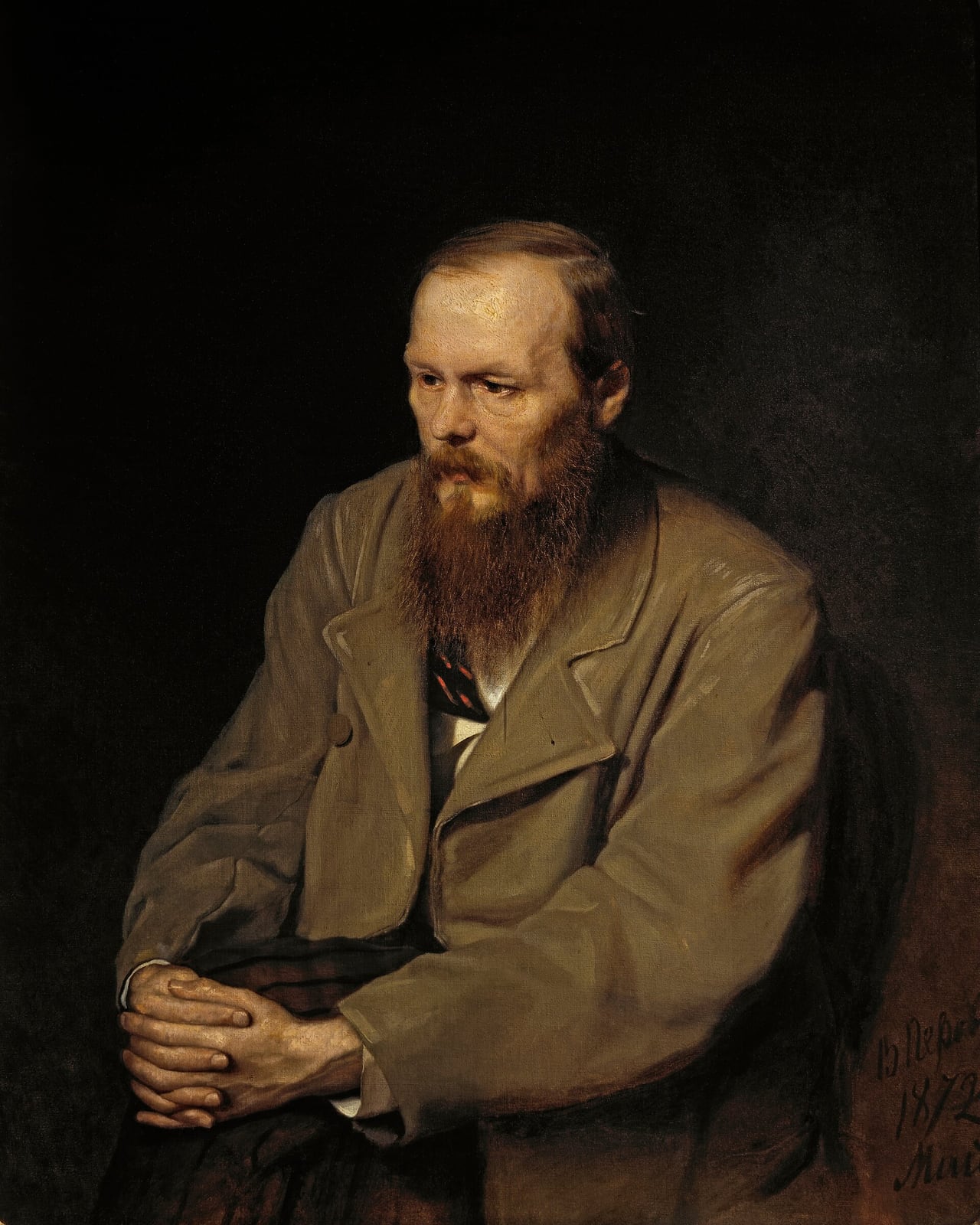
Fyodor Dostoevsky
Совпадают в вопросах: Что такое Абсолют? Существует ли Бог? · Что происходит после смерти? · Как достигается освобождение или спасение?
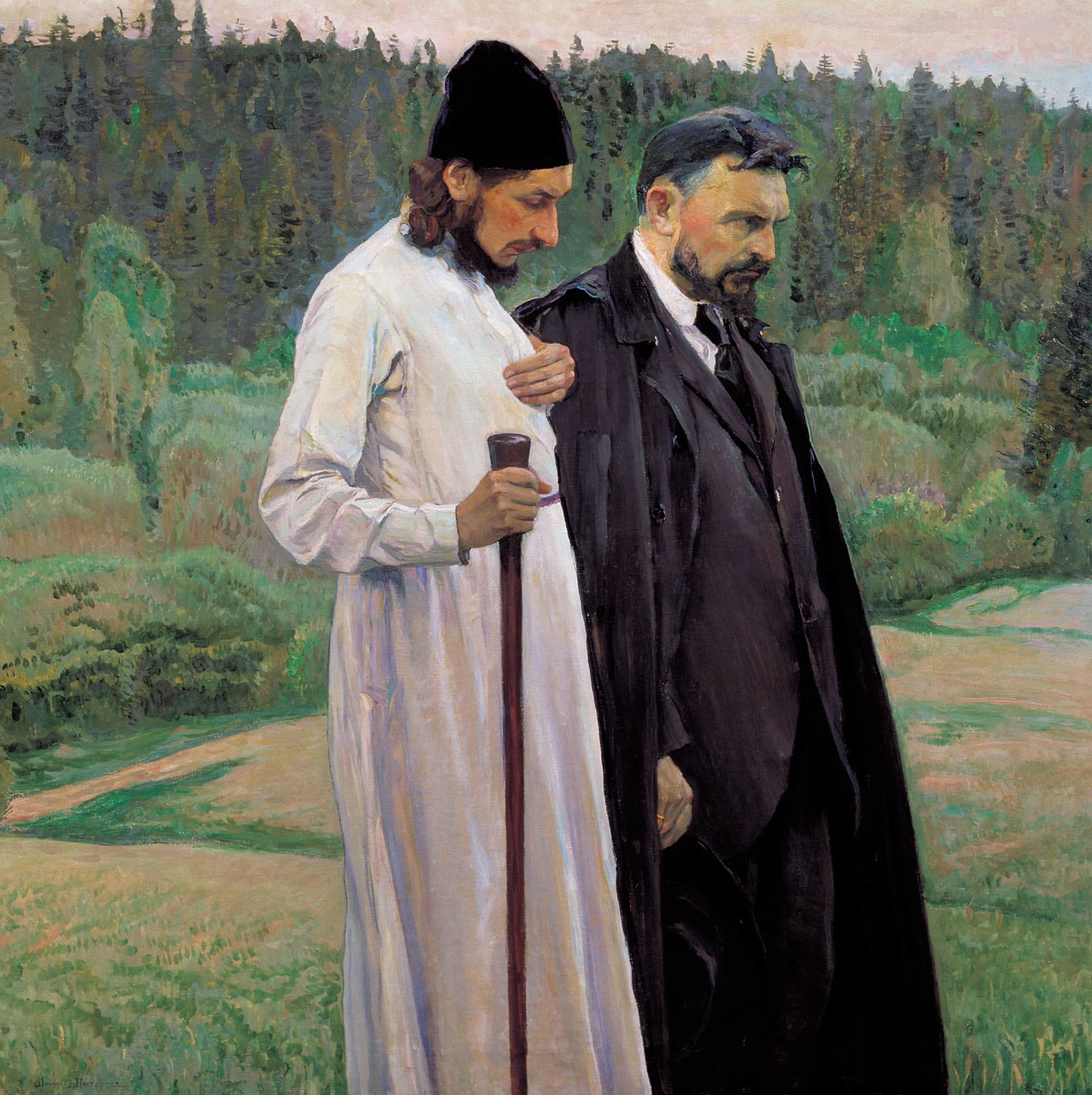
Pavel Florensky
Совпадают в вопросах: Что такое Абсолют? Существует ли Бог? · Что происходит после смерти? · Как достигается освобождение или спасение?

Francis of Assisi
Совпадают в вопросах: Что такое Абсолют? Существует ли Бог? · Что происходит после смерти? · Как достигается освобождение или спасение?
Дальше всего от
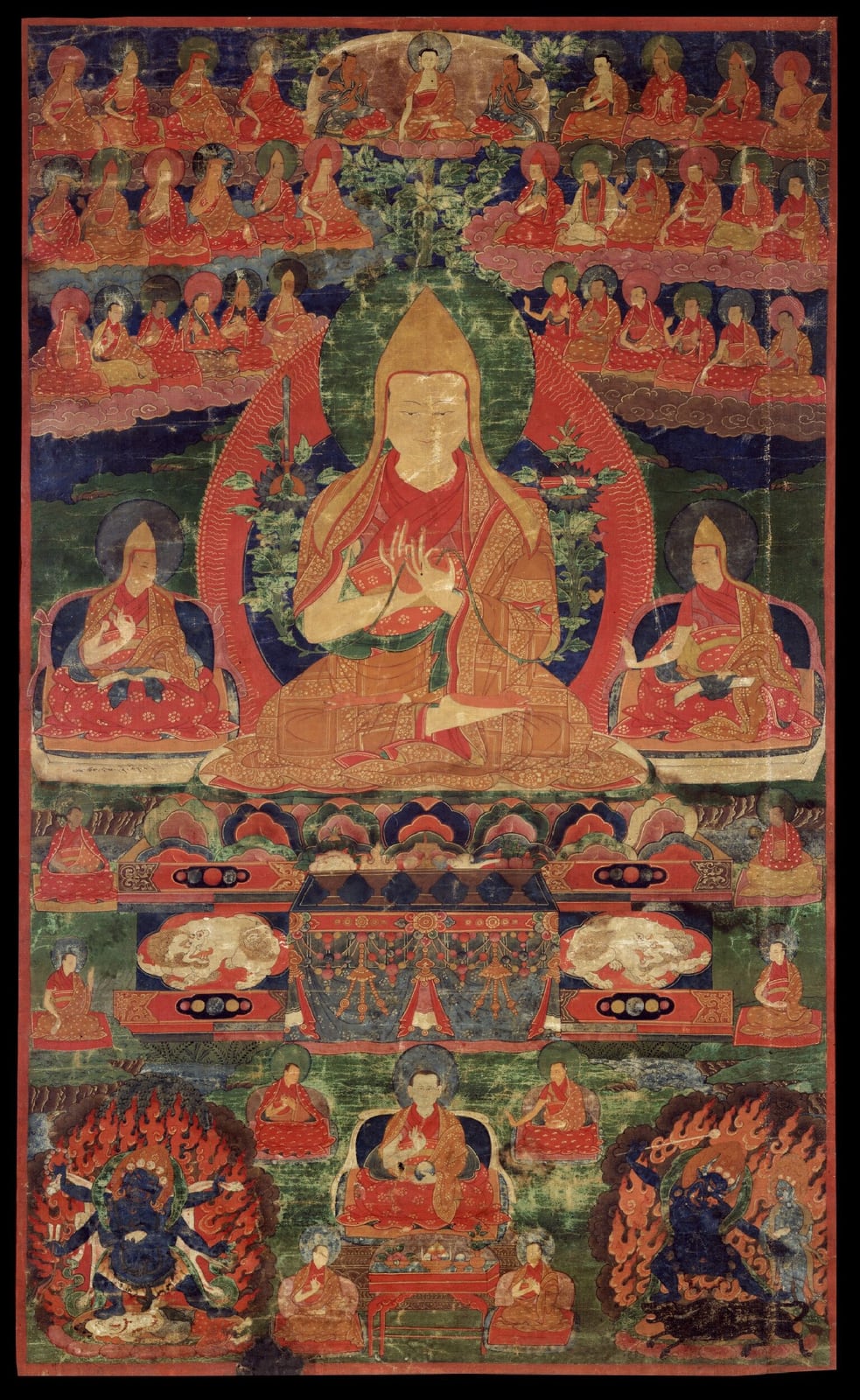
Tsongkhapa
Расходятся в вопросах: Что такое Абсолют? Существует ли Бог? · Что происходит после смерти?

Pema Chödrön
Расходятся в вопросах: Что такое Абсолют? Существует ли Бог? · Что происходит после смерти?
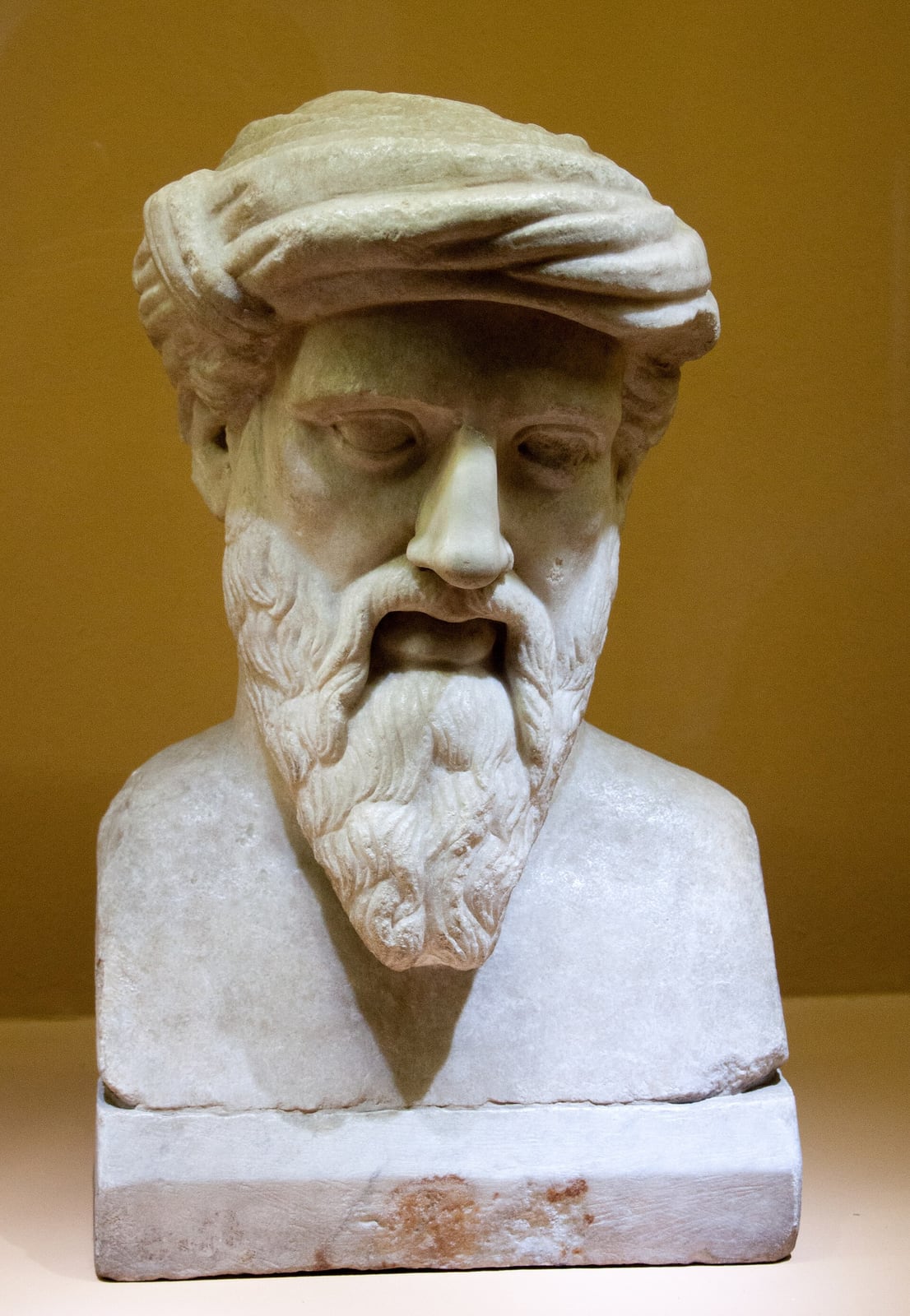
Pythagoras
Расходятся в вопросах: Что происходит после смерти?

Nāgārjuna
Расходятся в вопросах: Что такое Абсолют? Существует ли Бог? · Что происходит после смерти?
Предания и рассказы
Предания и рассказы
Свидетельство1938
The Hindu monk who sent him to Augustine
Происхождение рассказа: Merton's own account in The Seven Storey Mountain (part II). There is no other independent source for the content of the conversation.
Источник: Merton, Thomas. The Seven Storey Mountain. Nueva York: Harcourt, Brace and Company, 1948.
Документировано1941
Three days before the door of Gethsemani
Происхождение рассказа: The dates are recorded in the Thomas Merton Center chronology and in Patrick Hart's epilogue to The Asian Journal; the detail of the window comes from the autobiographical account and is repeated in his biographies.
Источник: Thomas Merton Center, Bellarmine University. «Thomas Merton: Chronology of Life and Publications».
Свидетельство1958
Fourth and Walnut
Происхождение рассказа: Merton's own testimony: journal entry of 19 March 1958 (A Search for Solitude) and reworked version in Conjectures of a Guilty Bystander (1966). The Louisville plaque is documented on Wikimedia Commons.
Источник: Merton, Thomas. Conjectures of a Guilty Bystander. Garden City (NY): Doubleday, 1966.
Документировано1966
A Vietnamese monk at Gethsemani
Происхождение рассказа: The visit is documented in Merton's journals (Learning to Love) and in the article published in Jubilee in August 1966; the remark about the way of closing a door comes from the recollection of Gethsemani novices reported by his biographers (indirect testimony).
Источник: Merton, Thomas. «Nhat Hanh Is My Brother» (Jubilee, agosto de 1966), recogido en Faith and Violence. Notre Dame: University of Notre Dame Press, 1968.
Документировано1966
'M.'
Происхождение рассказа: Main source: the sixth volume of his journals (Learning to Love, 1997), edited by Christine M. Bochen, which includes the 'Midsummer Diary'. Michael Mott's biography (1984) had already reported the episode with access to those papers.
Источник: Merton, Thomas. Learning to Love: Exploring Solitude and Freedom. The Journals of Thomas Merton, vol. 6 (1966–1967). Ed. Christine M. Bochen. San Francisco: HarperSanFrancisco, 1997.
Свидетельство1968
'There must be something wrong here': Chatral Rinpoche
Происхождение рассказа: Merton's own account in The Asian Journal, mid-November 1968 entry (a photograph of the meeting is reproduced in the book). No account by Chatral has been published.
Источник: Merton, Thomas. The Asian Journal of Thomas Merton. Ed. Naomi Burton Stone, Patrick Hart y James Laughlin. Nueva York: New Directions, 1973 (incluye el epílogo de Patrick Hart y los apéndices VII, «Marxism and Monastic Perspectives», y VIII, carta de los delegados trapenses al abad Flavian Burns).
Свидетельство1968
Barefoot before the Buddhas of Polonnaruwa
Происхождение рассказа: Account written by Merton a few days after the visit (the entry reads 'I visited Polonnaruwa on Monday. Today is Thursday'), published in The Asian Journal (1973).
Источник: Merton, Thomas. The Asian Journal of Thomas Merton. Ed. Naomi Burton Stone, Patrick Hart y James Laughlin. Nueva York: New Directions, 1973 (incluye el epílogo de Patrick Hart y los apéndices VII, «Marxism and Monastic Perspectives», y VIII, carta de los delegados trapenses al abad Flavian Burns).
Оспаривается1968
Death in Bangkok: the fan and the questions
Происхождение рассказа: The circumstances come from Patrick Hart's epilogue and the letter of six Trappist delegates to Abbot Flavian Burns (The Asian Journal, Appendix VIII); the Thai reports were published in The Catholic Historical Review (2024). The murder thesis comes from Turley and Martin (2018), and its critique from Dekar's review in The Merton Seasonal.
Источник: «The Official Thai Reports on Thomas Merton's Death». The Catholic Historical Review 110, n.º 2 (primavera de 2024): 384–396.
Учение
Учение
Понятия, на которых строится мысль учителя, объяснённые в их контексте.
True self and false selfyo-verdadero-y-yo-falso
It is rooted in the patristic tradition of the image of God, in Bernard and John of the Cross, but also engages existentialism and the Buddhist anatman, which Merton came to know through D. T. Suzuki.
Источник: Merton, Thomas. New Seeds of Contemplation. Nueva York: New Directions, 1961.
Contemplationcontemplacion
It draws on the mystical theology of Pseudo-Dionysius, John of the Cross and the Cistercian tradition, and anticipates the renewal of lay contemplative prayer (centering prayer, Christian meditation) in the following decades.
Источник: Merton, Thomas. New Seeds of Contemplation. Nueva York: New Directions, 1961.
Le point viergele-point-vierge
The fruit of his correspondence with Massignon (1959–1962) and his reading of the Sufi mystics, it is one of the clearest bridges between his Christian mysticism and Islam.
Источник: Merton, Thomas. Conjectures of a Guilty Bystander. Garden City (NY): Doubleday, 1966.
Solitudesoledad
It inherits the eremitic tradition of the Desert Fathers, Guigo the Carthusian and the Camaldolese, and anticipates the eremitic renewal within cenobitic orders after Vatican II.
Источник: Merton, Thomas. Thoughts in Solitude. Nueva York: Farrar, Straus & Cudahy, 1958.
Nonviolenceno-violencia
It belongs to the tradition of Christian pacifism (Dorothy Day, the Catholic Worker) and to Gandhi's thought, and precedes the conciliar teaching of Gaudium et spes on war.
Источник: Shannon, William H.; Bochen, Christine M.; O'Connell, Patrick F. The Thomas Merton Encyclopedia. Maryknoll (NY): Orbis Books, 2002.
Contemplative dialogue between religionsdialogo-contemplativo-interreligioso
It developed in contact with D. T. Suzuki, John C. H. Wu, Thich Nhat Hanh, the Dalai Lama and Chatral Rinpoche, and lies at the origin of the Monastic Interreligious Dialogue founded after his death.
Источник: Merton, Thomas. Zen and the Birds of Appetite. Nueva York: New Directions, 1968.
Видео
Видео
Записи, интервью и документальные фильмы. Видео воспроизводятся с YouTube; здесь они не хранятся.
Thomas Merton's final talk.
Оригинальная запись· EN· 1968
Witnify
Silence & Contemplation (PM) | Merton in His Own Words (2013)
Оригинальная запись· EN· 2013
Festival of FaithsОфициальный канал
His Holiness the Dalai Lama speaks on Thomas Merton and common ground for all religious traditions
Лекция· EN· 1994
Festival of FaithsОфициальный канал
His Holiness the 14th Dalai Lama Remembering Thomas Merton
Интервью· EN· 2013
nunncenterОфициальный канал
The Dalai Lama reacts to Merton's death
Документальный фильм· EN· 2013
Morgan AtkinsonОфициальный канал
Thomas Merton's Legacy at Bellarmine
Документальный фильм· EN
bellarmineuniversityОфициальный канал
Thomas Merton and "M": What Merton's Affair with a Nurse Taught Him About Love and Humanity
Лекция· EN
Curran Center for American Catholic StudiesОфициальный канал
Thomas Merton: Session 1
Лекция· EN
Center for Action and ContemplationОфициальный канал
Bishop Barron on Thomas Merton, Spiritual Master
Разбор· EN
Bishop Robert BarronОфициальный канал
Fiestas Teología 2024. Conferencia de Fernando Beltrán sobre Thomas Merton
Лекция· ES· 2024
UPSALAMANCAОфициальный канал
Los diarios de Thomas Merton
Разбор· ES
Grupo de Comunicación LoyolaОфициальный канал
Галерея
Галерея
Изображения с проверенной лицензией. Каждое сохраняет своё авторство и атрибуцию.
Связи
Связи
Влияния, ученичество и близость взглядов. Документированная связь отличается от сходства, выявленного путём анализа.
Встречался с
They met at Gethsemani on 28 May 1966; Merton then wrote 'Nhat Hanh Is My Brother'.
Документированная связь
Встречался с
The 14th Dalai Lama (Tenzin Gyatso)
Three audiences at Dharamsala on 4, 6 and 8 November 1968; the Dalai Lama remembered him in his autobiography.
Документированная связь
Испытал влияние
The Ascent to Truth (1951) is a study of his mystical theology; his doctrine of the dark night runs through all of Merton's work.
Документированная связь
Испытал влияние
Reading the Confessions, on Brahmachari's advice in 1938, was decisive for his conversion.
Документированная связь
Испытал влияние
He read The Imitation of Christ in 1938 on Brahmachari's advice, on the road to his conversion.
Документированная связь
Испытал влияние
He re-created passages of the Zhuangzi in English in The Way of Chuang Tzu (1965), one of his favourite books.
Документированная связь
Испытал влияние
In Zen and the Birds of Appetite he compares Eckhart's spiritual poverty with Zen experience.
Документированная связь
Испытал влияние
Before entering La Trappe he was a Franciscan tertiary and taught at the Franciscan college of St. Bonaventure.
Документированная связь
Идеи, близкие к
Merton devoted the essay 'Pacifism and Resistance in Simone Weil' (Faith and Violence) to her; both joined mysticism and commitment to the oppressed.
Сходство, выявленное путём анализа
Идеи, близкие к
Merton was formed by the Spanish Carmelite mystics; the affinity with Teresa is one of tradition rather than concrete documented influence.
Сходство, выявленное путём анализа
Упоминается в других статьях
Источники
Источники
Библиография и каталоги, использованные для этой статьи.
- Wikidata, «Thomas Merton» (Q335011).
- Thomas Merton Center, Bellarmine University. «Thomas Merton: Chronology of Life and Publications».
- Mott, Michael. The Seven Mountains of Thomas Merton. Boston: Houghton Mifflin, 1984 (biografía autorizada por el Merton Legacy Trust).
- Merton, Thomas. The Seven Storey Mountain. Nueva York: Harcourt, Brace and Company, 1948.
- Merton, Thomas. The Asian Journal of Thomas Merton. Ed. Naomi Burton Stone, Patrick Hart y James Laughlin. Nueva York: New Directions, 1973 (incluye el epílogo de Patrick Hart y los apéndices VII, «Marxism and Monastic Perspectives», y VIII, carta de los delegados trapenses al abad Flavian Burns).
- Wikipedia (en), «Thomas Merton».
- Wikipedia (en), «Thomas Merton bibliography».
- Shannon, William H.; Bochen, Christine M.; O'Connell, Patrick F. The Thomas Merton Encyclopedia. Maryknoll (NY): Orbis Books, 2002.
- Merton, Thomas. Conjectures of a Guilty Bystander. Garden City (NY): Doubleday, 1966.
- Merton, Thomas. New Seeds of Contemplation. Nueva York: New Directions, 1961.
- Merton, Thomas. Learning to Love: Exploring Solitude and Freedom. The Journals of Thomas Merton, vol. 6 (1966–1967). Ed. Christine M. Bochen. San Francisco: HarperSanFrancisco, 1997.
- «The Official Thai Reports on Thomas Merton's Death». The Catholic Historical Review 110, n.º 2 (primavera de 2024): 384–396.
- Dekar, Paul R. Reseña de Hugh Turley y David Martin, The Martyrdom of Thomas Merton: An Investigation (2018). The Merton Seasonal 43, n.º 4 (2018).
- Papa Francisco. Discurso ante la sesión conjunta del Congreso de los Estados Unidos, Washington, 24 de septiembre de 2015. Santa Sede.
- Open Library, autor «Thomas Merton» (OL26986A): obras y ediciones con ISBN.
- Merton, Thomas. Thoughts in Solitude. Nueva York: Farrar, Straus & Cudahy, 1958.
- Merton, Thomas. The Hidden Ground of Love: Letters on Religious Experience and Social Concerns. Ed. William H. Shannon. Nueva York: Farrar, Straus & Giroux, 1985.
- New Directions Publishing, ficha de autor «Thomas Merton».
- Merton, Thomas. A Search for Solitude: Pursuing the Monk's True Life. The Journals of Thomas Merton, vol. 3 (1952–1960). Ed. Lawrence S. Cunningham. San Francisco: HarperSanFrancisco, 1996.
- Merton, Thomas. The Way of Chuang Tzu. Nueva York: New Directions, 1965.
- Merton, Thomas. «Nhat Hanh Is My Brother» (Jubilee, agosto de 1966), recogido en Faith and Violence. Notre Dame: University of Notre Dame Press, 1968.
- Merton, Thomas. Zen and the Birds of Appetite. Nueva York: New Directions, 1968.
- Wikipedia (es), «Thomas Merton».
- Furlong, Monica. Merton: A Biography. San Francisco: Harper & Row, 1980.
- Dalái Lama (Tenzin Gyatso). Freedom in Exile: The Autobiography of the Dalai Lama. Londres: Hodder & Stoughton; Nueva York: HarperCollins, 1990.
- Правообладатель
- Merton Legacy Trust (constituido por el propio Merton en 1967), en beneficio de la abadía de Getsemaní; las ediciones concretas pertenecen a sus editoriales
- Официальный сайт
- merton.org
Ожидает подтверждения
То, что в этой статье пока не удалось установить. Мы предпочитаем сказать об этом, а не заполнять пробел.
- No hay en Wikimedia Commons ningún retrato fotográfico de Merton con licencia libre verificable: el único («Merton photo.jpg») declara PD-US-no notice sin fuente original fiable y se ha descartado; las fotos conocidas son de John Howard Griffin, Sibylle Akers y otros, con derechos vigentes.
- Localizar ISBN de las ediciones españolas actuales de La montaña de los siete círculos, El signo de Jonás y Ningún hombre es una isla (Edhasa, Sudamericana, PPC) y de Nuevas semillas (Sal Terrae: año de edición).
- Confirmar año y traductor de las ediciones francesa (Seuil) y alemana (Benziger) de No Man Is an Island registradas en Open Library.
- Contrastar la paginación exacta de las citas en las primeras ediciones (New Seeds, Conjectures, Thoughts in Solitude).
- Autoría del artículo «The Official Thai Reports on Thomas Merton's Death» (Catholic Historical Review 110/2, 2024): no consignada en los catálogos consultados.
- Muchas obras menores (opúsculos de la abadía, ediciones de bibliófilo) tienen descripción breve por falta de información verificable más detallada.
- Sin textos para la sala de lectura: toda su obra tiene derechos vigentes (Merton murió en 1968).
Исследовано 2026-10-25