Христианство · Православие
Fyodor Dostoevsky
Фёдор Михайлович Достоевский
1821 – 1881Исторически документированная личность
Русский писатель (1821–1881), автор «Преступления и наказания», «Идиота», «Бесов» и «Братьев Карамазовых». Приговорённый в 1849 году к смертной казни за участие в кружке Петрашевского, он был помилован уже перед расстрелом и отбыл четыре года каторги в Омске, имея при себе лишь Евангелие. Эпилептик, игрок, журналист и верующий, пронизанный сомнением, он сделал свободу, страдание и проблему зла материалом романа, а его Христос и старец Зосима оставили глубокий след в религиозной мысли и философии XX века.
- трудов
- 52трудов
- изданий
- 176изданий
- цитат
- 13цитат
- видео
- 13видео
- изображений
- 9изображений
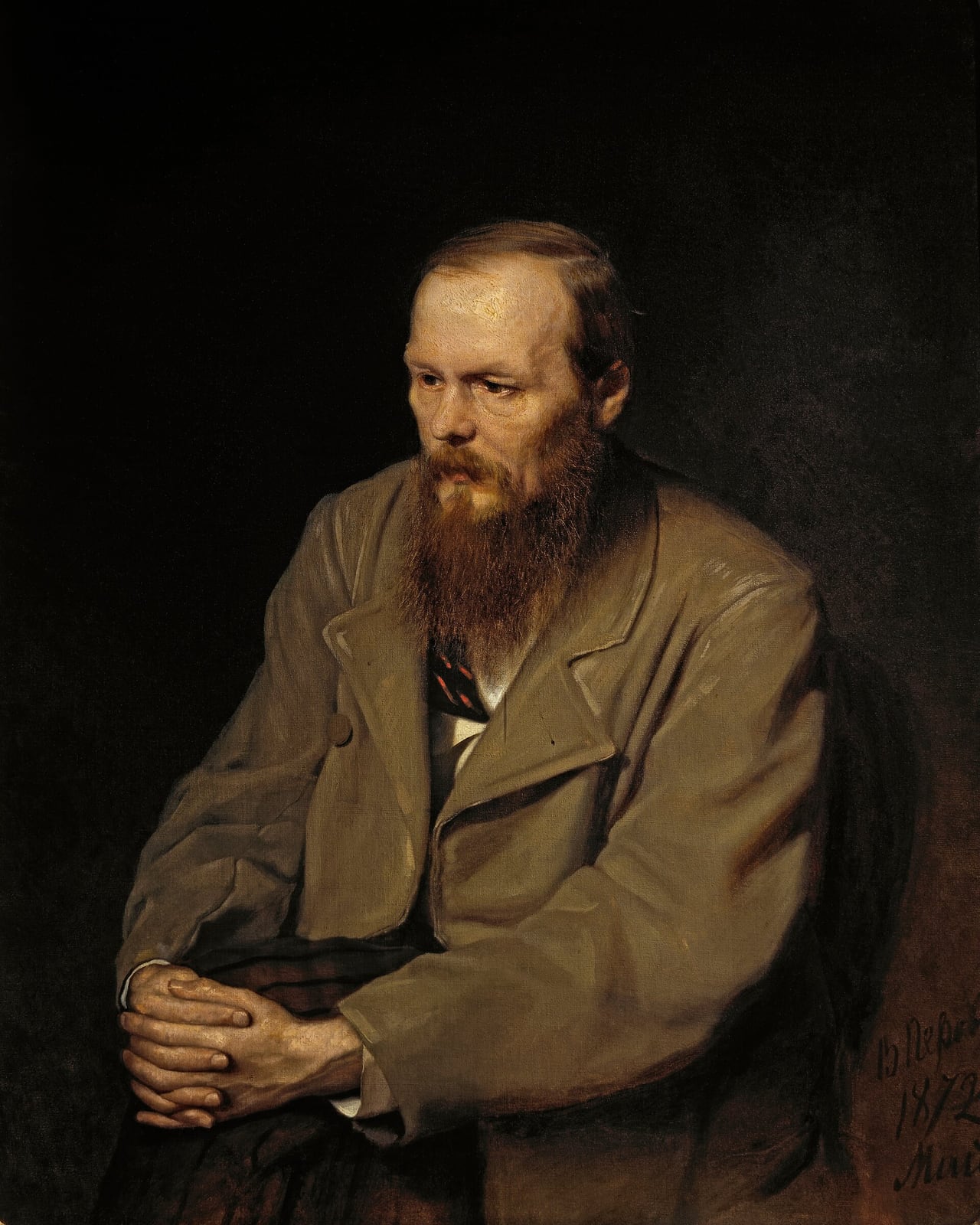
Retrato de Fiódor Dostoievski, por Vasili Perov · Public domain
Своими словами
«Человек есть тайна. Ее надо разгадать, и ежели будешь ее разгадывать всю жизнь, то не говори, что потерял время; я занимаюсь этой тайной, ибо хочу быть человеком.»Carta a su hermano Mijaíl, 16 de agosto de 1839 (Собрание сочинений в 15 томах, t. 15, carta n.º 10). Tenía diecisiete años.

Главная мысль
Freedom and the Grand Inquisitor: For Dostoevsky freedom is a terrible gift before it is a right.
В контексте
Биография
5 мин чтения
Перевод с испанского оригинала, выполненный с помощью ИИ; ожидает проверки носителем языка.
Дитя больницы для бедных
Фёдор Михайлович Достоевский родился 11 ноября 1821 года (30 октября по юлианскому календарю) во флигеле московской Мариинской больницы для бедных, где служил врачом его отец, Михаил Андреевич. Отец был человеком суровым, подозрительным и склонным к выпивке; мать, Мария Фёдоровна, из купеческой семьи, учила детей грамоте по книге священных историй. Библия, жития святых, Карамзин, Пушкин и готические романы сформировали мальчика задолго до всякой школы. Мать умерла от чахотки в 1837 году; два года спустя в своём маленьком имении Даровое умер отец, и в семье держалась версия, будто его убили собственные крепостные, — официальное следствие её не подтвердило.
В Петербурге он без призвания окончил Главное инженерное училище. Первым его печатным трудом стал перевод — «Евгении Гранде» Бальзака (1844); в том же году он вышел в отставку, чтобы жить литературным трудом. «Бедные люди», роман в письмах о бедном переписчике и беззащитной девушке, появились в январе 1846 года, и критик Виссарион Белинский приветствовал их как явление нового Гоголя. Слава оказалась недолгой: «Двойник», напечатанный несколькими неделями позже, озадачил критику, а последовавшие повести, от «Белых ночей» до «Слабого сердца», не вернули прежнего восторга.
Семёновский плац
В ту пору он посещал кружок Михаила Петрашевского, где обсуждали социализм Фурье и отмену крепостного права. 23 апреля 1849 года его арестовали вместе с товарищами; среди обвинений значилось чтение вслух запрещённого письма Белинского к Гоголю. После восьми месяцев в Петропавловской крепости, 22 декабря, их вывели на Семёновский плац, прочли смертный приговор, облачили в белые смертные рубахи и привязали к столбам первых трёх. Достоевский, шестой в ряду, рассчитал, что ему осталась минута жизни. Тогда ударил барабан и было зачитано помилование царя, заранее задуманное как урок: четыре года каторги, а затем служба рядовым. В тот же день он написал брату Михаилу: «Жизнь — дар, жизнь — счастье, каждая минута могла быть веком счастья».
Сибирь и Евангелие
По пути на каторгу, в Тобольске, жёны сосланных декабристов добились позволения увидеть арестантов: они благословили их и дали каждому Новый Завет — единственную книгу, разрешённую в остроге. Достоевский не расставался с этим экземпляром ни в четыре омских года, ни всю остальную жизнь; книга всегда лежала у него на столе, и в минуты сомнения он раскрывал её наугад. Среди воров и убийц он открыл — об этом он расскажет в «Записках из Мёртвого дома», — что русский народ, который интеллигенция хотела спасать, носит в себе веру и способность к состраданию, каких он и не подозревал.
В 1854 году, уже солдатом в Семипалатинске, он написал Наталье Фонвизиной, одной из тех тобольских женщин, самое цитируемое признание своей жизни: он называл себя дитя века, дитя неверия и сомнения «до гробовой крышки» и добавлял, что если бы кто доказал ему, что Христос вне истины, то ему лучше хотелось бы оставаться со Христом, нежели с истиной. В этом напряжении между избранной верой и разумом, который не перестаёт возражать, — средоточие всего его творчества.
Священная болезнь
На каторге появились или усилились эпилептические припадки, сопровождавшие его до конца. Их происхождение неясно. Софья Ковалевская вспоминала, что сам он относил первый припадок к пасхальной ночи в Сибири, когда спорил о Боге с другом-атеистом: при звоне колоколов он почувствовал, что «небо сошло на землю и поглотило» его. Сама Ковалевская оговаривалась, что слышала и совсем иную версию. Несомненно одно: Достоевский с клинической точностью описал эту ауру блаженства перед припадком и передал её князю Мышкину в «Идиоте» и Кириллову в «Бесах».
Долги, рулетка и великие романы
Он вернулся в Петербург в декабре 1859 года, женатым на вдове Марии Дмитриевне Исаевой. Вместе с братом Михаилом основал журнал «Время», где напечатал «Униженных и оскорблённых» и «Записки из Мёртвого дома». Последующие годы закружили его: первая поездка в Европу, высмеянная в «Зимних заметках о летних впечатлениях»; страсть к Аполлинарии Сусловой; рулетка Висбадена и Баден-Бадена; а в 1864 году — смерть жены и брата и унаследованные долги журнала. К этому году относятся «Записки из подполья», монолог человека, отстаивающего свою прихоть против расчётливого разума, а к 1866-му — «Преступление и наказание», история студента, который убивает, чтобы доказать себе, что он человек необыкновенный, и обнаруживает, что не может жить с содеянным.
Анна Григорьевна
Кабальный договор с издателем Стелловским обязывал его сдать новый роман до 1 ноября 1866 года; месяц просрочки навсегда лишил бы его прав на собственные сочинения. Он нанял двадцатилетнюю стенографистку Анну Григорьевну Сниткину и продиктовал ей «Игрока» за двадцать шесть дней. В феврале 1867 года они обвенчались, а в апреле бежали от кредиторов в четырёхлетнее заграничное странствие — Дрезден, Женева, Флоренция. В Базеле он замер перед «Мёртвым Христом в гробу» Гольбейна, который войдёт в «Идиота» — его попытку изобразить «положительно прекрасного человека». В этих скитаниях умерла их первая дочь Софья, трёх месяцев от роду. Анна привела его жизнь в порядок: вела финансы, издавала его книги, а овдовев, написала воспоминания, которые остаются самым надёжным источником о тех годах.
Проблема зла
По возвращении появились «Бесы» (1871–1872), направленные против революционного нигилизма; «Подросток» (1875); и «Дневник писателя» — ежемесячный журнал одного автора, сделавший его публичным голосом, с его прозрениями, но и с его националистическими и антисемитскими предубеждениями. В мае 1878 года от эпилептического припадка умер его сын Алёша, которому не было и трёх лет. Чтобы утешить мужа, Анна уговорила его поехать с молодым философом Владимиром Соловьёвым в Оптину пустынь, где он трижды беседовал со старцем Амвросием. Из этой боли родились «Братья Карамазовы». Иван в них не отвергает Бога, а лишь «билет ему почтительнейше возвращает»: он не принимает конечной гармонии, купленной слезинкой хотя бы одного замученного ребёнка; а его поэма о Великом инквизиторе обвиняет Христа в том, что Он возложил на человека невыносимое бремя свободы. Достоевский знал, что не опроверг Ивана. Он писал Победоносцеву, что ответом станет шестая книга, «Русский инок», о старце Зосиме, и что ответ этот будет не прямой: не по пунктам, а в художественной картине жизни.
Последнее слово
8 июня 1880 года он произнёс в Москве речь о Пушкине, в которой представил поэта воплощением всемирной отзывчивости русской души; её встретили исступлённой овацией. Семь месяцев спустя, после нескольких лёгочных кровотечений, он попросил тобольское Евангелие, раскрыл его наугад и понял, что умирает. Он скончался 9 февраля 1881 года (28 января по старому стилю). Десятки тысяч людей проводили его гроб до Александро-Невской лавры. Лев Толстой, так и не встретившийся с ним, писал Страхову, что лишь узнав о его смерти понял, что это был самый близкий ему человек.
Его влияние выходит далеко за пределы литературы. Ницше называл его единственным психологом, у которого ему было чему поучиться; Соловьёв и Бердяев сделали из него религиозного пророка; Фрейд анализировал его эпилепсию и отцеубийство в «Братьях Карамазовых»; Бахтин увидел в его романах полифонию голосов, не подчинённых автору. Для восточнохристианской традиции Зосима и князь Мышкин остаются самыми светлыми образами святости, какие дал современный роман.
Источники: Frank, Joseph. Dostoevsky: A Writer in His Time. Ed. Mary Petrusewicz. Princeton: Princeton University Press, 2010 (condensación de la biografía en cinco volúmenes, 1976–2002). · Dostoiévskaya, Anna Grigórievna. Воспоминания [Memorias]. Ed. S. V. Belov y V. A. Tunimánov. Moscú: Judózhestvennaya literatura, 1971 (primera edición, 1925). Texto en Wikisource ruso. · Dostoievski, F. M. Собрание сочинений в 15 томах [Obras reunidas en 15 tomos], t. 15: Письма 1834–1881 [Cartas]. Leningrado/San Petersburgo: Naúka, 1996. Edición digital de la Biblioteca Virtual Rusa (RVB). · Lantz, Kenneth A. The Dostoevsky Encyclopedia. Westport (Connecticut): Greenwood Press, 2004. · Kovalévskaya, Sofía V. Воспоминания детства [Recuerdos de infancia] (1890), en Литературные сочинения. Ed. P. Ya. Kóchina. Moscú: Naúka, 1974, cap. «Fiódor Mijáilovich Dostoievski».
Хронология
Жизнь год за годом
Каждая точка — документированное событие. Нажмите, чтобы прочитать о нём, с источником и степенью достоверности.
11 ноября 1821 г.0 летMoscú
Birth
He is born in the wing of the Mariinsky Hospital for the Poor, where his father, Mikhail Andreyevich, was a physician; the second of seven surviving children (30 October, Julian calendar).
ДокументированоWikidata Q991 (Fiódor Dostoievski): nacimiento 11-11-1821 (gregoriano) / 30-10-1821 (juliano) en Moscú; muerte 09-02-1881 (gregoriano) / 28-01-1881 (juliano) en San Petersburgo.
11 ноября 1821 г. · 0 лет
Birth
He is born in the wing of the Mariinsky Hospital for the Poor, where his father, Mikhail Andreyevich, was a physician; the second of seven surviving children (30 October, Julian calendar).
Документировано
февраль 1837 г. · 15 лет
Mother's death and move to St Petersburg
His mother, Maria Fyodorovna, dies of tuberculosis; his father takes Fyodor and his brother Mikhail to St Petersburg to prepare for the Main Military Engineering School, which he enters in 1838.
Документировано
июнь 1839 г. · 17 лет
Death of his father
His father dies on his estate. The family story that he was murdered by his serfs is unproven; the official inquiry recorded apoplexy.
Оспаривается
1844 · 22 года
Translator of Balzac; resigns from service
He publishes his translation of Eugénie Grandet, his first printed text, and leaves his engineering post to live by writing.
Документировано
январь 1846 г. · 24 года
Poor Folk
His first novel appears in Nekrasov's Petersburg Collection; Belinsky hails it as the work of a new Gogol.
Документировано
23 апреля 1849 г. · 27 лет
Arrest of the Petrashevsky circle
Arrested with other members of the Petrashevsky circle, accused among other things of reading aloud Belinsky's letter to Gogol; eight months in the Peter and Paul Fortress (Julian calendar).
Документировано
22 декабря 1849 г. · 28 лет
The mock execution
After the death sentence is read and the first three men are tied to the posts, the Tsar's pardon is announced: four years of hard labour followed by service as a private. That afternoon he describes it in a letter to his brother Mikhail (Julian calendar).
Документировано
январь 1850 г. · 28 лет
The Gospel from the Decembrists' wives
On the way to prison, the wives of exiled Decembrists give him a New Testament, the only book allowed in prison; he keeps it until his death.
Документировано
1850 – 1854 · 28 лет
Four years of penal servitude
Hard labour in the Omsk prison among common criminals; there his epileptic seizures appear or worsen. The experience feeds The House of the Dead.
Документировано
1854 – 1859 · 32 года
Soldier in Siberia
He serves as a private and later an officer in Semipalatinsk; he writes his 'credo' to Natalya Fonvizina. In 1857 he marries Maria Dmitrievna Isaeva.
Документировано
декабрь 1859 г. · 38 лет
Return to St Petersburg
After a period in Tver, he is allowed back to the capital. With his brother Mikhail he founds the journal Vremya (1861), where he publishes Humiliated and Insulted and The House of the Dead.
Документировано
июнь 1862 г. · 40 лет
First journey to Europe
He travels through Germany, Paris, London, Switzerland and Italy; the trip yields Winter Notes on Summer Impressions (1863). His passion for roulette and his affair with Apollinaria Suslova begin.
Документировано
1864 · 42 года
A year of grief: Notes from Underground
He publishes Notes from Underground in Epoch. His wife Maria (April) and his brother Mikhail (July) die; he takes on the journal's debts.
Документировано
1866 · 44 года
Crime and Punishment and The Gambler
Crime and Punishment is serialised in The Russian Messenger. In October he dictates The Gambler in twenty-six days to the stenographer Anna Grigoryevna Snitkina so as not to lose his rights to the publisher Stellovsky.
Документировано
15 февраля 1867 г. · 45 лет
Marriage to Anna Grigoryevna
He marries Anna Snitkina (Julian calendar). In April they leave Russia to escape creditors: four years in Dresden, Baden-Baden, Geneva, Florence and Dresden again.
Документировано
август 1867 г. · 45 лет
Holbein's Dead Christ
In the Basel museum he stands transfixed before Hans Holbein's Body of the Dead Christ in the Tomb; Anna fears a seizure. The image will pass into The Idiot.
Документировано
1868 – 1869 · 46 лет
The Idiot and the death of Sonya
He writes The Idiot, an attempt to portray a 'positively beautiful man'. In May 1868 his first daughter, Sofya, dies in Geneva at three months.
Документировано
1871 – 1872 · 49 лет
Demons and the return home
He publishes Demons, inspired by the murder of the student Ivanov by Nechayev's group. In July 1871 the family returns to St Petersburg.
Документировано
1873 – 1874 · 51 год
Editor of The Citizen: A Writer's Diary begins
He edits Prince Meshchersky's conservative weekly, where he publishes the first series of A Writer's Diary and the story Bobok.
Документировано
1876 – 1877 · 54 года
The monthly Diary
He self-publishes A Writer's Diary as a one-man monthly, including stories such as A Gentle Creature and The Dream of a Ridiculous Man; its success makes him a public voice.
Документировано
16 мая 1878 г. · 56 лет
Death of Alyosha
His son Alexei, almost three, dies after an epileptic seizure (Julian calendar). Anna's grief and his own pass into The Brothers Karamazov.
Документировано
июнь 1878 г. · 56 лет
Optina with Vladimir Solovyov
He travels with the young philosopher Vladimir Solovyov to Optina monastery and speaks three times with the elder Ambrose, a partial model for Zosima.
Документировано
1879 – 1880 · 57 лет
The Brothers Karamazov
He serialises his last novel in The Russian Messenger, conceived as the first part of a larger work he never wrote.
Документировано
8 июня 1880 г. · 58 лет
The Pushkin speech
At the celebrations for the Pushkin monument he gives a speech to the Society of Lovers of Russian Literature that provokes a frenzied ovation; that night he describes it in a letter to Anna (Julian calendar).
Документировано
9 февраля 1881 г. · 59 лет
Death
He dies at 8.38 p.m. after several pulmonary haemorrhages, with his wife and children beside him (28 January, Julian calendar). That morning he had opened the Tobolsk Gospel at random.
Документировано
13 февраля 1881 г.
Mass funeral
Tens of thousands accompany the coffin to the Tikhvin cemetery of the Alexander Nevsky monastery (1 February, Julian calendar).
Документировано
Труды
Главные труды
Труды, без которых не понять это наследие.
Письменный труд · 1864
Записки из подполья
The monologue of a retired official who lives shut away in a St Petersburg cellar. In the first part he attacks faith in reason, progress and the utopians' 'crystal palace': man prefers his caprice to his interest, and two times two makes four is the beginning of death. In the second, 'Apropos of the Wet Snow', he recalls his humiliations and his cruelty to the prostitute Liza. It is regarded as the founding text of literary existentialism.
7 изданий · amazon.com

Письменный труд · 1866
Преступление и наказание
Rodion Raskolnikov, a poor St Petersburg student, kills an old pawnbroker with an axe — and her sister, an unexpected witness — to prove to himself that he belongs to the class of extraordinary men for whom everything is permitted. The novel is not about finding the culprit but about the inner punishment: the fever, the cat-and-mouse with the investigator Porfiry Petrovich and the love of Sonya Marmeladova, a prostitute out of necessity, who reads him the raising of Lazarus and follows him to Siberia. It is the most widely read of his works.
8 изданий · amazon.com

Письменный труд · 1868
Идиот
Prince Lev Myshkin returns to Russia after years of treatment for epilepsy in Switzerland: a man without guile, compassionate to the point of absurdity, Dostoevsky's attempt to portray 'a positively beautiful man'. In St Petersburg he is caught between two women, the proud Aglaya and the humiliated Nastasya Filippovna, and the passion of the merchant Rogozhin. His goodness saves no one: the novel ends in murder and in the prince's madness. Written abroad between 1867 and 1869.
7 изданий · amazon.com

Письменный труд · 1879
Братья Карамазовы
His last novel and his summa. Old Fyodor Karamazov, a lecherous buffoon, is murdered, and suspicion falls on his son Dmitri, his rival for Grushenka. The other sons embody the forces of the soul: Ivan, the intellectual who 'returns the ticket' and writes the poem of the Grand Inquisitor; Alyosha, novice of the elder Zosima; and the bastard Smerdyakov, the real murderer. With the trial, the miscarriage of justice and the final scene of the boys at Ilyusha's stone, it confronts the problem of evil, freedom and each person's responsibility for all.
8 изданий · amazon.com
Все труды (52)

Бедные люди
1846
Двойник. Петербургская поэма
1846

Хозяйка
1847

Неточка Незванова
1849

Дядюшкин сон
1859

Село Степанчиково и его обитатели
1859

Униженные и оскорблённые
1861

Записки из Мёртвого дома
1860

Игрок
1866

Вечный муж
1870

Бесы
1871

Подросток
1875
Fyodor Dostoevsky
Господин Прохарчин
The Conscious LibraryГосподин Прохарчин
1846
Fyodor Dostoevsky
Как опасно предаваться честолюбивым снам
The Conscious LibraryКак опасно предаваться честолюбивым снам
1846
Fyodor Dostoevsky
Роман в девяти письмах
The Conscious LibraryРоман в девяти письмах
1847
Fyodor Dostoevsky
Слабое сердце
The Conscious LibraryСлабое сердце
1848
Fyodor Dostoevsky
Ползунков
The Conscious LibraryПолзунков
1848
Fyodor Dostoevsky
Честный вор
The Conscious LibraryЧестный вор
1848
Fyodor Dostoevsky
Ёлка и свадьба
The Conscious LibraryЁлка и свадьба
1848

Белые ночи. Сентиментальный роман (Из воспоминаний мечтателя)
1848
Fyodor Dostoevsky
Чужая жена и муж под кроватью
The Conscious LibraryЧужая жена и муж под кроватью
1860
Fyodor Dostoevsky
Маленький герой
The Conscious LibraryМаленький герой
1857
Fyodor Dostoevsky
Скверный анекдот
The Conscious LibraryСкверный анекдот
1862

Крокодил. Необыкновенное событие, или Пассаж в Пассаже
1865
Изречения
Изречения, найденные в конкретном труде. Каждое сопровождается указанием происхождения и степени надёжности.
Человек есть тайна. Ее надо разгадать, и ежели будешь ее разгадывать всю жизнь, то не говори, что потерял время; я занимаюсь этой тайной, ибо хочу быть человеком.ПровереноCarta a su hermano Mijaíl, 16 de agosto de 1839 (Собрание сочинений в 15 томах, t. 15, carta n.º 10). Tenía diecisiete años.
Апокрифические изречения и изречения спорной атрибуции (2)
«"If God does not exist, everything is permitted."»
The formula does not appear in this form in The Brothers Karamazov. In Book II, ch. VI, Miusov summarises an idea of Ivan's: if faith in immortality were destroyed in mankind, 'everything would be permitted', even cannibalism; later Rakitin, Dmitri and Smerdyakov return to 'everything is permitted'. The condensed sentence spread in the twentieth century, above all after Sartre used it in Existentialism Is a Humanism (1946).
«"The degree of civilisation in a society can be judged by entering its prisons."»
It is constantly attributed to Dostoevsky and to The House of the Dead, but the sentence is not found in that book or elsewhere in his published writings; its exact origin has not been established.
Последние слова
Позднейший рассказ свидетелей
«Помни, Аня, я тебя всегда горячо любил и не изменял тебе никогда, даже мысленно!»Помни, Аня, я тебя всегда горячо любил и не изменял тебе никогда, даже мысленно!
His widow, Anna Grigoryevna, records it in her Reminiscences (part XI, 'Death. Funeral'). On the morning of 28 January 1881 (Julian calendar), convinced he would die that day, he asked for a candle and the New Testament he had been given in Tobolsk; he opened it at random, as was his habit, and asked her to read: it fell on Matthew 3, 'Suffer it to be so now: for thus it becometh us to fulfil all righteousness' ('Do not hold me back', in the Russian of his edition). 'Do you hear? “Do not hold me back” — that means I shall die,' he said, and closed the book. He then thanked her for their life together, entrusted the children to her and spoke the words quoted, which tradition remembers as his farewell. During the day he still whispered 'Poor dear… what am I leaving you with', asked several times for the children, and about two hours before the end had the Gospel given to his son Fyodor. He lost consciousness after a final haemorrhage around seven in the evening and died at 8.38 p.m. No other witness contradicts this account; it is that of a wife writing decades later and with veneration, but her memoirs are regarded as the most reliable source on those years.
Источник: Dostoiévskaya, Anna Grigórievna. Воспоминания [Memorias]. Ed. S. V. Belov y V. A. Tunimánov. Moscú: Judózhestvennaya literatura, 1971 (primera edición, 1925). Texto en Wikisource ruso.
Спросить
На что отвечают эти труды
Двенадцать великих вопросов человечества и то, что позволяют на них ответить эти тексты, со ссылками. Мы никогда не вкладываем слова в чужие уста.
Что такое Абсолют? Существует ли Бог?
Faith in God runs through Christ and passes through the crucible of doubt
Личный БогСказано прямо
In his own voice, Dostoevsky offers no proofs of God: he offers a personal attachment to Christ. In the letter to Natalia Fonvizina of 1854, written after prison, he calls himself a child of the age, of unbelief and doubt, and states that if someone proved to him that Christ was outside the truth, he would rather remain with Christ than with the truth. In 1868 he writes that there is only one positively beautiful figure in the world, Christ. The great objections to God he places in the mouths of his characters, above all Ivan Karamazov, who does not deny God but returns him the ticket because of the suffering of children; that revolt is not the author's position, and in a letter to Pobedonostsev he presents book six, the life of the elder Zosima, as his answer, albeit an indirect one. His God is personal, incarnate and crucified.
Сравнить этот вопрос с другими учителямиКто я? Существует ли истинное «я»?
Man is a free mystery whose dignity depends on the immortality of the soul
Сотворённая бессмертная душаСказано прямо
At seventeen Dostoevsky wrote to his brother that man is a mystery and that he was devoting his life to deciphering it because he wanted to be a man. His work explores that mystery from within: the overgrown consciousness of the underground man, Raskolnikov's split, Golyadkin's double. But in his own voice, in A Writer's Diary for December 1876, he states that the idea of the immortality of the soul is the supreme idea of human existence and that without it love for humanity becomes impossible. The self, for him, is neither an illusion nor a construction: it is a free person, capable of the worst and the best, whose ultimate meaning is decided before God. The characters who deny the soul, like Ivan or Kirillov, show where that denial leads.
Сравнить этот вопрос с другими учителямиПочему мы страдаем?
Suffering springs from misused freedom and can become a path of redemption
Отделённость от БогаСледует из учения
The problem of evil runs through all of Dostoevsky's work, but the voices must be kept apart. The harshest charge against a world in which children suffer belongs to Ivan Karamazov, who returns the ticket; Dostoevsky wrote it with full force and, in a letter to Pobedonostsev, announced that book six, the teachings of the elder Zosima, was his answer, albeit an indirect one. In those pages hell is defined as the suffering of being no longer able to love, and Zosima's dying brother discovers that each is guilty before all for all. In Crime and Punishment suffering accepted in prison opens a new life to Raskolnikov. His own experience, the mock execution and the Omsk prison, confirmed to him that suffering can purify, though he never presents it as a justification of evil.
Сравнить этот вопрос с другими учителямиЧто происходит после смерти?
Without the soul's immortality nothing makes sense; resurrection is a real hope
Вечная жизнь и воскресениеСказано прямо
Dostoevsky knew death at close range: in December 1849 he was led before the firing squad and only at the last moment was the reprieve read. Hours later he wrote to his brother that life is a gift and that every minute might have been an age of happiness; Prince Myshkin recounts a similar scene in The Idiot. In his own voice, in A Writer's Diary of 1876, he holds that faith in the immortality of the soul is the supreme idea of human existence, and that whoever loses it ends in logical suicide, like the one in his article on a suicide's verdict. At the end of The Brothers Karamazov, by Ilyusha's stone, Alyosha promises the boys that they will rise again and see one another, an answer the author leaves as the close of his last novel.
Сравнить этот вопрос с другими учителямиКак достигается освобождение или спасение?
One is saved through active love and by owning oneself guilty before all
Через благодать и любовьСледует из учения
Dostoevsky sets out no doctrine of salvation in treatises, but in destinies. Raskolnikov is saved neither by his theory nor by his legal punishment, but by Sonya's love and the Gospel she gives him in prison; the epilogue of Crime and Punishment leaves open a renewal which, the narrator says, will be another story. In The Brothers Karamazov, the elder Zosima, whose discourses the author presented as his answer, recommends active love to a lady who doubts immortality, a love that proves nothing yet convinces, and teaches that each is responsible before all for all. Salvation is the gift of Christ and a work of love received and passed on, not a conquest of will or reason; Ivan's Grand Inquisitor represents precisely its negation, happiness imposed without freedom.
Сравнить этот вопрос с другими учителямиНужен ли учитель?
Christ is the ideal; the living tradition of the elders and believing people hands it on
Община и традицияСледует из учения
For Dostoevsky the only absolute teacher is Christ, the one positively beautiful figure, and his transmission runs through the lived Orthodoxy of the Russian people. In 1878, after the death of his son Alyosha, he visited the Optina monastery with Soloviev and spoke with the elder Ambrose; The Brothers Karamazov devotes a chapter to explaining the institution of the elders, to whom the disciple surrenders his will, and its central figure is Zosima. At the same time, the novel contains the most radical critique of religious authority: Ivan's Grand Inquisitor accuses Christ of having burdened men with freedom and boasts of having corrected it with miracle, mystery and authority. Dostoevsky does not endorse the Inquisitor; his ideal is an authority that does not cancel freedom but awakens it through love.
Сравнить этот вопрос с другими учителямиРеален ли мир?
Love the earth and every leaf: the world is a creation to be loved
Благое и реальное творениеСледует из учения
Ivan Karamazov declares that he accepts God but not the world he has created, because of the suffering of the innocent; that is the character's position. The answer Dostoevsky proposed lies in Zosima's teachings, which urge love of all creation, every grain of sand, every leaf, every ray of light, animals and plants, because whoever loves all things will perceive in them the mystery of God. After the elder's death, Alyosha falls to the ground and kisses the earth weeping, in an ecstasy in which he feels the threads of all God's worlds meeting in his soul. In The Dream of a Ridiculous Man, the narrator sees in a dream an earth without sin and returns resolved to love this one. The world is real, good and wounded.
Сравнить этот вопрос с другими учителямиЧто такое любовь?
To love as Christ did is the ideal; hell is no longer being able to love
Любовь к Богу и ближнемуСказано прямо
In April 1864, beside the body of his first wife, Dostoevsky noted in his notebook that to love one's neighbour as oneself, according to Christ's commandment, is impossible on earth, because the self prevents it; only Christ could do it, and he is the ideal towards which humanity strives. That note, written in his own voice, illuminates the novels. In The Brothers Karamazov, the elder Zosima, whose discourses he presented as his answer, distinguishes dreamy love, which wants quick feats and applause, from active love, hard and patient, and defines hell as the suffering of being no longer able to love. Prince Myshkin in The Idiot was his attempt to portray a positively good man, and his failure in the world shows the price of that love.
Сравнить этот вопрос с другими учителямиСвободны ли мы или всё предопределено?
Freedom is man's dignity and burden; no one can take it without destroying him
Подлинная свобода волиСледует из учения
Freedom is perhaps Dostoevsky's central theme, and its most vehement defenders are ambiguous characters. The underground man rebels against those who believe reason and science will end up predicting conduct like a table of logarithms: the human being will always prefer his whim to two times two making four. In Ivan's poem, the Grand Inquisitor reproaches Christ for giving men a freedom they cannot bear. Neither speaks for the author, but both show what he defended in his own voice: that the human being is responsible, that evil is not explained solely by the social environment, as he argued against determinist theories in A Writer's Diary, and that faith in Christ must be free to be worth anything. Freedom can lead to crime; without it there is no love.
Сравнить этот вопрос с другими учителямиЗачем медитировать или молиться?
Prayer is the education of the heart and a bond with other worlds
Дружба с БогомСледует из учения
Dostoevsky hardly speaks of prayer in his own voice, but he places it at the centre of book six of The Brothers Karamazov, which he presented as his answer to Ivan. Among the discourses of the elder Zosima is one devoted to prayer, love and contact with other worlds: it counsels praying every day, remembering that prayer is education, praying for those who die alone with no one to pray for them, and perceiving in prayer the mysterious bond linking this life with God's worlds. The novels also show the prayer of the simple: the mother praying for her dead child, the Gospel of Lazarus read by Sonya to Raskolnikov. It is a prayer of intimacy with a God who listens, but without techniques or methods.
Сравнить этот вопрос с другими учителямиМожет ли разум познать предельное?
He prefers Christ to a truth demonstrated against him
Предельное лежит за пределами умаСледует из учения
Dostoevsky distrusts reason's claim to settle ultimate questions. In his own voice, in the letter to Fonvizina of 1854, he writes that if someone proved to him that Christ is outside the truth, he would rather remain with Christ than with the truth. His characters carry this distrust to extremes that are not his: the underground man rebels against two times two making four, Ivan confesses to a Euclidean mind unable to grasp the final harmony, Raskolnikov and Kirillov die or kill for ideas. What the novels show is that reason severed from heart and faith ends in crime, despair or tyranny, like that of the Grand Inquisitor. Faith is reached through love and experience, and passes through doubt rather than avoiding it.
Сравнить этот вопрос с другими учителямиУйти от мира или преобразить его?
The monk returns to the world: Zosima sends Alyosha to live among men
Созерцание в действииСледует из учения
In The Brothers Karamazov, the elder Zosima tells Alyosha to leave the monastery after his death and live in the world, beside his brothers, because there he will have to fulfil his service. The novelist thus presents an ideal of holiness that does not flee ordinary life but passes through it with active love; at the end, Alyosha gathers a group of boys around Ilyusha's grave and speaks to them of memory and resurrection. Dostoevsky himself did not withdraw: he was a journalist and polemicist, took part in the public questions of his day in A Writer's Diary and defended an idea of Russia and Orthodoxy with political implications that are debatable today. But he always distrusted revolutionary utopias, which Demons portrays as a path to crime.
Сравнить этот вопрос с другими учителями
Созвучия и противоречия
Созвучия и противоречия
Рассчитаны вопрос за вопросом на основе позиций. Причина каждого совпадения или расхождения — по нажатию.
Ближе всего к

Francis of Assisi
Совпадают в вопросах: Что такое Абсолют? Существует ли Бог? · Кто я? Существует ли истинное «я»? · Почему мы страдаем?
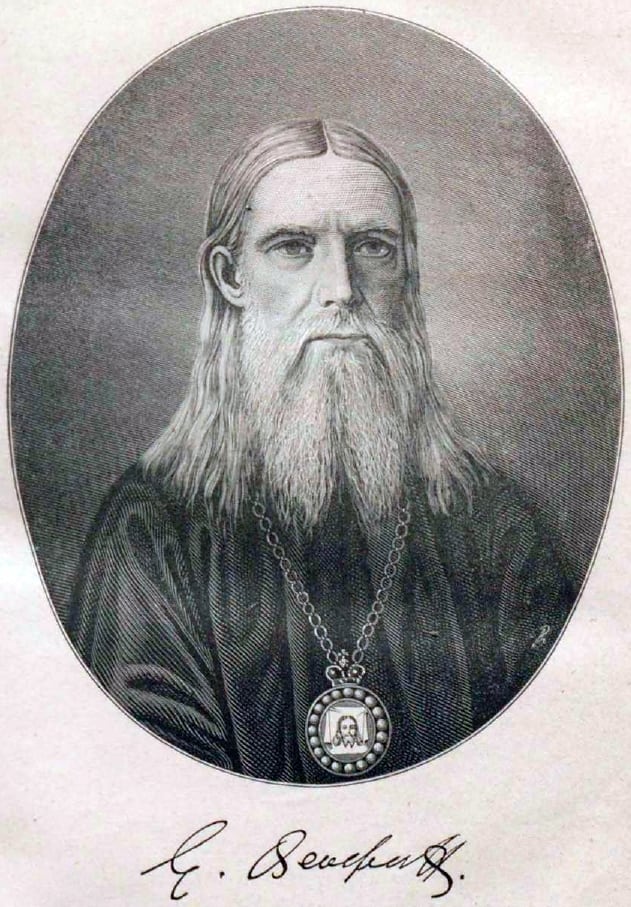
Theophan the Recluse
Совпадают в вопросах: Почему мы страдаем? · Что такое Абсолют? Существует ли Бог? · Кто я? Существует ли истинное «я»?
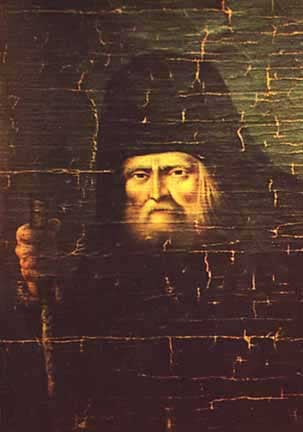
Seraphim of Sarov
Совпадают в вопросах: Что такое Абсолют? Существует ли Бог? · Кто я? Существует ли истинное «я»? · Почему мы страдаем?

Teresa of Ávila
Совпадают в вопросах: Что такое Абсолют? Существует ли Бог? · Кто я? Существует ли истинное «я»? · Почему мы страдаем?
Дальше всего от

Pema Chödrön
Расходятся в вопросах: Что такое Абсолют? Существует ли Бог? · Кто я? Существует ли истинное «я»? · Что происходит после смерти?
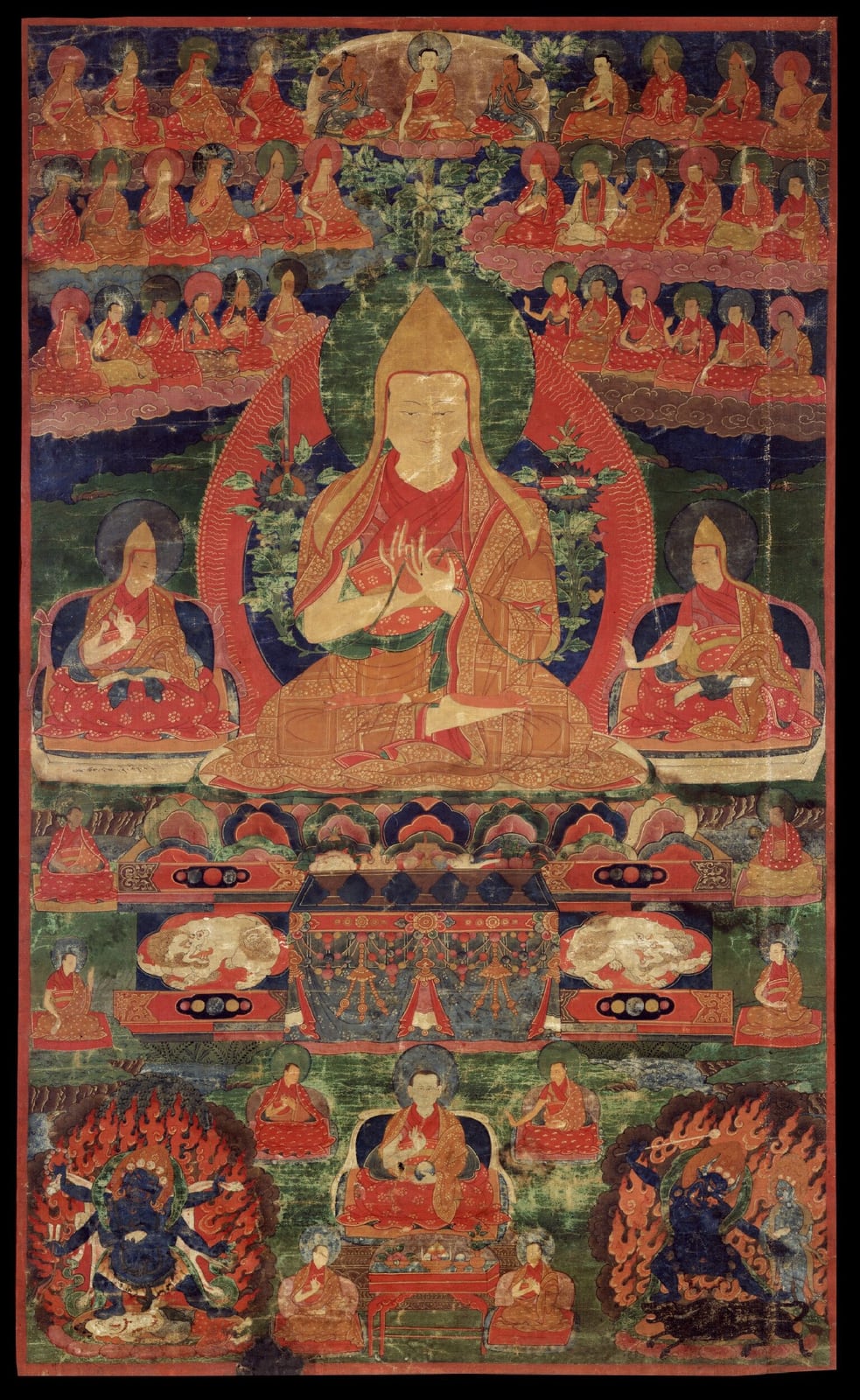
Tsongkhapa
Расходятся в вопросах: Что такое Абсолют? Существует ли Бог? · Кто я? Существует ли истинное «я»? · Что происходит после смерти?
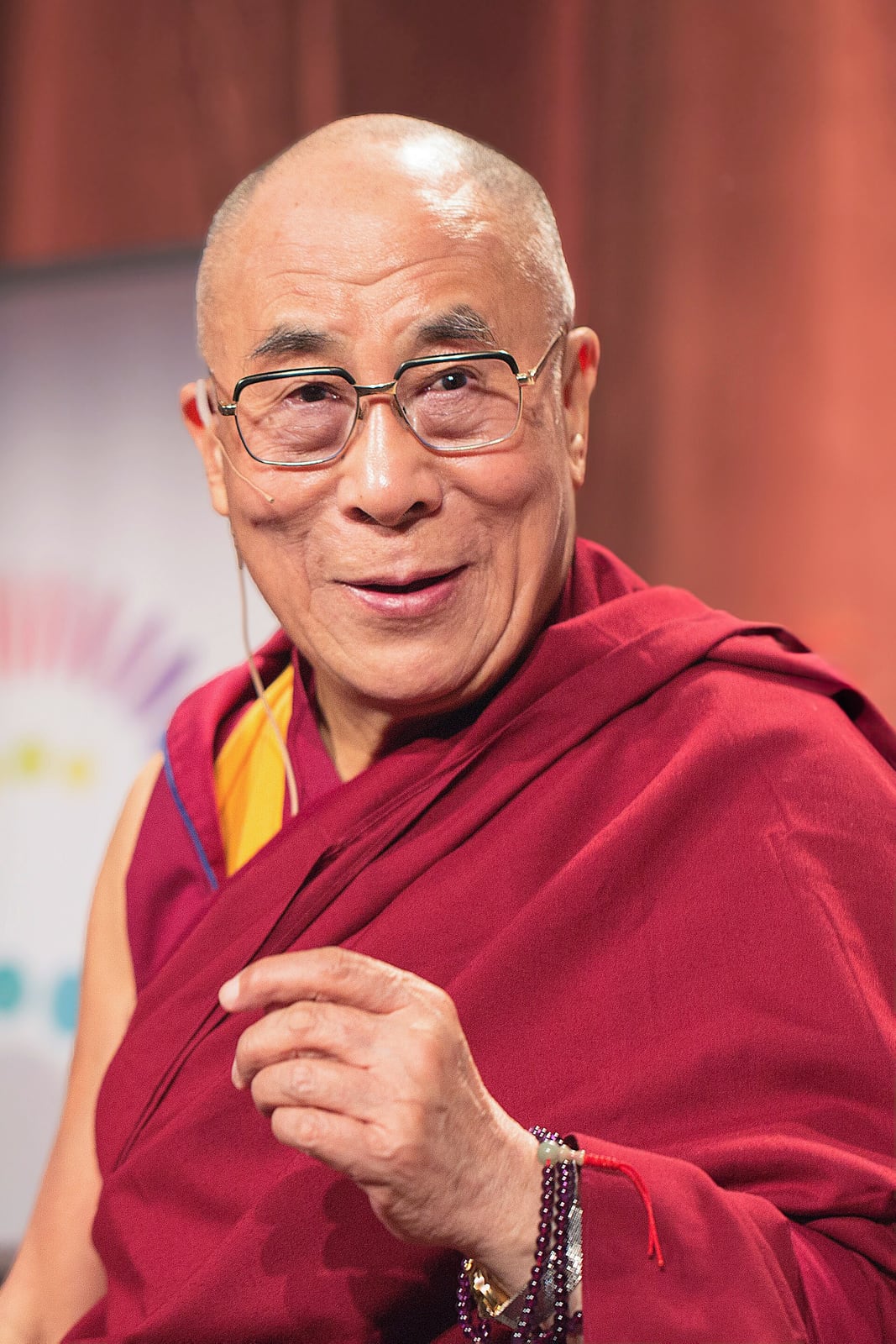
The 14th Dalai Lama (Tenzin Gyatso)
Расходятся в вопросах: Что такое Абсолют? Существует ли Бог? · Кто я? Существует ли истинное «я»? · Что происходит после смерти?
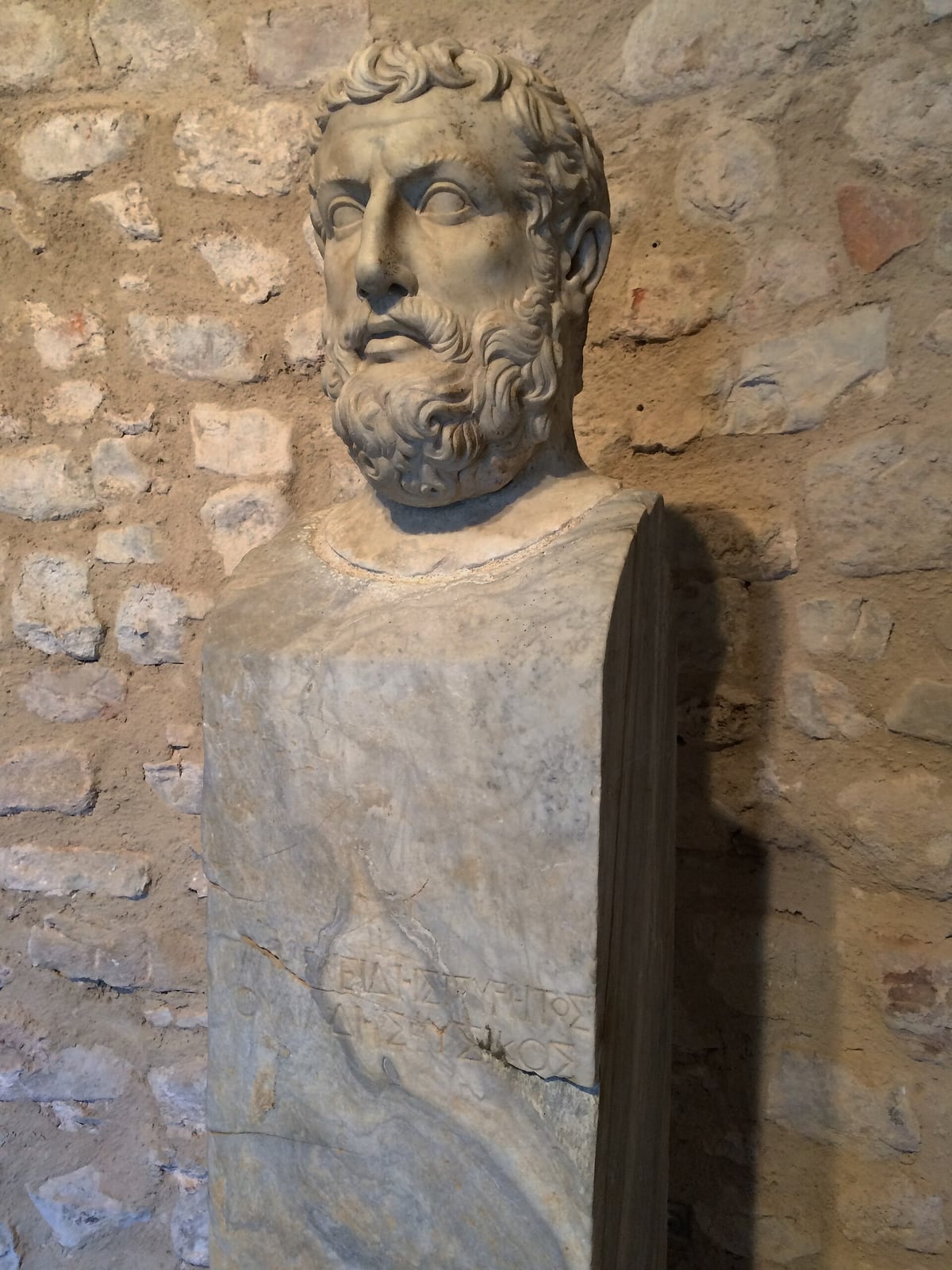
Parmenides
Расходятся в вопросах: Реален ли мир?
Предания и рассказы
Предания и рассказы
Документировано22 de diciembre de 1849
One minute before the firing squad
Происхождение рассказа: The main source is Dostoevsky's own letter to his brother written that same day (vol. 15, letter no. 37), describing the reading of the sentence, the cross, the swords, the shirts and his place in line. Grigoryev's madness and the advance planning of the pardon come from the trial records used by biographers (Frank). The parallel with Myshkin's story is in The Idiot, part I, ch. V.
Документированоenero de 1850 – 1881
The Tobolsk Gospel
Происхождение рассказа: Dostoevsky told it in A Writer's Diary for 1873 ('Old People'), and Anna Grigoryevna repeats it in her Reminiscences quoting that text. The copy, with many pencil marks, is kept in the Russian State Library and was published in facsimile in 2010.
Свидетельствоagosto de 1831 (recuerdo) y Pascua de 1850-1853 (presidio)
The peasant Marey
Происхождение рассказа: Autobiographical account by Dostoevsky himself in A Writer's Diary, February 1876, ch. I, 3, written a quarter of a century later; there is no other witness. He himself notes that in The House of the Dead he had spoken of prison through a fictional narrator.
Свидетельство1865 (relato); hacia 1854–1857 (suceso)
The night heaven came down to earth
Происхождение рассказа: Sofya Kovalevskaya tells it in her Memories of Childhood (1890), some twenty-five years after hearing it. She herself warns that she knew a 'completely different' version — that the illness followed a corporal punishment in prison — and that, according to doctors, epileptics often forget how their illness began and fantasise about it. The friend is unidentified. The description of the ecstatic aura matches the one Dostoevsky gives Myshkin in The Idiot (part II, ch. V).
Документированоoctubre de 1866
Twenty-six days
Происхождение рассказа: Told in detail by Anna Grigoryevna in her Reminiscences (part II), including the contract terms and the delivery at the police station; confirmed by the writer's letters and by biographers. The episode inspired the Soviet film Twenty-Six Days in the Life of Dostoevsky (Alexander Zarkhi, 1981).
Свидетельствоagosto de 1867
Before Holbein's Dead Christ
Происхождение рассказа: Anna Grigoryevna's testimony in her Reminiscences (part IV), where she herself notes that the impression passed into The Idiot; she also recorded it in her shorthand diary of 1867. Myshkin's remark is in The Idiot, part II, ch. IV.
Свидетельствоmayo – junio de 1878
Optina, after Alyosha's death
Происхождение рассказа: It comes from Anna Grigoryevna's Reminiscences (part IX), based on what her husband told her and on his letter of 29 June 1878; precisely where she was to reproduce the elder's words there is a gap in the manuscript. That the scene of the 'women who have faith' records Anna's own doubts and even words is her own claim.
Документировано8 de junio de 1880
The Pushkin speech
Происхождение рассказа: Dostoevsky's letter to Anna of 8 June 1880 (vol. 15, letter no. 235), written that same night, and press reports of the time. The text of the speech was published in the single issue of A Writer's Diary for August 1880.
Учение
Учение
Понятия, на которых строится мысль учителя, объяснённые в их контексте.
Freedom and the Grand Inquisitorlibertad-y-gran-inquisidor
A response to Chernyshevsky's rationalist utopia (What Is to Be Done?, 1863) and to the Slavophile critique of Roman Catholicism; the poem occupies Book V, ch. V of the novel.
Ivan's rebellion and the problem of evilrebelion-de-ivan
It argues with the tradition of theodicy (Leibniz) and with the Book of Job; Camus (The Rebel, 1951) read it as the founding of modern metaphysical rebellion.
Each is guilty before all for allculpa-de-todos-ante-todos
Inspired by the spirituality of the startsy (Tikhon of Zadonsk, Ambrose of Optina) and by the Orthodox idea of sobornost; Book VI of The Brothers Karamazov.
The positively beautiful manhombre-positivamente-bello
Letter to Sofya Ivanova of 1 (13) January 1868; The Idiot, parts I–IV.
The polyphonic novelpolifonia
A twentieth-century interpretation, not Dostoevsky's own doctrine: Problems of Dostoevsky's Art (1929) and Problems of Dostoevsky's Poetics (1963).
Источник: Bajtín, Mijaíl. Проблемы творчества Достоевского (1929); 2.ª ed. ampliada: Проблемы поэтики Достоевского (1963) [Problemas de la poética de Dostoievski].
The 'return to the soil' (pochvennichestvo)pochvennichestvo
Journalistic movement of the 1860s; the basis of A Writer's Diary and the Pushkin speech (1880).
Видео
Видео
Записи, интервью и документальные фильмы. Видео воспроизводятся с YouTube; здесь они не хранятся.
Twenty six days in the life of Dostoevsky (Двадцать шесть дней из жизни Достоевского)
Документальный фильм· RU· 1981· 82 min
MosfilmОфициальный канал
Лекция протоиерея Геннадия Беловолова «Достоевский и Оптина пустынь»
Лекция· RU· 115 min
Музей Достоевского (San Petersburgo)Официальный канал
Лекция Сергея Кибальника «Тайна князя Мышкина»
Лекция· RU· 78 min
Музей Достоевского (San Petersburgo)Официальный канал
Жизнь и смерть Достоевского. Родиться в России. Фильм 1-й
Смотреть на YouTube
Это видео нельзя встроить; оно откроется на YouTube.
Жизнь и смерть Достоевского. Родиться в России. Фильм 1-й
Документальный фильм· RU· 2021· 26 min
Телеканал КультураОфициальный канал
Жизнь и смерть Достоевского. Страна святых чудес. Фильм 5-й
Смотреть на YouTube
Это видео нельзя встроить; оно откроется на YouTube.
Жизнь и смерть Достоевского. Страна святых чудес. Фильм 5-й
Документальный фильм· RU· 2021· 26 min
Телеканал КультураОфициальный канал
LITERATURE - Fyodor Dostoyevsky
Разбор· EN· 14 min
The School of LifeОфициальный канал
Russian Atheism and Russian Faith | Dr. Gary Saul Morson (Northwestern)
Лекция· EN· 90 min
Anselm House
Dostoevsky & The Brothers Karamazov with Dr. Thomas Pfau (Duke)
Лекция· EN· 80 min
North Carolina Study Center
La metafísica de Dostoyevski | Tamara Djermanović | #1 Dostoyevski, pensador
Лекция· ES· 89 min
Institut d'Humanitats de BarcelonaОфициальный канал
Dostoyevski en el espejo del pensamiento español
Лекция· ES· 59 min
Centro de Culturas Eslavas UGRОфициальный канал
El universo de Dostoyevski, entre Rusia y España / Мир Достоевского от России до Испании
Лекция· ES· 88 min
Instituto Cervantes MoscúОфициальный канал
Dostoyevski: El mejor novelista de todos los tiempos, con Eloy Urroz | Sesión 1
Лекция· ES· 109 min
Cultura en Directo. UNAMОфициальный канал
Dostoievski por Ángel Barahona
Лекция· ES· 33 min
UFV MadridОфициальный канал
Галерея
Галерея
Изображения с проверенной лицензией. Каждое сохраняет своё авторство и атрибуцию.
Рукописи
Рукописи
Рукописные свидетельства и древние тексты, с указанием хранителя и условий доступа.
RU · Cyrillic · Edición impresa de la primera mitad del siglo XIX; anotaciones de 1850–1881
Новый Завет (экземпляр Ф. М. Достоевского, «Евангелие Достоевского»)
- Сохранившийся список
- Ejemplar único anotado
- Хранитель
- Biblioteca Estatal de Rusia (RGB), Departamento de Manuscritos, fondo 93 (Dostoievski)
Связи
Связи
Влияния, ученичество и близость взглядов. Документированная связь отличается от сходства, выявленного путём анализа.
Современник
The two great Russian novelists of their time never met, though they read each other closely: Dostoevsky devoted pages of A Writer's Diary (1877) to Anna Karenina and Tolstoy admired The House of the Dead. On learning of his death, Tolstoy wrote to their mutual friend Nikolai Strakhov that he had never seen the man and only then understood that he had been the closest, dearest and most necessary person to him.
Документированная связь
Встречался с
Friends from 1873 despite a thirty-year age gap. In 1878 Dostoevsky attended his Lectures on Godmanhood and in June they travelled together to Optina monastery, where they spoke with the elder Ambrose, a partial model for Zosima. Solovyov devoted Three Speeches in Memory of Dostoevsky (1881–1883) to him, and critics have seen traits of his in both Alyosha and Ivan Karamazov.
Документированная связь
Повлиял на
In his Three Speeches Solovyov presented Dostoevsky as the religious prophet of a universal Church and of the ideal of 'Godmanhood', a reading that shaped all subsequent Russian religious philosophy.
Документированная связь
Повлиял на
Berdyaev acknowledged Dostoevsky as his spiritual master and devoted to him Dostoevsky's Worldview (1923), reading him as a philosopher of freedom and spirit; 'irrational' freedom and the legend of the Grand Inquisitor are central to his thought.
Документированная связь
Испытал влияние
Christ is the centre of his faith and work: the Tobolsk Gospel stayed with him from 1850 until his death; in 1854 he wrote that he would rather remain with Christ than with the truth, and in 1868 that Christ is the only 'positively beautiful' figure, the idea that gave rise to Prince Myshkin. The silent Christ before the Grand Inquisitor and the Gospel epigraph of The Brothers Karamazov (John 12:24), also carved on his tomb, complete that path.
Документированная связь
Идеи, близкие к
There is no record that Dostoevsky wrote about Seraphim of Sarov, and the documented models for the elder Zosima are Tikhon of Zadonsk and Ambrose of Optina. Nonetheless Zosima's joyful spirituality — life as a paradise we fail to see, love for all creation, paschal joy — is very close to that of Seraphim, the great Russian elder of the early nineteenth century, and both embody the same tradition of the startsy.
Сходство, выявленное путём анализа
Источники
Источники
Библиография и каталоги, использованные для этой статьи.
- Frank, Joseph. Dostoevsky: A Writer in His Time. Ed. Mary Petrusewicz. Princeton: Princeton University Press, 2010 (condensación de la biografía en cinco volúmenes, 1976–2002).
- Dostoiévskaya, Anna Grigórievna. Воспоминания [Memorias]. Ed. S. V. Belov y V. A. Tunimánov. Moscú: Judózhestvennaya literatura, 1971 (primera edición, 1925). Texto en Wikisource ruso.
- Dostoievski, F. M. Собрание сочинений в 15 томах [Obras reunidas en 15 tomos], t. 15: Письма 1834–1881 [Cartas]. Leningrado/San Petersburgo: Naúka, 1996. Edición digital de la Biblioteca Virtual Rusa (RVB).
- «Fyodor Dostoevsky bibliography», Wikipedia en inglés (lista destacada, con primeras ediciones, revistas y primeros traductores) y «Библиография Фёдора Достоевского», Wikipedia en ruso.
- Wikidata Q991 (Fiódor Dostoievski): nacimiento 11-11-1821 (gregoriano) / 30-10-1821 (juliano) en Moscú; muerte 09-02-1881 (gregoriano) / 28-01-1881 (juliano) en San Petersburgo.
- «Fyodor Dostoevsky», Wikipedia en inglés (artículo destacado; consultado para hechos verificables, texto propio).
- Encyclopaedia Britannica, «Fyodor Dostoyevsky».
- Lantz, Kenneth A. The Dostoevsky Encyclopedia. Westport (Connecticut): Greenwood Press, 2004.
- Kovalévskaya, Sofía V. Воспоминания детства [Recuerdos de infancia] (1890), en Литературные сочинения. Ed. P. Ya. Kóchina. Moscú: Naúka, 1974, cap. «Fiódor Mijáilovich Dostoievski».
- Dostoievski, F. M. Дневник писателя [Diario de un escritor], 1873–1881: «Старые люди» (1873), «Мужик Марей» (febrero de 1876), «Пушкин» (agosto de 1880). En Собрание сочинений в 15 томах, t. 12–14. Leningrado: Naúka, 1994–1995 (RVB).
- Open Library, autor OL22242A (Fyodor Dostoyevsky): obras y ediciones con ISBN.
- Project Gutenberg: obras de Fyodor Dostoyevsky (autor 314) e «Index of the Project Gutenberg Works of Fyodor Dostoevsky» (eBook #59196).
- Dostoievski, F. M. Братья Карамазовы [Los hermanos Karamázov] (1879–1880), texto en Wikisource ruso; trad. inglesa de Constance Garnett, The Brothers Karamazov (Londres: Heinemann, 1912), Project Gutenberg #28054.
- Soloviov, Vladímir S. Три речи в память Достоевского [Tres discursos en memoria de Dostoievski], 1881–1883. Moscú, 1884.
- Berdiáev, Nikolái. Миросозерцание Достоевского [La concepción del mundo de Dostoievski]. Praga: YMCA-Press, 1923 (trad. esp. «El credo de Dostoievski»).
- Bajtín, Mijaíl. Проблемы творчества Достоевского (1929); 2.ª ed. ampliada: Проблемы поэтики Достоевского (1963) [Problemas de la poética de Dostoievski].
- «130 лет назад ушел из жизни Федор Михайлович Достоевский», Rossíiskaya Gazeta, 9 de febrero de 2011 (cita la carta de Lev Tolstói a Nikolái Strájov de comienzos de febrero de 1881).
- Biblioteca Estatal de Rusia (RGB), Departamento de Manuscritos: presentación de la edición «Евангелие Ф. М. Достоевского» (2010), ejemplar personal del Nuevo Testamento conservado en el fondo 93.
- Museo Literario-Memorial F. M. Dostoievski de San Petersburgo (casa del callejón Kuznechni 5), biografía y colecciones.
- Правообладатель
- Dominio público (Dostoievski murió en 1881). Las traducciones modernas pertenecen a sus traductores y editoriales.
- Официальный сайт
- www.md.spb.ru/
Ожидает подтверждения
То, что в этой статье пока не удалось установить. Мы предпочитаем сказать об этом, а не заполнять пробел.
- Ediciones en español con ISBN de «La aldea de Stepánchikovo», «El sueño del tío», «Nétochka Nezvánova», «La patrona» (salvo Losada), la correspondencia y los relatos breves de 1846–1849 por separado: no localizadas en Open Library; el volumen de Alba «Noches blancas y otros relatos (1846-1849)» no detalla en su ficha los once relatos que contiene.
- Ediciones en inglés con ISBN de «La patrona», «Un corazón débil», «Polzunkov», «El señor Projarchin» y de los artículos de 1847 y 1861: sólo se han registrado las traducciones antiguas (Garnett, 1900) sin ISBN.
- Contenido exacto de «Cuentos» (Siruela, 2007, ISBN 9788498410860) y «Cuentos» (Penguin Clásicos, 2015, ISBN 9788491050087), ambos traducidos por Bela Martinova según catálogos de librería: no se han asignado a relatos concretos.
- Confirmar la vía de primera publicación de las tres odas siberianas (1854–1856) y de «De los paseos veraniegos de Kozmá Prutkov» (1878).
- Sala de lectura en español: sólo «El crimen y el castigo» (Pedraza y Páez) está en Gutenberg. Wikisource en español aloja «El jugador» (trad. Alfonso Nadal, Góngora, 1928) y una «Crimen y castigo» de traducción anónima sin edición fuente identificada: no se han incluido hasta verificar la fecha de muerte de Nadal y el origen de la traducción anónima.
- Signatura exacta del Evangelio de Dostoievski en el Departamento de Manuscritos de la Biblioteca Estatal de Rusia (fondo 93) y enlace a su digitalización, si existe.
- Fecha exacta de la carta de Tolstói a Strájov (comienzos de febrero de 1881) y su referencia en las Obras completas de Tolstói (ed. del Jubileo): sólo se ha visto citada en prensa.
- Año de publicación de los vídeos de los canales del Museo Dostoievski y de las conferencias universitarias: no figura en oEmbed; se ha dejado null o el año aproximado indicado por YouTube.
Исследовано 2026-10-25