Христианство · Христианская мистика · Православие
Ignatius Brianchaninov
Игнатий (Брянчанинов) · Дмитрий Александрович Брянчанинов
1807 – 1867Исторически документированная личность
Русский епископ и аскетический писатель (1807–1867). Военный инженер, отказавшийся от карьеры, которую прочили ему семья и Николай I, он двадцать пять лет был архимандритом Сергиевой пустыни под Санкт-Петербургом, затем епископом Кавказским, а на покое в Бабаеве — автором «Аскетических опытов», «Приношения современному монашеству», «Слова о смерти» и трудов об Иисусовой молитве и прелести, сделавших его великим учителем трезвения в православии Нового времени. Канонизирован в 1988 году.
- трудов
- 52трудов
- изданий
- 52изданий
- цитат
- 9цитат
- видео
- 13видео
- изображений
- 7изображений
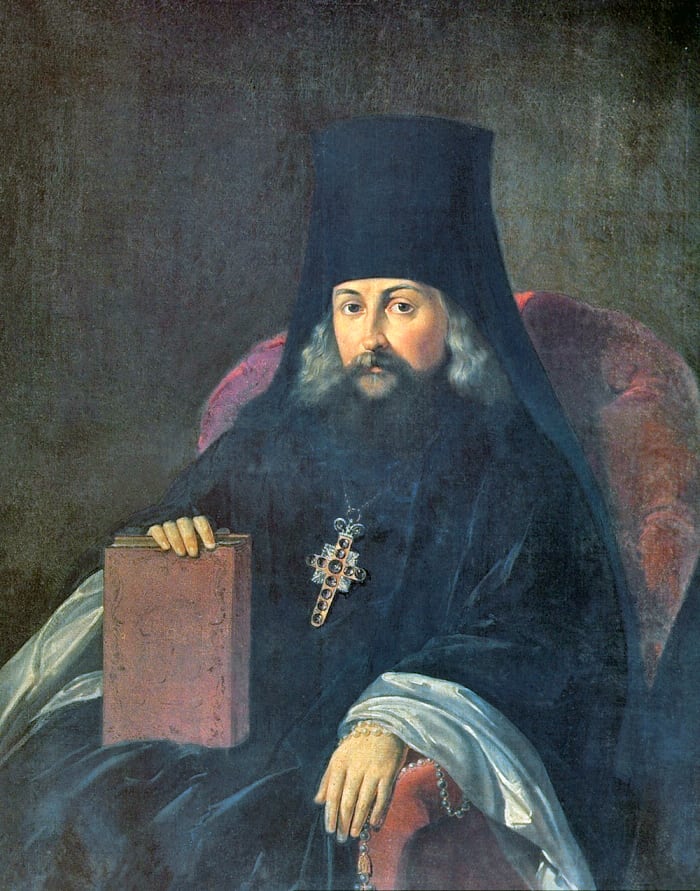
Retrato de Ignati Brianchanínov · Public domain
Своими словами
«Прелесть есть повреждение естества человеческого ложью. Прелесть есть состояние всех человеков, без исключения, произведенное падением праотцов наших. Все мы – в прелести. Знание этого есть величайшее предохранение от прелести. Величайшая прелесть – признавать себя свободным от прелести.»«О молитве Иисусовой», Отдел II, «О прелести» (Аскетические опыты, t. I, cap. 27).

Главная мысль
Prelest, or spiritual delusion: Prelest (from lest, deceit, seduction) is for Ignatius the damaging of human nature by falsehood: a state in which we have all been since the Fall and from which only the truth, which is Christ, frees us.
В контексте
Биография
4 мин чтения
Перевод с испанского оригинала, выполненный с помощью ИИ; ожидает проверки носителем языка.
Юноша из вологодского дворянства
Дмитрий Александрович Брянчанинов родился 5 февраля 1807 года по юлианскому календарю (17 февраля по григорианскому) в Покровском, родовом имении в Грязовецком уезде Вологодской губернии. Брянчаниновы были старинным дворянским родом, возводившим себя к Михаилу Бренку, оруженосцу великого князя Дмитрия Донского. Он был старшим из выживших детей и воспитывался в строгости: традиционная биография рассказывает, что он тяжело простудился, с последствиями на всю жизнь, потому что не смел выйти из ледяной реки раньше отца. Он выучил латынь и греческий, рисовал, пел и играл на скрипке; читал жития святых и подолгу молился. Когда он признался отцу, что хочет стать монахом, тот не принял этого всерьез: он предназначал сына для военной службы и двора.
Инженер, который не захотел им быть
В 1822 году он поступил, сдав лучший экзамен в своем наборе, в Главное инженерное училище в Санкт-Петербурге, где обратил на себя внимание великого князя Николая Павловича, генерал-инспектора по инженерной части и будущего императора. Он бывал в аристократических и литературных салонах; жизнеописание, составленное его общиной, называет среди его знакомых Крылова, Жуковского, Пушкина, Батюшкова и Глинку. Но ответы, которых не давали ему ни наука, ни философия, он искал у святых отцов. Вместе с другом Михаилом Чихачевым он причащался каждую неделю, что было тогда неслыханно, а в 1826 году познакомился в Александро-Невской лавре с иеромонахом Леонидом (Наголкиным), будущим оптинским старцем, который утвердил его в призвании. По окончании учения он подал прошение об отставке; Николай I отказал, прислал к нему своих врачей, когда он заболел чахоткой, и предложил ему часть в мягком южном климате. Дмитрий хотел только отставки. Его определили в Динабургскую крепость, и в ноябре 1827 года по болезни он наконец ее получил.
Годы послушничества
Он последовал за Леонидом послушником в Александро-Свирский монастырь, а затем в Площанскую пустынь. Был хлебником, рыбаком и кучером, но начал и сомневаться в некоторых приемах своего наставника. В 1829 году по пути в Оптину он вместе с Чихачевым остановился в Белобережской пустыни у иеросхимонаха Афанасия, ученика Паисия Величковского, делателя умной сердечной молитвы. Заболев, он на время вернулся в родительский дом, а в 1830–1831 годах в Семигородной пустыни написал «Плач инока», который один из современников считал невероятным для юноши, едва достигшего совершеннолетия. 28 июня 1831 года вологодский епископ постриг его в монашество с именем Игнатий в честь священномученика Игнатия Богоносца; в июле он был рукоположен во иеродиакона и иеромонаха.
Сергиева пустынь
Восстановив разоренный Пельшемский монастырь, игуменом которого он стал в 1833 году, он был вызван Николаем I. Император, по биографическому преданию, сказал ему, что тот остался ему должен за полученное образование и, раз уж избрал иной путь, пусть расплатится на нем: он вверил ему Троице-Сергиеву пустынь на Петергофской дороге, чтобы тот сделал из нее образцовую обитель на глазах у столицы. Игнатий, архимандрит с 1834 года и с 1838-го благочинный монастырей епархии, управлял ею почти двадцать пять лет: собрал братию, упорядочил богослужение, пользовался советами Глинки для хора и дружбой художника Карла Брюллова. Пережил он и клевету, и унизительные взыскания. Он ходатайствовал перед митрополитом Филаретом за Леонида, подвергнутого прещениям своим архиереем, а в 1847 году, больной, просил об уходе на покой; ему дали лишь одиннадцатимесячный отпуск, который он провел в Николо-Бабаевском монастыре на берегу Волги.
Епископ на Кавказе
27 октября 1857 года он был хиротонисан во епископа Кавказского и Черноморского с кафедрой в Ставрополе — епархии без архиерейского дома и без средств, где половина населения, казачья, находилась вне его юрисдикции, а многочисленные старообрядцы были настроены враждебно. За четыре года с помощью брата Петра, вице-губернатора, он упорядочил богослужение, улучшил содержание духовенства и построил новое здание семинарии. Здесь он написал «Приношение современному монашеству», слова о спасении и христианском совершенстве, о видении духов и «Изложение учения Православной Церкви о Божией Матери», направленное против католического догмата о непорочном зачатии. В 1861 году, обессиленный, он получил увольнение на покой.
Бабаевский монастырь
13 октября 1861 года он поселился в Бабаеве. Здесь он написал или закончил «Слово о смерти» (1862), где утверждал, что души и ангелы имеют тонкое, эфирное тело, — тезис, который оспорил Феофан Затворник, — и, по настоянию издателя Ивана Глазунова, пересмотрел и свел воедино все свои сочинения. Два первых тома его трудов, «Аскетические опыты», вышли в 1865 году. Последнюю литургию он отслужил в Светлое Христово Воскресение, 16 апреля 1867 года; 21-го получил только что отпечатанные третий и четвертый тома и скончался 30 апреля (12 мая по григорианскому календарю). В кармане его подрясника нашли несколько копеек.
Учитель трезвения
Сердцевина его наследия — предостережение. Игнатий защищал Иисусову молитву и чтение отцов, но настаивал, что без смирения и без руководства духовная жизнь вырождается в прелесть — духовное обольщение, принимающее за благодать возбуждение чувств и воображения. Отсюда его недоверие к западной мистике — он назвал «прелестной» книгу «О подражании Христу» и сурово отзывался о Франциске Ассизском и Терезе Авильской — и его совет для времени, лишенного опытных старцев, жить «по совету», руководствуясь Писанием и отцами. Ясная проза и знание души современного человека сделали его постоянно переиздаваемые труды одним из самых распространенных аскетических чтений Русской церкви. Николай Лесков сделал его героем повести «Инженеры-бессребреники» (1887), а Павел Флоренский ссылался на него как на авторитет в вопросе о прелести.
Поместный собор Русской церкви причислил его к лику святых 6 июня 1988 года вместе с Феофаном Затворником; его мощи почивают в Толгском монастыре близ Ярославля.
Источники: Ignati (Brianchanínov). Аскетические опыты, t. I. San Petersburgo: I. I. Glazunov, 1865; texto según Полное собрание творений и писем, 2.ª ed., Moscú: Palómnik, 2014, t. 1 (ISBN 978-5-88060-031-1). Texto en Azbuka very. · Ignati (Brianchanínov). Приношение современному монашеству. San Petersburgo, 1867; texto según Полное собрание творений и писем, Moscú: Palómnik, 2014, t. 4. Texto en Azbuka very. · Semiónova, T. N., y Redkina, Yu. R. (eds.). Полное жизнеописание святителя Игнатия Кавказского. Moscú–San Petersburgo: Izd-vo im. Sv. Ignatia Stavropolskogo / Biblioteca Nacional de Rusia, 2002. ISBN 5-88904-028-8. · Florenski, Pável. Столп и утверждение истины. Moscú: Put', 1914 (cita a Ignati en las cartas quinta, sexta, novena y décima: prelest, «Imitación de Cristo», monacato). Texto en Azbuka very. · Leskov, Nikolái S. Инженеры-бессребреники (1887). Texto en Wikisource.
Хронология
Жизнь год за годом
Каждая точка — документированное событие. Нажмите, чтобы прочитать о нём, с источником и степенью достоверности.
17 февраля 1807 г.0 летPokróvskoie (prov. de Vólogda)
Birth
Dmitry Brianchaninov is born on the family estate (5 February, Julian).
Документировано«Игнатий (Брянчанинов)», Wikipedia en ruso (biografía, teología —prelest, angelología, apologética—, Briulov, Leskov, bibliografía). Consultada el 25-10-2026.
После смерти
- 1870Posthumous Paterikon
- 6 июня 1988 г.Canonisation
17 февраля 1807 г. · 0 лет
Birth
Dmitry Brianchaninov is born on the family estate (5 February, Julian).
Документировано
1822 · 15 лет
Main Engineering School
He enters directly into the second year after the best examination of his intake.
Документировано
1826 · 19 лет
Meeting with Leonid (Nagolkin)
He meets the future Optina elder at the Alexander Nevsky Lavra; Nicholas I refuses his request to resign.
Документировано
6 ноября 1827 г. · 20 лет
Discharge from the army
With the rank of engineer lieutenant, he obtains his discharge on grounds of illness against his parents' wishes and enters the Alexander-Svirsky monastery as a novice.
Документировано
апрель 1829 г. · 22 года
With Paisius's disciple
With Mikhail Chikhachev he visits the hieroschemamonk Athanasius, a disciple of Paisius Velichkovsky, and passes through Optina.
Документировано
28 июня 1831 г. · 24 года
Monastic tonsure: Ignatius
He is tonsured with the name Ignatius; in July he is ordained deacon (5th) and priest (20th).
Документировано
ноябрь 1833 г. · 26 лет
Superior of the St Sergius hermitage
Nicholas I entrusts him with the Trinity-St Sergius hermitage; archimandrite on 1 January 1834.
Документировано
1838 · 31 год
Dean of the monasteries
Appointed dean (blagochinny) of the monasteries of the St Petersburg diocese.
Документировано
1847 · 40 лет
Leave and first publications
He spends eleven months at Babayevo monastery; his first articles appear in Biblioteka dlya chteniya.
Документировано
27 октября 1857 г. · 50 лет
Bishop of the Caucasus and the Black Sea
Consecrated in the Kazan Cathedral; he arrives in Stavropol on 4 January 1858.
Документировано
13 октября 1861 г. · 54 года
Retirement to Babayevo
Retired through illness, he settles at Babayevo monastery in Kostroma province.
Документировано
1862 · 55 лет
Word on Death
He publishes the Word on Death and The Cup of Christ; in 1863–1864 follow the Word on Salvation, the one on the vision of spirits and the Supplement.
Документировано
1865 · 58 лет
Ascetic Experiences
The publisher Ivan Glazunov issues the first two volumes of his works.
Документировано
12 мая 1867 г. · 60 лет
Death
He dies on 30 April (Julian), the Sunday of the Myrrhbearers, days after receiving volumes III and IV of his works.
Документировано
1870
Posthumous Paterikon
His annotated collection of sayings of the Desert Fathers, the Otechnik, is published.
Документировано
6 июня 1988 г.
Canonisation
Proclaimed a saint; on 26 May his relics had been translated to the Tolga monastery (Yaroslavl).
Документировано
Труды
Главные труды
Труды, без которых не понять это наследие.
Письменный труд · 1865
Аскетические опыты. Том I
The first volume of his works, gathered at Babayevo with the publisher Ivan Glazunov: fifty-seven pieces written over thirty years, from the prose poems of his youth ('The Garden in Winter', 'The Tree in Winter before the Cell Window', 'Thought on the Seashore') to the treatises on reading the Gospel and the Fathers, avoiding heterodox books, love of God and neighbour, fasting, prayer, the eight passions and their opposite virtues, tears, humility, patience, monasticism and the Gospel commandments. It includes the three sections 'On the Jesus Prayer' (with the one on spiritual delusion), the 'Rule of Attention to Oneself for Those Living in the World', 'The Cup of Christ' and 'My Lament'. It is the book through which most Russian readers have come to know Ignatius.
4 издания · amazon.com
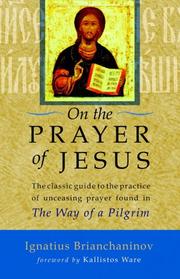
Письменный труд · 1867
О молитве Иисусовой. Беседа между старцем и учеником
A treatise in dialogue form, in three parts—the Jesus Prayer in general, spiritual delusion and the practice of the prayer—which belongs to the first volume of the Experiences and was also published separately in 1867. Ignatius maintains that the Jesus Prayer is the duty of every monk and the good of every Christian, recalls that at Sarov it was taught to every novice and that Seraphim recommended it, but insists on practising it with attention and humility, enclosing the mind in the words, without seeking sensations or resorting to the bodily techniques of the ancient hesychasts, which he considers dangerous without an experienced guide. He distinguishes oral prayer, mental prayer and prayer of the heart, which is God's gift and not the fruit of method. It is his most translated text.
6 изданий · amazon.com

Письменный труд · 1867
Приношение современному монашеству
His 'spiritual testament' for monks, written largely at Stavropol and published as the last volume of his works. It opens with the 'Rules of Outward Conduct for Novice Monks', continues with fifty chapters of 'Counsels on the Inner Work of the Monk'—study and keeping of the Gospel commandments, reading the Fathers, the dangers of the hermit life, obedience to an elder and life 'by counsel' in an age without experienced guides, prayer and the Jesus Prayer, remembrance of death, sobriety, fasting, almsgiving, fallen angels, dreams—and ends with the 'Lament of a Monk'. It holds that the monasticism of his day must rest on Scripture and the Fathers rather than on charismatic directors, now almost non-existent. Translated into English as The Arena.
4 издания · amazon.com
Все труды (52)

Аскетические опыты. Том II
1865
Ignatius Brianchaninov
О прелести
The Conscious LibraryО прелести
1865
Ignatius Brianchaninov
Слово о смерти
The Conscious LibraryСлово о смерти
1862
Ignatius Brianchaninov
Прибавление к «Слову о смерти»
The Conscious LibraryПрибавление к «Слову о смерти»
1864
Ignatius Brianchaninov
Слово о чувственном и о духовном видении духов
The Conscious LibraryСлово о чувственном и о духовном видении духов
1863
Ignatius Brianchaninov
Слово о человеке
The Conscious LibraryСлово о человеке
1862
Ignatius Brianchaninov
Слово об ангелах
The Conscious LibraryСлово об ангелах
Ignatius Brianchaninov
Письмо к некоторому духовному лицу… почему он назвал человеческую душу эфирною
The Conscious LibraryПисьмо к некоторому духовному лицу… почему он назвал человеческую душу эфирною
Ignatius Brianchaninov
Слово о спасении и о христианском совершенстве
The Conscious LibraryСлово о спасении и о христианском совершенстве
1863
Ignatius Brianchaninov
О различных состояниях естества человеческого по отношению к добру и злу
The Conscious LibraryО различных состояниях естества человеческого по отношению к добру и злу
Ignatius Brianchaninov
Изложение учения Православной Церкви о Божией Матери
The Conscious LibraryИзложение учения Православной Церкви о Божией Матери

Аскетическая проповедь
1867
Ignatius Brianchaninov
Отечник. Избранные изречения святых иноков и повести из жизни их
The Conscious LibraryОтечник. Избранные изречения святых иноков и повести из жизни их
1870
Ignatius Brianchaninov
Плач инока о брате его, впадшем в искушение греховное
The Conscious LibraryПлач инока о брате его, впадшем в искушение греховное
1831
Ignatius Brianchaninov
Плач мой
The Conscious LibraryПлач мой
Ignatius Brianchaninov
Чаша Христова
The Conscious LibraryЧаша Христова
1862
Ignatius Brianchaninov
Сад во время зимы
The Conscious LibraryСад во время зимы
Ignatius Brianchaninov
Древо зимою пред окнами келлии
The Conscious LibraryДрево зимою пред окнами келлии
Ignatius Brianchaninov
Чин внимания себе для живущего посреди мира
The Conscious LibraryЧин внимания себе для живущего посреди мира
Ignatius Brianchaninov
Судьбы Божии
The Conscious LibraryСудьбы Божии
1867
Ignatius Brianchaninov
О монашестве: разговор между православными христианами, мирянином и монахом
The Conscious LibraryО монашестве: разговор между православными христианами, мирянином и монахом
1869
Ignatius Brianchaninov
О чудесах и знамениях
The Conscious LibraryО чудесах и знамениях
1870
Ignatius Brianchaninov
О кончине мира: три поучения
The Conscious LibraryО кончине мира: три поучения
1870
Ignatius Brianchaninov
Правила наружного поведения для новоначальных иноков
The Conscious LibraryПравила наружного поведения для новоначальных иноков
Изречения
Изречения, найденные в конкретном труде. Каждое сопровождается указанием происхождения и степени надёжности.
Прелесть есть повреждение естества человеческого ложью. Прелесть есть состояние всех человеков, без исключения, произведенное падением праотцов наших. Все мы – в прелести. Знание этого есть величайшее предохранение от прелести. Величайшая прелесть – признавать себя свободным от прелести.Проверено«О молитве Иисусовой», Отдел II, «О прелести» (Аскетические опыты, t. I, cap. 27).
Апокрифические изречения и изречения спорной атрибуции (2)
«"He who is careless about prayer is careless about his salvation; he who quits prayer renounces his salvation."»
It circulates in English under his name (the English Wikipedia quotes it) without reference to a specific work; it has not been located in the chapters on prayer of the Ascetic Experiences consulted. It is consistent with his teaching, but the exact wording remains to be verified.
«Prophecies about Russia's destiny and the Antichrist attributed to him in devotional compilations.»
They have an authentic core—letter 29 to Muravyov-Karsky on Russia's 'enormous significance' and his teachings on the end of the world—but popular anthologies expand and rearrange them without citing the source.
Последние слова
Проверяемых записей о последних словах не существует.
The sources consulted (Russian Wikipedia, Azbuka very biography) record his last liturgy on Easter Sunday 1867, the arrival of volumes III and IV of his works on 21 April and his death on 30 April, the Sunday of the Myrrhbearers, but give no final words. The full biographies (2002, 2010) have not been consulted directly.
Источник: Azbuka very, «святитель Игнатий (Брянчанинов)»: biografía (familia, Escuela de Ingenieros, noviciado, ermita de San Sergio, episcopado, muerte), legado y catálogo de obras y cartas.
Спросить
На что отвечают эти труды
Двенадцать великих вопросов человечества и то, что позволяют на них ответить эти тексты, со ссылками. Мы никогда не вкладываем слова в чужие уста.
Что такое Абсолют? Существует ли Бог?
God is known through humility and prayer, not through speculation
Личный БогСказано прямо
Ignatius Brianchaninov places God within the frame of Orthodox faith, Trinitarian and creator, and devotes his work not to proving him but to showing how one comes to him. In the Ascetic Essays the way to God is prayer, and its measure the states of prayer through which one who prays steadily advances. The precondition is to recognise oneself as fallen: what belongs to man impoverished by the fall is to pray, as what belongs to a beggar is to ask. He warns insistently against spiritual delusion, which consists in imagining God or feeling him according to one's own fancies; whoever believes himself free of delusion is in the greatest delusion of all. Ignatius's God is therefore personal, but hidden from pride and accessible only to humility, repentance and attentive reading of the Fathers.
Сравнить этот вопрос с другими учителямиКто я? Существует ли истинное «я»?
A created, immortal and fallen soul, incorporeal only in comparison with God
Сотворённая бессмертная душаСказано прямо
Ignatius Brianchaninov starts from the Orthodox doctrine of the created, immortal soul, but stresses its fallen condition: in the Ascetic Essays and the Word on Man he insists that human nature has been damaged by falsehood since the fall, and that we all live in some degree of delusion about ourselves. In the Word on Death and in his letter on why he called the soul ethereal he held a disputed thesis: that souls and angels, compared with God, the only absolutely incorporeal spirit, possess a subtle corporeality, so that after death the soul keeps a form resembling that of the body. Theophan the Recluse replied to him. What matters to him is practical: to know oneself as fallen is the condition for the self to be healed by grace.
Сравнить этот вопрос с другими учителямиПочему мы страдаем?
Fallen nature suffers; accepting sorrows is drinking the cup of Christ
Отделённость от БогаСказано прямо
Ignatius Brianchaninov places the origin of suffering in the fall: human nature, damaged by falsehood, lives in a state of sickness that shows itself in the passions, death and delusion about oneself. In his essays he distinguishes several states of human nature with regard to good and evil, from the fallen natural state to the one renewed by grace. In the face of afflictions, his teaching is that of the Fathers he collected on patience in sorrows: they are not sought, but accepted as permitted by God, with thanksgiving and without murmuring, because they heal pride. In The Cup of Christ he presents sufferings as the cup the Lord drank first and offers to his disciples. He rejects every explanation that turns pain into energy or an impersonal law: it is a matter between the fallen creature and its God.
Сравнить этот вопрос с другими учителямиЧто происходит после смерти?
The soul passes the aerial trials and awaits judgement: death is prepared for
Вечная жизнь и воскресениеСказано прямо
Ignatius Brianchaninov devoted a specific treatise to the question, the Word on Death of 1862, later enlarged with a supplement. There he sets out, relying on the Fathers and the lives of the saints, that after death the soul, separated from the body but keeping a subtle form, passes through the aerial trials, in which the fallen spirits accuse it of its sins, and receives a particular judgement that determines its state until the resurrection and the last judgement. His intention is not to feed the imagination but to awaken sobriety: the memory of death is for him one of the Christian's fundamental exercises, because it undoes the illusion of an endless earthly life. His teaching on the aerial trials provoked debate within Russian Orthodoxy itself.
Сравнить этот вопрос с другими учителямиКак достигается освобождение или спасение?
Christ saves us; man brings repentance, humility and keeping the commandments
Через благодать и любовьСказано прямо
In the Word on Salvation and Christian Perfection, Ignatius Brianchaninov holds that salvation is the work of Christ, received through faith and baptism and kept or recovered through repentance. What falls to man is not to earn it but to dispose himself: to recognise his fall, weep over his sins, keep the Gospel commandments and pray with attention. He warns sharply against the opposite path, that of one who seeks lofty spiritual states, visions or consolations before being purified: it is the way of delusion, which mistakes one's own imagination for grace. That is why he advises his contemporaries, who in his view lack true elders, to be guided by reading the Fathers and by prudent counsel. Perfection is God's gift to the humble.
Сравнить этот вопрос с другими учителямиНужен ли учитель?
True elders are lacking: one must live by counsel and be guided by the Fathers
Полезен, но не обязателенСказано прямо
Ignatius Brianchaninov knew in his youth the elders of the tradition of Paisius Velichkovsky and corresponded with the elders Leonid and Macarius of Optina. Yet his diagnosis of his own age is sober: authentic elders, bearers of the Spirit, have almost entirely disappeared, and surrendering oneself unreservedly to an inexperienced director is dangerous, because it can lead both into spiritual delusion. He therefore proposes, in The Arena: An Offering to Contemporary Monasticism, life by counsel: to be guided by Scripture and the Fathers, whose reading he considers indispensable for making their thought one's own, and to consult experienced brethren prudently, without depending blindly on anyone. The human teacher helps, but the sure authority lies in the Gospel as interpreted by the saints.
Сравнить этот вопрос с другими учителямиРеален ли мир?
The created world is good; the «world» to be rejected is that of the passions
Благое и реальное творениеСледует из учения
Ignatius Brianchaninov affirms the goodness of creation, but his attention centres on the distinction, classic in ascetic writing, between the world as God's work and the world as the sum of passions that draw away from him. A former military engineer, he knew the science of his time well, and in the Word on the Sensory and Spiritual Vision of Spirits he holds that reality is not exhausted by what the senses perceive: around the human being there are spirits, angels and demons, which fallen nature does not see and which rarely manifest themselves. He warns, however, against the desire to see such realities, which he regards as a gateway to delusion. The visible world is real and good, but it is only part of creation, and fallen man perceives it in a limited way.
Сравнить этот вопрос с другими учителямиЧто такое любовь?
True love is born from keeping the commandments, not from emotion
Любовь к Богу и ближнемуСказано прямо
In the Ascetic Essays, Ignatius Brianchaninov devotes chapters to love of neighbour and love of God, and his teaching is characteristically sober. He distinguishes natural love, mixed with passion, preference and attachment, from the spiritual love taught by the Gospel, which sees in each person the image of God and loves it in God. This second love is born not from feeling or exaltation, but from keeping the commandments, from humility and from prayer; whoever seeks to feel an ardent love before being purified risks mistaking for love an emotion of fallen nature. Love of neighbour is the path to love of God, and both culminate in a gift God grants to the humble.
Сравнить этот вопрос с другими учителямиСвободны ли мы или всё предопределено?
Free but wounded by the fall, man must surrender his will to God
Подлинная свобода волиСказано прямо
Ignatius Brianchaninov affirms human freedom with Orthodox tradition, but stresses how much the fall has damaged it: the will of natural man is inclined to evil and deceived by delusion, so that its freedom, without grace, tends to choose badly even while believing it chooses well. That is why his ascetic teaching insists on renouncing one's own will and surrendering to God's, by keeping the commandments. In The Judgements of God, written in his last years, he reflects on the providence that governs human events, painful ones included, and advises submitting to it humbly instead of judging it. That surrender, however, is a free act: no one can be saved without willing it, and personal responsibility never disappears.
Сравнить этот вопрос с другими учителямиЗачем медитировать или молиться?
Prayer is what belongs to fallen man: asking with attention and humility
Дружба с БогомСказано прямо
For Ignatius Brianchaninov the way to God is prayer, and the measure of the way travelled is the states of prayer into which one who prays steadily gradually enters. His starting point is the fallen condition: what belongs to the beggar is to ask, and what belongs to man impoverished by the fall is to pray. The soul of every exercise is attention, without which prayer is dead; that is why he teaches enclosing the mind in the words of the prayer, and recommends the Jesus Prayer said slowly and attentively. He warns strongly against seeking sensations, images or mystical warmth, in which he sees the gateway to spiritual delusion, and prefers humble, repentant prayer to any psychophysical method practised without guidance.
Сравнить этот вопрос с другими учителямиМожет ли разум познать предельное?
Fallen reason deceives itself; it must be formed by the Gospel and the Fathers
Писание и рассуждениеСказано прямо
Ignatius Brianchaninov, trained as an engineer, does not despise natural reason, but considers it damaged by the fall: the human mind is exposed to delusion and tends to take its own constructions for truth. It therefore cannot be the judge of revelation. The remedy is to form it with the Gospel, to which he devotes chapters of the Ascetic Essays, and with the writings of the holy Fathers, whose thought and spirit he urges making one's own through assiduous reading. With equal firmness he advises keeping away from books on Christianity written by false teachers, and judges severely works such as the Imitation of Christ, which he regards as the fruit of delusion. Reason, healed by humility and guided by tradition, can understand revealed truth.
Сравнить этот вопрос с другими учителямиУйти от мира или преобразить его?
Monk means solitary: inner solitude is the condition of prayer
Уйти, чтобы найтиСказано прямо
Ignatius Brianchaninov chose monastic life against the will of his family and of Nicholas I himself, who had destined him for military engineering, and he lived for monasticism, to which he devoted The Arena: An Offering to Contemporary Monasticism. His ideal is solitude: monk means solitary, and whoever has not gathered himself within is not yet a monk, even if he lives in the remotest monastery. That solitude is above all inward, which is why he also wrote a rule of attention to oneself for one living in the world, showing lay people how to guard mind and heart amid their occupations. But he does not trust the world: he sees it as a place of distraction and delusion, and considers withdrawal, outward when possible and inward always, the condition of the encounter with God.
Сравнить этот вопрос с другими учителями
Созвучия и противоречия
Созвучия и противоречия
Рассчитаны вопрос за вопросом на основе позиций. Причина каждого совпадения или расхождения — по нажатию.
Ближе всего к
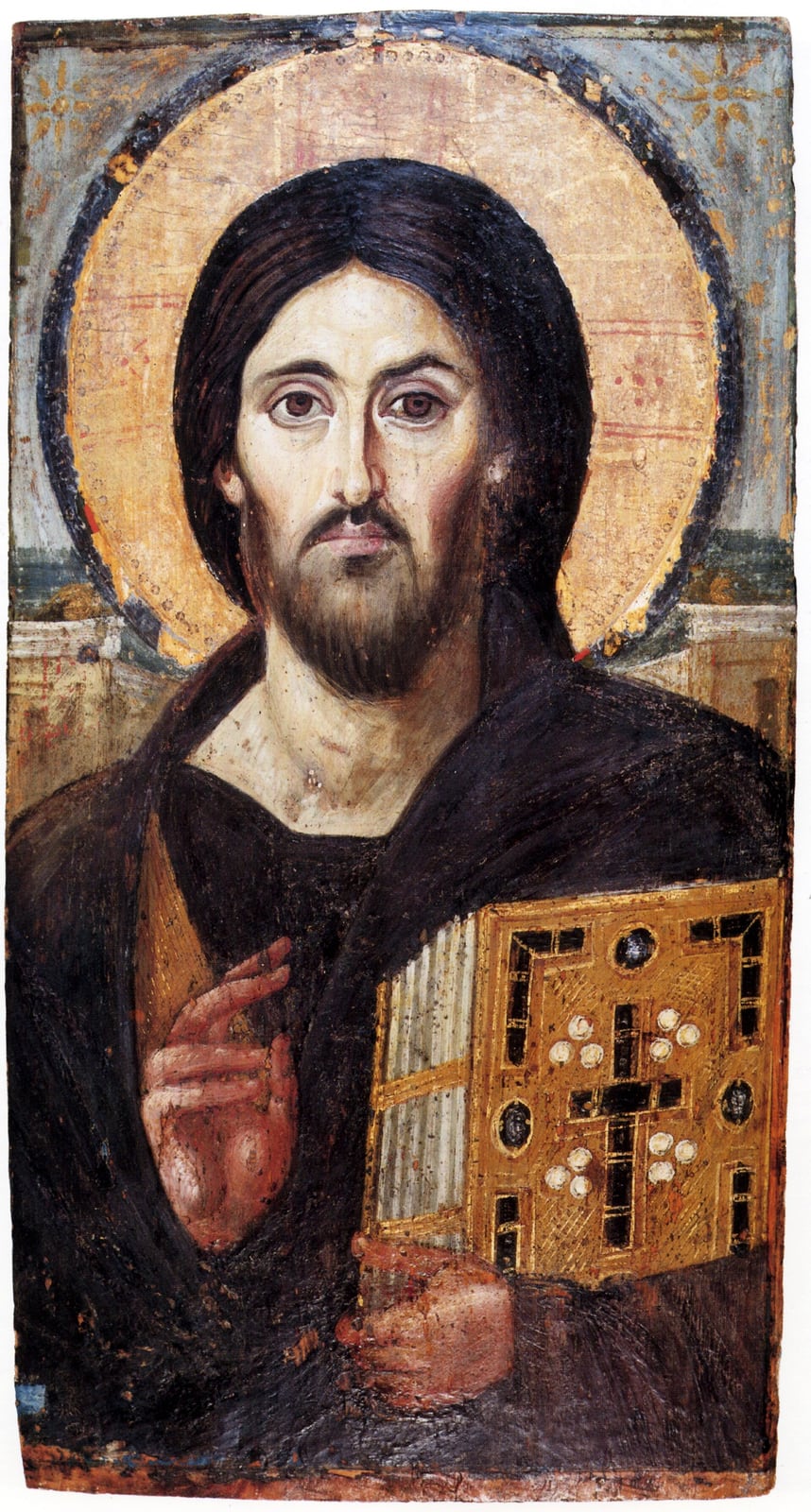
Jesus of Nazareth
Совпадают в вопросах: Что такое Абсолют? Существует ли Бог? · Реален ли мир? · Кто я? Существует ли истинное «я»?

Teresa of Ávila
Совпадают в вопросах: Что такое Абсолют? Существует ли Бог? · Кто я? Существует ли истинное «я»? · Почему мы страдаем?
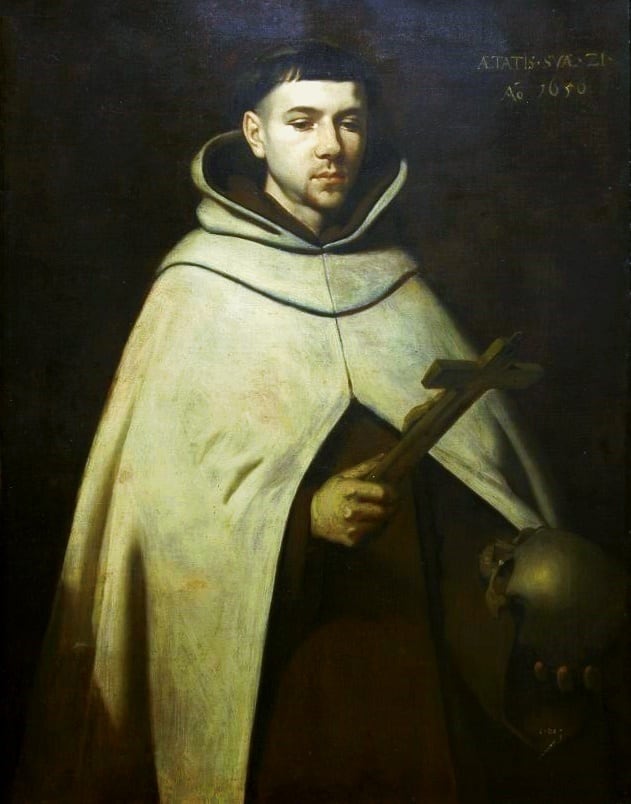
John of the Cross
Совпадают в вопросах: Что такое Абсолют? Существует ли Бог? · Кто я? Существует ли истинное «я»? · Почему мы страдаем?
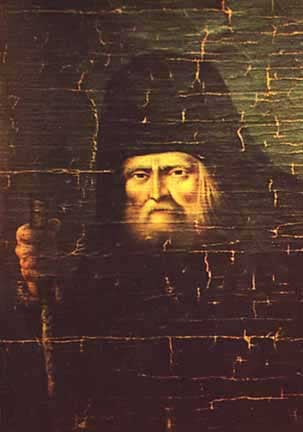
Seraphim of Sarov
Совпадают в вопросах: Что такое Абсолют? Существует ли Бог? · Кто я? Существует ли истинное «я»? · Почему мы страдаем?
Дальше всего от

Nāgārjuna
Расходятся в вопросах: Что такое Абсолют? Существует ли Бог? · Кто я? Существует ли истинное «я»? · Что происходит после смерти?
Śāntideva
Расходятся в вопросах: Что такое Абсолют? Существует ли Бог? · Кто я? Существует ли истинное «я»? · Что происходит после смерти?
Sadhguru
Расходятся в вопросах: Кто я? Существует ли истинное «я»? · Что происходит после смерти? · Реален ли мир?

Patañjali
Расходятся в вопросах: Что такое Абсолют? Существует ли Бог? · Кто я? Существует ли истинное «я»? · Что происходит после смерти?
Предания и рассказы
Предания и рассказы
Свидетельство1833
The debt to the Emperor
Происхождение рассказа: The Emperor's words come from the saint's traditional biography, based on the recollections of his circle (Chikhachev and the St Sergius community); the facts—the refused resignation, the offer of the regiment, the appointment in 1833—are documented.
Свидетельствоdécada de 1830
The schemamonk Porphyry and the Ladoga ice
Происхождение рассказа: Ignatius's own account, who says he knew Porphyry, in 'On Delusion' (Ascetic Experiences, vol. I, ch. 27); there is no other independent source.
Свидетельство1822–1826
Communion every week
Происхождение рассказа: Azbuka very biography, based on Chikhachev's memoirs and the biography published by his disciples.
Документировано1830–1831
A novice's 'Lament of a Monk'
Происхождение рассказа: The date and place are given by the Russian Wikipedia together with the contemporary's remark; the text appears in the Offering (1867).
Оспаривается1845–1846
Bryullov and the painting from eternity
Происхождение рассказа: Ignatius's letter to Bryullov survives (Azbuka very); the link between it and Christ in the Tomb is an interpretation by Grigory Goldovsky reported in the Russian Wikipedia.
Документированоfinales de la década de 1830
In defence of the elder Leonid
Происхождение рассказа: Azbuka very biography; the correspondence with Leonid and Macarius survives among his letters.
Свидетельствоabril de 1867
A few kopecks
Происхождение рассказа: The facts of the last weeks are recorded by the Russian Wikipedia and the Azbuka very biography; the detail of the kopecks comes from the traditional biography, based on the testimony of those around him.
Учение
Учение
Понятия, на которых строится мысль учителя, объяснённые в их контексте.
Prelest, or spiritual delusionprelest
It systematises the teaching of Gregory of Sinai, Symeon the New Theologian and John Climacus; Florensky cited it as the most detailed treatment of this 'spiritual disease'.
Living by counselvida-por-consejo
It contrasts with the revival of eldership at Optina, from which he himself came; developed in An Offering to Contemporary Monasticism, chs. 12–13.
Prayer with attentionoracion-con-atencion
It follows John Climacus ('enclose the mind in the words of the prayer'); it distances itself from a literal reading of the psychophysical methods of Nicephorus the Solitary and Gregory of Sinai.
Reading the Fatherslectura-de-los-padres
It partly replaces, for an age without elders, the living guidance of the starets; it gave his works their characteristic density of patristic quotation.
Souls and angels: spirits with an ethereal bodyalmas-y-angeles
In the Supplement he answers Western critics (among them the Abbé Bergier); the thesis also ties in with his response to the spiritualism fashionable in the 1860s.
Видео
Видео
Записи, интервью и документальные фильмы. Видео воспроизводятся с YouTube; здесь они не хранятся.
Игнатий Брянчанинов. «Плач инока» / Библейский сюжет / Телеканал Культура
Смотреть на YouTube
Это видео нельзя встроить; оно откроется на YouTube.
Игнатий Брянчанинов. «Плач инока» / Библейский сюжет / Телеканал Культура
Документальный фильм· RU· 2019· 26 min
Телеканал КультураОфициальный канал
Учитель покаяния. Святитель Игнатий (Брянчанинов)
Документальный фильм· RU· 2020· 88 min
Свято-Елисаветинский монастырьОфициальный канал
Film about St. Ignatius Brianchaninov (with participation of A. Osipov)
Документальный фильм· RU· 2021· 97 min
Алексей Ильич ОсиповОфициальный канал
Святитель Игнатий Брянчанинов — наставник духовной жизни
Лекция· RU· 2019· 145 min
Алексей Ильич ОсиповОфициальный канал
Святитель Игнатий Брянчанинов — духовное сокровище Церкви
Лекция· RU· 2021· 45 min
Алексей Ильич ОсиповОфициальный канал
150 лет преставления свт. Игнатия Брянчанинова — Осипов А. И.
Лекция· RU· 2017· 59 min
Алексей Ильич ОсиповОфициальный канал
Конференция «Святитель Игнатий Брянчанинов. 150 лет со дня преставления»
Лекция· RU· 2017· 215 min
Алексей Ильич ОсиповОфициальный канал
Конференция по наследию святителя Игнатия Брянчанинова. Ч. 1 (Абрамцево, 15.05.2012)
Лекция· RU· 2012· 41 min
Алексей Ильич ОсиповОфициальный канал
А. И. Осипов. Святитель Игнатий Брянчанинов
Лекция· RU· 2017· 53 min
tvsoyuzОфициальный канал
Святитель Игнатий (Брянчанинов). Священник Валерий Духанин
Лекция· RU· 2023· 87 min
БИБЛИЯ и толкования — Экзегет.руОфициальный канал
Святитель Игнатий (Брянчанинов) о прелести 1
Лекция· RU· 2020· 102 min
ФИЛЬМИКИ © им. А. Осипова.
Book trailer: Harbor for Our Hope: St Ignatius (Brianchaninov) On Acquiring Peace Amidst Suffering
Запись третьих лиц· EN· 2020· 5 min
Holy Trinity PublicationsОфициальный канал
Saint Ignatius Brianchaninov — The Field: Cultivating Salvation (Part 1)
Запись третьих лиц· EN· 2023· 41 min
Orthodox Spiritual Heritage
Галерея
Галерея
Изображения с проверенной лицензией. Каждое сохраняет своё авторство и атрибуцию.
Связи
Связи
Влияния, ученичество и близость взглядов. Документированная связь отличается от сходства, выявленного путём анализа.
Ученик
Leonid (Nagolkin) de Óptina
His first teacher: he met him in 1826 and followed him as a novice to Svir and Ploshchansk; later he doubted some of his methods but defended him before Metropolitan Philaret at the end of the 1830s.
Документированная связь
Испытал влияние
Paisi Velichkovski
He was formed in the Paisian tradition through Leonid and the hieroschemamonk Athanasius of Beloberezhsk, Paisius's direct disciple, whom he visited in 1829.
Документированная связь
Испытал влияние
In On the Jesus Prayer he quotes, on the word of old monks, 'the blessed elder Seraphim's' advice to unite outward and inward prayer, and recalls that at Sarov the Jesus Prayer was taught to every novice.
Документированная связь
Состоял в переписке с
They corresponded; in May 1865 Theophan confided to him his wish to follow him into retirement. They were canonised together in 1988.
Документированная связь
Расходился во взглядах с
Theophan refuted his teaching on the ethereal body of souls and angels in The Soul and the Angel Are Not Body but Spirit; even so he valued his works and recommended them.
Документированная связь
Повлиял на
Florensky cites him in The Pillar and Ground of the Truth (1914) for his definition of prelest, his judgement on The Imitation of Christ, 'The Garden in Winter' and his view of monasticism.
Документированная связь
Расходился во взглядах с
In On Delusion he judges The Imitation of Christ to be written 'out of opinion', that is, from the delusion of one's own holiness, and considers it dangerous for the Orthodox reader.
Документированная связь
Расходился во взглядах с
He cited him, together with Teresa of Ávila, as an example of the spiritual delusion of Western mysticism, in very harsh terms.
Документированная связь
Расходился во взглядах с
He regarded her, with Francis of Assisi, as an example of the spiritual delusion of Western mysticism.
Документированная связь
Повлиял на
Nikolái Leskov
Leskov made him a character in his story The Unmercenary Engineers (1887), about his fellow students at the Engineering School.
Документированная связь
Встречался с
Karl Briulov
Acquaintance at the St Sergius hermitage in 1845–1846 and Ignatius's letter to the painter about 'a painting from eternity'.
Документированная связь
Испытал влияние
Padres del desierto
He gathered and commented on their sayings in the Paterikon and quotes them constantly; he warns, however, against imitating them literally.
Документированная связь
Современник
Contemporaries; no documented relationship has been found.
Сходство, выявленное путём анализа
Источники
Источники
Библиография и каталоги, использованные для этой статьи.
- Wikidata, «Ignatius Bryanchaninov» (Q984143): P31=Q5, nacimiento 5-2-1807 (juliano), muerte 30-4-1867, 24 enlaces entre wikis.
- «Игнатий (Брянчанинов)», Wikipedia en ruso (biografía, teología —prelest, angelología, apologética—, Briulov, Leskov, bibliografía). Consultada el 25-10-2026.
- «Ignatius Brianchaninov», Wikipedia en inglés (reliquias en Tolga, traducciones inglesas). Consultada el 25-10-2026.
- Azbuka very, «святитель Игнатий (Брянчанинов)»: biografía (familia, Escuela de Ingenieros, noviciado, ermita de San Sergio, episcopado, muerte), legado y catálogo de obras y cartas.
- Ignati (Brianchanínov). Аскетические опыты, t. I. San Petersburgo: I. I. Glazunov, 1865; texto según Полное собрание творений и писем, 2.ª ed., Moscú: Palómnik, 2014, t. 1 (ISBN 978-5-88060-031-1). Texto en Azbuka very.
- Ignati (Brianchanínov). Приношение современному монашеству. San Petersburgo, 1867; texto según Полное собрание творений и писем, Moscú: Palómnik, 2014, t. 4. Texto en Azbuka very.
- Wikimedia Commons, «Category:Works of Ignatius Brianchaninov» (facsímiles de las Сочинения, 1886 y 1905, del Отечник de 1891 y de las cartas de 1913).
- Semiónova, T. N., y Redkina, Yu. R. (eds.). Полное жизнеописание святителя Игнатия Кавказского. Moscú–San Petersburgo: Izd-vo im. Sv. Ignatia Stavropolskogo / Biblioteca Nacional de Rusia, 2002. ISBN 5-88904-028-8.
- Jondzinski, P. V., Bezhanidze, G. V., Sújova, N. Yu., Yákovlev, A. I., y Bolshakova, S. E. «Игнатий (Брянчанинов)», en Православная энциклопедия, t. XXI. Moscú, 2009, pp. 74–89.
- Florenski, Pável. Столп и утверждение истины. Moscú: Put', 1914 (cita a Ignati en las cartas quinta, sexta, novena y décima: prelest, «Imitación de Cristo», monacato). Texto en Azbuka very.
- Leskov, Nikolái S. Инженеры-бессребреники (1887). Texto en Wikisource.
- Holy Trinity Publications, «Collected Works of St Ignatius (Brianchaninov)» (The Field, The Refuge, The Threshold, The Arena; trad. de Nicholas Kotar y del archimandrita Lazarus Moore).
- Open Library, registros de «On the Prayer of Jesus», «The Arena», «The Field», «The Refuge», «The Threshold» y «Harbor for Our Hope».
- Ignati (Brianchanínov). «О молитве Иисусовой» (Отделы I–III: «О молитве Иисусовой вообще», «О прелести», «Об упражнении молитвою Иисусовою»), en Аскетические опыты, t. I, caps. 26–28. Texto en Azbuka very.
- Teófano el Recluso. «Душа и ангел — не тело, а дух» y presentación de la polémica en Azbuka very («Творческое наследие» de Teófano).
- Правообладатель
- Dominio público: Ignati murió en 1867. Las traducciones y ediciones modernas pertenecen a sus traductores y editoriales.
Ожидает подтверждения
То, что в этой статье пока не удалось установить. Мы предпочитаем сказать об этом, а не заполнять пробел.
- Ediciones en español con ISBN: no se ha localizado ninguna traducción española de sus obras en Open Library ni en la búsqueda web (ni de «Sobre la oración de Jesús», ni de la «Ofrenda», ni de los «Ensayos»).
- Traducciones inglesas de dominio público: ninguna localizada (la de Father Lazarus, 1952, está protegida).
- Fuente primaria de los juicios sobre Francisco de Asís y Teresa de Ávila («западные сумасшедшие») y de la frase inglesa «He who is careless about prayer…»: se han tomado de la Wikipedia rusa e inglesa sin ver el pasaje.
- Fecha de redacción y primera edición de «Слово о человеке», «Слово об ангелах», «Лютеранизм», «Понятие о ереси и расколе» y «О необходимости Собора».
- Últimas palabras: consultar las biografías completas («Полное жизнеописание», 2002; «Ищите всюду Духа, а не буквы», 2010) y las memorias de su hermano Piotr y de Chijachov.
- Programa de afiliación de Holy Trinity Publications: no verificado.
- Relación con Lev Tolstói, Vladímir Soloviov y Dostoievski: no se ha encontrado ninguna documentada (Ignati murió en 1867); Dostoievski figura sólo como contemporáneo.
Исследовано 2026-10-25