Буддизм · Махаяна · Тибетский буддизм
Śāntideva
शान्तिदेव · ཞི་བ་ལྷ། · zhi ba lha · 寂天
ок. 685 – ок. 763Исторически документированная личность
Индийский монах и поэт VIII века, связанный с монастырём Наланда и школой мадхьямака. Автор «Бодхичарья-аватары» («Пути бодхисаттвы»), самой изучаемой в тибетском буддизме поэмы о пути бодхисаттвы, и «Шикша-самуччаи», антологии сутр махаяны. Его жизнь известна лишь по поздним агиографиям; современные исследователи обнаружили в Дуньхуане более краткую и более древнюю редакцию его поэмы, показав, что знакомый всем канонический текст — позднейшее расширение.
- трудов
- 11трудов
- изданий
- 33изданий
- цитат
- 7цитат
- видео
- 14видео
- изображений
- 3изображений
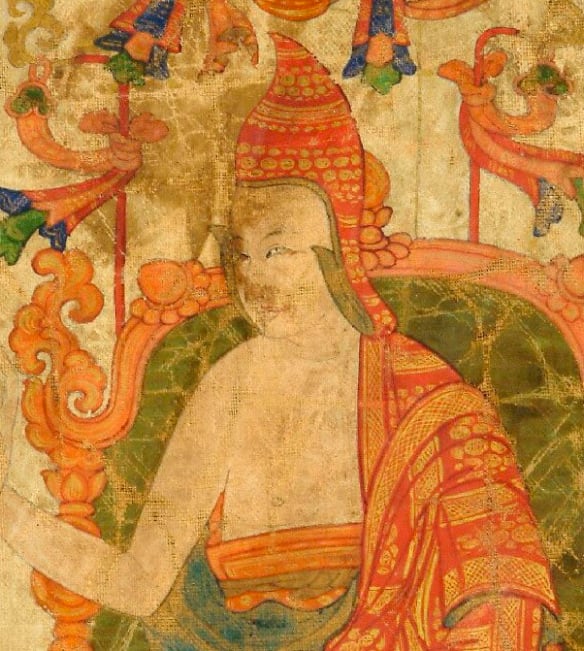
Śāntideva, pintura del siglo XIX · Public domain
Своими словами
«For as long as space endures and as long as the world endures, may I too endure, to destroy the sufferings of beings.»Bodhicaryāvatāra 10.55. Es la estrofa con que el Dalái Lama cerró su conferencia del Nobel (1989). Traducción propia del sánscrito, cotejada con Crosby y Skilton (1996) y Wallace (1997).

Главная мысль
The mind of awakening (bodhicitta) is the centre of all practice: whoever generates it, though still bound to the world, becomes a child of the buddhas; its worth depends not on what is done but on the intention to free all beings.
В контексте
Биография
4 мин чтения
Перевод с испанского оригинала, выполненный с помощью ИИ; ожидает проверки носителем языка.
Имя, две книги и легенда
О Шантидеве, поэте, которого тибетский буддизм читает так, как читают молитву, история сохранила очень мало: имя, означающее «бог мира», монастырь — Наланду, великий буддийский университет в Бихаре, — и два сочинения, авторство которых никто не оспаривает: «Бодхичарья-аватару» и «Шикша-самуччаю». Всё остальное восходит к жизнеописаниям, составленным пять или девять веков спустя. Часто повторяемые даты 685–763 — позднейшая реконструкция; учёные предпочитают помещать его, не уточняя, в первую половину VIII века, до того как его стихи были переведены на тибетский в конце того же столетия. Строго говоря, важна в нём не жизнь, а поэма и антология.
Царевич, которому приснился Манджушри
Легендарная биография известна по трём источникам: по «Истории буддизма» Бутона (1322), по истории Таранатхи (1608) и по краткому санскритскому жизнеописанию, сохранившемуся в непальской рукописи XIV века, которое Я. В. де Йонг исследовал в 1975 году. В главном они согласны. Шантидева будто бы родился царевичем в одном из царств Западной Индии — в большинстве версий в Саураштре, — и накануне коронации ему приснилось, что трон уже занят Манджушри, бодхисаттвой мудрости, который сказал ему: «Это моё место». Он бежал из дворца, учился у лесных наставников и, по словам Таранатхи и Бутона, некоторое время служил министром у царя Восточной Индии, нося деревянный меч, который, будучи обнажён, ослепил того, кто на него взглянул. Это эпизоды хорошо знакомого образца: отречение от престола, покровительство бодхисаттвы, чудеса.
Бездельник из Наланды
В Наланде его посвятил в монахи настоятель Джаядева, давший ему имя, под которым он известен. Там, повествует легенда, монахи презирали его, потому что он, казалось, делал лишь три вещи: ел, спал и удалялся в отхожее место — на санскрите bhuñjāna, supta, kuṭiṃ gataḥ, — откуда и пошло прозвище Бхусуку. Чтобы унизить его, ему велели прочесть какой-нибудь текст перед всей общиной, восседая на высоком троне. Шантидева спросил, хотят ли они услышать что-то известное или что-то новое, и начал читать «Бодхичарья-аватару». Дойдя до строфы девятой главы, где говорится, что, когда перед умом не остаётся ни бытия, ни небытия, он успокаивается, лишённый опоры, Шантидева поднялся в воздух и исчез, и слышен был только его голос, договаривавший поэму. Впоследствии узнали, что в своей келье он оставил ещё две книги — «Шикша-самуччаю» и некую «Сутра-самуччаю». Эта история по-своему объясняет литературный факт: поэма ходила в разных редакциях.
Вступление на путь бодхисаттвы
«Бодхичарья-аватара», «Вступление на путь пробуждения», известная по-русски и как «Путь бодхисаттвы», — санскритская поэма примерно из девятисот строф в десяти главах. Она открывается восхвалением бодхичитты, ума, стремящегося к пробуждению ради блага всех существ, продолжается покаянием в проступках и принятием обета, а затем проходит совершенства бодхисаттвы: памятование и бдительность, терпение — шестая глава, беспощадный анализ гнева, — радостное усердие, сосредоточение, где автор учит уравнивать себя с другими и обменивать себя на других, и мудрость — сжатый трактат философии мадхьямаки, полемизирующий с буддийскими реалистами, с йогачарой и с санкхьей. Завершает поэму пространное посвящение заслуг, ставшее одной из самых читаемых молитв буддизма махаяны. Необычайное в этой книге — её тон: она говорит от первого лица, упрекает себя, сомневается, увещевает себя; это одновременно руководство, исповедь и поэма.
Две поэмы в одной
Важнейшее открытие современной науки связано с пещерами Дуньхуана. Среди тибетских рукописей, замурованных там около 1000 года, Акира Сайто в 1990-е годы обнаружил более краткую редакцию поэмы: около 700 строф в девяти главах, поскольку вторая и третья главы канонической версии составляют в ней одну, и с гораздо меньшим объёмом в главах о сосредоточении и мудрости. Один из колофонов приписывает её Акшаямати, которого традиция считала другим именем автора; тибетский императорский каталог начала IX века регистрирует текст объёмом, соответствующим именно этой краткой редакции. Пространная версия, примерно из 913 строф, — следовательно, позднейшее расширение; именно её перевели на тибетский Ринчен Сангпо и его сотрудники в XI веке, а затем пересмотрел Лоден Шераб. Таранатхе уже было известно о трёх редакциях, и легенда о монахе, исчезающем во время чтения, — вероятно, тот способ, каким традиция объясняла себе расхождения. Единственный китайский перевод, конца X века, всё ещё приписывает текст Нагарджуне.
Антология
«Шикша-самуччая», «Свод наставлений», — сочинение совсем иного рода: двадцать семь мнемонических строф, развёрнутых в девятнадцать прозаических глав, которые состоят главным образом из цитат более чем из сотни сутр махаяны, многие из которых утрачены на санскрите и известны только благодаря ей. Она сохранилась в единственной санскритской рукописи, которую Сесил Бендалл издал в 1897–1902 годах и перевёл на английский вместе с У. Х. Д. Роузом в 1922 году; в 2016 году Чарльз Гудман опубликовал первый полный современный перевод. Сама поэма отсылает к этой антологии и к «Сутра-самуччае» тех, кто захочет узнать правила бодхисаттвы; последняя не сохранилась, и её не следует путать с одноимённым сводом, приписываемым Нагарджуне.
Из Тибета — в мир
В Индии поэма получила комментарии, самый обширный из которых принадлежит Праджнякарамати и относится примерно к 1000 году. Но центральным текстом она стала в Тибете: её комментировали Гьялцаб Дже — ученик Цонкапы, — Тогме Сангпо и Мипам, чей комментарий к девятой главе вызвал полемику, длившуюся десятилетиями, а в XIX веке её неустанно проповедовал странствующий Патрул Ринпоче. Далай-лама XIV преподаёт её уже десятки лет и опубликовал комментарии ко всей поэме, к главе о терпении и к главе о мудрости; свою Нобелевскую лекцию 1989 года он завершил строфой, в которой просит пребывать в мире, «доколе существует пространство», чтобы облегчать его страдания. Переведённая на французский Луи де Ла Валле-Пуссеном в 1907 году и Луи Фино в 1920-м, на английский Лайонелом Барнеттом в 1909 году и затем ещё много раз, поэма нашла читателей и среди философов-моралистов, увидевших в её доводах против эгоизма этику всеобщего блага, сформулированную за тысячу лет до утилитаристов. Кто бы ни был её автором, произведение пережило его имя.
Источники: Pezzali, Amalia. Śāntideva, mystique bouddhiste des VIIe et VIIIe siècles. Florencia: Vallecchi, 1968. · Śāntideva. The Bodhicaryāvatāra. Trad., introd. y notas de Kate Crosby y Andrew Skilton; introducción general de Paul Williams. Oxford: Oxford University Press (Oxford World's Classics), 1996. ISBN 0192829793. · Śāntideva. A Guide to the Bodhisattva Way of Life (Bodhicaryāvatāra). Trad. del sánscrito y del tibetano de Vesna A. Wallace y B. Alan Wallace. Ithaca (NY): Snow Lion, 1997. ISBN 1559390611. · Saito, Akira. A Study of Akṣayamati (= Śāntideva)'s Bodhisattvacaryāvatāra as Found in the Tibetan Manuscripts from Tun-huang. Mie (Japón): Mie University, 1993 (informe de investigación). · Goodman, Charles (trad.). The Training Anthology of Śāntideva: A Translation of the Śikṣā-samuccaya. Nueva York: Oxford University Press, 2016. ISBN 9780199391356.
Хронология
Жизнь год за годом
Каждая точка — документированное событие. Нажмите, чтобы прочитать о нём, с источником и степенью достоверности.
ок. 6850 летSaurāṣṭra (Guyarat), según la leyenda
Birth, according to traditional chronology
The dates 685–763 come from late chronologies; hagiography has him born a prince in Saurāṣṭra (western India). Scholarship only affirms that he lived in the first half of the eighth century.
ПреданиеWikidata, «Shantideva», QID Q445460 (VIAF 23444930; LCCN n80102717).
После смерти
- ок. 790First Tibetan translation (short version)
- ок. 812The Ldan dkar ma catalogue records the poem
- ок. 985Chinese translation attributed to Nāgārjuna
- ок. 1000Prajñākaramati's commentary
- ок. 1020Tibetan revision of the long version
- 1322Biography in Butön's History
- 1608Biography in Tāranātha's History
- 1897 – 1902Bendall edits the Śikṣāsamuccaya
- 1907First European translations
- 11 декабря 1989 г.The Dalai Lama closes his Nobel lecture with Śāntideva
- 1993Saito identifies the Dunhuang version
ок. 685 · 0 лет
Birth, according to traditional chronology
The dates 685–763 come from late chronologies; hagiography has him born a prince in Saurāṣṭra (western India). Scholarship only affirms that he lived in the first half of the eighth century.
Предание
ок. 705
Renunciation of the throne
On the eve of his coronation he dreams that Mañjuśrī occupies his throne and flees to the forest. Hagiographic episode.
Предание
ок. 720 – 750
Monk at Nālandā: the Bodhicaryāvatāra and the Śikṣāsamuccaya
Ordained by abbot Jayadeva, he composes his two surviving works. The recitation before the assembly and the vanishing belong to legend.
Вероятно
ок. 790
First Tibetan translation (short version)
Sarvajñādeva and Paltseg translate into Tibetan a recension of some 700 stanzas in nine chapters, the one preserved in the Dunhuang manuscripts.
Вероятно
ок. 812
The Ldan dkar ma catalogue records the poem
The early ninth-century Tibetan imperial catalogue records the text at a length that fits the short version.
Вероятно
ок. 985
Chinese translation attributed to Nāgārjuna
Tianxizai translates the poem into Chinese as Putixing jing (Taishō 1662), in eight chapters and under Nāgārjuna's name.
Вероятно
ок. 1000
Prajñākaramati's commentary
Around 1000 the Bodhicaryāvatārapañjikā, the longest surviving Indian commentary, is written.
Вероятно
ок. 1020
Tibetan revision of the long version
Dharmaśrībhadra, Rinchen Zangpo and Śākya Lodrö translate the ten-chapter version; Sumatikīrti and Loden Sherab later revise it: this is the canonical text.
Вероятно
1322
Biography in Butön's History
Butön Rinchen Drub includes Śāntideva's legendary life in his history of Buddhism.
Документировано
1608
Biography in Tāranātha's History
Tāranātha expands the legend and records the existence of three versions of the poem.
Документировано
1897 – 1902
Bendall edits the Śikṣāsamuccaya
Cecil Bendall publishes in St Petersburg, in instalments until 1902, the edition of the only Sanskrit manuscript; with W. H. D. Rouse he will translate it into English in 1922.
Документировано
1907
First European translations
Louis de La Vallée Poussin translates the poem into French (1907); Barnett follows in English (1909) and Finot in French (1920).
Документировано
11 декабря 1989 г.
The Dalai Lama closes his Nobel lecture with Śāntideva
In Oslo, on 11 December 1989, the Fourteenth Dalai Lama ends his lecture with stanza 10.55 of the Bodhicaryāvatāra.
Документировано
1993
Saito identifies the Dunhuang version
Akira Saito publishes his study of the Tibetan Dunhuang manuscripts, which preserve an earlier and shorter recension attributed to Akṣayamati.
Документировано
Труды
Главные труды
Труды, без которых не понять это наследие.
Письменный труд · ок. 720
Entering the Way of the Bodhisattva (Bodhicaryāvatāra)
बोधिचर्यावतार (Bodhicaryāvatāra; también Bodhisattvacaryāvatāra) · tib. བྱང་ཆུབ་སེམས་དཔའི་སྤྱོད་པ་ལ་འཇུག་པ། (byang chub sems dpa'i spyod pa la 'jug pa) · chino 入菩薩行論 / 菩提行經
A Sanskrit poem in ten chapters tracing the bodhisattva's path: praise of the mind of awakening (bodhicitta), confession, taking the vow, mindfulness and vigilance, patience, effort, meditation—with the practice of equalising and exchanging self and others—, wisdom (a Madhyamaka exposition arguing with realists, Yogācāra and Sāṃkhya) and dedication. Written in the first person, it blends exhortation, confession and argument; it is the most studied Mahāyāna text in Tibetan Buddhism and one of the most translated into Western languages.
18 изданий

Письменный труд · ок. 720
The Training Anthology (Śikṣāsamuccaya)
शिक्षासमुच्चय (Śikṣāsamuccaya) · tib. བསླབ་པ་ཀུན་ལས་བཏུས་པ། (bslab pa kun las btus pa) · chino 大乘集菩薩學論
Twenty-seven mnemonic stanzas (kārikā) commented on in nineteen prose chapters that consist mostly of quotations from more than a hundred Mahāyāna sūtras, many lost in Sanskrit. It organises the bodhisattva's ethics around protecting, purifying and increasing one's body, possessions and merit in order to give them to beings. It is a first-rate source for lost Mahāyāna literature and the doctrinal complement to the Bodhicaryāvatāra.
4 издания
Все труды (11)
Śāntideva
The short Dunhuang recension of the Bodhicaryāvatāra
The Conscious LibraryThe short Dunhuang recension of the Bodhicaryāvatāra
790
Śāntideva
Verses of the Training Anthology
The Conscious LibraryVerses of the Training Anthology
720
Śāntideva
Compendium of Sūtras (lost)
The Conscious LibraryCompendium of Sūtras (lost)
Śāntideva
Caryāpada songs signed by Bhusuku
The Conscious LibraryCaryāpada songs signed by Bhusuku
Śāntideva
Prajñākaramati's commentary on the Bodhicaryāvatāra
The Conscious LibraryPrajñākaramati's commentary on the Bodhicaryāvatāra
1000

A Flash of Lightning in the Dark of Night (Dalai Lama)
1994

The Nectar of Manjushri's Speech (Kunzang Pelden)
2007

No Time to Lose (Pema Chödrön)
2005
Śāntideva
Altruism and Reality (Paul Williams)
The Conscious LibraryAltruism and Reality (Paul Williams)
1998
Изречения
Изречения, найденные в конкретном труде. Каждое сопровождается указанием происхождения и степени надёжности.
For as long as space endures and as long as the world endures, may I too endure, to destroy the sufferings of beings.ākāśasya sthitir yāvad yāvac ca jagataḥ sthitiḥ | tāvan mama sthitir bhūyāj jagadduḥkhāni nighnataḥ ||
ПровереноBodhicaryāvatāra 10.55. Es la estrofa con que el Dalái Lama cerró su conferencia del Nobel (1989). Traducción propia del sánscrito, cotejada con Crosby y Skilton (1996) y Wallace (1997).
Основные идеи (редакционное изложение)
Из уважения к авторскому праву эти идеи изложены своими словами и не выдаются за дословные цитаты.
- The mind of awakening (bodhicitta) is the centre of all practice: whoever generates it, though still bound to the world, becomes a child of the buddhas; its worth depends not on what is done but on the intention to free all beings.
- Pain has no owner: if there is no substantial self who suffers, there is no reason to prefer relieving one's own pain over another's. The argument against selfishness is metaphysical before it is moral.
- Anger is the inner enemy that destroys in an instant the merit of aeons; the adversary who harms us is in fact the occasion to practise patience, and so deserves gratitude.
- One cannot cover the world so that it does not wound, but one can guard one's own mind: mindfulness (smṛti) and vigilance (saṃprajanya) are the true discipline.
- The wisdom of emptiness is not a theoretical add-on to compassion but its foundation: all the preceding perfections exist for its sake.
Апокрифические изречения и изречения спорной атрибуции (1)
«If a problem can be solved, why worry? If it cannot be solved, worrying will do no good.»
It is authentic Śāntideva (Bodhicaryāvatāra 6.10), but circulates massively attributed to the Dalai Lama or the Buddha by quotation sites; it is recorded here to correct the attribution, not the quotation.
Последние слова
Проверяемых записей о последних словах не существует.
There is no record of his death. Hagiography (Butön, Tāranātha, the Sanskrit biography) narrates not an end but a disappearance: the monk rises into the air while reciting stanza 9.34 and is seen no more; later versions have him reappear in south India. The dates 685–763 are a late reconstruction.
Источник: de Jong, J. W. «La légende de Śāntideva». Indo-Iranian Journal 16 (1975): 161–182.
Спросить
На что отвечают эти труды
Двенадцать великих вопросов человечества и то, что позволяют на них ответить эти тексты, со ссылками. Мы никогда не вкладываем слова в чужие уста.
Что такое Абсолют? Существует ли Бог?
He refutes the creator god; buddhas do not create the world, they teach the path
Нет Бога-творцаСказано прямо
In chapter 9 of the Bodhicaryāvatāra, devoted to wisdom, Śāntideva expressly discusses the thesis of a creator god (Īśvara) and rejects it: if it were an eternal and independent cause, it could not produce effects that arise and cease; if it depended on other conditions, it would no longer be the origin of everything. In the same section he refutes the primordial matter of the Sāṃkhya school. What he upholds instead is the Madhyamaka analysis: nothing has its own existence, and when neither being nor non-being remains before the mind, it comes to rest without support (9.34). This does not make his work a cold text: chapters 2 and 3 are of veneration and offering to the buddhas and bodhisattvas. But those awakened beings neither create nor govern the world; they teach the path.
Сравнить этот вопрос с другими учителямиКто я? Существует ли истинное «я»?
The self is like a row or an army: an aggregate without an owner
Постоянного «я» нетСказано прямо
Śāntideva approaches the self by two complementary paths in the Bodhicaryāvatāra. In chapter 9 he searches for it in body and mind, part by part, and finds it in none: neither the teeth, nor the hair, nor the sensations, nor consciousness are the self, and there is no self apart from them either. In chapter 8 he draws an ethical consequence from this. The continuum and the collection are unreal like a row or an army, so there is no owner of suffering who would justify protecting oneself alone; therefore one must meditate on the equality of self and others, who feel pain and joy equally (8.90). The absence of self is not, for him, a philosophical curiosity: it is the rational foundation of compassion.
Сравнить этот вопрос с другими учителямиПочему мы страдаем?
All who suffer suffer from desiring their own happiness
Жажда и привязанностьСказано прямо
Śāntideva's answer is at once psychological and moral. In the Bodhicaryāvatāra he states that all who suffer in the world suffer from desiring their own happiness, and all who are happy are so from desiring that of others (8.129). Attachment to oneself, the exclusive care for one's own well-being, is the source of pain; hatred is its most destructive form, and therefore there is no evil like it (6.2). Chapter 5 adds an image: one cannot cover the whole earth with leather, but the leather of one's sandals suffices; one cannot subdue the outer world, but one can subdue one's own mind. Behind all this lies the ignorance that believes in a self with its own existence, examined in chapter 9.
Сравнить этот вопрос с другими учителямиЧто происходит после смерти?
Death comes without warning, and only our deeds follow us
Перерождение согласно кармеСказано прямо
Śāntideva writes within the Indian framework of rebirth and uses it as a spur. In chapter 2 of the Bodhicaryāvatāra he depicts himself facing death: one must depart leaving everything, friends and enemies fade like a dream, and only the evil deeds committed on their account weigh. Chapter 4 recalls how hard it is to obtain a human birth with freedom to practise, like the blind turtle that finds the yoke in the ocean, and chapter 7 describes the hells to combat laziness. Death is not an end but a passage to another birth conditioned by conduct. The ultimate horizon is broader: the bodhisattva does not aspire to leave the cycle for himself, but to remain as long as there are beings who suffer (10.55).
Сравнить этот вопрос с другими учителямиКак достигается освобождение или спасение?
Awaken the mind of awakening and practise the perfections, up to wisdom
Через дисциплинированную практикуСказано прямо
The Bodhicaryāvatāra is, from beginning to end, a programme of practice. It starts by awakening the mind of awakening (bodhicitta), the aspiration to be liberated in order to liberate all, and sustains it with the confession and vow of chapters 2 and 3. Then come heedfulness, mindfulness and introspection (chapters 4 and 5), patience (6), effort (7), meditation (8) and wisdom (9). Each perfection corrects a specific obstacle: hatred, laziness, distraction. Śāntideva declares at the beginning of chapter 9 that the Buddha taught all the preceding for the sake of wisdom, which is what cuts the root. But without the prior discipline wisdom does not hold, and without compassion it is not the bodhisattva's.
Сравнить этот вопрос с другими учителямиНужен ли учитель?
Never abandon the spiritual friend, even at the cost of one's life
НезаменимСказано прямо
Śāntideva gives the spiritual friend (kalyāṇamitra) a central place. In chapter 5 of the Bodhicaryāvatāra he asks that one never abandon, not even to save one's life, the spiritual friend who knows the meaning of the Great Vehicle and keeps the bodhisattva vows, and immediately refers to the sūtras, to the Compendium of Training and to Nāgārjuna's Compendium of Sūtras as guides to conduct. The Compendium of Training indeed gathers passages from the sūtras on how to serve and listen to the master. The spiritual friend is indispensable because he transmits discipline and view; yet the whole work is an exhortation to oneself, written, the author says at the outset, to familiarise his own mind with the teaching.
Сравнить этот вопрос с другими учителямиРеален ли мир?
Things are like illusions: they lack own-being, yet they function
Сеть причин без субстанцииСказано прямо
Chapter 9 of the Bodhicaryāvatāra sets out the Madhyamaka view of the world against other Buddhist and non-Buddhist schools. Śāntideva distinguishes two truths, conventional and ultimate, and warns that what is real in the ultimate sense is beyond the reach of the intellect, which is itself conventional. Things arise from causes and conditions and, on examination, show no nature of their own; they are like a magical illusion, which appears and produces effects without being what it seems. He answers the objection that, if all is illusory, compassion would be meaningless: the illusion keeps operating on its own level, and the suffering of beings, though empty, is undergone. The world is not denied; it is seen without the solidity we attribute to it.
Сравнить этот вопрос с другими учителямиЧто такое любовь?
As long as space endures, may I endure to end suffering
Безграничное состраданиеСказано прямо
Few works have given compassion as accomplished a form as the Bodhicaryāvatāra. Its engine is the mind of awakening: the aspiration to attain buddhahood for the good of all. Chapter 8 grounds it in reasoning: one must meditate on the equality of self and others, since all feel pain and joy equally (8.90), and then on exchange, placing others where one used to place oneself. All who suffer do so from desiring their own happiness, and the happy are so from desiring that of others (8.129). Chapter 10 culminates in the vow the Dalai Lama read on receiving the Nobel Prize: for as long as space endures and the world endures, may I too endure to destroy the sufferings of beings.
Сравнить этот вопрос с другими учителямиСвободны ли мы или всё предопределено?
No one acts by their will alone, and yet one must strive
Карма и выборСказано прямо
Śāntideva holds two claims at once. In chapter 6 of the Bodhicaryāvatāra, on patience, he argues that whoever harms us does so moved by conditions they do not control, just as bile causes illness without wishing to; nothing arises by itself, and so anger at a person has no proper object. But chapter 4, on heedfulness, and chapter 7, on effort, urge insistently that the human birth not be wasted: today's actions determine future births and one's own path depends on diligence. Freedom does not consist in an independent self that chooses, but in the real possibility of changing causes: cultivating mindfulness, patience and the mind of awakening alters what is to come.
Сравнить этот вопрос с другими учителямиЗачем медитировать или молиться?
Mindfulness, introspection and meditation in the service of wisdom
Видеть реальность такой, как она естьСказано прямо
The Bodhicaryāvatāra integrates prayer and meditation into a single path. Chapters 2 and 3 are liturgy: offering, confession, rejoicing in others' good, supplication to the buddhas and taking the bodhisattva vow. Chapter 5 teaches how to guard the mind with mindfulness and introspection, like someone watching over a wild elephant. Chapter 8, devoted to meditation, recommends the solitude of the forest and develops the equality and exchange of self and others. But all of this, he says on opening chapter 9, the Buddha taught for the sake of wisdom, which sees that nothing has its own existence. Meditation is ultimately seeing reality as it is, and that seeing is what frees the mind from its support (9.34).
Сравнить этот вопрос с другими учителямиМожет ли разум познать предельное?
The ultimately real is beyond the reach of the intellect
Предельное лежит за пределами умаСказано прямо
At the beginning of chapter 9 of the Bodhicaryāvatāra, Śāntideva concisely formulates his answer: there are two truths, conventional and ultimate, and the ultimately real is not the domain of the intellect, because the intellect itself is conventional (9.2). This does not prevent him from arguing throughout the chapter against other schools, Buddhist and non-Buddhist, with meticulous dialectic: reason serves to dismantle false ideas, such as the permanent self or the creator god. But its function is negative. When neither being nor non-being remains before the mind, there being no other option, it comes to rest without support (9.34). Realisation is not the conclusion of an argument but what remains when all the arguments have done their work.
Сравнить этот вопрос с другими учителямиУйти от мира или преобразить его?
Be for beings whatever they need: medicine, food, path, boat
Действовать в миреСказано прямо
The Bodhicaryāvatāra has two movements. Chapter 8 recommends withdrawing to the forest, far from the company of fools and the craving for gain, as a condition for meditation. But the horizon of the whole poem is service. In chapter 3, on taking the vow, the author wishes to be medicine and physician for the sick, food in times of famine, protector of the destitute, guide for travellers, boat and bridge for those who wish to cross. Chapter 10 ends with the vow to remain as long as the world lasts to end its sufferings. Retreat is a means; the end is to abandon no being. That is why the text has become a reference for contemporary engaged Buddhism.
Сравнить этот вопрос с другими учителями
Созвучия и противоречия
Созвучия и противоречия
Рассчитаны вопрос за вопросом на основе позиций. Причина каждого совпадения или расхождения — по нажатию.
Ближе всего к
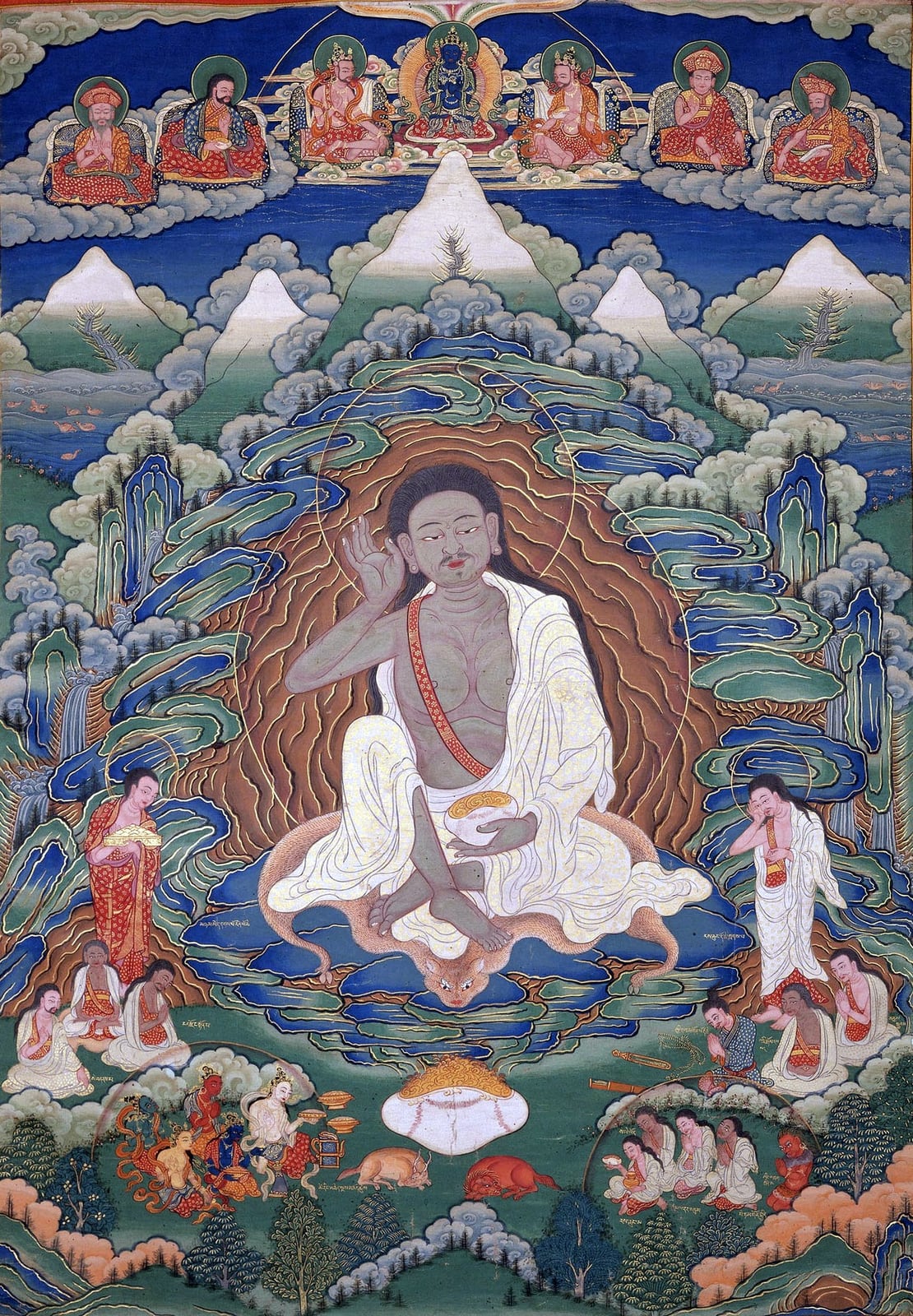
Milarepa
Совпадают в вопросах: Свободны ли мы или всё предопределено? · Что такое Абсолют? Существует ли Бог? · Кто я? Существует ли истинное «я»?
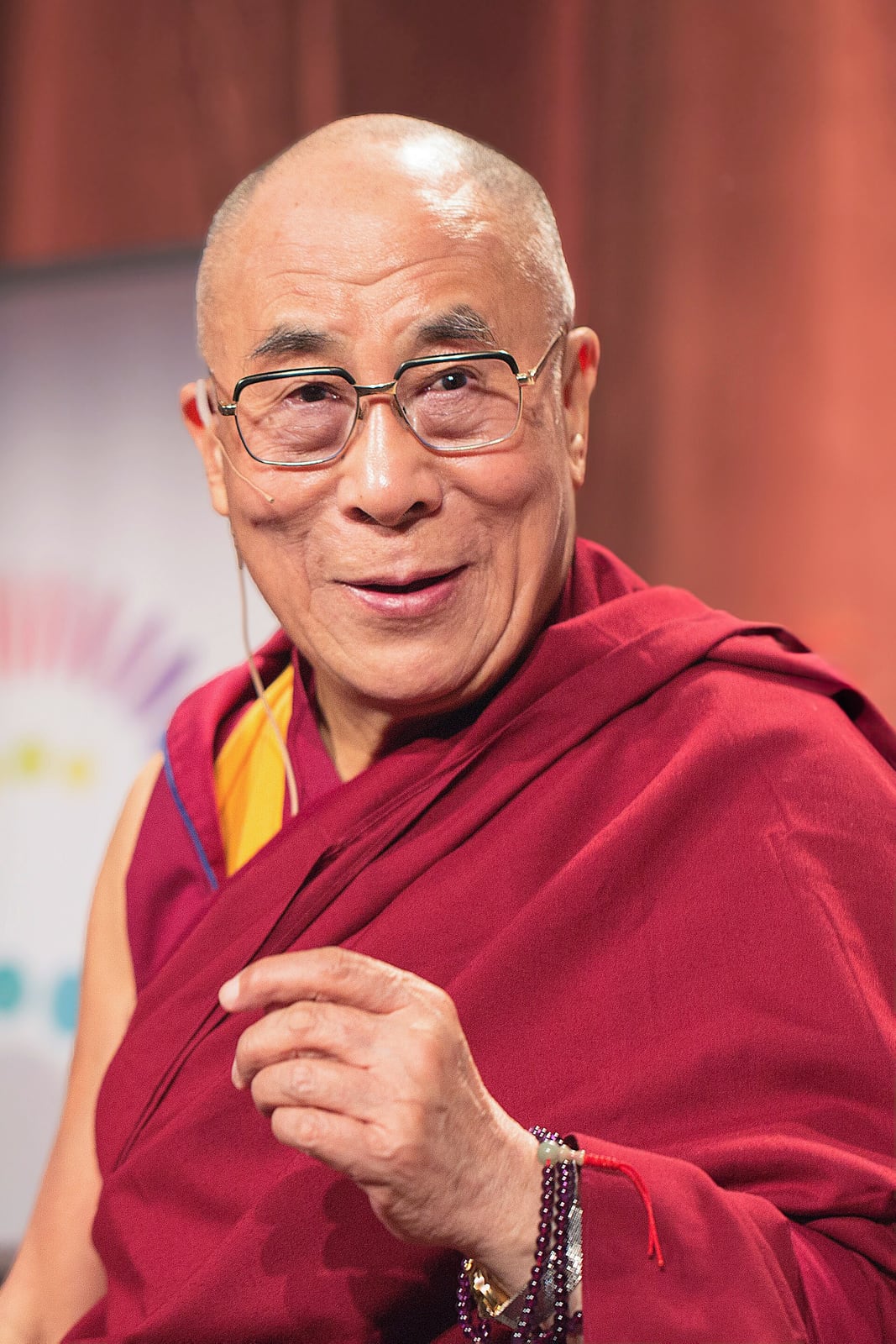
The 14th Dalai Lama (Tenzin Gyatso)
Совпадают в вопросах: Как достигается освобождение или спасение? · Что такое Абсолют? Существует ли Бог? · Кто я? Существует ли истинное «я»?

Tsongkhapa
Совпадают в вопросах: Как достигается освобождение или спасение? · Что такое Абсолют? Существует ли Бог? · Кто я? Существует ли истинное «я»?

Siddhartha Gautama, the Buddha
Совпадают в вопросах: Что такое Абсолют? Существует ли Бог? · Кто я? Существует ли истинное «я»? · Почему мы страдаем?
Дальше всего от

Francis of Assisi
Расходятся в вопросах: Что такое Абсолют? Существует ли Бог? · Кто я? Существует ли истинное «я»? · Что происходит после смерти?

Rabia al-Adawiyya
Расходятся в вопросах: Что такое Абсолют? Существует ли Бог? · Что происходит после смерти?
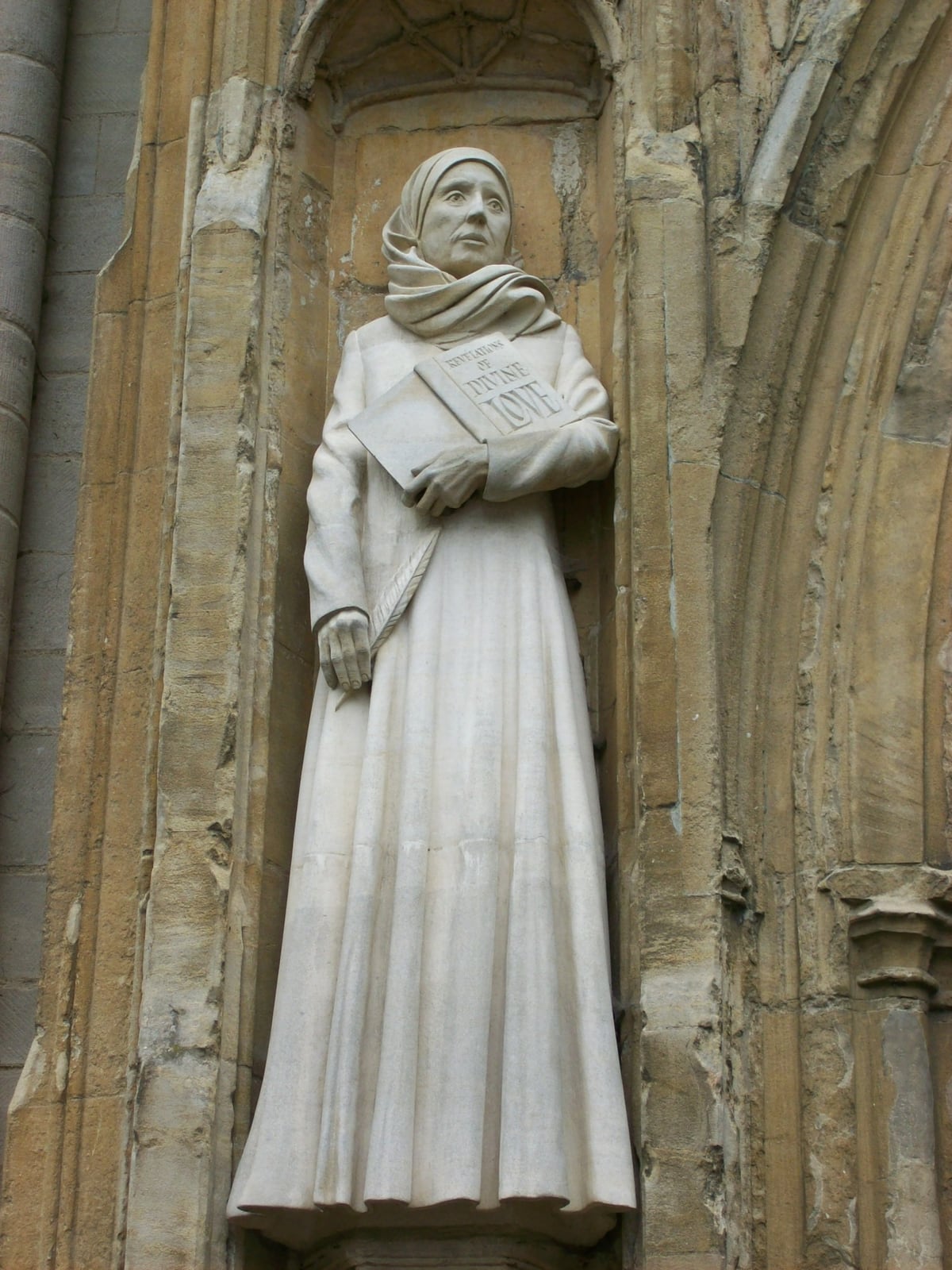
Julian of Norwich
Расходятся в вопросах: Что такое Абсолют? Существует ли Бог? · Кто я? Существует ли истинное «я»? · Что происходит после смерти?
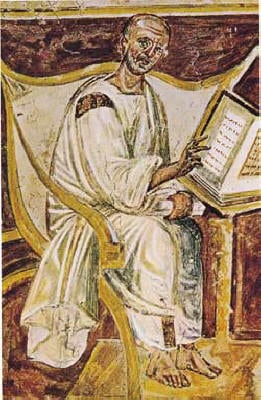
Augustine of Hippo
Расходятся в вопросах: Что такое Абсолют? Существует ли Бог? · Кто я? Существует ли истинное «я»? · Что происходит после смерти?
Предания и рассказы
Предания и рассказы
Житийное повествованиеsiglo VIII (según la leyenda)
The occupied throne
Происхождение рассказа: Butön, History of Buddhism (1322), Tāranātha, History of Buddhism in India (1608), and the Sanskrit biography in a fourteenth-century Nepalese manuscript studied by de Jong (1975). None is less than five centuries later than the life it narrates.
Источник: Tāranātha. Tāranātha's History of Buddhism in India. Trad. Lama Chimpa y Alaka Chattopadhyaya. Simla: Indian Institute of Advanced Study, 1970.
Житийное повествованиеsiglo VIII (según la leyenda)
The wooden sword
Происхождение рассказа: Butön, History of Buddhism (1322), Tāranātha, History of Buddhism in India (1608), and the Sanskrit biography in a fourteenth-century Nepalese manuscript studied by de Jong (1975). None is less than five centuries later than the life it narrates.
Источник: Bu-ston (Butön Rinchen Drub). History of Buddhism (Chos-ḥbyung). Trad. E. Obermiller. Heidelberg: Harrassowitz, 1931–1932, 2 vols.
Житийное повествованиеsiglo VIII (según la leyenda)
The one who ate, slept and went to the latrine
Происхождение рассказа: Butön, History of Buddhism (1322), Tāranātha, History of Buddhism in India (1608), and the Sanskrit biography in a fourteenth-century Nepalese manuscript studied by de Jong (1975). None is less than five centuries later than the life it narrates.
Источник: de Jong, J. W. «La légende de Śāntideva». Indo-Iranian Journal 16 (1975): 161–182.
Житийное повествованиеsiglo VIII (según la leyenda)
The vanishing at stanza 9.34 and the three versions
Происхождение рассказа: Butön and Tāranātha (as summarised by van Schaik, 2014); the connection with the Dunhuang recension is Akira Saito's (1993).
Житийное повествованиеsiglo VIII (según la leyenda)
The bowl that fed five hundred
Происхождение рассказа: Butön, History of Buddhism (1322), Tāranātha, History of Buddhism in India (1608), and the Sanskrit biography in a fourteenth-century Nepalese manuscript studied by de Jong (1975). None is less than five centuries later than the life it narrates.
Источник: Bu-ston (Butön Rinchen Drub). History of Buddhism (Chos-ḥbyung). Trad. E. Obermiller. Heidelberg: Harrassowitz, 1931–1932, 2 vols.
Свидетельство1960s–1989
The Dalai Lama and the master from Kinnaur
Происхождение рассказа: The Dalai Lama's own account in his public teachings and in the introduction to A Flash of Lightning in the Dark of Night (1994); the Nobel lecture, at nobelprize.org.
Источник: Dalái Lama XIV (Tenzin Gyatso). A Flash of Lightning in the Dark of Night: A Guide to the Bodhisattva's Way of Life. Trad. Padmakara Translation Group. Boston: Shambhala, 1994. ISBN 0877739714.
Учение
Учение
Понятия, на которых строится мысль учителя, объяснённые в их контексте.
Mind of awakening (bodhicitta)bodhicitta
Indian Mahāyāna; the tradition of “generating the mind” (cittotpāda) in the sūtras.
Источник: Śāntideva. The Bodhicaryāvatāra. Trad., introd. y notas de Kate Crosby y Andrew Skilton; introducción general de Paul Williams. Oxford: Oxford University Press (Oxford World's Classics), 1996. ISBN 0192829793.
Equalising and exchanging self and othersparatmaparivartana
Chapter 8 (meditation) of the Bodhicaryāvatāra; reception in Tibetan lojong.
Источник: Williams, Paul. Altruism and Reality: Studies in the Philosophy of the Bodhicaryāvatāra. Richmond (Surrey): Curzon, 1998.
Patience (kṣānti)ksanti
Third of the six perfections (pāramitā).
Источник: Śāntideva. The Bodhicaryāvatāra. Trad., introd. y notas de Kate Crosby y Andrew Skilton; introducción general de Paul Williams. Oxford: Oxford University Press (Oxford World's Classics), 1996. ISBN 0192829793.
Mindfulness and vigilance (smṛti and saṃprajanya)smrti-samprajanya
Discipline (śīla) in Mahāyāna ethics.
Источник: Śāntideva. The Bodhicaryāvatāra. Trad., introd. y notas de Kate Crosby y Andrew Skilton; introducción general de Paul Williams. Oxford: Oxford University Press (Oxford World's Classics), 1996. ISBN 0192829793.
The Madhyamaka wisdom of the ninth chaptermadhyamaka-bca9
Indian Madhyamaka; Tibetan reception (Gyaltsab Je, Mipham).
Источник: Williams, Paul. Altruism and Reality: Studies in the Philosophy of the Bodhicaryāvatāra. Richmond (Surrey): Curzon, 1998.
Dedication of merit (pariṇāmanā)parinamana
Mahāyāna liturgy; prayer recited in Tibetan Buddhism.
Видео
Видео
Записи, интервью и документальные фильмы. Видео воспроизводятся с YouTube; здесь они не хранятся.
Shantideva's "Guide to the Bodhisattva's Way of Life" - Day 1
Лекция· EN· 2010
Dalai LamaОфициальный канал
Guide to the Bodhisattva's Way of Life - Day 1
Лекция· EN· 2018
Dalai LamaОфициальный канал
Day 1 - "Shantideva's A Guide to the Bodhisattva's Way of Life" - Chapter 1
Лекция· EN· 2022
Dalai LamaОфициальный канал
Día 1 - Guía del Modo de Vida de los Bodisatvas de Shantideva - Capítulo 9
Лекция· ES· 2022
El Dalái LamaОфициальный канал
Stephen Batchelor on Shantideva
Лекция· EN
Belfast Buddhist
[#1: Jul 13, 2026] How to be Caring: Shantideva's Bodhicaryāvatāra - Jay Garfield
Лекция· EN· 2026
Shantideva Center, FPMT
Pema Chodron – On Shantideva
Интервью· EN
Pema Chodron FoundationОфициальный канал
The Story of Shantideva with Yongey Mingyur Rinpoche
Лекция· EN
Yongey Mingyur RinpocheОфициальный канал
The Way of the Bodhisattva with Yongey Mingyur Rinpoche
Лекция· EN
Yongey Mingyur RinpocheОфициальный канал
Chapter 6: Patience (Intro) - Shantideva's Guide to the Bodhisattva's Way of Life with Ven. Jamyang
Лекция· EN
Tushita Mahayana Meditation Centre DelhiОфициальный канал
Shantideva's Bodhicharyavatara | Swami Yogatmananda
Лекция· EN
Vedanta Society of New York
Bodhicharyavatara de Shantideva, clase 1
Лекция· ES
Carlo R. Carranza
Enseñanzas de Shantideva - Capítulo de la dedicación del Bodhicharyavatara
Лекция· ES
Druk Manjushri
Full Audio-Book: The Path of Light: The Bodhicaryavatara by ShantiDeva
Запись третьих лиц· EN
Global Well-Being
Галерея
Галерея
Изображения с проверенной лицензией. Каждое сохраняет своё авторство и атрибуцию.
Рукописи
Рукописи
Рукописные свидетельства и древние тексты, с указанием хранителя и условий доступа.
BO · Tibetano (dbu can) · Siglo VIII (traducción tibetana de finales del VIII)
byang chub sems dpa'i spyod pa la 'jug pa (recensión breve)
- Сохранившийся список
- Copia completa repartida entre IOL Tib J 628 y Pelliot tibétain 794; copia parcial (c. 60 %) IOL Tib J 629; copia del capítulo de la dedicatoria IOL Tib J 630
- Хранитель
- British Library (Londres) y Bibliothèque nationale de France (París) · IOL Tib J 628, 629, 630; Pelliot tibétain 794
- Оцифровка
- idp.bl.uk/…
SA · Escritura nepalesa (bhujimol/newari) · Siglo VIII
Śikṣāsamuccaya
- Сохранившийся список
- Único manuscrito sánscrito completo conocido, base de la edición de Bendall (1897–1902)
- Хранитель
- Cambridge University Library (colección Wright)
Связи
Связи
Влияния, ученичество и близость взглядов. Документированная связь отличается от сходства, выявленного путём анализа.
Испытал влияние
The ninth chapter expounds Nāgārjuna's middle way, and the poem itself (5.106) refers to a compendium attributed to him.
Документированная связь
Испытал влияние
Siddhartha Gautama, the Buddha
The Śikṣāsamuccaya is an anthology of more than a hundred sūtras attributed to the Buddha.
Документированная связь
Повлиял на
Tsongkhapa and his disciple Gyaltsab Je read the ninth chapter as a Prāsaṅgika text and commented on it; Paul Williams studies that reading.
Документированная связь
Повлиял на
The 14th Dalai Lama (Tenzin Gyatso)
The poem is the axis of his public teaching: he has commented on it in full and by chapters, and closed his Nobel lecture with it (1989).
Документированная связь
Повлиял на
Author of a commentary on the poem, No Time to Lose (2005).
Документированная связь
Идеи, близкие к
The Kagyu tradition joins the yogi's renunciation to the bodhisattva ethics Gampopa took from the Kadam school, where the Bodhicaryāvatāra was a central text.
Сходство, выявленное путём анализа
Идеи, близкие к
Both ground practice in the interdependence of one's own and others' suffering; Thich Nhat Hanh called it “interbeing”.
Сходство, выявленное путём анализа
Современник
Rough contemporaries at the two ends of Asia: while the poem was being composed at Nālandā, the legend of the sixth Chan patriarch was taking shape in south China.
Сходство, выявленное путём анализа
Идеи, близкие к
Hakuin insisted that awakening without the vow to save beings is incomplete (“post-satori practice”), an idea close to the primacy of bodhicitta.
Сходство, выявленное путём анализа
Идеи, близкие к
Both treat practice as an everyday attitude rather than an achievement; a thematic coincidence, with no documented influence.
Сходство, выявленное путём анализа
Источники
Источники
Библиография и каталоги, использованные для этой статьи.
- Lele, Amod. «Śāntideva». Internet Encyclopedia of Philosophy, 2009.
- Pezzali, Amalia. Śāntideva, mystique bouddhiste des VIIe et VIIIe siècles. Florencia: Vallecchi, 1968.
- NTI Reader. «菩提行經 (Putixing jing), Taishō n.º 1662», trad. china atribuida a Nāgārjuna, traducida por Tianxizai (天息災), dinastía Song del Norte.
- Wikidata, «Shantideva», QID Q445460 (VIAF 23444930; LCCN n80102717).
- Śāntideva. The Bodhicaryāvatāra. Trad., introd. y notas de Kate Crosby y Andrew Skilton; introducción general de Paul Williams. Oxford: Oxford University Press (Oxford World's Classics), 1996. ISBN 0192829793.
- Śāntideva. A Guide to the Bodhisattva Way of Life (Bodhicaryāvatāra). Trad. del sánscrito y del tibetano de Vesna A. Wallace y B. Alan Wallace. Ithaca (NY): Snow Lion, 1997. ISBN 1559390611.
- de Jong, J. W. «La légende de Śāntideva». Indo-Iranian Journal 16 (1975): 161–182.
- Saito, Akira. A Study of Akṣayamati (= Śāntideva)'s Bodhisattvacaryāvatāra as Found in the Tibetan Manuscripts from Tun-huang. Mie (Japón): Mie University, 1993 (informe de investigación).
- van Schaik, Sam. «The original Bodhicaryāvatāra». early Tibet (blog), 4 de febrero de 2014; revisado el 21 de julio de 2021.
- Goodman, Charles (trad.). The Training Anthology of Śāntideva: A Translation of the Śikṣā-samuccaya. Nueva York: Oxford University Press, 2016. ISBN 9780199391356.
- Bendall, Cecil y W. H. D. Rouse (trads.). Śikshā-samuccaya: A Compendium of Buddhist Doctrine, compiled by Śāntideva chiefly from earlier Mahāyāna Sūtras. Londres: John Murray (Indian Texts Series), 1922.
- Bendall, Cecil (ed.). Çikshāsamuccaya: A Compendium of Buddhistic Teaching compiled by Çāntideva chiefly from earlier Mahāyāna-sūtras. San Petersburgo: Academia Imperial de Ciencias (Bibliotheca Buddhica I), 1897–1902.
- Bu-ston (Butön Rinchen Drub). History of Buddhism (Chos-ḥbyung). Trad. E. Obermiller. Heidelberg: Harrassowitz, 1931–1932, 2 vols.
- Tāranātha. Tāranātha's History of Buddhism in India. Trad. Lama Chimpa y Alaka Chattopadhyaya. Simla: Indian Institute of Advanced Study, 1970.
- Dalái Lama XIV (Tenzin Gyatso). A Flash of Lightning in the Dark of Night: A Guide to the Bodhisattva's Way of Life. Trad. Padmakara Translation Group. Boston: Shambhala, 1994. ISBN 0877739714.
- Williams, Paul. Altruism and Reality: Studies in the Philosophy of the Bodhicaryāvatāra. Richmond (Surrey): Curzon, 1998.
- Finot, Louis (trad.). La Marche à la lumière (Bodhicaryāvatāra), poème sanskrit de Çāntideva. París: Bossard (Les Classiques de l'Orient), 1920. Texto validado en Wikisource.
- La Vallée Poussin, Louis de (trad.). Bodhicaryāvatāra. Introduction à la pratique des futurs Bouddhas, poème de Çāntideva. París: Bloud, 1907.
- Barnett, Lionel D. (trad.). The Path of Light, rendered for the first time into English from the Bodhi-charyāvatāra of Śānti-Deva: A Manual of Mahā-yāna Buddhism. Londres: John Murray (Wisdom of the East), 1909.
- Kværne, Per. An Anthology of Buddhist Tantric Songs: A Study of the Caryāgīti. Oslo: Universitetsforlaget, 1977.
- The Nobel Prize. «The 14th Dalai Lama — Nobel Lecture», Oslo, 11 de diciembre de 1989; la conclusión con la estrofa de Śāntideva se reproduce en CBS News, «Almanac: The Dalai Lama».
- Chödrön, Pema. No Time to Lose: A Timely Guide to the Way of the Bodhisattva. Boston: Shambhala, 2005. ISBN 1590301358.
- Prajñākaramati. Bodhicaryāvatārapañjikā. Ed. Louis de La Vallée Poussin. Calcuta: Asiatic Society of Bengal (Bibliotheca Indica), 1901–1914.
- Правообладатель
- Obra original en dominio público (siglo VIII). Las traducciones modernas tienen derechos propios: Oxford University Press (Crosby y Skilton; Goodman), Shambhala Publications (Padmakara; Karma Choephel; comentarios del Dalái Lama, Kunzang Pelden y Pema Chödrön), Snow Lion (Wallace), Wisdom Publications, Tharpa Publications, Ediciones Dharma, Miraguano.
Ожидает подтверждения
То, что в этой статье пока не удалось установить. Мы предпочитаем сказать об этом, а не заполнять пробел.
- Fechas: 685–763 es la cronología tradicional que recoge Wikidata; la erudición solo afirma «primera mitad del siglo VIII». Se han mantenido como aproximadas y marcadas «traditional».
- Signatura del manuscrito sánscrito único del Śikṣāsamuccaya en la Cambridge University Library (colección Wright): no se ha podido confirmar en un catálogo accesible.
- Traductores de las ediciones españolas de Ediciones Dharma (2008) y Miraguano (2015): no constan en Open Library; comprobar en el colofón.
- Obras tántricas atribuidas a un «Śāntideva» en el Tengyur (rituales del ciclo Guhyasamāja): no se han podido verificar los números Tōhoku; si se confirman, añadir como «attributed» con nota de homonimia probable.
- No hay texto sánscrito del Bodhicaryāvatāra en Wikisource; las ediciones de Vaidya (1960) y Bhattacharya (1960) están en Internet Archive solo como escaneo.
- Barnett (1909) y Bendall-Rouse (1922) registrados con caution: true (derechos en la UE/España hasta 2031/2041).
- Duraciones y años de varios vídeos: oEmbed no los devuelve; se han dejado en null salvo los del canal oficial del Dalái Lama.
Исследовано 2026-10-25