Ислам · Суфизм
Rabia al-Adawiyya
رابعة العدوية القيسية · رابعة بنت إسماعيل · رابعه عدویه
ок. 717 – ок. 801Историчность оспаривается
Басрийская подвижница и наставница VIII века (ум. ок. 801), почитаемая как первая великая святая ислама и зачинательница мистики бескорыстной любви к Богу. Письменных трудов она не оставила: её изречения и немногие приписываемые ей стихи дошли через позднейшие источники — от Ибн Аби-д-Дунйи и аль-Макки до легендарного жизнеописания, составленного персидским поэтом Аттаром четыре столетия спустя. Современная критика, прежде всего Ркия Корнелл, отличает историческую Рабию, о которой известно очень мало, от той, что создало предание.
- трудов
- 9трудов
- изданий
- 17изданий
- цитат
- 7цитат
- видео
- 14видео
- изображений
- 4изображений
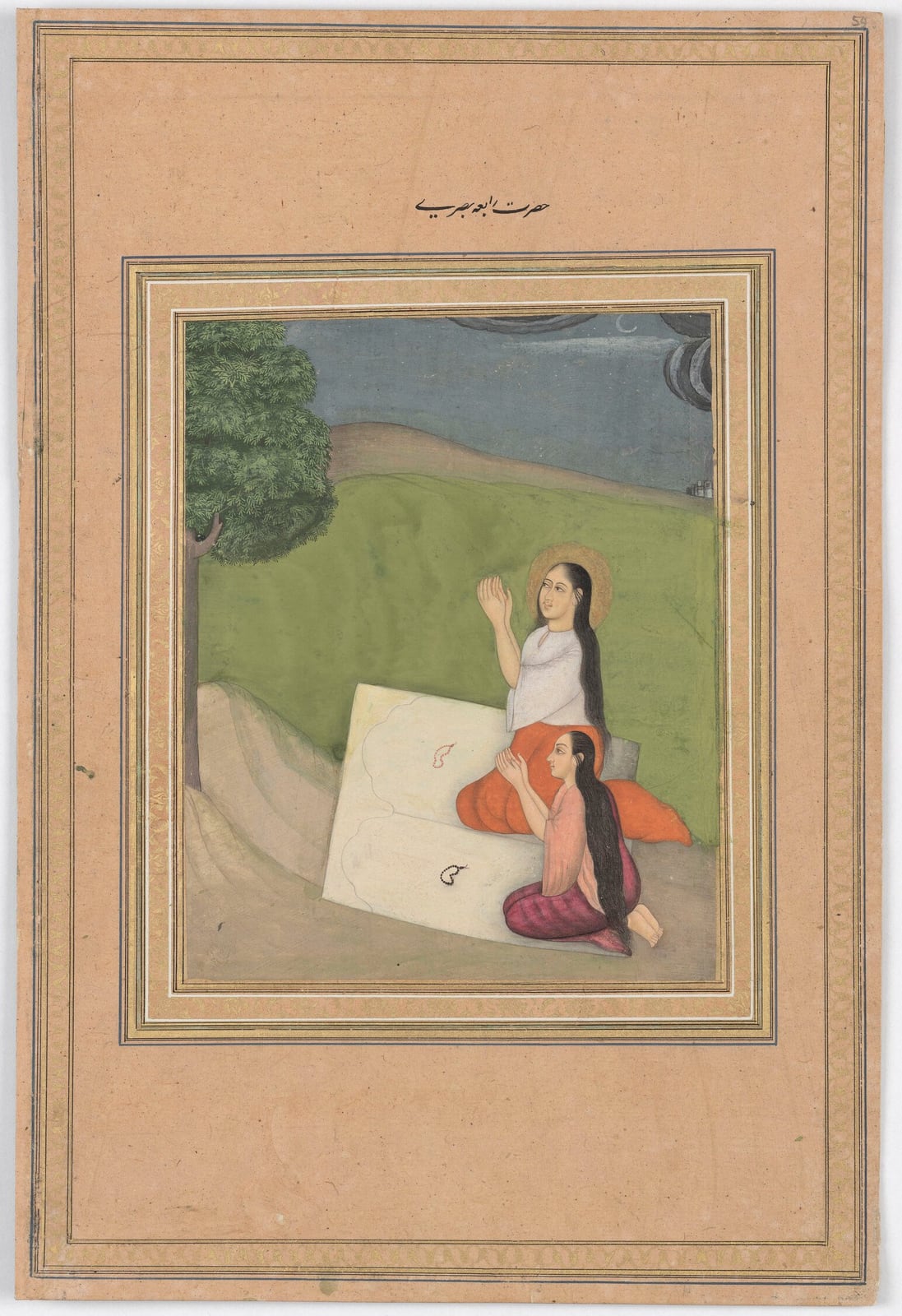
Rabia de Basora y su sirvienta en oración · Public domain
Своими словами
«I love You with two loves: a love of desire, and a love because You are worthy of it. The love of desire is that I am occupied with remembering You to the exclusion of all else; the love of which You are worthy is that You lift the veils for me until I see You. Neither in this nor in that is the praise mine: Yours is the praise in this and in that.»Atribuido; Abu Talib al-Makki, Qut al-qulub (s. X), y al-Ghazali, Ihya ulum al-din, libro XXXVI. Texto árabe según la versión que reproduce Abd al-Ghani al-Nabulsi (Wikisource); traducción propia.
Для начала — одна книга
The Two Loves (attributed verses)Главная мысль
Disinterested love of God: The idea associated with Rabia is that God must be loved for His own sake and not as a means of escaping Hell or gaining Paradise.
В контексте
Биография
4 мин чтения
Перевод с испанского оригинала, выполненный с помощью ИИ; ожидает проверки носителем языка.
Женщина из Басры
О Рабиа аль-Адавии достоверно известно очень мало: что подвижница и наставница с таким именем — или с именем Рабиа аль-Кайсия, указывающим на её племя, тогда как аль-Адавия обозначает её род, — жила в Басре, на юге Ирака, в VIII веке. Источники называют её Рабиа бинт Исмаил, дают ей кунью Умм Амр и описывают как вольноотпущенницу (мауля) семейства Атик. Обычно повторяемая дата рождения, около 717 года, и дата смерти, 185 год хиджры (801), восходят к гораздо более поздним авторам и не единственны: аз-Захаби сообщает, что она прожила около восьмидесяти лет и умерла в 180 году (796), а другие относят её смерть к 135 году (752). Ркия Эларуи Корнелл, автор наиболее полного исследования, приходит к выводу, что ни одно сочинение не может быть с уверенностью ей приписано.
Басра подвижников
Основанная в 638 году как военный лагерь, Басра в VIII веке была богатым городом, портом на Персидском заливе и средоточием грамматических, богословских и правовых штудий. Там расцвело и движение строгого благочестия: мужчины и женщины оплакивали свои грехи, постились, бодрствовали ночами и с недоверием смотрели на богатство правителей. Хасан аль-Басри, Малик ибн Динар, Рийах аль-Кайси или Абд аль-Вахид ибн Зейд — самые известные его имена, но книга ас-Сулами о женщинах-суфиях показывает, что было и немало подвижниц и наставниц, иные из которых были вольноотпущенницами. Рабиа принадлежит к этой среде — к басрийским «плакальщикам» и благочестивцам, чья духовность богобоязненности предшествовала мистике любви.
Что говорят древнейшие источники
Лучшее свидетельство её существования — местная память: два басрийских автора IX века, среди них аль-Джахиз, упоминают её как известную фигуру. Сборники аскетических изречений Ибн Аби-д-Дунйи (ум. 894), переданные аз-Захаби, сохраняют сдержанные сцены с названными по имени свидетелями. Её служанка Абда рассказывала, что Рабиа молилась всю ночь, а на рассвете корила себя за краткий сон: «Душа, сколько ещё ты будешь спать? Скоро ты уснёшь таким сном, от которого не пробудишься до Дня воскресения». Её навестил Суфьян ас-Саури, великий куфийский знаток хадисов; когда он вздохнул: «О, какая печаль!», она его поправила: «Не лги; скажи: о, как мало печали!» Посетителей, говоривших о мирском, она не пускала на порог. Это образ взыскательной подвижницы и наставницы, которую почитали учёнейшие мужи её времени, а не поэтессы любви.
Три Рабии и одно подозрение
Предание рано смешало нескольких женщин. Ас-Сулами (ум. 1021) в книге о женщинах-суфиях отличает от Рабии аль-Адавии ещё двух Рабий той эпохи: Рабиу аль-Аздию, жену подвижника Абд аль-Вахида ибн Зейда, и Рабиу бинт Исмаил из Дамаска, жену Ахмада ибн Аби-ль-Хавари (ум. 844). Этой путаницей объясняется приписываемая ей гробница на Елеонской горе в Иерусалиме, упомянутая Ибн Касиром; уже Ибн Баттута предупреждал, что похоронена там другая женщина. Не обошлось и без подозрений: по словам Ибн Касира, знаток хадисов Абу Дауд ас-Сиджистани обвинил её в ереси, а аз-Захаби пришлось защищать её от тех, кто вычитывал в одном из её стихов — «Я сделала Тебя собеседником моего сердца, а тело оставила тому, кто хочет сидеть рядом со мной» — учение о божественном воплощении.
Святая любви
Та Рабиа, которую знают потомки, складывается между X и XIII веками. Абу Талиб аль-Макки (ум. 996) приписывает ей стихи о «двух любовях» — любви-влечении и любви, подобающей Богу, потому что Он её достоин, — которые прокомментирует аль-Газали в «Ихья»; аль-Кушайри, Абу Нуайм и Ибн аль-Джаузи, посвятивший ей небольшое сочинение, умножают её изречения. Но главное жизнеописание принадлежит персидскому поэту Фарид ад-Дину Аттару, писавшему в начале XIII века, более четырёхсот лет спустя: здесь появляются четвёртая дочь бедной семьи — отсюда её имя, «Четвёртая», — голод, продажа в рабство, свет над её головой, побудивший хозяина отпустить её на волю, беседы с Хасаном аль-Басри и знаменитая молитва, в которой она просит сжечь её в аду, если она поклоняется Богу из страха, и лишить её рая, если поклоняется Ему из надежды. Многие из этих рассказов хронологически невозможны — Хасан аль-Басри умер в 728 году, когда она была бы ребёнком, — и следуют известным агиографическим образцам.
Что сделал возможным её образ
Корнелл различает в этом процессе несколько наслоившихся друг на друга Рабий: наставницу, подвижницу, любящую Бога и суфийку. Возобладала третья. В ней предание нашло чистейшее выражение мысли, преобразившей исламское благочестие: Бога следует любить ради Него Самого, без страха наказания и без желания награды. Эта тема перешла к великим теоретикам мистической любви, от Ахмада аль-Газали до Руми, и дошла до Европы. Жан де Жуанвиль рассказывает в «Книге благочестивых речений и добрых деяний нашего святого короля Людовика» (1309), что монах из крестового похода, Ив Бретонец, встретил в Дамаске старуху, нёсшую в одной руке огонь, а в другой воду, чтобы сжечь рай и залить ад, — дабы никто не творил добра ни из страха, ни из корысти; во Франции XVII века эта сцена стала эмблемой «чистой любви». Позднейшие исламские версии вкладывают этот жест в руки Рабии.
Присутствие, которое всё растёт
В XX веке Рабию провозгласили первой святой ислама и женщиной, обладающей религиозным авторитетом. Маргарет Смит посвятила ей в 1928 году первую западную монографию; Абд ар-Рахман Бадави — книгу, назвавшую её «мученицей божественной любви»; египетское и турецкое кино — популярные фильмы, два из которых вышли в Турции в 1973 году. Современные антологии приписывают ей стихи и молитвы неясного происхождения, и многие её изречения ходят без ссылок. Прочитанная сквозь источники, Рабиа — одновременно реальная женщина Басры времён Омейядов и Аббасидов, о которой мы не знаем почти ничего, и коллективное создание нескольких веков, придавшее форму идее бескорыстной любви к Богу.
Источники: Cornell, Rkia Elaroui. Rabi'a from Narrative to Myth: The Many Faces of Islam's Most Famous Woman Saint, Rabi'a al-'Adawiyya. Londres: Oneworld Academic, 2019. · Smith, Margaret. Rabi'a the Mystic and Her Fellow-Saints in Islam. Cambridge: Cambridge University Press, 1928; reed. 1984 con introducción de Annemarie Schimmel. · al-Dhahabi, Shams al-Din. Siyar a'lam al-nubala', entrada «Rabi'a al-'Adawiyya» (texto árabe en Wikisource). · Ibn Kathir. al-Bidaya wa-l-nihaya, vol. X, obituarios del año 185 H, entrada «Rabi'a al-'Adawiyya» (texto árabe en Wikisource). · Attar, Farid al-Din. Tadhkirat al-awliya', capítulo de Rabia; en la adaptación inglesa de Claud Field, Mystics and Saints of Islam, Londres: Francis Griffiths, 1910, cap. III «Rabia, the Woman Sufi» (Project Gutenberg 24314).
Хронология
Жизнь год за годом
Каждая точка — документированное событие. Нажмите, чтобы прочитать о нём, с источником и степенью достоверности.
ок. 7170 летBasora
Birth (traditional date)
The usual date (c. 95–99 AH / 714–718) comes from late sources of uncertain origin, according to Cornell; placed in Basra.
ПреданиеCornell, Rkia Elaroui. Rabi'a from Narrative to Myth: The Many Faces of Islam's Most Famous Woman Saint, Rabi'a al-'Adawiyya. Londres: Oneworld Academic, 2019.
После смерти
- ок. 869Al-Jahiz mentions her
- ок. 996The verses of the "two loves"
- ок. 1021Al-Sulami distinguishes three Rabias
- ок. 1221Attar's biography
- 1309The woman of fire and water reaches Europe
- 1928First Western monograph
- 2019From narrative to myth
ок. 717 · 0 лет
Birth (traditional date)
The usual date (c. 95–99 AH / 714–718) comes from late sources of uncertain origin, according to Cornell; placed in Basra.
Предание
728
Death of Hasan al-Basri
Death of the great preacher of Basra (110 AH). The dialogues between him and Rabia narrated by Attar are therefore chronologically impossible.
Документировано
ок. 770
Visits of Sufyan al-Thawri
Ibn Abi l-Dunya and others transmit encounters with the traditionist Sufyan al-Thawri (d. 778) and other Basran ascetics; this is the oldest layer of her memory.
Вероятно
801
Death (185 AH, most cited date)
Ibn Kathir lists her among those who died in 185 AH (801); al-Dhahabi gives 180 (796) and other sources 135 (752). She probably died in Basra.
Оспаривается
ок. 869
Al-Jahiz mentions her
The Basran polymath al-Jahiz (d. 868–869) is one of the two ninth-century authors who cite her: the oldest surviving mention.
Документировано
ок. 996
The verses of the "two loves"
Abu Talib al-Makki (d. 996) attributes to her in the Qut al-qulub the verses on the two loves, which al-Ghazali would comment on in the Ihya.
Документировано
ок. 1021
Al-Sulami distinguishes three Rabias
In his book on Sufi women, al-Sulami (d. 1021) separates Rabia al-Adawiyya from Rabia al-Azdiyya and Rabia of Damascus.
Документировано
ок. 1221
Attar's biography
Farid al-Din Attar writes in Persian the biography that fixes the legend: slavery, liberation, dialogues with Hasan al-Basri, the Kaaba coming out to meet her.
Документировано
1309
The woman of fire and water reaches Europe
Joinville narrates in his Life of Saint Louis Yves the Breton's encounter in Damascus with a woman who wanted to burn Paradise and quench Hell.
Документировано
1928
First Western monograph
Margaret Smith publishes Rabi'a the Mystic and Her Fellow-Saints in Islam in Cambridge.
Документировано
2019
From narrative to myth
Rkia Elaroui Cornell publishes the critical study separating the historical and legendary layers of her figure.
Документировано
Труды
Главные труды
Труды, без которых не понять это наследие.
Традиционная атрибуция · ок. 996
The Two Loves (attributed verses)
أحبك حبين: حب الهوى * وحباً لأنك أهل لذاكا
The most famous of the poems attributed to Rabia distinguishes two loves for God: the "love of desire", which occupies her in remembering Him to the exclusion of all else, and the love owed to Him "because He is worthy of it", in which God lifts the veils until He lets Himself be seen. It ends by denying any merit of her own: the praise, in both cases, belongs to God alone. Al-Ghazali made it the canonical example of pure love, and since then it has summed up the doctrine tradition associates with her name.
3 издания
Традиционная атрибуция · ок. 1221
Prayers and Sayings in Attar's Memorial of the Saints
تذکرة الاولیاء، ذکر رابعه عدویه (Tadhkirat al-awliya', capítulo de Rabia)
The chapter devoted to Rabia in the *Tadhkirat al-awliya* is the fullest and most influential biography: it narrates her poor childhood, slavery, liberation, the pilgrimage in which the Kaaba comes out to meet her, her dialogues with the ascetics of Basra and her prayers. The most famous of these asks God to burn her in Hell if she worships Him from fear and to shut Paradise to her if she worships Him from hope. Attar presents her as "the woman worth a hundred men".
4 издания
Все труды (9)
Rabia al-Adawiyya
I Have Made You the Confidant of My Heart (attributed verses)
The Conscious LibraryI Have Made You the Confidant of My Heart (attributed verses)
1000
Rabia al-Adawiyya
Ascetic Sayings Transmitted with Chains (Ibn Abi l-Dunya, al-Dhahabi)
The Conscious LibraryAscetic Sayings Transmitted with Chains (Ibn Abi l-Dunya, al-Dhahabi)
894
Sayings in al-Sulami and al-Qushayri's Epistle
1045
Rabia al-Adawiyya
First among Sufis
The Conscious LibraryFirst among Sufis
1982
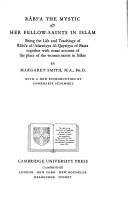
Rabi'a the Mystic and Her Fellow-Saints in Islam
1928
Rabia al-Adawiyya
Rabi'a from Narrative to Myth
The Conscious LibraryRabi'a from Narrative to Myth
2019

Doorkeeper of the Heart: Versions of Rabi'a
1988
Изречения
Изречения, найденные в конкретном труде. Каждое сопровождается указанием происхождения и степени надёжности.
I love You with two loves: a love of desire, and a love because You are worthy of it. The love of desire is that I am occupied with remembering You to the exclusion of all else; the love of which You are worthy is that You lift the veils for me until I see You. Neither in this nor in that is the praise mine: Yours is the praise in this and in that.أحبك حبين: حب الهوى * وحباً لأنك أهل لذاكا / فأما الذي هو حب الهوى * فشغلي بذكرك عمن سواكا / وأما الذي أنت أهل له * فكشفك لي الحجب حتى أراكا / فلا الحمد في ذا ولا ذاك لي * ولكن لك الحمد في ذا وذاكا
ОспариваетсяAtribuido; Abu Talib al-Makki, Qut al-qulub (s. X), y al-Ghazali, Ihya ulum al-din, libro XXXVI. Texto árabe según la versión que reproduce Abd al-Ghani al-Nabulsi (Wikisource); traducción propia.
Апокрифические изречения и изречения спорной атрибуции (1)
«I carry a torch in one hand and a bucket of water in the other: with these I will set fire to Heaven and put out the flames of Hell, so that voyagers to God can rip the veils and see the real goal.»
A modern poem, spread above all through Charles Upton's free versions (1988), that puts a hagiographical anecdote into the first person. The story of the woman with fire and water appears without a name in Joinville's *Life of Saint Louis* (1309), and later Islamic versions attribute it to Rabia; no Arabic poem by Rabia with this text exists.
Последние слова
Проверяемых записей о последних словах не существует.
No attested last words survive. The early sources do not even agree on the year of her death. Attar and later hagiography narrate an exemplary death (Rabia asks those with her to make way for God's messengers, and the verse "O soul at peace, return to your Lord!" (Qur'an 89:27–28) is heard), but it is a late account and is not recorded as testimony.
Источник: Attar, Farid al-Din. Tadhkirat al-awliya', capítulo de Rabia; en la adaptación inglesa de Claud Field, Mystics and Saints of Islam, Londres: Francis Griffiths, 1910, cap. III «Rabia, the Woman Sufi» (Project Gutenberg 24314).
Спросить
На что отвечают эти труды
Двенадцать великих вопросов человечества и то, что позволяют на них ответить эти тексты, со ссылками. Мы никогда не вкладываем слова в чужие уста.
Что такое Абсолют? Существует ли Бог?
God is the Beloved, loved for His own sake
Личный БогСказано прямо
Rabia left no writings and formulated no theology: what we know of her comes through sayings and verses gathered by later authors, from Ibn Abi l-Dunya and al-Makki to Attar, four centuries later. In those texts the Absolute is always a Thou: the Beloved spoken to at night, whom she asks to worship for His own sake, not in hope of paradise nor for fear of hell. The poem of the two loves, made canonical by al-Makki and al-Ghazali, distinguishes the love of desire, which turns her away from everything that is not God, from the love God deserves, in which He lifts the veils until He lets Himself be seen. There is no speculation about the divine essence: there is a personal, demanding and exclusive relationship, in which all praise returns to God.
Сравнить этот вопрос с другими учителямиКто я? Существует ли истинное «я»?
She did not theorise the self: she urged a sleeping soul to wake
Не высказывался
Rabia left no writings, and among the sayings her biographers attribute to her there is no doctrine of the self. The closest thing is her exhortations to the soul. According to the oldest ascetic accounts, she kept vigil at night and at dawn reproached herself for having slept: she asked her soul how long it would sleep, for soon it would sleep a sleep from which it would wake only on the Day of Resurrection. That soul is the soul of Islam: created, responsible and called to account. What the later tradition adds is a demand for sincerity: to strip worship of all self-interest, not to worship for paradise or for fear of hell, and to deny any merit, for praise belongs to God alone. It is an ascesis of the self-interested self, not a metaphysics of the subject.
Сравнить этот вопрос с другими учителямиПочему мы страдаем?
The only true pain is not knowing whether God is pleased
Отделённость от БогаСледует из учения
Rabia did not write, and what is attributed to her on pain consists of transmitted scenes. In the oldest she corrects Sufyan al-Thawri when he laments his sadness: he should not lie, but rather say how little sadness he has. The only worthy grief is that of one who knows herself far from God, and hardly anyone feels it enough. Attar, four centuries later, tells that as a child and a slave she fell and broke her wrist, and that in her prayer she said she did not grieve over being orphaned, enslaved or wounded, but only over not knowing whether God was pleased with her. Outward suffering is received with contentment (rida); what truly wounds is the Beloved's distance, and the only thing that matters is His good pleasure.
Сравнить этот вопрос с другими учителямиЧто происходит после смерти?
Resurrection and judgement, yes; but God is not loved for paradise
Вечная жизнь и воскресениеСказано прямо
Rabia did not write, but the sayings her biographers attribute to her take Islamic eschatology for granted. In the oldest ascetic accounts she reproaches herself for having slept and warns her soul that soon it will sleep a sleep from which it will wake only on the Day of Resurrection. What is distinctive of the tradition bearing her name is not denying the hereafter but displacing it: the prayer recorded by Attar asks God to burn her in hell if she worships Him from fear, to shut paradise to her if she worships Him from hope, and not to deny her His eternal beauty if she worships Him for Himself. The paradise desired is not a garden but the vision of the Beloved. The image of a Rabia who wants to burn paradise and quench hell is much later.
Сравнить этот вопрос с другими учителямиКак достигается освобождение или спасение?
To love God expecting nothing, and to know that returning is His gift
Через преданность и предание себяСказано прямо
The tradition bearing Rabia's name, transmitted by her biographers and not written by her, makes disinterested love the path. Worshipping God from fear of hell or desire for paradise is still trading with Him; the only thing that saves is to love Him for Himself. Her poem of the two loves describes that surrender: a love that turns away from all that is not God and another in which He lifts the veils. But the surrender is not her own merit. The manuals of al-Sulami and al-Qushayri attribute to her a reply to someone who asked whether God would accept his repentance: no, unless He first turns towards you; if He turns towards you, you will turn towards Him. Love is the way; grace, its source.
Сравнить этот вопрос с другими учителямиНужен ли учитель?
With no known master, tradition shows her teaching the masters
Не высказывался
No saying attributed to Rabia deals with the need for a master, and the sources know of none for her. On the contrary, the accounts show her correcting men of authority. In the oldest ascetic sources she rebukes Sufyan al-Thawri for boasting of his sadness; in Attar's Memorial of the Saints her dialogues with Hasan of Basra place her above the famous preacher, though chronology makes such meetings unlikely. What these scenes convey is the figure of a saint taught directly by God, whose authority springs from her sincerity and asceticism, not from a chain of initiation. It is not a doctrine about masters but the portrait of someone who depended on none.
Сравнить этот вопрос с другими учителямиРеален ли мир?
Come in to see the Creator instead of going out to look at creation
Не высказывался
Rabia did not pronounce on the reality of the world, and nothing in the sayings attributed to her suggests she took it for an illusion. What they convey is an ascetic attitude: the world distracts. The early sources show her shutting the door on those who came to talk to her about worldly matters. Attar, much later, tells that one spring morning her servant invited her to come out and contemplate the works of God, and she answered that the servant should rather come in and contemplate the One who had made them. Creation is good, but whoever has known the Creator no longer needs to linger over it. It is a hierarchy of attention, not a metaphysics of the real.
Сравнить этот вопрос с другими учителямиЧто такое любовь?
Two loves: the love of desire and the love God deserves for Himself
Тоска и соединениеСказано прямо
The figure of Rabia has become the emblem of mystical love in Islam, though what survives are verses and sayings transmitted by others. In the poem of the two loves, the first is the love of desire, which keeps her occupied in remembering God and turns her away from everything else; the second is the love God deserves because He is worthy of it, in which He lifts the veils until He lets Himself be seen. In other verses she says she has made God the confidant of her heart: her body keeps company with whoever sits beside her, but the Beloved is her only intimate companion. And the prayer transmitted by Attar sums up the demand: to love God not for paradise nor from fear of hell, but for His eternal beauty.
Сравнить этот вопрос с другими учителямиСвободны ли мы или всё предопределено?
She did not debate freedom: she practised contentment with what God disposes
Не высказывался
The question of free will, which divided the theologians of Basra in her time, does not appear in the sayings attributed to Rabia. What her biographers transmit is an attitude towards what happens: contentment (rida) with the divine will. According to the accounts, she did not ask God to free her from poverty or illness, because to desire anything other than what He wills would be to oppose her Beloved. Al-Qushayri and other manuals also attribute to her the idea that repentance itself is a gift: man turns towards God when God has first turned towards him. There is no theory of freedom in this, but a spirituality of surrender that leaves the initiative to God.
Сравнить этот вопрос с другими учителямиЗачем медитировать или молиться?
Keeping vigil at night alone with the Beloved, confidant of the heart
Дружба с БогомСказано прямо
The scenes transmitted about Rabia show her above all praying at night. The oldest ascetic sources tell that she kept vigil until dawn and reproached herself for every sleep as time stolen from God. Later tradition attributes to her night prayers in which, with the doors of kings closed and lovers lying together, she remains alone with her Beloved. Her verses say the same: she has made God the confidant of her heart, and while her body keeps visitors company, her heart converses with Him. Prayer is not for her a means of obtaining anything, not even paradise, but the very form of intimacy with God, an exclusive friendship that admits no third party.
Сравнить этот вопрос с другими учителямиМожет ли разум познать предельное?
No word on reason: her authority did not come from learning
Не высказывался
Rabia did not write, and among the sayings attributed to her there is no reflection on the powers or limits of reason. What the sources convey is an implicit contrast. In them Rabia appears alongside traditionists, ascetics and preachers of Basra, men of religious learning, and her authority comes not from study or argument but from her sincerity, her asceticism and the intensity of her love for God. When she corrects Sufyan al-Thawri she does not oppose an argument to him, but a truth about his heart. Later tradition made her an example of a knowledge of God that does not pass through the schools, but that is a reading by her biographers, not a doctrine of hers.
Сравнить этот вопрос с другими учителямиУйти от мира или преобразить его?
Poverty, celibacy and a door shut to whoever spoke of the world
Уйти, чтобы найтиСказано прямо
The Rabia transmitted by the sources is a withdrawn ascetic. The oldest accounts show her shutting the door on those who came to talk of worldly matters and preferring conversation about God to any comfort. Later tradition, recorded by Attar, adds that she turned down marriage proposals from powerful and pious men because her heart was occupied, and that she accepted no gifts or help, not even from those who venerated her, so as to owe nothing to anyone but God. She lived, according to those sources, in the voluntary poverty of Basra. She preached no reforms and did not intervene in public life: her testimony is a life set apart, devoted to prayer and the love of God.
Сравнить этот вопрос с другими учителями
Созвучия и противоречия
Созвучия и противоречия
Рассчитаны вопрос за вопросом на основе позиций. Причина каждого совпадения или расхождения — по нажатию.
Ближе всего к
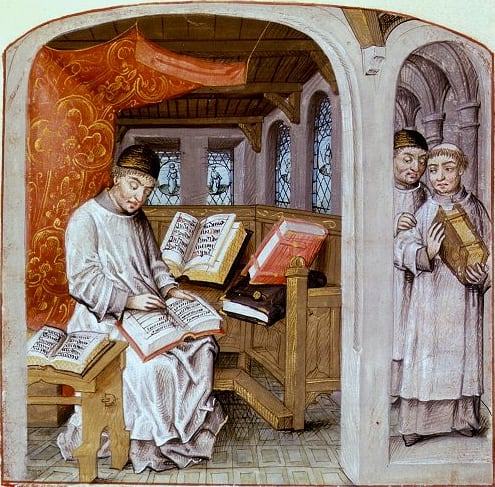
Thomas à Kempis
Совпадают в вопросах: Что такое Абсолют? Существует ли Бог? · Почему мы страдаем? · Что происходит после смерти?
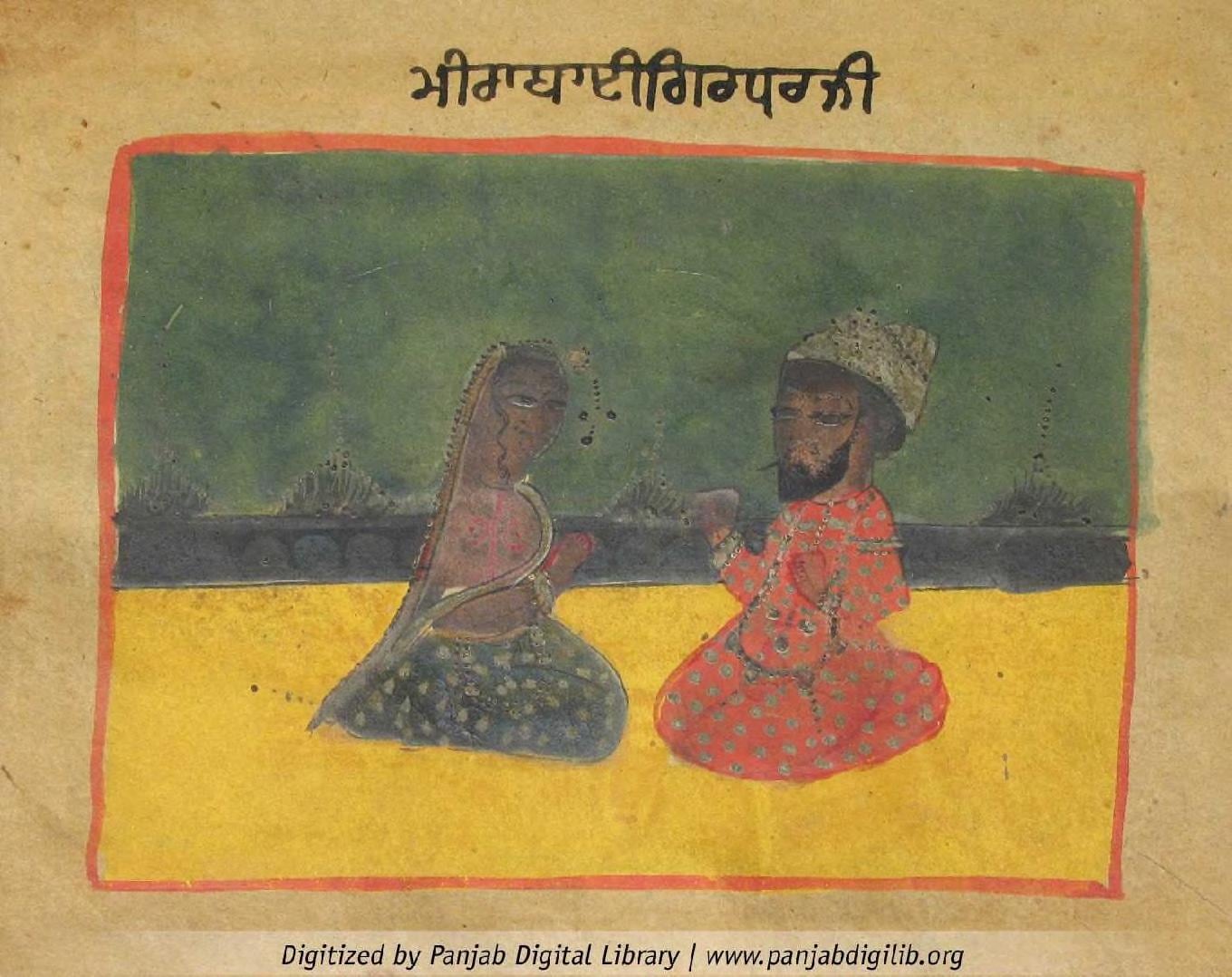
Mirabai
Совпадают в вопросах: Что такое Абсолют? Существует ли Бог? · Почему мы страдаем? · Как достигается освобождение или спасение?
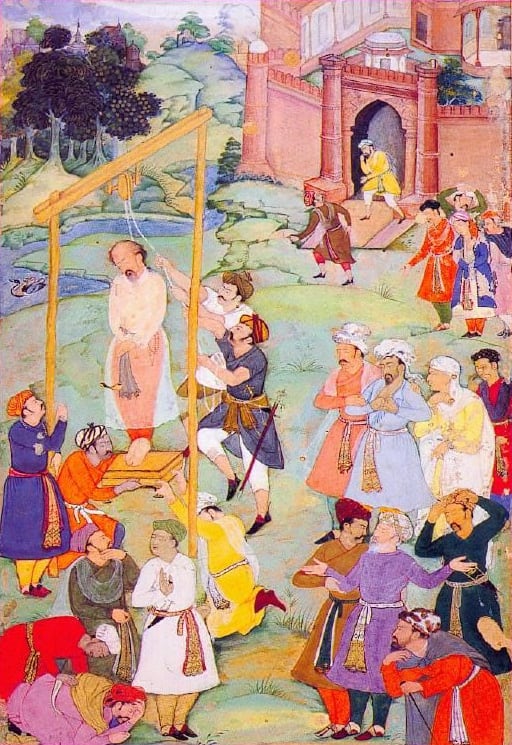
Al-Hallaj
Совпадают в вопросах: Почему мы страдаем? · Что такое Абсолют? Существует ли Бог? · Что происходит после смерти?
Rumi
Совпадают в вопросах: Что такое Абсолют? Существует ли Бог? · Почему мы страдаем? · Что происходит после смерти?
Дальше всего от
Pema Chödrön
Расходятся в вопросах: Что такое Абсолют? Существует ли Бог? · Что происходит после смерти?
Śāntideva
Расходятся в вопросах: Что такое Абсолют? Существует ли Бог? · Что происходит после смерти?

Nāgārjuna
Расходятся в вопросах: Что такое Абсолют? Существует ли Бог? · Что происходит после смерти?

The 14th Dalai Lama (Tenzin Gyatso)
Расходятся в вопросах: Что такое Абсолют? Существует ли Бог? · Что происходит после смерти?
Предания и рассказы
Предания и рассказы
Не поддаётся проверкеc. 1250 (relato de Joinville)
Fire and water
Происхождение рассказа: Joinville, *Vie de saint Louis* (1309), without a name; later attribution to Rabia in the Persian Sufi tradition. Schimmel (1975) and Cornell (2019) discuss its spread.
Источник: Schimmel, Annemarie. Mystical Dimensions of Islam. Chapel Hill: University of North Carolina Press, 1975 (sobre Rabia y la difusión europea del relato del fuego y el agua a través de Joinville).
Житийное повествованиеs. VIII (según Attar)
The freed slave
Происхождение рассказа: Attar, *Tadhkirat al-awliya* (13th c.); English adaptation in Field (1910). Cornell notes that slavery does not appear in the ninth- to eleventh-century sources, which call her the freedwoman of a clan.
Житийное повествованиеs. VIII (según Attar)
The Kaaba comes out to meet her
Происхождение рассказа: Attar, *Tadhkirat al-awliya*. Ibrahim ibn Adham died around 777; the meeting has no basis in the early sources.
Свидетельствоc. 760–778
Sufyan al-Thawri and sorrow
Происхождение рассказа: Al-Dhahabi, *Siyar a'lam al-nubala'*, entry on Rabia (Arabic Wikisource), with chains going back to Ibn Abi l-Dunya and Basran witnesses.
Житийное повествованиеs. VIII (según la tradición)
Hasan al-Basri's proposal
Происхождение рассказа: Attar, *Tadhkirat al-awliya*, adapted by Field (1910). Wikipedia (en), summarising Cornell, stresses that there is no evidence they ever met.
Учение
Учение
Понятия, на которых строится мысль учителя, объяснённые в их контексте.
Disinterested love of Godhubb-ilahi
The passage from the asceticism of fear (*khawf*) to the mysticism of love (*mahabba*); Nicholson, Schimmel and Cornell.
Источник: Cornell, Rkia Elaroui. Rabi'a from Narrative to Myth: The Many Faces of Islam's Most Famous Woman Saint, Rabi'a al-'Adawiyya. Londres: Oneworld Academic, 2019.
Asceticism (zuhd)zuhd
Basran asceticism in the seventh and eighth centuries.
Источник: Cornell, Rkia Elaroui. Rabi'a from Narrative to Myth: The Many Faces of Islam's Most Famous Woman Saint, Rabi'a al-'Adawiyya. Londres: Oneworld Academic, 2019.
Sincerity (sidq)sidq
Sufi doctrine of states and stations; *ikhlas* and *sidq* in al-Qushayri.
Contentment with the divine will (rida)rida
The station of *rida* in Sufi manuals; link with trust (*tawakkul*).
Repentance as gracetawba-como-gracia
Sufi doctrine of *tawba*; Nicholson, The Mystics of Islam (1914).
Источник: Nicholson, Reynold A. The Mystics of Islam. Londres: G. Bell & Sons, 1914 (Project Gutenberg 67388).
Видео
Видео
Записи, интервью и документальные фильмы. Видео воспроизводятся с YouTube; здесь они не хранятся.
The Woman Who Rejected Heaven and Hell
Разбор· EN· 50 min
Let's Talk Religion
Mystical Love & Sufi Women
Разбор· EN· 20 min
Let's Talk Religion
"The life and significance of Rab'ia al-Adawiyya" - Dr. Sophia Pandya
Лекция· EN· 43 min
Salaam Islamic Center
First Female Sufi - Rabia al-Adawiyya
Лекция· EN· 27 min
Claudia Yaghoobi
Great Figures of Islam – Rabi'a al-'Adawiyyah - Lecture Series (Session 6)
Лекция· EN· 39 min
ISRA AcademyОфициальный канал
Episode 4: Rabiah Al-Adawiyya | Inspirational Muslim Women
Разбор· EN· 6 min
Yaqeen InstituteОфициальный канал
Conferencia: Rabi'a Al-'adawiyya. Dra. Paulina Pezzat
Лекция· ES· 89 min
Seminario de Historia de la Filosofía Canal
Dolors Bramon - Los sufíes Al-Khallaj y la ex esclava Rabia Al-Adawiyya
Лекция· ES· 49 min
Espacio Ronda Barcelona
Hasnat Mustafa Hashmi - Rabiya Basri, la mujer sufí
Лекция· ES· 58 min
Espacio Ronda Barcelona
Mundo Poesía. Capítulo 17: Poesía sufí. Primera parte. Rābia'a al-'Adawiyya
Разбор· ES· 3 min
Culturas Veintidós
Râbi'a al-'Adawiyya : Femme, Mystique et Sainte musulmane - Focus #1
Разбор· FR· 30 min
Ave'Roes
Râbi'a al-'Adawiyya, mystique et liberté, par Asma Lamrabet
Лекция· FR· 85 min
Conscience Soufie
RÂBI'AH al-'Adawiyyah – Une Vie, une Œuvre : l'amour spirituel (France Culture, 2006)
Документальный фильм· FR· 2006· 88 min
ÉCLAIR BRUT
Rabia-i Adviyye Hazretleri: Hazreti Rabia (ARŞİV FİLM)
Запись третьих лиц· TR· 77 min
TGRT Belgesel TV
Галерея
Галерея
Изображения с проверенной лицензией. Каждое сохраняет своё авторство и атрибуцию.
Связи
Связи
Влияния, ученичество и близость взглядов. Документированная связь отличается от сходства, выявленного путём анализа.
Повлиял на
Al-Ghazali quotes and comments on the verses of the "two loves" attributed to Rabia in book XXXVI of the *Ihya* as an example of pure love.
Документированная связь
Повлиял на
Attar wrote in the *Tadhkirat al-awliya* the legendary biography of Rabia that fixed her image in the Persian, Turkish and Indian worlds.
Документированная связь
Идеи, близкие к
Rumi, Attar's heir, develops the mysticism of disinterested love that tradition associates with Rabia. No direct mention in his work is cited here.
Сходство, выявленное путём анализа
Идеи, близкие к
Both are central figures of love mysticism in early Sufism and appear together in modern anthologies and studies; there was no contact (Rabia died around 801, al-Hallaj was born around 858).
Сходство, выявленное путём анализа
Идеи, близкие к
Ibn Arabi studied with women Sufi masters in al-Andalus and defended women's full spiritual capacity, a theme Rabia's figure embodies in the tradition. An affinity, not influence documented here.
Сходство, выявленное путём анализа
Идеи, близкие к
Rabia's detachment before the Kaaba has been compared with Teresa of Jesus's degrees of prayer (Salto Sánchez del Corral, 2017). An academic comparison, with no contact.
Сходство, выявленное путём анализа
Идеи, близкие к
Rabia's hagiographical stories share with the Christian tradition of women saints and desert fathers motifs such as voluntary poverty and the love of God for His own sake; the story of fire and water circulated in Christian Europe. A thematic affinity.
Сходство, выявленное путём анализа
Упоминается в других статьях
Источники
Источники
Библиография и каталоги, использованные для этой статьи.
- Wikidata, Q256506 «Rabia of Basri» (P31=Q5; 65 enlaces entre wikis; P569 710 (década); P570 801).
- Cornell, Rkia Elaroui. Rabi'a from Narrative to Myth: The Many Faces of Islam's Most Famous Woman Saint, Rabi'a al-'Adawiyya. Londres: Oneworld Academic, 2019.
- Smith, Margaret. Rabi'a the Mystic and Her Fellow-Saints in Islam. Cambridge: Cambridge University Press, 1928; reed. 1984 con introducción de Annemarie Schimmel.
- al-Dhahabi, Shams al-Din. Siyar a'lam al-nubala', entrada «Rabi'a al-'Adawiyya» (texto árabe en Wikisource).
- Ibn Kathir. al-Bidaya wa-l-nihaya, vol. X, obituarios del año 185 H, entrada «Rabi'a al-'Adawiyya» (texto árabe en Wikisource).
- Attar, Farid al-Din. Tadhkirat al-awliya', capítulo de Rabia; en la adaptación inglesa de Claud Field, Mystics and Saints of Islam, Londres: Francis Griffiths, 1910, cap. III «Rabia, the Woman Sufi» (Project Gutenberg 24314).
- Nicholson, Reynold A. The Mystics of Islam. Londres: G. Bell & Sons, 1914 (Project Gutenberg 67388).
- al-Sulami, Abu Abd al-Rahman. Dhikr al-niswa al-muta'abbidat al-sufiyyat. Ed. y trad. de Rkia Elaroui Cornell: Early Sufi Women. Louisville: Fons Vitae, 1999.
- al-Qushayri. al-Risala al-qushayriyya. Trad. de Alexander D. Knysh: Al-Qushayri's Epistle on Sufism. Reading: Garnet, 2007.
- Schimmel, Annemarie. Mystical Dimensions of Islam. Chapel Hill: University of North Carolina Press, 1975 (sobre Rabia y la difusión europea del relato del fuego y el agua a través de Joinville).
- Abu Talib al-Makki, Qut al-qulub (s. X), y al-Ghazali, Ihya ulum al-din, libro XXXVI (Kitab al-mahabba), trad. Eric Ormsby, Love, Longing, Intimacy and Contentment, Islamic Texts Society, 2012; texto árabe de los versos reproducido por Abd al-Ghani al-Nabulsi en Wikisource.
- Wikipedia (en), «Rabia of Basra» (citas de Cornell 2019 sobre la escasez de datos históricos, las tres Rabias de al-Sulami y su recepción moderna).
- Ibn Battuta. Tuhfat al-nuzzar fi ghara'ib al-amsar, vol. I, descripción de Jerusalén: la tumba del monte de los Olivos es de «Rabi'a al-Badawiyya», distinta de la célebre al-Adawiyya (texto árabe en Wikisource).
- Open Library, registros de ediciones de Smith, Cornell, al-Sulami, al-Qushayri, Attar (Arberry, Pavet de Courteille), Lings, Upton y Oudaimah.
- Правообладатель
- Sin titular: no hay obra de Rabia. Los textos que se le atribuyen proceden de autores medievales de dominio público; las traducciones y estudios modernos (Cambridge University Press, Oneworld, Fons Vitae, Islamic Texts Society, Arfuyen, Seuil…) están sujetos a los derechos de sus editores.
Ожидает подтверждения
То, что в этой статье пока не удалось установить. Мы предпочитаем сказать об этом, а не заполнять пробел.
- Obra: Rabia no dejó escritos. Se registran como «obras» los conjuntos de versos y dichos que se le atribuyen, cada uno con su fuente de transmisión (al-Makki, al-Dhahabi/Ibn Abi l-Dunya, al-Sulami, al-Qushayri, Attar), y los estudios y antologías principales como academic_about o compilation. No se ha podido verificar en el texto de Kitab al-luma' de al-Sarraj (ed. Nicholson, 1914) qué dichos de Rabia recoge: el OCR de Internet Archive no permite buscarlos.
- Ediciones en español: no se ha localizado ninguna traducción castellana con ISBN de los dichos o poemas atribuidos a Rabia, ni del Tadhkirat al-awliya de Attar.
- Sala de lectura: los textos de dominio público que contienen sus dichos (Attar en la edición persa de Nicholson, 1905–1907; la traducción francesa de Pavet de Courteille, 1889; Field, Mystics and Saints of Islam, 1910; Nicholson, The Mystics of Islam, 1914) son libros de otros autores en los que Rabia ocupa un capítulo; no se registran porque el importador no puede separar el capítulo. Margaret Smith (1928) es libre en EE. UU. pero no en la UE ni en España (Smith murió en 1970).
- Fechas: el nacimiento c. 717 y la muerte en 185/801 son tradicionales; Cornell subraya que su origen es incierto. Verificar en Cornell 2019 qué dos autores basrenses del siglo IX la mencionan (se cita a al-Jahiz).
- Citas: cotejar con el texto árabe de Qut al-qulub y del Ihya los versos de los «dos amores» (se ha usado la versión reproducida por al-Nabulsi en Wikisource) y localizar el texto árabe del dicho sobre el arrepentimiento citado por Nicholson.
- Vídeos: no se ha localizado un documental institucional; el programa de France Culture (2006) está subido por un canal no oficial.
Исследовано 2026-10-25