Индуизм · Бхакти
Mirabai
मीराबाई · મીરાંબાઈ
ок. 1498 – ок. 1547Историчность оспаривается
Раджпутская поэтесса и святая XVI века (ок. 1498 — ок. 1547), почитательница Кришны, назвавшая себя его женой. Принцесса из клана Ратхор в Мерте, вдова наследника Мевара, она бросила вызов нормам своей касты и своего положения; предание помнит её гонимой семьёй мужа и исчезнувшей в Дварке. Ей приписывают сотни песен (пад), которые до сих пор поют по всей Индии, хотя почти ни одна из них не встречается в рукописях ранее XVIII века.
- трудов
- 11трудов
- изданий
- 14изданий
- цитат
- 5цитат
- видео
- 11видео
- изображений
- 7изображений
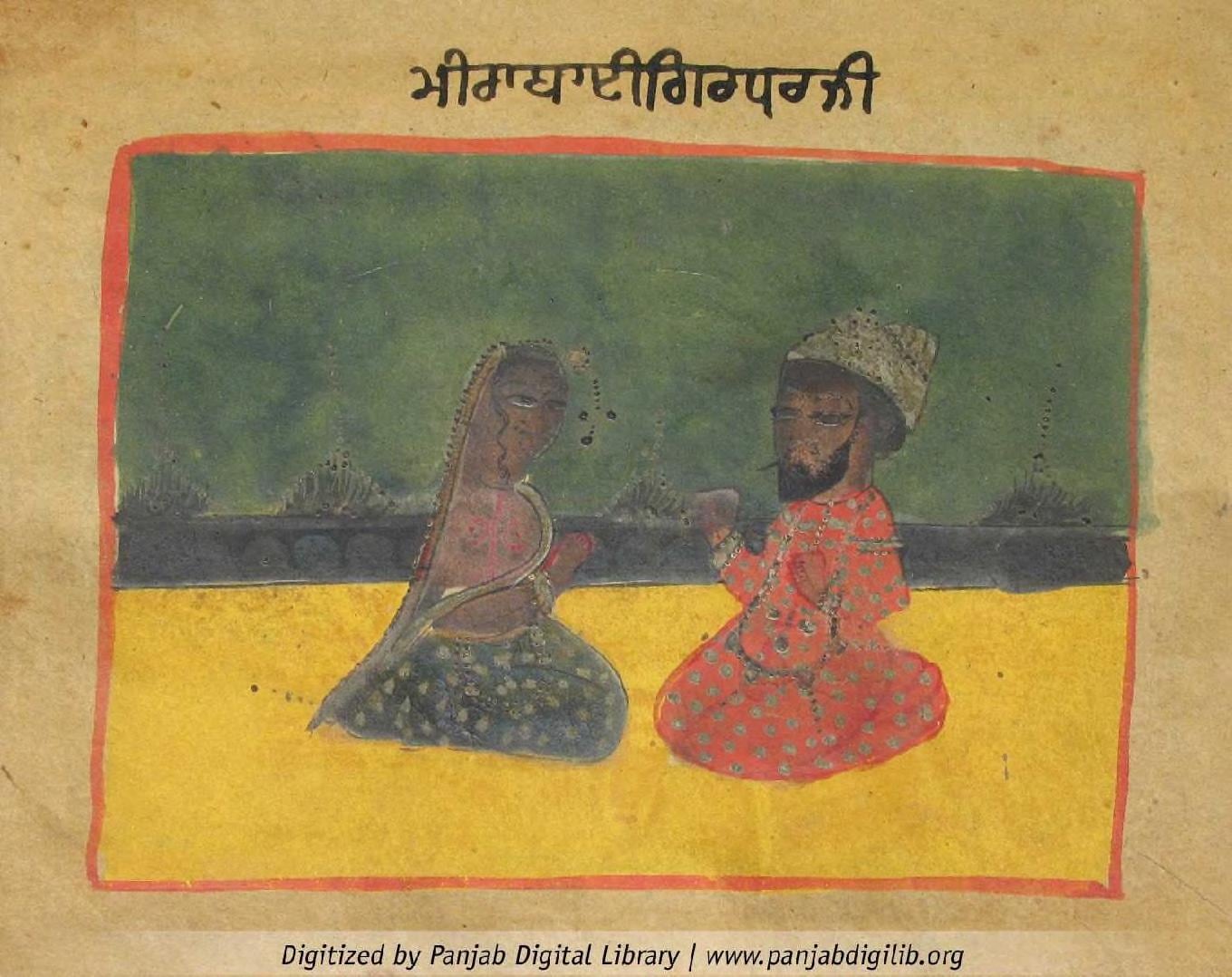
Mirabai y Girdharji en la Prem Ambodh Pothi · Public domain
Своими словами
«Mine is Giridhar Gopal, and no one else. The one who wears the peacock-feather crown on his head, he is my husband.»Pada atribuido, en la Mīrāṃbāī kī padāvalī de P. Chaturvedi. Traducción propia.

Для начала — одна книга
Padavali (Mirabai's songs)Главная мысль
Krishna as husband (Giridhar Nagar): The most personal feature of Mira's devotion is its form: she does not love Krishna as one of the many cowherd women of legend, but as a wife married to him, and she calls her god by the epithet Giridhar Nagar, the gallant who held up Mount Govardhana to protect the herders.
В контексте
Биография
4 мин чтения
Перевод с испанского оригинала, выполненный с помощью ИИ; ожидает проверки носителем языка.
Принцесса из Мерты
Мира — Мирабай, с почтительным добавлением — родилась около 1498 года в Кудки, деревне во владениях Мерты, в самом сердце Раджастхана. Она принадлежала к мертийской ветви раджпутского клана Ратхор: была дочерью Ратана Сингха, внучкой Рао Дуды, основателя города, и двоюродной сестрой Джаймала, защитника Читтора. Предание рассказывает, что в детстве ей подарили маленькое изображение Кришны и что, увидев проходившую мимо свадебную процессию, она спросила мать, кто станет её мужем; мать указала на изображение. Это сцена из легенды, но в ней сгущена суть её образа: женщина, объявившая себя женой Кришны — Гиридхара, «поднявшего гору».
Что известно и что рассказывают
С самого начала следует разделить два пласта. Первый скуден: ни одна хроника её времени её не называет, а древнейшие упоминания относятся к XVII веку и все сделаны менее чем через полтора столетия после её смерти. Самое раннее из тех, что поддаются датировке, — строфа из «Бхактамалы» Набхадаса, около 1600 года, где её сравнивают с пастушками Кришны и говорится, что она отбросила стыд перед людьми и семейные оковы и выпила, как нектар, яд, поднесённый ей злодеями. Второй пласт необъятен: комментарий Приядаса (1712), местные легенды, песни, кино. Между ними сложилась жизнь, которую историки почти ни в одной подробности не могут подтвердить и которую люди продолжают петь.
Читтор
Около 1516 года её выдали замуж за Бходжа Раджа, старшего сына Раны Санги, правителя Мевара — самого почитаемого из раджпутских царств, со столицей в крепости Читтор. Бходж Радж умер молодым, раньше отца, около 1521 года, вероятно от боевых ран. Затем пришла катастрофа: в 1527 году Бабур разбил раджпутскую коалицию при Кханве; отец Миры умер от последствий этой битвы, а вскоре и Санга. Последующие годы прошли в борьбе за престол Мевара и в осадах: в 1535 году Бахадур-шах Гуджаратский взял Читтор. Разумно предположить, вслед за Нэнси Мартин, что конфликт Миры с двором был столь же политическим, сколь и религиозным: вдова высокого ранга из клана сначала союзного, а затем враждебного, отказывалась вести себя как подобает вдове.
Вдова, не пожелавшая ею быть
Традиционный рассказ иной. Мира отказывается соблюдать траур раджпутских вдов и, согласно поздним версиям, взойти на погребальный костёр; она поёт и танцует в храмах перед садху любой касты; принимает паломников; говорит, что её муж — Кришна. Её деверь Викрамадитья, правивший Меваром в начале 1530-х годов, пытается её убить: чаша яда превращается в нектар, змея в корзине с цветами — в изображение Кришны или в гирлянду, ложе из гвоздей — в ложе из цветов. Яд есть уже у Набхадаса; остальное добавляют Приядас и устная традиция. Стихи, подписанные её именем, хранят жалобу: люди говорят, что Мира сошла с ума, свекровь — что она позорит род.
Вриндаван и Дварка
Предания сходятся в том, что она покинула Читтор, на время вернулась в Мерту, а затем отправилась паломницей во Вриндаван, землю Кришны, где Приядас помещает её встречу с богословом Дживой Госвами, не принимавшим женщин. Оттуда она перебралась в Дварку на побережье Гуджарата, город Кришны-царя. Последняя легенда гласит, что из Мевара прибыло посольство брахманов, чтобы вернуть её, и пригрозило уморить себя голодом, если она откажется; Мира попросила позволения проститься с изображением Ранчходжи в храме, вошла — и больше не вышла: осталось лишь её сари, обвившее статую. Это относят к 1546 или 1547 году, без всякого документального подтверждения.
Корпус, выросший вместе с ней
Ей приписывают сотни пад — коротких песен с её именем в последней строке, на смеси раджастхани и брадж-бхаши, а также на гуджарати. Но рукописная основа поразительно слаба. Джон Стрэттон Хоули, изучавший её больше, чем кто-либо, нашёл в рукописях ранее XVIII века лишь два стихотворения, приписанных Мире; основная часть корпуса появляется в списках конца XVIII и XIX века. Критическое издание Парашурама Чатурведи (1932), на котором держатся почти все современные переводы, собирает около двухсот стихотворений, не указывая использованных рукописей. Отсюда осторожность Хоули: говорить о поэзии Мирабай — всегда значит говорить о загадке. Описать же можно стиль: любовь к Кришне, прожитая как брак, нетерпение ожидающей возлюбленной, Кришна-йогин, который обольщает и уходит, открытый вызов родовой чести.
Народная святая
Мира, как писала Парита Мукта, — святая скорее народа, чем двора: в Раджастхане её поют прежде всего крестьяне, ткачи и низшие касты, помнящие её как царицу, что избрала своим гуру сапожника Райдаса и презрела честь своего рода, тогда как память раджпутской знати веками смотрела на неё с неловкостью. XX век сделал её символом. Ганди увидел в её ненасильственном сопротивлении образец и дал её имя своей английской ученице Мадлен Слейд — Мирабен; М. С. Суббулакшми сыграла её в кино в 1945 году; Гульзар посвятил ей фильм в 1979-м. Переводы Роберта Блая, Джейн Хиршфилд и Эндрю Шеллинга принесли её в другие языки как поэтессу внутренней свободы. За всеми этими Мирами стоит реальная женщина, о которой мы знаем очень мало, и голос, не перестававший меняться.
Источники: Hawley, John Stratton. Three Bhakti Voices: Mirabai, Surdas, and Kabir in Their Times and Ours. Nueva Delhi: Oxford University Press, 2005. ISBN 9780195670851. · Hawley, John Stratton, y Mark Juergensmeyer. Songs of the Saints of India. Nueva York: Oxford University Press, 1988. ISBN 9780195052213. · Mukta, Parita. Upholding the Common Life: The Community of Mirabai. Delhi: Oxford University Press, 1994. ISBN 9780195631159. · Nābhādās. Bhaktamāl (c. 1600), con el comentario Bhaktirasabodhinī de Priyādās (1712). Ed. y trad. parcial en Hawley, Three Bhakti Voices, y en Mukta, Upholding the Common Life. · Martin, Nancy M. Mirabai: The Making of a Saint. Nueva York: Oxford University Press, 2023. ISBN 9780195153903.
Хронология
Жизнь год за годом
Каждая точка — документированное событие. Нажмите, чтобы прочитать о нём, с источником и степенью достоверности.
ок. 14980 летKudki, territorio de Merta (Rajastán)
Birth
Born into the Merta branch of the Rathor clan, daughter of Ratan Singh and granddaughter of Rao Duda. The year is a historians' estimate; other proposals go as late as 1504.
ВероятноGoetz, Hermann. Mira Bai: Her Life and Times. Bombay: Bharatiya Vidya Bhavan, 1966.
После смерти
- ок. 1600Nabhadas's Bhaktamal
- 1712Priyadas's commentary
- 1829James Tod confuses her with Rana Kumbha's wife
- 1932Parashuram Chaturvedi's edition
- 1945Meera, with M. S. Subbulakshmi
ок. 1498 · 0 лет
Birth
Born into the Merta branch of the Rathor clan, daughter of Ratan Singh and granddaughter of Rao Duda. The year is a historians' estimate; other proposals go as late as 1504.
Вероятно
ок. 1516 · 18 лет
Marriage to Bhoj Raj
She is married to the heir of Rana Sanga of Mewar. Tradition says she already considered herself married to Krishna.
Вероятно
ок. 1521 · 23 года
Death of Bhoj Raj
Her husband dies before succeeding his father, probably of war wounds. Mira is left a childless widow.
Вероятно
март 1527 г. · 29 лет
Battle of Khanwa
Babur defeats Rana Sanga's Rajput coalition; Mira's father dies as a result of the battle and Sanga soon afterwards.
Документировано
ок. 1531 · 33 года
The persecution
Under Vikramaditya (c. 1531-1536), according to tradition, she suffers poisoning attempts and the court's hostility for her public devotion. Nabhadas (c. 1600) already mentions the poison.
Предание
ок. 1535 · 37 лет
Departure from Mewar and pilgrimage
She leaves Chittor, returns to Merta and makes the pilgrimage to Vrindavan. Priyadas places her meeting with Jiva Gosvamin there.
Предание
ок. 1540
Dwarka
She settles in Dwarka, the city of Krishna as king, where she will spend her last years.
Предание
ок. 1547 · 49 лет
Death or disappearance
Legend has her vanish into the image of Ranchhodji when a delegation from Mewar comes for her. It is dated to around 1546-1547; other sources give later dates.
Оспаривается
ок. 1600
Nabhadas's Bhaktamal
The first datable reference to Mira: a stanza presenting her as a fearless devotee who drank poison as nectar.
Документировано
1712
Priyadas's commentary
Priyadas's Bhaktirasabodhini expands Mira's life with the episodes of the snake, Jiva Gosvamin and Dwarka.
Документировано
1829
James Tod confuses her with Rana Kumbha's wife
The Annals and Antiquities of Rajast'han place her a century earlier, as Kumbha's wife; the error was repeated for decades.
Документировано
1932
Parashuram Chaturvedi's edition
The Hindi Sahitya Sammelan's Mīrāṃbāī kī padāvalī fixes the corpus of some two hundred padas on which almost all translators work.
Документировано
1945
Meera, with M. S. Subbulakshmi
Tamil film by Ellis R. Dungan with the singer in the lead role; the 1947 Hindi version was introduced by Sarojini Naidu.
Документировано
Труды
Главные труды
Труды, без которых не понять это наследие.
Позднейший сборник
Padavali (Mirabai's songs)
मीराँबाई की पदावली
Short songs, composed to be sung to a raga, ending with the signature "Mira ke prabhu Giridhar Nagar" ("Mira's lord is the gallant Giridhar"). They speak of Krishna as a husband chosen against the family's will, of waiting and separation, of the yogi Krishna who seduces and leaves, of mockery and persecution, of the joy of meeting. The language mixes Rajasthani and Braj Bhasha; there is also a Gujarati corpus. Musical tradition also attributes to her a variant of raga Malhar, called "Mira ki Malhar". It is the work for which she is known throughout India.
8 изданий
Mirabai
"Mere to Giridhar Gopal" ("Mine is Giridhar Gopal")
Традиционная атрибуция
"Mere to Giridhar Gopal" ("Mine is Giridhar Gopal")
मेरे तो गिरधर गोपाल, दूसरो न कोई
Probably the pada most associated with her name. The singer declares she has no one but Krishna, the one with the peacock-feather crown, and that for him she has lost the family's honour: she has sat with the saints, cast off public shame, watered the creeper of love with her tears. It sums up the break with lineage that defines her figure.
1 издание
Mirabai
"Payoji maine Ram ratan dhan payo" ("I have found the jewel of Ram's name")
Традиционная атрибуция
"Payoji maine Ram ratan dhan payo" ("I have found the jewel of Ram's name")
पायो जी मैंने राम रतन धन पायो
A song of gratitude for the divine name, presented as a treasure that is never spent, that thieves cannot steal and that grows every day. It is one of the most popular bhajans of modern India, spread by Lata Mangeshkar's recording and by singing in temples and schools.
1 издание
Все труды (11)
Mirabai
Narsi ji ro Mahero
The Conscious LibraryNarsi ji ro Mahero
Mirabai
Commentary on the Gita Govinda
The Conscious LibraryCommentary on the Gita Govinda
Mirabai
Rag Govind
The Conscious LibraryRag Govind
Mirabai
Padas in raga Sorath
The Conscious LibraryPadas in raga Sorath

Three Bhakti Voices (John Stratton Hawley)
2005
Mirabai
Upholding the Common Life (Parita Mukta)
The Conscious LibraryUpholding the Common Life (Parita Mukta)
1994
Mirabai
Mirabai: The Making of a Saint (Nancy M. Martin)
The Conscious LibraryMirabai: The Making of a Saint (Nancy M. Martin)
2023
Mirabai
Mira Bai: Her Life and Times (Hermann Goetz)
The Conscious LibraryMira Bai: Her Life and Times (Hermann Goetz)
1966
Изречения
Изречения, найденные в конкретном труде. Каждое сопровождается указанием происхождения и степени надёжности.
Mine is Giridhar Gopal, and no one else. The one who wears the peacock-feather crown on his head, he is my husband.मेरे तो गिरधर गोपाल, दूसरो न कोई। जाके सिर मोर मुकुट, मेरो पति सोई॥
ОспариваетсяPada atribuido, en la Mīrāṃbāī kī padāvalī de P. Chaturvedi. Traducción propia.
Последние слова
Проверяемых записей о последних словах не существует.
There is no testimony of her last words or her death. The legend transmitted since Priyadas (1712) has her enter the temple of Ranchhodji in Dwarka and vanish into the image; some popular versions attribute a final song to her, but there is no fixed form and no early source that records it.
Источник: Nābhādās. Bhaktamāl (c. 1600), con el comentario Bhaktirasabodhinī de Priyādās (1712). Ed. y trad. parcial en Hawley, Three Bhakti Voices, y en Mukta, Upholding the Common Life.
Спросить
На что отвечают эти труды
Двенадцать великих вопросов человечества и то, что позволяют на них ответить эти тексты, со ссылками. Мы никогда не вкладываем слова в чужие уста.
Что такое Абсолют? Существует ли Бог?
The ultimate has a name and a face: Giridhar Gopal, her husband
Личный БогСказано прямо
In the songs attributed to Mirabai the divine is neither a principle nor an idea: it is Krishna, Giridhar Gopal, the one who lifts the mountain, the cowherd with the peacock-feather crown. Her most famous pada declares him hers and no one else’s, and calls him husband. Mirabai does not debate the nature of the Absolute or compare schools; her theology is that of loving bhakti, which presupposes a personal God who can be loved, awaited and lost. In other songs she also invokes the name of Ram as a jewel received from her teacher, but the figure that dominates her work is a concrete lover with a face, to whom she gives herself above family and convention.
Сравнить этот вопрос с другими учителямиКто я? Существует ли истинное «я»?
She does not theorise the self: she knows herself as Krishna’s bride
Не высказывался
The songs attributed to Mirabai contain no doctrine of soul or ego. The closest thing to an answer is the way she names herself: as the bride of Giridhar Gopal, as the one who has lost all shame before public opinion (lok-laj), as a woman mad with love whom nobody understands. Her identity is defined by her relation to Krishna and by her break with the roles assigned to her by caste, by the royal family of Mewar and by widowhood. In some songs she says she was his in earlier lives, which presupposes a persisting soul, but she draws no theory from it. Asking her for an anthropology would force a voice that is, above all, lyrical.
Сравнить этот вопрос с другими учителямиПочему мы страдаем?
The pain of separation from the Beloved, which no one else understands
Отделённость от БогаСказано прямо
The songs attributed to Mirabai are shot through with viraha, the pain of separation from Krishna: sleepless nights, eyes that never dry, a wound no physician can heal. One of the most quoted lines says it plainly: she is mad with love and no one knows her pain. To that suffering is added another, inflicted by her in-laws and by society for choosing Krishna above the norms of caste and widowhood; tradition tells of attempts to poison her. Mirabai does not explain the origin of pain: she sings it. But in her songs the suffering of separation is inseparable from love, and the only possible cure is the Beloved’s coming.
Сравнить этот вопрос с другими учителямиЧто происходит после смерти?
No speculation on the afterlife: she sings a love across lives
Не высказывался
The songs attributed to Mirabai contain no teaching about what happens after death. What appears is the conviction of a bond with Krishna that precedes this life and outlives it: in some padas she presents herself as his bride from previous births and asks not to be separated from him in those to come. Hagiography gives her a symbolic end: in Dwarka, before the image of Krishna, she is said to have vanished into it, leaving no body. That story expresses the devotional hope of a union that death does not interrupt, but it is not a doctrine of Mirabai’s, rather a later legend. In her voice death hardly matters: what matters is not being far from the Beloved.
Сравнить этот вопрос с другими учителямиКак достигается освобождение или спасение?
Giving herself wholly to Giridhar, though the world calls her mad
Через преданность и предание себяСказано прямо
In the songs attributed to Mirabai the only path is love of Krishna lived without reserve. She does not speak of liberation in a technical sense; what she seeks is the Beloved’s presence. Her devotion is expressed in song and dance: one of her best-known verses shows her dancing with bells on her ankles while people say she has gone mad and her mother-in-law that she is the ruin of the family. Another pada speaks of the Name of Ram as a priceless jewel received from her true teacher. Surrendering like this means breaking with public opinion (lok-laj), with caste and with the royal family: for Mirabai devotion is also a form of freedom.
Сравнить этот вопрос с другими учителямиНужен ли учитель?
The true master gave her the jewel of the Name
НезаменимСледует из учения
The songs attributed to Mirabai mention the teacher in few places, but with weight. In the pada that begins by saying she has found the treasure, the jewel of Ram’s name, she states that her true teacher gave her something priceless and, by his grace, made her his own. Another verse says she found her guru, Raidas, the saintly cobbler, who gave her the pill of knowledge. The link with Raidas, of untouchable caste, carries a strong social meaning: a Rajput princess declaring herself the disciple of an untouchable. Whatever the historicity, Mirabai’s tradition makes the teacher the one who hands over the Name, without which devotion does not catch fire.
Сравнить этот вопрос с другими учителямиРеален ли мир?
She does not ask about the world’s reality: she turns from it for love
Не высказывался
The songs attributed to Mirabai do not ask whether the world is real or illusory. What they do is relativise it from love: palaces, jewels, honours and kinship are worthless beside Giridhar Gopal, and other people’s opinion (lok-laj) ceases to matter. Some padas call the world fleeting, a fair of a few days, in the common language of North Indian bhakti, but without developing an ontology. Her relation to the world is more ethical and social than metaphysical: she leaves the one assigned to her as princess and widow to live among devotees. Attributing to her a doctrine on the nature of the real would go beyond what the texts say.
Сравнить этот вопрос с другими учителямиЧто такое любовь?
Mad with love for Giridhar, defying the world
Тоска и соединениеСказано прямо
The songs attributed to Mirabai are above all love songs. Krishna is her husband, to whom she has always belonged; she waits for him at night, calls him, complains of his absence and celebrates his arrival. One of her most quoted lines shows her mad with love with no one to understand her pain. Her love is not abstract: it has body, desire and jealousy, and uses the language of lover and wife. What sets it apart from human love is its object and its radicality: for it she renounces honour, family and the social place that was hers. In Mirabai divine love is longing for union lived as transgression.
Сравнить этот вопрос с другими учителямиСвободны ли мы или всё предопределено?
She does not speak of fate: she chooses Krishna against what was imposed
Не высказывался
The songs attributed to Mirabai do not deal with the problem of freedom and fate. What they show is a radical choice: against marriage, caste, the widow’s duty and the royal family’s honour, she chooses Krishna and declares him her only husband. In some padas she ascribes that choice to a bond older than this life, as if her destiny were precisely to belong to Giridhar, and in others to the grace of the teacher who gave her the Name. But none of this is presented as doctrine. Modern readings that see Mirabai as an emblem of women’s freedom start from that choice, not from any theory of hers.
Сравнить этот вопрос с другими учителямиЗачем медитировать или молиться?
Singing and dancing before Giridhar: prayer as love song
Дружба с БогомСказано прямо
Mirabai’s prayer, as the songs attributed to her preserve it, is song and dance before the image of Krishna. One of her verses shows her dancing with bells on her ankles amid people’s mockery and her family’s scandal; others show her keeping vigil at night, talking to the Beloved, complaining of his absence or begging him to come. There is no technique or method: prayer is the direct expression of a loving relationship with a personal God. The songs themselves serve that function for those who sing them, which is why they have survived in the oral tradition of northern India. To pray, for Mirabai, is to speak to the Beloved.
Сравнить этот вопрос с другими учителямиМожет ли разум познать предельное?
She does not discuss knowledge: love suffices her
Не высказывался
The songs attributed to Mirabai do not address the relation between reason and the divine. They contain no arguments nor any critique of scholars comparable to Kabir’s; what they contain is the affirmation that love of Krishna suffices and that no one who has not felt it can understand her pain or her madness. One pada speaks of the pill of knowledge received from the teacher, but that knowledge is of the Name, not a doctrine. Her voice belongs to the bhakti tradition that values loving experience above learning, but she does not formulate that hierarchy as a theory. Attributing an epistemology to her would go beyond the texts.
Сравнить этот вопрос с другими учителямиУйти от мира или преобразить его?
Breaking with court and convention to live among devotees
Уйти, чтобы найтиСледует из учения
Mirabai’s tradition narrates a rupture: a Rajput princess married into the royal house of Mewar, she refused the roles of wife and widow, kept company with devotees and wandering saints, endured her in-laws’ hostility and finally left court to live in Vrindavan and Dwarka. Her songs repeat that she has abandoned shame before public opinion (lok-laj) and cares nothing for palace or jewels. It is not the regulated renunciation of the monastery but the abandonment of a social order for love of Krishna. Some studies have read that rupture as social protest, but its meaning in the texts is above all devotional.
Сравнить этот вопрос с другими учителями
Созвучия и противоречия
Созвучия и противоречия
Рассчитаны вопрос за вопросом на основе позиций. Причина каждого совпадения или расхождения — по нажатию.
Ближе всего к

Rabia al-Adawiyya
Совпадают в вопросах: Почему мы страдаем? · Что такое Абсолют? Существует ли Бог? · Как достигается освобождение или спасение?
Rumi
Совпадают в вопросах: Что такое Абсолют? Существует ли Бог? · Почему мы страдаем? · Как достигается освобождение или спасение?
Thomas à Kempis
Совпадают в вопросах: Что такое Абсолют? Существует ли Бог? · Почему мы страдаем? · Как достигается освобождение или спасение?

Chaitanya Mahaprabhu
Совпадают в вопросах: Что такое Абсолют? Существует ли Бог? · Почему мы страдаем? · Как достигается освобождение или спасение?
Дальше всего от

Alan Watts
Расходятся в вопросах: Как достигается освобождение или спасение? · Нужен ли учитель?
Jiddu Krishnamurti
Расходятся в вопросах: Как достигается освобождение или спасение? · Нужен ли учитель?
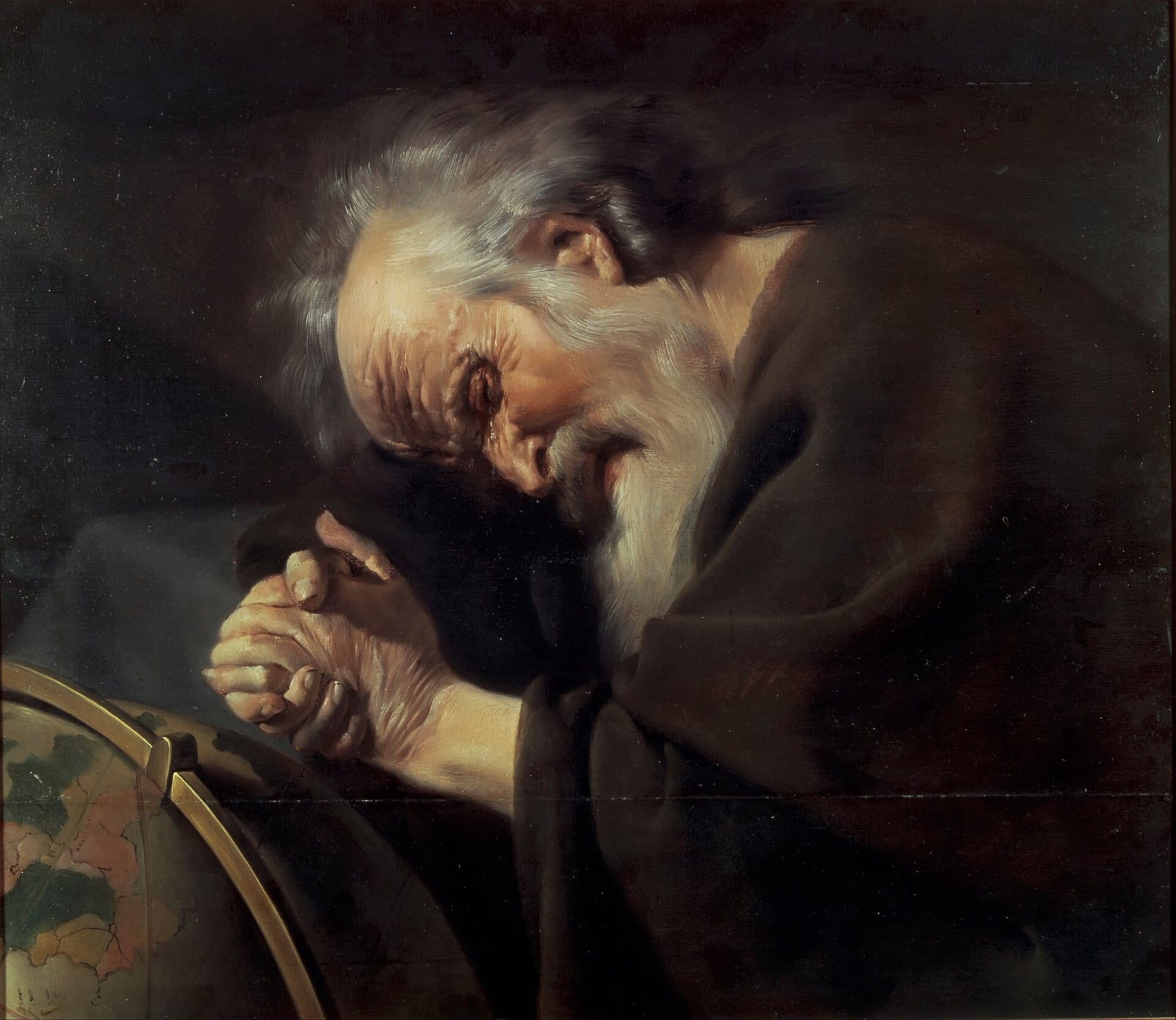
Heraclitus
Расходятся в вопросах: Нужен ли учитель?
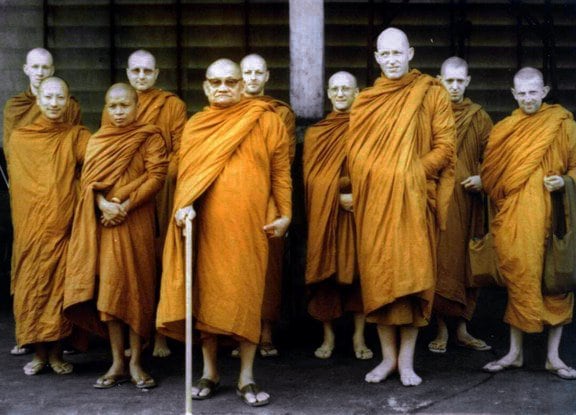
Ajahn Chah
Расходятся в вопросах: Что такое Абсолют? Существует ли Бог?
Предания и рассказы
Предания и рассказы
Житийное повествованиеc. 1530
The cup of poison
Происхождение рассказа: Nabhadas's Bhaktamal (c. 1600), stanza on Mira; developed by Priyadas (1712) and by the attributed poems ("the Rana sent me a cup of poison").
Источник: Nābhādās. Bhaktamāl (c. 1600), con el comentario Bhaktirasabodhinī de Priyādās (1712). Ed. y trad. parcial en Hawley, Three Bhakti Voices, y en Mukta, Upholding the Common Life.
Житийное повествованиеc. 1530
The snake in the basket
Происхождение рассказа: Absent from Nabhadas; it appears in Priyadas's commentary (1712) and in attributed padas. No documentary basis.
Источник: Nābhādās. Bhaktamāl (c. 1600), con el comentario Bhaktirasabodhinī de Priyādās (1712). Ed. y trad. parcial en Hawley, Three Bhakti Voices, y en Mukta, Upholding the Common Life.
Житийное повествованиеc. 1540
"I thought there was only one male in Vrindavan"
Происхождение рассказа: Priyadas's Bhaktirasabodhini (1712); it does not appear in Gaudiya sources. The meeting is chronologically possible but undocumented.
Источник: Nābhādās. Bhaktamāl (c. 1600), con el comentario Bhaktirasabodhinī de Priyādās (1712). Ed. y trad. parcial en Hawley, Three Bhakti Voices, y en Mukta, Upholding the Common Life.
Оспариваетсяs. XVI (legendario)
Akbar and Tansen at the temple
Происхождение рассказа: Popular tradition recorded in modern biographies and in films; it does not appear in Nabhadas and is anachronistic.
Источник: Goetz, Hermann. Mira Bai: Her Life and Times. Bombay: Bharatiya Vidya Bhavan, 1966.
Не поддаётся проверкеs. XVI (legendario)
The letter to Tulsidas
Происхождение рассказа: Tulsidas's poem exists in the Vinaya Patrika; Mira's letter and its connection with the poem come from late oral tradition and have no documentary support.
Источник: Nilsson, Usha S. Mira Bai. Nueva Delhi: Sahitya Akademi (Makers of Indian Literature), 1969.
Житийное повествованиеc. 1546-1547
The sari on the image of Ranchhodji
Происхождение рассказа: Priyadas (1712) and later tradition of Dwarka and Mewar. There is no historical record of her death.
Источник: Nābhādās. Bhaktamāl (c. 1600), con el comentario Bhaktirasabodhinī de Priyādās (1712). Ed. y trad. parcial en Hawley, Three Bhakti Voices, y en Mukta, Upholding the Common Life.
Документировано1925
Gandhi and Mirabehn
Происхождение рассказа: Madeleine Slade, The Spirit's Pilgrimage (1960); Mukta (1994) analyses the nationalist appropriation of Mira.
Источник: Slade, Madeleine (Mirabehn). The Spirit's Pilgrimage. Londres: Longmans, 1960.
Учение
Учение
Понятия, на которых строится мысль учителя, объяснённые в их контексте.
Krishna as husband (Giridhar Nagar)giridhar-nagar
Krishnaite bhakti of northern India; madhurya attitude; comparison with the gopis in Nabhadas.
Источник: Hawley, John Stratton. Three Bhakti Voices: Mirabai, Surdas, and Kabir in Their Times and Ours. Nueva Delhi: Oxford University Press, 2005. ISBN 9780195670851.
Separation (viraha)viraha
Lyric of the seasons (baramasa) and the poetics of viraha; compare with the vipralambha of Chaitanya's school.
Источник: Hawley, John Stratton. Three Bhakti Voices: Mirabai, Surdas, and Kabir in Their Times and Ours. Nueva Delhi: Oxford University Press, 2005. ISBN 9780195670851.
Casting off "public shame" (lok laj)lok-laj
Rajput ethics of honour; critique of caste in bhakti; Mukta's study (1994).
Источник: Mukta, Parita. Upholding the Common Life: The Community of Mirabai. Delhi: Oxford University Press, 1994. ISBN 9780195631159.
The yogi and the yoginijogi
Nath and Sant traditions of Rajasthan; the literary motif of the yogi lover.
Источник: Hawley, John Stratton, y Mark Juergensmeyer. Songs of the Saints of India. Nueva York: Oxford University Press, 1988. ISBN 9780195052213.
Видео
Видео
Записи, интервью и документальные фильмы. Видео воспроизводятся с YouTube; здесь они не хранятся.
"Seeking Mirabai: Scholarly Engagement and Personal Empowerment" lecture with Nancy M. Martin, PhD
Лекция· EN· 71 min
Loyola Marymount University, BCLA Yoga StudiesОфициальный канал
"Mirabai speaks....": The Emergent Voice of Medieval Saint
Лекция· EN· 2017· 70 min
Claremont McKenna CollegeОфициальный канал
Meera, Thaare Kain Laage Gopal? | Meera, Who Is Krishna To You After All?
Документальный фильм· HI· 41 min
ajab shahar - kabir projectОфициальный канал
Meera | Movie | 1945 | Part-1
Запись третьих лиц· HI· 1947· 35 min
Prasar Bharati ArchivesОфициальный канал
Meera Bhajan by M.S. Subbulakshmi
Смотреть на YouTube
Это видео нельзя встроить; оно откроется на YouTube.
Meera Bhajan by M.S. Subbulakshmi
Запись третьих лиц· HI· 5 min
Prasar Bharati ArchivesОфициальный канал
Pandit Kumar Gandharva sings a Meerabai Bhajan
Запись третьих лиц· HI· 11 min
Sangeetveda1
Payoji Maine Ram Ratan Dhan Payo (Official Lyric Video) | Lata Mangeshkar
Запись третьих лиц· HI· 4 min
Universal Music IndiaОфициальный канал
Meera (1979) {HD + Eng Subs}
Запись третьих лиц· HI· 1979· 140 min
ShemarooОфициальный канал
Mirabai's Life and Teachings – Swami Mukundananda | Saints of India
Лекция· EN· 48 min
Swami MukundanandaОфициальный канал
Mirabai (Meera) - Selected Poems for Meditation
Запись третьих лиц· EN· 22 min
Samaneri Jayasāra - Wisdom of the Masters
Mirabai: La princesa que dejó un reino por amor a un dios (Audio Podcast)
Разбор· ES· 36 min
Almas de la Historia
Галерея
Галерея
Изображения с проверенной лицензией. Каждое сохраняет своё авторство и атрибуцию.
Связи
Связи
Влияния, ученичество и близость взглядов. Документированная связь отличается от сходства, выявленного путём анализа.
Идеи, близкие к
Both belong to northern bhakti and share the challenge to caste and ritualism; Kabir sings to a formless God, Mira to Krishna. Tradition links both with Raidas.
Сходство, выявленное путём анализа
Идеи, близкие к
Contemporaries and devotees of Krishna in the language of the separated lover; Priyadas brings her into contact with Jiva Gosvamin, of Chaitanya's school, not with him.
Сходство, выявленное путём анализа
Современник
Contemporaries. A Mira pada appears in the Bhai Banno recension of the Adi Granth, which the Sikh canon excluded, and the Prem Ambodh Pothi (1693) counts her among the bhakti saints.
Сходство, выявленное путём анализа
Идеи, близкие к
A frequent comparison: two contemporary women who lived their relationship with God as betrothal and confronted the norms of their milieu. No historical connection.
Сходство, выявленное путём анализа
Идеи, близкие к
Two female figures of the love of God turned into legend, with an attributed corpus of uncertain authenticity. No historical connection.
Сходство, выявленное путём анализа
Упоминается в других статьях
Источники
Источники
Библиография и каталоги, использованные для этой статьи.
- Hawley, John Stratton. Three Bhakti Voices: Mirabai, Surdas, and Kabir in Their Times and Ours. Nueva Delhi: Oxford University Press, 2005. ISBN 9780195670851.
- Hawley, John Stratton, y Mark Juergensmeyer. Songs of the Saints of India. Nueva York: Oxford University Press, 1988. ISBN 9780195052213.
- Mukta, Parita. Upholding the Common Life: The Community of Mirabai. Delhi: Oxford University Press, 1994. ISBN 9780195631159.
- Nābhādās. Bhaktamāl (c. 1600), con el comentario Bhaktirasabodhinī de Priyādās (1712). Ed. y trad. parcial en Hawley, Three Bhakti Voices, y en Mukta, Upholding the Common Life.
- Martin, Nancy M. Mirabai: The Making of a Saint. Nueva York: Oxford University Press, 2023. ISBN 9780195153903.
- Alston, A. J. (trad.). The Devotional Poems of Mīrābāī. Delhi: Motilal Banarsidass, 1980 (reimpr. 1998, ISBN 9788120804425).
- Caturvedī, Paraśurām (ed.). Mīrāṃbāī kī padāvalī. Prayāg: Hindī Sāhitya Sammelan, 1932 (ediciones posteriores de 1947 y 1966).
- Tod, James. Annals and Antiquities of Rajast'han, or the Central and Western Rajpoot States of India. 2 vols. Londres: Smith, Elder, 1829-1832.
- Wikidata, «Meera / Mirabai» (Q466330).
- Bly, Robert, y Jane Hirshfield. Mirabai: Ecstatic Poems. Epílogo de John Stratton Hawley. Boston: Beacon Press, 2004. ISBN 9780807063866.
- Schelling, Andrew (trad.). For Love of the Dark One: Songs of Mirabai. Boston: Shambhala, 1993 (ISBN 9780877738725); ed. rev. Prescott: Hohm Press, 1998 (ISBN 9780934252843).
- Goetz, Hermann. Mira Bai: Her Life and Times. Bombay: Bharatiya Vidya Bhavan, 1966.
- Nilsson, Usha S. Mira Bai. Nueva Delhi: Sahitya Akademi (Makers of Indian Literature), 1969.
- Futehally, Shama (trad.). In the Dark of the Heart: Songs of Meera. Prólogo de M. S. Subbulakshmi. San Francisco: HarperCollins, 1994. ISBN 9780060628819.
- Slade, Madeleine (Mirabehn). The Spirit's Pilgrimage. Londres: Longmans, 1960.
- Prasar Bharati Archives. «Meera | Movie | 1945 | Part-1» (versión hindi de 1947 con la presentación de Sarojini Naidu). YouTube, 2020.
- Mīrābāī kī śabdāvalī aura jīvana-caritra. Allahabad: Belvedere Printing Works (serie Santbānī), principios del siglo XX. Ejemplar digitalizado en Internet Archive (colección hindi-urdu de Sarai, CSDS).
- Правообладатель
- Los padas atribuidos a Mirabai son de dominio público. Las traducciones y ediciones modernas tienen titulares propios (Beacon Press, Shambhala y Hohm Press, Motilal Banarsidass, Oxford University Press, HarperCollins; la edición de Chaturvedi, el Hindi Sahitya Sammelan).
Ожидает подтверждения
То, что в этой статье пока не удалось установить. Мы предпочитаем сказать об этом, а не заполнять пробел.
- No se localizó ninguna traducción española publicada de los padas de Mirabai con ISBN (consultas en Open Library y en la web).
- No hay en Wikisource ni en Project Gutenberg una edición en dominio público de la Padavali; la de Belvedere en Internet Archive queda con cautela (editor desconocido, OCR sin verificar).
- Localizar los dos manuscritos anteriores al siglo XVIII que, según Hawley, contienen poemas de Mira, para fichar su signatura en manuscripts[].
- Contrastar la datación (1498-1547) con Martin (2023); las fechas proceden en buena parte de Goetz (1966) y son conjeturales.
- Confirmar la numeración de los padas citados en la edición de Chaturvedi.
Исследовано 2026-10-25