Индуизм · Бхакти · Сикхизм
Kabir
कबीर · कबीरदास · ਕਬੀਰ · کبیر
ок. 1440 – ок. 1518Исторически документированная личность
Поэт и мистик Северной Индии (ок. 1440 — 1518, по другим данным 1398–1448), ткач из Бенареса мусульманского происхождения и одна из главных фигур ниргуна-бхакти. Его песни и двустишия, передававшиеся изустно и закрепленные в трех традициях — сикхском «Ади Грантхе», антологиях дадупантхи, к которым восходят «Кабир грантхавали», и «Биджаке» кабирпантхи, — равно обличают брахманов и мулл. «Сто стихотворений», переведенных Тагором в 1915 году, в большинстве своем сомнительной подлинности.
- трудов
- 6трудов
- изданий
- 19изданий
- цитат
- 8цитат
- видео
- 13видео
- изображений
- 7изображений
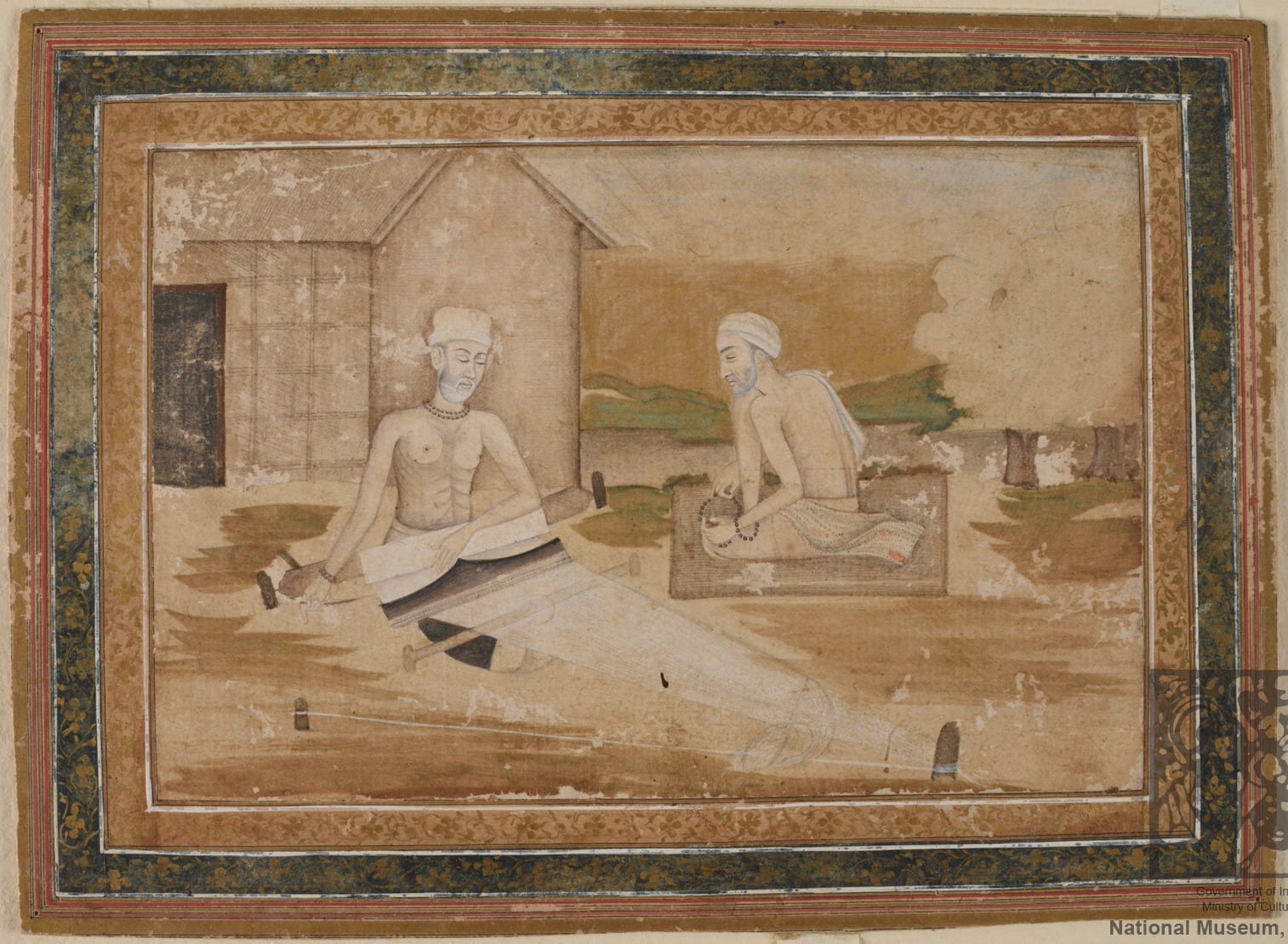
Kabir y Ravidas · Public domain
Своими словами
«If God be within the mosque, then to whom does this world belong? If Ram be within the image which you find upon your pilgrimage, then who is there to know what happens without?»Guru Granth Sahib, Prabhati, p. 1349 (texto gurmukhi según BaniDB); trad. española propia; versión inglesa de Tagore (*Songs of Kabir*, 1915, poema LXIX, uno de los seis que V. C. Mishra tiene por auténticos).

Для начала — одна книга
BijakГлавная мысль
Nirguna: the divine without attributes: Kabir's devotion is directed to a *nirguna* absolute, 'without qualities', which has no form, no incarnations and no image in temples.
В контексте
Биография
4 мин чтения
Перевод с испанского оригинала, выполненный с помощью ИИ; ожидает проверки носителем языка.
Ткач из Бенареса
О Кабире, самом цитируемом поэте Северной Индии, с уверенностью можно утверждать лишь две вещи, опираясь на стихи, которые приписываются ему с наибольшим основанием: что большую часть жизни он прожил в Бенаресе, нынешнем Варанаси, и что был ткачом, джулаха, то есть принадлежал к низкой касте, к его времени в большинстве своем принявшей ислам. Само его имя, одно из девяноста девяти имен Бога в исламе, выдает мусульманское происхождение. Все остальное — родители, учитель, чудеса — принадлежит традициям, которые впоследствии оспаривали его друг у друга: для сикхов он предтеча Гуру Нанака, для мусульман — суфий, для индусов — вайшнавский бхакта с универсалистскими наклонностями.
Даже даты его жизни не установлены твердо. Предание секты, носящей его имя, относит его рождение к 1398 году, а смерть — к 1518-му, в возрасте ста двадцати лет; исследователи делятся на тех, кто, подобно Ярославу Стрнаду, предпочитает 1398–1448 годы, и тех, кто вслед за «Британской энциклопедией» помещает его жизнь между 1440 и 1518 годами. Дэвид Лоренцен полагает, что он умер около традиционной даты, 1518 года, в Магхаре близ Горакхпура, как единодушно утверждают традиция кабирпантхи и могольский документ 1698–1699 годов.
Легенды
Эту пустоту заполнили жития. Согласно одному из них, он был сыном вдовы-брахманки, которая его бросила, и его подобрали у пруда Лахартара мусульманин-ткач Ниру и его жена Нима; согласно другому, он явился на цветке лотоса. Самое знаменитое рассказывает, как мальчик, зная, что индусский гуру не примет мусульманина, лег на ступенях гхата у Ганга, где совершал омовение Рамананда: спускаясь, учитель наступил на него и воскликнул «Рам, Рам!», а Кабир объявил, что так получил мантру посвящения. Другие изображают его перед судом султана Сикандара Лоди и победителем брахманов, кади и купцов. Первые жития, «Кабир парачаи» Анантадаса, относятся примерно к 1590 году — почти через столетие после его смерти.
Эвелин Андерхилл во введении 1915 года к переводам Тагора еще излагала как факты суд перед Сикандаром Лоди, который она датировала 1495 годом, и смерть в 1518-м. И она передала самую прекрасную из легенд: когда поэт умер, его ученики-индусы хотели предать тело сожжению, а мусульмане — погребению; Кабир явился им и попросил поднять саван, под которым они нашли лишь груду цветов и разделили ее между собой. В Магхаре до сих пор в нескольких шагах друг от друга стоят мусульманская гробница и индусский самадхи.
Сведения, не принадлежащие к агиографии, скудны и поздни. Абу-ль-Фазл, летописец Акбара, в конце XVI века упоминает две гробницы Кабира — в Пури и в Ратанпуре, — что доказывает: уже тогда за него спорили разные места. «Дабистан-и мазахиб», персидский трактат о религиях XVII века, описывает его как байраги, вайшнавского аскета, ученика Рамананды; по мнению историка Ирфана Хабиба, это древнейший текст, содержащий биографические сведения о нем.
Голос, который пели
Кабир не писал: он слагал и пел. Его наследие составляют пады — короткие песни на определенный музыкальный лад, сакхи — двустишия, или «свидетельства», и назидательные рамайни, на смешанном наречии Северной Индии, которое исследователи называют садхуккари, языком садху. Эти стихи веками ходили из уст в уста и в списках, по пути видоизменялись, множились, и под его именем оказывались сочинения почитателей. Сегодня невозможно с точностью сказать, какие слова принадлежат ему; общее у них всех — резкая, ироничная прямота, обращенная против лицемерия, высокомерия и религиозного формализма.
Древнейшие письменные свидетельства поздни и происходят не из его секты. Гоиндвальские потхи, предшественники сикхского Писания, составленные около 1570–1572 годов, содержат пятьдесят его песен, фатехпурская рукопись 1582 года — пятнадцать. Дальше наследие распределяется между тремя большими региональными традициями. Сикхская закрепила его в «Ади Грантхе», который Гуру Арджан завершил в 1604 году и в котором стихи Кабира — самый большой вклад автора, не принадлежащего к линии гуру, включая раздел из 243 шлоков. Традиция дадупантхи Раджастхана собрала его в больших антологиях под названием «Панч-вани», «Пять голосов», где доля Кабира — вторая по объему после доли самого Даду: на них основаны современные «Кабир грантхавали». Восточная традиция, кабирпантхи Бенареса, — это «Биджак», который считается самой древней и подлинной версией, хотя его древнейшая сохранившаяся рукопись не старше начала XIX века и лишь немногие его стихи совпадают со стихами двух других традиций.
Ни индус, ни мусульманин
Кабир не был примирителем религий, каким его представил XX век, а был одинаково беспощадным критиком обеих. Для него бездумное чтение было одним и тем же, что перед Ведами, что перед Кораном; брахман и кади, священный шнур и обрезание, паломничество в Бенарес и паломничество в Мекку были параллельными формами заблуждения. Значение имела лишь верность единой истине жизни, которую он без различия называл Аллахом и Рамом, понимая Рама как имя божественного, а не как героя «Рамаяны». Эту истину без атрибутов, ниргуна, ищут внутри: «ищи в своем сердце, — говорится в одном из гимнов „Ади Грантха“, — там Его обитель». А в другом он хвалится тем, что покинул Бенарес, город, где смерть дарует освобождение, чтобы умереть в Магхаре, где, по народному поверью, ждало дурное перерождение.
Наследие
Кабир не основал никакой секты, но в XVI веке его ученики постепенно организовали Кабир-пантх; к концу XVII века его центры существовали по всей Северной Индии, а сегодня его последователей, многие из которых — далиты, насчитываются миллионы. Присутствие в «Ади Грантхе» сделало его собеседником Гуру Нанака, хотя специалисты спорят о том, насколько он на него повлиял. На Западе его открыла в 1915 году книга «Songs of Kabir» — сто стихотворений, переведенных Рабиндранатом Тагором при участии Эвелин Андерхилл по собранию, которое Кшитимохан Сен составил по книгам и со слов бродячих певцов. Книга стала классикой, но В. Ч. Мишра в 1987 году доказывал, что подлинны лишь шесть из этих ста стихотворений и что Тагор спроецировал на Кабира богословие своего времени. Критические переводы Шарлотты Водвиль, Линды Хесс и Шукдева Сингха, а также выступления народных певцов, таких как Прахлад Типанья, вернули Кабиру его шероховатый голос.
Источники: Kabir. Songs of Kabir, trad. Rabindranath Tagore, introducción de Evelyn Underhill. Nueva York: Macmillan, 1915 (en Londres: One Hundred Poems of Kabir, India Society). Project Gutenberg n.º 6519.
Хронология
Жизнь год за годом
Каждая точка — документированное событие. Нажмите, чтобы прочитать о нём, с источником и степенью достоверности.
1398Benarés
Birth according to tradition
Kabirpanthi tradition places his birth in 1398 (full moon of *Jyeshtha*, Samvat 1455), which would make him a hundred and twenty at his death in 1518. Strnad accepts 1398 but moves his death to 1448.
Предание«Kabir». Wikipedia en inglés (leyendas de nacimiento y persecución según Lorenzen; Dabestan-e Mazaheb; recensiones; crítica de V. C. Mishra, «Two Truths Are Told: Tagore's Kabir», en K. Schomer y W. H. McLeod (eds.), The Sants, 1987, pp. 167–180; Kabir Panth).
После смерти
- ок. 1570 – 1572The Goindval pothis
- 1582Fatehpur manuscript
- ок. 1590First hagiography
- 1604Kabir in the Adi Granth
- ок. 1699Mughal document on the Magahar tomb
- 1910 – 1911Kshitimohan Sen's collection
- 1915Tagore's Songs of Kabir
- 1928Shyamsundar Das's Kabir Granthavali
- 1983Hess and Singh's Bijak
- 1987V. C. Mishra's critique of Tagore
1398
Birth according to tradition
Kabirpanthi tradition places his birth in 1398 (full moon of *Jyeshtha*, Samvat 1455), which would make him a hundred and twenty at his death in 1518. Strnad accepts 1398 but moves his death to 1448.
Предание
ок. 1440 · 0 лет
Birth according to much scholarship
The *Britannica* and other scholars place his birth around 1440 in Benares, into a family of Muslim weavers (*julaha*).
Вероятно
ок. 1460 – 1518
Weaver and singer in Benares
He lives by his loom in Benares, married with a family according to the legends; he composes and sings *padas* and *sakhis* criticising Brahmins and mullahs alike. His relationship with Ramananda is the stuff of legend.
Вероятно
ок. 1495
The trial before Sikandar Lodi (legend)
The hagiographies show him tried by Sultan Sikandar Lodi (r. 1489–1517) and banished from Benares; Underhill (1915) dated the episode to 1495, but there is no independent evidence.
Оспаривается
ок. 1518
Death at Magahar
He dies, according to the traditional date Lorenzen considers approximately correct, at Magahar near Gorakhpur. A hymn in the *Adi Granth* has Kabir say that he left Benares to die at Magahar.
Вероятно
ок. 1570 – 1572
The Goindval pothis
The Sikh Goindval manuscripts, copies of an anthology assembled around 1570–1572, include fifty songs by Kabir: the oldest written witness to his work.
Документировано
1582
Fatehpur manuscript
The Fatehpur manuscript, mainly a collection of Surdas's songs, is the oldest dated manuscript containing poems by Kabir (fifteen).
Документировано
ок. 1590
First hagiography
Anantadas writes the *Kabir parachai*, the oldest hagiography; in 1712 Priyadas comments on the stanza about Kabir in Nabhadas's *Bhaktamal*.
Документировано
1604
Kabir in the Adi Granth
On 29 August Guru Arjan completes the *Adi Granth*, the first edition of the Sikh scripture, with a large number of Kabir's hymns and a section of 243 *shaloks* under his name.
Документировано
ок. 1699
Mughal document on the Magahar tomb
A document from Aurangzeb's reign (1698–1699) records the gift of a village for the upkeep of the Muslim tomb of 'Shah Kabir' at Magahar: the first documentary evidence of institutions linked to Kabir.
Документировано
1910 – 1911
Kshitimohan Sen's collection
Kshitimohan Sen publishes his four-part *Kabir* at Santiniketan (1910–1911), gathered from books, manuscripts and wandering singers; it will be the basis of Tagore's version.
Документировано
1915
Tagore's Songs of Kabir
Rabindranath Tagore publishes, with Evelyn Underhill, a hundred poems of Kabir in English (New York, Macmillan; in London, *One Hundred Poems of Kabir*). It becomes the West's Kabir.
Документировано
1928
Shyamsundar Das's Kabir Granthavali
Shyamsundar Das edits the *Kabir Granthavali* from manuscripts of the Rajasthani tradition, one of them bearing a date of 1504 that later scholarship does not accept as reliable.
Документировано
1983
Hess and Singh's Bijak
Linda Hess and Shukdev Singh publish their English translation of the *Bijak*, with essays and notes, a reference for modern Kabir studies.
Документировано
1987
V. C. Mishra's critique of Tagore
In *The Sants* (ed. Schomer and McLeod), V. C. Mishra argues that only six of Tagore's hundred poems (15, 32, 34, 35, 69 and 94) are authentic.
Документировано
Труды
Главные труды
Труды, без которых не понять это наследие.
Позднейший сборник
Bijak
बीजक (Bījak)
Scripture of the Kabirpanthis: didactic *ramainis*, *shabdas* (songs) and *sakhis* (couplets), plus some popular forms. It is the most polemical and disconcerting Kabir, that of the direct attacks on caste, rites and sacred books, and of the *ulatbansi*, 'upside-down language' riddles that jolt the listener's mind. Linda Hess and Shukdev Singh translated it in full in 1983, and their edition remains the English reference.
4 издания
Kabir
Kabir Granthavali
Позднейший сборник
Kabir Granthavali
कबीर ग्रंथावली (Kabīr granthāvalī)
A corpus of *sakhis* arranged by theme (*ang*), *padas* for singing and some *ramainis*, preserved by the followers of Dadu Dayal in Rajasthan. According to Hawley, the western Kabir is more devotional than the Punjabi one; in it Nath yogi influence, devotion to Ram and sant ethics coexist. Its couplets are the ones that have passed into everyday speech in northern India. Charlotte Vaudeville translated the *dohas* into French (1957) and English (1974).
5 изданий

Позднейший сборник · 1604
Hymns and shaloks in the Guru Granth Sahib
ਭਗਤ ਕਬੀਰ ਜੀ ਕੀ ਬਾਣੀ — ਸ੍ਰੀ ਗੁਰੂ ਗ੍ਰੰਥ ਸਾਹਿਬ (Bāṇī Bhagat Kabīr jī kī)
Hymns (*shabad*) distributed through the ragas of the Sikh scripture (Gauri, Asa, Sorath, Bhairo, Prabhati and others) and, in the final section, the *Salok Bhagat Kabir* (243 couplets). Here appears a more earthly Kabir, the householder swept away by the intensity of love, and many of his best-known verses: seeking God in the heart and not in mosque or temple, mocking the fasts of Brahmins and Muslims, telling how he left Benares to die at Magahar. They are sung daily in gurdwaras.
2 издания
Kabir
Songs of Kabir / One Hundred Poems of Kabir (Tagore's version)
Традиционная атрибуция · 1915
Songs of Kabir / One Hundred Poems of Kabir (Tagore's version)
Songs of Kabir / One Hundred Poems of Kabir (versión de Tagore)
The book that made Kabir known in the West: a hundred poems in poetic prose about the God within man, the true master, the unstruck music (*anahad*), the inadequacy of words and the unity of all things. With Evelyn Underhill's introduction, which recounted the legends as facts, it was endlessly reprinted, retranslated into Spanish (Joaquín V. González, 1918), French (Henriette Mirabaud-Thorens and, in versions unpublished until 2012, André Gide) and many other languages, and it inspired Robert Bly's paraphrases. It is literature in its own right, but only a small part of it can be read as Kabir.
4 издания

Изречения
Изречения, найденные в конкретном труде. Каждое сопровождается указанием происхождения и степени надёжности.
If God be within the mosque, then to whom does this world belong? If Ram be within the image which you find upon your pilgrimage, then who is there to know what happens without?ਅਲਹੁ ਏਕੁ ਮਸੀਤਿ ਬਸਤੁ ਹੈ ਅਵਰੁ ਮੁਲਖੁ ਕਿਸੁ ਕੇਰਾ ॥ ਹਿੰਦੂ ਮੂਰਤਿ ਨਾਮ ਨਿਵਾਸੀ ਦੁਹ ਮਹਿ ਤਤੁ ਨ ਹੇਰਾ ॥
ПровереноGuru Granth Sahib, Prabhati, p. 1349 (texto gurmukhi según BaniDB); trad. española propia; versión inglesa de Tagore (*Songs of Kabir*, 1915, poema LXIX, uno de los seis que V. C. Mishra tiene por auténticos).
Апокрифические изречения и изречения спорной атрибуции (2)
«O servant, where dost thou seek Me? Lo! I am beside thee. I am neither in temple nor in mosque: I am neither in Kaaba nor in Kailash.»
First poem of *Songs of Kabir* (Tagore, 1915), perhaps the most quoted 'Kabir' in the West. It comes from Kshitimohan Sen's collection and is not among the six V. C. Mishra regards as authentic: it may be the work of a later admirer imitating his style.
«Do not go to the garden of flowers! O Friend! go not there; In your body is the garden of flowers.»
Poem IV of *Songs of Kabir* (Tagore, 1915), widely circulated; like most of the selection, its attribution to Kabir is not proven according to Mishra's critique.
Последние слова
Проверяемых записей о последних словах не существует.
No attested last words survive. A hymn in the *Adi Granth* (Gauri, p. 326) has Kabir say that, having spent his life in Benares, 'at the time of death' he went to Magahar, and ends: 'Kabir died repeating the name of Ram'; it is poetry, not testimony. The legend of the flowers under the shroud comes from hagiography and is recorded by Underhill in 1915.
Источник: Sri Guru Granth Sahib, bani de Bhagat Kabir (texto gurmukhi por página o *ang*: Gauri 326, Prabhati 1349–1350, Salok 1364–1377). BaniDB.
Спросить
На что отвечают эти труды
Двенадцать великих вопросов человечества и то, что позволяют на них ответить эти тексты, со ссылками. Мы никогда не вкладываем слова в чужие уста.
Что такое Абсолют? Существует ли Бог?
Ram without attributes: not in mosque or idol, but in the heart
НеименуемоеСказано прямо
Kabir calls the ultimate Ram, Hari or Allah, but insists that it is not the Rama of the avatars nor a God enclosed in a temple: it is nirguna, without attributes, and its story is ‘unspeakable’. In verses preserved in the Guru Granth Sahib he asks whose the rest of the world would be if Allah lived only in the mosque, and says he found the truth neither in the Hindu image nor in the Muslim rite; Hari and Allah dwell neither in the south nor in the west but deep in the heart. His language of paradox (ulatbansi) shows that ordinary thought cannot reach that One. And yet Kabir addresses it with a servant’s tenderness: the formless Lord is also the one with whom love cannot be broken.
Сравнить этот вопрос с другими учителямиКто я? Существует ли истинное «я»?
What you seek outside is within: search deep in the heart
Самость есть АбсолютСледует из учения
Kabir develops no doctrine of the soul, but his verses agree in turning the search inward: Hari and Allah dwell neither in the south nor in the west but deep in the heart, which is their abode. The tradition bearing his name abounds in images of the drop and the ocean, or of the deer that searches outside for the musk it carries within. The self that boasts of caste, learning or piety is for Kabir a mask that death tears off; what remains is the place where the Name dwells. His language oscillates between identity with the divine and the relation of a servant to his Lord, and never turns that tension into a system.
Сравнить этот вопрос с другими учителямиПочему мы страдаем?
Maya deceives, and separation from the Beloved burns
Отделённость от БогаСледует из учения
In Kabir’s verses suffering has two faces. One is maya, which he calls the great swindler: attachment to wealth, body, caste and rites, which makes one forget the Name and leaves the human being at the mercy of death. The other is viraha, the pain of separation from the Beloved, which Kabir describes as a snake living in the body or a fire that will not go out. This second pain is not merely an evil: it is the sign that the soul has woken to its absence, and the one who suffers it is closer to Ram than the one who feels satisfied. The death that terrifies the world, says one of his verses, fills his mind with joy.
Сравнить этот вопрос с другими учителямиЧто происходит после смерти?
Dying while alive: the death that terrifies the world is his joy
Каждый день умирать для известногоСказано прямо
Kabir speaks of death with unusual insistence and turns it upside down. In a verse of the Guru Granth Sahib he says that the death which terrifies the world fills his mind with joy, because only by dying is supreme bliss attained: the point is to die while living, for the ego to die before the body. His final gesture, according to tradition, was to go and die in Magahar, a place said to bring a bad rebirth, rather than in Benares, where dying guaranteed liberation; one of his verses recalls it. With this he denied that place or rite decide the soul’s fate. Kabir shares the belief in cycles of births, but his interest lies in the inner death that frees now.
Сравнить этот вопрос с другими учителямиКак достигается освобождение или спасение?
The Name of Ram and the true master, not rituals
Через преданность и предание себяСказано прямо
Kabir rejects every external path to liberation: ablutions, fasts, pilgrimage, the study of the Vedas and the Qur’an, caste and the ascetic’s garb. Not even the place of death saves, as he showed by going to die in Magahar. What frees is the loving repetition of the Name of Ram (ram nam), received from the satguru, and the inner devotion that transforms the one who lives it. The tradition bearing his name also speaks of sahaj, a natural and spontaneous state, as opposed to the forced techniques of yoga. One of his most quoted verses offers itself in sacrifice for his own humble caste, in which he was able to repeat the Creator’s name: devotion knows no lineage.
Сравнить этот вопрос с другими учителямиНужен ли учитель?
The satguru opens the eyes; without him one cannot cross over
НезаменимСказано прямо
The satguru, the true master, holds a central place in Kabir’s verses. The section on the guru (gurudev ko ang) in the Rajasthani recension describes him as the one who opens the disciple’s eyes, shows him the infinite and gives him the word that frees. A much-quoted doha imagines guru and God standing before the disciple and asks to whom one should bow first, concluding: to the guru, for he has shown God. Kabir, who mercilessly criticises Brahmins, mullahs and ascetics, does not confuse that master with religious authority: the satguru is the one who transmits the experience of the Name. In some readings the true guru is the Word (shabad) itself.
Сравнить этот вопрос с другими учителямиРеален ли мир?
The world is a passing market; only the Name endures
Видимость поверх единой реальностиСледует из учения
In Kabir’s verses the world is above all transient and deceptive. He compares it to a fair being taken down, to a dream, to a clay pot that breaks; maya, the great swindler, makes people cling to house, body and wealth as if they would last. Only the Name of Ram is real and endures. Yet the world is not sheer nothingness for Kabir: one of his verses in the Guru Granth Sahib states that the whole world sprang from a single light, so no one can be called good or bad by origin. What deceives is not the world’s existence but taking it for the ultimate.
Сравнить этот вопрос с другими учителямиЧто такое любовь?
Like the lotus leaf on water: a love that cannot break
Тоска и соединениеСказано прямо
Kabir makes love (prem) the centre of his path and sets it against book learning: according to a much-quoted doha, no one became wise by reading books, but whoever learns the few letters of the word love is wise. In a verse preserved in the Guru Granth Sahib he asks how the love between his Lord and him could ever break, and answers with an image: as the lotus leaf rests on the water, so He is his Lord and he his servant. That love is also made of separation and seeking, and in his verses the soul appears as a bride waiting for the Beloved. For Kabir love is not one feeling among others: it is the only key that opens Ram’s door.
Сравнить этот вопрос с другими учителямиСвободны ли мы или всё предопределено?
He does not debate fate: all is Ram’s doing; the choice is love
Не высказывался
The verses attributed to Kabir do not pose the philosophical problem of freedom and fate. On the one hand they repeat that everything happens by the Lord’s will and that human beings own nothing, not even their next breath. On the other they constantly challenge the listener to change: to give up hypocrisy, wake up before death comes and repeat the Name while there is still time. That constant exhortation presupposes that something depends on the hearer, but Kabir never reconciles the two claims or turns them into doctrine. His interest is not in explaining how the will works but in shaking it. It would strain the texts to attribute to him a theory of free will.
Сравнить этот вопрос с другими учителямиЗачем медитировать или молиться?
Search your heart: there the unstruck music plays
Возвращение к источнику «я»Сказано прямо
Kabir scorns ritual prayer: he mocks the muezzin who shouts as if God were deaf and the Brahmin who tells his rosary beads while his mind wanders. What he proposes is turning inward: Hari and Allah live neither in the south nor in the west but deep in the heart, and it is there one must search. His practice is continuous remembrance of the Name (simran) and listening to the inner sound, the unstruck music (anahad) which in one of his verses plays by itself where rivers of light flow. Meditation is not a separate exercise but a natural state (sahaj) that accompanies the whole of life. To pray is to discover that what was sought was in the seeker.
Сравнить этот вопрос с другими учителямиМожет ли разум познать предельное?
No one became wise by reading books: the ultimate is known by loving
Предельное лежит за пределами умаСказано прямо
Kabir, a low-caste weaver and probably illiterate, mocks the scholars who recite the Vedas and the qazi who quotes the Qur’an without knowing God. In his verses scriptures and theological debate are an obstacle when they replace experience: the pandit speaks of what he has not seen. His paradoxical language (ulatbansi), with impossible images such as the cow milking the calf or the river on fire, deliberately baffles the logical mind to point to what lies beyond it. The ultimate is known through direct experience, love and the grace of the true master. Kabir does not set faith against reason: he sets experience against empty talk.
Сравнить этот вопрос с другими учителямиУйти от мира или преобразить его?
Weaver and householder: the divine is not in the ascetic’s robe
Созерцание в действииСказано прямо
Kabir lived, according to tradition, as a weaver in Benares, married with children, and never took up the renunciant’s life. His verses mock the yogis who smear themselves with ash, grow their hair or pierce their ears, and the ascetics who flee to the forest thinking to find God there. For Kabir the divine is found neither in a place nor in a robe but in the heart, and can be remembered while working at the loom. His ideal of sahaj, the natural and spontaneous, rejects both worldliness and ostentatious renunciation. At the same time his critique of caste and religious hypocrisy had a social reach that his low-caste followers claimed.
Сравнить этот вопрос с другими учителями
Созвучия и противоречия
Созвучия и противоречия
Рассчитаны вопрос за вопросом на основе позиций. Причина каждого совпадения или расхождения — по нажатию.
Ближе всего к
Meher Baba
Совпадают в вопросах: Кто я? Существует ли истинное «я»? · Как достигается освобождение или спасение? · Нужен ли учитель?
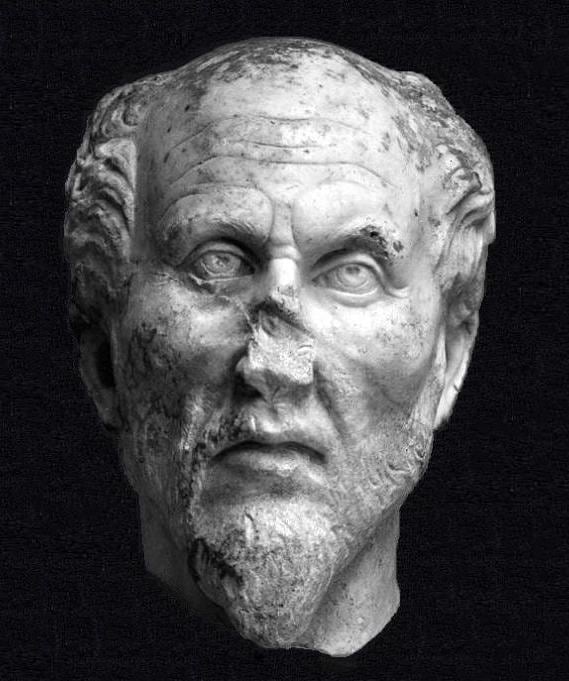
Plotinus
Совпадают в вопросах: Что такое Абсолют? Существует ли Бог? · Кто я? Существует ли истинное «я»? · Почему мы страдаем?
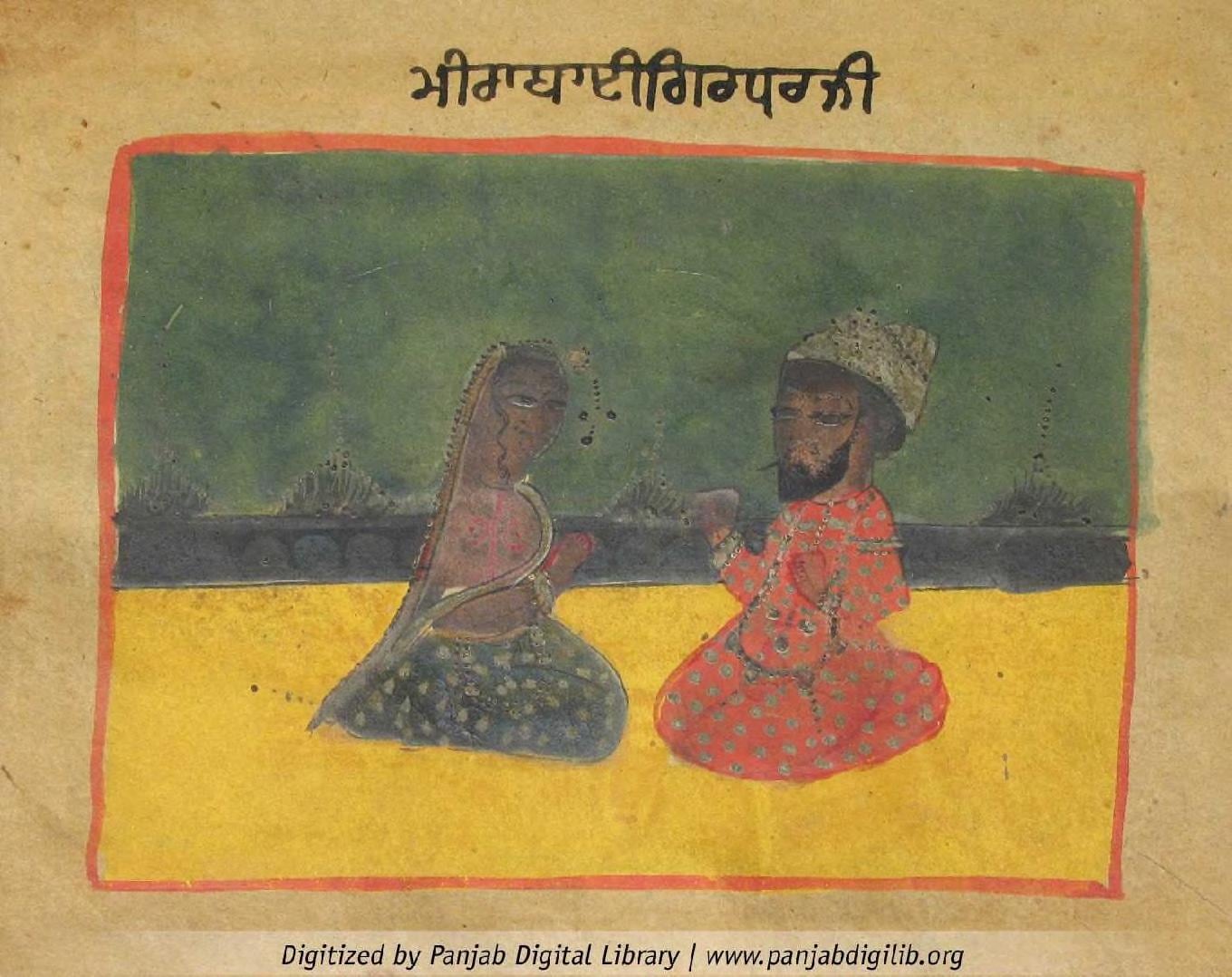
Mirabai
Совпадают в вопросах: Почему мы страдаем? · Как достигается освобождение или спасение? · Нужен ли учитель?

Al-Hallaj
Совпадают в вопросах: Почему мы страдаем? · Кто я? Существует ли истинное «я»? · Как достигается освобождение или спасение?
Дальше всего от


Предания и рассказы
Предания и рассказы
Житийное повествованиеs. XV (según la leyenda)
The child of the Lahartara pond
Происхождение рассказа: Legends from Hindu and Kabir Panth hagiographies, nearly a century later than his death (the oldest, Anantadas's *Kabir parachai*, c. 1590). The *Britannica* records the Brahmin widow; Wikipedia, the lotus and Niru and Nima. His name and trade point to a Muslim origin.
Житийное повествованиеs. XV (según la leyenda)
Initiated by a footstep
Происхождение рассказа: A hagiographic story told by Evelyn Underhill in her introduction to *Songs of Kabir* (1915). The *Dabestan-e mazaheb* (17th century) already calls him Ramananda's disciple; the *Britannica* allows for a strong influence from Ramananda, but the scene on the steps has no contemporary source.
Житийное повествованиеc. 1495 (según la leyenda)
Before Sultan Sikandar Lodi
Происхождение рассказа: A narrative cycle developed in Anantadas's *Kabir parachai* (c. 1590) and later hagiographies (Lorenzen, *Kabir Legends and Ananta-Das's Kabir Parachai*, 1991). Underhill (1915) presented it as fact; many scholars doubt its historicity for lack of independent evidence.
Житийное повествованиеc. 1518 (según la leyenda)
The flowers under the shroud
Происхождение рассказа: A hagiographic legend recorded by Underhill (1915). That he died at Magahar is unanimously held by Kabirpanthi tradition and by a Mughal document of 1698–1699 on the tomb of 'Shah Kabir' (Lorenzen, 2019); the *Adi Granth* itself contains a hymn about his move from Benares to Magahar to die.
Документировано1604
Guru Arjan takes Kabir into the Sikh scripture
Происхождение рассказа: Facts documented by the Sikh manuscripts themselves; dates according to the history of the *Adi Granth* and Strnad (2023) for the Goindval *pothis*. The count of *shaloks* checked against the BaniDB text (pp. 1364–1377).
Документировано1910–1915
How Tagore's Kabir was born
Происхождение рассказа: Preface and introduction of *Songs of Kabir* (1915) and the Wikipedia article on the book; V. C. Mishra's critique, 'Two Truths Are Told: Tagore's Kabir', in Schomer and McLeod (eds.), *The Sants* (1987), pp. 167–180, is cited at second hand.
Учение
Учение
Понятия, на которых строится мысль учителя, объяснённые в их контексте.
Nirguna: the divine without attributesnirguna
A feature shared by the *sants* of northern India (Ravidas, Dadu, Nanak) as opposed to *saguna* devotion to incarnate Krishna or Rama (Tulsidas, Surdas, Mirabai).
The Name: Ram, Allah, Hariram-nam
The practice of *nam-simran*, shared with the *sants* and central to Sikhism.
The true master (satguru)satguru
A concept common to the *sant* tradition and to Sikhism, where the guru acquires an institutional dimension.
Sahaj: the spontaneous and naturalsahaj
A term inherited from the tantric *siddhas* and the *nath* yogis, reinterpreted by the *sants*.
Ulatbansi: upside-down languageulatbansi
A genre related to the *sandhya-bhasha* of the Buddhist tantric *siddhas* and the *naths*.
Видео
Видео
Записи, интервью и документальные фильмы. Видео воспроизводятся с YouTube; здесь они не хранятся.
Had Anhad: Journeys with Ram & Kabir
Документальный фильм· HI· 103 min
Ajab Shahar — Kabir ProjectОфициальный канал
Kabira Khada Bazaar Mein: Journeys with Sacred & Secular Kabir
Документальный фильм· HI· 94 min
Ajab Shahar — Kabir ProjectОфициальный канал
Chalo Hamara Des: Journeys with Kabir & Friends
Документальный фильм· EN· 97 min
Ajab Shahar — Kabir ProjectОфициальный канал
Linda Hess introduces Kabir — Episode 3 of 'Chalo Hamara Des'
Интервью· EN· 4 min
Ajab Shahar — Kabir ProjectОфициальный канал
Kabir: Revisiting 'Bodies of Song', a talk by Prof. Linda Hess
Лекция· EN· 2020· 97 min
Ulatbansi
Bodies of Song: The Legacy of Kabir — Linda Hess in conversation with Sanjoy K. Roy
Интервью· EN· 41 min
JLF InternationalОфициальный канал
Understanding Kabir: Life, Philosophy and Poetry by Purushottam Agarwal (Module 1)
Лекция· HI· 2026· 41 min
Jashn-e-RekhtaОфициальный канал
Kabir Das | Documentary | Story of Kabir Das
Документальный фильм· HI· 26 min
Prasar Bharati ArchivesОфициальный канал
'Kahaan Se Aaya Kahaan Jaaoge?' by Prahlad Tipanya
Запись третьих лиц· HI· 10 min
Ajab Shahar — Kabir ProjectОфициальный канал
'Nirbhay Nirgun Gun Re' sings Pt. Kumar Gandharva
Запись третьих лиц· HI· 10 min
Ajab Shahar — Kabir ProjectОфициальный канал
Salok Bhagat Kabir Ji — Bhai Maninder Singh Ji (Gurbani Kirtan)
Запись третьих лиц· PA· 21 min
Amrit Baani — Goyal MusicОфициальный канал
KABÎR — Une vie, une œuvre : le vagabond céleste (France Culture, 1991)
Документальный фильм· FR· 1991· 80 min
ÉCLAIR BRUT
Kabir: the poet, saint and weaver of Ancient India (full version)
Документальный фильм· EN· 2004· 29 min
Peter Steven MalakoffОфициальный канал
Галерея
Галерея
Изображения с проверенной лицензией. Каждое сохраняет своё авторство и атрибуцию.
Рукописи
Рукописи
Рукописные свидетельства и древние тексты, с указанием хранителя и условий доступа.
PA · Gurmukhi · s. XV–XVI
Goindval pothis (Mohan pothis)
- Сохранившийся список
- Dos manuscritos, copias de una antología reunida hacia 1570–1572, con cincuenta canciones de Kabir; solo uno lleva una fecha, equivalente a 1595
- Хранитель
- Colección de los descendientes de Baba Mohan
HI · Devanagari · s. XV–XVI
Manuscrito de Fatehpur
- Сохранившийся список
- Antología fechada en 1582 (Samvat 1639), sobre todo de canciones de Surdas: el manuscrito fechado más antiguo con poemas de Kabir
HI · Devanagari · s. XV–XVII
Panch-vani dadupanthi
- Сохранившийся список
- Antologías manuscritas del siglo XVII de la secta de Dadu Dayal, en las que la *Kabir vani* es la segunda sección en extensión
- Хранитель
- Diversas bibliotecas y monasterios dadupanthis de Rajastán
Связи
Связи
Влияния, ученичество и близость взглядов. Документированная связь отличается от сходства, выявленного путём анализа.
Повлиял на
Documented: Kabir's verses appear in the Goindval *pothis* (c. 1570) and in the *Adi Granth* (1604), where they dialogue with the gurus'. Disputed: W. H. McLeod places Nanak in Kabir's *sant* tradition and sees in him a reproduction of its fundamental doctrines; Surjit Singh Gandhi and J. S. Grewal deny it. No meeting between them is recorded; accounts of one are traditional.
Документированная связь
Идеи, близкие к
Great voices of vernacular *bhakti* in northern India, partly contemporaries if Kabir died in 1518; but Mirabai sings to Krishna with form (*saguna*) and Kabir to the divine without attributes (*nirguna*). The Kabir Project has brought them together in its films.
Сходство, выявленное путём анализа
Идеи, близкие к
Vaudeville, Lorenzen and Adrián Muñoz relate Kabir's *nirguna* absolute to the Brahman of Advaita Vedanta, albeit with differences; Kabir scorns the Brahmanical learning Shankara embodies.
Сходство, выявленное путём анализа
Идеи, близкие к
The mysticism of love and separation brings them together, and Underhill (1915) assumed an influence from the Persian Sufi poets; scholars debate whether Sufism influenced the *sants* or whether both developed through mutual interaction.
Сходство, выявленное путём анализа
Идеи, близкие к
Both teach that what is sought lies within the seeker and distrust outward religion; no historical connection is known.
Сходство, выявленное путём анализа
Идеи, близкие к
Both aim their sharpest verses at outward religion (the ascetic, the preacher, the pandit and the mullah) in the name of inner sincerity.
Сходство, выявленное путём анализа
Источники
Источники
Библиография и каталоги, использованные для этой статьи.
- Wikidata, Q312551 «Kabir» (P31=Q5; 85 enlaces entre wikis; P569 1398 y 1440; P570 1518; P19 Varanasi; P20 Maghar).
- The Editors of Encyclopaedia Britannica. «Kabir». Encyclopaedia Britannica (consultada en la copia de Wayback Machine de 2024).
- Lorenzen, David N. Reseña de Purnendu Ranjan, Kabirpanth till the end of the Medieval India (Chandigarh: Gyankosh, 2016). Kervan. International Journal of Afro-Asiatic Studies 23/1 (2019), pp. 261–263.
- Strnad, Jaroslav. «Kabīr's Pads». En Triveṇī: Texts of Three Literary Traditions in Early Modern Languages of North India. Osaka: Osaka University, 2023, pp. 61–128. DOI 10.18910/94760.
- Kabir. Songs of Kabir, trad. Rabindranath Tagore, introducción de Evelyn Underhill. Nueva York: Macmillan, 1915 (en Londres: One Hundred Poems of Kabir, India Society). Project Gutenberg n.º 6519.
- «Kabir». Wikipedia en inglés (leyendas de nacimiento y persecución según Lorenzen; Dabestan-e Mazaheb; recensiones; crítica de V. C. Mishra, «Two Truths Are Told: Tagore's Kabir», en K. Schomer y W. H. McLeod (eds.), The Sants, 1987, pp. 167–180; Kabir Panth).
- «Songs of Kabir». Wikipedia en inglés (fuentes de Tagore: colección de Kshitimohan Sen y traducción inédita de Ajit Kumar Chakravarty; autenticidad).
- Sri Guru Granth Sahib, bani de Bhagat Kabir (texto gurmukhi por página o *ang*: Gauri 326, Prabhati 1349–1350, Salok 1364–1377). BaniDB.
- «Guru Granth Sahib». Wikipedia en inglés (compilación del Adi Granth por Guru Arjan, completada el 29 de agosto de 1604; bhagats incluidos).
- Правообладатель
- Dominio público (obra oral del siglo XV). Las traducciones de Tagore (1915) y Underhill son de dominio público; las ediciones críticas y traducciones modernas (Oxford University Press, Motilal Banarsidass, Penguin, NYRB, SUNY Press, Brill, Gallimard) están sujetas a los derechos de sus editores y traductores.
Ожидает подтверждения
То, что в этой статье пока не удалось установить. Мы предпочитаем сказать об этом, а не заполнять пробел.
- Recuento exacto de los himnos (*shabad*) de Kabir en el Guru Granth Sahib por raga: solo se ha comprobado la sección de 243 *shaloks* (pp. 1364–1377); no se ha encontrado una fuente fiable para las cifras que circulan.
- Sala de lectura en español: la traducción de Joaquín V. González (1918, dominio público) solo se ha hallado en una adaptación de 2023 con notas de Luis Cárdenas Camus (archive.org, con derechos); buscar el texto de 1918.
- Sala de lectura en hindi: localizar una transcripción de las *Kabir Granthavali* de Shyamsundar Das (1928; Das m. 1945, dominio público en España desde 2026) o del *Bijak* en Wikisource hindi; la API de hi.wikisource no respondió.
- Confirmar la fecha de muerte de Ahmad Shah, traductor del *Bijak* (1917), para decidir si su texto entra en la sala de lectura.
- Leer directamente el ensayo de V. C. Mishra (Schomer y McLeod, *The Sants*, 1987, pp. 167–180) y la introducción de Hess y Singh al *Bijak*; aquí se citan de segunda mano a través de Wikipedia.
- Confirmar el ISBN de *Kabir: Ecstatic Poems* (Robert Bly, Beacon Press): el que da Wikipedia (9780807063804) corresponde en Open Library a otro libro.
- Vídeos en español: no se ha encontrado ninguno de un canal institucional.
- Confirmar los datos editoriales de la edición de Parasnath Tiwari (1961) y de la traducción francesa de Vaudeville (Pondichéry, 1957).
Исследовано 2026-10-25