Эпикуреизм
Epicurus
Ἐπίκουρος
341 до н. э. – 270 до н. э.Исторически документированная личность
Греческий философ (341–270 гг. до н. э.), основатель школы Сада в Афинах. Соединил унаследованную от Демокрита атомистическую физику с этикой, которая видит цель жизни в наслаждении, понятом как отсутствие боли в теле и смятения в душе. Учил не бояться ни богов, ни смерти и дорожить дружбой. Из примерно трехсот его свитков уцелели лишь три письма, два собрания изречений и фрагменты главного труда — «О природе».
- трудов
- 49трудов
- изданий
- 58изданий
- цитат
- 13цитат
- видео
- 15видео
- изображений
- 6изображений

Cabeza de Epicuro (Metropolitan Museum) · CC0
Своими словами
«Let no one be slow to seek wisdom when he is young nor weary in the search thereof when he is grown old. For no age is too early or too late for the health of the soul.»Carta a Meneceo, en Diógenes Laercio X 122. Griego: Diógenes Laercio X, ed. de Wikisource griega; inglés: R. D. Hicks (Loeb, 1925, dominio público); español: traducción propia.

Главная мысль
Pleasure (hedone) as the end: For Epicurus pleasure is "the beginning and end of the blessed life": the first good, innate in every living being, and the rule by which we judge each choice.
В контексте
Биография
4 мин чтения
Перевод с испанского оригинала, выполненный с помощью ИИ; ожидает проверки носителем языка.
Триста свитков и три письма
Эпикур был одним из самых плодовитых авторов античности: Диоген Лаэртский приписывает ему около трехсот свитков, в которых нет ни одной чужой цитаты. Почти все утрачено. То, что у нас есть, дошло тремя путями. Десятая книга «Жизнеописаний» Лаэртского полностью воспроизводит три письма — к Геродоту, к Пифоклу и к Менекею, — сорок «Главных мыслей» и его завещание. Пирокластические потоки Везувия в 79 году погребли на вилле в Геркулануме библиотеку эпикурейца Филодема с обугленными свитками большого трактата Эпикура «О природе». А в 1888 году в рукописи Ватиканской библиотеки обнаружилось еще одно собрание изречений. Вокруг остаются сведения, нередко враждебные, стоиков, академиков и христиан и верные отголоски учеников, таких как Лукреций.
Самос, Колофон и Теос
Он родился в 341 г. до н. э. на Самосе, куда Афины вывели своих колонистов; его отец Неокл был школьным учителем и афинским гражданином из дема Гаргетт, а мать звали Херестратой. По словам эпикурейца Аполлодора, он обратился к философии в четырнадцать лет, раздосадованный тем, что учителя не могли объяснить ему, что такое «хаос» Гесиода. В восемнадцать лет он прибыл в Афины для эфебской службы, когда Ксенократ преподавал в Академии, а Аристотель удалился в Халкиду. После смерти Александра Пердикка изгнал афинян с Самоса, и Эпикур присоединился к семье в Колофоне. Неподалеку, в Теосе, он слушал демокритовца Навсифана, автора «Треножника», из которого будто бы заимствовал свой «Канон»; сам он всегда это отрицал, называл себя самоучкой и осыпал бывшего учителя бранью.
От Эгейского моря к Саду
В тридцать два года он начал преподавать в Митилене на Лесбосе, а вскоре — в Лампсаке на Геллеспонте, где собрал учеников, сопровождавших его всю жизнь: Метродора, Полиэна, Идоменея, Колота, Леонтея и его жену Фемисту. Около 307 г. до н. э. он вернулся в Афины и купил за восемьдесят мин сад — Сад (Кепос), давший имя школе. Это было скорее сообщество друзей, чем аудитория: там жили его братья, женщины, как Леонтион или Фемиста, раб Мис, участвовавший в занятиях; ели просто, довольствовались хлебом, водой и небольшим количеством разбавленного вина и не обобществляли имущество, ибо это, говорил Эпикур, предполагало бы недоверие между друзьями. Века спустя Сенека вспоминал надпись над входом: «Гость, тебе здесь будет хорошо: здесь высшее благо — наслаждение».
Лекарство от страха
Эпикур делил философию на канонику, физику и этику и подчинял первые две третьей: изучать природу имеет смысл лишь тогда, когда это избавляет от страха. Все существующее — неделимые атомы, движущиеся в пустоте; душа тоже соединение атомов, распадающееся вместе с телом; боги существуют, но живут блаженно и безучастно и никого не карают и не награждают. Отсюда самое знаменитое изречение: смерть для нас ничто, ибо пока мы есть, ее нет, а когда она есть, нас уже нет. Наслаждение — начало и цель счастливой жизни, но не наслаждение распутников, а отсутствие боли в теле (апония) и смятения в душе (атараксия). Чтобы достичь его, нужно отличать желания естественные и необходимые от пустых и выбирать с благоразумием, которое ценнее самой философии. Дружба — величайшее благо, которое доставляет мудрость, а уединенная жизнь — «проживи незаметно», как подытожат эпикурейцы, — защищает от честолюбия и политики.
Ощущения, атомы и отклонение
Теория познания, изложенная в утраченном «Каноне», утверждает, что все ощущения истинны, а ошибка рождается из мнения, которое мы к ним прибавляем; наряду с ними критериями истины служат предвосхищения (пролепсисы) и претерпевания удовольствия и боли. Физика близко следует Демокриту, которому Эпикур был обязан больше, чем признавал, но расходится с ним в решающем пункте: чтобы спасти свободу от необходимости, атомы могут ничтожно отклоняться от своего пути. Это отклонение, clinamen латинских авторов, не встречается в сохранившихся текстах Эпикура, и мы знаем о нем от Лукреция и Цицерона, хотя уже письмо к Менекею предпочитает мифы о богах непреклонной необходимости физиков и утверждает, что кое-что зависит от нас.
Клеветники и защитники
Ни одну античную школу не оклеветали так, как эту. Тимократ, брат Метродора и перебежчик из Сада, рассказывал, что Эпикура от обжорства рвало дважды в день и что он тратил на стол по мине в день; стоик Диотим распространил пятьдесят непристойных писем, ложно приписанных Эпикуру. Эпиктет назвал его проповедником изнеженности, а Отцы Церкви сделали слово «эпикуреец» синонимом безбожника и сластолюбца. Диоген Лаэртский, передающий эти обвинения, опровергает их свидетельством завещания, верности друзей и скромности Сада. Сам Эпикур, правда, без всякого снисхождения презирал Платона, Аристотеля, киников и диалектиков.
Счастливейший день
Он умер в 270 г. до н. э., семидесяти двух лет, после четырнадцати дней страданий от камня, мешавшего мочеиспусканию, как рассказывал его преемник Гермарх. В этот последний день он написал Идоменею, что болям в мочевом пузыре и в животе, которые не могли быть сильнее, он противопоставляет радость души при воспоминании об их беседах, и поручал ему заботу о детях Метродора. Биограф Гермипп добавлял, что он лег в медную ванну с теплой водой, попросил неразбавленного вина, выпил его и умер, попросив друзей помнить его учение. В завещании он оставлял Сад школе, отпускал на волю рабов Миса, Никия, Ликона и Федрия и назначал собрания двадцатого числа каждого месяца в память о себе и о Метродоре.
Долгая посмертная жизнь
Сад просуществовал века, храня поразительную верность основателю. В I веке до н. э. Филодем преподавал эпикуреизм в Италии, а Лукреций переложил его в шесть книг поэмы «О природе вещей»; во II веке н. э. Диоген из Эноанды велел высечь учение Эпикура на стене своего города в Ликии, чтобы его мог прочесть всякий желающий. Христианство похоронило его; открытие рукописи Лукреция Поджо Браччолини в 1417 году положило начало его возвращению, а в XVII веке Пьер Гассенди примирил эпикурейский атомизм с верой и поставил его у истоков новой науки. Сегодня, когда геркуланские папирусы мало-помалу расшифровываются, Эпикур остается философом, предложившим безмятежность как искусство, которому можно научиться.
Источники: Diógenes Laercio. Vidas y opiniones de los filósofos ilustres, libro X (Epicuro: vida, testamento, cartas a Heródoto, Pitocles y Meneceo, Máximas capitales), s. III d. C. Trad. inglesa de R. D. Hicks, Loeb Classical Library 185, 1925 (Wikisource en inglés); texto griego en Wikisource griega; trad. de C. D. Yonge, Bohn, 1853 (Project Gutenberg n.º 57342). · Diógenes Laercio. Los diez libros de Diógenes Laercio sobre las vidas, opiniones y sentencias de los filósofos más ilustres, trad. de José Ortiz y Sanz, tomo II (libros VI–X). Imprenta Real, Madrid, 1792 (Internet Archive). · Usener, Hermann (ed.). Epicurea. Teubner, Leipzig, 1887 (Internet Archive). Edición clásica de los textos y testimonios; numeración «Us.» de los fragmentos. · Bailey, Cyril (ed. y trad.). Epicurus: The Extant Remains. Clarendon Press, Oxford, 1926 (Internet Archive). · Arrighetti, Graziano (ed. y trad.). Epicuro. Opere. Einaudi, Turín, 1960; 2.ª ed. 1973 (incluye los libros de Sobre la naturaleza conservados en Herculano).
Хронология
Жизнь год за годом
Каждая точка — документированное событие. Нажмите, чтобы прочитать о нём, с источником и степенью достоверности.
341 до н. э.0 летSamos
Birth
Born on Samos on the 7th of the month Gamelion in the third year of the 109th Olympiad, archonship of Sosigenes (January–February 341 BCE), according to Apollodorus' chronology in Diogenes Laertius X 14. Son of Neocles and Chaerestrate, Athenian citizens. Wikidata records 342 and 341. Years BCE are expressed as negative numbers.
ДокументированоDiógenes Laercio. Vidas y opiniones de los filósofos ilustres, libro X (Epicuro: vida, testamento, cartas a Heródoto, Pitocles y Meneceo, Máximas capitales), s. III d. C. Trad. inglesa de R. D. Hicks, Loeb Classical Library 185, 1925 (Wikisource en inglés); texto griego en Wikisource griega; trad. de C. D. Yonge, Bohn, 1853 (Project Gutenberg n.º 57342).
После смерти
- ок. 150 до н. э.The inscription of Diogenes of Oenoanda
- 79 до н. э.The Herculaneum library
- ок. 55 до н. э.Lucretius, On the Nature of Things
- 1417Poggio finds Lucretius
- 1888The Vatican Sayings
341 до н. э. · 0 лет
Birth
Born on Samos on the 7th of the month Gamelion in the third year of the 109th Olympiad, archonship of Sosigenes (January–February 341 BCE), according to Apollodorus' chronology in Diogenes Laertius X 14. Son of Neocles and Chaerestrate, Athenian citizens. Wikidata records 342 and 341. Years BCE are expressed as negative numbers.
Документировано
ок. 327 до н. э. · 14 лет
Hesiod's chaos
By his own account he comes to philosophy at fourteen; Apollodorus the Epicurean says it was out of contempt for teachers who could not explain Hesiod's "chaos" to him (Diogenes Laertius X 2).
Предание
323 до н. э. · 18 лет
Ephebe in Athens
Comes to Athens at eighteen for his ephebic service, when Xenocrates heads the Academy and Aristotle is in Chalcis (Diogenes Laertius X 1).
Документировано
ок. 321 до н. э. · 20 лет
Colophon and Nausiphanes
With the Athenian settlers expelled from Samos by Perdiccas, he joins his father in Colophon. At Teos he hears the Democritean Nausiphanes, though he later denied having had teachers (Diogenes Laertius X 1, 13–14).
Вероятно
ок. 311 до н. э.
First school
Around 311 BCE—Laertius says at thirty-two—he begins teaching at Mytilene and then at Lampsacus, where Metrodorus, Polyaenus, Idomeneus, Colotes, Leonteus and Themista join him (Diogenes Laertius X 15).
Вероятно
ок. 307 до н. э. · 34 года
Return to Athens and purchase of the Garden
Returns to Athens in the archonship of Anaxicrates (307/306 BCE) and buys for eighty minae the garden that gives the school its name (Diogenes Laertius X 2, 11).
Документировано
ок. 277 до н. э.
Death of Metrodorus
Metrodorus of Lampsacus, his closest disciple, dies seven years before Epicurus (Diogenes Laertius X 23); the master's will provides for his children.
Вероятно
270 до н. э. · 71 год
Death
Dies in the second year of the 127th Olympiad, archonship of Pytharatus (271/270 BCE), aged seventy-two (ancient reckoning), after fourteen days of illness from a urinary stone. Hermarchus of Mytilene succeeds him (Diogenes Laertius X 15–22).
Документировано
ок. 150 до н. э.
The inscription of Diogenes of Oenoanda
A citizen of Oenoanda, Diogenes, has a great inscription with Epicurus' doctrines carved on a stoa of his city, of which hundreds of fragments have been recovered. Approximate date (second century CE).
Документировано
79 до н. э.
The Herculaneum library
The eruption of Vesuvius buries the Villa of the Papyri and Philodemus' library, with rolls of Epicurus' On Nature; the papyri will be found carbonised in the eighteenth century.
Документировано
ок. 55 до н. э.
Lucretius, On the Nature of Things
Lucretius composes in Latin hexameters the six books of his poem, the fullest surviving exposition of the Epicurean system.
Вероятно
1417
Poggio finds Lucretius
The humanist Poggio Bracciolini discovers a manuscript of On the Nature of Things in a German monastery and has it copied; the poem reintroduces Epicureanism into European culture.
Документировано
1888
The Vatican Sayings
Karl Wotke publishes, with Hermann Usener's help, the collection of 81 Epicurean sayings he had found in the codex Vaticanus graecus 1950.
Документировано
Труды
Главные труды
Труды, без которых не понять это наследие.
Переписка
Letter to Menoeceus
Ἐπιστολὴ πρὸς Μενοικέα
Epicurus' most widely read text: a short moral treatise in the form of a letter. It opens by urging philosophy at any age, since it is never too early or too late for the health of the soul; recalls that the gods are immortal and blessed and do not concern themselves with men; shows that death is nothing to us; classifies desires as natural and necessary, natural and unnecessary, and empty; defines pleasure as the absence of pain in the body and of disturbance in the soul, not the enjoyment of the profligate; places prudence above philosophy; and closes with the portrait of the sage, who lives "like a god among men".
10 изданий · amazon.com
Переписка
Letter to Herodotus
Ἐπιστολὴ πρὸς Ἡρόδοτον
A summary of Epicurean physics addressed to a disciple. It sets out the principles: nothing comes from nothing or perishes into nothing; the whole consists of bodies and void; compound bodies are made of indivisible atoms, of varied though not infinite shapes, moving ceaselessly at equal speed; there are infinitely many worlds. It explains perception through the images (eidola) that flow from things, the bodily nature of the soul and its dispersal at death, and ends by showing that the study of celestial phenomena serves to free us from fear, not to foretell.
9 изданий · amazon.com
Позднейший сборник
Principal Doctrines (Kyriai Doxai)
Κύριαι δόξαι
The forty maxims condense the system into short formulas meant to be learned by heart. The first four contain the so-called "fourfold remedy": the blessed and immortal being neither has troubles nor causes them; death is nothing to us; the limit of pleasure is the removal of all pain; intense pain is brief and prolonged pain is bearable. Then come maxims on prudence and justice, on desires, on the security friendship brings and, at the end, a theory of justice as a compact neither to harm nor be harmed.
9 изданий · amazon.com
Позднейший сборник
Vatican Sayings
Ἐπικούρου προσφώνησις (Gnomologium Vaticanum Epicureum)
A collection of moral maxims at times more poetic and personal in tone than the Principal Doctrines. They include the most quoted sayings on friendship—"friendship dances around the world", calling everyone to wake to happiness—on gratitude for past goods, the simplicity of what is necessary, independence from fame and politics, and preparation for death. Together with the Principal Doctrines, it was the school's instrument for memorisation.
6 изданий · amazon.com

Письменный труд · ок. 300 до н. э.
On Nature
Περὶ φύσεως
Epicurus' major work: a series of lectures in thirty-seven rolls that set out, completely and polemically, the physics, theory of knowledge and psychology of the system. The scholia to the Letter to Herodotus refer to it for the thesis that the whole consists of bodies and void or for the variety of shapes of worlds. The Herculaneum papyri, deciphered with difficulty since the eighteenth century and today with imaging techniques, preserve discussions of moral responsibility (Book XXV) and of language and error (Book XXVIII), in a dense style very different from that of the letters.
3 издания · amazon.com
Все труды (49)
Letter to Pythocles

Last Will
270
Letter to Idomeneus (on his last day)
270
Epicurus
Letters (fragments)
The Conscious LibraryLetters (fragments)
Epicurus
On Atoms and Void
The Conscious LibraryOn Atoms and Void
Epicurus
On Love
The Conscious LibraryOn Love
Epicurus
Epitome of Objections to the Physicists
The Conscious LibraryEpitome of Objections to the Physicists
Epicurus
Against the Megarians
The Conscious LibraryAgainst the Megarians
Epicurus
Problems
The Conscious LibraryProblems
Epicurus
On Choice and Avoidance
The Conscious LibraryOn Choice and Avoidance
Epicurus
On the End
The Conscious LibraryOn the End
Epicurus
On the Criterion, or Canon
The Conscious LibraryOn the Criterion, or Canon
Epicurus
Chaeredemus
The Conscious LibraryChaeredemus
Epicurus
On the Gods
The Conscious LibraryOn the Gods
Epicurus
On Piety
The Conscious LibraryOn Piety
Epicurus
Hegesianax
The Conscious LibraryHegesianax
Epicurus
On Lives (4 books)
The Conscious LibraryOn Lives (4 books)
Epicurus
On Just Dealing
The Conscious LibraryOn Just Dealing
Epicurus
Neocles, to Themista
The Conscious LibraryNeocles, to Themista
Epicurus
Symposium
The Conscious LibrarySymposium
Epicurus
Eurylochus, to Metrodorus
The Conscious LibraryEurylochus, to Metrodorus
Epicurus
On Vision
The Conscious LibraryOn Vision
Epicurus
On the Angle in the Atom
The Conscious LibraryOn the Angle in the Atom
Epicurus
On Touch
The Conscious LibraryOn Touch
Изречения
Изречения, найденные в конкретном труде. Каждое сопровождается указанием происхождения и степени надёжности.
Let no one be slow to seek wisdom when he is young nor weary in the search thereof when he is grown old. For no age is too early or too late for the health of the soul.Μήτε νέος τις ὢν μελλέτω φιλοσοφεῖν, μήτε γέρων ὑπάρχων κοπιάτω φιλοσοφῶν· οὔτε γὰρ ἄωρος οὐδείς ἐστιν οὔτε πάρωρος πρὸς τὸ κατὰ ψυχὴν ὑγιαῖνον.
ПровереноCarta a Meneceo, en Diógenes Laercio X 122. Griego: Diógenes Laercio X, ed. de Wikisource griega; inglés: R. D. Hicks (Loeb, 1925, dominio público); español: traducción propia.
Апокрифические изречения и изречения спорной атрибуции (3)
«Is God willing to prevent evil, but not able? Then he is impotent. Is he able, but not willing? Then he is malevolent. Is he both able and willing? Whence then is evil?»
The so-called "Epicurean paradox" appears in no surviving text of Epicurus. Its source is the Christian apologist Lactantius (On the Anger of God 13, c. 314), who attributes it to Epicurus in order to refute it; many scholars think it comes from the sceptical Academy (Carneades) rather than the Garden, and the modern question form is owed mainly to Hume.
«I was not; I was; I am not; I do not care.»
A Latin funerary formula (non fui, fui, non sum, non curo) attested in Roman epitaphs of the imperial age, Epicurean in inspiration. It circulates attributed to Epicurus, but it is not in his texts nor in Greek.
«The fourfold remedy: God presents no fears; death no worries; the good is easy to get; the terrible is easy to endure.»
The doctrine is Epicurus' (Principal Doctrines I–IV), but the compact formula of the "tetrapharmakos" is by his follower Philodemus (first century BCE), in a Herculaneum papyrus. Presenting it as a literal quotation from Epicurus is inaccurate.
Последние слова
Традиционная атрибуция
«"Remember the doctrines" (according to Hermippus, he bade his friends remember his doctrines and so died).»τοῖς τε φίλοις παραγγείλαντα τῶν δογμάτων μεμνῆσθαι οὕτω τελευτῆσαι
Diogenes Laertius X 15–16 records the account of the biographer Hermippus (third century BCE): ill with a stone for fourteen days, he got into a bronze bath of warm water, asked for unmixed wine, drank it, bade his friends remember his doctrines and died. Laertius' own epigram puts in his mouth "χαίρετε, καὶ μέμνησθε τὰ δόγματα" ("farewell, and remember the doctrines"), a literary version. The most reliable testimony of his last hours is not spoken words but the last-day letter to Idomeneus (X 22), which Cicero knows as addressed to Hermarchus (De finibus II 96): "I write this on the blissful day that is also the last of my life…". English: R. D. Hicks; Spanish: own translation.
Источник: Diógenes Laercio. Vidas y opiniones de los filósofos ilustres, libro X (Epicuro: vida, testamento, cartas a Heródoto, Pitocles y Meneceo, Máximas capitales), s. III d. C. Trad. inglesa de R. D. Hicks, Loeb Classical Library 185, 1925 (Wikisource en inglés); texto griego en Wikisource griega; trad. de C. D. Yonge, Bohn, 1853 (Project Gutenberg n.º 57342).
Спросить
На что отвечают эти труды
Двенадцать великих вопросов человечества и то, что позволяют на них ответить эти тексты, со ссылками. Мы никогда не вкладываем слова в чужие уста.
Что такое Абсолют? Существует ли Бог?
The gods exist, happy and indifferent: they neither made the world nor govern it
Нет Бога-творцаСказано прямо
Epicurus is no atheist: in the Letter to Menoeceus he affirms that the gods exist and that knowledge of them is evident, and he defines them as incorruptible and happy beings. But precisely for that reason they cannot concern themselves with the world: the first Principal Doctrine says that the happy and incorruptible being neither has troubles nor causes them, and is subject neither to anger nor to favour. The cosmos is not their work but that of atoms combining in the void, and celestial phenomena must not be ascribed to their government. Human happiness therefore depends on no God: freedom from fear of the gods is one of the first remedies of his philosophy.
Сравнить этот вопрос с другими учителямиКто я? Существует ли истинное «я»?
The soul is a compound of atoms that disperses with the body
Постоянного «я» нетСказано прямо
In the Letter to Herodotus Epicurus describes the soul as a body of fine parts spread throughout the organism, resembling breath with an admixture of heat, and adds that it cannot feel apart from the body's covering: when the body dissolves, its atoms scatter and it ceases to exist. To call the soul incorporeal, he says, is to speak idly. There is therefore no permanent self surviving the composition that forms it. Ethics rests on this physics: fear of death arises from imagining that we will still be there to suffer it, and vanishes once one understands that, the compound dissolved, nobody remains to be affected.
Сравнить этот вопрос с другими учителямиПочему мы страдаем?
Empty desires and groundless fears disturb us
Жажда и привязанностьСказано прямо
Epicurus identifies the good with pleasure, understood above all as absence of pain in the body and of disturbance in the soul, and explains unhappiness by two causes. The first is ill-ordered desires: some are natural and necessary, others natural and unnecessary, and others empty, like those for wealth or glory, which have no limit and are therefore never sated. The second is false opinions that breed fear, above all of the gods and of death. The Letter to Menoeceus teaches how to classify desires and weigh pleasures and pains, and physics dissolves the fears. We suffer by desiring what we do not need and fearing what should not be feared.
Сравнить этот вопрос с другими учителямиЧто происходит после смерти?
Death is nothing to us: where it is, we are not
Смерть — конец личностиСказано прямо
Epicurus keeps no reserve: he states with confidence that death is the dissolution of the compound of atoms we are and that no one remains to undergo it. Hence his most famous argument, in the Letter to Menoeceus: good and evil lie in sensation, and death is the privation of sensation; so when we are, death is not, and when death is, we are no longer. The second Principal Doctrine reduces it to one line. The fear of death is thus an error, and its remedy is not a hope but physics properly understood. What matters is the quality of present life, not its length.
Сравнить этот вопрос с другими учителямиКак достигается освобождение или спасение?
Meditating day and night on the truths that heal the soul
Через дисциплинированную практикуСказано прямо
For Epicurus philosophy is medicine for the soul, and its goal, ataraxia, is reached by sustained work. The Letter to Menoeceus begins by saying that no one is too young or too old to philosophise and ends with a watchword: meditate on these things day and night, by oneself and with someone like oneself, so as to live like a god among humans. The content of that meditation is fixed: the gods are not to be feared, death is nothing, the good is easy to obtain and pain easy to endure. The Principal Doctrines and the epitomes were written to be memorised. To this is added the study of nature, without which fears are not dissolved.
Сравнить этот вопрос с другими учителямиНужен ли учитель?
The Garden: learning among friends, with someone like oneself
Община и традицияСказано прямо
Epicurus presented himself as self-taught and denied owing anything to his teachers, but the way he proposed is communal. In the Garden at Athens men and women, free and slave, lived together, united by friendship, which according to Principal Doctrine XXVII is the greatest thing wisdom provides for happiness. The Letter to Menoeceus recommends meditating on the doctrine alone and with someone like oneself, and the school cultivated the founder's memory with feasts and portraits. Seneca transmits an Epicurean counsel: choose a good man and keep him always before your eyes, acting as if he saw you. One learns in a community of friends and with its texts.
Сравнить этот вопрос с другими учителямиРеален ли мир?
Atoms and void: infinite worlds that arise and dissolve without design
Природный порядок в измененииСказано прямо
In the Letter to Herodotus Epicurus sets out an atomist physics: nothing comes from nothing nor is destroyed into nothing; the whole consists of bodies and void, and compound bodies result from indivisible and indestructible atoms in perpetual motion. There are infinite worlds, like and unlike ours, which form by aggregation and dissolve over time, without the gods' intervention or any purpose. The senses are reliable: they are the final criterion of truth, and what is not perceived is inferred from what is. The world is real, material and changing; knowing its natural causes is what frees from fears.
Сравнить этот вопрос с другими учителямиЧто такое любовь?
Friendship, the greatest good wisdom provides; falling in love, a risk
Упорядоченная благожелательностьСказано прямо
Epicurus carefully distinguishes erotic love from friendship. The first he distrusts: the sage will not fall in love, because love is not sent by the gods and usually brings more disturbance than pleasure. Friendship, by contrast, is at the centre of his ethics: of all that wisdom provides for happiness, by far the greatest is the possession of friendship. One Vatican Saying states that every friendship is desirable in itself, though it began in utility; another, that friendship dances around the inhabited world announcing to all to wake up to happiness. It is an affection cultivated with measure, among equals, sustaining the life of the Garden.
Сравнить этот вопрос с другими учителямиСвободны ли мы или всё предопределено?
What depends on us has no master: better myth than fate
Подлинная свобода волиСказано прямо
Epicurus is the first philosopher to state clearly the risk that a deterministic physics might cancel responsibility. In the Letter to Menoeceus he describes the sage as one who laughs at the fate some present as master of all, knows that some things happen by necessity, others by chance and others depend on us, and that what depends on us has no master, so that blame and praise follow from it. He adds that it would be better to follow the myths about the gods than to be enslaved to the fate of the natural philosophers. The doctrine of the swerve of atoms, known chiefly through Lucretius, was devised to save that freedom.
Сравнить этот вопрос с другими учителямиЗачем медитировать или молиться?
Honouring the gods without fear and repeating daily the truths that calm
Ритуал и самосовершенствованиеСледует из учения
Epicurus did not pray to the gods to obtain favours, because they do not intervene in the world, but neither did he abandon cult. According to Philodemus, he took part in civic festivals and the mysteries, and honoured the gods for their perfection, as models of an undisturbed happiness. His characteristic practice is another: the repetition of doctrine. The Letter to Menoeceus asks one to meditate on his teachings day and night, alone and with a friend; the epitomes and Principal Doctrines were composed to be memorised. Thus the truths that free from fear are fixed in the soul. Serene rite, repeated study and daily conduct make up the life of the Garden.
Сравнить этот вопрос с другими учителямиМожет ли разум познать предельное?
No one is too young or too old to study nature
Учение и знаниеСказано прямо
For Epicurus reason, resting on the senses, can know the ultimate constitution of things: atoms and void. His theory of knowledge, set out in the Canon, takes sensations, preconceptions and feelings as criteria of truth; what is not directly perceived is inferred from what is evident, provided nothing contradicts it. Philosophy is a lifelong task: no one is too young or too old to philosophise, begins the Letter to Menoeceus. And study has a practical aim: without knowing the nature of the universe it is impossible to dissolve fear about the most important matters. Learning is the way to serenity.
Сравнить этот вопрос с другими учителямиУйти от мира или преобразить его?
Live unnoticed: the sage will not engage in politics, unless needed
Уйти, чтобы найтиСказано прямо
Epicurus advised standing apart from public life. The maxim “live unnoticed”, transmitted by Plutarch, who attacked it in a whole essay, sums up his position; Diogenes Laertius adds that the sage will not engage in politics, and a Vatican Saying urges freeing oneself from the prison of business and politics. The reason is that ambition for fame and power brings disturbance, and the security that truly matters comes from the quiet life and withdrawal from the crowd. But that withdrawal is not solitude: Epicurus founded the Garden, a community of friends living together on the outskirts of Athens. It is about withdrawing from the city in order to live with friends.
Сравнить этот вопрос с другими учителями
Созвучия и противоречия
Созвучия и противоречия
Рассчитаны вопрос за вопросом на основе позиций. Причина каждого совпадения или расхождения — по нажатию.
Ближе всего к
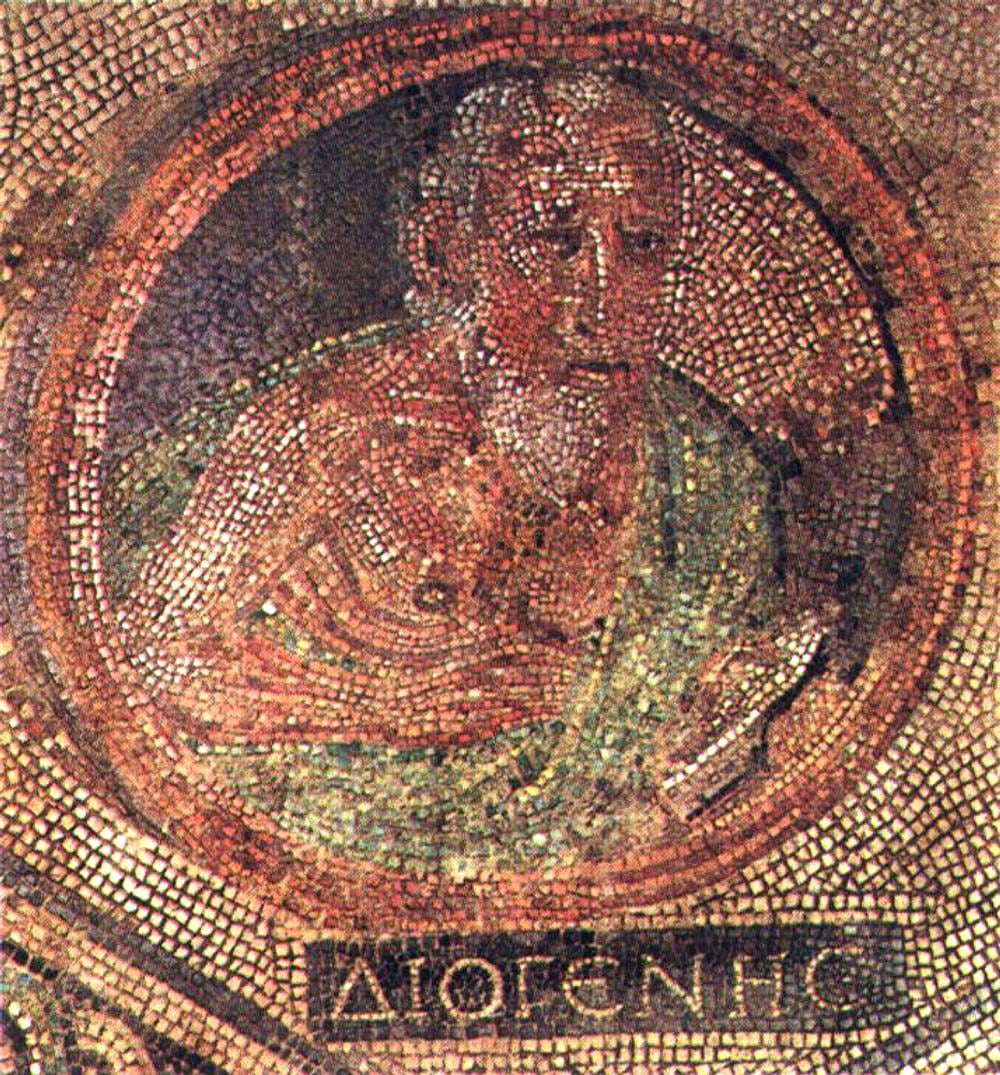
Diogenes of Sinope
Совпадают в вопросах: Почему мы страдаем? · Как достигается освобождение или спасение? · Реален ли мир?
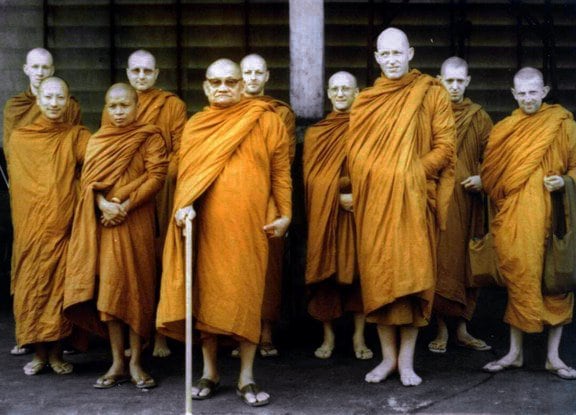
Ajahn Chah
Совпадают в вопросах: Что такое Абсолют? Существует ли Бог? · Кто я? Существует ли истинное «я»? · Почему мы страдаем?
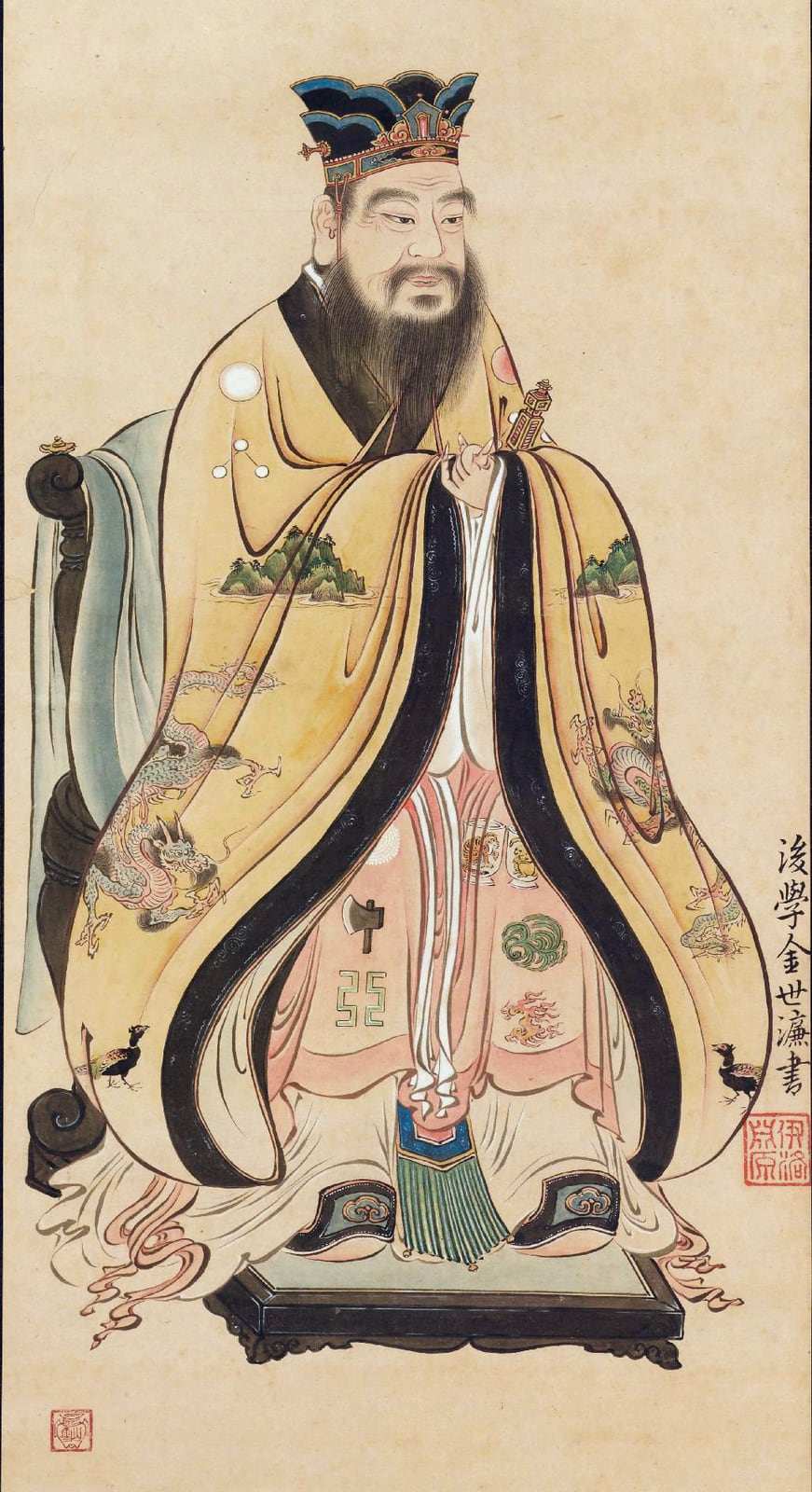
Confucius
Совпадают в вопросах: Нужен ли учитель? · Реален ли мир? · Что такое любовь?
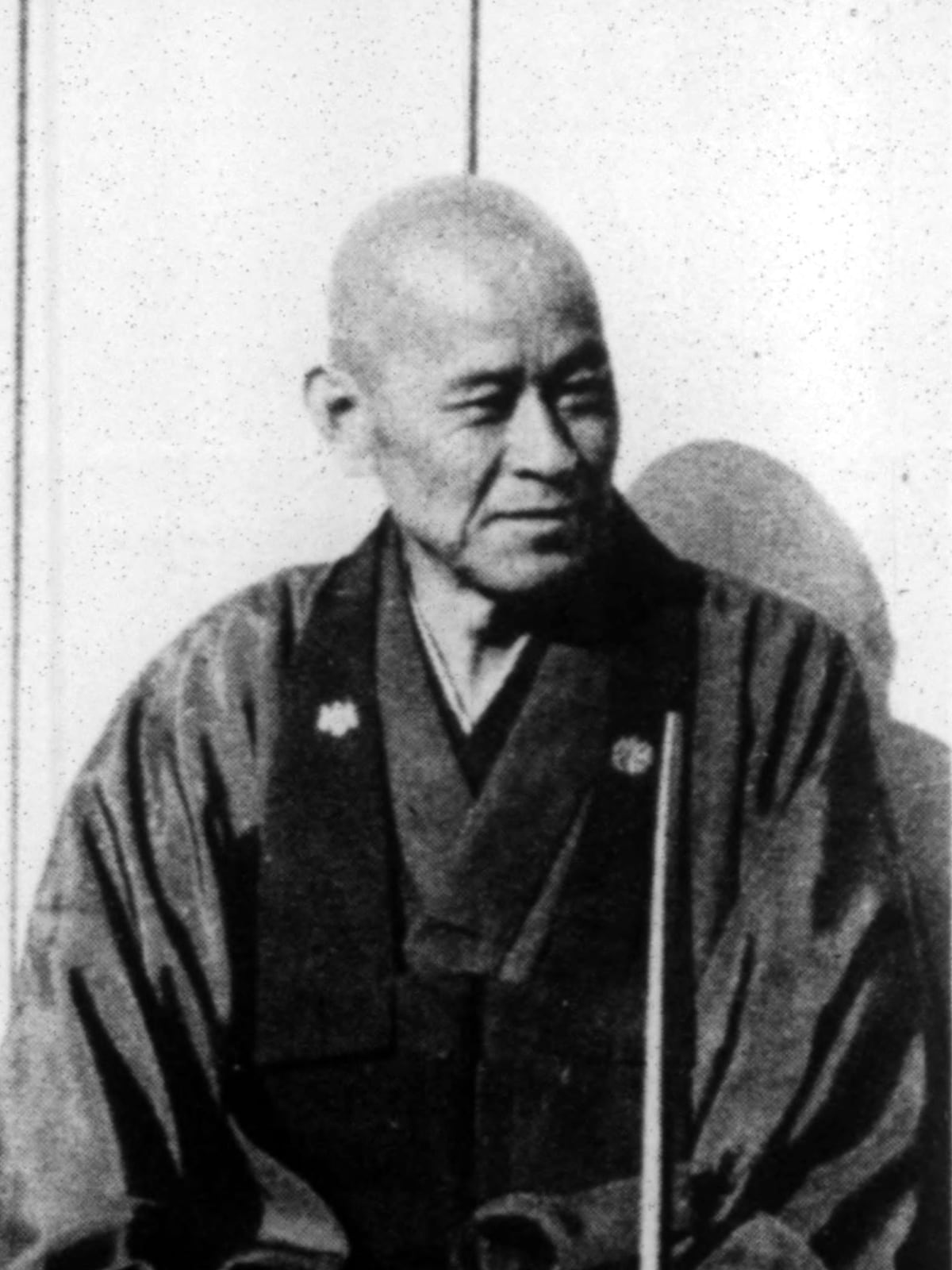
Shunryu Suzuki
Совпадают в вопросах: Кто я? Существует ли истинное «я»? · Почему мы страдаем? · Как достигается освобождение или спасение?
Дальше всего от
Al-Hallaj
Расходятся в вопросах: Что такое Абсолют? Существует ли Бог? · Кто я? Существует ли истинное «я»? · Что происходит после смерти?

Chaitanya Mahaprabhu
Расходятся в вопросах: Что такое Абсолют? Существует ли Бог? · Кто я? Существует ли истинное «я»? · Что происходит после смерти?
Hafez
Расходятся в вопросах: Что такое Абсолют? Существует ли Бог? · Кто я? Существует ли истинное «я»? · Что происходит после смерти?
Guru Nanak
Расходятся в вопросах: Что такое Абсолют? Существует ли Бог? · Кто я? Существует ли истинное «я»? · Что происходит после смерти?
Предания и рассказы
Предания и рассказы
Свидетельствоc. 307–270 a. C.
The Garden and its gate
Происхождение рассказа: Diogenes Laertius X 3, 10–11 (citing Apollodorus and Diocles); Seneca, Letters to Lucilius 21.10. The inscription is Seneca's testimony, four centuries later, and there is no evidence that it was already there in Epicurus' time.
Документированоc. 307–270 a. C.
A little pot of cheese
Происхождение рассказа: Diogenes Laertius X 11, quoting verbatim a now-lost letter of Epicurus; the theory, in the Letter to Menoeceus (X 130–131).
Оспариваетсяs. III a. C. en adelante
The slanders of Timocrates
Происхождение рассказа: Diogenes Laertius X 3–9. These are accusations by opponents or by a deserter from the school, transmitted together with their refutation; no modern historian takes them as fact, but they show the hostility that surrounded Epicureanism from the start.
Свидетельство270 a. C.
The last day
Происхождение рассказа: Diogenes Laertius X 15–16 and 22 (Hermarchus, Hermippus and the text of the letter); Cicero, De finibus II 96. The letter survives by quotation and its authenticity is not seriously disputed; the bath scene comes from a Hellenistic biographer fond of exemplary deaths.
Устная традицияc. 327 a. C.
Hesiod's chaos
Происхождение рассказа: Diogenes Laertius X 2, with two versions (Apollodorus the Epicurean and Hermippus). It is a school anecdote, transmitted by a sympathetic biographer; its value is illustrative rather than documentary.
Документировано1417–1888
How Epicurus came back
Происхождение рассказа: Greenblatt (2011) for the finding of Lucretius; Konstan (Stanford Encyclopedia of Philosophy) for Herculaneum and Oenoanda; Wotke (1888) for the Vatican Sayings. These are well-documented facts of the history of transmission.
Учение
Учение
Понятия, на которых строится мысль учителя, объяснённые в их контексте.
Pleasure (hedone) as the endhedone
Letter to Menoeceus (X 128–132), Principal Doctrines III–V and Diogenes Laertius X 136. The confusion with vulgar hedonism began with his Stoic and Christian opponents.
Ataraxia and aponiaataraxia
Letter to Menoeceus (X 128, 131), Letter to Pythocles (X 85), Principal Doctrine IV, Diogenes Laertius X 118. The term was shared by Sceptics and Epicureans, with different meanings.
The classification of desiresdeseos
Letter to Menoeceus (X 127–131), Principal Doctrines XV, XXVI, XXIX–XXX and the scholion to XXIX (X 149).
The fourfold remedy (tetrapharmakos)tetrafarmaco
Principal Doctrines I–IV (Diogenes Laertius X 139–140); Philodemus, PHerc. 1005; Long and Sedley (1987), ch. 25.
Источник: Long, A. A. y Sedley, D. N. The Hellenistic Philosophers, vol. 1: Translations of the Principal Sources with Philosophical Commentary. Cambridge University Press, Cambridge, 1987.
Atoms, void and the swerve (clinamen)atomismo
Letter to Herodotus (X 38–68); Lucretius II 216–293; Cicero, On Fate and De finibus I. The swerve does not appear in Epicurus' surviving texts.
The canon: criteria of truthcanon
Diogenes Laertius X 31–34; Letter to Herodotus (X 37–38, 50–52).
Friendship (philia) and "live unnoticed"philia
Principal Doctrines XXVII–XXVIII; Vatican Sayings 23, 52 and 56–57; Diogenes Laertius X 119; Plutarch, Moralia 1128a–1130e.
Epicurus' godsdioses-epicureos
Letter to Menoeceus (X 123–124), Principal Doctrine I and its scholion (X 139); Cicero, On the Nature of the Gods I.
Видео
Видео
Записи, интервью и документальные фильмы. Видео воспроизводятся с YouTube; здесь они не хранятся.
La filosofía helenista (II): Los epicúreos · La March
Лекция· ES· 2022· 53 min
Fundación Juan MarchОфициальный канал
13ª . 14ª. La Filosofía de Epicuro y su escuela
Лекция· ES· 2022· 114 min
Fundación Universitaria EspañolaОфициальный канал
"La biblioteca de los papiros de Herculano y el gran muro epicúreo de Enoanda", C. García Gual
Лекция· ES· 2016· 65 min
GipuzkoaKulturaОфициальный канал
La filosofía helenística (I) · La March
Лекция· ES· 2022· 57 min
Fundación Juan MarchОфициальный канал
Diógenes, Epicuro y Crisipo | Historia de la filosofía (8/61)
Лекция· ES· 2017· 87 min
Ernesto Castro
Cynics, Stoics, Epicureans
Лекция· EN· 2021· 46 min
Gresham CollegeОфициальный канал
A History of Philosophy | 15 Epicurean Philosophy
Лекция· EN· 2015· 63 min
wheatoncollegeОфициальный канал
Epicureanism - David Sedley, Angie Hobbs, James Warren
Документальный фильм· EN· 2021· 42 min
PhilosophyHub
Stoics vs. Skeptics vs. Epicureans | AA Long on Hellenistic Philosophy
Интервью· EN· 2025· 86 min
Johnathan Bi
Catherine Wilson - How To Be an Epicurean
Лекция· EN· 2019· 43 min
UNE Center for Global HumanitiesОфициальный канал
PHILOSOPHY - History: Epicurus’ Cure for Unhappiness [HD]
Разбор· EN· 2014· 10 min
Wireless PhilosophyОфициальный канал
Epicurus and the Epicureans in the Ancient World | Philosophers in the Midst of History
Лекция· EN· 2020· 86 min
Gregory B. Sadler - That Philosophy Guy
« Montaigne & Épicure : grandeur et limites de l'hédonisme » - André Comte-Sponville | ENS-PSL
Лекция· FR· 2016· 61 min
École normale supérieure - PSLОфициальный канал
Ringvorlesung "Philosophie im Garten: von Epikur bis Foucault"
Лекция· DE· 2021· 71 min
Uni Erfurt LiveОфициальный канал
Geschichte der Philosophie (5): Stoa, Epikureer und pyrrhonische Skepsis, Prof. Dr. Torsten Wilholt
Лекция· DE· 2013· 76 min
InstPhilОфициальный канал
Галерея
Галерея
Изображения с проверенной лицензией. Каждое сохраняет своё авторство и атрибуцию.
Рукописи
Рукописи
Рукописные свидетельства и древние тексты, с указанием хранителя и условий доступа.
GRC · Minúscula griega · Sentencias de los ss. IV–III a. C.; copia del s. XIV
Gnomologium Vaticanum Epicureum (Ἐπικούρου προσφώνησις)
- Сохранившийся список
- Único testimonio de la colección, dentro de un códice misceláneo.
- Хранитель
- Biblioteca Apostólica Vaticana, Ciudad del Vaticano · Vat. gr. 1950
GRC · Mayúscula griega (papiro) · Obra de fines del s. IV–comienzos del III a. C.; copias de época helenística tardía
Περὶ φύσεως (papiros de Herculano)
- Сохранившийся список
- Rollos carbonizados de la biblioteca de Filodemo en la Villa de los Papiros, sepultada por el Vesubio en el 79 d. C.
- Хранитель
- Biblioteca Nazionale «Vittorio Emanuele III», Officina dei Papiri Ercolanesi, Nápoles · PHerc. (varios números; p. ej. PHerc. 1479/1417 para el libro XXVIII)
Связи
Связи
Влияния, ученичество и близость взглядов. Документированная связь отличается от сходства, выявленного путём анализа.
Испытал влияние
Demócrito
His atomist physics derives from Democritus, whose books reportedly led him to philosophy according to Hermippus (Diogenes Laertius X 2); Epicurus played down the debt and called him "Lerocritus" (X 8).
Документированная связь
Ученик
Nausífanes de Teos
Apollodorus names him as Epicurus' teacher; Epicurus denied it and insulted him (Diogenes Laertius X 7–8, 13–14).
Документированная связь
Расходился во взглядах с
Epicurus called the Platonists "toadies of Dionysius" and Plato "the golden" (Diogenes Laertius X 8); his physics and theology oppose those of the Timaeus.
Документированная связь
Расходился во взглядах с
He reached Athens when Aristotle was in Chalcis (X 1) and scorned him as a profligate who squandered his patrimony (X 8).
Документированная связь
Расходился во взглядах с
There is no direct testimony from Epicurus about Socrates; his disciple Colotes attacked the Socratics, and Plutarch answered him in Against Colotes.
Сходство, выявленное путём анализа
Современник
Epicurus came to Athens as an ephebe around 323, the year Diogenes died; there is no record that they met. He called the Cynics "foes of Greece" (Diogenes Laertius X 8) and taught that the sage will not play the Cynic (X 119).
Сходство, выявленное путём анализа
Современник
Both taught in Athens at the same time, the Garden and the Stoa, from the late fourth century until Epicurus' death in 270; their schools were rivals for centuries (Diogenes Laertius VII and X).
Документированная связь
Повлиял на
Lucrecio
Lucretius set out Epicurus' doctrine in De rerum natura and celebrates him as the liberator of humankind.
Документированная связь
Расходился во взглядах с
Epictetus repeatedly argues against Epicurus, whom he calls a preacher of effeminacy (Discourses I 23, II 20, III 7; Diogenes Laertius X 6).
Документированная связь
Повлиял на
Though a Stoic, he quotes Epicurus approvingly on pain, which is neither unbearable nor everlasting (Meditations VII 64), and on his serenity in illness (IX 41).
Документированная связь
Повлиял на
Séneca
Seneca quotes Epicurus in almost all of his early Letters to Lucilius and describes the inscription of the Garden (21.10).
Документированная связь
Идеи, близкие к
Siddhartha Gautama, the Buddha
A frequent typological parallel: both conceive wisdom as therapy against the suffering produced by desires and false opinions, and seek a state of peace (ataraxia, nirvana); there is no historical contact.
Сходство, выявленное путём анализа
Источники
Источники
Библиография и каталоги, использованные для этой статьи.
- Wikidata, entidad Q43216 «Epicurus» (150 enlaces entre wikis; P31=Q5). Registra nacimiento en 342 o 341 a. C. y muerte en 270 a. C.; lugar de nacimiento, Samos; de muerte, Atenas.
- Diógenes Laercio. Vidas y opiniones de los filósofos ilustres, libro X (Epicuro: vida, testamento, cartas a Heródoto, Pitocles y Meneceo, Máximas capitales), s. III d. C. Trad. inglesa de R. D. Hicks, Loeb Classical Library 185, 1925 (Wikisource en inglés); texto griego en Wikisource griega; trad. de C. D. Yonge, Bohn, 1853 (Project Gutenberg n.º 57342).
- Diógenes Laercio. Los diez libros de Diógenes Laercio sobre las vidas, opiniones y sentencias de los filósofos más ilustres, trad. de José Ortiz y Sanz, tomo II (libros VI–X). Imprenta Real, Madrid, 1792 (Internet Archive).
- Usener, Hermann (ed.). Epicurea. Teubner, Leipzig, 1887 (Internet Archive). Edición clásica de los textos y testimonios; numeración «Us.» de los fragmentos.
- Bailey, Cyril (ed. y trad.). Epicurus: The Extant Remains. Clarendon Press, Oxford, 1926 (Internet Archive).
- Arrighetti, Graziano (ed. y trad.). Epicuro. Opere. Einaudi, Turín, 1960; 2.ª ed. 1973 (incluye los libros de Sobre la naturaleza conservados en Herculano).
- Konstan, David. «Epicurus». The Stanford Encyclopedia of Philosophy, ed. Edward N. Zalta; primera publicación 2005, revisión sustancial del 8 de julio de 2022.
- Inwood, Brad y Gerson, Lloyd P. (trads.). The Epicurus Reader: Selected Writings and Testimonia, introd. de D. S. Hutchinson. Hackett, Indianápolis, 1994.
- García Gual, Carlos. Epicuro. Alianza Editorial, Madrid, 1981.
- Séneca. Epístolas morales a Lucilio 21.10 (inscripción del Jardín), c. 64 d. C. Texto latino en The Latin Library.
- Plutarco. «Si está bien dicho “vive oculto”» (Εἰ καλῶς εἴρηται τὸ λάθε βιώσας), Moralia 1128a–1130e, s. I–II d. C. Texto griego en Wikisource griega.
- Lucrecio. De rerum natura, s. I a. C. Trad. inglesa de William Ellery Leonard, On the Nature of Things, Dutton, 1916 (Project Gutenberg n.º 785).
- Long, A. A. y Sedley, D. N. The Hellenistic Philosophers, vol. 1: Translations of the Principal Sources with Philosophical Commentary. Cambridge University Press, Cambridge, 1987.
- Sedley, David. Lucretius and the Transformation of Greek Wisdom. Cambridge University Press, Cambridge, 1998.
- Warren, James (ed.). The Cambridge Companion to Epicureanism. Cambridge University Press, Cambridge, 2009.
- «Epicurus», Wikipedia en inglés, y «Epicuro», Wikipedia en español (consultadas para contrastar datos y bibliografía; texto propio).
- Wotke, Karl. «Epikurische Spruchsammlung», con notas de Hermann Usener. Wiener Studien 10 (1888). Primera edición de las Sentencias vaticanas a partir del Vaticanus graecus 1950.
- Smith, Martin Ferguson (ed.). Diogenes of Oenoanda: The Epicurean Inscription. Bibliopolis, Nápoles, 1993.
- O'Keefe, Tim. «Epicurus (341–271 B.C.E.)». Internet Encyclopedia of Philosophy (ISSN 2161-0002).
- Open Library (Internet Archive): ediciones de Epicuro y de Diógenes Laercio verificadas por ISBN.
- Marco Aurelio. Meditaciones VII 64 y IX 41 (numeración estándar; en la traducción de Casaubon, VII 35 y IX 41), c. 170–180 d. C. Trad. inglesa de Meric Casaubon (1634) (Project Gutenberg n.º 2680).
- Epicteto. Disertaciones recogidas por Arriano, I 23, II 20 y III 7 (polémica contra Epicuro), c. 108 d. C. Trad. inglesa de George Long (Project Gutenberg n.º 10661).
- Lactancio. Sobre la ira de Dios 13, c. 314 d. C. Trad. inglesa de William Fletcher, Ante-Nicene Fathers, vol. VII, 1886 (Wikisource en inglés).
- Greenblatt, Stephen. The Swerve: How the World Became Modern. W. W. Norton, Nueva York, 2011 (trad. esp. El giro, Crítica, 2012).
- Wilson, Catherine. Epicureanism at the Origins of Modernity. Oxford University Press, Oxford, 2008.
- Cicerón. Del supremo bien y del supremo mal (De finibus) I–II y Sobre la naturaleza de los dioses I, 45 a. C. Trad. inglesa de C. D. Yonge (Project Gutenberg n.º 29247).
- Правообладатель
- Textos antiguos en dominio público; cada traducción y edición moderna pertenece a su traductor o editorial
Ожидает подтверждения
То, что в этой статье пока не удалось установить. Мы предпочитаем сказать об этом, а не заполнять пробел.
- Tradiciones: el catálogo (content/traditions.json) no tiene «epicureísmo»; se asigna provisionalmente «secular-contemplative». Valorar dar de alta una tradición «epicureanism».
- Traductores de las ediciones españolas de Cátedra (Obras completas, ISBN 9788437613307) y Tecnos (Obras, ISBN 9788430942572): no comprobados en catálogo; añadirlos cuando se verifiquen.
- Arrighetti, Epicuro. Opere (Einaudi): no se ha localizado ISBN en Open Library; registrado sin ISBN.
- Sentencias vaticanas: el texto griego de la n.º 52 se ha tomado de la edición corriente y cotejado solo en su comienzo; cotejar con la edición de Arrighetti. Localizar una traducción española de dominio público de las Sentencias vaticanas.
- Manuscritos: verificar la digitalización del Vat. gr. 1950 en DigiVatLib (la URL probada devolvió 404) y los números de inventario de los papiros de Herculano de Sobre la naturaleza (libros II, XI, XIV, XV, XXV, XXVIII, XXXIV) con el Catalogo dei Papiri Ercolanesi.
- Libros de Sobre la naturaleza conservados: se citan con seguridad el XV, el XXV y el XXVIII; confirmar la lista completa con Arrighetti y Sedley.
- Programas de afiliación: ninguno verificado. Lista vacía.
- Vídeos: el programa In Our Time de la BBC está subido por un canal no oficial; no se ha encontrado la versión oficial en YouTube.
Исследовано 2026-10-25