Стоицизм
Epictetus
Ἐπίκτητος
50-е – ок. 135Исторически документированная личность
Греческий философ-стоик (ок. 50 — ок. 135), родившийся рабом в Иераполе Фригийском. В Риме служил Эпафродиту, вольноотпущеннику Нерона, учился у Музония Руфа и, получив свободу, преподавал философию, пока Домициан не изгнал философов из Италии. Тогда он основал школу в Никополе Эпирском. Сам он ничего не написал: его уроки записал ученик Арриан в «Беседах» и «Энхиридионе», которые поставили в центр этики внутреннюю свободу и различение того, что зависит от нас, и того, что от нас не зависит.
- трудов
- 13трудов
- изданий
- 31изданий
- цитат
- 10цитат
- видео
- 11видео
- изображений
- 8изображений
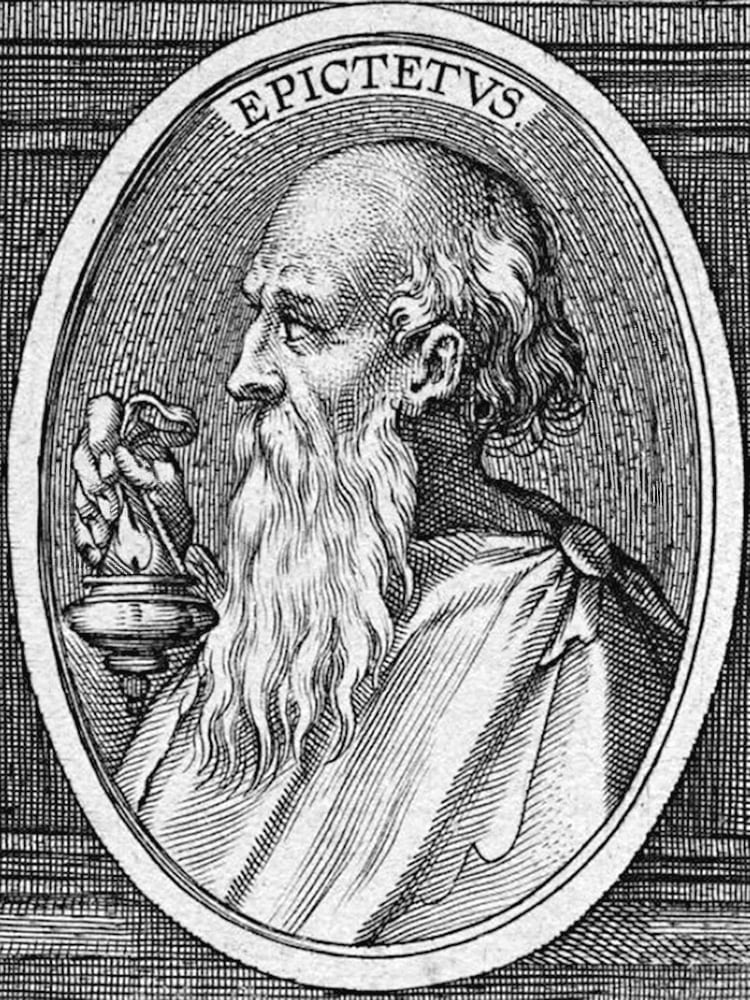
Epicteto en la portada de las obras de Séneca (Amberes, 1605) · Public domain
Своими словами
«Of things some are in our power, and others are not.»Manual 1, 1. Griego: Wikisource; inglés: George Long (1877); español: traducción propia.

Главная мысль
What is up to us (ta eph' hēmin): It is the starting point of all Epictetus' teaching, with which both the Handbook and the Discourses open.
В контексте
Биография
4 мин чтения
Перевод с испанского оригинала, выполненный с помощью ИИ; ожидает проверки носителем языка.
Раб, который учил свободе
Ни один античный философ не говорил о свободе так много, как Эпиктет, и ни у кого не было больше оснований знать ей цену. Он родился рабом, хромал и не написал ни строчки. Тем, что мы знаем о его учении, мы обязаны ученику, Флавию Арриану, который записывал его занятия в школе в Никополе и издал эти записи под названием Беседы, а также извлечению из них — Энхиридиону, или Руководству, которому предстояло стать одной из самых читаемых нравоучительных книг Запада. О его жизни, напротив, сохранилось мало достоверных сведений, рассыпанных у него самого, у Авла Геллия, в византийской «Суде» и в комментарии, который Симпликий посвятил Энхиридиону четыре столетия спустя.
Иераполь и Рим
Он родился около 50 года в Иераполе, греческом городе во Фригии, в Малой Азии, известном своими горячими источниками. Его имя, Epíktētos, означает «приобретенный» и было обычным рабским именем; мы не знаем, как его звали прежде, было ли у него другое имя и как он попал в Рим. Там он принадлежал Эпафродиту, вольноотпущеннику, который был у Нерона секретарем по прошениям и, по сообщению «Суды», состоял в его охране; Эпиктет вспоминает его в Беседах как тщеславного господина, который угодничал перед сапожником лишь потому, что тот поступил на службу к императору. Авл Геллий во II веке считал его рабское состояние фактом слишком недавним и известным, чтобы нуждаться в доказательствах.
Он был хром. «Суда» объясняет это ревматическим недугом; языческий полемист Цельс, которого цитирует Ориген, рассказывал, что хозяин выкручивал ему ногу, а Эпиктет с улыбкой предупредил, что он ее сломает, и, когда нога сломалась, сказал: «Не говорил ли я тебе?» Выбрать между двумя версиями невозможно, но хромота появляется в его собственных примерах: болезнь — препятствие для тела, но не для воли, говорит Энхиридион; хромота — для ноги, но не для воли.
Музоний Руф
Хозяин позволил ему посещать занятия римского стоика Гая Музония Руфа, самого уважаемого философа Рима при Нероне и Флавиях, не раз отправлявшегося в изгнание. Эпиктет упоминает его с благоговением: Руф говорил так, что каждому слушателю казалось, будто кто-то донес ему о его пороках; тому, кто его хвалил, он отвечал, что если у того есть время хвалить, значит, он говорил впустую. От Музония он унаследовал понимание философии как практического упражнения и образец — Сократа, которого цитирует чаще любого другого автора. Неизвестно, когда он получил свободу; в конце I века он уже преподавал в Риме.
Изгнание и школа в Никополе
Домициан изгнал философов из Рима и Италии, вероятно в 89 году или около 93–95 годов; Авл Геллий прямо говорит, что Эпиктет был среди изгнанных. Он поселился в Никополе, «городе победы», который Август основал в Эпире в память о битве при Акции, — процветающем городе на морском пути между Италией и Грецией. Там он открыл школу, куда съезжались юноши из состоятельных семей, многие из них римляне, чтобы подготовиться к общественному поприщу. «История Августов» утверждает, что Адриан относился к нему с большой дружбой, — известие, которое исследователи принимают с осторожностью.
В школе читали и комментировали тексты Хрисиппа и упражнялись в логике, но Беседы сохраняют другое — непринужденные разговоры, следовавшие за специальным уроком, в которых учитель обращается к слушателям, иронизирует, сочиняет диалоги с тираном или с жалующимся учеником и снова и снова повторяет один и тот же вопрос: зависит ли это от тебя или не зависит? «Школа философа — лечебница», предупреждает он; выходить из нее надо не довольным, а с болью.
Жизнь бедного учителя
Он жил очень просто и не был женат. Симпликий рассказывает, что долгое время он жил один, а в старости усыновил ребенка, которого друг собирался из бедности бросить, и взял в дом женщину, чтобы его вырастить. Лукиан Самосатский высмеивает собирателя, заплатившего три тысячи драхм за глиняный светильник философа в надежде обрести его мудрость, читая ночами при его свете. Он умер в Никополе около 135 года; «Суда» продлевает его жизнь до царствования Марка Аврелия, что специалисты считают маловероятным.
Арриан и книги
Флавий Арриан из Никомедии, впоследствии консул, наместник Каппадокии и историк Александра Македонского, посещал школу около 108 года. В письме к Луцию Геллию, предпосланном Беседам, он объясняет, что не сочинял их как литературное произведение, а старался записывать слово в слово то, что слышал, чтобы сохранить память о мысли и прямоте учителя, и что они были изданы без его согласия. Фотий в IX веке знал восемь книг Бесед и двенадцать книг Поучений; из первых дошли лишь четыре, через рукопись XI или XII века, хранящуюся в Бодлианской библиотеке, от которой зависят все прочие списки. Энхиридион, выборка изречений из Бесед, сохранился лучше благодаря монахам, которые переработали его в христианских редакциях.
То, что зависит от нас
Мысль Эпиктета исходит из разделения: «Из существующего одно зависит от нас, другое не зависит». От нас зависят суждение, стремление, желание и уклонение; не зависят тело, имущество, репутация и должности. Единственное по-настоящему наше — проэресис, способность выбора, которую не может одолеть даже Зевс. Тревожат нас не вещи, а наши суждения о них. Отсюда программа упражнений в трех областях — желании, действии и согласии, — в которой Пьер Адо увидел ключ к Размышлениям Марка Аврелия, самого знаменитого из его читателей, узнавшего его уроки через Юния Рустика.
Посмертная судьба
Энхиридион в VI веке прокомментировал Симпликий, в 1479 году перевел на латынь Анджело Полициано; его читали Монтень, Паскаль — противопоставивший его Монтеню в «Беседе с г-ном де Саси» — и неостоики XVI–XVII веков. На кастильский его перевели Брокенсе в 1600 году и, стихами, Франсиско де Кеведо в 1635-м. В XX веке психолог Альберт Эллис приводил его фразу о суждениях как предвосхищение когнитивной терапии, а американский летчик Джеймс Стокдейл рассказывал, что запомнившееся ему из Эпиктета помогло выдержать более семи лет плена во Вьетнаме.
Источники: Epicteto. Disertaciones (por Arriano) y Manual. Texto griego en Wikisource en griego; trad. inglesa de George Long, The Discourses of Epictetus; with the Encheiridion and Fragments (Londres: George Bell, 1877), en Wikisource en inglés. · Long, A. A. Epictetus: A Stoic and Socratic Guide to Life. Oxford: Clarendon Press, 2002. · Aulo Gelio. Noches áticas, I 2; II 18; XV 11; XVII 19; XIX 1. Trad. inglesa de John C. Rolfe, The Attic Nights, Loeb Classical Library 195, 200, 212. Londres: Heinemann, 1927 (libros I–II en LacusCurtius). · Simplicio. Comentario al Manual de Epicteto. Trad. inglesa de Tad Brennan y Charles Brittain, Simplicius: On Epictetus' Handbook, 2 vols. Londres: Duckworth / Ithaca: Cornell University Press, 2002. · Orígenes. Contra Celso, VII 53. Trad. inglesa de Frederick Crombie, Ante-Nicene Fathers, vol. IV. Buffalo: Christian Literature Publishing, 1885.
Хронология
Жизнь год за годом
Каждая точка — документированное событие. Нажмите, чтобы прочитать о нём, с источником и степенью достоверности.
50-е0 летHierápolis (Frigia)
Birth
Born a slave around the year 50 (the date is inferred from his life; there is no direct evidence) in Hierapolis in Phrygia, according to the Suda.
ВероятноSuda, s. v. «Epiktetos» (épsilon 2424). Suda On Line, trad. inglesa revisada.
После смерти
- ок. 140Publication of the Discourses
- ок. 146Marcus Aurelius reads Epictetus
- ок. 530Simplicius' commentary
- 1479Poliziano's Latin translation
- 1600El Brocense translates it into Spanish
- 1635Quevedo in verse
- 1758Elizabeth Carter
50-е · 0 лет
Birth
Born a slave around the year 50 (the date is inferred from his life; there is no direct evidence) in Hierapolis in Phrygia, according to the Suda.
Вероятно
ок. 65 · 15 лет
Slave of Epaphroditus
In Rome he belongs to Epaphroditus, a freedman and Nero's secretary for petitions (a libellis), who helped the emperor kill himself in 68 and was executed by Domitian around 95.
Вероятно
ок. 70 · 20 лет
Pupil of Musonius Rufus
Attends the lectures of the Stoic Gaius Musonius Rufus, whom he quotes in the Discourses (I.1.27; I.9.29; III.23.29).
Документировано
ок. 85 · 35 лет
Freedman and teacher in Rome
He obtains his freedom at an unknown date and begins teaching philosophy in Rome.
Вероятно
ок. 89 · 39 лет
Expulsion of the philosophers
Domitian expels the philosophers from Italy (in 89 or around 93–95). Aulus Gellius (XV.11.5) counts Epictetus among the exiles. He settles in Nicopolis in Epirus and founds his school.
Вероятно
ок. 108 · 58 лет
Arrian at the school
The young Flavius Arrian of Nicomedia attends the lectures and takes the notes that will become the Discourses (date proposed by Fergus Millar).
Вероятно
ок. 125 · 75 лет
Friendship with Hadrian
The Historia Augusta (Hadrian 16.10) states that the emperor treated the philosophers Epictetus and Heliodorus "with the greatest friendship". The report is isolated.
Оспаривается
ок. 130 · 80 лет
Adoption of a child
According to Simplicius, in old age he adopts a child whom a friend was going to abandon out of poverty and takes a woman into his house to raise it.
Предание
ок. 135 · 85 лет
Death
Dies in Nicopolis around 135. The Suda extends his life into the reign of Marcus Aurelius, which is considered unlikely.
Вероятно
ок. 140
Publication of the Discourses
Arrian's notes circulate with a letter to Lucius Gellius explaining that they were made public without his consent. Photius (cod. 58) will know eight books of Discourses and twelve of Conversations; four survive.
Вероятно
ок. 146
Marcus Aurelius reads Epictetus
Junius Rusticus lends the young Marcus Aurelius the notes of Epictetus (Meditations I.7); the emperor will quote him often.
Документировано
ок. 530
Simplicius' commentary
The Neoplatonist Simplicius writes an extensive commentary on the Handbook, the source of several biographical reports.
Вероятно
1479
Poliziano's Latin translation
Angelo Poliziano translates the Handbook into Latin and dedicates it to Lorenzo de' Medici.
Документировано
1600
El Brocense translates it into Spanish
Francisco Sánchez de las Brozas publishes "Doctrina del estoico filósofo Epicteto, que se llama comúnmente Enchiridion".
Документировано
1635
Quevedo in verse
Francisco de Quevedo publishes "Epicteto y Phocílides en español con consonantes", a verse paraphrase of the Handbook.
Документировано
1758
Elizabeth Carter
Elizabeth Carter publishes the first complete English translation of Epictetus' works.
Документировано
Труды
Главные труды
Труды, без которых не понять это наследие.
Записанное устное учение · ок. 108
Discourses (as reported by Arrian)
Ἀρριανοῦ τῶν Ἐπικτήτου διατριβῶν βιβλία
Four surviving books (of the eight Photius knew) containing ninety-five talks given by Epictetus at his school in Nicopolis, preceded by Arrian's letter to Lucius Gellius. They are not treatises but lively conversations in which the master challenges pupils and visitors, invents dialogues, draws on examples from daily life—the bath, the sea voyage, the dinner, the gymnasium—and offers Socrates, Diogenes and Zeno as models. The theme running through them all is the distinction between what is up to us (our judgements, desires, impulses: prohairesis) and what is not (body, goods, reputation, office), and the freedom that comes from applying it. They deal with providence and man's kinship with God, friendship and family, illness, exile and death, the true Cynic and the false philosopher. They are preserved by an eleventh- or twelfth-century Bodleian manuscript on which all other copies depend.
9 изданий · amazon.com

Позднейший сборник · ок. 130
Handbook (Enchiridion)
Ἐγχειρίδιον Ἐπικτήτου
Fifty-three short chapters condensing Epictetus' ethics as rules of conduct. It opens with the division "of things, some are up to us and others are not", goes on to the maxim that we are disturbed not by things but by our judgements about them (5), life as a role in a play written by another (17), the banquet at which one takes moderately what comes (15), piety (31) and the signs of one who is making progress (48), and ends with lines of Cleanthes and Euripides and words of Socrates. It has been the most read text of Epictetus since late antiquity: Simplicius commented on it, Byzantine monks adapted it, Poliziano translated it into Latin (1479) and el Brocense (1600) and Quevedo (1635) into Spanish.
10 изданий · amazon.com
Все труды (13)
Discourses, Book I
108
Discourses, Book II
108
Discourses, Book III
108
Discourses, Book IV
108
Fragments
Epictetus
Discourses, Books V–VIII (lost)
The Conscious LibraryDiscourses, Books V–VIII (lost)
108
Epictetus
Conversations (lost)
The Conscious LibraryConversations (lost)
Epictetus
Life and Death of Epictetus (by Arrian, lost)
The Conscious LibraryLife and Death of Epictetus (by Arrian, lost)
Epictetus
Debate of the Emperor Hadrian and the Philosopher Epictetus
The Conscious LibraryDebate of the Emperor Hadrian and the Philosopher Epictetus
Epictetus
Christian paraphrases of the Handbook
The Conscious LibraryChristian paraphrases of the Handbook
Epictetus
Simplicius' Commentary on the Handbook
The Conscious LibrarySimplicius' Commentary on the Handbook
530
Изречения
Изречения, найденные в конкретном труде. Каждое сопровождается указанием происхождения и степени надёжности.
Of things some are in our power, and others are not.Τῶν ὄντων τὰ μέν ἐστιν ἐφ’ ἡμῖν, τὰ δὲ οὐκ ἐφ’ ἡμῖν.
ПровереноManual 1, 1. Griego: Wikisource; inglés: George Long (1877); español: traducción propia.
Апокрифические изречения и изречения спорной атрибуции (3)
«We have two ears and one mouth so that we can listen twice as much as we speak.»
Often attributed to Epictetus, but Diogenes Laertius (VII.23) gives it to Zeno of Citium, founder of Stoicism, addressing a young man who would not stop talking.
«It's not what happens to you, but how you react to it that matters.»
A modern paraphrase, not a literal quotation, of Handbook 5. The original speaks not of "reactions" but of the judgements (dogmata) we form about things.
«I was Epictetus, a slave, maimed in body, poor as Irus, and dear to the immortals.»
An anonymous epigram in the Palatine Anthology (VII.676), sometimes presented as an epitaph Epictetus composed for himself. There is no basis for attributing it to him; it is a eulogy written by someone else.
Последние слова
Проверяемых записей о последних словах не существует.
No account of his death or of his last words survives. The biography Arrian wrote, according to Simplicius, the Life and Death of Epictetus, is lost.
Спросить
На что отвечают эти труды
Двенадцать великих вопросов человечества и то, что позволяют на них ответить эти тексты, со ссылками. Мы никогда не вкладываем слова в чужие уста.
Что такое Абсолют? Существует ли Бог?
God is a father: he gave us reason, sees us, assigns our role
Личный БогСказано прямо
Epictetus, whose lectures Arrian transcribed, is the Stoic who speaks most of God in a personal tone. In the Discourses he calls him father of gods and men, holds that being a son of Zeus should be enough never to think meanly of oneself, and asserts that God sees each of our movements because souls are joined to him as parts. God has given us the faculty that uses impressions and has brought us into the world as spectators and interpreters of his works; hence the fitting response is gratitude and hymn. The background remains the Stoic physics of an immanent god, but the language is relational: filial obedience, trust and thanksgiving.
Сравнить этот вопрос с другими учителямиКто я? Существует ли истинное «я»?
You are not your body: you are your choice, a fragment of God
Самость есть АбсолютСказано прямо
The first line of the Handbook divides things into those that depend on us and those that do not, and all of Epictetus rests on that border. Body, property, reputation or office are not ours; the only thing truly our own is the faculty of choice (prohairesis), which uses impressions and decides about them, and which not even Zeus can overcome. In the Discourses he goes further: each person is a fragment of God and carries a part of him within, and should therefore be ashamed to defile with impure thoughts the god he carries inside. The true self is not the one that can be imprisoned or fall ill, but that free reason akin to the divine.
Сравнить этот вопрос с другими учителямиПочему мы страдаем?
Things do not disturb us, but our judgements about what is not ours
Незнание того, кто мы естьСказано прямо
Epictetus' most quoted sentence sums up his diagnosis: it is not things that disturb people but the judgements they form about them. Death is not terrible; terrible is the opinion that it is. The underlying error concerns identity: we take as ours what does not depend on us — body, possessions, reputation, the lives of those we love — and invest it with desire and aversion. Whoever desires what belongs to another will be hindered and will lament. The Handbook proposes correcting that judgement from the start, examining each impression and asking whether it concerns what depends on us; if not, it is nothing to us.
Сравнить этот вопрос с другими учителямиЧто происходит после смерти?
There is no Hades: we return to the elements we came from
Молчание или сдержанностьСказано прямо
Epictetus treats death as the prime example of what does not depend on us. It is not terrible; terrible is the judgement that it is. In the Discourses he describes dying as a return to what is friendly and akin, to the elements we are made of, and specifies that there is no Hades or Acheron or Pyriphlegethon, but everything is full of gods and daimons. He recommends remembering, when kissing a child, that it is mortal, and regards death as an act of obedience to the one who gave us life: I must die, but I need not do so lamenting. There is no personal reward beyond death in his work.
Сравнить этот вопрос с другими учителямиКак достигается освобождение или спасение?
Watching oneself like an enemy in ambush: the school is a hospital
Через сознательную внутреннюю работуСказано прямо
Epictetus organises moral progress into three fields of exercise: desire and aversion, so as not to desire what does not depend on us; impulses and duties, so as to act in keeping with one's relationships; and assent, so as not to accept impressions without examination. None of this is done by reading: whoever boasts of understanding Chrysippus has not progressed, and the philosopher's school is a hospital one should leave in pain, not pleased. He demands constant attention, because a moment's carelessness loses what was gained, and asks the one who progresses to watch himself like an enemy lying in wait. Freedom is the fruit of conscious, daily work on oneself.
Сравнить этот вопрос с другими учителямиНужен ли учитель?
The teacher heals like a physician, but progress is each person's own
Полезен, но не обязателенСказано прямо
Epictetus was a pupil of Musonius Rufus and ran a school in Nicopolis, and he conceives the teacher as a physician: the school is a hospital and the philosopher should discomfort, not please. He holds up Socrates and Diogenes as models to keep in mind. Yet he insists that no one can progress for another: the teacher cannot will in the disciple's place, and whoever seeks applause for his lectures has confused philosophy with oratory. Moreover, God has placed beside each person a guardian daimon who never sleeps and cannot be deceived, so that we are never alone. Outer guidance orients; the task belongs to each one's faculty of choice.
Сравнить этот вопрос с другими учителямиРеален ли мир?
Everything that happens praises providence, for those who know how to look
Благое и реальное творениеСказано прямо
Epictetus hardly deals with physics, but he treats the world in a language of creation and providence. In the Discourses he holds that, for anyone with two qualities — the ability to see the whole and gratitude —, every single thing in the world is enough to praise providence: the sheep's wool, milk, the harmony between the sexes. God has made man a spectator and interpreter of his works, and it would be shameful to die without having contemplated them. Even what seems adverse has its place in the government of the whole. The world is real, good and ordered, and the fitting response to it is gratitude and song to God.
Сравнить этот вопрос с другими учителямиЧто такое любовь?
Only one who does not place his good in externals truly loves
Упорядоченная благожелательностьСказано прямо
Epictetus gives great importance to natural affection for one's own — children, parents, siblings, fellow citizens —, but wants to order it by reason. In the Discourses he criticises a father who abandoned his sick daughter because he could not bear to see her suffer: what he called love was inability to bear his own distress. In the discourse on friendship he holds that only the wise can love, because whoever places his good in money, fame or pleasure will end up in conflict with his friend, brother or father when interests collide. He advises remembering, when kissing a child, that it is mortal. It is affection without attachment, ordered by the duties of each relationship.
Сравнить этот вопрос с другими учителямиСвободны ли мы или всё предопределено?
You will chain my leg, but not even Zeus can overcome my will
Подлинная свобода волиСказано прямо
For Epictetus freedom is the centre of philosophy. Free is the one who lives as he wills, who cannot be compelled, hindered or forced, and only the one who places his desire in what depends on him achieves this. What depends on us is judgement, impulse, desire and aversion: in a word, our faculty of choice (prohairesis), which not even Zeus can overcome. Body, property and life can be chained; the will cannot. Epictetus at the same time accepts that the role we play in the drama is decided by another, like an actor receiving his part: ours is to play it well.
Сравнить этот вопрос с другими учителямиЗачем медитировать или молиться?
Before each impression: “You are an appearance, not what you seem”
Видеть реальность такой, как она естьСказано прямо
Epictetus' central practice is to examine impressions before assenting to them. The Handbook advises saying to each harsh impression that it is an appearance and not the thing it represents, and testing it by the rule of whether it concerns what depends on us. That vigilance must be constant: a moment's carelessness is enough to lose what was gained. To this are added the morning and evening review, for which he quotes the Golden Verses, and gratitude: if we were nightingales we would do what nightingales do; being rational, we must sing hymns to God. To meditate is to see things as they are and not as hasty judgement paints them.
Сравнить этот вопрос с другими учителямиМожет ли разум познать предельное?
Reason examines itself, but reading Chrysippus is not enough
Учение и знаниеСказано прямо
For Epictetus reason is the only faculty that examines itself and all the others, and it is the gift by which God made us spectators and interpreters of his work. It can know what is necessary: what depends on us, what our nature is, how the whole is governed. Hence it demands study, beginning with logic, which teaches how to examine impressions. But study is not an end in itself: whoever boasts of being able to interpret Chrysippus' books should remember that had Chrysippus written clearly, he would have nothing to boast of. What matters is living according to what has been learned; knowledge that does not transform conduct has not truly been learned.
Сравнить этот вопрос с другими учителямиУйти от мира или преобразить его?
Play well the role assigned to you: son, brother, citizen
Созерцание в действииСказано прямо
Epictetus advises neither withdrawing from the world nor reforming it, but rightly occupying the place that belongs to each. In the Handbook he compares life to a play: the author decides whether the part is long or short, a beggar's or a king's; ours is to play it well. Duties are measured by relationships — father, brother, neighbour, citizen —, and in the Discourses he lists what being a human, a son, a brother or a councillor requires. All this without setting one's heart on what does not depend on oneself: acting in the world with attention turned to one's own faculty of choice. Only for the ideal Cynic, God's messenger, does he reserve a life without family or city.
Сравнить этот вопрос с другими учителями
Созвучия и противоречия
Созвучия и противоречия
Рассчитаны вопрос за вопросом на основе позиций. Причина каждого совпадения или расхождения — по нажатию.
Ближе всего к
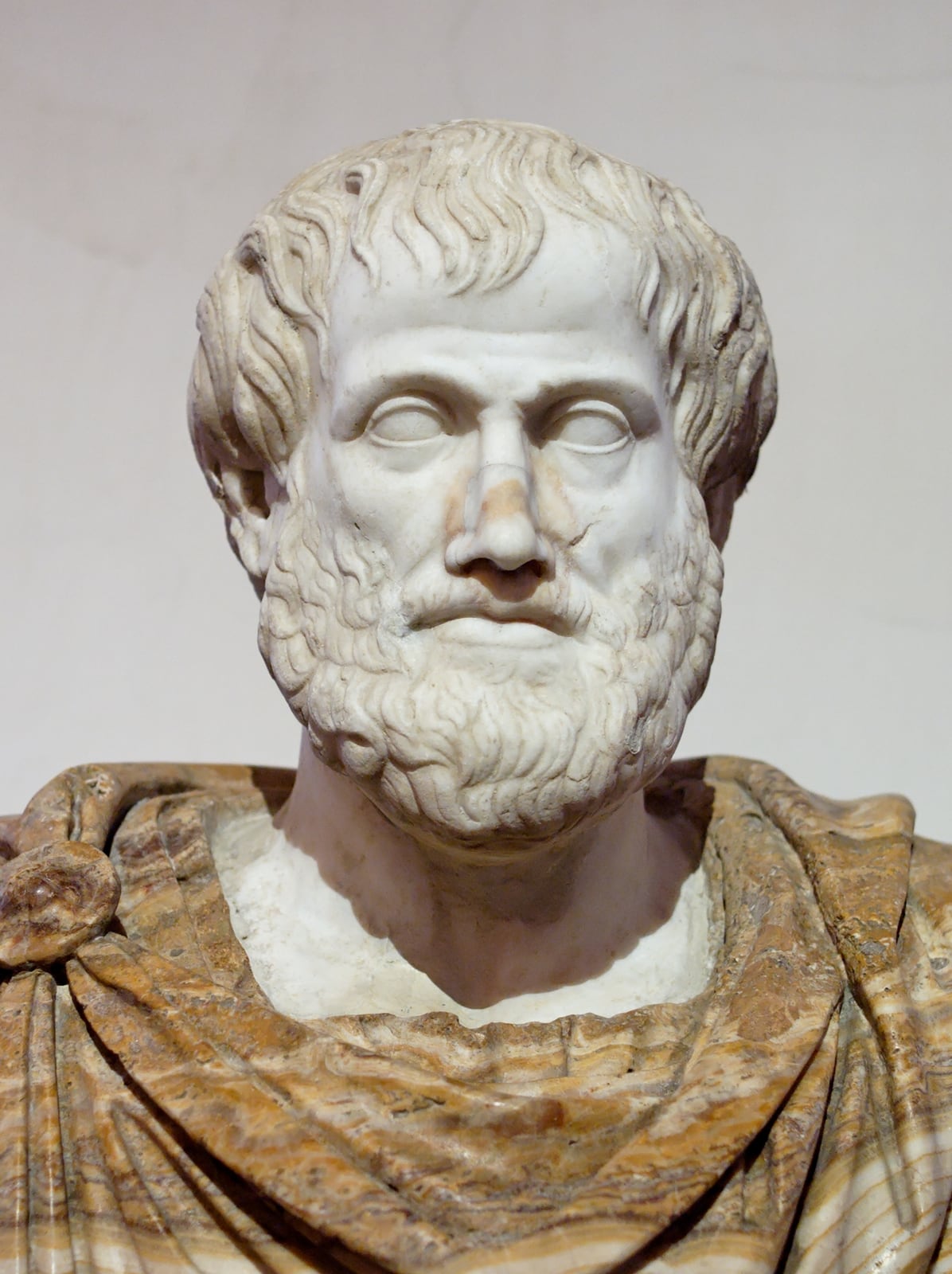
Aristotle
Совпадают в вопросах: Что происходит после смерти? · Нужен ли учитель? · Что такое любовь?

Thomas Merton
Совпадают в вопросах: Что такое Абсолют? Существует ли Бог? · Почему мы страдаем? · Нужен ли учитель?
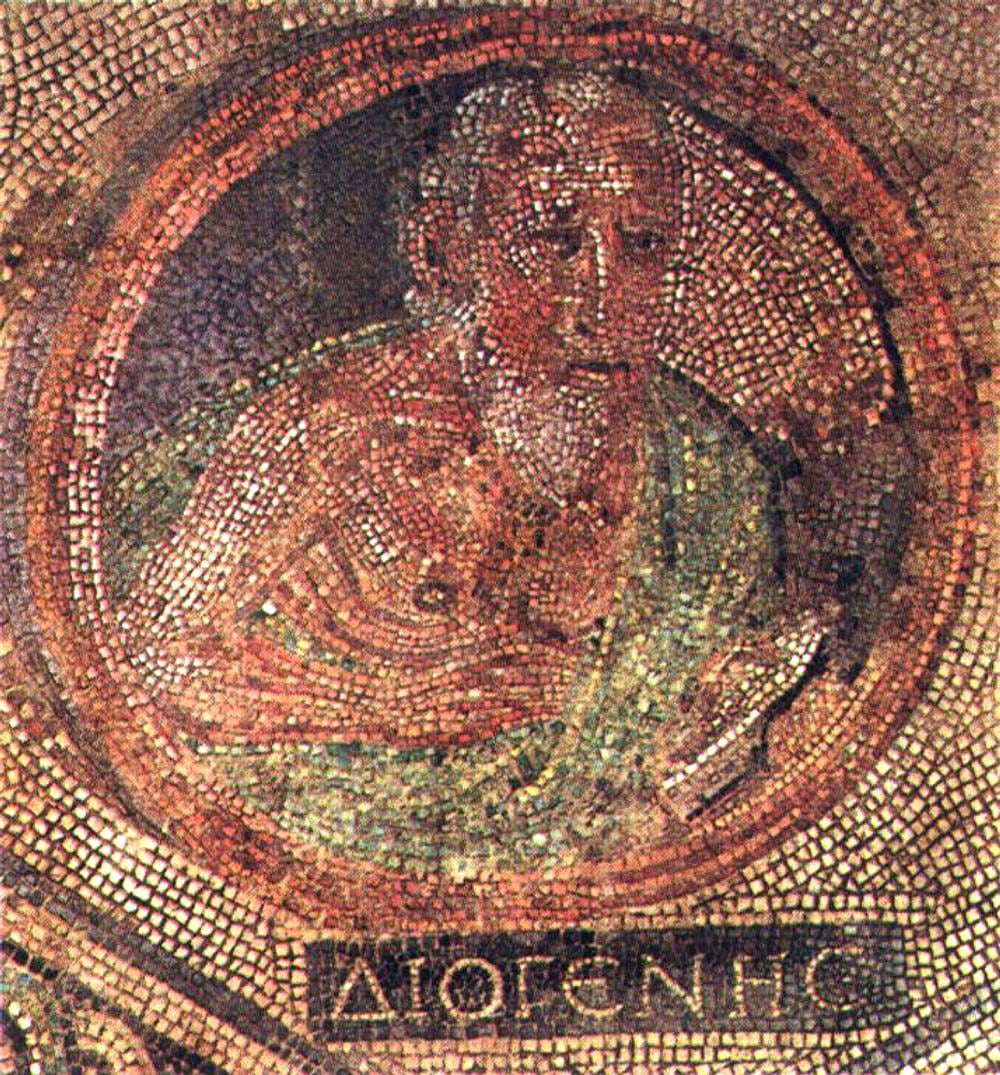
Diogenes of Sinope
Совпадают в вопросах: Что происходит после смерти? · Нужен ли учитель? · Свободны ли мы или всё предопределено?
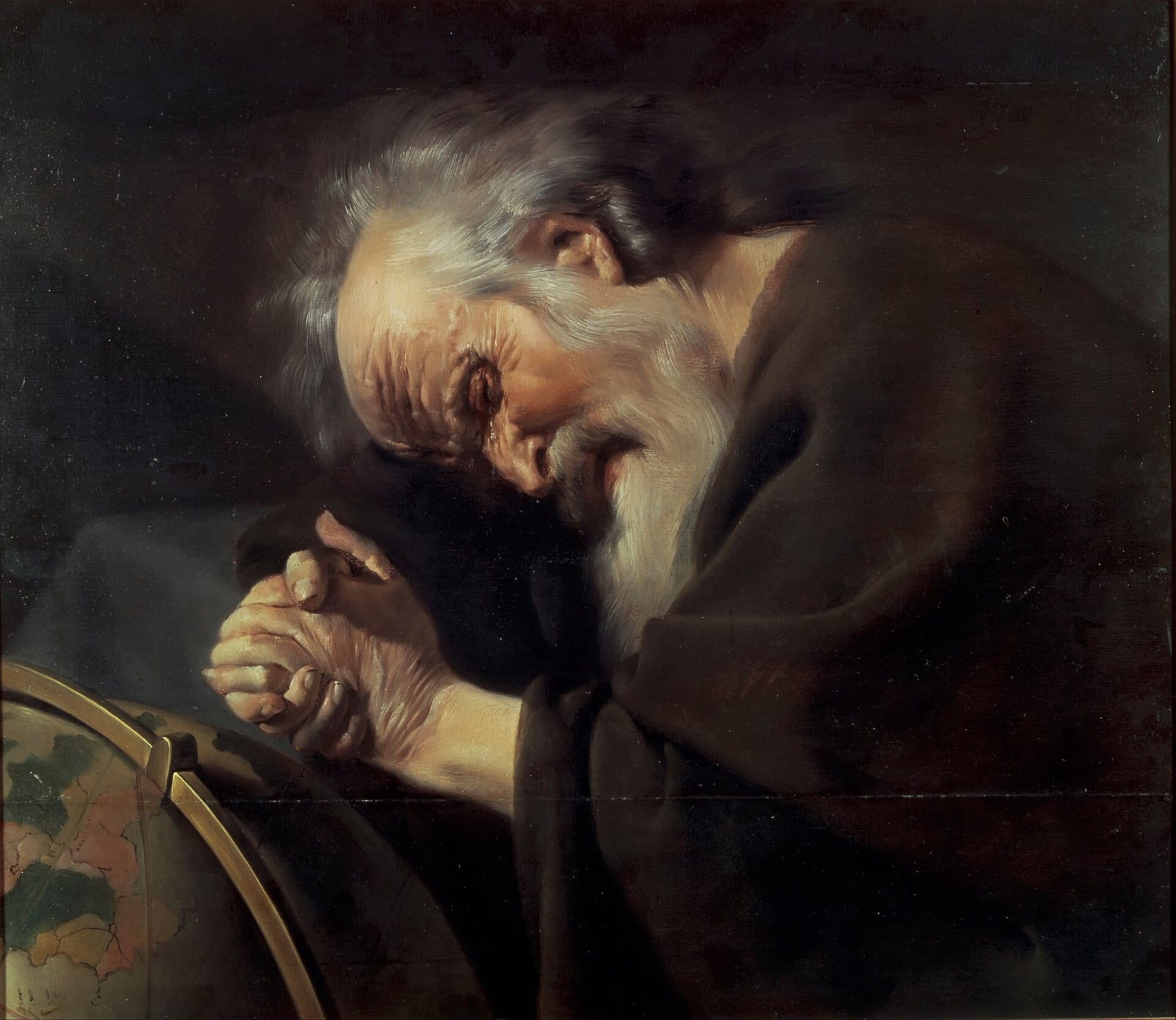
Heraclitus
Совпадают в вопросах: Кто я? Существует ли истинное «я»? · Почему мы страдаем? · Что происходит после смерти?
Дальше всего от

Dōgen
Расходятся в вопросах: Что такое Абсолют? Существует ли Бог? · Кто я? Существует ли истинное «я»?

Nikolai Berdyaev
Расходятся в вопросах: Кто я? Существует ли истинное «я»? · Реален ли мир?

Nāgārjuna
Расходятся в вопросах: Что такое Абсолют? Существует ли Бог? · Кто я? Существует ли истинное «я»?
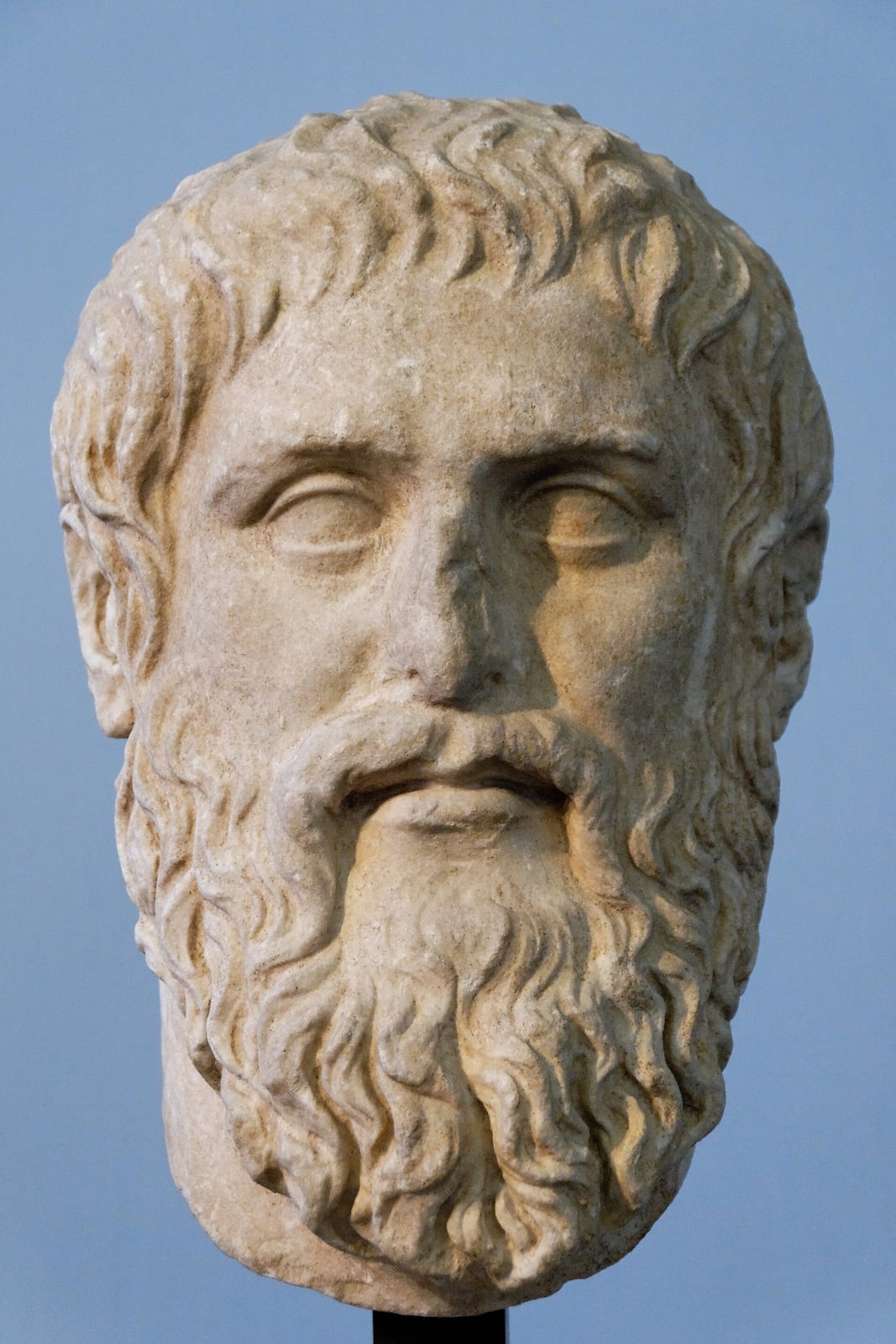
Plato
Расходятся в вопросах: Кто я? Существует ли истинное «я»? · Реален ли мир?
Предания и рассказы
Предания и рассказы
Оспариваетсяsegunda mitad del s. I
The broken leg
Происхождение рассказа: Origen, Against Celsus VII.53, quoting Celsus' True Doctrine (c. 178). It is a polemical account, written a century later with an apologetic purpose; the Suda (epsilon 2424) gives another cause. It cannot be verified.
Источник: Orígenes. Contra Celso, VII 53. Trad. inglesa de Frederick Crombie, Ante-Nicene Fathers, vol. IV. Buffalo: Christian Literature Publishing, 1885.
Документированоc. 100–170
The iron lamp and the clay lamp
Происхождение рассказа: The theft is told by Epictetus himself in Discourses I.18.15. The purchase of the lamp comes from Lucian, The Ignorant Book-Collector 13, a satire: the price may be exaggerated.
Документированоc. 65–68
The master and the shoemaker
Происхождение рассказа: Discourses I.19.19–22, in Epictetus' own words as transmitted by Arrian.
Свидетельствоmediados del s. II
The philosopher in the storm
Происхождение рассказа: Aulus Gellius, Attic Nights XIX.1, in the first person; Augustine summarises it in The City of God IX.4. It is fragment 9 in Schenkl's edition.
Свидетельствоc. 125–135
The adopted child
Происхождение рассказа: Simplicius, Commentary on the Handbook (on the chapter about marriage), four centuries later; there is no other source. Discourses I.11 and III.22.67–82 for the doctrinal context.
Источник: Simplicio. Comentario al Manual de Epicteto. Trad. inglesa de Tad Brennan y Charles Brittain, Simplicius: On Epictetus' Handbook, 2 vols. Londres: Duckworth / Ithaca: Cornell University Press, 2002.
Оспариваетсяc. 117–135; leyenda medieval
The emperor and the philosopher
Происхождение рассказа: Historia Augusta, Life of Hadrian 16.10 (a late source, end of the fourth century). The Altercatio Hadriani Augusti et Epicteti philosophi is a late, spurious anonymous work.
Учение
Учение
Понятия, на которых строится мысль учителя, объяснённые в их контексте.
What is up to us (ta eph' hēmin)lo-que-depende-de-nosotros
Already formulated by the early Stoics in the debate on fate and responsibility, Epictetus makes it the practical axis of ethics and a daily exercise: before each impression, ask whether it is up to oneself or not.
Prohairesis (the faculty of choice)proairesis
Margaret Graver and A. A. Long stress that it is Epictetus' most original contribution to Stoic vocabulary; it influenced Marcus Aurelius and, through the Christian versions, the idea of free will.
Источник: Long, A. A. Epictetus: A Stoic and Socratic Guide to Life. Oxford: Clarendon Press, 2002.
The use of impressionsuso-de-las-representaciones
Part of Stoic epistemology, which distinguished impression from assent; Epictetus turns it into moral practice. Modern cognitive psychotherapy (Albert Ellis, Aaron Beck) has claimed it as a precedent.
The three fields of trainingtres-campos
Pierre Hadot related these three fields to the three parts of Stoic philosophy (physics, ethics, logic) and showed that they structure Marcus Aurelius' Meditations as disciplines of desire, action and assent.
Источник: Hadot, Pierre. La Citadelle intérieure. Introduction aux Pensées de Marc Aurèle. París: Fayard, 1992 (cap. sobre las tres disciplinas de Epicteto).
The role in the playpapel-en-el-drama
The theory of roles derives from Panaetius (via Cicero, On Duties I), but Epictetus gives it a religious accent: the author of the play is God.
Kinship with Godparentesco-con-dios
The personal tone of his theology made Christians read him sympathetically and adapt the Handbook for monasteries; some moderns have looked, without success, for direct Christian influence.
Источник: Long, A. A. Epictetus: A Stoic and Socratic Guide to Life. Oxford: Clarendon Press, 2002.
Видео
Видео
Записи, интервью и документальные фильмы. Видео воспроизводятся с YouTube; здесь они не хранятся.
Estoicismo romano (II): Epicteto | La March
Лекция· ES· 2023· 60 min
Fundación Juan MarchОфициальный канал
La filosofía helenística (III): El estoicismo · La March
Лекция· ES· 2022· 59 min
Fundación Juan MarchОфициальный канал
Cynics, Stoics, Epicureans
Лекция· EN· 2021· 45 min
Gresham CollegeОфициальный канал
The Slave Who Was Free | Berkeley's AA Long on Epictetus
Интервью· EN· 2025· 65 min
Johnathan Bi
Stoicon 2018: Tony Long "Stoicism Ancient and Modern"
Лекция· EN· 2018· 49 min
Modern StoicismОфициальный канал
The philosophy of Stoicism - Massimo Pigliucci
Разбор· EN· 2017· 5 min
TED-EdОфициальный канал
A History of Philosophy | 16 Stoicism
Лекция· EN· 2015· 63 min
wheatoncollegeОфициальный канал
Epictetus, the Enchiridion - Introduction to Philosophy
Лекция· EN· 2011· 56 min
Gregory B. Sadler - That Philosophy Guy
Epictetus, Discourses | Habits and Practice | Philosophy Core Concepts
Лекция· EN· 2015· 14 min
Gregory B. Sadler - That Philosophy Guy
Geschichte der Philosophie (5): Stoa, Epikureer und pyrrhonische Skepsis, Prof. Dr. Torsten Wilholt
Лекция· DE· 2013· 76 min
InstPhilОфициальный канал
Monografia su EPITTETO
Разбор· IT· 2021· 97 min
Rick DuFer
Галерея
Галерея
Изображения с проверенной лицензией. Каждое сохраняет своё авторство и атрибуцию.
Рукописи
Рукописи
Рукописные свидетельства и древние тексты, с указанием хранителя и условий доступа.
GRC · Minúscula griega · Lecciones de c. 108; copia de los ss. XI–XII
Ἀρριανοῦ τῶν Ἐπικτήτου διατριβῶν
- Сохранившийся список
- Arquetipo del que dependen todos los demás manuscritos de las Disertaciones
- Хранитель
- Bodleian Library, Oxford · MS. Auct. T. 4. 13 (Misc. gr. 251)
Связи
Связи
Влияния, ученичество и близость взглядов. Документированная связь отличается от сходства, выявленного путём анализа.
Испытал влияние
Socrates is his constant model: he quotes him more than any other author, takes from the Apology and the Crito the idea that "Anytus and Meletus can kill me, but they cannot harm me" (Handbook 53) and proposes imitating his answer "I am a citizen of the world" (Discourses I.9).
Документированная связь
Испытал влияние
He belongs to the school Zeno founded, and names him among his models alongside Socrates and Diogenes (Discourses III.23.32).
Документированная связь
Испытал влияние
Diogenes is for him the example of the true Cynic and the free man; he devotes much of the discourse "About Cynism" (III.22) to him.
Документированная связь
Испытал влияние
He frequently quotes Plato's Socratic dialogues (Apology, Crito, Gorgias) as the source for the figure of Socrates.
Документированная связь
Расходился во взглядах с
He argues against Epicurus and the Epicureans in several discourses (I.23 "Against Epicurus"; II.20; III.7), reproaching them for denying man's natural sociability.
Документированная связь
Повлиял на
Marcus Aurelius came to know the notes of his lectures through Junius Rusticus (Meditations I.7), quotes him repeatedly and organises his Meditations according to his three fields of training.
Документированная связь
Идеи, близкие к
There is no evidence he read Aristotle, but his key term, prohairesis, comes from Aristotle's vocabulary of deliberate decision, which Epictetus turns into the name of the moral self.
Сходство, выявленное путём анализа
Повлиял на
Augustine summarises in The City of God (IX.4) Aulus Gellius' story of the Stoic philosopher who, in a storm, justified his fear with a book of Epictetus, and uses it to discuss the Stoic doctrine of the passions.
Документированная связь
Идеи, близкие к
There is no evidence that Plotinus read him. His fullest commentator, Simplicius, was a sixth-century Neoplatonist who read the Handbook as ethical preparation for Platonic philosophy.
Сходство, выявленное путём анализа
Источники
Источники
Библиография и каталоги, использованные для этой статьи.
- Wikidata, entidad Q183144 «Epictetus» (117 enlaces entre wikis; P31=Q5). Registra nacimiento hacia el 50 en Hierápolis y muerte en el 135 o el 138 en Nicópolis.
- Graver, Margaret. «Epictetus». Stanford Encyclopedia of Philosophy, ed. Edward N. Zalta (publicada en 2008, revisión sustancial de 2025).
- Epicteto. Disertaciones (por Arriano) y Manual. Texto griego en Wikisource en griego; trad. inglesa de George Long, The Discourses of Epictetus; with the Encheiridion and Fragments (Londres: George Bell, 1877), en Wikisource en inglés.
- Long, A. A. Epictetus: A Stoic and Socratic Guide to Life. Oxford: Clarendon Press, 2002.
- Aulo Gelio. Noches áticas, I 2; II 18; XV 11; XVII 19; XIX 1. Trad. inglesa de John C. Rolfe, The Attic Nights, Loeb Classical Library 195, 200, 212. Londres: Heinemann, 1927 (libros I–II en LacusCurtius).
- Simplicio. Comentario al Manual de Epicteto. Trad. inglesa de Tad Brennan y Charles Brittain, Simplicius: On Epictetus' Handbook, 2 vols. Londres: Duckworth / Ithaca: Cornell University Press, 2002.
- Orígenes. Contra Celso, VII 53. Trad. inglesa de Frederick Crombie, Ante-Nicene Fathers, vol. IV. Buffalo: Christian Literature Publishing, 1885.
- Luciano de Samósata. Contra un ignorante que compraba muchos libros, 13. Trad. inglesa de A. M. Harmon, Lucian, vol. III, Loeb Classical Library 130. Londres: Heinemann, 1921.
- Historia Augusta, «Vida de Adriano» 16, 10. Trad. inglesa de David Magie, Loeb Classical Library 139, 1921 (texto en LacusCurtius).
- Millar, Fergus. «Epictetus and the Imperial Court». Journal of Roman Studies 55 (1965): 141–148.
- Oldfather, W. A. «Introduction», en Epictetus: The Discourses as Reported by Arrian, the Manual, and Fragments, vol. I. Loeb Classical Library 131. Londres: Heinemann / Nueva York: Putnam, 1925.
- Seddon, Keith H. «Epictetus (55–135 C.E.)». Internet Encyclopedia of Philosophy.
- «Epictetus», Wikipedia en inglés, y «Epicteto», Wikipedia en español (consultadas para hechos verificables y bibliografía; texto propio).
- Focio. Biblioteca, códice 58 (sobre Arriano). Trad. inglesa de J. H. Freese, The Library of Photius, vol. I. Londres: SPCK, 1920.
- Marco Aurelio. Meditaciones, I 7. Trad. inglesa de George Long (1862), Wikisource.
- Suda, s. v. «Epiktetos» (épsilon 2424). Suda On Line, trad. inglesa revisada.
- Hadot, Pierre. La Citadelle intérieure. Introduction aux Pensées de Marc Aurèle. París: Fayard, 1992 (cap. sobre las tres disciplinas de Epicteto).
- Antología Palatina, VII 676 (epigrama anónimo sobre Epicteto). Texto griego en Wikisource en griego.
- Bodleian Library, MS. Auct. T. 4. 13 (Arriano, Disertaciones de Epicteto; s. XI–XII). Ficha del catálogo de manuscritos medievales.
- Dobbin, Robert F. Epictetus: Discourses, Book I. Clarendon Later Ancient Philosophers. Oxford: Clarendon Press, 1998.
- Open Library: registros de las traducciones españolas antiguas del Manual — Francisco Sánchez de las Brozas, «Dotrina del estoico filosofo Epicteto, que se llama comunmente Enchiridion» (1600), y Francisco de Quevedo, «Epicteto y Phocilides en español con consonantes» (Madrid, 1635).
- Diógenes Laercio. Vidas de los filósofos ilustres, VII 23 («Zenón»). Trad. inglesa de R. D. Hicks, Lives of Eminent Philosophers, vol. II, Loeb Classical Library 185. Londres: Heinemann, 1925 (texto en Wikisource).
- Agustín de Hipona. La ciudad de Dios, IX 4. Trad. inglesa de Marcus Dods, Nicene and Post-Nicene Fathers, serie I, vol. II. Buffalo: Christian Literature Publishing, 1887 (texto en New Advent).
- Правообладатель
- Textos antiguos en dominio público; cada traducción y edición moderna pertenece a su traductor o editorial
Ожидает подтверждения
То, что в этой статье пока не удалось установить. Мы предпочитаем сказать об этом, а не заполнять пробел.
- Antonio Brum (o Brun), traductor del Enquiridión en «Obras de los moralistas griegos» (1888): identificar y fechar su muerte para confirmar el dominio público.
- Loeb de Oldfather: el ISBN 9780674992405 figura en Open Library sin número de volumen; confirmar que corresponde al vol. II (LCL 218).
- Pláticas por Arriano (trad. Pablo Jordán de Urríes, 1957–1973): confirmar volúmenes y editorial de cada tomo.
- Simplicio, On Epictetus' Handbook (Brennan y Brittain, 2002): falta ISBN verificado.
- Ediciones con ISBN en francés (Les Belles Lettres, Souilhé), alemán e italiano no registradas en esta pasada.
- Fragmentos: no se han inventariado uno a uno los fragmentos de la edición de Schenkl.
- Fecha de nacimiento: solo «hacia el 50»; la de muerte, hacia el 135 (Wikidata da también 125 y 138).
- Sin programa de afiliación verificado ni titular de derechos: autor antiguo; las editoriales citadas no se han comprobado como programas de afiliados.
Исследовано 2026-10-25