Стоицизм
Marcus Aurelius
Marcus Aurelius Antoninus Augustus · Μάρκος Αὐρήλιος Ἀντωνῖνος
121 – 180Исторически документированная личность
Римский император (121–180) и философ-стоик. Правил с 161 года, в первые годы вместе с Луцием Вером, и провел значительную часть своего царствования на дунайской границе, воюя с маркоманами, квадами и сарматами, в то время как империю опустошала чума. В походах он писал по-гречески заметки для самого себя, известные нам как «Размышления», — одну из самых читаемых книг античности. Его юношеская переписка с ритором Фронтоном, найденная в XIX веке, дополняет этот портрет.
- трудов
- 9трудов
- изданий
- 24изданий
- цитат
- 12цитат
- видео
- 12видео
- изображений
- 8изображений
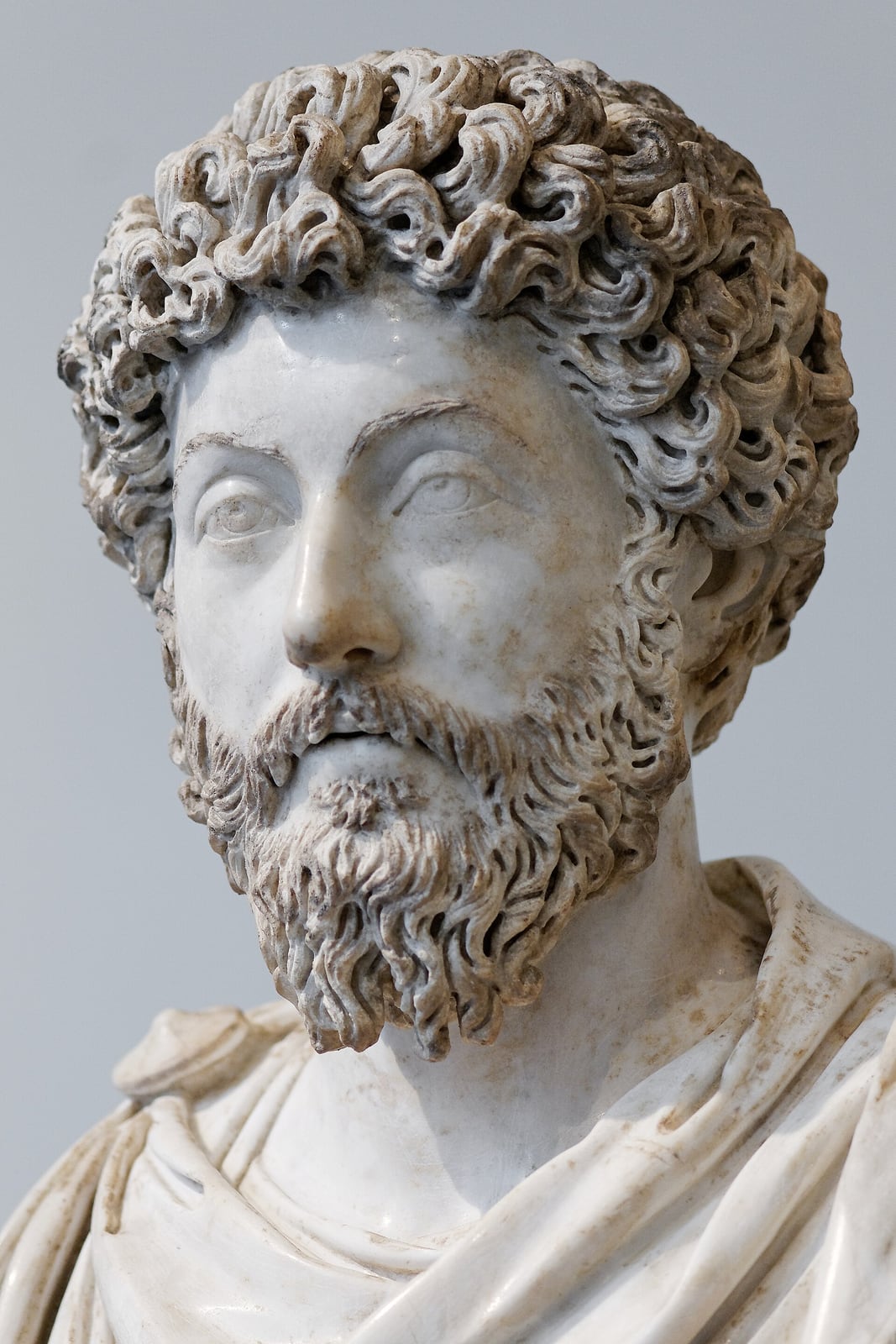
Busto de Marco Aurelio (Louvre, MR 561) · CC BY 2.5
Своими словами
«Begin the morning by saying to thyself, I shall meet with the busybody, the ungrateful, arrogant, deceitful, envious, unsocial.»Meditaciones II 1. Griego: Wikisource; inglés: George Long (1862); español: traducción propia.

Главная мысль
The inner citadel: The expression comes from Meditations VIII.48: "the mind which is free from passions is a citadel", the place where a person takes refuge and becomes impregnable.
В контексте
Биография
5 мин чтения
Перевод с испанского оригинала, выполненный с помощью ИИ; ожидает проверки носителем языка.
Книга, написанная ни для кого
Среди бумаг, оставшихся после смерти императора Марка Аврелия, были тетради на греческом языке, не предназначенные ни для какого читателя. Это не мемуары и не трактат, а упражнения, предостережения и напоминания, которые человек обращает к самому себе, часто во втором лице, чтобы не забыть, во что он верит. Заглавие, переданное рукописями, Ta eis heautón, означает «К самому себе»; по-русски их обычно называют Размышлениями. То, что самый могущественный правитель своего времени посвящал ночи в походном лагере исследованию собственного поведения с помощью инструментов стоической философии, и сделало его со времен Возрождения фигурой исключительной: это единственный римский император, который остается автором, которого читают до сих пор.
Вериссим
Он родился в Риме 26 апреля 121 года, на вилле на Целиевом холме. Отцовский род, Аннии Веры, происходил из Укуби в Бетике и достиг консульства и патрицианского достоинства; мать, Домиция Луцилла, была наследницей большого состояния. Отец умер в должности претора, когда мальчику было около трех лет, и его растили мать и дед. Адриан, благоволивший к нему, обыгрывал его имя и называл его Verissimus — «правдивейший». «История Августов» рассказывает, что в двенадцать лет он надел грубый плащ философов и пожелал спать на голой земле, пока мать не уговорила его ложиться на постель, покрытую шкурами. Первая книга Размышлений — перечень того, чем он обязан каждому из своих родных и учителей, — начинается именно с этих лет.
Наследник
В феврале 138 года больной и бездетный Адриан усыновил Антонина с условием, что тот, в свою очередь, усыновит шестнадцатилетнего Марка и маленького Луция Вера. После смерти Адриана в июле Марк более двадцати лет прожил рядом с Антонином Пием как назначенный преемник: цезарь в 139 году, впервые консул в 140-м, в 145-м женат на своей двоюродной сестре Фаустине, дочери императора, родившей ему по меньшей мере тринадцать детей, многие из которых умерли в младенчестве. Он получил лучшее образование своего времени: латинскую риторику — у Марка Корнелия Фронтона, греческую — у Герода Аттика, философию — у стоиков, таких как Аполлоний Халкидонский, Секст Херонейский и прежде всего Юний Рустик, который дал ему из собственной библиотеки записи лекций Эпиктета.
Письма Фронтона
От этих лет сохранилось исключительное свидетельство — переписка Марка и Фронтона, письма на латыни (и некоторые по-гречески), написанные между концом 130-х и серединой 160-х годов. Веками их считали утраченными, пока Анджело Маи в 1815 и 1819 годах не обнаружил в Амброзианской библиотеке в Милане и в Ватиканской библиотеке палимпсест, текст которого монах соскоблил, чтобы переписать поверх него деяния одного собора. Письма рисуют юношу ласкового, усердного и порой нетерпеливого к риторике, который рассказывает о своих простудах, о сборе винограда, о новорожденных дочерях и об учителе, которого, по его словам, любит больше всего на свете. Около 146 года он признается Фронтону, что чтение стоика Аристона отвратило его от ораторских упражнений: это тот поворот к философии, за который император поблагодарит Рустика в Размышлениях.
Два императора и чума
Антонин Пий умер 7 марта 161 года. Марк сразу сделал соправителем своего приемного брата Луция Вера, и впервые у Рима оказалось два августа с равными титулами. Правление началось с войны против парфян в Армении и Месопотамии, которую номинально возглавлял Вер; возвращаясь около 165–166 годов, армия принесла с собой эпидемию — так называемую Антонинову чуму, — которая много лет опустошала империю. Вер умер в начале 169 года, и Марк правил один, пока не сделал соправителем своего сына Коммода.
Дунайская граница
С конца 160-х годов маркоманы, квады, языги и другие народы переходили Дунай, и один из набегов докатился до Аквилеи в Италии. Чтобы оплатить войну, Марк, по сообщению «Истории Августов», два месяца продавал с торгов на форуме Траяна утварь и драгоценности дворца. Почти все последующие годы он провел в лагерях Паннонии — в Карнунте и Сирмии. К этому времени относят написание значительной части Размышлений: вторая книга имеет надпись «Среди квадов, на Грануе», третья — «В Карнунте». С этими походами связан и эпизод о чудесном дожде, спасшем изнывавшее от жажды римское войско: колонна Марка Аврелия изображает его как вмешательство бога дождя, а христиане позднее приписали его молитве своих солдат.
Мятеж и путешествие на Восток
Весной 175 года полководец Авидий Кассий, наместник Сирии, получив ложное известие о смерти Марка, провозгласил себя императором. Мятеж длился три месяца и закончился убийством Кассия его собственными офицерами. Дион Кассий рассказывает, что Марк сожалел, что не смог его простить, милостиво обошелся с его сторонниками и сжег не читая компрометирующую переписку. Затем он отправился на Восток; Фаустина умерла в пути, в Галале, в Каппадокии. В Афинах он принял посвящение в Элевсинские мистерии и учредил оплачиваемые кафедры для четырех великих философских школ — платоновской, аристотелевской, стоической и эпикурейской. В 177 году он сделал августом Коммода, единственного пережившего его сына; в том же году, в его правление, приняли мученичество христиане Лиона.
Смерть на фронте
В 178 году он вернулся на Дунай для второго похода. Он умер 17 марта 180 года, на пятьдесят девятом году жизни, по Аврелию Виктору — в Виндобоне, нынешней Вене, по Тертуллиану — в Сирмии. «История Августов» повествует, что, заболев, он перестал есть и пить, просил друзей не плакать о нем, а думать лучше о моровой язве и об общей для всех смерти, а на седьмой день покрыл голову и ночью скончался. Дион добавляет, что трибуну, спросившему у него пароль, он ответил: «Иди к восходящему солнцу, я уже захожу». Он был обожествлен, ему наследовал Коммод, и с ним закончилась эпоха, которую Эдвард Гиббон в 1776 году назовет самой счастливой и процветающей в истории человечества.
Внутренняя цитадель
Размышления уцелели с большим трудом. Около 900 года епископ Арефа Кесарийский пишет, что владеет старым списком; их цитирует византийский словарь «Суда», а Вильгельм Ксиландр издал в Цюрихе в 1558 году первое печатное издание с латинским переводом по рукописи, ныне утраченной. Пьер Адо показал, что их повторы — не беспорядок, а метод: это духовные упражнения, в которых Марк снова и снова переписывает принципы стоицизма Эпиктета — дисциплину суждения, желания и действия, — чтобы сделать их своими. Переведенная на английский Мериком Казобоном в 1634 году и Джорджем Лонгом в 1862-м, приведенная в пример Джоном Стюартом Миллем в трактате «О свободе», книга императора, увещевавшего себя «не оцезариться», и восемнадцать веков спустя остается одним из самых исхоженных путей к античной философии.
Источники: Historia Augusta, «Vida de Marco Antonino el Filósofo» (Vita Marci Antonini Philosophi). Trad. inglesa de David Magie, The Scriptores Historiae Augustae, vol. I, Loeb Classical Library 139. Londres: Heinemann, 1921 (texto en LacusCurtius). Fuente tardía (finales del s. IV) y poco fiable en muchos pasajes. · Dion Casio, Historia romana, epítome de los libros LXXI–LXXII. Trad. inglesa de Earnest Cary, Dio's Roman History, vol. IX, Loeb Classical Library 177. Londres: Heinemann, 1927 (texto en LacusCurtius; numeración de Cary). · Birley, Anthony R. Marcus Aurelius: A Biography. Ed. revisada. Londres: B. T. Batsford, 1987 (reimpr. Routledge, 2000). · Hadot, Pierre. La Citadelle intérieure. Introduction aux Pensées de Marc Aurèle. París: Fayard, 1992. Trad. inglesa: The Inner Citadel, Harvard University Press, 1998; trad. española: La ciudadela interior, Alpha Decay, 2013. · Marco Aurelio. Τὰ εἰς ἑαυτόν (Meditaciones). Texto griego en Wikisource en griego; trad. inglesa de George Long, The Thoughts of the Emperor Marcus Aurelius Antoninus (Londres, 1862), en Wikisource en inglés.
Хронология
Жизнь год за годом
Каждая точка — документированное событие. Нажмите, чтобы прочитать о нём, с источником и степенью достоверности.
26 апреля 121 г.0 летRoma (monte Celio)
Birth
Born on 26 April (the sixth day before the Kalends of May) in the family villa on the Caelian, son of Marcus Annius Verus and Domitia Lucilla (Historia Augusta, Marcus 1.5).
ДокументированоHistoria Augusta, «Vida de Marco Antonino el Filósofo» (Vita Marci Antonini Philosophi). Trad. inglesa de David Magie, The Scriptores Historiae Augustae, vol. I, Loeb Classical Library 139. Londres: Heinemann, 1921 (texto en LacusCurtius). Fuente tardía (finales del s. IV) y poco fiable en muchos pasajes.
После смерти
- ок. 193The Column of Marcus Aurelius
- 1538The equestrian statue on the Capitoline
- 1558First edition of the Meditations
- 1815Discovery of the letters to Fronto
- 1992Pierre Hadot's The Inner Citadel
26 апреля 121 г. · 0 лет
Birth
Born on 26 April (the sixth day before the Kalends of May) in the family villa on the Caelian, son of Marcus Annius Verus and Domitia Lucilla (Historia Augusta, Marcus 1.5).
Документировано
ок. 124 · 3 года
Death of his father
His father dies as praetor; he is raised by his mother and his grandfather, Marcus Annius Verus, three times consul. Hadrian calls him "Verissimus".
Вероятно
ок. 133 · 12 лет
The philosopher's cloak
At twelve he adopts the Greek cloak and the austere life of the philosophers and sleeps on the ground until his mother persuades him to use a couch with skins (Historia Augusta, Marcus 2.6).
Предание
февраль 138 г. · 16 лет
Adoption by Antoninus
On 25 February Hadrian adopts Antoninus, who in turn adopts Marcus and Lucius Verus. Hadrian dies on 10 July and Antoninus (Pius) succeeds him.
Документировано
ок. 139 · 18 лет
Correspondence with Fronto begins
Towards the end of the 130s the letters with his teacher of Latin rhetoric, Marcus Cornelius Fronto, begin; they continue until Fronto's death, around 166–167.
Вероятно
140 · 18 лет
First consulship
Consul together with Antoninus Pius, having received the title of Caesar in 139.
Документировано
145 · 24 года
Marriage to Faustina the Younger
He marries his cousin Faustina, daughter of Antoninus Pius. They will have at least thirteen children; only one son, Commodus, will outlive his father.
Документировано
ок. 146 · 25 лет
The turn to philosophy
In a letter to Fronto he says that reading the Stoic Aristo has made him lose his taste for rhetorical exercises. His chief teacher of philosophy will be Junius Rusticus, who introduces him to the notes of Epictetus' lectures (Meditations I.7).
Вероятно
7 марта 161 г. · 39 лет
Emperor with Lucius Verus
Antoninus Pius dies on 7 March. Marcus takes power and shares the title of Augustus with Lucius Verus: the first time Rome has two emperors with equal prerogatives.
Документировано
ок. 165 – 180 · 44 года
The Antonine plague
The army returning from the Parthian war (161–166) brings an epidemic that spreads through the Empire for more than a decade.
Документировано
ок. 167 – 180 · 46 лет
Marcomannic Wars
The wars against the Marcomanni, Quadi and Iazyges begin. To fund them he auctions the palace furnishings in the Forum of Trajan (Historia Augusta, Marcus 17.4). Lucius Verus dies early in 169.
Документировано
ок. 172 · 51 год
The rain miracle
A surrounded and thirsty Roman army is saved by a sudden storm. Cassius Dio credits the spells of the Egyptian Arnuphis; the Column of Marcus Aurelius, a rain god; Christian writers, the prayer of Christian soldiers. The date (172 or 174) is debated.
Оспаривается
ок. 172 – 180 · 51 год
Writing the Meditations
The headings of Books II ("Among the Quadi, on the Granua") and III ("At Carnuntum") place part of the work in the Danube campaigns of the 170s.
Вероятно
175 · 54 года
Revolt of Avidius Cassius
Avidius Cassius proclaims himself emperor; he is murdered by his officers three months later. Marcus treats his supporters with clemency and destroys their papers unread (Cassius Dio LXXII 27–29). Faustina dies at Halala during the journey east.
Документировано
176 · 55 лет
Eleusis and the Athenian chairs
He is initiated into the Eleusinian mysteries and endows salaried chairs for the Platonist, Aristotelian, Stoic and Epicurean schools (Cassius Dio LXXII 31). On 23 December he celebrates a triumph in Rome with Commodus.
Документировано
177 · 56 лет
Commodus Augustus; the martyrs of Lyon
He makes Commodus co-emperor. That year the Christians of Lyon and Vienne are martyred (Eusebius, Ecclesiastical History V.1).
Документировано
17 марта 180 г. · 58 лет
Death
Dies on 17 March during the second Danube expedition (Cassius Dio LXXII 33). The place is uncertain: Vindobona according to Aurelius Victor, Sirmium according to Tertullian.
Документировано
ок. 193
The Column of Marcus Aurelius
The column commemorating the Marcomannic Wars is completed, with the relief of the rain miracle; it stands today in Piazza Colonna.
Вероятно
1538
The equestrian statue on the Capitoline
Michelangelo sets the bronze equestrian statue in the Capitoline square; it had survived the Middle Ages because it was believed to represent Constantine.
Документировано
1558
First edition of the Meditations
Wilhelm Xylander publishes the Greek text with a Latin translation at Andreas Gesner's press, from a Palatine manuscript now lost.
Документировано
1815
Discovery of the letters to Fronto
Angelo Mai identifies the correspondence of Fronto with Marcus in a palimpsest in the Ambrosian Library; in 1819 he publishes the part kept in the Vatican (Vat. lat. 5750).
Документировано
1992
Pierre Hadot's The Inner Citadel
Hadot interprets the Meditations as spiritual exercises organised according to Epictetus' three disciplines, a reading that has shaped later scholarship.
Документировано
Труды
Главные труды
Труды, без которых не понять это наследие.
Письменный труд · ок. 172
Meditations
Τὰ εἰς ἑαυτόν
Twelve books of short notes, in Koine Greek, in which the emperor urges himself to live according to nature and reason on Stoic principles. Book I differs from the rest: an account of what he learned from his family, his teachers—Rusticus, Apollonius, Sextus, Fronto—and Antoninus Pius, and of what he owes to the gods. Book II is headed "Among the Quadi, on the Granua" and Book III "At Carnuntum". Books IV to XII alternate maxims, meditations on death and transience, the examination of one's own impressions, the view from above on human affairs, patience with others as kin in a common reason, and acceptance of what fate brings. He quotes Heraclitus, Epicurus and above all Epictetus. The first printed edition is Xylander's (Zurich, 1558); the other complete witness is the Vaticanus graecus 1950 (14th century).
10 изданий

Переписка · ок. 145
Correspondence with Fronto
Epistulae M. Cornelii Frontonis et M. Aurelii
Letters, many of them fragmentary, exchanged between Marcus and his teacher of Latin rhetoric, Marcus Cornelius Fronto, from the late 130s to the mid-160s. Arranged in books by addressee (Ad M. Caesarem, Ad Antoninum imperatorem, De feriis Alsiensibus, De eloquentia…), they show the heir's rhetorical training, his declared affection for his teacher, the domestic life of the imperial family, everyone's illnesses and Marcus' gradual move away from rhetoric to philosophy, which he confesses around 146 after reading the Stoic Aristo. They were thought lost until Angelo Mai found them in a palimpsest (Ambrosiana, 1815; Vatican, 1819). The standard critical edition is Michel van den Hout's (Teubner, 1988).
7 изданий
Все труды (9)
Marcus Aurelius
Letter to the Athenians
The Conscious LibraryLetter to the Athenians
175
Marcus Aurelius
Imperial constitutions and rescripts
The Conscious LibraryImperial constitutions and rescripts
161
Marcus Aurelius
Speech to the troops on Cassius' revolt
The Conscious LibrarySpeech to the troops on Cassius' revolt
175
Marcus Aurelius
Letter to the Senate on the rain miracle
The Conscious LibraryLetter to the Senate on the rain miracle
Marcus Aurelius
Edict to the Assembly of Asia
The Conscious LibraryEdict to the Assembly of Asia
Marcus Aurelius
Letters quoted in the Historia Augusta
The Conscious LibraryLetters quoted in the Historia Augusta

The Golden Book of Marcus Aurelius
1528
Изречения
Изречения, найденные в конкретном труде. Каждое сопровождается указанием происхождения и степени надёжности.
Begin the morning by saying to thyself, I shall meet with the busybody, the ungrateful, arrogant, deceitful, envious, unsocial.Ἕωθεν προλέγειν ἑαυτῷ· συντεύξομαι περιέργῳ, ἀχαρίστῳ, ὑβριστῇ, δολερῷ, βασκάνῳ, ἀκοινωνήτῳ.
ПровереноMeditaciones II 1. Griego: Wikisource; inglés: George Long (1862); español: traducción propia.
Апокрифические изречения и изречения спорной атрибуции (4)
«What we do in life echoes in eternity.»
A line spoken by the general Maximus in the film Gladiator (Ridley Scott, 2000). It does not appear in the Meditations or in any ancient text about Marcus Aurelius.
«Live a good life. If there are gods and they are just, then they will not care how devout you have been, but will welcome you based on the virtues you have lived by.»
A modern text circulating online. It is not found in the Meditations; it vaguely recalls the dilemma of providence or atoms (II 11; XII 14), but neither its form nor its meaning is Marcus Aurelius'.
«Everything we hear is an opinion, not a fact. Everything we see is a perspective, not the truth.»
It does not appear in the Meditations. It is usually offered as a paraphrase of passages such as "all is opinion" (II 15; XII 26), which say something different: that our judgement about things is up to us.
«The happiness of your life depends upon the quality of your thoughts.»
A modern paraphrase, not a literal quotation, of Meditations V.16 ("the soul is dyed by the thoughts"). The original passage should be quoted instead.
Последние слова
Противоречивые версии
«"Go to the rising sun; I am already setting."»Cassius Dio (LXXII 34.1, in Xiphilinus' epitome) says that, at the point of death, he commended his son to the soldiers and gave this reply to the tribune asking for the day's watchword. The Historia Augusta (Marcus 28) gives another account of the last days: on the sixth day he asked his friends why they wept for him instead of thinking about the plague and the death common to all; on taking leave, that if they gave him leave to go he bade them farewell and went on ahead; on the seventh day he received only Commodus, sent him away for fear of contagion, covered his head as if to sleep and died in the night. Neither author was a witness: Dio wrote a few decades later and the Historia Augusta at the end of the fourth century. Dio's Greek text has not been checked in this pass; the translation follows Earnest Cary.
Источник: Dion Casio, Historia romana, epítome de los libros LXXI–LXXII. Trad. inglesa de Earnest Cary, Dio's Roman History, vol. IX, Loeb Classical Library 177. Londres: Heinemann, 1927 (texto en LacusCurtius; numeración de Cary).
Спросить
На что отвечают эти труды
Двенадцать великих вопросов человечества и то, что позволяют на них ответить эти тексты, со ссылками. Мы никогда не вкладываем слова в чужие уста.
Что такое Абсолют? Существует ли Бог?
One rational living being and gods who help, or else atoms
И личный, и безличныйСказано прямо
In the Meditations, Marcus Aurelius thinks of the universe in Stoic fashion as a single living being with one substance and one soul, in which everything is interwoven by a common reason. This impersonal ground coexists with a personal dealing with the gods: in book I he thanks them for good parents, teachers and friends, and in book IX he recommends asking them not to be spared something but not to fear it. Most distinctive is the alternative he repeats again and again: either providence, order and unity, or a jumble and scattering of atoms. Marcus chooses the first, but holds that his conduct must not depend on the answer: even if all were chance, he must not act by chance.
Сравнить этот вопрос с другими учителямиКто я? Существует ли истинное «я»?
A rational ruling part born for cooperation
«Я», взращённое в отношенияхСказано прямо
Marcus Aurelius describes himself in the Meditations as a little flesh, a little breath and a ruling part, and only the last is properly his own. He also calls that inner reason the daimon Zeus has given each person as guide, a fragment of himself. But he equally insists that this reason is social: we are born to cooperate, like feet, hands or rows of teeth; we are limbs of a single body of rational beings, and what does not benefit the hive does not benefit the bee. His first reflection of the morning already prepares him to deal with difficult people without ceasing to recognise them as kin. Marcus's self is always thought within a community.
Сравнить этот вопрос с другими учителямиПочему мы страдаем?
Only the present is lived; picturing all of life at once overwhelms
Мысль и психологическое времяСказано прямо
Marcus Aurelius returns again and again to two ideas. The first, Stoic, is that what harms us is not things but our opinion about them: remove the opinion and “I have been harmed” is removed. The second is more his own: each person lives only this instant, and the rest has either been lived or is uncertain. Hence he advises not to be troubled by the picture of one's whole life and to ask, before each present thing, what in it is unbearable; isolated, the present becomes small. The Meditations invite one to circumscribe it. Suffering grows when the mind adds to what happens the past it remembers and the future it fears.
Сравнить этот вопрос с другими учителямиЧто происходит после смерти?
Dispersal or transformation: either way, an operation of nature
Молчание или сдержанностьСказано прямо
Death is one of the most frequent themes of the Meditations, and Marcus Aurelius approaches it without taking any doctrine for certain. Sometimes he reasons with the alternative between atoms and providence: if we are atoms, dispersal; if we are a unity, extinction or change of abode. At other times he adopts Stoic physics: souls, after a time, are reabsorbed into the seminal reason of the whole, as bodies decompose in the earth; we exist as parts and will vanish into what produced us. In every case the practical conclusion is the same: death is an operation of nature, like birth, and the urgent thing is to become good while one lives.
Сравнить этот вопрос с другими учителямиКак достигается освобождение или спасение?
Enough arguing about what a good man should be: be one
Через добродетель и гармониюСказано прямо
The Meditations do not seek to leave the world but to live in it in agreement with common nature and one's own, which is rational and social. Marcus Aurelius often lists the virtues that suffice for him — justice, truth, temperance, courage — and urges himself to act with them in each deed, as if it were the last. The inner strength he seeks is a citadel: a mind free of passions where nothing external can enter. The tone is urgent: do not live as if you were going to live ten thousand years; while you live, become good. And he often reproaches himself for the tendency to theorise instead of practise: enough of arguing about what a good man should be.
Сравнить этот вопрос с другими учителямиНужен ли учитель?
A whole book of gratitude to those who taught him how to live
Полезен, но не обязателенСказано прямо
The first book of the Meditations is an inventory of debts. Marcus Aurelius lists what he learned from his grandfather, his mother, his tutor, Diognetus, Rusticus — who lent him Epictetus' notes —, Apollonius, Sextus, Alexander, Fronto, his brother Severus and his adoptive father Antoninus. Each left him a concrete trait: not being carried away by rhetoric, freedom of judgement, simplicity, gentleness. The teachers were decisive, but he does the work: the rest of the book consists of exercises written for himself, and he repeats that nobody can prevent him from being good. The teacher forms; each person's ruling part decides.
Сравнить этот вопрос с другими учителямиРеален ли мир?
The universe is change: everything flows and nature transforms all
Природный порядок в измененииСказано прямо
Marcus Aurelius contemplates the world as ceaseless flux within an order. The universe is change and life is opinion, he writes; the substance of human life is a flux, and time, a river of events. The nature of the whole loves nothing so much as transforming what exists and making new things like them; what decomposes serves as seed for what is born. But that flux is not chance: it is the work of a rational nature in which everything is interwoven and has its place. The resulting attitude is active acceptance: to love what happens, because what suits the world suits each part, and to keep step with the course of things.
Сравнить этот вопрос с другими учителямиЧто такое любовь?
Love humankind, follow God; love even those who go astray
Любовь к Богу и ближнемуСказано прямо
In book VII of the Meditations Marcus Aurelius gives himself a short watchword: love humankind, follow God. In another passage of the same book he states that it is proper to man to love even those who go astray, and that this is achieved by remembering that they are kin, that they err through ignorance and unwillingly, that soon we shall all be dead, and that they have not harmed us, since they have not made our ruling part worse. The foundation is common reason: all rational beings are limbs of a single body, born to help one another. This love is not a feeling dependent on how we are treated but a disposition of reason imitating the divine order.
Сравнить этот вопрос с другими учителямиСвободны ли мы или всё предопределено?
Welcome what fate weaves and act justly in what depends on oneself
Судьба и ответственностьСказано прямо
Marcus Aurelius accepts the Stoic order of fate: everything that happens was woven from the beginning into the fabric of the whole, and one must hand oneself willingly to Clotho to spin with us what she will. Love what befalls you, he tells himself, because it was destined for you and comes from the same source as you. But that consent is not passivity. What depends on him — his judgement, his intention, his just dealing with others — is his responsibility and his field of freedom, and nobody can prevent him from using it well. Even facing the alternative between providence and atoms, he concludes that, even if all were chance, he must not act by chance.
Сравнить этот вопрос с другими учителямиЗачем медитировать или молиться?
Do each act as if it were the last, and retreat into yourself
Быть в присутствииСказано прямо
The Meditations are themselves an exercise: notes Marcus Aurelius addresses to himself to recall what is essential. His most constant practice is attention to the present: to do each action as if it were the last of one's life, without haste or pretence; to remember that each person lives only this instant; to circumscribe the present so that it does not overwhelm him. To this is added inner retreat: there is no quieter place than one's own soul, and one can withdraw into it whenever one wishes to be renewed. On prayer, he proposes asking the gods not to be spared something but not to fear or desire it. To pray and meditate is to return to what is here and depends on oneself.
Сравнить этот вопрос с другими учителямиМожет ли разум познать предельное?
Defining each thing and knowing the nature of the whole, without thirst for books
Учение и знаниеСказано прямо
Marcus Aurelius trusts that reason, which he shares with the gods, can comprehend the order of the universe: whoever does not know what the cosmos is does not know where he is, he writes. He recommends defining and describing each object that presents itself, breaking it down into its parts and seeing what it is in itself, so as to judge it without deceit. But his study is practical: he urges himself to give up the thirst for books and regrets not having been able to read more, though he decides that living by what he has learned is enough. He also acknowledges that things are wrapped in such a veil that many philosophers find them incomprehensible. Reason knows enough to live well, though not everything.
Сравнить этот вопрос с другими учителямиУйти от мира или преобразить его?
An emperor writing to himself on campaign: the retreat is within
Созерцание в действииСказано прямо
Marcus Aurelius wrote much of the Meditations during the Danube campaigns, amid the duties of government. His answer to the question is explicit: people seek retreats in the country, on the coast or in the mountains, but wishing for that is the mark of an ordinary man, because one can retreat into oneself at any hour one likes, and there is no quieter place than one's own soul. That inner retreat does not take him away from duty: he must rise each morning to do the work of a human being, act justly in the place that has fallen to him and take care not to become a Caesar. Contemplation and action coexist in a single day.
Сравнить этот вопрос с другими учителями
Созвучия и противоречия
Созвучия и противоречия
Рассчитаны вопрос за вопросом на основе позиций. Причина каждого совпадения или расхождения — по нажатию.
Ближе всего к
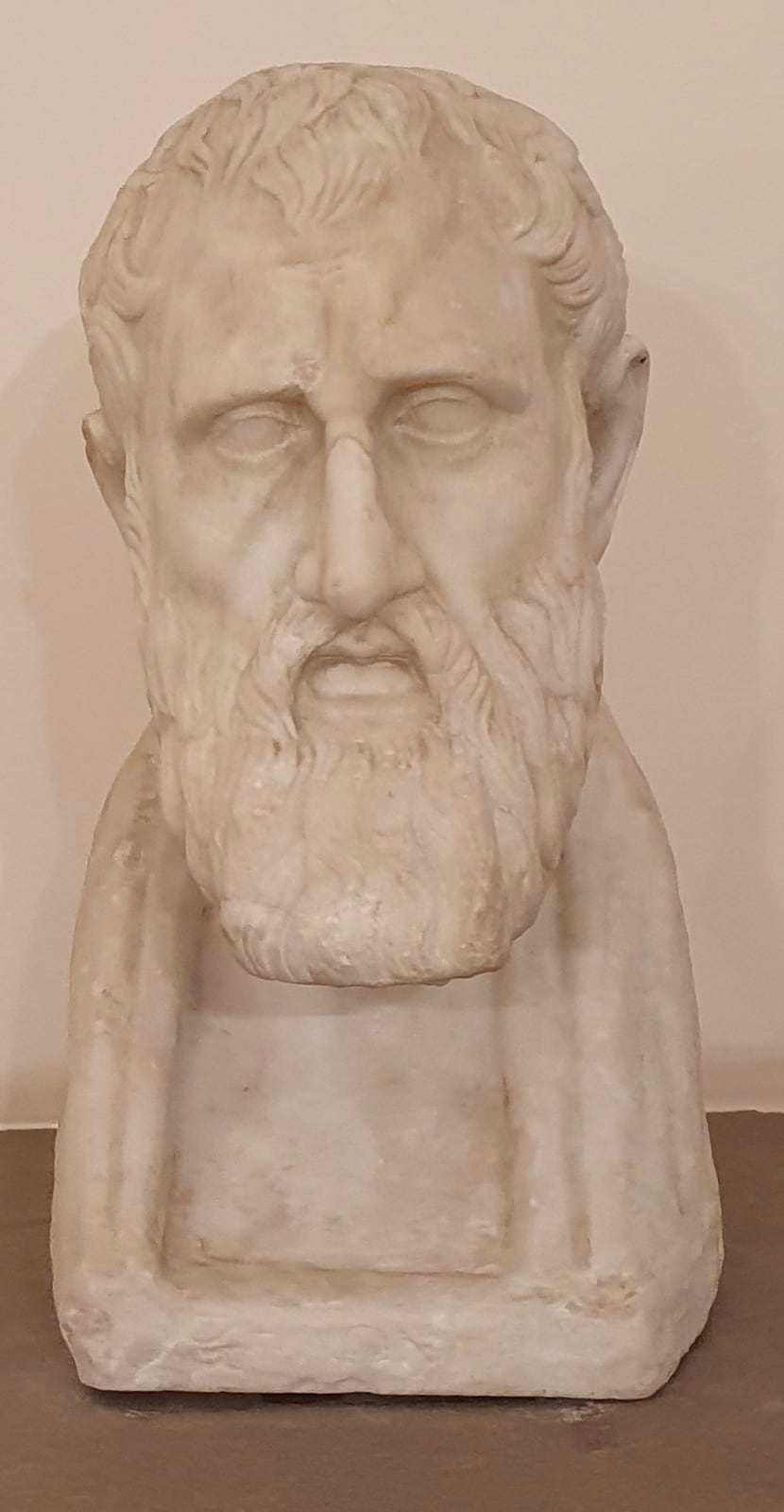
Zeno of Citium
Совпадают в вопросах: Кто я? Существует ли истинное «я»? · Что происходит после смерти? · Как достигается освобождение или спасение?
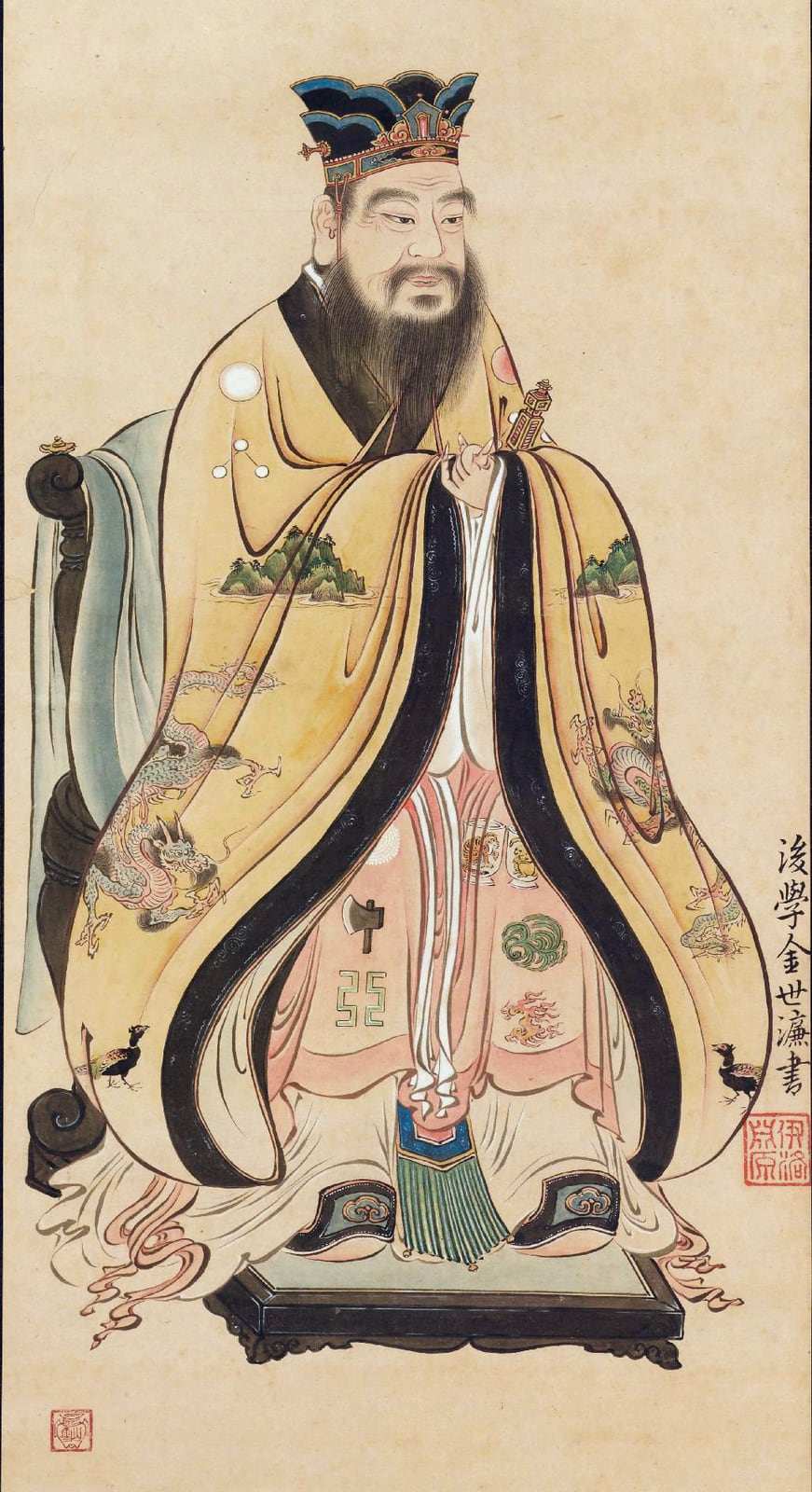
Confucius
Совпадают в вопросах: Свободны ли мы или всё предопределено? · Кто я? Существует ли истинное «я»? · Что происходит после смерти?
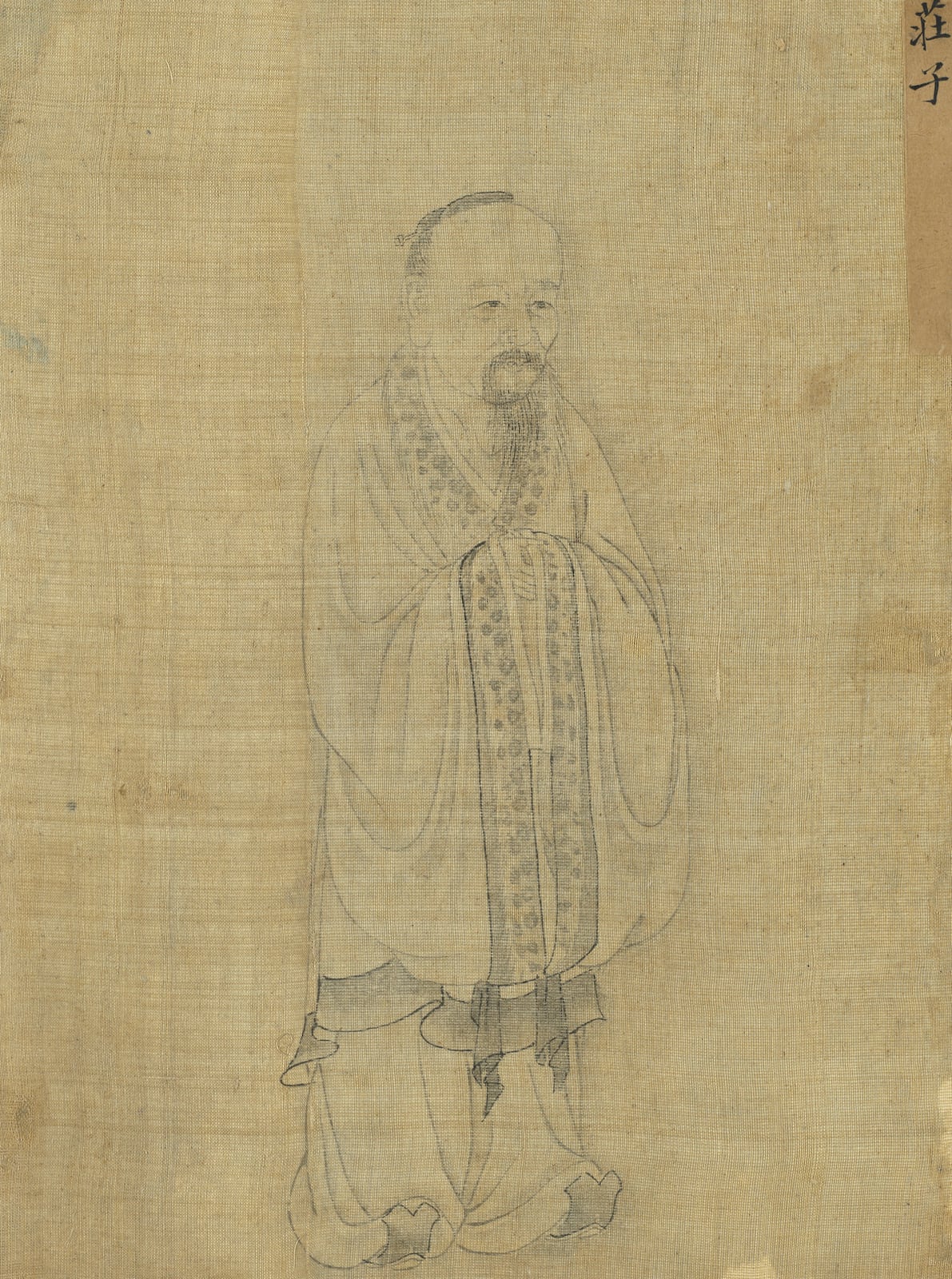
Zhuangzi
Совпадают в вопросах: Что происходит после смерти? · Как достигается освобождение или спасение? · Нужен ли учитель?
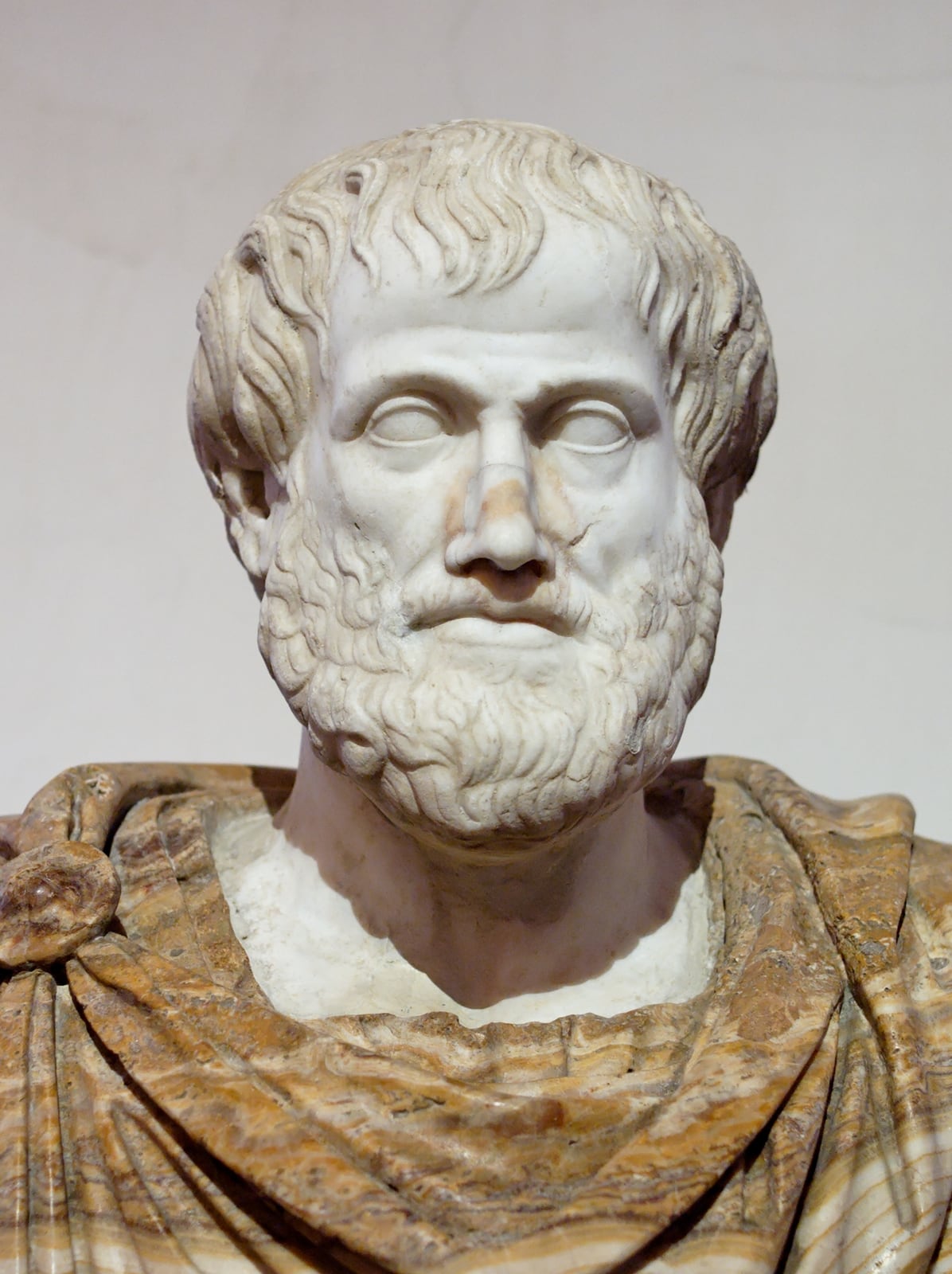
Aristotle
Совпадают в вопросах: Кто я? Существует ли истинное «я»? · Что происходит после смерти? · Как достигается освобождение или спасение?
Дальше всего от
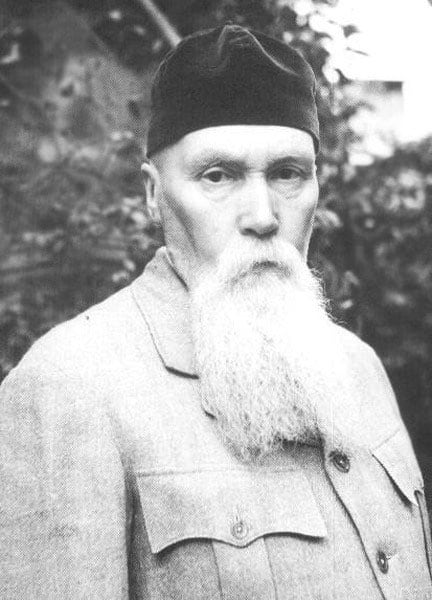
Nicholas Roerich
Расходятся в вопросах: Почему мы страдаем? · Нужен ли учитель? · Реален ли мир?

Dōgen
Расходятся в вопросах: Что такое Абсолют? Существует ли Бог? · Кто я? Существует ли истинное «я»? · Почему мы страдаем?

Mirabai
Расходятся в вопросах: Что такое Абсолют? Существует ли Бог? · Почему мы страдаем? · Как достигается освобождение или спасение?

Nisargadatta Maharaj
Расходятся в вопросах: Что такое Абсолют? Существует ли Бог? · Кто я? Существует ли истинное «я»? · Почему мы страдаем?
Предания и рассказы
Предания и рассказы
Свидетельствоc. 124–133
Verissimus
Происхождение рассказа: The nickname is recorded by Cassius Dio (LXIX 21) and the Historia Augusta (Marcus 1.10), and the dedication in Justin, First Apology 1. The episode of the cloak and the couch comes only from the Historia Augusta (Marcus 2.6), a late source; the lines about his mother from Meditations I.3.
Свидетельствоdécada del 160
The emperor who went to school
Происхождение рассказа: Cassius Dio LXXI (LXXII Cary) 1.2; Historia Augusta, Marcus 3.1–2; Meditations I.8–9. The later anecdote in which a philosopher asks the emperor where he is going with his books and is told that he is going to learn (Philostratus, Lives of the Sophists II.1) has not been checked in this pass.
Свидетельствоc. 169
The palace auction
Происхождение рассказа: Historia Augusta, Marcus 17.4–5 and 21.9. There is no confirmation in Cassius Dio; Birley considers it plausible, but the source is late and prone to edifying anecdote.
Оспаривается172 o 174
The miraculous rain
Происхождение рассказа: Cassius Dio LXXII 8–10 (with the Christian rejoinder of the epitomator Xiphilinus); relief on the Column of Marcus Aurelius; Tertullian, Apology 5; Eusebius, Ecclesiastical History V.5. Péter Kovács (2009) gathers and discusses all the sources and the dating. The rain may have been a real event; its religious interpretation is partisan in every version.
Источник: Kovács, Péter. Marcus Aurelius' Rain Miracle and the Marcomannic Wars. Leiden: Brill, 2009.
Свидетельство175
The letters left unread
Происхождение рассказа: Cassius Dio LXXII 27–29 (epitome). The Historia Augusta (Marcus 25–26 and Life of Avidius Cassius) repeats the story and embellishes it with letters scholars regard as invented.
Документированоc. 176; 1538
The statue saved by a mistake
Происхождение рассказа: The identification with Constantine is recorded in medieval documents that call it "the horse of Constantine"; the 1538 move and the relocation of the original are documented by the Capitoline Museums. Summarised from Smarthistory and general scholarship.
Учение
Учение
Понятия, на которых строится мысль учителя, объяснённые в их контексте.
The inner citadelciudadela-interior
Pierre Hadot took this image as the title of his 1992 study. It draws on the early Stoic doctrine of the soul as ruling reason and on Epictetus' insistence that only our judgements are up to us.
Источник: Hadot, Pierre. La Citadelle intérieure. Introduction aux Pensées de Marc Aurèle. París: Fayard, 1992. Trad. inglesa: The Inner Citadel, Harvard University Press, 1998; trad. española: La ciudadela interior, Alpha Decay, 2013.
The three disciplinestres-disciplinas
The scheme comes from Epictetus' Discourses (III.2), which Marcus knew through Junius Rusticus; Hadot made it the key to reading the Meditations.
Источник: Hadot, Pierre. La Citadelle intérieure. Introduction aux Pensées de Marc Aurèle. París: Fayard, 1992. Trad. inglesa: The Inner Citadel, Harvard University Press, 1998; trad. española: La ciudadela interior, Alpha Decay, 2013.
The view from abovemirada-desde-lo-alto
Hadot connected it with a tradition running from Plato (Theaetetus) and Cicero's Dream of Scipio to the Stoics; Marcus uses it as therapy rather than theory.
Источник: Hadot, Pierre. La Citadelle intérieure. Introduction aux Pensées de Marc Aurèle. París: Fayard, 1992. Trad. inglesa: The Inner Citadel, Harvard University Press, 1998; trad. española: La ciudadela interior, Alpha Decay, 2013.
The river of time and deathfugacidad
The image of the river comes from Heraclitus, whom Marcus quotes several times; the doctrine that death is not an evil is shared by Stoics and Epicureans.
The city of Zeuscosmopolis
The idea of the cosmopolis goes back to Zeno of Citium and Chrysippus; Marcus gives it a personal and affective inflection, tied to patience with others.
Providence or atoms?providencia-o-atomos
It shows Marcus' free use of tradition: he quotes Epicurus respectfully and adopts his argument against fear when it serves him.
Источник: Rutherford, R. B. The Meditations of Marcus Aurelius: A Study. Oxford: Clarendon Press, 1989.
Видео
Видео
Записи, интервью и документальные фильмы. Видео воспроизводятся с YouTube; здесь они не хранятся.
Estoicismo romano (III): Marco Aurelio | La March
Лекция· ES· 2023· 56 min
Fundación Juan MarchОфициальный канал
La filosofía helenística (III): El estoicismo · La March
Лекция· ES· 2022· 59 min
Fundación Juan MarchОфициальный канал
El estoicismo romano: Marco Aurelio
Лекция· ES· 2023· 17 min
UNED RadioОфициальный канал
Cynics, Stoics, Epicureans
Лекция· EN· 2021· 45 min
Gresham CollegeОфициальный канал
Marcus Aurelius' Meditations: The Stoic Ideal
Лекция· EN· 2020· 42 min
Michael Sugrue
A History of Philosophy | 16 Stoicism
Лекция· EN· 2015· 63 min
wheatoncollegeОфициальный канал
The philosophy of Stoicism - Massimo Pigliucci
Разбор· EN· 2017· 5 min
TED-EdОфициальный канал
The Equestrian Sculpture of Marcus Aurelius
Разбор· EN· 2026· 7 min
SmarthistoryОфициальный канал
Equestrian Sculpture of Marcus Aurelius
Разбор· EN· 2010· 3 min
SmarthistoryОфициальный канал
Bernard Collette | l'action politique de Marc Aurèle à la lumière du stoïcisme
Лекция· FR· 2018· 51 min
Faculté de philosophie - Université LavalОфициальный канал
Et si on s'était trompé sur Marc Aurèle ? - Dialogue avec Pierre Vesperini
Интервью· FR· 2024· 57 min
Dialogues par Fabrice Midal
Marco Aurelio, il principe filosofo. Stoicismo, arte del governo e diritti individuali
Лекция· IT· 2020· 86 min
Istituto Bruno LeoniОфициальный канал
Галерея
Галерея
Изображения с проверенной лицензией. Каждое сохраняет своё авторство и атрибуцию.
Рукописи
Рукописи
Рукописные свидетельства и древние тексты, с указанием хранителя и условий доступа.
GRC · Minúscula griega · Obra de c. 170–180; copia del s. XIV
Τὰ εἰς ἑαυτόν (en un códice misceláneo)
- Сохранившийся список
- Único manuscrito medieval que conserva la mayor parte de la obra
- Хранитель
- Biblioteca Apostólica Vaticana · Vat. gr. 1950
GRC · Minúscula griega · Copia medieval de fecha desconocida
Codex Palatinus (perdido)
- Сохранившийся список
- Manuscrito usado por Xylander para la editio princeps de 1558; se perdió después
- Хранитель
- Perdido
LA · Mayúscula latina (texto inferior) · Cartas de c. 139–166; copia de la Antigüedad tardía (s. V–VI)
Palimpsesto de Frontón (Vat. lat. 5750 + Ambrosianus E 147 sup.)
- Сохранившийся список
- Palimpsesto: el texto de Frontón fue raspado para copiar encima las actas del concilio de Calcedonia
- Хранитель
- Biblioteca Apostólica Vaticana y Biblioteca Ambrosiana (Milán) · Vat. lat. 5750; Ambr. E 147 sup.
- Оцифровка
- digi.vatlib.it/view/MSS_Vat.lat.5750…
Связи
Связи
Влияния, ученичество и близость взглядов. Документированная связь отличается от сходства, выявленного путём анализа.
Испытал влияние
Junius Rusticus introduced him to the notes of Epictetus' lectures (Meditations I.7). Marcus quotes him often (IV.41, XI.34–39) and adopts his distinction between what is and is not up to us.
Документированная связь
Испытал влияние
His teachers of philosophy, Junius Rusticus and Apollonius, "professed Zeno's doctrines" (Cassius Dio LXXII 35). Marcus belongs to the school Zeno founded.
Документированная связь
Испытал влияние
Socrates appears in the Meditations as a model of life and death (III.6, VII.66, XI.23–28); Marcus sets him beside Diogenes and Heraclitus against Alexander, Caesar and Pompey (VIII.3).
Документированная связь
Испытал влияние
He quotes the Republic and the Apology (VII.35, VII.44–46) and knew the maxim that states prosper if philosophers rule them, which according to the Historia Augusta he often repeated (Marcus 27.7). He endowed a Platonist chair at Athens.
Документированная связь
Идеи, близкие к
He does not quote Aristotle, but studied with the Peripatetic Claudius Severus (Historia Augusta, Marcus 3.3) and endowed an Aristotelian chair at Athens (Cassius Dio LXXII 31). They agree that the human good is activity in accordance with reason and on the social nature of man.
Сходство, выявленное путём анализа
Испытал влияние
Despite the rivalry between schools, he quotes Epicurus approvingly on how to bear pain and illness (VII.33, VII.64, IX.41) and often poses the dilemma "providence or atoms". He also endowed an Epicurean chair at Athens.
Документированная связь
Испытал влияние
He quotes Heraclitus several times (IV.46, VI.42) and adopts his image of time as a river.
Документированная связь
Идеи, близкие к
Plotinus was born around 205, a generation after Marcus' death, and does not mention him. Both practise philosophy as an inner conversion: Marcus' "retire into yourself" and Plotinus' "go back into yourself" (Enneads I.6.9) have been compared by Pierre Hadot.
Сходство, выявленное путём анализа
Идеи, близкие к
There is no evidence that Augustine read the Meditations. They are compared as two great ancient writings of self-examination in the second person, although the Confessions are addressed to God and the Meditations to their own author.
Сходство, выявленное путём анализа
Источники
Источники
Библиография и каталоги, использованные для этой статьи.
- Wikidata, entidad Q1430 «Marcus Aurelius» (176 enlaces entre wikis; P31=Q5). Registra nacimiento el 26-4-121 en Roma y muerte el 17-3-180 en Vindobona.
- Historia Augusta, «Vida de Marco Antonino el Filósofo» (Vita Marci Antonini Philosophi). Trad. inglesa de David Magie, The Scriptores Historiae Augustae, vol. I, Loeb Classical Library 139. Londres: Heinemann, 1921 (texto en LacusCurtius). Fuente tardía (finales del s. IV) y poco fiable en muchos pasajes.
- Dion Casio, Historia romana, epítome de los libros LXXI–LXXII. Trad. inglesa de Earnest Cary, Dio's Roman History, vol. IX, Loeb Classical Library 177. Londres: Heinemann, 1927 (texto en LacusCurtius; numeración de Cary).
- Birley, Anthony R. Marcus Aurelius: A Biography. Ed. revisada. Londres: B. T. Batsford, 1987 (reimpr. Routledge, 2000).
- Hadot, Pierre. La Citadelle intérieure. Introduction aux Pensées de Marc Aurèle. París: Fayard, 1992. Trad. inglesa: The Inner Citadel, Harvard University Press, 1998; trad. española: La ciudadela interior, Alpha Decay, 2013.
- Kamtekar, Rachana. «Marcus Aurelius». Stanford Encyclopedia of Philosophy, ed. Edward N. Zalta (publicada en 2010, revisión sustancial de 2025).
- Marco Aurelio. Τὰ εἰς ἑαυτόν (Meditaciones). Texto griego en Wikisource en griego; trad. inglesa de George Long, The Thoughts of the Emperor Marcus Aurelius Antoninus (Londres, 1862), en Wikisource en inglés.
- Frontón, Marco Cornelio. The Correspondence of Marcus Cornelius Fronto with Marcus Aurelius Antoninus, Lucius Verus, Antoninus Pius, and Various Friends. Ed. y trad. de C. R. Haines. 2 vols., Loeb Classical Library 112–113. Londres: Heinemann, 1919–1920.
- Rutherford, R. B. The Meditations of Marcus Aurelius: A Study. Oxford: Clarendon Press, 1989.
- Hays, Gregory. «Introduction», en Marcus Aurelius, Meditations: A New Translation. Nueva York: Modern Library, 2003.
- «Marcus Aurelius», Wikipedia en inglés, y «Marco Aurelio», Wikipedia en español (consultadas para hechos verificables y bibliografía; texto propio).
- Richlin, Amy. Marcus Aurelius in Love: The Letters of Marcus and Fronto. Chicago: University of Chicago Press, 2006.
- Eusebio de Cesarea. Historia eclesiástica, V 1–5. Trad. inglesa de Kirsopp Lake, Ecclesiastical History, vol. I, Loeb Classical Library 153. Londres: Heinemann, 1926; Tertuliano, Apologético 5.
- Kovács, Péter. Marcus Aurelius' Rain Miracle and the Marcomannic Wars. Leiden: Brill, 2009.
- Gibbon, Edward. The History of the Decline and Fall of the Roman Empire, vol. I, cap. III. Londres: Strahan y Cadell, 1776 (texto en Project Gutenberg).
- Mill, John Stuart. On Liberty, cap. II. Londres: John W. Parker and Son, 1859 (texto en Project Gutenberg).
- Aurelio Víctor, Liber de Caesaribus 16, 14 (muerte en Vindobona); Tertuliano, Apologeticum 25, 5 (muerte en Sirmio). Discusión de ambas noticias en Birley 1987, cap. 10.
- Harris, Beth, y Steven Zucker. «The Equestrian Sculpture of Marcus Aurelius». Smarthistory, 2026 (vídeo).
- Biblioteca Apostólica Vaticana, Vat. lat. 5750 (palimpsesto de Frontón; texto superior: actas del concilio de Calcedonia). Digitalización en DigiVatLib.
- Gill, Christopher. «Introduction», en Marcus Aurelius, Meditations, trad. de Robin Hard. Oxford World's Classics. Oxford: Oxford University Press, 2011.
- Real Academia Española. Antonio de Guevara, Libro áureo de Marco Aurelio, ed. crítica de Emilio Blanco, Biblioteca Clásica de la RAE.
- Oliver, James H. Marcus Aurelius: Aspects of Civic and Cultural Policy in the East. Hesperia Supplements 13. Princeton: American School of Classical Studies at Athens, 1970.
- Justino Mártir, Primera apología, apéndice con la «Carta de Marco Aurelio al Senado». Trad. inglesa en Ante-Nicene Fathers, vol. I, ed. A. Roberts y J. Donaldson. Buffalo: Christian Literature Publishing, 1885.
- Правообладатель
- Textos antiguos en dominio público; cada traducción y edición moderna pertenece a su traductor o editorial
Ожидает подтверждения
То, что в этой статье пока не удалось установить. Мы предпочитаем сказать об этом, а не заполнять пробел.
- Últimas palabras: cotejar el texto griego de Dion Casio LXXII 34, 1 (ed. Boissevain) para rellenar text_original; hoy solo se da la traducción de Cary.
- Manuscrito Vat. gr. 1950: no se ha localizado su digitalización en DigiVatLib (404 el 2026-10-25); comprobar si existe con otra signatura o en otra plataforma.
- Alianza, «Meditaciones o Soliloquios» (ISBN 9788420688466, trad. Antonio Guzmán Guerra): confirmar año en el colofón; la edición de Alianza de 1985 (ISBN 9788420636740) aparece en Open Library sin traductor.
- Libro áureo de Marco Aurelio (RAE, ed. Emilio Blanco): falta año e ISBN verificados.
- Ediciones con ISBN en francés (Les Belles Lettres, Pierre Hadot / A. I. Trannoy), alemán (Reclam, Insel) e italiano no registradas en esta pasada.
- El Digesto de Justiniano (trad. Alan Watson, 1985) se registra sin ISBN; las constituciones de Marco Aurelio no se han inventariado una a una.
- Anécdota de Filóstrato (Vidas de los sofistas II 1) sobre el emperador que va a clase: no cotejada.
- Sin programa de afiliación verificado ni titular de derechos: Marco Aurelio es autor antiguo; las editoriales citadas no se han comprobado como programas de afiliados.
Исследовано 2026-10-25