Конфуцианство
Confucius
孔子 · 孔丘 · 仲尼 · 孔夫子
551 до н. э. – 479 до н. э.Исторически документированная личность
Учитель, несостоявшийся государственный муж и хранитель традиции, Кун Цю (551–479 до н. э.) — самая документированная и самая влиятельная фигура древнекитайской мысли. «Лунь юй» он не писал: его составили ученики и ученики учеников. Он учил, что порядок мира рождается из человеколюбия (жэнь), взращенного ритуалом (ли) и учением, и что благородным мужем не рождаются, а становятся. Два тысячелетия он был «Учителем десяти тысяч поколений»; его историческая фигура, скрытая под слоями агиографии и государственной идеологии, по-прежнему требует осторожности.
- трудов
- 11трудов
- изданий
- 33изданий
- цитат
- 12цитат
- видео
- 14видео
- изображений
- 9изображений
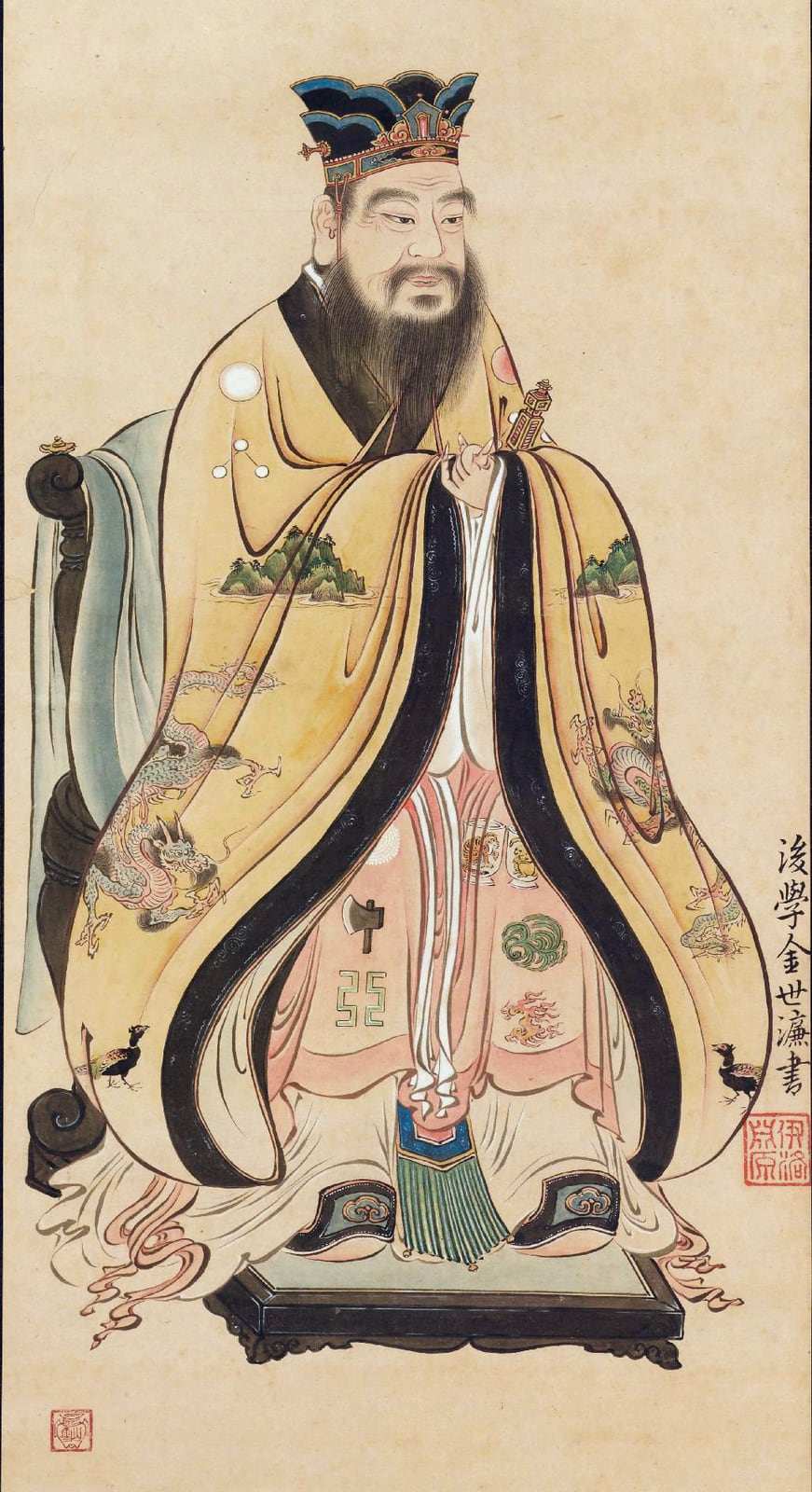
Retrato de Confucio por Kanō Sansetsu · CC BY 4.0
Своими словами
«Is it not pleasant to learn with a constant perseverance and application? Is it not delightful to have friends coming from distant quarters?»Analectas 1.1 (trad. inglesa de Legge, 1861)

Главная мысль
Ren (humaneness, benevolence): Ren is the central virtue of the Analects and the one that most resists definition: the Master answers each disciple who asks about it differently.
В контексте
Биография
4 мин чтения
Перевод с испанского оригинала, выполненный с помощью ИИ; ожидает проверки носителем языка.
Человек из Лу
В отличие от Лао-цзы, у Конфуция есть биография. Мы знаем, что его звали Кун Цю, что его второе имя было Чжунни, что он родился в Цзоу, в небольшом царстве Лу — нынешнем Цюйфу в провинции Шаньдун, — и что там же он умер в 479 году до н. э., на шестнадцатом году правления Ай-гуна, как свидетельствует летопись Лу «Чуньцю» и как поясняет комментарий к ней, «Цзо чжуань». Его отец, Шулян Хэ, военный чиновник невысокого ранга, умер, когда мальчику было три года; мать, Янь Чжэнцзай, растила его в бедности. «В юности я был в низком положении, — скажет он сам в „Лунь юе“ (9.6), — потому и умею многое из того, что считается низким». Первые должности, которые приписывает ему традиция, — смотритель амбаров, надзиратель за стадами — звучат в том же ключе: человек из обедневшей семьи, принадлежавший к сословию ши, ученых воинов самого низшего ранга, которые в VI веке до н. э. начинали жить своим умением, а не происхождением.
Этим умением в его случае было знание ритуалов и текстов древней династии Чжоу, чей порядок Лу сохраняло лучше других царств. Конфуций превратил это знание в призвание, а затем и в школу. Он принимал учеников, не спрашивая об их происхождении, — «я никогда не отказывал в наставлении тому, кто приносил мне связку сушеного мяса» (7.7), — и обучал их шести искусствам, ритуалу, музыке, поэзии и прежде всего определенному образу бытия. Традиция говорит о трех тысячах учеников, из которых семьдесят два достигли мастерства; «Лунь юй» сохраняет имена и характеры примерно двух десятков из них — от порывистого Цзы-лу до молчаливого Янь Хуэя, любимого ученика, чья ранняя смерть заставила учителя воскликнуть, что Небо губит его.
Чиновник и изгнанник
Конфуций хотел управлять. Около пятидесяти лет он получил в Лу должности немалого веса: традиция делает его правителем Чжунду, а затем министром общественных работ и правосудия (сыкоу). «Цзо чжуань» показывает его в 500 году до н. э. рядом с Дин-гуном на встрече в Цзягу с могущественным царством Ци, где его ритуальная твердость якобы вынудила Ци вернуть захваченные земли. Два года спустя он попытался срыть крепости трех семейств, фактически правивших Лу; замысел удался лишь наполовину, и около 497 года он покинул царство. Так начались четырнадцать лет скитаний по Вэй, Сун, Чэнь, Цай и окраинам Чу в поисках государя, который воплотил бы Путь на деле. Такого он не нашел. В Куане ему угрожали, между Чэнь и Цай он голодал, его сравнивали с «собакой из дома, где траур», и он слышал, как южные отшельники насмехаются над его упорством. «Это тот, кто знает, что сделать ничего нельзя, и всё же пытается», — сказал о нем один привратник (14.38). Он вернулся в Лу в 484 году до н. э., шестидесяти восьми лет от роду, по приглашению министра Цзи Кан-цзы и посвятил последние годы преподаванию и упорядочению древних текстов. Он потерял сына Кун Ли, потерял Янь Хуэя и Цзы-лу, погибшего во время мятежа в Вэй. Он умер в 479 году до н. э. и был похоронен у реки Сы, к северу от Цюйфу, где его могила — Лес рода Кун — и поныне принимает посетителей.
Что он сказал и что ему приписали
Суть его мысли заключена в «Лунь юе» («Беседах и суждениях»), собрании примерно пятисот изречений и кратких диалогов, составленном его учениками и учениками учеников на протяжении нескольких поколений. Двадцать книг неоднородны: современная филология — от ученых эпохи Цин до Брюса и Таэко Брукс — различает в них пласты, а рукописи из Динчжоу (I век до н. э.) и из гробницы Хайхунь-хоу показывают, что при Хань текст еще ходил в разных редакциях. Но ядро цельно, а голос узнаваем безошибочно. Конфуций представляет себя как того, кто «передает, а не творит» (7.1): он учит порядку древних царей. И всё же его новшество радикально: он переносит центр этого порядка с ритуала как церемониала на внутреннее расположение, которое его одушевляет, — жэнь, человеколюбие, доброту, — и определяет его через отрицательную форму золотого правила: «Чего не желаешь себе, того не делай другим» (15.24). Благородный муж (цзюньцзы), прежде — ранг по крови, становится нравственным завоеванием, открытым всякому, кто учится и совершенствует себя. Небо доверило ему миссию, но к духам он предпочитает «относиться с почтением, держась от них на расстоянии» (6.22): «Не зная жизни, как можно знать смерть?» (11.12).
К этому ядру вскоре добавились новые слои. Традиция приписала ему редактирование Пятиканония — «Книги песен», «Книги документов», «Ритуалов», «Книги перемен» с ее «Десятью крыльями» и прежде всего летописи «Вёсны и осени», в тонкостях которой будто бы сокрыт нравственный приговор каждому государю. Мэн-цзы полтора века спустя возвел его в ранг мудреца без трона; Сыма Цянь около 94 года до н. э. посвятил ему «наследственный дом», словно владетельному князю, и собрал в нем всё, что о нем рассказывали, включая чудеса и прощания. Династия Хань сделала конфуцианство государственным учением в 136 году до н. э.; император Пин-ди в 1 году н. э. даровал ему первый посмертный титул; при Сун «Четверокнижие» с комментариями Чжу Си стало программой императорских экзаменов и оставалось ею до 1905 года. В 1687 году пекинские иезуиты представили его Европе как Confucius Sinarum Philosophus, и от его латинизированного имени — Кун Фу-цзы, «учитель Кун» — происходит то, под которым мы его знаем.
Оговорки
Отделить человека от монумента — задача историка. Почти всё, что о его жизни рассказывается красочно и подробно, восходит к «Ши цзи», созданным четырьмя веками позже, и к еще более позднему «Кунцзы цзяюй»; то, что можно утверждать на основании близких по времени источников — «Цзо чжуань», самого «Лунь юя», «Мэн-цзы», — гораздо скромнее: учитель из Лу, недолгое пребывание у власти, долгое безуспешное странствие, школа, которая выжила. Даже дата его рождения колеблется между 552 и 551 годами до н. э. в зависимости от того, какому комментарию к «Чуньцю» следовать. Эта скромность не умаляет его фигуры: то, что о нем документально известно, — голос, который учит быть человечным через учение, ритуал и любовь к другим, — вполне объясняет, почему две с половиной тысячи лет спустя он остается учителем четверти человечества.
Источники: Sima Qian. Shiji (Memorias históricas), juan 47, «Kongzi shijia» (Casa hereditaria de Confucio), c. 94 a. C. Ed. Zhonghua shuju, Pekín, 1959. Trad. francesa: Chavannes, Les Mémoires historiques de Se-ma Ts'ien, vol. 5, 1905; trad. inglesa en Nienhauser (ed.), The Grand Scribe's Records, vol. 5.1, Indiana University Press, 2006. · Legge, James (trad.). The Chinese Classics, vol. 1: Confucian Analects, The Great Learning, The Doctrine of the Mean. Trübner, Londres, 1861; 2.ª ed. Clarendon Press, 1893. Project Gutenberg nº 4094. · Slingerland, Edward (trad.). Confucius: Analects, with Selections from Traditional Commentaries. Hackett Publishing Company, Indianápolis, 2003. ISBN 9780872206359. · Lau, D. C. (trad.). Confucius: The Analects (Lun yü). Penguin Classics, Harmondsworth, 1979. ISBN 9780140443486. · Cheng, Anne (trad.). Entretiens de Confucius. Éditions du Seuil (Points Sagesses), París, 1981. ISBN 9782020057752. Y Cheng, Anne. Histoire de la pensée chinoise. Seuil, París, 1997.
Хронология
Жизнь год за годом
Каждая точка — документированное событие. Нажмите, чтобы прочитать о нём, с источником и степенью достоверности.
551 до н. э.0 летZou, estado de Lu (hoy Qufu, Shandong)
Birth
Kong Qiu is born, son of Shuliang He and Yan Zhengzai. The Zuozhuan and Shiji give 551 BCE; the Gongyang commentary, 552. The traditional date of 28 September is a late convention. Years BCE are expressed as negative numbers.
ВероятноSima Qian. Shiji (Memorias históricas), juan 47, «Kongzi shijia» (Casa hereditaria de Confucio), c. 94 a. C. Ed. Zhonghua shuju, Pekín, 1959. Trad. francesa: Chavannes, Les Mémoires historiques de Se-ma Ts'ien, vol. 5, 1905; trad. inglesa en Nienhauser (ed.), The Grand Scribe's Records, vol. 5.1, Indiana University Press, 2006.
После смерти
- 136 до н. э.The Five Classics become state doctrine
- 1 до н. э.First posthumous title
- 1313The Four Books become the imperial examination syllabus
- 1687Confucius Sinarum Philosophus
- 2011 – 2016The Analects of the Marquis of Haihun
551 до н. э. · 0 лет
Birth
Kong Qiu is born, son of Shuliang He and Yan Zhengzai. The Zuozhuan and Shiji give 551 BCE; the Gongyang commentary, 552. The traditional date of 28 September is a late convention. Years BCE are expressed as negative numbers.
Вероятно
ок. 549 до н. э. · 3 года
Death of his father
Shuliang He dies when the boy is about three; his mother raises him in humble conditions, as he himself would recall (Analects 9.6).
Предание
ок. 533 до н. э. · 19 лет
Marriage and birth of his son
He marries at about nineteen; the following year his son Kong Li, called Boyu ("Fish"), is born, according to the Shiji and the Kongzi jiayu.
Предание
517 до н. э. · 34 года
Follows Duke Zhao to Qi
After Duke Zhao's expulsion from Lu by the three families, Confucius goes to Qi. There, according to the Analects (7.14), he hears the Shao music and "for three months did not know the taste of meat".
Вероятно
500 до н. э. · 51 год
The Jiagu meeting
He assists Duke Ding of Lu at his meeting with Duke Jing of Qi. According to the Zuozhuan (Ding 10), his firmness in protocol foils an intimidation by Qi and obtains the return of territories. It is the best-attested political episode of his life.
Вероятно
498 до н. э. · 53 года
Minister of justice; attempt to dismantle the three fortresses
As sikou (minister of justice) he promotes, with Zilu, the demolition of the walls of the cities of the Ji, Shu and Meng families, who dominate Lu. Two fall; the third resists and the project fails (Zuozhuan, Ding 12).
Вероятно
497 до н. э. – 484 до н. э. · 54 года
Fourteen years of travel through the states
He leaves Lu and travels the neighbouring states with his disciples seeking a prince who will adopt his Way: Wei (where he is received by Nanzi), Song (where Huan Tui tries to kill him), Chen and Cai (where he goes hungry), as far as the border of Chu.
Вероятно
484 до н. э. · 67 лет
Return to Lu
Summoned by Ji Kangzi, he returns to Lu (Zuozhuan, Ai 11). He receives no office; he devotes himself to teaching and to putting the Songs, the Documents and the rites in order.
Документировано
481 до н. э. · 70 лет
Death of Yan Hui; capture of the lin
Yan Hui, the favourite disciple, dies ("Heaven is destroying me!", Analects 11.9). The same year a hunt captures a lin, an auspicious beast; tradition has the Chunqiu annals end there.
Предание
480 до н. э. · 71 год
Death of Zilu
Zilu dies in a revolt in Wei, straightening his cap before falling (Zuozhuan, Ai 15). On learning of it, Confucius has the pickled meat removed from his table.
Вероятно
479 до н. э. · 72 года
Death
He dies in the fourth month of the sixteenth year of Duke Ai, according to the Chunqiu and Zuozhuan (Ai 16). He is buried by the river Si; his disciples keep three years of mourning, Zigong six.
Документировано
136 до н. э.
The Five Classics become state doctrine
Emperor Wu of the Han establishes the Erudites of the Five Classics: Confucianism becomes the orthodoxy of the empire.
Документировано
1 до н. э.
First posthumous title
Emperor Ping grants him the title Duke Baocheng Xuanni, the start of a long series of honours culminating in 1530 with "Supreme Sage and First Teacher".
Документировано
1313
The Four Books become the imperial examination syllabus
The Yuan dynasty restores the examinations with the Four Books as annotated by Zhu Xi as their basis; the Analects would remain a set text until the system's abolition in 1905.
Документировано
1687
Confucius Sinarum Philosophus
The Jesuits Couplet, Intorcetta, Herdtrich and Rougemont publish in Paris the first Latin translation of the Analects, the Great Learning and the Doctrine of the Mean: Europe meets "Confucius".
Документировано
2011 – 2016
The Analects of the Marquis of Haihun
The excavation of the tomb of Liu He, Marquis of Haihun (d. 59 BCE), brings to light bamboo slips of the Analects with a chapter, "Zhi dao", that tradition held lost with the Qi version.
Документировано
Труды
Главные труды
Труды, без которых не понять это наследие.
Позднейший сборник · ок. 400 до н. э.
Analects (Lunyu)
論語
Twenty books of brief sayings, dialogues with disciples and princes, and notes on the Master's conduct. Without systematic order, they set out an ethic of self-cultivation: humaneness (ren) as the central virtue, ritual (li) as its form, study and the rectification of names as method, and the gentleman (junzi) as ideal. Three versions circulated under the Han (Lu, Qi and the "old text"); Zheng Xuan's recension and He Yan's commentary fixed the text, and Zhu Xi's (1190) made it the first of the Four Books. It is the main, and almost the only reliable, source on Confucius's thought.
18 изданий · amazon.com
Confucius
Spring and Autumn Annals (Chunqiu)
Традиционная атрибуция · ок. 481 до н. э.
Spring and Autumn Annals (Chunqiu)
春秋
Terse year-by-year annals of twelve dukes of Lu, in just over sixteen thousand characters. The Confucian tradition read into their laconism a system of "praise and blame" encoded in the choice of each word, and on that reading three canonical commentaries were built: the Zuozhuan, the Gongyang and the Guliang. It is the only one of the Five Classics whose composition tradition attributes directly to Confucius.
2 издания · amazon.com

Позднейший сборник · 1190
The Four Books (Sishu)
四書
The Neo-Confucian synthesis that for six centuries was the syllabus of the imperial examinations and therefore the basic education of the whole Chinese, Korean, Japanese and Vietnamese elite. Its reading order—Daxue, Analects, Mencius, Zhongyong—encodes a pedagogy of self-cultivation running from the individual to the order of the world.
2 издания · amazon.es
Все труды (11)
Confucius
Book of Songs (Shijing)
The Conscious LibraryBook of Songs (Shijing)
600
Confucius
Book of Documents (Shujing)
The Conscious LibraryBook of Documents (Shujing)
500
Confucius
The Ten Wings of the Book of Changes
The Conscious LibraryThe Ten Wings of the Book of Changes
300
Confucius
Record of Rites (Liji)
The Conscious LibraryRecord of Rites (Liji)
100

Classic of Filial Piety (Xiaojing)
300
Confucius
Sayings of the Confucian School (Kongzi jiayu)
The Conscious LibrarySayings of the Confucian School (Kongzi jiayu)
240
The Great Learning (Daxue)
200
Confucius
Confucius's Discussion of the Odes (Kongzi shilun)
The Conscious LibraryConfucius's Discussion of the Odes (Kongzi shilun)
300
Изречения
Изречения, найденные в конкретном труде. Каждое сопровождается указанием происхождения и степени надёжности.
Is it not pleasant to learn with a constant perseverance and application? Is it not delightful to have friends coming from distant quarters?學而時習之,不亦說乎?有朋自遠方來,不亦樂乎?
ПровереноAnalectas 1.1 (trad. inglesa de Legge, 1861)
Апокрифические изречения и изречения спорной атрибуции (3)
«Choose a job you love, and you will never have to work a day in your life.»
Found neither in the Analects nor in any ancient source. It is a maxim of twentieth-century American motivational literature, attributed to Confucius since the 1980s.
«Our greatest glory is not in never falling, but in rising every time we fall.»
No literal correspondence in the Analects. The phrase derives from Oliver Goldsmith (The Vicar of Wakefield, 1766: "our greatest glory consists not in never falling, but in rising every time we fall"). The closest in Confucius is 15.30 on correcting faults.
«Before you embark on a journey of revenge, dig two graves.»
Not found in the Analects or the Shiji; documented in English only from the twentieth century, with no identifiable Chinese source.
Последние слова
Традиционная атрибуция
«The great mountain crumbles! The main beam breaks! The wise man withers away!»太山壞乎!梁柱摧乎!哲人萎乎!
According to Sima Qian (Shiji 47), seven days before his death Confucius rose early, walked before his door with his hands behind his back and sang these lines; then he told Zigong, who came on hearing him, "The world has long been without the Way and no one has been able to follow me," recounted a dream in which he saw himself seated between two pillars, as in the funerals of the Yin dynasty from which he descended, and took to his bed ill until he died. The Liji ("Tangong") transmits the same scene. It is a traditional account, four centuries after the events, not a testimony; the Analects record no words from his last days.
Источник: Sima Qian. Shiji (Memorias históricas), juan 47, «Kongzi shijia» (Casa hereditaria de Confucio), c. 94 a. C. Ed. Zhonghua shuju, Pekín, 1959. Trad. francesa: Chavannes, Les Mémoires historiques de Se-ma Ts'ien, vol. 5, 1905; trad. inglesa en Nienhauser (ed.), The Grand Scribe's Records, vol. 5.1, Indiana University Press, 2006.
Спросить
На что отвечают эти труды
Двенадцать великих вопросов человечества и то, что позволяют на них ответить эти тексты, со ссылками. Мы никогда не вкладываем слова в чужие уста.
Что такое Абсолют? Существует ли Бог?
He acknowledges Heaven but does not speculate on spirits: conduct is what is urgent
Сдержанность перед трансцендентнымСказано прямо
Confucius, as transmitted in the Analects, does not deny a transcendent order: he speaks of Heaven (tian) as the power that entrusted virtue to him and that cannot be deceived, and in moments of danger he appeals to it. But his interest is deliberately directed elsewhere. The disciples record that the Master did not speak of prodigies, force, disorder or spirits, and one of them admits he never heard him discourse on human nature and the way of Heaven. He advises respecting the spirits while keeping them at a distance, and understands ritual as a way of ordering human life rather than as a theory of the divine. The Absolute, for him, is acknowledged without being defined; what calls for attention is virtue (de), humaneness (ren) and right relationship between persons.
Сравнить этот вопрос с другими учителямиКто я? Существует ли истинное «я»?
One becomes a person by overcoming oneself and returning to ritual
«Я», взращённое в отношенияхСледует из учения
The Analects do not speculate on the nature of the self, but all their teaching concerns how it is formed. When Yan Hui asks about humaneness (ren), Confucius replies that it consists in overcoming oneself and returning to ritual, and that a single day of doing so would turn the whole world towards humaneness. Whoever wishes to establish himself establishes others; whoever wishes to succeed helps others to succeed. Confucius summarises his own life as a staged apprenticeship, from setting his heart on learning at fifteen to being able, at seventy, to follow his heart's desires without overstepping the measure. The self here is not a substance to be discovered but something cultivated in relationships — parents, ruler, friends — and in the ritual forms that order them.
Сравнить этот вопрос с другими учителямиПочему мы страдаем?
Let the ruler be ruler and the father father: without order there is no peace
Социальный и нравственный беспорядокСледует из учения
Confucius does not elaborate an explanation of suffering, but the Analects show where he sees its origin: in the breakdown of the order that makes common life possible. To Duke Jing of Qi he answers that good government consists in the ruler being ruler, the minister minister, the father father and the son son. If the people are led by laws and punishments they will avoid punishment but feel no shame; if guided by virtue and ritual, they will have a sense of shame and correct themselves. One lacking humaneness (ren), he says, cannot long endure hardship nor long enjoy prosperity. He lived in an age of wars between states and saw in that chaos the consequence of abandoning the rites of the ancient kings. Collective pain arises from moral and social disorder; the remedy is rectification.
Сравнить этот вопрос с другими учителямиЧто происходит после смерти?
If one does not yet know life, how can one know death?
Молчание или сдержанностьСказано прямо
Confucius expressly refuses to speculate about the beyond. When his disciple Zilu asks him about death, he answers with another question: while you do not yet know life, how can you know death? In the same passage he declines to speak of serving the spirits while one does not yet know how to serve men. The Analects add that the Master did not speak of prodigies or spirits, and define wisdom as devoting oneself to what is right for the people while keeping the spirits at a respectful distance. This reserve is not indifference: Confucius requires the funeral rites and the sacrifices to the ancestors to be performed with full sincerity, as if they were present. What survives death, in his horizon, is the continuity of lineage, rite and transmitted virtue; on the fate of the dead he keeps a deliberate silence.
Сравнить этот вопрос с другими учителямиКак достигается освобождение или спасение?
Not liberation from the world but perfection within it, through humaneness and ritual
Через добродетель и гармониюСледует из учения
Confucius does not frame the question in terms of salvation: in the Analects there is no beyond to reach and no condition to escape. His horizon is self-cultivation until one becomes a junzi, an exemplary person. When Yan Hui asks him about humaneness (ren), he answers that it consists in overcoming oneself and returning to ritual (12.1). The Way is travelled by studying, practising what one has learned and correcting one's faults, and it is a lifelong task: in 2.4 Confucius sums up his own course up to seventy, when he could follow his heart's desires without transgressing the norm. The closest thing to fulfilment is that coincidence of desire and order, lived out in human relationships.
Сравнить этот вопрос с другими учителямиНужен ли учитель?
One learns from the ancients, from the rites and from anyone walking beside you
Община и традицияСказано прямо
Confucius was above all a teacher, and the Analects are largely a record of his teaching to a circle of disciples. Yet he presented himself as a transmitter, not a creator: he trusted the ancients and loved them (7.1). For him, authority lies in the living tradition, the classical texts and the rites, and the teacher is the one who keeps and renews it, as 2.11 indicates: whoever reviews the old and discovers the new can be a teacher. Moreover, learning does not depend on a single figure: when three people walk together, there is surely a teacher among them, whose good to learn from and whose faults to correct in oneself (7.22). Transmission is communal and continuous.
Сравнить этот вопрос с другими учителямиРеален ли мир?
Heaven does not speak: the seasons follow their course and all things are born
Природный порядок в измененииСледует из учения
Confucius does not speculate on the nature of the world or its ultimate reality, and his disciples noted that he hardly spoke of human nature or the Way of Heaven. But the Analects reveal an assumption: the world is a real order that works by itself. When he wishes to stop speaking, he explains that Heaven does not speak either and yet the four seasons follow their course and all things are born (17.19). Beside a river he remarks that everything passes like this, ceasing neither day nor night (9.17). The human task is not to question that order but to reflect it in conduct, in the rites and in government.
Сравнить этот вопрос с другими учителямиЧто такое любовь?
Ren is loving others, beginning with one's parents and with measure
Упорядоченная благожелательностьСказано прямо
For Confucius the central virtue is ren, usually translated as humaneness or benevolence. When Fan Chi asks him what ren is, he answers: to love others. That love has an order: the Analects present filial piety and fraternal respect as the root of ren, and from the family it extends to friends, to the community and to the state. Its practical rule is reciprocity (shu): what you do not want for yourself, do not do to others. Confucius rejects, however, an undifferentiated or naive love: asked whether one should repay injury with kindness, he replies that then with what would one repay kindness, and proposes answering injury with uprightness and kindness with kindness. Confucian love is expressed in ritual, which gives form and measure to the affections, and in government by virtue.
Сравнить этот вопрос с другими учителямиСвободны ли мы или всё предопределено?
There is a mandate of Heaven to know, but virtue depends on oneself alone
Судьба и ответственностьСказано прямо
The *Analects* hold two things at once that Confucius did not experience as contradictory. There is a *ming*, a mandate or destiny of Heaven: whether his teaching prevails, the length of a life or a disciple's ruin are not in human hands (14.36), and one who does not know the mandate cannot be a noble person (20.3). He says he came to know the mandate of Heaven at fifty (2.4). Yet virtue does not depend on destiny: «Is humaneness far away? If I desire it, it is already here» (7.30). The *junzi* accepts what he does not control —fortune, recognition— and answers wholly for what he does: his conduct, his study, his uprightness in ritual.
Сравнить этот вопрос с другими учителямиЗачем медитировать или молиться?
Thinking without study is useless: practice is rite, study and conduct
Ритуал и самосовершенствованиеСказано прямо
The *Analects* know neither meditation in the Indian sense nor prayer as petition; what takes their place is self-cultivation through ritual (*li*), study and conduct. Confucius recounts that he once spent a whole day without eating and a night without sleeping in order to think, and it was of no use: better to study (15.31). When he fell ill and his disciple Zilu proposed praying for him, he replied that he had been praying for a long time (7.35), usually read as meaning that his whole life was his prayer. Of sacrifice he says it should be offered as if the spirits were present (3.12): what matters is the attitude of reverence. Mastering oneself and returning to ritual is humaneness (12.1).
Сравнить этот вопрос с другими учителямиМожет ли разум познать предельное?
Learning without thought is lost; thought without learning is perilous
Учение и знаниеСказано прямо
The *Analects* make study the path of wisdom while keeping reserve about the ultimate. Confucius says of himself that he was not born knowing but loved antiquity and sought knowledge diligently (7.20), and he states the balance between study and reflection: learning without thinking leads to confusion, and thinking without learning is perilous (2.15). Intellectual honesty is part of that knowledge: to know that one knows what one knows and does not know what one does not know (2.17). On human nature and the Way of Heaven, according to his disciple Zigong, he was not heard to speak (5.13). Reason, cultivated in texts and rites, is directed to human life; what exceeds it is not speculated upon.
Сравнить этот вопрос с другими учителямиУйти от мира или преобразить его?
One cannot live among birds and beasts: the sage belongs in society
Упорядочить обществоСказано прямо
Confucius devoted his life to seeking a ruler who would put his doctrine into practice and expressly rejected withdrawal. In the Analects, two hermits working the fields criticise his disciples for following a man who goes from court to court in a disordered world; Confucius replies that one cannot live in the company of birds and beasts, that if not with men he does not know with whom to be, and that if the world followed the Way he would not need to try to change it. His political ideal is government by virtue, which draws the people as the pole star orders the others, and the rectification of names: that the prince be a prince, the minister a minister, the father a father and the son a son. Wisdom is realised in ritual, the family and public service.
Сравнить этот вопрос с другими учителями
Созвучия и противоречия
Созвучия и противоречия
Рассчитаны вопрос за вопросом на основе позиций. Причина каждого совпадения или расхождения — по нажатию.
Ближе всего к
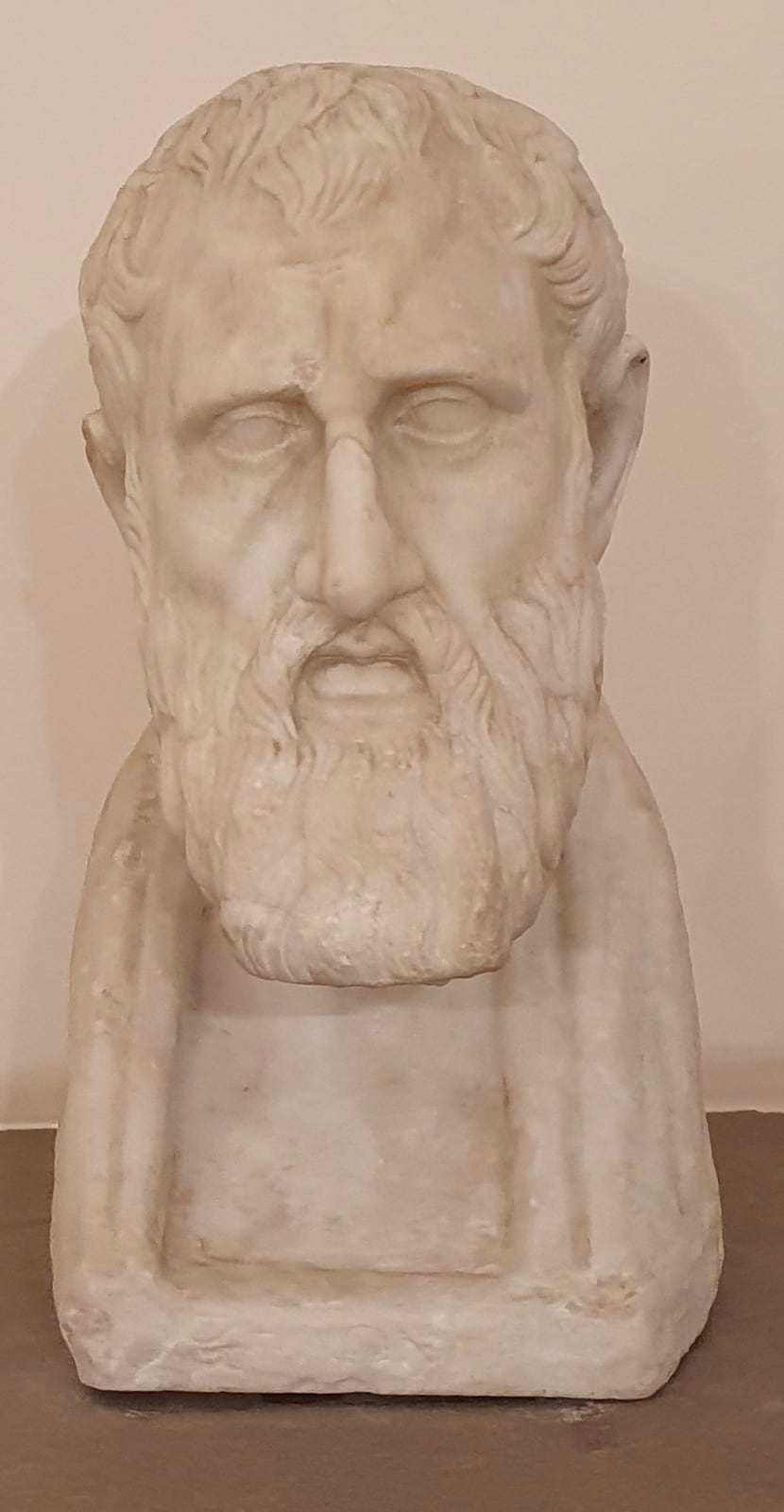
Zeno of Citium
Совпадают в вопросах: Кто я? Существует ли истинное «я»? · Почему мы страдаем? · Что происходит после смерти?
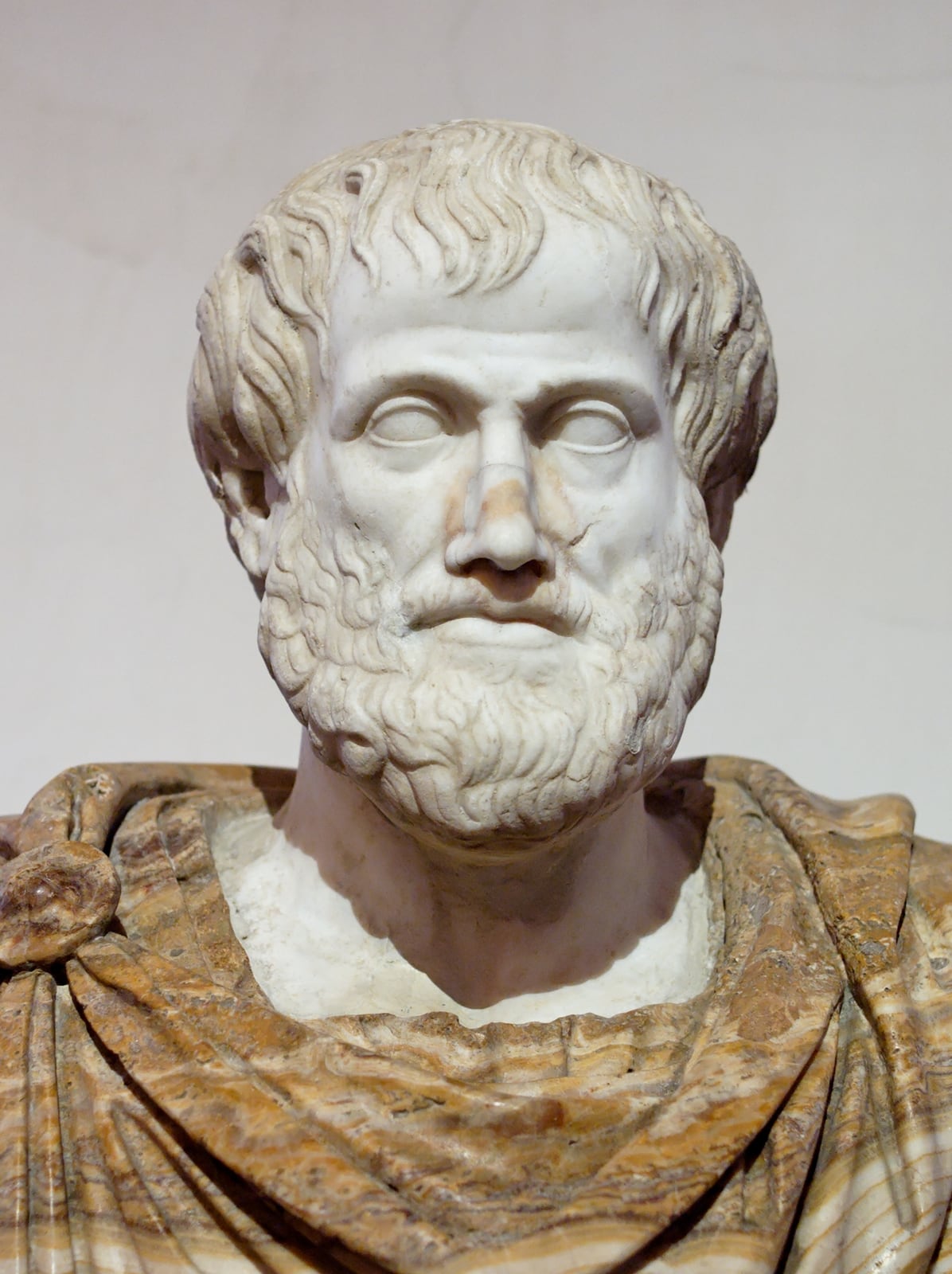
Aristotle
Совпадают в вопросах: Кто я? Существует ли истинное «я»? · Почему мы страдаем? · Что происходит после смерти?
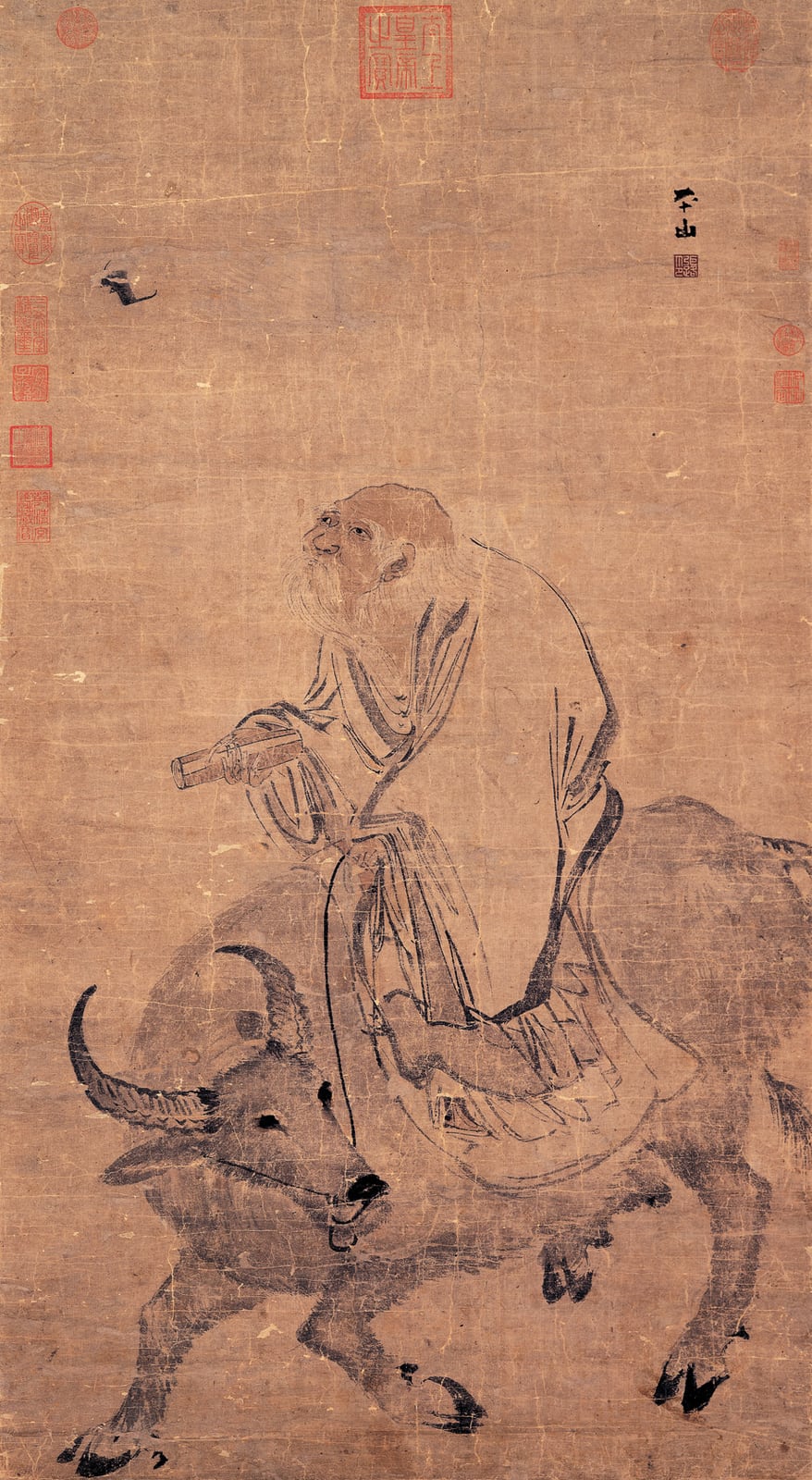
Laozi
Совпадают в вопросах: Почему мы страдаем? · Что происходит после смерти? · Как достигается освобождение или спасение?
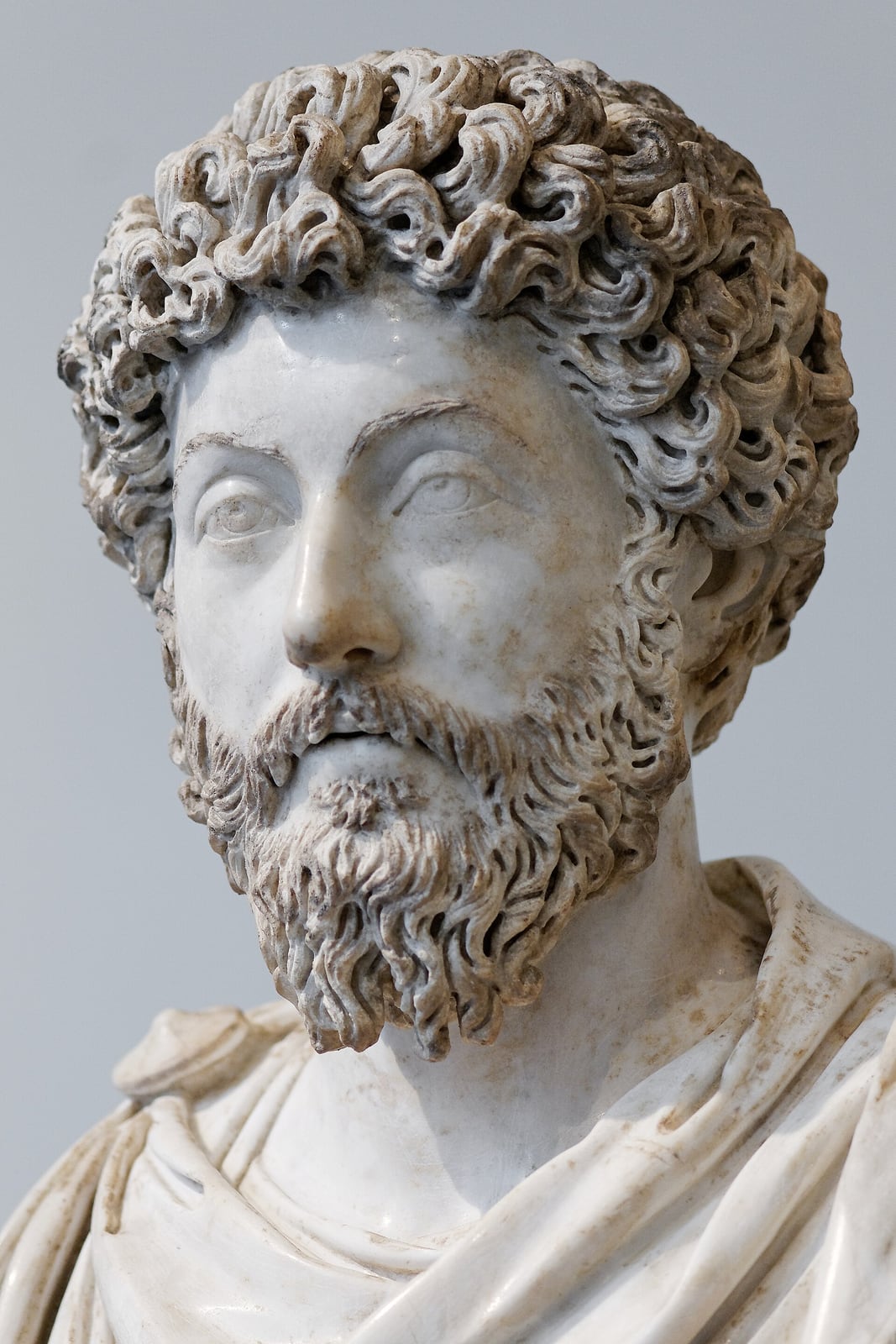
Marcus Aurelius
Совпадают в вопросах: Кто я? Существует ли истинное «я»? · Что происходит после смерти? · Как достигается освобождение или спасение?
Дальше всего от
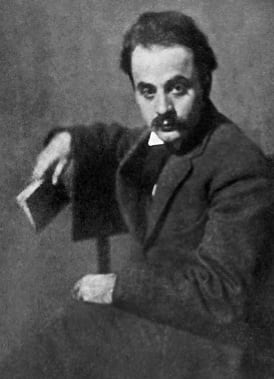
Kahlil Gibran
Расходятся в вопросах: Что такое Абсолют? Существует ли Бог? · Кто я? Существует ли истинное «я»? · Почему мы страдаем?
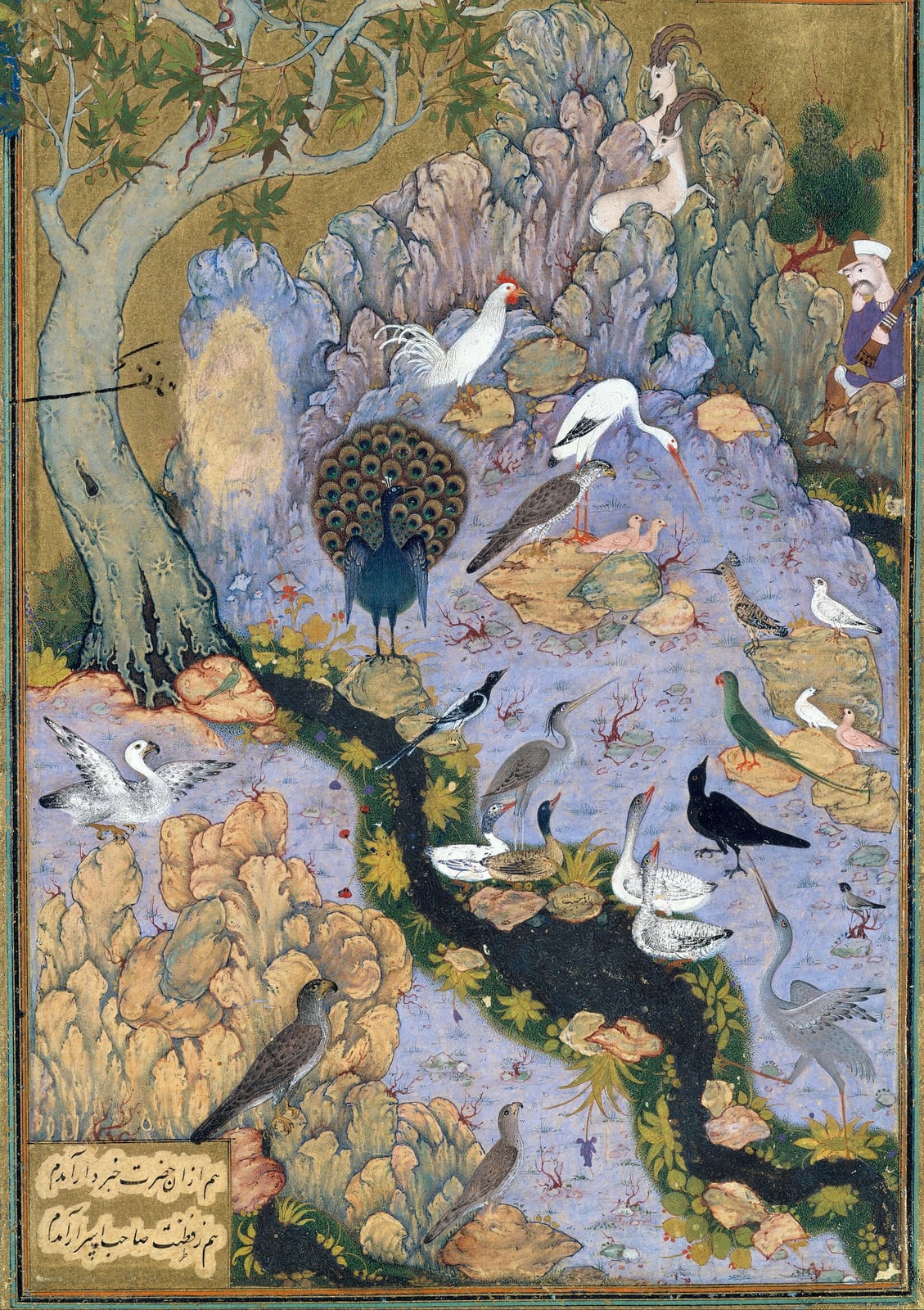
Attar
Расходятся в вопросах: Что такое Абсолют? Существует ли Бог? · Кто я? Существует ли истинное «я»? · Почему мы страдаем?
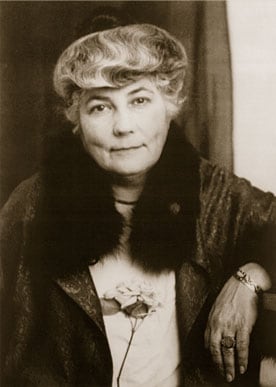
Helena Roerich
Расходятся в вопросах: Что такое Абсолют? Существует ли Бог? · Кто я? Существует ли истинное «я»? · Почему мы страдаем?

Nikolai Berdyaev
Расходятся в вопросах: Что такое Абсолют? Существует ли Бог? · Кто я? Существует ли истинное «я»? · Почему мы страдаем?
Расходятся в вопросахПринципиальное разногласие
Confucius · Laozi
Two orders for a world at war: ritual that gives form and the Way that removes it
Почему: The conflict is real and polemical, though between texts and schools rather than persons. The Daodejing names and discredits the central Confucian concepts, humaneness, righteousness and ritual, which suggests it was composed, at least in part, against that school. The meeting between Confucius and Laozi recounted by Sima Qian in the Records of the Grand Historian (ch. 63) belongs to legend and is not considered historical. The underlying difference is anthropological: Confucius trusts that cultivated form educates human nature; the Daodejing suspects that every imposed form falsifies it. Chinese culture eventually read them as complementary, one for public office and the other for retirement.
Совпадают в вопросах
Confucius · Jesus of Nazareth
The golden rule in two languages, and the exact point where they part
Почему: There was no contact between them; the convergence comes from a widespread moral intuition, reciprocity, found in very diverse traditions. The divergence before the enemy is explained by each one's framework. Confucius thinks of a society ordered by graded relationships, beginning with the family, where love has measure and justice requires that each act receive its due. Jesus speaks from the imminence of the Kingdom of God and from the imitation of a Father who loves all without distinction, which breaks every measure. One seeks the harmony of the city; the other announces a justice that overflows it.
Совпадают в вопросах
Confucius · Hildegard of Bingen
Ritual and music as the form of the soul: the master of Lu and the abbess of the Rhine
Почему: The affinity is purely comparative and rests on a shared ancient intuition: music and ritual do not adorn moral life, they constitute it, because body and voice are educated before ideas. The Confucian tradition joined ritual and music very early as instruments of government and self-cultivation; Benedictine liturgy made the singing of psalms the axis of the monastic day. The difference is theological: Confucian ritual looks to human conduct and keeps the spirits at a distance, whereas Hildegard's chant is addressed to a personal God and is participation in the praise of the angels. They agree on pedagogy, not on the addressee.
Расходятся в вопросахПринципиальное разногласие
Confucius · Siddhartha Gautama, the Buddha
Filial piety as the root, or leaving home as open air
Почему: The contradiction is real and had historical consequences: when Buddhism reached China, Confucian scholars reproached it for centuries because monks abandoned their parents and left no descendants, and Chinese Buddhists answered by stressing the filial duties found in the canon. The two masters never met; the clash arises from their aims. Confucius seeks the harmony of a society at war and sees in the family the model of the state. The Buddha seeks the end of suffering, which arises from attachment, and sees in domestic ties one more attachment. Neither despises what the other values: one leaves renunciation as an exception; the other, the household as a stage.
Совпадают в вопросах
Confucius · The 14th Dalai Lama (Tenzin Gyatso)
An ethics that needs no metaphysics: humaneness and universal responsibility
Почему: The convergence is comparative and responds to similar situations: Confucius teaches in a China divided by war between states, and the Dalai Lama in a plural, secularised world, as the leader of a people in exile. Both seek a moral basis that can be shared without requiring a common faith. They differ, however, in the scope of love. Confucius wants it graded, beginning with parents, and rejects repaying evil with good (14.34); the Dalai Lama, from Buddhist compassion, extends it to all beings equally, the enemy included. One orders affection; the other universalises it. And ritual, central in Confucius, carries little weight in the Dalai Lama's secular ethics.
Предания и рассказы
Предания и рассказы
Устная традицияc. 496–484 a. C.
The dog of a house in mourning
Происхождение рассказа: Shiji 47, "Hereditary House of Confucius". Not in the Analects. Reworked in the Kongzi jiayu.
Документированоc. 489 a. C.
Hunger between Chen and Cai
Происхождение рассказа: Analects 15.2 (core); Shiji 47 (expansion); Zhuangzi, chs. 14, 17, 20 and 28 (Taoist versions).
Документированоfinales del s. VI – principios del V a. C.
The stable fire
Происхождение рассказа: Analects 10.17 (10.12 in Legge's numbering). Commentary on the alternative punctuation in Slingerland (2003), ad loc.
Документированоc. 496 a. C.
The visit to Nanzi
Происхождение рассказа: Analects 6.28 (6.26 in Legge); expansion in Shiji 47. The saying on virtue and beauty also appears in Analects 9.18 and 15.13 without context.
Документировано500 a. C.
The Jiagu meeting
Происхождение рассказа: Zuozhuan, Duke Ding, year 10; Guliang zhuan, Ding 10; Shiji 47 (with the execution of the jesters, absent from the Zuozhuan).
Документированоc. 481 a. C.
The death of Yan Hui
Происхождение рассказа: Analects 11.8–11.11 (11.7–11.10 in Legge) and 6.11. The date comes from Shiji 47 and the traditional chronology; some place it earlier.
Житийное повествование481 a. C.
The capture of the lin
Происхождение рассказа: Chunqiu, Ai 14 (one line); Gongyang zhuan, Ai 14 (the weeping and the end of the annals); Shiji 47 (the premonition).
Учение
Учение
Понятия, на которых строится мысль учителя, объяснённые в их контексте.
Ren (humaneness, benevolence)ren
Ethical core of Confucianism; contested by the Daodejing (ch. 18) as a symptom of decline; central in Mencius, Zhu Xi and Wang Yangming.
Источник: Slingerland, Edward (trad.). Confucius: Analects, with Selections from Traditional Commentaries. Hackett Publishing Company, Indianápolis, 2003. ISBN 9780872206359.
Li (ritual, proper form)li
Inherits Zhou ritual culture; systematised by Xunzi and the Liji; criticised by Mohists, Legalists and Taoists.
Источник: Slingerland, Edward (trad.). Confucius: Analects, with Selections from Traditional Commentaries. Hackett Publishing Company, Indianápolis, 2003. ISBN 9780872206359.
Junzi (the gentleman, the exemplary person)junzi
Ideal shared by the whole Confucian tradition; rough equivalents: the Aristotelian spoudaios, the honnête homme of seventeenth-century Europe.
Источник: Slingerland, Edward (trad.). Confucius: Analects, with Selections from Traditional Commentaries. Hackett Publishing Company, Indianápolis, 2003. ISBN 9780872206359.
Xiao (filial piety)xiao
A Zhou-culture virtue systematised by Confucius; central in the Xiaojing, the Liji and imperial law.
Источник: Slingerland, Edward (trad.). Confucius: Analects, with Selections from Traditional Commentaries. Hackett Publishing Company, Indianápolis, 2003. ISBN 9780872206359.
Zhengming (rectification of names)zhengming
Developed by Xunzi ("Zhengming") and the Legalists; debated in Chinese philosophy of language (Mohists, School of Names).
Источник: Slingerland, Edward (trad.). Confucius: Analects, with Selections from Traditional Commentaries. Hackett Publishing Company, Indianápolis, 2003. ISBN 9780872206359.
Shu (reciprocity) and zhong (doing one's utmost)shu
The Confucian golden rule; parallels in Judaism (Hillel), Christianity (Mt 7:12) and Buddhism.
Источник: Slingerland, Edward (trad.). Confucius: Analects, with Selections from Traditional Commentaries. Hackett Publishing Company, Indianápolis, 2003. ISBN 9780872206359.
Xue (study, learning)xue
Foundation of the imperial examination system and of Neo-Confucian pedagogy (Zhu Xi, "Articles of the White Deer Grotto Academy").
Источник: Slingerland, Edward (trad.). Confucius: Analects, with Selections from Traditional Commentaries. Hackett Publishing Company, Indianápolis, 2003. ISBN 9780872206359.
Ретриты
Ретриты и центры
Места и встречи, связанные с этим учением. Мы свяжем вас с их организаторами.
Qufu, provincia de Shandong · China
Qufu: Temple, Cemetery and Mansion of Confucius
Patrimonio Mundial de la UNESCO (ficha oficial)
Qufu, Confucius's home town, preserves the three sites UNESCO inscribed as World Heritage in 1994: the temple raised in his memory shortly after his death and enlarged over the centuries into one of China's great architectural complexes; the cemetery where he and thousands of his descendants lie; and the mansion of the Kong family, home of his direct heirs. It is the pilgrimage site par excellence of Confucianism and the setting for annual ceremonies in his honour. The UNESCO website sometimes rejects automated requests, but it is the official listing.
Видео
Видео
Записи, интервью и документальные фильмы. Видео воспроизводятся с YouTube; здесь они не хранятся.
Who was Confucius? — Bryan W. Van Norden
Разбор· EN· 2015· 5 min
TED-EdОфициальный канал
¿Quién fue Confucio? — Bryan W. Van Norden
Разбор· ES· 5 min
Sé Curioso — TED-EdОфициальный канал
Who Was Confucius? And What Did He Really Say?
Лекция· EN· 62 min
Bryan Van Norden
Confucius on Language: How NOT to Rectify Names
Лекция· EN· 66 min
Bryan Van Norden
The Analects of Confucius, read by Jing Li (LibriVox)
Запись третьих лиц· EN· 212 min
LibriVox AudiobooksОфициальный канал
《孔子》Confucius — 半部论语治天下 (CCTV纪录)
Документальный фильм· ZH· 90 min
CCTV纪录 (CCTV Documentary)Официальный канал
如果国宝会说话 — 孔子见老子画像石 (El relieve «Confucio visita a Laozi»)
Документальный фильм· ZH· 5 min
CCTV纪录Официальный канал
Confucio. «El Maestro de Diez Mil Siglos»
Документальный фильм· ES· 21 min
UNED DocumentosОфициальный канал
Confucio — Analectas «Lún Yǔ» (audiolibro completo en español)
Запись третьих лиц· ES· 261 min
AMA Audiolibros
Professor Michael Puett on Zhuangzi in Relation to Confucius
Лекция· EN· 44 min
China X (HarvardX)Официальный канал
Views of Nature in the Analects with Annping Chin
Интервью· EN· 4 min
Yale Forum on Religion and EcologyОфициальный канал
Confucian Analects in the Modern World: Five Generations
Лекция· EN· 68 min
UC Berkeley EventsОфициальный канал
Confucius, 551 BC: Ancient China's Philosopher Who Changed The World
Документальный фильм· EN· 89 min
Timeline — World History Documentaries
Confucianism, Buddhism, and Daoism: Chinese Popular Religion
Разбор· EN· 13 min
CrashCourseОфициальный канал
Галерея
Галерея
Изображения с проверенной лицензией. Каждое сохраняет своё авторство и атрибуцию.
Рукописи
Рукописи
Рукописные свидетельства и древние тексты, с указанием хранителя и условий доступа.
ZH · Escritura de los escribas (lishu) de los Han occidentales · Anterior a 55 a. C. (año de la muerte de Liu Xiu, príncipe Huai de Zhongshan, en cuya tumba se halló)
定州漢墓竹簡《論語》
- Сохранившийся список
- 620 tablillas de bambú, unos 7.576 caracteres, aproximadamente la mitad del texto recibido; dañadas por un incendio antiguo y por el terremoto de Tangshan (1976)
- Хранитель
- Instituto Provincial de Reliquias Culturales de Hebei (Hebei sheng wenwu yanjiusuo), Shijiazhuang
ZH · Escritura de los escribas (lishu) de los Han occidentales · Anterior a 59 a. C. (muerte de Liu He, marqués de Haihun, antiguo emperador depuesto)
海昏侯墓竹簡《論語》
- Сохранившийся список
- Más de 500 tablillas de bambú identificadas como Analectas, en curso de restauración y publicación
- Хранитель
- Instituto Provincial de Reliquias Culturales y Arqueología de Jiangxi; Museo del Sitio de Haihunhou, Nanchang
ZH · Escritura de los escribas (lishu) de los Han occidentales · c. 45 a. C. (fecha de un registro censal hallado en la misma tumba)
平壤貞柏洞364號墓《論語》竹簡
- Сохранившийся список
- 39 tablillas de bambú con los capítulos «Xianjin» y «Yan Yuan»
- Хранитель
- Instituciones de la República Popular Democrática de Corea (Pyongyang); custodio concreto no confirmado
ZH · Escritura regular (kaishu) de la dinastía Tang · Grabado entre 833 y 837 (era Kaicheng)
開成石經《論語》
- Сохранившийся список
- Texto íntegro de las Analectas en estelas de piedra, parte de los Doce Clásicos de Kaicheng (114 estelas, más de 650.000 caracteres)
- Хранитель
- Museo del Bosque de Estelas (Beilin), Xi'an
Связи
Связи
Влияния, ученичество и близость взглядов. Документированная связь отличается от сходства, выявленного путём анализа.
Встречался с
Tradition (Shiji 47 and 63, Liji, Zhuangzi) relates that Confucius consulted Laozi on the rites. A school narrative, unverifiable; recorded as undocumented.
Сходство, выявленное путём анализа
Повлиял на
The Zhuangzi (4th–3rd c. BCE) makes Confucius a recurring character, sometimes mocked and sometimes spokesman for Taoist doctrine itself: an influence by contrast, documented in the text.
Документированная связь
Современник
Siddhartha Gautama, the Buddha
Approximate contemporaries according to traditional chronologies (6th–5th c. BCE), with no contact whatsoever. The comparison is a commonplace of the history of religions (Jaspers's "Axial Age").
Сходство, выявленное путём анализа
Идеи, близкие к
The negative golden rule of Analects 15.24 and 12.2 is routinely compared with the positive one of Mt 7:12; no historical relation.
Сходство, выявленное путём анализа
Источники
Источники
Библиография и каталоги, использованные для этой статьи.
- Wikidata, entidad Q4604 «Confucius» (P31=Q5; 313 enlaces entre wikis). Nombre nativo 孔夫子; nacimiento registrado en 552/551 a. C.; lugar de nacimiento Q210287 (Zou/Qufu).
- Sima Qian. Shiji (Memorias históricas), juan 47, «Kongzi shijia» (Casa hereditaria de Confucio), c. 94 a. C. Ed. Zhonghua shuju, Pekín, 1959. Trad. francesa: Chavannes, Les Mémoires historiques de Se-ma Ts'ien, vol. 5, 1905; trad. inglesa en Nienhauser (ed.), The Grand Scribe's Records, vol. 5.1, Indiana University Press, 2006.
- Legge, James (trad.). The Chinese Classics, vol. 1: Confucian Analects, The Great Learning, The Doctrine of the Mean. Trübner, Londres, 1861; 2.ª ed. Clarendon Press, 1893. Project Gutenberg nº 4094.
- Slingerland, Edward (trad.). Confucius: Analects, with Selections from Traditional Commentaries. Hackett Publishing Company, Indianápolis, 2003. ISBN 9780872206359.
- Lau, D. C. (trad.). Confucius: The Analects (Lun yü). Penguin Classics, Harmondsworth, 1979. ISBN 9780140443486.
- Cheng, Anne (trad.). Entretiens de Confucius. Éditions du Seuil (Points Sagesses), París, 1981. ISBN 9782020057752. Y Cheng, Anne. Histoire de la pensée chinoise. Seuil, París, 1997.
- Nylan, Michael y Wilson, Thomas. Lives of Confucius: Civilization's Greatest Sage Through the Ages. Doubleday, Nueva York, 2010.
- Hunter, Michael. Confucius Beyond the Analects. Brill, Leiden, 2017.
- Zuozhuan (Zuo Tradition), años Ding 10, Ding 12, Ai 11, Ai 15 y Ai 16. Trad. Durrant, Stephen; Li, Wai-yee; Schaberg, David. Zuo Tradition / Zuozhuan: Commentary on the Spring and Autumn Annals. University of Washington Press, Seattle, 2016.
- Liji, «Tangong» (cap. 3). Trad. Legge, James. The Lî Kî. Sacred Books of the East, vols. XXVII–XXVIII. Clarendon Press, Oxford, 1885.
- Csikszentmihalyi, Mark. «Confucius». The Stanford Encyclopedia of Philosophy (ed. Edward N. Zalta).
- Meynard, Thierry (ed.). Confucius Sinarum Philosophus (1687): The First Translation of the Confucian Classics. Institutum Historicum Societatis Iesu, Roma, 2011. ISBN 9788870412062.
- Zhuangzi (莊子), caps. 4, 5, 6, 14, 20, 28 y 31. Chinese Text Project.
- Jiangxi sheng wenwu kaogu yanjiusuo y otros. «Nanchang shi Xi Han Haihunhou mu» (La tumba del marqués de Haihun, de los Han occidentales, en Nanchang). Kaogu, 2016, nº 7, pp. 45–62.
- Hebei sheng wenwu yanjiusuo Dingzhou Han mu zhujian zhengli xiaozu (ed.). Dingzhou Han mu zhujian Lunyu. Wenwu chubanshe, Pekín, 1997.
- Kim, Kyung-ho. «A Study of Excavated Bamboo and Wooden-strip Analects: The Spread of Confucianism and Chinese Script». Sungkyun Journal of East Asian Studies, vol. 11, nº 1 (2011), pp. 59–88.
- Chinese Text Project. «The Analects» (論語), texto chino con traducción de James Legge en paralelo.
- Suárez Girard, Anne-Hélène (trad.). Confucio. Lun Yu. Reflexiones y enseñanzas. Editorial Kairós, Barcelona, 1997. ISBN 9788472453661.
- Pérez Arroyo, Joaquín (trad.). Confucio y Mencio. Los cuatro libros. Ediciones Paidós (Paidós Orientalia), Barcelona, 2002. ISBN 9788449312076.
- Brooks, E. Bruce y Brooks, A. Taeko. The Original Analects: Sayings of Confucius and His Successors. Columbia University Press, Nueva York, 1998. ISBN 9780231104302 (tela); 9780231104319 (rústica).
- Ma Chengyuan (ed.). Shanghai bowuguan cang Zhanguo Chu zhushu (上海博物館藏戰國楚竹書), vol. 1. Shanghai guji chubanshe, Shanghái, diciembre de 2001. Incluye la primera edición del manuscrito «Kongzi shilun» (孔子詩論).
- Правообладатель
- Obra en dominio público; cada traducción pertenece a su traductor o editorial
Ожидает подтверждения
То, что в этой статье пока не удалось установить. Мы предпочитаем сказать об этом, а не заполнять пробел.
- No se ha localizado ninguna edición de las Analectas de Joaquín Pérez Arroyo en Alianza ni en Kairós (el encargo las mencionaba): su traducción es Los cuatro libros (Alfaguara 1981; Paidós 2002); la de Kairós es de Anne-Hélène Suárez Girard; la de Alianza (2021) es una selección de García-Noblejas y Torres Marín. Confirmar en la BNE si existió una edición suelta.
- ISBN pendientes de ver en catálogo: Waley (reediciones Vintage/Routledge), Durrant–Li–Schaberg (Zuozhuan, 2016), Gardner (Four Books, Hackett 2007), Kramers (Kongzi jiayu, 1950). Se han dejado en null.
- La traducción de la edición de Herder (2020, ISBN 9788425443886) no figura en el catálogo consultado; identificar traductor.
- No se han encontrado en Open Library ediciones en ruso, hindi ni árabe con ISBN fiable.
- Custodio concreto de las tablillas de Pyongyang (tumba 364 de Jeongbaek-dong): no confirmado; se conocen solo por fotografías publicadas en Corea del Sur.
- La fecha de las pinturas 孔子燕居像 y 孔子爲魯司寇像 (Museo de Confucio de Qufu) no consta en las fichas de Commons; datarlas con el catálogo del museo.
- Programas de afiliación: no se ha verificado ninguno; lista vacía.
- Fecha de nacimiento: 551 a. C. (Zuozhuan/Shiji) frente a 552 (Gongyang); se adopta 551 con precisión «year». El día tradicional (28 de septiembre) no se registra por ser convención tardía.
- Sala de lectura: no se ha localizado en Gutenberg, Wikisource ni Internet Archive una traducción española de las Analectas en dominio público con texto completo.
- Sala de lectura: las traducciones de Legge del Shujing, del Liji y de los apéndices del Yijing (Sacred Books of the East, vols. III, XVI, XXVII–XXVIII) están en Wikisource en subpáginas anidadas (Parte/Libro/Sección) que el ingestor ordena mal; no se registran hasta poder ordenarlas. Tampoco hay en línea una edición separada de dominio público del Daxue en inglés (la de Legge va dentro del vol. 1 de The Chinese Classics) ni del Chunqiu sin el Zuozhuan.
- Sala de lectura: el Xiaojing de Legge en Wikisource intercala las tres secciones de su introducción entre los capítulos al ordenarlos por número; revisar el orden tras la ingesta. La versión de Ivan Chên (Gutenberg #75878, 1908) no se registra por no haberse podido acreditar la fecha de muerte del traductor.
- Obras: ISBN de la edición de Shanghai guji (2001) del Kongzi shilun no verificado. El Zhongyong no se registra como obra de Confucio: la tradición lo atribuye a su nieto Zisi.
Исследовано 2026-10-22