Христианство · Православие
Leo Tolstoy
Лев Никола́евич Толсто́й
1828 – 1910Исторически документированная личность
Русский писатель (1828–1910), автор «Войны и мира» и «Анны Карениной» и один из крупнейших религиозных мыслителей своего времени. Пережив около 1877 года кризис смысла, описанный в «Исповеди», он порвал с православной Церковью и проповедовал христианство без догматов, сосредоточенное на Нагорной проповеди и на непротивлении злу насилием. Книга «Царство Божие внутри вас» оказала решающее влияние на Ганди. Он умер на станции Астапово, уйдя из дома.
- трудов
- 506трудов
- изданий
- 69изданий
- цитат
- 12цитат
- видео
- 15видео
- изображений
- 11изображений
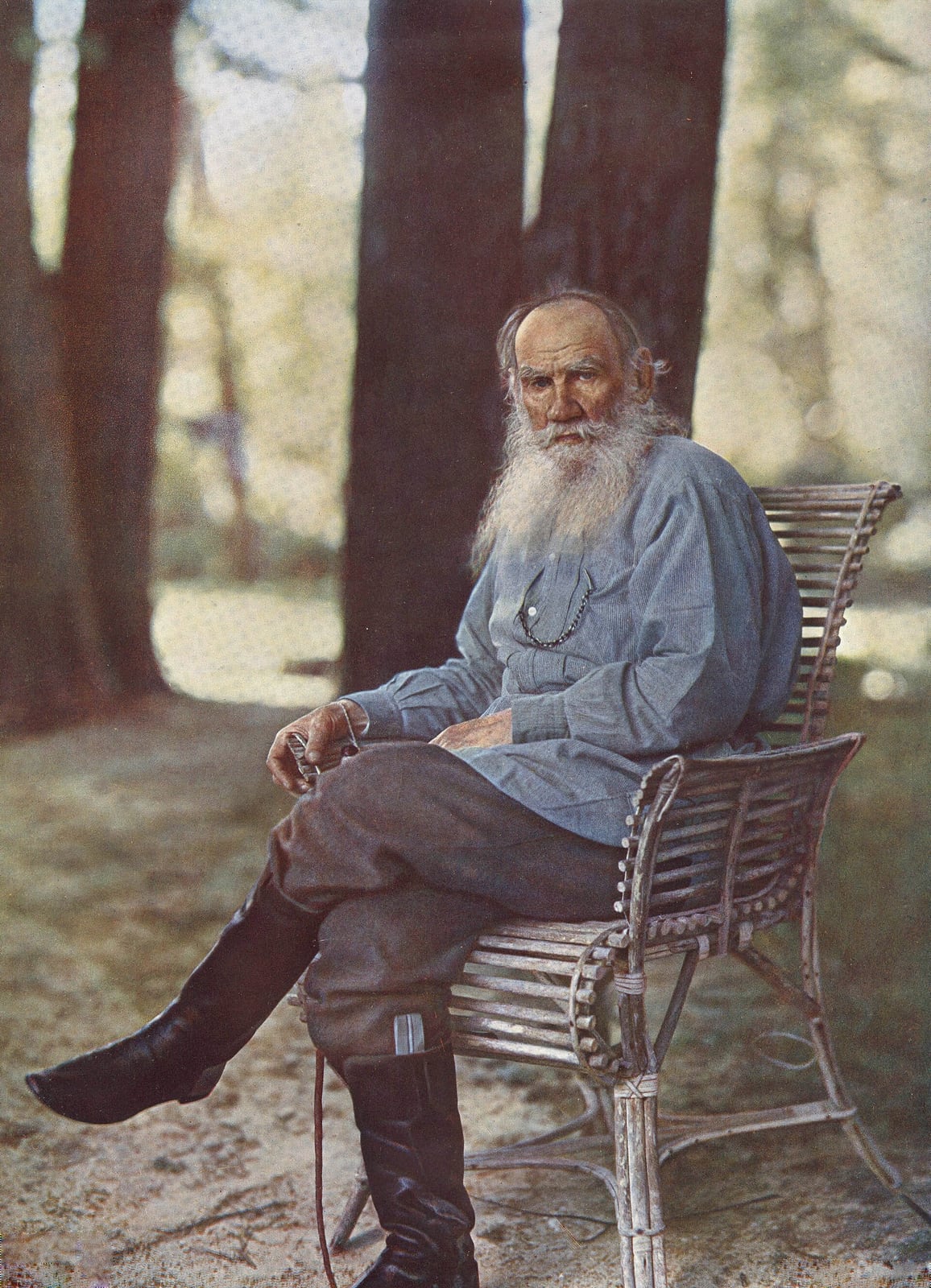
Lev Tolstói en Yásnaia Poliana (1908) · Public domain
Своими словами
«Все счастливые семьи похожи друг на друга, каждая несчастливая семья несчастлива по-своему.»Anna Karénina, parte I, cap. 1 (texto ruso en Wikisource)

Главная мысль
Non-resistance to evil by violence: It is the centre of Tolstoy's faith from the early 1880s.
В контексте
Биография
4 мин чтения
Перевод с испанского оригинала, выполненный с помощью ИИ; ожидает проверки носителем языка.
Осиротевший граф в Ясной Поляне
Лев Николаевич Толстой родился 28 августа (9 сентября по новому стилю) 1828 года в Ясной Поляне, родовом имении в Тульской губернии, четвертым из пяти детей графа Николая Ильича Толстого и княжны Марии Николаевны Волконской. Мать он потерял, не достигнув и двух лет, отца — в восемь; растили его тетушки и опекунши, прежде всего Татьяна Александровна Ергольская, о которой он вспоминал как о человеке, научившем его «духовному наслаждению любви». В 1844 году он поступил в Казанский университет — сначала на восточное отделение, затем на юридический факультет — и оставил его без диплома в 1847 году, когда получил в наследство Ясную Поляну и начал дневник, который с перерывами вел шестьдесят три года.
С Кавказа в Севастополь
После нескольких лет карточной игры, долгов и намерений исправиться, которые дневник фиксирует с почти клинической строгостью, в 1851 году он последовал за братом Николаем на Кавказ и поступил в артиллерию. Там он написал «Детство», которое Некрасов в 1852 году напечатал в «Современнике» под одними инициалами автора. Во время Крымской войны он участвовал в обороне Севастополя, в том числе на грозном четвертом бастионе, и «Севастопольские рассказы» (1855–1856) принесли ему мгновенную славу благодаря новизне, которая уже была нравственной позицией: войне, показанной без славы, через страх и тщеславие тех, кто ее ведет.
Школа, женитьба и два великих романа
В 1857 году он путешествовал по Европе; в Париже увидел казнь на гильотине и написал: «никогда не буду служить нигде никакому правительству». Вернувшись в Ясную Поляну, он открыл школу для крестьянских детей — без наказаний и обязательной программы, — а смерть от чахотки брата Николая в Гиере в 1860 году оставила ему вопрос о смерти, который его уже не покидал. В сентябре 1862 года он женился на восемнадцатилетней Софье Андреевне Берс, которая переписывала и приводила в порядок его рукописи и родила ему тринадцать детей. Наступили годы расцвета: «Война и мир» (1863–1869), великая эпопея наполеоновского нашествия и частной жизни, увлекаемой историей, и «Анна Каренина» (1873–1877), где судьба женщины, поставившей всё на любовь, развертывается рядом с судьбой Левина — помещика, ощупью ищущего смысл своей жизни. Между ними он создал «Азбуку» (1872), школьный букварь с сотнями басен и рассказов для крестьянских детей.
Кризис: жизнь без смысла
На вершине славы и благополучия, около 1877 года, Толстой обнаружил, что не может ответить на простейший вопрос: что останется от всего, что он делает, когда он умрет. Он рассказал об этом в «Исповеди» (написанной в 1879–1882 годах, запрещенной в России и напечатанной в Женеве в 1884 году): он прятал от себя шнурок, «чтобы не повеситься», и перестал ходить с ружьем на охоту, «чтобы не соблазниться слишком легким способом избавления себя от жизни». Ответа он не нашел ни в науке, ни в философии; он вернулся в православную Церковь и около двух лет усердно исполнял ее обряды, но оставил ее, потому что не мог принять ни ее догматов, ни благословения войн и казней. Выход он нашел в простой вере крестьян, которые жили и умирали без отчаяния, и в Евангелии, прочитанном без окутывавшего его богословия.
Христианство без Церкви
С тех пор большую часть сил он отдавал религиозному труду: «Исследование догматического богословия», собственный перевод и сведение четырех Евангелий («Соединение и перевод четырех Евангелий»), их сокращенное изложение в «Кратком изложении Евангелия» и «В чем моя вера?» (1884). Учение Иисуса он свел к заповедям Нагорной проповеди и поставил в центр одну-единственную: непротивление злу насилием. Отсюда он с логикой, которую никогда не смягчал, вывел отрицание государства, судов, армии, присяги и собственности. «Царство Божие внутри вас» (1890–1893), изданное за границей в 1894 году, сделало его великим теоретиком ненасилия, и вокруг него возникло движение — толстовцы — во главе с его учеником Владимиром Чертковым, с которым он в 1884 году основал народное издательство «Посредник». В 1891 году он отказался от прав на всё написанное с 1881 года, стал вегетарианцем, работал на земле, устраивал бесплатные столовые во время голода 1891–1892 годов и отдал гонорар за «Воскресение» (1899) на переселение духоборов в Канаду. В феврале 1901 года Святейший Синод объявил, что он отпал от Церкви; он ответил, что действительно отрекся от нее, потому что «люблю истину более всего на свете».
Ганди и непротивление
Самое заметное его влияние пришло неожиданным путем. В 1894 году в Южной Африке молодой индийский адвокат Мохандас К. Ганди прочел «Царство Божие внутри вас»; в автобиографии он написал, что книга его потрясла и что она была одним из трех современных сочинений, сильнее всего повлиявших на его жизнь. В 1908 году Толстой написал «Письмо к индусу», адресованное бенгальскому националисту Таракнатху Дасу, где утверждал, что Индия порабощена потому, что сами индийцы участвуют в насилии, которое их угнетает. Ганди написал ему из Лондона в октябре 1909 года, попросил разрешения распространять письмо, перевел его на гуджарати и опубликовал со своим предисловием. Последовала недолгая переписка; в 1910 году Ганди назвал «Толстовской фермой» общину, которую основал близ Йоханнесбурга, а последнее большое письмо Толстого, написанное в сентябре того же года, приветствовало пассивное сопротивление индийцев в Трансваале как самое важное дело в мире.
Уход и Астапово
Последние годы были годами всемирной славы и домашней муки. Соперничество Софьи Андреевны и Черткова за права и дневники разразилось в 1910 году, когда Толстой тайно подписал завещание, по которому его сочинения через дочь Александру становились общим достоянием. Ранним утром 28 октября (10 ноября) 1910 года, в восемьдесят два года, он покинул Ясную Поляну в сопровождении своего врача Душана Маковицкого; побывал в Оптиной пустыни и навестил сестру Марию, монахиню в Шамордине, но в поезде заболел воспалением легких и был вынужден остановиться на маленькой станции Астапово. Он умер в доме начальника станции рано утром 7 (20) ноября, окруженный журналистами и кинокамерами, пока жена ждала за дверью. Его похоронили без церковного обряда в лесу Ясной Поляны, рядом с местом, где, по словам его брата Николая, в детстве была зарыта зеленая палочка, хранившая тайну счастья всех людей.
Источники: Monk, Ray. Ludwig Wittgenstein: The Duty of Genius. Londres: Jonathan Cape, 1990 (lectura de «El Evangelio abreviado» de Tolstói en 1914). · Maude, Aylmer. The Life of Tolstoy. 2 vols.: First Fifty Years (1908) y Later Years (1910). Londres: Constable, 1908–1910. Consultado en Internet Archive. · Bartlett, Rosamund. Tolstoy: A Russian Life. Londres: Profile Books, 2010. · Толстой, Л. Н. Исповедь (1879–1882). Ginebra: M. Elpidin, 1884; ПСС t. 23. Texto en Викитека. · Gandhi, M. K. An Autobiography, or The Story of My Experiments with Truth. Ahmedabad: Navajivan, 1927–1929, parte II, caps. 1 y 15 (lectura de The Kingdom of God Is Within You en 1894).
Хронология
Жизнь год за годом
Каждая точка — документированное событие. Нажмите, чтобы прочитать о нём, с источником и степенью достоверности.
9 сентября 1828 г.0 летYásnaia Poliana, provincia de Tula
Birth
Born on the family estate on 28 August (Julian), 9 September (Gregorian), fourth child of Count Nikolai Tolstoy and Maria Volkonskaya.
ДокументированоWikidata: León Tolstói / Leo Tolstoy (Q7243). Nacimiento 28-08-1828 (juliano) = 09-09-1828 (gregoriano); muerte 07-11-1910 (juliano) = 20-11-1910 (gregoriano).
9 сентября 1828 г. · 0 лет
Birth
Born on the family estate on 28 August (Julian), 9 September (Gregorian), fourth child of Count Nikolai Tolstoy and Maria Volkonskaya.
Документировано
1830 · 2 года
Death of his mother
Maria Nikolayevna Volkonskaya dies; Tolstoy will keep no memory of her.
Документировано
1837 · 8 лет
Death of his father
Count Nikolai Ilyich dies; the children are left in the care of aunts and guardians, above all Tatiana Yergolskaya.
Документировано
1844 · 16 лет
Kazan University
Enters the faculty of oriental languages; in 1845 moves to law. Leaves in 1847.
Документировано
март 1847 г. · 18 лет
The diary begins
In the Kazan hospital he begins the diary he will keep until 1910. That year he inherits Yasnaya Polyana.
Документировано
1851 · 22 года
To the Caucasus
Goes with his brother Nikolai to the Caucasus and joins the artillery.
Документировано
сентябрь 1852 г. · 24 года
Childhood in The Contemporary
Nekrasov publishes Childhood signed with the initials L. N.
Документировано
ноябрь 1854 г. · 26 лет
The siege of Sevastopol
Posted to Sevastopol; serves on the Fourth Bastion and writes the Sevastopol Sketches (1855–1856).
Документировано
апрель 1857 г. · 28 лет
The guillotine
Witnesses an execution in Paris and writes that he will never serve any government.
Вероятно
1859 · 31 год
The peasant school
Opens a school for his peasants' children; in 1862 publishes the educational journal Yasnaya Polyana.
Документировано
сентябрь 1860 г. · 32 года
Death of Nikolai
His elder brother dies of tuberculosis in his arms; death becomes the great question of his work.
Документировано
23 сентября 1862 г. · 34 года
Marriage to Sofia Behrs
Marries Sofia Andreyevna Behrs, aged eighteen (Julian date). They will have thirteen children.
Документировано
1869 · 41 год
War and Peace
Book publication of War and Peace, begun in instalments in 1865, is completed. In September he lives through a night of terror of death at Arzamas.
Документировано
ноябрь 1872 г. · 44 года
The Azbuka
Publishes the Azbuka, a primer in four books with hundreds of fables and stories for children.
Документировано
1877 · 49 лет
Anna Karenina and the crisis
Finishes Anna Karenina (serialised from 1875; the last part appears separately in 1878) in the midst of a spiritual crisis.
Документировано
1882 · 54 года
A Confession and the Moscow census
Completes A Confession, banned by the censor; takes part in the Moscow census, origin of What Then Must We Do?
Документировано
1884 · 56 лет
What I Believe and Posrednik
Finishes What I Believe and founds with Vladimir Chertkov the popular publishing house Posrednik.
Документировано
сентябрь 1891 г. · 63 года
Renunciation of rights
Declares everything written since 1881 public domain. That autumn he organises soup kitchens for starving peasants in Ryazan.
Документировано
1894 · 66 лет
The Kingdom of God Is Within You
Published abroad, banned in Russia. In South Africa Gandhi reads it the same year.
Документировано
1899 · 71 год
Resurrection and the Doukhobors
Publishes Resurrection and gives its proceeds to the Doukhobors' emigration to Canada.
Документировано
февраль 1901 г. · 72 года
Separated from the Church
The Holy Synod publishes its decision of 20–22 February (Julian); Tolstoy replies on 4 April.
Документировано
декабрь 1908 г. · 80 лет
A Letter to a Hindu
Writes to Taraknath Das the letter on non-violence that Gandhi will translate. That year he publishes I Cannot Be Silent against executions.
Документировано
октябрь 1909 г. · 81 год
Correspondence with Gandhi
Gandhi writes to him from London; an exchange of letters begins that lasts until September 1910.
Документировано
10 ноября 1910 г. · 82 года
The flight
In the early hours of 28 October (Julian) he leaves home with Dr Makovický.
Документировано
20 ноября 1910 г. · 82 года
Death at Astapovo
Dies of pneumonia in the stationmaster's house on 7 November (Julian), 20 November (Gregorian).
Документировано
22 ноября 1910 г.
Burial without rites
He is buried without a religious ceremony in the estate's woods, at the place of the «green stick».
Документировано
Труды
Главные труды
Труды, без которых не понять это наследие.
Письменный труд · 1869
Война и мир
Monumental novel of Russian society between 1805 and 1820, with Napoleon's 1812 invasion at its centre. It follows several families — the Rostovs, the Bolkonskys, the Bezukhovs — and alternates private life with the battles of Austerlitz and Borodino and the burning of Moscow. Tolstoy interleaves chapters of philosophy of history denying the decisive role of great men and attributing events to the sum of countless wills. Serialised from 1865 in The Russian Messenger, published as a book in 1867–1869, and revised in 1873.
7 изданий · amazon.com

Письменный труд · 1877
Анна Каренина
Novel in eight parts about a married woman of St Petersburg high society who leaves her husband and son for the officer Vronsky and is destroyed by social judgement and jealousy. In counterpoint runs the story of Konstantin Levin, a landowner who seeks a meaning for his life in farm work, marriage and finally faith, a direct echo of Tolstoy's own crisis. Serialised in The Russian Messenger from 1875 to 1877; the eighth part appeared separately in 1878.
5 изданий · amazon.com

Письменный труд · 1882
Исповедь
Autobiographical account of Tolstoy's spiritual crisis around 1877–1879. It tells how, at the height of fame and family happiness, the question of the meaning of a life that ends in death brought him to the edge of suicide; how he found no answer in science or philosophy, nor in Solomon, Socrates, Schopenhauer or the Buddha; and how he found it in the faith of the peasants and in a God understood as that without which one cannot live. Conceived as the introduction to his religious work, it was banned by the censor and published in Geneva in 1884.
3 издания · amazon.com

Письменный труд · 1893
Царство Божие внутри вас
The founding work of Tolstoyan non-violence, written 1890–1893. Starting from the letters he received after What I Believe, it acknowledges as forerunners the Quakers, William Lloyd Garrison and Adin Ballou, and holds that Christianity is not a mystical religion but a new conception of life incompatible with the state, which rests on organised violence: the army, the courts, taxation. It calls for refusal of obedience and of military service. Banned in Russia, it was published in Berlin in 1894. Gandhi read it that year in South Africa.
4 издания · amazon.com
Все труды (506)

Воскресение
1899

Детство
1852
Отрочество
1854
Юность
1857

Казаки
1863
Семейное счастие
1859

Смерть Ивана Ильича
1886

Крейцерова соната
1889
Хаджи-Мурат
1904
Leo Tolstoy
Отец Сергий
The Conscious LibraryОтец Сергий
1898
Leo Tolstoy
Хозяин и работник
The Conscious LibraryХозяин и работник
1895
Leo Tolstoy
Дьявол
The Conscious LibraryДьявол
1889
Leo Tolstoy
Фальшивый купон
The Conscious LibraryФальшивый купон
1904
Leo Tolstoy
Поликушка
The Conscious LibraryПоликушка
1863
Leo Tolstoy
Утро помещика
The Conscious LibraryУтро помещика
1856
Leo Tolstoy
Два гусара
The Conscious LibraryДва гусара
1856
Leo Tolstoy
Альберт
The Conscious LibraryАльберт
1858

Холстомер
1886
Leo Tolstoy
Записки сумасшедшего
The Conscious LibraryЗаписки сумасшедшего
1884
Leo Tolstoy
Посмертные записки старца Федора Кузьмича
The Conscious LibraryПосмертные записки старца Федора Кузьмича
1905
Leo Tolstoy
История вчерашнего дня
The Conscious LibraryИстория вчерашнего дня
1851
Leo Tolstoy
Набег
The Conscious LibraryНабег
1853
Leo Tolstoy
Святочная ночь
The Conscious LibraryСвяточная ночь
1853
Leo Tolstoy
Дяденька Жданов и кавалер Чернов
The Conscious LibraryДяденька Жданов и кавалер Чернов
1854
Изречения
Изречения, найденные в конкретном труде. Каждое сопровождается указанием происхождения и степени надёжности.
Все счастливые семьи похожи друг на друга, каждая несчастливая семья несчастлива по-своему.ПровереноAnna Karénina, parte I, cap. 1 (texto ruso en Wikisource)
Апокрифические изречения и изречения спорной атрибуции (2)
«"If you want to be happy, be."»
It circulates widely attributed to Tolstoy, but it is an aphorism of Kozma Prutkov ("Хочешь быть счастливым, будь им"), the fictitious author invented in the 1850s by Alexei K. Tolstoy — Leo's second cousin — and the Zhemchuzhnikov brothers. The shared surname explains the confusion.
«"But the peasants… how do the peasants die?" (presented as his last words).»
They do not appear in the account of his son Sergei, an eyewitness, nor in the testimonies of Makovický and Chertkov consulted through the literature; their origin has not been traced.
Последние слова
Противоречивые версии
«Истина… люблю много… все они…»Истина… люблю много… все они…
There is no single final sentence, only witness versions that do not coincide. According to his son Sergei Lvovich, who was present and described it in «At Astapovo» (1923), Dr Dušan Makovický heard Tolstoy, shortly before the end, say brokenly "The truth… I love much… all of them…". His daughter Tatiana remembered instead that, addressing Sergei, he said: "Seryozha! I love the truth… Very much… I love the truth." That same evening of 6 November (Julian), already delirious, he had repeated "I must escape, I must escape" ("Удирать, надо удирать"), and he advised his children to remember that there were a great many people in the world besides Leo Tolstoy. The sentence "But the peasants… how do the peasants die?", which circulates as his last words, does not appear in Sergei's account and could not be traced to a first-hand testimony.
Источник: Толстой, С. Л. «В Астапове» (1923), en Очерки былого, 3.ª ed., Tula, 1966. Texto en Викитека.
Спросить
На что отвечают эти труды
Двенадцать великих вопросов человечества и то, что позволяют на них ответить эти тексты, со ссылками. Мы никогда не вкладываем слова в чужие уста.
Что такое Абсолют? Существует ли Бог?
God is spirit, love and source of all; knowing him and living are one
Безличный АбсолютСказано прямо
Tolstoy reached God through the crisis narrated in A Confession: after years in which life seemed to him a cruel joke, he concluded that to know God and to live are one and the same, and that God is life. In his Reply to the Synod of 1901 he sets out his creed: he believes in a God whom he understands as spirit, as love and as the source of all, who is in him as he is in God. He rejects, on the other hand, the Trinity, the divinity of Christ, miracles and sacraments, which he regards as ecclesiastical additions to the Gospel. His God is not a being who intervenes capriciously in history, but the source of the rational and loving life that each person discovers within. He keeps the language of the Father and his will, but detaches it from the figure of a sovereign who rewards and punishes.
Сравнить этот вопрос с другими учителямиКто я? Существует ли истинное «я»?
The true self is not the animal personality but the divine spiritual principle
Самость есть АбсолютСказано прямо
In On Life, the treatise of 1887, Tolstoy distinguishes between the animal personality, which seeks its own good and fears death, and rational consciousness, which discovers that the personality's good is impossible and that true life consists in subordinating it to the law of reason, which is the law of love. The self that clings to itself is for him an illusion that produces anguish; the real self is the spiritual principle dwelling in every human being and the same in all. In the Reply to the Synod he says he believes that God is in him and he in God, and in The Path of Life, his last compilation, he devotes a chapter to the soul as a spiritual principle uniting all beings. This identity with the divine does not abolish consciousness, but frees it from egoism.
Сравнить этот вопрос с другими учителямиПочему мы страдаем?
We suffer from living for the animal personality and not by the law of love
Незнание того, кто мы естьСказано прямо
Tolstoy knew existential suffering at first hand: in A Confession he relates that, rich, famous and healthy, he hid a cord and stopped going shooting with a gun so as not to take his own life. His diagnosis, developed in On Life, is that pain arises from placing life in the animal personality, which wants its own good and knows it will lose it at death. The Death of Ivan Ilyich dramatises it: the judge suffers less from illness than from the lie of an ordinary, correct and empty life, and the anguish yields only when, at the end, he feels pity for his family. To this inner suffering he adds what men inflict on one another through violence, property and the State. The remedy is the same on both levels: to live by reason and love, not by the self.
Сравнить этот вопрос с другими учителямиЧто происходит после смерти?
Death exists only for the personality; true life lies outside time
То, что я есть, не рождается и не умираетСказано прямо
Death obsessed Tolstoy from his youth, and his fiction studies it as few others do: Three Deaths, Prince Andrei in War and Peace, The Death of Ivan Ilyich, Master and Man. In On Life he gives his doctrinal answer: the fear of death arises from identifying life with the animal personality, which does indeed perish; but true life, the rational and loving relation to the world, is not subject to space and time and cannot be destroyed. As evidence he notes that the influence of a dead brother continues to act in him more strongly than in life. He rejects the resurrection of the flesh and personal immortality as the Church teaches them. In the last chapter of Ivan Ilyich, the dying man, on feeling pity for his family, discovers that instead of death there is light and that death is no more.
Сравнить этот вопрос с другими учителямиКак достигается освобождение или спасение?
Salvation is keeping the commandments of the Sermon on the Mount here and now
Через дисциплинированную практикуСказано прямо
Tolstoy rejects the doctrine of redemption through Christ's death and the efficacy of the sacraments. In What I Believe he sums up Jesus's teaching in five commandments drawn from the Sermon on the Mount: do not be angry, do not commit adultery or abandon one's spouse, do not swear oaths, do not resist evil by violence, and love one's enemies, without distinction between peoples. Salvation is not a future reward but life itself, obtained by keeping them: the kingdom of God is within each person and is realised insofar as one lives by the law of love. The task is therefore one of daily moral self-perfection, sustained by reading the sages he compiled in The Path of Life and in his calendars of readings, and by a simple life of one's own labour.
Сравнить этот вопрос с другими учителямиНужен ли учитель?
The sages guide, but each must verify the truth with his own reason
Полезен, но не обязателенСказано прямо
Tolstoy broke with the authority of the Church, which he accused of hiding Christ's teaching under dogmas and rites, and in the Reply to the Synod he explains that he began by loving his Orthodox faith more than his peace of mind, then Christianity more than his Church, and finally truth more than anything in the world. He recognises no intermediaries between conscience and God: reason and conscience are the final criterion. But he does not do without teachers: he reveres Jesus as the greatest of them, though not as God, and spent his last years compiling the thoughts of sages from every tradition, from the Buddha and Confucius to Pascal, in Thoughts of Wise Men, A Calendar of Wisdom and The Path of Life. In the story The Three Hermits, the hermits' simple prayer surpasses the bishop's instruction.
Сравнить этот вопрос с другими учителямиРеален ли мир?
He does not speculate on the world's reality: what matters is how to live in it
Не высказывался
Tolstoy did not pose the reality of the world as a metaphysical problem. His fiction is among the most attentive in literature to the materiality of things, to bodies, to nature, to farm labour, and the Olenin of The Cossacks lives in the Caucasian forest an experience of communion with all living things. But in his religious writings he distrusts speculative theology and cosmologies, including the narratives of creation, which he regards as irrelevant to the only important thing: the meaning of one's own life and the law of love. In On Life he maintains that the human being knows the outer world only through his relation to it, and that it is this relation, not the ultimate nature of things, that constitutes true life.
Сравнить этот вопрос с другими учителямиЧто такое любовь?
The law of love is life's supreme law and excludes all violence
Любовь к Богу и ближнемуСказано прямо
For Tolstoy love is not one feeling among others, but the law of life that Christ revealed and that all the great religions know. In On Life he defines it as the activity of rational consciousness that places the good of others before one's own; love that prefers some to others, family or homeland over strangers, is still enlarged egoism. In The Law of Violence and the Law of Love, of 1908, he argues that such love is incompatible with any use of force, including that of the State, and his Letter to a Hindu, which Gandhi translated and spread, applies the same idea to India's liberation. His popular tales, such as What Men Live By or Where Love Is, God Is, turn it into parables: God is where there is love.
Сравнить этот вопрос с другими учителямиСвободны ли мы или всё предопределено?
History obeys necessity; freedom lies in obeying reason
Судьба и ответственностьСказано прямо
Tolstoy devoted the second part of the epilogue of War and Peace to the question of freedom and necessity. There he argues that, seen from outside, human actions and the movements of history are determined by countless causes that no individual, not even Napoleon, controls; seen from within, each consciousness knows itself to be free. The more the conditions of an act are known, the less free it appears. In his religious work he gives this tension a moral resolution: human freedom does not consist in arbitrary choice, but in recognising truth and submitting to the law of love; in The Kingdom of God Is Within You he states that the human being is free insofar as he obeys that law and not the powers of the world. Responsibility remains where conscience is at stake.
Сравнить этот вопрос с другими учителямиЗачем медитировать или молиться?
To pray is to recall the divine within; the only time that matters is now
Быть в присутствииСледует из учения
Tolstoy rejected liturgical and petitionary prayer, which he regarded as attempts to bend God's will in one's favour. In the story The Three Hermits, a bishop teaches the Lord's Prayer to hermits who know only a naive formula, and they later run across the water to have him repeat it: the simple prayer of the heart is worth more than the correct one. For him to pray is to recall one's relation to God and to examine one's conscience, and in his diaries he does so daily. His most widely known answer is in The Three Questions: the most important time is the present, the most important person the one before you, and the most important task to do that person good. The Path of Life insists that true life is lived only in the present.
Сравнить этот вопрос с другими учителямиМожет ли разум познать предельное?
Reason alone leads to despair; a reasonable faith gives life meaning
Вера и разум помогают друг другуСказано прямо
Tolstoy holds a double thesis. In A Confession he relates how he sought the meaning of life in the experimental sciences and philosophy and found only, in Solomon, the Buddha, Socrates and Schopenhauer, confirmation that life is an evil; rational knowledge, he concludes, cannot answer the question of meaning. What saved him was the faith of simple people, which he calls an irrational knowledge, able to link the finite with the infinite. But in his later work, such as Reason and Religion or What Is Religion and What Is Its Essence, he demands that this faith be reasonable: he rejects everything that contradicts reason, such as miracles or incomprehensible dogmas, and considers reason a gift of God for knowing his law. Faith and reason are not opposed: reason purifies faith and faith gives reason its object.
Сравнить этот вопрос с другими учителямиУйти от мира или преобразить его?
Society changes when each person stops cooperating with violence
Революция — внутренняяСказано прямо
Tolstoy was a relentless critic of the State, the army, the official Church and landed property, and he did not withdraw from the world: he organised soup kitchens during the famine of 1891, defended the persecuted Doukhobors and wrote letters to Alexander III, Nicholas II and Stolypin. But he rejected both violent revolution and political reform as means of change. In The Kingdom of God Is Within You he argues that social evil is sustained because each individual cooperates with it, as soldier, taxpayer or official, and that it will disappear only when each person, moved by conscience, refuses to take part in violence. To a revolutionary he wrote that violence only breeds violence. Transformation begins in individual conscience, but is proved in life.
Сравнить этот вопрос с другими учителями
Созвучия и противоречия
Созвучия и противоречия
Рассчитаны вопрос за вопросом на основе позиций. Причина каждого совпадения или расхождения — по нажатию.
Ближе всего к
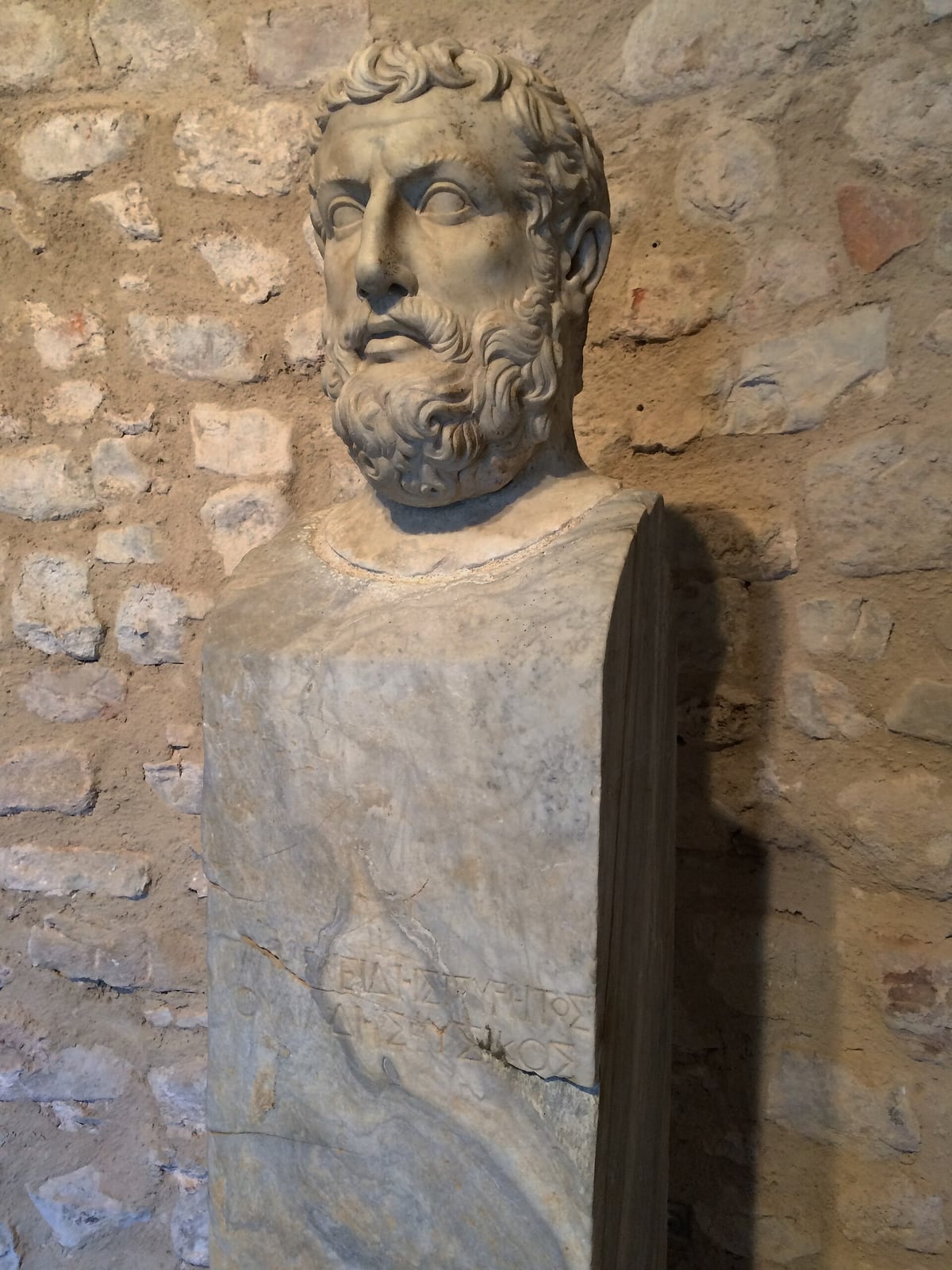
Parmenides
Совпадают в вопросах: Что такое Абсолют? Существует ли Бог? · Нужен ли учитель? · Может ли разум познать предельное?

David R. Hawkins
Совпадают в вопросах: Кто я? Существует ли истинное «я»? · Почему мы страдаем? · Что происходит после смерти?
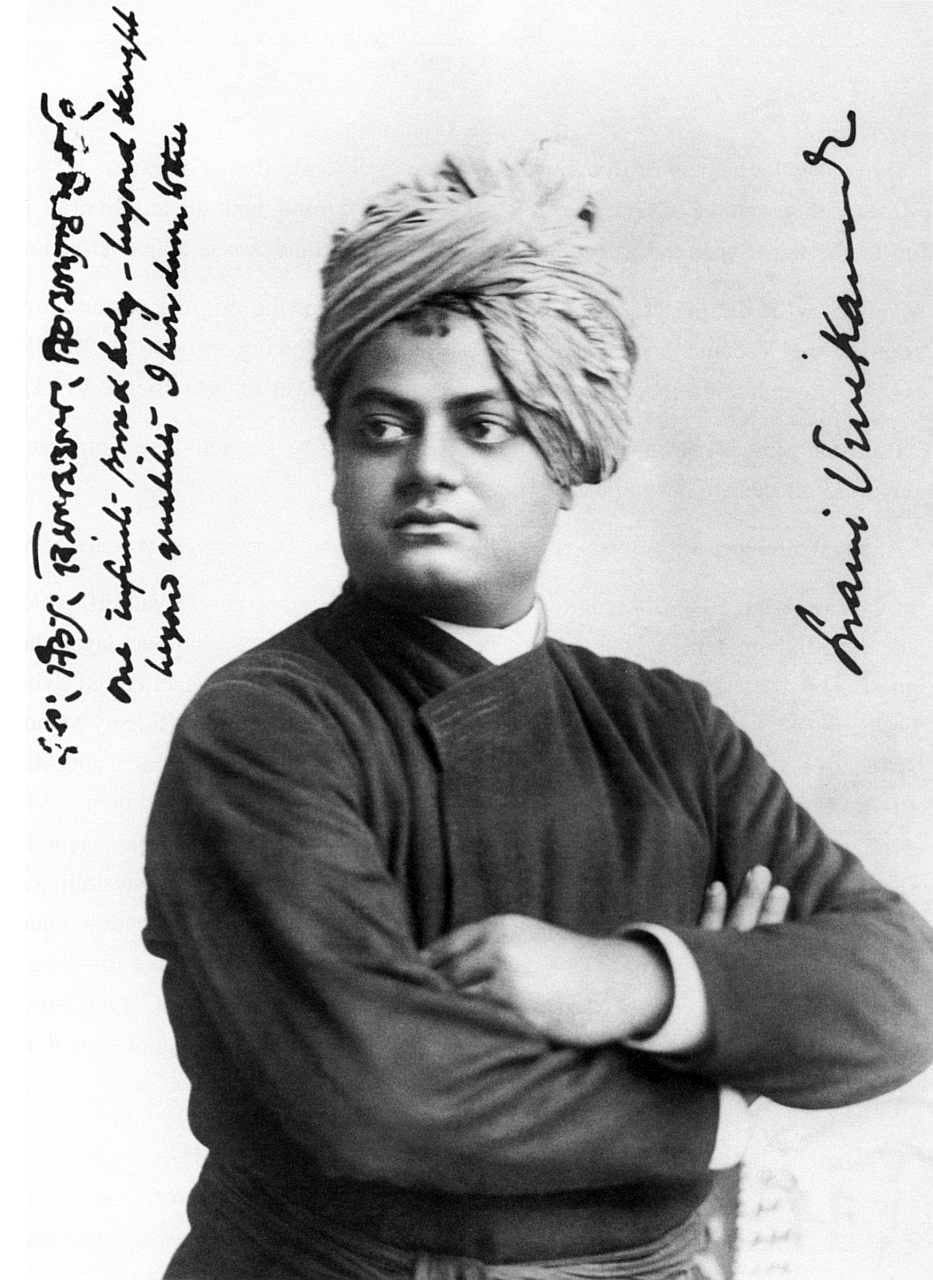
Swami Vivekananda
Совпадают в вопросах: Кто я? Существует ли истинное «я»? · Почему мы страдаем? · Что происходит после смерти?
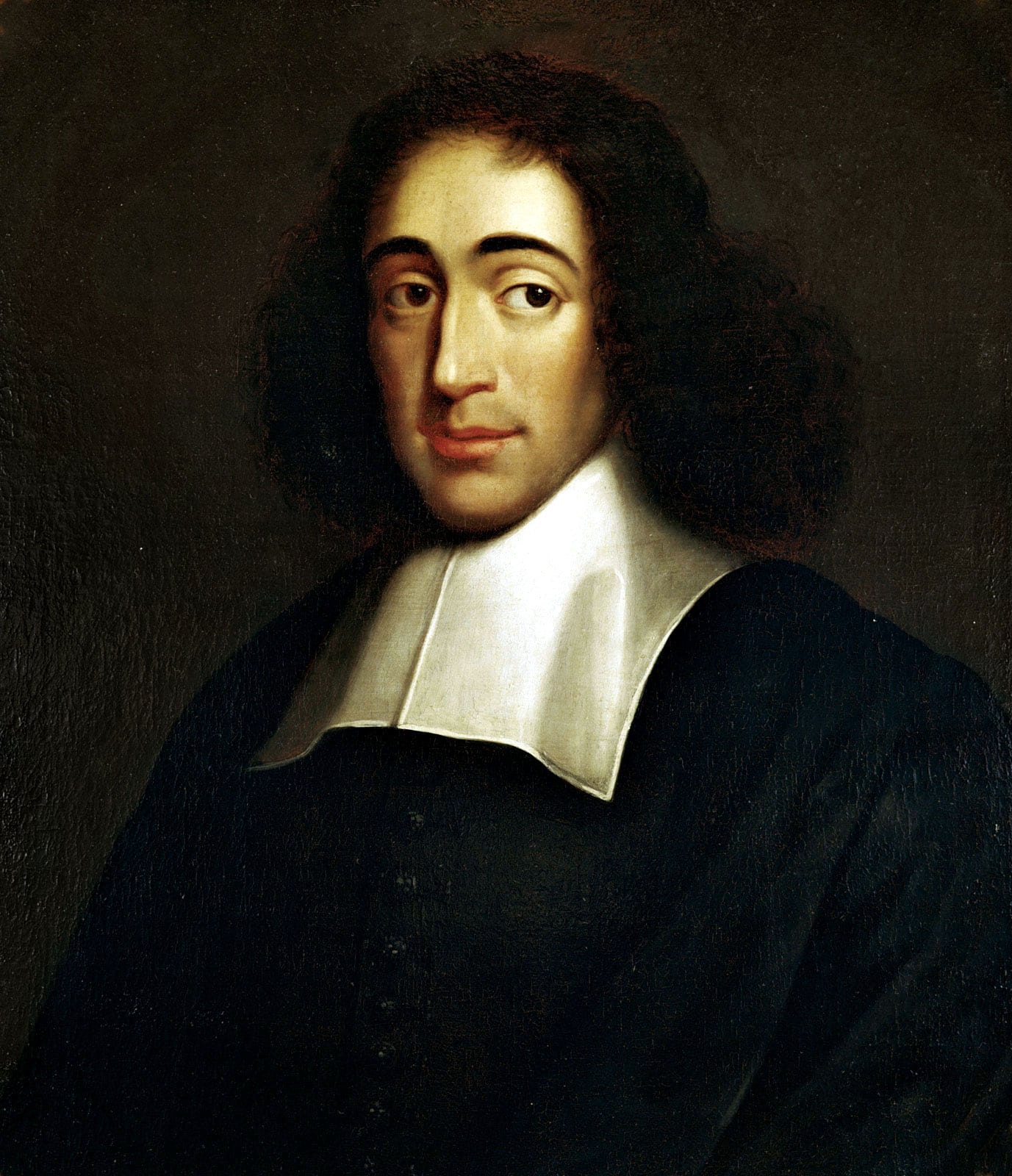
Baruch Spinoza
Совпадают в вопросах: Что такое Абсолют? Существует ли Бог? · Кто я? Существует ли истинное «я»? · Почему мы страдаем?

Предания и рассказы
Предания и рассказы
Свидетельствоhacia 1833; recordado en 1905–1906
The green stick
Происхождение рассказа: It comes from the Reminiscences Tolstoy wrote between 1903 and 1906 for his biographer Biryukov, and from his request to be buried at the place of the stick, recorded by his family. It is a childhood memory told seventy years later; the burial on that spot is documented.
Источник: Bartlett, Rosamund. Tolstoy: A Russian Life. Londres: Profile Books, 2010.
Документированоseptiembre de 1869
The Arzamas horror
Происхождение рассказа: It is documented by Tolstoy's letter to his wife of September 1869 (PSS vol. 83) and reworked as fiction in Notes of a Madman (1884–1903). Its reading as a foretaste of the crisis is the biographers'.
Источник: Bartlett, Rosamund. Tolstoy: A Russian Life. Londres: Profile Books, 2010.
Документированоabril de 1857
The Paris guillotine
Происхождение рассказа: Documented in the 1857 diary, in the letter to V. P. Botkin written in Paris and in chapter III of A Confession, where Tolstoy returns to it twenty-five years later.
Источник: Толстой, Л. Н. Исповедь (1879–1882). Ginebra: M. Elpidin, 1884; ПСС t. 23. Texto en Викитека.
Свидетельствоdiciembre de 1858
The she-bear
Происхождение рассказа: Told by Aylmer Maude and the biographers from Tolstoy's letters and diary; the author fictionalised it himself in the Azbuka story, whose narrator says the bearskin remained in his house.
Документированоjulio–agosto de 1866
The soldier Shabunin
Происхождение рассказа: Tolstoy himself tells it in Recollections of a Soldier's Trial (1908), written for his biographer Biryukov; the trial is recorded in the military archives studied by the biographers.
Документировано1908–1910
The voice on the phonograph
Происхождение рассказа: Documented by the State L. N. Tolstoy Museum, which keeps the cylinders and film fragments and has made them public (documentary Живой Толстой), and by the catalogues of the Russian film archives.
Источник: Museo-finca «Yásnaia Poliana» (Музей-усадьба «Ясная Поляна»), web oficial.
Документированоoctubre–noviembre de 1910
The flight
Происхождение рассказа: Documented by Tolstoy's farewell letter, by the diaries of Makovický and Alexandra Tolstaya and by Sergei Lvovich Tolstoy's account At Astapovo (1923). Dates are Julian.
Источник: Толстой, С. Л. «В Астапове» (1923), en Очерки былого, 3.ª ed., Tula, 1966. Texto en Викитека.
Учение
Учение
Понятия, на которых строится мысль учителя, объяснённые в их контексте.
Non-resistance to evil by violenceno-resistencia-al-mal
Formulated in What I Believe (1884) and developed in The Kingdom of God Is Within You (1893); Solovyov attacked it in Three Conversations (1900).
The kingdom of God withinreino-de-dios-interior
Title and conclusion of his 1893 treatise; the idea also structures The Christian Teaching and The Path of Life.
The law of loveley-del-amor
Developed in The Law of Love and the Law of Violence (1908) and A Letter to a Hindu (1908); gathered in the anthologies Circle of Reading and The Path of Life.
Oproshchenie: simplification of lifeoproshchenie
Set out in What Then Must We Do? (1886) and The First Step (1891); Repin fixed it in the painting of Tolstoy ploughing (1887).
Источник: Bartlett, Rosamund. Tolstoy: A Russian Life. Londres: Profile Books, 2010.
Art as the infection of feelingel-arte-como-contagio
Prepared by On Art (1889) and applied in On Shakespeare and the Drama (1906).
Non-doing (wu wei) in Tolstoyel-no-hacer
Documented by his 1884 diary, the 1893 essay and the Laozi editions of 1910 and 1913 studied by Derk Bodde (Tolstoy and China, 1950).
Видео
Видео
Записи, интервью и документальные фильмы. Видео воспроизводятся с YouTube; здесь они не хранятся.
Живой Толстой
Документальный фильм· RU· 25 min
Государственный музей Л.Н. Толстого - ГМТОфициальный канал
Лев Толстой. Документальный фильм 1908 – 1910
Оригинальная запись· RU· 1960· 52 min
History Club
Leo Tolstoy. Лев Толстой в Ясной Поляне. Кинохроника 1908-1910 гг.
Оригинальная запись· RU· 1910· 5 min
Путешествие во времени
1908-10: Footage of the life and death of Leo Tolstoy
Оригинальная запись· 1910· 6 min
Public Domain Archive
Запись голоса Льва Толстого / Voice recording of Leo Tolstoy (English Subt)
Оригинальная запись· RU· 1908· 2 min
PeterShop.com - Russian Movie
The Power of Childhood - Lev Tolstoy (1908 recording)
Оригинальная запись· RU· 1908· 7 min
ChildoStorm
Ист. Хроники: 1910 - Лев Толстой
Документальный фильм· RU· 43 min
TheComradeRussia
Ясная Поляна (1980)
Документальный фильм· RU· 1980· 100 min
Советское телевидение. ГОСТЕЛЕРАДИОФОНДОфициальный канал
Lev Tolstoi. El hombre, el escritor, el ruso | Cristina Rosario Franco
Лекция· ES· 76 min
Ateneo Mercantil de ValenciaОфициальный канал
Conferencia «La filosofía de Tolstói y su impacto»
Лекция· ES· 2020· 118 min
Universitat Pompeu Fabra - BarcelonaОфициальный канал
On Radical Nonviolence and Anarchism: Gandhi, Tolstoy, and the Doukhobors
Лекция· EN· 76 min
Vinay LalОфициальный канал
Why should you read Tolstoy's "War and Peace"? - Brendan Pelsue
Разбор· EN· 5 min
TED-EdОфициальный канал
16. Dying alone; The badness of death, Part I
Лекция· EN· 2007· 50 min
YaleCoursesОфициальный канал
Tolstoy's "Death Of Ivan Ilyich" - Dr Andrew Kaufman Book Talk 2009
Лекция· EN· 2009· 82 min
Regent University LibraryОфициальный канал
Henri Guillemin - Léon Tolstoï (Intégral)
Лекция· FR· 357 min
Henri Guillemin Histoire Intégral
Галерея
Галерея
Изображения с проверенной лицензией. Каждое сохраняет своё авторство и атрибуцию.
Связи
Связи
Влияния, ученичество и близость взглядов. Документированная связь отличается от сходства, выявленного путём анализа.
Испытал влияние
Tolstoy centred all his religious work on Jesus's moral teaching, particularly the Sermon on the Mount, which he translated, harmonised and summarised (The Four Gospels Harmonized and Translated, The Gospel in Brief). He rejected his divinity and the miracles and regarded him as the teacher who revealed the law of love and non-resistance.
Документированная связь
Испытал влияние
Siddhartha Gautama, the Buddha
In A Confession (ch. VI) Tolstoy recalls the story of the young Shakyamuni discovering old age, sickness and death, and cites his teaching alongside Solomon, Socrates and Schopenhauer. In Karma (1894) he adapted a Buddhist tale by Paul Carus, and he included sayings of the Buddha in the Circle of Reading.
Документированная связь
Испытал влияние
Tolstoy read Laozi from 1884 ("Have been translating Lao Tzu", he notes in his diary), from 1895 revised D. P. Konishi's Russian translation of the Daodejing, published in 1913 "edited by" him, and in 1910 edited a selection of his sayings with an essay of his own. He interpreted wu wei as "non-doing", close to Gospel non-resistance.
Документированная связь
Испытал влияние
Tolstoy wrote an essay for Pavel Boulanger's book on the life and teaching of Confucius (1903) and in 1907 published a selection of Confucian texts (Chinese Wisdom).
Документированная связь
Современник
The two great Russian novelists of their generation never met, although both attended a lecture by Solovyov in 1878. Dostoevsky praised Anna Karenina in his Diary of a Writer (1877) as a fact of special importance; at his death in 1881 Tolstoy wrote to Strakhov that he felt he had lost the person closest, dearest and most necessary to him, though he had never seen him.
Документированная связь
Расходился во взглядах с
The philosopher Vladimir Solovyov, who shared Tolstoy's criticism of the state and the death penalty, rejected his doctrine of non-resistance and his Christianity without the risen Christ. In Three Conversations (1900) he personified it in the Prince, a Tolstoyan whose metaphysics-free morality cannot answer evil.
Документированная связь
Повлиял на
Berdyaev devoted critical essays to Tolstoy: The Old and New Testaments in L. Tolstoy's Religious Consciousness (1912) and the Tolstoy chapter of The Spirits of the Russian Revolution (1918), where he credits him with exposing the lie of civilisation but reproaches him for a rationalist moralism blind to grace and freedom, and holds him co-responsible for the spirit of the revolution.
Документированная связь
Повлиял на
Mohandas K. Gandhi
Gandhi read The Kingdom of God Is Within You in South Africa in 1894 and counted it among the three modern works that most marked his life. He translated and published A Letter to a Hindu (1909), corresponded with Tolstoy in 1909–1910 and named the community he founded near Johannesburg in 1910 Tolstoy Farm.
Документированная связь
Учитель
Vladímir Chertkov
A former Guards officer, he met Tolstoy in 1883 and became his closest disciple, publisher and executor: he founded Posrednik with him (1884), published his banned works in England during his exile and directed the 90-volume complete works. His influence over Tolstoy was the heart of the conflict with Sofia Tolstaya in 1910.
Документированная связь
Испытал влияние
Henry George
From the 1880s Tolstoy adopted the American economist's proposal of a single tax on land as a way to abolish its private ownership, and defended it in A Great Iniquity (1905) and in letters to the tsar and to Stolypin.
Документированная связь
Испытал влияние
Adin Ballou y William Lloyd Garrison
In the first chapter of The Kingdom of God Is Within You Tolstoy acknowledges as forerunners of non-resistance the American abolitionists William Lloyd Garrison and Adin Ballou, whose writings had been sent to him after he published What I Believe.
Документированная связь
Идеи, близкие к
Affinity not documented as a direct influence: the voluntary poverty, manual work and brotherhood with the poor and with animals that Tolstoy sought in his oproshchenie recall the Franciscan ideal, though Tolstoy rejected the institutional Church in which Francis remained.
Сходство, выявленное путём анализа
Источники
Источники
Библиография и каталоги, использованные для этой статьи.
- Monk, Ray. Ludwig Wittgenstein: The Duty of Genius. Londres: Jonathan Cape, 1990 (lectura de «El Evangelio abreviado» de Tolstói en 1914).
- Catálogos de editoriales y librerías consultados para ediciones e ISBN: Acantilado (acantilado.es), Kairós (editorialkairos.com), Alba, Alianza, Austral, Reino de Cordelia, Penguin Clásicos (fichas de Casa del Libro, Marcial Pons y Polifemo) y Open Library (ediciones inglesas).
- Wikidata: León Tolstói / Leo Tolstoy (Q7243). Nacimiento 28-08-1828 (juliano) = 09-09-1828 (gregoriano); muerte 07-11-1910 (juliano) = 20-11-1910 (gregoriano).
- Maude, Aylmer. The Life of Tolstoy. 2 vols.: First Fifty Years (1908) y Later Years (1910). Londres: Constable, 1908–1910. Consultado en Internet Archive.
- Bartlett, Rosamund. Tolstoy: A Russian Life. Londres: Profile Books, 2010.
- Толстой, Л. Н. Полное собрание сочинений в 90 томах (edición del Jubileo). Moscú–Leningrado: Gosudárstvennoe izdátelstvo judózhestvennoi literatury, 1928–1958. Serie I: obras (t. 1–45); serie II: diarios (t. 46–58); serie III: cartas (t. 59–89); t. 90: suplementos. Edición digital del Museo Estatal L. N. Tolstói.
- Wikipedia (en). «Leo Tolstoy bibliography» (novelas, novelas cortas, relatos, cuentos populares, relatos de la Azbuka, teatro, tratados, panfletos, artículos y cartas publicadas).
- Википедия (ru). «Библиография Льва Толстого» y Викитека, «Автор:Лев Николаевич Толстой» (títulos originales y fechas de composición y publicación).
- Толстой, Л. Н. Собрание сочинений в 22 томах. Moscú: Judózhestvennaia literatura, 1978–1985 (índices de los tomos 1–22 en la Biblioteca Virtual Rusa, RVB; el t. 10, de 1982, recoge los relatos de la Nueva Azbuka y de los cuatro Libros rusos de lectura).
- Толстой, Л. Н. Исповедь (1879–1882). Ginebra: M. Elpidin, 1884; ПСС t. 23. Texto en Викитека.
- Gandhi, M. K. An Autobiography, or The Story of My Experiments with Truth. Ahmedabad: Navajivan, 1927–1929, parte II, caps. 1 y 15 (lectura de The Kingdom of God Is Within You en 1894).
- Tolstoy, Leo. A Letter to a Hindu: The Subjection of India — Its Cause and Cure, with an Introduction by M. K. Gandhi (1908; introducción de Gandhi fechada en 1909). Project Gutenberg n.º 7176.
- Толстой, С. Л. «В Астапове» (1923), en Очерки былого, 3.ª ed., Tula, 1966. Texto en Викитека.
- Bodde, Derk (con Galia Speshneff Bodde). Tolstoy and China. Princeton: Princeton University Press, 1950; y base de datos China-West de la Universidad de Zúrich (cronología de Tolstói y China: diario de marzo de 1884; Izrechéniia kitáiskogo mudretsa Lao-Tze, Posrédnik, 1910; Tao-Te-King, trad. D. P. Konishi, ed. Tolstói, 1913).
- Соловьёв, В. С. Три разговора о войне, прогрессе и конце всемирной истории. San Petersburgo, 1900 (prefacio y personaje del Príncipe, crítica de la doctrina tolstoiana de la no resistencia).
- Бердяев, Н. А. «Ветхий и Новый Завет в религиозном сознании Л. Толстого», en О религии Льва Толстого. Moscú: Put', 1912; y «Духи русской революции», en Из глубины (1918).
- Толстой, Л. Н. Carta a N. N. Strájov sobre la muerte de Dostoievski (febrero de 1881), ПСС t. 63; y Достоевский, Ф. М. Дневник писателя, julio–agosto de 1877 (sobre Anna Karénina).
- Encyclopaedia Britannica. «Leo Tolstoy».
- Project Gutenberg. Página de autor de Leo Tolstoy (n.º 136) e «Index of the Project Gutenberg Works of Leon Tolstoy» (n.º 59195).
- Museo-finca «Yásnaia Poliana» (Музей-усадьба «Ясная Поляна»), web oficial.
- Wikimedia Commons. Licencias de las imágenes verificadas por la API imageinfo.
- Маковицкий, Д. П. У Толстого, 1904–1910: «Яснополянские записки». Литературное наследство, t. 90, libros 1–5. Moscú: Nauka, 1979–1981 (diario del médico que acompañó a Tolstói en la huida y en Astápovo).
- Tolstoy, Leo. «The Kingdom of God Is Within You»: Christianity Not as a Mystic Religion but as a New Theory of Life. Trad. Constance Garnett. Londres: Heinemann, 1894. Project Gutenberg n.º 4602.
- Толстой, Л. Н. «Ответ на определение синода от 20—22 февраля и на полученные мною по этому случаю письма» (4 de abril de 1901), ПСС t. 34. Texto en Викитека.
- Orwell, George. «Lear, Tolstoy and the Fool», Polemic, n.º 7, 1947 (respuesta a «Sobre Shakespeare y el drama»).
- Шкловский, В. Б. «Искусство как приём» (1917), sobre el extrañamiento en «Jolstomer».
- YouTube. Vídeos verificados por oEmbed (código 200) el 25 de octubre de 2026; canales indicados en cada ficha.
- Правообладатель
- Las obras de Tolstói (m. 1910) están en dominio público en todo el mundo; él mismo renunció en 1891 a los derechos de lo escrito desde 1881. Las traducciones modernas y los aparatos críticos pertenecen a sus traductores y editoriales. Las traducciones inglesas de Louise y Aylmer Maude (m. 1939 y 1938) y de Constance Garnett (m. 1946) están ya en dominio público en la Unión Europea.
- Официальный сайт
- ypmuseum.ru/
Ожидает подтверждения
То, что в этой статье пока не удалось установить. Мы предпочитаем сказать об этом, а не заполнять пробел.
- Azbuka: se han registrado una a una las 213 piezas con título del t. 10 de las obras en 22 tomos (Nueva Azbuka y los cuatro Libros rusos de lectura) más 8 piezas citadas por la bibliografía inglesa. La Azbuka de 1872 contiene además decenas de fábulas sin título propio en la bibliografía de referencia, textos en eslavo eclesiástico y ejercicios; falta cotejar su índice completo con los t. 21–22 de las obras completas en 90 tomos.
- Títulos rusos no verificados (title_original nulo y nota): unas 40 cartas y artículos menores tomados de la bibliografía inglesa (p. ej. «God or Mammon?», «Nobel's Bequest», «The Commune and the World», cartas a Crosby, Schmitt, Verigin, etc.). Fijar el título ruso exacto y la fecha con los índices de la edición en 90 tomos.
- Obras que no figuran en las bibliografías consultadas y deben comprobarse en las obras completas: «¿Quiénes son los asesinos? Pável Kudriash» (1908), «La oración» (1905) y otros fragmentos tardíos; informes individuales sobre el hambre de 1892–1893 (aquí agrupados en «Entre los necesitados»).
- Correspondencia y diarios: registrados como conjunto (t. 46–58 y 59–89 de la edición en 90 tomos) y por cartas y diarios notables; no se han desglosado las más de diez mil cartas.
- Ediciones en español con ISBN pendientes para: «¿Qué es el arte?», «En qué consiste mi fe», «¿Qué hacer, pues?», «Hadjí Murat» como volumen independiente, «Los cosacos», «Infancia, adolescencia, juventud» y «Relatos de Sebastopol». Google Books devolvió cuota 0 y Open Library apenas registra ediciones españolas.
- Ediciones en francés, alemán, italiano y ruso moderno con ISBN de las obras principales: no buscadas sistemáticamente.
- Últimas palabras: la versión de Makovicki se conoce aquí a través del relato de Serguéi L. Tolstói (1923); cotejar directamente con las «Notas de Yásnaia Poliana» de Makovicki (Literatúrnoie naslédstvo, t. 90) y con «La partida de mi padre» de Aleksandra Tolstaia.
- Citas de «El reino de Dios está en vosotros» y de la «Carta a un hindú»: tomadas de las traducciones inglesas de dominio público (Garnett, 1894; edición de Gandhi, 1909); falta localizar el original ruso de los mismos pasajes.
- Vídeos: varias grabaciones históricas (filmaciones de 1908–1910, voz en fonógrafo) están subidas por canales de terceros; el documental «Живой Толстой» del Museo Estatal L. N. Tolstói es la fuente oficial. La atribución de la lectura de «La fuerza de la infancia» (biEPM-gEt2o) procede de la descripción del canal.
- Reading texts: comprobar la fecha de muerte de los traductores Augusto Riera, Enrique L. de Verneuil y Rose Strunsky, y el traductor anónimo de «The Forged Coupon» (Gutenberg n.º 243), para confirmar el dominio público fuera de EE. UU.
- Nominaciones al Premio Nobel (literatura 1902–1906; paz 1901, 1902, 1909) y carta a Arvid Järnefelt de 1906 pidiendo que no se le concediera: no incorporadas por no haberse consultado el archivo de nominaciones.
- Sin programas de afiliación verificados para las editoriales enlazadas (Acantilado, Kairós, Penguin, Oxford).
- Imagen descartada: «Tolstoy-Gandhi letter.jpg» (Commons) carece de fecha y descripción suficientes; revisar antes de usarla.
Исследовано 2026-10-25