Индуизм · Буддизм · Православие · Теософия
Nicholas Roerich
Николай Константинович Рерих
1874 – 1947Исторически документированная личность
Николай Константинович Рерих (1874–1947) — русский художник, писатель, археолог и театральный художник, один из крупнейших символистов своей страны: вместе со Стравинским создал «Весну священную», написал более семи тысяч произведений — многие из них в Гималаях — и руководил Центрально-Азиатской экспедицией (1925–1928). Он стал вдохновителем Пакта Рериха (1935), одного из первых договоров об охране культурного наследия во время войны, и вместе с женой Еленой Ивановной основал учение Агни Йоги. Умер в долине Кулу в Индии.
- трудов
- 33трудов
- изданий
- 77изданий
- цитат
- 6цитат
- видео
- 15видео
- изображений
- 10изображений
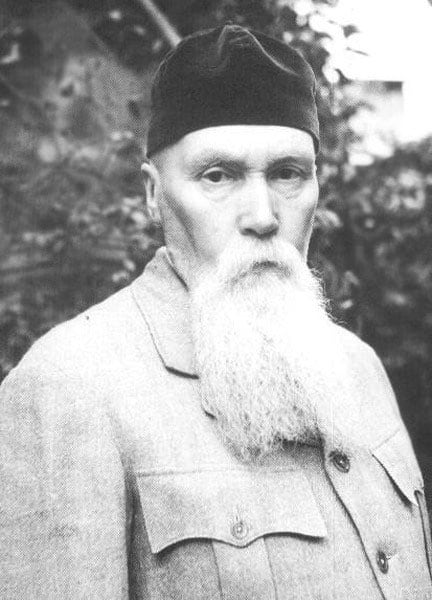
Nicolás Roerich en la India, década de 1940 · Public domain
Своими словами
«Simplicity — Beauty — Fearlessness: so it is ordained! Fearlessness is our guide. Beauty is the ray of comprehension and upliftment.»Shambhala (Nueva York: Stokes, 1930), ensayo «Star of the Mother of the World» (Talai-Pho-Brang, 1924), p. 141

Для начала — одна книга
Алтай — Гималаи (Мысли на коне и в шатре)Главная мысль
Peace through Culture: A formula summing up Roerich's public programme from the 1920s on: culture—art, science, education, heritage—is not an ornament of civilisation but its moral foundation, and defending it is the surest road to peace between peoples.
В контексте
Биография
5 мин чтения
Перевод с испанского оригинала, выполненный с помощью ИИ; ожидает проверки носителем языка.
Архив камней и преданий
Николай Константинович Рерих родился в Петербурге 9 октября 1874 года (27 сентября по юлианскому календарю), старшим сыном нотариуса Константина Рериха, выходца из остзейских немцев, и Марии Калашниковой, происходившей из купеческой семьи. В родительском доме и в имении Извара к югу от столицы мальчик собирал минералы и монеты, а девяти лет от роду сопровождал археолога на раскопках местных курганов: погребённое прошлое станет материалом всего его творчества. В 1893 году он поступил одновременно на юридический факультет Петербургского университета и в Императорскую Академию художеств, а с 1895 года занимался в мастерской пейзажиста Архипа Куинджи.
В 1897 году он окончил Академию картиной «Гонец» — сценой из жизни древней Руси, которую Павел Третьяков купил для своей галереи. По рассказу, записанному самим Рерихом десятилетия спустя, критик Владимир Стасов отправил его тогда к Льву Толстому, и тот посоветовал ему всегда править лодкой выше того места, куда нужно попасть, иначе снесёт течением. В те же годы он вёл раскопки в Петербургской, Новгородской и Тверской губерниях и публиковал первые полевые отчёты; его коллекция предметов каменного века, со временем превысившая тридцать тысяч единиц, хранится ныне в Эрмитаже.
Певец древней Руси
В 1901 году он женился на Елене Ивановне Шапошниковой — дочери архитектора, по материнской линии состоявшей в родстве с Мусоргским, пианистке и страстной читательнице, которой предстояло стать его сотрудницей во всём; в 1902 году родился Юрий, будущий тибетолог, в 1904-м — Святослав, тоже художник. В 1903–1904 годах супруги объехали более сорока древних русских городов; из этой поездки родились около девяноста архитектурных этюдов и новаторская кампания в защиту заброшенных церквей, крепостных стен и икон. С 1906 года он руководил школой Императорского общества поощрения художеств, превратив её в мастерскую всех искусств под одной крышей, а в 1910 году возглавил объединение «Мир искусства».
Европейскую славу ему принёс театр. Для «Русских сезонов» Сергея Дягилева он создал в 1909 году оформление «Половецких плясок» из «Князя Игоря», а в 1913-м — декорации и костюмы «Весны священной», сюжет которой — ритуальное жертвоприношение в языческой Руси — он придумал вместе с Игорем Стравинским. Премьера 29 мая 1913 года в Театре Елисейских Полей закончилась скандалом. Работал он и для храмов: роспись и мозаика церкви Святого Духа княгини Марии Тенишевой в Талашкине, витражи буддийского храма в Петербурге.
Война и поворот к Востоку
Около 1905 года в его очерках и на полотнах появляются индийские мотивы. Рерихи читали Рамакришну и Вивекананду, «Бхагавадгиту», Тагора и теософскую литературу; Елена Ивановна годы спустя переведёт на русский «Тайную доктрину» Блаватской. В 1916 году, заболев воспалением лёгких, он переехал с семьёй в Сердоболь (Сортавалу), в финляндскую Карелию; после Октябрьской революции, насилия которой он страшился прежде всего за судьбу художественного наследия, семья оказалась по финскую сторону границы и больше не вернулась.
Через Швецию они в 1919 году добрались до Лондона, где Рерих работал театральным художником у Томаса Бичема. Там весной 1920 года начались семейные спиритические сеансы — столоверчение и автоматическое письмо, — на которых, по словам Рерихов, проявлялся Махатма Мориа: так возникло ядро того, что станет Агни Йогой, или «Живой Этикой», которую Елена Ивановна затем будет принимать путём «яснослышания». Стихотворный цикл «Цветы Мории», начатый в 1907 году, вышел в Берлине в 1921-м. Как восстановил по их записным книжкам Александр Андреев, с тех пор эти послания направляли решения семьи.
Нью-Йорк и Центрально-Азиатская экспедиция
По приглашению Чикагского института искусств Рерих в октябре 1920 года приехал в Соединённые Штаты с выставкой, объехавшей всю страну. В Нью-Йорке он основал Институт объединённых искусств (Master Institute of United Arts, 1921), центр «Корона Мунди» (1922) и в ноябре 1923 года — первый Музей Рериха, финансировавшийся биржевым маклером Луисом Хоршем; в 1929 году все эти учреждения переехали в Мастер-билдинг, небоскрёб на Риверсайд-драйв. В мае 1923 года семья отправилась в Индию и поселилась в Дарджилинге.
В 1925–1928 годах Рерихи прошли Кашмир, Ладакх, Китайский Туркестан, Алтай, Монголию и Тибет в ходе так называемой Центрально-Азиатской экспедиции. Представленная как художественное и научное предприятие под американским флагом, она преследовала собственную цель — «Священный союз Востока», буддийскую федерацию Внутренней Азии, возвещённую приходом Майтрейи и царства Шамбалы. Летом 1926 года Рерих побывал в Москве, передал в Наркомат иностранных дел послание, приписываемое махатмам, и ларец с гималайской землёй «на могилу Ленина» и просил поддержать замысел; советская сторона предоставила ему содействие, но обязательств на себя не взяла. В октябре 1927 года тибетские власти задержали караван к северу от Нагчу: пять месяцев он провёл в летних палатках на высоте около четырёх с половиной тысяч метров, и пятеро его участников погибли.
Пакт и разрыв с Америкой
В 1928 году семья обосновалась в долине Кулу, в Наггаре, где основала Институт гималайских исследований «Урусвати». На следующий год Рерих вместе с юристами Георгием Шклявером и Альбером де Лапраделем представил проект договора об охране памятников и учреждений культуры во время войны с собственной эмблемой — Знаменем Мира: три сферы в круге. 15 апреля 1935 года в Белом доме Соединённые Штаты и ещё двадцать американских республик подписали Договор об охране художественных и научных учреждений и исторических памятников, известный как Пакт Рериха. Его инициатора выдвигали на Нобелевскую премию мира в 1929, 1932 и 1935 годах.
Министр сельского хозяйства Генри Э. Уоллес, почитатель Рериха, поручил ему в 1934–1935 годах экспедицию в Маньчжурию и Внутреннюю Монголию для сбора семян засухоустойчивых растений. Миссия закончилась дипломатическими осложнениями; в 1935 году Уоллес порвал с ним, и в том же году Луис Хорш и другие попечители отстранили его от нью-йоркских учреждений; судебный процесс затем передал им право собственности на Мастер-билдинг. Письма, в которых Уоллес называл Рериха «дорогим Гуру», опубликованные прессой в 1948 году, преследовали политика во время его президентской кампании.
Кулу
С конца 1935 года Рерих больше не покидал Индию. В Наггаре он написал тысячи гималайских этюдов и серии, посвящённые Шамбале, Тибету и Кулу. Он выпускал сборники очерков в Риге и в Индии — «Врата в будущее», «Нерушимое», «Химават», «Гималаи — обитель света» — и почти ежедневно писал свои «Листы дневника». В 1942 году он принимал Джавахарлала Неру и его дочь Индиру. Его просьбы о возвращении в Советский Союз, повторявшиеся с 1936 года, остались без ответа. Он умер в Наггаре 13 декабря 1947 года и через два дня был кремирован; место отмечает камень с надписью.
Документированное и переданное преданием
Документально засвидетельствован художник, создавший более семи тысяч произведений, первоклассный археолог и театральный художник России рубежа веков, неутомимый основатель учреждений и вдохновитель одного из первых международных договоров об охране культурного наследия. То, что передают рериховские движения, — что Махатма Мориа направлял его шаги, что экспедиция искала Шамбалу или что ламы признали в нём воплощение Пятого далай-ламы, — восходит к дневникам семьи и её последователей; современные исследователи изучают это как часть его биографии, не считая установленным фактом. Его картины ныне рассеяны между Нью-Йорком, Москвой, Петербургом, Индией, Латвией и Болгарией.
Источники: Decter, Jacqueline (con el Nicholas Roerich Museum). Nicholas Roerich: The Life and Art of a Russian Master. Rochester (Vermont): Park Street Press, 1989. · McCannon, John. Nicholas Roerich: The Artist Who Would Be King. Pittsburgh: University of Pittsburgh Press, 2022. · Andreyev, Alexandre. The Myth of the Masters Revived: The Occult Lives of Nikolai and Elena Roerich. Leiden/Boston: Brill, 2014 (Aries Book Series, 18). · Znamenski, Andrei. Red Shambhala: Magic, Prophecy, and Geopolitics in the Heart of Asia. Wheaton (Illinois): Quest Books, 2011. · Roerich, Nicholas. Altai-Himalaya: A Travel Diary. Introducción de Claude Bragdon. Nueva York: Frederick A. Stokes, 1929.
Хронология
Жизнь год за годом
Каждая точка — документированное событие. Нажмите, чтобы прочитать о нём, с источником и степенью достоверности.
9 октября 1874 г.0 летSan Petersburgo
Birth
Nikolai Konstantinovich Rerikh is born, son of the notary Konstantin Rerikh and Maria Kalashnikova. The date corresponds to 27 September in the Julian calendar.
ДокументированоNicholas Roerich Museum (Nueva York). «Nicholas Roerich: biographical outline» (Early Years, The Theatrical Years, The Clouds of War, Travel to Other Shores, America, India).
После смерти
- 1949The museum refounded
9 октября 1874 г. · 0 лет
Birth
Nikolai Konstantinovich Rerikh is born, son of the notary Konstantin Rerikh and Maria Kalashnikova. The date corresponds to 27 September in the Julian calendar.
Документировано
1893 · 18 лет
Law and Fine Arts
He enrols simultaneously in the University's Faculty of Law and the Imperial Academy of Arts; from 1895 he studies in Arkhip Kuindzhi's studio.
Документировано
1897 · 23 года
The Messenger
His graduation picture, The Messenger, is bought by Pavel Tretyakov. According to his own later account, he visits Leo Tolstoy on Stasov's advice.
Документировано
28 октября 1901 г. · 27 лет
Marriage to Helena Shaposhnikova
He marries Helena Ivanovna Shaposhnikova in the church of the Academy of Arts (date in the Julian calendar). Their sons Yuri (1902) and Svetoslav (1904) will follow.
Документировано
1903 – 1904 · 28 лет
Journey through ancient Russia
With Helena he visits more than forty historic towns, paints some ninety architectural studies and begins his campaign for the preservation of monuments.
Документировано
1906 · 31 год
Director of the School of the Society for the Encouragement of the Arts
He takes over the school, reorganising it with workshops for icons, ceramics, weaving and engraving; he will direct it until the revolution.
Документировано
29 мая 1913 г. · 38 лет
Premiere of The Rite of Spring
The Ballets Russes premiere at the Théâtre des Champs-Élysées the ballet whose scenario he conceived with Stravinsky and whose sets and costumes he designed. The performance ends in uproar.
Документировано
1916 · 41 год
Move to Karelia
Ill with pneumonia, he settles with his family on the shore of Lake Ladoga. After the October Revolution the family remains on the Finnish side and will never return to Russia.
Документировано
март 1920 г. · 45 лет
Beginning of Agni Yoga
In family spiritualist sessions the first messages attributed to the Mahatma Morya are recorded—the origin of the Living Ethics teaching.
Документировано
октябрь 1920 г. · 46 лет
Arrival in the United States
Invited by the Art Institute of Chicago, he begins a touring exhibition across the country. In 1921 he founds the Master Institute of United Arts.
Документировано
ноябрь 1923 г. · 49 лет
Founding of the Roerich Museum
The first museum devoted to his work opens on Riverside Drive, financed by Louis Horch. The family had already left for India in May.
Документировано
1925 – 1928 · 50 лет
The Central Asian Expedition
The family's crossing of Inner Asia begins; it will last until 1928 and Roerich will narrate it in Altai-Himalaya and Heart of Asia.
Документировано
июнь 1926 г. · 51 год
The Moscow visit
He hands the Soviet authorities a message attributed to the Mahatmas and a casket of Himalayan earth for Lenin's tomb, and seeks support for his project of a Buddhist federation in Asia.
Документировано
6 октября 1927 г. · 52 года
Detention in Tibet
The Tibetan authorities halt the caravan; it spends five months in summer tents at high altitude and five of its members die. In March 1928 it is allowed to leave for Sikkim.
Документировано
июль 1928 г. · 53 года
The Urusvati Institute
The family settles in the Kullu valley and founds the Urusvati Himalayan Research Institute, directed by their son George.
Документировано
1929 · 54 года
Draft Pact and Nobel nomination
He presents the draft treaty for the protection of cultural heritage, prepared with Georges Chklaver and Albert de La Pradelle. He is nominated for the Nobel Peace Prize, and will be again in 1932 and 1935.
Документировано
1934 – 1935 · 59 лет
The Manchurian expedition
He leads, for the US Department of Agriculture, an expedition in search of drought-resistant plants commissioned by Henry A. Wallace. It ends in diplomatic friction.
Документировано
15 апреля 1935 г. · 60 лет
Signing of the Roerich Pact
The United States and twenty other American republics sign the Treaty on the Protection of Artistic and Scientific Institutions and Historic Monuments, in the presence of Franklin D. Roosevelt.
Документировано
1935 · 61 год
Break with Louis Horch and with Wallace
The trustees of his New York institutions, led by Horch, remove him from them; a later lawsuit gives them ownership of the Master Building. Wallace also breaks with him.
Документировано
1942 · 67 лет
Visit of Nehru and Indira
He receives Jawaharlal Nehru and his daughter Indira in Kullu; they discuss an Indo-Russian cultural association.
Документировано
13 декабря 1947 г. · 73 года
Death
He dies at his house in Naggar. He is cremated on 15 December; an inscribed stone marks the place of cremation.
Документировано
1949
The museum refounded
Sina Fosdick and other associates open the Nicholas Roerich Museum on West 107th Street, which remains open.
Документировано
Труды
Главные труды
Труды, без которых не понять это наследие.
Письменный труд · 1927
Алтай — Гималаи (Мысли на коне и в шатре)
Travel diary of the Central Asian Expedition from the voyage to India (1923) to Mongolia (1926), written 'on horseback and in the tent'. It alternates landscape notes, observations on monasteries, legends of Shambhala and Maitreya, stories of Issa gathered in Ladakh, political remarks and reflections on culture. It is the main source for reconstructing Roerich's itinerary and thought in those years, and contains his description of the shining object the caravan saw in the sky over Kukunor on 5 August 1927.
7 изданий

Письменный труд · 1929
Сердце Азии
A concise account of the Central Asian Expedition written after it ended: the route from Sikkim to Tibet, the detention at Chunargen, the monasteries, the prophecies of Shambhala and Maitreya that Roerich gathered among Buddhists and Old Believers, and a closing essay on the teaching of Shambhala. Shorter and more orderly than Altai-Himalaya, it was the book with which Roerich presented to Western readers the meaning he gave his journey. It was translated into English and Spanish in 1930.
6 изданий

Письменный труд · 1930
Shambhala
A book of essays dated between 1925 and 1929 at the places of the expedition, opened by 'Shambhala the Resplendent', a dialogue with a lama about the hidden kingdom of the Kalachakra tradition, and followed by texts on Tibetan Buddhism and art, the 'subterranean dwellers', the 'Star of the Mother of the World', the Urusvati institute, the gods of Kullu and the guru. It is the text in which Roerich sets out most clearly his reading of Shambhala as both symbol and reality, and the one that fixed the Western image of the subject for decades. It should be read as the work of a believer, not as a study of Tibetan Buddhism.
6 изданий

Письменный труд · 1921
Цветы Мории
Roerich's only book of poetry: short unrhymed poems grouped in cycles—one of them 'To the Boy'—written between pre-war Russia and emigration. Their tone is that of parable and exhortation; already present are the inner master, the path, the light and the expectation of a new era that would later dominate Agni Yoga. The title alludes to Morya, the Mahatma to whom the family attributed its communications. It has been included in anthologies of Russian free verse.
5 изданий
Все труды (33)

Держава Света
1931
Nicholas Roerich
Врата в Будущее
The Conscious LibraryВрата в Будущее
1936

Нерушимое
1936

Himavat: Diary Leaves
1946

Himalayas — Abode of Light
1947

Beautiful Unity
1946

Твердыня Пламенная
1932

Adamant
1923

Пути Благословения
1924
Nicholas Roerich
Священный Дозор
The Conscious LibraryСвященный Дозор
1934
Nicholas Roerich
Знамя Мира
The Conscious LibraryЗнамя Мира
1934
Nicholas Roerich
Женщинам
The Conscious LibraryЖенщинам
1931
Nicholas Roerich
Maitreya
The Conscious LibraryMaitreya
1932
Nicholas Roerich
The Joy of Art
The Conscious LibraryThe Joy of Art
1928
Nicholas Roerich
Собрание сочинений. Книга первая
The Conscious LibraryСобрание сочинений. Книга первая
1914
Nicholas Roerich
Весна священная: картины языческой Руси
The Conscious LibraryВесна священная: картины языческой Руси
1913
Nicholas Roerich
Violators of Art
The Conscious LibraryViolators of Art
1919
Nicholas Roerich
Сказки и притчи
The Conscious LibraryСказки и притчи
1916
Nicholas Roerich
Искусство и археология
The Conscious LibraryИскусство и археология
1898
Nicholas Roerich
Некоторые древности Шелонской пятины и Бежецкого конца
The Conscious LibraryНекоторые древности Шелонской пятины и Бежецкого конца
1899
Nicholas Roerich
Экскурсия Археологического института 1899 г. в связи с вопросом о финских погребениях С.-Петербургской губернии
The Conscious LibraryЭкскурсия Археологического института 1899 г. в связи с вопросом о финских погребениях С.-Петербургской губернии
1900
Nicholas Roerich
Некоторые древности пятин Деревской и Бежецкой
The Conscious LibraryНекоторые древности пятин Деревской и Бежецкой
1903
Nicholas Roerich
По старине
The Conscious LibraryПо старине
1904
Nicholas Roerich
Каменный век на озере Пирос
The Conscious LibraryКаменный век на озере Пирос
1905
Изречения
Изречения, найденные в конкретном труде. Каждое сопровождается указанием происхождения и степени надёжности.
Simplicity — Beauty — Fearlessness: so it is ordained! Fearlessness is our guide. Beauty is the ray of comprehension and upliftment.ПровереноShambhala (Nueva York: Stokes, 1930), ensayo «Star of the Mother of the World» (Talai-Pho-Brang, 1924), p. 141
Апокрифические изречения и изречения спорной атрибуции (1)
«'Art will unify all humanity.'»
A widely circulated phrase, used by the Nicholas Roerich Museum itself in its presentation, but quoted without reference to a specific work. It has not been found in the texts consulted (Altai-Himalaya, Shambhala, Heart of Asia, Himalayas—Abode of Light); it is recorded as of unverified origin until the source essay is found.
Последние слова
Проверяемых записей о последних словах не существует.
There is no reliable record of his last words. He died at his house in Naggar on 13 December 1947 surrounded by his family; what survives from those days are Helena Roerich's letters, which describe the day of the cremation—windless, the mountains freshly covered in snow—and the inscription on the stone raised at the spot.
Источник: «Nicholas Roerich», Wikipedia en inglés (Biography, Asian expedition, Manchurian expedition, Later life, Cultural legacy), revisión consultada el 2026-10-25.
Спросить
На что отвечают эти труды
Двенадцать великих вопросов человечества и то, что позволяют на них ответить эти тексты, со ссылками. Мы никогда не вкладываем слова в чужие уста.
Что такое Абсолют? Существует ли Бог?
He does not theorise about God: he speaks of Beauty, Knowledge and the mahatmas
Не высказывался
Nicholas Roerich left no explicit doctrine of the Absolute. His essays in Shambhala, Altai-Himalaya or Heart of Asia speak of Beauty as a ray of understanding and elevation, of Knowledge, of the mahatmas said to have lived in Sikkim and of the expectation of Maitreya, and they treat Orthodox saints, Tibetan Buddhism and Hindu traditions with equal respect. The question of God's nature is, in his work, absorbed into a religiosity of culture and sacred landscape. The metaphysical formulation of the family circle belongs to Agni Yoga, written down by his wife Helena and presented as dictated by the mahatma Morya; ascribing that theology to Nicholas would go beyond what he signed.
Сравнить этот вопрос с другими учителямиКто я? Существует ли истинное «я»?
He left no doctrine of the self; his work looks to culture and landscape
Не высказывался
Nicholas Roerich did not address the question of the self systematically. His books of essays and travel diaries, such as Altai-Himalaya, Heart of Asia or Shambhala, collect legends, conversations with lamas and reflections on art, beauty and peace, but do not propose an anthropology. He shares with his wife the general framework of Theosophy and Agni Yoga, in which the human being is a soul evolving through many lives, and he mentions Asian beliefs in rebirth as a matter of course; but that doctrine is formulated in Helena's books, not in his. The nearest thing to an answer of his own is his insistence that the human being is raised by beauty and culture, which he considers the way to the best in oneself.
Сравнить этот вопрос с другими учителямиПочему мы страдаем?
Ignorance and the destruction of culture breed war and pain
Социальный и нравственный беспорядокСледует из учения
Nicholas Roerich did not elaborate a theory of individual suffering, but he did offer a diagnosis of collective pain. A witness of the First World War and the revolution, he attributed barbarism to ignorance and to the loss of the sense of beauty and the sacred, and saw in culture, which he understood as the cult of light, the remedy against violence. From that conviction arose his campaign for an international treaty protecting monuments, museums and scientific institutions in wartime, with the Banner of Peace as its emblem, signed in 1935 as the Roerich Pact. His essays, gathered in books such as Banner of Peace, repeat that where culture degrades, hatred and destruction grow. Suffering is, in his work, above all a disorder of civilisation.
Сравнить этот вопрос с другими учителямиЧто происходит после смерти?
He wrote no doctrine of the afterlife; he leaves it to Agni Yoga
Не высказывался
Nicholas Roerich devoted no writings of his own to explaining what happens after death. In his travel diaries through Central Asia he records with interest Tibetan and Mongolian beliefs about rebirth, reincarnated lamas and subtle worlds, and his painting often depicts saints, ascetics and heavenly dwellings; but these are the materials of a chronicler and an artist, not a systematic teaching. The doctrinal framework in which the family moved, that of Theosophy and Agni Yoga, teaches reincarnation according to karma and life in the subtle and fiery worlds, and it is formulated in the books Helena Roerich wrote down. Ascribing that doctrine to him as a position he wrote would go beyond what his texts allow us to state.
Сравнить этот вопрос с другими учителямиКак достигается освобождение или спасение?
He does not speak of personal salvation: his horizon is raising human culture
Не высказывался
Nicholas Roerich formulated no doctrine of liberation or individual salvation. His essays speak of elevation, of ascent towards light and of a better future, which he associates with the coming of Maitreya and the tradition of Shambhala, but that hope is collective and bound up with culture, beauty and peace among peoples. Labour, simplicity and fearlessness appear as virtues of the way, and beauty as a ray of understanding, without being ordered into a method. The disciplines of thought and heart the family followed are set out in Agni Yoga, written down by Helena Roerich. His painting and writings prefer to show the horizon rather than trace the path.
Сравнить этот вопрос с другими учителямиНужен ли учитель?
He reveres the Asian figure of the Teacher and the mahatmas of the Himalaya
НезаменимСледует из учения
In his travel books and essays, Nicholas Roerich treats with reverence the relation between teacher and disciple as he saw it in India, Tibet and Mongolia, and proposes it as a model against Western individualism. His pages on Sikkim recall that the mahatmas were said to have been there, and the Central Asian Expedition was presented in part as a mission connected with them; Helena and he regarded themselves as disciples of the mahatma Morya, from whom the teaching of Agni Yoga was said to come. He also admired the Russian saintly teachers, such as Sergius of Radonezh, whom he painted repeatedly. His work sets out no theory of initiation, but it takes for granted that the highest knowledge is received from those who guard it and is not improvised.
Сравнить этот вопрос с другими учителямиРеален ли мир?
Behind the visible mountains lies a subtler reality: Shambhala
Планы бытияСледует из учения
Nicholas Roerich's painting and writing present the visible world as the veil of a subtler one. His Himalayan pictures, with almost transparent mountains and figures of saints and messengers, and his books Shambhala and Heart of Asia, which gather Tibetan and Mongolian legends about a hidden kingdom of sages, suggest a reality in planes, in which the highest exists but reveals itself only to those who are prepared. In Altai-Himalaya he also records phenomena he interpreted as signs of that other reality. He built no cosmology of his own: the framework of planes of existence he takes from Theosophy and Agni Yoga. His contribution is that of an artist who sought to show the invisible through the visible, without denying the latter its beauty and worth.
Сравнить этот вопрос с другими учителямиЧто такое любовь?
He left no reflection of his own on love; he speaks of beauty, peace and brotherhood
Не высказывался
Nicholas Roerich did not write on love as a theme of its own. His essays insist on related values, beauty that unites, peace among peoples, respect for the work and culture of others, the brotherhood of those who seek the light, and his campaign for the Pact that bears his name can be read as a form of care for humanity's common heritage. But his books contain no doctrine of love like those of the mystics or the philosophers of his generation, nor any reflection on personal love. Agni Yoga, written down by his wife, treats the heart and love as energy, and its book Brotherhood develops the idea of community, but these are Helena's texts, not Nicholas's.
Сравнить этот вопрос с другими учителямиСвободны ли мы или всё предопределено?
He did not address the question; his work speaks of duty, labour and fearlessness
Не высказывался
Nicholas Roerich did not write on the problem of freedom and determinism. His essays constantly urge action, work, fearlessness and the building of a better future, which presupposes a practical confidence in the human capacity to choose and transform one's surroundings; and his idea that the past is good as long as it does not hinder the future expresses that orientation. At the same time, he shares with Theosophy and Agni Yoga the belief in a cosmic plan and in the law of karma, which his wife sets out in the books she wrote down. There is no attempt in his writings to articulate the two, nor any reflection on individual destiny. The question lies outside his field, which is culture.
Сравнить этот вопрос с другими учителямиЗачем медитировать или молиться?
He painted ascetics and saints, but did not write on prayer or meditation
Не высказывался
Nicholas Roerich depicted many people at prayer in his painting: Saint Sergius of Radonezh, Himalayan ascetics, Tibetan monks, lamas in meditation. In his travel diaries he describes Central Asian monasteries, rites and practices with respect. But he left no reflection of his own on the meaning of prayer or meditation, nor did he prescribe practices. His essays suggest that the contemplation of beauty, nature and art raises the human being, and that the thought of beauty is so powerful it cannot be kept in silence, but that idea does not become a doctrine of prayer. The indications on communion with the Master and the discipline of the heart belong to Agni Yoga, written down by his wife.
Сравнить этот вопрос с другими учителямиМожет ли разум познать предельное?
Beauty and knowledge united; the highest knowledge is kept by hidden sages
Эзотерическое знаниеСледует из учения
Nicholas Roerich placed great value on knowledge: he was an archaeologist, founded educational and scientific institutions, such as the Himalayan research institute Urusvati, and in his essays joined science, art and spirituality in a single quest. In Heart of Asia he notes that in Asia, if one speaks in the name of Beauty and Knowledge, one is immediately asked which Beauty and which Knowledge: not just any learning, but the kind that elevates. His books on Shambhala gather the tradition of a kingdom of sages who guard a higher knowledge, and he regarded himself as the bearer of a teaching received from the mahatmas. He wrote no theory of knowledge, but his work assumes that ultimate knowledge exists, is transmitted and can be verified through inner experience.
Сравнить этот вопрос с другими учителямиУйти от мира или преобразить его?
Peace through culture: the Roerich Pact and the Banner of Peace
Действовать в миреСказано прямо
Nicholas Roerich made cultural action his way of transforming the world. From 1929 he promoted an international treaty to protect monuments, museums and scientific and artistic institutions in time of war and peace, with its own emblem, the Banner of Peace: three spheres within a circle. The Roerich Pact was signed in Washington in 1935 by some twenty American countries and is one of the precedents of the Hague Convention of 1954. His essays, gathered in books such as Banner of Peace or Fiery Stronghold, argue that culture is the path to peace among peoples. He also founded museums, schools and a research institute in the Himalaya. His spirituality did not draw him away from the world: it committed him to the preservation of its beauty.
Сравнить этот вопрос с другими учителями
Созвучия и противоречия
Созвучия и противоречия
Рассчитаны вопрос за вопросом на основе позиций. Причина каждого совпадения или расхождения — по нажатию.
Ближе всего к
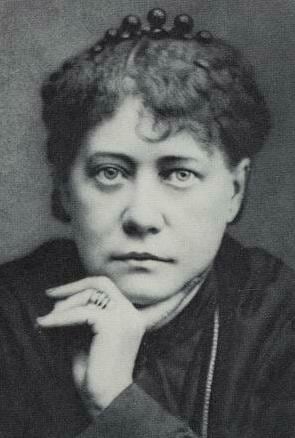
Helena Blavatsky
Совпадают в вопросах: Нужен ли учитель? · Реален ли мир? · Может ли разум познать предельное?
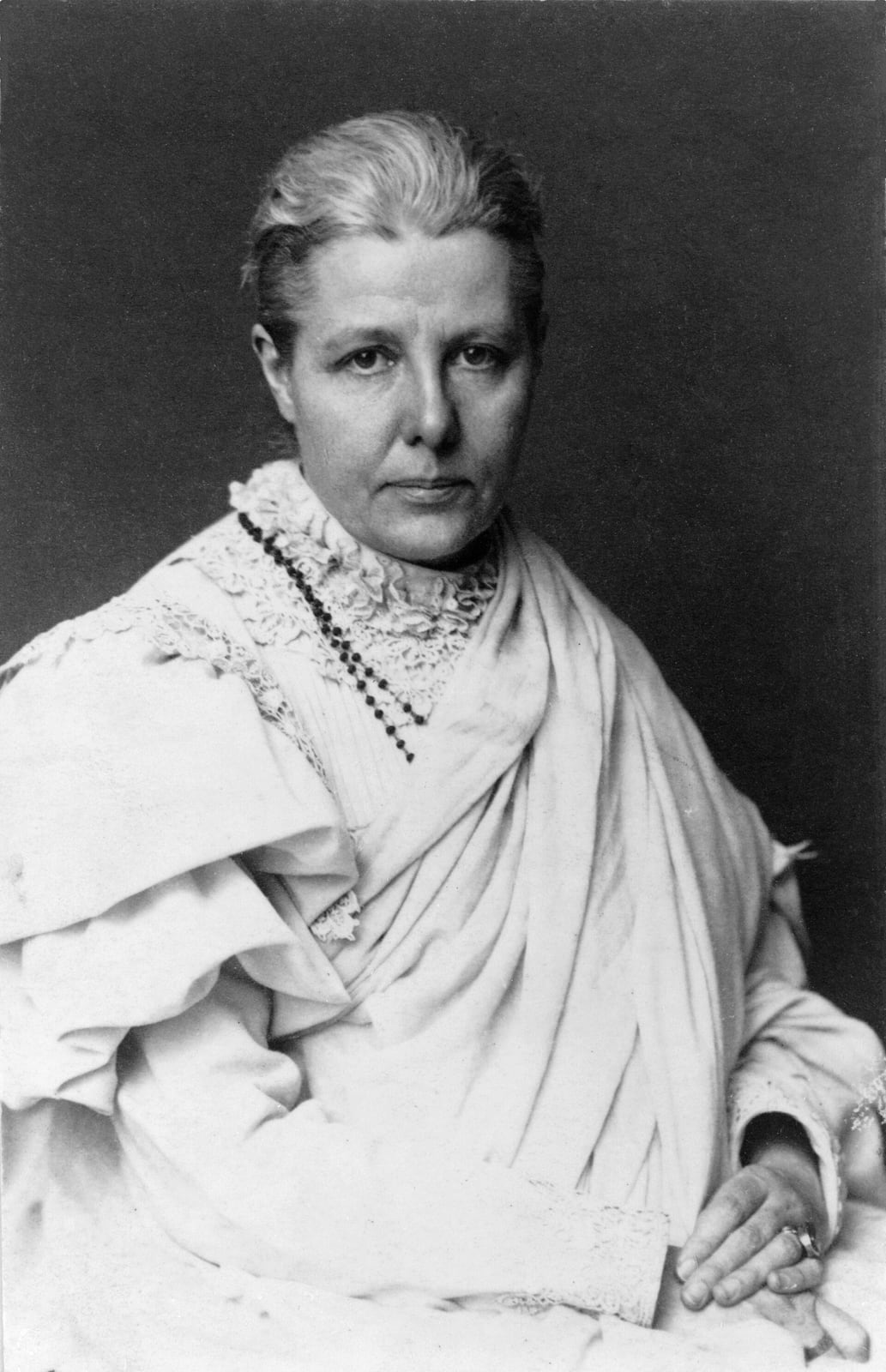
Annie Besant
Совпадают в вопросах: Нужен ли учитель? · Реален ли мир? · Может ли разум познать предельное?
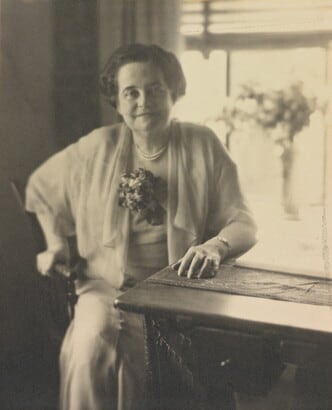
Alice A. Bailey
Совпадают в вопросах: Нужен ли учитель? · Реален ли мир? · Может ли разум познать предельное?
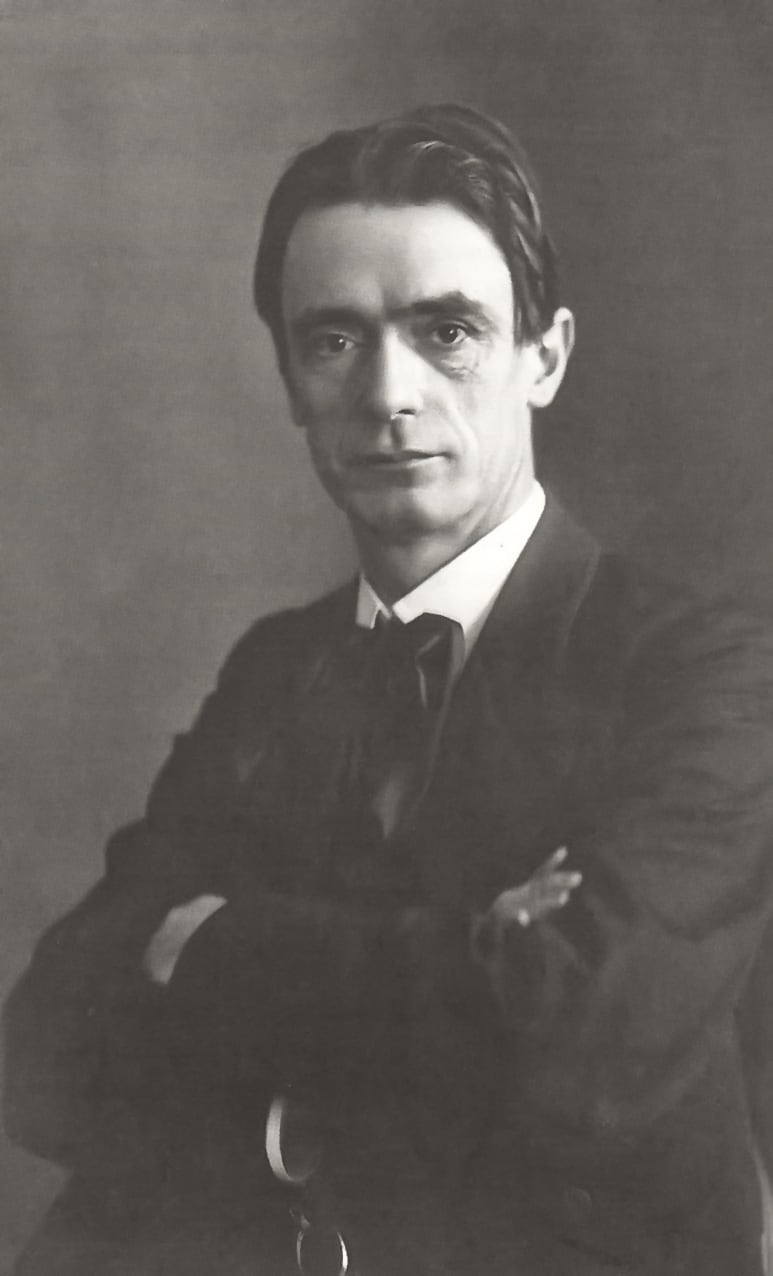
Rudolf Steiner
Совпадают в вопросах: Реален ли мир? · Может ли разум познать предельное? · Уйти от мира или преобразить его?

Предания и рассказы
Предания и рассказы
Свидетельство1897
'Steer higher': the visit to Tolstoy
Происхождение рассказа: We know it only from Roerich's own account, written decades later in his autobiographical essays and repeated by his biographers (Belikov and Kniazeva, 1972). There is no testimony from Tolstoy or third parties about the conversation; the visit itself is plausible and dated to 1897.
Документировано1911–1913
The premiere of The Rite
Происхождение рассказа: The uproar at the premiere is documented by the Paris press and numerous witnesses. The shared authorship of the scenario has been debated ever since: Taruskin (1996) reconstructs the collaboration from the correspondence; Roerich's reflection comes from his writings, quoted by the Nicholas Roerich Museum.
Источник: Taruskin, Richard. Stravinsky and the Russian Traditions: A Biography of the Works through Mavra. 2 vols. Berkeley: University of California Press, 1996.
Документировано1926
A casket for Lenin's tomb
Происхождение рассказа: Documented in the Soviet archives and studied by Rosov (2002–2004), Andreyev (2014), Znamenski (2011) and McCannon (2022). The text of the Mahatmas' message has been published; the Roerich movements dispute its political interpretation.
Источник: Znamenski, Andrei. Red Shambhala: Magic, Prophecy, and Geopolitics in the Heart of Asia. Wheaton (Illinois): Quest Books, 2011.
Свидетельство1927
The shining oval over Kukunor
Происхождение рассказа: Altai-Himalaya (1929), p. 361, entry for 5 August. It is the only written testimony; since the 1950s UFO literature has presented it as a 'flying saucer' sighting, an interpretation not found in the text.
Документировано1927–1928
Five months at Chunargen
Происхождение рассказа: Telegram of 24 May 1928 reproduced in the publisher's note to Altai-Himalaya (1929) and George N. Roerich's detailed account in Trails to Inmost Asia (1931). The figure of five dead comes from those family sources.
Оспаривается1925
The legends of Issa in Ladakh
Происхождение рассказа: Roerich tells it in Altai-Himalaya (1929) and Heart of Asia (1929–1930). The source of the story is Notovitch's book (1894), refuted by Max Müller (The Nineteenth Century, 1894) and J. Archibald Douglas (The Nineteenth Century, 1896). That Roerich heard oral versions in Ladakh does not prove the manuscript existed.
Документировано1929–1948
'Dear Guru'
Происхождение рассказа: Culver and Hyde, American Dreamer (2000), reconstruct the episode from the correspondence and the press of the time; Wallace never fully denied authorship of the letters.
Источник: Culver, John C., y John Hyde. American Dreamer: The Life and Times of Henry A. Wallace. Nueva York: W. W. Norton, 2000.
Учение
Учение
Понятия, на которых строится мысль учителя, объяснённые в их контексте.
Peace through Culturepaz-por-la-cultura
Set out in Realm of Light, Fiery Stronghold and Gates into the Future; its legal expression is the Roerich Pact.
Источник: McCannon, John. Nicholas Roerich: The Artist Who Would Be King. Pittsburgh: University of Pittsburgh Press, 2022.
Roerich Pact and Banner of Peacepacto-roerich
Legal culmination of the 'Peace through Culture' programme; text in the ICRC database.
Shambhalashambhala
Central theme of Shambhala (1930), Heart of Asia and Altai-Himalaya.
Источник: Znamenski, Andrei. Red Shambhala: Magic, Prophecy, and Geopolitics in the Heart of Asia. Wheaton (Illinois): Quest Books, 2011.
Maitreya and the 'Great Plan'maitreya-gran-plan
Reconstructed by Rosov, Andreyev, Znamenski and McCannon from Russian and American archives.
Источник: Znamenski, Andrei. Red Shambhala: Magic, Prophecy, and Geopolitics in the Heart of Asia. Wheaton (Illinois): Quest Books, 2011.
Unity of the artssintesis-de-las-artes
Developed in Adamant and Beautiful Unity.
Видео
Видео
Записи, интервью и документальные фильмы. Видео воспроизводятся с YouTube; здесь они не хранятся.
«Рерих. Искусство возрождать» (documental)
Документальный фильм· RU· 2026· 27 min
Третьяковская галерея (Galería Tretiakov)Официальный канал
Интервью с куратором выставки Николая Рериха
Интервью· RU· 43 min
Третьяковская галерея (Galería Tretiakov)Официальный канал
«Неизвестный художник Николай Рерих»: «Чудо» (1923)
Лекция· RU· 38 min
Музей Востока (Museo Estatal de Arte Oriental, Moscú)Официальный канал
«Неизвестный художник Николай Рерих. Священный дар (1924)»
Лекция· RU· 38 min
Музей Востока (Museo Estatal de Arte Oriental, Moscú)Официальный канал
Онлайн-лекция «Мемориальный кабинет Н. К. Рериха»
Лекция· RU· 43 min
Музей Востока (Museo Estatal de Arte Oriental, Moscú)Официальный канал
Круглый стол «Актуальность пакта Рериха в XXI веке»
Лекция· RU· 56 min
Музей Востока (Museo Estatal de Arte Oriental, Moscú)Официальный канал
Honoring a Legacy of Peace: The 90th Anniversary of the Roerich Pact
Лекция· EN· 2025· 25 min
Nicholas Roerich Museum - New YorkОфициальный канал
Street scenes — Nicholas Roerich in Darjeeling, West Bengal, India, 1928
Оригинальная запись· 1928· 5 min
Nicholas Roerich Museum - New YorkОфициальный канал
Николай Рерих. Фильм (1976)
Документальный фильм· RU· 1976· 54 min
Международный Центр Рерихов
Roerich. The Call of Cosmic Evolution (2013)
Документальный фильм· EN· 2013· 69 min
Международный Центр РериховОфициальный канал
Фильм Татьяны Борщ «Николай Рерих. Под Знаменем Мира» (2019)
Документальный фильм· RU· 2019· 51 min
Международный Центр РериховОфициальный канал
Nicholas Roerich (UNED, emitido en TVE-2)
Документальный фильм· ES· 2008· 23 min
UNED DocumentosОфициальный канал
SER Historia: Nicolás Roerich, un místico pacifista
Разбор· ES· 110 min
SER Podcast (Cadena SER)Официальный канал
Shambhala. Nicholas Roerich and the Tibetan Buddhism (Guido Ferrari, 2012)
Документальный фильм· EN· 2012· 58 min
Guido Ferrari
«Николай и Елена Рерих. Больше, чем любовь»
Смотреть на YouTube
Это видео нельзя встроить; оно откроется на YouTube.
«Николай и Елена Рерих. Больше, чем любовь»
Документальный фильм· RU· 39 min
Телеканал КультураОфициальный канал
Галерея
Галерея
Изображения с проверенной лицензией. Каждое сохраняет своё авторство и атрибуцию.
Рукописи
Рукописи
Рукописные свидетельства и древние тексты, с указанием хранителя и условий доступа.
1897–1901
«Гонец» (1897) y la serie «Начало Руси. Славяне» (1901)
- Сохранившийся список
- Cuadros de historia de la Rus primitiva: «El mensajero», «Huéspedes de ultramar» y otros.
- Хранитель
- Galería Tretiakov, Moscú (también Museo Estatal Ruso, San Petersburgo, para otras obras de la serie)
- Оцифровка
- commons.wikimedia.org/wiki/Category:Paintings_by…
1903–1904
Архитектурные этюды (1903–1904)
- Сохранившийся список
- Unos noventa estudios de iglesias, monasterios y fortalezas pintados durante el viaje por más de cuarenta ciudades antiguas de Rusia.
- Хранитель
- Repartidos entre museos rusos; custodia actual no verificada
1910–1914
Fresco «Царица Небесная» y mosaico «Спас Нерукотворный», iglesia del Espíritu Santo de Talashkino (1910–1914)
- Сохранившийся список
- Pintura mural y mosaico del pórtico.
- Хранитель
- In situ: iglesia del Espíritu Santo, Flyónovo, cerca de Talashkino (región de Smolensk)
- Оцифровка
- commons.wikimedia.org/wiki/Category:Holy_Spirit_…
1924–1925
Серия «Знамёна Востока» (Banners of the East, 1924–1925)
- Сохранившийся список
- Diecinueve lienzos sobre maestros de las tradiciones religiosas —Buda, Moisés, san Sergio, Confucio, Mahoma en el monte Hira, Milarepa, Lao-Tse, Tsongkhapa, Padmasambhava, la «Madre del Mundo», los «Signos de Cristo»—, enumerados por el propio Roerich en «Altái-Himalaya».
- Хранитель
- Mayoritariamente en Moscú, en la colección vinculada al Centro Internacional de los Roerich; tras el cierre de su museo en 2017, la custodia ha sido objeto de litigio
1925
Серия «Майтрейя» (1925)
- Сохранившийся список
- Ocho lienzos sobre la venida de Maitreya, el buda futuro.
- Хранитель
- Museo Estatal de Arte de Nizhni Nóvgorod
c. 1933–1947
Серия «Гималаи» (1933–1947) y series «Шамбала», «Тибет», «Кулута»
- Сохранившийся список
- Más de dos mil estudios de montaña del periodo indio, además de series temáticas sobre Shambhala, el Tíbet y el valle de Kullu.
- Хранитель
- Museo Estatal de Arte Oriental, Moscú (y su filial Museo de los Roerich); Nicholas Roerich Museum, Nueva York; Karnataka Chitrakala Parishath, Bangalore (36 estudios); Roerich Hall, Naggar
- Оцифровка
- www.roerich.org/museum-paintings-catalogue.php…
1900–1947
Colección del Nicholas Roerich Museum (Nueva York)
- Сохранившийся список
- Obras de todos los periodos, con especial peso del americano y el indio, como «Madonna Oriflamma» (1932); archivo de cartas, fotografías, filmaciones de 1928 y primeras ediciones.
- Хранитель
- Nicholas Roerich Museum, 319 West 107th Street, Nueva York
- Оцифровка
- www.roerich.org/museum-paintings-catalogue.php…
Связи
Связи
Влияния, ученичество и близость взглядов. Документированная связь отличается от сходства, выявленного путём анализа.
Родственник
His wife from 1901 and collaborator in all his undertakings; co-founder of Agni Yoga, of which she was the recipient and writer.
Документированная связь
Родственник
Sviatoslav Roerich
Younger son (1904–1993), a painter; he lived with his parents in India, married the actress Devika Rani and gave part of his father's artistic legacy to the Soviet Union.
Документированная связь
Родственник
George (Yuri) Roerich
Elder son (1902–1960), a Tibetologist; he took part in the Central Asian expedition, directed the Urusvati Institute and returned to Moscow in 1957.
Документированная связь
Испытал влияние
Blavatsky's Theosophy—the Mahatmas Morya and Koot Hoomi, the hidden wisdom of Asia—is the main source of the Roerichs' spiritual universe; Helena translated The Secret Doctrine into Russian.
Документированная связь
Современник
In July 1920, in London, the Roerichs received membership certificates of the Theosophical Society signed by Besant as president; Agni Yoga then developed outside that organisation.
Документированная связь
Идеи, близкие к
Both movements were born from Theosophy in the 1920s and presented books dictated by Himalayan masters—the 'Tibetan' for Bailey, Morya for the Roerichs—with a shared expectation of a new era.
Сходство, выявленное путём анализа
Встречался с
He visited him in 1897 on Stasov's advice; the writer's advice to 'steer higher' is known from Roerich's own account.
Документированная связь
Испытал влияние
The Roerichs avidly read Vivekananda and Ramakrishna in the years before emigration.
Документированная связь
Испытал влияние
A key reading for the Roerichs in Saint Petersburg, together with Vivekananda and the Bhagavad Gita.
Документированная связь
Встречался с
Ígor Stravinski
Together they conceived the scenario of The Rite of Spring (1913), whose designs were Roerich's.
Документированная связь
Встречался с
Serguéi Diáguilev
Fellow members of Mir iskusstva; Diaghilev commissioned from him the designs for Prince Igor (1909) and The Rite (1913).
Документированная связь
Встречался с
Rabindranath Tagore
They met in London in 1920 and remained friends; Tagore's grand-niece Devika Rani married Svetoslav Roerich.
Документированная связь
Состоял в переписке с
Henry A. Wallace
The American politician was his admirer and correspondent ('Dear Guru'), commissioned the Manchurian expedition and broke with him in 1935.
Документированная связь
Встречался с
Jawaharlal Nehru
He visited him in Kullu in 1942 with his daughter Indira.
Документированная связь
Упоминается в других статьях
Источники
Источники
Библиография и каталоги, использованные для этой статьи.
- Decter, Jacqueline (con el Nicholas Roerich Museum). Nicholas Roerich: The Life and Art of a Russian Master. Rochester (Vermont): Park Street Press, 1989.
- McCannon, John. Nicholas Roerich: The Artist Who Would Be King. Pittsburgh: University of Pittsburgh Press, 2022.
- Andreyev, Alexandre. The Myth of the Masters Revived: The Occult Lives of Nikolai and Elena Roerich. Leiden/Boston: Brill, 2014 (Aries Book Series, 18).
- Znamenski, Andrei. Red Shambhala: Magic, Prophecy, and Geopolitics in the Heart of Asia. Wheaton (Illinois): Quest Books, 2011.
- Wikidata, entidad Q208993 («Nicholas Roerich»): fechas (gregorianas y julianas), lugares, identificadores de autoridad (VIAF 14852765, Open Library OL47610A).
- Nicholas Roerich Museum (Nueva York). «Nicholas Roerich: biographical outline» (Early Years, The Theatrical Years, The Clouds of War, Travel to Other Shores, America, India).
- Nicholas Roerich Museum (Nueva York), Archivo: «Nicholas Roerich's writings / Книги Николая Рериха», reproducciones digitales de las primeras ediciones (1899–1974) y de artículos en revistas (1904–1947).
- Roerich, Nicholas. Altai-Himalaya: A Travel Diary. Introducción de Claude Bragdon. Nueva York: Frederick A. Stokes, 1929.
- Roerich, Nicholas. Shambhala. Nueva York: Frederick A. Stokes, 1930.
- Roerich, Nicholas. Heart of Asia. Nueva York: Roerich Museum Press, 1930 (1.ª ed. rusa: Сердце Азии, Southbury, Alatas, 1929).
- Roerich, Nicholas. Himalayas — Abode of Light. Bombay: Nalanda Publications, 1947.
- Treaty on the Protection of Artistic and Scientific Institutions and Historic Monuments (Roerich Pact). Washington, 15 de abril de 1935. Texto y estados parte en la base de datos de derecho internacional humanitario del Comité Internacional de la Cruz Roja.
- Culver, John C., y John Hyde. American Dreamer: The Life and Times of Henry A. Wallace. Nueva York: W. W. Norton, 2000.
- Open Library, autor Nicholas Roerich (OL47610A): registros de obras y ediciones con ISBN consultados el 2026-10-25.
- «Рерих, Николай Константинович», Wikipedia en ruso (secciones de biografía, «Основные труды», «Наследство» y «Музеи Рериха»), revisión consultada el 2026-10-25.
- «Nicholas Roerich», Wikipedia en inglés (Biography, Asian expedition, Manchurian expedition, Later life, Cultural legacy), revisión consultada el 2026-10-25.
- Rosov, Vladímir A. Николай Рерих — Вестник Звенигорода: экспедиции Н. К. Рериха по окраинам пустыни Гоби. 2 vols. San Petersburgo/Moscú, 2002–2004.
- Belikov, P. F., y V. P. Kniázeva. Рерих. Moscú: Molodaya Gvardiya (serie Жизнь замечательных людей), 1972.
- Roerich, George N. Trails to Inmost Asia: Five Years of Exploration with the Roerich Central Asian Expedition. New Haven: Yale University Press, 1931.
- Taruskin, Richard. Stravinsky and the Russian Traditions: A Biography of the Works through Mavra. 2 vols. Berkeley: University of California Press, 1996.
- Международный Центр Рерихов. «Картины Н. К. Рериха из серии „Знамена Востока“ в экспозиции зала „Живая Этика“» (conferencia en vídeo, YouTube).
- Wikimedia Commons, «Category:Paintings by Nicholas Roerich» y fichas de las obras «Guests from Overseas» (institución: Galería Tretiakov) y «Messenger» (1897).
- Рерих, Н. К. «Алтай — Гималаи. Путевой дневник», texto íntegro en ruso en Lib.ru/Классика (az.lib.ru).
- Правообладатель
- Roerich murió en 1947: su obra es de dominio público en la Unión Europea y en Rusia desde 2018, pero en España (80 años) solo lo será desde el 1 de enero de 2028. Las traducciones inglesas posteriores y las ediciones del Nicholas Roerich Museum (Nueva York), que renovó en Estados Unidos los derechos de varias ediciones, tienen derechos propios; el museo y el Centro Internacional de los Roerich (Moscú) gestionan reproducciones de su pintura.
- Официальный сайт
- www.roerich.org/
Ожидает подтверждения
То, что в этой статье пока не удалось установить. Мы предпочитаем сказать об этом, а не заполнять пробел.
- Obra pictórica: el contrato de la ficha (SCHEMA.md) no tiene un apartado para pintura; las series principales y sus museos se han registrado en manuscripts[]. Proponer un campo propio (p. ej. artworks[] con serie, fechas, técnica, número de obras y custodio).
- Ediciones en español: solo se ha localizado «El corazón de Asia» (Nueva York, Ediciones del Museo Roerich, 1930), sin ISBN. Open Library, Google Books (cuota agotada) y búsquedas generales no devuelven ediciones españolas modernas de Altái-Himalaya, Shambhala o Flores de Moria; consultar la base del ISBN de España y catálogos argentinos.
- Comprobar «Знамя Мира» (Harbin, 1934) y «Сказки и притчи» (Petrogrado, 1916), que figuran en la Wikipedia rusa pero no en el archivo del Nicholas Roerich Museum.
- Identificar «Roerich Essays: One hundred essays» (2 vols., India, 1937), citado en la Wikipedia rusa; podría coincidir con el manuscrito de «Vigil» (cien ensayos de 1934–1938).
- Los cientos de artículos de revista (el archivo del museo enumera más de trescientos, 1904–1947) no se registran uno a uno: quedan dentro de las colecciones y de «Hojas de diario».
- Fechas y editoriales sin confirmar: año de las ediciones del NRM de «Vigil» y «Diary Leaves»; editorial de «Fiery Stronghold» (1933) y de «Beautiful Unity» (1946); contenido del folleto «Maitreya» (1932).
- Custodia de la serie «Banderas de Oriente» tras el cierre del museo del Centro Internacional de los Roerich (2017); custodia de los estudios de arquitectura de 1903–1904 y de los diseños escénicos.
- Localizar el ensayo original en que Roerich relata la visita a Tolstói (se cita en la Wikipedia rusa y en Belikov y Kniázeva, sin referencia exacta).
- Origen de la frase «Art will unify all humanity», usada por el Nicholas Roerich Museum, sin localizar en las obras consultadas.
- Vídeo de Guido Ferrari (5A5M9EzENNk): comprobar el idioma del audio.
Исследовано 2026-10-25