Индуизм · Христианская мистика · Теософия · Светская созерцательность
Annie Besant
1847 – 1933Исторически документированная личность
Анни Безант (1847–1933), британская ораторша, реформатор и теософ, прожила несколько жизней: жена священника, свободомыслящая соратница Чарльза Брэдло, социалистка-фабианка, организовавшая забастовку спичечниц 1888 года, ученица Блаватской с 1889 года и президент Теософского общества (1907–1933). В Индии она основала Центральный индуистский колледж, возглавила Лигу гомруля и в 1917 году председательствовала в Национальном конгрессе. Она воспитывала Джидду Кришнамурти как будущего «Учителя мира» и приняла его отказ в 1929 году.
- трудов
- 84трудов
- изданий
- 178изданий
- цитат
- 9цитат
- видео
- 16видео
- изображений
- 8изображений
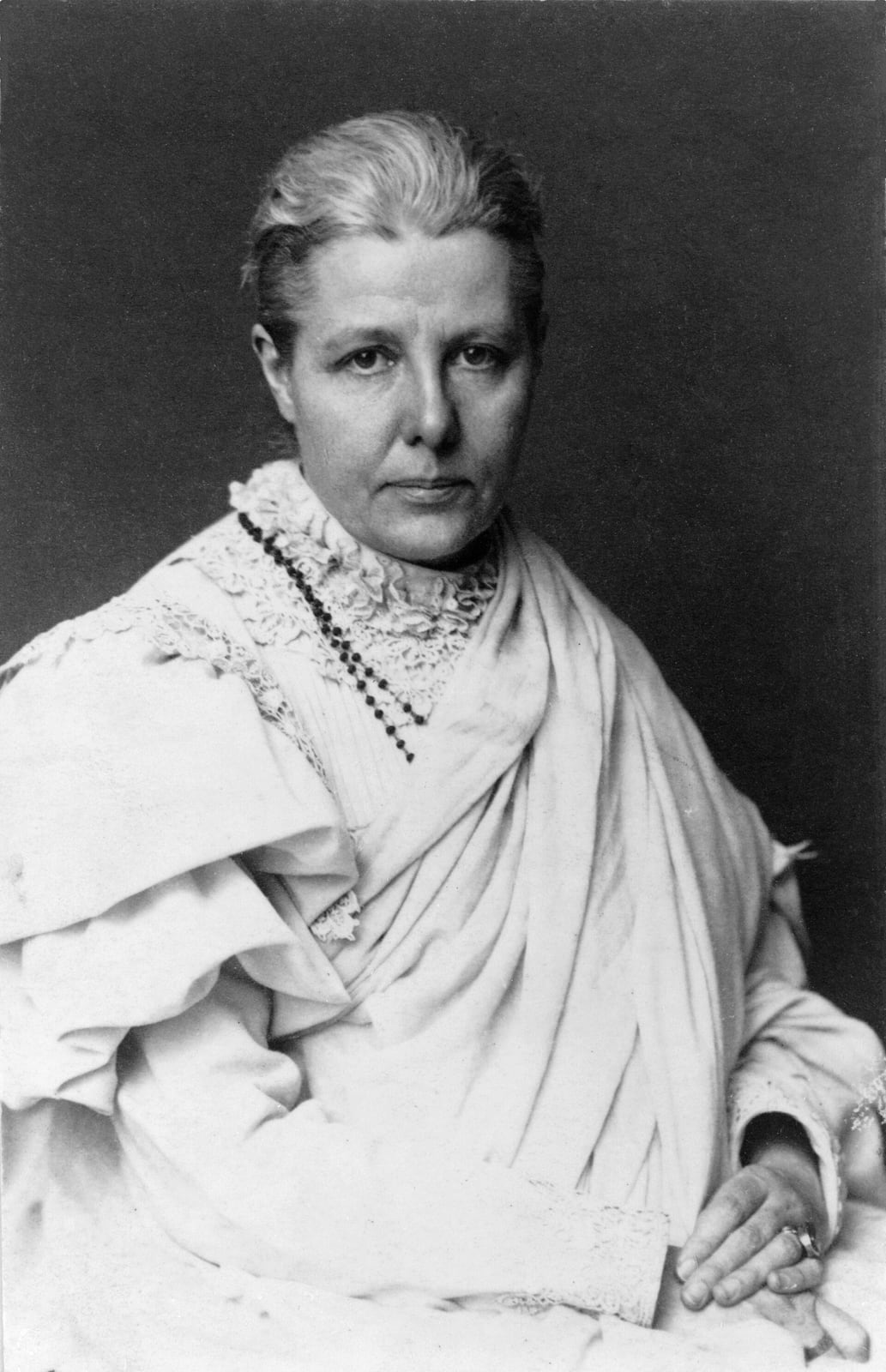
Annie Besant hacia 1897 · Public domain
Своими словами
«Yoga is the rational application of the laws of the unfolding of consciousness, self-applied in an individual case.»An Introduction to Yoga (1908), conferencia I, «La naturaleza del yoga»

Главная мысль
Thought-forms: According to Besant and Leadbeater, every thought and emotion produces two effects in the subtle matter surrounding the person: a radiating vibration that tends to reproduce the same state in other minds, and a 'form' that detaches itself, with colour, shape and definiteness determined by the quality, nature and precision of the thought.
В контексте
Биография
4 мин чтения
Перевод с испанского оригинала, выполненный с помощью ИИ; ожидает проверки носителем языка.
Жена священника
Анни Вуд родилась 1 октября 1847 года в Клэпеме, на юге Лондона, в семье среднего достатка ирландского происхождения. Её отец, Уильям Вуд, врач, не занимавшийся практикой, умер, когда ей было пять лет, оставив семью без средств; мать, Эмили Моррис, открыла пансион для учеников Харроу и доверила воспитание девочки Эллен Марриет, сестре романиста, которая растила её в евангелической строгости и научила французскому и немецкому. Анни росла набожной девушкой, мечтавшей о мученичестве. В декабре 1867 года она вышла замуж за Фрэнка Безанта, англиканского священника сухого нрава, и родила двоих детей, Дигби и Мейбл. Брак обернулся катастрофой, о которой она сама без прикрас рассказала в «Автобиографии» 1893 года: болезнь дочери, чтение библейских критиков, невозможность причащаться без веры. В 1873 году она официально разъехалась с мужем, за которым осталась опека над сыном, и ушла в мир с дочерью и без профессии.
Свободомыслящая и социалистка
В 1874 году она познакомилась с Чарльзом Брэдло, лидером Национального светского общества, и пятнадцать лет была его соратницей на трибуне и — под псевдонимом «Аякс» — сотрудницей его газеты National Reformer. Она научилась выступать публично в рабочих залах — говорили, что она лучшая ораторша Англии, — написала «Мой путь к атеизму» (My Path to Atheism, 1877) и отстаивала атеизм как самую честную позицию при отсутствии доказательств. В 1877 году они вдвоём переиздали брошюру врача Чарльза Ноултона о контроле рождаемости Fruits of Philosophy («Плоды философии»), чтобы вызвать процесс о непристойности. Их осудили, а затем оправдали в апелляции; Анни написала собственный трактат, The Law of Population («Закон народонаселения»), и заплатила за это: в 1878 году суд лишил её опеки над Мейбл из-за её взглядов. Она изучала естественные науки в Лондонском университете, писала о вивисекции и о браке, а около 1885 года пришла к социализму. Она вступила в Фабианское общество, 13 ноября 1887 года участвовала в «Кровавом воскресенье» на Трафальгарской площади, а в июне 1888 года, поговорив с работницами спичечной фабрики Bryant & May, опубликовала в своей газете The Link статью «Белое рабство в Лондоне» («White Slavery in London»). Последовавшая забастовка, выигранная спичечницами за три недели, стала вехой в истории британского профсоюзного движения. Той же осенью её избрали в Лондонский школьный совет от Тауэр-Хамлетс.
Теософка
Весной 1889 года У. Т. Стед попросил её написать рецензию на «Тайную доктрину» для Pall Mall Gazette. Безант описала это чтение как узнавание, навестила Блаватскую и, прочитав доклад Общества психических исследований, обвинявший ту в мошенничестве, в мае подала прошение о вступлении в Теософское общество. Обращение шокировало её друзей-рационалистов — Брэдло счёл его трагедией — и за два года сделало её наследницей Блаватской: она возглавила Ложу Блаватской, вместе с Уильямом К. Джаджем руководила Эзотерической секцией, а после раскола 1895 года — одна. В 1893 году она выступила на Парламенте религий в Чикаго и впервые приехала в Индию. С тех пор её жизнь была поделена между Адьяром, Бенаресом и мировыми турне.
В Индии она стала индуисткой по собственному выбору: выучила санскрит, перевела «Бхагавад-гиту» (1895) и в 1898 году основала в Бенаресе Центральный индуистский колледж, из которого вырос Бенаресский индуистский университет. Её теософское наследие огромно: «Древняя мудрость» (1897), систематическое руководство движения; «Эзотерическое христианство» (1901), читающее Евангелия как мистерии посвящения; «Сила мысли» (1901) и, совместно с Чарльзом Уэбстером Ледбитером, «Мыслеформы» (1905) и «Оккультная химия» (1908) — труды «ясновидения», заворожившие Кандинского и первых абстракционистов. В 1907 году, после смерти Олкотта, её избрали президентом Теософского общества, и этот пост она занимала до самой смерти. Она вернула в Общество Ледбитера, вынужденного покинуть его в 1906 году из-за обвинений в непристойном поведении с несовершеннолетними, — решение, наложившее отпечаток на весь остаток её президентства.
Кришнамурти
В 1909 году Ледбитер заметил на пляже в Адьяре четырнадцатилетнего мальчика-брахмана Джидду Кришнамурти, чья аура показалась ему лишённой всякого следа эгоизма. Безант добилась от его отца, Нараянии, опеки над Кришнамурти и его братом Нитьей, а в 1911 году был основан Орден Звезды на Востоке, чтобы подготовить пришествие «Учителя мира», который должен был воплотиться в нём. В 1912 году отец потребовал сыновей обратно через суд; Высокий суд Мадраса в 1913 году вынес решение против Безант, а Тайный совет в Лондоне в 1914 году его отменил. Мессианские ожидания раскололи Общество — Рудольф Штейнер вышел из него вместе с немецкой секцией в 1912–1913 годах — и достигли кульминации 3 августа 1929 года в Оммене, когда Кришнамурти распустил Орден перед тремя тысячами его членов в присутствии Безант, произнеся слова «Истина — это страна без дорог». Она приняла это решение, продолжала любить его как сына и оставила запись о том, что не собирается спорить с Учителем.
Индия и гомруль
Одновременно Безант стала одним из голосов индийского национализма. В 1914 году она купила газету Madras Standard и переименовала её в New India; в 1916 году по ирландскому образцу основала Лигу гомруля, союзником которой был Тилак. В июне 1917 года мадрасское правительство интернировало её в Утакамунде; кампания за её освобождение привела к тому, что в декабре того же года она председательствовала на калькуттской сессии Индийского национального конгресса — первой из женщин. Её политическая звезда вскоре закатилась: она выступила против гражданского неповиновения Ганди, считая его безрассудным, и движение оставило её позади. Она продолжала трудиться ради образования, индийского скаутского движения, прав женщин и законопроекта о Содружестве Индии (Commonwealth of India Bill) 1925 года.
Она умерла в Адьяре 20 сентября 1933 года в возрасте восьмидесяти пяти лет. Её прах развеяли над Гангом в Бенаресе, а часть его покоится в Саду памяти в Адьяре. В 1963 году Индия выпустила в её честь почтовую марку. Её наследие двойственно и противоречиво: ораторша, не боявшаяся ни суда, ни тюрьмы, и президент, поверившая в юного мессию; а между ними — жизнь, посвящённая, по её собственным словам, «служению человеку».
Источники: Besant, Annie. Annie Besant: An Autobiography. Londres: T. Fisher Unwin, 1893. · Taylor, Anne. Annie Besant: A Biography. Oxford: Oxford University Press, 1992. · Nethercot, Arthur H. The First Five Lives of Annie Besant. Chicago: University of Chicago Press, 1960. · Nethercot, Arthur H. The Last Four Lives of Annie Besant. Chicago: University of Chicago Press, 1963. · Lutyens, Mary. Krishnamurti: The Years of Awakening. Londres: John Murray, 1975.
Хронология
Жизнь год за годом
Каждая точка — документированное событие. Нажмите, чтобы прочитать о нём, с источником и степенью достоверности.
1 октября 1847 г.0 летClapham, Londres
Birth
Annie Wood is born, daughter of William Wood and Emily Morris, into a middle-class family of Irish origin.
ДокументированоBesant, Annie. Annie Besant: An Autobiography. Londres: T. Fisher Unwin, 1893.
После смерти
- 1 октября 1963 г.Commemorative stamp
1 октября 1847 г. · 0 лет
Birth
Annie Wood is born, daughter of William Wood and Emily Morris, into a middle-class family of Irish origin.
Документировано
1852 · 5 лет
Death of her father
William Wood dies. Her mother opens a boarding house at Harrow and entrusts Annie's education to Ellen Marryat.
Документировано
декабрь 1867 г. · 20 лет
Marriage to Frank Besant
She marries the Rev. Frank Besant. Digby (1869) and Mabel (1870) are born. Her religious crisis begins with her daughter's illness.
Документировано
1873 · 26 лет
Separation
She refuses to take communion and is legally separated from her husband, who keeps custody of their son. She settles in London with Mabel.
Документировано
2 августа 1874 г. · 26 лет
Meeting Charles Bradlaugh
She meets Charles Bradlaugh, leader of the National Secular Society, and begins writing in the National Reformer as 'Ajax'. Her first public lecture is on 25 August.
Документировано
18 июня 1877 г. · 29 лет
The Knowlton pamphlet trial
Bradlaugh and Besant are tried for reissuing Charles Knowlton's Fruits of Philosophy, on birth control. Besant conducts her own defence; convicted, the sentence is quashed on appeal on a technicality.
Документировано
май 1878 г. · 30 лет
Loss of custody of Mabel
Sir George Jessel removes Mabel from Besant's custody because of her atheist views and the Knowlton pamphlet. She regains contact with her children when they come of age.
Документировано
1885 · 37 лет
Towards socialism
She joins the Fabian Society and publishes Autobiographical Sketches. In November 1887 she takes part in 'Bloody Sunday' in Trafalgar Square.
Документировано
23 июня 1888 г. · 40 лет
The matchgirls' strike
She publishes 'White Slavery in London' in The Link after interviewing Bryant & May workers. Dismissals and a strike of some 1,400 women follow; Besant organises the committee and the firm gives in within three weeks. In November she is elected to the London School Board.
Документировано
10 мая 1889 г. · 41 год
Joining the Theosophical Society
After reviewing The Secret Doctrine for the Pall Mall Gazette and meeting Blavatsky, she applies for membership. She publishes Why I Became a Theosophist and breaks with Bradlaugh's secularism.
Документировано
8 мая 1891 г. · 43 года
Blavatsky's death; Besant as heir
Blavatsky dies at Besant's house in Avenue Road. Besant and W. Q. Judge jointly direct the Esoteric Section; in 1893 she publishes her Autobiography.
Документировано
16 ноября 1893 г. · 46 лет
First arrival in India
After speaking at the World's Parliament of Religions in Chicago (September), she lands in India, which will become her home. She learns Sanskrit and translates the Bhagavad Gita (1895).
Документировано
1895 · 47 лет
The Judge schism
The dispute with William Q. Judge over the authenticity of his messages from the Masters splits the Society: the American section secedes. Besant is left in charge of the Adyar Esoteric School.
Документировано
7 июля 1898 г. · 50 лет
Founding of the Central Hindu College
She opens the Central Hindu College, which in 1916 is absorbed into Madan Mohan Malaviya's Banaras Hindu University.
Документировано
июнь 1907 г. · 59 лет
President of the Theosophical Society
After Olcott's death in February she is elected president by a large majority. In 1908 she reinstates C. W. Leadbeater, expelled in 1906, a much-disputed decision.
Документировано
1909 · 61 год
The 'discovery' of Krishnamurti
Leadbeater notices the fourteen-year-old Jiddu Krishnamurti on the beach at Adyar. Besant takes over his guardianship and his brother Nitya's in 1910 and, in 1911, the Order of the Star in the East is founded to prepare the coming of the World Teacher.
Документировано
1912 – 1914 · 65 лет
The Narayaniah suit and the break with Steiner
Narayaniah, Krishnamurti's father, sues Besant for custody; the Madras High Court rules against her (1913) and the Privy Council reverses the judgment (1914). Rudolf Steiner and the German section, opposed to the messianism of the Order of the Star, break with the Society (1912–1913).
Документировано
сентябрь 1916 г. · 68 лет
Founding of the Home Rule League
After buying and renaming the daily New India (1914), she founds the All-India Home Rule League, parallel to Tilak's, to demand self-government within the Empire.
Документировано
26 декабря 1917 г. · 70 лет
President of the Indian National Congress
Interned by the Madras Government at Ootacamund from June to September, the campaign for her release carries her to the presidency of the Calcutta session of Congress, the first woman to hold it.
Документировано
3 августа 1929 г. · 81 год
Krishnamurti dissolves the Order of the Star
Before some three thousand members and in Besant's presence, Krishnamurti dissolves the Order ('Truth is a pathless land') and rejects the role of World Teacher. Besant publicly accepts the decision.
Документировано
20 сентября 1933 г. · 85 лет
Death
She dies at the Theosophical Society headquarters after months of decline. Her ashes are scattered in the Ganges at Benares; part rests in the Garden of Remembrance at Adyar.
Документировано
1 октября 1963 г.
Commemorative stamp
The Indian postal service issues a stamp in her honour; schools and streets in Chennai, Varanasi and other cities bear her name.
Документировано
Труды
Главные труды
Труды, без которых не понять это наследие.
Письменный труд · 1893
An Autobiography
Annie Besant: An Autobiography
An account of her first forty-five years: the evangelical childhood, the marriage to Frank Besant, the crisis of faith, the years with Bradlaugh, the Knowlton trial, the loss of her daughter, socialism, the matchgirls' strike and, in the final chapter, 'Through Storm to Peace', the meeting with Blavatsky. Written with a candour unusual in a Victorian woman, it is the indispensable primary source and a remarkable piece of autobiographical prose.
4 издания · amazon.com

Письменный труд · 1897
The Ancient Wisdom
The Ancient Wisdom: An Outline of Theosophical Teachings
The systematic manual of Adyar Theosophy and Besant's most influential book. It sets out the planes of nature, the bodies of man, reincarnation, karma, the law of sacrifice, the ascent of man and the building of the kosmos, with an expository clarity Blavatsky never had. It was the training text of several generations of Theosophists and the way many readers—among them artists such as Kandinsky and Mondrian—came to know the doctrine.
7 изданий · amazon.com

Письменный труд · 1901
Esoteric Christianity
Esoteric Christianity, or The Lesser Mysteries
A Theosophical reading of Christianity: it holds that the early Church possessed initiatory 'Mysteries of Jesus', later lost, and distinguishes in Christ three figures: the historical Jesus, the mythic Christ (the solar drama) and the mystic Christ (the divine principle born in every soul). It reinterprets atonement, resurrection, the Trinity, prayer and the sacraments as symbols of inner processes. It is the text that most influenced twentieth-century esoteric Christianity and the Liberal Catholic Church.
5 изданий · amazon.com

Письменный труд · 1905
Thought-Forms
It describes the shapes and colours which, according to the authors, thoughts and emotions generate in astral and mental matter: each definite thought produces a radiating vibration and a floating form. The 58 plates—colour abstractions for devotion, anger, the music of Wagner or Gounod—circulated among avant-garde painters: Kandinsky, Kupka, Mondrian and the first abstract artists knew them, as Sixten Ringbom showed. It is today the Theosophical book most cited by art history.
6 изданий · amazon.com
Все труды (84)

Autobiographical Sketches
1885

My Path to Atheism
1877

The Law of Population
1877

Marriage, As It Was, As It Is, and As It Should Be
1879

Why I Became a Theosophist
1889

The Seven Principles of Man
1892

Reincarnation
1892

Death—and After?
1893

Karma
1895

Man and His Bodies
1896

The Building of the Kosmos
1894

In the Outer Court
1895

The Path of Discipleship
1896

The Bhagavad Gita (translation)
1895

Four Great Religions
1897

Thought Power
1901

A Study in Consciousness
1904

An Introduction to Yoga
1908

Occult Chemistry
1908

The Laws of the Higher Life
1903

The Pedigree of Man
1904

Theosophy and the New Psychology
1904

London Lectures of 1907
1907

The Changing World
1909
Изречения
Изречения, найденные в конкретном труде. Каждое сопровождается указанием происхождения и степени надёжности.
Yoga is the rational application of the laws of the unfolding of consciousness, self-applied in an individual case.ПровереноAn Introduction to Yoga (1908), conferencia I, «La naturaleza del yoga»
Апокрифические изречения и изречения спорной атрибуции (2)
«'Better remain silent, better not even think, if you are not prepared to act.'»
Attributed to Besant in countless quotation collections, it does not appear in her Autobiography, in the Autobiographical Sketches or in the Theosophical works digitised at Project Gutenberg. With no location in any specific work, it must be regarded as of unverified authenticity.
«'No philosophy, no religion, has ever brought so glad a message to the world as this good news of Atheism.'»
Quoted as from My Path to Atheism or The Gospel of Atheism (1877). It could not be located in the text of My Path to Atheism digitised at Project Gutenberg; it may come from the pamphlet The Gospel of Atheism, not consulted. Unverified.
Последние слова
Проверяемых записей о последних словах не существует.
Her biographers (Nethercot, The Last Four Lives of Annie Besant, 1963; Taylor, 1992) describe a decline of several months at Adyar, with progressive memory loss and long periods of unconsciousness, and record no last words. The phrases circulating online as Besant's 'last words' have no source.
Источник: Nethercot, Arthur H. The Last Four Lives of Annie Besant. Chicago: University of Chicago Press, 1963.
Спросить
На что отвечают эти труды
Двенадцать великих вопросов человечества и то, что позволяют на них ответить эти тексты, со ссылками. Мы никогда не вкладываем слова в чужие уста.
Что такое Абсолют? Существует ли Бог?
One Existence from which proceeds a Logos that does relate
И личный, и безличныйСказано прямо
Annie Besant came to Theosophy from militant atheism: in My Path to Atheism (1877) she had rejected the Christian God. As a Theosophist, in The Ancient Wisdom (1897) she starts from one Existence, infinite and unknowable, the root of all, from which proceeds the Logos or manifested God, triple in nature, who shapes a universe and relates to it. Unlike Blavatsky, who stresses the rejection of a personal God, Besant grants this Logos features of consciousness, will and love, and in Esoteric Christianity (1901) she rereads the Christian Trinity as an expression of that triplicity. The divine thus has an impersonal, formless ground and a manifested face to which devotion can be addressed; both are true, each at its level, and human evolution consists in coming to recognise them.
Сравнить этот вопрос с другими учителямиКто я? Существует ли истинное «я»?
We are an immortal Ego that puts on bodies in order to learn
Эволюционирующая душаСказано прямо
Annie Besant popularised Theosophical anthropology with a more didactic scheme than Blavatsky's. In The Seven Principles of Man (1892) and Man and His Bodies (1896) she distinguishes between the Ego or soul, which persists, and the bodies — physical, etheric, astral, mental — which it uses in each incarnation and which are renewed. Above the Ego she places the Monad, a spark of the divine. The everyday self, with its desires and opinions, is the personality of a single life; the true self is the Ego which, from existence to existence, learns to master its vehicles and to express divine qualities. In The Ancient Wisdom (1897) she presents reincarnation and karma as the laws of this evolution. To know oneself is, for Besant, to identify progressively with the soul and not with the bodies that clothe it.
Сравнить этот вопрос с другими учителямиПочему мы страдаем?
Each pain is a debt being paid and a lesson being learned
Карма и обучение душиСказано прямо
Annie Besant devoted an early book to karma, Karma (1895), and years later a broader study, A Study in Karma (1912). There she presents it as natural law, not sanction: thoughts, desires and acts generate forces that return to whoever emitted them. Thoughts shape the character of the next life, desires determine opportunities and environment, and acts produce favourable or painful circumstances. Suffering is the way old debts are paid, and Besant insists that knowing the law frees one from resentment: nothing comes by anyone's whim. Yet karma is not fatalism, since the present always adds new causes and the will can modify the future. In her evolutionary vision, pain teaches what the soul did not learn by other means and pushes it to grow.
Сравнить этот вопрос с другими учителямиЧто происходит после смерти?
Death is a change of garment in a long series of lives
Перерождение согласно кармеСказано прямо
Annie Besant popularised the Theosophical doctrine of death in short, clear manuals: Death—and After? and Reincarnation, both from the 1890s, and later in The Ancient Wisdom. She holds that death affects only the vehicles of the human being. The Thinker, the immortal Ego, leaves the physical body, passes through the astral world or kamaloka, where desires are purified, and rests in the heavenly world or devachan, where it turns the experiences of life into faculties. Afterwards it returns to a new body, determined by its karma and by what it needs to learn. Besant stresses the moral value of this view: it explains inequalities of birth without resorting to divine arbitrariness, takes the terror out of death and makes each person responsible for their future, until the evolution of the soul frees it from the need to be reborn.
Сравнить этот вопрос с другими учителямиКак достигается освобождение или спасение?
A path of discipleship with precise requirements culminating in successive initiations
Через дисциплинированную практикуСказано прямо
Annie Besant describes liberation as the last stage of an evolution of consciousness that spans many lives and can be deliberately accelerated. In In the Outer Court and The Path of Discipleship she sets out the requirements for entering the path, taken from the Vedantic tradition: discrimination between the real and the unreal, dispassion, a set of virtues of mental conduct, and longing for liberation. On that basis are built the purification of the bodies, meditation and service. In Initiation: The Perfecting of Man she presents the great initiations as steps the disciple takes under the guidance of the Masters. For Besant yoga is an applied science governed by laws, not a reverie: freedom is worked at with method.
Сравнить этот вопрос с другими учителямиНужен ли учитель?
The disciple advances under a Master who accepts and initiates him
НезаменимСказано прямо
Annie Besant systematised the Theosophical doctrine of discipleship. In In the Outer Court and The Path of Discipleship she describes the stages through which the aspirant, after cultivating the required qualities, is tested, accepted and finally taken in charge by a Master of the occult Hierarchy. In Initiation: The Perfecting of Man she presents the great initiations as acts in which that Master and the Hierarchy intervene. The outer teacher is therefore a structural part of the accelerated path, although Besant insists that the aspirant should not seek him anxiously: it is the Master who appears when the disciple is ready. It was this conception that led her to proclaim the young Krishnamurti as the vehicle of the World Teacher.
Сравнить этот вопрос с другими учителямиРеален ли мир?
Human beings live on several planes at once, with corresponding bodies
Планы бытияСказано прямо
Annie Besant systematically popularised Theosophical cosmology. In The Ancient Wisdom and Man and His Bodies she describes a universe formed of planes of matter of decreasing density, physical, astral, mental and higher ones, which interpenetrate. To each plane corresponds a body or vehicle of the human being, so that the person lives simultaneously on several of them, though normally aware only of the physical. The visible world is real, but it is only the densest of these levels, and evolution consists in consciousness learning to function on ever subtler planes. With C. W. Leadbeater she held that thoughts create observable forms in mental matter.
Сравнить этот вопрос с другими учителямиЧто такое любовь?
Love is the force that unites the divided Self and proves itself in service
Безграничное состраданиеСледует из учения
Annie Besant came to Theosophy after a long secularist and socialist militancy, and kept from it the conviction that love is measured in service. In her atheist period she dreamed of a brotherhood in which service of Man would take the place of service of God. As a Theosophist she reinterprets that same passion: in The Ancient Wisdom and in her lectures on the higher life she describes love as the force of attraction by which the one Self, divided into many forms, tends to reunite, and hatred as a force of separation. The disciple must transform personal affection, which chooses and excludes, into an impersonal love offered to all that expects nothing. Her translation of the Bhagavad Gita and her defence of devotion complete this view, but the final criterion remains effective help to those who suffer.
Сравнить этот вопрос с другими учителямиСвободны ли мы или всё предопределено?
Karma is natural law: by knowing it, the human being builds his future
Карма и выборСказано прямо
Besant devoted two works to karma, *Karma* (1895) and *A Study in Karma* (1912), and in both she treats it as a natural law comparable to those of physics, not as punishment. Her argument distinguishes three levels: thought generates character, desire attracts circumstances and action determines the environment of the next life. What comes from the past is unavoidable, but the way of responding to it is open, and whoever understands the law stops suffering it and starts using it. Hence her insistence that theosophy is a doctrine of responsibility and hope: no one is condemned, because every present thought is a new cause. Her exposition systematises Blavatsky's in a more didactic tone, with scientific analogies.
Сравнить этот вопрос с другими учителямиЗачем медитировать или молиться?
Yoga is a science for consciousness to discover the Self
Возвращение к источнику «я»Сказано прямо
Besant presents meditation as a rational discipline, not a drifting. In *An Introduction to Yoga* (1908) she defines yoga as the rational application of the laws of the unfolding of consciousness to an individual case, and warns that it is an applied science with a definite end. That end is that consciousness, having identified successively with body, emotions and mind, should recognise itself as the Self that uses them. In *Thought Power* (1901) she describes the method: concentration to make the mind a docile instrument, and meditation so that, once stilled, it lets the light of the Higher Self through. Practising it, she insists, also transforms ordinary life and character.
Сравнить этот вопрос с другими учителямиМожет ли разум познать предельное?
From freethinking reason to the ancient wisdom, without abandoning method
Эзотерическое знаниеСказано прямо
Besant came to theosophy from militant atheism and freethought, and kept from that period the demand for rational coherence. In her *Autobiography* she recounts that on reading *The Secret Doctrine* in 1889 she felt her mind leap ahead to the conclusions, so natural, coherent and subtle did the whole seem, and in *Why I Became a Theosophist* she explains the step as an answer to problems materialism could not solve. In *The Ancient Wisdom* (1897) she presents that doctrine as a knowledge transmitted by the masters and, at the same time, verifiable through the development of higher faculties. For her yoga is an applied science: reason leads to the threshold and inner experience confirms what the tradition teaches.
Сравнить этот вопрос с другими учителямиУйти от мира или преобразить его?
From the matchgirls' strike to Indian Home Rule
Действовать в миреСказано прямо
Few spiritual figures of her time committed themselves to public action as much as Annie Besant. Before Theosophy she was a secularist, an advocate of birth control — which earned her a prosecution — and a Fabian socialist; in 1888 she supported the strike of the Bryant & May matchgirls, whose words she records in her autobiography: it was time someone came and helped them. Converted to Theosophy, she did not abandon action but carried it to India: she founded the Central Hindu College in Benares, launched the Home Rule League in 1916 and was president of the Indian National Congress in 1917. For her the spiritual life proves itself in service, and universal brotherhood had to be translated into education, social justice and political freedom, in London as much as in Madras.
Сравнить этот вопрос с другими учителями
Созвучия и противоречия
Созвучия и противоречия
Рассчитаны вопрос за вопросом на основе позиций. Причина каждого совпадения или расхождения — по нажатию.
Ближе всего к
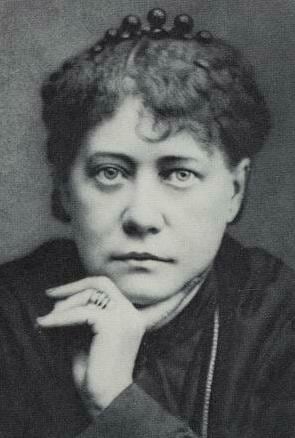
Helena Blavatsky
Совпадают в вопросах: Свободны ли мы или всё предопределено? · Кто я? Существует ли истинное «я»? · Почему мы страдаем?
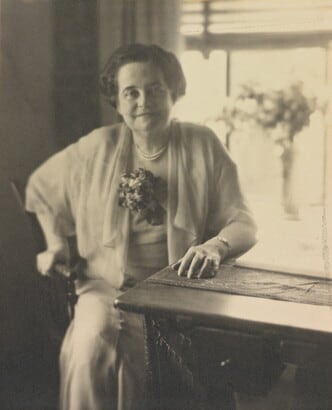
Alice A. Bailey
Совпадают в вопросах: Что такое Абсолют? Существует ли Бог? · Кто я? Существует ли истинное «я»? · Почему мы страдаем?
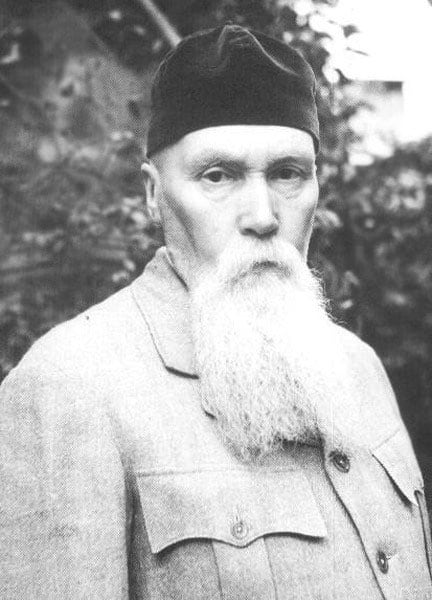
Nicholas Roerich
Совпадают в вопросах: Нужен ли учитель? · Реален ли мир? · Может ли разум познать предельное?
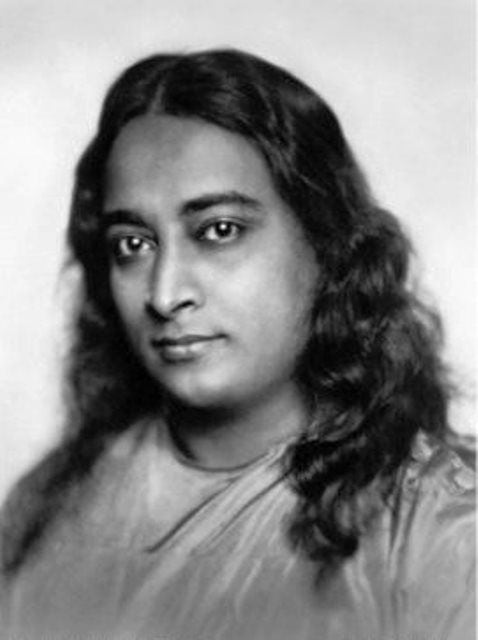
Paramahansa Yogananda
Совпадают в вопросах: Что такое Абсолют? Существует ли Бог? · Кто я? Существует ли истинное «я»? · Почему мы страдаем?
Дальше всего от
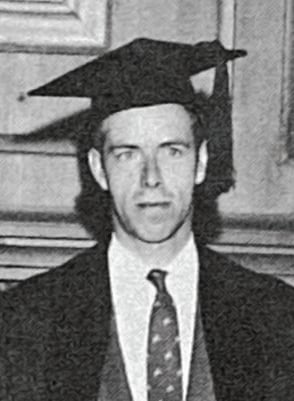
Alan Watts
Расходятся в вопросах: Как достигается освобождение или спасение? · Нужен ли учитель?
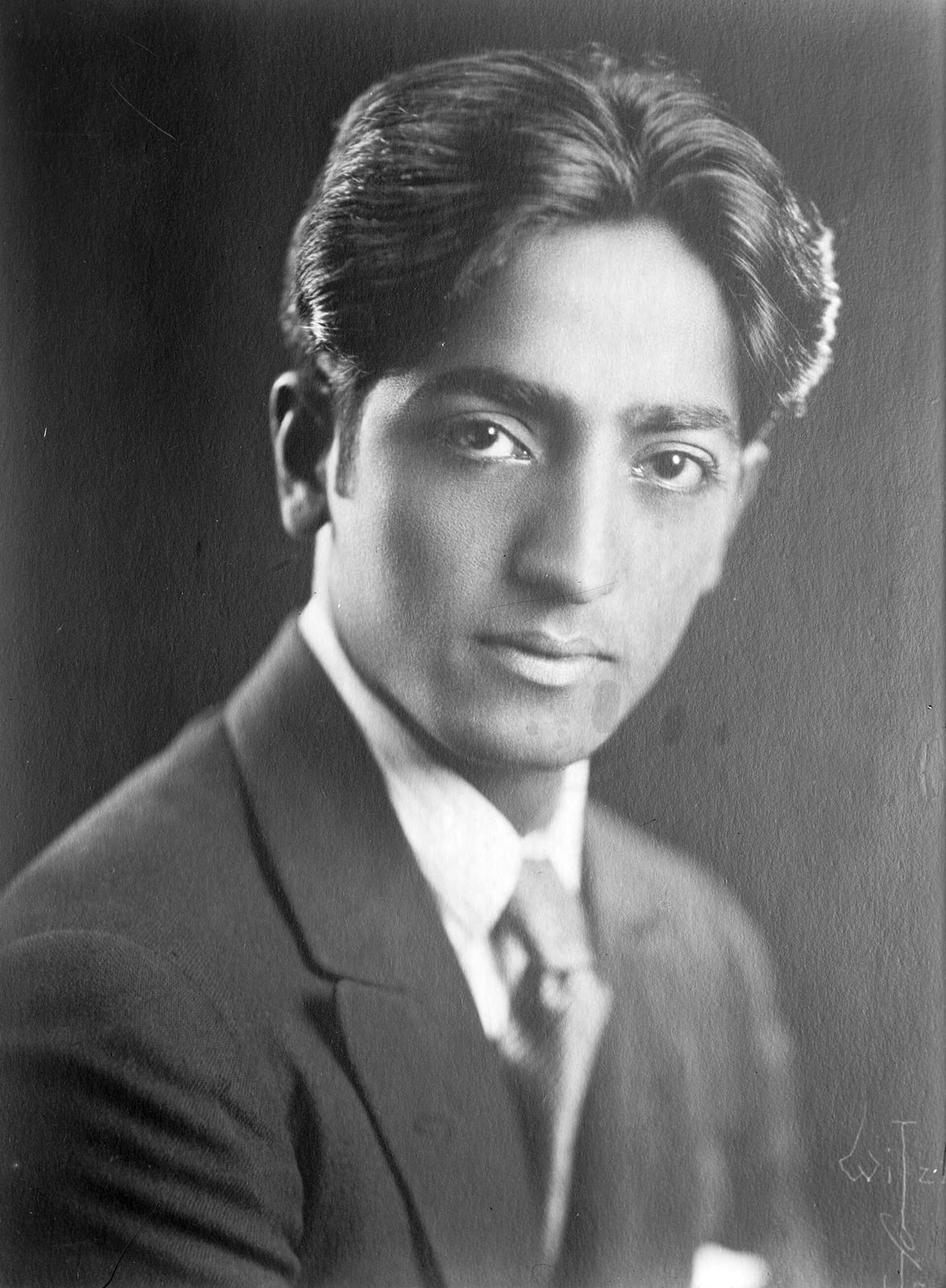
Jiddu Krishnamurti
Расходятся в вопросах: Как достигается освобождение или спасение? · Нужен ли учитель?

Rabia al-Adawiyya
Расходятся в вопросах: Что происходит после смерти?

Francis of Assisi
Расходятся в вопросах: Что происходит после смерти?
Расходятся в вопросахПринципиальное разногласие
Annie Besant · Jiddu Krishnamurti
The adoptive mother and the Teacher who refused the role: the master as path or as obstacle
Почему: The contradiction is real and also biographical. Besant, together with Charles Leadbeater, had adopted and raised Krishnamurti as the vehicle of the World Teacher: her doctrine of discipleship needed precisely a master who would embody the Hierarchy. Krishnamurti rejected from within the role that doctrine assigned him, after having lived it, and his critique of spiritual authority is largely a response to that upbringing. They speak on the same plane, the seeker's path, and exclude each other: she affirms transmission and hierarchy; he holds that transmission itself is the obstacle. Besant remained at the head of the Theosophical Society until her death in 1933.
Совпадают в вопросах
Annie Besant · Helena Blavatsky
A soul that learns from life to life: the founder and the systematiser of Theosophy
Почему: The affinity is one of direct descent. Besant, then a freethinker and activist, reviewed The Secret Doctrine in 1889, met Blavatsky that same year and became her disciple; after Blavatsky's death in 1891 she became a central figure of the movement and presided over the Theosophical Society from 1907. The theological difference is explained by trajectory and audience: Blavatsky polemicised against ecclesiastical Christianity and materialism; Besant, who came from militant atheism, later sought to build bridges with Christianity and with the devotional Hinduism of the India where she lived. She systematised what Blavatsky had left scattered.
Расходятся в вопросахПринципиальное разногласие
Annie Besant · Rumi
He died as a mineral and became a plant: the soul's ascent, not reincarnation
Почему: The contradiction is real, although it is often presented as an affinity. Besant systematises a Theosophical doctrine that takes reincarnation and karma from Hinduism and Buddhism and combines them with a modern idea of the soul's evolution. Rumi writes in the thirteenth century within Islam, which affirms a single earthly life followed by resurrection; his verses on mineral, plant and animal refer to the Neoplatonic cosmology of the grades of being and to the Sufi saying about dying before death. Reading them as reincarnation, or as an anticipation of evolutionism, projects foreign categories onto the poem. Both see death as a passage and not an end; they differ over whether the passage repeats.
Расходятся в вопросахПринципиальное разногласие
Annie Besant · Swami Vivekananda
Chicago, 1893: the wisdom of the hidden Masters versus a Vedanta to be verified
Почему: The relationship is historical: both spoke at the 1893 Parliament of Religions in Chicago, which launched Vivekananda, and they later competed to represent India's wisdom before the West. Vivekananda publicly distanced himself from the Theosophical Society and its doctrine of the Mahatmas, which he regarded as foreign to the Vedantic tradition. The tension is not only one of rivalry: Besant inherits from Blavatsky a wisdom presented as hidden and revealed to initiates; Vivekananda, from Ramakrishna and Vedanta, a public teaching anyone can test through practice. Both wanted to reconcile religion and science; they differed over the place they left for secrecy.
Предания и рассказы
Предания и рассказы
Свидетельство1872–1873
The refusal to take communion
Происхождение рассказа: Annie Besant, An Autobiography (1893), ch. V, 'The Storm of Doubt'. Autobiographical account.
Источник: Besant, Annie. Annie Besant: An Autobiography. Londres: T. Fisher Unwin, 1893.
Документировано1877
The Knowlton pamphlet trial
Происхождение рассказа: Autobiography (1893), ch. IX, 'The Knowlton Pamphlet'; proceedings published as The Queen v. Charles Bradlaugh and Annie Besant (Freethought Publishing Co., 1877), digitised at Internet Archive.
Источник: Besant, Annie. Annie Besant: An Autobiography. Londres: T. Fisher Unwin, 1893.
Документировано1888
'White Slavery in London'
Происхождение рассказа: 'White Slavery in London', The Link, 23 June 1888; Autobiography (1893), ch. XIII; modern study in Louise Raw, Striking a Light (2009), which qualifies Besant's role relative to that of the workers themselves.
Источник: Besant, Annie. «White Slavery in London». The Link: A Journal for the Servants of Man, n.º 21, 23 de junio de 1888.
Свидетельство1889
The report flung aside
Происхождение рассказа: Autobiography (1893), ch. XIV, 'Through Storm to Peace'. Besant's own account; Bradlaugh's reaction is documented in the National Reformer of June 1889.
Источник: Besant, Annie. Annie Besant: An Autobiography. Londres: T. Fisher Unwin, 1893.
Документировано1909–1911
The boy on the Adyar beach
Происхождение рассказа: Mary Lutyens, Krishnamurti: The Years of Awakening (1975), chs. 2–4, drawing on Leadbeater's and Besant's letters and on Krishnamurti's recollections; chronology also in Wessinger (1988).
Источник: Lutyens, Mary. Krishnamurti: The Years of Awakening. Londres: John Murray, 1975.
Документировано1929
Ommen, 1929: 'Truth is a pathless land'
Происхождение рассказа: Text of the speech in the International Star Bulletin (September 1929) and in Lutyens, Krishnamurti: The Years of Awakening (1975), ch. 23, which also records Besant's reaction.
Источник: Lutyens, Mary. Krishnamurti: The Years of Awakening. Londres: John Murray, 1975.
Документировано1917
Interned at Ootacamund
Происхождение рассказа: Anne Taylor, Annie Besant: A Biography (1992), chapters on 1914–1919; Nethercot, The Last Four Lives (1963); proceedings of the 1917 Congress.
Источник: Taylor, Anne. Annie Besant: A Biography. Oxford: Oxford University Press, 1992.
Учение
Учение
Понятия, на которых строится мысль учителя, объяснённые в их контексте.
Thought-formsthought-forms
Thought-Forms (1905) and Thought Power (1901). On its influence on Kandinsky and abstraction: Sixten Ringbom, 'Art in The Epoch of the Great Spiritual', Journal of the Warburg and Courtauld Institutes, 29 (1966).
Источник: Ringbom, Sixten. «Art in “The Epoch of the Great Spiritual”: Occult Elements in the Early Theory of Abstract Painting». Journal of the Warburg and Courtauld Institutes, vol. 29 (1966), pp. 386–418.
Thought powerthought-power-concept
Thought Power: Its Control and Culture (1901); A Study in Consciousness (1904) for the theoretical basis.
The Lesser Mysteries and the mystic Christlesser-mysteries
Esoteric Christianity (1901); precedent in Blavatsky's 'The Esoteric Character of the Gospels' (Lucifer, 1887–1888).
The path of discipleshippath-of-discipleship
In the Outer Court (1895), The Path of Discipleship (1896), Initiation: The Perfecting of Man (1912), Talks on the Path of Occultism (1926).
The World Teacher and the Order of the Starworld-teacher
The Changing World (1909); Wessinger, Annie Besant and Progressive Messianism (1988); Lutyens, Krishnamurti: The Years of Awakening (1975).
The bodies of manbodies-of-man
Man and His Bodies (1896), The Seven Principles of Man (1892), The Ancient Wisdom (1897).
Karma as natural lawkarma-besant
Karma (1895), A Study in Karma (1912), The Laws of the Higher Life (1903).
Home Rule: self-government as a spiritual dutyhome-rule
How India Wrought for Freedom (1915), The Case for India (1917), India: Bond or Free? (1926); Taylor (1992), chapters on India.
Источник: Taylor, Anne. Annie Besant: A Biography. Oxford: Oxford University Press, 1992.
Ретриты
Ретриты и центры
Места и встречи, связанные с этим учением. Мы свяжем вас с их организаторами.
Wheaton, Illinois · Estados Unidos
Theosophical Society in America (Olcott, Wheaton)
The Theosophical Society in America
The Theosophical Society in America is the US section of the society founded in New York in 1875 by Helena Blavatsky and Henry Olcott. Its national centre in Wheaton, near Chicago, runs a weekly lecture series, spiritual workshops, meditation retreats, yoga classes and study groups, and keeps an extensive library devoted to the traditions of East and West, with particular attention to Theosophy. It also offers online webinars, a distance school of Theosophy and Quest magazine, making it possible to study Blavatsky and Besant without travelling to its campus.
Ramas en Madrid, Barcelona y otras ciudades · España
Spanish Theosophical Society: summer school and retreats
Sociedad Teosófica Española
The Spanish Theosophical Society is the Spanish section of the Theosophical Society headquartered at Adyar. Through its branches in Madrid, Barcelona and other cities it organises lectures, study groups and an annual summer school, as well as silent retreats reserved for members and joint gatherings with the Portuguese section. It marks the movement's own dates, such as White Lotus Day in memory of Helena Blavatsky, and keeps an online programme of talks and video meetings. It is the most accessible route in Spanish for studying the work of Blavatsky and Annie Besant in a group.
Adyar, Chennai, Tamil Nadu · India
School of the Wisdom, Adyar
The Theosophical Society (Adyar)
The School of the Wisdom is the intensive study programme the Theosophical Society runs at its international headquarters in Adyar. Its multi-day sessions are devoted to particular themes in Theosophy and its founding texts, those of Helena Blavatsky and Annie Besant among them, as well as to dialogue between religious and philosophical traditions. Classes are concentrated in the morning, leaving time for personal study in the library and gardens of the campus. It draws members and scholars from many countries who wish to go deeper into the movement's sources in the very place where its leading figures lived and worked.
Adyar, Chennai, Tamil Nadu · India
International headquarters of the Theosophical Society, Adyar
The Theosophical Society (Adyar)
The Adyar campus, on the river of the same name in Chennai, has been the international headquarters of the Theosophical Society since 1882, a few years after Helena Blavatsky and Henry Olcott founded it in New York in 1875. Annie Besant presided over it for more than a quarter of a century and died there in 1933. The grounds hold the headquarters building, the Adyar Library and Research Centre, the archives, gardens with shrines of different religions and a famous banyan tree. It hosts the International Convention around each new year and offers accommodation for visitors and members.
Видео
Видео
Записи, интервью и документальные фильмы. Видео воспроизводятся с YouTube; здесь они не хранятся.
J. Krishnamurti with Dr. Annie Besant in 1926 (metraje de archivo)
Оригинальная запись· EN· 1926· 2 min
Theosophy Delhi
Rare Footage — C. W. Leadbeater, Dr Annie Besant and J. Krishnamurti
Оригинальная запись· EN· 18 min
Theosophy Delhi
Timewatch: A Woman's Story — Annie Besant (BBC, 1988)
Документальный фильм· EN· 1988· 50 min
Richard Eyre (copia; producción BBC)
Annie Besant: An Unlikely Rebel — Historical Documentary
Документальный фильм· EN· 27 min
LucasfilmОфициальный канал
The Annie Besant Story (Theosophy UK)
Документальный фильм· EN· 27 min
Theosophical Society in England & WalesОфициальный канал
Annie Besant — documental biográfico (audio inglés, subtítulos en español)
Документальный фильм· ES· 27 min
Sociedad Teosófica, Rama CórdobaОфициальный канал
Annie Besant — documental biográfico en español (parte 1 de 3)
Документальный фильм· ES· 10 min
Alejandro Daniele
La historia de Annie Besant
Документальный фильм· EN· 27 min
America Teosofica - FTI OficialОфициальный канал
Annie Besant, Theosophy and Academic Bias — Kurt Leland
Лекция· EN· 44 min
Theosophical Society in England & WalesОфициальный канал
Annie Besant and the Laws of Higher Life: Tools for Leading a Life of Service
Лекция· EN· 72 min
Theosophical Society (in America)Официальный канал
Thought-Forms: A Key to Theosophy? — Kurt Leland
Лекция· EN· 43 min
Theosophical Society (in America)Официальный канал
The Annie Besant Birthday Celebration, 1 October 2022 at Adyar
Лекция· EN· 2022· 64 min
Theosophical Society AdyarОфициальный канал
C. W. Leadbeater, Annie Besant, Krishnamurti (Theosophy UK)
Разбор· EN· 5 min
Theosophical Society in England & WalesОфициальный канал
The Matchgirls Strike of 1888 recounted by Annie Besant
Запись третьих лиц· EN· 4 min
History Hub
Pahal (पहल): EP #06 — Annie Besant
Документальный фильм· HI· 25 min
Doordarshan NationalОфициальный канал
Sea of Faith — Don Cupitt on Annie Besant (BBC, 1984)
Разбор· EN· 1984· 11 min
Nigel Verney (copia; producción BBC)
Галерея
Галерея
Изображения с проверенной лицензией. Каждое сохраняет своё авторство и атрибуцию.
Связи
Связи
Влияния, ученичество и близость взглядов. Документированная связь отличается от сходства, выявленного путём анализа.
Ученик
She joined the Theosophical Society in May 1889, was made co-head of the Esoteric Section and housed Blavatsky at Avenue Road until her death in 1891.
Документированная связь
Учитель
Legal guardian of Krishnamurti from 1910 (confirmed by the Privy Council in 1914) and head of the Order of the Star in the East that presented him as the vehicle of the World Teacher; she accepted its dissolution in 1929.
Документированная связь
Расходился во взглядах с
Steiner, general secretary of the German section, rejected the Order of the Star; Besant cancelled the section's charter in 1913 and Steiner founded the Anthroposophical Society.
Документированная связь
Расходился во взглядах с
Bailey left the Theosophical Society in 1920 after clashing with Besant's leadership and the Esoteric School; she tells of it in The Unfinished Autobiography (1951).
Документированная связь
Встречался с
Both took part in the World's Parliament of Religions in Chicago in September 1893, where Besant represented Theosophy; Besant left an admiring recollection of Vivekananda's oratory, preserved in Ramakrishna Mission literature.
Документированная связь
Современник
They coincided in the Indian nationalism of 1905–1917 from different positions (Aurobindo, extremist; Besant, moderate) and shared the idea of a spiritual mission for India.
Сходство, выявленное путём анализа
Идеи, близкие к
The presentation of yoga as a 'science' of consciousness and its popularisation in the West are common to An Introduction to Yoga (1908) and to Yogananda's later work.
Сходство, выявленное путём анализа
Источники
Источники
Библиография и каталоги, использованные для этой статьи.
- Besant, Annie. Annie Besant: An Autobiography. Londres: T. Fisher Unwin, 1893.
- Taylor, Anne. Annie Besant: A Biography. Oxford: Oxford University Press, 1992.
- Nethercot, Arthur H. The First Five Lives of Annie Besant. Chicago: University of Chicago Press, 1960.
- Nethercot, Arthur H. The Last Four Lives of Annie Besant. Chicago: University of Chicago Press, 1963.
- Lutyens, Mary. Krishnamurti: The Years of Awakening. Londres: John Murray, 1975.
- Wessinger, Catherine Lowman. Annie Besant and Progressive Messianism (1847–1933). Lewiston: Edwin Mellen Press, 1988.
- Besant, Annie. Autobiographical Sketches. Londres: Freethought Publishing Company, 1885.
- Wikidata, entidad Q464318 («Annie Besant»): fechas, lugares, identificadores (VIAF 68925562, Open Library OL16933A, Project Gutenberg 1425).
- Project Gutenberg, obras de Annie Besant (autora 1425): An Autobiography (#12085), Thought-Forms (#16269), Esoteric Christianity (#26938), An Introduction to Yoga (#4278), Death—and After? (#18266), My Path to Atheism (#37234), London Lectures of 1907 (#20800), The Case for India (#12820), entre otras.
- Open Library, autora Annie Wood Besant (OL16933A): registros de obras y ediciones con ISBN consultados el 2026-10-22; primeras ediciones digitalizadas en Internet Archive.
- Besant, Annie. «White Slavery in London». The Link: A Journal for the Servants of Man, n.º 21, 23 de junio de 1888.
- Taylor, Anne. «Besant [née Wood], Annie (1847–1933)». Oxford Dictionary of National Biography. Oxford University Press, 2004.
- Besterman, Theodore. Mrs Annie Besant: A Modern Prophet. Londres: Kegan Paul, 1934.
- Krishnamurti, Jiddu. «The Dissolution of the Order of the Star» (Ommen, 3 de agosto de 1929). International Star Bulletin, septiembre de 1929; reproducido en Lutyens (1975).
- Besant v. Narayaniah, sentencia del Comité Judicial del Consejo Privado, 1914 (recurso contra la sentencia del Tribunal Superior de Madrás de 1913), (1914) L.R. 41 I.A. 314.
- Raw, Louise. Striking a Light: The Bryant and May Matchwomen and Their Place in History. Londres: Continuum, 2009.
- Ringbom, Sixten. «Art in “The Epoch of the Great Spiritual”: Occult Elements in the Early Theory of Abstract Painting». Journal of the Warburg and Courtauld Institutes, vol. 29 (1966), pp. 386–418.
- Internet Archive, búsqueda por creador «Besant, Annie» (1873–1935): primeras ediciones digitalizadas de la Freethought Publishing Company y la Theosophical Publishing Society.
- Open Library: búsqueda por autor y fichas de edición por ISBN (comprobado el 2026-10-25).
- India Posts and Telegraphs. Sello conmemorativo «Annie Besant 1847–1933», 1963 (Colnect 142037); reproducción en Wikimedia Commons.
- Правообладатель
- Dominio público (fallecida en 1933; obras publicadas antes de 1929 en dominio público en EE. UU.). Las obras en colaboración con C. W. Leadbeater (m. 1934) también son de dominio público. Los derechos de las ediciones modernas pertenecen a la Theosophical Publishing House (Adyar/Wheaton).
- Официальный сайт
- www.ts-adyar.org/
Ожидает подтверждения
То, что в этой статье пока не удалось установить. Мы предпочитаем сказать об этом, а не заполнять пробел.
- ISBN de catálogo para la edición francesa de Le Christianisme ésotérique (Éditions Adyar): no localizado en Open Library.
- Fecha de la edición rusa de Законы высшей жизни (АСТ, ISBN 9785170372928): el registro de Open Library no la indica.
- Ediciones italianas de editoriales establecidas (Società Teosofica Italiana): Open Library solo recoge autoediciones; no se han incluido.
- Confirmar en el International Star Bulletin (septiembre de 1929) las palabras exactas con que Besant reaccionó a la disolución de la Orden; la ficha sigue a Lutyens.
- Localizar la fuente original de las dos citas marcadas como apócrifas (The Gospel of Atheism, 1877, no consultado).
- Las obras «India: Bond or Free?» (1926) y «Talks on the Path of Occultism» (1926) pueden conservar derechos en jurisdicciones de 95 años desde publicación; marcadas como public_domain «unknown».
- Obras completas (2026-10-25): Open Library registra 1.578 entradas para Annie Besant (OL16933A), en su mayoría folletos, conferencias sueltas y reimpresiones de Kessinger o Creative Media Partners. Se han registrado sus libros y ciclos de conferencias principales. Quedan fuera, por ser folletos o conferencias sueltas, más de doscientos títulos de su etapa librepensadora (The Gospel of Atheism, Is Socialism Sound?, Modern Socialism, The Political Status of Women, On the Nature and Existence of God…) y de su etapa teosófica (Occultism, Semi-Occultism and Pseudo-Occultism, The Use of Evil, Esoteric Christianity and Prayer…). Catálogo completo: Open Library OL16933A e Internet Archive (fuente s18).
- Libros pendientes de verificar edición o autoría antes de registrarlos: In Defence of Hinduism (Open Library data la edición en «c1867», fecha errónea; primera edición sin fijar), Seven Great Religions (recopilación póstuma de Adyar), Esoteric Vegetarianism (recopilación moderna), el resto de Essays and Addresses (vols. III–IV), y los manuales colectivos del Central Hindu College (Sanatana Dharma, 1903; The Universal Text Book of Religion and Morals, 1910–1911), cuya autoría es de su junta de redacción. (Hindu Ideals, Legends and Tales, Talks with a Class y Evolution and Man's Destiny se registraron el 2026-10-25.)
- Confirmar la primera edición de The Riddle of Life (Open Library registra una de 1897 sin editorial y la de 1913), de The Doctrine of the Heart (anterior a 1914) y de The Religious Problem in India (conferencias de 1901; edición vista, 1909).
- Sala de lectura (2026-10-25): 19 textos proceden de anandgholap.net (transcripciones en página única, sin índice de capítulos y con encabezados irregulares; The Ancient Wisdom conserva marcas «(Page N)»). Sustituirlas por Wikisource o Gutenberg cuando existan; alternativa para The Ancient Wisdom: archive.org/details/ancientwisdomout00besa (OCR limpio en el cuerpo, con cabeceras de página dañadas).
- Sala de lectura: no se ha localizado en línea ninguna traducción española de Besant con traductor identificado y fallecido hace más de 80 años (las copias españolas de archive.org —Evolución de la vida y la forma, El uso del mal, Avataras— no acreditan traductor ni edición).
Исследовано 2026-10-22