Индуизм · Йога · Тантра · Адвайта-веданта
Sri Aurobindo
শ্রীঅরবিন্দ · অরবিন্দ ঘোষ · श्री अरविन्द
1872 – 1950Исторически документированная личность
Бенгальский философ, поэт и йог, получивший образование в Англии, который от руководства радикальным индийским национализмом перешёл к уединённой жизни в Пондичерри. В журнале «Арья» (1914–1921) и в огромной переписке он сформулировал интегральную йогу: эволюцию сознания от материи к уму и от ума к Супраментальному и преображение жизни вместо бегства от мира. Главные его труды — «Жизнь Божественная», «Синтез йоги», «Очерки о Гите» и эпическая поэма «Савитри».
- трудов
- 65трудов
- изданий
- 126изданий
- цитат
- 8цитат
- видео
- 15видео
- изображений
- 7изображений
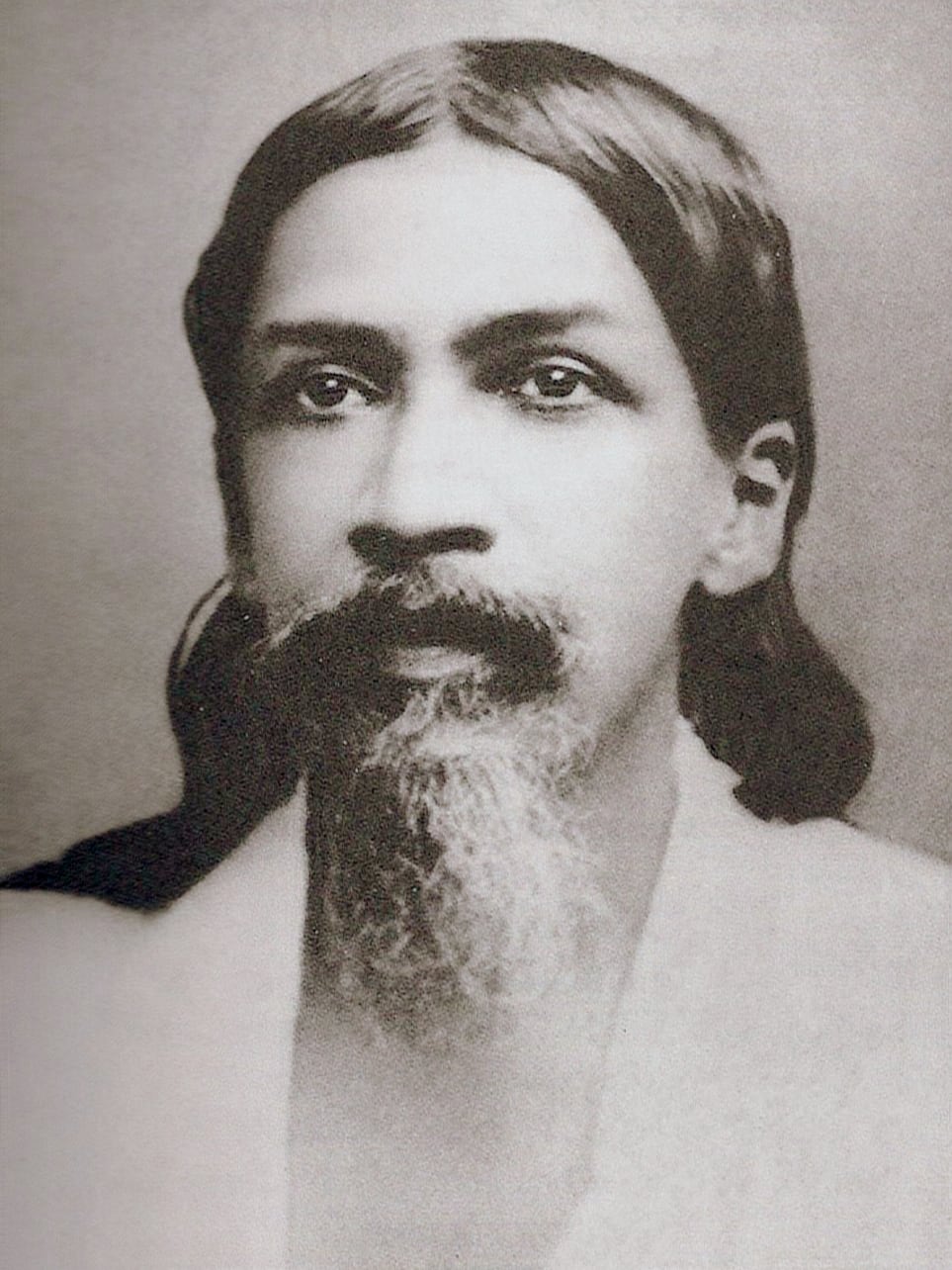
Sri Aurobindo hacia 1900 · Public domain
Своими словами
«The earliest preoccupation of man in his awakened thoughts and, as it seems, his inevitable and ultimate preoccupation,—for it survives the longest periods of scepticism and returns after every banishment,—is also the highest which his thought can envisage.»The Life Divine, libro I, cap. I («The Human Aspiration»); primera frase del libro (texto revisado de 1939, ed. de Nueva York 1951)

Для начала — одна книга
The Life DivineГлавная мысль
The Supermind (supramental): The Supermind is the central notion of his thought: a truth-consciousness (rita-chit) intermediate between the absolute Sachchidananda and mind, in which knowledge does not split into subject and object nor proceed by reasoning, but sees unity in diversity directly.
В контексте
Биография
4 мин чтения
Перевод с испанского оригинала, выполненный с помощью ИИ; ожидает проверки носителем языка.
Мальчик, которого растили англичанином
Ауробиндо Гхош родился в Калькутте 15 августа 1872 года, третьим сыном Кришны Дхана Гхоша, врача с эдинбургским образованием, англофила и неверующего, и Сварналаты Деви, дочери реформатора из Брахмо Самаджа Раджнараяна Боса. Отец хотел сделать из сыновей английских джентльменов: после школы ирландских монахинь в Дарджилинге он в 1879 году увёз их в Англию и оставил на попечении священника-конгрегационалиста в Манчестере, распорядившись, чтобы они не общались с индийцами. Затем Ауробиндо учился в лондонской школе Святого Павла и, получив стипендию, в Королевском колледже Кембриджа, где блистал в классических языках. Он выдержал экзамен на Индийскую гражданскую службу, но в 1892 году не явился на испытание по верховой езде и был отчислен; позднее он объяснял, что не хотел служить британскому правительству. В феврале 1893 года он вернулся в Индию; его отец умер незадолго до того, получив ложное известие, будто корабль сына затонул.
Барода: чиновник и заговорщик
Тринадцать лет он служил махарадже Бароды чиновником, секретарём и преподавателем — дослужился до заместителя директора Бародского колледжа, — изучая тем временем бенгальский и санскрит и читая Упанишады, Гиту и Калидасу. В 1893–1894 годах он опубликовал в бомбейской газете «Инду Пракаш» анонимную серию статей «Новые светильники вместо старых», где обвинял Индийский национальный конгресс в раболепии. Втайне он вместе с братом Бариндрой создавал революционные группы в Бенгалии. В 1901 году он женился на четырнадцатилетней Мриналини Бос и в 1905 году написал ей знаменитое письмо о трёх своих «безумствах»: отдавать стране всё, что заработает, увидеть Бога лицом к лицу и относиться к Индии как к матери. Около 1904 года он начал практиковать управление дыханием, а в начале 1908 года в Бароде три дня следовал указаниям маратхского йога Вишну Бхаскара Леле и пережил то, что описал как полное безмолвие ума.
«Банде Матарам»
Раздел Бенгалии в 1905 году привёл его в Калькутту. Он стал первым директором Бенгальского национального колледжа, а с 1906 года — главным пером газеты «Банде Матарам», где одним из первых открыто потребовал полной независимости и отстаивал пассивное сопротивление — бойкот, национальное образование, самоуправление, — не исключавшее силы. На съезде в Сурате в декабре 1907 года он вместе с Бал Гангадхаром Тилаком возглавил так называемое крыло экстремистов. 2 мая 1908 года, после покушения в Музаффарпуре, его арестовали как предполагаемого вдохновителя заговора Маниктала — Алипурского дела о бомбах, — и год он провёл в предварительном заключении, во многом в одиночной камере. Там, как он рассказал в Уттарпарской речи, он читал Гиту и видел Васудеву, Кришну, в стенах, в деревьях, в узниках и в надзирателях. Защищаемый Читтаранджаном Дасом, он был оправдан 6 мая 1909 года.
Пондичерри и журнал «Арья»
Выйдя на свободу, он издавал два еженедельника, «Кармайогин» на английском и «Дхарма» на бенгальском, но полиция готовила новый процесс. В феврале 1910 года, повинуясь, по его словам, внутреннему приказу, он укрылся в Чандернагоре, а 4 апреля прибыл во французский Пондичерри. В активную политику он больше не вернулся. В марте 1914 года он познакомился с Миррой Альфассой, француженкой, сведущей в оккультизме, и вместе с её мужем Полем Ришаром основал ежемесячный журнал «Арья», который с августа 1914 по январь 1921 года публиковал выпусками почти всю его крупную прозу: «Жизнь Божественную», «Синтез йоги», «Очерки о Гите», «Тайну Веды», «Человеческий цикл», «Идеал человеческого единства», «Поэзию будущего». Одновременно он вёл дневник своей практики, «Записи йоги» (Record of Yoga), где виден скрупулёзный метод и опыт, проверить который мог только он сам.
Ашрам и безмолвие
Мирра Альфасса вернулась в 1920 году, чтобы остаться. 24 ноября 1926 года — дату, которую его последователи считают решающей, — Ауробиндо удалился в свои комнаты и поручил ей, которую отныне называл Матерью, руководство общиной, ставшей Ашрамом Шри Ауробиндо. Двадцать четыре года он показывался лишь несколько раз в год. Зато отвечал письменно, часто ночью и на полях тетрадей учеников: тысячи писем, составляющих сегодня четыре тома «Писем о йоге». Он переработал «Жизнь Божественную» для книжного издания (1939–1940), писал и переписывал «Савитри» — эпос белым стихом примерно в двадцать четыре тысячи строк, переосмысляющий эпизод «Махабхараты», — и пристально следил за ходом мировых событий: поддержал союзников против Гитлера и предложение Криппса 1942 года, а 15 августа 1947 года, в день независимости и своего семидесятипятилетия, обнародовал послание, в котором сожалел о разделе страны.
Эволюция духа
Его мысль — сознательный синтез. Она отвергает одновременно материализм, отрицающий дух, и аскетическое отречение, считающее мир иллюзией: дух инволюционировал в материю, и эволюция развёртывает его от жизни к уму и от ума к высшему сознанию — Супраментальному. Интегральная йога стремится не бежать от мира, а преобразить его, включая тело. Этот горизонт — новое сознание на земле — объясняет масштаб его труда, а заодно и его слабое место в глазах историка: многие его утверждения опираются на опыт, который невозможно проверить извне.
Смерть и память
Он умер в Пондичерри в час двадцать шесть минут ночи 5 декабря 1950 года от уремии, перед тем сказав ухаживавшим за ним, что не применяет против болезни ту духовную силу, которую ему приписывали. По сведениям ашрама, тело более ста часов не обнаруживало признаков разложения; 9 декабря его погребли во дворе главного здания. Мать продолжила его дело и в 1968 году основала город Ауровиль. Издание его полного собрания сочинений в тридцати семи томах и критическая биография Питера Хиза «The Lives of Sri Aurobindo» (2008), встреченная частью последователей с негодованием, обозначают сегодня два полюса его восприятия: полный текст и историческое исследование — в противовес агиографии, представляющей его аватарой.
Источники: Sri Aurobindo. Complete Works of Sri Aurobindo (CWSA). 37 vols. Pondicherry: Sri Aurobindo Ashram Publication Department, 1997–2025. Sustituye a la Sri Aurobindo Birth Centenary Library (SABCL, 30 vols., 1972). · Heehs, Peter. The Lives of Sri Aurobindo. Nueva York: Columbia University Press, 2008. · Sri Aurobindo. Autobiographical Notes and Other Writings of Historical Interest. CWSA 36. Pondicherry: Sri Aurobindo Ashram, 2006. · Purani, A. B. The Life of Sri Aurobindo. Pondicherry: Sri Aurobindo Ashram, 1958 (4.ª ed., 1978). · Nirodbaran. Twelve Years with Sri Aurobindo. Pondicherry: Sri Aurobindo Ashram, 1972.
Хронология
Жизнь год за годом
Каждая точка — документированное событие. Нажмите, чтобы прочитать о нём, с источником и степенью достоверности.
15 августа 1872 г.0 летCalcuta
Birth
Aurobindo Ghose is born, third son of the physician Krishna Dhun Ghose and Swarnalata Devi.
ДокументированоWikidata, «Aurobindo Ghosh» (Q192207): fechas y lugares, 99 enlaces entre wikis.
После смерти
- 28 февраля 1968 г.Founding of Auroville
- 1997Complete Works of Sri Aurobindo
- 2008The Lives of Sri Aurobindo
15 августа 1872 г. · 0 лет
Birth
Aurobindo Ghose is born, third son of the physician Krishna Dhun Ghose and Swarnalata Devi.
Документировано
1879 · 7 лет
To England
His father takes him and his brothers to England; he lives with the Rev. W. H. Drewett in Manchester.
Документировано
1890 · 18 лет
King’s College and the ICS examination
He enters King’s College on a scholarship and passes the written Indian Civil Service examination.
Документировано
1892 · 20 лет
Disqualified from the civil service
He fails to appear for the riding test and is disqualified from the ICS.
Документировано
февраль 1893 г. · 20 лет
Return to India
He lands at Bombay and enters the service of Baroda State. In August he begins “New Lamps for Old” in the Indu Prakash.
Документировано
апрель 1901 г. · 28 лет
Marriage to Mrinalini Bose
He marries Mrinalini, daughter of Bhupal Chandra Bose; she will die in December 1918.
Документировано
1906 · 34 года
Bande Mataram and the National College
He settles in Calcutta, heads the Bengal National College and writes for the daily Bande Mataram.
Документировано
декабрь 1907 г. · 35 лет
The Surat split
At the Surat Congress he leads the radical nationalist wing with Tilak; the Congress splits.
Документировано
январь 1908 г. · 35 лет
Silence of mind with Lele
With the yogi Vishnu Bhaskar Lele he experiences the silent Brahman within three days.
Документировано
2 мая 1908 г. · 35 лет
Arrest: the Alipore Bomb Case
Arrested after the Muzaffarpur bombing; he spends a year in Alipore jail.
Документировано
30 мая 1909 г. · 36 лет
Acquittal and the Uttarpara speech
Acquitted on 6 May, on 30 May at Uttarpara he recounts his experiences in prison.
Документировано
4 апреля 1910 г. · 37 лет
Arrival in Pondicherry
After hiding in Chandernagore, he settles in French India and leaves politics.
Документировано
29 марта 1914 г. · 41 год
Meeting Mirra Alfassa
He meets Mirra and Paul Richard; on 15 August the first issue of Arya appears.
Документировано
январь 1921 г. · 48 лет
End of the Arya
The review ceases publication after six and a half years of monthly instalments.
Документировано
24 ноября 1926 г. · 54 года
The “day of siddhi” and the withdrawal
He withdraws to his rooms; the Mother takes charge of the Sri Aurobindo Ashram.
Документировано
1939 · 67 лет
The Life Divine in book form
The revised Life Divine appears (1939–1940), published by Arya Publishing House.
Документировано
15 августа 1947 г. · 75 лет
Message of 15 August
On Indian Independence Day and his birthday he issues a message on India’s future, lamenting partition.
Документировано
1950 · 78 лет
Publication of Savitri
The first part of Savitri is published (the other two in 1951).
Документировано
5 декабря 1950 г. · 78 лет
Death
He dies at 1.26 a.m.; he is buried on 9 December in the ashram courtyard.
Документировано
28 февраля 1968 г.
Founding of Auroville
The Mother founds the experimental city inspired by his vision of human unity.
Документировано
1997
Complete Works of Sri Aurobindo
The 37-volume edition begins, completed in 2025.
Документировано
2008
The Lives of Sri Aurobindo
Peter Heehs publishes his critical biography, sparking a long controversy with parts of the ashram.
Документировано
Труды
Главные труды
Труды, без которых не понять это наследие.
Письменный труд · 1939
The Life Divine
His great metaphysical treatise. It starts from the human aspiration towards God, light, freedom and immortality, and reads it as the sign of an unfinished evolution: the Spirit (Sachchidananda) has involved itself in matter and emerges in it as life, mind and, in the future, supermind. It argues against materialism and against the illusionism of the Vedantins, analyses the Ignorance as partial knowledge rather than error, and culminates in the description of the “gnostic being” and of a divine life on earth. It is the philosophical basis of his whole yoga.
10 изданий

Письменный труд · 1948
The Synthesis of Yoga
The manual of his integral yoga. After an introduction on the conditions of the synthesis—where he cites Ramakrishna’s life as an example of passing through every path—, it studies in turn the yoga of divine works, of integral knowledge, of divine love and of self-perfection, which was to culminate in supramental transformation. It takes up the Gita, Tantra and Vedanta and reorders them around surrender to the divine Shakti. It is his most technical work and the most read by practitioners.
8 изданий

Письменный труд · 1922
Essays on the Gita
A reading of the Bhagavad Gita as a guide to active spirituality rather than a text of renunciation. Aurobindo seeks its “living message”: the union of knowledge, works and devotion, the sacrifice of action to the Lord, the doctrine of the avatar and, in the Second Series, that of the Purushottama, the supreme Being embracing personal and impersonal. Written in implicit dialogue with Tilak, Gandhi and Shankara, it is one of the most influential modern interpretations of the Gita.
5 изданий

Письменный труд · 1950
Savitri: A Legend and a Symbol
A blank-verse epic of some twenty-four thousand lines in twelve books that turns into symbol the Mahabharata episode in which Savitri overcomes Death to win back her husband Satyavan. King Aswapati journeys through the worlds of consciousness; Savitri, incarnation of the divine Mother, confronts Death in a metaphysical dialogue and obtains not only Satyavan’s life but the promise of a divine life on earth. Aurobindo regarded it as his main work and wrote it as mantric poetry.
6 изданий
Все труды (65)

The Secret of the Veda
1956

Hymns to the Mystic Fire
1946

Isha Upanishad
1914

Kena and Other Upanishads
1915

The Human Cycle
1949
Sri Aurobindo
The Ideal of Human Unity
The Conscious LibraryThe Ideal of Human Unity
1919

War and Self-Determination
1920

The Future Poetry
1953
Sri Aurobindo
The Renaissance in India
The Conscious LibraryThe Renaissance in India
1920
Sri Aurobindo
A Defence of Indian Culture (The Foundations of Indian Culture)
The Conscious LibraryA Defence of Indian Culture (The Foundations of Indian Culture)
1953

The Problem of Rebirth
1952
Sri Aurobindo
Heraclitus
The Conscious LibraryHeraclitus
1941

The Mother
1928
Sri Aurobindo
Lights on Yoga
The Conscious LibraryLights on Yoga
1935

Bases of Yoga
1936
Sri Aurobindo
More Lights on Yoga
The Conscious LibraryMore Lights on Yoga
1948
Sri Aurobindo
The Riddle of This World
The Conscious LibraryThe Riddle of This World
1933

Letters on Yoga
1958

Letters on Himself and the Ashram
2011

Letters on Poetry and Art
2004

Thoughts and Glimpses
1920

Thoughts and Aphorisms
1958

Essays Divine and Human
1994
Sri Aurobindo
Essays in Philosophy and Yoga
The Conscious LibraryEssays in Philosophy and Yoga
1998
Изречения
Изречения, найденные в конкретном труде. Каждое сопровождается указанием происхождения и степени надёжности.
The earliest preoccupation of man in his awakened thoughts and, as it seems, his inevitable and ultimate preoccupation,—for it survives the longest periods of scepticism and returns after every banishment,—is also the highest which his thought can envisage.ПровереноThe Life Divine, libro I, cap. I («The Human Aspiration»); primera frase del libro (texto revisado de 1939, ed. de Nueva York 1951)
Последние слова
Позднейший рассказ свидетелей
«“No.” … “Can’t explain; you won’t understand.”»No. … Can’t explain; you won’t understand.
No farewell sentence survives. The last words recorded by his attendants are from the day before, 4 December 1950: asked by Nirodbaran whether he was using his spiritual force to rid himself of the illness, he said no, and when pressed added that he could not explain and that they would not understand. Versions differ in the wording of the question (Nirodbaran, Twelve Years with Sri Aurobindo; Amal Kiran recalls “Aren’t you using your Yogic force on yourself?”). He died at 1.26 a.m. on 5 December. The Mother later stated that he had told her he was leaving the body on purpose; this is second-hand testimony.
Источник: Nirodbaran. Twelve Years with Sri Aurobindo. Pondicherry: Sri Aurobindo Ashram, 1972.
Спросить
На что отвечают эти труды
Двенадцать великих вопросов человечества и то, что позволяют на них ответить эти тексты, со ссылками. Мы никогда не вкладываем слова в чужие уста.
Что такое Абсолют? Существует ли Бог?
Sachchidananda is at once impersonal Being and divine Person
И личный, и безличныйСказано прямо
In The Life Divine Sri Aurobindo builds a metaphysics in which the Absolute is Sachchidananda, existence, consciousness-force and bliss, not merely a featureless silence. He rejects both the materialist denial and the ascetic refusal that declares illusory everything except the motionless Brahman. The Supreme is at once impersonal and personal: a limitless being and a conscious Ishvara who, through his Shakti, involves himself in matter and re-emerges through evolution. In his writings on the Mother he presents that Shakti as the consciousness and force of the Supreme, at once transcendent, universal and individual. For Aurobindo the personal God is no concession to human weakness, nor is the impersonal Absolute the last word: both are truths of a reality that exceeds and integrates them.
Сравнить этот вопрос с другими учителямиКто я? Существует ли истинное «я»?
The psychic being, a divine spark that grows from life to life
Эволюционирующая душаСказано прямо
Sri Aurobindo distinguishes several levels in the person. The ego is a provisional formation of nature, useful while ignorance lasts. Behind body, life and mind stands the psychic being, a spark of the Divine in the heart that grows and takes shape over many lives, assimilating the essence of each experience. Above it is the Jivatman, the central being, eternal and one with the Divine, which does not evolve but presides. In The Life Divine and in his Letters on Yoga he explains that the task of sadhana is to discover the psychic being, bring it forward and let it transform mind, life and body. The true self does not merely contemplate its origin: it takes part in the evolution of consciousness on earth.
Сравнить этот вопрос с другими учителямиПочему мы страдаем?
Pain arises from separative consciousness, a stage in an evolution
Незнание того, кто мы естьСказано прямо
In The Life Divine Sri Aurobindo devotes several chapters to the origin of falsehood, evil and suffering. His answer is that pain does not belong to the ultimate nature of things, which is bliss (ananda), but to the Ignorance: the consciousness that, emerging from inconscient matter, perceives itself as a separate ego and experiences the world as foreign and threatening. Suffering is the reaction of a limited being not yet able to receive with equanimity the touch of universal life. It is neither a punishment nor a mistake of the Creator but a condition of evolution, meant to disappear when consciousness opens to its source and is transformed. Hence he rejects both resignation and flight from the world.
Сравнить этот вопрос с другими учителямиЧто происходит после смерти?
The psychic being is reborn to grow, not merely to pay debts
Перерождение согласно кармеСказано прямо
In The Problem of Rebirth Sri Aurobindo accepts reincarnation but reinterprets it. He does not understand it as a punishment or a mechanical chain of moral causes, but as the means by which the psychic being grows and consciousness evolves on earth. After death the outer parts of the personality dissolve; the psychic being withdraws to its own world, assimilates the experience of the life and is born again when its development requires. Unlike the schools that seek to escape the cycle, Aurobindo does not see liberation as the end of rebirth: the goal is a divine life on earth, which even envisages the transformation of the body and the overcoming of physical death.
Сравнить этот вопрос с другими учителямиКак достигается освобождение или спасение?
Aspiration from below, grace from above: surrender to the Mother
Через благодать и любовьСказано прямо
Sri Aurobindo proposes an integral yoga that seeks not merely individual liberation but the transformation of the whole nature. In The Synthesis of Yoga he integrates knowledge, works and devotion, and in The Mother he sums up practice in three movements: aspiration, rejection of what opposes the light, and surrender. But he insists that personal effort is not enough: only two powers can accomplish the work, a constant aspiration calling from below and a supreme grace answering from above. That grace acts through the divine Shakti, the Mother, to whom the disciple must open ever more. Liberation is the first step; the goal is to let the Divine do the yoga in oneself.
Сравнить этот вопрос с другими учителямиНужен ли учитель?
The true guru is the Divine in the heart; the human guru helps
Учитель внутриСказано прямо
In the introduction to The Synthesis of Yoga Sri Aurobindo lists four aids to yoga: knowledge of the scriptures, persistent enthusiasm, the teacher and time. Of the teacher he says that the true guru is the Lord dwelling in the heart, the world-teacher, who guides the seeker even when the seeker does not know it. The human teacher is valuable when acting as a channel for that presence and teaching by example and influence more than by precept; he should not impose himself or create dependence. In practice, however, Aurobindo and the Mother acted as guides of the Pondicherry ashram, and in his letters he insists that the disciple must open to the Mother’s force.
Сравнить этот вопрос с другими учителямиРеален ли мир?
The world is real: Spirit involved in matter, now evolving
Проявление божественногоСказано прямо
Sri Aurobindo expressly rejects the idea that the world is an illusion. In the first chapters of The Life Divine he examines two negations: the materialist’s, which denies Spirit, and the ascetic’s, which denies the world; he considers both partial truths. The universe is a real manifestation of Sachchidananda, which has involved itself in inconscient matter and emerges again, through evolution, as life, mind and, in the future, supermind. That evolution also passes through planes of consciousness, from matter up to spiritual levels. The world is not a mistake to escape from but the stage on which the Divine discovers itself and is called to be transformed.
Сравнить этот вопрос с другими учителямиЧто такое любовь?
Divine love descends and transforms; Savitri sets it against death
Тоска и соединениеСказано прямо
The third part of The Synthesis of Yoga is devoted to the yoga of divine love: Sri Aurobindo presents it as one of the great paths to the Supreme, in which the soul turns to the Divine with all its emotions and discovers that He is the Beloved in all beings. Human love, mixed with desire and ego, is for him a still obscure form of a force that comes from the Divine. In Savitri, his epic poem, the heroine’s love defies Death to restore Satyavan to life, a symbol of a spiritual love able to overcome the law of mortality. Love is not merely longing for union: it is a force that transforms life.
Сравнить этот вопрос с другими учителямиСвободны ли мы или всё предопределено?
Lower nature is determined; freedom lies in the Spirit
Мы машины, пока не проснёмсяСказано прямо
In the Essays on the Gita Sri Aurobindo devotes a chapter to the determinism of nature. Following the Gita, he holds that on the level of lower nature all acts are performed by the qualities (gunas) of prakriti, and that the ego which thinks itself free is only an instrument of those forces; its supposed freedom is that of choosing among already conditioned impulses. True freedom exists, but on another level: in the Purusha, the spiritual being, which can awaken to itself, rise above the qualities and become a conscious instrument of the divine Will. One who is freed does not stop acting, but stops being moved by blind nature.
Сравнить этот вопрос с другими учителямиЗачем медитировать или молиться?
Go within, find the psychic being and open upward
Возвращение к источнику «я»Сказано прямо
Sri Aurobindo proposes no single technique: in The Synthesis of Yoga he states that all life is yoga. But in his Letters on Yoga he gives concrete guidance for meditation: quieten the mind, concentrate in the heart to discover the psychic being, the inner divine presence, or above the head to open to the higher consciousness, and offer up whatever arises. The aim is not only silence but for that silence to allow the descent of a force that transforms nature. He distinguishes meditation, which works with ideas, from contemplation and concentration, and warns against tense effort. To meditate is to return to the inner source so that it may act in life.
Сравнить этот вопрос с другими учителямиМожет ли разум познать предельное?
Reason is an intermediate instrument; above it lie intuition and supermind
Предельное лежит за пределами умаСказано прямо
Sri Aurobindo, educated at Cambridge and author of an extensive philosophical body of work, does not despise reason: in The Human Cycle he analyses its historical role as an agent of progress and critic of custom. But he holds that it is an intermediate instrument, unable on its own to reach ultimate truth, because it divides and works with concepts. Above the rational mind he describes a ladder of planes of consciousness: higher mind, illumined mind, intuition, overmind and, at the summit, supermind, a truth-consciousness that knows by identity. Spiritual experience completes what reason cannot, and reason then serves to order and communicate what has been experienced. His own work is an example of that use.
Сравнить этот вопрос с другими учителямиУйти от мира или преобразить его?
Without a change of consciousness, no social reform suffices
Революция — внутренняяСказано прямо
Sri Aurobindo was first a leader of radical Indian nationalism, imprisoned by the British in 1908. In prison he had spiritual experiences that led him in 1910 to withdraw to Pondicherry. He did not experience this as flight: in The Human Cycle and The Ideal of Human Unity he argues that political, economic or cultural revolutions fail if human consciousness does not change, and that humanity is heading towards a subjective and then a spiritual age. His yoga rejects both the asceticism that abandons the world and the activism that reforms it without transforming itself. The goal is a divine life on earth, which can only arise from a collective inner transformation.
Сравнить этот вопрос с другими учителями
Созвучия и противоречия
Созвучия и противоречия
Рассчитаны вопрос за вопросом на основе позиций. Причина каждого совпадения или расхождения — по нажатию.
Ближе всего к
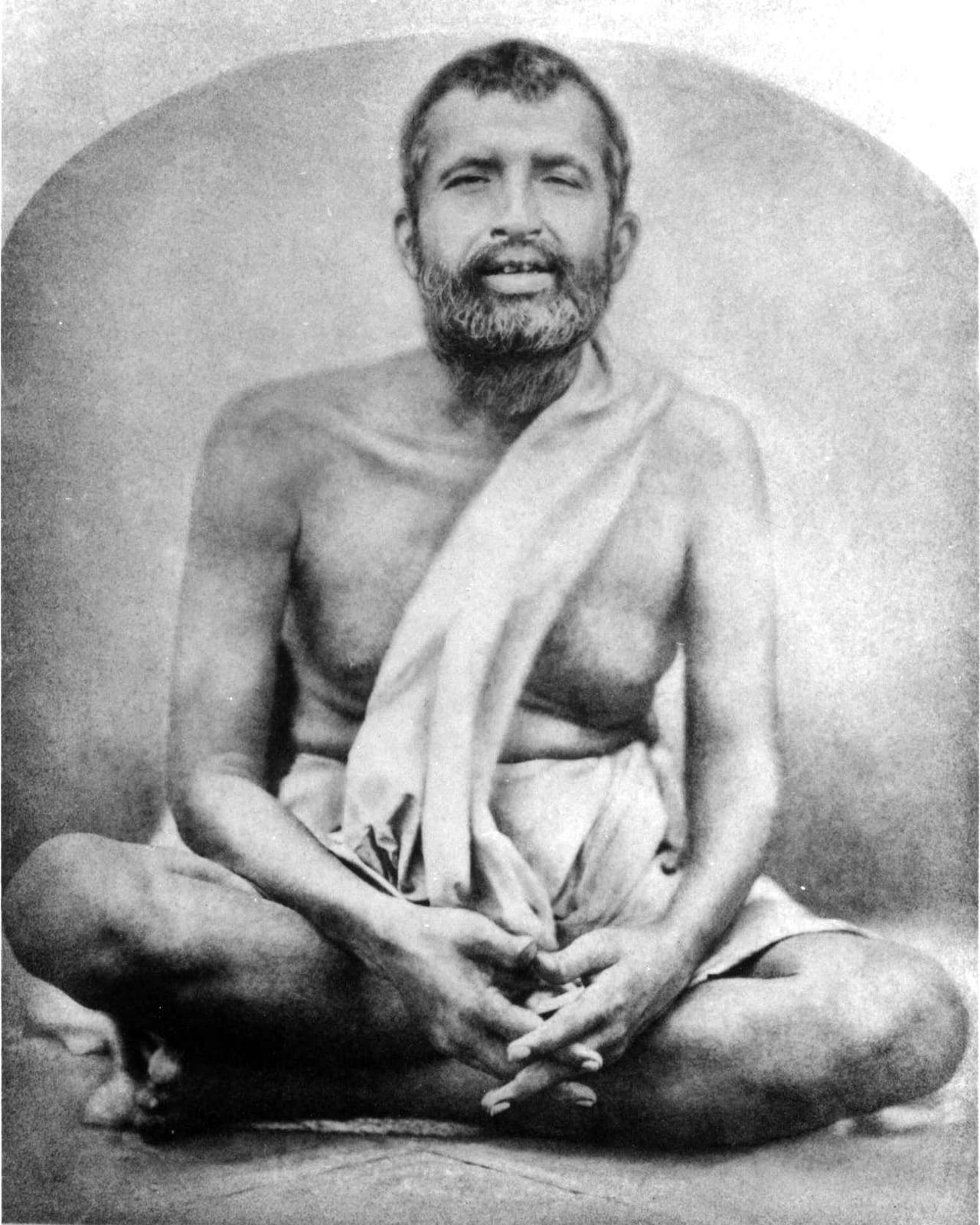
Ramakrishna
Совпадают в вопросах: Что такое Абсолют? Существует ли Бог? · Что происходит после смерти? · Нужен ли учитель?
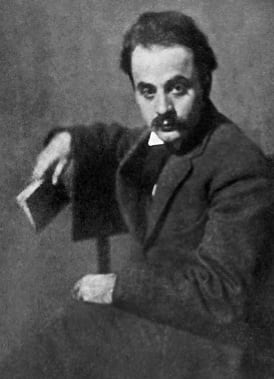
Kahlil Gibran
Совпадают в вопросах: Что такое Абсолют? Существует ли Бог? · Кто я? Существует ли истинное «я»? · Что происходит после смерти?
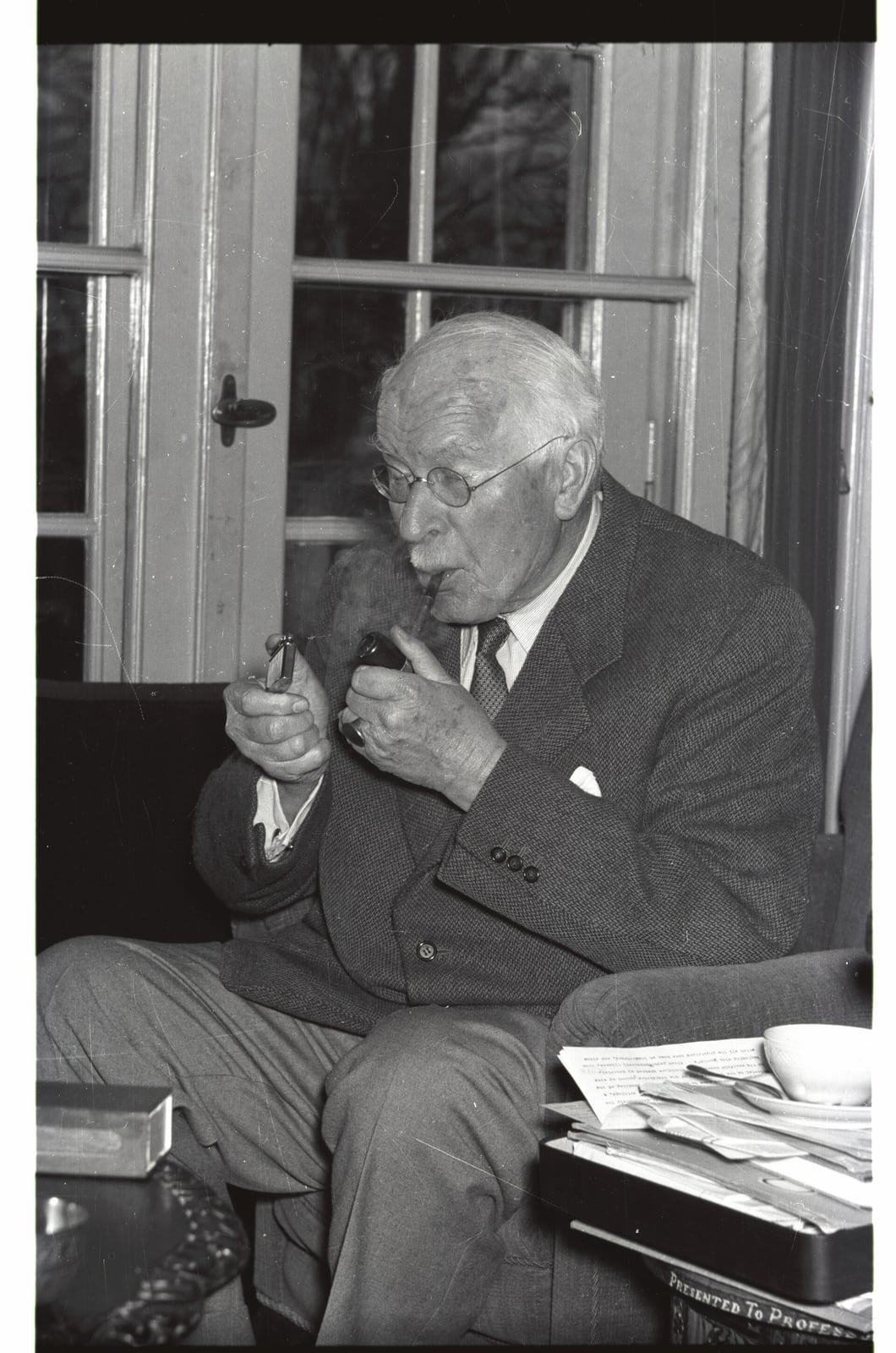
Carl Gustav Jung
Совпадают в вопросах: Кто я? Существует ли истинное «я»? · Почему мы страдаем? · Нужен ли учитель?
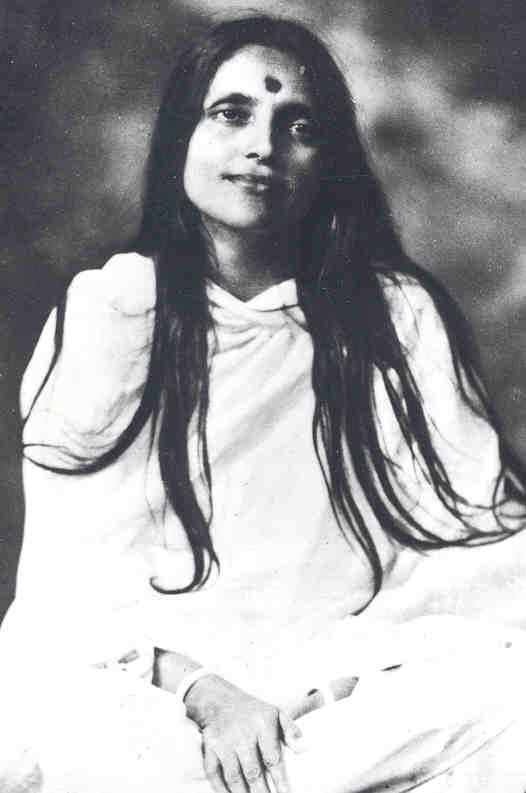
Anandamayi Ma
Совпадают в вопросах: Что такое Абсолют? Существует ли Бог? · Почему мы страдаем? · Реален ли мир?


Предания и рассказы
Предания и рассказы
Документировано1892
The riding test
Происхождение рассказа: The facts are recorded in the Civil Service Commission files studied by Peter Heehs; the deliberate intent comes from Aurobindo’s own later statements (Autobiographical Notes, CWSA 36).
Источник: Heehs, Peter. The Lives of Sri Aurobindo. Nueva York: Columbia University Press, 2008.
Свидетельствоdiciembre de 1892 - febrero de 1893
The ship that did not sink
Происхождение рассказа: Aurobindo tells it himself in his autobiographical notes and his biographers repeat it (Purani, Heehs); the detail of the father’s last words is family tradition.
Свидетельствоenero de 1908
Three days with Lele
Происхождение рассказа: Aurobindo’s account in letters of the 1930s (CWSA 35) and in conversations noted by disciples; there is no testimony from Lele about the inner experience.
Источник: Sri Aurobindo. Letters on Himself and the Ashram. CWSA 35. Pondicherry: Sri Aurobindo Ashram, 2011.
Свидетельство1908-1909
Vasudeva in Alipore jail
Происхождение рассказа: Primary source: the Uttarpara speech (30 May 1909) and the Bengali account Kara-kahini; Vivekananda’s voice in letters of the 1930s (CWSA 35). They are the protagonist’s own testimony.
Свидетельствоfebrero-abril de 1910
The command to leave
Происхождение рассказа: Aurobindo’s own account (Autobiographical Notes, CWSA 36) and that of witnesses from his Calcutta circle; police reports confirm the flight and the dates, not the voice.
Документировано29-30 de marzo de 1914
“He whom we saw yesterday”
Происхождение рассказа: The entry of 30 March 1914 appears in the Mother’s Prières et méditations (published 1932); the recognition of the figure of her visions comes from the Mother’s later conversations recorded at the ashram.
Источник: La Mère (Mirra Alfassa). Prières et méditations. Pondicherry: Sri Aurobindo Ashram, 1932 (anotación del 30 de marzo de 1914).
Свидетельство5-9 de diciembre de 1950
The hundred hours
Происхождение рассказа: It comes from ashram witnesses and statements by the Mother recorded in ashram publications; the existence and wording of the medical certificate are cited in those sources and have not been checked against an original.
Учение
Учение
Понятия, на которых строится мысль учителя, объяснённые в их контексте.
The Supermind (supramental)supramental
Aurobindo links the term to the Vedic notion of rita (truth-order) and the vijnana of the Upanishads; historians stress its relation to nineteenth-century evolutionary theories.
Integral yoga (purna yoga)yoga-integral
Set out in The Synthesis of Yoga and the Letters on Yoga; Aurobindo distinguished it from all earlier yogas, which he regarded as stages or fragments of a possible synthesis.
Involution and evolutioninvolucion-y-evolucion
Developed in The Life Divine; it has been compared with Teilhard de Chardin, Bergson and Whitehead, without demonstrated direct influence.
The psychic beingser-psiquico
Explained above all in the Letters on Yoga and The Life Divine; the Mother made it the axis of her educational teaching.
Источник: Sri Aurobindo. Letters on Himself and the Ashram. CWSA 35. Pondicherry: Sri Aurobindo Ashram, 2011.
The ladder of mind: from higher mind to overmindplanos-de-la-mente
Set out in The Life Divine (Book II) and in the letters on poetry, where he applies it to the quality of inspiration.
Surrender to the divine Motherentrega-a-la-madre
Set out in The Mother (1928) and in the letters on the Mother (CWSA 32).
Видео
Видео
Записи, интервью и документальные фильмы. Видео воспроизводятся с YouTube; здесь они не хранятся.
Rare Footage of Sri Aurobindo’s Mahasamadhi (5 December 1950)
Оригинальная запись· 1950· 7 min
Overman Foundation
The Mother on Sri Aurobindo’s Mahasamadhi, 5th Dec 1950
Оригинальная запись· EN· 12 min
Arvind T Akki Sri Aurobindo Ashram, Pondicherry
Sri Aurobindo: A Life Divine [a 1993 film]
Документальный фильм· EN· 1993· 21 min
AuroMaa
THE TRANSFORMATION - A documentary film on Sri Aurobindo
Документальный фильм· EN· 54 min
Sri Aurobindo SocietyОфициальный канал
नया जन्म | Naya Janma | The Transformation (versión hindi)
Документальный фильм· HI· 54 min
Sri Aurobindo
Journey To The Life Divine — Part I
Документальный фильм· EN· 104 min
Sri Aurobindo AshramОфициальный канал
Sri Aurobindo: An Indian Mystic Who Worked for Human Unity
Документальный фильм· EN· 49 min
Sri Aurobindo Ashram Delhi BranchОфициальный канал
Film: “Sri Aurobindo Ghose: The Beginning of Spiritual Journey”
Документальный фильм· EN· 2022· 38 min
Consulado General de la India en Hamburgo (congendiahamburg)Официальный канал
The Mother reads Savitri by Sri Aurobindo: Book 01 Canto 01
Оригинальная запись· EN· 23 min
AuroMaa
Sri Aurobindo’s Uttarpara Speech
Лекция· EN· 32 min
Savitri Bhavan Auroville
Dr. Alok Pandey on Sri Aurobindo’s The Life Divine
Лекция· EN· 60 min
Savitri Bhavan Auroville
Sri Aurobindo’s Savitri - Theme, Structure and Message (Part 1 of 3)
Лекция· EN· 108 min
Debashish Banerji
Conversation with Peter Heehs - History, Spirituality, and Sri Aurobindo
Интервью· EN· 45 min
Academia Surge
Vicente Merlo - La conciencia y la evolución espiritual en Sri Aurobindo
Лекция· ES· 61 min
Taller de Espiritualidad
¿Es Sri Aurobindo uno de los místicos más grandes de todos los tiempos? Un día con… Vicente Merlo
Интервью· ES· 58 min
Siglantana editorial
Галерея
Галерея
Изображения с проверенной лицензией. Каждое сохраняет своё авторство и атрибуцию.
Связи
Связи
Влияния, ученичество и близость взглядов. Документированная связь отличается от сходства, выявленного путём анализа.
Учитель
La Madre (Mirra Alfassa)
He met her on 29 March 1914 and from 1920 she was his spiritual collaborator; he regarded her as an incarnation of the divine Mother and in 1926 entrusted her with the direction of the ashram, which she continued to lead after his death.
Документированная связь
Испытал влияние
He wrote that in Alipore jail he heard for a fortnight Vivekananda’s voice guiding him in meditation; they never met in life.
Документированная связь
Испытал влияние
In the introduction to The Synthesis of Yoga he presents Ramakrishna’s life as an example of a spiritual capacity running through all the disciplines and prefiguring the synthesis.
Документированная связь
Ученик
Vishnu Bhaskar Lele
Maharashtrian yogi with whom he experienced silence of mind in January 1908; his only outer guide, briefly.
Документированная связь
Встречался с
Bal Gangadhar Tilak
Companion in the radical wing of Congress; he presided with him over the Nationalist meeting at Surat (1907) and devoted an essay to him in 1918.
Документированная связь
Испытал влияние
Bankim Chandra Chattopadhyay
He devoted essays to him in 1894 and 1907 and translated part of his novel Anandamath, source of the hymn Bande Mataram that named his daily.
Документированная связь
Встречался с
Rabindranath Tagore
Tagore dedicated the poem “Namaskar” to him in 1907 and visited him in Pondicherry in 1928.
Документированная связь
Встречался с
Sister Nivedita (Margaret Noble)
He worked with her in the Bengal nationalist circles from 1902; after his departure for Chandernagore in 1910 she took charge of Karmayogin.
Документированная связь
Расходился во взглядах с
In The Life Divine he criticises the “illusionism” (mayavada) of Shankara’s Advaita, which holds the world unreal, while acknowledging the truth of the experience of the silent Brahman.
Документированная связь
Идеи, близкие к
He devoted the study Heraclitus (Arya, 1916–1917) to him, comparing his doctrine of fire and becoming with that of the Vedic rishis.
Документированная связь
Современник
Contemporaries in South India; some disciples (such as T. V. Kapali Sastri) frequented both. There is no record of a meeting. Relationship noted by the editors.
Сходство, выявленное путём анализа
Идеи, близкие к
Two Bengalis who presented yoga as a science of the evolution of consciousness and whose work found a wide echo in the West. Similarity identified by the editors; no meeting is recorded.
Сходство, выявленное путём анализа
Современник
Contemporaries with teachings opposed in method: Krishnamurti rejected all spiritual authority and every system; Aurobindo built one. No personal relationship is recorded.
Сходство, выявленное путём анализа
Современник
Bengali contemporaries of the independence generation; there is no record that they met.
Сходство, выявленное путём анализа
Идеи, близкие к
Both conceived evolution as an ascent of consciousness towards a spiritual culmination; the comparison is common in the literature, without documented mutual influence.
Сходство, выявленное путём анализа
Упоминается в других статьях
Источники
Источники
Библиография и каталоги, использованные для этой статьи.
- Sri Aurobindo. Complete Works of Sri Aurobindo (CWSA). 37 vols. Pondicherry: Sri Aurobindo Ashram Publication Department, 1997–2025. Sustituye a la Sri Aurobindo Birth Centenary Library (SABCL, 30 vols., 1972).
- Heehs, Peter. The Lives of Sri Aurobindo. Nueva York: Columbia University Press, 2008.
- Sri Aurobindo. Autobiographical Notes and Other Writings of Historical Interest. CWSA 36. Pondicherry: Sri Aurobindo Ashram, 2006.
- Purani, A. B. The Life of Sri Aurobindo. Pondicherry: Sri Aurobindo Ashram, 1958 (4.ª ed., 1978).
- Nirodbaran. Twelve Years with Sri Aurobindo. Pondicherry: Sri Aurobindo Ashram, 1972.
- Satprem. Sri Aurobindo ou l’aventure de la conscience. París: Buchet-Chastel, 1964 (trad. inglesa de Luc Venet, 1984).
- Wikidata, «Aurobindo Ghosh» (Q192207): fechas y lugares, 99 enlaces entre wikis.
- Wikipedia en inglés, «Sri Aurobindo» (cronología política, Alipore, Arya, ashram y ediciones).
- Wikimedia Commons, «Category:Sri Aurobindo» y ficheros asociados (metadatos y licencias consultados por API).
- Heehs, Peter. Sri Aurobindo: A Brief Biography. Delhi: Oxford University Press, 1989.
- Sri Aurobindo. «Uttarpara Speech» (30 de mayo de 1909), Karmayogin, 19 de junio de 1909. CWSA 8. Texto en Wikisource.
- SABDA (distribuidora del Sri Aurobindo Ashram), catálogo de las Complete Works y de las ediciones sueltas.
- Wikipedia en inglés, «Savitri: A Legend and a Symbol» (composición 1916–1950, edición 1950–1951).
- Deshpande, R. Y. «Sri Aurobindo’s Withdrawal — 5 December 1950». Overman Foundation (relato de los últimos días a partir de Nirodbaran, Champaklal y la Madre).
- «Yogic Sadhan». Sri Aurobindo: Archives and Research 10, n.º 1 (abril de 1986): texto de la edición de 1920 y notas sobre su origen en escritura automática.
- Sri Aurobindo. Record of Yoga. CWSA 10–11. Pondicherry: Sri Aurobindo Ashram, 2001.
- Sri Aurobindo. Essays on the Gita (First Series). Madrás: V. Ramaswamy Sastrulu & Sons, 1922. Texto parcial en Wikisource.
- Sri Aurobindo. The Life Divine. Nueva York: The Sri Aurobindo Library, 1949–1951 (texto de la edición revisada de 1939–1940). Copia digital en Internet Archive.
- Sri Aurobindo. Letters on Himself and the Ashram. CWSA 35. Pondicherry: Sri Aurobindo Ashram, 2011.
- Sri Aurobindo. The Mother. Calcuta: Arya Publishing House, 1928 (reimpr. 1937–1949). Copia digital en Internet Archive.
- La Mère (Mirra Alfassa). Prières et méditations. Pondicherry: Sri Aurobindo Ashram, 1932 (anotación del 30 de marzo de 1914).
- Правообладатель
- Sri Aurobindo Ashram Trust (Pondicherry), que reivindica los derechos de todos sus textos. Situación por territorios: Aurobindo murió en 1950, por lo que su obra es de dominio público en la UE desde 2021 (70 años) y en la India desde 2011 (60 años); en España (80 años para autores fallecidos antes de 1987) no lo será hasta el 1 de enero de 2031; en EE. UU. solo lo publicado antes de 1931 es seguro dominio público. Las ediciones de la CWSA, con aparato y textos inéditos, tienen derechos propios.
- Официальный сайт
- www.sriaurobindoashram.org/
Ожидает подтверждения
То, что в этой статье пока не удалось установить. Мы предпочитаем сказать об этом, а не заполнять пробел.
- Ediciones españolas con ISBN de Ensayos sobre la Gita, Savitri, El ciclo humano, El ideal de la unidad humana, La Madre, Bases del yoga y Cartas sobre el yoga: no localizadas en Open Library (Google Books sin cuota). Revisar catálogos de Kier, Plaza & Janés, Obelisco y del Centro Sri Aurobindo de Barcelona.
- Comprobar la autoría de «La aventura de la consciencia» (Obelisco, 1993, ISBN 9788477200857): Open Library la atribuye a Aurobindo, pero el título corresponde al libro de Satprem.
- Fechas y editoriales de las primeras ediciones de Thoughts and Glimpses (c. 1920), War and Self-Determination (1920), Love and Death (1921), Ahana and Other Poems (1915), Heraclitus (1941) y The Ideal of the Karmayogin.
- Año de la primera compilación titulada Letters on Yoga (se da 1958, aproximado).
- Fecha exacta del primer libro de Satprem (se da 1964) y existencia de una traducción española íntegra con ISBN.
- Cotejar el certificado médico del doctor Barbet (diciembre de 1950) con un original o con una publicación del ashram que lo reproduzca.
- Precisar el barco (y la fecha) cuya noticia falsa de naufragio recibió su padre en 1892.
- Imagen: localizar en Commons un retrato de la etapa de Pondicherry con licencia libre verificada (las fotos de Henri Cartier-Bresson de 1950 están protegidas).
- Sala de lectura: todos los textos llevan caution por la regla española (libres desde 2031). Buscar transcripciones completas de Essays on the Gita y de los artículos de Arya.
Исследовано 2026-10-25