Христианство · Исследования сознания · Герметизм
Carl Gustav Jung
1875 – 1961Исторически документированная личность
Швейцарский психиатр (1875–1961), основатель аналитической психологии. Сначала соратник, а затем оппонент Фрейда, он сформулировал понятия коллективного бессознательного, архетипа, Тени, Анимы, психологических типов, индивидуации и синхронистичности. Он исследовал алхимию, гнозис и восточные религии как зеркала человеческой психики и оставил в «Красной книге» подробное свидетельство собственного противостояния с бессознательным. Его труды оказали глубокое и долгое влияние на психотерапию, религиоведение, изучение мифов и всю культуру XX века.
- трудов
- 56трудов
- изданий
- 121изданий
- цитат
- 8цитат
- видео
- 13видео
- изображений
- 10изображений
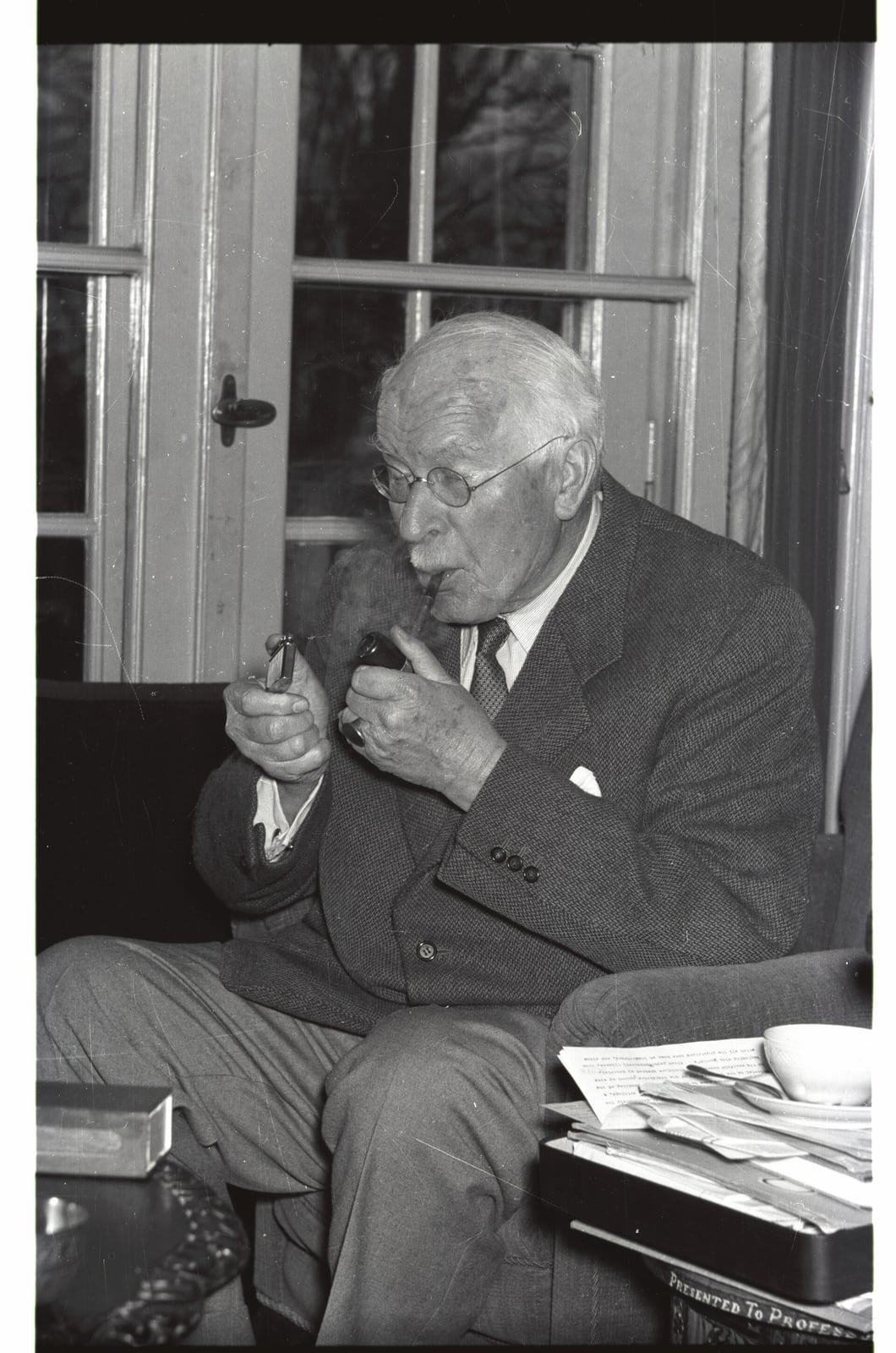
C. G. Jung en Küsnacht, 1955 · CC BY-SA 4.0
Своими словами
«My life is a story of the self-realization of the unconscious.»Erinnerungen, Träume, Gedanken (1962), prólogo, primera frase

Для начала — одна книга
Psychological TypesГлавная мысль
The unconscious is not merely the store of what each individual has repressed: it has a collective layer, common to the species, which shows itself in images and motifs that recur in the myths, religions, dreams and delusions of times and cultures with no contact with one another.
В контексте
Биография
4 мин чтения
Перевод с испанского оригинала, выполненный с помощью ИИ; ожидает проверки носителем языка.
Сын пастора на берегу Рейна
Карл Густав Юнг родился 26 июля 1875 года в Кесвиле, на берегу Боденского озера, в швейцарском кантоне Тургау. Его отцом был Пауль Ахиллес Юнг, пастор Реформатской церкви и доктор восточных языков, матерью — Эмилия Прайсверк, происходившая из базельской семьи богословов, склонной к спиритизму. Вскоре семья переехала в Лауфен у Рейнского водопада, а в 1879 году — в Кляйн-Хюнинген под Базелем. Девять лет он оставался единственным ребёнком — сестра Гертруда родилась в 1884 году — и рос одиноким. В воспоминаниях, которые он продиктовал в конце жизни, Юнг описал детство, наполненное судьбоносными снами, и раннее недоверие к вере отца, казавшейся ему угасшей; из этих страниц и вырос образ — возможно, подправленный памятью — мальчика, который знал, что в нём живут «две личности».
Медицина, психиатрия и Бургхёльцли
С 1895 по 1900 год он изучал медицину в Базельском университете и одновременно посещал спиритические сеансы своей кузины Элен Прайсверк, ставшие материалом его докторской диссертации «О психологии и патологии так называемых оккультных феноменов» (1902). В декабре 1900 года он поступил ассистентом в Бургхёльцли — психиатрическую клинику Цюрихского университета под руководством Эйгена Блейлера, один из самых новаторских центров Европы. Там вместе с Францем Риклином он разработал ассоциативный эксперимент: измеряя время реакции и нарушенные ответы, он выявлял бессознательные эмоционально заряженные ядра, которые назвал «комплексами». В 1903 году он женился на Эмме Раушенбах, дочери шаффхаузенского промышленника, родившей ему пятерых детей; в 1907 году выпустил «Психологию dementia praecox» — исследование шизофрении, принёсшее ему международную известность.
Фрейд
Эта книга сблизила его с Зигмундом Фрейдом, с которым он переписывался с 1906 года. Они познакомились в Вене 3 марта 1907 года и, как вспоминал Юнг, проговорили тринадцать часов без перерыва. Фрейд увидел в нём наследника, способного вывести психоанализ за пределы венского кружка; в 1909 году Юнг сопровождал его в Университет Кларка в Массачусетсе и стал первым президентом Международной психоаналитической ассоциации (1910). Переписка двух учёных свидетельствует и о силе этого союза, и о быстроте его распада. В «Метаморфозах и символах либидо» (1911–1912) Юнг расширил понятие либидо до психической энергии вообще и прочитал мифы как выражение коллективного слоя психики. Фрейд счёл это отступничеством; к концу 1912 года разрыв стал личным, а в 1913–1914 годах Юнг покинул Ассоциацию и оставил преподавание в университете.
Противостояние с бессознательным
Последовали годы, которые сам он назвал своим «противостоянием с бессознательным». С ноября 1913 года он записывал фантазии и видения в тетради — так называемые «Чёрные книги» — и переносил их готическим почерком, сопровождая собственными рисунками, в большой том в переплёте из красной кожи, Liber Novus, над которым работал до 1930 года. В нём он беседует с такими фигурами, как Илия, Саломея или Филемон — крылатый старец, которого он считал своим внутренним проводником. «Красная книга» оставалась неопубликованной до 2009 года, и её издание, подготовленное Сону Шамдасани, показало, что почти все его позднейшие идеи родились из этого опыта. В 1916 году он частным образом напечатал «Семь проповедей к мёртвым» и основал Психологический клуб в Цюрихе; в 1921 году опубликовал «Психологические типы», где ввёл понятия интроверсии и экстраверсии.
Путешествия, Боллинген и алхимия
В 1920-е годы он побывал в Северной Африке, у индейцев пуэбло в Таосе (Нью-Мексико) и на горе Элгон между Кенией и Угандой, а в 1937–1938 годах — в Индии. Он искал точку зрения вне европейского сознания. С 1923 года он своими руками строил на берегу Цюрихского озера башню в Боллингене — убежище без электричества, которое расширял на протяжении десятилетий. Дружба с синологом Рихардом Вильгельмом, вместе с которым он выпустил в 1929 году «Тайну золотого цветка», открыла ему путь к алхимии; тридцать лет он изучал её как историческое зеркало процессов преображения, которые наблюдал у своих пациентов. Плодами этих исследований стали «Психология и алхимия» (1944), «Эон» (1951) и «Mysterium coniunctionis» (1955–1956).
Спорное председательство
В 1933 году он согласился возглавить Международное всеобщее медицинское общество психотерапии, немецкая секция которого под руководством Маттиаса Генриха Гёринга была подчинена новому режиму. Юнг утверждал, что принял этот пост, чтобы защитить психотерапевтов-евреев, и изменил устав, позволив им вступать в общество в индивидуальном порядке; однако некоторые его высказывания тех лет о различии между «еврейской» и «германской» психологией навлекли на него обвинения в антисемитизме, которые историки обсуждают до сих пор. В 1940 году он ушёл в отставку.
Старость и наследие
В 1944 году он перенёс перелом и инфаркт, а во время выздоровления пережил видения, которые описал как самые прекрасные в своей жизни. В 1948 году в Цюрихе был основан Институт К. Г. Юнга. В последние годы он написал «Ответ Иову» (1952), свой самый полемичный текст об образе Бога, и работу о синхронистичности, созданную в диалоге с физиком Вольфгангом Паули. Эмма умерла в 1955 году; в 1959 году Юнг дал Би-би-си знаменитое интервью, в котором на вопрос, верит ли он в Бога, ответил, что ему не нужно верить, потому что он знает. Он умер в своём доме в Кюснахте 6 июня 1961 года, в возрасте восьмидесяти пяти лет. Посмертно вышли «Воспоминания, сновидения, размышления» (1962), написанные вместе с Аниэлой Яффе, и «Человек и его символы» (1964). Его аналитическая психология, оспариваемая экспериментальной наукой, надолго определила развитие психотерапии, религиоведения и изучения мифологии, а также культуру XX века.
Источники: Jung, C. G. Erinnerungen, Träume, Gedanken von C. G. Jung. Aufgezeichnet und herausgegeben von Aniela Jaffé. Zúrich: Rascher, 1962 (trad. ingl. Memories, Dreams, Reflections, Nueva York: Pantheon, 1963; trad. esp. Recuerdos, sueños, pensamientos, Barcelona: Seix Barral). · Bair, Deirdre. Jung: A Biography. Boston: Little, Brown and Company, 2003. · Shamdasani, Sonu. Jung and the Making of Modern Psychology: The Dream of a Science. Cambridge: Cambridge University Press, 2003. · McGuire, William (ed.). The Freud/Jung Letters: The Correspondence between Sigmund Freud and C. G. Jung. Trad. R. Manheim y R. F. C. Hull. Princeton: Princeton University Press (Bollingen Series XCIV), 1974. · Jung, C. G. The Red Book: Liber Novus. Ed. e introducción de Sonu Shamdasani. Nueva York: W. W. Norton / Philemon Series, 2009.
Хронология
Жизнь год за годом
Каждая точка — документированное событие. Нажмите, чтобы прочитать о нём, с источником и степенью достоверности.
26 июля 1875 г.0 летKesswil, Turgovia (Suiza)
Birth
Born in the parsonage at Kesswil, son of the pastor Paul Achilles Jung and Emilie Preiswerk.
ДокументированоBair, Deirdre. Jung: A Biography. Boston: Little, Brown and Company, 2003.
После смерти
- 1962Memories, Dreams, Reflections
- октябрь 2009 г.Publication of The Red Book
26 июля 1875 г. · 0 лет
Birth
Born in the parsonage at Kesswil, son of the pastor Paul Achilles Jung and Emilie Preiswerk.
Документировано
1879 · 4 года
Move to Klein-Hüningen
After some years in Laufen by the Rhine Falls, the family settles in Klein-Hüningen near Basel.
Документировано
1895 – 1900 · 20 лет
Medical studies
He enters the Faculty of Medicine at Basel; he takes part in the Zofingia student society and in séances with his cousin Hélène Preiswerk. His father dies in 1896.
Документировано
10 декабря 1900 г. · 25 лет
Assistant at the Burghölzli
He joins Zurich's university psychiatric clinic under Eugen Bleuler, where he develops the word-association experiment.
Вероятно
1902 · 27 лет
Doctoral thesis
He publishes Zur Psychologie und Pathologie sogenannter occulter Phänomene; in the winter of 1902–1903 he studies with Pierre Janet in Paris.
Документировано
14 февраля 1903 г. · 27 лет
Marriage to Emma Rauschenbach
He marries Emma Rauschenbach (1882–1955), with whom he will have five children; in 1908–1909 they build their house in Küsnacht.
Вероятно
3 марта 1907 г. · 31 год
First meeting with Freud
After a year of correspondence he visits Freud in Vienna; according to Jung they talk for thirteen hours. He publishes Über die Psychologie der Dementia praecox.
Документировано
сентябрь 1909 г. · 34 года
Clark University
He travels with Freud and Ferenczi to the United States; both receive honorary doctorates at Clark University.
Документировано
1910 · 35 лет
President of the IPA
Elected first president of the International Psychoanalytical Association at the Nuremberg congress.
Документировано
1912 · 37 лет
Transformations and Symbols of the Libido
He publishes the second part of the book and lectures at Fordham University; the break with Freud is consummated at the year's end.
Документировано
ноябрь 1913 г. – 1930 · 38 лет
The confrontation with the unconscious
He begins recording his fantasies in the Black Books, the origin of the Liber Novus (Red Book), on which he works until 1930.
Документировано
1921 · 46 лет
Psychological Types
He publishes Psychologische Typen, introducing introversion, extraversion and the four functions.
Документировано
1923 · 48 лет
The tower at Bollingen
He begins building the tower by Lake Zurich, extended in several stages until 1955. His mother dies.
Документировано
январь 1925 г. · 49 лет
Visit to the Pueblo Indians
In Taos he talks with chief Ochwiay Biano (Mountain Lake); in October he sets out for Mount Elgon in East Africa.
Документировано
1929 · 54 года
The Secret of the Golden Flower
He publishes with Richard Wilhelm the commentary on the Taoist treatise, the starting point of his studies of alchemy.
Документировано
1933 – 1940 · 58 лет
Presidency of the psychotherapy society
He agrees to preside over the International General Medical Society for Psychotherapy; the Eranos lectures begin at Ascona. He resigns in 1940.
Документировано
декабрь 1937 г. – 1938 · 62 года
Journey to India
Invited to the jubilee of the University of Calcutta, he travels in India until 1938 and receives honorary doctorates.
Документировано
февраль 1944 г. · 68 лет
Heart attack and visions
After breaking a foot he suffers a heart attack; during convalescence he has the visions narrated in his memoirs. He publishes Psychologie und Alchemie.
Документировано
24 апреля 1948 г. · 72 года
C. G. Jung Institute
The C. G. Jung Institute for the training of analysts is founded in Zurich.
Вероятно
1952 · 77 лет
Answer to Job and synchronicity
He publishes Antwort auf Hiob and, with Wolfgang Pauli, Naturerklärung und Psyche, including his essay on synchronicity.
Документировано
27 ноября 1955 г. · 80 лет
Death of Emma Jung
His wife dies; that year he completes Mysterium Coniunctionis.
Документировано
22 октября 1959 г. · 84 года
'Face to Face' interview
The BBC broadcasts John Freeman's interview, filmed at his home in Küsnacht.
Документировано
6 июня 1961 г. · 85 лет
Death
He dies at home after several weeks of circulatory illness.
Документировано
1962
Memories, Dreams, Reflections
The memoirs written with Aniela Jaffé are published.
Документировано
октябрь 2009 г.
Publication of The Red Book
W. W. Norton and the Philemon Foundation publish the Liber Novus in facsimile, edited by Sonu Shamdasani.
Документировано
Труды
Главные труды
Труды, без которых не понять это наследие.
Письменный труд · 1921
Psychological Types
Psychologische Typen
A large treatise distinguishing two attitudes—introversion and extraversion—and four functions—thinking, feeling, sensation and intuition—whose combinations yield eight types. Half the book is a history of the problem of types in theology, philosophy and poetry (Tertullian, Schiller, Nietzsche, Spitteler); it includes a glossary of concepts. It later inspired, without Jung's involvement, the Myers-Briggs indicator. GW/CW 6.
4 издания

Посмертное издание · 1962
Memories, Dreams, Reflections
Erinnerungen, Träume, Gedanken von C. G. Jung
An inner autobiography: Jung tells his life not through outward events but through dreams, visions and inner encounters, from childhood in Klein-Hüningen to old age at Bollingen. It covers the relationship with Freud, the confrontation with the unconscious, his travels and the visions of 1944. It appeared a year after his death and is his most widely read book.
5 изданий

Посмертное издание · 1964
Man and His Symbols
A popular work conceived for the general public at the request of John Freeman after the BBC interview. Jung wrote the first chapter, 'Approaching the Unconscious', shortly before his death; the others are by his collaborators Marie-Louise von Franz, Joseph L. Henderson, Jolande Jacobi and Aniela Jaffé. Richly illustrated.
4 издания

Рукопись · 2009
The Red Book: Liber Novus
Liber Novus (Das Rote Buch)
A large folio volume bound in red leather, written between 1914 and 1930 in medieval script and adorned with 53 paintings by Jung. It contains, reworked, the fantasies of the Black Books: the descent into the unconscious, dialogues with the soul, with Elijah and Salome, with Philemon and with Izdubhar, and a visionary theology. It remained with the family until its facsimile edition in 2009 and is the source of all his later work.
4 издания
Все труды (56)

On the Psychology and Pathology of So-Called Occult Phenomena
1902

Studies in Word-Association
1906

The Psychology of Dementia Praecox
1907

Psychology of the Unconscious (Transformations and Symbols of the Libido)
1912
Carl Gustav Jung
Seven Sermons to the Dead
The Conscious LibrarySeven Sermons to the Dead
1916

Collected Papers on Analytical Psychology
1916

The Relations between the Ego and the Unconscious
1928
Carl Gustav Jung
The Secret of the Golden Flower
The Conscious LibraryThe Secret of the Golden Flower
1929

Modern Man in Search of a Soul
1931
Psychology and Religion
1938

Psychology and Alchemy
1944

The Psychology of the Transference
1946

Aion: Researches into the Phenomenology of the Self
1951

Answer to Job
1952

Synchronicity: An Acausal Connecting Principle
1952

Symbols of Transformation
1952

Mysterium Coniunctionis
1955

The Undiscovered Self
1957

Flying Saucers: A Modern Myth of Things Seen in the Skies
1958
Carl Gustav Jung
The Black Books
The Conscious LibraryThe Black Books
2020
Carl Gustav Jung
Introduction to Jungian Psychology: Notes of the Seminar on Analytical Psychology Given in 1925
The Conscious LibraryIntroduction to Jungian Psychology: Notes of the Seminar on Analytical Psychology Given in 1925
1925

Dream Analysis
1928

Visions
1930

The Psychology of Kundalini Yoga
1932
Изречения
Изречения, найденные в конкретном труде. Каждое сопровождается указанием происхождения и степени надёжности.
My life is a story of the self-realization of the unconscious.Mein Leben ist eine Geschichte der Selbstverwirklichung des Unbewußten.
ПровереноErinnerungen, Träume, Gedanken (1962), prólogo, primera frase
Основные идеи (редакционное изложение)
Из уважения к авторскому праву эти идеи изложены своими словами и не выдаются за дословные цитаты.
- The unconscious is not merely the store of what each individual has repressed: it has a collective layer, common to the species, which shows itself in images and motifs that recur in the myths, religions, dreams and delusions of times and cultures with no contact with one another.
- The task of the second half of life differs from the first: having adapted to the outer world, a person must turn inward, integrate what was left aside and orient towards meaning rather than success.
- The shadow—what we do not wish to be—is not overcome by denying it or projecting it onto others, but by recognising it as one's own; much collective evil arises from unacknowledged shadows projected onto an enemy.
- Religious symbols are not errors for science to dispel but expressions of psychic realities; when a civilisation loses them without replacing them, the energy they held pours into mass ideologies.
- Neurosis is not merely a disorder to be removed: it is often the psyche's still clumsy attempt at a development the conscious attitude prevents; hence the symptom may contain an indication of the way forward.
- The therapist cannot take the patient further than he himself has gone; analysis is an encounter between two persons in which both are involved, which is why the analyst must have been analysed.
- The West should not imitate the spiritual techniques of the East like a borrowed garment: it must find its own way inward from its own tradition, from Christianity, Gnosticism and alchemy.
Апокрифические изречения и изречения спорной атрибуции (2)
«"Until you make the unconscious conscious, it will direct your life and you will call it fate."»
One of the most widely circulated sayings under his name, but it does not appear in his work. It is a modern paraphrase of Aion (CW 9/II, § 126), where Jung writes that an inner situation not made conscious happens outside as fate.
«"I am not what happened to me, I am what I choose to become."»
Attributed to Jung on social media since the 2010s without any reference; it does not appear in the collected works, letters or memoirs, and its voluntarist tone contradicts his emphasis on the weight of the unconscious.
Последние слова
Позднейший рассказ свидетелей
«Now I know the truth down to a very little bit that is still missing. When I know this too, then I will have died.»Now I know the truth down to a very little bit that is still missing. When I know this too, then I will have died.
These are not literally his last words: according to the account Barbara Hannah gives on the testimony of Ruth Bailey, his housekeeper and companion, he said this on the terrace at Küsnacht in his last weeks while recounting a dream. He died on the afternoon of 6 June 1961, peacefully and with no recorded final words, after several days in a semi-conscious state. Marie-Louise von Franz also reported his last dream: a great round stone on a high place inscribed 'And this shall be a sign unto you of Wholeness and Oneness'. The wording varies between sources.
Источник: Hannah, Barbara. Jung: His Life and Work. A Biographical Memoir. Nueva York: G. P. Putnam's Sons, 1976.
Спросить
На что отвечают эти труды
Двенадцать великих вопросов человечества и то, что позволяют на них ответить эти тексты, со ссылками. Мы никогда не вкладываем слова в чужие уста.
Что такое Абсолют? Существует ли Бог?
Psychology reaches only the God-image in the soul, not God Himself
Сдержанность перед трансцендентнымСказано прямо
Jung insists on distinguishing between the image of God in the psyche and God in Himself. As a psychologist, he says, he can speak only of the former: of numinous experience, of symbols of wholeness and of the archetype of the self, which empirically cannot be distinguished from the God-image. About the existence of a metaphysical God he declares that science can neither affirm nor deny anything. That is why Psychology and Religion presents itself as a study of psychic facts and not as an apology, and Answer to Job deals with the divine image as Western man experiences it, not with God. This methodological reserve coexists with a personal conviction: asked by the BBC in 1959 whether he believed in God, he answered that he did not need to believe, he knew.
Сравнить этот вопрос с другими учителямиКто я? Существует ли истинное «я»?
The self, greater than the ego, is realised over a lifetime
Эволюционирующая душаСледует из учения
Jung distinguishes between the ego (Ich), the centre of consciousness and one complex among others in the psyche, and the self (Selbst), which is both the centre and the totality of the conscious and unconscious psyche. The persona, the social mask, is not the true self; the shadow and the anima or animus are parts of oneself that go unrecognised. The process of individuation consists in integrating them so as to become the individual one is, and it lasts a lifetime. Jung said this of himself at the start of his autobiography: his life was the story of a self-realisation of the unconscious. The true self is not given in advance nor reached by denying the ego: it becomes conscious in stages.
Сравнить этот вопрос с другими учителямиПочему мы страдаем?
What is not made conscious is lived outside, as fate
Незнание того, кто мы естьСказано прямо
Jung locates the root of much psychic suffering in unconsciousness: what a person does not recognise in himself, his shadow, his complexes, his one-sidedness, acts behind his back. According to the psychological rule he formulates, when an inner situation is not made conscious, it happens outside, as fate. Neurosis, he wrote in Psychology and Religion, is always a substitute for legitimate suffering: it appears when one evades the pain that belongs to life. And in his essays on modern man he defined it as the suffering of a soul that has not found its meaning. Jung does not promise the absence of pain: he considers conscious suffering part of individuation, and what is pathological is the suffering endured without understanding it.
Сравнить этот вопрос с другими учителямиЧто происходит после смерти?
On life after death he can only tell myths, not prove
Молчание или сдержанностьСказано прямо
Jung devoted a chapter of Memories, Dreams, Reflections to life after death, and opens it by warning that he can prove nothing: he can only tell stories, mythologise. He offers dreams, experiences of his own and the vision he had in 1944, on the brink of death after a heart attack. His psychological argument is that the psyche is not wholly subject to space and time, as synchronistic phenomena suggest, so it is not absurd to think that something of it continues. He adds that it is healthy for psychic life to have a myth about death, and that reason alone cannot provide one. In The Structure and Dynamics of the Psyche he holds that death, seen from the soul, is a goal rather than an end.
Сравнить этот вопрос с другими учителямиКак достигается освобождение или спасение?
One is not enlightened by imagining light but by making the darkness conscious
Через сознательную внутреннюю работуСказано прямо
Jung speaks not of salvation but of individuation: the process by which a person becomes the indivisible individual he is. It is not travelled with imported techniques or luminous ideals; one does not become enlightened by imagining figures of light but by making the darkness conscious. The work consists in recognising the shadow, differentiating oneself from the social persona, entering into dialogue with the anima or animus through dreams and active imagination, and letting the self, the centre of psychic totality, manifest in symbols. It is conscious, long and often painful work, which Jung compared to the opus of the alchemists. It promises not a final state of perfection but a greater wholeness, with its opposites integrated.
Сравнить этот вопрос с другими учителямиНужен ли учитель?
His own guide was Philemon, an inner figure
Учитель внутриСказано прямо
Jung asked for no disciples to follow him and advised Westerners against imitating the methods of Eastern gurus. His own decisive master was inner. In Memories, Dreams, Reflections he tells that during his confrontation with the unconscious there appeared in his fantasies Philemon, an old man with kingfisher's wings with whom he conversed and who taught him the objectivity of the psyche: that there are things in it the ego does not produce. Years later a cultivated Indian, a friend of Gandhi, told him that his guru was Shankaracharya, dead for centuries; Jung then understood that Philemon had been a guru of that kind for him. The analyst accompanies, but the true guide of individuation is the self that speaks in dreams and symbols.
Сравнить этот вопрос с другими учителямиРеален ли мир?
We know the world only as psychic image; its essence remains open
Не высказывался
Jung gives no metaphysical answer to the question, and does so on purpose. As a psychologist he holds that the only thing we experience immediately is psychic reality: the world always reaches us as an image in the psyche. In Psychological Types he proposes the formula esse in anima to escape both idealism, which reduces everything to idea, and naive materialism. He does not thereby deny the outer world. In his last works, starting from synchronicity and his dialogue with the physicist Wolfgang Pauli, he takes from the alchemists the notion of unus mundus: the hypothesis of a single reality of which psyche and matter would be two aspects. He presents it as conjecture, not knowledge; about what the world is in itself he keeps his reserve.
Сравнить этот вопрос с другими учителямиЧто такое любовь?
Before the mystery of love, Jung turns to Paul: it bears all things
Любовь к Богу и ближнемуСказано прямо
Jung admitted he could not say what love is. In the closing reflections of his autobiography he writes that he felt unable to find a language for its paradoxes: love, Eros, is for him a cosmogonic power, prior and superior to consciousness, of which man is not master but victim and instrument. Before that mystery, he says, nothing expresses it better than Paul's words in the first letter to the Corinthians: love bears all things, hopes all things. In his clinical writings he sets it against the will to power: where love reigns there is no will to power, and where power predominates love is lacking. Human love, with its projections, is also a field of individuation.
Сравнить этот вопрос с другими учителямиСвободны ли мы или всё предопределено?
The unconscious is lived as fate; making it conscious is taking it on
Судьба и ответственностьСказано прямо
Jung defends neither unlimited free will nor complete determinism. Ego-consciousness is small before the autonomous forces of the psyche: complexes and archetypes act on their own, and what is not made conscious, according to his psychological rule, happens outside as fate. Freedom, for him, grows with consciousness: integrating the shadow and unconscious contents widens the margin of choice and, at the same time, responsibility, because one can no longer blame others for what one now recognises in oneself. In his autobiography he describes his life as the self-realisation of the unconscious: something given to him which he had to take on and work through. Destiny becomes a task.
Сравнить этот вопрос с другими учителямиЗачем медитировать или молиться?
Who looks outside, dreams; who looks inside, awakes
Возвращение к источнику «я»Сказано прямо
Jung proposes no prayers and no Eastern techniques; indeed he warned Westerners against imitating yoga and Asian meditation, which in his view uproot the European from his own psychic history. His practice was different: active imagination, that is, letting the images of the unconscious emerge and conversing with them in full consciousness, attention to dreams, and the drawing of mandalas, which he himself did for years. All of this points inward: in a letter he wrote that who looks outside dreams and who looks inside awakes. His commentaries on The Secret of the Golden Flower and on Buddhist texts read those practices as paths towards the self.
Сравнить этот вопрос с другими учителямиМожет ли разум познать предельное?
We cannot leave the psyche: of the transcendent, reason can affirm nothing
Мысль ограниченаСказано прямо
Jung declared himself an empiricist and, in theory of knowledge, relied on Kant: everything we know reaches us through the psyche, and we cannot step outside it to check whether its images correspond to a transcendent reality. That is why reason can neither affirm nor deny anything about God, the immortal soul or ultimate meaning; metaphysical statements are, for the psychologist, psychic facts whose truth in itself remains open. At the same time Jung distrusted the hypertrophy of intellect in Western man, which cuts him off from symbols and feeling. Numinous experience has its own evidence, and he himself claimed to know, not to believe; but that knowing is not a rational demonstration.
Сравнить этот вопрос с другими учителямиУйти от мира или преобразить его?
The only real danger is man: change begins in the individual
Революция — внутренняяСказано прямо
Jung lived in the world as a physician, teacher and father, and did not preach withdrawal; but he distrusted collective solutions. In The Undiscovered Self, written in the midst of the Cold War, he argues that mass society, the totalitarian State and ideologies absorb the individual and make him irresponsible, and that the only counterweight is the self-aware individual, who recognises his own shadow instead of projecting it onto the enemy. Already in his writings on the age, such as the 1936 essay «Wotan», he had read mass movements as psychic epidemics. In 1959 he told the BBC that the only real danger that exists is man himself. The transformation of the world passes through that of each person.
Сравнить этот вопрос с другими учителями
Созвучия и противоречия
Созвучия и противоречия
Рассчитаны вопрос за вопросом на основе позиций. Причина каждого совпадения или расхождения — по нажатию.
Ближе всего к
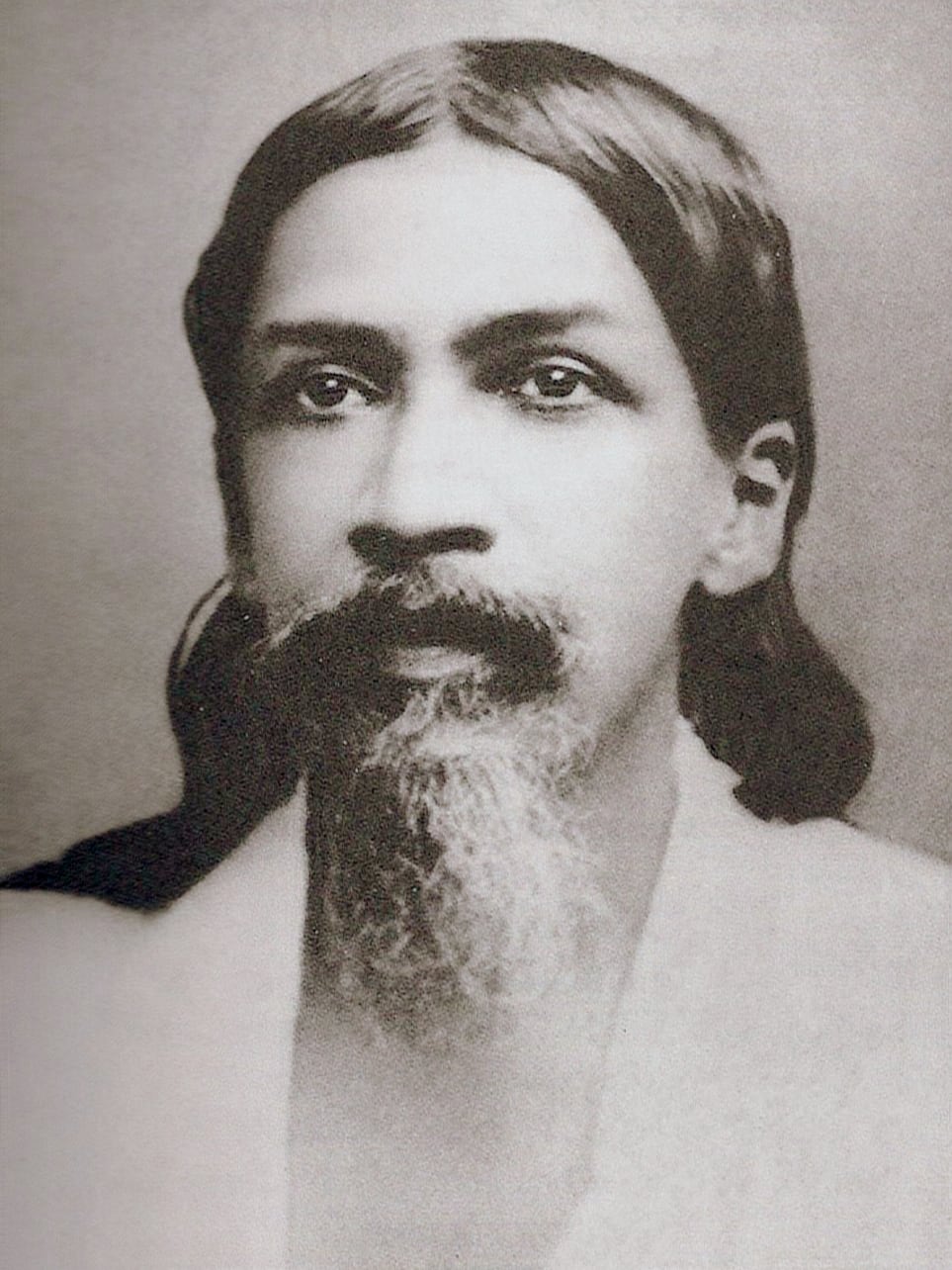
Sri Aurobindo
Совпадают в вопросах: Зачем медитировать или молиться? · Кто я? Существует ли истинное «я»? · Почему мы страдаем?
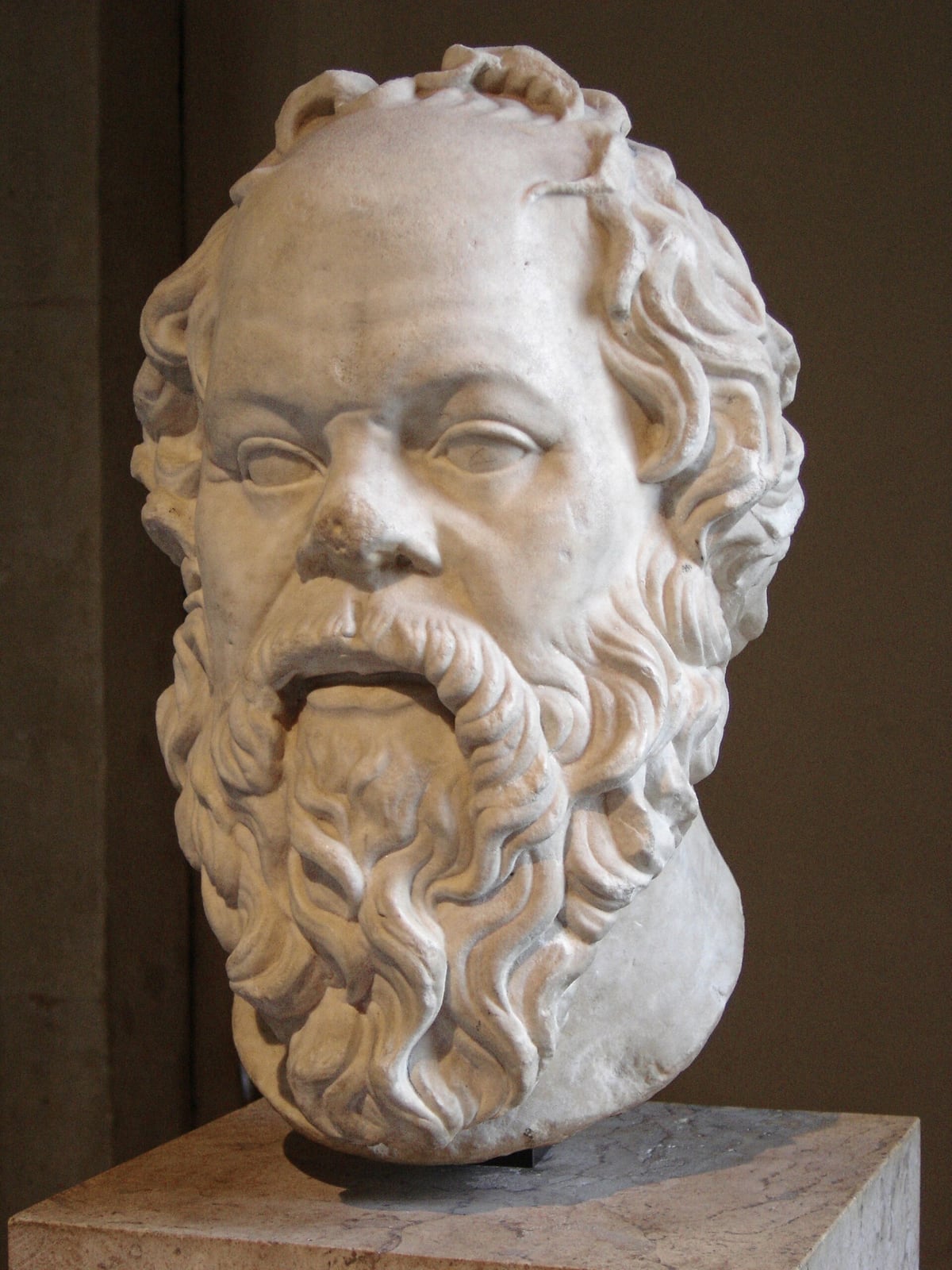
Socrates
Совпадают в вопросах: Почему мы страдаем? · Что происходит после смерти? · Нужен ли учитель?
- BKByron Katie
Byron Katie
Совпадают в вопросах: Что происходит после смерти? · Нужен ли учитель? · Зачем медитировать или молиться?
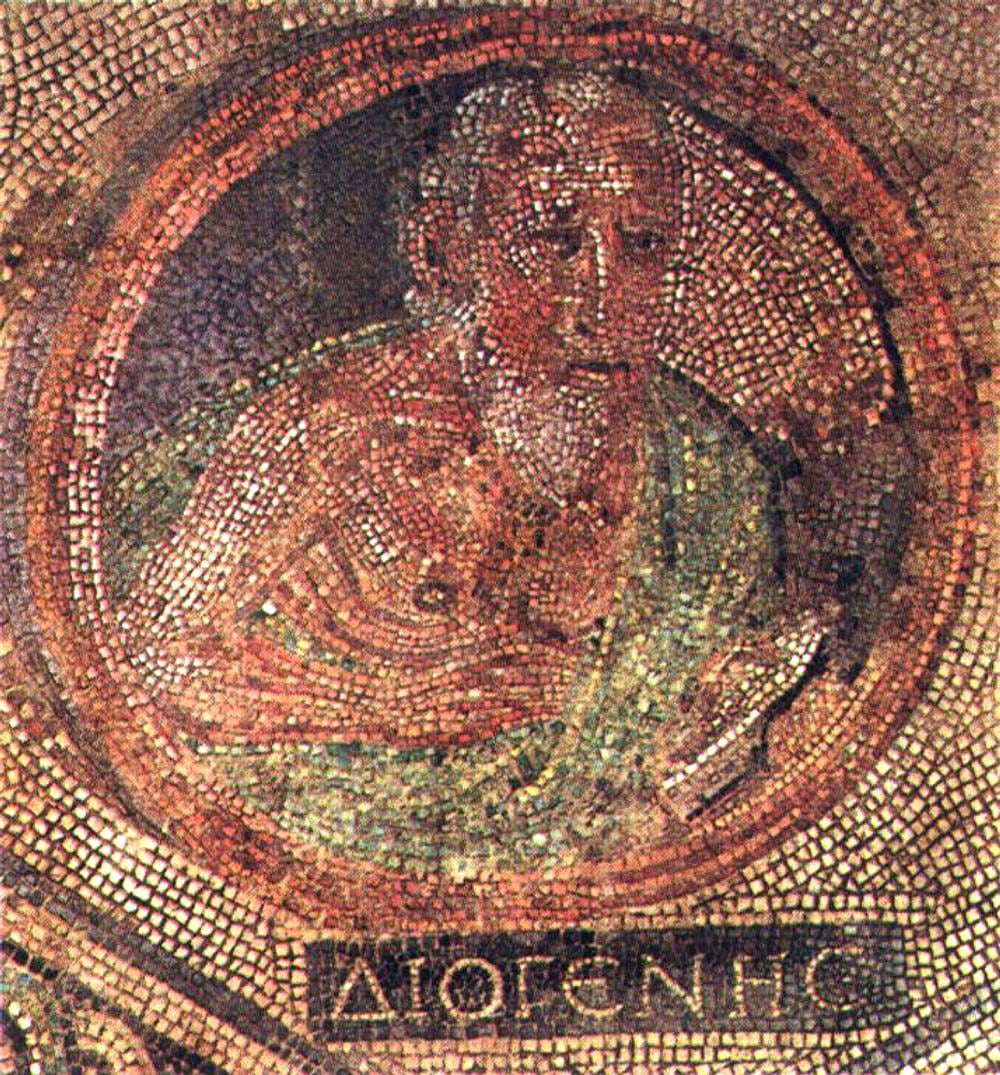
Diogenes of Sinope
Совпадают в вопросах: Что такое Абсолют? Существует ли Бог? · Что происходит после смерти? · Уйти от мира или преобразить его?
Дальше всего от
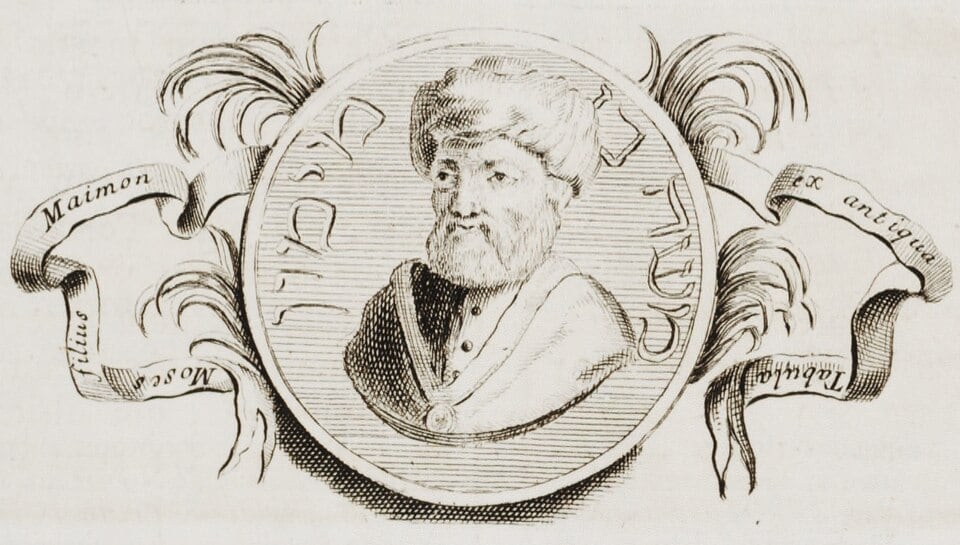
Maimonides
Расходятся в вопросах: Что такое Абсолют? Существует ли Бог? · Кто я? Существует ли истинное «я»? · Почему мы страдаем?
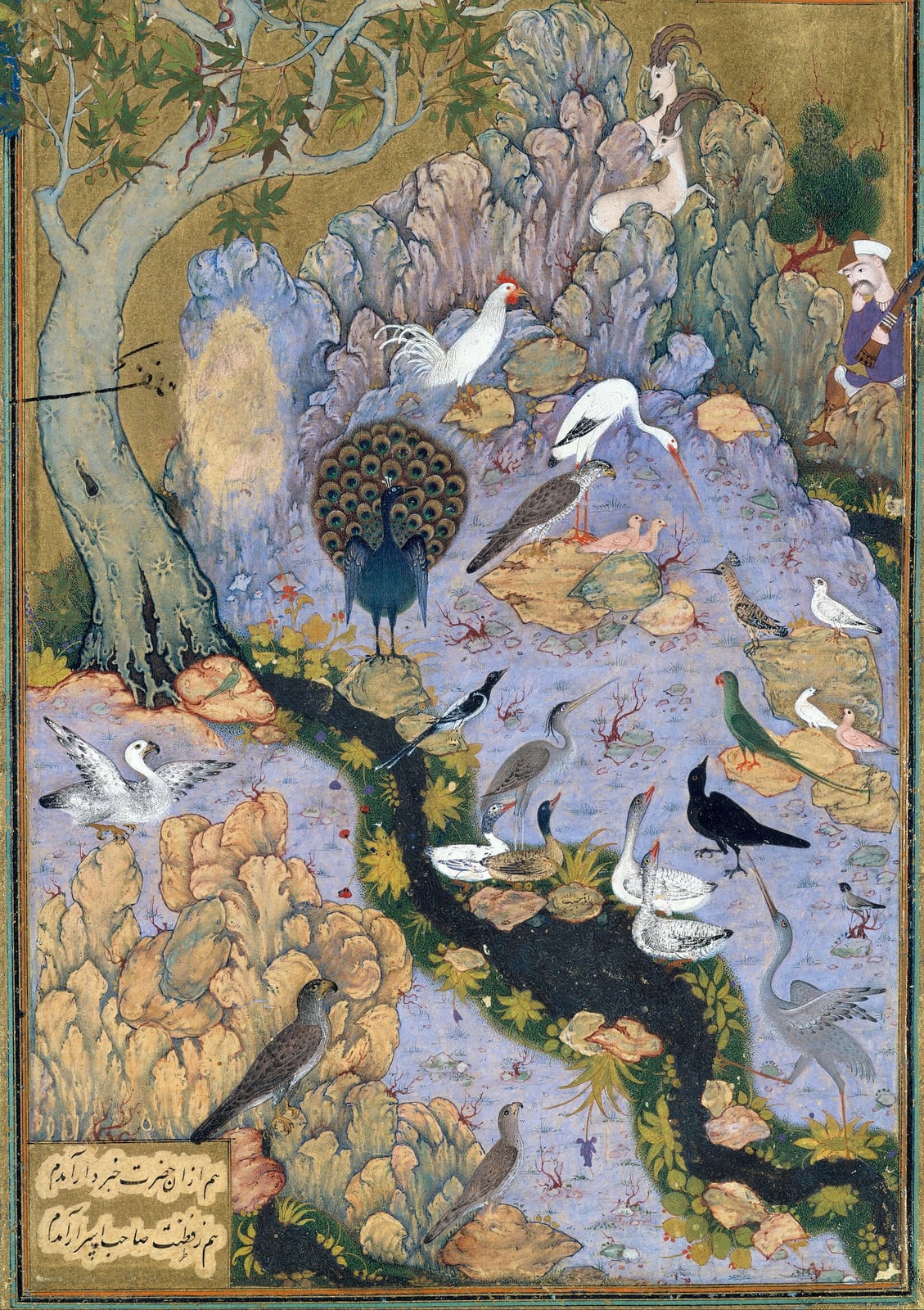
Attar
Расходятся в вопросах: Что такое Абсолют? Существует ли Бог? · Кто я? Существует ли истинное «я»? · Почему мы страдаем?
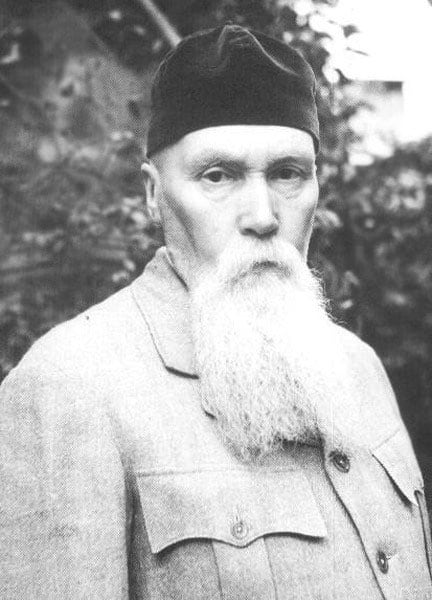
Nicholas Roerich
Расходятся в вопросах: Почему мы страдаем? · Нужен ли учитель? · Может ли разум познать предельное?
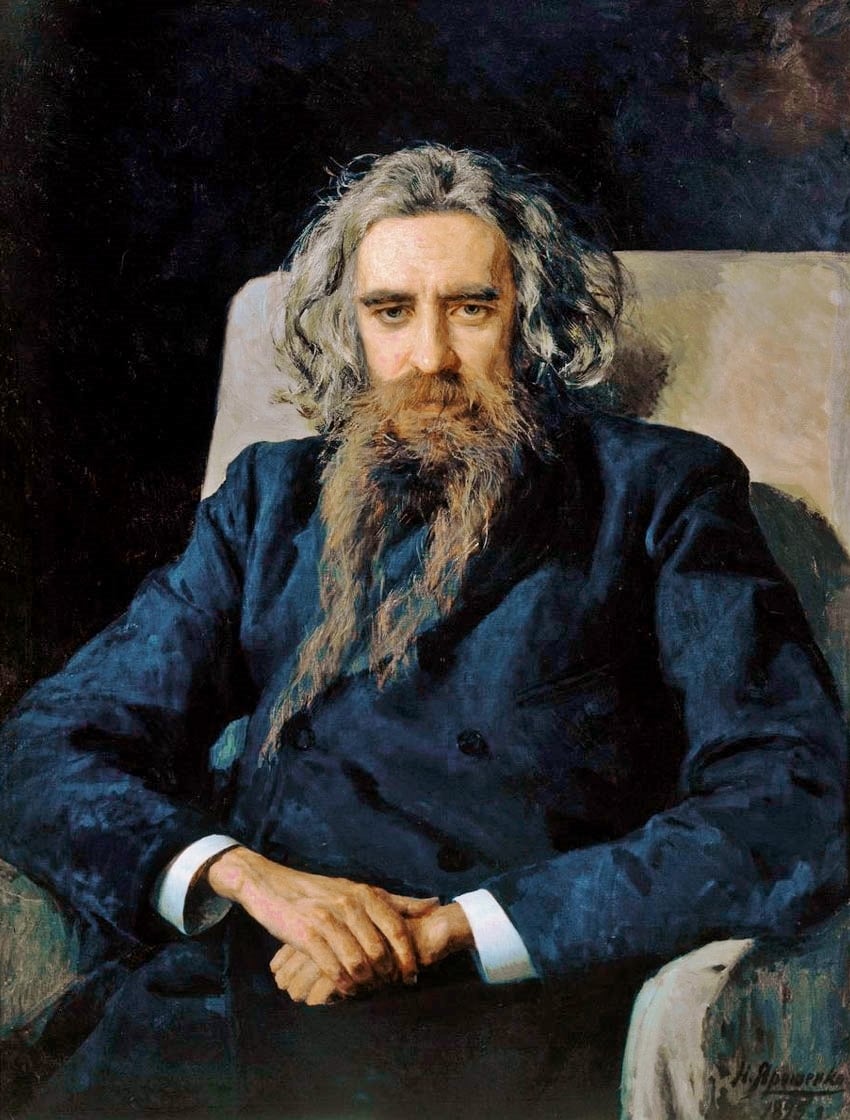
Vladimir Solovyov
Расходятся в вопросах: Что такое Абсолют? Существует ли Бог? · Кто я? Существует ли истинное «я»? · Почему мы страдаем?
Предания и рассказы
Предания и рассказы
Свидетельствоc. 1882–1884
The stone in the garden
Происхождение рассказа: Autobiographical account in Memories, Dreams, Reflections, ch. 'First Years', written by Jung himself around 1957–1958; there is no other source.
Источник: Jung, C. G. Erinnerungen, Träume, Gedanken von C. G. Jung. Aufgezeichnet und herausgegeben von Aniela Jaffé. Zúrich: Rascher, 1962 (trad. ingl. Memories, Dreams, Reflections, Nueva York: Pantheon, 1963; trad. esp. Recuerdos, sueños, pensamientos, Barcelona: Seix Barral).
Свидетельство1909
The crack in the bookcase
Происхождение рассказа: Jung's account in his memoirs (ch. 'Sigmund Freud') and Freud's letter to Jung of 16 April 1909 (Freud/Jung Letters, 139F), which confirms the conversation from his side.
Источник: McGuire, William (ed.). The Freud/Jung Letters: The Correspondence between Sigmund Freud and C. G. Jung. Trad. R. Manheim y R. F. C. Hull. Princeton: Princeton University Press (Bollingen Series XCIV), 1974.
Свидетельствоdécada de 1920 (fecha no precisada)
The golden scarab
Происхождение рассказа: Related by Jung in 'Synchronicity: An Acausal Connecting Principle' (1952; CW 8, §§ 843 and 982); there is no independent testimony from the patient.
Источник: Jung, C. G. y Pauli, Wolfgang. Naturerklärung und Psyche. Zúrich: Rascher, 1952 (incluye «Synchronizität als ein Prinzip akausaler Zusammenhänge»; CW 8).
Свидетельство1925
'The whites think with their heads'
Происхождение рассказа: Account in the memoirs (ch. 'Travels. America: The Pueblo Indians'); Jung already cited it in writings of the 1930s. The identification of the chief with Antonio Mirabal comes from later studies.
Источник: Jung, C. G. Erinnerungen, Träume, Gedanken von C. G. Jung. Aufgezeichnet und herausgegeben von Aniela Jaffé. Zúrich: Rascher, 1962 (trad. ingl. Memories, Dreams, Reflections, Nueva York: Pantheon, 1963; trad. esp. Recuerdos, sueños, pensamientos, Barcelona: Seix Barral).
Свидетельство1944
The visions of 1944
Происхождение рассказа: Autobiographical account in Memories, Dreams, Reflections, ch. 'Visions'. The illness and death of Dr Haemmerli in 1944 are documented; the content of the visions is known only from Jung.
Источник: Jung, C. G. Erinnerungen, Träume, Gedanken von C. G. Jung. Aufgezeichnet und herausgegeben von Aniela Jaffé. Zúrich: Rascher, 1962 (trad. ingl. Memories, Dreams, Reflections, Nueva York: Pantheon, 1963; trad. esp. Recuerdos, sueños, pensamientos, Barcelona: Seix Barral).
Свидетельство1914
Philemon and the kingfisher
Происхождение рассказа: Account in the memoirs (ch. 'Confrontation with the Unconscious'); the painting of Philemon is reproduced in The Red Book (2009 ed.). The Bollingen inscription survives.
Источник: Jung, C. G. Erinnerungen, Träume, Gedanken von C. G. Jung. Aufgezeichnet und herausgegeben von Aniela Jaffé. Zúrich: Rascher, 1962 (trad. ingl. Memories, Dreams, Reflections, Nueva York: Pantheon, 1963; trad. esp. Recuerdos, sueños, pensamientos, Barcelona: Seix Barral).
Учение
Учение
Понятия, на которых строится мысль учителя, объяснённые в их контексте.
Collective unconsciousinconsciente-colectivo
Analytical psychology; break with the Freudian theory of the unconscious.
Источник: Jung, C. G. The Collected Works of C. G. Jung. Ed. Herbert Read, Michael Fordham, Gerhard Adler y William McGuire; trad. R. F. C. Hull. 20 vols. Princeton: Princeton University Press (Bollingen Series XX) / Londres: Routledge & Kegan Paul, 1953–1979. Ed. alemana: Gesammelte Werke, Olten/Zúrich: Walter-Verlag, 1958–1994.
Archetypearquetipo
Platonism, Kant and comparative ethnology (Bastian, Lévy-Bruhl).
Источник: Jung, C. G. The Collected Works of C. G. Jung. Ed. Herbert Read, Michael Fordham, Gerhard Adler y William McGuire; trad. R. F. C. Hull. 20 vols. Princeton: Princeton University Press (Bollingen Series XX) / Londres: Routledge & Kegan Paul, 1953–1979. Ed. alemana: Gesammelte Werke, Olten/Zúrich: Walter-Verlag, 1958–1994.
Shadowsombra
Personality psychology; ethics and collective psychology.
Источник: Jung, C. G. The Collected Works of C. G. Jung. Ed. Herbert Read, Michael Fordham, Gerhard Adler y William McGuire; trad. R. F. C. Hull. 20 vols. Princeton: Princeton University Press (Bollingen Series XX) / Londres: Routledge & Kegan Paul, 1953–1979. Ed. alemana: Gesammelte Werke, Olten/Zúrich: Walter-Verlag, 1958–1994.
Anima and animusanima-animus
Analytical psychology; symbolism of the syzygy in Gnosticism and alchemy.
Источник: Jung, C. G. The Collected Works of C. G. Jung. Ed. Herbert Read, Michael Fordham, Gerhard Adler y William McGuire; trad. R. F. C. Hull. 20 vols. Princeton: Princeton University Press (Bollingen Series XX) / Londres: Routledge & Kegan Paul, 1953–1979. Ed. alemana: Gesammelte Werke, Olten/Zúrich: Walter-Verlag, 1958–1994.
Self and individuationsi-mismo-individuacion
Analytical psychology, comparative mysticism and alchemy.
Источник: Jung, C. G. The Collected Works of C. G. Jung. Ed. Herbert Read, Michael Fordham, Gerhard Adler y William McGuire; trad. R. F. C. Hull. 20 vols. Princeton: Princeton University Press (Bollingen Series XX) / Londres: Routledge & Kegan Paul, 1953–1979. Ed. alemana: Gesammelte Werke, Olten/Zúrich: Walter-Verlag, 1958–1994.
Synchronicitysincronicidad
Dialogue with physics (Pauli); I Ching; philosophy of nature.
Источник: Jung, C. G. y Pauli, Wolfgang. Naturerklärung und Psyche. Zúrich: Rascher, 1952 (incluye «Synchronizität als ein Prinzip akausaler Zusammenhänge»; CW 8).
Psychological typestipos-psicologicos
Differential psychology; history of ideas.
Источник: Jung, C. G. The Collected Works of C. G. Jung. Ed. Herbert Read, Michael Fordham, Gerhard Adler y William McGuire; trad. R. F. C. Hull. 20 vols. Princeton: Princeton University Press (Bollingen Series XX) / Londres: Routledge & Kegan Paul, 1953–1979. Ed. alemana: Gesammelte Werke, Olten/Zúrich: Walter-Verlag, 1958–1994.
Complexcomplejo
Early twentieth-century experimental psychiatry.
Источник: Ellenberger, Henri F. The Discovery of the Unconscious: The History and Evolution of Dynamic Psychiatry. Nueva York: Basic Books, 1970 (cap. 9, «Carl Gustav Jung and Analytical Psychology»).
Видео
Видео
Записи, интервью и документальные фильмы. Видео воспроизводятся с YouTube; здесь они не хранятся.
Face to Face: Carl Gustav Jung (BBC, 1959)
Интервью· EN· 1959· 38 min
KidMillions
Richard Evans interviews Carl Jung — Personality, organization, fundamental concepts (1957)
Смотреть на YouTube
Это видео нельзя встроить; оно откроется на YouTube.
Richard Evans interviews Carl Jung — Personality, organization, fundamental concepts (1957)
Интервью· EN· 1957· 59 min
Cummings Center for the History of PsychologyОфициальный канал
Richard Evans interviews Carl Jung — Introversion, extroversion and other contributions (1957)
Смотреть на YouTube
Это видео нельзя встроить; оно откроется на YouTube.
Richard Evans interviews Carl Jung — Introversion, extroversion and other contributions (1957)
Интервью· EN· 1957· 36 min
Cummings Center for the History of PsychologyОфициальный канал
Carl Gustav Jung & The Red Book (part 1)
Лекция· EN· 2010· 150 min
Library of CongressОфициальный канал
Sonu Shamdasani introduces The Red Book
Лекция· EN· 2009· 7 min
Rubin Museum of Himalayan ArtОфициальный канал
Sternstunde Philosophie — Das Rote Buch von C. G. Jung
Документальный фильм· DE· 2009· 62 min
Schweizer Radio und FernsehenОфициальный канал
150 Jahre C. G. Jung und das Erbe der modernen Psychotherapie (Sternstunde Philosophie)
Лекция· DE· 2025· 59 min
SRF Kultur SternstundenОфициальный канал
Carl Gustav Jung (1875–1961) – Une vie, une œuvre (France Culture, 1985)
Документальный фильм· FR· 1985· 83 min
Rien ne veut rien dire
Jung. La sabiduría de los sueños (documental completo)
Документальный фильм· ES· 155 min
Casa Jung - Psicología
Matter of Heart (1986)
Документальный фильм· EN· 1986· 106 min
Howl in the Wilderness
The World Within: C. G. Jung in His Own Words (1990)
Документальный фильм· EN· 1990· 44 min
History of Ideas
Jung's ETH Lectures on Yoga and Meditation
Запись третьих лиц· EN· 2021· 1 min
Philemon FoundationОфициальный канал
The Black Books by C. G. Jung
Запись третьих лиц· EN· 2020· 1 min
Philemon FoundationОфициальный канал
Галерея
Галерея
Изображения с проверенной лицензией. Каждое сохраняет своё авторство и атрибуцию.
Рукописи
Рукописи
Рукописные свидетельства и древние тексты, с указанием хранителя и условий доступа.
DE · Latin (escritura gótica caligráfica) · 1914–1930
Liber Novus (Das Rote Buch)
- Сохранившийся список
- Volumen autógrafo en folio, encuadernado en piel roja, con 53 pinturas
- Хранитель
- Stiftung der Werke von C. G. Jung (Zúrich), en depósito
DE · Latin · 1913–1932
Schwarze Bücher
- Сохранившийся список
- Siete cuadernos autógrafos
- Хранитель
- Familia Jung / Stiftung der Werke von C. G. Jung
DE · Latin · 1896–1961
Nachlass C. G. Jung
- Сохранившийся список
- Manuscritos, correspondencia y documentos
- Хранитель
- ETH-Bibliothek, Hochschularchiv, Zúrich (Hs 1055 y otros) · Hs 1055
Связи
Связи
Влияния, ученичество и близость взглядов. Документированная связь отличается от сходства, выявленного путём анализа.
Испытал влияние
Sigmund Freud
Close collaborator from 1906 to 1913; Freud designated him his successor before the break.
Документированная связь
Расходился во взглядах с
Sigmund Freud
Break of 1912–1913 over the theory of libido, the role of sexuality and religion.
Документированная связь
Ученик
Eugen Bleuler
His chief at the Burghölzli (1900–1909), who introduced him to Freud's work.
Документированная связь
Ученик
Pierre Janet
He attended Janet's lectures in Paris in the winter of 1902–1903; his idea of dissociation influenced the theory of the complex.
Документированная связь
Состоял в переписке с
Richard Wilhelm
Sinologist and friend; they published The Secret of the Golden Flower together (1929).
Документированная связь
Состоял в переписке с
Wolfgang Pauli
Patient and later interlocutor for 26 years on psyche, matter and synchronicity.
Документированная связь
Испытал влияние
Friedrich Nietzsche
A decisive youthful reading; he devoted a five-year seminar to Thus Spoke Zarathustra.
Документированная связь
Испытал влияние
Jung cites him in Psychological Types and in his memoirs as the author in whom he found 'the breath of life'.
Документированная связь
Испытал влияние
A source for his study of mandala symbolism and of the inner opposition in God (GW 9/I).
Документированная связь
Испытал влияние
Read in his student years; discussed in the Zofingia lectures and in the essay on synchronicity.
Документированная связь
Испытал влияние
He commented on the Yoga Sutras in his ETH lectures of 1938–1939.
Документированная связь
Испытал влияние
He analysed the Spiritual Exercises in his ETH lectures of 1939–1940.
Документированная связь
Испытал влияние
The Tao as the union of opposites is a constant reference from Psychological Types onwards.
Документированная связь
Современник
Jung did not visit him on his 1937–1938 journey to India, but wrote about him in 'The Holy Men of India' (1944), foreword to Heinrich Zimmer's book.
Документированная связь
Повлиял на
Watts discussed Jung's psychology at length in Psychotherapy East and West (1961).
Документированная связь
Встречался с
Hermann Hesse
Hesse was analysed by J. B. Lang, a pupil of Jung, and met Jung; they corresponded.
Документированная связь
Учитель
Marie-Louise von Franz
His closest collaborator from 1933 in the study of alchemy and fairy tales.
Документированная связь
Родственник
Emma Jung
Wife (1903–1955) and analyst; co-author of The Grail Legend with Marie-Louise von Franz.
Документированная связь
Современник
Contemporaries in the German-speaking world with shared interests (Goethe, Gnosis, the spiritual), with no documented relationship.
Сходство, выявленное путём анализа
Идеи, близкие к
Siddhartha Gautama, the Buddha
Jung compared the Buddhist path with individuation in his writings on the East; the analogy is interpretive.
Сходство, выявленное путём анализа
Источники
Источники
Библиография и каталоги, использованные для этой статьи.
- Jung, C. G. Erinnerungen, Träume, Gedanken von C. G. Jung. Aufgezeichnet und herausgegeben von Aniela Jaffé. Zúrich: Rascher, 1962 (trad. ingl. Memories, Dreams, Reflections, Nueva York: Pantheon, 1963; trad. esp. Recuerdos, sueños, pensamientos, Barcelona: Seix Barral).
- Bair, Deirdre. Jung: A Biography. Boston: Little, Brown and Company, 2003.
- Shamdasani, Sonu. Jung and the Making of Modern Psychology: The Dream of a Science. Cambridge: Cambridge University Press, 2003.
- McGuire, William (ed.). The Freud/Jung Letters: The Correspondence between Sigmund Freud and C. G. Jung. Trad. R. Manheim y R. F. C. Hull. Princeton: Princeton University Press (Bollingen Series XCIV), 1974.
- Jung, C. G. The Red Book: Liber Novus. Ed. e introducción de Sonu Shamdasani. Nueva York: W. W. Norton / Philemon Series, 2009.
- Hannah, Barbara. Jung: His Life and Work. A Biographical Memoir. Nueva York: G. P. Putnam's Sons, 1976.
- Wikidata, «Carl Gustav Jung» (Q41532).
- Jung, C. G. The Collected Works of C. G. Jung. Ed. Herbert Read, Michael Fordham, Gerhard Adler y William McGuire; trad. R. F. C. Hull. 20 vols. Princeton: Princeton University Press (Bollingen Series XX) / Londres: Routledge & Kegan Paul, 1953–1979. Ed. alemana: Gesammelte Werke, Olten/Zúrich: Walter-Verlag, 1958–1994.
- Wikipedia (en), «Carl Jung» y «Carl Jung publications», consultadas el 25 de octubre de 2026.
- Ellenberger, Henri F. The Discovery of the Unconscious: The History and Evolution of Dynamic Psychiatry. Nueva York: Basic Books, 1970 (cap. 9, «Carl Gustav Jung and Analytical Psychology»).
- Jung, C. G. y Pauli, Wolfgang. Naturerklärung und Psyche. Zúrich: Rascher, 1952 (incluye «Synchronizität als ein Prinzip akausaler Zusammenhänge»; CW 8).
- «Face to Face: Professor Carl Gustav Jung», entrevista de John Freeman, BBC Television, emitida el 22 de octubre de 1959.
- Philemon Foundation: edición de las obras inéditas de C. G. Jung (Philemon Series).
- Haus C.G. Jung (Stiftung C. G. Jung Küsnacht), casa-museo de Jung en Küsnacht.
- Wikisource en inglés: Author:Carl Gustav Jung (traducciones inglesas anteriores a 1930).
- Jung, C. G. Briefe. Ed. Aniela Jaffé y Gerhard Adler. 3 vols. Olten: Walter-Verlag, 1972–1973 (trad. ingl. Letters, 2 vols., Princeton University Press, 1973–1975).
- Cocks, Geoffrey. Psychotherapy in the Third Reich: The Göring Institute. Nueva York: Oxford University Press, 1985 (2.ª ed. Transaction, 1997).
- Jung, C. G. Psychology of Yoga and Meditation: Lectures Delivered at ETH Zurich, vol. 6: 1938–1940. Ed. Martin Liebscher. Princeton: Princeton University Press (Philemon Series), 2021.
- Watts, Alan. Psychotherapy East and West. Nueva York: Pantheon Books, 1961.
- Von Franz, Marie-Louise. C. G. Jung: His Myth in Our Time. Nueva York: Putnam / C. G. Jung Foundation, 1975 (orig. alemán, 1972).
- Правообладатель
- Stiftung der Werke von C. G. Jung (Zúrich), titular de los derechos de autor; en vigor hasta el 31 de diciembre de 2031 en la UE (70 años post mortem) y de 2041 en España para las obras publicadas en vida. En EE. UU. son de dominio público las ediciones publicadas antes de 1930.
- Официальный сайт
- philemonfoundation.org/
Ожидает подтверждения
То, что в этой статье пока не удалось установить. Мы предпочитаем сказать об этом, а не заполнять пробел.
- Cotejar con las ediciones impresas las citas marcadas como «probable» (Aion § 126, CW 13 § 335, carta a Fanny Bowditch, Modern Man in Search of a Soul, MDR «Late Thoughts»).
- Confirmar fechas exactas marcadas como probables en la cronología: ingreso en el Burghölzli (10-XII-1900), boda (14-II-1903) y fundación del Instituto (24-IV-1948).
- Fechas de publicación de cada volumen de las Gesammelte Werke (Walter-Verlag) registradas como aproximadas: verificar en el catálogo de la Deutsche Nationalbibliothek.
- Registrar uno por uno los volúmenes de seminarios y lecciones de la Philemon Series aún no incluidos (ETH vols. 1–8, seminarios de 1931 sobre imaginación activa, de Berlín de 1933, Children's Dreams, sueños de Pauli, correspondencias con White, Neumann, Keller, Kirsch).
- Localizar ediciones con ISBN en italiano, ruso, árabe e hindi de Recuerdos, sueños, pensamientos y de El libro rojo.
- Comprobar en la ETH-Bibliothek las signaturas exactas del legado (Hs 1055 es la principal; hay otras).
Исследовано 2026-10-25