Христианство · Христианская мистика · Православие
Vladimir Solovyov
Владимир Сергеевич Соловьёв
1853 – 1900Исторически документированная личность
Русский философ, богослов-мирянин и поэт (1853–1900), первый систематический мыслитель России. Он сформулировал идеи «всеединства» и «Богочеловечества» и мистику Премудрости Божией, Софии, которую, по его словам, видел трижды. Друг Достоевского, в 1881 году он просил о помиловании убийц царя и лишился кафедры; мечтал о соединении Церквей Востока и Запада и завершил жизнь «Краткой повестью об антихристе». От него берут начало Бердяев, Булгаков, Флоренский и поэзия символизма.
- трудов
- 79трудов
- изданий
- 89изданий
- цитат
- 7цитат
- видео
- 13видео
- изображений
- 9изображений
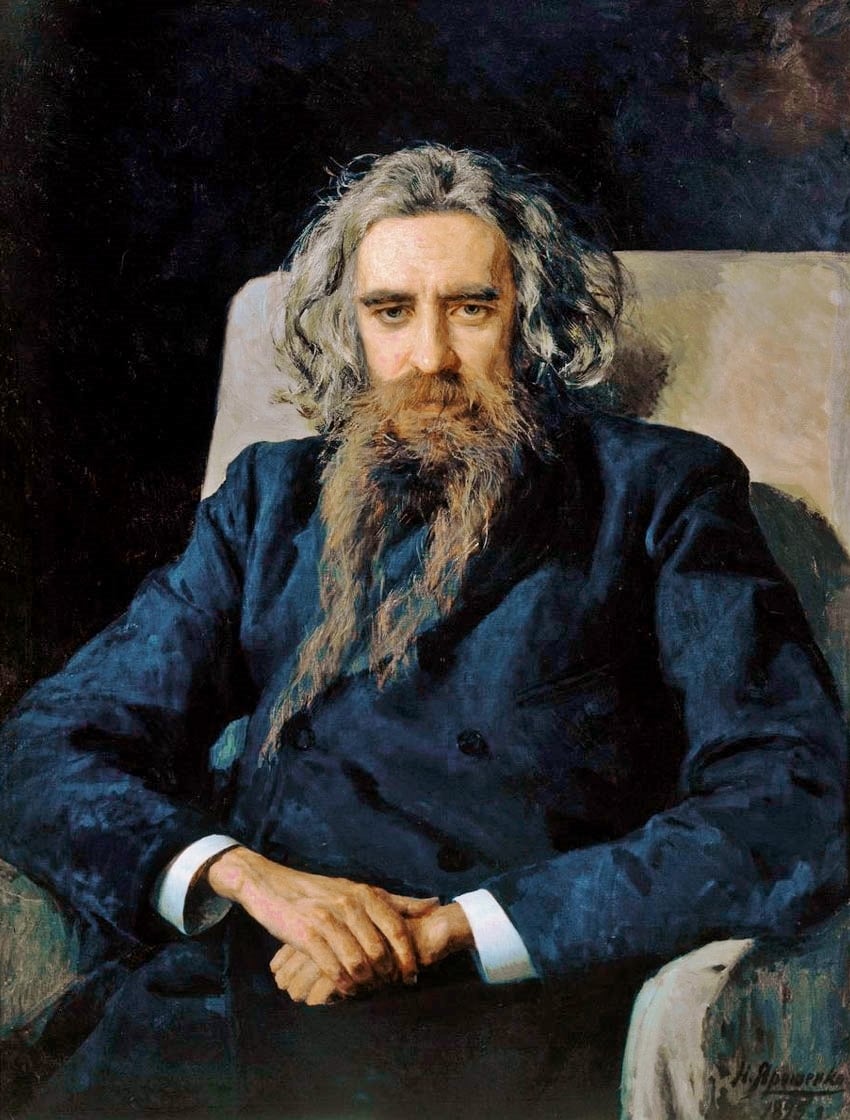
Retrato de Vladímir Soloviov, por Nikolái Yaroshenko · Public domain
Своими словами
«Смысл и достоинство любви как чувства состоит в том, что она заставляет нас действительно всем нашим существом признать за другим то безусловное центральное значение, которое, в силу эгоизма, мы ощущаем только в самих себе.»«Смысл любви» [El sentido del amor], artículo tercero, I (1892–1894).

Главная мысль
All-unity (vseedinstvo): All-unity is the central category of Solovyov's philosophy: true reality is neither the abstract unity that absorbs the parts (as in pantheism or in Eastern mysticism as he understood it) nor the multiplicity of isolated individuals of atomism and Western individualism, but a unity that positively contains all things, each with its own place and value.
В контексте
Биография
4 мин чтения
Перевод с испанского оригинала, выполненный с помощью ИИ; ожидает проверки носителем языка.
Сын историка
Владимир Сергеевич Соловьёв родился в Москве 16 (28) января 1853 года. Его отцом был Сергей Михайлович Соловьёв — историк, автор монументальной «Истории России с древнейших времён», впоследствии ректор Московского университета. Мать, Поликсена Владимировна Романова, происходила из семьи с польскими и казацкими корнями, к которой принадлежал и странствующий философ Григорий Сковорода. Он вырос в доме, где царили методичный труд и ровное, без экзальтации, православное благочестие; брат Всеволод стал романистом, сестра Поликсена — поэтессой.
В отрочестве он пережил кризис всего своего поколения: читал Бюхнера, Фейербаха и материалистов, объявил себя атеистом и, поступив в 1869 году в Московский университет, перешёл с историко-филологического факультета на естественное отделение. К 1871–1872 годам позитивизма ему уже не хватало: Спиноза, Шопенгауэр и прежде всего поздний Шеллинг вернули ему метафизический вопрос. Он оставил естественные науки, в 1873 году экстерном сдал кандидатские экзамены по историко-филологическому факультету и следующий учебный год провёл вольнослушателем в Московской духовной академии в Сергиевом Посаде — вещь неслыханная для университетского человека его круга.
Кризис западной философии
24 ноября 1874 года двадцатиоднолетний Соловьёв защитил в Петербурге магистерскую диссертацию «Кризис западной философии (против позитивистов)». Он утверждал, что европейская мысль, исчерпав рационализм и эмпиризм, по собственной логике приходит к требованию религиозного знания, соединяющего науку, философию и веру. Защита стала общественным событием и принесла ему место доцента в Москве.
Три свидания
В июне 1875 года он отправился в Лондон, чтобы в читальном зале Британского музея изучать индийскую философию, гностицизм и средневековую мистику; читал каббалу, Бёме и Сведенборга. Там, как он рассказывал впоследствии, ему во второй раз явился светлый женский образ, впервые увиденный им в девять лет за обедней в московской университетской церкви. Внутренний голос повелел ему ехать в Египет; осенью он отправился в путь и однажды ночью в конце 1875 года в пустыне близ Каира увидел её всю. Соловьёв молчал об этих опытах больше двадцати лет и рассказал о них лишь в 1898 году, в шутливой и вместе серьёзной поэме «Три свидания». Это присутствие было для него Премудростью Божией, Софией, и вокруг неё он выстроил всё своё творчество.
Богочеловечество
В 1877 году из-за конфликта в профессорской коллегии он покинул Московский университет и переселился в Петербург, где стал членом Учёного комитета Министерства народного просвещения. Там окрепла его дружба с Достоевским, старшим его на тридцать лет, с которым он был знаком с 1873 года. Весной 1878 года в зале Соляного городка он прочёл свои «Чтения о Богочеловечестве», на которые собирался весь цвет столицы: Достоевский, Победоносцев и однажды мартовским вечером также Толстой, так и не познакомившийся с автором «Преступления и наказания», хотя оба были в зале. В июне, после смерти маленького Алёши Достоевского, философ сопровождал писателя в Оптину пустынь, где они беседовали со старцем Амвросием.
6 апреля 1880 года он защитил докторскую диссертацию «Критика отвлечённых начал». Его система была уже очерчена: вся действительность есть «всеединство», исходящее от Бога и к Нему возвращающееся; человек — то место, где материальный мир может воссоединиться с божественным, а Христос, вочеловечившийся Бог, — ключ к этому процессу, который человечество призвано продолжить в истории, пока не станет Богочеловечеством.
Речь 28 марта
1 марта 1881 года террористы «Народной воли» убили Александра II. Четыре недели спустя, 28 марта, Соловьёв закончил публичную лекцию призывом к новому царю во имя христианского прощения не казнить цареубийц. Зал разделился между рукоплесканиями и протестами, дело дошло до императора, и ему на время запретили выступать с публичными лекциями. Осуждённых повесили 3 апреля. На следующий год он оставил университетское преподавание и больше никогда не имел постоянной должности: жил литературным трудом, у друзей и в гостиницах, без собственности и без семьи.
Мечта о Вселенской Церкви
1880-е годы он посвятил идее, которая поссорила его почти со всеми: соединению православия и католичества в «свободной теократии», где папа осуществлял бы духовную власть, царь — светскую, а пророки — свободу. Он сблизился с хорватским епископом Йосипом Юраем Штросмайером, издал в Загребе «Историю и будущность теократии» (1887) и, столкнувшись с русской цензурой, выпустил по-французски «Русскую идею» («L'Idée russe», 1888) и «Россию и Вселенскую Церковь» («La Russie et l'Église universelle», Париж, 1889). В то же время он обличал национализм, антисемитизм и преследование старообрядцев. В феврале 1896 года, согласно оспариваемой версии, он причастился у греко-католического священника Николая Толстого; сам же он продолжал считать себя членом единой Церкви, которую разделение не расторгло в её корне.
Любовь, добро и красота
В 1890-е годы, разочаровавшись в теократии, он вернулся к философии. Он руководил философским отделом «Энциклопедического словаря» Брокгауза и Ефрона, деятельно помогал голодающим в 1891–1892 годах и возмутил Москву лекцией «Об упадке средневекового миросозерцания», где утверждал, что неверующие, трудящиеся ради справедливости, служат Христу лучше многих христиан. Он издал «Смысл любви» (1892–1894), где эрос предстаёт силой, побеждающей эгоизм и предвосхищающей бессмертие, и «Оправдание добра» (1897), свою великую этику. Он писал стихи, тонкостью которых восхищались Фет и символисты, и вместе с братом Михаилом начал переводить Платона.
Антихрист
Последние годы омрачило апокалиптическое предчувствие. В 1899–1900 годах он написал «Три разговора о войне, прогрессе и конце всемирной истории», венчает которые «Краткая повесть об антихристе»: сверхчеловек-филантроп, благодетель человечества, объединяет мир и требует от христиан лишь одного — признать его; старец Иоанн, папа Пётр и профессор Паули, свидетели трёх Церквей, разоблачают его и соединяются в конце времён. В июле 1900 года больной Соловьёв велел отвезти себя в Узкое, имение Трубецких; он исповедался и причастился у православного священника, молился по-еврейски за еврейский народ и скончался в ночь на 31 июля (13 августа) 1900 года. Похоронен на кладбище Новодевичьего монастыря, рядом с отцом.
Наследие
Ни один русский мыслитель не повлиял так сильно на следующие полвека. От его софиологии и идеи Богочеловечества отправляются Сергей Булгаков и Павел Флоренский; Бердяев, Франк и братья Трубецкие всю жизнь вели с ним спор; Блок, Белый и Вячеслав Иванов сделали его Софию музой символизма. В XX веке его критику антихриста-филантропа заново прочли католические и православные богословы, а в 2020 году Кристи Пуйю перенёс «Три разговора» на экран в фильме «Мальмкрог».
Источники: Mochulski, Konstantín. Владимир Соловьев: жизнь и учение [Vladímir Soloviov: vida y doctrina]. París: YMCA-Press, 1936 (2.ª ed., 1951). · Lósev, Alekséi F. Владимир Соловьев и его время [Vladímir Soloviov y su tiempo]. Moscú: Progress, 1990. · Soloviov, V. S. «Три свидания» [Tres encuentros] (1898), en Стихотворения и шуточные пьесы, ed. Z. G. Mints. Leningrado: Sovetski pisatel (Biblioteka poeta), 1974, pp. 125–132. Texto en Wikisource ruso. · Kornblatt, Judith Deutsch (ed. y trad.). Divine Sophia: The Wisdom Writings of Vladimir Solovyov. Ithaca: Cornell University Press, 2009. · Dostoiévskaya, Anna Grigórievna. Воспоминания [Memorias]. Moscú: Judózhestvennaya literatura, 1971 (primera edición, 1925). Texto en Wikisource ruso.
Хронология
Жизнь год за годом
Каждая точка — документированное событие. Нажмите, чтобы прочитать о нём, с источником и степенью достоверности.
28 января 1853 г.0 летMoscú
Birth
Born in Moscow (16 January Old Style), fourth child of the historian Sergei Mikhailovich Solovyov and Poliksena Vladimirovna Romanova.
ДокументированоWikidata, Q282280: Vladimir Solovyov, filósofo ruso (1853–1900). P31=Q5; 64 enlaces entre wikis.
После смерти
- 1911The volume On Vladimir Solovyov
28 января 1853 г. · 0 лет
Birth
Born in Moscow (16 January Old Style), fourth child of the historian Sergei Mikhailovich Solovyov and Poliksena Vladimirovna Romanova.
Документировано
1862 · 9 лет
First vision
During an Ascension Day liturgy in the Moscow University church he sees, by his own 1898 account, a luminous female figure: the first of his 'three meetings'.
Предание
1869 · 16 лет
Moscow University
Finishes secondary school with a gold medal and enters Moscow University; after a spell in History and Philology he enrols in natural sciences.
Документировано
сентябрь 1873 г. · 20 лет
Auditor at the Theological Academy
Having graduated in History and Philology, he spends a year auditing courses at the Moscow Theological Academy in Sergiev Posad.
Документировано
24 ноября 1874 г. · 21 год
The Crisis of Western Philosophy
Defends his master's thesis against the positivists at St Petersburg University and obtains a lectureship in Moscow.
Документировано
июнь 1875 г. · 22 года
The British Museum
Travels to London to study Indian philosophy, Gnosticism and medieval mysticism; in the Reading Room he has the second vision of Sophia.
Предание
ок. 1875 · 22 года
The third meeting
An inner voice sends him to Egypt; in the desert east of Cairo he sees Sophia 'whole' for the third time. He stays in Egypt until March 1876.
Предание
март 1877 г. · 24 года
Move to St Petersburg
Having resigned in Moscow over a faculty dispute, he joins the Scholarly Committee of the Ministry of Public Education and grows close to Dostoevsky.
Документировано
10 марта 1878 г. · 25 лет
The Lectures on Godmanhood
Gives his series of public lectures at the Solyanoy Gorodok. Tolstoy, Strakhov and Dostoevsky attend the one on 10 March: the two novelists never meet.
Документировано
июнь 1878 г. · 25 лет
Journey to Optina with Dostoevsky
Accompanies Dostoevsky, stricken by the death of his son Alexei, to Optina monastery, where they talk with the elder Ambrose.
Документировано
6 апреля 1880 г. · 27 лет
Doctorate
Defends his doctoral thesis, The Critique of Abstract Principles; he is not given a chair.
Документировано
28 марта 1881 г. · 28 лет
Plea for clemency for the regicides
At the end of a public lecture he asks the new Tsar not to execute Alexander II's assassins. He is temporarily barred from lecturing; in 1882 he leaves the university.
Документировано
ок. 1886 · 33 года
With Bishop Strossmayer
Visits Bishop Josip Juraj Strossmayer in Croatia, an ally in his project for the reunion of the Churches; The History and Future of Theocracy appears in Zagreb in 1887.
Вероятно
1889 · 36 лет
Russia and the Universal Church
Publishes in French, in Paris, his great ecumenical book, which ecclesiastical censorship made impossible to publish in Russia.
Документировано
19 октября 1891 г. · 38 лет
On the Decline of the Medieval Worldview
His lecture at the Moscow Psychological Society, in the midst of the famine, causes a public scandal and attacks in the conservative press.
Вероятно
1892 – 1894 · 39 лет
The Meaning of Love
Begins publishing in Questions of Philosophy and Psychology the five articles of The Meaning of Love (1892–1894).
Документировано
февраль 1896 г. · 43 года
Communion with a Greek Catholic priest
According to a disputed account, he receives communion from the Greek Catholic priest Nikolai Tolstoy He left no written record of the episode himself, which we know from the priest.
Оспаривается
1897 · 44 года
The Justification of the Good
His system of moral philosophy appears; revised and enlarged edition in 1899.
Документировано
1898 · 45 лет
Three Meetings
Returns to Egypt and writes the autobiographical poem in which he tells for the first time his three visions of Sophia.
Документировано
январь 1900 г. · 47 лет
Honorary academician
He is elected honorary academician of the Imperial Academy of Sciences in the belles-lettres category. Publishes Three Conversations.
Вероятно
30 июля 1900 г. · 47 лет
Confession and last days
He arrives ill at Uzkoye on 27 July (15 July OS); on the 30th (18 July OS) he confesses and receives communion from the Orthodox priest Belyaev, of the Uzkoye parish.
Документировано
13 августа 1900 г. · 47 лет
Death
Dies at half past nine in the evening (31 July Old Style) in Prince Pyotr Trubetskoy's study. He is buried on 16 August (3 August OS) in the Novodevichy Convent cemetery.
Документировано
1911
The volume On Vladimir Solovyov
The Put publishing house issues the tribute volume 'First Collection: On Vladimir Solovyov' for the tenth anniversary of his death; the second edition of his collected works begins (1911–1914).
Вероятно
Труды
Главные труды
Труды, без которых не понять это наследие.
Письменный труд · 1874
Кризис западной философии (против позитивистов)
Master's thesis defended in St Petersburg on 24 November 1874. It surveys modern philosophy from Descartes to Hegel, Schopenhauer and Hartmann and argues that, rationalism and empiricism having been exhausted, Western thought leads to the need for an integral knowledge reconciling reason with faith and mystical experience. Positivism appears not as a way beyond but as a symptom of that crisis. It was the young Solovyov's public debut and the programme of all his later work.
2 издания

Опубликованные лекции · 1878
Чтения о Богочеловечестве
Twelve public lectures given in St Petersburg in 1878 before an audience that included Dostoevsky and, one evening, Tolstoy; published 1878–1881. Solovyov presents Christianity as the culmination of religious history: God is all-unity; Sophia, the divine idea of the world; man, the place where creation can freely unite with God; Christ, the God-man, inaugurates the process by which all humanity must become Godmanhood. It is the text that founded modern Russian religious philosophy.
5 изданий

Письменный труд · 1889
Russia and the Universal Church
La Russie et l'Église universelle
His great ecumenical book, written in French and published in Paris in 1889 because Russian censorship would have banned it. In three parts — the Russian ecclesiastical question, the ecclesiastical monarchy founded by Christ, and the Trinity and its manifestation in the world — it defends the primacy of the Bishop of Rome as centre of unity of a universal Church, recognises the full orthodoxy of the Russian people's faith and culminates in a sophiology. It was his most contested work in Russia.
7 изданий

Письменный труд · 1894
Смысл любви
Five articles published in Questions of Philosophy and Psychology between 1892 and 1894. It denies that sexual love serves only the species: its meaning is to overcome egoism by recognising in another the absolute value each attributes to himself, and so restore the image of God in the human being. The union of man and woman foreshadows 'syzygy', the reunion of all creation with God, and the victory over death. It is his most read text outside Russia.
5 изданий

Письменный труд · 1897
Оправдание добра. Нравственная философия
His great treatise on ethics, published in 1897 and reissued in enlarged form in 1899. It starts from three primary data of moral consciousness — shame, pity and reverence, which govern the relation to what is lower, to equals and to what is higher — and builds from them an ethics autonomous with respect to positive religion that nevertheless leads to the absolute good. The second part applies the principle to the person, the nation, law, economics, war and capital punishment.
8 изданий

Письменный труд · 1900
Три разговора о войне, прогрессе и конце всемирной истории, со включением краткой повести об антихристе
His last work (1899–1900): three dialogues in a villa on the Riviera between a general, a politician, a lady, a Tolstoyan prince and Mr Z, on war, progress and evil. The book closes with the 'Short Tale of the Antichrist', attributed to a dead monk: in the twenty-first century a philanthropic superman unifies the world, offers each Church what it most desires and meets resistance only from the elder John, Pope Peter and Professor Pauli, who recognise that what is most precious in Christianity is Christ himself. It is Solovyov's most read work in the twentieth century.
7 изданий
Все труды (79)
Vladimir Solovyov
Мифологический процесс в древнем язычестве
The Conscious LibraryМифологический процесс в древнем язычестве
1873
Vladimir Solovyov
Теория Огюста Конта о трёх фазисах в умственном развитии человечества
The Conscious LibraryТеория Огюста Конта о трёх фазисах в умственном развитии человечества
1874
Vladimir Solovyov
О философских трудах П. Д. Юркевича
The Conscious LibraryО философских трудах П. Д. Юркевича
1874
Vladimir Solovyov
Странное недоразумение (ответ г. Лесевичу)
The Conscious LibraryСтранное недоразумение (ответ г. Лесевичу)
1874
Vladimir Solovyov
Метафизика и положительная наука
The Conscious LibraryМетафизика и положительная наука
1875
Vladimir Solovyov
О действительности внешнего мира и основании метафизического познания (ответ Кавелину)
The Conscious LibraryО действительности внешнего мира и основании метафизического познания (ответ Кавелину)
1875

La Sophia
1876
Vladimir Solovyov
Три силы
The Conscious LibraryТри силы
1877
Vladimir Solovyov
Философские начала цельного знания
The Conscious LibraryФилософские начала цельного знания
1877
Vladimir Solovyov
Критика отвлечённых начал
The Conscious LibraryКритика отвлечённых начал
1880
Vladimir Solovyov
Исторические дела философии
The Conscious LibraryИсторические дела философии
1880
Vladimir Solovyov
Три речи в память Достоевского
The Conscious LibraryТри речи в память Достоевского
1883
Vladimir Solovyov
Заметка в защиту Достоевского от обвинения в «новом» христианстве
The Conscious LibraryЗаметка в защиту Достоевского от обвинения в «новом» христианстве
1883
Vladimir Solovyov
О духовной власти в России
The Conscious LibraryО духовной власти в России
1881
Vladimir Solovyov
О расколе в русском народе и обществе
The Conscious LibraryО расколе в русском народе и обществе
1882

Духовные основы жизни
1884
Vladimir Solovyov
Великий спор и христианская политика
The Conscious LibraryВеликий спор и христианская политика
1883

Еврейство и христианский вопрос
1884
Vladimir Solovyov
Любовь к народу и русский народный идеал (открытое письмо к И. С. Аксакову)
The Conscious LibraryЛюбовь к народу и русский народный идеал (открытое письмо к И. С. Аксакову)
1884
Vladimir Solovyov
Россия и Европа; Ответ Н. Я. Данилевскому
The Conscious LibraryРоссия и Европа; Ответ Н. Я. Данилевскому
1888
Vladimir Solovyov
Как пробудить наши церковные силы? (открытое письмо к С. А. Рачинскому)
The Conscious LibraryКак пробудить наши церковные силы? (открытое письмо к С. А. Рачинскому)
1885
Vladimir Solovyov
Новозаветный Израиль
The Conscious LibraryНовозаветный Израиль
1885
Vladimir Solovyov
Учение XII апостолов (введение к русскому изданию «Διδαχή τῶν δώδεκα ἀποστόλων»)
The Conscious LibraryУчение XII апостолов (введение к русскому изданию «Διδαχή τῶν δώδεκα ἀποστόλων»)
1886

Догматическое развитие церкви в связи с вопросом о соединении церквей
1886
Изречения
Изречения, найденные в конкретном труде. Каждое сопровождается указанием происхождения и степени надёжности.
Смысл и достоинство любви как чувства состоит в том, что она заставляет нас действительно всем нашим существом признать за другим то безусловное центральное значение, которое, в силу эгоизма, мы ощущаем только в самих себе.Проверено«Смысл любви» [El sentido del amor], artículo tercero, I (1892–1894).
Последние слова
Позднейший рассказ свидетелей
«Трудна работа Господня.»Трудна работа Господня.
Told by his friend Sergei Trubetskoy, in whose house at Uzkoye he died, in the article 'The Death of V. S. Solovyov' published weeks later in Vestnik Evropy (1900): "'Hard is the work of the Lord', he said on his deathbed." Trubetskoy also records other words from those days: after confessing and receiving communion, Solovyov asked his host's wife, "Keep me from falling asleep, make me pray for the Jewish people, I must pray for them", and began to recite a psalm aloud in Hebrew. Neither sentence is presented as the last he spoke: Trubetskoy says that in his last days he was at times delirious and died quietly at half past nine on the evening of 31 July (13 August) 1900. The account of the priest who confessed him, published in 1910, adds that on the day of his confession he lost consciousness and never regained it, which does not fully agree with Trubetskoy's, according to whom he recognised his mother and sisters on 24 July.
Источник: Trubetskói, Serguéi Nikoláievich. «Смерть В. С. Соловьева» [La muerte de V. S. Soloviov]. Вестник Европы, 1900, n.º 9. Texto en Wikisource ruso (procedente de az.lib.ru).
Спросить
На что отвечают эти труды
Двенадцать великих вопросов человечества и то, что позволяют на них ответить эти тексты, со ссылками. Мы никогда не вкладываем слова в чужие уста.
Что такое Абсолют? Существует ли Бог?
The Absolute is all-unity: a superessential ground and a Trinitarian God at once
И личный, и безличныйСказано прямо
Soloviev builds the first systematic Russian metaphysics around all-unity. In the Lectures on Godmanhood, the Absolute is at once what stands above every determination, free of all particular content, and what positively contains everything; hence it can be described both as nothing and as all. This Absolute is no cold principle: it is expressed in the Christian Trinity, and its content, the ideal world in its unity, is Sophia, which he calls the body of God. In the Critique of Abstract Principles and the Philosophical Principles of Integral Knowledge he argues that reason, experience and mysticism must be united to think it. His God is personal and Trinitarian, but the way in passes through an ontology of totality reminiscent of Plotinus, Schelling and the Kabbalah, sources he himself studied.
Сравнить этот вопрос с другими учителямиКто я? Существует ли истинное «я»?
The person is absolute in form and is called to Godmanhood
Сотворённая бессмертная душаСказано прямо
For Soloviev the human being occupies the hinge between God and nature. In the Lectures on Godmanhood he describes it as a being which, by its form, has unconditional value, since it can embrace in its consciousness the idea of the whole, although by its real content it is limited and dependent on the world. Its destiny is to fill that form with divine content, to unite freely with God without being lost in him: that is Godmanhood, fulfilled in Christ and promised to all humanity. In The Meaning of Love he adds that individuality is not saved by closing in on itself, but through the sacrifice of egoism, recognising in another the absolute value that egoism feels only in oneself. The true self is thus an immortal person realised in union.
Сравнить этот вопрос с другими учителямиПочему мы страдаем?
Evil is the disintegration of a world that broke away from all-unity
Отделённость от БогаСказано прямо
For Soloviev suffering has a cosmic root. In the Lectures on Godmanhood, the world soul, which was to keep creation united in God, sought to assert itself and fell from all-unity; hence the scattering of nature into mutually exclusive elements, strife, death and egoism, which in the human being is the assertion of oneself against all. History is the process by which that disintegrated world is reintegrated, culminating in Christ and to be extended to society. In The Justification of the Good he studies shame, pity and reverence as moral roots that resist this disintegration. In Three Conversations, his last book, he confronts evil as a reality and not a mere lack, and embodies it in the figure of the Antichrist.
Сравнить этот вопрос с другими учителямиЧто происходит после смерти?
Christ's resurrection is the centre: true love aspires to conquer death
Вечная жизнь и воскресениеСказано прямо
Soloviev understands death as the ultimate form of the disintegration egoism introduces into the world, and resurrection as its real, not merely symbolic, overcoming. In The Meaning of Love he argues that love between two persons, if taken seriously, cannot accept the death of the beloved: its meaning is immortality, the restoration of the complete image of the human being. In Three Conversations, his last book, Christ's resurrection is the criterion that separates true Christianity from its imitation, and the Antichrist of the tale is a benefactor of humanity who cannot bear it. His eschatology is not individualistic: victory over death reaches all of humanity and the cosmos, which are to be transfigured in the process of Godmanhood.
Сравнить этот вопрос с другими учителямиКак достигается освобождение или спасение?
Salvation is Godmanhood: the free union of God and man, social as well
Через благодать и любовьСказано прямо
For Soloviev salvation is not the individual flight of a soul, but the reintegration of the world into God, which he calls the divine-human process. It began in Christ, in whom divine and human nature were united without confusion, and must be extended in humanity through man's free cooperation with grace. In The Spiritual Foundations of Life he describes the acts that open the individual to that cooperation: prayer, which unites him with God; fasting, which masters material nature; and almsgiving, which unites him with his neighbour. But he insists that salvation must also reach social and political life: hence his programme of a free theocracy and his defence, in The Justification of the Good, of a social order conforming to the moral good.
Сравнить этот вопрос с другими учителямиНужен ли учитель?
Spiritual authority lives in the universal Church, which must be reunited
Община и традицияСказано прямо
Soloviev was no disciple of any guru, nor did he present himself as a master of initiates, although he recounted his visions of Sophia in the poem Three Meetings. For him spiritual authority resides in the Church as the body of Christ, bearer of tradition and sacraments, and his great concern was that Church's division. In Russia and the Universal Church, written in French in 1889, he argues for the reunion of East and West and grants the bishop of Rome a primacy of unity, which earned him censorship in Russia. The master-disciple relationship, in his work, shifts to the figure of the prophet, who speaks freely in the name of truth, alongside the priest and the king of his free theocracy. In Three Conversations the elder John, Pope Peter and Professor Pauli represent the three traditions reunited at the end of time.
Сравнить этот вопрос с другими учителямиРеален ли мир?
The world is the world soul on its way to God; beauty embodies the idea
Проявление божественногоСказано прямо
For Soloviev the world is neither illusion nor a mere artefact external to God. In the Lectures on Godmanhood he conceives it as God's other: ideal all-unity, Sophia, eternal in God, exists in the world in a state of dispersion, because the world soul separated from divine unity. Natural and human history is the process by which that soul is reunited with God, first in nature, then in human consciousness and finally in Christ and in deified humanity. In Beauty in Nature he defines beauty as the incarnation of the idea in matter: every beautiful form already announces the transfiguration of the world. He also defended, against subjective idealism, the reality of the external world.
Сравнить этот вопрос с другими учителямиЧто такое любовь?
Love overcomes egoism by recognising absolute value in another
Тоска и соединениеСказано прямо
The Meaning of Love, published between 1892 and 1894, is one of the most original philosophical meditations on eros. Soloviev holds that the meaning and dignity of love lie in its compelling us to recognise truly, with our whole being, in another the central and unconditional value that egoism feels only in oneself. Love between man and woman does not have procreation as its end, which perpetuates the succession of mortal generations, but the creation of a complete human being, the union of two persons in a fullness that anticipates immortality and the reunion of the world with God. The meaning of human love is the justification and salvation of individuality through the sacrifice of egoism. Behind this vision lies his experience of Sophia, to whom he devoted the poem Three Meetings.
Сравнить этот вопрос с другими учителямиСвободны ли мы или всё предопределено?
Union with God must be free; moral freedom is self-determination by the good
Подлинная свобода волиСказано прямо
All of Soloviev's philosophy depends on the union between God and the world being free: in the Lectures on Godmanhood, the human being is not absorbed by the divine, but must unite with it by his own decision, which is why history is a drama and not a mechanism. His political programme of a free theocracy carries the same demand into the social sphere: no unity imposed by force has religious value. In The Justification of the Good he refines the philosophical question: he rejects free will understood as choice without motive and maintains that moral freedom consists in the will being determined by the good recognised by reason, not by the passions. The person is responsible precisely because he can know the good and adhere to it.
Сравнить этот вопрос с другими учителямиЗачем медитировать или молиться?
To pray is to surrender to God; with fasting and alms it founds spiritual life
Дружба с БогомСказано прямо
In The Spiritual Foundations of Life, written between 1882 and 1884, Soloviev describes three acts that ground the individual's religious life, corresponding to his three fundamental relations: prayer, which unites him with God above him; fasting, which gives him mastery over material nature below him; and almsgiving, which unites him with other human beings beside him. Prayer consists in setting aside one's own will in order to open oneself to the divine will, and its model is the Lord's Prayer, which he comments on petition by petition. It is not an exercise in concentration, but a personal relation to the Father, to be extended in the life of the Church and its sacraments. His mystical experience of Sophia, narrated in Three Meetings, shows that he also knew visionary contemplation.
Сравнить этот вопрос с другими учителямиМожет ли разум познать предельное?
An integral knowledge uniting experience, reason and mysticism
Вера и разум помогают друг другуСказано прямо
Soloviev is the great Russian systematiser of the relation between faith and reason. In The Crisis of Western Philosophy, his thesis of 1874, he argues that both empiricism and rationalism have reached their limit, and that Western philosophy ends in the need for a synthesis with the religious wisdom of the East. In The Philosophical Principles of Integral Knowledge and the Critique of Abstract Principles he develops that synthesis: sense experience, rational thought and mystical intuition are three sources of knowledge which, separated, become abstract and false, and only united in an integral knowledge reach the truth. Revelation does not cancel reason, but gives it its ultimate content, and reason allows faith to be understood and articulated.
Сравнить этот вопрос с другими учителямиУйти от мира или преобразить его?
Christianising society: a free theocracy and law in the service of the good
Упорядочить обществоСказано прямо
Soloviev rejected a spirituality that abandons social life to its fate. His project of a free theocracy, set out in The History and Future of Theocracy and Russia and the Universal Church, proposes that Church, State and society cooperate, each in its own function, in transforming collective life according to the Gospel, without coercion in matters of faith. In Law and Morality he defines law as the minimum of morality society can demand, and in The Justification of the Good he defends every person's right to a dignified existence, the abolition of the death penalty and the critique of nationalism. He acted accordingly: in 1881 he publicly asked for clemency for the assassins of Alexander II, which cost him his chair. Holiness is measured also in social justice.
Сравнить этот вопрос с другими учителями
Созвучия и противоречия
Созвучия и противоречия
Рассчитаны вопрос за вопросом на основе позиций. Причина каждого совпадения или расхождения — по нажатию.
Ближе всего к

Julian of Norwich
Совпадают в вопросах: Кто я? Существует ли истинное «я»? · Почему мы страдаем? · Что происходит после смерти?

Francis of Assisi
Совпадают в вопросах: Кто я? Существует ли истинное «я»? · Почему мы страдаем? · Что происходит после смерти?

Theophan the Recluse
Совпадают в вопросах: Почему мы страдаем? · Кто я? Существует ли истинное «я»? · Что происходит после смерти?
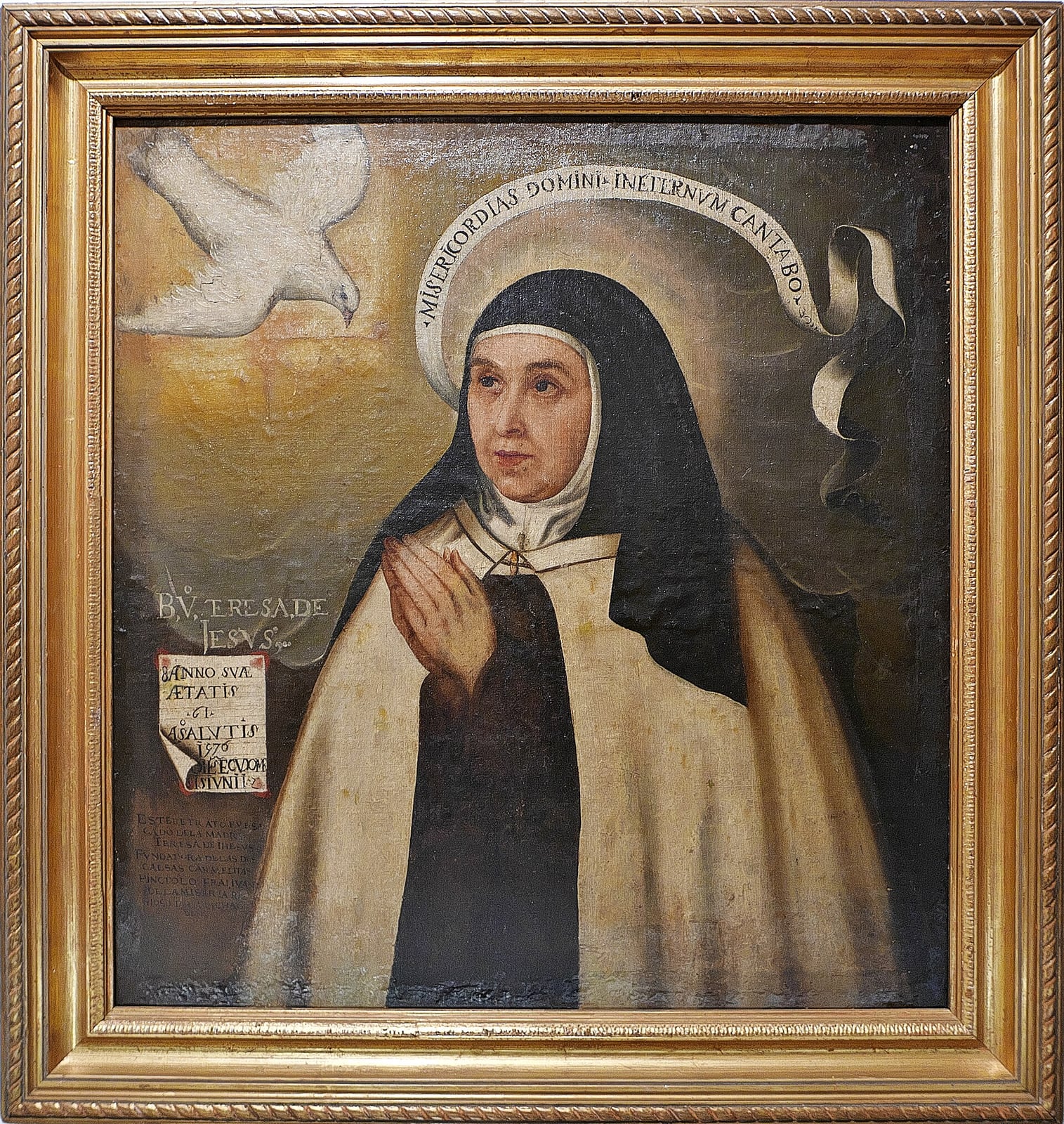
Teresa of Ávila
Совпадают в вопросах: Кто я? Существует ли истинное «я»? · Почему мы страдаем? · Что происходит после смерти?
Дальше всего от

Pema Chödrön
Расходятся в вопросах: Кто я? Существует ли истинное «я»? · Что происходит после смерти?
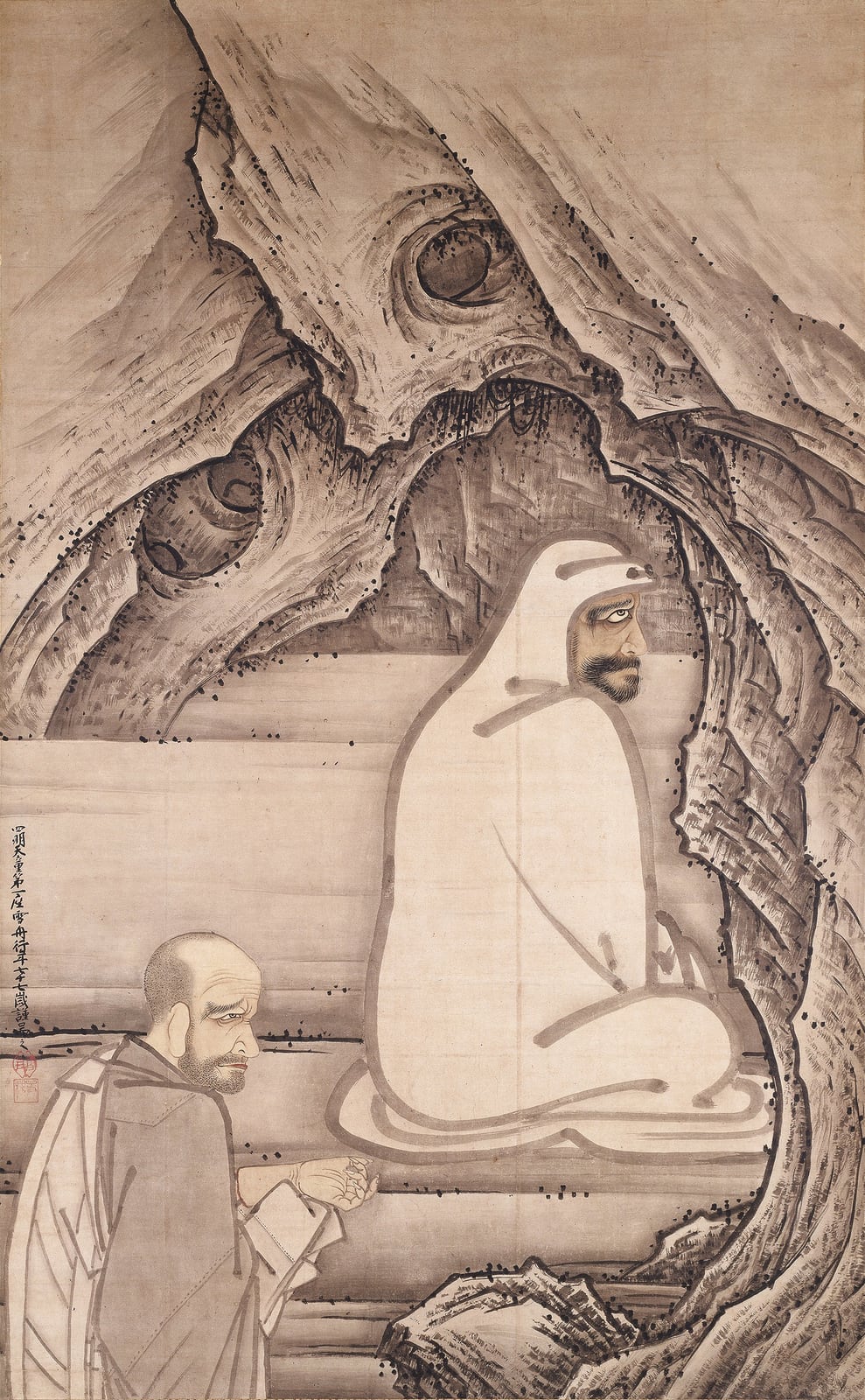
Bodhidharma
Расходятся в вопросах: Кто я? Существует ли истинное «я»? · Что происходит после смерти?

Patañjali
Расходятся в вопросах: Кто я? Существует ли истинное «я»? · Что происходит после смерти?
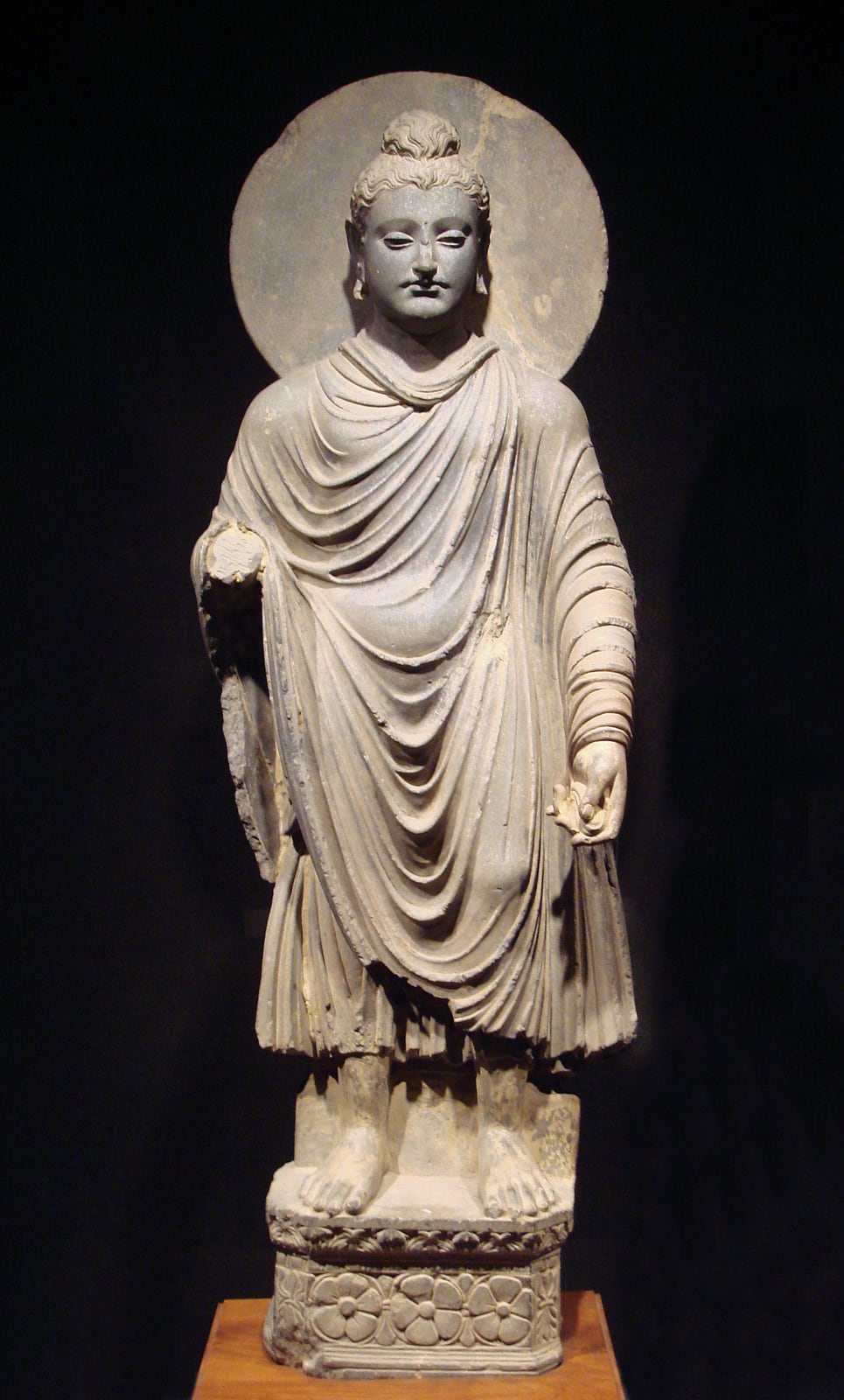
Siddhartha Gautama, the Buddha
Расходятся в вопросах: Кто я? Существует ли истинное «я»? · Что происходит после смерти?
Предания и рассказы
Предания и рассказы
Свидетельство1862; 1875–1876
Three meetings with Sophia
Происхождение рассказа: The only testimony is Solovyov's own, in the poem Three Meetings (1898), written in a deliberately humorous tone and with the author's footnotes; the general is Rostislav Fadeyev, whom he names. His letters of 1875–1876 from London and Cairo speak of the journey but not of the visions.
Документировано10 de marzo de 1878
Two novelists in the same hall
Происхождение рассказа: The presence of the three at the 10 March lecture is recorded in the Tolstoy–Strakhov correspondence and in Anna Dostoevskaya's memoirs; the reconstruction and the quotation from Tolstoy's letter of 5 February 1881 come from Pavel Basinsky's article in Rossiyskaya Gazeta (2011).
Документированоjunio de 1878
With Dostoevsky at Optina
Происхождение рассказа: Told by Anna Grigoryevna Dostoevskaya in her Reminiscences (chapter on 1878). The identification of Solovyov with Alyosha or Ivan is a critical interpretation, not Dostoevsky's own statement.
Документировано28 de marzo de 1881
'Let him not execute them'
Происхождение рассказа: The episode is recorded in official documents (Solovyov's written explanations) and by biographers (Mochulsky, Losev). The full text of the lecture does not survive; the exact words addressed to the Tsar are known from summaries and witnesses, which do not agree in every detail.
Источник: Mochulski, Konstantín. Владимир Соловьев: жизнь и учение [Vladímir Soloviov: vida y doctrina]. París: YMCA-Press, 1936 (2.ª ed., 1951).
Оспаривается1896; 1900
A disputed communion
Происхождение рассказа: The 1896 communion is known from the testimony of the priest Nikolai Tolstoy, spread by Catholic authors after the philosopher's death; Solovyov mentions it in no writing, and its scope — conversion or ecumenical gesture? — is still debated (Besschetnova, 2021). The 1900 confession was related by the Uzkoye priest in Moskovskie Vedomosti (1910). E. Trubetskoy's interpretation comes from The Worldview of Vl. S. Solovyov (1913).
Свидетельствоjulio de 1900
Praying for the Jewish people
Происхождение рассказа: Direct testimony of Sergei Trubetskoy, published in Vestnik Evropy in 1900, a few weeks after the death.
Учение
Учение
Понятия, на которых строится мысль учителя, объяснённые в их контексте.
All-unity (vseedinstvo)unitotalidad
It takes up the Neoplatonic One-All, Schelling's philosophy of identity and the 'integral knowledge' of the Slavophiles Kireyevsky and Khomyakov; it became the axis of the Russian 'philosophy of all-unity' (Frank, Karsavin, Losev).
Источник: Nemeth, Thomas. «Solovyov, Vladimir». Internet Encyclopedia of Philosophy.
Godmanhood (bogochelovechestvo)divinohumanidad
Set out in the Lectures on Godmanhood (1878); it was the concept that named the Russian religious philosophy of the Silver Age and was developed by Bulgakov and Berdyaev.
Sophia, divine Wisdomsofia
First formulated in La Sophia (1875–1876); set out in the Lectures (lectures VII–VIII) and in book III of Russia and the Universal Church; poetic testimony in Three Meetings.
Free theocracy and the universal Churchteocracia-libre
In dialogue with the Catholic ecclesiology of Vatican I, with Bishop Strossmayer and with the Slavophile critique of Rome (Khomyakov).
Источник: Nemeth, Thomas. «Solovyov, Vladimir». Internet Encyclopedia of Philosophy.
The meaning of love and syzygysentido-del-amor
Set out in The Meaning of Love (1892–1894); it influenced Berdyaev, Russian Symbolism and twentieth-century theology of the body.
The philanthropic Antichristel-anticristo
The culmination of Three Conversations (1900); its reading by Cardinal Giacomo Biffi and other theologians gave it wide circulation in late twentieth-century Catholicism.
Видео
Видео
Записи, интервью и документальные фильмы. Видео воспроизводятся с YouTube; здесь они не хранятся.
История Западной философии. Лекция №41. «Владимир Соловьев — отец русской христианской мысли»
Лекция· RU
Лекции А.Б. ЗубоваОфициальный канал
Лекция Сидорина В. В. «Владимир Соловьев — поэт, философ, гражданин»
Лекция· RU· 2022
Институт философии РАНОфициальный канал
Владимир Сергеевич Соловьев: поэт, философ, гражданин
Лекция· RU
РГБМ • Библиотека для молодёжиОфициальный канал
«Неподвижно лишь солнце любви»: к 170-летию со дня рождения Владимира Соловьёва
Лекция· RU· 2023
Новосибирская областная научная библиотекаОфициальный канал
О русском философе Владимире Соловьеве
Лекция· RU
Алексей Ильич ОсиповОфициальный канал
Владимир Соловьёв — Смысл любви (лекция)
Лекция· RU
Мастерская Валерия Бондаренко
Владимир Соловьев. Смысл любви. Аудиокнига
Запись третьих лиц· RU
Библиотека горсовета
Philosophy of Love in the Context of Russian Philosophy. V. Solovyov and P. Florensky
Лекция· EN
Studium Europy Wschodniej (Universidad de Varsovia)Официальный канал
Religion and the State in Russian Philosophy (Vladimir Soloviev and Nikolai Berdiaev)
Лекция· EN· 2021
REES Queens (Queen's University)Официальный канал
War, Progress, and the End of History — Vladimir Solovyov | Full Audiobook
Запись третьих лиц· EN
Allellu
Breve relato del Anticristo, por Vladimir Soloviev
Запись третьих лиц· ES
Roberto Langella
Análisis de «Breve relato del Anticristo», de V. Soloviev
Разбор· ES
Roberto Langella
Vladimir Solov'ëv: il ritratto dell'anticristo — Elena Bianchini Braglia
Разбор· IT
Cronache di Cielo e Terra
Галерея
Галерея
Изображения с проверенной лицензией. Каждое сохраняет своё авторство и атрибуцию.
Связи
Связи
Влияния, ученичество и близость взглядов. Документированная связь отличается от сходства, выявленного путём анализа.
Встречался с
Friends from 1873 despite a thirty-year age gap. In 1878 Dostoevsky followed his Lectures on Godmanhood and in June they travelled together to Optina monastery. Solovyov devoted Three Speeches in Memory of Dostoevsky (1881–1883) to him, and critics have seen traits of his in Alyosha and Ivan Karamazov.
Документированная связь
Испытал влияние
In his Three Speeches Solovyov read Dostoevsky as a prophet of the universal Church and of Godmanhood; the theme of the 'man-god' against the God-man, central to both, grew out of their conversations.
Документированная связь
Расходился во взглядах с
He shared Tolstoy's critique of capital punishment and nationalism but rejected his non-resistance to evil and his Christianity without resurrection. In Three Conversations (1900) he portrayed him in the Prince, a Tolstoyan whose morality without metaphysics cannot answer evil, and his Antichrist is a pacifist philanthropist. Tolstoy attended one of his 1878 lectures.
Документированная связь
Повлиял на
Berdyaev, who never met him, considered him the founder of Russian religious philosophy and argued with him all his life: he devoted 'The Problem of East and West in the Religious Consciousness of Vl. Solovyov' (1911) to him and inherited from him the idea of Godmanhood, though he reproached him for an over-rational system and a theocratic optimism.
Документированная связь
Повлиял на
Florensky's sophiology in The Pillar and Ground of the Truth (1914) starts from Solovyov's, which it corrects with patristic tradition and the Russian iconography of Holy Wisdom.
Документированная связь
Расходился во взглядах с
Solovyov criticised Theosophy in a review of The Key to Theosophy (1890) and in 'A Note on H. P. Blavatsky' (1892), written amid the controversy over the revelations of his brother Vsevolod, who had known the founder in Paris and denounced her in A Modern Priestess of Isis.
Документированная связь
Испытал влияние
In his formative years, and particularly in London in 1875, Solovyov read Böhme along with the Gnostics, the Kabbalah and Swedenborg; Böhme's Sophia, eternal virgin and mirror of the Godhead, is one of the acknowledged sources of his sophiology.
Документированная связь
Испытал влияние
For Solovyov Plato was the first philosopher of all-unity and of eros as a path to the divine. In his last years he translated him with his brother Mikhail and devoted The Life Drama of Plato (1898) to him, presenting him as the idealist who discovered the world of ideas without managing to embody it.
Документированная связь
Идеи, близкие к
No direct relation is recorded. Solovyov's idea of Godmanhood and of the transfiguration of matter shares with Seraphim's teaching on the acquisition of the Holy Spirit the Orthodox inheritance of deification (theosis); Seraphim was canonised in 1903, three years after Solovyov's death.
Сходство, выявленное путём анализа
Упоминается в других статьях
Источники
Источники
Библиография и каталоги, использованные для этой статьи.
- Wikidata, Q282280: Vladimir Solovyov, filósofo ruso (1853–1900). P31=Q5; 64 enlaces entre wikis.
- Trubetskói, Serguéi Nikoláievich. «Смерть В. С. Соловьева» [La muerte de V. S. Soloviov]. Вестник Европы, 1900, n.º 9. Texto en Wikisource ruso (procedente de az.lib.ru).
- Mochulski, Konstantín. Владимир Соловьев: жизнь и учение [Vladímir Soloviov: vida y doctrina]. París: YMCA-Press, 1936 (2.ª ed., 1951).
- Lósev, Alekséi F. Владимир Соловьев и его время [Vladímir Soloviov y su tiempo]. Moscú: Progress, 1990.
- Nemeth, Thomas. «Solovyov, Vladimir». Internet Encyclopedia of Philosophy.
- Soloviov, V. S. «Три свидания» [Tres encuentros] (1898), en Стихотворения и шуточные пьесы, ed. Z. G. Mints. Leningrado: Sovetski pisatel (Biblioteka poeta), 1974, pp. 125–132. Texto en Wikisource ruso.
- Wikisource ruso: «Автор:Владимир Сергеевич Соловьёв» (índice de obras y poemas con fechas).
- Kornblatt, Judith Deutsch (ed. y trad.). Divine Sophia: The Wisdom Writings of Vladimir Solovyov. Ithaca: Cornell University Press, 2009.
- Dostoiévskaya, Anna Grigórievna. Воспоминания [Memorias]. Moscú: Judózhestvennaya literatura, 1971 (primera edición, 1925). Texto en Wikisource ruso.
- Open Library, autor OL83077A: Vladimir Sergeyevich Solovyov (1853–1900), obras y ediciones.
- Soloviov, Serguéi Mijáilovich (sobrino). Владимир Соловьев: жизнь и творческая эволюция [Vladímir Soloviov: vida y evolución creadora]. Moscú: Respublika, 1997 (escrito en 1923; primera ed., Bruselas: Zhizn s Bogom, 1977).
- Kólosov, N. (sacerdote), con el testimonio del sacerdote Beliáiev, que lo confesó. «Об исповедании В. С. Соловьева» [Sobre la confesión de V. S. Soloviov], carta al editor. Московские ведомости, n.º 253, 3 (16) de noviembre de 1910; reimpr. en Письма Владимира Сергеевича Соловьева, t. 3, San Petersburgo, 1911, pp. 214–217.
- Soloviov, V. S. Собрание сочинений [Obras reunidas], 2.ª ed., ed. S. M. Soloviov y E. L. Rádlov, 10 vols. San Petersburgo: Prosveshchenie, 1911–1914.
- «Соловьёв, Владимир Сергеевич». Wikipedia en ruso (biografía, relación de obras con enlaces a las ediciones digitales).
- Basinski, Pável. «130 лет назад ушел из жизни Федор Михайлович Достоевский». Российская газета, 9 de febrero de 2011 (la conferencia de Soloviov del 10 de marzo de 1878 y la carta de Tolstói a Strájov de febrero de 1881).
- Soloviov, V. S. «Смысл любви» [El sentido del amor]. Вопросы философии и психологии, 1892–1894. Texto en Wikisource ruso (procedente de az.lib.ru).
- Soloviev, Vladimir. L'Idée russe. París: Perrin et Cie, 1888. Texto validado en Wikisource francés.
- Soloviov, V. S. «Три разговора о войне, прогрессе и конце всемирной истории, со включением краткой повести об антихристе» [Tres conversaciones…]. San Petersburgo, 1900. Texto en Wikisource ruso (según la ed. «Смысл любви. Избранные произведения», Moscú: Sovremennik, 1991).
- Soloviov, V. S. «Чтения о Богочеловечестве» [Lecciones sobre la divinohumanidad]. 1878–1881. Texto en Wikisource ruso (procedente de az.lib.ru).
- Besschétnova, E. V. «Стал ли Вл. С. Соловьев католиком (историко-философский анализ)» [¿Se hizo católico Vl. S. Soloviov?]. История философии, 2021, vol. 26, n.º 1, pp. 76–86.
- Правообладатель
- Dominio público (Soloviov murió en 1900). Las traducciones modernas pertenecen a sus traductores y editoriales.
Ожидает подтверждения
То, что в этой статье пока не удалось установить. Мы предпочитаем сказать об этом, а не заполнять пробел.
- Ediciones españolas con ISBN de «La crisis de la filosofía occidental», «Crítica de los principios abstractos», «Tres discursos en memoria de Dostoievski» (salvo ediciones independientes) y «El sentido del amor» fuera de Monte Carmelo: no localizadas en los catálogos consultados (Google Books sin cuota durante la investigación).
- Confirmar qué textos contiene «Introducción a los principios del conocimiento y otros escritos» (Sígueme, ISBN 9788430122073) y el traductor de «Teohumanidad» (Sígueme, 2006) y de «Los tres diálogos y el relato del Anticristo» (El Buey Mudo).
- Registrar uno por uno los cerca de doscientos poemas (índice completo en Wikisource ruso) y las piezas humorísticas; hoy figuran la colección «Poesías» y ocho poemas principales.
- Registrar individualmente los artículos menores de 1890–1900 y los artículos del diccionario Brokgauz-Efrón (sólo agrupados).
- Confirmar la primera publicación (revista y año) de «La teoría de Auguste Comte…», «Teoría filosófica» y la traducción de «El puchero de oro» de Hoffmann.
- Fecha exacta (día) y testigos de la comunión de febrero de 1896 con Nikolái Tolstói: no cotejados con el relato original del sacerdote.
- Traducciones inglesas de dominio público en Internet Archive (Bakshy, 1915) no incluidas en la sala de lectura: falta verificar la fecha de muerte de Alexander Bakshy.
- Duración y año de publicación de los vídeos: oEmbed no los proporciona; se han dejado null salvo los fechados en su título o descripción.
Исследовано 2026-10-25