Буддизм · Махаяна · Дзэн / Чань
Bodhidharma
菩提達摩 · 菩提達磨 · 達磨 · 달마
Историчность оспаривается
Индийский или среднеазиатский монах конца V — начала VI века, которого традиции чань, дзэн и сон почитают как своего основателя и первого китайского патриарха. Два древних источника подтверждают, что на севере Китая жил учитель медитации с таким именем, преподавший «созерцание стены» Хуэйкэ и Даоюю; почти всё остальное — император У, девять лет перед стеной близ Шаолиня, отсечённая рука Хуэйкэ, кунг-фу — это легенда, складывавшаяся с VIII по XVII век.
- трудов
- 10трудов
- изданий
- 9изданий
- цитат
- 5цитат
- видео
- 12видео
- изображений
- 7изображений
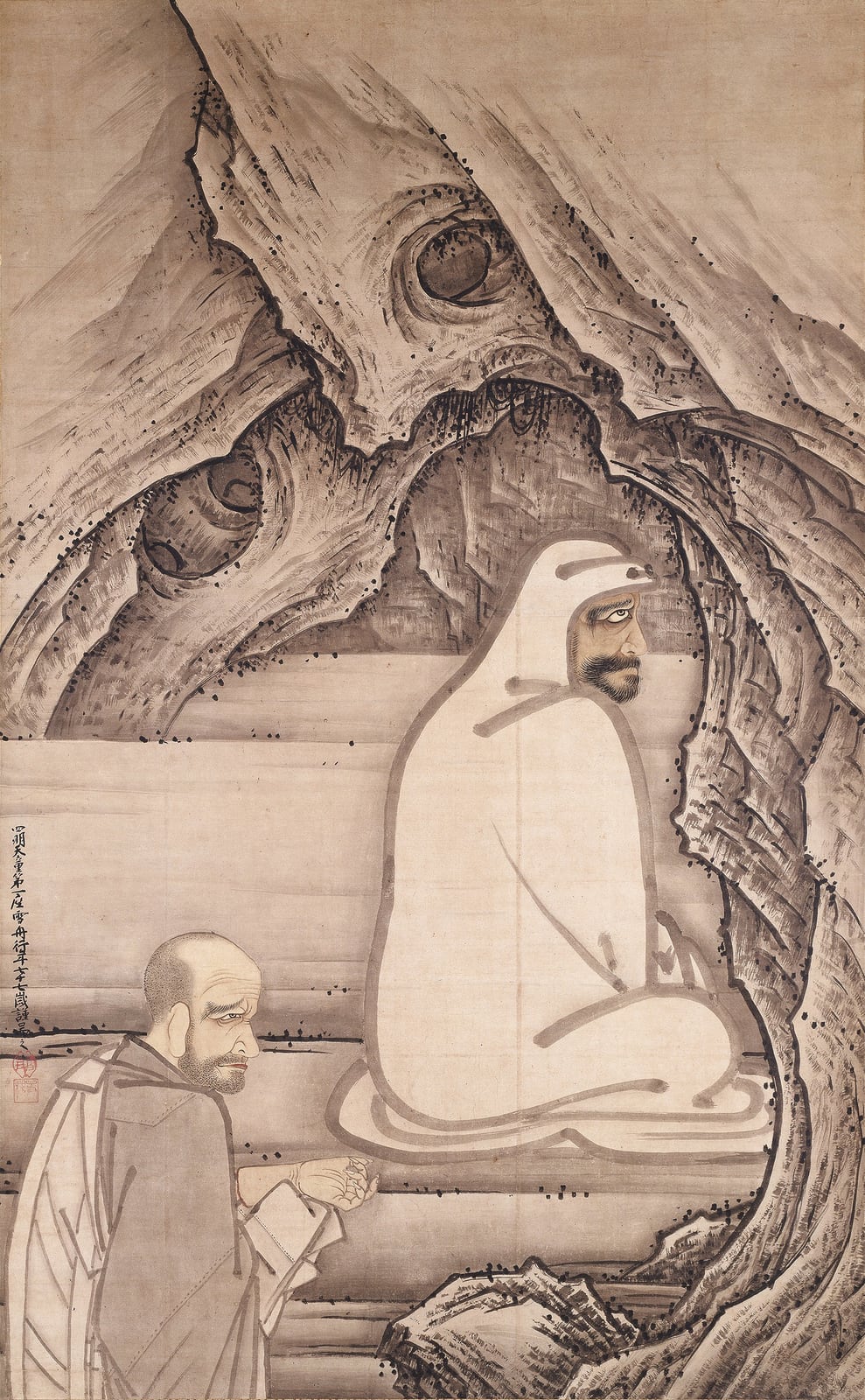
Huike ofrece su brazo a Bodhidharma, de Sesshū Tōyō (1496) · Public domain
Своими словами
«There are many paths for entering the Way, but in essence they are no more than two: entrance by principle and entrance by practice.»Tratado de las dos entradas y las cuatro prácticas, inicio (texto del Xinzuan Xu zangjing en Wikisource; traducción del investigador)

Главная мысль
Wall contemplation (biguan): Biguan (壁觀) is the name Tanlin and Daoxuan give to the 'method of pacifying the mind' that Bodhidharma taught, and it is the oldest term associated with his meditation.
В контексте
Биография
4 мин чтения
Перевод с испанского оригинала, выполненный с помощью ИИ; ожидает проверки носителем языка.
Чужеземец перед пагодой
Впервые имя Бодхидхармы появляется на письме не в дзэнском тексте, а в ностальгическом описании монастырей Лояна, столицы Северной Вэй, которое чиновник Ян Сюаньчжи составил в 547 году, когда город уже лежал в руинах. Описывая большую пагоду монастыря Юннин, возведённую в 516 году и уничтоженную пожаром в 534-м, Ян отмечает, что монах из Западного края по имени Бодхидхарма, «варвар из Персии», пришёл в восхищение от её золотых колокольчиков и заявил, что за свои сто пятьдесят лет, обойдя все страны, никогда не видел ничего подобного; много дней он простоял перед ней со сложенными ладонями, повторяя «намо». Это почти современное событиям свидетельство, но в нём ничего не сказано ни о медитации, ни об учениках.
Учитель созерцания стены
Второй источник происходит из его собственного окружения. Ученик по имени Таньлинь написал краткое предисловие к «Трактату о двух входах и четырёх практиках», и в 645 году монах-историк Даосюань почти дословно включил его в жизнеописание Бодхидхармы в «Продолжении жизнеописаний достойных монахов». Согласно этим текстам, Бодхидхарма был брахманом из Южной Индии — Таньлинь называет его третьим сыном царя, — который, «пересёкши горы и моря», достиг владений династии Сун на юге Китая, а затем перебрался на север, в царство Вэй, где учил медитации. Господствовавшие тогда наставники доктрины его порицали; лишь два молодых монаха, Даоюй и Хуэйкэ, следовали за ним четыре или пять лет.
Учил он их, по словам Даосюаня, «методу умиротворения ума»: «созерцанию стены» (бигуань), точный смысл которого остаётся предметом споров — ум, твёрдый, как стена, или медитация перед стеной, — и двум входам, входу через принцип и входу через практику. Он будто бы вручил им и «Ланкаватара-сутру» в редакции из четырёх свитков со словами: «Я осмотрел землю Хань, и в ней есть лишь эта сутра; если будете следовать ей, спасётесь». Даосюань добавляет, что Бодхидхарма называл себя старше ста пятидесяти лет и что никто не знает, как он окончил свои дни; однако в жизнеописании Хуэйкэ он отмечает, что Бодхидхарма умер на берегу реки Ло.
Изобретение патриарха
Больше столетия никто не отводил этому учителю особой роли. Лишь на рубеже VII–VIII веков ученики Хунжэня и Шэньсю, желая дать своей школе медитации родословную не менее благородную, чем у доктринальных школ, провели линию передачи, начинавшуюся с Бодхидхармы и проходившую через Хуэйкэ, Сэнцаня, Даосиня и Хунжэня. Хроники того времени, например «Записи о передаче сокровища Дхармы», делают его «первым патриархом»; «Записи об учителях и учениках Ланки», впрочем, ставят перед ним Гунабхадру, переводчика сутры. Затем полемика Шэньхуэя против Северной школы и «Сутра помоста шестого патриарха» Хуэйнэна подогнали линию под собственные интересы, а «Баолинь чжуань» (801) продлил её в прошлое, сделав Бодхидхарму двадцать восьмым индийским патриархом после Будды.
Вместе с линией появились и эпизоды. С VIII века возникает беседа с императором У из династии Лян, который спрашивает, сколько заслуг он приобрёл строительством храмов, и получает ответ «никаких», а на вопрос, кто перед ним, слышит «не знаю». «Записи о передаче светильника, составленные в годы Цзиндэ» (1004) закрепили канонический вариант: переправа через Янцзы на тростинке, девять лет медитации перед стеной пещеры близ Шаолиня, Хуэйкэ, ждущий в снегу и отсекающий себе руку, чтобы доказать свою искренность, диалог, в котором учитель «умиротворяет» его ум, передача рясы и чаши, шесть попыток отравления, могила на горе Сюнъэр и путник Сун Юнь, встречающий его на Памире с одной сандалией в руке, когда его уже считали погребённым.
Ни один из этих рассказов не опирается на древние источники, а некоторые им противоречат: по Даосюаню, Хуэйкэ лишился руки, став жертвой разбойников, и стойко перенёс рану. Как показал Бернар Фор, фигура Бодхидхармы служила «текстуальной парадигмой» — пустым местом, в которое каждое поколение школы вписывало то, что ему нужно было сказать о самом себе.
Тексты
Из приписываемого ему наследия лишь «Трактат о двух входах и четырёх практиках» имеет традицию передачи, восходящую к его кругу. В дуньхуанских рукописях он открывает более обширное собрание, так называемый «Длинный свиток», с изречениями учителей VII века. Проповеди, которые сегодня ходят под его именем, — о линии крови, о пробуждении, о разрушении форм — это позднейшие чаньские сочинения; последняя на самом деле представляет собой «Трактат о созерцании ума» Шэньсю. Сборник, объединяющий их, «Шесть врат Шаоши», относится к эпохе Сун или более позднему времени. Ещё позднее возникла его слава основателя кунг-фу: «Канон изменения сухожилий», представляющий его учителем физических упражнений, был написан даосом в начале XVII века.
От монаха к иконе
В итоге он стал одной из самых часто изображаемых фигур азиатского искусства. В Японии, где его называют Дарумой, дзэнские живописцы от Сэссю до Хакуина изображали его с выпученными глазами и варварской бородой, а куклы из папье-маше без рук и ног, напоминающие о годах неподвижной медитации, превратились в талисманы упорства. Школы чань, дзэн, сон и тхиен почитают его как исток «особой передачи вне писаний», которая, согласно формуле эпохи Сун, «не опирается на слова, прямо указывает на ум и позволяет узреть собственную природу, чтобы стать буддой». То, что позволяет утверждать история, гораздо скромнее: около 500 года чужеземный монах учил на севере Китая суровой медитации, опиравшейся на «Ланкаватару», горстку учеников, и из этой горстки путями, которых он не мог и вообразить, выросла традиция дзэн.
Источники: Yang Xuanzhi. Luoyang qielan ji (Memoria de los monasterios budistas de Luoyang), 547, cap. 1, «Monasterio de Yongning». Texto chino en Wikisource; trad. inglesa: Yi-t'ung Wang, A Record of Buddhist Monasteries in Lo-yang, Princeton University Press, 1984 (ISBN 9780691054032). · Daoxuan. Xu gaoseng zhuan (Continuación de las biografías de monjes eminentes), 645 (ampliada hasta 667), cap. 16: biografías de Bodhidharma y de Huike (Taishō 2060). Texto chino en Wikisource. · Tanlin (atrib.). Prefacio al «Tratado de las dos entradas y las cuatro prácticas» (菩提達磨大師略辨大乘入道四行觀), según el Xinzuan Xu zangjing. Texto chino en Wikisource. · Broughton, Jeffrey L. The Bodhidharma Anthology: The Earliest Records of Zen. Berkeley: University of California Press, 1999. ISBN 9780520219724. · McRae, John R. Seeing Through Zen: Encounter, Transformation, and Genealogy in Chinese Chan Buddhism. Berkeley: University of California Press, 2003. ISBN 9780520237988.
Хронология
Жизнь год за годом
Каждая точка — документированное событие. Нажмите, чтобы прочитать о нём, с источником и степенью достоверности.
470-еChina meridional (territorio de los Song)
Arrival in China
According to Daoxuan he first reached the territory of the Song dynasty (420–479) in the south and later went north. Late tradition places it in 527, in Canton.
ПреданиеDaoxuan. Xu gaoseng zhuan (Continuación de las biografías de monjes eminentes), 645 (ampliada hasta 667), cap. 16: biografías de Bodhidharma y de Huike (Taishō 2060). Texto chino en Wikisource.
470-е
Arrival in China
According to Daoxuan he first reached the territory of the Song dynasty (420–479) in the south and later went north. Late tradition places it in 527, in Canton.
Предание
ок. 520
Before the Yongning pagoda
Yang Xuanzhi describes him admiring the Yongning pagoda (built 516, burned 534) and claiming to be a hundred and fifty years old.
Документировано
ок. 520
Teaching Daoyu and Huike
He teaches wall contemplation and the two entrances to his two disciples for four or five years and gives Huike the Laṅkāvatāra.
Вероятно
527
Interview with Emperor Wu (legend)
The date tradition gives for the dialogue on merit with Emperor Wu of the Liang; the episode appears in the eighth century.
Предание
ок. 528
Nine years facing the wall (legend)
Late tradition places him meditating for nine years facing the wall of a cave near Shaolin.
Предание
536
Death (traditional date)
Daoxuan only says that he died by the Luo river and that no one knew how he ended; 536 is the most widespread traditional date.
Предание
547
First written mention
Yang Xuanzhi completes the Record of the Buddhist Monasteries of Luoyang, with the notice on Bodhidharma.
Документировано
645
Daoxuan's biography
Daoxuan includes his biography and Huike's in the Continued Biographies of Eminent Monks.
Документировано
ок. 716
First patriarch
The chronicles of the meditation school (Chuan fabao ji, Lengqie shizi ji) make him the first patriarch of a line of transmission.
Документировано
801
Twenty-eighth Indian patriarch
The Baolin zhuan extends the genealogy back to the Buddha and makes him the twenty-eighth Indian patriarch.
Документировано
1004
The Transmission of the Lamp
The Jingde chuandeng lu fixes the canonical version of his legend.
Документировано
1496
Sesshū paints Huike and Bodhidharma
Sesshū Tōyō paints the scene of Huike offering his arm.
Документировано
1624
The Yijin jing
Date of the preface of the Sinew-Changing Classic, falsely attributed to Bodhidharma, the origin of his fame as founder of Shaolin kung fu.
Документировано
Труды
Главные труды
Труды, без которых не понять это наследие.
Записанное устное учение
Treatise on the Two Entrances and the Four Practices
二入四行論 (菩提達磨大師略辨大乘入道四行觀)
A short teaching that sums up the path in two 'entrances': entrance by principle (理入), which consists in deep faith that all beings share one true nature, hidden by the dust of thoughts, and in 'abiding firmly in wall contemplation'; and entrance by practice (行入), unfolded in four practices: accepting suffering as the fruit of past deeds, adapting to circumstances, seeking nothing, and acting in accord with the Dharma. It is the core of what can be attributed to Bodhidharma with any plausibility.
3 издания
Традиционная атрибуция · XI век
The Bloodstream Sermon (Xuemai lun)
達磨大師血脈論
A question-and-answer dialogue that opens by stating that buddhas are transmitted 'from mind to mind, without relying on written words' and holds that seeking the buddha outside one's own nature is useless: 'whoever wishes to see the buddha must see his nature'. It already sets out the mature Chan doctrine of sudden awakening and the critique of external practices.
1 издание
Традиционная атрибуция · XI век
The Wake-up Sermon (Wuxing lun)
達磨大師悟性論
A short treatise on awakening to one's own nature: enlightenment is reached not by accumulating merit or by study but by seeing that the mind itself is empty and free. Included in the Shaoshi liumen, it is among the texts most widely read in the West as 'words of Bodhidharma', thanks to Red Pine's translation.
1 издание
Все труды (10)
The 'Long Scroll': Dunhuang Compilation around the Two Entrances
700
The Breakthrough Sermon (Poxiang lun)
700
Bodhidharma
The Dharma Gate of Pacifying the Mind (Anxin famen)
The Conscious LibraryThe Dharma Gate of Pacifying the Mind (Anxin famen)
Bodhidharma
Verses on the Heart Sūtra (Xinjing song)
The Conscious LibraryVerses on the Heart Sūtra (Xinjing song)
Bodhidharma
The Six Gates of Shaoshi (Shaoshi liumen)
The Conscious LibraryThe Six Gates of Shaoshi (Shaoshi liumen)
Bodhidharma
Sinew-Changing Classic (Yijin jing)
The Conscious LibrarySinew-Changing Classic (Yijin jing)
1624
Bodhidharma
Marrow-Washing Classic (Xisui jing)
The Conscious LibraryMarrow-Washing Classic (Xisui jing)
1650
Изречения
Изречения, найденные в конкретном труде. Каждое сопровождается указанием происхождения и степени надёжности.
There are many paths for entering the Way, but in essence they are no more than two: entrance by principle and entrance by practice.夫入道多途,要而言之,不出二種:一是理入、二是行入。
ВероятноTratado de las dos entradas y las cuatro prácticas, inicio (texto del Xinzuan Xu zangjing en Wikisource; traducción del investigador)
Апокрифические изречения и изречения спорной атрибуции (3)
«A special transmission outside the scriptures, not relying on words and letters, pointing directly to the human mind, seeing one's nature and becoming a buddha.»
A four-line formula (教外別傳,不立文字,直指人心,見性成佛) that tradition attributes to Bodhidharma. Its elements appear in Chan texts of the ninth and tenth centuries and the complete formula took shape in the Song period (eleventh–twelfth centuries); it is found in no sixth- or seventh-century source.
«The three realms arise together and return to a single mind. Buddhas before and after transmit from mind to mind, without relying on writing.»
Opening of the 'Bloodstream Sermon' (三界混起,同歸一心,前佛後佛,以心傳心,不立文字), a late-attributed text with ninth- and tenth-century Chan vocabulary; it was circulating by 1153.
«Vast emptiness, nothing holy.»
The reply (廓然無聖) legend puts in his mouth before Emperor Wu when the latter asks about the highest meaning of the holy truth. The dialogue appears in the eighth century and is fixed in the Jingde chuandeng lu (1004) and the Biyan lu (case 1); it has no support in the early sources.
Последние слова
Традиционная атрибуция
«I came to this land originally to transmit the Dharma and save the deluded. One flower will open five petals, and the fruit will ripen of itself.»吾本來茲土,傳法救迷情。一華開五葉,結果自然成。
A transmission verse that the Jingde chuandeng lu (1004) attributes to Bodhidharma on taking leave of his disciples: after asking them what they had understood and telling them they had obtained his skin, his flesh, his bones and, in Huike's case, his marrow, he gives Huike the robe and the Laṅkāvatāra and recites these lines. The 'five petals' were read as a prophecy of the following five patriarchs or of the five houses of Chan. It is a composition of the late tradition; the early sources (Daoxuan) say no one knew how he ended.
Источник: Daoyuan. Jingde chuandeng lu (Registro de la transmisión de la lámpara de la era Jingde), 1004, cap. 3 (Taishō 2076). CBETA.
Спросить
На что отвечают эти труды
Двенадцать великих вопросов человечества и то, что позволяют на них ответить эти тексты, со ссылками. Мы никогда не вкладываем слова в чужие уста.
Что такое Абсолют? Существует ли Бог?
One and the same true nature in all beings, hidden by dust
Безличный АбсолютСледует из учения
The only work with any chance of being his, the Treatise on the Two Entrances and Four Practices, does not speak of God. It speaks of a «principle» (li) and of a «true nature» that all living beings share and that is hidden only by the adventitious dust of deluded thoughts. Entering by principle means returning from the false to the true through wall contemplation, until silently according with it, without self or other, the ordinary person and the sage being equal. That nature is not someone: it does not know, will or relate to the creature. It is the common, formless ground that Chinese Buddhism called buddha-nature. The closest key is that of an impersonal Absolute, with the proviso that the text never calls it so.
Сравнить этот вопрос с другими учителямиКто я? Существует ли истинное «я»?
Beneath deluded thoughts, a shared true nature, without self or other
Самость есть АбсолютСледует из учения
The Treatise on the Two Entrances, the only work that can be traced to Bodhidharma's circle, does not speak of the self as a soul or a person. It speaks of a true nature that all living beings share and that the adventitious dust of deluded thoughts covers. Whoever abandons the false and returns to the true, steadfast in wall contemplation, is left «without self or other»: the ordinary person and the sage are equal. The text thus joins two statements that seem opposed. The particular self, with its gains and losses, is not what we are; what we are is that common nature, which belongs to no one. The fourth practice, in accord with the Dharma, adds that in the Dharma there is no self, because it is free of the stain of self.
Сравнить этот вопрос с другими учителямиПочему мы страдаем?
To seek is to suffer; to seek nothing is peace
Жажда и привязанностьСказано прямо
The Treatise on the Two Entrances and Four Practices answers soberly. The third practice, «seeking nothing», starts from the fact that dwelling long in the three worlds is like living in a burning house: all that has a body suffers. Worldly people, deluded, attach themselves to one thing after another and call this seeking; the sage understands that all seeking brings suffering and that ceasing to seek brings joy. The first practice adds a karmic reading: present pain is the fruit of past deeds, committed over countless lives, and must be accepted without resentment. The second asks one to adapt to circumstances: gain and loss depend on them, and the mind that is not moved by the wind of joy silently accords with the Way.
Сравнить этот вопрос с другими учителямиЧто происходит после смерти?
Present pain comes from past lives: it is accepted without resentment
Перерождение согласно кармеСледует из учения
The Treatise on the Two Entrances and Four Practices does not speak of what happens at death, but it takes rebirth for granted. The first practice, that of «requiting injury», asks the sufferer to consider that, over countless aeons, he has abandoned the essential for the incidental and wandered through all forms of existence, causing hatred and harm; what he suffers now is the ripened fruit of those deeds, not something imposed by heaven or men. This awareness of previous lives serves to accept pain without resentment. The third practice presents the three worlds as a burning house from which only ceasing to seek frees one. The framework is the common Buddhist one; the text adds no doctrine of its own about death.
Сравнить этот вопрос с другими учителямиКак достигается освобождение или спасение?
Two entrances: by principle, contemplating the wall, and by four practices
Через дисциплинированную практикуСказано прямо
The Treatise on the Two Entrances and Four Practices sums up the path in its first sentence: many are the ways, but in essence they are two, entrance by principle and entrance by practice. The first consists in trusting deeply that all beings share a true nature and remaining steadfast in wall contemplation until silently according with it. The second unfolds in four practices: accepting suffering as the fruit of past deeds, adapting to circumstances without letting gain or loss move the mind, seeking nothing, and acting in accord with the Dharma, practising the perfections without attachment. It is a sober programme, joining a vision and a daily discipline of the mind.
Сравнить этот вопрос с другими учителямиНужен ли учитель?
He hands over a sūtra and a practice: «you yourselves will be saved»
Полезен, но не обязателенСледует из учения
The oldest sources present Bodhidharma as a master with few disciples, Huike and Daoyu among them, according to Tanlin's preface. But what they transmit of him is not the idea of dependence on the master. According to Daoxuan's biography of Huike, when he handed him the four-fascicle Laṅkāvatāra he told him that in the land of the Han there was only this sūtra and that, if they practised it, they themselves would be saved. The Treatise on the Two Entrances adds that, steadfast in wall contemplation, one no longer follows the letter of the teachings: access is inward. The master guides and hands over a text and a method; the work belongs to the disciple. The image of the patriarch transmitting awakening from mind to mind is later.
Сравнить этот вопрос с другими учителямиРеален ли мир?
Gain and loss depend on circumstances; forms are empty
Сеть причин без субстанцииСледует из учения
The Treatise on the Two Entrances sets out no cosmology, but it shows how it looks at the world. The second practice states that beings have no self and that all that happens to them, gain or loss, honour or disgrace, depends on circumstances: when these are exhausted, it disappears, and there is no reason to rejoice or grieve. The fourth practice calls Dharma the principle of the purity of nature, and says that in it all forms are empty, without stain or attachment, without this or that. The third adds the existential side: the three worlds are a burning house. The world thus appears as a web of conditions without substance, before which the practitioner remains unmoved, neither rejecting nor pursuing it.
Сравнить этот вопрос с другими учителямиЧто такое любовь?
He does not define love; he practises the perfections for his own and others' benefit
Не высказывался
The Treatise on the Two Entrances and Four Practices contains no reflection on love. The closest thing is in the fourth practice, acting in accord with the Dharma: whoever understands that in pure nature there is neither self nor other practises generosity without avarice towards one's body, life or goods, and offers it without attachment, to eliminate delusion, benefiting oneself and others. The other perfections are practised in the same way. The text presupposes the bodhisattva ideal of Chinese Buddhism, in which compassion is central, but its emphasis lies on purifying one's own mind and on equanimity in circumstances, not on the affective bond. Attributing a doctrine of love to it would be forcing it.
Сравнить этот вопрос с другими учителямиСвободны ли мы или всё предопределено?
What one suffers is the fruit of the past; how one receives it, a present decision
Карма и выборСказано прямо
The first two practices of the Treatise on the Two Entrances formulate a very concrete ethics of karma. The first asks that, in the face of suffering, one consider it the ripened fruit of deeds committed in past lives, not something imposed by heaven or men, and accept it without complaint or resentment. The second adds that beings have no self and that everything, gain or loss, honour or disgrace, depends on circumstances, so that when these are exhausted it disappears. The past determines what comes; what remains in the practitioner's hands is not to be moved: the mind neither grows nor wanes, the wind of joy does not move it, and so it silently accords with the Way. Freedom lies in the response, not in the event.
Сравнить этот вопрос с другими учителямиЗачем медитировать или молиться?
Contemplating the wall: returning from the false to the true nature
Возвращение к источнику «я»Следует из учения
The meditation associated with Bodhidharma in the oldest sources is wall contemplation (biguan), which Tanlin and Daoxuan present as his method for pacifying the mind. The Treatise on the Two Entrances places it within entrance by principle: whoever trusts that all beings share a true nature, hidden by deluded thoughts, abandons the false, returns to the true and remains steadfast, unmoving, without self or other, until silently according with the principle. The exact meaning of «wall» is debated: it may be the mind firm as a wall or literally sitting before one. What is clear is the direction: not observing phenomena one by one, but returning to the source that thoughts cover.
Сравнить этот вопрос с другими учителямиМожет ли разум познать предельное?
Steadfast before the wall, one no longer follows the letter of the teachings
Предельное лежит за пределами умаСказано прямо
The Treatise on the Two Entrances does not belittle the scriptures: entrance by principle begins by relying on them to trust in the true nature common to all beings. But the decisive step goes beyond them. Whoever remains steadfast in wall contemplation, without self or other, no longer follows the letter of the teachings, and silently accords with the principle. Ultimate understanding is neither conceptual nor discursive: it is a silent conformity. According to Daoxuan, Bodhidharma handed Huike a sūtra, the Laṅkāvatāra, as sufficient guidance for China, which shows that the written word had its place. Reason and text prepare; the ultimate is realised directly, in the silence of a mind that has stopped moving.
Сравнить этот вопрос с другими учителямиУйти от мира или преобразить его?
Seek nothing in a burning house; steadfast before the wall
Уйти, чтобы найтиСледует из учения
The Treatise on the Two Entrances proposes an attitude of distance towards the world. The third practice, seeking nothing, starts from the fact that the three worlds are a burning house in which all that has a body suffers; the sage, unlike deluded people, stops pursuing and clings to nothing. Wall contemplation requires remaining steadfast and unmoving. But the second practice qualifies this: it is not a matter of fleeing circumstances but of adapting to them without letting gain or loss move the mind, and the fourth asks one to practise generosity for one's own and others' benefit. Withdrawal is inward before it is geographical: detachment in the midst of what happens, rather than abandonment of the world.
Сравнить этот вопрос с другими учителями
Созвучия и противоречия
Созвучия и противоречия
Рассчитаны вопрос за вопросом на основе позиций. Причина каждого совпадения или расхождения — по нажатию.
Ближе всего к
Sadhguru
Совпадают в вопросах: Как достигается освобождение или спасение? · Что такое Абсолют? Существует ли Бог? · Кто я? Существует ли истинное «я»?
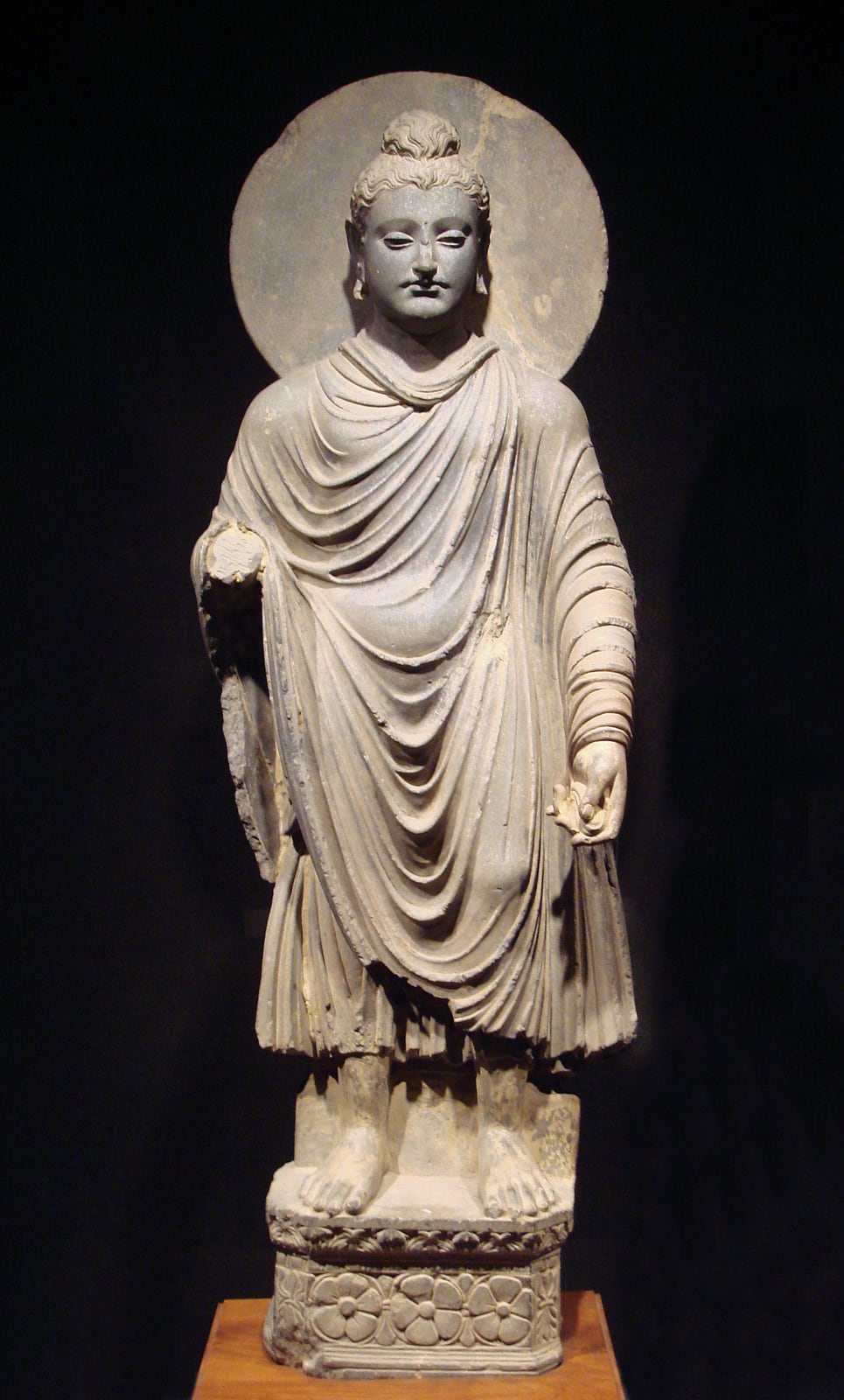
Siddhartha Gautama, the Buddha
Совпадают в вопросах: Почему мы страдаем? · Что происходит после смерти? · Как достигается освобождение или спасение?

Patañjali
Совпадают в вопросах: Кто я? Существует ли истинное «я»? · Что происходит после смерти? · Как достигается освобождение или спасение?
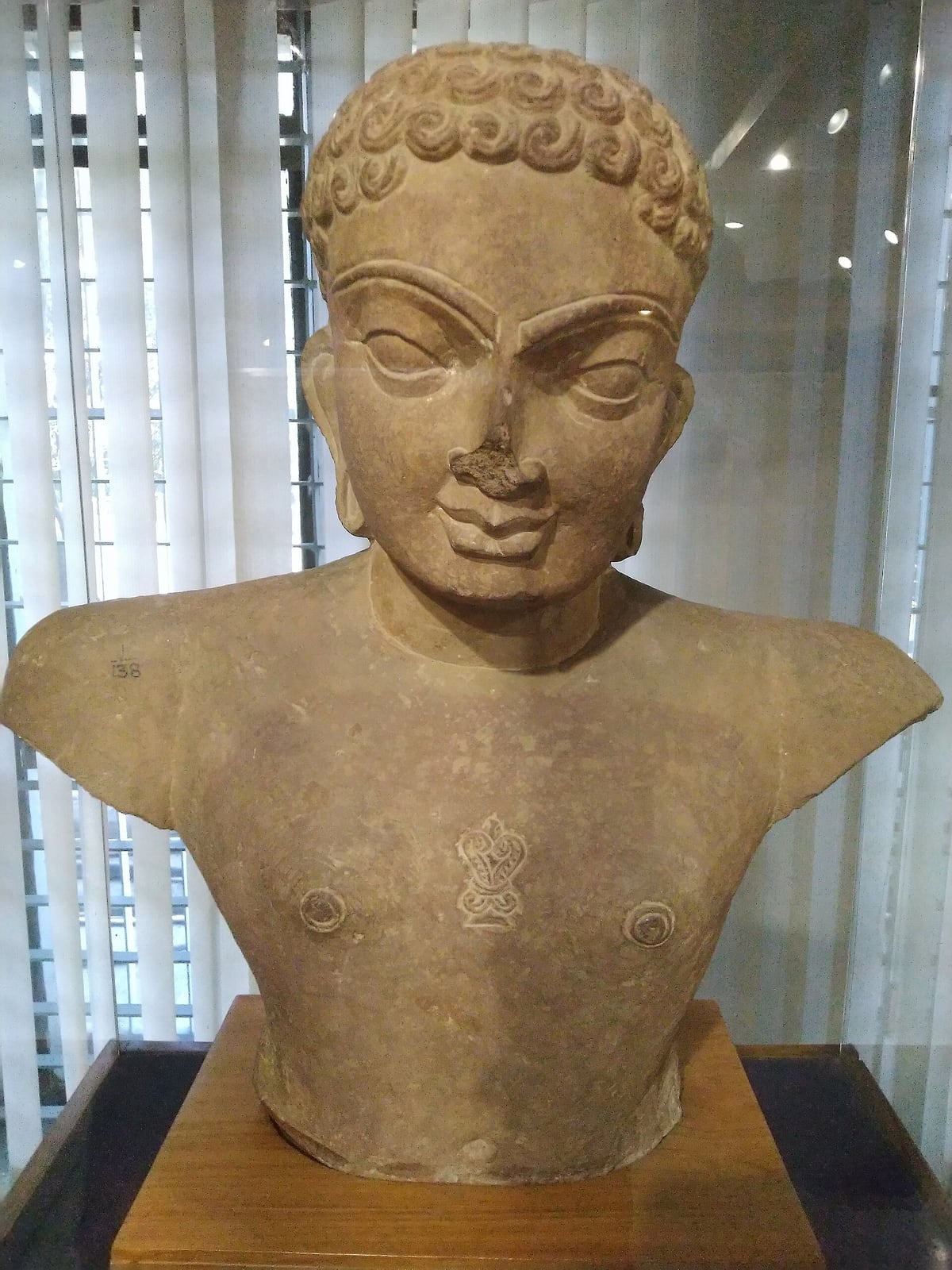
Mahāvīra
Совпадают в вопросах: Что происходит после смерти? · Как достигается освобождение или спасение? · Нужен ли учитель?
Дальше всего от

Francis of Assisi
Расходятся в вопросах: Кто я? Существует ли истинное «я»? · Что происходит после смерти?
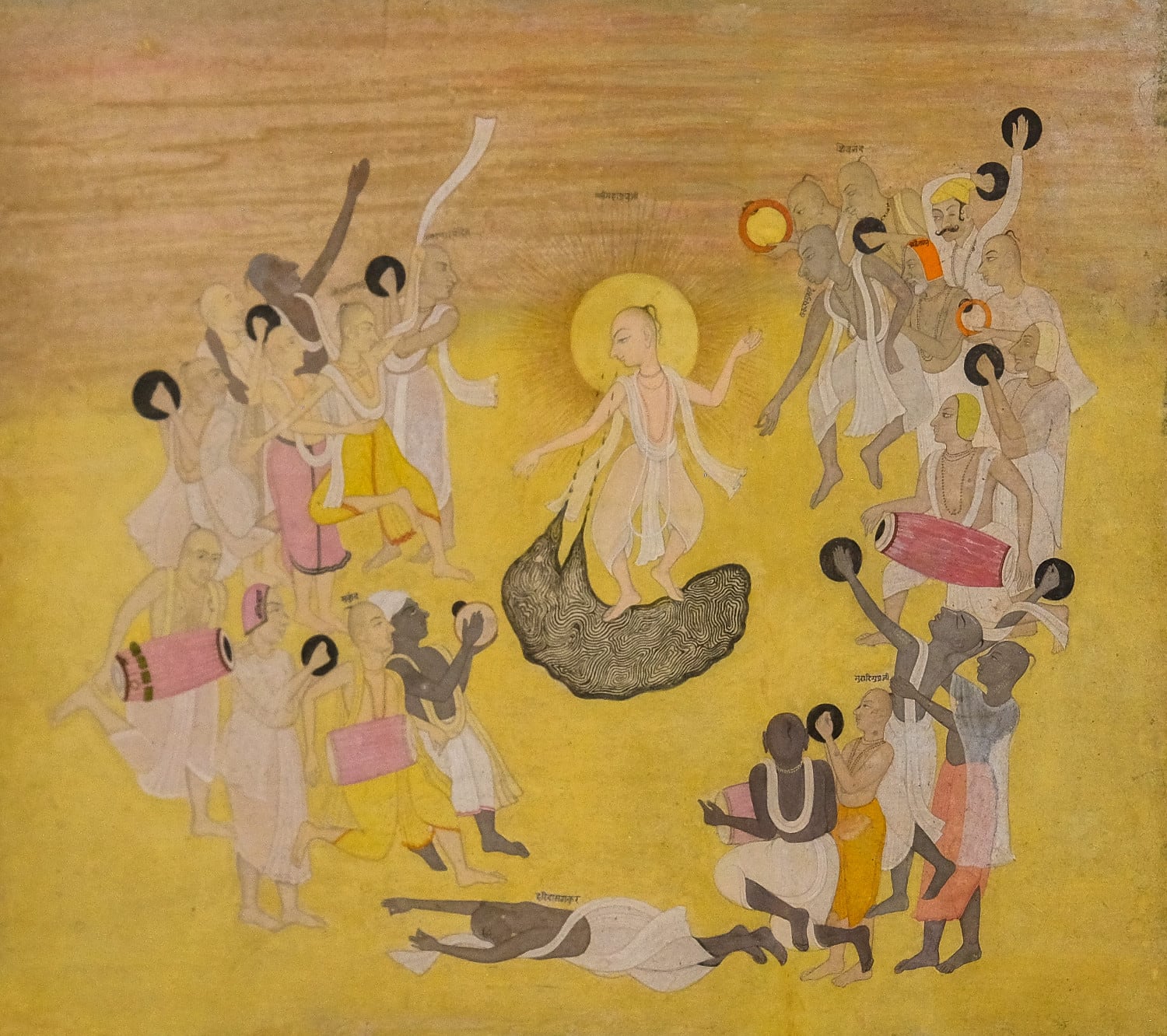
Chaitanya Mahaprabhu
Расходятся в вопросах: Кто я? Существует ли истинное «я»? · Что происходит после смерти?

Emanuel Swedenborg
Расходятся в вопросах: Кто я? Существует ли истинное «я»? · Что происходит после смерти?
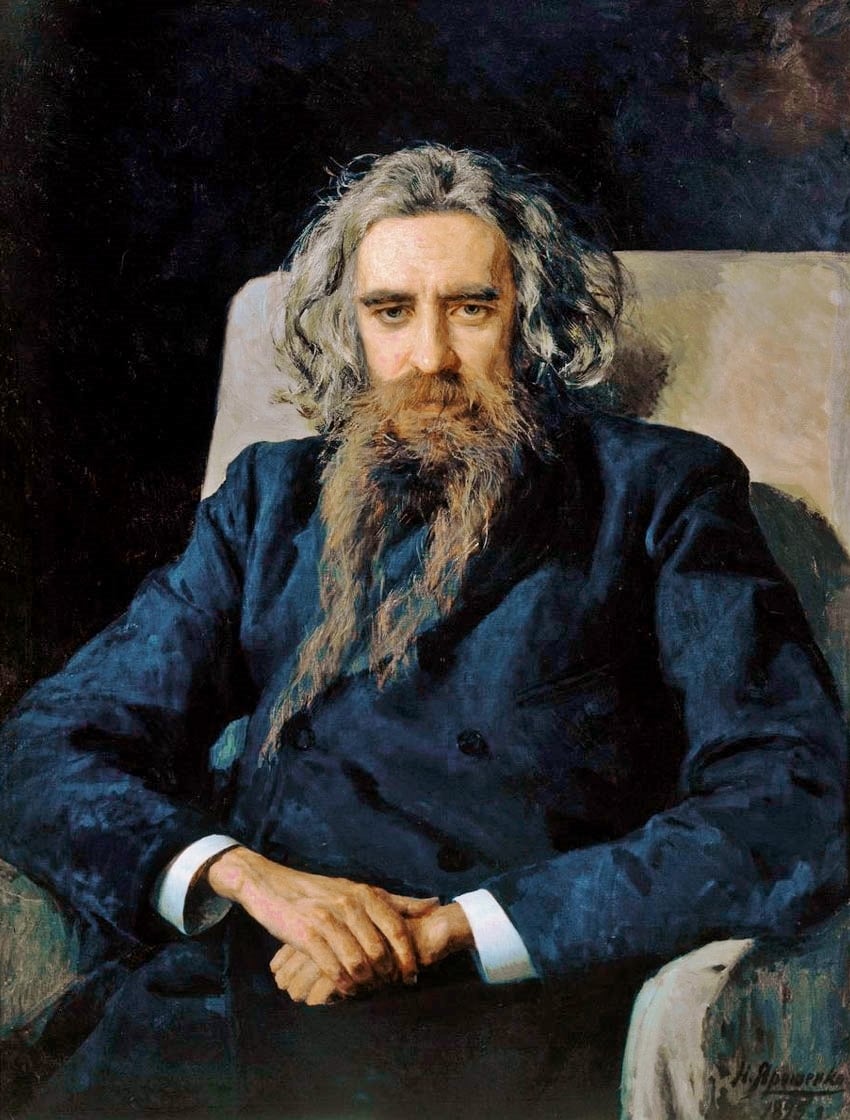
Vladimir Solovyov
Расходятся в вопросах: Кто я? Существует ли истинное «я»? · Что происходит после смерти?
Предания и рассказы
Предания и рассказы
Документированоc. 516–534
The monk who admired the pagoda
Происхождение рассказа: Yang Xuanzhi, Luoyang qielan ji (547), ch. 1, entry on Yongning monastery (Chinese text on Wikisource). Some scholars doubt that the 'Persian' monk is the same Bodhidharma as Daoxuan's; most accept it.
Житийное повествование527 (fecha tradicional)
'I do not know'
Происхождение рассказа: Earliest versions in texts from Shenhui's circle and in the Platform Sūtra (eighth century); canonical form in the Jingde chuandeng lu (1004), ch. 3, and the Biyan lu (1125), case 1. McRae and Faure analyse it as a creation of the school.
Оспариваетсяs. VI (narrado en el s. VIII y fijado en 1004)
Huike's arm
Происхождение рассказа: Daoxuan, Xu gaoseng zhuan (645), ch. 16, biography of Huike: '遭賊斫臂' (bandits cut off his arm). The self-sacrifice version: eighth-century Chan texts and the Jingde chuandeng lu (1004), ch. 3.
Житийное повествованиеs. VI (narrado desde el s. VIII)
Pacifying the mind
Происхождение рассказа: Jingde chuandeng lu (1004), ch. 3; Wumen guan (1228), case 41. The term 安心 comes from Tanlin and Daoxuan.
Житийное повествованиеs. VI (narrado desde el s. VIII)
The sandal of the Pamirs
Происхождение рассказа: Jingde chuandeng lu (1004), ch. 3, and earlier Chan sources; the account of Song Yun's journey survives in the Luoyang qielan ji itself (ch. 5), with no mention of Bodhidharma. Faure (1986) analyses the borrowing of the Daoist motif.
Не поддаётся проверкеleyenda formada desde 1624
The founder of kung fu
Происхождение рассказа: Shahar, The Shaolin Monastery (2008), chapter on the Yijin jing. The attribution to Bodhidharma has no basis before the seventeenth century; today it circulates mostly through martial-arts cinema.
Источник: Shahar, Meir. The Shaolin Monastery: History, Religion, and the Chinese Martial Arts. Honolulu: University of Hawai'i Press, 2008.
Учение
Учение
Понятия, на которых строится мысль учителя, объяснённые в их контексте.
Wall contemplation (biguan)biguan
Early Chan meditation; reinterpreted in the Sōtō tradition (Dōgen).
The two entrances and the four practicesdos-entradas
Sixth-century Chinese Mahāyāna; buddha-nature (tathāgatagarbha) doctrine.
The Laṅkāvatāra Sūtralankavatara
Yogācāra and tathāgatagarbha; the earliest Chan school.
The lineage of patriarchslinaje-patriarcal
Chan historiography (Chuan fabao ji, Lengqie shizi ji, Baolin zhuan, Jingde chuandeng lu).
Источник: McRae, John R. Seeing Through Zen: Encounter, Transformation, and Genealogy in Chinese Chan Buddhism. Berkeley: University of California Press, 2003. ISBN 9780520237988.
Transmission outside the scripturestransmision-fuera-escrituras
Song-period Chan; Japanese Zen.
Источник: McRae, John R. Seeing Through Zen: Encounter, Transformation, and Genealogy in Chinese Chan Buddhism. Berkeley: University of California Press, 2003. ISBN 9780520237988.
Видео
Видео
Записи, интервью и документальные фильмы. Видео воспроизводятся с YouTube; здесь они не хранятся.
[Prof. Mario Poceski - Lecture 1] "The Story of Chan: History, Literature, Teachings and Practices"
Лекция· EN· 121 min
HKUCBSОфициальный канал
CHAN BUDDHISM IN THE TANG DYNASTY / Dr. Alan Cole
Лекция· EN· 51 min
UArizona Center for Buddhist StudiesОфициальный канал
Bodhidharma by Prof Charles Willemen
Лекция· EN· 60 min
Boon Litsavanh
A Monk I Bodhidharma I Documentary
Документальный фильм· EN· 62 min
Doordarshan NationalОфициальный канал
Bodhidharma: Founder of Zen, from India to Shaolin
Документальный фильм· EN· 21 min
Biographics
What is Zen Buddhism?
Разбор· EN· 45 min
Let's Talk Religion
Red Pine: Travels, Hermits and Zen (Full Version)
Документальный фильм· EN· 77 min
John Blofeld Documentary Project
Bodhidharma and the Two Entrances
Лекция· EN· 20 min
Thousand Harbours Zen
La Historia de Bodhidharma ~Sommer
Запись третьих лиц· ES· 21 min
·SOMMER·
El Sermón del Despertar del Primer Patriarca Zen - Bodhidharma | Budismo Zen
Запись третьих лиц· ES· 56 min
KarunaPura
Bodhidharma Sermones sobre el Zen
Запись третьих лиц· ES· 87 min
Cosas del Zen
高僧傳奇 達摩祖師 第001集
Запись третьих лиц· ZH· 23 min
十方法界基金會
Галерея
Галерея
Изображения с проверенной лицензией. Каждое сохраняет своё авторство и атрибуцию.
Рукописи
Рукописи
Рукописные свидетельства и древние тексты, с указанием хранителя и условий доступа.
ZH · Chino · Siglos VII–VIII
二入四行論長卷子 (manuscritos de Dunhuang)
- Сохранившийся список
- Varios manuscritos de Dunhuang, entre ellos copias de la colección Stein (British Library) y Pelliot (BnF), editados por Yanagida Seizan y traducidos por Broughton
- Хранитель
- British Library (colección Stein) y Bibliothèque nationale de France (colección Pelliot)
Связи
Связи
Влияния, ученичество и близость взглядов. Документированная связь отличается от сходства, выявленного путём анализа.
Испытал влияние
Siddhartha Gautama, the Buddha
According to the Chan genealogy fixed in the Baolin zhuan (801), twenty-eighth patriarch in the 'mind-to-mind' transmission begun by the Buddha; a legendary filiation.
Документированная связь
Испытал влияние
In the Chan list of twenty-eight Indian patriarchs Nāgārjuna is the fourteenth; the filiation is a genealogical construction of the eighth and ninth centuries, not a historical relationship.
Документированная связь
Повлиял на
The Platform Sūtra presents Huineng as sixth patriarch of the line beginning with Bodhidharma and attributes to him the dialogue with Emperor Wu on merit.
Документированная связь
Повлиял на
Dōgen (1200–1253), founder of Japanese Sōtō Zen, placed himself in the line of transmission going back to Bodhidharma and wrote about him in the Shōbōgenzō; the Sōtō practice of sitting facing the wall recalls the legend of the nine years before the wall.
Документированная связь
Идеи, близкие к
A parallel identified by the researcher: two masters of Indian origin, recognised founders of foreign traditions (Chan and Nyingma), whose biography is mostly later legend. In eighth-century Tibet Chan and Great Perfection teachings coexisted, as the Dunhuang manuscripts show.
Сходство, выявленное путём анализа
Учитель
Dazu Huike (487–593)
His principal disciple according to Tanlin and Daoxuan, to whom he is said to have given the Laṅkāvatāra; second patriarch of Chan.
Документированная связь
Учитель
Daoyu
The other disciple mentioned by Tanlin and Daoxuan.
Документированная связь
Учитель
Tanlin
Author of the preface to the Treatise on the Two Entrances, in which he presents himself as a disciple.
Документированная связь
Встречался с
Emperador Wu de los Liang (r. 502–549)
A legendary meeting, attested only from the eighth century.
Сходство, выявленное путём анализа
Идеи, близкие к
Shenxiu (m. 706)
The Breakthrough Sermon attributed to Bodhidharma is in fact Shenxiu's Guanxin lun.
Сходство, выявленное путём анализа
Источники
Источники
Библиография и каталоги, использованные для этой статьи.
- Wikidata, «Bodhidharma», QID Q187172 (VIAF 29565694; LCCN n79095450).
- Yang Xuanzhi. Luoyang qielan ji (Memoria de los monasterios budistas de Luoyang), 547, cap. 1, «Monasterio de Yongning». Texto chino en Wikisource; trad. inglesa: Yi-t'ung Wang, A Record of Buddhist Monasteries in Lo-yang, Princeton University Press, 1984 (ISBN 9780691054032).
- Daoxuan. Xu gaoseng zhuan (Continuación de las biografías de monjes eminentes), 645 (ampliada hasta 667), cap. 16: biografías de Bodhidharma y de Huike (Taishō 2060). Texto chino en Wikisource.
- Tanlin (atrib.). Prefacio al «Tratado de las dos entradas y las cuatro prácticas» (菩提達磨大師略辨大乘入道四行觀), según el Xinzuan Xu zangjing. Texto chino en Wikisource.
- Broughton, Jeffrey L. The Bodhidharma Anthology: The Earliest Records of Zen. Berkeley: University of California Press, 1999. ISBN 9780520219724.
- McRae, John R. Seeing Through Zen: Encounter, Transformation, and Genealogy in Chinese Chan Buddhism. Berkeley: University of California Press, 2003. ISBN 9780520237988.
- Faure, Bernard. «Bodhidharma as Textual and Religious Paradigm». History of Religions 25.3 (1986): 187–198.
- Red Pine (Bill Porter), trad. The Zen Teaching of Bodhidharma. San Francisco: North Point Press, 1989 (1.ª ed. Empty Bowl, 1987). ISBN 9780865473997.
- Wikipedia (en). «Bodhidharma». Usada como índice de fuentes y bibliografía secundaria; contrastada con b2–b7.
- Dumoulin, Heinrich. Zen Buddhism: A History. Vol. 1: India and China. Nueva York: Macmillan, 1988; reed. Bloomington: World Wisdom, 2005.
- Daoyuan. Jingde chuandeng lu (Registro de la transmisión de la lámpara de la era Jingde), 1004, cap. 3 (Taishō 2076). CBETA.
- Yampolsky, Philip B. (trad.). The Platform Sutra of the Sixth Patriarch. Nueva York: Columbia University Press, 1967.
- Shahar, Meir. The Shaolin Monastery: History, Religion, and the Chinese Martial Arts. Honolulu: University of Hawai'i Press, 2008.
- CBETA. Shaoshi liumen (少室六門), Taishō vol. 48, n.º 2009.
- Wikimedia Commons, API imageinfo (licencia, autor, fecha y descripción de cada fichero de images[]).
- Open Library (Internet Archive). Registros de ISBN de cada edición citada en works[].
- YouTube: conferencias y documentales verificados por oEmbed el 2026-10-25 (detalle en videos[]).
- Ren Zhe. Prefacio al «Sermón de la línea de sangre» (達磨血脈論序), fechado en 1153 (紹興癸酉). Texto chino en Wikisource.
- Правообладатель
- Los textos chinos (siglos VI–XVII) son de dominio público. Las traducciones tienen derechos propios: Red Pine / Farrar, Straus & Giroux (North Point Press), University of California Press (Broughton; McRae), Kier (versión española de Broughton), Princeton University Press (Yang Xuanzhi, trad. Wang).
Ожидает подтверждения
То, что в этой статье пока не удалось установить. Мы предпочитаем сказать об этом, а не заполнять пробел.
- Sala de lectura: los textos chinos están en Wikisource (cuatro registrados). No se ha encontrado una traducción inglesa o española de dominio público en los tres territorios: la de D. T. Suzuki (Manual of Zen Buddhism, 1935; m. 1966) y las posteriores tienen derechos. El Sermón del despertar (悟性論) no tiene página propia en Wikisource; solo está dentro del Shaoshi liumen.
- Ediciones españolas: solo se ha verificado con ISBN la Antología del Bodhidharma (Kier, 2003). Existen otras versiones españolas de los sermones (a partir de Red Pine) que no se han podido confirmar en catálogo.
- Fechas: ni el nacimiento ni la muerte tienen base documental; 536 es la fecha tradicional. Wikidata da 483 o 440 para el nacimiento y 540 para la muerte, sin fundamento en las fuentes antiguas.
- Las fuentes del siglo VIII (Chuan fabao ji, Lengqie shizi ji, textos de Shenhui) se citan a través de McRae (b6) y Faure (b7), no por lectura directa.
- Identidad del «monje persa» de Yang Xuanzhi con el Bodhidharma de Daoxuan: aceptada por la mayoría de los estudiosos, discutida por algunos.
- Manuscritos: no se han identificado las signaturas concretas de los manuscritos de Dunhuang del «Rollo largo» (Broughton las da en su introducción).
- Relación con Tsongkhapa: solo indirecta (crítica tibetana del «chan súbito» de Heshang Moheyan); se registra en la ficha de Tsongkhapa, no aquí.
Исследовано 2026-10-25