Индуизм · Йога
Sadhguru
ಸದ್ಗುರು ಜಗ್ಗಿ ವಾಸುದೇವ್ · सद्गुरु
1957 –ЗдравствуетИсторически документированная личность
Джагадиш «Джагги» Васудев (Майсур, 1957), известный как Садхгуру, — индийский учитель йоги и основатель Фонда «Иша» (1992) с центром в Коимбатуре. После переживания на холме Чамунди в 1982 году он оставил предпринимательство ради преподавания; его программа Inner Engineering и книги «Внутренняя инженерия», «Карма» и «Смерть» сделали его одним из самых медийных гуру мира. Он ведет экологические кампании Rally for Rivers и Save Soil. Удостоен ордена Падма Вибхушан (2017) и вместе с тем подвергается критике за псевдонаучные утверждения и за споры вокруг «Иши».
- трудов
- 30трудов
- изданий
- 40изданий
- цитат
- 6цитат
- видео
- 14видео
- изображений
- 2изображений
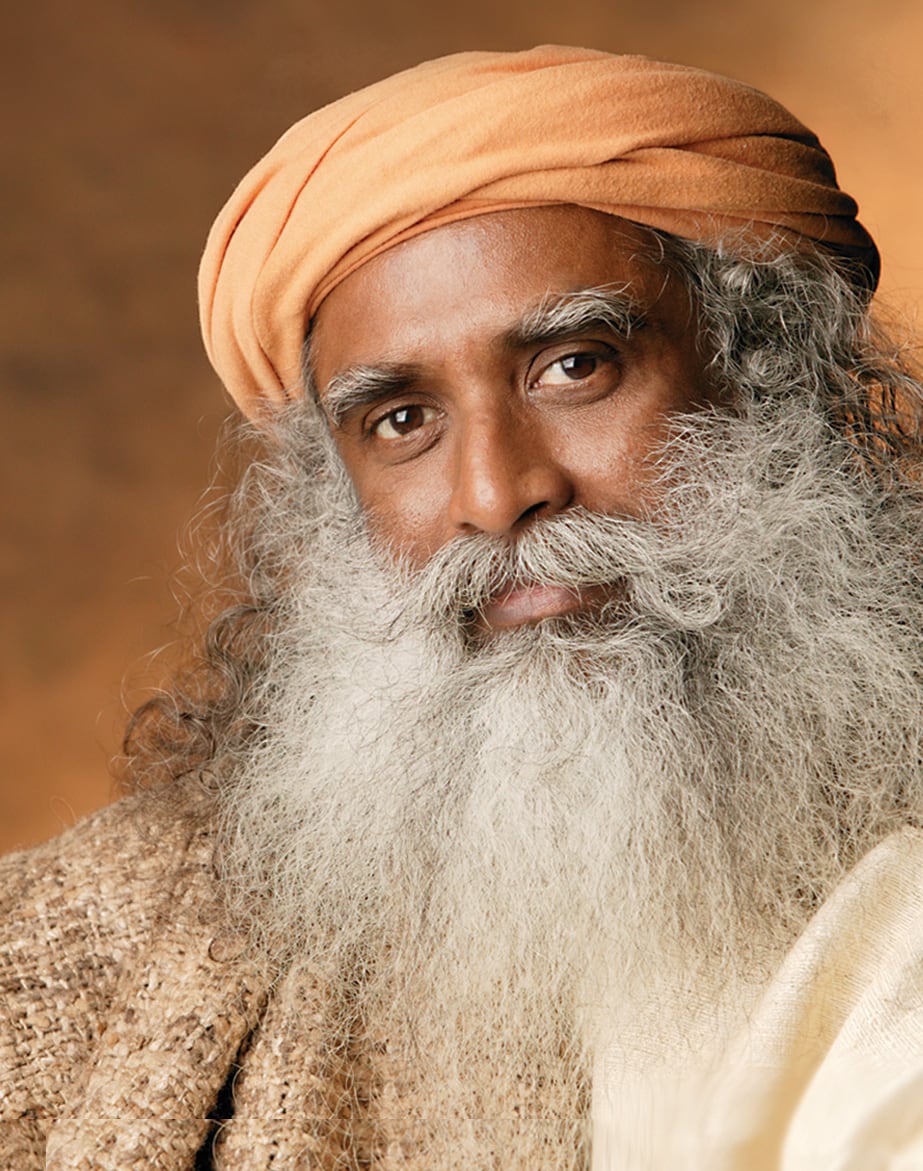
Sadhguru Jaggi Vasudev · CC BY-SA 3.0
Своими словами
«Opinions are like cataracts. They will not allow you to see clearly.»Cita diaria oficial publicada por la Fundación Isha (23 de octubre de 2026), https://isha.sadhguru.org/en/wisdom/quotes/date/october-23-2026

Главная мысль
Responsibility, understood as the ability to respond to everything that happens rather than as blame, is for Sadhguru the starting point of wellbeing: whoever assumes it stops being a victim of circumstances.
В контексте
Биография
4 мин чтения
Перевод с испанского оригинала, выполненный с помощью ИИ; ожидает проверки носителем языка.
Юноша из Майсура
Джагадиш Васудев родился 3 сентября 1957 года в Майсуре в семье, говорившей на телугу. Он был младшим из пятерых детей Б. В. Васудева, офтальмолога городской железнодорожной больницы, и Сушилы Васудев. По его собственному рассказу и по свидетельству его биографа Арундхати Субраманиам, он рос не в особенно религиозном доме: это был беспокойный мальчик, увлеченный мотоциклами, походами по лесам Гат и вопросами, на которые не отвечала школа. В двенадцать лет он начал заниматься у местного наставника, Малладихалли Рагхавендры Свами, простой последовательностью йогических поз, которую, по его словам, так никогда и не оставил.
После года перерыва в учебе он получил степень по английской литературе в Майсурском университете и вопреки желанию родителей, хотевших видеть его в магистратуре, занялся предпринимательством: сначала птицефермой, оставлявшей ему время писать стихи, а затем строительной компанией Buildaids, основанной вместе с другом-инженером.
Холм Чамунди
23 сентября 1982 года, в двадцать пять лет, он поднялся на мотоцикле на холм Чамунди на окраине Майсура и сел на камень. То, что произошло тогда, составляет ось всего его учения и известно нам лишь из его собственного свидетельства: в течение нескольких часов он перестал различать себя и то, что его окружало, — воздух, камень, атмосферу, — а придя в себя, обнаружил слезы на глазах и не угасавшую эйфорию. В последующие дни переживание повторялось. Через шесть недель он закрыл свои предприятия и почти год путешествовал, пытаясь понять, что с ним случилось.
В 1983 году он провел в Майсуре свое первое занятие йогой. Долгие годы он колесил на мотоцикле по Карнатаке и Хайдарабаду, преподавая собственный метод, не беря платы за обучение и живя на доход от прежней фермы. В 1984 году он женился на Виджаякумари, от которой в 1990 году у него родилась дочь Радхе, впоследствии ставшая танцовщицей бхаратанатьяма.
«Иша»
В 1992 году он основал Фонд «Иша», а в 1994 году приобрел землю у подножия гор Велльянгири близ Коимбатура (Тамилнад), где возвел Центр йоги «Иша». Там в 1999 году он освятил Дхьяналингу — пространство для медитации, открытое для людей любой веры, — а в 2017 году гигантское изображение Адийоги, Шивы как первого йогина, признанное Книгой рекордов Гиннесса самым большим бюстом в мире. Фонд, который в значительной мере держится на добровольцах, распространился на несколько континентов — его американский центр находится в Макминнвилле (Теннесси) — и предлагает программы медитации, хатха-йоги и ретриты, самая известная из которых — Inner Engineering («Внутренняя инженерия»), представляемая как «технология» благополучия, основанная на классической йоге.
В январе 1997 года умерла его жена Виджаякумари. Садхгуру и фонд утверждали, что она добровольно оставила тело в медитации; ее отец подал на него заявление, которое полиция закрыла.
Глобальный гуру
С 2000-х годов Садхгуру стал постоянным оратором международных форумов — Саммита тысячелетия за мир с участием религиозных и духовных лидеров в ООН, Всемирного экономического форума в Давосе, таких университетов, как Оксфорд или MIT, — и прежде всего феноменом социальных сетей, с миллионами подписчиков и видео на английском, хинди, тамильском, телугу, каннада и других языках. Его стиль сочетает юмор, анекдоты и категоричные утверждения и успешно обращен к городской молодой аудитории, далекой от религии. Он опубликовал более тридцати книг, большей частью отредактированные расшифровки бесед; «Внутренняя инженерия» (Inner Engineering, 2016), «Карма» (Karma, 2021) и «Смерть» (Death, 2020; американское издание — 2025) стали бестселлерами.
Одновременно он вовлек фонд в экологический активизм: Project GreenHands (посадка деревьев в Тамилнаде), Rally for Rivers (2017), Cauvery Calling (2019) и Save Soil (2022), ради которой он проехал на мотоцикле около 30 000 километров от Лондона до Индии и выступил на Конференции сторон Конвенции ООН по борьбе с опустыниванием. В 2017 году он получил Падма Вибхушан — вторую по значимости гражданскую награду Индии.
Критика и споры
Его фигура является также предметом задокументированной критики, которую следует изложить точно. Ученые и популяризаторы науки упрекали его в утверждениях, противоречащих научному консенсусу, — например, в его взглядах на ртуть в традиционной медицине или на воздействие затмений. Аналитики и журналисты указывали на его близость к правительству БДП и к позициям индуистского национализма, что он отрицает, называя себя человеком вне партий; в 2019 году он извинился за то, что назвал студента-мусульманина «талибом». Экологи и Генеральный контролер-аудитор Индии поставили под вопрос постройки центра под Коимбатуром в охраняемой зоне и в слоновьем коридоре. В 2016 и 2024 годах родители подавали заявления, утверждая, что их взрослых дочерей удерживают в ашраме; в октябре 2024 года Верховный суд Индии закрыл последнее дело после того, как обе женщины заявили, что живут там по собственной воле. С 2024 года публикуются обвинения в насилии в школе фонда, а в 2025 году было возбуждено уголовное дело против нескольких сотрудников фонда; фонд отвергает обвинения и подал иски о клевете против ряда СМИ. Ни одно из этих разбирательств не установило уголовной ответственности Садхгуру.
В марте 2024 года его экстренно прооперировали в Дели по поводу субдуральной гематомы; он оправился за несколько недель. Он по-прежнему возглавляет Фонд «Иша» и продолжает учить и публиковаться.
Источники: Subramaniam, Arundhathi. Sadhguru: More Than a Life. Nueva Delhi: Penguin Ananda, 2010. · Sadhguru. Inner Engineering: A Yogi's Guide to Joy. Nueva York: Spiegel & Grau / Harmony, 2016. · Waghorne, Joanne Punzo. «Engineering an Artful Practice: On Jaggi Vasudev's Isha Yoga and Sri Sri Ravi Shankar's Art of Living». En Mark Singleton y Ellen Goldberg (eds.), Gurus of Modern Yoga. Nueva York: Oxford University Press, 2013, pp. 283–307. · Chopra, Shaili. When I Was 25: The Leaders Look Back. Nueva Delhi: Random House India, 2014. · Simone, Cheryl, con Sadhguru Jaggi Vasudev. Midnights with the Mystic: A Little Guide to Freedom and Bliss. Charlottesville: Hampton Roads, 2008.
Хронология
Жизнь год за годом
Каждая точка — документированное событие. Нажмите, чтобы прочитать о нём, с источником и степенью достоверности.
3 сентября 1957 г.0 летMysore
Born in Mysore
Jagadish Vasudev is born, the youngest of five children of the ophthalmologist B. V. Vasudev and Susheela Vasudev, in a Telugu family.
ДокументированоWikidata, «Sadhguru» (Q793985): fecha y lugar de nacimiento.
3 сентября 1957 г. · 0 лет
Born in Mysore
Jagadish Vasudev is born, the youngest of five children of the ophthalmologist B. V. Vasudev and Susheela Vasudev, in a Telugu family.
Документировано
ок. 1970 · 12 лет
First yoga practice
At about twelve he learns a simple set of postures from Malladihalli Raghavendra Swami, which he will practise daily from then on.
Вероятно
23 сентября 1982 г. · 25 лет
The Chamundi experience
Sitting on a rock on Chamundi Hill he has, by his own testimony, an experience of the boundaries between himself and the world dissolving. Six weeks later he closes his businesses.
Вероятно
1983 · 26 лет
First yoga class
He teaches his first class in Mysore and begins riding around Karnataka and Hyderabad teaching without charge.
Документировано
1984 · 27 лет
Marriage to Vijayakumari
He marries Vijayakumari; their only child, Radhe, is born in 1990.
Документировано
1992 · 35 лет
Isha Foundation
He founds the Isha Foundation as a platform for his spiritual, educational and environmental activities.
Документировано
1994 · 37 лет
Isha Yoga Center
He acquires land at the foot of the Velliangiri hills and opens the Isha Yoga Center.
Документировано
23 января 1997 г. · 39 лет
Death of Vijayakumari
His wife dies. The foundation maintains she left her body in meditation; a complaint by her father against Sadhguru was closed by the police.
Документировано
1999 · 41 год
Consecration of the Dhyanalinga
He consecrates the Dhyanalinga, a meditation space open to anyone, without ritual or worship.
Документировано
2000 · 42 года
Millennium World Peace Summit
He speaks at the Millennium World Peace Summit of Religious and Spiritual Leaders at the United Nations.
Документировано
2016 · 59 лет
Inner Engineering, a bestseller
He publishes Inner Engineering: A Yogi's Guide to Joy, which enters The New York Times bestseller list.
Документировано
2017 · 59 лет
Adiyogi, Rally for Rivers and Padma Vibhushan
He unveils the Adiyogi figure (34 m), launches the Rally for Rivers campaign and receives the Padma Vibhushan from President Pranab Mukherjee (13 April).
Документировано
июль 2019 г. · 61 год
Cauvery Calling
He launches Cauvery Calling, a tree-planting campaign in the Kaveri river basin.
Документировано
март 2022 г. – 2022 · 64 года
Journey to Save Soil
He rides a motorcycle for a hundred days from London to India for the Save Soil campaign and in May addresses COP15 of the UN Convention to Combat Desertification.
Документировано
17 марта 2024 г. · 66 лет
Emergency brain surgery
He undergoes surgery at Indraprastha Apollo Hospital for a subdural haematoma after weeks of headaches; he recovers within weeks.
Документировано
18 октября 2024 г. · 67 лет
Supreme Court closes a habeas corpus case
India's Supreme Court closes a father's petition alleging his two daughters were held at the ashram, after they stated they lived there voluntarily.
Документировано
Труды
Главные труды
Труды, без которых не понять это наследие.
Опубликованные лекции · 2003
Mystic's Musings
Extracts from talks on life, death, rebirth, karma, suffering and the nature of the self, arranged in thematic chapters. The Isha Foundation itself presents it as a book that 'works like a yantra', to be read slowly.
1 издание · amazon.com

Письменный труд · 2016
Inner Engineering: A Yogi's Guide to Joy
His most widely read book: it recounts his Chamundi experience and proposes classical yoga as an 'inner engineering' for wellbeing, in two parts — a reflection on responsibility and perception, and practices for body, mind, energy and emotions.
5 изданий · amazon.com

Письменный труд · 2020
Death: An Inside Story
A systematic account of what the yogic tradition, according to Sadhguru, teaches about death: what happens in the body and energy, how to prepare for dying, how to accompany the dying and what comes after; it includes practices and rituals.
3 издания · amazon.com

Письменный труд · 2021
Karma: A Yogi's Guide to Crafting Your Destiny
Reinterprets karma not as fate or punishment but as the memory of one's own actions that conditions life, and proposes ways of taking responsibility and freeing oneself from that conditioning through awareness and practice.
3 издания · amazon.com
Все труды (30)

Dhyanalinga: The Silent Revolution
2000

Encounter the Enlightened
2001

Eternal Echoes
2002

Flowers on the Path
2007

Midnights with the Mystic
2008

Essential Wisdom from a Spiritual Master
2008

The Mystic Eye
2008
Sadhguru
Circus of the Mind
The Conscious LibraryCircus of the Mind
2008

Good and Bad Divides the World
2008
Sadhguru
Unleashing the Mind
The Conscious LibraryUnleashing the Mind
2008
Sadhguru
Culture of Peace
The Conscious LibraryCulture of Peace
2008

Himalayan Lust
2009

Don't Polish Your Ignorance
2011

Life and Death in One Breath
2011

Of Mystics and Mistakes
2012

Inner Management
2008

Inspire Your Child, Inspire the World
2012
Sadhguru
A Guru Always Takes You for a Ride
The Conscious LibraryA Guru Always Takes You for a Ride
2012
Sadhguru
Three Truths of Well-Being
The Conscious LibraryThree Truths of Well-Being
2013
Sadhguru
A Tree Can Save the World
The Conscious LibraryA Tree Can Save the World
2013
Sadhguru
Enlightenment: An Inside Story
The Conscious LibraryEnlightenment: An Inside Story
2013

Shiva: Ultimate Outlaw
2014

Mind Is Your Business / Body the Greatest Gadget
2015
Sadhguru
Adiyogi: The Source of Yoga
The Conscious LibraryAdiyogi: The Source of Yoga
2017
Изречения
Изречения, найденные в конкретном труде. Каждое сопровождается указанием происхождения и степени надёжности.
The air I was breathing, the rock on which I was sitting, the atmosphere around me — everything had become me.ВероятноSobre su experiencia en la colina de Chamundi (1982); recogida en Chopra, When I Was 25 (2014), y en Simone, Midnights with the Mystic. No se ha visto la página exacta.
Основные идеи (редакционное изложение)
Из уважения к авторскому праву эти идеи изложены своими словами и не выдаются за дословные цитаты.
- Responsibility, understood as the ability to respond to everything that happens rather than as blame, is for Sadhguru the starting point of wellbeing: whoever assumes it stops being a victim of circumstances.
- Joy, peace or anguish are inner chemistry; the technology of yoga would let each person govern that chemistry instead of depending on outer events.
- Karma is not an imposed fate or a system of rewards and punishments but the accumulated memory of one's own actions, thoughts and emotions, which conditions life and from which one can be freed.
- Death deserves conscious preparation as much as life; the way of dying and of accompanying the dying is part of spiritual practice.
- Yoga is neither a physical exercise nor a religion but a science of union with the whole of existence, whose origin he attributes to Adiyogi, the first yogi.
- Soil health is the basis of human health; agricultural policy should guarantee a minimum of organic matter in farmland, the central idea of the Save Soil campaign.
Спросить
На что отвечают эти труды
Двенадцать великих вопросов человечества и то, что позволяют на них ответить эти тексты, со ссылками. Мы никогда не вкладываем слова в чужие уста.
Что такое Абсолют? Существует ли Бог?
The source of creation is not a man in the sky: it is within
Безличный АбсолютСледует из учения
Sadhguru Jaggi Vasudev, founder of the Isha Foundation, sidesteps in his books and talks the question of believing or not believing in God: he proposes being a seeker rather than a believer, and says that not knowing is the honest starting point. When he describes the ultimate, he does so in impersonal terms: a source of creation operating within every being and a boundless emptiness from which all arises, which the yogic tradition calls Shiva, «that which is not». In Inner Engineering (2016) he presents yoga as a technology for experiencing that dimension, not as adherence to a doctrine. In Adiyogi (2017) he presents Shiva as the first yogi, a figure he uses in a mythic and pedagogical register. The divine is for him not someone who judges but a dimension of life accessed through experience.
Сравнить этот вопрос с другими учителямиКто я? Существует ли истинное «я»?
You are not the body or the mind: what you are has no boundaries
Самость есть АбсолютСледует из учения
Sadhguru Jaggi Vasudev teaches, in line with classical yoga, that body and mind are accumulations: the body is accumulated food and the mind accumulated impressions. What one accumulates may be one's own, but it cannot be oneself. In Inner Engineering (2016) he presents the scheme of the five sheaths (koshas), from the physical to the blissful, and the experience of one who stops identifying with them. He recounts that in 1982, seated on a rock on Chamundi Hill, in Mysore, he no longer knew where he ended and the rest began. The aim of yoga, in his language, is to dissolve the boundaries of individual identity until unity with everything is experienced. The true self is not the person but the boundlessness the person encloses.
Сравнить этот вопрос с другими учителямиПочему мы страдаем?
We suffer what has passed and what has not yet happened: memory and imagination
Мысль и психологическое времяСледует из учения
Sadhguru Jaggi Vasudev repeats in his books and talks a central idea: almost all human suffering is manufactured by one's own mind. We suffer less from what happens than from what we remember, what happened years ago, and what we imagine, what might happen tomorrow; memory and imagination, two valuable faculties, turn against us when we do not govern them. In Inner Engineering (2016) he holds that every human experience, joy or misery, is produced within, and can therefore be managed from within, with yogic tools that bring order to body, mind and energy. He also distinguishes physical pain, which is inevitable, from suffering, which he considers optional. His approach is practical rather than metaphysical: taking responsibility for one's own experience.
Сравнить этот вопрос с другими учителямиЧто происходит после смерти?
At death the body is lost; karmic information seeks another
Перерождение согласно кармеСказано прямо
Sadhguru speaks of death often and devoted a book to it, Death: An Inside Story (2020). He describes the human being as layers: the physical, mental and energy bodies and subtler dimensions, held together by karmic memory. At death the physical body is lost, but the subtle structure, laden with tendencies, persists for a time and seeks a new womb according to its karma. He insists that the way one dies matters: a conscious death, prepared through practice, makes it possible to pass through the process lucidly, and in the yogic tradition he cites the realised master leaves the body at will (mahasamadhi). What he proposes is not a belief about the beyond but an exploration: whoever knows the non-physical dimension of themselves in life stops fearing the end of the body, and liberation (mukti) is the dissolution of the karmic accumulation that compels rebirth.
Сравнить этот вопрос с другими учителямиКак достигается освобождение или спасение?
Yoga as inner technology: with method and practice, liberation is possible for everyone
Через дисциплинированную практикуСказано прямо
In Inner Engineering, Sadhguru (Jaggi Vasudev) presents yoga not as belief but as a technology for wellbeing and, ultimately, for liberation (mukti), which he defines as freedom from the limits of body and mind. His approach is that human experience is determined from within and that, with the right tools, anyone can reorganise their body, mind, emotions and energy. Those tools are concrete practices, such as Shambhavi Mahamudra, which the Isha Foundation transmits by initiation, along with postures, breathing and meditation. Sadhguru combines this technical language with a strong emphasis on the guru's grace, which he regards as the factor that makes practice bear fruit.
Сравнить этот вопрос с другими учителямиНужен ли учитель?
The guru does not teach information: he is a presence opening a new dimension
НезаменимСледует из учения
Sadhguru (Jaggi Vasudev) presents himself as a guru and his teaching revolves around that figure. In his talks and books he holds that the guru is not a teacher transmitting information but someone who dispels darkness, according to the traditional etymology he often invokes, and who opens in the disciple a dimension of experience he could not reach alone. That is why the Isha Foundation's central practices are transmitted by initiation, and Sadhguru attributes a decisive role to the guru's grace. At the same time, in Inner Engineering he insists on personal responsibility and on each person being the source of their own experience, which qualifies any passive dependence.
Сравнить этот вопрос с другими учителямиРеален ли мир?
Sense perception is limited: the world is real, but not the ultimate truth
Видимость поверх единой реальностиСледует из учения
Sadhguru (Jaggi Vasudev) approaches the question from the yogic tradition rather than from a written metaphysics. In his talks and in Inner Engineering he holds that what a person calls the world is their experience of it, and that this experience is determined by the senses and the mind, which perceive only the physical and in a limited way. The term maya, as he explains it, does not mean that the world does not exist but that ordinary perception takes a part for the whole. Beyond the physical there is a formless dimension, which he often names with the yogic term Shiva, «that which is not», from which creation arises.
Сравнить этот вопрос с другими учителямиЧто такое любовь?
Love is the longing to include the other until becoming one with all
Тоска и соединениеСледует из учения
Sadhguru describes love not as something given or received but as an inner quality. He often defines it as a longing to include the other as part of oneself: in a love relationship that impulse is limited to one person, whereas in devotion and in yoga, which for him means union, it extends until it embraces the whole of existence. In Inner Engineering he holds that love, like joy, is a form of inner chemistry that each person can generate, and that making it depend on others leads to need and conflict. He values devotion (bhakti) as the fastest way to dissolve the limits of the individual, because the devotee ceases to be the centre. Mature love does not demand reciprocity: it is a way of being offered without conditions.
Сравнить этот вопрос с другими учителямиСвободны ли мы или всё предопределено?
Karma is not fate: it is memory, and each person can write their own
Карма и выборСказано прямо
Sadhguru devotes a whole book to the question: *Karma: A Yogi's Guide to Crafting Your Destiny* (2021). His argument is that karma is not a system of rewards and punishments but memory accumulated in body, mind and energy, which conditions how one responds to life. As long as one acts compulsively, that memory decides; but a human being can establish a distance from it and respond consciously, and then becomes the author of his destiny. In *Inner Engineering* (2016) he formulates the same idea as responsibility: the ability to respond to everything that happens. He does not deny conditioning, but turns it into material for work through yogic practices.
Сравнить этот вопрос с другими учителямиЗачем медитировать или молиться?
Creating distance from body and mind: I am not what I accumulate
Возвращение к источнику «я»Сказано прямо
Sadhguru insists that meditation is not an act one performs but a quality one becomes: one cannot «do» meditation, but one can cultivate body, energy and mind so that this quality flowers. To that end he teaches concrete practices, such as the *Shambhavi Mahamudra* of his *Inner Engineering* programme or the *Isha Kriya*, which he offers freely and publicly. The latter includes the affirmation of being neither the body nor even the mind. Its declared aim is to establish a distance between oneself and what one has accumulated —body, thoughts, emotions—, so that one's own nature beyond them is perceived.
Сравнить этот вопрос с другими учителямиМожет ли разум познать предельное?
The intellect cuts and divides: the ultimate is perceived, not thought
Предельное лежит за пределами умаСледует из учения
Sadhguru often compares the intellect to a knife: useful for dissecting and handling the world, but unable to grasp the whole, because its nature is to divide. In *Inner Engineering* (2016) he holds that the intellect works with information accumulated in memory and, however sharpened, cannot go beyond it. He is equally wary of belief: he invites people neither to believe nor to disbelieve, but to seek and test in their own experience. The ultimate is not an object of thought but of perception, and perception is widened through yogic work on body, energy and mind. Reason is indispensable in practical life, but it is not the door to what lies beyond the senses.
Сравнить этот вопрос с другими учителямиУйти от мира или преобразить его?
From inner well-being to campaigns for rivers and soil
Действовать в миреСказано прямо
Sadhguru does not frame spiritual life as withdrawal. The Isha Foundation, which he created in 1992 near Coimbatore, combines yoga and meditation programmes with social and environmental projects: Project GreenHands, for mass tree planting; Rally for Rivers (2017), for the restoration of India's rivers; Save Soil (2022), an international campaign for the health of agricultural soils; as well as rural schools and health programmes. His argument is that inner transformation and action in the world are not opposed: a person who has attained inner well-being acts with greater clarity and less compulsion, and responsibility, which he defines as the ability to respond, has no limits. In Inner Engineering he presents practice as a tool for living effectively in any sphere, including business and politics, whose leaders he frequently addresses.
Сравнить этот вопрос с другими учителями
Созвучия и противоречия
Созвучия и противоречия
Рассчитаны вопрос за вопросом на основе позиций. Причина каждого совпадения или расхождения — по нажатию.
Ближе всего к
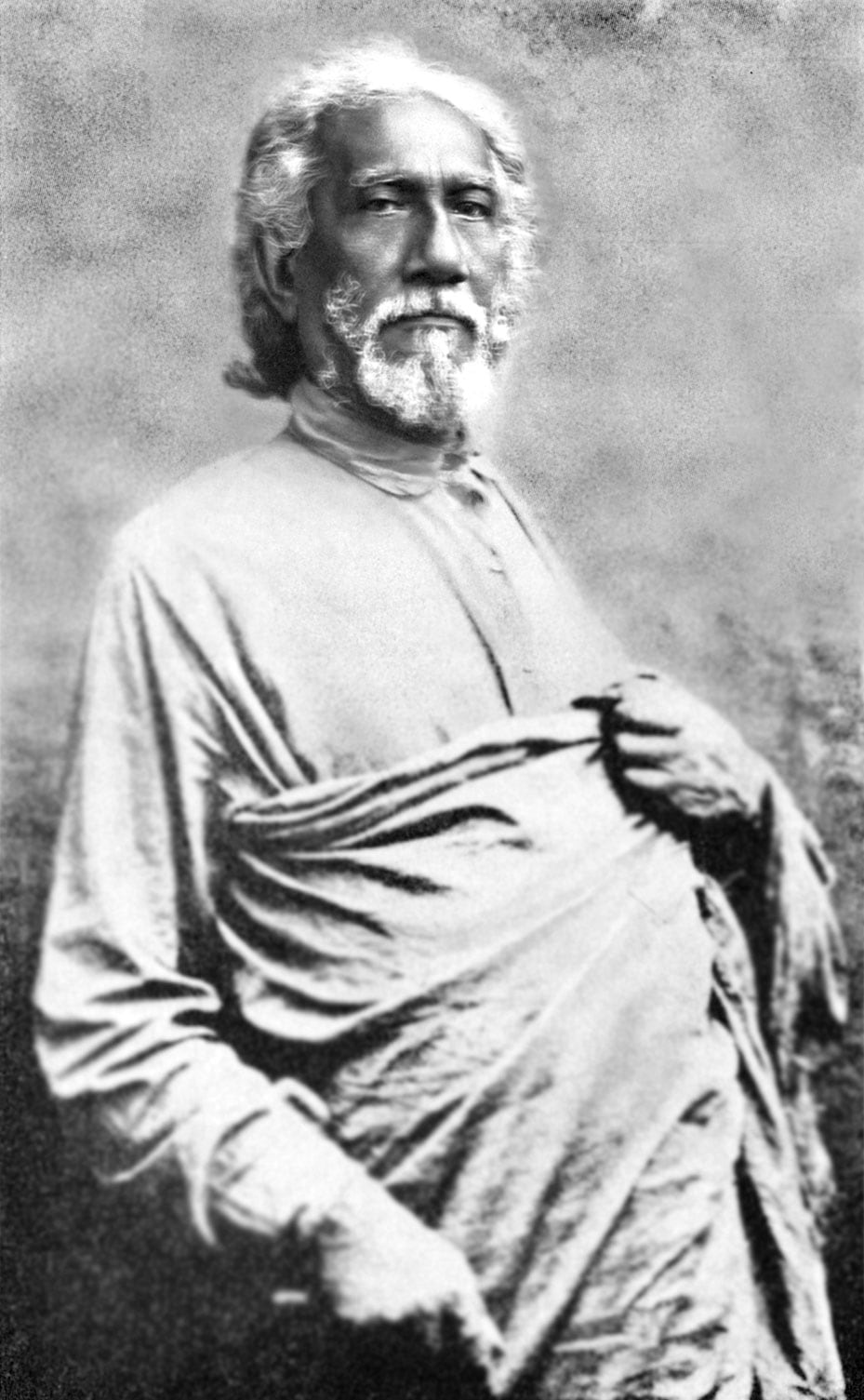
Sri Yukteswar
Совпадают в вопросах: Зачем медитировать или молиться? · Что такое Абсолют? Существует ли Бог? · Кто я? Существует ли истинное «я»?
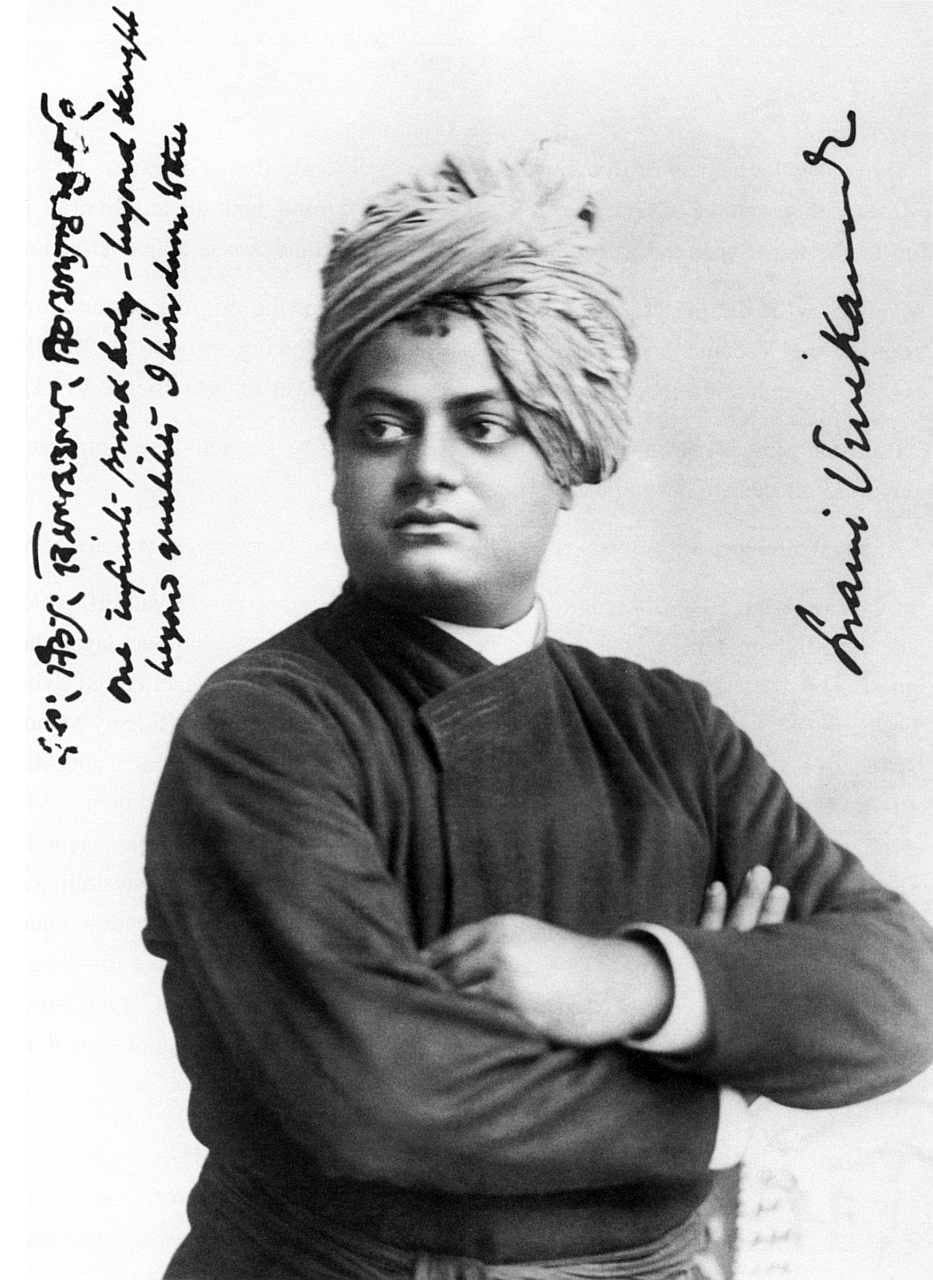
Swami Vivekananda
Совпадают в вопросах: Кто я? Существует ли истинное «я»? · Как достигается освобождение или спасение? · Нужен ли учитель?
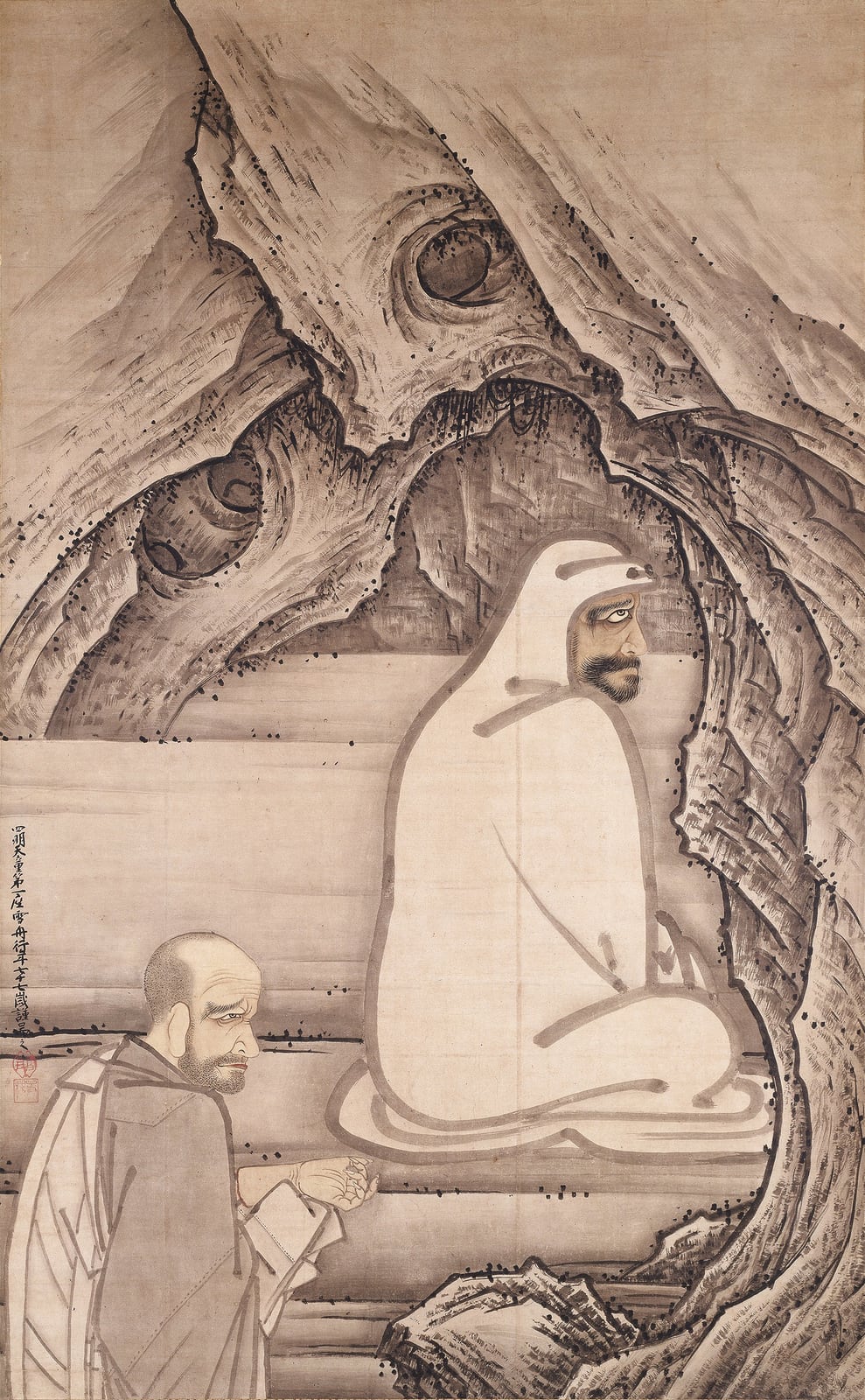
Bodhidharma
Совпадают в вопросах: Что такое Абсолют? Существует ли Бог? · Кто я? Существует ли истинное «я»? · Что происходит после смерти?

Helena Blavatsky
Совпадают в вопросах: Свободны ли мы или всё предопределено? · Что такое Абсолют? Существует ли Бог? · Что происходит после смерти?
Дальше всего от

Francis of Assisi
Расходятся в вопросах: Кто я? Существует ли истинное «я»? · Что происходит после смерти? · Реален ли мир?

Julian of Norwich
Расходятся в вопросах: Кто я? Существует ли истинное «я»? · Что происходит после смерти? · Реален ли мир?

Teresa of Ávila
Расходятся в вопросах: Кто я? Существует ли истинное «я»? · Что происходит после смерти? · Реален ли мир?

Hildegard of Bingen
Расходятся в вопросах: Кто я? Существует ли истинное «я»? · Что происходит после смерти? · Реален ли мир?
Совпадают в вопросах
Sadhguru · Paramahansa Yogananda
Yoga as a testable science: from kriya to inner engineering
Почему: They converge because they share a strategy for presenting yoga to global audiences, inaugurated at the end of the nineteenth century: translating an initiatory tradition into the language of science and efficacy, for readers who distrust dogma. There is no relation between them and their lineages are different. They differ in theology: Yogananda is intensely devotional, speaks to God as Divine Mother and comments on the Gospels; Sadhguru prefers an impersonal language, in which the ultimate is a dimension of life accessed through experience. The claims of both about the effects of their techniques are doctrinal: the library sets them out, it does not verify them.
Расходятся в вопросахПринципиальное разногласие
Sadhguru · Jiddu Krishnamurti
Inner technology with initiation versus an attention without method or guru
Почему: The contradiction is real and reflects two ideas of tradition. Sadhguru belongs to the yogic line that trusts body, energy and breath as vehicles of transformation, and the relationship with the guru as what makes it possible; hence his organisation transmits techniques by initiation. Krishnamurti, formed in an organisation with masters and disciplines, concluded that every practice aimed at a result arises from the very thought it claims to overcome. Sadhguru would say that cultivating body and mind is not pursuing meditation but creating the conditions for it to flower; Krishnamurti would see in those conditions another form of time and seeking.
Предания и рассказы
Предания и рассказы
Свидетельство1982
An afternoon on Chamundi Hill
Происхождение рассказа: Sadhguru's own testimony, told in talks and in Inner Engineering and recorded by Simone (2008), Subramaniam (2010) and Chopra (2014). There are no outside witnesses.
Источник: Chopra, Shaili. When I Was 25: The Leaders Look Back. Nueva Delhi: Random House India, 2014.
Документировано1983–1992
The teacher who would not take money
Происхождение рассказа: Recorded in Subramaniam's biography (2010) and in the press; summarised in Wikipedia.
Житийное повествование1996–1999
The consecration of the Dhyanalinga
Происхождение рассказа: Account of the Isha Foundation and Sadhguru himself; the consecration and its date are documented, the previous lives are a belief of the community.
Документировано2022
A hundred days on a motorcycle for the soil
Происхождение рассказа: Widely documented by the press and the UN; summarised in Wikipedia (Sadhguru and Isha Foundation).
Документировано2024
The empty skull
Происхождение рассказа: Indraprastha Apollo Hospital statement reported by Business Standard and other outlets (20–21 March 2024); video released by the Isha Foundation.
Учение
Учение
Понятия, на которых строится мысль учителя, объяснённые в их контексте.
Inner Engineeringinner-engineering
The name sums up Sadhguru's strategy of presenting yoga in technical and scientific vocabulary to an urban, secular audience; Joanne Waghorne has analysed it as a case of translating yoga into Indian and global corporate culture.
Источник: Sadhguru. Inner Engineering: A Yogi's Guide to Joy. Nueva York: Spiegel & Grau / Harmony, 2016.
Shambhavi Mahamudra Kriyashambhavi-mahamudra
The name refers to Shambhavi, an epithet of the goddess as Shiva's consort, and to the mudra of the same name in the hatha yoga tradition; the specific sequence Isha teaches is the foundation's own and is not published.
Isha Kriyaisha-kriya
The formula of disidentification from body and mind comes from the Vedantic and yogic tradition; Isha presents it as a self-sufficient practice, distinct from those requiring initiation.
Yoga as inner technologyyoga-as-inner-technology
The language of yoga as science has precedents in Vivekananda and in twentieth-century modern yoga; Sadhguru carries it into the vocabulary of technology and management.
Источник: Waghorne, Joanne Punzo. «Engineering an Artful Practice: On Jaggi Vasudev's Isha Yoga and Sri Sri Ravi Shankar's Art of Living». En Mark Singleton y Ellen Goldberg (eds.), Gurus of Modern Yoga. Nueva York: Oxford University Press, 2013, pp. 283–307.
Adiyogi and the origin of yogaadiyogi
Shiva as lord of yoga (Yogeshvara) is ancient in Shaivism; the construction of Adiyogi as founder and non-confessional figure is characteristic of Isha. Historians of yoga place its documented origins in Indian texts of the last centuries before the Common Era.
Источник: Sadhguru. Adiyogi: The Source of Yoga. Noida: Harper Element / HarperCollins India, 2017.
Dhyanalingadhyanalinga
The consecration of forms (pratishtha) is a classic practice of Hindu temples; the novelty Isha claims is a linga devoted solely to meditation and open to any creed.
Karma as memory and responsibilitykarma
The notion comes from the Indic traditions, which understand it in very different ways; Sadhguru's reading, centred on memory and responsibility, addresses a modern reader and moves away from fatalism.
Источник: Sadhguru. Karma: A Yogi's Guide to Crafting Your Destiny. Nueva York: Harmony Books, 2021.
Ретриты
Ретриты и центры
Места и встречи, связанные с этим учением. Мы свяжем вас с их организаторами.
Velliangiri, cerca de Coimbatore, Tamil Nadu · India
Isha Yoga Center, Coimbatore
Isha Foundation
The Isha Yoga Center is the headquarters of the Isha Foundation, established by Sadhguru at the foot of the Velliangiri mountains, some thirty kilometres from Coimbatore. It brings together the spaces that define his work: the Dhyanalinga, a consecrated space for silent meditation; the Linga Bhairavi temple; the 112-foot Adiyogi statue; and halls for hatha yoga practice. It offers beginner and advanced programmes, yoga teacher training and volunteering, as well as cottage accommodation. It is the main place to experience Sadhguru's work at first hand, and the setting for large gatherings such as Mahashivratri.
En línea y en centros Isha · Internacional
Inner Engineering
Isha Foundation
Inner Engineering is Sadhguru's foundational programme, presenting tools for the body, mind, emotions and energy. It culminates in the transmission of Shambhavi Mahamudra Kriya, a daily practice of about twenty minutes, and also teaches Upa-Yoga. The conceptual part is followed online at one's own pace and the kriya is transmitted live over a weekend; there is also a four-day residential retreat format and instructor-led sessions at centres around the world. It is offered in around ten languages, Spanish included, and is the prerequisite for Isha's advanced programmes and residential retreats.
McMinnville, Tennessee · Estados Unidos
Isha Institute of Inner-sciences (Tennessee)
Isha Foundation
The Isha Institute of Inner-sciences is the Isha Foundation's retreat centre in North America, a 1,400-acre mountain campus on Tennessee's Cumberland Plateau. Its heart is Mahima, a large domed meditation hall that hosts many of the programmes, together with the Adiyogi space, which is open to visitors. It offers beginner and advanced classical yoga and meditation programmes, individual wellness retreats, overnight stays with early-morning practice and special events with Sadhguru. The centre itself stresses that it is not a place of worship, religion, philosophy or belief system, but a space for inner wellbeing.
Видео
Видео
Записи, интервью и документальные фильмы. Видео воспроизводятся с YouTube; здесь они не хранятся.
The Importance of Silence | Sadhguru
Лекция· EN· 15 min
SadhguruОфициальный канал
The Power of Being Alone | Sadhguru Jaggi Vasudev
Лекция· EN· 12 min
SadhguruОфициальный канал
One Thing You Must Do to Overcome Anxiety | Sadhguru
Лекция· EN· 11 min
SadhguruОфициальный канал
Unplug from the Mental Matrix | Sadhguru
Лекция· EN· 61 min
SadhguruОфициальный канал
Sadhguru's Enlightenment - In His Own Words
Оригинальная запись· EN· 2017· 5 min
SadhguruОфициальный канал
Sadhguru Jaggi Vasudev | Full Address & Q&A | Oxford Union
Лекция· EN· 2017· 65 min
OxfordUnion
Sadhguru | Developing an Inclusive Consciousness | Talks at Google
Лекция· EN· 2016· 66 min
Talks at Google
Sadhguru: Your Mind Will Follow Your Emotions | India Economic Summit 2017
Интервью· EN· 2017· 64 min
World Economic Forum
At UNCCD COP15, Sadhguru Presents a Practical 3-Pronged Strategy to #SaveSoil | Sadhguru
Оригинальная запись· EN· 2022· 5 min
SadhguruОфициальный канал
Isha Kriya: A Guided Meditation For Health And Wellbeing | 15-Minutes
Оригинальная запись· EN· 2019· 19 min
SadhguruОфициальный канал
Adiyogi Shiva: The First & Ultimate Zen Master | Sadhguru
Лекция· EN· 2015· 14 min
SadhguruОфициальный канал
¿Qué es la ingeniería interior? | Sadhguru
Лекция· ES· 2019· 30 min
Sadhguru EspañolОфициальный канал
ईशा क्रिया - 12 मिनट में पाएं मानसिक स्थिरता और ख़ुशी | Isha Kriya Guided Meditation | Sadhguru Hindi
Оригинальная запись· HI· 2020· 19 min
Sadhguru HindiОфициальный канал
L'Importance du Silence | Sadhguru
Лекция· FR· 2026· 15 min
Sadhguru FrançaisОфициальный канал
Галерея
Галерея
Изображения с проверенной лицензией. Каждое сохраняет своё авторство и атрибуцию.
Связи
Связи
Влияния, ученичество и близость взглядов. Документированная связь отличается от сходства, выявленного путём анализа.
Идеи, близкие к
Both present yoga to the West as an inner science rather than a religion; Sadhguru often cites him in his talks.
Сходство, выявленное путём анализа
Источники
Источники
Библиография и каталоги, использованные для этой статьи.
- Subramaniam, Arundhathi. Sadhguru: More Than a Life. Nueva Delhi: Penguin Ananda, 2010.
- Wikidata, «Sadhguru» (Q793985): fecha y lugar de nacimiento.
- Sadhguru. Inner Engineering: A Yogi's Guide to Joy. Nueva York: Spiegel & Grau / Harmony, 2016.
- Open Library, autores OL3248457A y OL3290802A (Sadhguru / Sadhguru Jaggi Vasudev): obras y ediciones con ISBN.
- Waghorne, Joanne Punzo. «Engineering an Artful Practice: On Jaggi Vasudev's Isha Yoga and Sri Sri Ravi Shankar's Art of Living». En Mark Singleton y Ellen Goldberg (eds.), Gurus of Modern Yoga. Nueva York: Oxford University Press, 2013, pp. 283–307.
- Isha Foundation. «The Big List of Books by Sadhguru» (catálogo oficial de libros y libros electrónicos).
- Isha Foundation. «Sadhguru Quotes» (citas diarias oficiales, octubre de 2026).
- Chopra, Shaili. When I Was 25: The Leaders Look Back. Nueva Delhi: Random House India, 2014.
- Wikipedia (en), «Sadhguru» (biografía, recepción científica y opiniones políticas, con sus referencias de prensa).
- Wikipedia (en), «Isha Foundation» (iniciativas y sección «Controversies and reception»: denuncias de retención, corredor de elefantes e informe de la CAG, acusaciones de abusos, caso POCSO y litigios por difamación).
- Business Standard, «Sadhguru undergoes brain surgery after month-long headache: What we know», 21 de marzo de 2024 (comunicado del Indraprastha Apollo Hospital).
- Simone, Cheryl, con Sadhguru Jaggi Vasudev. Midnights with the Mystic: A Little Guide to Freedom and Bliss. Charlottesville: Hampton Roads, 2008.
- Guinness World Records, «Largest bust (sculpture)»: Adiyogi Shiva, Isha Foundation, Coimbatore; 34,24 m de altura; récord verificado el 11 de marzo de 2017.
- Peterson, Christine Tara; Sarah M. Bauer; Deepak Chopra; Paul J. Mills; Raj K. Maturi. «Effects of Shambhavi Mahamudra Kriya, a Multicomponent Breath-Based Yogic Practice (Pranayama), on Perceived Stress and General Well-Being». Journal of Evidence-Based Complementary & Alternative Medicine 22, n.º 4 (2017): 788–797. doi:10.1177/2156587217730934 (PMID 29228793).
- Isha Foundation. «Isha Kriya Meditation» (instrucciones oficiales: duración, postura, frecuencia recomendada).
- Isha Foundation, Inner Engineering. «Shambhavi Mahamudra Kriya» (descripción oficial de la práctica y de su relación con el programa Inner Engineering).
- Wikipedia (en), «Adiyogi Shiva bust» (inauguración del 24 de febrero de 2017, dimensiones, simbolismo de los 112 pies y libro Adiyogi: The Source of Yoga).
- Sadhguru. Adiyogi: The Source of Yoga. Noida: Harper Element / HarperCollins India, 2017.
- Isha Foundation. «Dhyanalinga Consecration Anniversary» (consagración por Sadhguru en 1999, tras tres años de prana pratishtha; aniversario el 24 de junio).
- Sadhguru. Karma: A Yogi's Guide to Crafting Your Destiny. Nueva York: Harmony Books, 2021.
- Правообладатель
- Isha Foundation
- Официальный сайт
- isha.sadhguru.org
Ожидает подтверждения
То, что в этой статье пока не удалось установить. Мы предпочитаем сказать об этом, а не заполнять пробел.
- Obras: están los 30 libros publicados por Isha Foundation y sus editoriales (Penguin, Harmony, Jaico). Open Library registra además títulos autoeditados en 2018–2020 («Life Mysterious», «Greed Is God», «Ancient Mysteries», «Ease and Disease», «Cancer», «Universal Wisdom», «Diálogos de Sadhguru») sin editorial vinculada a Isha: no se listan como obra suya mientras no se confirme la autorización. Por confirmar también «Enlightenment: What It Is» (BookBaby, 2013) y «El cuerpo. La mente.» (La Vanguardia, 2021), y el centenar de cuadernillos de Isha en lenguas indias (comprobado contra Open Library el 2026-10-25).
- Relaciones documentadas con otros maestros de la biblioteca: no hay; la afinidad con Vivekananda es temática, no histórica.
- Sala de lectura (2026-10-25): no se registra ningún texto; autor vivo, toda su obra tiene derechos vigentes.
- Conceptos (2026-10-25): la secuencia de la Shambhavi Mahamudra no es pública y no se describe; la eficacia que Isha atribuye a esta práctica, a Isha Kriya y al Dhyanalinga se presenta como afirmación de la fundación, con el único estudio revisado por pares localizado (s14) y sus límites.
- Vídeos (2026-10-25): el campo year de los vídeos añadidos es el año de publicación en YouTube, no el de la grabación (la charla de la Oxford Union, p. ej., se publicó el 2 de enero de 2017).
Исследовано 2026-10-25