Христианство · Христианская мистика · Католицизм
Teresa of Ávila
1515 – 1582Исторически документированная личность
Кастильская монахиня-кармелитка, писательница и основательница монастырей (1515–1582). После двадцати лет духовной вялости в монастыре Воплощения обращение, пережитое в тридцать девять лет, привело ее к напряженной мистической жизни и к реформе Кармеля: она основала семнадцать монастырей босых кармелиток и вместе с Хуаном де ла Крусом — мужскую ветвь. Ее книги — «Книга жизни», «Путь совершенства», «Внутренний замок», «Книга оснований» — и письма стали вершиной кастильской прозы и картой молитвы как дружбы. Канонизированная в 1622 году, она первой из женщин была провозглашена учителем Церкви (1970).
- трудов
- 17трудов
- изданий
- 36изданий
- цитат
- 9цитат
- видео
- 11видео
- изображений
- 6изображений

Retrato de Santa Teresa de Jesús por fray Juan de la Miseria (1576) · CC BY-SA 4.0
Своими словами
«Let nothing disturb you, let nothing frighten you; all things pass away, God does not change; patience obtains everything; whoever has God lacks nothing: God alone suffices.»Poesías, letrilla hallada en su breviario («Nada te turbe»)

Главная мысль
Prayer as friendship: Teresa defines mental prayer, in Life 8,5, as 'an intimate sharing between friends, taking time frequently to be alone with him who we know loves us'.
В контексте
Биография
5 мин чтения
Перевод с испанского оригинала, выполненный с помощью ИИ; ожидает проверки носителем языка.
Идальга из Авилы с кровью против шерсти
Тереза Санчес де Сепеда-и-Аумада родилась 28 марта 1515 года в Авиле, в доме недавних идальго, чья респектабельность держалась на умолчании. Ее дед по отцу, торговец сукном Хуан Санчес де Толедо, в 1485 году был «примирен» толедской инквизицией как иудействующий, а затем — переездом в Авилу и тяжбой о дворянстве — купил забвение того санбенито. Тереза никогда об этом не писала; документы всплыли лишь в XX веке, и они заставляют читать ее жизнь иначе: как жизнь женщины, рано узнавшей, чего стоила честь в Кастилии и чего стоило ее сохранить.
Она была третьим из детей, которых Алонсо Санчес де Сепеда прижил со второй женой, Беатрис де Аумада, а всего в семье росло двенадцать братьев и сестер. Об отчем доме она вспоминает в «Книге жизни»: рыцарские романы, которые она тайком читала вместе с матерью, и ранняя набожность, заставившая ее лет в семь бежать с братом Родриго в земли мавров, чтобы там им отрубили головы за Христа. Дядя вернул детей домой. Этот эпизод, рассказанный ею самой с иронией, уже задает тон всей жизни: безмерное желание — и умение над ним посмеяться.
Монастырь Воплощения и долгая болезнь
Смерть матери в 1528 году и юность, которую сама Тереза считала легкомысленной, побудили отца отдать ее в 1531 году в пансион августинок Санта-Мария-де-Грасия. Там, без явного призвания, созрела мысль о монастыре. 2 ноября 1535 года она вопреки воле отца поступила в кармелитский монастырь Воплощения за стенами Авилы; в ноябре 1537 года принесла обеты. Монастырь Воплощения был тогда многолюдной и бедной общиной с нестрогой клаузурой: монахини принимали посетителей, а самые родовитые имели просторные кельи и служанок.
Почти сразу она заболела. В 1538–1539 годах она искала исцеления в Беседасе и в доме сестры, пережила четырехдневный припадок, после которого ее сочли умершей, — уже успели раскрыть могилу, — и почти три года оставалась парализованной. В эту пору выздоровления она прочла «Третью духовную азбуку» Франсиско де Осуны, научившую ее молитве сосредоточения. И всё же почти два десятилетия она жила тем, что сама называет своим «бурным морем»: молитва урывками, приемная, дружбы, рассеивавшие ее, и чувство, что она предает нечто, чему еще не умела дать имя.
Обращение и скандал видений
Великим постом 1554 года перед образом «израненного» Христа, принесенным в монастырь Воплощения, она не выдержала. Ей было тридцать девять лет. С тех пор ее молитва стала «сверхъестественной»: покой, соединение, восхищения, внутренние речения, интеллектуальные видения Христа. В Кастилии, только что встревоженной движением «алюмбрадос» и Индексом 1559 года, изъявшим духовные книги на народном языке, монахиня с подобным опытом была проблемой. Духовники считали ее обманутой; иные велели ей показывать видениям кукиш. Успокоили ее и научили различению духов молодые иезуиты — Диего де Сетина, Хуан де Праданос, Бальтасар Альварес — и францисканец Петр Алькантарский.
К этим годам относится опыт, который потомки назвали трансвербацией: ангел пронзает ей сердце золотой стрелой. Он описан в 29-й главе «Жизни» и век спустя изваян в мраморе Бернини. Тереза рассказывает о нем с тем сочетанием точности и целомудренной сдержанности, которое и есть ее писательская печать.
Сан-Хосе и «реформа»
С небольшой группой подруг и при поддержке епископа Альваро де Мендосы Тереза 24 августа 1562 года основала в Авиле монастырь Святого Иосифа (Сан-Хосе): тринадцать монахинь, без доходов, в рубищах из грубой шерсти, «босые» в пеньковых альпаргатах, под первоначальным Уставом Кармеля. Город взбунтовался — против основания созвали открытый совет, — и приоресса монастыря Воплощения потребовала ее назад. Тереза выстояла. Пять лет в Сан-Хосе были, по ее словам, самыми покойными в ее жизни; тогда она написала «Жизнь» в двух редакциях (1562 и 1565), «Путь совершенства» и первые «Конституции».
В 1567 году генерал ордена Джованни Баттиста Росси — испанцы звали его Рубео — посетил Авилу, одобрил увиденное и разрешил ей основывать новые женские монастыри и два мужских. Так началась «странствующая» Тереза: Медина-дель-Кампо (август 1567 года), где она познакомилась с молодым монахом Хуаном де Йепесом, вскоре — Хуаном де ла Крусом; Малагон, Вальядолид, Толедо, Пастрана, Саламанка, Альба-де-Тормес, Сеговия, Беас, Севилья, Каравака. Она ездила в крытых повозках, в зной и в снег, торгуясь о домах, доходах и разрешениях с ловкостью, которую без прикрас показывают ее письма. С 1571 по 1574 год по распоряжению апостольского визитатора она к тому же была приорессой монастыря Воплощения — той самой обители, что хотела ее удержать.
Процессы, доносы и «Замок»
Ничто из этого не проходило мирно. В 1575 году бывшая послушница донесла на «Жизнь» в севильскую инквизицию, и рукопись пролежала под арестом в Совете инквизиции до самой смерти Терезы и после нее; Доминго Баньес письменно защитил ее и одобрил. В том же году генеральный капитул в Пьяченце предписал Терезе удалиться в какой-либо монастырь и больше ничего не основывать. Нунций Филиппо Сега, как передает первое поколение ее биографов, назвал ее «беспокойной и непоседливой женщиной». В 1577–1578 годах Хуан де ла Крус был похищен обутыми кармелитами и заточен в Толедо. Именно тогда, в Толедо и Авиле, между июнем и ноябрем 1577 года, она на одном дыхании написала «Обители», или «Внутренний замок», — самую безмятежную и самую архитектурную свою книгу, где душа предстает замком из алмаза с семью концентрическими покоями.
Юридическое отделение босых пришло с бреве Григория XIII Pia consideratione (22 июня 1580 года) и капитулом в Алькале 1581 года. Тереза, уже больная и старая, вновь пустилась в дорогу: Вильянуэва-де-ла-Хара, Паленсия, Сория и зимой 1582 года Бургос — ее последнее основание, в затопленном городе и при несговорчивом архиепископе.
Альба-де-Тормес
На обратном пути провинциальный викарий, желая угодить герцогине, направил ее в Альба-де-Тормес. Она прибыла туда без сил 20 сентября 1582 года. Умерла она 4 октября, между девятью и десятью часами вечера, на руках своей сиделки и секретаря Аны де Сан-Бартоломе, повторяя — по свидетельствам присутствовавших монахинь, собранным на процессах, — что умирает дочерью Церкви. На следующий день вступила в силу григорианская реформа календаря, и 5 октября стало 15-м: поэтому ее память празднуется в этот день.
Фрай Луис де Леон подготовил первое издание ее сочинений (Саламанка, 1588). Ее беатифицировали в 1614 году, канонизировали 12 марта 1622 года вместе с Игнатием Лойолой, Франциском Ксаверием, Исидором Землепашцем и Филиппом Нери, а 27 сентября 1970 года Павел VI провозгласил ее учителем Церкви — первой из женщин.
Что остается
Остается прежде всего проза. Тереза писала так, как говорила, — с отступлениями, с «не знаю, понятно ли я объясняю», с метафорами сада, воды и кухонных горшков, — и эта устность была стратегией: стратегией женщины без латыни, дочери обращенных, которой нужно было казаться безобидной, чтобы сказать то, что она говорила. Остается учение о молитве как дружбе, топография внутреннего мира человека, которую современная психология продолжает читать, и сеть из семнадцати женских монастырей и мужской орден, почитающие ее как мать. И остается фигура, за которую боролась испанская культура: покровительница писателей, национальный символ в XX веке, феминистка до феминизма для одних, барочная святая для других. Она, просившая своих дочерей иметь «мужественные души» и предупреждавшая, что «дело не в том, чтобы много думать, а в том, чтобы много любить», посмеялась бы над большинством этих ярлыков.
Источники: Efrén de la Madre de Dios, O.C.D., y Otger Steggink, O.Carm. Tiempo y vida de Santa Teresa. Madrid: Biblioteca de Autores Cristianos, 1968 (3.ª ed., 1996). · Teresa de Jesús. Obras completas. Transcripción, introducciones y notas de Efrén de la Madre de Dios y Otger Steggink. Madrid: Biblioteca de Autores Cristianos, 1962 (ediciones posteriores revisadas). · Teresa de Jesús. Obras completas. Edición de Tomás Álvarez. Burgos: Monte Carmelo, 2006 (col. Maestros Espirituales Carmelitas). ISBN 9788472398948. · Teresa of Avila. The Collected Works of St. Teresa of Avila. Translated by Kieran Kavanaugh, O.C.D., and Otilio Rodriguez, O.C.D. 3 vols. Washington, D.C.: ICS Publications, 1976–1985 (reed. 2011). · Ana de San Bartolomé. Obras completas. Edición de Julián Urkiza, O.C.D. 2 vols. Burgos: Monte Carmelo, 1998–1999 (incluye la Autobiografía con el relato de la última enfermedad y muerte de Teresa). Trad. inglesa: Autobiography and Other Writings, ed. Darcy Donahue, University of Chicago Press, 2008.
Хронология
Жизнь год за годом
Каждая точка — документированное событие. Нажмите, чтобы прочитать о нём, с источником и степенью достоверности.
28 марта 1515 г.0 летÁvila
Birth
Teresa Sánchez de Cepeda y Ahumada is born to Alonso Sánchez de Cepeda and Beatriz de Ahumada. The family is of recent hidalgo status and converso descent on the father's side.
ДокументированоEfrén de la Madre de Dios, O.C.D., y Otger Steggink, O.Carm. Tiempo y vida de Santa Teresa. Madrid: Biblioteca de Autores Cristianos, 1968 (3.ª ed., 1996).
После смерти
- 1588First edition of her works
- 12 марта 1622 г.Canonisation
- 27 сентября 1970 г.Doctor of the Church
28 марта 1515 г. · 0 лет
Birth
Teresa Sánchez de Cepeda y Ahumada is born to Alonso Sánchez de Cepeda and Beatriz de Ahumada. The family is of recent hidalgo status and converso descent on the father's side.
Документировано
ок. 1522 · 7 лет
The flight towards martyrdom
At about seven she runs away with her brother Rodrigo towards the land of the Moors to be martyred; an uncle brings them back. She tells it herself in Life 1,4.
Документировано
1528 · 13 лет
Death of her mother
Beatriz de Ahumada dies. Teresa, an adolescent, entrusts herself to the Virgin as her mother (Life 1,7).
Документировано
1531 · 16 лет
Boarder at Santa María de Gracia
Her father places her with the Augustinian nuns of Santa María de Gracia, where the idea of religious life takes root.
Документировано
2 ноября 1535 г. · 20 лет
Enters the Incarnation
She enters the Carmelite monastery of the Incarnation against her father's wishes. She makes her profession in November 1537.
Документировано
август 1539 г. · 24 года
The paroxysm that left her for dead
After treatment in Becedas she suffers a four-day attack during which she is taken for dead; she remains crippled for nearly three years. During convalescence she reads Osuna's Third Alphabet.
Документировано
1554 · 39 лет
The 'conversion' before the wounded Christ
In Lent, before an image of a much-wounded Christ, the definitive turn of her life of prayer takes place (Life 9).
Документировано
ок. 1560 · 45 лет
The transverberation
Experience of the angel piercing her heart with a golden dart (Life 29,13), dated by biographers to about 1560.
Вероятно
24 августа 1562 г. · 47 лет
Foundation of Saint Joseph's, Ávila
The first convent of Discalced Carmelite nuns is founded, without endowment and under the primitive Rule. The city opposes it in open council. That year she finishes the first redaction of the Life.
Документировано
1565 · 50 лет
Second redaction of the Life
She completes the definitive redaction of the Book of Her Life at her confessors' request; shortly afterwards she writes the Way of Perfection.
Документировано
15 августа 1567 г. · 52 года
Second foundation and meeting with John of the Cross
With the general Rubeo's licence she founds at Medina del Campo. There she meets Friar Juan de Santo Matía (John of the Cross), whom she wins over to the Discalced.
Документировано
1571 – 1574 · 56 лет
Prioress of the Incarnation
The apostolic visitor imposes her as prioress of the Incarnation (1571–1574), with John of the Cross as confessor of the community.
Документировано
1575 · 60 лет
Denunciation to the Inquisition and order of confinement
The Book of Her Life is denounced to the Inquisition of Seville and impounded; the general chapter of Piacenza orders her confinement to a convent.
Документировано
2 июня 1577 г. · 62 года
The Interior Castle
Between 2 June and 29 November she writes the Interior Castle. In December John of the Cross is imprisoned in Toledo by the Calced friars.
Документировано
22 июня 1580 г. · 65 лет
Separation of the Discalced
Gregory XIII's brief Pia consideratione erects the Discalced as a separate province; the chapter of Alcalá (1581) carries it out.
Документировано
апрель 1582 г. · 67 лет
Last foundation
She founds at Burgos, her seventeenth convent of nuns, after a winter of floods and resistance from the archbishop.
Документировано
4 октября 1582 г. · 67 лет
Death
She dies in the convent of Alba de Tormes, in the arms of Ana de San Bartolomé. The next day the Gregorian calendar comes into force (5 October becomes 15 October).
Документировано
1588
First edition of her works
Fray Luis de León edits Los libros de la Madre Teresa de Jesús (Salamanca, Guillermo Foquel), with the Life, the Way and the Castle.
Документировано
12 марта 1622 г.
Canonisation
Gregory XV canonises her together with Ignatius of Loyola, Francis Xavier, Isidore the Labourer and Philip Neri. She had been beatified in 1614.
Документировано
27 сентября 1970 г.
Doctor of the Church
Paul VI proclaims her a Doctor of the Universal Church: the first woman to receive the title.
Документировано
Труды
Главные труды
Труды, без которых не понять это наследие.
Письменный труд · 1565
The Book of Her Life
Libro de la vida
An autobiographical account in forty chapters: childhood, illness, twenty lukewarm years at the Incarnation, the conversion of 1554 and, at its centre, a treatise on prayer set out through the allegory of the 'four waters' used to irrigate a garden (chs. 11–22). The second part describes the 'favours' (locutions, visions, raptures, the transverberation) with unusual phenomenological precision, always under the gaze of the confessors who would read it. It is at once confession, a defence against the suspicion of Illuminism, and the first great work of autobiographical prose in Castilian.
5 изданий · amazon.com

Письменный труд · ок. 1566
The Way of Perfection
Camino de perfección
Written for the thirteen nuns of Saint Joseph's in Ávila, who asked her to speak to them about prayer. It begins with the three virtues that make community life possible (mutual love, detachment, humility) and flows into a commentary on the Lord's Prayer, petition by petition, which is in fact a treatise on the prayer of recollection and quiet. It is her most pedagogical and direct book, with its famous demand for a 'determined determination' (ch. 21) not to abandon the way.
3 издания · amazon.com

Письменный труд · 1577
The Interior Castle (The Mansions)
Castillo interior o Las moradas
Her mature masterpiece. The soul is a castle of diamond with seven concentric dwelling places; in the centre the King dwells. The first three describe ordinary ascetic life; the fourth, the threshold of the supernatural (prayer of quiet, 'spiritual delights' versus 'consolations'); the fifth, union; the sixth, betrothal with its trials, raptures and wounds of love; the seventh, spiritual marriage, where contemplation issues in works: 'this is what prayer is for'. It is the most influential map of the inner life written in Castilian.
2 издания · amazon.com

Письменный труд · 1582
The Book of the Foundations
Libro de las fundaciones
A chronicle of the foundations from Medina to Burgos, with portraits of nuns, benefactors and adversaries, negotiations over houses and incomes, journeys by cart and episodes of humour. It interleaves doctrinal chapters on obedience, melancholy in convents and the discernment of revelations. It is the principal source for the history of the Teresian reform and a first-rate document of urban and ecclesiastical life in Philip II's Castile. It contains the phrase about the Lord who 'walks among the pots and pans' (5,8).
3 издания · amazon.es
Все труды (17)

Spiritual Testimonies (Accounts of Conscience)
1581

Meditations on the Song of Songs
1567
Teresa of Ávila
Soliloquies (Exclamations of the Soul to God)
The Conscious LibrarySoliloquies (Exclamations of the Soul to God)
1569
Teresa of Ávila
Constitutions
The Conscious LibraryConstitutions
1567
Teresa of Ávila
On Making the Visitation
The Conscious LibraryOn Making the Visitation
1576
Teresa of Ávila
Poems
The Conscious LibraryPoems
1570
Teresa of Ávila
Letters
The Conscious LibraryLetters
1582
Teresa of Ávila
A Satirical Critique
The Conscious LibraryA Satirical Critique
1577
Teresa of Ávila
Maxims (Counsels)
The Conscious LibraryMaxims (Counsels)
1580

Complete Works (collected editions)
1588
Teresa of Ávila
Response to a Spiritual Challenge
The Conscious LibraryResponse to a Spiritual Challenge
1573
Teresa of Ávila
Ordinances for a Confraternity
The Conscious LibraryOrdinances for a Confraternity
1571
Teresa of Ávila
Seven Meditations on the Lord's Prayer
The Conscious LibrarySeven Meditations on the Lord's Prayer
1630
Изречения
Изречения, найденные в конкретном труде. Каждое сопровождается указанием происхождения и степени надёжности.
Let nothing disturb you, let nothing frighten you; all things pass away, God does not change; patience obtains everything; whoever has God lacks nothing: God alone suffices.Nada te turbe, / nada te espante, / todo se pasa, / Dios no se muda; / la paciencia / todo lo alcanza; / quien a Dios tiene / nada le falta: / solo Dios basta.
ПровереноPoesías, letrilla hallada en su breviario («Nada te turbe»)
Апокрифические изречения и изречения спорной атрибуции (2)
«This is how I treat my friends. — That is why you have so few.»
Dialogue with God after a fall into the mud; it appears in no work, letter or sixteenth-century testimony. See the corresponding anecdote.
«More tears are shed over answered prayers than unanswered ones.»
Modern attribution with no source in the Teresian corpus; the phrase has circulated in English since the twentieth century and seems to derive from the novel Mr. Blue (Myles Connolly, 1928) or its later diffusion.
Последние слова
Позднейший рассказ свидетелей
«In the end, Lord, I am a daughter of the Church.»En fin, Señor, soy hija de la Iglesia.
Teresa died at Alba de Tormes on 4 October 1582 in the arms of Ana de San Bartolomé, her nurse and secretary, who recounted the last illness and death in her Autobiography (ed. Urkiza) and later testified in the beatification processes. According to those testimonies, in her final hours she repeated many times that she was dying 'a daughter of the Church' (the wording varies among witnesses: 'in the end, Lord, I am a daughter of the Church' / 'I die a daughter of the Church'), recited the verse 'Cor contritum et humiliatum, Deus, non despicies' (Ps 50:19) and, on receiving Viaticum, spoke words of joy that the hour to see her Spouse had come, also transmitted by Ribera. There is no single literal final sentence: what exists is a set of eyewitness accounts convergent in meaning and divergent in detail.
Источник: Ana de San Bartolomé. Obras completas. Edición de Julián Urkiza, O.C.D. 2 vols. Burgos: Monte Carmelo, 1998–1999 (incluye la Autobiografía con el relato de la última enfermedad y muerte de Teresa). Trad. inglesa: Autobiography and Other Writings, ed. Darcy Donahue, University of Chicago Press, 2008.
Спросить
На что отвечают эти труды
Двенадцать великих вопросов человечества и то, что позволяют на них ответить эти тексты, со ссылками. Мы никогда не вкладываем слова в чужие уста.
Что такое Абсолют? Существует ли Бог?
God is someone with whom one keeps friendship: a Trinity dwelling in the soul
Личный БогСказано прямо
For Teresa of Ávila, God's existence is not a matter for demonstration but for intimacy. Her work starts from Catholic faith and lives it as relationship: in the Book of Her Life she defines mental prayer as a friendly exchange, alone, with the One we know loves us. In the Interior Castle she describes a journey through seven dwelling places whose centre is occupied by God himself; in the seventh, the soul receives, by intellectual vision, the presence of the three Persons of the Trinity, who communicate themselves and remain there. This God knows, calls, hides and bestows; humility consists in «walking in truth» before the One who is supreme Truth. The Absolute is thus, for her, a personal and Trinitarian Thou, more intimate to the soul than the soul itself, never a faceless principle.
Сравнить этот вопрос с другими учителямиКто я? Существует ли истинное «я»?
The soul is a diamond castle with God dwelling at its centre
Сотворённая бессмертная душаСказано прямо
Teresa of Ávila answers the question of the self with an image: at the start of the Interior Castle she proposes considering the soul as a castle made entirely of diamond or very clear crystal, with many dwelling places, at whose centre is the King. She laments that most people do not know who they are: they know their body and lineage, but not the dignity and beauty of their soul. To know oneself is therefore to enter that castle, and the door is prayer. The soul is created, unique and immortal, and called to a union with God that in the seventh dwelling places she calls spiritual marriage; even then, she insists, it does not cease to be a creature nor is it confused with God. Self-knowledge and humility go together: there is no true knowledge of oneself without looking at God, nor of God without knowing oneself.
Сравнить этот вопрос с другими учителямиПочему мы страдаем?
Trials purify the soul and prepare it for union
Отделённость от БогаСказано прямо
Teresa of Ávila does not write a theory of suffering, but she knows it closely: serious illness, opposition, her confessors' suspicions, dryness in prayer. She interprets it within Catholic theology: the soul estranged from God is scattered and suffers, and pain accepted with love purifies it and makes it like the crucified Christ. In the sixth dwelling places of the Interior Castle she lists the inner and outer trials that precede spiritual marriage — gossip, unsettling praise, illnesses, fears of being deceived — and presents them as preparation. In the Book of Her Life she records her plea to suffer or to die, which expresses not a taste for pain but a desire for union: if she cannot yet enjoy God, she wishes at least to share his cross. Suffering far from God is the penalty of one's own dispersion; suffering with Him is a path.
Сравнить этот вопрос с другими учителямиЧто происходит после смерти?
Death opens true life with God, which the soul already longs for
Вечная жизнь и воскресениеСказано прямо
Teresa of Ávila thinks about death within the Catholic faith: judgement, purgatory, hell and glory, and the eternal life of the person before God. What is distinctive is the tone in which she lives it. In the gloss «I live without living in myself» death appears as the longed-for door to a higher life, and present life as exile: she dies because she does not die. In the Book of Her Life she recounts a vision of the place which, as she understood it, had been prepared for her in hell, and which led her to fear sin more than death; in other chapters she reports visions of glory and of souls rising to it. In the seventh dwelling places of the Interior Castle, however, the soul already united with God stops longing for death and accepts living in order to serve him: what is decisive is not the moment of dying but union, which death consummates.
Сравнить этот вопрос с другими учителямиКак достигается освобождение или спасение?
Union with God is a free gift; the soul must dispose itself with determination
Через благодать и любовьСказано прямо
For Teresa of Ávila, the end of the path is the soul's union with God, which in the Interior Castle culminates in the «spiritual marriage» of the seventh dwelling places. That union is not conquered: it is God's work, who enters the centre of the soul when He wills. What does belong to the person is to dispose herself: persevering prayer, humility, detachment and what The Way of Perfection calls a very determined determination not to stop until arriving. Teresa carefully distinguishes the «consolations», obtained partly by one's own meditative effort, from the «spiritual delights» or supernatural prayer, which are received. Effort prepares the ground, but the decisive step is always grace, and its proof is not ecstasy but love of neighbour and deeds.
Сравнить этот вопрос с другими учителямиНужен ли учитель?
A learned, experienced confessor is a great help; a bad one does harm
Полезен, но не обязателенСказано прямо
Teresa of Ávila attaches great importance to the spiritual director, but from an ambivalent experience: in the Book of Her Life she recounts the years of harm caused by poorly instructed confessors, who reassured or frightened her without grounds. Hence her insistence, in chapter 13 of the Life and in The Way of Perfection, on seeking «learned» confessors, who know Scripture and doctrine, and if possible have experience of prayer. The human teacher guides, discerns and protects from deception, but does not replace the soul's personal relationship with God, who is the one who teaches in prayer. Teresa herself acted as teacher to her nuns, and her books were born as a response to that role.
Сравнить этот вопрос с другими учителямиРеален ли мир?
God is in all things, but the world passes: God alone suffices
Благое и реальное творениеСледует из учения
Teresa of Ávila does not elaborate an ontology of the world; her attention is on the soul and on God. What she does make clear is her framework: the world is God's creation, real and distinct from Him. In the Book of Her Life she recounts that it took her a long time to learn that God is present in all things by presence, power and essence, and that a learned man confirmed it to her. God also walks among the pots and pans, as she writes in the Foundations. At the same time, she shares the ascetic assessment of her age: the things of the world are fleeting and vain if sought for their own sake, and the little poem she kept in her breviary recalls that all things pass and God alone does not change.
Сравнить этот вопрос с другими учителямиЧто такое любовь?
The important thing is not to think much but to love much
Любовь к Богу и ближнемуСказано прямо
For Teresa of Ávila love is the criterion of the whole spiritual life. In the fourth dwelling places of the Interior Castle she warns that the important thing is not to think much but to love much, and in the fifth she gives the proof that one loves God: love of neighbour, which cannot be feigned. In The Way of Perfection she devotes several chapters to love among the sisters, which she distinguishes from particular, possessive affection: true love wills the other's good and wills it for God. Her prayer is defined as friendly converse with one we know loves us, and in the Book of Her Life she recounts the transverberation, an angel wounding her heart with a dart of fire. Everything culminates in the spiritual marriage of the seventh dwelling places, which ends not in ecstasy but in works.
Сравнить этот вопрос с другими учителямиСвободны ли мы или всё предопределено?
The soul decides to enter its castle; grace does not cancel resolve
Подлинная свобода волиСказано прямо
Teresa wrote no treatise on free will, but her whole teaching presupposes it. In the *Interior Castle* the soul must want to enter itself, and the door is prayer; whoever does not enter stays among the vermin of the courtyard. In *The Way of Perfection* she asks her nuns for a «great and very determined determination» not to stop until they reach the spring, and in *The Book of Her Life* she recounts her years of lukewarmness as her own responsibility, not as fate. At the same time, everything decisive in the inner mansions is God's work: the soul disposes itself and He grants. Her position is the Catholic one of her time, lived rather than argued: grace does everything, and yet the person responds and can refuse.
Сравнить этот вопрос с другими учителямиЗачем медитировать или молиться?
Prayer is intimate friendship with the one we know loves us
Дружба с БогомСказано прямо
Teresa gives the definition this key would later borrow: mental prayer, in her view, is nothing other than an intimate sharing between friends, often spending time alone with the one we know loves us (*The Book of Her Life*, 8, 5). Prayer is neither a technique for emptying the mind nor an intellectual exercise, but a personal relationship with Christ, cultivated with perseverance even in dryness. In the *Interior Castle* prayer is the door through which one enters the soul, and the way through the mansions is the growth of that friendship up to spiritual marriage. She warns against confusing prayer with discourse: the important thing is not to think much but to love much. Its fruit is not a state but works, humility and service.
Сравнить этот вопрос с другими учителямиМожет ли разум познать предельное?
Loving more than thinking, yet experiences are submitted to the learned
Вера и разум помогают друг другуСказано прямо
Teresa does not reason about the ultimate: she recounts it from experience. In the *Interior Castle* she says that in prayer the important thing is not to think much but to love much, and in the Fifth Mansions she describes union with God as a certainty the soul cannot doubt, though it cannot explain it. Yet she does not scorn theological reason. In *The Book of Her Life* (ch. 13) she praises learned confessors over those with half-knowledge, and again and again submits her visions to the judgement of theologians and the doctrine of the Church. Hers is the stance of a mystic who gives primacy to the experience of God, but trusts theological learning to discern it and avoid delusion.
Сравнить этот вопрос с другими учителямиУйти от мира или преобразить его?
Martha and Mary must go together: the Lord walks among the pots and pans
Созерцание в действииСказано прямо
Teresa of Ávila lived in an enclosed order, and her reform of the Carmel sought precisely a stricter withdrawal: small convents, poverty, silence. But her life and her teaching belie the opposition between contemplation and action. She founded seventeen convents in twenty years, negotiated with nobles, bishops and Philip II himself, travelled the roads of Castile and Andalusia and left in the Book of the Foundations a chronicle of dealings, lawsuits and house purchases. There she consoles nuns busy with domestic tasks by reminding them that the Lord walks among the pots and pans. In the seventh dwelling places of the Interior Castle she concludes that union with God has works as its end, and that Martha and Mary must go together to give the Lord lodging. The highest contemplation, for her, is proven in service, not in flight.
Сравнить этот вопрос с другими учителями
Созвучия и противоречия
Созвучия и противоречия
Рассчитаны вопрос за вопросом на основе позиций. Причина каждого совпадения или расхождения — по нажатию.
Ближе всего к
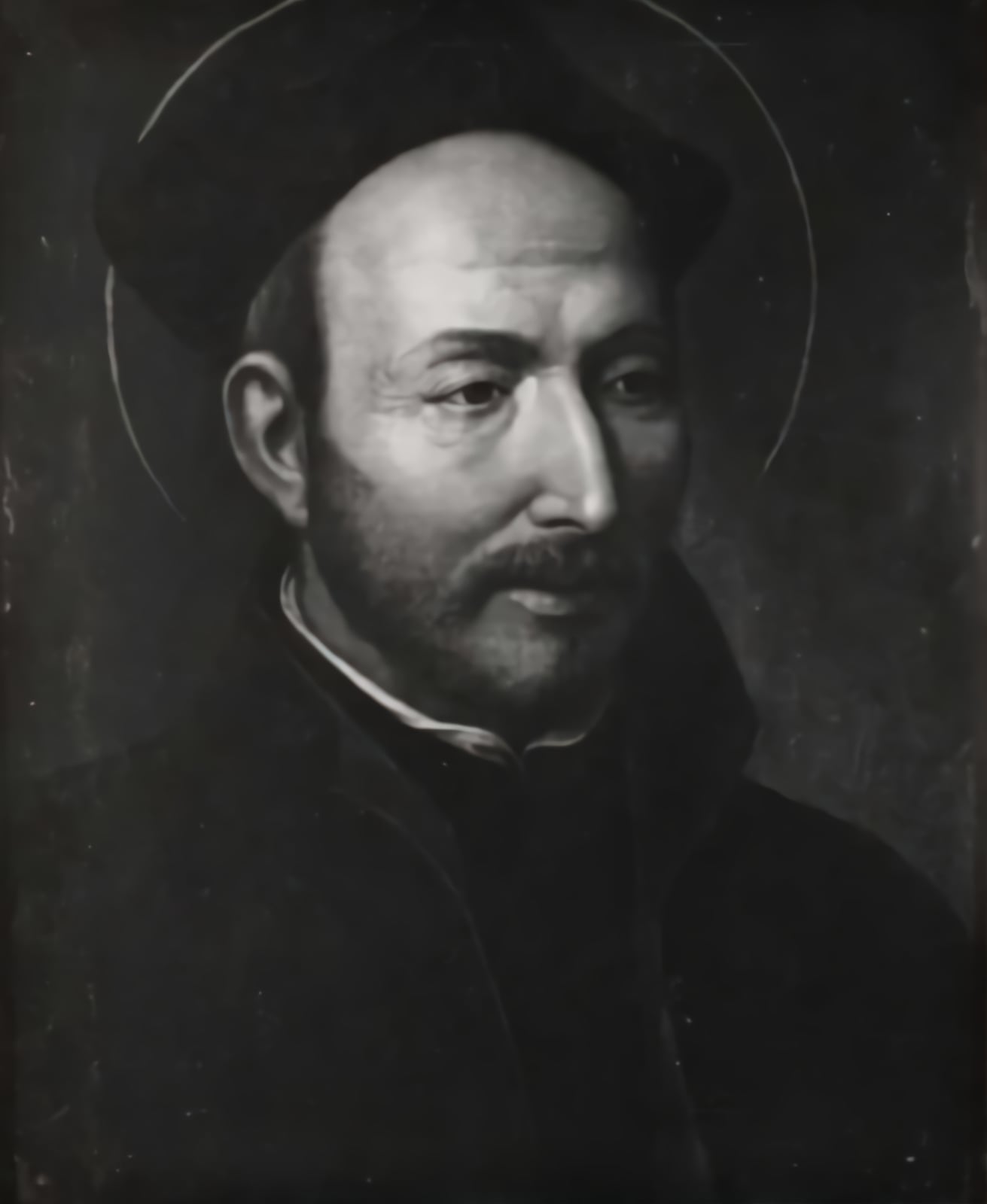
Ignatius of Loyola
Совпадают в вопросах: Что такое Абсолют? Существует ли Бог? · Кто я? Существует ли истинное «я»? · Почему мы страдаем?

Francis of Assisi
Совпадают в вопросах: Что такое Абсолют? Существует ли Бог? · Кто я? Существует ли истинное «я»? · Почему мы страдаем?
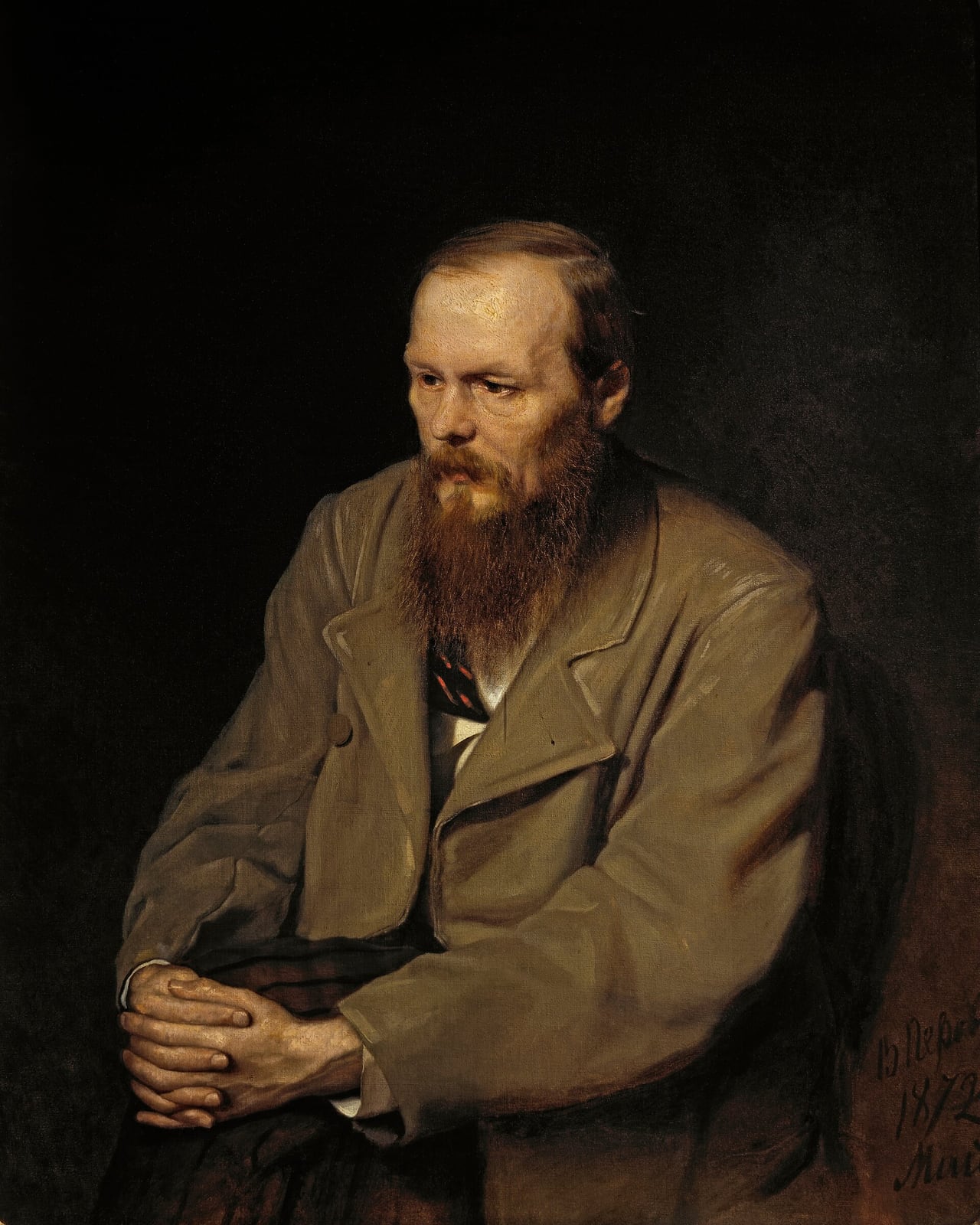
Fyodor Dostoevsky
Совпадают в вопросах: Что такое Абсолют? Существует ли Бог? · Кто я? Существует ли истинное «я»? · Почему мы страдаем?

Theophan the Recluse
Совпадают в вопросах: Что такое Абсолют? Существует ли Бог? · Кто я? Существует ли истинное «я»? · Почему мы страдаем?
Дальше всего от

Patañjali
Расходятся в вопросах: Что такое Абсолют? Существует ли Бог? · Кто я? Существует ли истинное «я»? · Что происходит после смерти?

Nāgārjuna
Расходятся в вопросах: Что такое Абсолют? Существует ли Бог? · Кто я? Существует ли истинное «я»? · Что происходит после смерти?
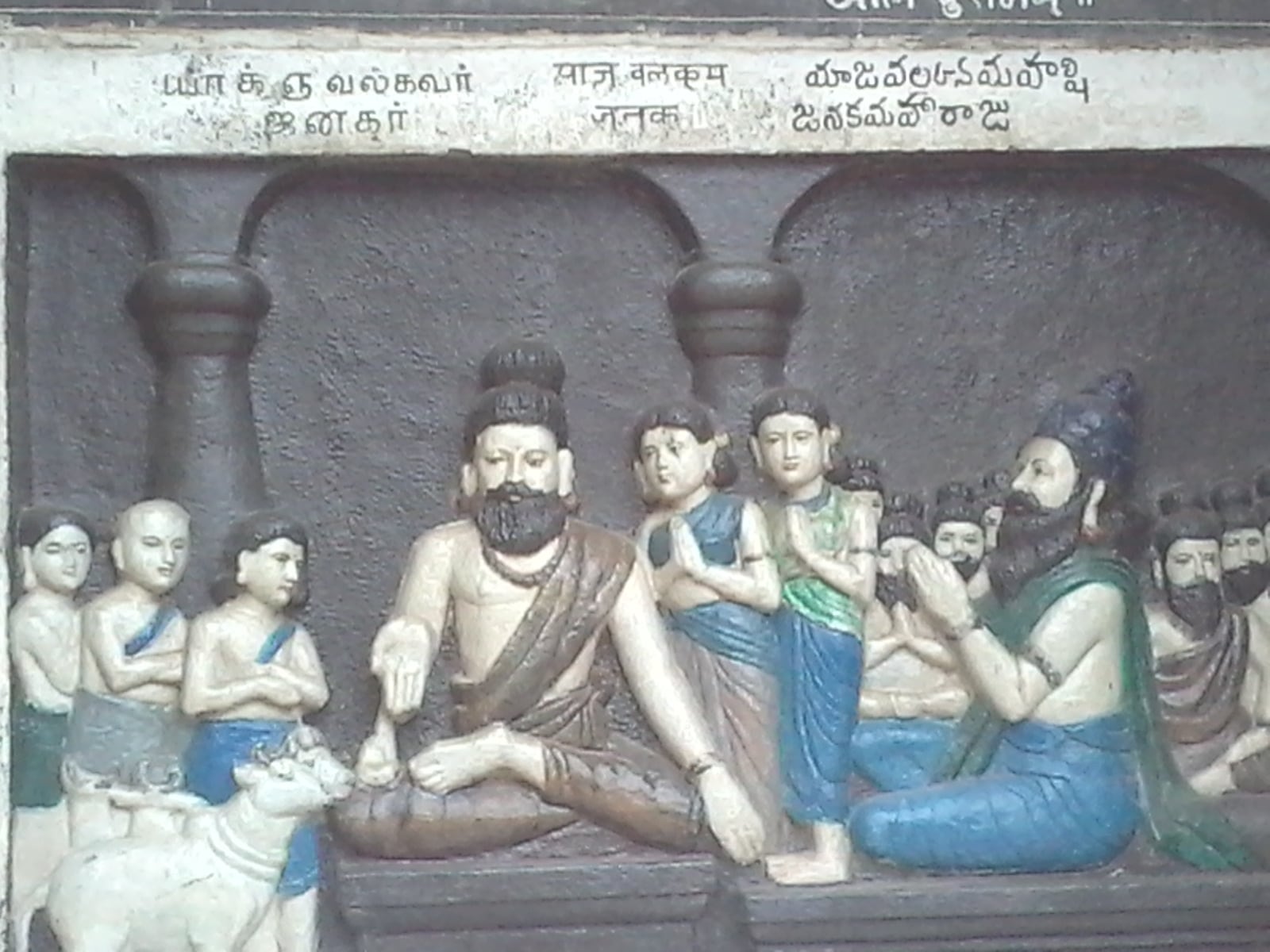
Yajnavalkya
Расходятся в вопросах: Кто я? Существует ли истинное «я»? · Что происходит после смерти? · Реален ли мир?

Dōgen
Расходятся в вопросах: Что такое Абсолют? Существует ли Бог? · Кто я? Существует ли истинное «я»? · Что происходит после смерти?
Расходятся в вопросахПринципиальное разногласие
Teresa of Ávila · Laozi
A Thou who loves versus a Way without a name
Почему: The contradiction is substantive, not verbal. Teresa writes within the Catholic faith and for nuns who pray; her language is that of the revelation of a God who has made himself known as a person in Christ, and her whole itinerary depends on someone answering. The Daodejing is an anthology of aphorisms from the fourth and third centuries BCE, addressed partly to rulers, which describes the course of things and distrusts any preached benevolence. There is a point of contact: Teresa too admits that what is received in the higher dwelling places exceeds the understanding. But in her that ineffability is that of a friend too great; in the Daodejing, that of a principle that is no one's friend.
Совпадают в вопросах
Teresa of Ávila · Thich Nhat Hanh
Among the pots and at the sink: attention in small things
Почему: The convergence is one of practice, not doctrine. Teresa prays to a personal God present in all things, the kitchen included; Thich Nhat Hanh addresses no one, but looks deeply into the impermanence and interbeing of what he holds in his hands. Yet both face the same difficulty: communities with daily manual work, where contemplation cannot depend on free time. The reformed Carmel and Vietnamese Zen solve it in the same way, making the task the place of presence. No relation between them is recorded; the affinity stems from the community life both organised and from their shared distrust of a merely intellectual spirituality.
Расходятся в вопросахКажущееся противоречие
Teresa of Ávila · Ibn Arabi
Always a creature, or He and not He: two languages for a union without confusion
Почему: The tension is apparent because they use different categories for a similar experience. Teresa writes under the scrutiny of the Inquisition and of her learned confessors, within a theology that distinguishes creator and creature at the level of being, and so she stresses the distinction every time she describes union. Ibn Arabi works with a metaphysics of the single existence and of the mirror, in which saying that the creature has no being of its own does not mean it is God in his Essence, which remains unknowable. She speaks of what the soul lives; he, of what being is. They agree in practice: knowing oneself and knowing God go together, and the goal is intimacy without confusion.
Расходятся в вопросахПринципиальное разногласие
Teresa of Ávila · G. I. Gurdjieff
The soul as gift or as achievement: the diamond castle versus an immortality to be manufactured
Почему: The contradiction is real and touches the core of both anthropologies. Teresa speaks from the Christian doctrine of creation, in which God gives each soul its immortal being and grace precedes effort. Gurdjieff builds a cosmology of his own, of laws and materials, in which immortality is conditional and must be acquired. There is nonetheless a point of contact: both think that most people live outside themselves, in the outer courtyard of the castle or in sleep, and that knowing oneself demands long and painful work. But in Teresa what is unknown is already there, and in Gurdjieff what is unknown is that there is not yet anyone.
Совпадают в вопросах
Teresa of Ávila · Milarepa
Suffering that purifies: Marpa's towers and the trials of the sixth dwelling places
Почему: The affinity is comparative: there is no relation between the eleventh-century Tibetan yogi and the sixteenth-century Castilian Carmelite. They converge because their traditions share an ascetic anthropology: the human being is bound by something that must be undone, and that undoing hurts. The explanation of pain, however, differs. In the Life of Milarepa suffering is the fruit of past actions and is exhausted through purification under a master; in Teresa it is participation in the cross of Christ and preparation for a union that God grants by grace. It should also be remembered that the Life is a fifteenth-century hagiography, whereas Teresa writes in the first person about what she lived.
Расходятся в вопросахПринципиальное разногласие
Teresa of Ávila · Helena Blavatsky
Praying to someone or commanding the inner god: grace versus self-effort
Почему: The contradiction is real and Blavatsky framed it as such: her Theosophy was born in polemic against the ecclesiastical Christianity of her day and against scientific materialism, and sought to offer a wisdom-religion without a personal God or redemption by another. Teresa writes within the Catholic faith, for which grace precedes and accompanies effort, and her language is that of a relationship between persons. There is, however, a point of contact that should not be forgotten: both seek the divine within the soul, at the centre of the castle or in the higher Self, and neither accepts a religion of formulas without transformation. They differ over whether that interior answers or simply is.
Совпадают в вопросах
Teresa of Ávila · Rumi
It is not a matter of thinking much: love knows more than reasoning
Почему: The affinity is comparative: there is no relation between the Castilian Carmelite and the poet of Konya. They converge because both speak from monotheistic traditions with a highly developed scholastic theology, Christian and Islamic, which reserved for mysticism a knowledge through love and experience that does not contradict theology but exceeds it. Both also write for readers who are not professional theologians: nuns in one case, disciples and listeners in the other. The difference lies in the form of that experience: Teresa lives it as friendship with a personal Christ and describes it with almost clinical precision; Rumi, as longing and fire, in poetic images.
Предания и рассказы
Предания и рассказы
Документированоc. 1522
The two children who wanted to be martyrs
Происхождение рассказа: Told by Teresa herself in the Book of Her Life 1,4–5. The detail of the uncle who found them is added by Ribera (1590) from family information.
Источник: Teresa de Jesús. Obras completas. Transcripción, introducciones y notas de Efrén de la Madre de Dios y Otger Steggink. Madrid: Biblioteca de Autores Cristianos, 1962 (ediciones posteriores revisadas).
Документировано1573–1582
'The Lord walks among the pots and pans'
Происхождение рассказа: Literal text of the Book of the Foundations 5,8.
Источник: Teresa de Jesús. Obras completas. Transcripción, introducciones y notas de Efrén de la Madre de Dios y Otger Steggink. Madrid: Biblioteca de Autores Cristianos, 1962 (ediciones posteriores revisadas).
Документировано1574–1588
The book impounded by the Inquisition
Происхождение рассказа: Reconstructed by Efrén de la Madre de Dios and Steggink (Tiempo y vida) from the Inquisition file and Báñez's autograph censure (7 July 1575) preserved in the Escorial codex.
Источник: Efrén de la Madre de Dios, O.C.D., y Otger Steggink, O.Carm. Tiempo y vida de Santa Teresa. Madrid: Biblioteca de Autores Cristianos, 1968 (3.ª ed., 1996).
Устная традиция1567–1568
'A friar and a half'
Происхождение рассказа: The expression 'a friar and a half' belongs to Carmelite oral tradition and popular biographies; it appears neither in the letters nor in the Foundations. The meeting and her judgement of John are documented (Foundations 3,16–17; Tiempo y vida).
Источник: Efrén de la Madre de Dios, O.C.D., y Otger Steggink, O.Carm. Tiempo y vida de Santa Teresa. Madrid: Biblioteca de Autores Cristianos, 1968 (3.ª ed., 1996).
Не поддаётся проверкеs. XVI (tradición)
'This is how you treat your friends'
Происхождение рассказа: In circulation since at least the nineteenth century in devotional biographies and anthologies; it has not been traced to any sixteenth-century source or to the processes. Recorded here as a characteristic legend, not as fact.
Источник: Efrén de la Madre de Dios, O.C.D., y Otger Steggink, O.Carm. Tiempo y vida de Santa Teresa. Madrid: Biblioteca de Autores Cristianos, 1968 (3.ª ed., 1996).
Свидетельство1578
'A restless, gadabout female'
Происхождение рассказа: The nuncio's words are known through the tradition of the first Discalced generation (Gracián and the chroniclers), not from a document by Sega himself; Efrén/Steggink record them with that caution. Philip II's intervention and the ordered confinement are documented.
Источник: Efrén de la Madre de Dios, O.C.D., y Otger Steggink, O.Carm. Tiempo y vida de Santa Teresa. Madrid: Biblioteca de Autores Cristianos, 1968 (3.ª ed., 1996).
Документировано1582
The night ten days went missing
Происхождение рассказа: Ana de San Bartolomé's Autobiography (ed. Urkiza) and the process depositions; the date and the calendar reform, in Tiempo y vida and in the Gregorian bull itself. The 1583 exhumation is recorded in the processes.
Источник: Ana de San Bartolomé. Obras completas. Edición de Julián Urkiza, O.C.D. 2 vols. Burgos: Monte Carmelo, 1998–1999 (incluye la Autobiografía con el relato de la última enfermedad y muerte de Teresa). Trad. inglesa: Autobiography and Other Writings, ed. Darcy Donahue, University of Chicago Press, 2008.
Учение
Учение
Понятия, на которых строится мысль учителя, объяснённые в их контексте.
Prayer as friendshiporacion-como-amistad
Sixteenth-century Castilian mental prayer (Osuna, Laredo, Granada), under Inquisitorial suspicion of 'wordless' prayer.
Источник: Teresa de Jesús. Obras completas. Transcripción, introducciones y notas de Efrén de la Madre de Dios y Otger Steggink. Madrid: Biblioteca de Autores Cristianos, 1962 (ediciones posteriores revisadas).
The interior castle and the seven dwelling placescastillo-interior
The tradition of the 'degrees' of the spiritual life (Bernard, Bonaventure, Richard of Saint Victor) rewritten from experience and in the vernacular.
Источник: Teresa de Jesús. Obras completas. Transcripción, introducciones y notas de Efrén de la Madre de Dios y Otger Steggink. Madrid: Biblioteca de Autores Cristianos, 1962 (ediciones posteriores revisadas).
The degrees of prayer: the four waterscuatro-aguas
Teresa's first systematisation of the degrees of prayer, earlier than and complementary to the dwelling places.
Источник: Teresa de Jesús. Obras completas. Transcripción, introducciones y notas de Efrén de la Madre de Dios y Otger Steggink. Madrid: Biblioteca de Autores Cristianos, 1962 (ediciones posteriores revisadas).
Determined determinationdeterminada-determinacion
The psychology of the faculties (intellect, memory, will) inherited from scholasticism, placed at the service of a pedagogy of perseverance.
Источник: Teresa de Jesús. Obras completas. Transcripción, introducciones y notas de Efrén de la Madre de Dios y Otger Steggink. Madrid: Biblioteca de Autores Cristianos, 1962 (ediciones posteriores revisadas).
Humility as walking in truthhumildad-andar-en-verdad
The doctrine of self-knowledge (Augustine, Bernard) reformulated as a criterion against false humility and conventual melancholy.
Источник: Teresa de Jesús. Obras completas. Transcripción, introducciones y notas de Efrén de la Madre de Dios y Otger Steggink. Madrid: Biblioteca de Autores Cristianos, 1962 (ediciones posteriores revisadas).
The Humanity of Christ as the wayhumanidad-de-cristo
The sixteenth-century debate on 'imageless' prayer (recollection versus abandonment) in the context of suspicion of Illuminism.
Источник: Teresa de Jesús. Obras completas. Transcripción, introducciones y notas de Efrén de la Madre de Dios y Otger Steggink. Madrid: Biblioteca de Autores Cristianos, 1962 (ediciones posteriores revisadas).
Ретриты
Ретриты и центры
Места и встречи, связанные с этим учением. Мы свяжем вас с их организаторами.
Ávila, Alba de Tormes, Medina del Campo, Toledo, Sevilla y otras fundaciones · España
Footprints of Teresa: network of Teresian cities
Red de Ciudades Teresianas de España – Huellas de Teresa
Footprints of Teresa is the network linking the cities where Teresa of Jesus founded her reformed convents, from Ávila, where she was born and opened San José, to Alba de Tormes, where she died and is buried, by way of Medina del Campo, Valladolid, Segovia, Salamanca, Toledo, Pastrana, Caravaca de la Cruz, Beas de Segura and Seville. It grew out of the fifth centenary of her birth and offers a self-guided route through the heritage linked to the saint, with an interactive map, an app and a virtual tour. It is the most faithful way to follow the travels of a woman who called herself a wanderer of God.
Alba de Tormes, Salamanca · España
Alba de Tormes: tomb of Saint Teresa
Carmelitas Descalzas de la Anunciación (información: Turismo de Castilla y León)
In the convent of the Annunciation at Alba de Tormes, the eighth foundation of Teresa of Jesus, the saint died in October 1582, and her body and principal relics rest there. The church of the Discalced Carmelite nuns keeps her tomb above the high altar, and a Teresian museum completes the site. Alba is the natural end point of any Teresian pilgrimage and the destination of the route linking it with Ávila, known as from the cradle to the tomb. Visiting information is published by the official tourism body of the Castilla y León regional government, which should be checked before travelling.
Ávila, Castilla y León · España
CITeS – University of Mysticism, Ávila
Centro Internacional Teresiano Sanjuanista (Carmelitas Descalzos)
The International Teresian-Sanjuanist Centre, known as the University of Mysticism, was established by the Discalced Carmelite Order in 1986 in Ávila, the birthplace of Teresa of Jesus. It is devoted to the study and dissemination of the teaching of Teresa and John of the Cross, and hosts summer courses, gatherings, specialisation programmes and a master's degree run with a partner university, both in person and online. It has also promoted dialogue between Christian mysticism and other traditions. Its website sometimes rejects automated requests, but it is the centre's official site.
Видео
Видео
Записи, интервью и документальные фильмы. Видео воспроизводятся с YouTube; здесь они не хранятся.
Teresa de Jesús: Capítulo 1 - Camino de perfección | RTVE Archivo
Запись третьих лиц· ES· 1984· 61 min
RTVE ArchivoОфициальный канал
Teresa de Jesús: Capítulo 5 - Fundaciones | RTVE Archivo
Запись третьих лиц· ES· 1984· 55 min
RTVE ArchivoОфициальный канал
Santa Teresa de Jesús: un don para la humanidad
Документальный фильм· ES· 2024· 93 min
Testimonios católicos
Santa Teresa de Jesús (1961). Película completa
Запись третьих лиц· ES· 1961· 127 min
Alma Católica
Teresa de Jesús, teología de la amistad – Maximiliano Herráiz García
Лекция· ES· 43 min
Universidad de la Mística (CITeS, Ávila)Официальный канал
Lectura y comentario de textos del libro de las Moradas – Maximiliano Herráiz
Лекция· ES· 45 min
Universidad de la Mística (CITeS, Ávila)Официальный канал
Santa Teresa, escritora de cartas – Juan Luis Rodríguez
Лекция· ES· 47 min
Iglesia en ValladolidОфициальный канал
Rev. Kieran Kavanaugh, OCD on the Book of Life by St. Teresa of Avila
Лекция· EN· 14 min
russelocd
Rev. Kieran Kavanaugh, OCD on the Way of Perfection by St. Teresa of Avila
Лекция· EN· 15 min
russelocd
Carmelite Authors 101: St. Teresa of Avila
Лекция· EN· 54 min
BC Clough School of Theology and MinistryОфициальный канал
Founder of Discalced Carmel and author of The Interior Castle: Saint Teresa of Jesus
Документальный фильм· EN· 42 min
Fides Viva in English
Галерея
Галерея
Изображения с проверенной лицензией. Каждое сохраняет своё авторство и атрибуцию.
Рукописи
Рукописи
Рукописные свидетельства и древние тексты, с указанием хранителя и условий доступа.
ES · Latina (cursiva castellana del s. XVI) · 1562–1565
Libro de la vida (autógrafo)
- Сохранившийся список
- Autógrafo completo, con la censura autógrafa de Domingo Báñez (1575)
- Хранитель
- Real Biblioteca del Monasterio de San Lorenzo de El Escorial (Patrimonio Nacional)
ES · Latina · c. 1566
Camino de perfección (primera redacción, códice de El Escorial)
- Сохранившийся список
- Autógrafo
- Хранитель
- Real Biblioteca del Monasterio de San Lorenzo de El Escorial (Patrimonio Nacional)
ES · Latina · c. 1566–1569
Camino de perfección (segunda redacción, códice de Valladolid)
- Сохранившийся список
- Autógrafo revisado; base de las ediciones modernas
- Хранитель
- Monasterio de las Carmelitas Descalzas de la Concepción, Valladolid
ES · Latina · 2 de junio – 29 de noviembre de 1577
Castillo interior o Las moradas (autógrafo)
- Сохранившийся список
- Autógrafo con notas de Gracián y de otros censores
- Хранитель
- Monasterio de las Carmelitas Descalzas de San José, Sevilla
ES · Latina · 1573–1582
Libro de las fundaciones (autógrafo)
- Сохранившийся список
- Autógrafo
- Хранитель
- Real Biblioteca del Monasterio de San Lorenzo de El Escorial (Patrimonio Nacional)
ES · Latina · 1546–1582
Cartas (autógrafos dispersos)
- Сохранившийся список
- Unos 470 originales y copias antiguas, muchos fragmentarios por el reparto como reliquias
- Хранитель
- Diversos (destacan los carmelos de Valladolid, Sevilla, Alba de Tormes y la Biblioteca Nacional de España)
Связи
Связи
Влияния, ученичество и близость взглядов. Документированная связь отличается от сходства, выявленного путём анализа.
Встречался с
They met at Medina del Campo in 1567; Teresa won him over to the reform and he was confessor at the Incarnation during her priorate (1572–1574). Teresa calls him 'my little Seneca' in her letters.
Документированная связь
Повлиял на
John received from Teresa the project of the male reform and her reading of the degrees of prayer; his work systematises the same experience in another register.
Документированная связь
Испытал влияние
The unendowed poverty of Saint Joseph's in Ávila was expressly inspired by the Franciscan ideal, transmitted by Peter of Alcántara, Franciscan reformer and Teresa's adviser (Life 35).
Документированная связь
Идеи, близкие к
Two women without formal theological training who wrote under their confessors' command, justified their authority by experience and were proclaimed Doctors of the Church (1970 and 2012). There is no evidence Teresa read Hildegard.
Сходство, выявленное путём анализа
Идеи, близкие к
Both describe a 'ground' or centre of the soul where God dwells; Teresa, however, expressly refuses to leave behind the Humanity of Christ, distancing herself from the abstract reading of Rhenish mysticism.
Сходство, выявленное путём анализа
Повлиял на
Merton read and commented on Teresa as a teacher of contemplation; the relation is one of reception, not contact.
Сходство, выявленное путём анализа
Упоминается в других статьях
- John of the Cross · Встречался с
- John of the Cross · Испытал влияние
- Francis of Assisi · Повлиял на
- Hildegard of Bingen · Идеи, близкие к
- Catherine of Siena · Идеи, близкие к
- Ignatius of Loyola · Современник
- Thomas à Kempis · Повлиял на
- Julian of Norwich · Идеи, близкие к
- Thomas Merton · Идеи, близкие к
- Jakob Böhme · Идеи, близкие к
- Mirabai · Идеи, близкие к
- Meister Eckhart · Идеи, близкие к
- Rabia al-Adawiyya · Идеи, близкие к
- Augustine of Hippo · Повлиял на
- Ignatius Brianchaninov · Расходился во взглядах с
Источники
Источники
Библиография и каталоги, использованные для этой статьи.
- Wikidata, Q174880 «Teresa de Jesús / Teresa of Ávila» (P31=Q5; 110 enlaces entre wikis).
- Efrén de la Madre de Dios, O.C.D., y Otger Steggink, O.Carm. Tiempo y vida de Santa Teresa. Madrid: Biblioteca de Autores Cristianos, 1968 (3.ª ed., 1996).
- Teresa de Jesús. Obras completas. Transcripción, introducciones y notas de Efrén de la Madre de Dios y Otger Steggink. Madrid: Biblioteca de Autores Cristianos, 1962 (ediciones posteriores revisadas).
- Teresa de Jesús. Obras completas. Edición de Tomás Álvarez. Burgos: Monte Carmelo, 2006 (col. Maestros Espirituales Carmelitas). ISBN 9788472398948.
- Teresa of Avila. The Collected Works of St. Teresa of Avila. Translated by Kieran Kavanaugh, O.C.D., and Otilio Rodriguez, O.C.D. 3 vols. Washington, D.C.: ICS Publications, 1976–1985 (reed. 2011).
- Ana de San Bartolomé. Obras completas. Edición de Julián Urkiza, O.C.D. 2 vols. Burgos: Monte Carmelo, 1998–1999 (incluye la Autobiografía con el relato de la última enfermedad y muerte de Teresa). Trad. inglesa: Autobiography and Other Writings, ed. Darcy Donahue, University of Chicago Press, 2008.
- Procesos de beatificación y canonización de Santa Teresa de Jesús. Edición de Silverio de Santa Teresa, O.C.D. Biblioteca Mística Carmelitana, vols. 18–20. Burgos: Monte Carmelo, 1934–1935.
- Ribera, Francisco de, S.J. La vida de la Madre Teresa de Jesús, fundadora de las Descalzas y Descalzos Carmelitas. Salamanca: Pedro Lasso, 1590.
- Pablo VI. Carta apostólica Multiformis sapientia Dei por la que se proclama a Santa Teresa de Jesús doctora de la Iglesia universal, 27 de septiembre de 1970.
- Egido, Teófanes. El linaje judeoconverso de Santa Teresa (pleito de hidalguía de los Cepeda). Madrid: Editorial de Espiritualidad, 1986.
- Weber, Alison. Teresa of Avila and the Rhetoric of Femininity. Princeton: Princeton University Press, 1990.
- Bilinkoff, Jodi. The Avila of Saint Teresa: Religious Reform in a Sixteenth-Century City. Ithaca: Cornell University Press, 1989.
- Williams, Rowan. Teresa of Avila. London: Geoffrey Chapman / Continuum, 1991.
- Open Library (Internet Archive): registros bibliográficos consultados por autor, título e ISBN para las ediciones listadas.
- Wikimedia Commons: metadatos de licencia (extmetadata) de cada fichero, leídos por la API imageinfo el 2026-10-22.
- Sitio oficial de la Orden de los Carmelitas Descalzos (Curia general, Roma).
- Monte Carmelo (ed.). «Respuesta de un desafío», en Santa Teresa en 100 fichas. teresavila.com (Burgos: Editorial Monte Carmelo).
- Monte Carmelo (ed.). «Seudoautógrafos y escritos espurios», en Santa Teresa en 100 fichas. teresavila.com (Burgos: Editorial Monte Carmelo).
- Teresa de Jesús. Escritos de Santa Teresa, añadidos e ilustrados por Vicente de la Fuente. Tomo I. Biblioteca de Autores Españoles, 53. Madrid: M. Rivadeneyra, 1861 (ejemplar digitalizado de la Universidad de Harvard en Internet Archive).
- Wikisource en español: página de autor «Santa Teresa de Jesús» (relación de obras y ediciones transcritas).
- Правообладатель
- Dominio público (obra del siglo XVI). Las ediciones críticas, traducciones y aparatos modernos están sujetos a los derechos de sus editores (BAC, Monte Carmelo, Editorial de Espiritualidad, ICS Publications, Cerf, Herder…). La Orden de los Carmelitas Descalzos custodia la mayor parte de los autógrafos.
- Официальный сайт
- www.carmelitaniscalzi.com/es/
Ожидает подтверждения
То, что в этой статье пока не удалось установить. Мы предпочитаем сказать об этом, а не заполнять пробел.
- Localizar la digitalización oficial de los autógrafos de El Escorial (Vida, Camino, Fundaciones) en la Real Biblioteca (rbme.patrimonionacional.es): la búsqueda automática no devolvió fichas de ítem y no se ha querido inventar una URL.
- Confirmar en catálogo el año de impresión correspondiente al ISBN 9788422012627 de las Obras completas de la BAC (Efrén/Steggink); Open Library indexa el ISBN pero no el registro de edición.
- Localizar ISBN en catálogo de las Œuvres complètes (Cerf) y de una edición italiana de conjunto (Opere complete, Paoline/OCD) y de ediciones en ruso y árabe: no aparecen en Open Library y Google Books devuelve cuota 0 sin clave.
- Verificar la signatura exacta (shelfmark) de los autógrafos en la Real Biblioteca de El Escorial.
- Fijar con la edición crítica de Ana de San Bartolomé (Urkiza) y con los Procesos (BMC 18–20) la formulación exacta y el testigo de cada una de las frases finales transmitidas; aquí se ha registrado la versión más difundida con nota sobre las variantes.
- El lugar de nacimiento (Ávila) es el aceptado por la biografía crítica; una tradición alternativa lo sitúa en Gotarrendura. No se ha incorporado por falta de respaldo documental.
- Programas de afiliación: ninguno verificado para las editoriales listadas (no se ha encontrado página de programa en sus webs); se deja la lista vacía.
- Wikisource (página de autor) enumera también «Apuntaciones» entre los escritos breves; no se ha podido verificar en una edición crítica su contenido ni su fecha, por lo que no se ha registrado como obra.
- Los textos de Internet Archive registrados en reading_texts son OCR de ediciones antiguas (BAE 1861–1862, BMC 1916–1919, traducciones inglesas de 1871–1921): conviene revisar la calidad de la ingesta; las versiones de Wikisource (Vida, Exclamaciones) y Gutenberg (Life) son las más limpias.
Исследовано 2026-10-22