Христианство · Христианская мистика · Католицизм
Ignatius of Loyola
1491 – 1556Исторически документированная личность
Баскский дворянин из Гипускоа (1491–1556), раненный при обороне Памплоны в 1521 году; обратившись во время выздоровления, он стал паломником, учился в Алькале, Саламанке и Париже и вместе с товарищами основал Общество Иисуса (1540), первым генералом которого был. Его «Духовные упражнения», родившиеся из опыта Манресы, — метод молитвы и различения, на котором уже пять веков воспитываются монашествующие и миряне. Он оставил также «Конституции» ордена, «Духовный дневник», продиктованное автобиографическое повествование и около семи тысяч писем.
- трудов
- 16трудов
- изданий
- 42изданий
- цитат
- 9цитат
- видео
- 15видео
- изображений
- 7изображений
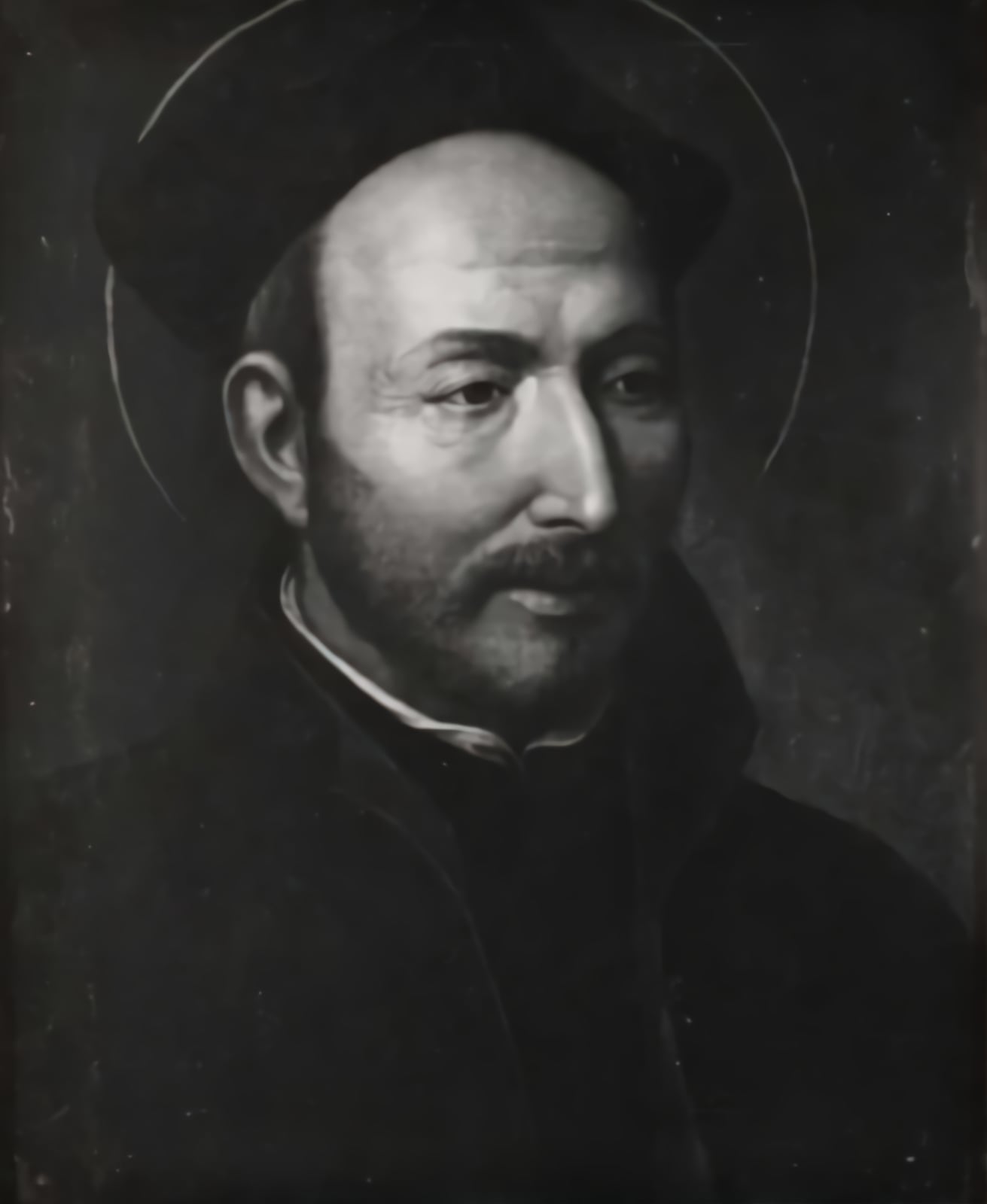
Retrato de Ignacio de Loyola · Public domain
Своими словами
«Man is created to praise, reverence, and serve God our Lord, and by this means to save his soul.»Ejercicios espirituales, [23] Principio y fundamento (trad. inglesa de Elder Mullan, 1914)

Для начала — одна книга
Spiritual ExercisesГлавная мысль
Principle and Foundation and indifference: The Principle and Foundation ([23]) opens the first week of the Exercises: human beings are created to praise, reverence and serve God, and all other things are created to help them toward that end; it follows that they should use them 'as much as' they help and rid themselves of them 'as much as' they hinder.
В контексте
Биография
5 мин чтения
Перевод с испанского оригинала, выполненный с помощью ИИ; ожидает проверки носителем языка.
Младший сын из Лойолы
Иньиго Лопес де Лойола родился в 1491 году в родовой башне Лойола близ Аспейтии, в Гипускоа, младшим из тринадцати детей Бельтрана Яньеса де Оньяса-и-Лойолы и Марины Санчес де Ликоны. Год рождения восходит к иезуитскому преданию, закреплённому первыми его биографами; день неизвестен, а сам он, диктуя воспоминания, путается в собственном возрасте. В детстве он получил тонзуру, но семья предназначила его для двора: около 1506 года он поступил пажом в дом Хуана Веласкеса де Куэльяра, главного казначея Кастилии, в Аревало, где усвоил придворную учтивость, пристрастие к оружию и вкус к рыцарским романам. Судебное дело, начатое в 1515 году в Аспейтии из-за ночных проступков, совершённых на карнавале вместе с братом Перо Лопесом, напоминает, что юность эта была отнюдь не назидательной, и сам он позднее подытожил её без всякого снисхождения: «человек, преданный мирской суете».
Памплона и выздоровление
Когда Веласкес впал в немилость и в 1517 году умер, Иньиго перешёл на службу к герцогу Нахеры, вице-королю Наварры. 20 мая 1521 года, во время осады Памплоны французами, он убедил коменданта крепости обороняться, хотя все хотели сдаться; пушечное ядро пролетело у него между ног и раздробило одну из них. Французы отправили его на носилках в Лойолу, где хирурги заново сломали неправильно сросшуюся кость и по его просьбе отпилили выступавший под коленом обломок, потому что он уродовал ногу, а Иньиго «был намерен следовать миру». Выздоравливая, он попросил рыцарских романов; в доме нашлись лишь «Жизнь Христа» Лудольфа Саксонского и кастильский «Flos sanctorum». Читая, он стал спрашивать себя, что было бы, если бы он сделал то, что сделали святой Франциск и святой Доминик, и заметил, что одни мысли оставляют его сухим, а другие — радостным: так он сам описывает своё первое различение духов.
Монсеррат, Манреса и Иерусалим
В феврале 1522 года он покинул Лойолу. В Монсеррате он три дня исповедовался в грехах всей жизни, повесил шпагу и кинжал перед образом Богоматери, отдал свою одежду нищему и в ночь с 24 на 25 марта, по примеру Амадиса, совершил ночное бдение над оружием. Затем почти год провёл в Манресе, прося милостыню, служа в госпитале и много часов молясь в пещере у реки Кардонер. Там его одолели угрызения совести, доводившие до мыслей о самоубийстве, а затем пришла череда озарений; важнейшее из них, на берегу реки, оставило его «словно другим человеком». В эти месяцы он сделал записи, из которых выросли «Духовные упражнения». В 1523 году через Рим и Венецию он совершил паломничество в Иерусалим; францисканцы, хранители Святых мест, заставили его вернуться, и в 1524 году он прибыл в Барселону, спрашивая себя, что делать дальше.
Студент под подозрением
Он решил учиться, «чтобы помогать душам». Латынь он изучал в Барселоне среди детей, в 1526 году перебрался в Алькалу, а в 1527-м — в Саламанку. В обоих городах он проповедовал, не имея учёных степеней, и собирал последователей в грубой холщовой одежде, а этого было достаточно, чтобы инквизиция и доминиканцы заподозрили в нём «алюмбрадо»: в Алькале он провёл в заключении сорок два дня, в Саламанке — двадцать два, и там ответил сочувствовавшему ему человеку, что во всём городе не найдётся столько кандалов и цепей, чтобы он не желал ещё больших ради любви к Богу. Оправданный, но с запретом рассуждать о смертном и простительном грехе, пока не получит образования, он в начале 1528 года отправился в Париж «один и пешком».
Парижские товарищи
В коллеже Монтегю, а затем в коллеже Сент-Барб он жил в одной комнате с савойцем Пьером Фавром и наваррцем Франсиско де Хасо — Франциском Ксаверием. Он провёл с каждым из них «Упражнения» по отдельности, и к ним присоединились Диего Лайнес, Альфонсо Сальмерон, Николас де Бобадилья и Симан Родригес. 15 августа 1534 года в одной из часовен Монмартра семеро дали обет бедности и обязались отправиться в Иерусалим, а если в течение года отплыть не удастся, отдать себя в распоряжение папы. Иньиго, получивший в 1535 году степень магистра искусств, вернулся для поправки здоровья в Аспейтию и возмутил брата тем, что просил подаяния и учил катехизису в госпитале Магдалины.
Рим и Общество
Собравшись в 1537 году в Венеции, они служили в госпиталях и 24 июня были рукоположены в священники. Война с турками закрыла путь в Святую землю. По дороге в Рим, в часовне Ла-Сторта, в ноябре 1537 года Игнатий — так он начал себя называть — почувствовал, что Отец поставил его рядом со своим Сыном; Лайнес передал слова «Ego vobis Romae propitius ero». Весной 1539 года товарищи обсуждали, следует ли им объединиться под обетом послушания, и 27 сентября 1540 года Павел III утвердил Общество Иисуса буллой «Regimini militantis Ecclesiae». В апреле 1541 года Игнатий был единогласно, за исключением собственного голоса, избран генералом и 22-го принёс обеты в базилике Сан-Паоло-фуори-ле-Мура.
Пятнадцать лет в одной комнате
Из Рима он почти больше не выезжал. Из тесных комнат рядом с церковью Санта-Мария-делла-Страда он письмами управлял орденом, который к его смерти насчитывал около тысячи членов и примерно сорок коллегий. В 1548 году Павел III одобрил «Духовные упражнения»; Игнатий вместе со своим секретарём Хуаном Альфонсо де Поланко составил «Конституции», основал Римскую (1551) и Германскую (1552) коллегии, открыл дом Святой Марфы для женщин, оставлявших проституцию, и оставил около семи тысяч писем. Его «Духовный дневник» 1544–1545 годов открывает под прозой правителя мистику слёз, сосредоточенную на Троице. Между 1553 и 1555 годами он продиктовал Луишу Гонсалвешу да Камаре повесть о своей жизни, в которой называет себя «паломником».
Смерть и наследие
Он умер на рассвете 31 июля 1556 года, причём община почти не заметила, насколько тяжело его состояние: накануне он попросил Поланко испросить благословения у папы Павла IV, который не был к нему расположен, и Поланко отложил это до следующего утра. В 1609 году он был беатифицирован, а 12 марта 1622 года канонизирован вместе с Франциском Ксаверием, Терезой Авильской, Филиппом Нери и Исидором Земледельцем. Его наследие — не учение, а метод: научиться различать внутренние движения души, свободно делать выбор и «искать и находить Бога во всём». «Упражнения» на протяжении пяти веков воспитывали монашествующих и мирян разных исповеданий, а Общество Иисуса стало крупнейшей образовательной сетью Церкви. Историческая фигура, менее легендарная, чем «обращённый солдат», — это невысокий, хромой и терпеливый человек, научившийся управлять, слушая.
Источники: Ignacio de Loyola. Obras. Transcripción, introducciones y notas de Ignacio Iparraguirre, Cándido de Dalmases y Manuel Ruiz Jurado. Madrid: Biblioteca de Autores Cristianos, 1991 (5.ª ed.). ISBN 9788479140342. · Ignacio de Loyola. Autobiografía (Acta Patris Ignatii), recogida por Luís Gonçalves da Câmara, 1553–1555. Texto castellano en Wikisource. · Ignatius of Loyola. The Spiritual Exercises of St. Ignatius of Loyola. Translated from the Autograph by Elder Mullan, S.J. New York: P. J. Kenedy & Sons, 1914. Texto en Christian Classics Ethereal Library. · García-Villoslada, Ricardo. San Ignacio de Loyola: nueva biografía. Madrid: Biblioteca de Autores Cristianos (BAC Maior), 1986. · Tellechea Idígoras, José Ignacio. Ignacio de Loyola, solo y a pie. Madrid: Cristiandad, 1986.
Хронология
Жизнь год за годом
Каждая точка — документированное событие. Нажмите, чтобы прочитать о нём, с источником и степенью достоверности.
14910 летLoyola, Azpeitia
Birth
Íñigo is born, the youngest of thirteen children, in the tower house of the Oñaz and Loyola. The year is fixed by Jesuit tradition; the day is unknown.
ВероятноPollen, John Hungerford. «St. Ignatius Loyola». The Catholic Encyclopedia, vol. 7. New York: Robert Appleton, 1910 (texto en Wikisource).
После смерти
- 12 марта 1622 г.Canonisation
1491 · 0 лет
Birth
Íñigo is born, the youngest of thirteen children, in the tower house of the Oñaz and Loyola. The year is fixed by Jesuit tradition; the day is unknown.
Вероятно
ок. 1506
Page at Arévalo
He enters the household of Juan Velázquez de Cuéllar, chief treasurer of Castile, where he is trained as a courtier until 1517.
Вероятно
1515
Lawsuit at Azpeitia
He is prosecuted together with his brother Pero López for offences committed at night during carnival; the records survive.
Документировано
20 мая 1521 г. · 29 лет
Wounded at Pamplona
A cannonball shatters one of his legs during the French siege of the fortress. Convalescence at Loyola and reading of the Vita Christi and the Flos sanctorum.
Документировано
25 марта 1522 г.
Vigil of arms at Montserrat
After a three-day general confession he leaves his sword and dagger before the Virgin, gives his clothes to a beggar and keeps vigil on the night of the Annunciation.
Документировано
1522
Manresa and the Cardoner
Almost a year of prayer, penance and scruples; the 'great illumination' beside the river Cardoner and the first notes of the Exercises.
Документировано
4 сентября 1523 г.
Pilgrim in Jerusalem
He reaches Jerusalem; the Franciscan custodians order him to leave and he returns to Barcelona in 1524.
Документировано
1527
Trials and prison
Investigated as a possible alumbrado, he spends 42 days in prison at Alcalá and 22 at Salamanca; he is forbidden to define mortal and venial sin.
Документировано
февраль 1528 г.
Arrival in Paris
He arrives 'alone and on foot'; studies at Montaigu and at Sainte-Barbe, where he lives with Pierre Favre and Francis Xavier.
Документировано
15 августа 1534 г.
Vows of Montmartre
With Favre, Xavier, Laínez, Salmerón, Bobadilla and Rodrigues he vows poverty and a pilgrimage to Jerusalem, or else to place himself at the pope's disposal.
Документировано
24 июня 1537 г.
Ordination to the priesthood
He is ordained priest in Venice with several companions; he postpones his first Mass until Christmas 1538.
Документировано
ноябрь 1537 г.
Vision at La Storta
On the road to Rome he feels that the Father places him with his Son; Laínez hands down the words 'Ego vobis Romae propitius ero'.
Документировано
27 сентября 1540 г.
Approval of the Society of Jesus
Paul III approves the Formula of the Institute with the bull Regimini militantis Ecclesiae.
Документировано
22 апреля 1541 г.
First superior general
Elected general by his companions, he makes his profession with them at Saint Paul Outside the Walls.
Документировано
2 февраля 1544 г.
The Spiritual Diary begins
Until February 1545 he records his movements, tears and visions while discerning the poverty of the Society's churches.
Документировано
31 июля 1548 г.
Approval of the Exercises
Brief Pastoralis officii of Paul III; the Latin version is printed in Rome that year.
Документировано
февраль 1551 г.
Roman College
He founds the Roman College, origin of the Pontifical Gregorian University; the following year, the German College.
Документировано
4 августа 1553 г.
He dictates his account
He begins to tell his life to Luís Gonçalves da Câmara; the sessions continue in 1555.
Документировано
31 июля 1556 г. · 64 года
Death
He dies at dawn in the professed house; Polanco had gone to ask for Paul IV's blessing.
Документировано
12 марта 1622 г.
Canonisation
Gregory XV canonises him with Francis Xavier, Teresa of Jesus, Philip Neri and Isidore the Farmer; he had been beatified in 1609.
Документировано
Труды
Главные труды
Труды, без которых не понять это наследие.
Письменный труд · 1548
Spiritual Exercises
Ejercicios espirituales
It is not a book to be read but a manual for the person who gives the exercises to another. It is organised in four 'weeks' of flexible length: sin and mercy; the life of Christ and the choice of a state of life; the passion; the resurrection and the 'contemplation to attain love', which culminates in the prayer 'Take, Lord, and receive'. It is framed by the Principle and Foundation, the annotations, methods of examination and prayer, the rules for the discernment of spirits, for distributing alms, on scruples and 'for thinking with the Church'. Its novelty lies in a pedagogy of inner freedom: learning to recognise consolation and desolation in order to choose without disordered attachments.
12 изданий

Записанное устное учение · 1555
Autobiography (A Pilgrim's Testament)
Acta Patris Ignatii (Relato del peregrino)
It covers the years from Pamplona (1521) to his arrival in Rome (1538), with a short appendix on the writing of the Exercises and the Constitutions. It is a spiritual autobiography rather than a chronicle: Ignatius selects the episodes in which he learned to read 'the diversity of spirits' —the convalescence at Loyola, the scruples and the illumination at the Cardoner in Manresa, the journey to Jerusalem, the trials at Alcalá and Salamanca, the studies in Paris— and tells them with sobriety, irony and no hagiography. It is the main primary source for his conversion.
8 изданий

Письменный труд · ок. 1556
Constitutions of the Society of Jesus
Constituciones de la Compañía de Jesús
Ten parts that follow a Jesuit's path: admission, dismissal, formation of novices, studies and colleges (Part IV, the basis of Jesuit pedagogy), final incorporation, the life of the professed, missions, union of those dispersed, the general's government and the preservation of the body. They combine legal norms with spiritual criteria: obedience 'like a dead body' that lets itself be carried, apostolic mobility, poverty, and the principle of adapting everything 'to persons, times and places'. Ignatius deliberately left them open to revision.
4 издания
Рукопись · 1544
Spiritual Diary
Diario espiritual
A near-daily record of the movements, tears, visions and 'loquela' that accompanied Ignatius as he discerned whether the Society's churches should have fixed revenues. Written with abbreviations, signs and crossings-out, it shows both the method of election of the Exercises applied by their author and an intense Trinitarian and Eucharistic mysticism tied to the celebration of Mass. It is the most intimate document of his to survive.
4 издания
Все труды (16)
Letters and Instructions
1556

Letter to Teresa Rejadell
1536
Letter on Perfection (to the students at Coimbra)
1547
Letter on Obedience
1553
Ignatius of Loyola
Formula of the Institute
The Conscious LibraryFormula of the Institute
1539
Ignatius of Loyola
Deliberation of the First Fathers
The Conscious LibraryDeliberation of the First Fathers
1539
Deliberation on Poverty
1544
Ignatius of Loyola
Autograph Directory and dictated directories
The Conscious LibraryAutograph Directory and dictated directories
1555
Instruction for those going to Trent
1546
Ignatius of Loyola
Rules of the Society (common rules and rules of modesty)
The Conscious LibraryRules of the Society (common rules and rules of modesty)
1555
Ignatius of Loyola
'Anima Christi' (misattribution)
The Conscious Library'Anima Christi' (misattribution)
1350

Ignatian Sparks (Scintillae Ignatianae)
1705
Изречения
Изречения, найденные в конкретном труде. Каждое сопровождается указанием происхождения и степени надёжности.
Man is created to praise, reverence, and serve God our Lord, and by this means to save his soul.El hombre es criado para alabar, hacer reverencia y servir a Dios nuestro Señor, y mediante esto salvar su ánima.
ПровереноEjercicios espirituales, [23] Principio y fundamento (trad. inglesa de Elder Mullan, 1914)
Апокрифические изречения и изречения спорной атрибуции (3)
«'Trust in God as if all success depended on you and nothing on God; yet put all your effort into it as if you did nothing and God did everything.'»
A maxim from Gabriel Hevenesi's Scintillae Ignatianae (Vienna, 1705), with no literal counterpart in Ignatius's writings. It circulates in an inverted, simplified version ('Pray as if everything depended on God and work as if everything depended on you') that loses the paradox of the Latin original. It may sum up his spirit, but it is not his quotation.
«'Give me the child until he is seven and I will show you the man.'»
It is attributed to the Jesuits generally, sometimes to Ignatius or Francis Xavier, with no source in their writings or in the sixteenth-century narrative sources. It is a modern attribution, often used polemically against Jesuit education.
«'Go and set the world on fire' (Ite, inflammate omnia).»
A phrase widely spread in Jesuit tradition as Ignatius's farewell to his envoys, above all Francis Xavier. It does not appear in his letters or in the Autobiography; it is a formula of later piety.
Последние слова
Позднейший рассказ свидетелей
«Ah, God!»¡Ay, Dios!
There was no solemn farewell: Ignatius died at dawn on 31 July 1556 with very few witnesses, while Polanco was on his way to the Vatican to ask for Paul IV's blessing. All that survives is the exclamation that the infirmarian brother Cannizaro believed he heard during the night, handed down in Polanco's letter of 6 August 1556 (Fontes narrativi I). José Ignacio Tellechea quotes it as 'Ay, Dios, Jesús'; other versions give only 'Ay, Dios!'. The short form, common to all, is recorded here.
Источник: Tellechea Idígoras, José Ignacio. «Semblanza de Ignacio de Loyola». Conferencia en Forum Deusto, 24 de enero de 2006. Bilbao: Universidad de Deusto. ISBN 978-84-9830-696-5.
Спросить
На что отвечают эти труды
Двенадцать великих вопросов человечества и то, что позволяют на них ответить эти тексты, со ссылками. Мы никогда не вкладываем слова в чужие уста.
Что такое Абсолют? Существует ли Бог?
God is Creator and Lord, who deals directly with the creature
Личный БогСказано прямо
Ignatius of Loyola begins, in the Principle and Foundation of the Spiritual Exercises, with a creator God to whom the human being is ordered: created to praise, reverence and serve him. This God is not distant: annotation 15 asks the one giving the exercises to let the Creator deal «immediately» with the creature. In the Contemplation to Attain Love, God dwells in creatures, labours for the human being in them, and descends like the rays of the sun. The Spiritual Diary of 1544 also shows an intense devotion to the three Persons of the Trinity, with tears and visions. The Absolute is for Ignatius a personal Lord who communicates his will and awaits a response.
Сравнить этот вопрос с другими учителямиКто я? Существует ли истинное «я»?
I am a creature made to praise and serve, and so save my soul
Сотворённая бессмертная душаСказано прямо
Ignatius of Loyola defines the human being by its end: the Principle and Foundation of the Spiritual Exercises states that it was created to praise, reverence and serve God, and by this means save its soul. The self is not a fixed datum, but a freedom traversed by movements: the Exercises teach one to distinguish within oneself one's own thoughts and those that come from outside, from the good and the evil spirit, and to order disordered affections. To know oneself is to learn to read consolations and desolations. The true self is the one that, indifferent toward created things, chooses what most leads to the end for which it was created.
Сравнить этот вопрос с другими учителямиПочему мы страдаем?
Desolation has causes, and in it one makes no change
Отделённость от БогаСказано прямо
Ignatius of Loyola does not build a theodicy; he offers discernment. In the Spiritual Exercises he calls desolation the darkness, disturbance, restlessness and lack of faith, hope and love in which the soul feels as if separated from its Creator. He assigns it three causes: one's own tepidity and negligence, the testing of one's worth without consolation, and the lesson that consolation is God's gift and not one's own merit. In time of desolation one should never change decisions already made. The first week also meditates on sin and its consequences. Spiritual suffering arises from estrangement and can become a school.
Сравнить этот вопрос с другими учителямиЧто происходит после смерти?
Decide as if one were at the point of death
Вечная жизнь и воскресениеСказано прямо
Ignatius of Loyola takes for granted the Christian faith in eternal life, judgement and the possibility of damnation, and puts it at the service of decision-making. The Principle and Foundation directs all of life toward saving the soul; the first week of the Exercises includes the meditation on hell with the five senses. More original is his use of death as a criterion for discernment: in the second way of making an election, he proposes considering what form and measure one would wish to have followed in the present choice if one were at the point of death, and how one will stand on the day of judgement. Death is not speculated upon: it is used to live truthfully.
Сравнить этот вопрос с другими учителямиКак достигается освобождение или спасение?
Exercise oneself to remove disordered affections and seek God's will
Через дисциплинированную практикуСказано прямо
Ignatius of Loyola is, among Christian masters, the great author of a method. The first annotation of the Spiritual Exercises defines them as every way of examining one's conscience, meditating, contemplating and praying, and compares them to bodily exercise: just as walking and running are exercises of the body, these are of the soul, to remove all disordered affections and, once they are removed, to seek and find the divine will. Four weeks, with timetables, additions, examens and rules for discernment, lead to the election. But the method does not produce salvation: in each exercise it asks for the grace desired and lets the Creator act directly with the creature.
Сравнить этот вопрос с другими учителямиНужен ли учитель?
The giver of the exercises lets the Creator deal with the creature
Полезен, но не обязателенСказано прямо
Ignatius of Loyola defines precisely the role of the companion. The Spiritual Exercises are designed for someone to give them to another, and their annotations offer detailed advice: adapt the exercises to the person, do not give more than they can bear, help them discern the movements. But annotation 15 marks the limit: the one giving the exercises must not incline the one receiving them toward one choice or another, but stand in the middle like the pointer of a balance and let the Creator act directly with the creature. The teacher is useful and almost necessary to avoid self-deception, but does not take God's place.
Сравнить этот вопрос с другими учителямиРеален ли мир?
Things are created to help the human being toward its end
Благое и реальное творениеСказано прямо
Ignatius of Loyola looks at the world in terms of its purpose. The Principle and Foundation of the Spiritual Exercises states that the other things on the face of the earth are created for the human being, to help him attain the end for which he was created; hence they should be used insofar as they help and set aside insofar as they hinder, becoming indifferent. But the Contemplation to Attain Love adds a deeper gaze: God dwells in the elements, in plants, in animals and in the human being, labours for him in all things, and all goods descend from above like the rays of the sun. The world is good creation and a place where God is found.
Сравнить этот вопрос с другими учителямиЧто такое любовь?
Love is shown more in deeds than in words
Любовь к Богу и ближнемуСказано прямо
The Contemplation to Attain Love, which closes the Spiritual Exercises, opens with two notes that define love for Ignatius of Loyola. The first: love ought to be put more into deeds than into words. The second: love consists in mutual communication, in which the lover gives and shares with the beloved what he has and can, and the beloved with the lover. Contemplating how much God has given leads to the offering of self: take, Lord, and receive all my liberty. That love is expressed in service, and the Constitutions extend it to the help of souls and to dealings with one's neighbour, whom the presupposition of the Exercises asks always to interpret in the best sense.
Сравнить этот вопрос с другими учителямиСвободны ли мы или всё предопределено?
Never speak of grace so as to take away freedom
Подлинная свобода волиСказано прямо
Ignatius of Loyola builds the Spiritual Exercises around a free choice: the whole method seeks that the person, free of disordered affections, choose what most leads to the end for which they were created. The offering that crowns them begins precisely with freedom: take, Lord, and receive all my liberty. And in the rules for thinking with the Church, written in the midst of the controversy with the Reformation, he warns that one should not speak so much of predestination or insist so much on grace as to give rise to the idea that works and free will are of no use. Freedom is a real gift that is exercised and, in the end, surrendered.
Сравнить этот вопрос с другими учителямиЗачем медитировать или молиться?
Speak with God as one friend speaks to another
Дружба с БогомСказано прямо
The Spiritual Exercises are a repertoire of ways of praying: examination of conscience, meditation with the three faculties, contemplation of Gospel scenes by composition of place, application of the senses, three methods of praying with words. But all lead into the colloquy, which Ignatius of Loyola defines in the first week as speaking exactly as one friend speaks to another, or a servant to his master. The second annotation gives the criterion: it is not much knowledge that fills and satisfies the soul, but feeling and relishing things interiorly. To pray is to deal with someone, and the fruit is an inner knowledge of the Lord, the better to love and follow him.
Сравнить этот вопрос с другими учителямиМожет ли разум познать предельное?
Not much knowing, but relishing; and still, study
Вера и разум помогают друг другуСказано прямо
Ignatius of Loyola holds two things that complete each other. On the one hand, the second annotation of the Spiritual Exercises warns that it is not much knowledge that fills and satisfies the soul, but feeling and relishing things interiorly; and the Autobiography recounts that by the river Cardoner the eyes of his understanding were opened with such great enlightenment that everything seemed new to him. On the other, in his thirties he sat among children to learn Latin and studied at Alcalá, Salamanca and Paris, and the rules for thinking with the Church command praise of positive and scholastic theology. For him, trained reason serves faith and the help of souls.
Сравнить этот вопрос с другими учителямиУйти от мира или преобразить его?
Seek and find God in all things
Созерцание в действииСказано прямо
Ignatius of Loyola began as a hermit at Manresa, but founded an order of active life: the Society of Jesus has no choir and no enclosure, and its members must be available to go to any part of the world where greater service of God is hoped for. The Constitutions ask Jesuits to seek God in all things, removing as far as possible their love from creatures to place it in the Creator. The Contemplation to Attain Love teaches to see God present and labouring in everything. His secretary Jerónimo Nadal coined the formula that sums it up: contemplative in action. Prayer is not opposed to apostolic work: it directs and sustains it.
Сравнить этот вопрос с другими учителями
Созвучия и противоречия
Созвучия и противоречия
Рассчитаны вопрос за вопросом на основе позиций. Причина каждого совпадения или расхождения — по нажатию.
Ближе всего к

Teresa of Ávila
Совпадают в вопросах: Что такое Абсолют? Существует ли Бог? · Кто я? Существует ли истинное «я»? · Почему мы страдаем?

Francis of Assisi
Совпадают в вопросах: Что такое Абсолют? Существует ли Бог? · Кто я? Существует ли истинное «я»? · Почему мы страдаем?
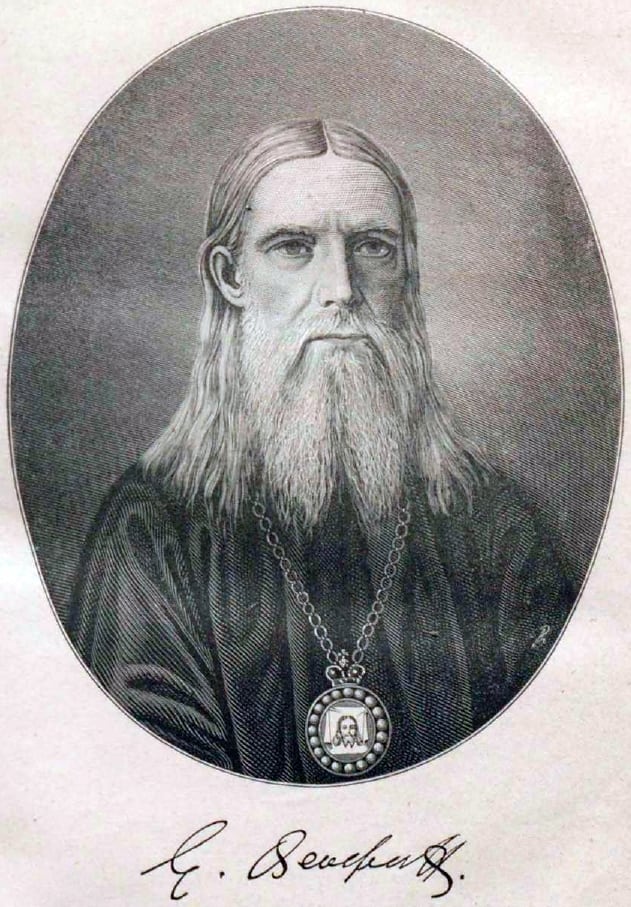
Theophan the Recluse
Совпадают в вопросах: Почему мы страдаем? · Что такое Абсолют? Существует ли Бог? · Кто я? Существует ли истинное «я»?
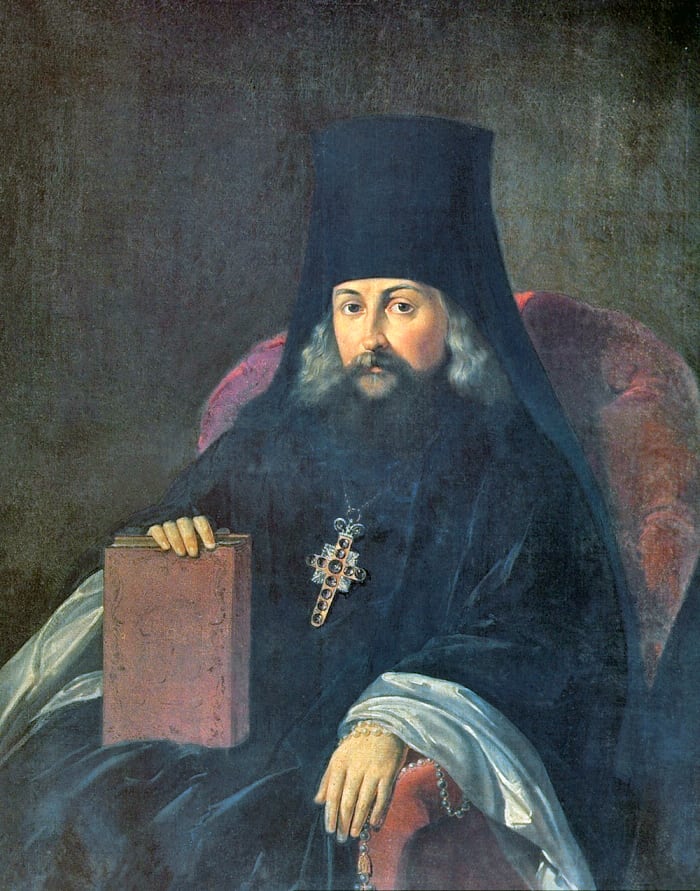
Ignatius Brianchaninov
Совпадают в вопросах: Почему мы страдаем? · Что такое Абсолют? Существует ли Бог? · Кто я? Существует ли истинное «я»?
Дальше всего от

Nāgārjuna
Расходятся в вопросах: Что такое Абсолют? Существует ли Бог? · Кто я? Существует ли истинное «я»? · Что происходит после смерти?

Patañjali
Расходятся в вопросах: Что такое Абсолют? Существует ли Бог? · Кто я? Существует ли истинное «я»? · Что происходит после смерти?

Dōgen
Расходятся в вопросах: Что такое Абсолют? Существует ли Бог? · Кто я? Существует ли истинное «я»? · Что происходит после смерти?

Nisargadatta Maharaj
Расходятся в вопросах: Кто я? Существует ли истинное «я»? · Реален ли мир?
Предания и рассказы
Предания и рассказы
Свидетельство1521
The sawn leg
Происхождение рассказа: Autobiography, nos. 2–5, dictated by Ignatius to Gonçalves da Câmara in 1553: his own testimony, thirty years later.
Свидетельство1522
The Moor and the mule
Происхождение рассказа: Autobiography, nos. 15–16. It is the only testimony to the episode.
Свидетельство1522
The vigil of arms at Montserrat
Происхождение рассказа: Autobiography, nos. 17–18. The confessor's name, Jean Chanon, comes from the Montserrat tradition and the biographers, not from the Autobiography.
Свидетельство1522
Beside the Cardoner
Происхождение рассказа: Autobiography, no. 30; the term 'eximia ilustración' comes from later Jesuit tradition (Nadal, Laínez).
Свидетельство1527
The fetters of Salamanca
Происхождение рассказа: Autobiography, nos. 64–70; the Salamanca sentence and the Alcalá proceedings survive in the Monumenta (Scripta de S. Ignatio).
Свидетельство1540–1552
'Here I am': Xavier leaves for India
Происхождение рассказа: The dialogue comes from Ribadeneira's Life (book II) and is quoted by Tellechea in his 'Semblanza'; Xavier's written vote (15 March 1540) and his letters from Asia survive in the Monumenta Xaveriana.
Свидетельство1555
A quarter of an hour of prayer
Происхождение рассказа: The confidence appears in the narrative sources of the first companions (Gonçalves da Câmara's Memorial and Ribadeneira, in Fontes narrativi); the exact passage has not been checked here. The reaction to Carafa's election is told by Tellechea (s7).
Источник: Monumenta Historica Societatis Iesu. Fontes narrativi de S. Ignatio de Loyola et de Societatis Iesu initiis, ed. Dionisio Fernández Zapico, Cándido de Dalmases et al., 4 vols. Roma: MHSI, 1943–1965 (incluye el Memorial de Gonçalves da Câmara y la carta de Polanco sobre la muerte de Ignacio, 6 de agosto de 1556).
Учение
Учение
Понятия, на которых строится мысль учителя, объяснённые в их контексте.
Principle and Foundation and indifferenceprincipio-y-fundamento
Programmatic text of the first week; its scholastic language comes from the Paris studies.
Discernment of spiritsdiscernimiento-de-espiritus
It reworks a patristic and monastic tradition (Cassian, Gerson) in a practical language of its own.
Consolation and desolationconsolacion-y-desolacion
Core of the rules for the first week; illustrated in his own life by the Spiritual Diary.
The election and its three timeseleccion
It is the practical aim of the Exercises according to the first annotation: 'to seek and find the divine will'.
The examenexamen
A daily practice that extends the Exercises into ordinary life.
Imaginative contemplation and composition of placecontemplacion-imaginativa
The method proper to the second, third and fourth weeks.
Magis and 'in all things to love and serve'magis
The phrase 'contemplativus in actione' is Nadal's, not Ignatius's.
Источник: O'Malley, John W. The First Jesuits. Cambridge (Mass.): Harvard University Press, 1993.
Видео
Видео
Записи, интервью и документальные фильмы. Видео воспроизводятся с YouTube; здесь они не хранятся.
JESUITS ON...Ignatius of Loyola
Документальный фильм· EN· 21 min
Loyola Productions, Inc.Официальный канал
John O'Malley Sacred Lecture Fall 2018: The New Spirituality of St. Ignatius
Лекция· EN· 39 min
Georgetown University Campus MinistryОфициальный канал
On Magnanimity and the Magis: What St. Ignatius Loyola Really Said about Finding God's Will
Лекция· EN· 47 min
Georgetown University Campus MinistryОфициальный канал
Saint Ignatius of Loyola
Документальный фильм· EN· 9 min
SaintLouisUniversityОфициальный канал
Ignatius of Loyola – Finding God In All Things
Документальный фильм· EN· 10 min
Jesuits in BritainОфициальный канал
What are the Spiritual Exercises of St Ignatius?
Разбор· EN· 4 min
Jesuits in BritainОфициальный канал
Ignacio - el buscador de Dios - premiado Documental de animación
Документальный фильм· ES· 62 min
Loyola Productions Munich – Visualizing MindsОфициальный канал
La Cueva de San Ignacio de Loyola
Документальный фильм· ES· 11 min
Jesuïtes CatalunyaОфициальный канал
El Camino Ignaciano
Документальный фильм· ES· 12 min
JesuitasESPОфициальный канал
Manresa: cortometraje sobre Ignacio de Loyola
Документальный фильм· ES· 14 min
Jesuitas del PerúОфициальный канал
Saint Ignace de Loyola
Документальный фильм· FR· 53 min
KTO TV
Saint Ignace dans l'Histoire de l'Eglise
Лекция· FR· 53 min
KTO TV
Ignatius of Loyola – Gott in allen Dingen finden
Документальный фильм· DE· 10 min
JesuitenОфициальный канал
Ignatius von Loyola kurz erklärt. Heiligenportraits.
Разбор· DE· 3 min
katholisch.de
Divini Devoti - 5 ep I GESUITI Chiesa Ss Nome di Gesù e Chiesa Sant'Ignazio
Документальный фильм· IT· 40 min
Dialogues, raccontare l'Arte
Галерея
Галерея
Изображения с проверенной лицензией. Каждое сохраняет своё авторство и атрибуцию.
Рукописи
Рукописи
Рукописные свидетельства и древние тексты, с указанием хранителя и условий доступа.
ES · Latin · 2 de febrero de 1544 – 27 de febrero de 1545
Diario espiritual
- Сохранившийся список
- Dos cuadernillos autógrafos
- Хранитель
- Archivum Romanum Societatis Iesu (Roma)
ES · Latin · 1553–1555
Acta Patris Ignatii (Autobiografía)
- Сохранившийся список
- Copias manuscritas del siglo XVI
- Хранитель
- Archivum Romanum Societatis Iesu (Roma)
ES · Latin · c. 1541–1548
Ejercicios espirituales («Autógrafo»)
- Сохранившийся список
- Manuscrito único conocido como Autógrafo
- Хранитель
- Archivum Romanum Societatis Iesu (Roma)
Связи
Связи
Влияния, ученичество и близость взглядов. Документированная связь отличается от сходства, выявленного путём анализа.
Испытал влияние
During his convalescence in 1521 he read Francis's life in the Flos sanctorum and resolved to imitate him ('what if I were to do what Saint Francis did…?', Autobiography no. 7).
Документированная связь
Испытал влияние
He came to know the Imitation of Christ (then circulating as Gerson's work, the 'Gersoncito') at Manresa and, according to Gonçalves da Câmara's Memorial, read it daily and recommended it.
Документированная связь
Повлиял на
Teilhard entered the Society of Jesus in 1899 and was formed by the Exercises; his search for God 'in all things' of matter and evolution has been read as an extension of Ignatian spirituality.
Документированная связь
Повлиял на
Jung devoted his 1939–1940 seminar at the ETH Zurich to a psychological commentary on the Spiritual Exercises.
Документированная связь
Современник
A Spanish contemporary; she had several Jesuit confessors and was canonised on the same day in 1622. There is no record that they met.
Сходство, выявленное путём анализа
Идеи, близкие к
Both describe the purification of attachments as a condition of union with God; Ignatian 'indifference' and John's 'nothing' have often been compared, with different emphases (apostolic choice versus contemplative path).
Сходство, выявленное путём анализа
Идеи, близкие к
Merton practised and discussed the Ignatian meditation tradition in his early years, though his path was the Cistercian monastic one.
Сходство, выявленное путём анализа
Упоминается в других статьях
Источники
Источники
Библиография и каталоги, использованные для этой статьи.
- Wikidata, «Ignatius of Loyola» (Q44281).
- Ignacio de Loyola. Obras. Transcripción, introducciones y notas de Ignacio Iparraguirre, Cándido de Dalmases y Manuel Ruiz Jurado. Madrid: Biblioteca de Autores Cristianos, 1991 (5.ª ed.). ISBN 9788479140342.
- Ignacio de Loyola. Autobiografía (Acta Patris Ignatii), recogida por Luís Gonçalves da Câmara, 1553–1555. Texto castellano en Wikisource.
- Ignatius of Loyola. The Spiritual Exercises of St. Ignatius of Loyola. Translated from the Autograph by Elder Mullan, S.J. New York: P. J. Kenedy & Sons, 1914. Texto en Christian Classics Ethereal Library.
- García-Villoslada, Ricardo. San Ignacio de Loyola: nueva biografía. Madrid: Biblioteca de Autores Cristianos (BAC Maior), 1986.
- Tellechea Idígoras, José Ignacio. Ignacio de Loyola, solo y a pie. Madrid: Cristiandad, 1986.
- Tellechea Idígoras, José Ignacio. «Semblanza de Ignacio de Loyola». Conferencia en Forum Deusto, 24 de enero de 2006. Bilbao: Universidad de Deusto. ISBN 978-84-9830-696-5.
- O'Malley, John W. The First Jesuits. Cambridge (Mass.): Harvard University Press, 1993.
- Monumenta Historica Societatis Iesu. Fontes narrativi de S. Ignatio de Loyola et de Societatis Iesu initiis, ed. Dionisio Fernández Zapico, Cándido de Dalmases et al., 4 vols. Roma: MHSI, 1943–1965 (incluye el Memorial de Gonçalves da Câmara y la carta de Polanco sobre la muerte de Ignacio, 6 de agosto de 1556).
- Ribadeneira, Pedro de. Vida del P. Ignacio de Loyola, fundador de la religión de la Compañía de Jesús. Madrid, 1583 (versión latina, Nápoles, 1572). Reimpresión de 1880 en Internet Archive.
- Pollen, John Hungerford. «St. Ignatius Loyola». The Catholic Encyclopedia, vol. 7. New York: Robert Appleton, 1910 (texto en Wikisource).
- Ignatius of Loyola. The Autobiography of St. Ignatius. Ed. J. F. X. O'Conor, S.J. New York: Benziger Brothers, 1900 (Project Gutenberg n.º 24534).
- Ignatius of Loyola. Personal Writings: Reminiscences, Spiritual Diary, Select Letters, including the text of The Spiritual Exercises. Trad. Joseph A. Munitiz y Philip Endean. London: Penguin Books, 1996. ISBN 9780140433852.
- Hevenesi, Gabriel. Scintillae Ignatianae, sive S. P. Ignatii de Loyola sententiae et effata sacra. Viena, 1705.
- Rahner, Hugo. Saint Ignatius Loyola: Letters to Women. Freiburg / New York: Herder, 1960.
- Open Library, registros de edición consultados por ISBN (obras de Ignacio de Loyola).
- The Online Books Page, «Online Books by Saint Ignatius of Loyola», ed. John Mark Ockerbloom (University of Pennsylvania).
- Dalmases, Cándido de. El Padre Maestro Ignacio: breve biografía ignaciana. Madrid: BAC, 1979.
- Wikidata, «Pierre Teilhard de Chardin» (Q189564): miembro de la Compañía de Jesús (P611 = Q36380).
- Jung, Carl Gustav. Jung on Ignatius of Loyola's Spiritual Exercises: Lectures Delivered at ETH Zurich, vol. 7, 1939–1940. Ed. Martin Liebscher. Princeton: Princeton University Press, 2023. ISBN 9780691244167.
- Frisbee, S. H. «Anima Christi». The Catholic Encyclopedia, vol. 1. New York: Robert Appleton, 1907 (texto en Wikisource).
- Правообладатель
- Los textos de Ignacio son de dominio público; las traducciones y ediciones críticas modernas pertenecen a sus editoriales (BAC, Sal Terrae–Mensajero, Loyola Press, Institute of Jesuit Sources, Penguin, etc.).
- Официальный сайт
- www.jesuits.global/
Ожидает подтверждения
То, что в этой статье пока не удалось установить. Мы предпочитаем сказать об этом, а не заполнять пробел.
- Localizar una transcripción de dominio público y con OCR limpio del texto castellano de los Ejercicios espirituales (Wikisource en español no lo tiene; el facsímil de 1908 es solo imagen).
- Cotejar en Fontes narrativi (MHSI) la carta de Polanco del 6 de agosto de 1556 para fijar la forma exacta de la exclamación final («¡Ay, Dios!» / «Ay, Dios, Jesús»).
- Verificar el número exacto del Memorial de Gonçalves da Câmara donde figura la confidencia del «cuarto de hora de oración».
- Signaturas (shelfmark) del Autógrafo de los Ejercicios, del Diario espiritual y de los códices de la Autobiografía en el Archivum Romanum Societatis Iesu; buscar digitalización oficial.
- Completar ISBN de ediciones en italiano, ruso y árabe de los Ejercicios y de la Autobiografía (no localizados en Open Library), y de una edición castellana actual de las Constituciones con sus Normas complementarias.
- Fechas de muerte de Juan José de la Torre y Antonio Cabré, editores de las Cartas (1874), para cerrar la nota de derechos.
- Programas de afiliación: ninguno verificado para las editoriales listadas.
Исследовано 2026-10-25