Христианство · Христианская мистика · Православие
Theophan the Recluse
Феофан Затворник · Георгий Васильевич Говоров
1815 – 1894Исторически документированная личность
Русский епископ, богослов и духовный писатель (1815–1894). Профессор и ректор Санкт-Петербургской духовной академии, член Русской духовной миссии в Иерусалиме, епископ Тамбовский и Владимирский, в 1866 году он ушел на покой и двадцать два года провел в затворе в Вышенской пустыни, где написал толкования на все послания апостола Павла, «Путь ко спасению», тысячи писем духовного руководства и русское «Добротолюбие» в пяти томах. Учитель умной сердечной молитвы, причислен к лику святых в 1988 году.
- трудов
- 80трудов
- изданий
- 65изданий
- цитат
- 10цитат
- видео
- 14видео
- изображений
- 8изображений
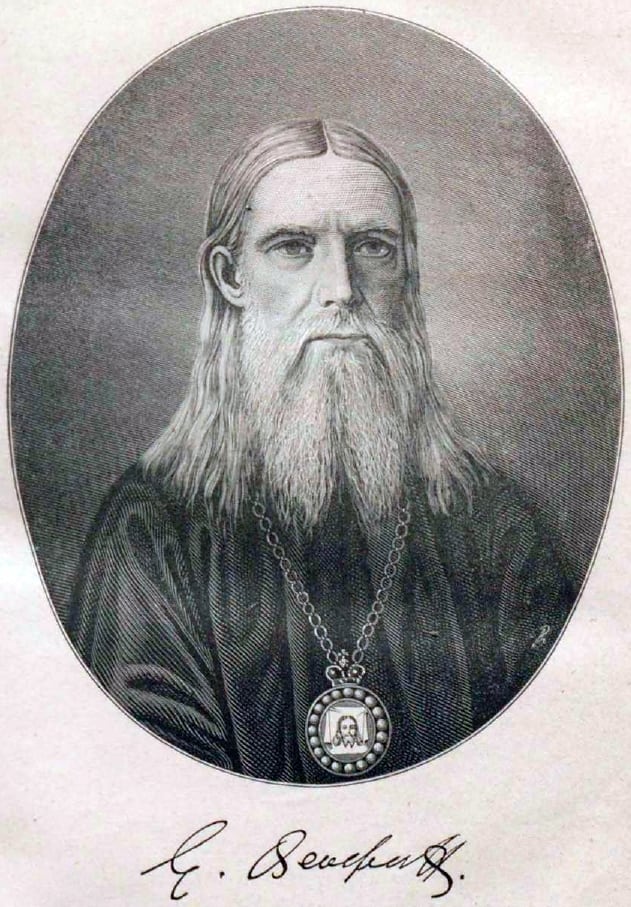
Teófano el Recluso en 1891 · Public domain
Своими словами
«Христианская жизнь есть ревность и сила пребывать в общении с Богом, деятельном, по вере в Господа нашего Иисуса Христа, при помощи благодати Божией, исполнением святой воли Его, во славу пресвятого имени Его.»«Путь ко спасению», sección I, «Как начинается в нас христианская жизнь?».
Theophan the Recluse
Добротолюбие в русском переводе, дополненное
Для начала — одна книга
Добротолюбие в русском переводе, дополненноеГлавная мысль
The mind in the heart: The centre of Theophan's teaching is a hesychast formula he repeats in a thousand ways: one must 'descend with the mind into the heart' and 'stand there before the Lord'.
В контексте
Биография
4 мин чтения
Перевод с испанского оригинала, выполненный с помощью ИИ; ожидает проверки носителем языка.
Сын чернавского священника
Георгий Васильевич Говоров родился 10 января 1815 года по юлианскому календарю (22 января по григорианскому) в селе Чернава Елецкого уезда Орловской губернии, в семье сельского священника Василия Тимофеевича и Татианы Ивановны, тоже происходившей из духовного сословия. Он прошел обычный путь сыновей русского духовенства: с 1823 года — Ливенское духовное училище, с 1829-го — Орловская семинария, где в отзывах его характеризуют как «склонного к уединению», «кроткого и молчаливого», а в 1837 году, как лучший выпускник своего курса, — Киевская духовная академия. Там, между академической наукой и жизнью Киево-Печерской лавры, после смерти матери в 1838 году и отца в 1839-м, он решил принять монашество.
Профессор, путешественник, ректор
15 февраля 1841 года он был пострижен с именем Феофан в честь Феофана Исповедника; в том же году рукоположен во иеродиакона и иеромонаха и получил степень магистра за сочинение о религии Моисеева закона, которое похвалил митрополит Московский Филарет. Затем последовали годы преподавания: ректор Киево-Софийского духовного училища, инспектор Новгородской семинарии, а с 1844 года — преподаватель нравственного богословия в Санкт-Петербургской духовной академии. Должность его тяготила; он писал своему духовному отцу, что ученая служба становится для него невыносимой и что он предпочел бы сидеть в церкви. В 1847 году он добился назначения в Русскую духовную миссию в Иерусалиме, где научился писать иконы, усовершенствовался в греческом и французском, изучал еврейский и арабский и открыл в монастырях Востока аскетические рукописи, которые будет переводить всю оставшуюся жизнь. Крымская война заставила отозвать миссию в 1854 году; возвращение через Европу включало аудиенцию у Пия IX.
В России он был ректором Олонецкой семинарии, настоятелем посольской церкви в Константинополе — с поручением доносить о греко-болгарской распре — и с 1857 года ректором Санкт-Петербургской духовной академии, где также возглавлял комитет по переводу Библии на русский язык.
Епископ-проповедник
1 июня 1859 года он был хиротонисан во епископа Тамбовского — огромной епархии с более чем тысячей священников, множеством сектантов и старообрядцев. Феофан сделал проповедь средоточием своего служения: почти каждое богослужение он сопровождал словом, издал небольшое руководство о том, как составлять поучения, и объяснял, что его проповеди не сочинены заранее, а представляют собой «записанные импровизации». Там же вышли «Письма о христианской жизни» (1860). В 1863 году он был переведен на Владимирскую кафедру, где открыл православное братство и епархиальное женское училище. Но уже в мае 1865 года он признавался Игнатию Брянчанинову, ушедшему на покой в 1861 году, что часто искушается последовать его примеру. В марте 1866 года он подал в Синод прошение об увольнении на покой. Удивленному митрополиту Санкт-Петербургскому он объяснил, что ищет покоя не для дилетантских занятий, а для дела, полезного Церкви: «Имею в мыслях послужить Церкви Божией, только иным образом».
Вышенская пустынь
В июне 1866 года он удалился в небольшую Вышенскую пустынь Тамбовской губернии; через три месяца отказался и от управления ею. Шесть лет он жил уединенно, но не в затворе, и в 1872 году ему даже предлагали Московскую кафедру. В тот же год он окончательно затворился в двухэтажном деревянном флигеле, где устроил домовую церковь Богоявления; там он совершал литургию сначала по воскресеньям и праздникам, а в последние одиннадцать лет — ежедневно. Сам он снимал с этого шага всякую торжественность: «Из моего затвора сделали затворничество. А ничего тут затворнического нет. Заперся, чтобы не мешали […], чтобы без помех заниматься книжками». В келье он писал иконы, резал по дереву, шил себе одежду, наблюдал небо и писал.
Библиотека для мирян
В Выше он написал почти все свои труды: толкования на все послания апостола Павла, опирающиеся прежде всего на Иоанна Златоуста; «Путь ко спасению» (1868–1869), который считал своей главной книгой; «Что есть духовная жизнь и как на нее настроиться?» (1878), выросшую из писем к девушке, которую бал в Москве заставил задуматься о смысле жизни; евангельскую симфонию, толкования на псалмы и «Мысли на каждый день года». Он отвечал ежедневно на двадцать — сорок писем, и его переписка, изданная после смерти в восьми выпусках, сделала его духовным руководителем тысяч людей, никогда его не видевших.
Главным его делом стало русское «Добротолюбие» в пяти объемистых томах, первый из которых вышел в 1877 году. Это не буквальный перевод: сам Феофан признавал, что в «Невидимой брани» Никодима Святогорца он не переводил, а свободно перелагал, «прибавляя, убавляя и изменяя», и так же поступил с «Добротолюбием», которое сократил и одновременно дополнил авторами, отсутствующими в греческом подлиннике. Позднейшие патрологи, от епископа Вениамина (Милова) в 1922 году до Алексея Сидорова, отмечали, что это скорее пастырское переложение, чем критическое издание, и вместе с тем подчеркивали его огромную ценность. Он перевел также древние монашеские уставы, слова Симеона Нового Богослова, палестинский патерик и избранные творения Ефрема Сирина.
Человек твердых правил
Учение Феофана — педагогика сердца. Молитва — не вычитывание формул, а «возникновение в сердце благоговейных чувств к Богу»; путь состоит в том, чтобы сойти умом в сердце и стоять там пред Господом; духовная жизнь рождается из «пробуждения» благодатью, которое человеческая свобода должна ревностно принять. Эта внутренность уживалась с жесткими убеждениями: он защищал Септуагинту против синодального перевода, сделанного с еврейского текста, боролся с последователями Редстока и Пашкова, назвал Льва Толстого «башибузуком», который «наболтал кучу глупостей», а в письме 1881 года, опасаясь революции наподобие французской, требовал обуздать печать и карать неверие как государственное преступление. Он полемизировал и с Игнатием Брянчаниновым о природе душ и ангелов, хотя ценил его писания. Бердяев считал его мыслителем малооригинальным и упрекал за «возмутительные» нравственные и общественные взгляды; Флоровский рассмотрел его наряду с Иоанном Кронштадтским в «Путях русского богословия» (1937).
Он скончался в одиночестве в своей келье 6 января 1894 года (18 января по григорианскому календарю), в праздник Богоявления — тайны, давшей имя его домовой церкви. Похоронен в Казанском соборе Вышенской пустыни. Поместный собор Русской церкви 1988 года, собор тысячелетия Крещения Руси, причислил его к лику святых, засвидетельствовав, что его творения можно читать как развитие святоотеческого учения. В 2002 году его мощи вернулись в Вышу, вновь ставшую монастырем. Через сборник игумена Харитона «Умное делание» (1936), переведенный на английский в 1966 году под названием «The Art of Prayer», он стал известен широкой западной публике.
Источники: Teófano el Recluso. Что есть духовная жизнь и как на нее настроиться. 1.ª ed. 1878; ed. Moscú: Otchi dom, 2012 (ISBN 5-87301-120-6). Ochenta cartas a E. A. Arnoldi. Texto en Azbuka very. · Teófano el Recluso. Путь ко спасению. Краткий очерк аскетики. 1868–1869 (5 ediciones en vida). Texto en Azbuka very; facsímil de la ed. de 1899 en Wikimedia Commons. · Teófano el Recluso. Четыре слова о молитве. 1872. Texto en Azbuka very. · Teófano el Recluso. Избранные письма о сектах и ересях (selección del Собрание писем, con las cartas sobre Tolstói, Radstock y Páshkov, n.º 1171 y otras). Texto en Azbuka very. · Gueorgui (Tertýshnikov), archimandrita. Святитель Феофан Затворник и его учение о спасении. Moscú: Pravilo very, 1999. ISBN 9785753300782.
Хронология
Жизнь год за годом
Каждая точка — документированное событие. Нажмите, чтобы прочитать о нём, с источником и степенью достоверности.
22 января 1815 г.0 летChernava (prov. de Oriol)
Birth
Georgy Govorov is born, son of the priest Vasily Timofeyevich (10 January, Julian calendar).
Документировано«Феофан Затворник», Wikipedia en ruso (biografía, carta a Ignati Brianchanínov de mayo de 1865, carta al metropolita Isidoro de 30-5-1866, reclusión, carta de 3-5-1881, canonización, juicio de Berdiáev, obras y bibliografía). Consultada el 25-10-2026.
После смерти
- июнь 1988 г.Canonisation
- 29 июня 2002 г.Translation of the relics
22 января 1815 г. · 0 лет
Birth
Georgy Govorov is born, son of the priest Vasily Timofeyevich (10 January, Julian calendar).
Документировано
1829 · 14 лет
Oryol seminary
After six years at the Livny church school he enters the Oryol seminary.
Документировано
1837 · 22 года
Kiev Theological Academy
He enters as the best pupil of his year; his mother (1838) and father (1839) die.
Документировано
27 февраля 1841 г. · 26 лет
Monastic tonsure: Theophan
He is tonsured with the name Theophan (15 February, Julian); in April and July he is ordained deacon and priest; he takes his master's degree.
Документировано
октябрь 1844 г. · 29 лет
Lecturer at the St Petersburg Academy
He teaches moral and pastoral theology; his lectures are the basis of The Path to Salvation.
Документировано
август 1847 г. – 1854 · 32 года
Ecclesiastical mission in Jerusalem
A member of the mission led by Porphyry Uspensky; he learns icon painting and languages and begins translating ascetic texts.
Документировано
1854 · 39 лет
Audience with Pius IX
With the mission recalled because of the Crimean War, he returns through Europe and is received with Porphyry by the Pope.
Документировано
май 1857 г. · 42 года
Rector of the St Petersburg Academy
After Olonets and Constantinople he heads the Academy and chairs the committee for translating the Bible into Russian (1858).
Документировано
1 июня 1859 г. · 44 года
Bishop of Tambov
Consecrated in the Trinity Cathedral of the Alexander Nevsky Lavra; he takes up the see on 5 July.
Документировано
1860 · 45 лет
Letters on the Christian Life
He publishes the four parts of Letters on the Christian Life.
Документировано
22 июля 1863 г. · 48 лет
Bishop of Vladimir
Transferred to the see of Vladimir, where he publishes his instruction for preaching (1864).
Документировано
17 июня 1866 г. · 51 год
Resignation and retirement to Vysha
The Synod accepts his retirement; in September he also gives up the direction of the monastery.
Документировано
1868 – 1869 · 53 года
The Path to Salvation
He publishes his synthesis of the spiritual life, which will go through five editions in his lifetime.
Документировано
1872 · 57 лет
Seclusion
He shuts himself in his wing with a chapel of the Theophany; he begins the commentaries on St Paul (1872–1882).
Документировано
1877 · 62 года
First volume of the Russian Philokalia
The first volume of the Dobrotolubie appears, published by the Russian monastery of St Panteleimon on Athos.
Документировано
1878 · 63 года
What Is the Spiritual Life
He publishes the eighty letters to E. A. Arnoldi.
Документировано
1888 · 73 года
Blind in one eye
Cataracts leave him blind in the right eye; he also suffers from rheumatism, neuralgia and arrhythmia.
Документировано
18 января 1894 г. · 79 лет
Death
He dies alone in his cell on the feast of the Theophany (6 January, Julian); funeral on 11 January.
Документировано
июнь 1988 г.
Canonisation
The council of the millennium of the baptism of Rus proclaims him a saint.
Документировано
29 июня 2002 г.
Translation of the relics
The relics, kept at Emmanuilovka since 1988, return to Vysha monastery.
Документировано
Труды
Главные труды
Труды, без которых не понять это наследие.
Theophan the Recluse
Добротолюбие в русском переводе, дополненное
Позднейший сборник · 1877
Добротолюбие в русском переводе, дополненное
A Russian version, in five volumes (some 3,143 pages), of the great anthology of ascetic and mystical texts by Fathers of the fourth to fifteenth centuries on watchfulness, pure prayer and the Jesus Prayer, compiled by Nicodemus the Hagiorite and Macarius of Corinth (Venice, 1782) and put into Slavonic by Paisius Velichkovsky (1793). Theophan does not simply translate: he abridges many texts and adds others absent from the original—such as the teachings of Dorotheus of Gaza, in volume II—to give the Russian reader, monk or layperson, a complete manual of inner warfare. The first volume appeared in 1877, published by the Russian monastery of St Panteleimon on Athos; the work went through several editions and was for a century the Russians' Philokalia.
2 издания

Письменный труд · 1868
Путь ко спасению. Краткий очерк аскетики
Theophan regarded it as his main book. Born of his lectures in moral theology at St Petersburg and conceived as the third part of his Outline of Christian Moral Teaching, it describes in three sections how the Christian life begins—through baptism and through repentance—how the sinner is awakened by grace from his 'sleep' and comes to the decision to give himself to God, and how the new life then matures through zeal, the discipline of the faculties of soul and body, and prayer. Its opening definition, 'the Christian life is zeal and strength to abide in communion with God', sums up his whole method: a systematic asceticism meant for laypeople as much as for monks.
4 издания

Переписка · 1878
Что есть духовная жизнь и как на нее настроиться
Eighty letters to a young woman, E. A. Arnoldi, daughter of an estate manager from Tula, who after a ball began to wonder about the meaning of life. Theophan first sets out the three dimensions of the human being—body, soul and spirit, the last shown in the fear of God, conscience and thirst for God—explains the Fall and the grace of baptism, and then guides his correspondent step by step: preparing for confession and communion, unceasing remembrance of God, prayer with the mind in the heart, the struggle with the passions, reading, household tasks, music and amusements. It is the author's most widely read book and a classic of spiritual direction for laypeople.
3 издания

Переписка · 1898
Собрание писем святителя Феофана (вып. 1–8)
The letters of spiritual direction Theophan wrote from Vysha—twenty to forty a day in his last years—to monks, nuns, priests, laypeople of every station, families and the sick. They deal with prayer and the Jesus Prayer, confession and communion, marriage and education, sickness and death, the sects and atheism of his day, with a characteristic mixture of tenderness, practical sense and doctrinal severity. Published after his death in eight parts (1898–1901), with over 1,400 pieces, they remain the main route by which he is read in Russia.
3 издания
Все труды (80)
Theophan the Recluse
Письма о христианской жизни
The Conscious LibraryПисьма о христианской жизни
1860
Theophan the Recluse
Письма о духовной жизни
The Conscious LibraryПисьма о духовной жизни
1870
Theophan the Recluse
Письма к разным лицам о разных предметах веры и жизни
The Conscious LibraryПисьма к разным лицам о разных предметах веры и жизни
1880
Theophan the Recluse
О молитве Иисусовой, в письмах к схиигумену Герману и схимонаху Агапию
The Conscious LibraryО молитве Иисусовой, в письмах к схиигумену Герману и схимонаху Агапию
1880
Theophan the Recluse
Избранные письма о сектах и ересях
The Conscious LibraryИзбранные письма о сектах и ересях
Theophan the Recluse
Последние заветы. Письма последних лет жизни; Переписка из последнего года жизни
The Conscious LibraryПоследние заветы. Письма последних лет жизни; Переписка из последнего года жизни
1894
Theophan the Recluse
Письма к Нецветаевой Татьяне Владимировне (1887–1893)
The Conscious LibraryПисьма к Нецветаевой Татьяне Владимировне (1887–1893)
1887
Theophan the Recluse
Письма к протоиерею Михаилу Хераскову
The Conscious LibraryПисьма к протоиерею Михаилу Хераскову
1892
Theophan the Recluse
Неизданные письма к И. Д. Андрееву; Письма к С. В.; Собрание писем из неопубликованного
The Conscious LibraryНеизданные письма к И. Д. Андрееву; Письма к С. В.; Собрание писем из неопубликованного
Theophan the Recluse
Четыре слова о молитве
The Conscious LibraryЧетыре слова о молитве
1872
Theophan the Recluse
Начертание христианского нравоучения
The Conscious LibraryНачертание христианского нравоучения
1891
Theophan the Recluse
Обозрение подзаконной религии
The Conscious LibraryОбозрение подзаконной религии
1841
Theophan the Recluse
Слова Санкт-Петербургской духовной академии ректора архимандрита Феофана
The Conscious LibraryСлова Санкт-Петербургской духовной академии ректора архимандрита Феофана
1859
Theophan the Recluse
Слова к тамбовской пастве
The Conscious LibraryСлова к тамбовской пастве
1861
Theophan the Recluse
Девять слов по случаю пожаров в Тамбове и губернии Тамбовской
The Conscious LibraryДевять слов по случаю пожаров в Тамбове и губернии Тамбовской
1860
Theophan the Recluse
Слова к владимирской пастве
The Conscious LibraryСлова к владимирской пастве
1863
Theophan the Recluse
Внутренняя жизнь (сборник слов)
The Conscious LibraryВнутренняя жизнь (сборник слов)
1859
Theophan the Recluse
Небесный Покров над нами
The Conscious LibraryНебесный Покров над нами
1865
Theophan the Recluse
О Православии с предостережениями от погрешений против него
The Conscious LibraryО Православии с предостережениями от погрешений против него
1863
Theophan the Recluse
Напоминание всечестным инокиням о том, чего требует от них иночество
The Conscious LibraryНапоминание всечестным инокиням о том, чего требует от них иночество
1892
Theophan the Recluse
О совершенном обращении к Богу от прелестей мира и греха
The Conscious LibraryО совершенном обращении к Богу от прелестей мира и греха
1867
Theophan the Recluse
О покаянии, причащении Святых Христовых Таин и исправлении жизни
The Conscious LibraryО покаянии, причащении Святых Христовых Таин и исправлении жизни
1869
Theophan the Recluse
Разрешение недоумений при чтении притчи о неправедном приставнике…
The Conscious LibraryРазрешение недоумений при чтении притчи о неправедном приставнике…
1869
Theophan the Recluse
Уроки из деяний и словес Господа Бога и Спаса нашего Иисуса Христа
The Conscious LibraryУроки из деяний и словес Господа Бога и Спаса нашего Иисуса Христа
1870
Изречения
Изречения, найденные в конкретном труде. Каждое сопровождается указанием происхождения и степени надёжности.
Христианская жизнь есть ревность и сила пребывать в общении с Богом, деятельном, по вере в Господа нашего Иисуса Христа, при помощи благодати Божией, исполнением святой воли Его, во славу пресвятого имени Его.Проверено«Путь ко спасению», sección I, «Как начинается в нас христианская жизнь?».
Апокрифические изречения и изречения спорной атрибуции (2)
«"To pray is to descend with the mind into the heart, and there to stand before the face of the Lord, ever-present, all-seeing, within you."»
Widely circulated in English, it comes from the anthology The Art of Prayer (1936; English translation 1966), which assembles and sometimes condenses fragments of his letters. The idea is his and appears in letters 45 and 58 of What Is the Spiritual Life; the exact Russian wording has not been located.
«Prophecies about the Russian revolution and the Antichrist attributed to him in devotional compilations.»
There is an authentic letter of 3 May 1881 in which, comparing Russia with pre-revolutionary France, he concludes that 'we too are on the road to revolution'; the 'prophecies' circulating under his name expand and dramatise passages like this, and many cannot be found in his writings.
Последние слова
Проверяемых записей о последних словах не существует.
He died alone in his cell at Vysha on 6 January 1894 (Julian), the feast of the Theophany, and no one witnessed his death, so no last words are recorded. The pious biographies (Khitrov, 1905) describe how he was found but ascribe no words to him.
Источник: «Феофан Затворник», Wikipedia en ruso (biografía, carta a Ignati Brianchanínov de mayo de 1865, carta al metropolita Isidoro de 30-5-1866, reclusión, carta de 3-5-1881, canonización, juicio de Berdiáev, obras y bibliografía). Consultada el 25-10-2026.
Спросить
На что отвечают эти труды
Двенадцать великих вопросов человечества и то, что позволяют на них ответить эти тексты, со ссылками. Мы никогда не вкладываем слова в чужие уста.
Что такое Абсолют? Существует ли Бог?
God is the Trinitarian Lord with whom the Christian lives in active communion
Личный БогСказано прямо
Theophan the Recluse writes not as a philosopher but as a bishop and spiritual director. In the Outline of Christian Moral Teaching he starts from the God of Orthodox faith, one in three persons, creator and provident, and derives all of moral life from him. In The Path to Salvation he defines Christian life as zeal and strength to remain in active communion with God through faith in Jesus Christ, with the help of grace and by fulfilling his will. God is for him someone who listens: in one of his letters he affirms that there is no interval between prayer and its hearing, provided the prayer comes from the heart. The question of God's existence barely concerns him; what matters is how he is found, and his answer is the prayer of the heart, attention and the sacraments of the Church.
Сравнить этот вопрос с другими учителямиКто я? Существует ли истинное «я»?
Body, soul and spirit: the spirit is the power that seeks God
Сотворённая бессмертная душаСказано прямо
Theophan the Recluse develops a tripartite anthropology that fills the first letters of What Is Spiritual Life and returns in the Outline of Christian Moral Teaching. The human being has a body, a soul with its faculties of thinking, willing and feeling, and a spirit, the power God breathed into him, which shows itself as fear of God, conscience and thirst for God. When the spirit governs, soul and body live in order; when the psychic or the carnal dominates, the person is scattered. In his controversy with Ignatius Brianchaninov, set out in The Soul and the Angel Are Not Body but Spirit, he maintained that the soul is purely spiritual, without any subtle matter. The true self is a created, immortal soul that is realised by turning to God from the heart.
Сравнить этот вопрос с другими учителямиПочему мы страдаем?
Passions arise from turning away from God; sorrows are medicine for the soul
Отделённость от БогаСказано прямо
Theophan the Recluse explains suffering within Orthodox ascetic anthropology. In The Path to Salvation he describes the man who lives without God as one ruled by passions, which arise from egoism and branch out into the pursuit of pleasure, greed and vainglory; that state is in itself restlessness and pain, even if the one inside it does not perceive it. Conversion begins when grace awakens the sinner and makes him see his state. As for outward afflictions, his letters of spiritual direction treat them as medicine and as a cross: God permits them to heal, humble or purify, and bearing them patiently unites the Christian with Christ. In his homilies on the cross he distinguishes the cross of sorrows, that of the struggle against the passions and that of obedience to the divine will.
Сравнить этот вопрос с другими учителямиЧто происходит после смерти?
Death opens the particular judgement; one must live preparing for it
Вечная жизнь и воскресениеСказано прямо
Theophan the Recluse teaches Orthodox eschatology without altering it: after death the soul appears at a particular judgement and awaits, in a state of anticipated joy or of pain, the resurrection of bodies and the last judgement, after which comes eternal life. In his commentary on Psalm 118 he also records the tradition of the trials the soul passes through on leaving the body. His main interest is pastoral: in his letters of direction he recommends keeping death in mind, not as terror but as a reminder that orders life and stirs vigilance, and he consoles the bereaved by recalling that prayer for the departed reaches them. In his last letters, secluded at Vysha, he speaks of his own end with serenity and asks for prayers.
Сравнить этот вопрос с другими учителямиКак достигается освобождение или спасение?
Grace awakens the sinner; yet without his effort there is no salvation
Через благодать и любовьСказано прямо
The Path to Salvation, Theophan's most widely read book, describes the whole itinerary in three moments: conversion, purification and perfection. Everything begins with grace, which awakens the sinner asleep in his passions and makes him see his state; but grace does not act without the person's free decision, who must repent, confess, receive communion and take up the struggle against the passions. Hence the title of one of his writings, Without Effort You Will Not Be Saved. Christian life is defined as active communion with God through faith in Christ, with the help of grace and by fulfilling his will, and its centre is the prayer of the heart. This is the Orthodox doctrine of synergy: salvation is a gift, but a gift welcomed through constant labour.
Сравнить этот вопрос с другими учителямиНужен ли учитель?
A spiritual father, the sacraments and the Fathers: guidance lies in the Church
Община и традицияСказано прямо
Theophan the Recluse was, during twenty-two years of seclusion, spiritual director by letter to hundreds of people, and his whole work is an exercise in guidance. He recommends having a spiritual father, confessing and receiving communion regularly and submitting one's inner movements to his judgement, especially in prayer, where lack of direction exposes one to errors. But he knows experienced guides are scarce, and that is why he translated and enlarged the Philokalia in five volumes and edited Unseen Warfare: so that the Fathers may guide whoever has no elder at hand. The authority is not that of a charismatic master, but that of the Church's tradition, to which he himself submits and in whose name he counsels, adapting his advice to each correspondent's situation.
Сравнить этот вопрос с другими учителямиРеален ли мир?
God's good creation, which the Christian uses without clinging to it
Благое и реальное творениеСледует из учения
Theophan the Recluse teaches the Orthodox doctrine of creation without speculative elaboration: the world is God's free work, good, sustained by his providence, and the human being holds a central place in it as a creature endowed with spirit. In his Outline of Christian Moral Teaching created things appear as means the Christian must use with gratitude and measure, not as ends; the danger lies not in the world but in the attachment that turns it into an idol. When his letters speak of the world as something to turn away from, they mean the passions and customs estranged from God, not material creation. In his commentaries on Saint Paul he also takes up the hope that the whole of creation, which groans, will be set free with the children of God.
Сравнить этот вопрос с другими учителямиЧто такое любовь?
Love of God and neighbour, born together from a heart warmed by grace
Любовь к Богу и ближнемуСказано прямо
Theophan the Recluse places love at the centre of the Christian morality he sets out in his Outline: the double commandment of love of God and neighbour sums up the whole law, and the other virtues are its forms. But, as a master of the prayer of the heart, he insists that such love is not manufactured by will: it is born when grace warms the heart, and that is why attentive prayer is its root. In his letters he is very concrete: love of neighbour is exercised in patience with one's household, in not judging, in almsgiving and in humble service, and whoever claims to love God without loving those close by deceives himself. His four homilies on prayer describe prayer itself as the rising in the heart of feelings of humility, gratitude and self-surrender, which are already forms of love.
Сравнить этот вопрос с другими учителямиСвободны ли мы или всё предопределено?
Grace awakens, but the decision to turn to God belongs to the person
Подлинная свобода волиСказано прямо
Theophan the Recluse sets out in The Path to Salvation a psychology of conversion in which freedom holds a decisive place. The sinner lives asleep in his passions and would not wake by himself; grace shakes him, shows him his state and offers him the possibility of change. But at that moment everything depends on the person's decision: he can accept the awakening and set out, or fall asleep again. Once the decision is made, the struggle continues daily, and freedom must be exercised against the inclinations that keep pulling backwards; hence the title of his writing Without Effort You Will Not Be Saved. In the Outline of Christian Moral Teaching he defends freedom as the condition of all morality: without it there would be neither merit nor guilt.
Сравнить этот вопрос с другими учителямиЗачем медитировать или молиться?
To stand before the Lord with the mind in the heart, conversing with him
Дружба с БогомСказано прямо
Prayer is the centre of Theophan the Recluse's work. In his Four Homilies on Prayer he calls it the first task of Christian life and the breath of the spirit: where there is prayer, the spirit lives; where there is none, there is no life in it. He defines it as the rising in the heart of reverent feelings towards God, humility, self-surrender, gratitude, praise, contrition. His most famous formula, repeated in the letters of What Is Spiritual Life, is to stand always before the Lord with the mind in the heart, to bring back thoughts when they wander and make them stay in the cell of the heart conversing with the sweetest Lord. Through his translation of the Philokalia he became the great Russian popularizer of the Jesus Prayer and hesychasm for monks and lay people alike.
Сравнить этот вопрос с другими учителямиМожет ли разум познать предельное?
Scripture, read with the Fathers, guides a reason that must descend into the heart
Писание и рассуждениеСказано прямо
Theophan the Recluse was professor and rector of the St Petersburg Theological Academy, and devoted his years of seclusion to commenting on all of Saint Paul's epistles and translating the Fathers: his work is that of an interpreter of Scripture within the Church's tradition. Reason has a legitimate role in it, that of understanding and ordering what is revealed, and he himself wrote a systematic Outline of Christian Moral Teaching. But he distinguishes between rational knowledge about God, which can remain in the head, and living knowledge, which is given when the mind descends into the heart and unites with it in prayer. His letters warn against the rationalism that submits revelation to reason's judgement and against sects that interpret Scripture outside the Church.
Сравнить этот вопрос с другими учителямиУйти от мира или преобразить его?
One can live in the world with the mind in the heart, before God
Созерцание в действииСказано прямо
Theophan the Recluse spent his last twenty-two years secluded in the monastery of Vysha, but explained that he did not shut himself away for extreme ascesis, but to devote himself to books without hindrance and serve the Church in another way. From his cell he directed hundreds of lay people by letter, and much of his work is written for them. What Is Spiritual Life and How to Attune Oneself to It consists of letters to a young woman living in society who wishes to lead a Christian life without becoming a nun, and his answer is that it is possible: it is enough to keep the mind in the heart before the Lord amid one's occupations, to fulfil faithfully the duties of one's state and to order the day around prayer. What must be abandoned is not the world, but its passions.
Сравнить этот вопрос с другими учителями
Созвучия и противоречия
Созвучия и противоречия
Рассчитаны вопрос за вопросом на основе позиций. Причина каждого совпадения или расхождения — по нажатию.
Ближе всего к

Francis of Assisi
Совпадают в вопросах: Что такое Абсолют? Существует ли Бог? · Кто я? Существует ли истинное «я»? · Почему мы страдаем?
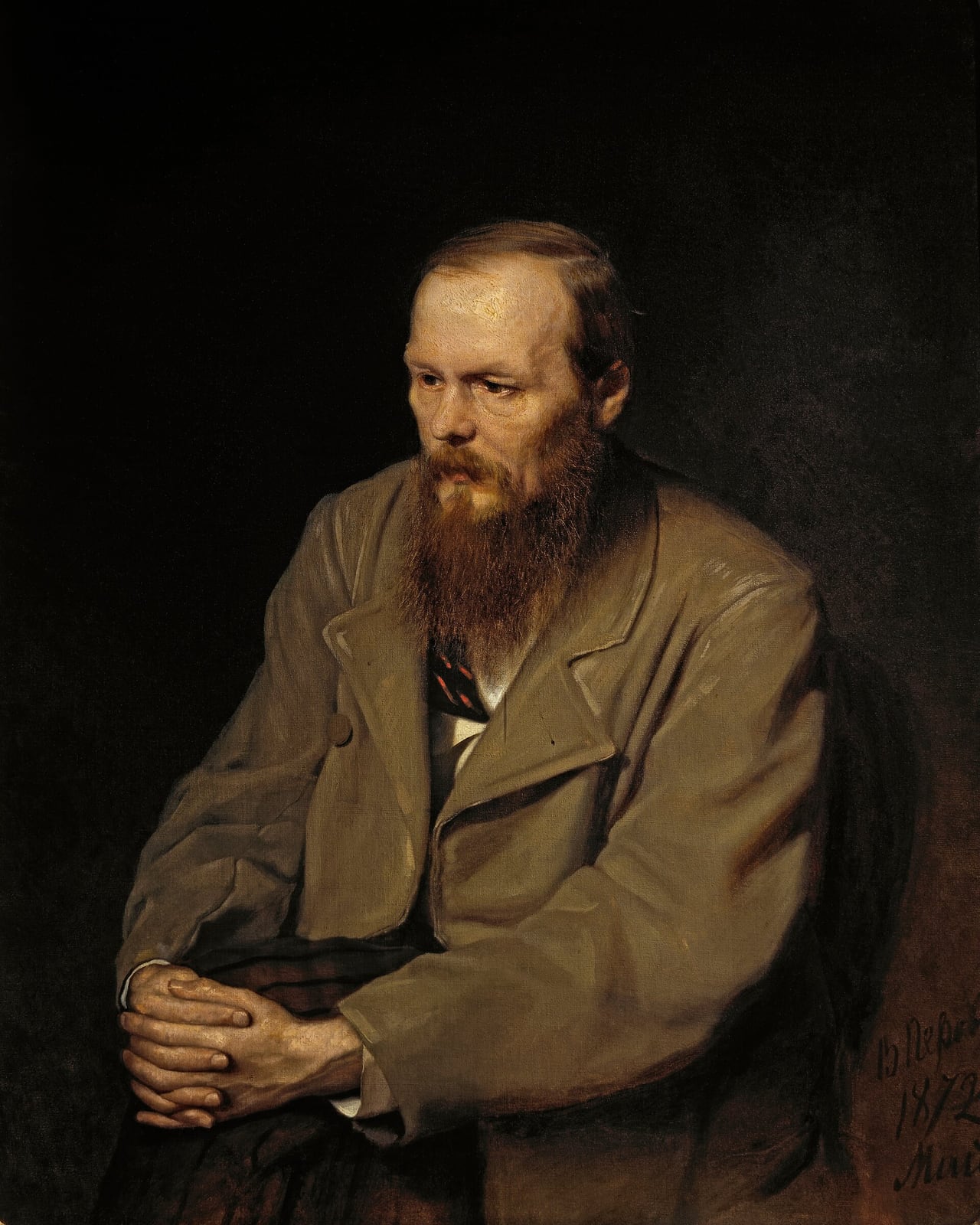
Fyodor Dostoevsky
Совпадают в вопросах: Что такое Абсолют? Существует ли Бог? · Кто я? Существует ли истинное «я»? · Почему мы страдаем?
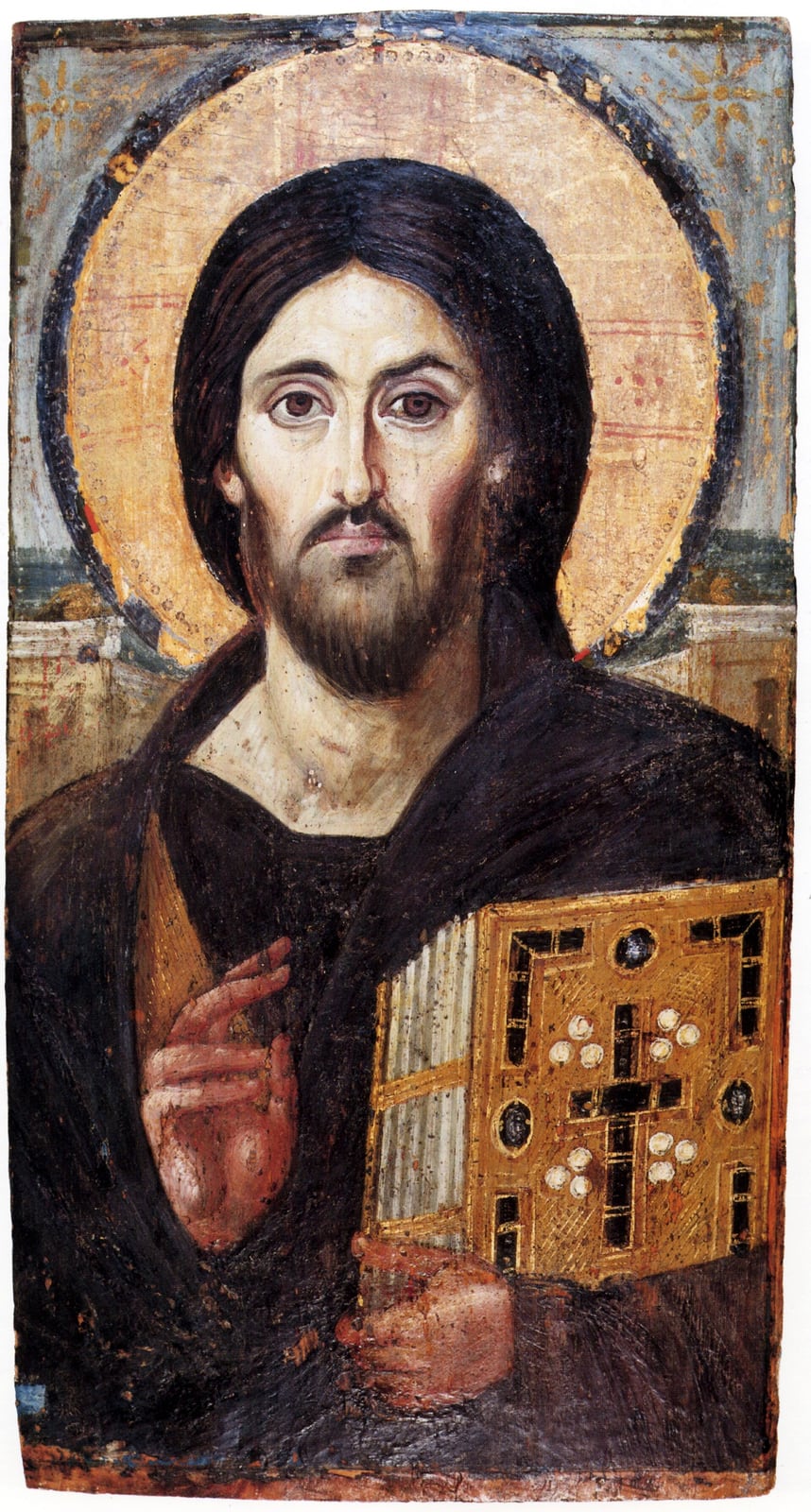
Jesus of Nazareth
Совпадают в вопросах: Что такое Абсолют? Существует ли Бог? · Реален ли мир? · Кто я? Существует ли истинное «я»?

Teresa of Ávila
Совпадают в вопросах: Что такое Абсолют? Существует ли Бог? · Кто я? Существует ли истинное «я»? · Почему мы страдаем?
Дальше всего от

Patañjali
Расходятся в вопросах: Что такое Абсолют? Существует ли Бог? · Кто я? Существует ли истинное «я»? · Что происходит после смерти?

Pema Chödrön
Расходятся в вопросах: Что такое Абсолют? Существует ли Бог? · Кто я? Существует ли истинное «я»? · Что происходит после смерти?

Nāgārjuna
Расходятся в вопросах: Что такое Абсолют? Существует ли Бог? · Кто я? Существует ли истинное «я»? · Что происходит после смерти?

Dōgen
Расходятся в вопросах: Что такое Абсолют? Существует ли Бог? · Кто я? Существует ли истинное «я»? · Что происходит после смерти?
Предания и рассказы
Предания и рассказы
Свидетельствоdécada de 1870
The girl from the ball
Происхождение рассказа: The addressee's identity and the quotation come from a letter of Theophan reproduced in Azbuka very's presentation of the work; the ball episode is handed down by the publishing tradition (the St Herman Brotherhood's preface to the English edition).
Документировано1865–1866
Serving in another way
Происхождение рассказа: Theophan's letters to Ignatius (May 1865), to N. V. Elagin (11 March 1866) and to Metropolitan Isidore (30 May 1866), cited in the biographical literature and gathered in the Russian Wikipedia.
Свидетельство1872–1894
Locked in for the books
Происхождение рассказа: The sayings come from his letters as cited by biographers; the manual crafts, from the monastery's biography and Azbuka very.
Документировано1872–1894
Forty letters a day
Происхождение рассказа: The daily number of letters is given by the Azbuka very biography and the Russian Wikipedia; the posthumous publication, by the catalogues of the 1898–1901 editions (Open Library, Wikimedia Commons).
Документированоdécada de 1880
'That bashi-bazouk Leo Tolstoy'
Происхождение рассказа: Collected Letters, nos. 1171, 1172, 1175, 1359 and 1413, and letters 281–285 of the 1899 collection cited in Selected Letters on Sects and Heresies.
Документированоdécada de 1860
Two bishops and the nature of angels
Происхождение рассказа: The controversy is documented by Azbuka very and the studies of D. Predein (Feofanovskie chteniya, 2011) and D. Rogozhin; the dream, letter 239 cited in Selected Letters on Sects and Heresies.
Документировано1854
An audience with Pius IX
Происхождение рассказа: The audience is recorded in the biographies (Russian and English Wikipedia); the detail about his library, in the posthumous presentation of letter 228 on Tolstoy.
Учение
Учение
Понятия, на которых строится мысль учителя, объяснённые в их контексте.
The mind in the heartmente-en-el-corazon
It gathers the tradition of the Philokalia (Symeon the New Theologian, Gregory of Sinai, Nicephorus the Solitary) that he himself translated, and spread it among laypeople through his letters and Chariton's anthology.
Prayer as reverent feelingoracion-como-sentimiento
A pedagogy designed for the nineteenth-century Orthodox layperson, who knew the Church's prayers but often recited them without attention.
Источник: Teófano el Recluso. Четыре слова о молитве. 1872. Texto en Azbuka very.
Body, soul and spiritcuerpo-alma-espiritu
Formulated from St Paul and the Alexandrian tradition and developed at the Kiev Academy; P. Khondzinsky has related it to the Kiev school of Pamfil Yurkevich.
The awakening of grace and zealdespertar-de-la-gracia
An original systematisation of patristic asceticism in an anthropological scheme; later criticism (Florovsky) placed it in the context of the Russian academic moral theology of his century.
Translating as reworkingtraducir-como-reelaborar
It continues the practice of Paisius Velichkovsky and Nicodemus, who also adapted their sources; it contrasts with the modern critical edition of ascetic texts.
Видео
Видео
Записи, интервью и документальные фильмы. Видео воспроизводятся с YouTube; здесь они не хранятся.
Феофан Затворник / Острова / Телеканал Культура
Смотреть на YouTube
Это видео нельзя встроить; оно откроется на YouTube.
Феофан Затворник / Острова / Телеканал Культура
Документальный фильм· RU· 2020· 39 min
Телеканал КультураОфициальный канал
Русский мир. Святитель Феофан (1994)
Документальный фильм· RU· 1994· 26 min
History Lab
Святитель Феофан Затворник
Документальный фильм· RU· 2015· 30 min
Феофан Затворник. Свято-Успенский Вышенский монастырьОфициальный канал
Вышенская обитель
Документальный фильм· RU· 2015· 4 min
Феофан Затворник. Свято-Успенский Вышенский монастырьОфициальный канал
Празднование 200-летия Феофана, Затворника Вышенского
Документальный фильм· RU· 2015· 4 min
Феофан Затворник. Свято-Успенский Вышенский монастырьОфициальный канал
Святитель Феофан, затворник Вышенский. Эфир от 24 апреля 2014 г.
Документальный фильм· RU· 2014· 56 min
tvsoyuzОфициальный канал
Лекции в Сретенской духовной семинарии. Святитель Феофан Затворник. Часть 1
Лекция· RU· 2019· 43 min
tvsoyuzОфициальный канал
Лекция 1. Введение в предмет. Свт. Феофан Затворник и его антропологическая модель
Лекция· RU· 2020· 62 min
Елена Никулина. ПСТГУ. Нравственное богословиеОфициальный канал
Святитель Феофан Затворник и антропология Киевской духовной школы
Лекция· RU· 2019· 19 min
Научный центр истории богословия и богословского образованияОфициальный канал
Русская патрология. 14. Святитель Феофан Затворник Вышенский
Лекция· RU· 2026· 27 min
Школа Православия София
Почему свт. Феофан Затворник запрещал читать «Откровенные рассказы странника»? — Осипов А. И.
Лекция· RU· 2017· 18 min
Алексей Ильич ОсиповОфициальный канал
The Life of St. Theophan the Recluse
Запись третьих лиц· EN· 2022· 32 min
Orthodox Hagiography
The Path of Prayer by Saint Theophan the Recluse
Лекция· EN· 2014· 42 min
Fr Deacon Charles Joiner
San Teófano el recluso (Parte I)
Лекция· ES· 2020· 16 min
Catedral Ortodoxa San JorgeОфициальный канал
Галерея
Галерея
Изображения с проверенной лицензией. Каждое сохраняет своё авторство и атрибуцию.
Рукописи
Рукописи
Рукописные свидетельства и древние тексты, с указанием хранителя и условий доступа.
RU · Cyrillic · Siglos XIX y anteriores
Книги из келейной библиотеки Феофана Затворника
- Сохранившийся список
- Colección dispersa
- Хранитель
- Biblioteca Estatal de Rusia (RGB), Departamento de Manuscritos (parcialmente)
Связи
Связи
Влияния, ученичество и близость взглядов. Документированная связь отличается от сходства, выявленного путём анализа.
Состоял в переписке с
They corresponded; in May 1865 Theophan confided to him that he thought of following his road and retiring. Theophan valued his works and recalled him later in his letters.
Документированная связь
Расходился во взглядах с
He argued against Ignatius's thesis (Word on Death) that souls and angels have an ethereal body, in The Soul and the Angel Are Not Body but Spirit.
Документированная связь
Расходился во взглядах с
In many letters of the 1880s he fought Tolstoy's religious teachings, calling him a 'bashi-bazouk' who 'has blurted out a heap of nonsense', and encouraged their refutation.
Документированная связь
Повлиял на
Florensky cites him in The Pillar and Ground of the Truth (1914) as a witness to the experience of Christ as centre, as translator of the Philokalia, for his letters on spiritual delusion and for his commentary on 1 Corinthians.
Документированная связь
Испытал влияние
Paisi Velichkovski
His Russian Philokalia continues and enlarges Paisius's Slavonic translation (1793), the basis of the Russian hesychast revival.
Документированная связь
Испытал влияние
Nicodemo el Hagiorita
He translated and reworked two works by Nicodemus: the Greek Philokalia (1782) and Unseen Warfare (1796).
Документированная связь
Испытал влияние
Padres del desierto
He translated the ancient paterikon and the rules of Pachomius, Basil and Cassian; his teaching constantly draws on the apophthegms.
Документированная связь
Испытал влияние
Simeón el Nuevo Teólogo
He translated his discourses into Russian; Theophan cites his teaching on the conscious experience of grace.
Документированная связь
Испытал влияние
Juan Crisóstomo
The main source of his commentaries on the epistles of St Paul.
Документированная связь
Идеи, близкие к
Both brought the hesychast teaching on the prayer of the heart and the acquisition of grace to laypeople; in 1861 Theophan was for a few months in charge of the Diveyevo convent founded by Seraphim, to settle its disorders.
Сходство, выявленное путём анализа
Расходился во взглядах с
Berdyaev judged him 'unoriginal as a thinker', untouched by problems and the author of 'outrageous' moral and social views.
Документированная связь
Современник
Contemporaries; no documented mutual mention has been found.
Сходство, выявленное путём анализа
Источники
Источники
Библиография и каталоги, использованные для этой статьи.
- Wikidata, «Theophan the Recluse» (Q980914): P31=Q5, nacimiento 10/22-1-1815, muerte 6/18-1-1894, 21 enlaces entre wikis.
- «Феофан Затворник», Wikipedia en ruso (biografía, carta a Ignati Brianchanínov de mayo de 1865, carta al metropolita Isidoro de 30-5-1866, reclusión, carta de 3-5-1881, canonización, juicio de Berdiáev, obras y bibliografía). Consultada el 25-10-2026.
- «Theophan the Recluse», Wikipedia en inglés (biografía, traducciones inglesas). Consultada el 25-10-2026.
- Azbuka very, «святитель Феофан Затворник»: biografía, «Творческое наследие» (traducciones, juicio de Veniamín (Milov) y A. I. Sídorov, polémica con Ignati, Septuaginta) y catálogo de obras con sus fechas.
- Teófano el Recluso. Что есть духовная жизнь и как на нее настроиться. 1.ª ed. 1878; ed. Moscú: Otchi dom, 2012 (ISBN 5-87301-120-6). Ochenta cartas a E. A. Arnoldi. Texto en Azbuka very.
- Teófano el Recluso. Путь ко спасению. Краткий очерк аскетики. 1868–1869 (5 ediciones en vida). Texto en Azbuka very; facsímil de la ed. de 1899 en Wikimedia Commons.
- Teófano el Recluso. Четыре слова о молитве. 1872. Texto en Azbuka very.
- Teófano el Recluso. Избранные письма о сектах и ересях (selección del Собрание писем, con las cartas sobre Tolstói, Radstock y Páshkov, n.º 1171 y otras). Texto en Azbuka very.
- Gueorgui (Tertýshnikov), archimandrita. Святитель Феофан Затворник и его учение о спасении. Moscú: Pravilo very, 1999. ISBN 9785753300782.
- Florovski, Gueorgui. Пути русского богословия. París: YMCA-Press, 1937 (cap. «Влияние философского кризиса 60-х гг. на богословие: Феофан Затворник и Иоанн Кронштадтский»).
- Florenski, Pável. Столп и утверждение истины. Moscú: Put', 1914 (cita a Teófano en las cartas primera, cuarta, novena, décima y undécima). Texto en Azbuka very.
- Jítrov, Mijaíl, arcipreste. Житие святителя Феофана, Затворника Вышенского. Moscú: Tipo-litografía I. Efímov, 1905.
- Wikimedia Commons, «Category:Literary works by St. Theophan the Recluse» (facsímiles de ediciones de 1890–1901).
- Open Library, registros de autor «Saint Ḟeofan, Bishop of Tambov and Shatsk» (ediciones rusas de 1860–1901 y traducciones inglesas con ISBN).
- Chariton de Valaam, higúmeno (comp.). The Art of Prayer: An Orthodox Anthology. Trad. E. Kadloubovsky y E. M. Palmer; ed. e introd. Timothy Ware. Londres: Faber & Faber, 1966 (ISBN 9780571068999). Original: Умное делание. О молитве Иисусовой, Sortavala, 1936.
- Правообладатель
- Dominio público: Teófano murió en 1894. Las traducciones y ediciones modernas pertenecen a sus traductores y editoriales.
Ожидает подтверждения
То, что в этой статье пока не удалось установить. Мы предпочитаем сказать об этом, а не заполнять пробел.
- Ediciones españolas con ISBN de «El camino de la salvación», «Qué es la vida espiritual», las cartas y «El combate invisible»: no localizadas en Open Library ni en la búsqueda web; sólo se ha verificado «El arte de la oración» (Lumen, 2006).
- Años exactos de los tomos II–V de la Filocalía rusa (el I es de 1877) y de la primera edición de «El combate invisible», los «Discursos» de Simeón el Nuevo Teólogo, el «Miterikon» y los comentarios paulinos (se han dejado sin año salvo Romanos, 1890, y Hebreos, 1896).
- Fecha y destinatario de la carta «Из моего запора сделали затвор…» y su número en el Собрание писем.
- Año de redacción de «Душа и ангел — не тело, а дух» (Azbuka very indica 1891, probablemente fecha de edición).
- Las fechas que Azbuka very asigna a varias obras pueden ser de edición y no de redacción; no se han contrastado una por una con la «Летопись жизни и творений святителя Феофана» (2016–).
- Traducciones inglesas de dominio público: ninguna localizada (las de Kadloubovsky y Palmer, Seraphim Rose y otras están protegidas).
- Relación con Fiódor Dostoievski y Vladímir Soloviov: no se ha encontrado ninguna mención documentada; Dostoievski figura sólo como contemporáneo.
- ISBN de «Psalm 118: A Commentary» (St. John of Kronstadt Press, 2014) y de «Now is the Accepted Time» (Holy Trinity Publications) citados en Wikipedia: no confirmados en Open Library, no registrados.
- Atribución del «Слово перед отпеванием архим. Иннокентия» (1847), que Azbuka very da a Teófano pese a que entonces no era archimandrita: comprobar si es de Teófano (Alexándrov).
Исследовано 2026-10-25