Христианство · Христианская мистика · Православие
Pavel Florensky
Павел Александрович Флоренский
1882 – 1937Исторически документированная личность
Русский православный священник, богослов, философ, математик и инженер (1882–1937), которого часто называют «русским Леонардо». Его «Столп и утверждение истины» (1914) обновил православное богословие софиологией и учением об антиномии; «Иконостас» и «Обратная перспектива» положили начало философии иконы. Он работал в рясе над советской электрификацией, в 1933 году был отправлен в ГУЛАГ, писал детям с Соловков и был расстрелян НКВД 8 декабря 1937 года.
- трудов
- 43трудов
- изданий
- 69изданий
- цитат
- 6цитат
- видео
- 13видео
- изображений
- 7изображений
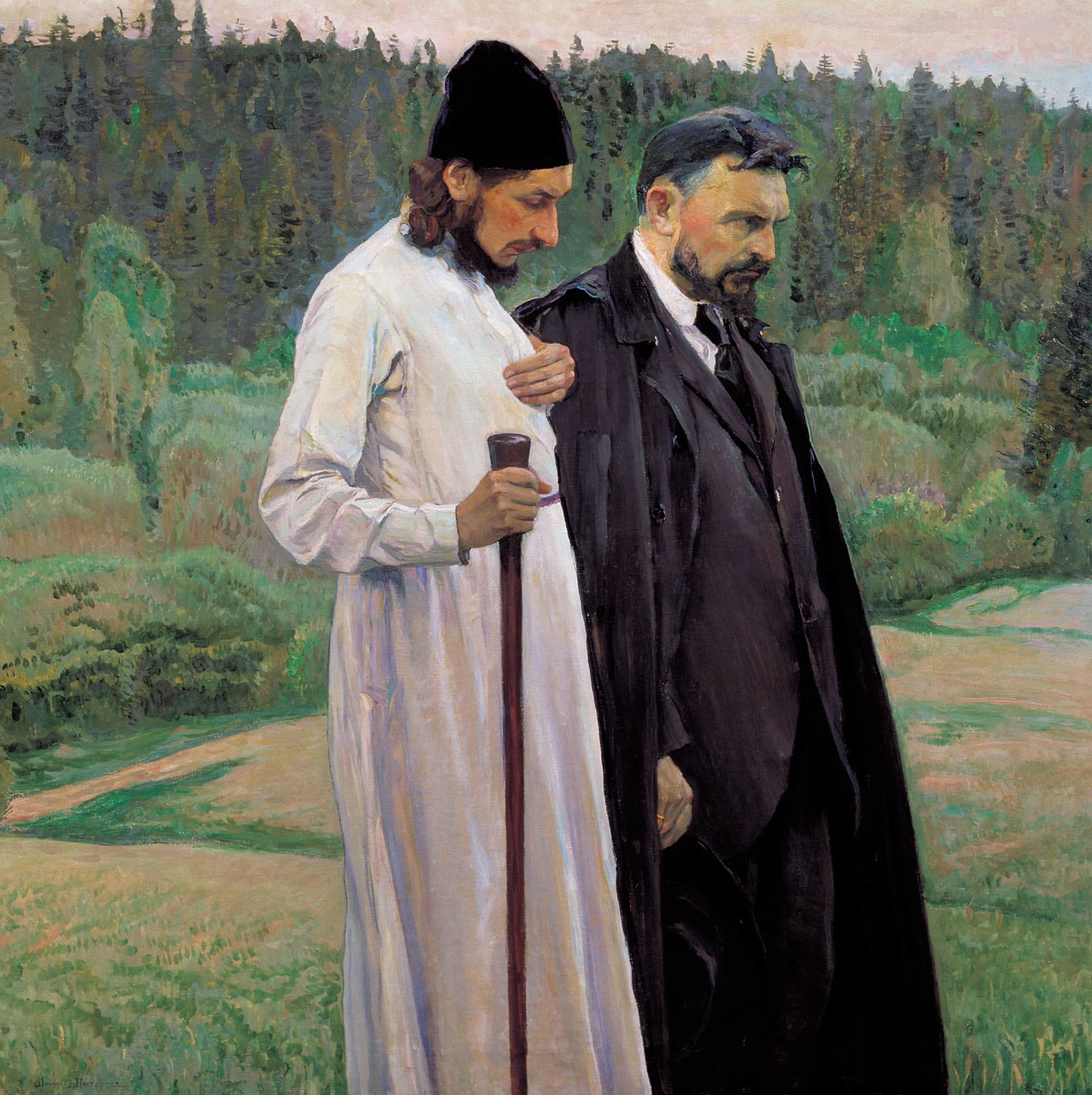
«Filósofos»: Florenski y Bulgákov, por Mijaíl Nésterov · Public domain
Своими словами
«Живой религиозный опыт, как единственный законный способ познания догматов.»«Столп и утверждение истины» (1914), «К читателю», primera frase: así resume el autor la intención de todo el libro.

Для начала — одна книга
Столп и утверждение истины. Опыт православной феодицеи в двенадцати письмахГлавная мысль
Antinomy: For Florensky religious truth is antinomic: it can be stated only through pairs of contradictory propositions, equally true, which discursive reason cannot reconcile.
В контексте
Биография
4 мин чтения
Перевод с испанского оригинала, выполненный с помощью ИИ; ожидает проверки носителем языка.
Дитя Кавказа
Павел Александрович Флоренский родился 9 (21) января 1882 года в Евлахе, на территории нынешнего Азербайджана, где его отец, Александр Иванович, инженер из духовного сословия, но далёкий от Церкви, работал на строительстве Закавказской железной дороги. Мать, Ольга (Саломея) Павловна Сапарова, происходила из старинного армянского рода из Карабаха. Старший из семерых детей, он рос между Тифлисом и Батуми, в образованном и религиозно равнодушном доме. Сам он рассказывал в воспоминаниях «Детям моим», что в детстве жил в «эдеме» природных явлений — море, камни, растения — и что Гёте стал его духовной пищей прежде любого философа.
Математик в Москве
В 1900 году он окончил 2-ю Тифлисскую гимназию и поступил на физико-математический факультет Московского университета. Там он учился у Николая Бугаева, подружился с Андреем Белым, а через него — с Брюсовым, Бальмонтом, Мережковскими и Блоком, и печатал в «Новом пути» и «Весах» статьи, в том числе «О символах бесконечности» (1904), посвящённую теории множеств Кантора. В эти годы его влекли Владимир Соловьёв и архимандрит Серапион (Машкин). В 1904 году он окончил университет с дипломом первой степени, но вместо научной карьеры с благословения епископа Антония (Флоренсова) поступил в Московскую духовную академию в Сергиевом Посаде.
Духовная академия
В марте 1906 года, ещё студентом, он произнёс в академическом храме проповедь против смертной казни — «Вопль крови», — которая была напечатана без цензурного разрешения; его арестовали, и он недолго пробыл в тюрьме. В 1908 году он окончил курс и был оставлен при Академии преподавателем истории философии. В 1910 году он женился на Анне Михайловне Гиацинтовой, от которой имел пятерых детей — Василия, Кирилла, Ольгу, Михаила и Марию, — а в 1911 году был рукоположен во священника. С 1912 по 1917 год он редактировал академический журнал «Богословский вестник» и служил священником в храме при приюте Красного Креста в Сергиевом Посаде.
Столп и утверждение истины
В 1914 году он издал в расширенном виде труд, начатый ещё в студенчестве: «Столп и утверждение истины. Опыт православной феодицеи в двенадцати письмах». Написанная как переписка с другом, книга соединяет богословие, математику, филологию, историю искусства и мистический опыт. Флоренский утверждает, что истина не доказывается, а проживается в Церкви, что догмат антиномичен — его можно высказать лишь в противоположных тезисах, которых разум не примиряет, — и что Премудрость Божия, София, есть корень творения. Книга, отмеченная Академией, одних заворожила, других возмутила: Бердяев назвал её «стилизованным православием».
Тень: дело Бейлиса
В те же годы Флоренский оставил тексты, о которых его почитатели предпочитают не вспоминать. Во время процесса 1913 года над Менахемом Бейлисом, киевским евреем, ложно обвинённым в ритуальном убийстве, он послал Василию Розанову две анонимные статьи, в которых принимал обвинение за истину; Розанов опубликовал их в приложении к своей книге «Обонятельное и осязательное отношение евреев к крови». Исследователи увидели в них переход от христианского антииудаизма к антисемитизму расового толка.
Революция, иконы и перспектива
Революцию он воспринял как апокалипсис и склонялся к теократической монархии, но не эмигрировал. С 1918 по 1920 год он был учёным секретарём Комиссии по охране памятников искусства и старины Троице-Сергиевой лавры, составлял опись её икон и добивался, чтобы монастырь не превратился в «мёртвый музей». Тогда же он написал свои работы о культе и искусстве: «Обратная перспектива» (1919), где перспектива иконы объясняется как иной способ изображения духовного пространства, и «Иконостас» (1922), согласно которому икона — это окно, а иконостас — граница между миром видимым и невидимым.
Священник-инженер
С 1919 года он работал учёным на службе советского государства, никогда не снимая рясы: на заводе пластмасс «Карболит», в отделе материаловедения Главэнерго, в работах по плану электрификации ГОЭЛРО. Он написал монографию о диэлектриках (1924), получал патенты на изобретения, в 1921–1927 годах преподавал во ВХУТЕМАСе и был одним из редакторов «Технической энциклопедии», для которой написал около полутораста статей. В 1922 году он издал «Мнимости в геометрии», где, опираясь на Данте и теорию относительности, защищал геоцентрическую космологию, за что подвергся нападкам как мракобес.
Сибирь и Соловки
В 1928 году его выслали в Нижний Новгород; благодаря Екатерине Пешковой он смог вернуться, ему предложили эмигрировать в Прагу, но он предпочёл остаться. 26 февраля 1933 года он был арестован по сфабрикованному делу о мнимой контрреволюционной организации и 26 июля приговорён к десяти годам лагерей. Он прошёл через лагерь в Свободном на Дальнем Востоке и мерзлотную опытную станцию в Сковородине, а осенью 1934 года был переведён на Соловки, где занимался получением йода и агар-агара из водорослей. Оттуда он написал жене, матери и детям более сотни писем, полных науки, поэзии и нежности.
8 декабря 1937 года
25 ноября 1937 года, в разгар Большого террора, тройка УНКВД по Ленинградской области приговорила его к расстрелу. 8 декабря он был расстрелян вместе с другими заключёнными, доставленными с Соловков; место казни и захоронения не установлено — называют Левашово и другие расстрельные полигоны под Ленинградом. Семье годами сообщали ложную дату смерти — 15 декабря 1943 года. Документы следственного дела, хранившиеся в архивах органов госбезопасности и открытые после перестройки, установили приговор и дату расстрела. Он был реабилитирован в 1958 и 1959 годах.
Наследие
Флоренского заново открыли в 1960–1970-е годы, когда «Журнал Московской патриархии» начал публиковать его неизданные тексты, а с 1994 года в России выходит собрание его сочинений. Его теория обратной перспективы и философия иконы повлияли на историю искусства и семиотику, а синтез науки и веры сделал его символом религиозной интеллигенции, уничтоженной советским режимом. Его внук, игумен Андроник (Трубачёв), издал его труды и основал носящий его имя музей в Сергиевом Посаде.
Источники: Florenski, P. A. Иконостас [El iconostasio] (1922). Богословские труды, n.º 9 (1972), pp. 83–148. Texto en Azbuka. · Pyman, Avril. Pavel Florensky: A Quiet Genius. The Tragic and Extraordinary Life of Russia's Unknown da Vinci. Nueva York y Londres: Continuum, 2010. · Florenski, P. A. Столп и утверждение истины. Опыт православной феодицеи в двенадцати письмах [La columna y el fundamento de la verdad]. Moscú: Put, 1914. Texto en Azbuka. · Florenski, P. A. Письма с Соловков [Cartas desde las Solovkí], en Сочинения в 4 томах, t. 4: Письма с Дальнего Востока и Соловков, ed. igumeno Andronik (Trubachov) et al. Moscú: Mysl, 1998, pp. 139–781. Texto en Azbuka. · Florenski, P. A. Детям моим. Воспоминания прошлых дней [A mis hijos. Recuerdos de días pasados] (1916–1926). Moscú: Moskovski rabochi, 1992. Texto en Azbuka.
Хронология
Жизнь год за годом
Каждая точка — документированное событие. Нажмите, чтобы прочитать о нём, с источником и степенью достоверности.
21 января 1882 г.0 летYevlaj
Birth
Born (9 January Old Style), the first of seven children of the railway engineer Alexander Florensky and Olga Saparova.
ДокументированоWikidata, Q336769: Pavel Florensky (1882–1937). P31=Q5; 47 enlaces entre wikis.
После смерти
- 5 мая 1958 г.Rehabilitation
- 1972Iconostasis published
21 января 1882 г. · 0 лет
Birth
Born (9 January Old Style), the first of seven children of the railway engineer Alexander Florensky and Olga Saparova.
Документировано
1900 · 18 лет
Moscow University
Finishes at the Second Tiflis Gymnasium and enters Physics and Mathematics at Moscow University.
Документировано
1904 · 22 года
From mathematics to theology
Graduates with a first-class diploma and, with Bishop Antony (Florensov)'s blessing, enters the Moscow Theological Academy. Publishes 'On the Symbols of Infinity'.
Документировано
март 1906 г. · 24 года
'The Cry of Blood'
His sermon against the death penalty, printed without censorship, leads to his arrest and a short spell in prison.
Вероятно
1908 · 26 лет
Academy lecturer
Completes his studies and begins teaching the history of philosophy at the Theological Academy.
Документировано
1910 · 28 лет
Marriage
Marries Anna Mikhailovna Giatsintova (1889–1973); they will have five children.
Документировано
1911 · 29 лет
Ordination
He is ordained priest; from 1912 to 1917 he edits Bogoslovsky vestnik.
Документировано
1913 · 31 год
The Beilis articles
Sends Rozanov two anonymous articles that treat as true the ritual-murder accusation against Menahem Beilis.
Документировано
1914 · 32 года
The Pillar and Ground of the Truth
The Put publishing house issues his major work, an enlargement of his master's thesis.
Документировано
1918 – 1920 · 36 лет
The Lavra Commission
Scientific secretary of the Commission for the Protection of the Monuments of the Trinity–St Sergius Lavra (1918–1920).
Документировано
1919 · 37 лет
Reverse Perspective and scientific work
Writes 'Reverse Perspective' and begins working as a scientist at the Karbolit plant and then at Glavenergo.
Документировано
1921 – 1927 · 39 лет
Professor at VKhUTEMAS
At Vladimir Favorsky's recommendation he teaches at the VKhUTEMAS art workshops until 1927.
Документировано
1922 · 40 лет
Iconostasis and Imaginaries in Geometry
Writes Iconostasis (published 1972) and publishes Imaginaries in Geometry at his own expense.
Документировано
1924 · 42 года
Dielectrics
Publishes Dielectrics and Their Technical Application.
Документировано
1927 · 45 лет
Technical Encyclopedia
Joins the editorial board of the Technical Encyclopedia, for which he writes some 150 articles.
Документировано
1928 · 46 лет
Exile and refusal to emigrate
Exiled to Nizhny Novgorod; thanks to Ekaterina Peshkova he returns and is offered emigration to Prague, but decides to stay.
Документировано
26 февраля 1933 г. · 51 год
Arrest
Arrested by the OGPU; on 26 July he is sentenced to ten years in a labour camp.
Документировано
1 декабря 1933 г. · 51 год
Svobodny camp
Arrives at the BAMLAG camp at Svobodny; in February 1934 he moves to the experimental permafrost station at Skovorodino.
Документировано
15 ноября 1934 г. · 52 года
Solovki
Begins work at the iodine factory of the Solovki camp, to which he had been moved in the autumn.
Документировано
18 июня 1937 г. · 55 лет
Last surviving letter
Date of letter no. 103 to his wife, the last of those published in his Letters from Solovki.
Вероятно
25 ноября 1937 г. · 55 лет
Death sentence
A special NKVD troika of the Leningrad region sentences him to death.
Документировано
8 декабря 1937 г. · 55 лет
Execution
Shot by the NKVD; the site of the grave remains unestablished. The family was given a false date (15 December 1943).
Документировано
5 мая 1958 г.
Rehabilitation
Rehabilitated for the 1933 conviction; on 5 March 1959, for that of 1937.
Документировано
1972
Iconostasis published
Bogoslovskie trudy, a journal of the Moscow Patriarchate, publishes Iconostasis, fifty years after it was written.
Документировано
Труды
Главные труды
Труды, без которых не понять это наследие.
Письменный труд · 1914
Столп и утверждение истины. Опыт православной феодицеи в двенадцати письмах
His capital work, published by Put in 1914. Twelve letters to a friend — doubt, the Trinity, the light of truth, the Comforter, contradiction, sin, Gehenna, the creature, Sophia, friendship and jealousy — with extensive mathematical, philological and iconographic appendices. It holds that truth is reached by living religious experience rather than deduction; that dogma is antinomic; that the Trinity is the foundation of all truth; that Sophia is the root of creation; and that friendship, the 'we' of two, is the cell of the Church. It influenced Bulgakov and Losev and was criticised by Berdyaev and Florovsky.
8 изданий

Посмертное издание · 1922
Иконостас
Written in 1922 and published in 1972 in Bogoslovskie trudy. Starting from the experience of dreams, which separate and join two worlds, it defines the icon as a window onto the invisible and the iconostasis as the boundary between the visible and invisible worlds, formed by the saints themselves. It defends the technique of the icon — egg tempera, gold, construction in layers of light — as the expression of an ontology of light, against the oil painting and perspective of Western art.
5 изданий
Pavel Florensky
Мнимости в геометрии. Расширение области двухмерных образов геометрии (Опыт нового истолкования мнимостей)
Письменный труд · 1922
Мнимости в геометрии. Расширение области двухмерных образов геометрии (Опыт нового истолкования мнимостей)
A short treatise published at the author's expense in 1922. It proposes interpreting imaginary numbers as the reverse side of a surface, and applies this to relativity: beyond the speed of light an 'imaginary' space, the invisible world, would begin. Drawing on Dante's Paradiso, it defends a geocentric cosmology and places the boundary between Earth and Heaven between the orbits of Uranus and Neptune. Its cover was designed by Vladimir Favorsky.
3 издания

Переписка · 1998
Письма с Дальнего Востока и Соловков
Letters written between 1933 and 1937 from the camps of Svobodny, Skovorodino and Solovki to his wife, his mother and his five children, to whom he gave lessons in physics, chemistry, botany, poetry and music. Published in part from the 1980s and complete in 1998 (vol. 4 of his Works). They are one of the great spiritual testimonies of the Gulag.
6 изданий
Все труды (43)
Pavel Florensky
Идея прерывности как элемент миросозерцания
The Conscious LibraryИдея прерывности как элемент миросозерцания
1904
Pavel Florensky
О символах бесконечности (Очерк идей Г. Кантора)
The Conscious LibraryО символах бесконечности (Очерк идей Г. Кантора)
1904
Pavel Florensky
Об одной предпосылке мировоззрения
The Conscious LibraryОб одной предпосылке мировоззрения
1904
Pavel Florensky
Спиритизм как антихристианство
The Conscious LibraryСпиритизм как антихристианство
1904
Pavel Florensky
Вопль крови
The Conscious LibraryВопль крови
1906

Соль земли, то есть сказание о жизни старца Гефсиманского скита иеромонаха Аввы Исидора
1909
Pavel Florensky
Антоний Романа и Антоний Предания
The Conscious LibraryАнтоний Романа и Антоний Предания
1907
Pavel Florensky
Начальник жизни
The Conscious LibraryНачальник жизни
1907
Pavel Florensky
Радость навеки. Молитва Симеона Новаго Богослова к Духу Святому
The Conscious LibraryРадость навеки. Молитва Симеона Новаго Богослова к Духу Святому
1907
Pavel Florensky
В вечной лазури
The Conscious LibraryВ вечной лазури
1907
Pavel Florensky
Космологические антиномии Иммануила Канта
The Conscious LibraryКосмологические антиномии Иммануила Канта
1909
Pavel Florensky
Общечеловеческие корни идеализма
The Conscious LibraryОбщечеловеческие корни идеализма
1909
Pavel Florensky
О духовной истине. Опыт православной теодицеи
The Conscious LibraryО духовной истине. Опыт православной теодицеи
1912
Pavel Florensky
Смысл идеализма
The Conscious LibraryСмысл идеализма
1914
Pavel Florensky
Разум и диалектика
The Conscious LibraryРазум и диалектика
1914
Pavel Florensky
Проф. Д. А. Хвольсон о ритуальных убийствах; Иудеи и судьба христиан
The Conscious LibraryПроф. Д. А. Хвольсон о ритуальных убийствах; Иудеи и судьба христиан
1913
Pavel Florensky
Не восхищение непщева (К суждению о мистике)
The Conscious LibraryНе восхищение непщева (К суждению о мистике)
1916
Pavel Florensky
Около Хомякова. Критические заметки
The Conscious LibraryОколо Хомякова. Критические заметки
1916
Pavel Florensky
Приведение чисел (К математическому обоснованию числовой символики)
The Conscious LibraryПриведение чисел (К математическому обоснованию числовой символики)
1916
Pavel Florensky
Детям моим. Воспоминания прошлых дней
The Conscious LibraryДетям моим. Воспоминания прошлых дней
1992
Pavel Florensky
Очерки философии культа / Философия культа
The Conscious LibraryОчерки философии культа / Философия культа
1977
Pavel Florensky
Троице-Сергиева Лавра и Россия
The Conscious LibraryТроице-Сергиева Лавра и Россия
1919

Обратная перспектива
1919
Pavel Florensky
Небесные знамения (Размышление о символике цветов)
The Conscious LibraryНебесные знамения (Размышление о символике цветов)
1919
Изречения
Изречения, найденные в конкретном труде. Каждое сопровождается указанием происхождения и степени надёжности.
Живой религиозный опыт, как единственный законный способ познания догматов.Проверено«Столп и утверждение истины» (1914), «К читателю», primera frase: así resume el autor la intención de todo el libro.
Последние слова
Проверяемых записей о последних словах не существует.
His last words are not known. He was shot by the NKVD on 8 December 1937, together with other prisoners transferred from Solovki, at an unestablished place outside Leningrad; there were no witnesses who left an account. His last known letter to his family, no. 103 in the 1998 edition, is dated 18 June 1937: it speaks of the lack of work in the Solovki Kremlin, of his corner with a view of the sea in the monastery museum and of how much he would regret leaving the sea.
Источник: Florenski, P. A. Письма с Соловков [Cartas desde las Solovkí], en Сочинения в 4 томах, t. 4: Письма с Дальнего Востока и Соловков, ed. igumeno Andronik (Trubachov) et al. Moscú: Mysl, 1998, pp. 139–781. Texto en Azbuka.
Спросить
На что отвечают эти труды
Двенадцать великих вопросов человечества и то, что позволяют на них ответить эти тексты, со ссылками. Мы никогда не вкладываем слова в чужие уста.
Что такое Абсолют? Существует ли Бог?
The truth that proves itself is the Trinity, and the icon bears witness to it
Личный БогСказано прямо
Florensky starts, in The Pillar and Ground of the Truth, from living religious experience as the only legitimate way of knowing dogmas. In the letter on doubt he follows scepticism to its end and concludes that only a truth that is at once subject and relation, an I that gives itself to a Thou and recognises itself in a He, can stand: the Trinity. His God is personal and tri-personal, and his inner life is self-giving love. To this speculative path he adds an aesthetic one: in Iconostasis he asserts that, since Rublev's Trinity exists, God exists, and presents this as the most convincing proof, one the textbooks never mention. For him the icon does not illustrate an idea: it is a window through which the invisible lets itself be seen.
Сравнить этот вопрос с другими учителямиКто я? Существует ли истинное «я»?
The self finds itself only in love and in friendship
«Я», взращённое в отношенияхСказано прямо
Florensky criticises the identity of the self conceived as the logical law A is A. In The Pillar and Ground of the Truth, such closed self-affirmation is the very form of sin and death: a self that only repeats itself becomes empty. True personal identity is reached by going out of oneself, when the self gives itself to another and receives itself from him; its model is Trinitarian life, in which each person is what it is through its relation to the others. That is why he devotes an entire letter to friendship, which he understands from the tradition of spiritual brotherhood in the early Church, as the experience in which two persons become consubstantial without being confused. The self is real and immortal, but it is found only in communion.
Сравнить этот вопрос с другими учителямиПочему мы страдаем?
Sin is self-assertion that disintegrates; the true gift is paid for in pain
Отделённость от БогаСказано прямо
In The Pillar and Ground of the Truth, Florensky defines sin as the self-assertion of an I that shuts itself into its empty identity and breaks communion; its consequence is inner disintegration, the loss of the person's integrity, and its end is gehenna, the loneliness of one who can no longer go out of himself. Suffering is the fruit of that separation, but love also includes it: in the letter on Sophia he writes that love eternally takes away in order eternally to give, and puts to death in order to bring to life. His own life confirmed it: from Solovki, shortly before he was shot, he wrote to his wife that the more selfless the gift, the harsher the persecution and the more severe the suffering, and called this the law of life.
Сравнить этот вопрос с другими учителямиЧто происходит после смерти?
Before gehenna, an antinomy: salvation of all and eternal damnation at once
Вечная жизнь и воскресениеСказано прямо
Florensky addresses what happens after death in the letter on gehenna in The Pillar and Ground of the Truth, and he does so with his method of antinomy. On one hand, God's love demands that all be saved; on the other, the creature's freedom makes eternal damnation possible. Neither thesis can be eliminated without betraying faith, and reason must accept holding them together. His solution points to a distinction within the person: what in it is the image of God is saved, while what sin has built, its caricature, burns and is separated. Beyond speculation, his faith in the resurrection is that of the Orthodox Church, which he lived until his execution in 1937, as his letters from Solovki show.
Сравнить этот вопрос с другими учителямиКак достигается освобождение или спасение?
Salvation is lived in the Church: ascesis, sacrament and transfiguring love
Через благодать и любовьСказано прямо
Florensky presents salvation as incorporation into the life of truth, reached not by reasoning but by experience: the living religious experience he defines at the start of The Pillar and Ground of the Truth as the only legitimate path to the dogmas. That experience is given in the Church, through ascesis, which restores the integrity of the person broken up by sin, through the sacraments and through brotherly love. Its fruit is transfiguration: in the letter on the light of truth he reproduces the passage where Motovilov sees Seraphim illumined, as an example of what grace does in the flesh. In The Philosophy of Cult he adds that liturgical worship is the place where the human and the divine meet and where the whole of reality is sanctified.
Сравнить этот вопрос с другими учителямиНужен ли учитель?
Truth is received in the Church and in the spiritual fatherhood of an elder
Община и традицияСказано прямо
Florensky came to faith as an adult, from science, and his path was marked by concrete figures: Bishop Antony Florensov, whom he regarded as his spiritual father, and the elder Isidore of Gethsemane, to whom he devoted The Salt of the Earth, a portrait of an elder's simple holiness. His theology holds that truth is not passed on as information, but by incorporation into the living experience of the Church, its sacraments, its worship and its saints. In The Pillar and Ground of the Truth, written as letters to a friend, the genre itself expresses this conviction: truth is sought in dialogue and friendship, not in self-sufficient solitude. The teacher is necessary, but within a community of faith that precedes and sustains him.
Сравнить этот вопрос с другими учителямиРеален ли мир?
The creature is rooted in God through Sophia; the visible borders the invisible
Благое и реальное творениеСказано прямо
Florensky, theologian and scientist at once, does not doubt the reality of the created world, but thinks of it as open from above. In The Pillar and Ground of the Truth he devotes one letter to the creature and another to Sophia, which he defines as the great root of all creation, through which the creature enters Trinitarian life and receives eternal life. The world is good because it is rooted in God. In Iconostasis he describes the boundary between the visible and the invisible world, which dreams, art and liturgy allow one to cross, and the icon as its witness. In Imaginaries in Geometry he went so far as to propose, on the basis of relativity, a model of the cosmos in which the visible world borders a space of another nature.
Сравнить этот вопрос с другими учителямиЧто такое любовь?
Love is consubstantiality: it takes in order to give and makes two one unconfused
Любовь к Богу и ближнемуСказано прямо
In The Pillar and Ground of the Truth, love is the key to Trinitarian life and therefore to truth itself: God is love because each divine person gives itself to the others. Florensky describes it with paradoxical formulas: love eternally takes away in order eternally to give, eternally puts to death in order eternally to give life. In the letter on friendship and the letter on jealousy he studies it in its most concrete human form, friendship between two persons, which the early Church blessed with a rite of brother-making of its own, and which makes two one without confusing them, in the image of the Trinity's consubstantiality. Jealousy, in this sense, can be the face of love defending its unique object. Love of neighbour in general is first learned in love for one concrete friend.
Сравнить этот вопрос с другими учителямиСвободны ли мы или всё предопределено?
Freedom and grace form an antinomy that reason does not solve but accepts
Подлинная свобода волиСледует из учения
Florensky does not treat freedom as an isolated problem, but as one of the cases of antinomy he considers proper to all religious truth. In the letter on contradiction in The Pillar and Ground of the Truth he holds that truth, seen from finite reason, appears as a pair of opposed affirmations that must be held together: providence that disposes all things and freedom that responds, grace that saves and human effort. In the letter on gehenna he applies the same scheme: God's love wills the salvation of all, but the creature's freedom can refuse it, and both theses are true. Human freedom is therefore real, and the human being answers for his acts, though his relation to providence cannot be reduced to a formula.
Сравнить этот вопрос с другими учителямиЗачем медитировать или молиться?
Worship is the root of culture and the place where reality is sanctified
Ритуал и самосовершенствованиеСказано прямо
Florensky, a priest as well as a scientist, thought of prayer above all from liturgical worship. In the lectures gathered as The Philosophy of Cult he maintains that worship is the centre from which all culture springs, as the word itself indicates, and that in it material reality, water, bread, oil, word and gesture, is sanctified and opened to the divine. In Church Ritual as a Synthesis of the Arts and in Iconostasis he describes the liturgy as a total work of art involving architecture, candlelight, incense smoke, chant and the icon, and the icon as a window onto the invisible world. His interest in the divine name, in the context of the name-glorifying controversy, shows that personal prayer is not separated from rite.
Сравнить этот вопрос с другими учителямиМожет ли разум познать предельное?
Religious truth is antinomic: reason touches it only as contradiction
Предельное лежит за пределами умаСказано прямо
Florensky was a mathematician by training and never despised reason: he studied Cantor's set theory, wrote on the infinite and worked as an engineer. Precisely for that reason he knew its limits. In The Pillar and Ground of the Truth he holds that reason, governed by the law of identity, cannot by itself find a truth that proves itself: it leads to scepticism. And when it approaches the mysteries of faith, it meets them as antinomies, pairs of contradictory affirmations equally true, such as God's unity and trinity or freedom and grace. The letter on contradiction makes antinomy the seal of religious truth. Knowledge of the ultimate is possible only through living religious experience, in which reason is transfigured without being abolished.
Сравнить этот вопрос с другими учителямиУйти от мира или преобразить его?
A priest in a cassock at the technical office: serving through science without leaving faith
Созерцание в действииСледует из учения
Florensky embodied a singular way of living in the world. After the revolution, when the Theological Academy closed, he neither emigrated nor withdrew: he worked on the commission for the protection of the monuments of the Lavra of Saint Sergius and later on the country's electrification plan, where he attended meetings in cassock and pectoral cross. He published studies on dielectrics and wrote articles for the technical encyclopaedia. Deported to Solovki, he researched the extraction of iodine and agar from seaweed. In his letters to his children from the camp he teaches them to observe nature attentively and to work well, as a form of service. Science, art and liturgy were for him expressions of one and the same vision of the world, and none required renouncing the others.
Сравнить этот вопрос с другими учителями
Созвучия и противоречия
Созвучия и противоречия
Рассчитаны вопрос за вопросом на основе позиций. Причина каждого совпадения или расхождения — по нажатию.
Ближе всего к
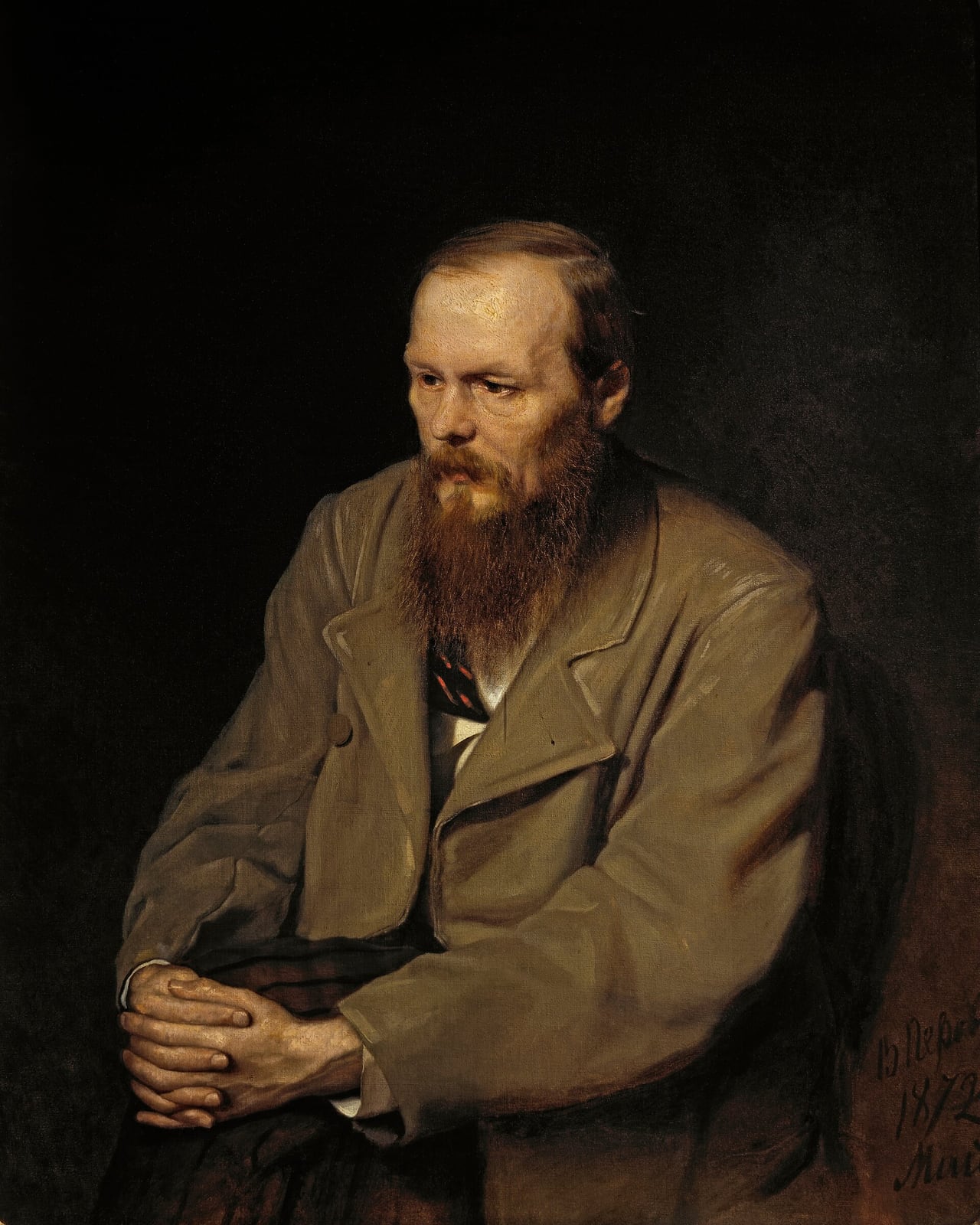
Fyodor Dostoevsky
Совпадают в вопросах: Что такое Абсолют? Существует ли Бог? · Почему мы страдаем? · Что происходит после смерти?

Francis of Assisi
Совпадают в вопросах: Что такое Абсолют? Существует ли Бог? · Почему мы страдаем? · Что происходит после смерти?

Theophan the Recluse
Совпадают в вопросах: Почему мы страдаем? · Что такое Абсолют? Существует ли Бог? · Что происходит после смерти?
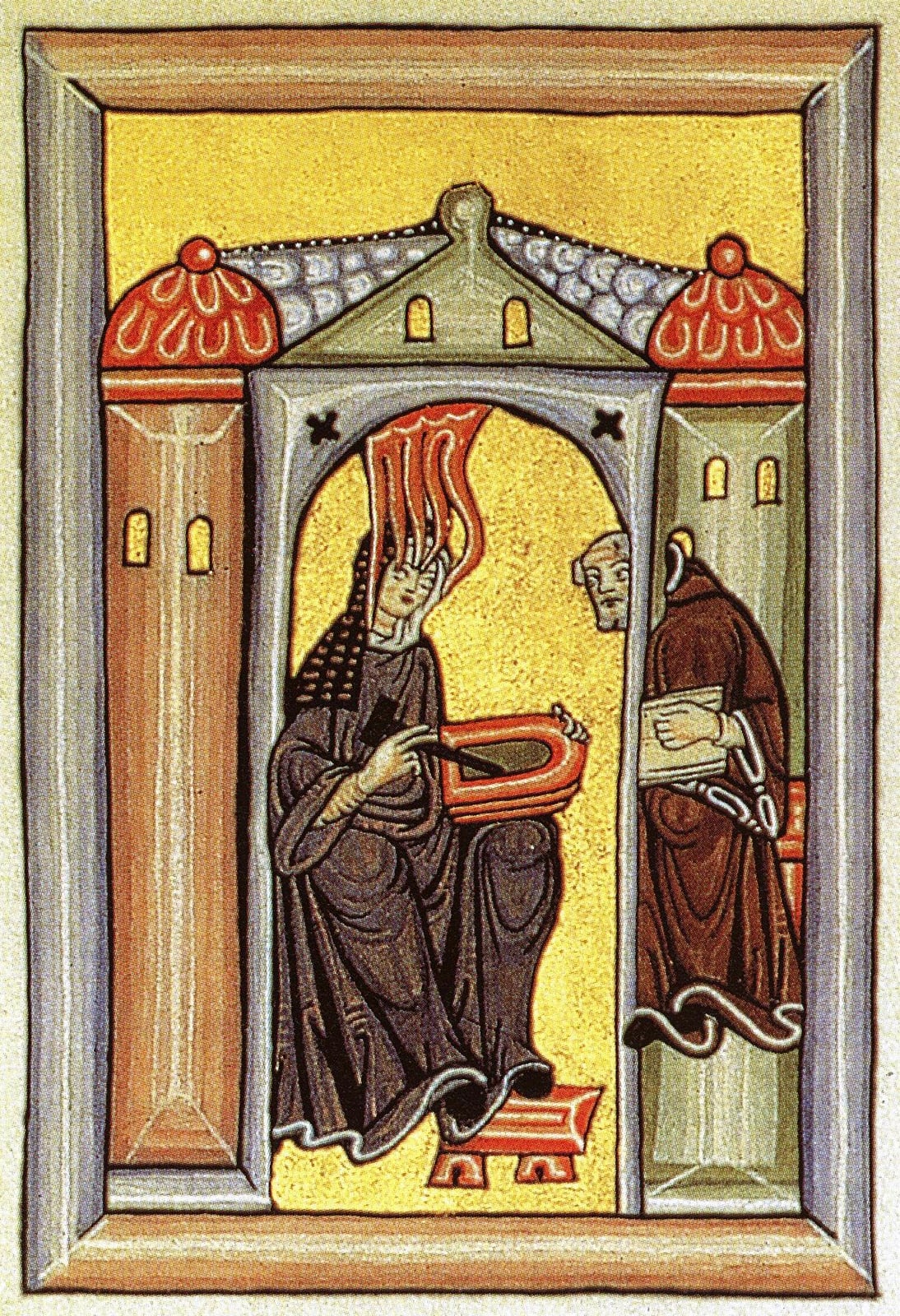
Hildegard of Bingen
Совпадают в вопросах: Свободны ли мы или всё предопределено? · Что такое Абсолют? Существует ли Бог? · Что происходит после смерти?
Дальше всего от
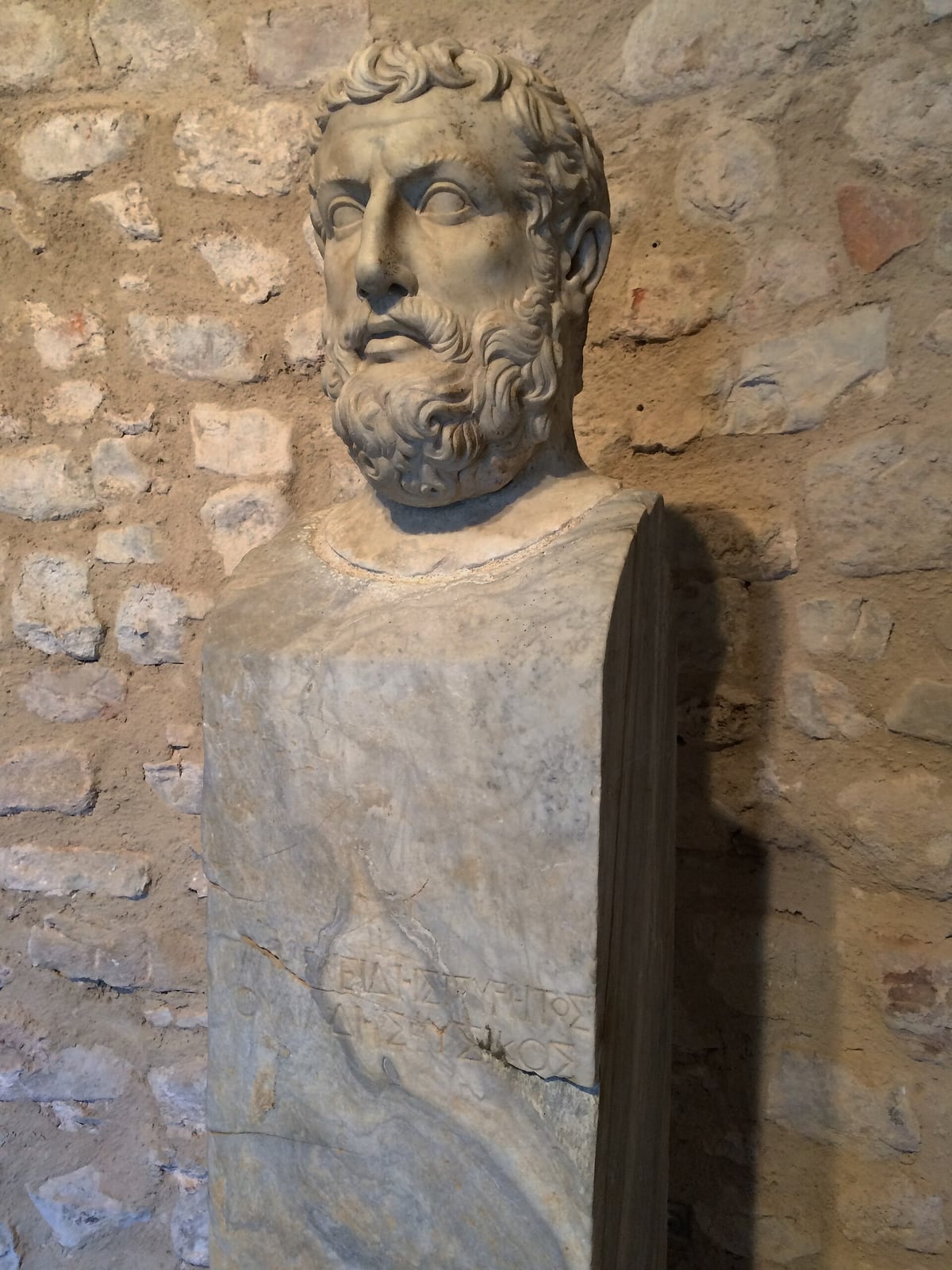
Parmenides
Расходятся в вопросах: Реален ли мир?

Pema Chödrön
Расходятся в вопросах: Что такое Абсолют? Существует ли Бог? · Что происходит после смерти?

Tsongkhapa
Расходятся в вопросах: Что такое Абсолют? Существует ли Бог? · Что происходит после смерти?

The 14th Dalai Lama (Tenzin Gyatso)
Расходятся в вопросах: Что такое Абсолют? Существует ли Бог? · Что происходит после смерти?
Предания и рассказы
Предания и рассказы
Документированоmarzo de 1906
The cry of blood
Происхождение рассказа: The sermon and the prosecution are recorded in his biographies; the detail of the sentence imposed and its remission comes from the Ekzeget.ru biography. That the sermon responded specifically to the execution of Lieutenant Pyotr Schmidt (March 1906) is held by several biographers but has not been verified here.
Устная традиция1919–1946
The head of St Sergius
Происхождение рассказа: It comes from late memories transmitted in the Florensky family and by Ekaterina Vasilchikova, Olsufyev's niece, and by Archbishop Sergei (Golubtsov); it was published in the 1990s. The opening of the relics on 11 April 1919 is documented; the substitution of the head has no independent documentary confirmation. A later legend even attributes Florensky's death sentence to his refusal to reveal the hiding place, without any evidence.
Документировано1928
Staying
Происхождение рассказа: Recorded in the Russian Wikipedia biography and in A. Pyman's biography, on the basis of the Political Red Cross and family documentation.
Документировано1934–1937
Chemistry lessons from Solovki
Происхождение рассказа: The letters themselves, published in full in vol. 4 of his Works (Mysl, 1998).
Документировано1937–1989
An invented date of death
Происхождение рассказа: The sentence, the date of execution and the falsity of the date given to the family are recorded in the case-file documents published after perestroika; the research on the burial site is that of Anatoly Razumov (Leningradsky martirolog).
Учение
Учение
Понятия, на которых строится мысль учителя, объяснённые в их контексте.
Antinomyantinomia
Sixth letter ('Contradiction') of The Pillar and Ground of the Truth; antecedents in The Cosmological Antinomies of Kant (1909).
Sophia and sophiologysofia
Heir to Solovyov; in critical dialogue with Böhme's sophiology, which Berdyaev compared with the Russian one in 1930.
Reverse perspectiveperspectiva-invertida
Later developed in the VKhUTEMAS course on spatiality (1924–1925).
The icon and the iconostasisicono
Written in 1922, at the height of the Soviet campaign against the Church; published in 1972.
Imaginaries and the space beyondimaginarios
It joins his mathematical training with his theology of the icon and of the boundary between worlds.
The name and the magic of the wordnombre
Part of his 'concrete metaphysics' of the 1920s.
Видео
Видео
Записи, интервью и документальные фильмы. Видео воспроизводятся с YouTube; здесь они не хранятся.
«Почаще смотрите на звёзды»
Документальный фильм· RU
ТК ТОНУС
Жизнь замечательных семей. Флоренский
Документальный фильм· RU
Радость мояОфициальный канал
о. Павел Флоренский
Документальный фильм· RU
Игорь ШтернбергОфициальный канал
Павел Флоренский. От геометрии мнимостей к топологии духа (часть 1)
Лекция· RU· 2018
Калининградская областная научная библиотекаОфициальный канал
Обратная перспектива в эстетике и космологии отца Павла Флоренского. Лекция Оксаны Седых
Лекция· RU· 2020
nffedorov
Reverse Perspective, the Politics of Space, and Contemporary Art Practice
Лекция· EN
IWMVienna (Institut für die Wissenschaften vom Menschen)Официальный канал
Philosophy of Love in the Context of Russian Philosophy. V. Solovyov and P. Florensky
Лекция· EN
Studium Europy Wschodniej (Universidad de Varsovia)Официальный канал
Ciclo de Charlas — Pavel Florenski: filósofo, historiador del arte, matemático y sacerdote ruso
Лекция· ES
cursosoficialesderusoОфициальный канал
Vita e pensiero di Pavel Florenskij — Prof.ssa A. Marcuccini
Лекция· IT
Filippo Tassi
Nulla va perduto. L'esperienza di Pavel Florenskij
Лекция· IT· 2013
Filosofia Tor VergataОфициальный канал
Il respiro della vita. Pavel A. Florenskij testimone della verità (con Massimo Cacciari)
Лекция· IT
icaroplay
La testimonianza di Pavel Florenskij
Документальный фильм· IT
12PorteОфициальный канал
Benedetto XVI cita Florenskij: «Quando avrete un peso nell'animo, guardate le stelle…»
Запись третьих лиц· IT
raffaellablogpapa1
Галерея
Галерея
Изображения с проверенной лицензией. Каждое сохраняет своё авторство и атрибуцию.
Связи
Связи
Влияния, ученичество и близость взглядов. Документированная связь отличается от сходства, выявленного путём анализа.
Испытал влияние
In his university years he was drawn to Solovyov's teaching, and his sophiology, in the tenth letter of The Pillar and Ground of the Truth, starts from Solovyov's, which he corrects with Russian liturgy and iconography. He belongs to the generation that made Solovyov its starting point.
Документированная связь
Расходился во взглядах с
Berdyaev reviewed The Pillar and Ground of the Truth harshly in 'Stylised Orthodoxy' (1914) and argued against 'Around Khomyakov' (1916); in Self-Knowledge he would call him 'alien and hostile', a 'refined reactionary' indifferent to ethics. For him Florensky represented the aesthetic and magical Orthodoxy that freedom had to overcome.
Документированная связь
Испытал влияние
In The Pillar and Ground of the Truth he quotes, in the fourth letter, 'The Light of Truth', Seraphim's conversation with Motovilov on the acquisition of the Holy Spirit, and in the tenth, 'Sophia', he recalls that the saint called the icon of Tenderness, the only one in his cell, 'Joy of all joys'.
Документированная связь
Испытал влияние
He devoted to Plato his lectures 'The Universal Human Roots of Idealism' (1909) and 'The Meaning of Idealism' (1914), in which he interprets the doctrine of ideas as the philosophical elaboration of a universal religious and magical experience. In To My Children he describes his youthful search for Goethe's 'primal phenomenon' in an ontological density 'after Plato'.
Документированная связь
Современник
In To My Children he recalls that as an adolescent he read Tolstoy's philosophical writings and found them 'mostly tedious', though he was interested in Carpenter's article on science translated by Tolstoy; Merezhkovsky's study of Tolstoy and Dostoevsky marked him more.
Документированная связь
Идеи, близкие к
No detailed influence is recorded, but Florensky draws on Dostoevsky in Iconostasis — Stavrogin's 'mask' as a face petrified by passion — and shares with him the vision of the elder and of Russian holiness as the centre of spiritual life.
Сходство, выявленное путём анализа
Идеи, близкие к
Berdyaev, in 'The Doctrine of Sophia and the Androgyne in J. Böhme and the Russian Sophiological Currents' (1930), compared Böhme's Sophia with that of Russian sophiology, from Solovyov to Florensky and Bulgakov, and noted their differences: in Böhme Sophia is virginity and freedom; in the Russians, a more cosmic and Platonic idea.
Документированная связь
Источники
Источники
Библиография и каталоги, использованные для этой статьи.
- Florenski, P. A. Иконостас [El iconostasio] (1922). Богословские труды, n.º 9 (1972), pp. 83–148. Texto en Azbuka.
- Wikidata, Q336769: Pavel Florensky (1882–1937). P31=Q5; 47 enlaces entre wikis.
- «Флоренский, Павел Александрович». Wikipedia en ruso (biografía, «Столп», caso Beilis, arresto y fusilamiento, publicaciones).
- Pyman, Avril. Pavel Florensky: A Quiet Genius. The Tragic and Extraordinary Life of Russia's Unknown da Vinci. Nueva York y Londres: Continuum, 2010.
- Florenski, P. A. Столп и утверждение истины. Опыт православной феодицеи в двенадцати письмах [La columna y el fundamento de la verdad]. Moscú: Put, 1914. Texto en Azbuka.
- Florenski, P. A. Письма с Соловков [Cartas desde las Solovkí], en Сочинения в 4 томах, t. 4: Письма с Дальнего Востока и Соловков, ed. igumeno Andronik (Trubachov) et al. Moscú: Mysl, 1998, pp. 139–781. Texto en Azbuka.
- Florenski, P. A. Детям моим. Воспоминания прошлых дней [A mis hijos. Recuerdos de días pasados] (1916–1926). Moscú: Moskovski rabochi, 1992. Texto en Azbuka.
- Open Library, autor OL54367A: Pavel Florensky (1882–1937), obras y ediciones.
- Berdiáyev, N. A. «Стилизованное православие (о. Павел Флоренский)». Русская мысль, 1914, n.º 1. Texto en la Biblioteca «Vejí».
- Razumov, Anatoli Ya. (entrevista). «Соловецкие этапы. Где расстрелян священник Павел Флоренский?». Radio Grad Petrov, 2017 (archivada en Internet Archive). Razumov es el compilador del «Ленинградский мартиролог» de la Biblioteca Nacional de Rusia.
- «Павел Флоренский, священник». Ekzeget.ru (biografía: el sermón de 1906, la detención de 1933, las Solovkí).
- Berdiáyev, N. A. «Из этюдов о Я. Беме. Этюд II: Учение о Софии и андрогине Я. Беме и русские софиологические течения». Путь, 1930, n.º 21, pp. 34–62.
- «Pavel Florensky». Wikipedia en inglés (traslado desde las Solovkí y ejecución, con referencias a A. Maccioni, eSamizdat, 2007).
- Правообладатель
- Florenski murió en 1937: sus obras publicadas en vida son de dominio público en EE. UU. (anteriores a 1930), en la UE (desde 2008) y en España (desde 2018). Las obras póstumas publicadas desde 1967 pueden estar protegidas en EE. UU.; en Rusia, por su rehabilitación póstuma, el plazo se cuenta desde 1958. Las traducciones pertenecen a sus traductores y editoriales.
Ожидает подтверждения
То, что в этой статье пока не удалось установить. Мы предпочитаем сказать об этом, а не заполнять пробел.
- Edición española de «Los imaginarios en geometría» y de «Los nombres»: no localizadas.
- Confirmar la vinculación del sermón «El clamor de la sangre» (marzo de 1906) con la ejecución del teniente Piotr Schmidt, y la pena exacta impuesta.
- Confirmar fechas y revistas de «El sentido del idealismo» (1914), «Razón y dialéctica» (1914), «Signos celestes» y «La acción del templo» (en «Makovets», 1922).
- Registrar uno por uno sus artículos de la «Enciclopedia técnica» (unos 150), sus escritos teológicos publicados en «Bogoslovskie trudy» (1972–2007) y sus poemas; hoy figuran agrupados o sólo los principales.
- Lugar de la ejecución y de la fosa: no establecido (Levashovo, polígono de Rzhevka/Koirangakangas o una fosa del campo de Lodéinoye Pole, según las hipótesis de A. Razumov y A. Maccioni).
- Contenido exacto de «Early Religious Writings, 1903–1909» (Eerdmans, 2017): no se ha asignado a obras concretas.
- Verificar en el texto de su «Testamento» la frase sobre mirar las estrellas que citó Benedicto XVI (no se ha podido cotejar).
- Duración y año de la mayoría de los vídeos: oEmbed no los proporciona.
Исследовано 2026-10-25