Христианство · Христианская мистика · Православие
Nikolai Berdyaev
Николай Александрович Бердяев
1874 – 1948Исторически документированная личность
Русский философ (1874–1948), мыслитель свободы, личности и творчества. Он прошёл путь от марксизма к идеализму и к пророческому, неортодоксальному христианству; при царе его судили за богохульство, при Советах допрашивал Дзержинский, а в 1922 году его выслали на «философском пароходе». Из Парижа, как редактор журнала «Путь», он стал самым известным в Европе голосом русской религиозной мысли: «Смысл творчества», «Новое средневековье», «О назначении человека», «Самопознание».
- трудов
- 51трудов
- изданий
- 96изданий
- цитат
- 8цитат
- видео
- 13видео
- изображений
- 8изображений

Nikolái Berdiáyev en 1912 · Public domain
Своими словами
«Дух человеческий – в плену. Плен этот я называю «миром», мировой данностью, необходимостью.»«Смысл творчества» (1916), Introducción, primeras líneas.

Для начала — одна книга
Смысл творчества. Опыт оправдания человекаГлавная мысль
Freedom was not created by God: it springs from an abyss prior to being, Böhme's Ungrund, and so God is not responsible for the evil man chooses; God suffers with man instead of ruling him as a master.
В контексте
Биография
4 мин чтения
Перевод с испанского оригинала, выполненный с помощью ИИ; ожидает проверки носителем языка.
Аристократ среди военных
Николай Александрович Бердяев родился 6 (18) марта 1874 года в родовом имении Обухово Киевской губернии. Его отец, Александр Михайлович, бывший гвардейский офицер, был уездным предводителем дворянства и председателем правления Киевского земельного банка; мать, Алина Сергеевна, урождённая княжна Кудашева, наполовину француженка — её мать была графиней де Шуазёль, — писала только по-французски и, православная по рождению, чувствовала себя скорее католичкой. Он воспитывался дома и в Киевском кадетском корпусе, где, как он писал впоследствии, с детства ощущал себя «чужим в мире». Он оставил военную карьеру, чтобы подготовиться к экзаменам на аттестат зрелости и поступить в университет, с откровенным намерением стать профессором философии.
От марксизма к идеализму
В Киевском университете, сначала на естественном, затем на юридическом факультете, он примкнул к социал-демократическим кружкам. Арестованный в 1897-м и вновь в 1898 году, исключённый из университета, он в 1900 году был выслан в Вологду, где провёл почти два года, а затем ещё одиннадцать месяцев в Житомире. Но его марксизм никогда не был ортодоксальным: он стремился соединить его с этикой Канта, и в первой его книге, «Субъективизм и индивидуализм в общественной философии» (1901), вышедшей с предисловием Петра Струве, уже проступал идеалист. Вместе со Струве, Сергеем Булгаковым и Семёном Франком он вошёл в круг, который в сборнике «Проблемы идеализма» (1902) порвал с позитивизмом революционной интеллигенции.
Петербургские и московские годы
В 1904 году он соединил свою жизнь с поэтессой Лидией Трушевой, урождённой Рапп, которая была рядом с ним до своей смерти в 1945 году. В Петербурге он вместе с Булгаковым редактировал журнал «Вопросы жизни», бывал у Мережковских и на религиозно-философских собраниях; в 1908 году переехал в Москву, в Религиозно-философское общество памяти Владимира Соловьёва. В 1909 году его статья «Философская истина и интеллигентская правда» открыла сборник «Вехи», обвинявший русскую интеллигенцию в том, что она принесла истину в жертву уравнительной справедливости. В 1913 году он опубликовал статью «Гасители духа» — выпад против Святейшего синода за расправу с афонскими монахами-имяславцами — и был привлечён к суду за богохульство, каравшееся вечной ссылкой в Сибирь; война отсрочила процесс, а революция его упразднила.
Смысл творчества
В «Философии свободы» (1911) и прежде всего в книге «Смысл творчества. Опыт оправдания человека» (1916) он высказал интуицию, которая определит всё его творчество: человек — не только падшее творение, нуждающееся в искуплении, но существо, призванное творить, продолжать дело Божие в «восьмой день» творения. За эпохой закона и эпохой искупления должна открыться третья — эпоха Духа и творчества. Свобода, которую он заимствовал у Якоба Бёме под именем Ungrund, «безосновность», предшествует даже бытию.
При Советах
Февральскую революцию он встретил с воодушевлением, Октябрьскую — с прозорливой враждебностью: в статье «Духи русской революции» (1918) он прочёл её в свете Гоголя и Достоевского. В 1919 году он основал Вольную академию духовной культуры, последнее в Москве пристанище свободной мысли, а в 1920-м был избран профессором университета. В том же году его арестовали, и, как он рассказывает в «Самопознании», глубокой ночью его допрашивал сам Феликс Дзержинский, которому он три четверти часа излагал, почему является противником коммунизма; его отпустили. В августе 1922 года его арестовали снова, объявили о высылке и заставили подписать бумагу о том, что в случае возвращения он будет расстрелян. 29 сентября он покинул Петроград на пароходе «Oberbürgermeister Haken» — так называемом «философском пароходе».
Париж и журнал «Путь»
После двух лет в Берлине, где он основал Религиозно-философскую академию и издал «Смысл истории» и «Новое средневековье», в 1924 году он обосновался в Париже. Там он с 1925 по 1940 год редактировал журнал «Путь» и руководил издательством YMCA-Press, участвовал в Русском студенческом христианском движении и вёл постоянный диалог с Маритеном, Мунье, Габриэлем Марселем и Карлом Бартом. «Новое средневековье» (1924), быстро переведённое, принесло ему европейскую славу своим диагнозом: рациональный день Нового времени клонится к закату, и человечество вступает в «ночь», в которой вновь станет искать священное. Затем последовали «О назначении человека» (1931), его парадоксальная этика, «Истоки и смысл русского коммунизма» (1937), где большевизм объяснялся как секуляризованный русский мессианизм, и «О рабстве и свободе человека» (1939).
Кламар
Наследство подруги английского происхождения, Флоренс Уэст, позволило ему впервые обзавестись собственным домом: флигелем с садом в Кламаре, под Парижем, где каждое воскресенье он принимал друзей и учеников. Там он пережил немецкую оккупацию и в 1945 году похоронил жену; рядом с ним осталась её сестра, Евгения Рапп. После победы он принял советское гражданство, но так и не вернулся. В 1947 году Кембриджский университет присвоил ему степень почётного доктора богословия, а между 1942 и 1948 годами его семь раз выдвигали на Нобелевскую премию по литературе. Он умер от сердечного приступа, сидя за письменным столом в Кламаре, 24 марта 1948 года; за две недели до этого он закончил книгу «Царство Духа и царство Кесаря». Похоронен на кладбище Кламара.
Наследие
Бердяев никогда не считал себя ни богословом, ни церковным человеком: он был «философом свободы», избравшим христианство потому, что только в нём находил обоснование достоинства личности. Его влияние за пределами России было больше, чем на родине: французский персонализм Мунье и христианский экзистенциализм обязаны ему идеями и формулами, а в России, где в советское время он был под запретом, с конца 1980-х годов он стал одним из самых переиздаваемых авторов. Его философская автобиография «Самопознание», изданная посмертно в 1949 году, — одна из великих интеллектуальных исповедей XX века.
Источники: Lowrie, Donald A. Rebellious Prophet: A Life of Nicolai Berdyaev. Nueva York: Harper, 1960. · Berdiáyev, N. A. Самопознание. Опыт философской автобиографии [Autoconocimiento. Ensayo de autobiografía filosófica]. París: YMCA-Press, 1949. Texto en la Biblioteca «Vejí» (vehi.net). · Berdiáyev, N. A. Смысл творчества. Опыт оправдания человека [El sentido de la creación]. Moscú: G. A. Lemán y S. I. Sajárov, 1916. Texto en la Biblioteca «Vejí». · Berdiáyev, N. A. Истоки и смысл русского коммунизма [Las fuentes y el sentido del comunismo ruso]. París: YMCA-Press, 1955 (ed. alemana y ed. inglesa, 1937). Texto en Wikisource ruso. · Berdiáyev, N. A. Новое средневековье. Размышление о судьбе России и Европы [Una nueva Edad Media]. Berlín: Obelisk, 1924. Texto en Azbuka.
Хронология
Жизнь год за годом
Каждая точка — документированное событие. Нажмите, чтобы прочитать о нём, с источником и степенью достоверности.
18 марта 1874 г.0 летObújovo (gobierno de Kiev)
Birth
Born on the family estate (6 March Old Style), son of Alexander Mikhailovich Berdyaev and Princess Alina Kudasheva.
ДокументированоWikidata, Q184656: Nikolai Berdyaev, filósofo ruso (1874–1948). P31=Q5; 74 enlaces entre wikis.
После смерти
- 1949Self-Knowledge
18 марта 1874 г. · 0 лет
Birth
Born on the family estate (6 March Old Style), son of Alexander Mikhailovich Berdyaev and Princess Alina Kudasheva.
Документировано
1894 · 20 лет
Kiev University
Having left the Cadet Corps, he enrols in Natural Sciences and then moves to Law; he joins the Marxist circles.
Вероятно
1898 · 24 года
Arrest and expulsion
Arrested for the second time, for distributing illegal literature, and expelled from the university.
Документировано
1900 – 1902 · 26 лет
Exile in Vologda
Almost two years of exile in Vologda and a further eleven months in Zhitomir.
Документировано
1901 · 27 лет
First book
Publishes Subjectivism and Individualism in Social Philosophy, with a preface by Pyotr Struve.
Документировано
1904 · 30 лет
Lydia Rapp
Begins his life with the poet Lydia Trusheva (Rapp); works with Bulgakov on the journals Novyi put' and Voprosy zhizni.
Документировано
1909 · 35 лет
Vekhi
His essay 'Philosophical Truth and the Truth of the Intelligentsia' opens the collective volume Vekhi (Landmarks).
Документировано
1913 · 39 лет
Blasphemy trial
For 'Quenchers of the Spirit', against the Synod and the repression of the Athonite monks, he is prosecuted for blasphemy; the case is postponed by the war and dropped in 1917.
Документировано
1916 · 42 года
The Meaning of the Creative Act
Publishes his first major work, 'An Essay in the Justification of Man'.
Документировано
1919 – 1922 · 45 лет
Free Academy of Spiritual Culture
Founds and chairs the Free Academy of Spiritual Culture (1919–1922), which grew out of meetings at his home.
Документировано
1920 · 46 лет
Interrogated by Dzerzhinsky
Elected professor at Moscow University; arrested in connection with the 'Tactical Centre' case, he is interrogated in person by Felix Dzerzhinsky and released.
Документировано
29 сентября 1922 г. · 48 лет
The philosophers' ship
Expelled from Soviet Russia, he leaves Petrograd for Stettin on the steamer Oberbürgermeister Haken with some twenty-five intellectuals and their families.
Документировано
1923 · 49 лет
Berlin
Publishes The Meaning of History and The Philosophy of Inequality in Berlin, and Dostoevsky's Worldview in Prague; heads the Religious-Philosophical Academy.
Документировано
1924 · 50 лет
Paris and The End of Our Time
Settles in Paris; The End of Our Time (The New Middle Ages) brings him European fame.
Документировано
1925 – 1940 · 51 год
The journal Put'
Founds and edits until 1940 Put', the organ of Russian religious thought in emigration.
Документировано
1931 · 57 лет
The Destiny of Man
Publishes On the Destiny of Man: An Essay in Paradoxical Ethics.
Документировано
1937 · 63 года
The Origin of Russian Communism
The book appears first in German and English; the Russian version is not published until 1955.
Документировано
1939 · 65 лет
Slavery and Freedom
Publishes his 'essay in personalist philosophy'; he is already living in his house at Clamart.
Документировано
1942 – 1948 · 68 лет
Nobel nominee
The first of seven nominations for the Nobel Prize in Literature (1942–1948).
Документировано
1945 · 71 год
Death of Lydia
His wife, Lydia Yudifovna, dies; her sister Evgenia Rapp stays with him.
Вероятно
1946 · 72 года
The Russian Idea and a Soviet passport
Publishes The Russian Idea and accepts Soviet citizenship, though he never returns.
Документировано
1947 · 73 года
Honorary doctorate from Cambridge
Receives an honorary Doctor of Divinity from the University of Cambridge.
Документировано
24 марта 1948 г. · 74 года
Death
Dies of a heart attack at his desk in Clamart (some sources give 23 March). He is buried in the Clamart cemetery.
Документировано
1949
Self-Knowledge
YMCA Press posthumously publishes his philosophical autobiography.
Документировано
Труды
Главные труды
Труды, без которых не понять это наследие.
Письменный труд · 1916
Смысл творчества. Опыт оправдания человека
His first major work, written in 1911–1914 and published in 1916. Against a Christianity centred only on law and redemption, it argues that man is the image of the Creator and is called to create: human creativity continues God's work and opens a third epoch, that of the Spirit. It examines the relation of creativity to redemption, knowledge, freedom, asceticism and holiness, sex and love, beauty, morality, society and mysticism.
3 издания
Nikolai Berdyaev
Новое средневековье. Размышление о судьбе России и Европы
Письменный труд · 1924
Новое средневековье. Размышление о судьбе России и Европы
An essay published in Berlin in 1924 that brought him European fame. History has a rhythm of daytime and night-time epochs: the rational day of modernity, of humanism, liberalism and formal democracy, is setting; humanity is entering a new Middle Ages in which the religious returns to the centre of life, for good or ill. Communism and fascism are already forms of that inverted sacredness. Translated into French in 1927 (Un nouveau Moyen Âge) and English in 1933.
4 издания

Письменный труд · 1931
О назначении человека. Опыт парадоксальной этики
His great work of ethics, published in Paris in 1931. It distinguishes three ethics — of law, of redemption and of creativity — and argues that the good itself, when it becomes an imposed norm, can turn into evil; true ethics is creative and personal, and culminates in an eschatological ethics facing death, hell and the Kingdom. In Self-Knowledge he calls it his 'most perfect' and 'most systematic' work; the plan of the book, he says, came to him all at once at a Diaghilev ballet.
5 изданий

Письменный труд · 1937
Истоки и смысл русского коммунизма
Published first in German and English (1937) and in Russian in 1955. It explains Bolshevism not merely as an import of Marxism but as a secularised transformation of Russian messianism — the Third Rome turned Third International — heir to the schism, to nihilism and to the populism of the intelligentsia. It is his most read book outside Russia.
4 издания

Посмертное издание · 1949
Самопознание. Опыт философской автобиографии
Written in 1940 and completed with additions until 1947, published posthumously in 1949. It is not a chronological autobiography but a 'history of the spirit and of self-consciousness': the sense of estrangement from the world, loneliness, freedom, rebellion, eros, conversion, revolution, exile, encounters with Blok, Bely, Ivanov, Rozanov or Bulgakov, and his vision of the end of history.
4 издания
Все труды (51)
Nikolai Berdyaev
F. A. Lange and Critical Philosophy in Their Relation to Socialism
The Conscious LibraryF. A. Lange and Critical Philosophy in Their Relation to Socialism
1899
Nikolai Berdyaev
Субъективизм и индивидуализм в общественной философии. Критический этюд о Н. К. Михайловском
The Conscious LibraryСубъективизм и индивидуализм в общественной философии. Критический этюд о Н. К. Михайловском
1901
Nikolai Berdyaev
Этическая проблема в свете философского идеализма
The Conscious LibraryЭтическая проблема в свете философского идеализма
1902
Nikolai Berdyaev
Sub specie aeternitatis. Опыты философские, социальные и литературные (1900–1906)
The Conscious LibrarySub specie aeternitatis. Опыты философские, социальные и литературные (1900–1906)
1907
Nikolai Berdyaev
Новое религиозное сознание и общественность
The Conscious LibraryНовое религиозное сознание и общественность
1907
Nikolai Berdyaev
Великий Инквизитор
The Conscious LibraryВеликий Инквизитор
1907

Философская истина и интеллигентская правда
1909
Nikolai Berdyaev
Духовный кризис интеллигенции. Статьи по общественной и религиозной психологии (1907–1909)
The Conscious LibraryДуховный кризис интеллигенции. Статьи по общественной и религиозной психологии (1907–1909)
1910

Философия свободы
1911
Nikolai Berdyaev
Ветхий и Новый Завет в религиозном сознании Л. Толстого
The Conscious LibraryВетхий и Новый Завет в религиозном сознании Л. Толстого
1912

Алексей Степанович Хомяков
1912
Nikolai Berdyaev
Гасители духа
The Conscious LibraryГасители духа
1913
Nikolai Berdyaev
Стилизованное православие (о. Павел Флоренский)
The Conscious LibraryСтилизованное православие (о. Павел Флоренский)
1914
Nikolai Berdyaev
Ставрогин
The Conscious LibraryСтаврогин
1914
Nikolai Berdyaev
Душа России
The Conscious LibraryДуша России
1915
Nikolai Berdyaev
Теософия и антропософия в России
The Conscious LibraryТеософия и антропософия в России
1916

Судьба России. Опыты по психологии войны и национальности
1918

Кризис искусства
1918
Nikolai Berdyaev
Духи русской революции
The Conscious LibraryДухи русской революции
1918
Nikolai Berdyaev
Откровение о человеке в творчестве Достоевского
The Conscious LibraryОткровение о человеке в творчестве Достоевского
1918
Nikolai Berdyaev
Духовные основы русской революции. Опыты 1917–1918 гг.
The Conscious LibraryДуховные основы русской революции. Опыты 1917–1918 гг.
1918

Миросозерцание Достоевского
1923

Философия неравенства. Письма к недругам по социальной философии
1923

Смысл истории. Опыт философии человеческой судьбы
1923
Изречения
Изречения, найденные в конкретном труде. Каждое сопровождается указанием происхождения и степени надёжности.
Дух человеческий – в плену. Плен этот я называю «миром», мировой данностью, необходимостью.Проверено«Смысл творчества» (1916), Introducción, primeras líneas.
Основные идеи (редакционное изложение)
Из уважения к авторскому праву эти идеи изложены своими словами и не выдаются за дословные цитаты.
- Freedom was not created by God: it springs from an abyss prior to being, Böhme's Ungrund, and so God is not responsible for the evil man chooses; God suffers with man instead of ruling him as a master.
- All culture is an objectification that cools and fixes the creative impulse; authentic creativity aspires to transfigure the world, not merely to produce works, and in that sense is eschatological.
- Russian communism is the secularised transformation of Russian messianism: the Third Rome becomes the Third International, and militant atheism is a faith that keeps the religious structure of the Russian soul.
Последние слова
Проверяемых записей о последних словах не существует.
There is no record of any last words. He died of a heart attack on 24 March 1948 (some sources give the 23rd), seated at his desk in Clamart, while working; two weeks earlier he had finished The Realm of Spirit and the Realm of Caesar and already had the plan of a new book in mind.
Источник: «Бердяев, Николай Александрович». Wikipedia en ruso (biografía y bibliografía detallada).
Спросить
На что отвечают эти труды
Двенадцать великих вопросов человечества и то, что позволяют на них ответить эти тексты, со ссылками. Мы никогда не вкладываем слова в чужие уста.
Что такое Абсолют? Существует ли Бог?
Before God the creator lies an abyss of freedom; God is not a master
И личный, и безличныйСказано прямо
Berdyaev rejects both the God of school theology, conceived as monarch and cause of the world, and the idea of an indifferent Absolute. Following Böhme and the Eckhart of the Gottheit, he distinguishes between the groundless Divinity, the Ungrund, which no category reaches, and the Trinitarian God who arises from that abyss and creates. From the same ground springs an uncreated freedom, which God did not make and for which he is not responsible; hence he is not the author of evil, and instead of ruling man like a master he suffers with him. He insists that God is not an object nor a being among beings: every objectification falsifies him. In The Destiny of Man and Spirit and Reality he describes him as Spirit and as personality, yet reachable only by the apophatic way and by the experience of freedom.
Сравнить этот вопрос с другими учителямиКто я? Существует ли истинное «я»?
The person is free spirit, not a part of the world nor an object
Сотворённая бессмертная душаСказано прямо
Berdyaev opens Slavery and Freedom by stating that man is an enigma in the world, perhaps the greatest of all. He distinguishes carefully between the individual, a biological and social category forming part of the species and the State, and the person, a spiritual category which is part of nothing, but a whole containing the universal within itself. The person is not a fixed given but a task: it is realised in freedom and in the creative act, and may be lost in the slavery of objectification, when the human being treats himself or others as things. In The Destiny of Man he links it to the image of God and to immortality, which he conceives not as the soul's natural survival but as a personal victory over death. The true self is personal, unique and unrepeatable.
Сравнить этот вопрос с другими учителямиПочему мы страдаем?
Evil springs from a freedom prior to God; God suffers with man
Отделённость от БогаСказано прямо
Berdyaev rejects both theodicies that justify suffering as a divine plan and the idea that God inflicts it as punishment. Following Böhme, he places the root of evil in an uncreated freedom, prior to being, of which God is not the author: man can choose non-being, and that choice introduces the rift. To it is added objectification, the process by which spirit cools into necessity, State, class and thing; the introduction to The Meaning of the Creative Act describes the human spirit as captive to the givenness of the world. In Dostoevsky's World-View he reads the tragedy of freedom as the key to the novels. God does not watch from outside: in Christ he suffers with man, and suffering can be transfigured into creation, though it is never fully explained.
Сравнить этот вопрос с другими учителямиЧто происходит после смерти?
Immortality is the person's conquest, not a natural fact; against eternal hell
Вечная жизнь и воскресениеСказано прямо
In the third part of The Destiny of Man, devoted to eschatological ethics, Berdyaev holds that death is the deepest evil and, at the same time, the only thing that gives life its tragic meaning: endless life in time would be a nightmare. Immortality does not seem to him a natural property of the soul, but a spiritual conquest of the person in union with Christ, who overcomes death through resurrection. He is repelled by the idea of eternal hell as punishment, which he regards as a sadistic objectification of human justice; he prefers to think of hell as a subjective state of closure and hopes for the salvation of all, though without making it dogma. His vision is active: the human being must cooperate creatively in the transfiguration of the world, not wait passively for judgement.
Сравнить этот вопрос с другими учителямиКак достигается освобождение или спасение?
Redemption is not enough: man answers God with the creative act
Через благодать и любовьСказано прямо
Berdyaev accepts redemption in Christ, but considers that historical Christianity reduced it to an ethics of obedience and fear centred on the individual salvation of the soul. In The Meaning of the Creative Act he holds that creativity is not only a struggle against evil and sin, but creates another world and continues the work of creation: God expects from man a free and creative answer, not merely his repentance. In The Destiny of Man he distinguishes three ethics, of law, of redemption and of creativity, and asks that the third complete the other two. The goal is not to escape the world, but to cooperate in its eschatological transfiguration. Grace does not cancel freedom: God and man need each other, and a forced salvation would be a form of slavery.
Сравнить этот вопрос с другими учителямиНужен ли учитель?
Religious authority is objectification; spirit is passed on only in freedom
Никакого духовного авторитетаСказано прямо
Berdyaev is one of the most tenacious critics of authority in religion. In Freedom and the Spirit he argues that faith imposed from outside, by an institution or a teacher, is a form of objectification that turns the truth of the spirit into external law and the believer into a subject. He was raised in Orthodoxy and defended it as a mystical tradition, but rejected its clerical and authoritarian version, which earned him a blasphemy trial in 1913 for defending the monks of Mount Athos against the Synod. In Self-Knowledge he confesses that he could never submit to any authority and that freedom was the theme of his whole life. He acknowledges masters, Böhme, Dostoevsky, Soloviev, but as interlocutors, not as guides to be obeyed: spiritual truth passes from freedom to freedom.
Сравнить этот вопрос с другими учителямиРеален ли мир?
The world of objects is objectified, fallen spirit; spirit is what is real
Видимость поверх единой реальностиСказано прямо
Berdyaev distinguishes between the world as it is given to us, the world of objects, necessity and causality, and primary reality, which is spirit, freedom and person. In Solitude and Society and Spirit and Reality he argues that the objective world is not ultimate reality, but the result of a process of objectification in which spirit is alienated, cools and becomes subject to necessity; the introduction to The Meaning of the Creative Act calls that state the captivity of spirit. He does not deny its existence, but considers it a fallen and provisional state of existence, which human creativity and God's action must transfigure at the end of time. True reality is deeper than the objectified world.
Сравнить этот вопрос с другими учителямиЧто такое любовь?
Love is directed to the person and affirms it for eternity
Любовь к Богу и ближнемуСказано прямо
Berdyaev thinks of love from his philosophy of the person. In The Destiny of Man he distinguishes love, which is directed to the image of God in the other and affirms it for eternity, from compassion, which is directed to the other's suffering; both are necessary and neither suffices alone. Authentic love is always personal and free: it cannot be imposed or turned into law, and love for an abstract idea, be it humanity or the State, can become cruel to concrete persons. In The Meaning of the Creative Act he devotes pages to erotic love, in Soloviev's wake, and considers it a form of creativity transcending family and procreation. Love, like creativity, is man's answer to God, and a force against the objectification that turns the other into a thing.
Сравнить этот вопрос с другими учителямиСвободны ли мы или всё предопределено?
Freedom is uncreated, prior to being; it is the first truth of spirit
Подлинная свобода волиСказано прямо
Few thinkers have given freedom so radical a place as Berdyaev. In The Philosophy of Freedom, Freedom and the Spirit and The Destiny of Man he holds that freedom was not created by God, but springs from an abyss prior to being, Böhme's Ungrund; hence it is not an attribute God grants and can withdraw, but the very ground of existence. Three theses follow: God is not responsible for evil, which arises from freedom; the human being is capable of creating something really new, not contained in what came before; and every form of determinism, natural, social or theological, is an objectification that enslaves. In Self-Knowledge he says freedom was the fundamental intuition of his life and that he preferred freedom with suffering to imposed happiness.
Сравнить этот вопрос с другими учителямиЗачем медитировать или молиться?
He left no doctrine of prayer; he prefers mysticism as experience of spirit
Не высказывался
Berdyaev did not write on prayer as a practice nor propose a method of meditation. In Freedom and the Spirit he devotes a chapter to mysticism and the spiritual path, where he distinguishes authentic mysticism, a free encounter of the human spirit with God, from forms that dissolve the person into the impersonal, and he warns against an asceticism reduced to technique or fear. In The Meaning of the Creative Act he holds that ascesis is necessary but not sufficient, and that the creative act is also a form of relation to God that monastic spirituality ignored. In Self-Knowledge he acknowledges that his religious life was more one of thought and inner struggle than of regular practice. No precise position on why to pray can therefore be attributed to him.
Сравнить этот вопрос с другими учителямиМожет ли разум познать предельное?
Objectifying knowledge cannot reach spirit; knowing is a creative act
Предельное лежит за пределами умаСказано прямо
Berdyaev is no irrationalist: he wrote demanding philosophical works and argued with Kant, Hegel and phenomenology. But he holds that rational knowledge, as science practises it, is a form of objectification: it turns what it knows into an object separated from the subject, subject to categories and necessity, and hence cannot reach spirit, freedom or the person, which are never objects. In Solitude and Society and Truth and Revelation he proposes an existential knowledge in which the subject participates in the known and which is a creative act of spirit, not a passive reflection. Revelation, too, is not a set of objective propositions: it is given in spiritual experience and is deformed when dogmatised. The ultimate is known from within.
Сравнить этот вопрос с другими учителямиУйти от мира или преобразить его?
No kingdom of Caesar is sacred; the true revolution is of the spirit
Революция — внутренняяСказано прямо
Berdyaev lived political history at close range: he was a Marxist, exiled by the tsar, a witness of the revolution, which he said he lived as part of his own destiny, interrogated by the Cheka and expelled in 1922. He never preached withdrawal from the world, and from Paris he defended a personalist socialism and criticised both capitalism and communism. But his conclusion, in The Spiritual Foundations of the Russian Revolution, The Origin of Russian Communism and The Realm of Spirit and the Realm of Caesar, is that no political order can be sacred, and that social revolution without a transformation of spirit reproduces slavery in another form: Russian communism is for him secularised Russian messianism. The task is a personalist and spiritual revolution, transfiguring the world through freedom and creativity.
Сравнить этот вопрос с другими учителями
Созвучия и противоречия
Созвучия и противоречия
Рассчитаны вопрос за вопросом на основе позиций. Причина каждого совпадения или расхождения — по нажатию.
Ближе всего к
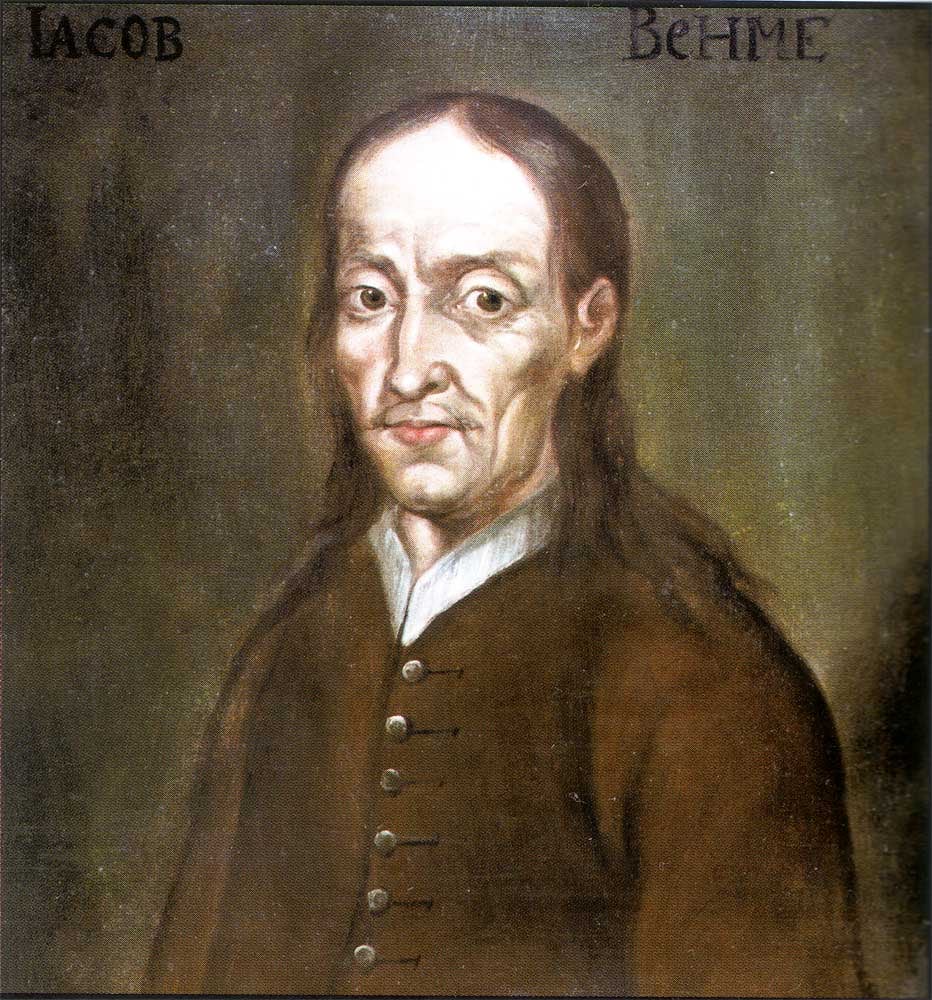
Jakob Böhme
Совпадают в вопросах: Что такое Абсолют? Существует ли Бог? · Кто я? Существует ли истинное «я»? · Почему мы страдаем?
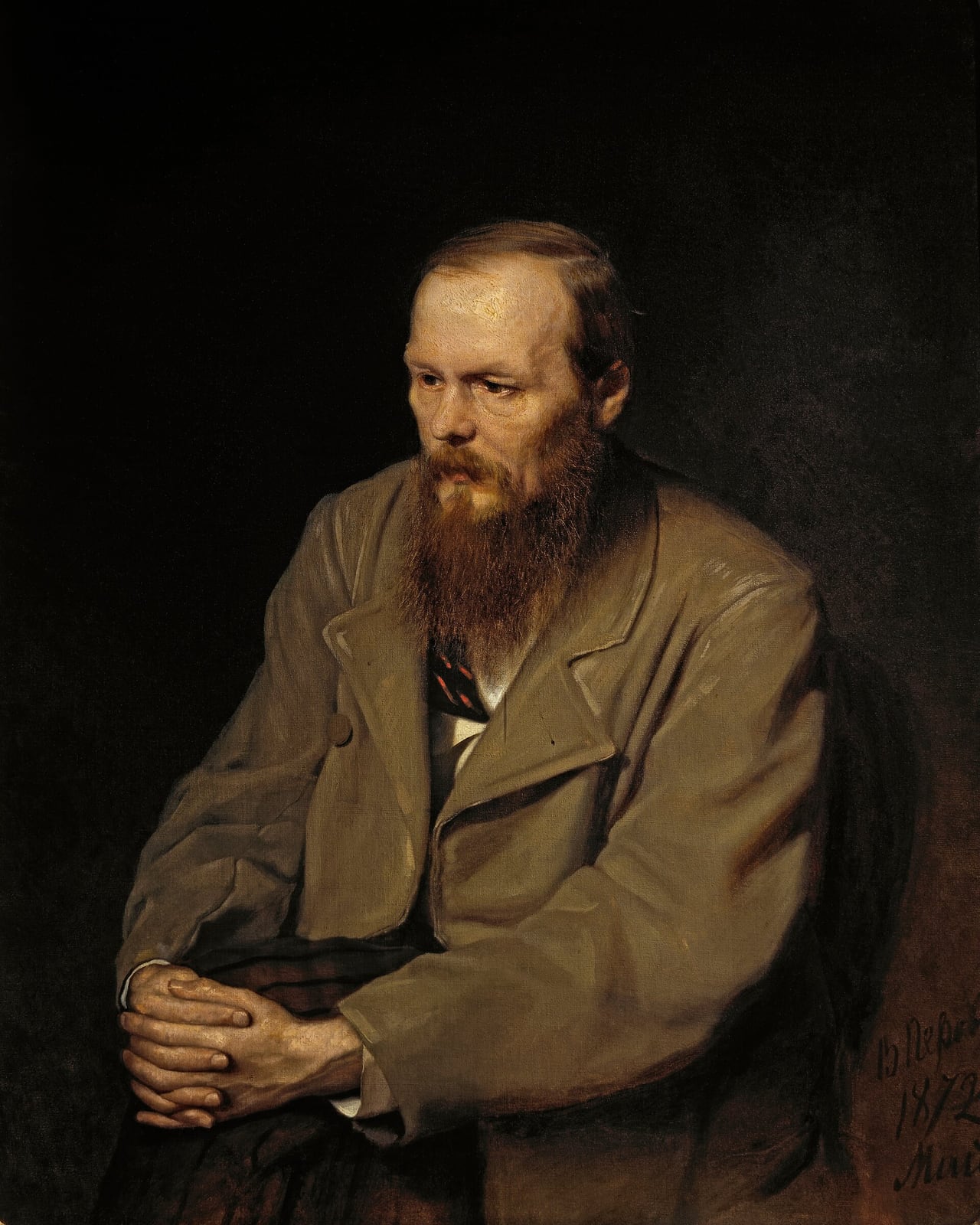
Fyodor Dostoevsky
Совпадают в вопросах: Кто я? Существует ли истинное «я»? · Почему мы страдаем? · Что происходит после смерти?
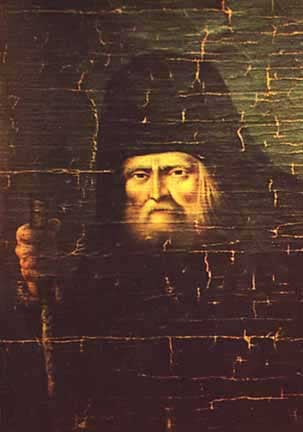
Seraphim of Sarov
Совпадают в вопросах: Кто я? Существует ли истинное «я»? · Почему мы страдаем? · Что происходит после смерти?
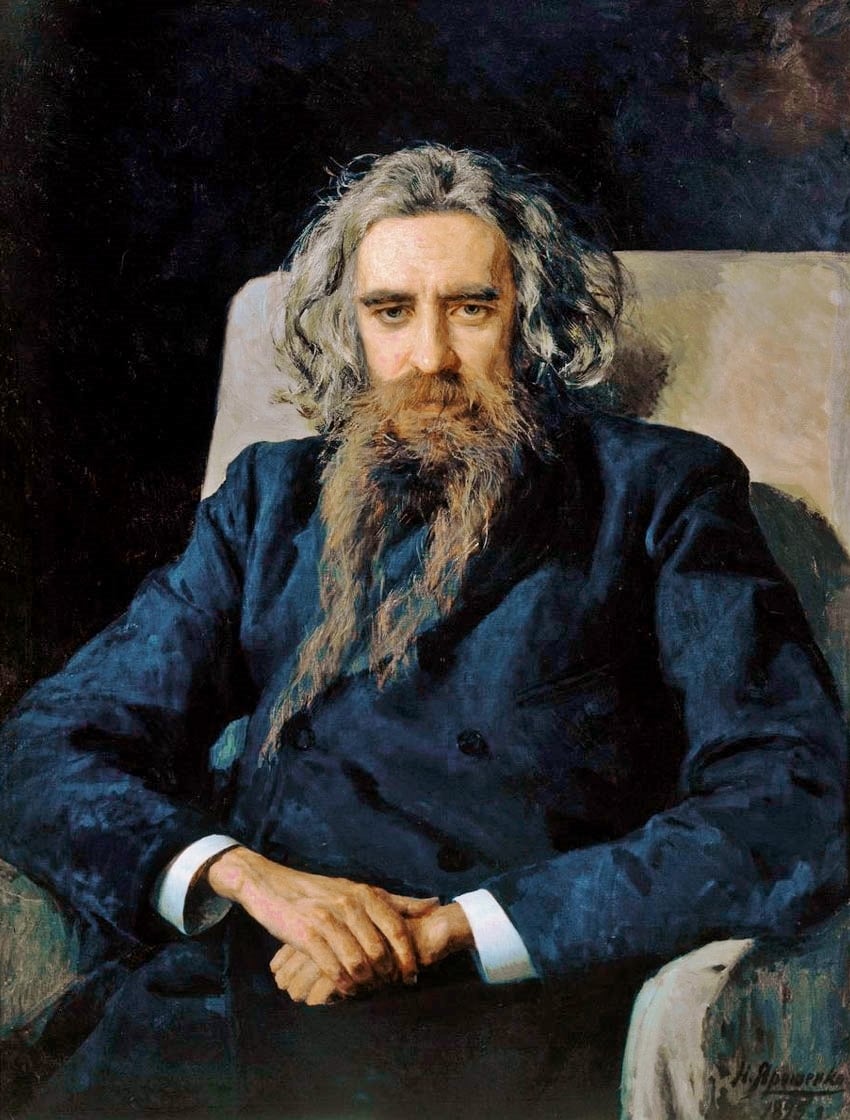
Vladimir Solovyov
Совпадают в вопросах: Что такое Абсолют? Существует ли Бог? · Кто я? Существует ли истинное «я»? · Почему мы страдаем?
Дальше всего от
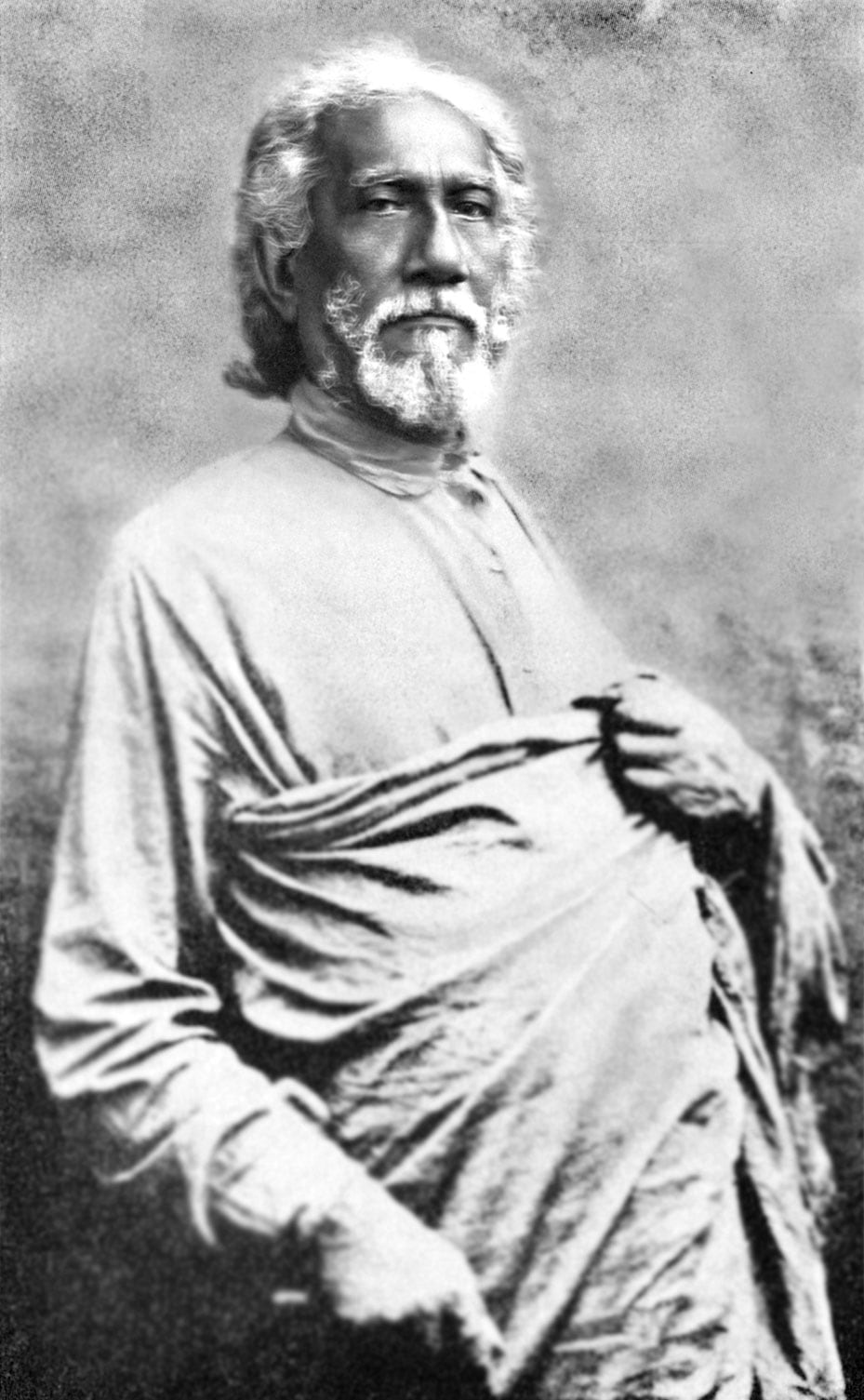
Sri Yukteswar
Расходятся в вопросах: Кто я? Существует ли истинное «я»? · Что происходит после смерти? · Нужен ли учитель?
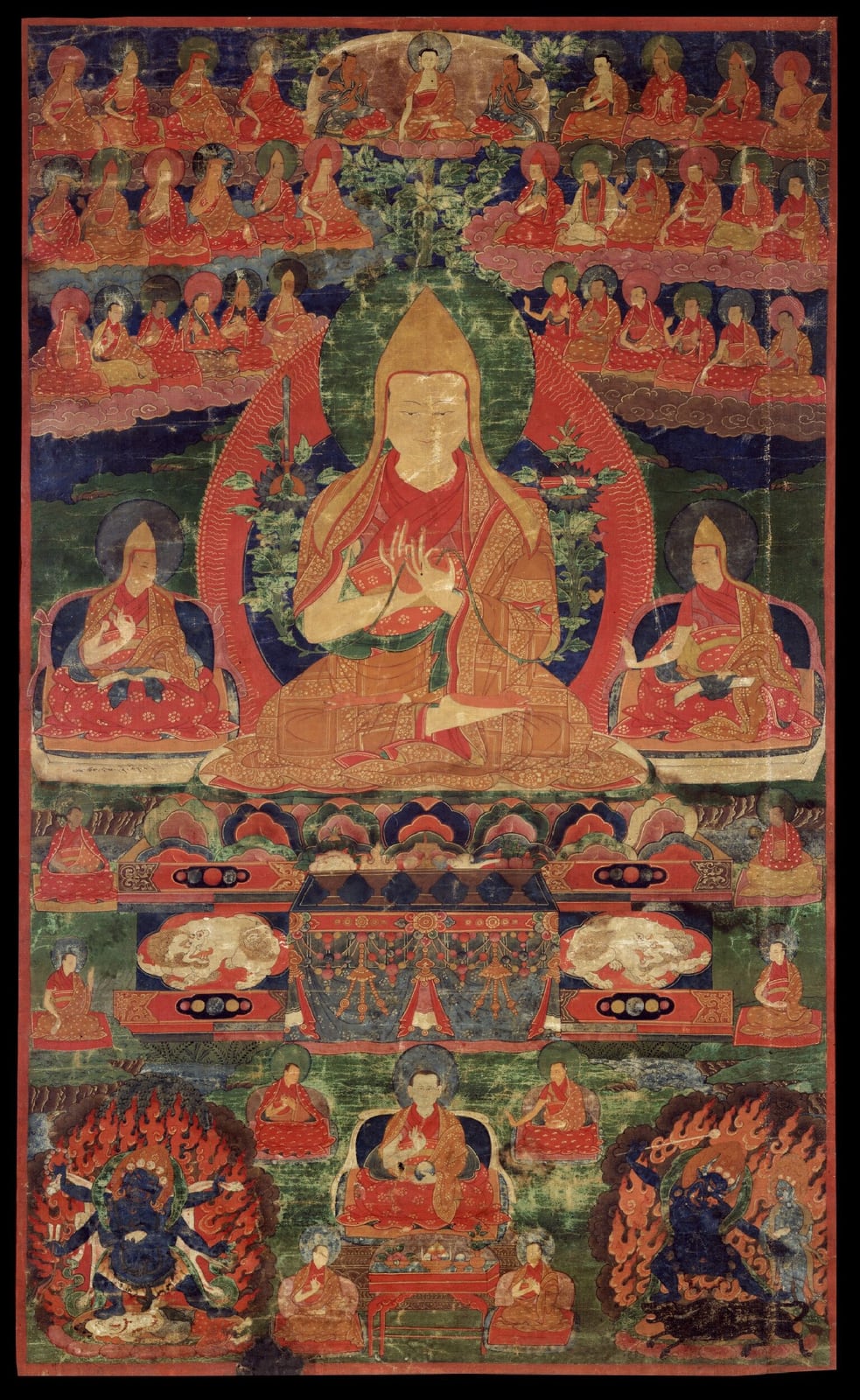
Tsongkhapa
Расходятся в вопросах: Кто я? Существует ли истинное «я»? · Что происходит после смерти? · Нужен ли учитель?
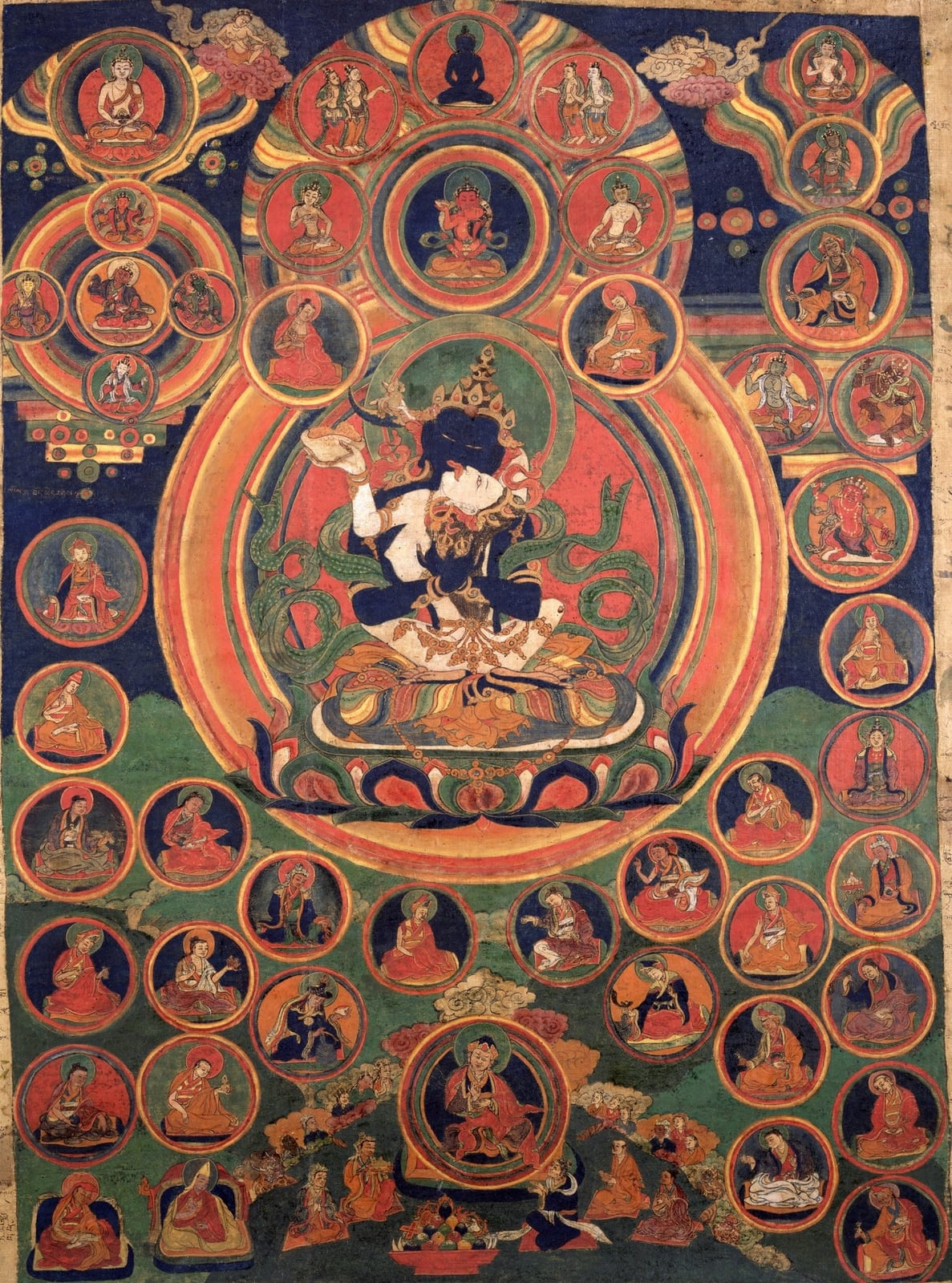
Padmasambhava
Расходятся в вопросах: Кто я? Существует ли истинное «я»? · Что происходит после смерти? · Нужен ли учитель?
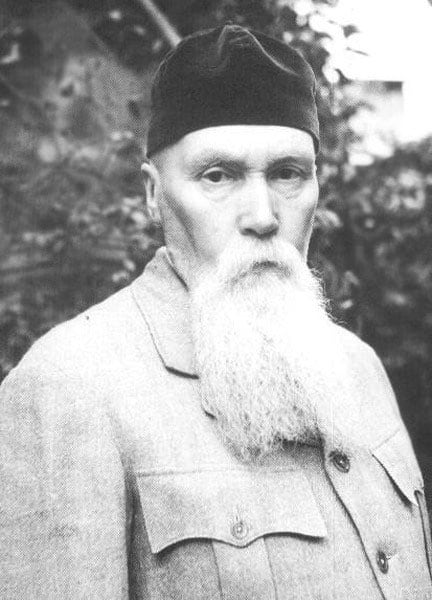
Nicholas Roerich
Расходятся в вопросах: Нужен ли учитель?
Предания и рассказы
Предания и рассказы
Свидетельство1920
A lecture for Dzerzhinsky
Происхождение рассказа: Berdyaev's own account in Self-Knowledge, ch. IX, written some twenty years later. There is no other published testimony of the interrogation.
Свидетельствоagosto–septiembre de 1922
The philosophers' ship
Происхождение рассказа: Self-Knowledge, chs. IX and X. The departure date (29 September 1922) and the context of the expulsions of intellectuals, decided by the Bolshevik leadership, are documented by historians.
Документировано1913–1917
Tried for blasphemy
Происхождение рассказа: Self-Knowledge, ch. VII; the trial and its dismissal in February 1917 are also recorded in the Russian Wikipedia biography and in studies of imyaslavie.
Свидетельствоdécada de 1940
Muri the cat
Происхождение рассказа: Self-Knowledge, 'Additions'. The sentence about Muri and eternal life is a summary, not a literal quotation.
Документировано1947
Cambridge doctor and Nobel candidate
Происхождение рассказа: Self-Knowledge, 'Additions'; the seven Nobel nominations are recorded in the Russian Wikipedia biography, based on the Nobel Foundation's nomination archive.
Учение
Учение
Понятия, на которых строится мысль учителя, объяснённые в их контексте.
Uncreated freedom (Ungrund)libertad-increada
Developed from Böhme, Schelling and Dostoevsky; Berdyaev himself points out in Self-Knowledge that in Böhme the Ungrund is in God, while in his own thought it is outside God.
Creativity as the eighth daycreacion
The core of The Meaning of the Creative Act and of the 'ethics of creativity' in The Destiny of Man.
Objectificationobjetivacion
He himself regarded it as his 'central philosophical idea' (Self-Knowledge, Additions).
Person and personalismpersona
Set out systematically in Slavery and Freedom (1939), which he regarded as his most radical book.
The new Middle Agesnueva-edad-media
It extends the theses of The Meaning of History (1923) and of the article 'The End of the Renaissance'.
The Russian idea and secularised messianismmesianismo-ruso
In dialogue with the Slavophiles, Dostoevsky and Solovyov, and with the historiography of the schism.
Видео
Видео
Записи, интервью и документальные фильмы. Видео воспроизводятся с YouTube; здесь они не хранятся.
Николай Бердяев. «Я лишь бунтарь, искатель истины и правды…»
Документальный фильм· RU· 2008
Мудрый Философ
История Западной философии. Лекция №43. «Николай Бердяев и философия духа»
Лекция· RU
Лекции А.Б. ЗубоваОфициальный канал
Философия свободы и творчества Бердяева — Алексей Козырев
Лекция· RU
ПостНаукаОфициальный канал
Лекция Бердниковой А. Ю. «„Новое Средневековье“ Н. Бердяева: кризис ренессансной культуры»
Лекция· RU· 2022
Институт философии РАНОфициальный канал
Николай Александрович Бердяев: Философия эротической революции
Лекция· RU· 2024
ИНИОН РАНОфициальный канал
Лекция Л. Люкса «Николай Бердяев о „духах“ Русской революции и о духовном кризисе Европы»
Лекция· RU· 2020
МЛРИД HSEОфициальный канал
Бердяевские среды 08. А. И. Резниченко «Николай Бердяев о себе и о мире объектов»
Лекция· RU· 2024
Библиотека-Музей Дом ЛосеваОфициальный канал
Бердяевские среды 09. В. В. Кравченко «Н. А. Бердяев как мистический философ»
Лекция· RU· 2024
Библиотека-Музей Дом ЛосеваОфициальный канал
Философский пароход: Николай Бердяев / Священник Георгий Кочетков
Лекция· RU· 2022
Свято-Филаретовский институтОфициальный канал
Nikolai Berdyaev: On Freedom and Responsibility
Лекция· EN· 2021
Wirth Institute (University of Alberta)Официальный канал
The Harry Murray Sessions: Nikolai Berdyaev (segment)
Лекция· EN
The Maurin Academy
Religion and the State in Russian Philosophy (Vladimir Soloviev and Nikolai Berdiaev)
Лекция· EN· 2021
REES Queens (Queen's University)Официальный канал
Marie Denieuil-Hovanessian : Digressions autour du concept d'amour chez Nicolas Berdiaev
Лекция· FR
Philosophie russe
Галерея
Галерея
Изображения с проверенной лицензией. Каждое сохраняет своё авторство и атрибуцию.
Связи
Связи
Влияния, ученичество и близость взглядов. Документированная связь отличается от сходства, выявленного путём анализа.
Испытал влияние
He never met him but regarded him as the founder of Russian religious philosophy. He devoted 'The Problem of East and West in the Religious Consciousness of Vl. Solovyov' (1911) and 'Vladimir Solovyov and Us' (1937) to him; he took from him the idea of Godmanhood, though he reproached him for an over-rational system, a naive theocracy and a sophiology that in Self-Knowledge he judges to contradict The Meaning of Love, 'perhaps the best thing ever written about love'.
Документированная связь
Испытал влияние
He acknowledged him as his spiritual master and devoted Dostoevsky's Worldview (1923) to him, as well as essays on the Grand Inquisitor (1907) and Stavrogin (1914). From Dostoevsky he took irrational freedom, capable of evil, and the critique of all imposed happiness.
Документированная связь
Испытал влияние
In Self-Knowledge he acknowledges that Tolstoy was of great importance in his first revolt against society: he was never a Tolstoyan, but the 'Tolstoyan inoculation' lasted all his life, in his contempt for the false greatness of history; he links War and Peace to his only feeling for the homeland.
Документированная связь
Расходился во взглядах с
In 'The Old and New Testaments in the Religious Consciousness of L. Tolstoy' (1912) and 'The Spirits of the Russian Revolution' (1918) he reproaches him for a rationalist moralism that ignores grace and redemption, and makes him partly responsible for the levelling spirit of the revolution.
Документированная связь
Расходился во взглядах с
They shared in the Moscow religious renaissance, but Berdyaev reviewed The Pillar and Ground of the Truth harshly in 'Stylised Orthodoxy' (1914), reproaching it for aestheticism, magic, fear of freedom and an Orthodoxy of style. In Self-Knowledge he calls Florensky 'alien and hostile' to him, though he acknowledges they shared the hope of a new outpouring of the Spirit.
Документированная связь
Испытал влияние
Böhme was, with Kant, the thinker to whom he said he owed most. From him he took the notion of the Ungrund, which he reinterpreted as uncreated freedom, and that of the androgyne; he devoted two studies in Put' (1930) to him and the introduction to the French translation of Mysterium magnum (1945).
Документированная связь
Идеи, близкие к
In The Meaning of the Creative Act (ch. VII, 'Creativity and Asceticism. Genius and Holiness') he contrasts Seraphim of Sarov, 'the greatest Russian saint', with Pushkin, 'the greatest Russian genius', contemporaries who never met: two incommensurable greatnesses of which the Russian soul may be equally proud. The comparison sums up his thesis that holiness does not exhaust the Christian vocation, which includes creativity.
Документированная связь
Расходился во взглядах с
He criticised the modern Theosophy founded by Blavatsky — and Steiner's Anthroposophy — as a naturalistic evolutionism that dissolves the person and freedom: in The Meaning of the Creative Act (ch. XIII) he judges it far inferior to Böhme's 'theosophy', and in 'Theosophy and Anthroposophy in Russia' he examined its spread in Russian circles.
Документированная связь
Расходился во взглядах с
In Self-Knowledge he presents his philosophy of freedom as a break with the ontological tradition of Parmenides, Plato, Aristotle and Thomas Aquinas, which places being above freedom; and in The Meaning of the Creative Act he rejects the Platonic doctrine of a world perfected in the ideas, which would turn the world process into a comedy.
Документированная связь
Источники
Источники
Библиография и каталоги, использованные для этой статьи.
- Lowrie, Donald A. Rebellious Prophet: A Life of Nicolai Berdyaev. Nueva York: Harper, 1960.
- Open Library, autor OL52926A: Nikolaĭ Berdi͡aev (1874–1948), obras y ediciones.
- Klépinine, Tamara. Bibliographie des œuvres de Nicolas Berdiaev. París: Institut d'études slaves, 1978.
- Wikidata, Q184656: Nikolai Berdyaev, filósofo ruso (1874–1948). P31=Q5; 74 enlaces entre wikis.
- Berdiáyev, N. A. Самопознание. Опыт философской автобиографии [Autoconocimiento. Ensayo de autobiografía filosófica]. París: YMCA-Press, 1949. Texto en la Biblioteca «Vejí» (vehi.net).
- «Бердяев, Николай Александрович». Wikipedia en ruso (biografía y bibliografía detallada).
- Berdiáyev, N. A. Смысл творчества. Опыт оправдания человека [El sentido de la creación]. Moscú: G. A. Lemán y S. I. Sajárov, 1916. Texto en la Biblioteca «Vejí».
- Berdiáyev, N. A. Истоки и смысл русского коммунизма [Las fuentes y el sentido del comunismo ruso]. París: YMCA-Press, 1955 (ed. alemana y ed. inglesa, 1937). Texto en Wikisource ruso.
- Berdiáyev, N. A. Новое средневековье. Размышление о судьбе России и Европы [Una nueva Edad Media]. Berlín: Obelisk, 1924. Texto en Azbuka.
- Berdiáyev, N. A. О рабстве и свободе человека. Опыт персоналистической философии [Esclavitud y libertad del hombre]. París: YMCA-Press, 1939. Texto en Azbuka.
- Berdiáyev, N. A. Русская идея. Основные проблемы русской мысли XIX века и начала XX века [La idea rusa]. París: YMCA-Press, 1946. Texto en Azbuka.
- Berdiáyev, N. A. «Стилизованное православие (о. Павел Флоренский)» [Ortodoxia estilizada]. Русская мысль, 1914, n.º 1. Texto en la Biblioteca «Vejí».
- Berdiáyev, N. A. «Проблема Востока и Запада в религиозном сознании Вл. Соловьева» [El problema de Oriente y Occidente en la conciencia religiosa de Vl. Soloviov], en Сборник первый. О Владимире Соловьеве. Moscú: Put, 1911. Texto en la Biblioteca «Vejí».
- Berdiáyev, N. A. Миросозерцание Достоевского [La concepción del mundo de Dostoievski]. Praga: YMCA-Press, 1923. Texto en la Biblioteca «Vejí».
- Berdiáyev, N. A. «Ветхий и Новый Завет в религиозном сознании Л. Толстого» [El Antiguo y el Nuevo Testamento en la conciencia religiosa de L. Tolstói], en О религии Льва Толстого. Moscú: Put, 1912. Texto en la Biblioteca «Vejí».
- Berdiáyev, N. A. «Из этюдов о Я. Беме. Этюд I: Учение об Ungrund и свободе; Этюд II: Учение о Софии и андрогине». Путь, 1930, n.os 20–21.
- Правообладатель
- Berdiáyev murió en 1948: su obra es de dominio público en la Unión Europea desde 2019 (70 años), pero en España no lo será hasta el 1 de enero de 2029 (80 años para autores fallecidos antes de 1987), y en EE. UU. las obras publicadas a partir de 1930 pueden seguir protegidas. Las traducciones pertenecen a sus traductores y editoriales.
Ожидает подтверждения
То, что в этой статье пока не удалось установить. Мы предпочитаем сказать об этом, а не заполнять пробел.
- Ediciones españolas modernas con ISBN de «El sentido de la creación», «Una nueva Edad Media», «El destino del hombre», «Autoconocimiento», «Esclavitud y libertad del hombre» y «La idea rusa»: no localizadas (Open Library sin datos; Google Books sin cuota; catálogo de la BNE inaccesible). Sólo constan ediciones antiguas sin ISBN (Losada 1938, Janés 1947, Emecé 1955) y las de Encuentro, Sígueme y Nuevo Inicio.
- Identificar la obra original de «El cristianismo y el problema del comunismo» (Espasa-Calpe Argentina, 1937) y registrarla.
- Registrar uno por uno los varios cientos de artículos de Berdiáyev (Put, Sovremennye zapiski, Rússkaia mysl, Vopros zhizni, Novi Grad…); hoy figuran sólo los de mayor entidad. La bibliografía de referencia es la de T. Klépinine (1978).
- Confirmar fecha y revista de «Teosofía y antroposofía en Rusia» (hacia 1916) y de «Verdad y mentira del comunismo» (1931).
- Fecha exacta de la muerte: 24 de marzo de 1948 según Wikidata y la mayoría de las fuentes; 23 de marzo según otras (Open Library, parte de la bibliografía rusa).
- Año de la edición de Encuentro de «El sentido de la historia» (ISBN 9788474900170).
- Duración de los vídeos y año de los no fechados: oEmbed no los proporciona.
- No se ha encontrado en YouTube ninguna grabación de la voz ni imágenes filmadas de Berdiáyev.
Исследовано 2026-10-25