Тантра · Буддизм · Махаяна · Тибетский буддизм
Padmasambhava
पद्मसम्भव · པདྨ་འབྱུང་གནས། · padma 'byung gnas · གུ་རུ་རིན་པོ་ཆེ། · 蓮花生
VII век – ?Историчность оспаривается
Индийский тантрический учитель VIII века, которого Тибет почитает как Гуру Ринпоче — «второго Будду» и основателя школы ньингма. Древние источники изображают его экзорцистом, которого царь Тисонг Децен пригласил, чтобы усмирить духов, препятствовавших основанию монастыря Самье; позднейшая традиция сделала его героем рождения из лотоса, духовного покорения Тибета и спрятанных «сокровищ» (терма), среди которых и «Тибетская книга мёртвых» (Бардо Тхёдол), известная во всём мире.
- трудов
- 14трудов
- изданий
- 22изданий
- цитат
- 0цитат
- видео
- 11видео
- изображений
- 8изображений
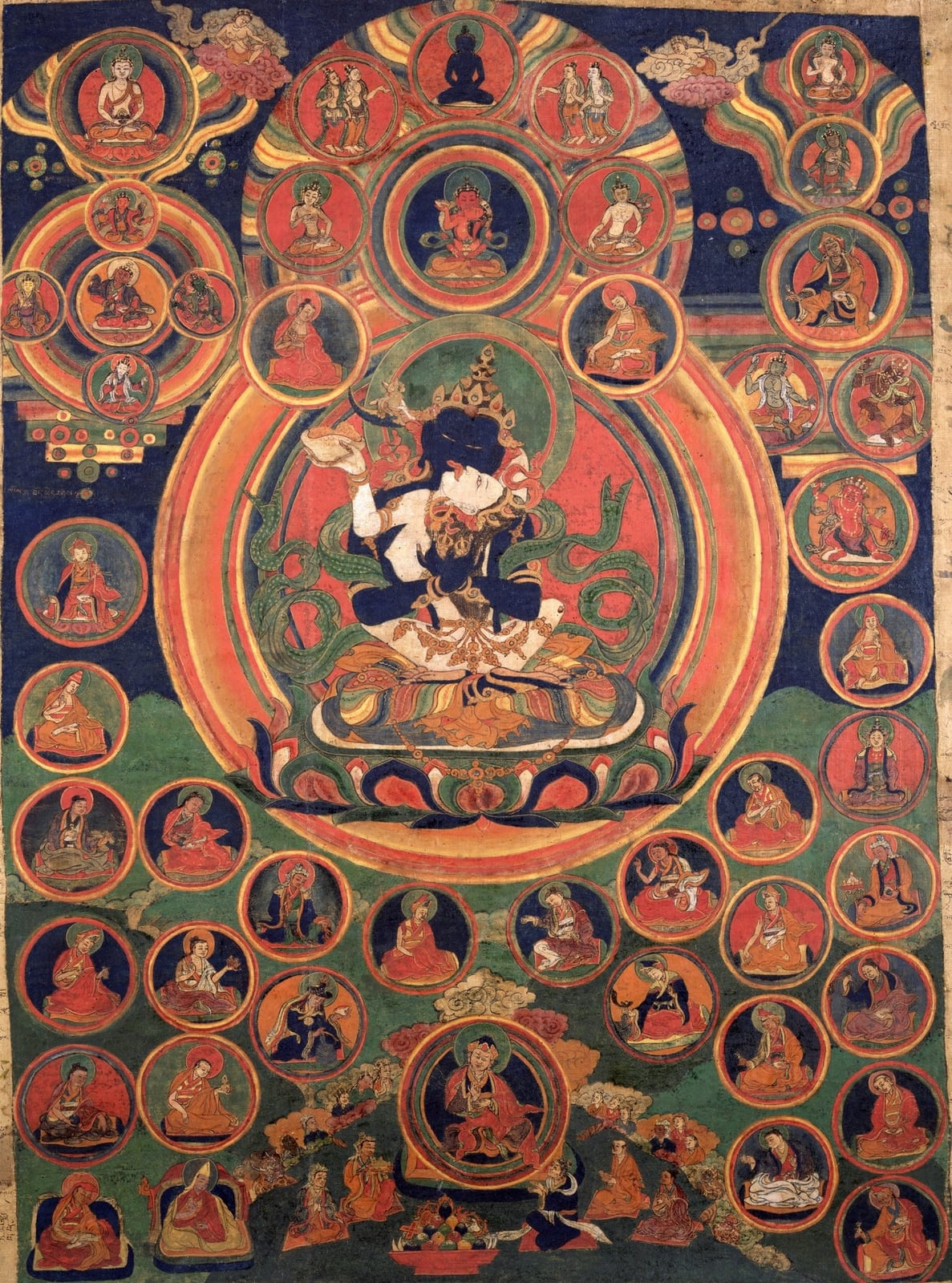
Padmasambhava (Orgyen Dorje Chang) con Yeshe Tsogyal, tangka tibetano del siglo XVII · Public domain

Главная мысль
Treasures (gter ma): A terma is a text or object that, according to tradition, Padmasambhava or one of his contemporaries hid in the eighth century to be discovered later by a predestined revealer (gter ston).
В контексте
Биография
4 мин чтения
Перевод с испанского оригинала, выполненный с помощью ИИ; ожидает проверки носителем языка.
Два образа под одним именем
Падмасамбхав было два. Один — индийский тантрический учитель VIII века, о котором в древних источниках сохранилось лишь несколько строк; другой — Гуру Ринпоче, «Драгоценный учитель», рождённый из лотоса, духовный покоритель Тибета и автор сокровищ, которые его почитатели продолжают открывать вот уже девятьсот лет. На протяжении значительной части XX века западная наука сомневалась в том, что первый вообще существовал. Сегодня, как подытоживает Льюис Дони, его историчность признаётся с осторожностью: Падмасамбхава существовал, но почти всё, что о нём рассказывают, относится ко второму.
Что говорят древние источники
Древнейшее повествовательное свидетельство — «Завещание Ба» (Dba' bzhed), хроника проникновения буддизма в Тибет, составление которой относят к промежутку между IX и XII веками. Согласно этому тексту, царь Тисонг Децен (правивший с 755 года до конца VIII века) пригласил великого индийского учёного Шантаракшиту, но наводнения, удары молний и эпидемии были приписаны гневу местных богов, и мудрец посоветовал призвать знатока, способного их усмирить, — Падмасамбхаву из Уддияны. Учитель подчинил духов, предложил работы по проведению воды в пустынные земли и вызвал при дворе такую подозрительность, что царь, опасаясь за свою власть, после недолгого пребывания попросил его удалиться.
Этот портрет — тантрический экзорцист, действенный и неудобный, — совпадает с тем, что рисуют дуньхуанские рукописи. Рукопись Pelliot tibétain 44, переписанная около конца X века, рассказывает, как Падмасамбхава принёс из Наланды тексты Ваджракилаи, чтобы одолеть препятствия, мешавшие ему практиковать в Янглешо, в долине Катманду. Ещё две рукописи, изученные Джейкобом Далтоном, уже показывают его укротителем враждебных духов Тибета. Ни один из этих источников не говорит о чудесном рождении; все они представляют его ритуалистом, служившим основанию тибетского буддизма, первый монастырь которого, Самье, был освящён около 779 года.
Рождённый из лотоса
Жизнеописание, известное тибетцам, сложилось гораздо позже — в открытых текстах начиная с XII века. Согласно ему, через восемь лет после смерти Будды, как тот и предсказал, восьмилетний ребёнок явился сидящим на лотосе посреди озера Дханакоша в Уддияне — стране, которую большинство исследователей отождествляет с долиной Сват. Бездетный царь Индрабхути усыновил его и сделал царевичем; но юноша убил министра, был изгнан и жил йогином на кладбищах Индии, где получил учения от дакинь и великих тантрических учителей.
Дальше следуют эпизоды, которые неустанно повторяет иконография: царевна Мандарава из Сахора, которую её отец-царь хотел сжечь вместе с учителем на костре, обратившемся в озеро; затвор в пещере Маратика, где оба обрели власть над жизнью; реализация в Янглешо посредством практик Янгдака и Ваджракилаи. Каждому этапу соответствует одно из его восьми проявлений (царевич Падма Гьялпо, йогин Ньима Озер, учёный Лоден Чоксе, гневный Дордже Дроло…), которые суть не столько эпизоды биографии, сколько облики, в которых учитель открывается благоговению.
Покорение Тибета
В традиционной версии путешествие в Тибет — это военный поход. Падмасамбхава подчиняет богов каждой горы и каждого озера, заставляет их поклясться защищать буддизм, и когда они укрощены, воздвигается Самье. Он даёт посвящения царю и двадцати пяти главным ученикам, берёт в супруги Еше Цогьял, которая запишет его учения, и медитирует в пещерах, ставших ныне местами паломничества, — от Чимпу близ Самье до Такцанга, бутанского «Гнезда тигрицы», куда он прилетел верхом на тигрице. Перед уходом он прячет по всему Тибету тексты и предметы, чтобы его переродившиеся ученики нашли их в должный час. Затем он покидает страну через перевал Гунтханг на юго-запад, в землю ракшасов, и не умирает: он пребывает на Медноцветной горе.
Сокровища
Этот последний жест и объясняет весь образ. Начиная с XI века в Тибете появились «открыватели сокровищ» (gter ston, тертоны), которые выдавали тексты, найденные в пещерах, в колоннах или в собственном уме, за учения Падмасамбхавы, спрятанные четырьмя веками ранее. Ньянграл Ньима Озер (1124–1192) открыл «Зангглингма», первое полное жизнеописание; Оргьен Лингпа в 1352 году — «Хронику Падмы», закрепившую легенду; Карма Лингпа в XIV веке — цикл, к которому принадлежит «Тибетская книга мёртвых» (Бардо Тхёдол). Как показала Джанет Гьяцо, учение о сокровищах позволяло древней школе ньингма обновлять свой канон, не порывая с прошлым: каждое откровение ссылалось на авторитет Учителя из Уддияны.
В итоге сложился огромный корпус сочинений, которых он не писал. К XIX веку относится «Великая сокровищница драгоценных терма» — собрание Джамгона Конгтрула в более чем шестидесяти томах; к XX — всемирная слава «Бардо Тхёдол», который версия Эванса-Венца (1927) с её придуманным заглавием «Тибетская книга мёртвых» и психологическим комментарием Карла Густава Юнга превратила в классику западной духовности. Из сочинений, носящих его имя, лишь «Гирлянда воззрений», краткий трактат о девяти колесницах, включённый в канон, по-видимому, восходит к имперской эпохе.
Что можно утверждать
Итак: в Тибете VIII века жил тантрический учитель индийского происхождения, знаток обрядов усмирения, связанный с основанием Самье и с традицией Ваджракилаи, чьё пребывание в стране было, вероятно, кратким и конфликтным. Всё остальное — лотос, кладбища, супруги, полёт на тигрице, сокровища — плод многовековой религиозной памяти, и как исторический факт оно от этого не менее реально: Гуру Ринпоче — самая почитаемая фигура тибетского буддизма, «второй Будда», которому посвящены праздники десятого лунного дня в Бутане и в Гималаях, и средоточие идентичности школы ньингма.
Источники: Pasang Wangdu y Hildegard Diemberger (trad. y ed.). dBa' bzhed: The Royal Narrative concerning the Bringing of the Buddha's Doctrine to Tibet. Viena: Verlag der Österreichischen Akademie der Wissenschaften, 2000. ISBN 9783700129561. · Doney, Lewis. The Zangs gling ma: The First Padma bKa' thang Revelation. Andiast: International Institute for Tibetan and Buddhist Studies, 2014. · Hirshberg, Daniel A. Remembering the Lotus-Born: Padmasambhava in the History of Tibet's Golden Age. Somerville (MA): Wisdom Publications, 2016. · Cantwell, Cathy, y Robert Mayer. Early Tibetan Documents on Phur pa from Dunhuang. Viena: Verlag der Österreichischen Akademie der Wissenschaften, 2008 (cap. «Pelliot tibétain 44», pp. 41–56). · Kapstein, Matthew T. The Tibetan Assimilation of Buddhism: Conversion, Contestation, and Memory. Nueva York: Oxford University Press, 2000.
Хронология
Жизнь год за годом
Каждая точка — документированное событие. Нажмите, чтобы прочитать о нём, с источником и степенью достоверности.
VII векOḍḍiyāna (valle de Swat)
Birth (traditional)
Tradition has him born from a lotus in Lake Dhanakośa in Oḍḍiyāna; the early sources only say he came from that land. The date is conventional: eighth century.
ПреданиеYeshe Tsogyal (atrib.); Nyangral Nyima Özer (revelador). The Lotus-Born: The Life Story of Padmasambhava. Trad. Erik Pema Kunsang. Boston: Shambhala, 1993. ISBN 9780877738695.
VII век
Birth (traditional)
Tradition has him born from a lotus in Lake Dhanakośa in Oḍḍiyāna; the early sources only say he came from that land. The date is conventional: eighth century.
Предание
755
Trisong Detsen accedes to the throne
The reign begins of the emperor who, according to the chronicles, invited Śāntarakṣita and Padmasambhava.
Документировано
770-е
Invitation to Tibet
On Śāntarakṣita's advice the king invites him to subdue the spirits obstructing the founding of Samye; according to the Testament of Ba his stay was brief and ended with his departure at the king's request.
Вероятно
ок. 779
Consecration of Samye
Samye, Tibet's first Buddhist monastery, is consecrated; the sources place Padmasambhava at its founding.
Вероятно
ок. 1000
Earliest written witnesses
Dunhuang manuscripts (Pelliot tibétain 44 and 307, IOL Tib J 644), from the late tenth century, present him as a Vajrakīla master and tamer of spirits.
Документировано
ок. 1150
First revealed biography
Nyangral Nyima Özer (1124–1192) reveals the Zangs gling ma, the first complete life of Padmasambhava.
Документировано
1352
The Chronicle of Padma
Orgyen Lingpa reveals the Padma bka' thang, which fixes the canonical form of the legend.
Документировано
ок. 1360
Karma Lingpa and the Bardo Thödol
Karma Lingpa (1326–1386) reveals the cycle of the peaceful and wrathful deities, to which the Bardo Thödol belongs.
Документировано
1692
Founding of Taktsang
The 'Tiger's Nest' monastery is built beside the cave tradition associates with Padmasambhava.
Документировано
ок. 1880
The Great Treasury of Termas
Jamgön Kongtrul gathers in more than sixty volumes the treasure cycles attributed to Padmasambhava (Rinchen Terdzö).
Документировано
1927
The 'Tibetan Book of the Dead'
W. Y. Evans-Wentz publishes Kazi Dawa-Samdup's version of the Bardo Thödol, which will make a text attributed to Padmasambhava famous in the West.
Документировано
Труды
Главные труды
Труды, без которых не понять это наследие.
Традиционная атрибуция · ок. 1350
The Great Liberation by Hearing in the Intermediate State (Bardo Thödol, 'Tibetan Book of the Dead')
ཟབ་ཆོས་ཞི་ཁྲོ་དགོངས་པ་རང་གྲོལ་ལས་བར་དོ་ཐོས་གྲོལ་ཆེན་མོ། (zab chos zhi khro dgongs pa rang grol las bar do thos grol chen mo)
A set of ritual texts read aloud beside the dying and the dead to guide them through the intermediate states (bar do) between death and rebirth: the clear light at the moment of dying, the visions of the peaceful and wrathful deities and the search for a new birth. It belongs to the cycle 'The Self-Liberation of the Intention of the Peaceful and Wrathful Deities', revealed in the fourteenth century by Karma Lingpa. Since the 1927 English version it has been the most widely read Tibetan text in the West.
9 изданий

Традиционная атрибуция · 1352
The Chronicle of Padma (Padma Kathang)
པདམ་བཀའི་ཐང་ཡིག། (padma bka'i thang yig)
A verse biography of Padmasambhava's whole life: birth from a lotus in Lake Dhanakośa, youth as prince of Oḍḍiyāna, exile, years as a yogi in the charnel grounds, the stay in Tibet and the departure for the land of the rākṣasas. It fixed the 'eleven deeds' and the canonical form of the legend, and was for centuries the most widely circulated book about him. It presents itself as dictated by the master himself to Yeshe Tsogyal.
2 издания

Традиционная атрибуция · ок. 1150
The Copper Island (Zangling ma): Life of Padmasambhava
པདམ་བཀའ་ཐང་ཟངས་གླིང་མ། (padma bka' thang zangs gling ma)
The first complete biography of Padmasambhava, in prose, narrating his birth from a lotus, arrival in Tibet, the founding of Samye, the initiation of the twenty-five disciples and his departure. It is the source of nearly all later versions of the legend and evidence of how the figure was constructed in the twelfth century. Its colophons attribute the writing to Yeshe Tsogyal.
2 издания
Padmasambhava
Garland of Views: An Essential Instruction
Традиционная атрибуция · VIII век
Garland of Views: An Essential Instruction
མན་ངག་ལྟ་བའི་ཕྲེང་བ། (man ngag lta ba'i phreng ba)
A short treatise that arranges all Buddhist and non-Buddhist paths in a hierarchy of views culminating in atiyoga or the Great Perfection; it presents itself as a commentary on chapter XIII of the Guhyagarbhatantra. It is the only work ascribed to Padmasambhava included in the Tengyur, the canon of treatises, and the one scholarship considers closest to a plausible attribution or at least to the imperial period; Nubchen Sangye Yeshe already cites it.
1 издание
Все труды (14)

The Self-Liberation of the Intention of the Peaceful and Wrathful Deities (Karma Lingpa's cycle)
1350
Padmasambhava
Self-Liberation through Seeing with Naked Awareness
The Conscious LibrarySelf-Liberation through Seeing with Naked Awareness
1350

Dakini Teachings: Padmasambhava's Advice to Yeshe Tsogyal
1150

Advice from the Lotus-Born (Zhal gdams)
Padmasambhava
The Gradual Path of the Wisdom Essence (Lamrim Yeshe Nyingpo)
The Conscious LibraryThe Gradual Path of the Wisdom Essence (Lamrim Yeshe Nyingpo)
1856
Padmasambhava
The Prayer in Seven Chapters (Le'u Dünma)
The Conscious LibraryThe Prayer in Seven Chapters (Le'u Dünma)
1350
Padmasambhava
The Seven-Line Prayer
The Conscious LibraryThe Seven-Line Prayer
Padmasambhava
The Fivefold Chronicles (Kathang Denga)
The Conscious LibraryThe Fivefold Chronicles (Kathang Denga)
1350
Padmasambhava
Gathering of the Sugatas of the Eight Commands (Kagye Deshek Düpa)
The Conscious LibraryGathering of the Sugatas of the Eight Commands (Kagye Deshek Düpa)
1150
Padmasambhava
The Great Treasury of Precious Termas (Rinchen Terdzö)
The Conscious LibraryThe Great Treasury of Precious Termas (Rinchen Terdzö)
1880
Последние слова
Проверяемых записей о последних словах не существует.
Tradition ascribes to him not death but departure: the revealed biographies have him leave Tibet by the Gungthang pass towards the south-west, giving farewell advice to the king and Yeshe Tsogyal, to dwell on the Copper-Coloured Mountain. These farewells are hagiographic compositions of the twelfth to fourteenth centuries; there is no historical record of his death or of last words.
Источник: Yeshe Tsogyal (atrib.); Orgyen Lingpa (revelador). The Life and Liberation of Padmasambhava (Padma bKa'i Thang). Trad. Kenneth Douglas y Gwendolyn Bays a partir de la versión francesa de Gustave-Charles Toussaint (Le Dict de Padma, París: Leroux, 1933). 2 vols. Emeryville (CA): Dharma Publishing, 1978. ISBN 9780913546192.
Спросить
На что отвечают эти труды
Двенадцать великих вопросов человечества и то, что позволяют на них ответить эти тексты, со ссылками. Мы никогда не вкладываем слова в чужие уста.
Что такое Абсолют? Существует ли Бог?
The ultimate is the luminous nature of mind; the deities are its display
Безличный АбсолютСледует из учения
Almost everything read under Padmasambhava's name consists of «treasure» texts (terma) revealed centuries after his life. The best known, the so-called Tibetan Book of the Dead, brought to light by Karma Lingpa in the fourteenth century, describes how at the moment of death the clear light of the dharmakāya appears and asks that it be recognised as the very nature of one's mind. The peaceful and wrathful deities that arise afterwards are not external gods but projections of that same mind. The ultimate is thus an empty and luminous awareness, without creator and without face, of which the divine figures are expressions. The Introduction to Pure Awareness, from the same cycle, insists that one should not look outside for what is one's own awakened presence.
Сравнить этот вопрос с другими учителямиКто я? Существует ли истинное «я»?
Sought for, the mind is not found: empty and yet aware
Постоянного «я» нетСледует из учения
The texts the Nyingma tradition attributes to Padmasambhava are mostly terma revealed between the twelfth and nineteenth centuries. In the Introduction to Pure Awareness, from Karma Lingpa's cycle, the enquiry is directed at the mind itself: examined, it has no shape, colour or location, and is found neither inside nor outside. What follows is not nothingness but a naked presence, empty and clear at once, which the Great Perfection calls rigpa. The self that defends itself and clings is what does not withstand this examination; what remains is not a subject but the capacity to know. The Tibetan Book of the Dead applies the same teaching: whoever recognises the visions as their own mind is freed; whoever identifies with a fleeing self goes on wandering.
Сравнить этот вопрос с другими учителямиПочему мы страдаем?
One wanders through not recognising as one's own the light that appears
Незнание того, кто мы естьСледует из учения
In the Tibetan Book of the Dead, a terma revealed by Karma Lingpa in the fourteenth century and attributed to Padmasambhava's teaching, suffering has one recurring cause: not recognising. At each stage of the intermediate state the clear light appears, and then the deities and the coloured lights; whoever recognises them as manifestations of their own mind is liberated, and whoever fears or desires them, through failing to recognise them, is dragged by karma towards a new birth. The five passions (ignorance, attachment, aversion, pride and envy) are presented as confused versions of the five wisdoms. We suffer, then, because we take ourselves for what we are not and fail to know the empty, luminous nature of mind; not because of a punishment or an external fate.
Сравнить этот вопрос с другими учителямиЧто происходит после смерти?
After death, an intermediate state: recognition liberates, non-recognition brings rebirth
Перерождение согласно кармеСказано прямо
The answer associated with Padmasambhava is the most detailed in all Buddhist literature, but it comes from a terma: the so-called Tibetan Book of the Dead, which Karma Lingpa brought to light in the fourteenth century and which the tradition ascribes to a teaching of the master. The text is read beside the dying and the deceased for forty-nine days. At the instant of death the clear light appears; whoever recognises it as their own nature is liberated. If not, the visions of the peaceful and wrathful deities follow and, lastly, the intermediate state of becoming, where karma pushes towards one of the six destinies. Even then, hearing can guide the choice of a favourable birth. Death is an opportunity for liberation, not merely a transit.
Сравнить этот вопрос с другими учителямиКак достигается освобождение или спасение?
Liberation through recognition: seeing one's own mind naked as it is
Через прямое знаниеСледует из учения
The treasure texts attributed to Padmasambhava propose many paths, arranged in nine vehicles culminating in the Great Perfection, but their core is recognition. The Introduction to Pure Awareness, from Karma Lingpa's cycle, presents itself as an instruction for liberation by seeing one's own mind naked: nothing is built, what is already present is recognised. The Tibetan Book of the Dead carries the same principle to the moment of death: whoever recognises the clear light as their own nature is liberated in that instant, and the titles say so, liberation through hearing, self-liberation through seeing. Preliminary practices, deities, mantras and devotion to the master prepare and sustain that recognition, but do not replace it.
Сравнить этот вопрос с другими учителямиНужен ли учитель?
The master introduces the nature of mind; without him there is no recognition
НезаменимСледует из учения
In the tradition centred on Padmasambhava, the master is not an adviser but the door. The Great Perfection is transmitted through «direct introduction»: the master points out to the disciple their own pure awareness, and the text of Karma Lingpa's cycle bearing that name presents itself as such a pointing-out. Padmasambhava himself is the master par excellence, Guru Rinpoche, and many of the texts associated with him are supplications addressed to him, such as the Seven-Line Prayer or the Supplication in Seven Chapters. The Teachings to the Ḍākinīs, advice tradition says he gave Yeshe Tsogyal, insist on examining the master before following him and on not separating from him afterwards. Without transmission there is no initiation, and without initiation there is no tantric path.
Сравнить этот вопрос с другими учителямиРеален ли мир?
All that appears is the display of one's own mind, empty and luminous
Проявление божественногоСледует из учения
In the terma associated with Padmasambhava, the world is neither a creation nor a deception to be rejected: it is the spontaneous manifestation of the nature of mind. The Tibetan Book of the Dead teaches this dramatically: the lights, sounds and deities of the intermediate state are the very radiance of the deceased's mind, and recognising them is enough for them to dissolve into it. The Introduction to Pure Awareness applies the same to ordinary life: all that appears arises from the mind and is liberated in it, like waves in water. The Great Perfection speaks of primordial purity and spontaneous presence: the ground is empty from the beginning and, at the same time, unfolds ceaselessly into appearances.
Сравнить этот вопрос с другими учителямиЧто такое любовь?
The mind of awakening, inseparable from emptiness, for the good of all beings
Безграничное состраданиеСледует из учения
The texts attributed to Padmasambhava devote no treatise to love, but they integrate it into the framework of the Great Vehicle: every practice begins by taking refuge and awakening the mind of awakening for the good of all beings, and ends by dedicating the merit to them. The Essence of Wisdom of the Stages of the Path, a terma revealed in the nineteenth century by Chokgyur Lingpa, develops this compassion as part of the gradual path towards the Great Perfection. In the hagiographies, the figure of Padmasambhava embodies a compassion that takes wrathful forms: taming Tibet's hostile spirits is, in that logic, an act of care. True compassion is described as inseparable from emptiness, free of the idea of someone who helps and someone who receives.
Сравнить этот вопрос с другими учителямиСвободны ли мы или всё предопределено?
Karma drives, yet in every instant one can recognise and choose
Карма и выборСледует из учения
The Tibetan Book of the Dead, a fourteenth-century terma associated with Padmasambhava's teaching, describes a process dominated by karma: in the intermediate state of becoming, the deceased is swept along by karmic winds, sees visions according to past deeds and feels drawn towards a destiny. Yet the text is read aloud precisely because at every stage a possibility of liberation remains or, at least, of choosing: recognising the clear light, not being carried off by fear, closing the door of an unfavourable womb, turning towards a propitious human birth. The past conditions strongly, but it does not close everything off: present attention, sustained by the master's instruction, can divert the course.
Сравнить этот вопрос с другими учителямиЗачем медитировать или молиться?
Look into one's own mind until its naked nature is recognised
Возвращение к источнику «я»Следует из учения
In the tradition that claims Padmasambhava as its source, two registers coexist. One is ritual and devotional: supplications such as the Seven-Line Prayer or the Supplication in Seven Chapters, the Vajra Guru mantra and the deity cycles revealed as treasures. The other, which the tradition regards as the summit, is the Great Perfection. The Introduction to Pure Awareness, from Karma Lingpa's cycle, describes this second register as an enquiry directed at the mind itself: searching for it, asking where it is, what colour or shape it has, until discovering that it is not found as a thing and that what searches is one's own empty, awake awareness. No state is manufactured: what is already there is recognised and rested in. Prayer prepares and sustains that recognition.
Сравнить этот вопрос с другими учителямиМожет ли разум познать предельное?
A wisdom hidden as treasure and recognised in one's own experience
Эзотерическое знаниеСледует из учения
The tradition associated with Padmasambhava answers this question through its mode of transmission. According to the doctrine of treasures (terma), the master and his disciples hid teachings in the eighth century that predestined revealers would discover centuries later, when they were needed. Ultimate knowledge is therefore not reached by reasoning but by transmission and initiation, and it is verified in the practitioner's experience. The Garland of Views, the most plausible attribution, arranges doctrines in a hierarchy culminating in the Great Perfection, above paths that rely on analysis. The Introduction to Pure Awareness insists that the nature of mind is not an object of thought: it is recognised directly when the master points it out.
Сравнить этот вопрос с другими учителямиУйти от мира или преобразить его?
Retreat caves and hidden valleys; but also taming a country
Уйти, чтобы найтиСледует из учения
The hagiographies revealed as treasures, such as The Copper Island (twelfth century) and the Chronicle of Padma (fourteenth century), present Padmasambhava practising in caves and charnel grounds in India, Nepal and Tibet, and the sacred geography of the Himalaya is full of grottoes associated with him. The advice tradition says he gave Yeshe Tsogyal insists on abandoning worldly concerns and practising in solitude. Treasure literature also developed the idea of hidden valleys, refuges for times of crisis. But the same chronicles show him acting in the world: invited by King Trisong Detsen, he subdues the hostile spirits so that the monastery of Samye can be founded. Retreat is the condition of attainment; action, its fruit.
Сравнить этот вопрос с другими учителями
Созвучия и противоречия
Созвучия и противоречия
Рассчитаны вопрос за вопросом на основе позиций. Причина каждого совпадения или расхождения — по нажатию.
Ближе всего к
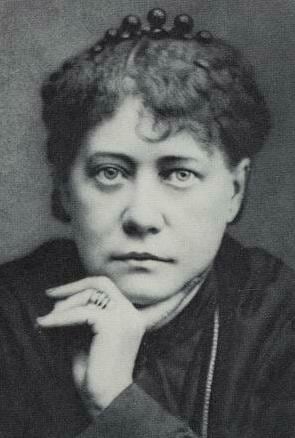
Helena Blavatsky
Совпадают в вопросах: Свободны ли мы или всё предопределено? · Что такое Абсолют? Существует ли Бог? · Что происходит после смерти?
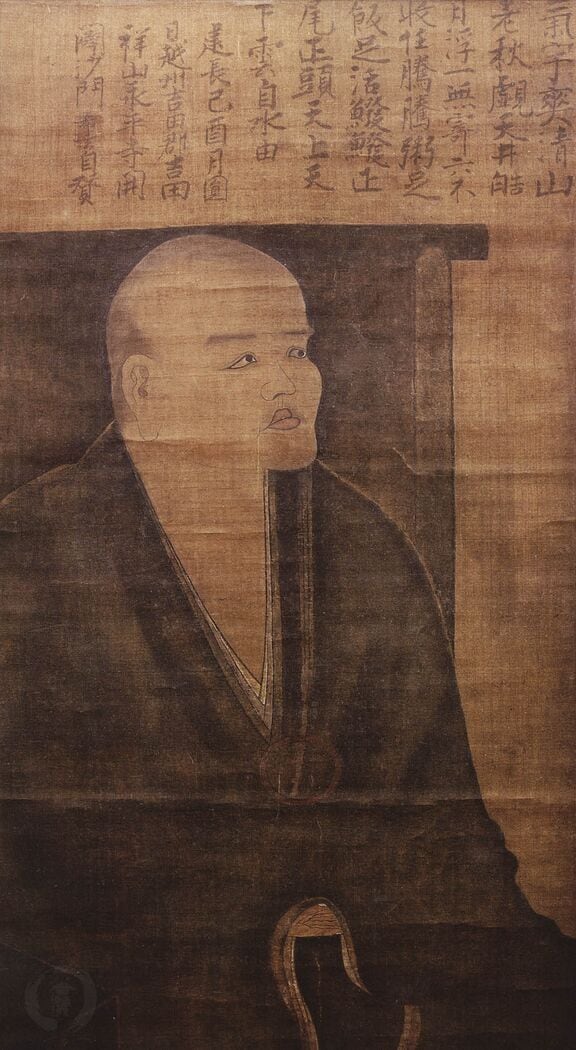
Dōgen
Совпадают в вопросах: Кто я? Существует ли истинное «я»? · Что происходит после смерти? · Нужен ли учитель?
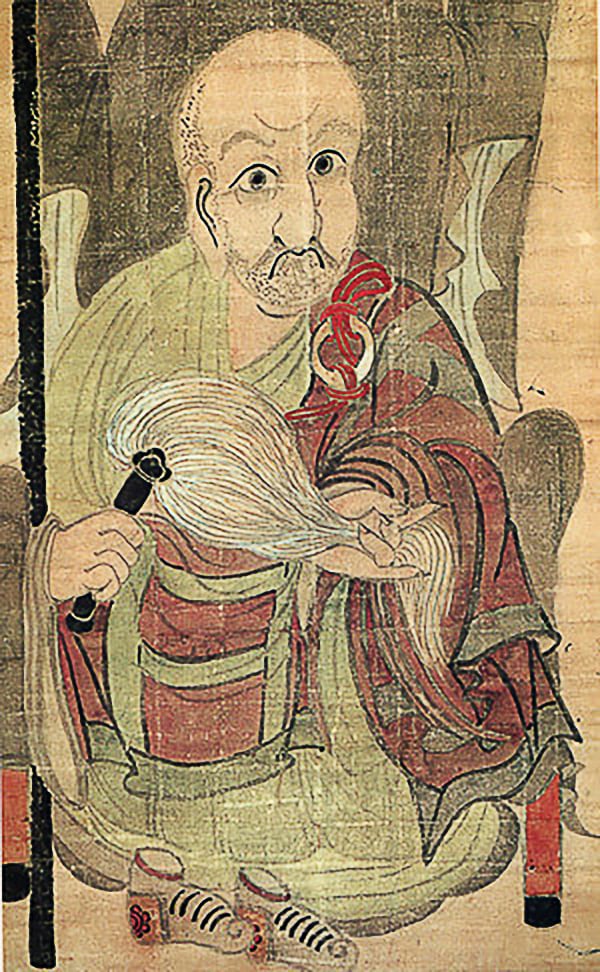
Hakuin Ekaku
Совпадают в вопросах: Кто я? Существует ли истинное «я»? · Почему мы страдаем? · Нужен ли учитель?
Milarepa
Совпадают в вопросах: Свободны ли мы или всё предопределено? · Кто я? Существует ли истинное «я»? · Что происходит после смерти?
Дальше всего от

Nikolai Berdyaev
Расходятся в вопросах: Кто я? Существует ли истинное «я»? · Что происходит после смерти? · Нужен ли учитель?

Francis of Assisi
Расходятся в вопросах: Кто я? Существует ли истинное «я»? · Что происходит после смерти?

Al-Hallaj
Расходятся в вопросах: Кто я? Существует ли истинное «я»? · Что происходит после смерти?

Emanuel Swedenborg
Расходятся в вопросах: Кто я? Существует ли истинное «я»? · Что происходит после смерти?
Предания и рассказы
Предания и рассказы
Оспариваетсяsegunda mitad del s. VIII
The dismissed exorcist
Происхождение рассказа: Dba' bzhed (Testament of Ba), ed. and trans. Pasang Wangdu and Hildegard Diemberger (2000), and related versions of the Sba bzhed. The text's date of composition is disputed (ninth to twelfth centuries); the details of the assassins vary between recensions.
Источник: Pasang Wangdu y Hildegard Diemberger (trad. y ed.). dBa' bzhed: The Royal Narrative concerning the Bringing of the Buddha's Doctrine to Tibet. Viena: Verlag der Österreichischen Akademie der Wissenschaften, 2000. ISBN 9783700129561.
Житийное повествованиеs. VIII (narrado c. 1000)
The dagger of Yanglesho
Происхождение рассказа: Pelliot tibétain 44 (Bibliothèque nationale de France), studied by Bischoff and Hartman (1971) and by Cantwell and Mayer (2008); Takeuchi dates it between 978 and 1010 according to the reference recorded in the BDRC dictionary. The episode is later expanded in the Zangs gling ma and the Chronicle of Padma.
Источник: Bischoff, F. A., y Charles Hartman. «Padmasambhava's Invention of the Phur-bu: Ms. Pelliot tibétain 44». En Études tibétaines dédiées à la mémoire de Marcelle Lalou. París: Adrien Maisonneuve, 1971, 11–28.
Житийное повествованиеs. VIII (narrado desde el s. XII)
The child of the lake
Происхождение рассказа: Zangs gling ma (Nyangral Nyima Özer, twelfth century), chapter on the birth; Padma bka' thang (Orgyen Lingpa, 1352). Some versions prefer a birth from a queen's womb; Wikipedia records both.
Источник: Yeshe Tsogyal (atrib.); Nyangral Nyima Özer (revelador). The Lotus-Born: The Life Story of Padmasambhava. Trad. Erik Pema Kunsang. Boston: Shambhala, 1993. ISBN 9780877738695.
Житийное повествованиеs. VIII (narrado desde el s. XII)
Mandāravā and the lake of fire
Происхождение рассказа: Padma bka' thang and Zangs gling ma; biography of Mandāravā revealed by Samten Lingpa (nineteenth century). The identification with Rewalsar is traditional.
Источник: Yeshe Tsogyal (atrib.); Orgyen Lingpa (revelador). The Life and Liberation of Padmasambhava (Padma bKa'i Thang). Trad. Kenneth Douglas y Gwendolyn Bays a partir de la versión francesa de Gustave-Charles Toussaint (Le Dict de Padma, París: Leroux, 1933). 2 vols. Emeryville (CA): Dharma Publishing, 1978. ISBN 9780913546192.
Житийное повествованиеs. VIII (tradicional); monasterio de 1692
The flight to Taktsang
Происхождение рассказа: Bhutanese oral tradition and revealed biographies; monastery data (1692, 1998 fire) according to Wikipedia. The length of the retreat is a ritual formula applied to many masters.
Устная традицияs. VIII (tradicional); teoría desarrollada desde el s. XI
The hidden treasures
Происхождение рассказа: The gter ma theory set out in the revealed biographies and in Nyingma treatises (e.g. Jigme Lingpa; Tulku Thondup, The Hidden Teachings of Tibet, 1986); academic analysis in Gyatso (1986) and Doney (2014).
Источник: Gyatso, Janet. «Signs, Memory and History: A Tantric Buddhist Theory of Scriptural Transmission». Journal of the International Association of Buddhist Studies 9.2 (1986): 7–35.
Учение
Учение
Понятия, на которых строится мысль учителя, объяснённые в их контексте.
Treasures (gter ma)terma
The Nyingma school; also in Bön and, to a lesser extent, in the Kagyu schools.
Источник: Gyatso, Janet. «Signs, Memory and History: A Tantric Buddhist Theory of Scriptural Transmission». Journal of the International Association of Buddhist Studies 9.2 (1986): 7–35.
Intermediate state (bardo)bardo
Karma Lingpa's cycle (fourteenth century); antecedents in the Abhidharma and the Guhyagarbha tantras.
Источник: The Tibetan Book of the Dead: First Complete Translation. Trad. Gyurme Dorje; ed. Graham Coleman y Thupten Jinpa; introd. del XIV Dalái Lama. Londres: Penguin Classics, 2006. ISBN 9780140455298.
The nine vehicles and the Great Perfectionnueve-vehiculos
Nyingma doxography; the Guhyagarbhatantra.
Источник: Padmasambhava (atrib.) y Jamgön Mipham. A Garland of Views: A Guide to View, Meditation, and Result in the Nine Vehicles. Trad. Padmakara Translation Group. Boulder: Shambhala, 2016. ISBN 9781611802962.
The taming of spirits ('dul ba)sometimiento
Tantric ritual (Vajrakīla); history of the conversion of Tibet.
Источник: Dalton, Jacob P. The Taming of the Demons: Violence and Liberation in Tibetan Buddhism. New Haven: Yale University Press, 2011. ISBN 9780300153927.
The Vajra Guru mantra and the eight manifestationsvajra-guru
Nyingma and popular devotional practice.
Видео
Видео
Записи, интервью и документальные фильмы. Видео воспроизводятся с YouTube; здесь они не хранятся.
Session 1: Padmasambhava and History
Лекция· EN· 55 min
Rubin Museum of Himalayan ArtОфициальный канал
Session 3: Padmasambhava and the Treasure Tradition
Лекция· EN· 69 min
Rubin Museum of Himalayan ArtОфициальный канал
Padmasambhava and His Eight Manifestations
Разбор· EN· 6 min
SmarthistoryОфициальный канал
Light of Kailash 29: On the Image of Padmasambhava in Zanglingma | Dr. Lucian Maidanuc
Лекция· EN· 64 min
Shang Shung Institute UKОфициальный канал
Prof. Jacob Dalton - "An Early Presentation of the Great Perfection"
Лекция· EN· 107 min
Rangjung Yeshe InstituteОфициальный канал
What is the Tibetan Book of the Dead?
Разбор· EN· 17 min
ReligionForBreakfast
Francesca Freemantle on the Tibetan Book of the Dead
Интервью· EN· 71 min
Shambhala PublicationsОфициальный канал
Art of Dying & Living: Tibetan Book of the Dead with Bob Thurman
Лекция· EN· 68 min
Tibet House US NYC | Menla Resort OnlineОфициальный канал
The Death of Death: Bringing The Tibetan Book of the Dead to Life | Dr. Andrew Holecek
Лекция· EN· 72 min
Theosophical Society
El Bardo Todol, La Gran Liberación - Libro tibetano de la vida y la muerte, subtitulado al español
Документальный фильм· ES· 45 min
culturapractica
Nacido de un Loto - Padmasambhava - Guru Rinpoche - Introducción a su Biografía Milagrosa - Namthar
Запись третьих лиц· ES· 27 min
Daniel Rajunov
Галерея
Галерея
Изображения с проверенной лицензией. Каждое сохраняет своё авторство и атрибуцию.
Рукописи
Рукописи
Рукописные свидетельства и древние тексты, с указанием хранителя и условий доступа.
BO · Tibetano (dbu can) · Finales del siglo X (Takeuchi: 978–1010)
Pelliot tibétain 44 (texto sobre Vajrakīla / phur pa)
- Сохранившийся список
- Manuscrito de Dunhuang
- Хранитель
- Bibliothèque nationale de France, París · Pelliot tibétain 44
BO · Tibetano · Siglo X
Pelliot tibétain 307
- Сохранившийся список
- Manuscrito de Dunhuang
- Хранитель
- Bibliothèque nationale de France, París · Pelliot tibétain 307
BO · Tibetano · Siglo X
IOL Tib J 644
- Сохранившийся список
- Manuscrito de Dunhuang
- Хранитель
- British Library, Londres · IOL Tib J 644
Связи
Связи
Влияния, ученичество и близость взглядов. Документированная связь отличается от сходства, выявленного путём анализа.
Испытал влияние
Siddhartha Gautama, the Buddha
A Buddhist tantric master; the revealed biographies present him as the 'second Buddha' prophesied by Śākyamuni himself.
Документированная связь
Повлиял на
The 14th Dalai Lama (Tenzin Gyatso)
The 14th Dalai Lama, though Geluk, has taught the Great Perfection of the Nyingma tradition that claims descent from Padmasambhava (Dzogchen: The Heart Essence of the Great Perfection, 2000) and introduced the complete translation of the Bardo Thödol (Penguin, 2006).
Документированная связь
Идеи, близкие к
A parallel identified by the researcher: the two great yogis of the Himalayan caves whose image was fixed by much later hagiographies (the Chronicle of Padma, 1352; Tsangnyön Heruka's Namthar, 1488), and whose retreat places organise Tibetan sacred geography. There is no historical relationship.
Сходство, выявленное путём анализа
Идеи, близкие к
A parallel identified by the researcher: two Indian masters who founded foreign traditions (Nyingma and Chan) and whose biography is mostly later legend. In imperial Tibet both currents coexisted: the Dunhuang manuscripts and the ministers' chronicle of the Bka' thang sde lnga preserve Chan texts alongside Great Perfection ones.
Сходство, выявленное путём анализа
Встречался с
Trisong Detsen (r. 755–c. 797)
Emperor of Tibet who, according to the Testament of Ba, invited him to court and later asked him to leave.
Документированная связь
Современник
Śāntarakṣita (725–788)
Indian scholar who, according to the Testament of Ba, advised inviting him to subdue the spirits; together with the king they are regarded as the three founders of Tibetan Buddhism.
Документированная связь
Учитель
Yeshe Tsogyal
His consort and chief disciple according to tradition; the revealed biographies present themselves as transcribed by her.
Документированная связь
Повлиял на
Karma Lingpa (1326–1386)
Discoverer of the cycle of the peaceful and wrathful deities, which includes the Bardo Thödol attributed to Padmasambhava.
Документированная связь
Повлиял на
Nyangral Nyima Özer (1124–1192)
Revealer of the Zangs gling ma, the first complete biography, and one of the principal architects of his image.
Документированная связь
Упоминается в других статьях
Источники
Источники
Библиография и каталоги, использованные для этой статьи.
- Wikidata, «Padmasambhava», QID Q231582 (VIAF 5724290; LCCN n82039306; BDRC bdr:P4956; Treasury of Lives 7442).
- Dalton, Jacob P. «The Early Development of the Padmasambhava Legend in Tibet: A Study of IOL Tib J 644 and Pelliot tibétain 307». Journal of the American Oriental Society 124.4 (2004): 759–772.
- Pasang Wangdu y Hildegard Diemberger (trad. y ed.). dBa' bzhed: The Royal Narrative concerning the Bringing of the Buddha's Doctrine to Tibet. Viena: Verlag der Österreichischen Akademie der Wissenschaften, 2000. ISBN 9783700129561.
- Doney, Lewis. The Zangs gling ma: The First Padma bKa' thang Revelation. Andiast: International Institute for Tibetan and Buddhist Studies, 2014.
- Hirshberg, Daniel A. Remembering the Lotus-Born: Padmasambhava in the History of Tibet's Golden Age. Somerville (MA): Wisdom Publications, 2016.
- Cantwell, Cathy, y Robert Mayer. Early Tibetan Documents on Phur pa from Dunhuang. Viena: Verlag der Österreichischen Akademie der Wissenschaften, 2008 (cap. «Pelliot tibétain 44», pp. 41–56).
- Bischoff, F. A., y Charles Hartman. «Padmasambhava's Invention of the Phur-bu: Ms. Pelliot tibétain 44». En Études tibétaines dédiées à la mémoire de Marcelle Lalou. París: Adrien Maisonneuve, 1971, 11–28.
- Kapstein, Matthew T. The Tibetan Assimilation of Buddhism: Conversion, Contestation, and Memory. Nueva York: Oxford University Press, 2000.
- Yeshe Tsogyal (atrib.); Nyangral Nyima Özer (revelador). The Lotus-Born: The Life Story of Padmasambhava. Trad. Erik Pema Kunsang. Boston: Shambhala, 1993. ISBN 9780877738695.
- Yeshe Tsogyal (atrib.); Orgyen Lingpa (revelador). The Life and Liberation of Padmasambhava (Padma bKa'i Thang). Trad. Kenneth Douglas y Gwendolyn Bays a partir de la versión francesa de Gustave-Charles Toussaint (Le Dict de Padma, París: Leroux, 1933). 2 vols. Emeryville (CA): Dharma Publishing, 1978. ISBN 9780913546192.
- The Tibetan Book of the Dead: First Complete Translation. Trad. Gyurme Dorje; ed. Graham Coleman y Thupten Jinpa; introd. del XIV Dalái Lama. Londres: Penguin Classics, 2006. ISBN 9780140455298.
- Padmasambhava (atrib.) y Jamgön Mipham. A Garland of Views: A Guide to View, Meditation, and Result in the Nine Vehicles. Trad. Padmakara Translation Group. Boulder: Shambhala, 2016. ISBN 9781611802962.
- Wikipedia (en). «Padmasambhava». Usada como índice de fuentes y bibliografía secundaria (Doney 2014, 2015; Dalton 2004; Hirshberg 2016); contrastada con p2–p5.
- Dalton, Jacob P. The Taming of the Demons: Violence and Liberation in Tibetan Buddhism. New Haven: Yale University Press, 2011. ISBN 9780300153927.
- Cuevas, Bryan J. The Hidden History of the Tibetan Book of the Dead. Nueva York: Oxford University Press, 2003.
- Lopez, Donald S., Jr. The Tibetan Book of the Dead: A Biography. Princeton: Princeton University Press, 2011.
- Gyatso, Janet. «Signs, Memory and History: A Tantric Buddhist Theory of Scriptural Transmission». Journal of the International Association of Buddhist Studies 9.2 (1986): 7–35.
- The Treasury of Lives. «Padmasambhava» (biografía académica en línea, P4956). No se pudo leer directamente (403 a clientes automáticos); citada como referencia.
- Wikimedia Commons, API imageinfo (licencia, autor, fecha y descripción de cada fichero de images[]).
- Open Library (Internet Archive). Registros de ISBN de cada edición citada en works[].
- YouTube: conferencias y documentales verificados por oEmbed el 2026-10-25 (detalle en videos[]).
- Dalai Lama (Tenzin Gyatso). Dzogchen: The Heart Essence of the Great Perfection. Ed. Patrick Gaffney; trad. Thupten Jinpa y Richard Barron. Ithaca (NY): Snow Lion, 2000.
- Laufer, Berthold. Der Roman einer tibetischen Königin (bTsun-mo bka'-thang). Leipzig: Otto Harrassowitz, 1911.
- Правообладатель
- Los textos atribuidos y revelados (siglos XII–XIX) son de dominio público en su lengua original. Las traducciones tienen derechos propios: Penguin Random House (Dorje/Coleman/Jinpa 2006), Shambhala Publications (Fremantle y Trungpa; The Lotus-Born; Garland of Views; Dakini Teachings), Bantam/Random House (Thurman), Rangjung Yeshe Publications, Dharma Publishing, Wisdom Publications, Oxford University Press (Evans-Wentz), Kairós, Olañeta, Kier, Edaf.
Ожидает подтверждения
То, что в этой статье пока не удалось установить. Мы предпочитаем сказать об этом, а не заполнять пробел.
- Sala de lectura: no se ha encontrado ningún texto de la tradición de Padmasambhava que sea de dominio público en EE. UU., la UE y España con texto completo. Candidatos por comprobar: Berthold Laufer, «Der Roman einer tibetischen Königin» (Leipzig, 1911; Laufer m. 1934), libre en los tres territorios si existe un escaneo con OCR limpio; Emil Schlagintweit, «Die Lebensbeschreibung von Padma Sambhava» (Abhandlungen der k. bayerischen Akademie, 1899–1903; m. 1904). G.-C. Toussaint, «Le Dict de Padma» (1933): libre en la UE y España, pero protegido en EE. UU. hasta 2029; no localizado en línea.
- «Consejos de Zhang zhung»: el encargo menciona esta obra, pero no se ha identificado ningún texto atribuido a Padmasambhava con ese título. Zhang zhung designa el antiguo reino del Tíbet occidental y da nombre a la principal tradición oral del bön (Zhang zhung snyan rgyud), que no se atribuye a Padmasambhava. Se ha registrado en su lugar el género de los consejos (zhal gdams). Confirmar qué obra se buscaba.
- Citas: no se registran citas literales. Los textos atribuidos son tesoros revelados siglos después y no se ha podido cotejar en el original tibetano ningún pasaje con la exactitud exigida; el dicho más famoso se recoge en apocryphal_quotes.
- Wikidata da para Padmasambhava 717–762 como fechas de nacimiento y muerte; no tienen fundamento en las fuentes consultadas y no se usan.
- Manuscritos: las URL de digitalización de Pelliot tibétain 44 y 307 (Gallica/IDP) e IOL Tib J 644 (IDP) no se han podido obtener (Gallica bloquea las consultas automáticas).
- Treasury of Lives (P4956) devolvió 403; su contenido no se ha usado directamente.
- Ediciones españolas: solo se han verificado en catálogo las del Bardo Thödol (Kairós, Olañeta, Kier, Edaf) y la antología de Kairós (2006). No se ha localizado con ISBN una versión española del Zangs gling ma, de la Crónica de Padma ni de la Guirnalda de visiones.
- Vídeos: hay pocos materiales académicos en español; el documental de la NFB (1994) solo está en subidas no oficiales y se incluye una con subtítulos en español, marcada como no oficial.
Исследовано 2026-10-25